Are you a fashion enthusiast looking to launch your own clothing brand and bring your creative visions to life? If yes, you’ve likely come across the term “cut and sew” during your research into garment manufacturing methods. Cut and sew is an incredibly important concept in the world of clothing and textiles that every aspiring fashion entrepreneur should understand thoroughly.
This innovative manufacturing method refers to a specialized production technique that can help you bring your dream clothing designs to life with precision and quality. Unlike other manufacturing approaches, cut and sew gives you complete control over every aspect of your garment creation process.
With cut and sew, there are virtually no limitations to what you can create. Whether you’re inspired by the latest fashion trends sweeping the runways or have a unique vision in mind that’s never been seen before, you can turn your most creative ideas into tangible reality with this versatile technique.
However, it’s important to understand that cut and sew can prove to be quite the challenge for beginners because it requires a great deal of skill, knowledge, and dedicated practice to master. It is definitely not a quick DIY solution to manufacturing that you can learn overnight. As such, mastering this technique takes considerable time and dedication, especially when the aim is to achieve professional results that can compete in today’s competitive fashion marketplace.
Thankfully, this comprehensive article will explain everything you need to know about cut and sew clothing, including its advantages and potential drawbacks. It’ll also serve as a detailed step-by-step beginners guide to help you navigate this unique manufacturing process with confidence. Working with an experienced clothing manufacturer can make this journey significantly easier.
If you’re ready to begin your exciting journey into cut and sewn clothing, so are we. But first things first, let’s answer the fundamental question: what exactly is cut and sew?
✂️ What Does Cut and Sew Mean?
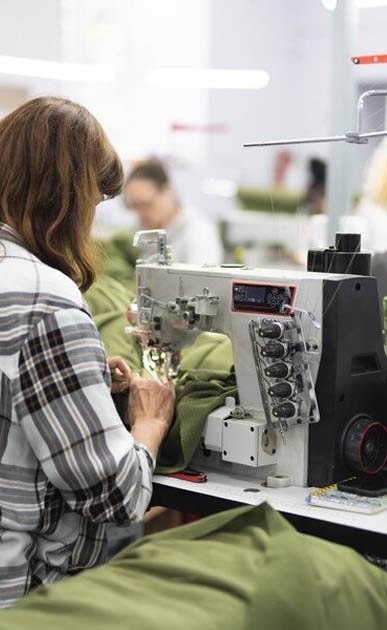
Cut and sew is one of the most popular and versatile methods used in the clothing manufacturing industry today. It involves cutting out patterned or pre-designed fabric pieces from large fabric rolls or sheets using specialized equipment and precision cutting tools. Next, these carefully cut pieces are assembled by skilled sewing machine operators or sophisticated industrial sewing machines.
In cut and sew manufacturing, each piece of fabric is cut to the exact right size and specific dimension before they’re sewn together to create the final garment. As such, there is no extra material to be cut off once the clothing is completed, which minimizes waste and ensures efficiency. This process is commonly used in the fashion and apparel industry for both small batch and mass production.
Unlike using pre-made fabrics or blank garments, cut-and-sewn clothing is crafted completely from scratch according to your exact specifications. This approach guarantees better customization options and often results in premium quality garments as well as truly unique designs that set your brand apart from competitors.
From t-shirts, jackets, jeans, tops, and dresses to more complex apparel items like tailored suits and intricate evening wear, this process allows you to produce bespoke garments for your cut-and-sewn clothing brand that perfectly match your creative vision.
Cut and sew is quite popular among fashion designers and brands because of how well it allows them to create high-quality apparel that is tailor-suited to their clients’ specific needs and preferences. With this method, you’re in complete control of every detail—from fabric selection to pattern design and even the final stitching techniques used.
Although the turnaround time for cut and sew apparel can be slower compared to other manufacturing methods, the result is always worth the wait when you see your unique designs come to life exactly as you envisioned them.
✅ What are the Pros and Cons of Cut and Sew?
Cut and sew is widely used in manufacturing clothes because of the numerous advantages it offers to designers and brands. Understanding these benefits can help you decide if this manufacturing method is right for your fashion business. Here are the key advantages:
🎨 1. Zero Limits to Printing Designs
With cut and sew, there are absolutely no limits to the prints you can work with. This makes it a perfect choice for those looking to create unique and limited-edition collections that stand out in the marketplace. Whether you’re in the clothing business professionally or just exploring more ways to express your individuality through fashion, cut-and-sew is the key to unlocking your creative potential.
🔍 2. Superior Quality Control
When applying the cut-and-sew technique to your clothing lineup, you have full control over the materials and craftsmanship that goes into every piece. You can choose the best fabrics available and confirm that every stitch is perfect according to your standards. This ensures that the garments you create are of top-notch quality and durable enough to stand the test of time.
🌱 3. Sustainability Benefits
In a world characterized by increased consciousness of environmental impact, cut and sew offers a sustainable alternative to traditional manufacturing. It allows you to repurpose old clothing or fabrics, thereby reducing waste and promoting a more eco-friendly approach to fashion that resonates with today’s environmentally conscious consumers.
👔 4. Unmatched Personalization
Cut and sew ensures that you can tailor your clothing to fit your clients’ bodies perfectly without compromise. No more settling for off-the-rack sizes that don’t quite match their individual shapes and preferences. It allows you to create garments that are uniquely designed for specific body types and customer requirements.
💼 5. Entrepreneurial Opportunity
If you’re new in the fashion industry and looking for ways to differentiate your brand, cut and sew can be a lucrative venture to explore. It enables you to produce unique, limited-edition collections that attract a niche market of customers who value individuality, craftsmanship, and exclusive designs.
🔄 6. Manufacturing Flexibility
One great benefit of cut and sew is its remarkable flexibility in production. Cut and sew production can be adapted to different styles, designs, and fabric types with relative ease. It remains a suitable manufacturing option for simple styles as well as highly complex clothing items that require intricate construction techniques.
🎭 7. Creative Expression
Whether you’re an aspiring designer, artist, or just have a flair for fashion, cut and sew is a powerful form of self-expression. It allows you to easily create clothing that reflects your personality, style, and artistic vision in ways that other manufacturing methods simply cannot match.
⚠️ Potential Drawbacks to Consider
Like with every other manufacturing method, cut and sew comes with potential drawbacks that you should be aware of before committing to this approach. We’ve listed the common ones below:
⏰ It’s Labor-Intensive
Cut and sew can be labor-intensive, especially for complex or highly customized clothing projects. It requires experienced craftsmen to cut, sew, and assemble the fabric pieces with precision, which can in turn increase production costs significantly.
🕐 It’s Time-Consuming
Creating clothing designs through cut and sew is not as quick as you may think it is. The time required for production may increase depending on how complex your design is, the availability of skilled labor, and the number of clothing pieces being produced. Since each piece is assembled individually, it may not be a suitable option for businesses looking for hurried production timelines.
🧩 It Can Be Complex
Customization in cut and sew can sometimes be complicated and challenging to manage. Managing multiple fabric pieces, patterns, and intricate details will be challenging without professional help, especially for beginners. Effective cut-and-sew production relies heavily on skilled pattern makers and experienced sewers.
Regardless of these disadvantages, many individuals and clothing brands find that the benefits of cut-and-sew manufacturing far outweigh any limitations. That’s especially true when they work with experienced and affordable clothing manufacturer partners that can simplify the process and effectively improve turnaround time.
📋 Step-by-Step Guide on Cut and Sew for Beginners
Here are the essential steps to creating your cut-and-sewn clothing brand, taking you from initial concept all the way to final creation and market distribution:
📝 Step 1: Sketch Out Your Design
The first step in creating a cut-and-sewn garment is to create your pattern or sketch your design on paper with as much detail as possible. These designs act as templates that outline the shapes and sizes of the individual pieces that will make up the garment. Patterns are typically designed to ensure that the pieces fit together correctly when assembled.
🧵 Step 2: Choose Your Fabric
Once the patterns are ready, select the fabric that suits your unique design requirements. Fabrics come in various types including cotton, silk, denim, linen, polyester, and many more, each with unique characteristics. Your choice of fabric should largely depend on the desired look, feel, and function of the final product you’re creating.
✂️ Step 3: Cut Out Your Patterns
After selecting the fabric, the next step is to cut the pattern pieces out of it with precision. This is often done by laying out your pattern on your fabric and using fabric scissors, a rotary cutter, or specialized cutting machines that can precisely follow the outlines of the patterns. The goal is to obtain all the necessary pieces, including those for the body, sleeves, collar, pockets, and any other components of the garment.
🪡 Step 4: It’s Time To Sew
Fabric pieces are assembled as soon as they are cut according to the predetermined sequence. Each piece is sewn to another according to the desired pattern and design specifications. You can also use different sewing techniques to create details such as the seams, hems, collars, pockets, and other design elements.
Be sure to follow the pattern’s instructions for seam allowances carefully. Also, remember to backstitch at the beginning and end of each seam to secure the stitches and prevent unraveling.
📏 Step 5: Make the Necessary Fitting and Adjustments
Your fittings and adjustments can be made during the assembly process to ensure that the garment fits the desired measurement and standard perfectly. While one fitting may be adequate sometimes, most cases require multiple fittings to achieve a satisfactory result. Ultimately, this step will help you make necessary alterations until you are pleased with the final product.
✨ Step 6: Add Finishing Touches
After fitting and adjusting, it’s now time to add buttons, zippers, labels, hemmings, and other appropriate finishing touches to your fabric. This stage may also require you to iron the garments to give them a polished look and professional finish that customers expect.
🔍 Step 7: Prioritize Quality Control
Quality control is a critical aspect of the cut-and-sew process that should never be overlooked. Don’t forget to perform thorough quality control checks to ensure that the product meets the desired standards. Like professional inspectors, you should check the garments for defects to ensure that they meet the required specifications and standards for fit, stitching, and overall quality.
📦 Step 8: Package Apparel
The garments are ready for packaging once they pass the necessary quality control tests. This process often involves folding garments properly, adding tags and labels, and placing the apparel in boxes or bags for distribution to retailers or directly to customers.
🚀 Step 9: Begin Market Distribution
In this final stage, your finished garments are distributed to your desired stores, boutiques, or customers through your chosen sales channels. They become available for purchase, allowing people to enjoy the products of your cut-and-sew process and your creative vision.
With these simple steps, you can embark on your cut-and-sewn journey and create clothing and textile products that are truly yours. Note that mastering cut and sew techniques requires time and dedication. While this design process is accessible and can be learned, beginners might face a steep learning curve without adequate professional guidance from an experienced clothing manufacturer.
🤔 Are Custom Cut and Sew Manufacturers Essential for Your Brand?
Although it might not be an absolutely necessary factor to consider for every brand, working with custom cut and sew manufacturers can be an excellent idea as they’re responsible for making garments that are tailored to suit your brand’s unique ideas and designs with professional expertise.
This means that they can help you create one-of-a-kind items that represent your brand’s style and vision accurately. So, if you want your brand to stand out in a crowded marketplace and maintain a unique outlook, considering working with custom cut and sew manufacturers is always a smart move that can pay dividends in the long run.
🎯 Choosing a Reputable Cut and Sew Manufacturer
Choosing the right cut-and-sew manufacturer is a crucial step in turning your creative ideas into quality products that customers will love. Even if you’ve drawn out a detailed sketch of your design with all your specifications clearly outlined, you still need a professional to take those ideas and turn them into real wearable clothes.
Here’s a simple guide to help you make the right choice when selecting your manufacturing partner:
📋 Define Your Needs
Before you begin your search, have a clear understanding of what you need. What type of clothing product are you creating? What’s your budget and timeline? What quality and quantity standards must be met? The answers to these questions will help you determine the type of manufacturers to look out for.
🔎 Research and Shortlist
Start by researching potential manufacturers thoroughly. You can use online directories, industry associations, and trade shows to identify candidates. Then, shortlist a few based on how well they align with your specific needs.
📊 Check Their Experience
Look for manufacturers with experience in your specific niche or industry. Experience often translates to a better understanding of your needs and higher-quality production results.
⚙️ Assess Their Capabilities
Ensure the manufacturer has the equipment and skills necessary for your project. Different products may require different sewing techniques and machinery, so verify their capabilities match your requirements.
👕 Request Samples
Before committing to a large order, ask for samples or speak to some of the manufacturer’s previous clients. This will allow you to assess their quality and craftsmanship firsthand.
💰 Compare Prices
Get a clear understanding of the pricing structure and any minimum order quantities (MOQ) required. Ensure it aligns with your budget and production needs before making commitments.
🌟 Custom Cut and Sew Made Seamless With Ludyway!
Cut and Sew is more than just a technique; it’s a canvas for your imagination and creative expression. If you are a designer looking to turn your creative vision into stunning, high-quality clothing, then look no further than a trusted partner who understands your needs.
Ludyway is your perfect choice for a satisfactory cut-and-sew project that exceeds expectations. As an experienced clothing manufacturer, we’re dedicated to making your designs come to life by offering top-notch craftsmanship, extensive customization options, and a commitment to your unique vision.
Plus, we offer quick turnaround time and competitive pricing that works for businesses of all sizes. Reach out to our professional team to get started with Ludyway today. Your next favorite fashion piece might just be a few stitches away!
❓ Frequently Asked Questions (FAQ)
1. What is the difference between cut and sew and screen printing?
Cut and sew involves creating garments from scratch by cutting fabric pieces and sewing them together, giving you complete control over the design, fit, and construction. Screen printing, on the other hand, involves printing designs onto pre-made blank garments. Cut and sew offers more customization options and unique design possibilities, while screen printing is typically faster and more cost-effective for simple designs on standard garment styles.
2. What is the minimum order quantity (MOQ) for cut and sew manufacturing?
Minimum order quantities for cut and sew manufacturing vary significantly depending on the manufacturer and the complexity of your design. Some manufacturers may require MOQs as low as 50-100 pieces per style, while others may require several hundred or even thousands of units. It’s important to discuss MOQ requirements upfront with potential manufacturers to ensure they align with your budget and business needs.
3. How long does the cut and sew process typically take?
The timeline for cut and sew production depends on several factors including design complexity, order quantity, fabric availability, and the manufacturer’s current workload. Generally, the process can take anywhere from 4-12 weeks from initial sampling to final production. Simple designs with readily available materials may be completed faster, while complex garments requiring multiple fittings and revisions will take longer.
4. Is cut and sew suitable for startup clothing brands?
Yes, cut and sew can be an excellent option for startup clothing brands looking to create unique, high-quality garments that differentiate them from competitors. While it may require a larger initial investment compared to print-on-demand or screen printing, cut and sew allows startups to create truly custom designs that reflect their brand identity. Working with manufacturers that offer lower MOQs and startup-friendly policies can make this approach more accessible.
5. What materials can be used in cut and sew manufacturing?
Cut and sew manufacturing can work with virtually any type of fabric material, including cotton, silk, denim, linen, polyester, wool, jersey, fleece, leather, and many more. The choice of material depends on your design requirements, the intended use of the garment, your target market preferences, and your budget. A good manufacturer can help you select the most appropriate fabrics for your specific design and provide guidance on material properties and performance.