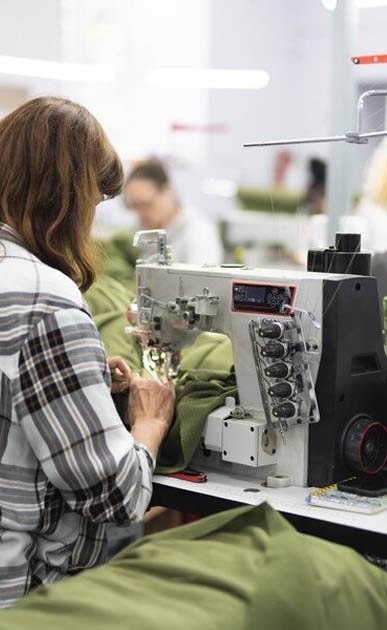
Screen printing has established itself as a verifiable cornerstone across the global apparel, textile, and commercial printing industries. This method is the favored choice for fashion designers, manufacturers, businesses, and artists seeking a reliable, high-quality, and cost-effective decoration technique for everything from crafting extremely durable logos to producing detailed fine art prints on custom apparel.
This comprehensive guide is designed to thoroughly explore every essential aspect of this time-tested technique, including its diverse uses, the various types of screen printing available, and its core benefits. By understanding its intricacies, you’ll see why screen printing maintains such lasting and widespread popularity in high-volume production.
🎨 What Exactly is Screen Printing? Defining the Core Method
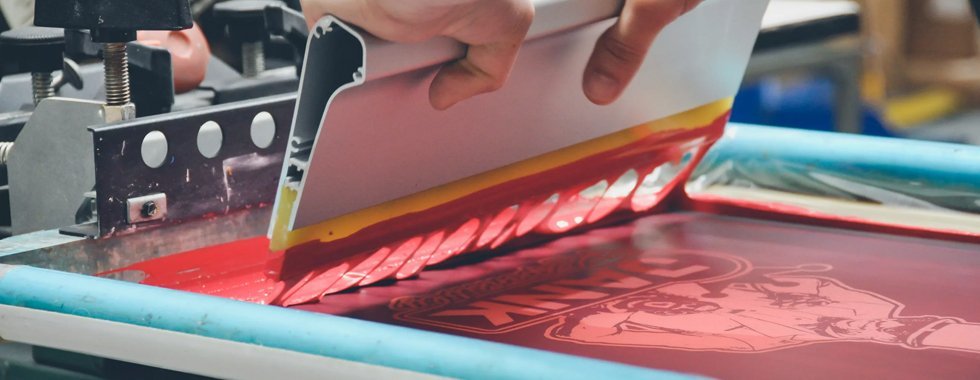
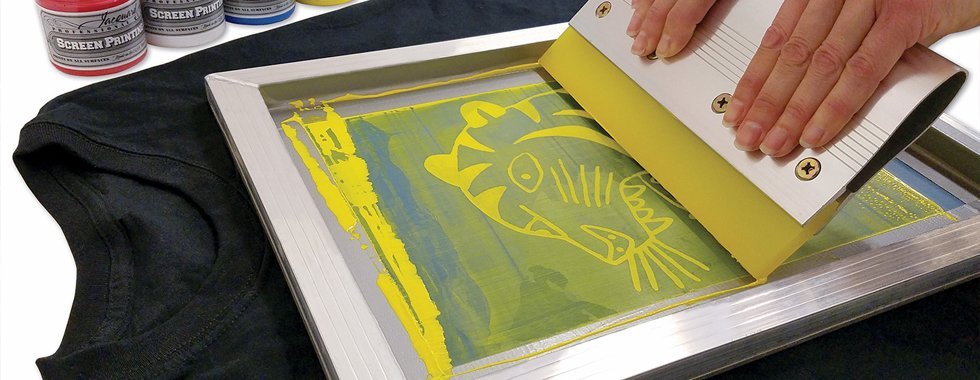
Screen Printing, which is sometimes referred to by its older names, silk printing or silk screen printing, is fundamentally a method of transferring a specific design onto a flat substrate. The core mechanical approach involves three key elements: creating a precise stencil on a tightly stretched mesh screen, placing the screen over the material, and then using a squeegee tool to press thick ink through the open, non-stenciled areas of the mesh and onto the surface of the material.
Key Technical Detail: A crucial defining feature of this technique is that each individual color in the final design necessitates the creation of a separate stencil (screen). This allows for the precise, sequential printing of multi-color designs, resulting in a print renowned for its superior durability, bold color saturation, and exceptionally long-lasting results. It is the gold standard for decorating textiles such as t-shirts, hoodies, and promotional tote bags in bulk volumes. (Find High-Volume Apparel Manufacturers)
👕 When and Why Screen Printing is the Optimal Choice for Apparel
Although the initial setup involves a distinct preparation phase, screen printing offers a powerful trifecta of advantages: exceptional durability, incredible versatility, and excellent flexibility for achieving vibrant color registration and complex, bold designs. It is the undisputed go-to method for organizations, brands, and events seeking bespoke apparel to promote their message, offering a highly cost-effective and efficient process for mass printing while consistently maintaining the highest quality standards.
Three Reasons Screen Printing Stands Out
The technique’s enduring popularity stems directly from these unique physical qualities:
- Vibrancy on Dark Fabrics: Unlike digital or lighter-ink methods, screen printing applies thick layers of ink. This ensures superior opacity and allows for exceptionally vibrant, rich color results that pop boldly, even on materials as dark as black or navy blue.
- Material Versatility: The process is not limited to textiles. It can expertly accommodate an extremely wide range of surfaces, including specialty materials like paper, rigid plastic, wood, and metal signage.
- Maximum Durability: The heavy ink layer cures firmly to the material, giving the final product exceptional resistance to repeated washing, abrasion, and sun exposure. This longevity is paramount for workwear and promotional items.
⚙️ The Step-by-Step Custom Screen Printing Process
While advanced techniques vary based on the specific ink type (e.g., plastisol vs. water-based) and the printing surface, the fundamental custom screen printing technique follows a highly standardized seven-step industrial workflow:
The 7 Essential Steps of Screen Printing
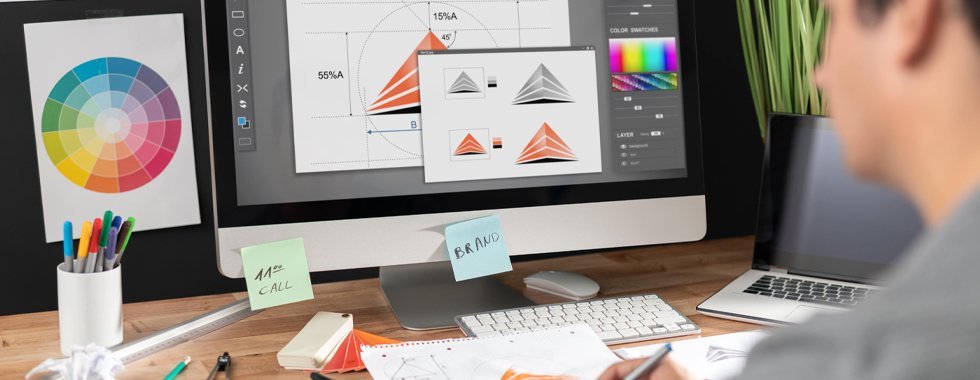
- ➡️ 1. Design Creation: The final artwork is prepared digitally and then separated into color layers. Each layer is printed onto a transparent acetate film, which serves as the blueprint for the light-sensitive stencil creation.

- 🖼️ 2. Screen Preparation: A mesh screen is chosen (the mesh count dictates the level of fine detail) and uniformly coated with a liquid, light-reactive photo-emulsion.
- 💡 3. Exposing the Emulsion: The acetate film is securely placed over the coated screen and exposed to intense UV light. The light hardens the emulsion everywhere except where the opaque design on the film blocks it, leaving the design areas soft. Remember: a distinct, dedicated screen is required for every color used in the design.
- 💧 4. Stencil Creation: The screen is then rinsed thoroughly with water. The unhardened emulsion (the design area) washes away, leaving open pores in the mesh that form the final stencil imprint. The screen is then fully dried and touched up.
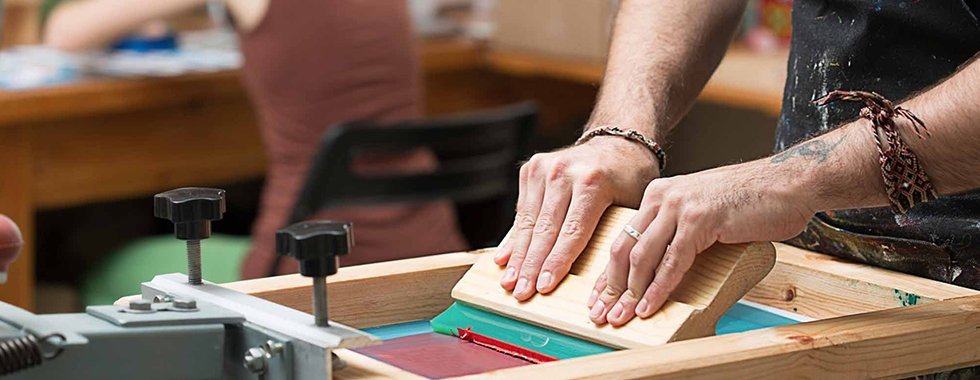
- 📍 5. Preparation for Print: The apparel item (e.g., t-shirt) is placed securely and flatly onto a printing platen (board). The screen is then clamped into position precisely above the material to ensure perfect registration.
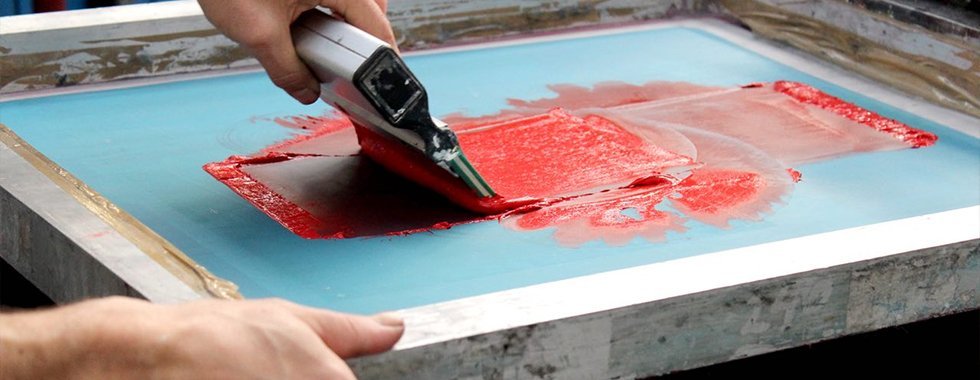
- 🖋️ 6. Applying the Design: Ink is placed at the top of the screen. The squeegee is then smoothly and firmly dragged across the screen, forcing the ink through the open stencil pores and onto the material below. For complex multi-color designs, this entire process is repeated sequentially with different screens and colors, requiring meticulous alignment.
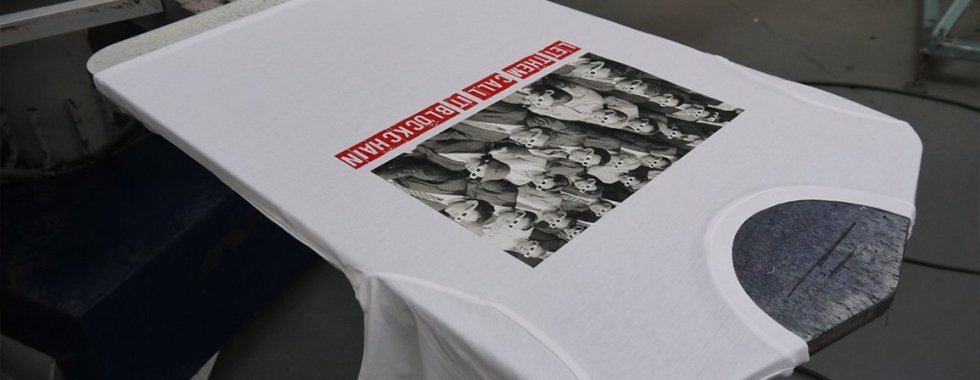
- 🔥 7. Finishing Touches (Curing): The newly printed product is immediately passed through a specialized dryer or curing unit (usually a long conveyor oven) to firmly set the ink. This high-heat step is non-negotiable for achieving the durable, washable, and vibrant final design.


🔲 Main Types of Screen Printing Techniques
Different screen printing techniques are strategically employed by professional clothing manufacturers to achieve specific aesthetic goals, particularly concerning color complexity, shading, and fine detail:
- 🔴 Spot Color Printing: This is the most popular technique. It uses solid, pre-mixed stock ink colors printed directly through a stencil. It is ideal for 1-4 colors where maximum brightness and precise color consistency (often matching a Pantone code) are essential.
- ⚫ Grayscale Printing: Creates the visual effect of a full-tone photograph using only a single ink color (usually black or a shade of gray) via the application of halftones (tiny dots of varying sizes). This is a highly cost-effective solution for reproducing detailed photographic images.
- 📉 Halftone Printing: A sophisticated method that prints single or multiple color gradients. It creates varying color tones from a solid color to a much lighter shade by utilizing a pattern of small dots. Best for achieving multi-color shading effects without incurring the cost of numerous separate inks.
- 🟪 Duotone Printing: Uses a strategic combination of two halftone colors to print a single image. This technique gives prints a stylized, retro, or sepia-toned appearance, creating a ‘full-color’ feel at significantly lower production costs.
- 🌈 CMYK (4-Color Process): This method utilizes only the four basic process colors—Cyan, Magenta, Yellow, and Black (Key)—combined through halftones to reproduce a vast range of secondary and tertiary tones. This complex technique is often reserved for high-end automatic presses for optimal results.
- 🎨 Simulated Process Printing: A versatile, highly advanced method that combines the four-color process approach with additional spot color printing. This allows manufacturers to reproduce nearly any complex, full-color image with superior detail and a wider color gamut on both light and dark garments.
✔️ Core Advantages That Drive Screen Printing’s Popularity
Screen printing maintains its dominant position in the decoration industry by offering a powerful and essential combination of benefits that are frequently unmatched by alternative decoration methods:
- ✨ Unrivaled Vibrancy and Opacity: The heavy, thick ink deposit leads to incredibly rich, opaque colors that stand out boldly and brightly, particularly vital when printing on dark-colored fabrics.
- 💪 Superior Long-Term Durability: The ink penetrates the fabric and cures firmly, ensuring the design can withstand rigorous conditions, including dozens of machine washes and prolonged sun exposure, without noticeable cracking, peeling, or fading easily.
- 🌐 Unmatched Material Versatility: It can be reliably applied to an extremely diverse range of surfaces, including apparel, tote bags, various forms of signage, stickers, and specialized industrial materials.
- 💵 Cost-Effectiveness for Bulk Orders: While there is an initial screen setup charge (a fixed cost), the unit price per garment drops dramatically as the order volume increases, making it the most economical choice for large production runs. (Source Bulk Printing Services)
- 🌱 Sustainable Ink Options: The increasing availability and use of water-based and specialty discharge inks offer a significantly more sustainable choice compared to older, less eco-friendly plastisol or solvent-based inks.
🤔 Screen Printing vs. Digital Printing (DTG)
Direct-to-Garment (DTG) printing and screen printing are currently the two dominant methods for apparel decoration, but they cater to very different production needs:

Key Differences:
- Screen Printing: Uses mesh stencils and thick ink layers. It is optimal for large production runs where durability, cost-per-unit, and solid color vibrancy are the most critical factors. It requires initial setup time and setup costs for screen creation.
- Digital Printing (DTG): Uses advanced digital inkjet technology to spray ink directly onto the textile. It is perfect for intricate, full-color (photographic) designs and small batches or one-off items, offering a faster overall turnaround time with virtually zero setup cost.
🔥 Screen Printing vs. Heat Transfer Printing
These two methods differ fundamentally in their design application mechanics and final feel:
- 🌡️ Heat Transfer Printing: Involves using heat and pressure (via a specialized press) to bind a pre-printed design (often on a vinyl or sublimation paper) onto the fabric. This is an easy and inexpensive technique, ideal for very small, detailed batches. The resulting print typically has a noticeable, plastic-like feel on the surface of the garment.
- 🎨 Screen Printing: Involves pressing liquid ink through a mesh stencil directly onto the substrate. This results in a more integrated, vibrant, and superiorly long-lasting print that slightly penetrates the fabric fibers, best suited for robust, large-scale production runs.
🎯 Insider Tips for Executing Successful Screen Printing Projects
To ensure your screen printing project achieves flawless, high-quality, and color-consistent results—especially when dealing with a high-volume clothing manufacturer—it is crucial to pay attention to these technical considerations:
- ⭐ High-Quality Materials and Curing: Always insist on high-quality inks (e.g., premium plastisol or non-toxic water-based) and ensure the final curing process is performed correctly. Correct curing is what makes the print durable, not the application itself.
- ⚙️ Technical Selection is Key: Choosing the correct mesh count, appropriate ink formulation (e.g., using a discharge agent for a soft hand feel), and the optimal printing technique (e.g., CMYK vs. Spot Color) is absolutely critical. These factors directly dictate the amount of ink deposited, the final texture, and the level of fine detail that can be successfully achieved in the finished design.
- 🖼️ Vector Artwork Required: Ensure your artwork is submitted as clean vector graphics (or extremely high-resolution raster files) separated by color. Poor quality or low-resolution artwork will directly result in a poor-quality screen stencil and a flawed final print.
Wrapping Up: The Enduring Value of Screen Printing
In summary, screen printing is a flexible, highly effective, and economically viable printing technique that holds substantial advantages over many others, particularly regarding robustness and adaptability for large orders. Whether your goal is to print a large batch of promotional items, achieve maximum, lasting vibrancy on dark fabrics, or you require a supremely durable product for workwear or industrial use, screen printing is consistently the most reliable solution. By understanding its key steps and adhering to professional best practices, you can ensure your custom projects achieve consistent, high-quality, and impactful results.
Ludyway connects brands with expert manufacturing partners skilled in all forms of printing, ensuring your design vision is translated perfectly onto your apparel. (Find Your Custom Printing Partner)
❓ Frequently Asked Questions (FAQ) About Screen Printing
- Q: What is the main difference between Screen Printing and Silk Screen Printing?
A: The terms refer to the same process. Historically, silk fabric was used as the mesh material (hence ‘Silk Screen’), but modern printers primarily use synthetic materials like polyester for improved durability and tension, so ‘Screen Printing’ is the contemporary and more accurate general term. - Q: Is screen printing expensive for small orders?
A: Yes, generally. Screen printing involves fixed initial costs for preparing the stencils and setting up the press for each color. For very small orders (under 25 units), the cost-per-unit is high. Digital Printing (DTG) is usually the more cost-effective option for low volumes. - Q: How many colors can be used in a single screen print design?
A: While the technique technically allows for many colors (as each color requires a separate screen), most printing presses are limited to 6 to 12 colors. The most common and cost-effective designs use 1 to 4 spot colors. Full-color images are achieved using either the 4-Color Process (CMYK) or Simulated Process techniques. - Q: Which is more durable: Screen Printing or DTG (Digital Printing)?
A: Screen Printing is generally considered more durable. The heavy ink layer cures firmly onto the fabric, allowing it to withstand significantly more washing and wear without cracking or fading compared to the lighter, sprayed-on ink of DTG.