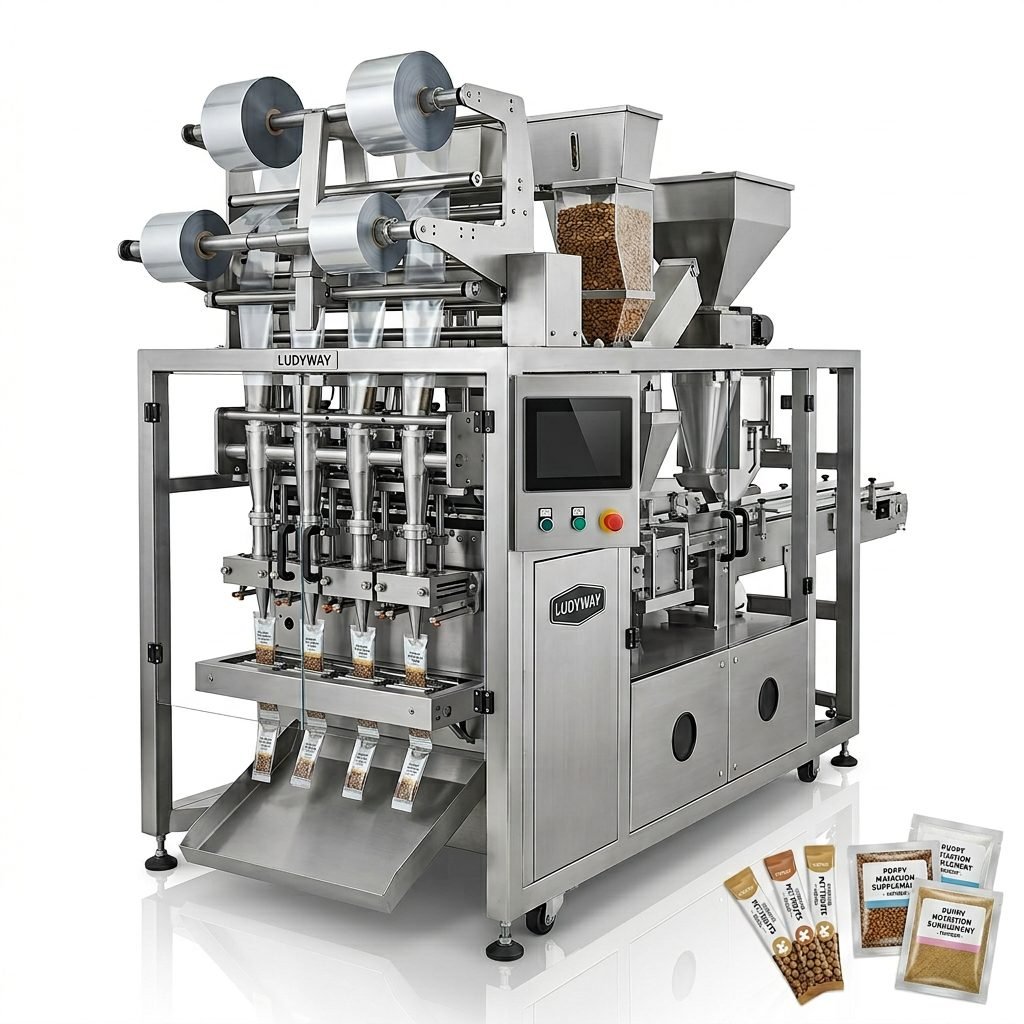
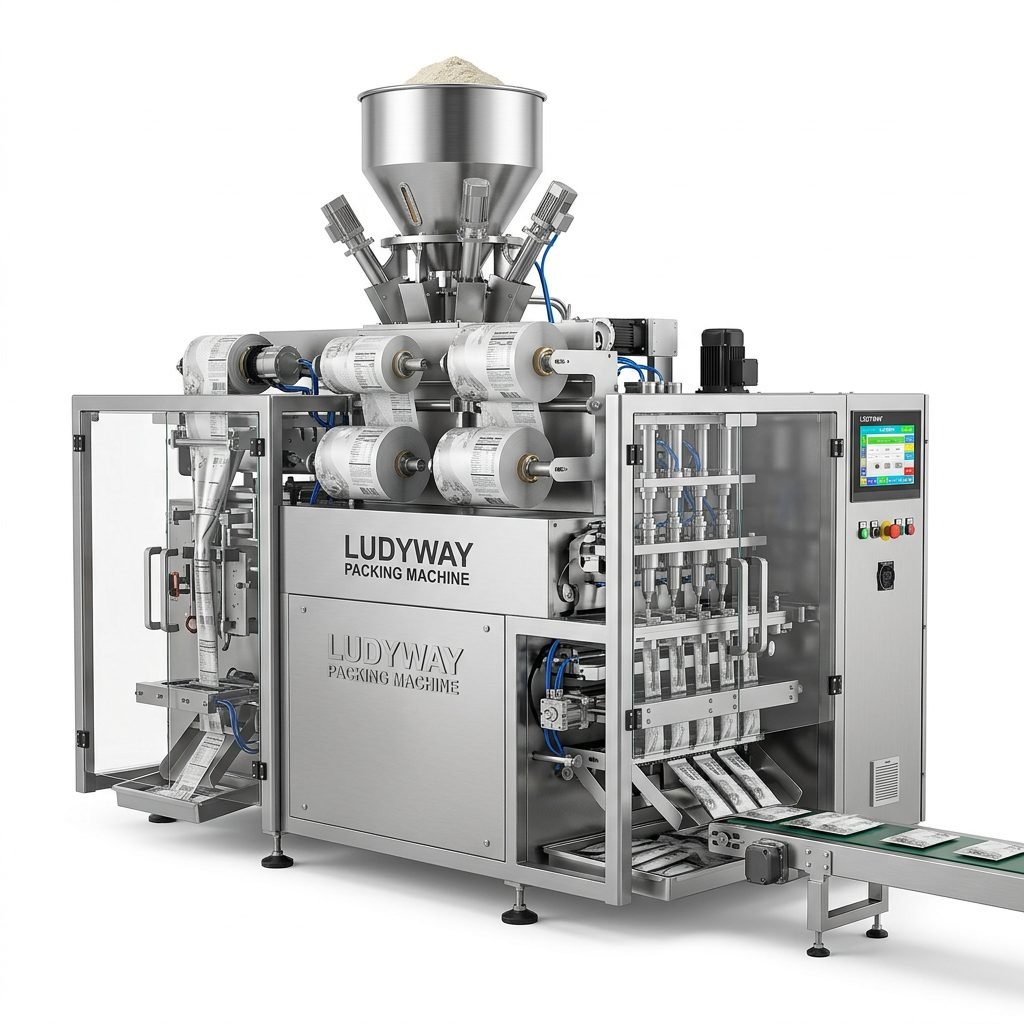
Selecting the right packaging machine manufacturer is a critical decision that can significantly impact your production efficiency, product quality, and overall operational costs. With numerous suppliers in the market, each claiming superiority, the process of choosing the best partner for your production line can be daunting. This guide will walk you through the essential factors to consider, helping you make an informed decision that aligns with your specific business needs and long-term goals.
Key Factors in Evaluating a Packaging Machine Supplier
Before diving into specific manufacturers, it’s crucial to establish a clear set of criteria for evaluation. A comprehensive assessment should go beyond just the price tag and consider the total value and partnership the supplier offers.
1. Technical Expertise and Industry Experience
The foundation of a reliable supplier lies in their depth of knowledge. Look for a manufacturer with substantial experience in your specific industry segment—whether it’s food, pharmaceuticals, health products, or chemicals. A company like Ludyway Packing Machine, with over 30 years of industry experience, brings a wealth of practical knowledge about regulatory requirements, material compatibility, and production challenges. This expertise translates into machines that are not only technically sound but also practically optimized for real-world use.
Pro Tip: Ask potential suppliers for case studies or references from companies with similar products and production volumes. This provides concrete evidence of their capability.
2. Range of Machinery and Customization Capabilities
Your production needs are unique. A top-tier manufacturer should offer a diverse portfolio of equipment. Evaluate if they provide the specific type of packaging machines you require, such as:
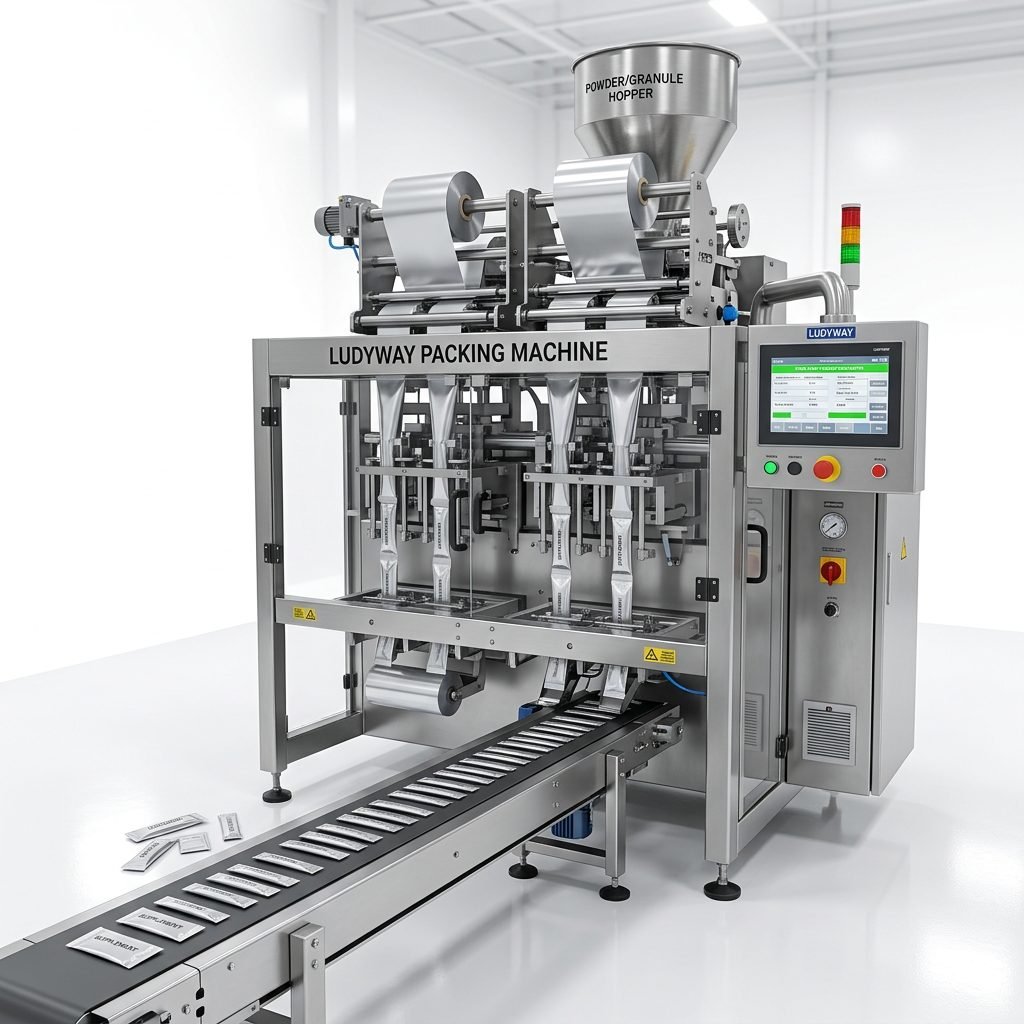
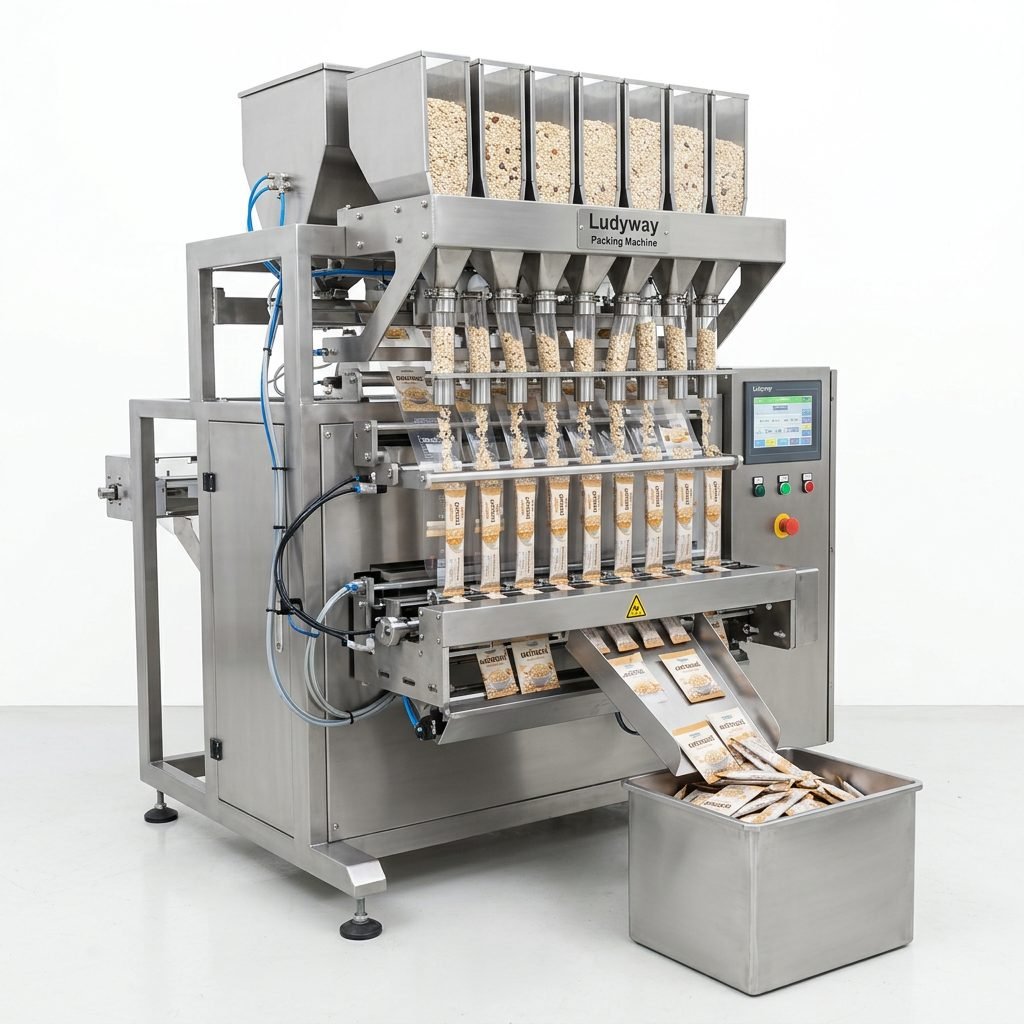
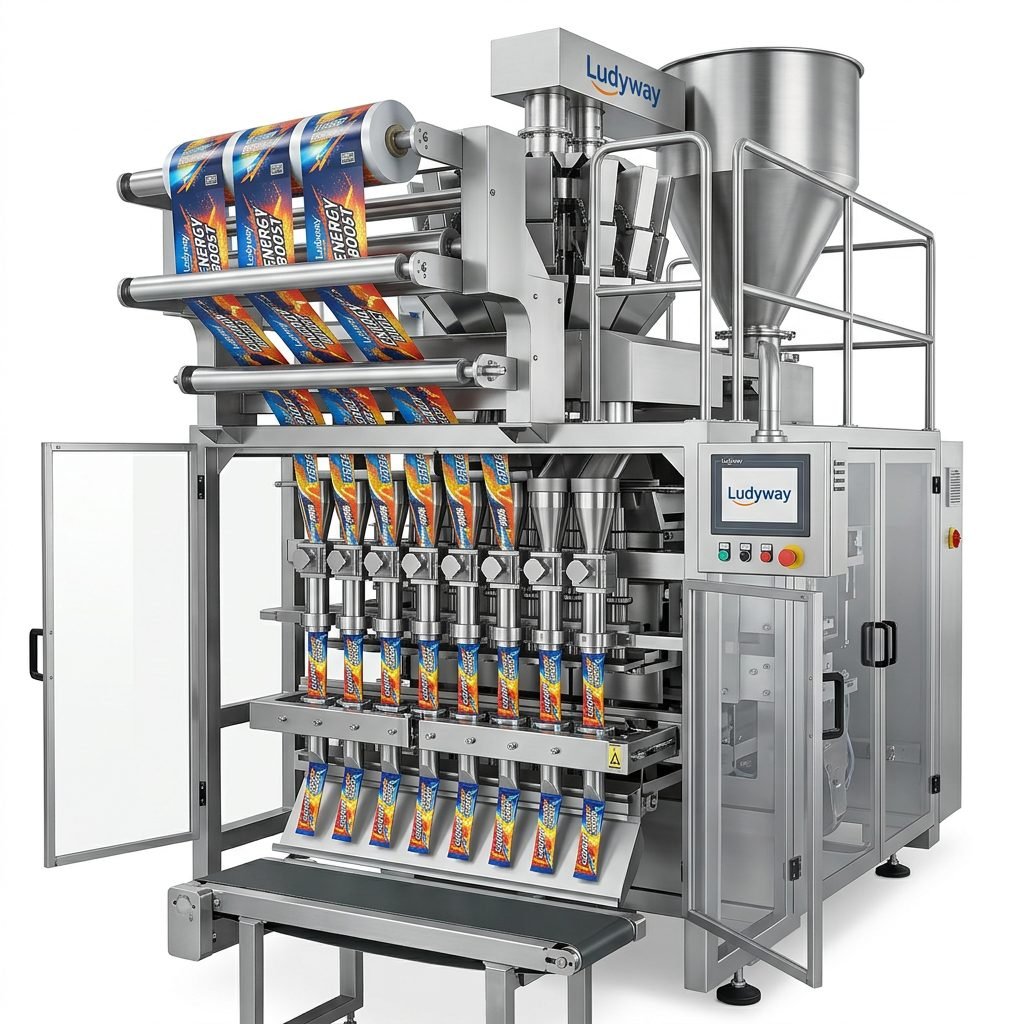
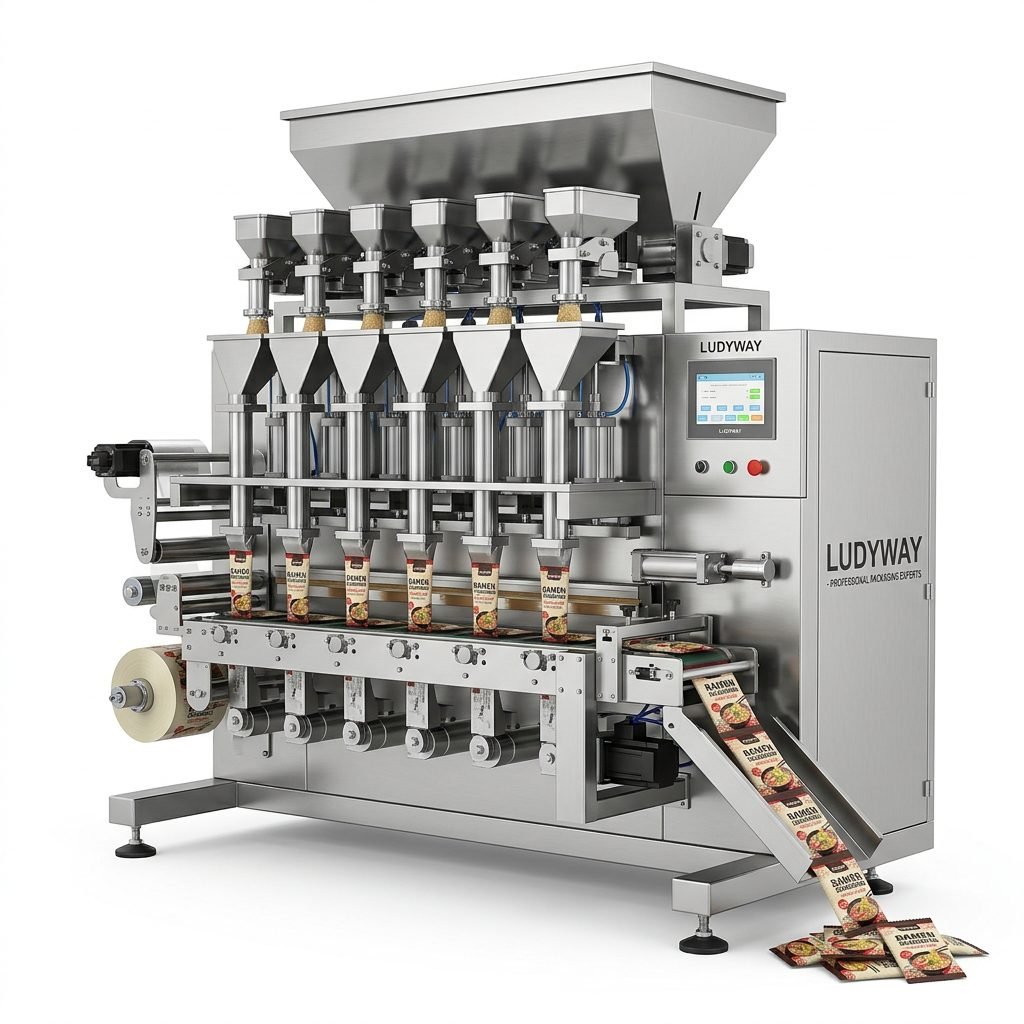
- Multi-lane stick pack machines for high-speed, portion-controlled packaging.
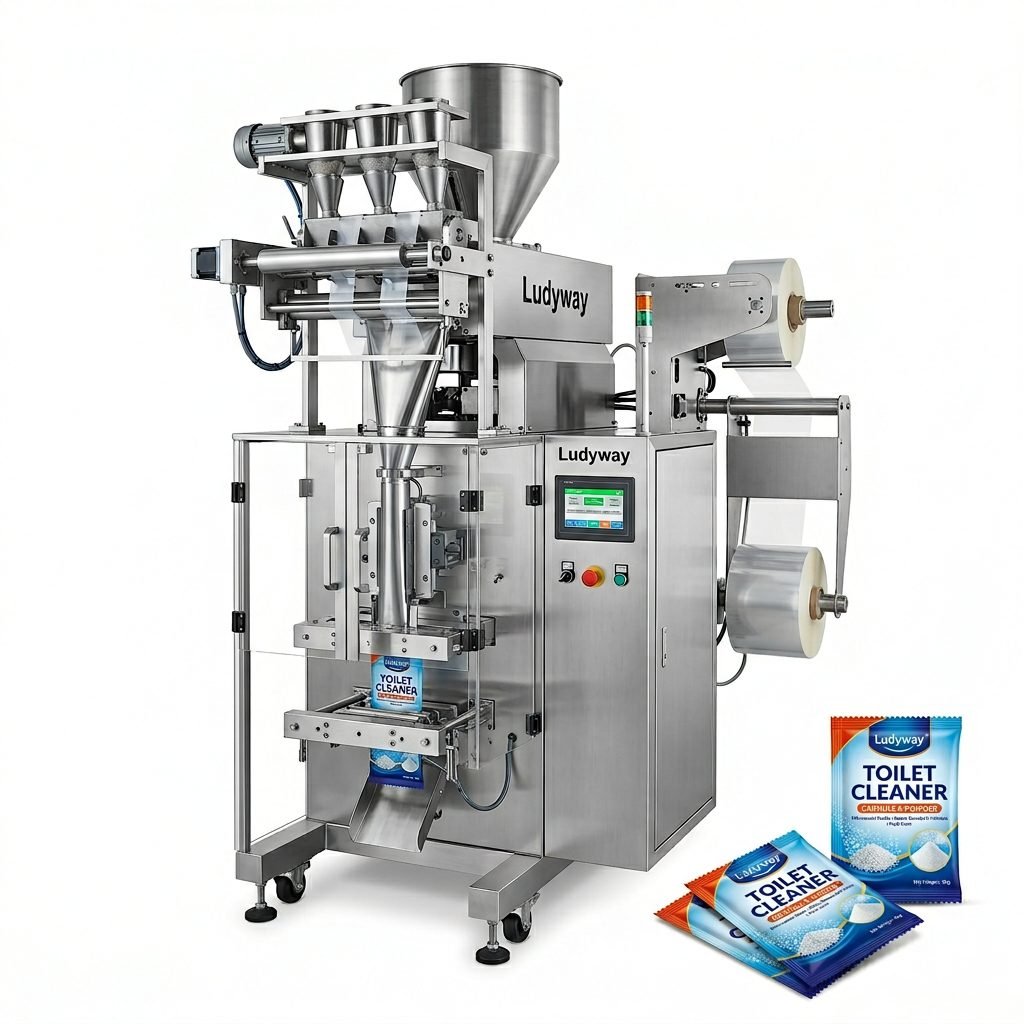
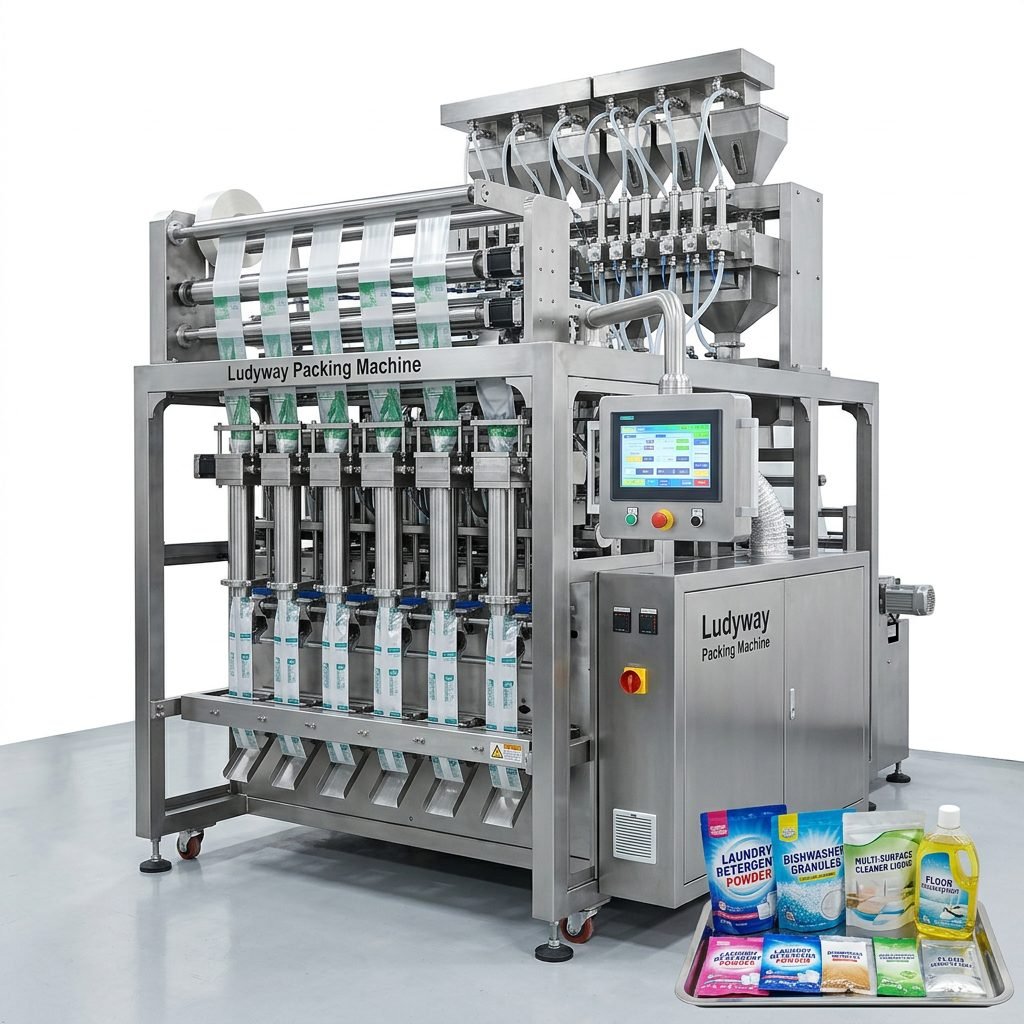
- Sachet packaging systems for liquids, powders, or granules.
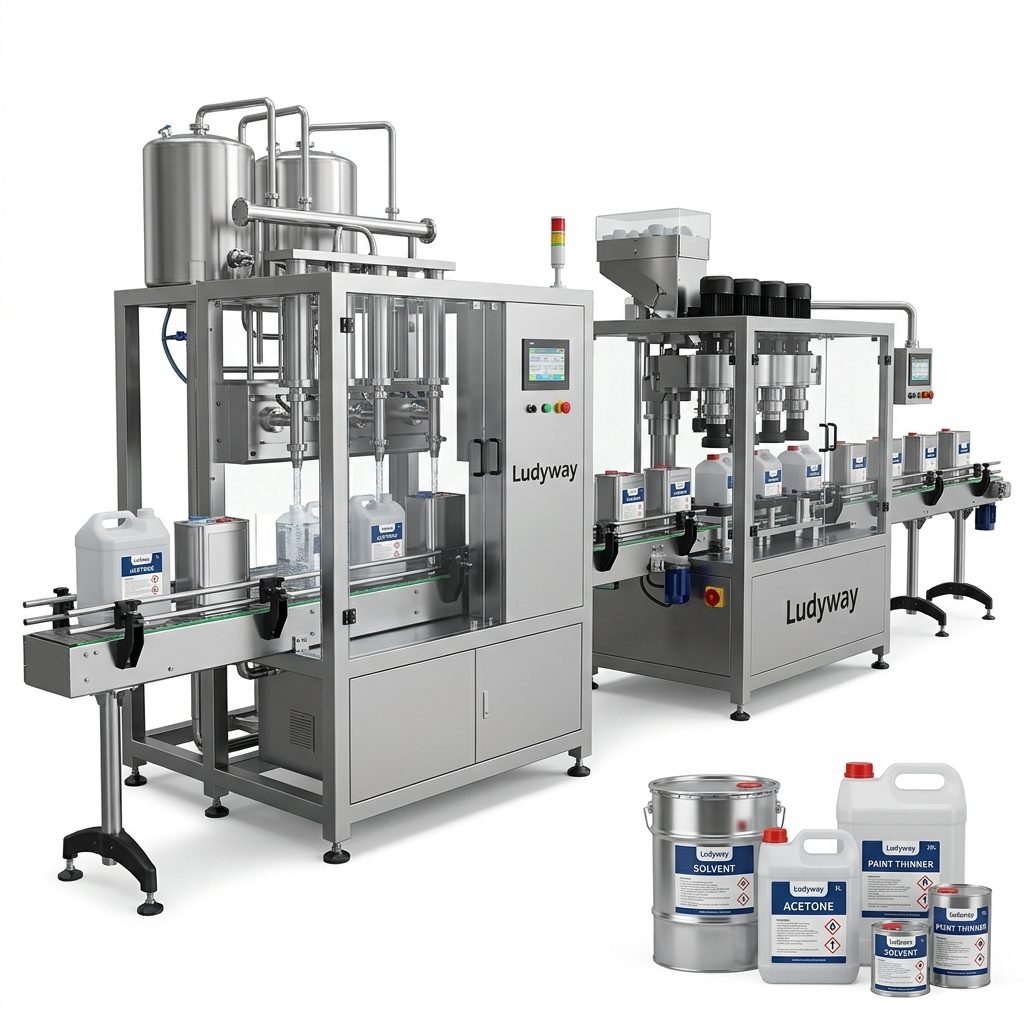
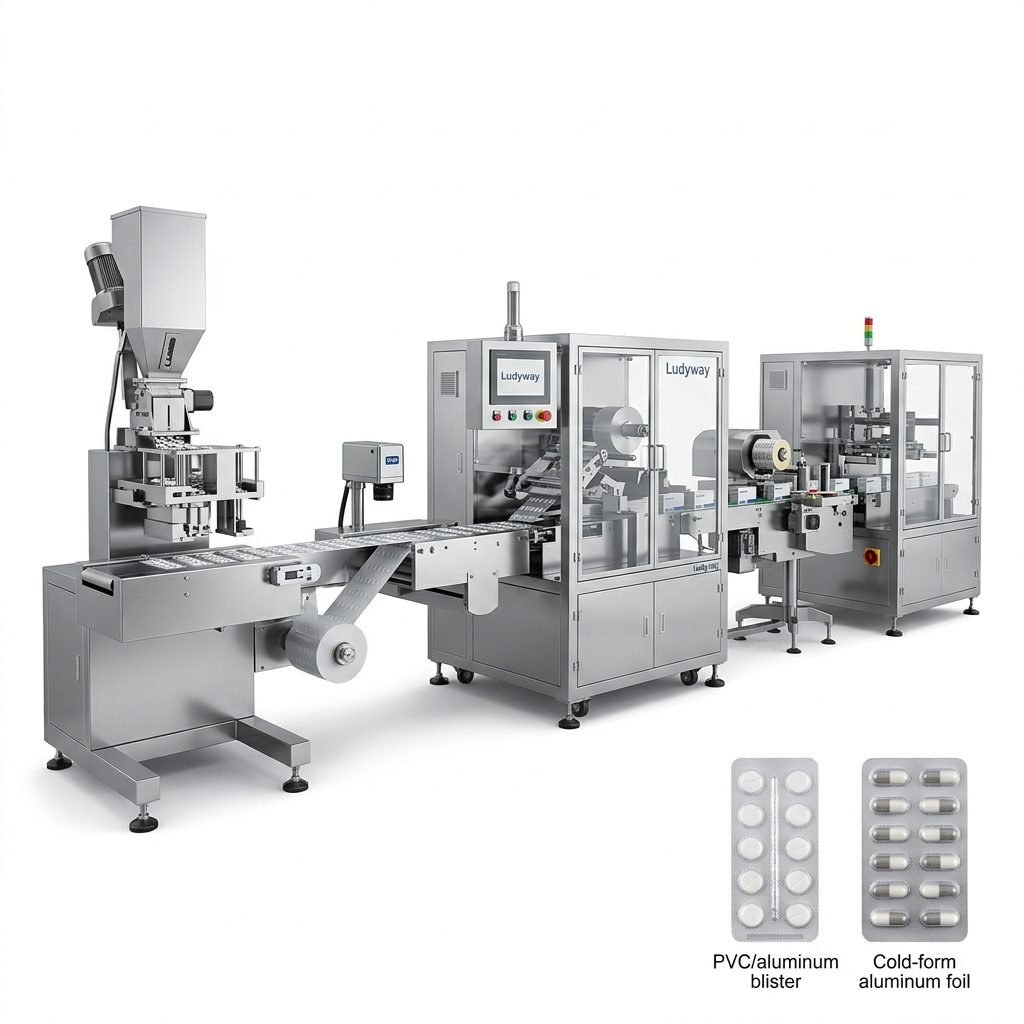
- Complete turnkey production line solutions that integrate multiple processes.
Furthermore, assess their willingness and ability to customize. Can they modify a standard machine to handle your specific film material, product viscosity, or output speed? A supplier with strong engineering capabilities, often supported by a significant manufacturing facility (like a 20,000㎡ plant), is better equipped to offer tailored solutions rather than just off-the-shelf products.
3. Manufacturing Quality and Technological Innovation
The build quality of the machinery directly affects its lifespan, maintenance frequency, and consistency. Inquire about the manufacturing process, quality control protocols, and the components used (e.g., PLC brands, servo motors, stainless-steel grades). A manufacturer investing in a modern production facility is likely committed to precision and durability.
Innovation is also key. Does the supplier integrate the latest technologies for automation, data connectivity (Industry 4.0), energy efficiency, and user-friendly interfaces? A forward-thinking partner ensures your line remains competitive and adaptable to future demands.
4. Global Support and Service Network
A machine is a long-term investment, and its value is heavily dependent on the support that comes with it. For businesses serving international markets, this is paramount. Consider:
Installation & Training: Do they provide on-site installation and comprehensive operator training?
Spare Parts Availability: Is there a global logistics system for critical spare parts to minimize downtime?
Technical Support: What are the channels (phone, remote access, on-site) and response time guarantees for technical issues?
A manufacturer with a proven track record of serving customers worldwide understands the nuances of international logistics, documentation, and communication, making the entire process smoother.
The Supplier Selection Process: A Step-by-Step Approach
Having clear criteria is the first step. Implementing a structured selection process is the next.
Step 1: Define Your Requirements Precisely
Create a detailed specification document. Include required output speed (packs per minute), product characteristics (granule size, powder flowability, liquid viscosity), packaging materials, desired level of automation, floor space, and future scalability plans.
Step 2: Research and Shortlist Potential Suppliers
Use industry directories, trade shows, and peer recommendations to create a long list. Visit their websites, such as reviewing the Company Profile and Company History pages to understand their legacy and core competencies. Shortlist 3-5 suppliers that appear to best match your technical and commercial needs.
Step 3: Request for Proposal (RFP) and Deep-Dive Discussions
Send your specifications to the shortlisted suppliers. A serious manufacturer will ask clarifying questions. Evaluate their proposals not just on cost, but on the proposed solution’s appropriateness, proposed timeline, and terms & conditions.
Step 4: Factory Audit and Reference Checks
If possible, visit the supplier’s manufacturing facility. Observe their production environment, quality checks, and team professionalism. Speaking directly to existing clients, especially those in your region or industry, provides invaluable, unbiased insights into machine performance and after-sales service.
Step 5: Final Evaluation and Contract Negotiation
Weigh all factors: technical solution (40%), cost & value (25%), service & support (20%), and company stability & reputation (15%). Negotiate a clear contract covering performance guarantees, payment terms, warranty, service level agreements (SLAs), and intellectual property rights.
Why Long-Term Partnership Matters
Choosing a packaging machine supplier should be viewed as establishing a strategic partnership, not a one-time transaction. The right partner will grow with you, offering upgrades for your existing lines, providing insights on new packaging trends, and ensuring your operations run smoothly for years. A supplier founded on a vision of long-term cooperation and innovation is an asset to your business’s future.
They become an extension of your team, contributing to your efficiency and helping you navigate challenges like material changes, new product launches, or capacity expansion. This collaborative relationship, built on trust and mutual success, is the ultimate hallmark of a top packaging machine manufacturer.
Frequently Asked Questions (FAQs)
1. What is the typical lead time for a custom packaging machine?
Lead times vary based on complexity and customization. For standard models, it can be 8-12 weeks. For fully customized turnkey lines, it may take 4-6 months or more. A detailed project timeline should be confirmed during the quotation stage.
2. How do I ensure the machine will work with my specific product and packaging material?
Reputable manufacturers offer product testing services. You can send samples of your product and packaging film to their lab. They will run tests on a similar machine and provide a detailed report on performance, including speed, sealing quality, and accuracy, before you commit to a purchase.
3. What kind of after-sales support should I expect?
Comprehensive support typically includes on-site installation and commissioning, detailed training for your operators and maintenance staff, a warranty period (often 12-18 months), access to remote technical support, and a reliable supply of genuine spare parts. Always clarify the specifics in your service agreement.
4. Can the machine be integrated into my existing production line?
Yes, most professional suppliers offer integration services. You need to provide the specifications of your upstream and downstream equipment (like mixers, conveyors, cartoners). Their engineering team can design the necessary interfaces and controls for seamless integration. For more on complete solutions, you can explore their approach to turnkey production lines.
5. How do I budget for the total cost of ownership (TCO)?
Look beyond the initial purchase price. The TCO includes costs for installation, training, routine maintenance, spare parts, energy consumption, and potential downtime. A slightly higher initial investment in a robust, efficient, and well-supported machine from a reliable supplier often results in a significantly lower TCO over 5-10 years.