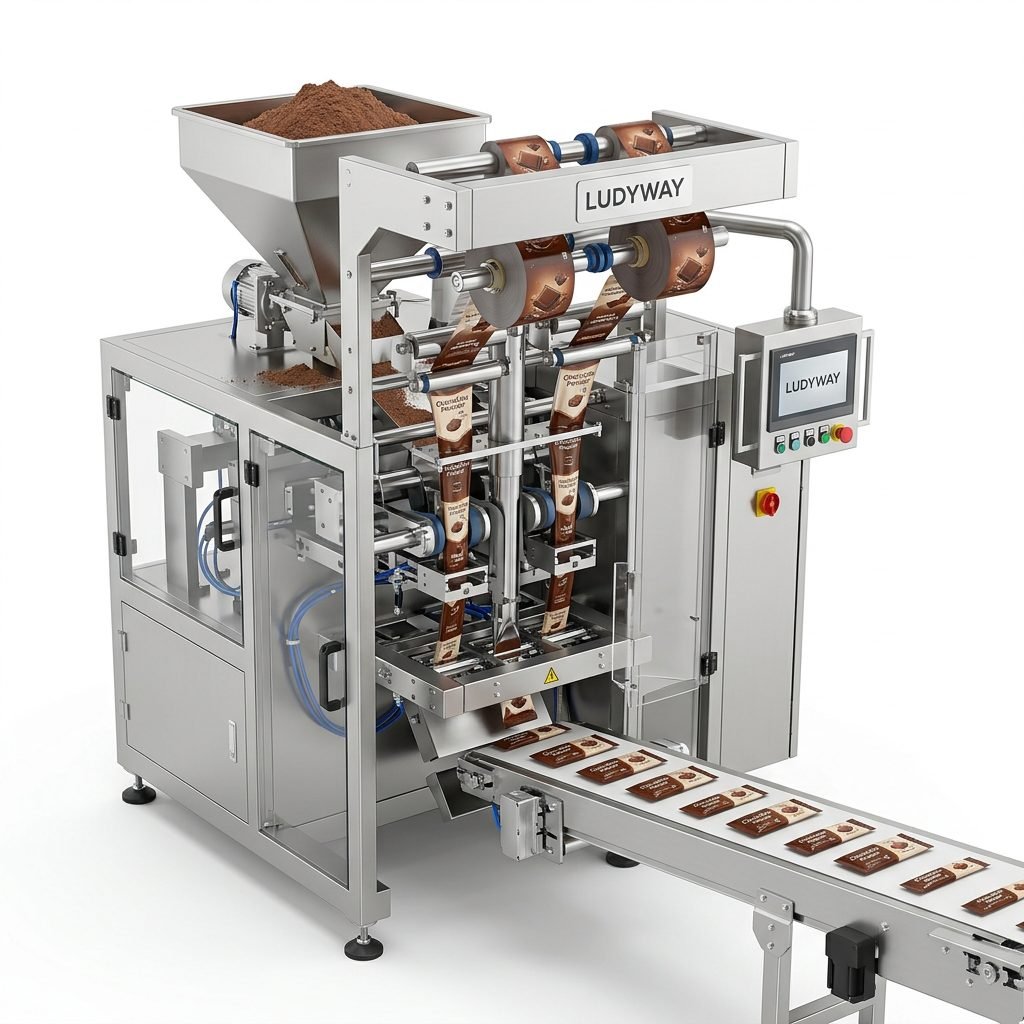
Selecting the right industrial packaging equipment is a critical decision that impacts your production efficiency, product quality, and bottom line. With numerous manufacturers and models available, navigating the market can be complex. This comprehensive guide is designed to help you understand the key factors in choosing the best packaging machinery for your specific needs.
Understanding Your Packaging Requirements
Before evaluating machinery, a thorough analysis of your own operation is essential. This foundational step ensures the equipment you choose aligns perfectly with your business goals.
Product Characteristics
The nature of your product dictates the machine type. Consider these aspects carefully:
Physical Form: Is it a granule, powder, liquid, paste, or solid? Each requires different feeding, dosing, and sealing mechanisms.
Packaging Sensitivity: Does the product require protection from moisture, light, or oxygen? This influences the choice of packaging material and sealing technology.
Dosing Accuracy: High-value ingredients, like pharmaceuticals or premium food additives, demand extremely precise filling systems.
Production Volume and Speed
Your output targets are a primary driver for machine selection. A low-speed machine will bottleneck a high-volume line, while an overly complex, high-speed machine is a poor investment for small-batch production.
- ✓ Low to Medium Volume: Look for versatile, semi-automatic or standard automatic machines that allow for quick changeovers.
- ✓ High-Volume & 24/7 Operation: Prioritize robust, fully automatic, high-speed machines with minimal maintenance downtime.
Packaging Format and Material
The final package presentation is part of your brand identity. Determine if you need stick packs, sachets, pouches, bottles, or blister packs. The chosen format must be compatible with your filling product and desired shelf life. Discuss material compatibility (e.g., laminates, films, paper) with potential suppliers to ensure the machine can handle your specific roll stock or pre-made pouches effectively.
Key Criteria for Evaluating a Packaging Machinery Company
Once your needs are clear, assess potential suppliers against these critical benchmarks.
Technical Expertise and Innovation
A top company invests in research and development. Look for a partner with a strong engineering team capable of customizing solutions, not just selling standard models. For example, Ludyway Packing Machine has built its reputation on over 30 years of focused industry experience, developing a portfolio of more than 50 intelligent machine models tailored for complex applications in food, pharmaceutical, and health products.
Manufacturing Quality and Reliability
The machine’s construction determines its longevity and uptime. Inquire about the manufacturing facility, quality control processes, and the grade of components used (e.g., PLCs, servos, stainless-steel contact parts). A company with a significant modern production facility, such as one spanning 20,000㎡, typically has the infrastructure to ensure consistent build quality and timely production.
After-Sales Support and Service
Reliable support is non-negotiable. The best equipment is only as good as the service behind it. Evaluate the supplier’s global service network, availability of spare parts, technical training programs, and response time for troubleshooting. A company with a long-term partnership mindset will provide comprehensive support to maximize your machine’s lifecycle.
Project Execution and Customization
Can the supplier deliver a complete, turnkey solution? For many businesses, the need goes beyond a single machine to an integrated production line. Assess their capability to handle project management, factory layout planning, installation, commissioning, and validation (e.g., for pharmaceutical standards). Their experience in providing customized production solutions is a key differentiator.
Types of Industrial Packaging Equipment
Familiarize yourself with the main categories of machinery to inform your discussions with suppliers.
Vertical Form-Fill-Seal (VFFS) Machines
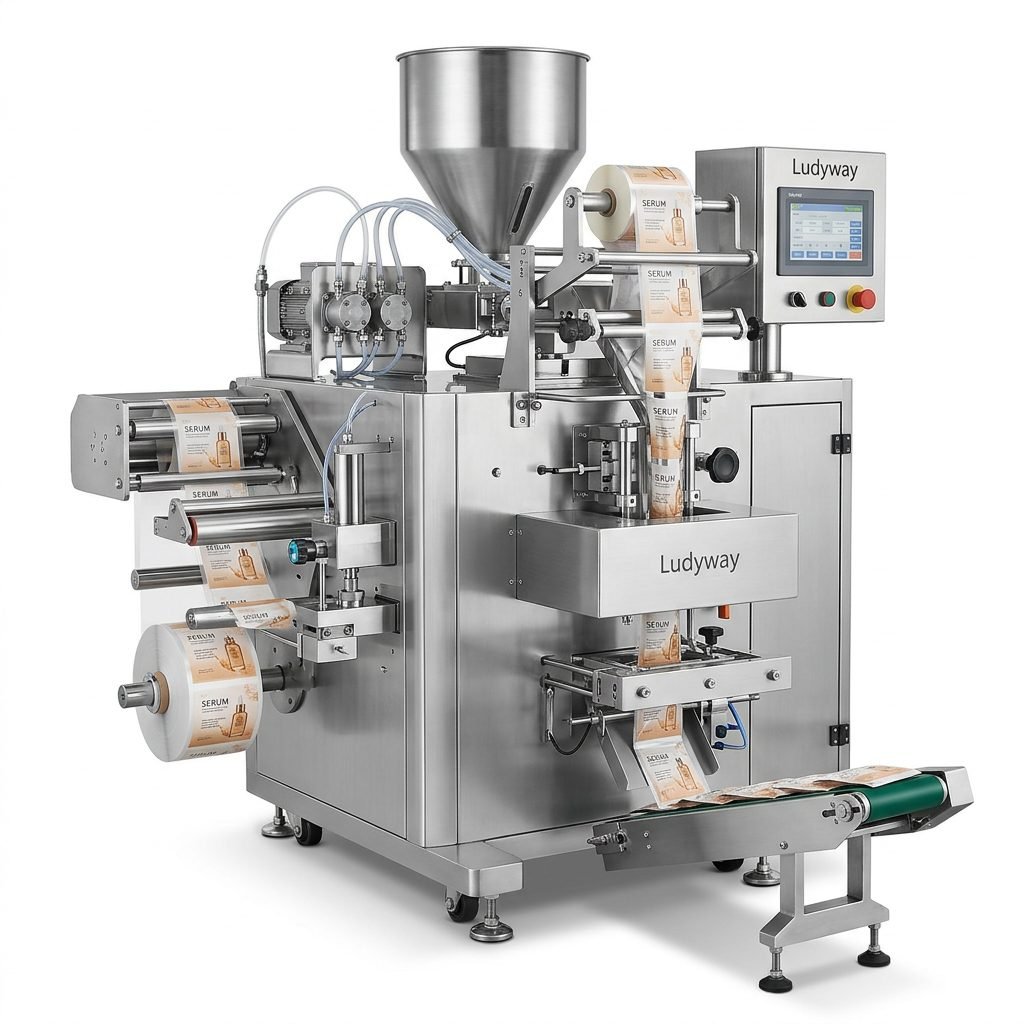
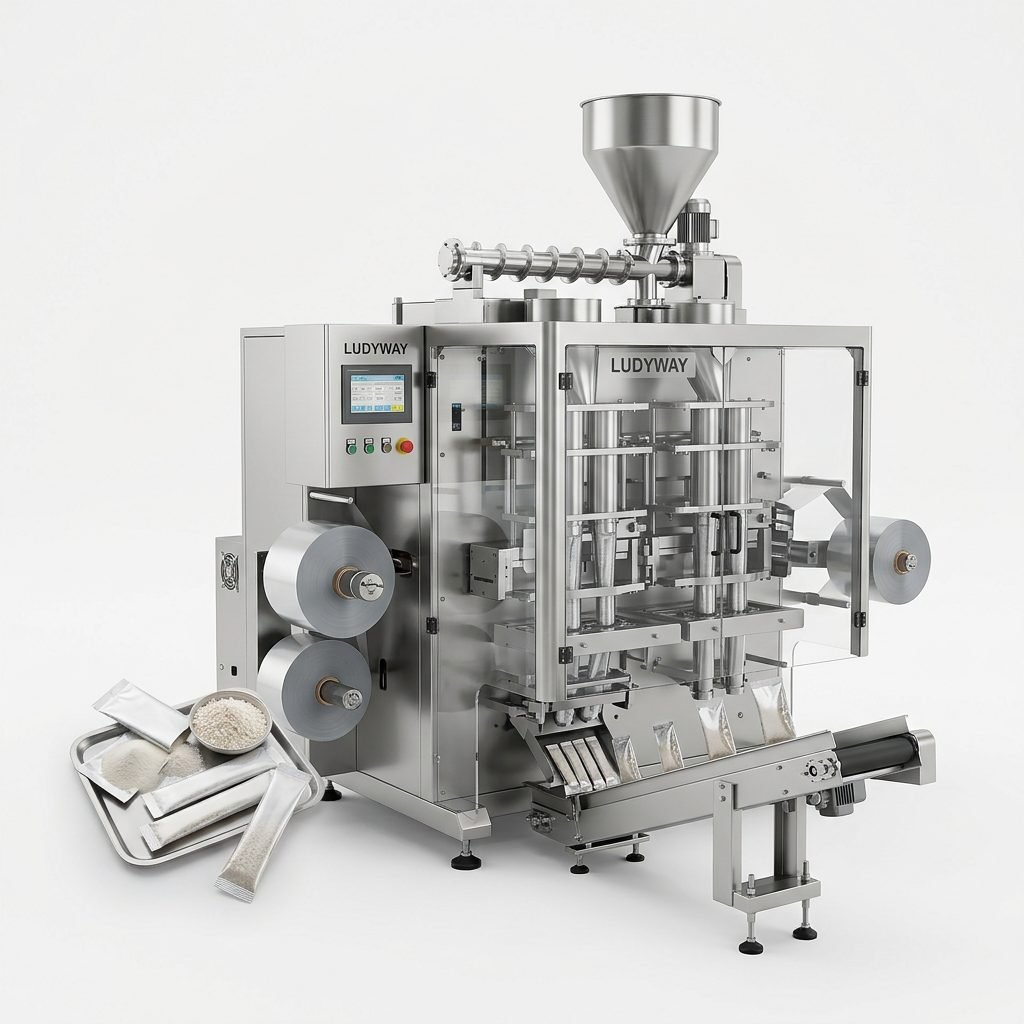
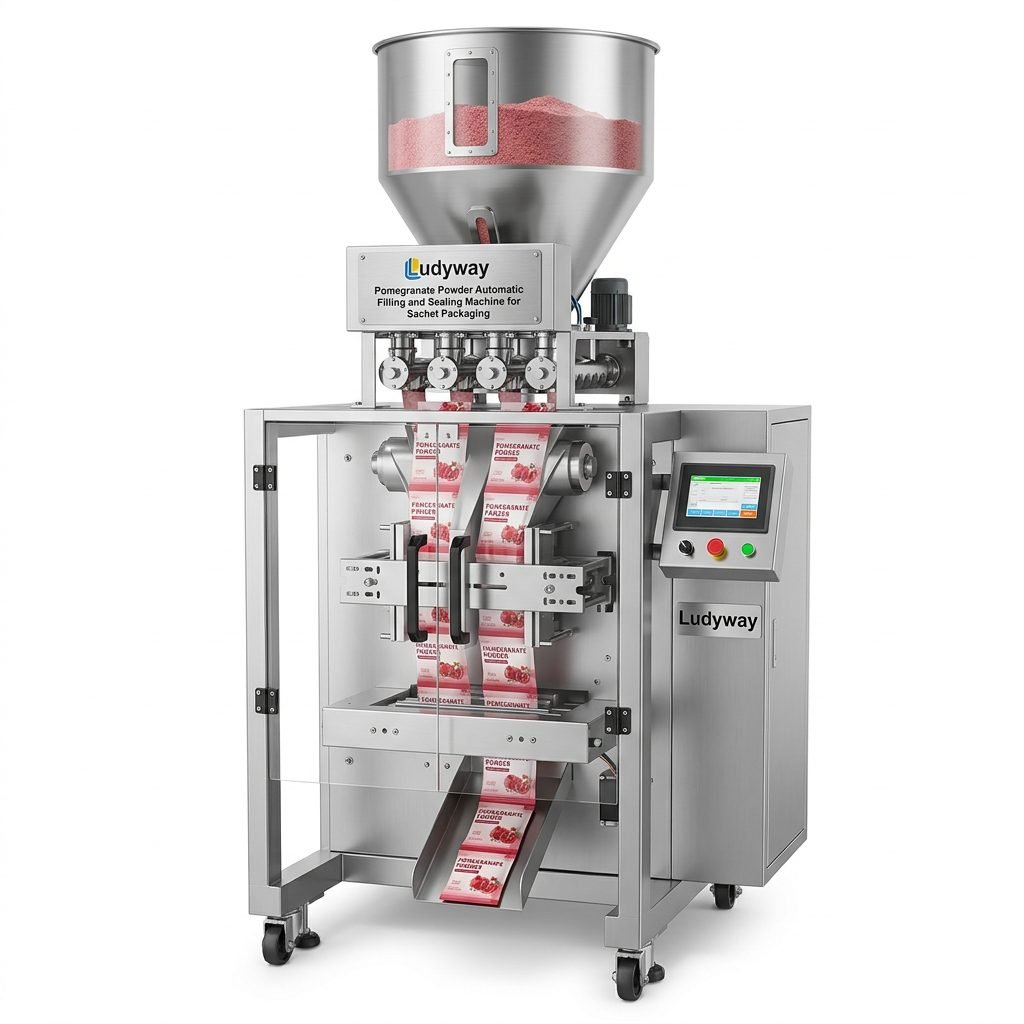
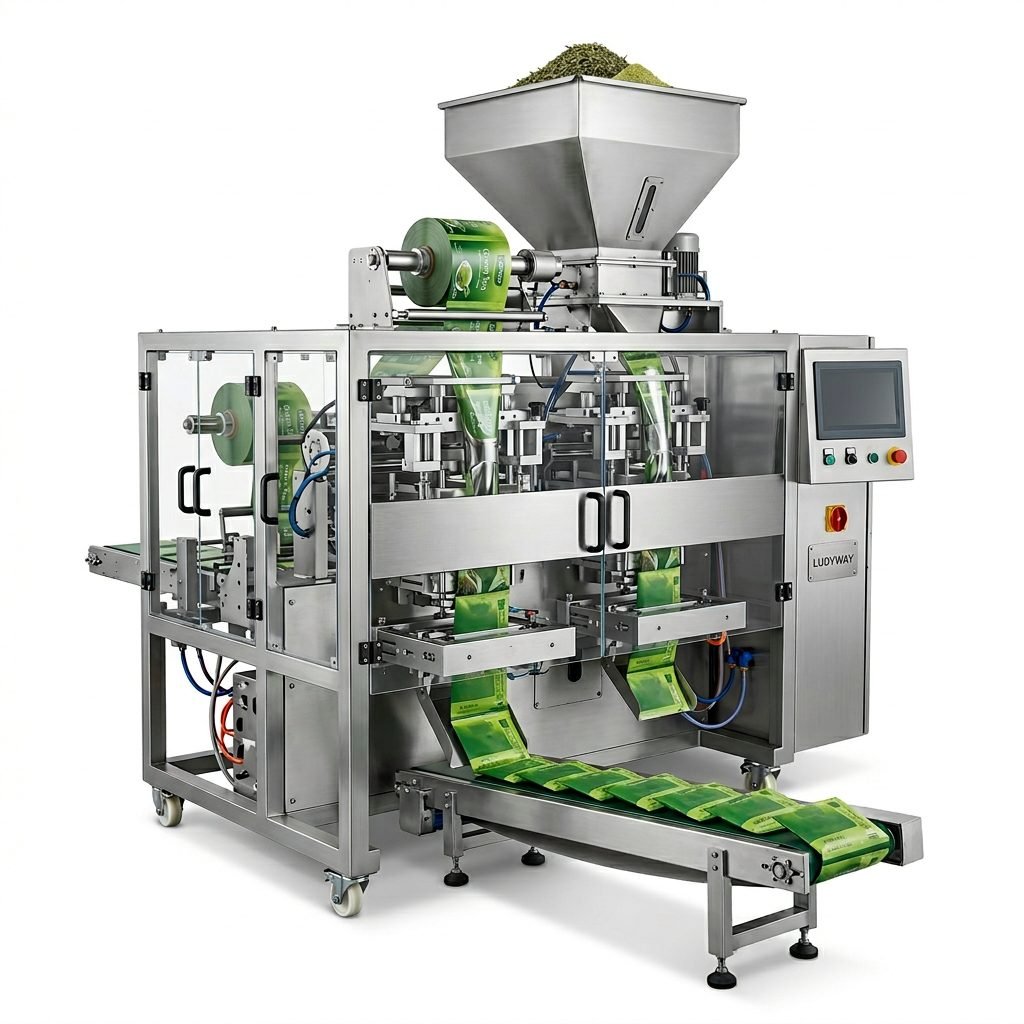
Ideal for packaging granules, powders, and liquids into pouches from a roll of film. They are highly versatile and common for snack foods, coffee, and detergents.
Horizontal Form-Fill-Seal (HFFS) Machines
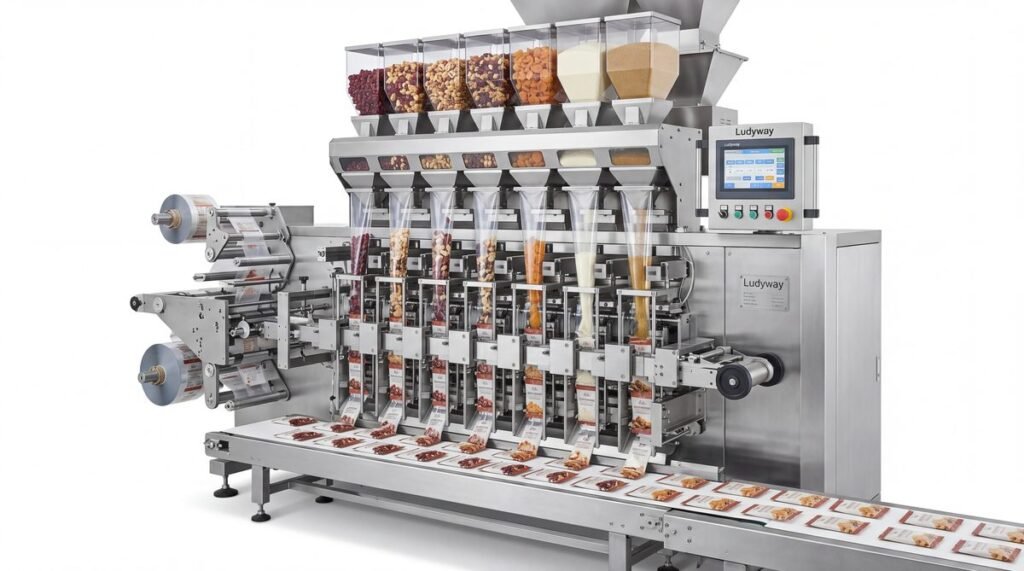
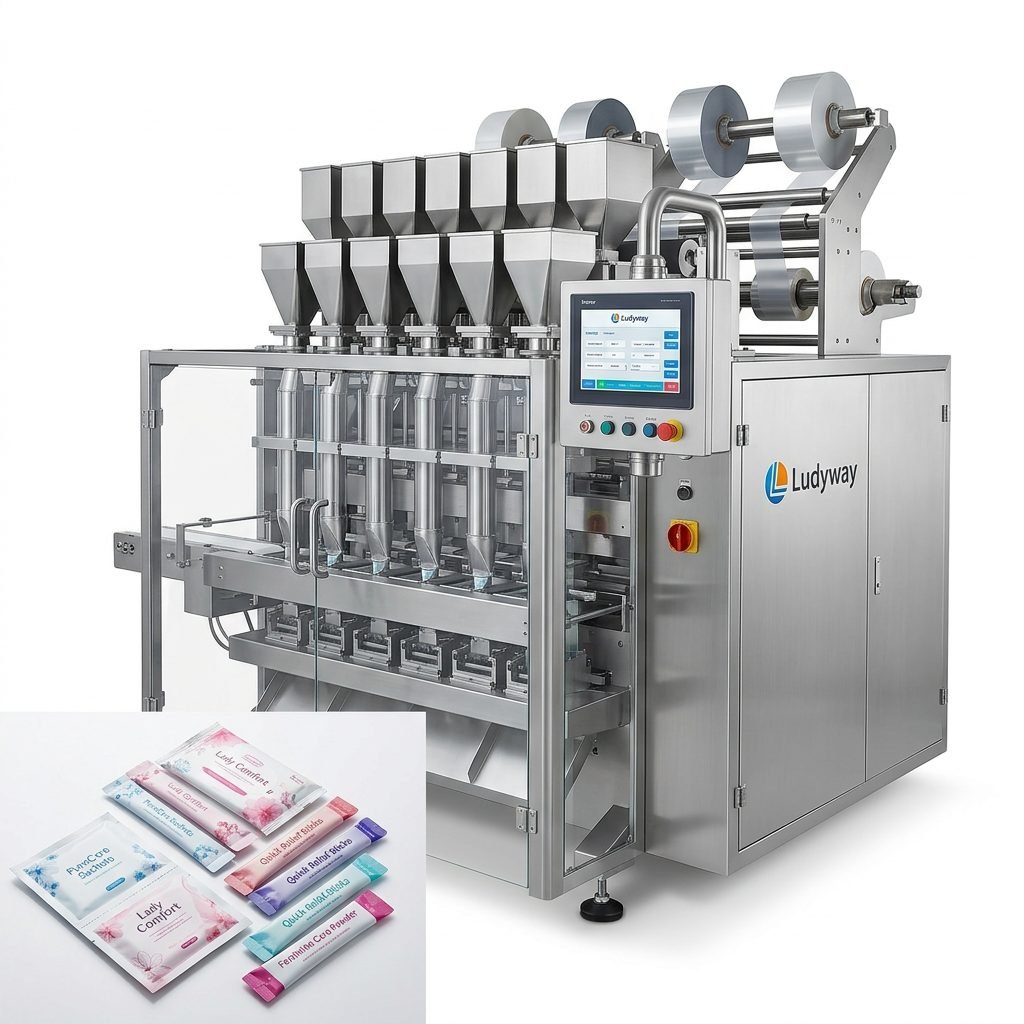
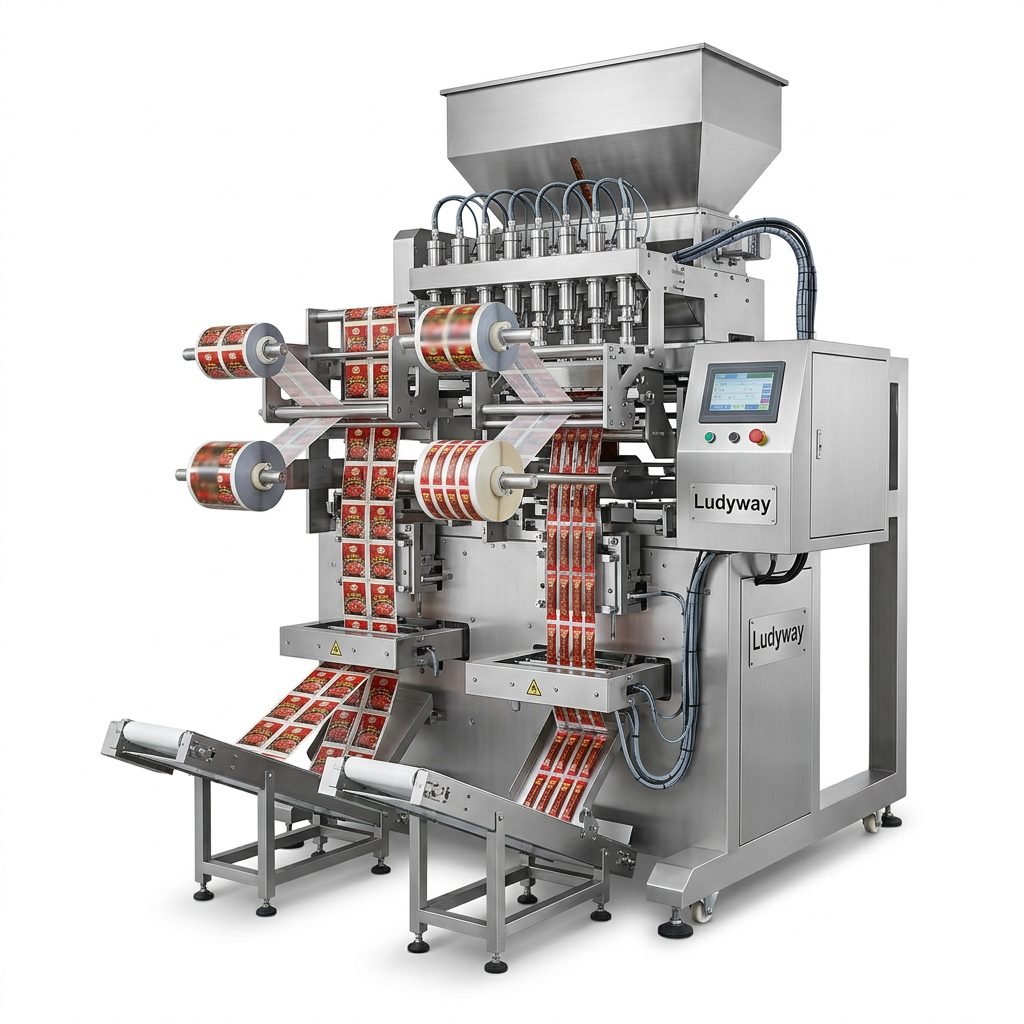
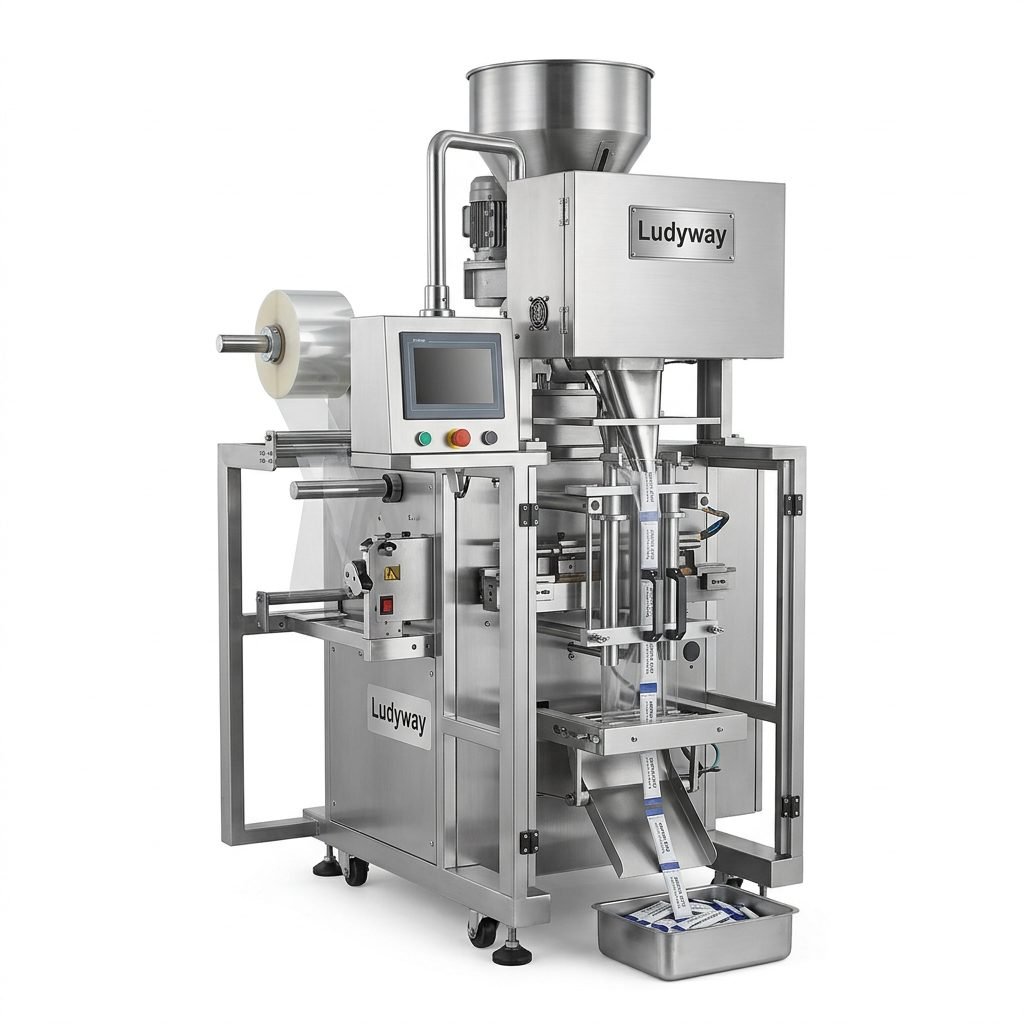
Often used for producing stick packs and sachets, perfect for single-serve portions of sugar, instant drinks, sauces, or pharmaceutical powders. Multi-lane HFFS systems can achieve exceptionally high output.
Liquid and Paste Filling Machines
These range from simple piston fillers to sophisticated rotary volumetric fillers for oils, shampoos, creams, and sauces. Accuracy and cleanability are paramount.
Capping, Sealing, and Labeling Equipment
Downstream equipment that completes the packaging line. Includes cappers for bottles, induction sealers for tamper-evidence, and automatic labelers.
The Selection Process: A Step-by-Step Approach
- Define Specifications: Document all requirements from product details to desired output (packs per minute).
- Research and Shortlist: Identify 3-5 reputable companies with proven experience in your product category.
- Request Proposals: Provide your specs and request detailed quotations, including layout drawings and performance guarantees.
- Factory Audit & Testing: If possible, visit the manufacturer’s facility to assess quality. Always conduct a product sample test on the actual machine.
- Evaluate Total Cost of Ownership: Look beyond the purchase price. Consider energy consumption, maintenance costs, part wear rates, and expected lifespan.
- Check References: Speak to existing clients, especially those with similar products and operational scales.
- Finalize Support Agreement: Clearly define warranty, training, spare parts supply, and service level agreements before purchase.
Why Long-Term Partnership Matters
Choosing a packaging machinery supplier should be viewed as establishing a long-term partnership. Your production needs will evolve, and having a reliable partner who understands your history and can support upgrades, expansions, or new product lines is invaluable. Companies that emphasize long-term cooperation and innovation, like those with decades of industry experience, are positioned to grow with your business, providing ongoing technical support and access to the latest packaging technologies.
Investing time in a meticulous selection process for your industrial packaging equipment and its supplier pays permanent dividends. By clearly defining your needs, rigorously evaluating manufacturers on technical capability, build quality, and service, and prioritizing a partnership approach, you secure a cornerstone for efficient, scalable, and high-quality production. The right machinery partner becomes an integral part of your operational success and competitive advantage.
Frequently Asked Questions (FAQs)
What is the most important factor when choosing packaging machinery?
While all factors are interconnected, ensuring the machine is technically capable of handling your specific product at your required quality and speed is the absolute foundation. A machine that cannot reliably package your product is a failure, regardless of its price or features.
How do I balance upfront cost with long-term value?
Analyze the Total Cost of Ownership (TCO). A cheaper machine may have higher energy consumption, require frequent costly repairs, or have a shorter lifespan. Investing in a robust, efficient machine from a reputable supplier often leads to lower cost per pack over its entire service life.
Is customization always necessary?
Not always. For standard products, a well-configured standard model may suffice. However, for unique product characteristics, novel packaging formats, or integration into a complex automated line, customization is essential to achieve optimal performance and efficiency.
What should I expect during machine installation and commissioning?
A professional supplier will manage site preparation, installation, calibration, and operator training. They should run production tests with your materials to ensure the machine meets the agreed-upon specifications before final handover. Always be present for the Factory Acceptance Test (FAT) and Site Acceptance Test (SAT).
How can I future-proof my packaging equipment investment?
Choose a supplier with a broad range of machines and a strong R&D focus. Discuss potential future needs (e.g., higher speeds, different formats) upfront. Select a machine platform that allows for some modular upgrades. A forward-thinking partner will help you plan for scalability.