Selecting the right butter packaging machine is a critical investment for any dairy producer, food manufacturer, or artisanal brand. The correct equipment directly impacts product quality, shelf life, production efficiency, and overall brand perception in a competitive market. This comprehensive guide will walk you through the different types of butter packaging machines, their key features, a breakdown of pricing factors, and a step-by-step framework to help you choose the perfect machine for your specific operational needs and business goals.
Understanding the Different Types of Butter Packaging Machines
The packaging process for butter can vary significantly based on the final product form—blocks, portions, whipped tubs, or specialty shapes. Consequently, several machine types have been developed to handle these specific requirements efficiently.
Form-Fill-Seal (FFS) Machines
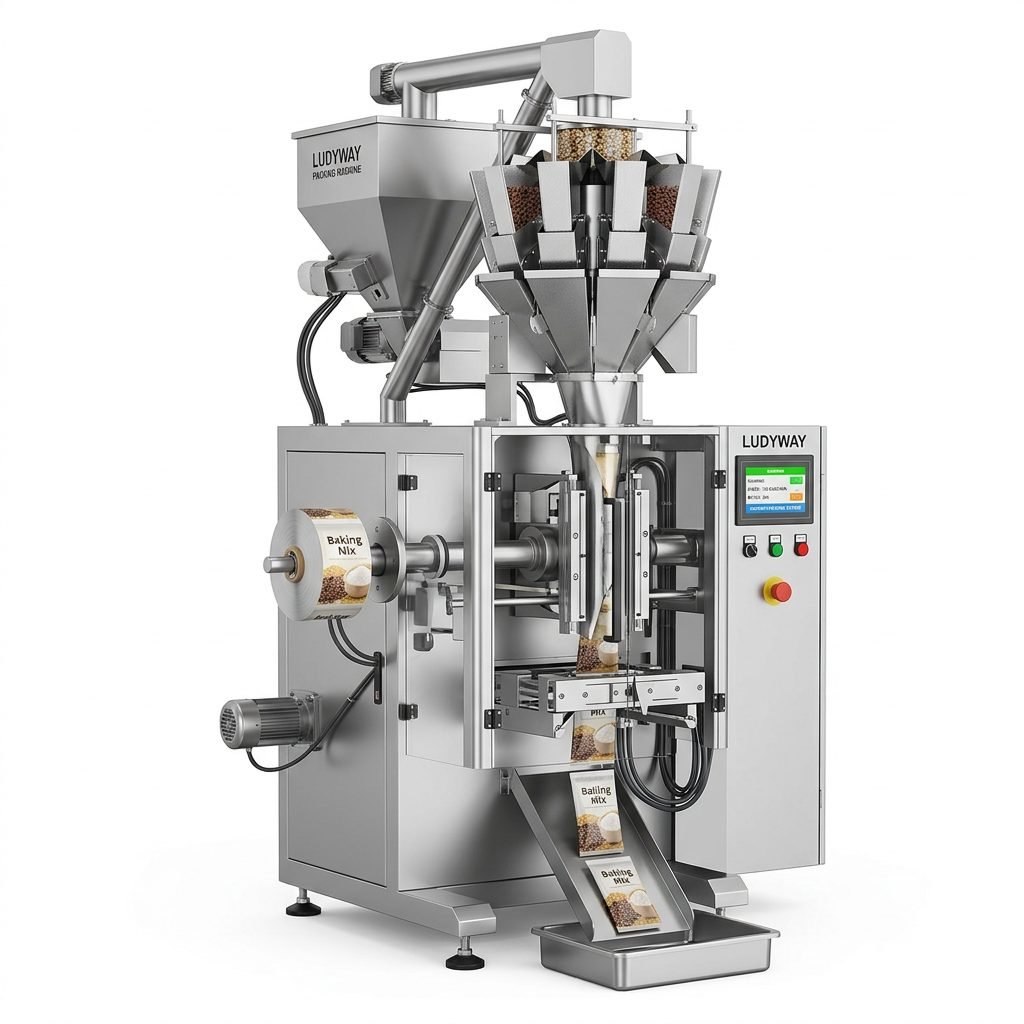
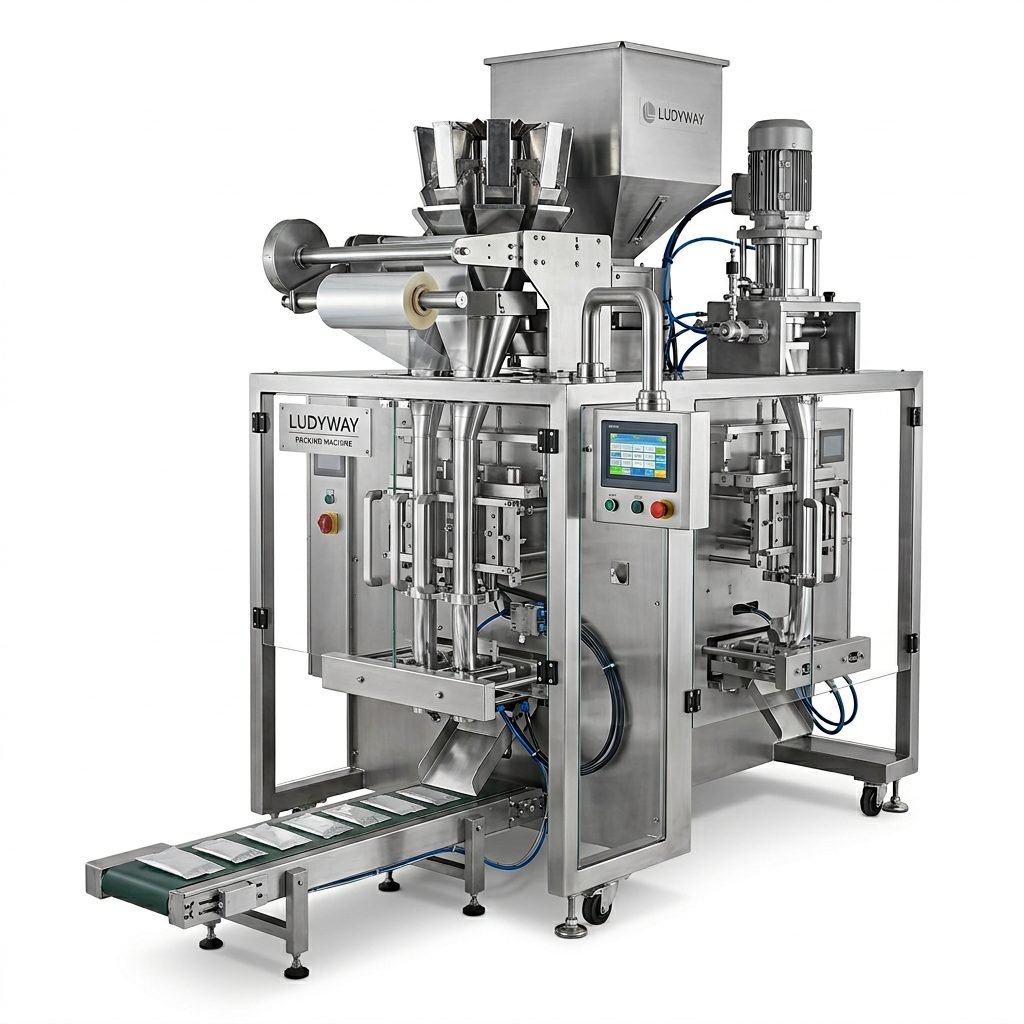
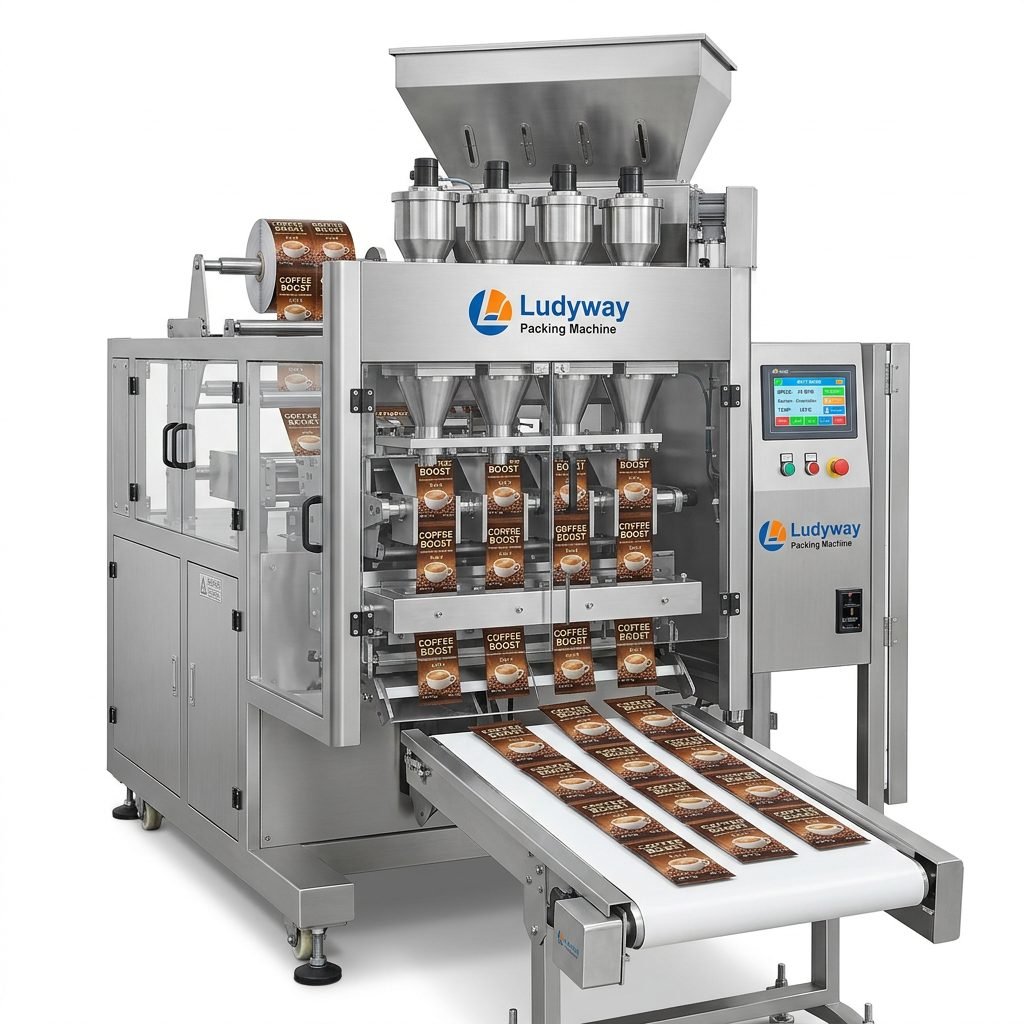
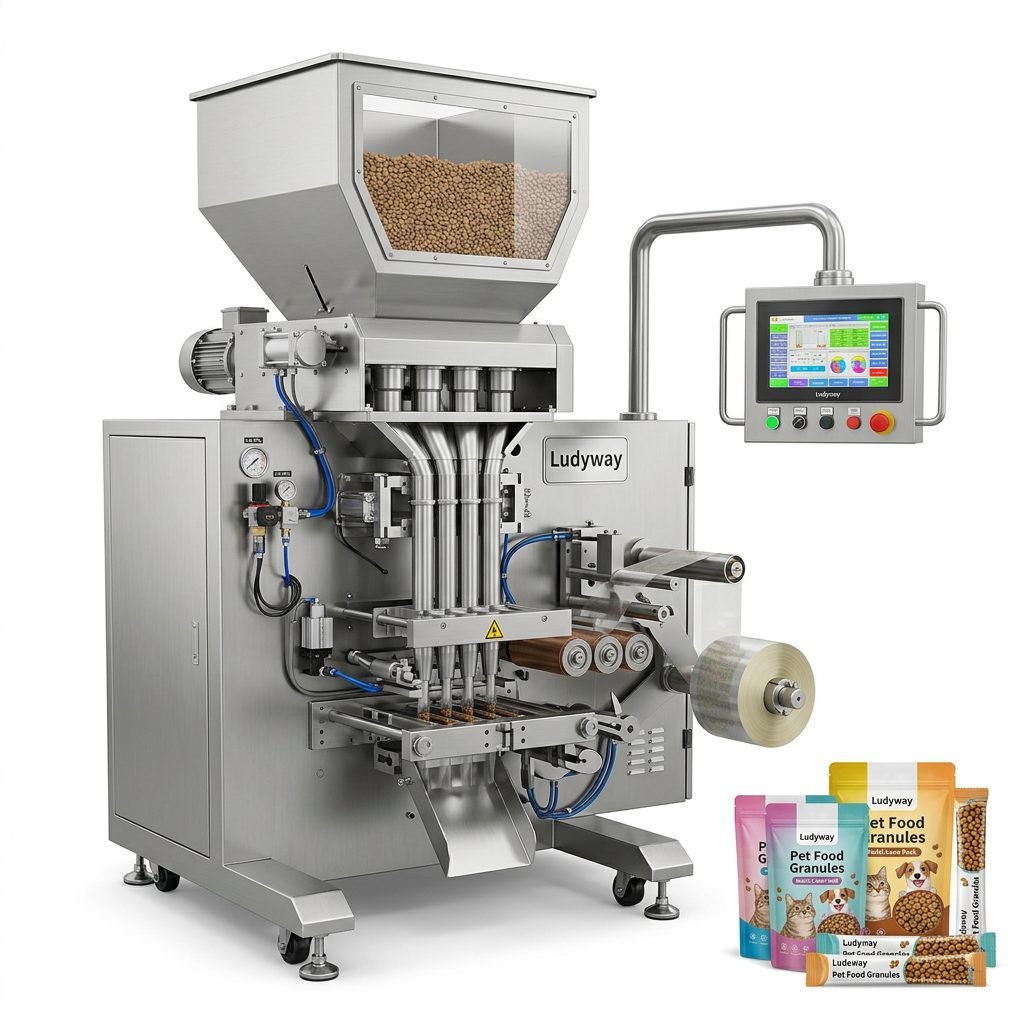
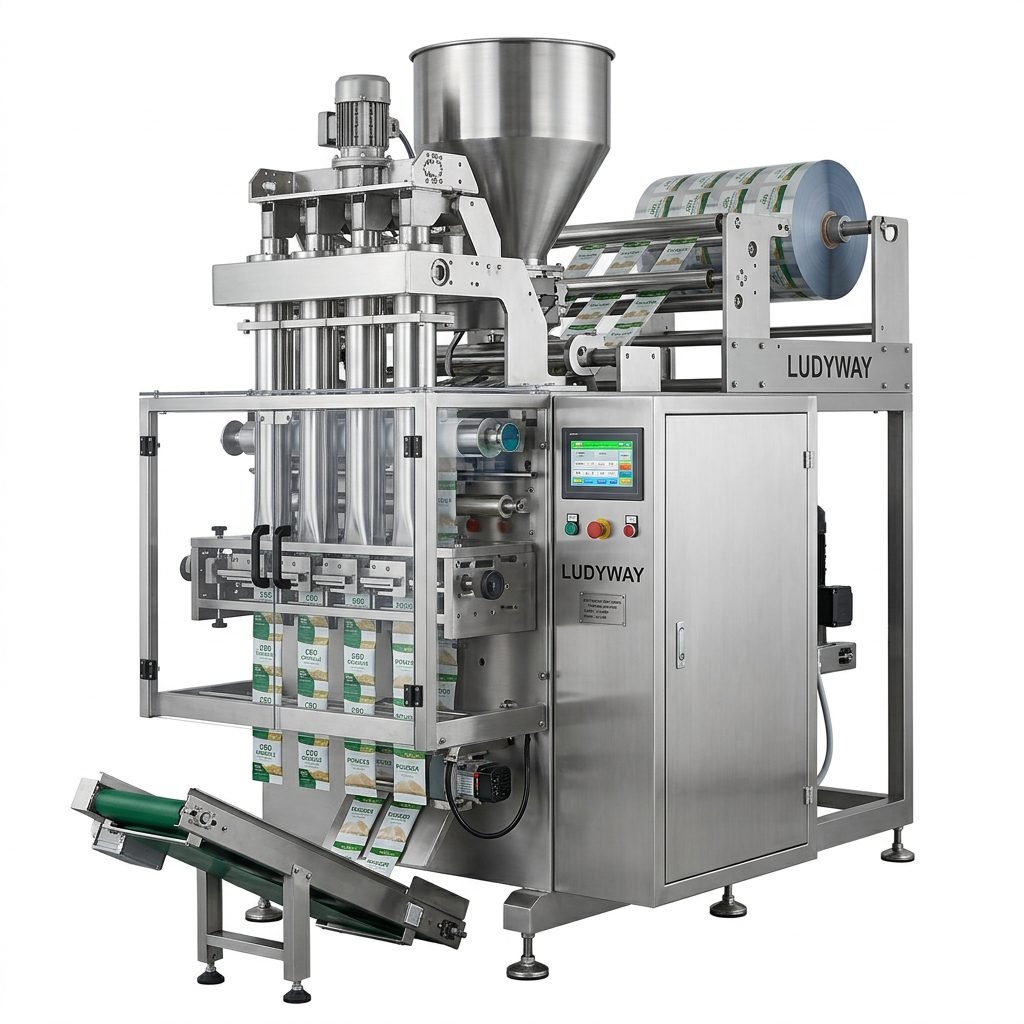
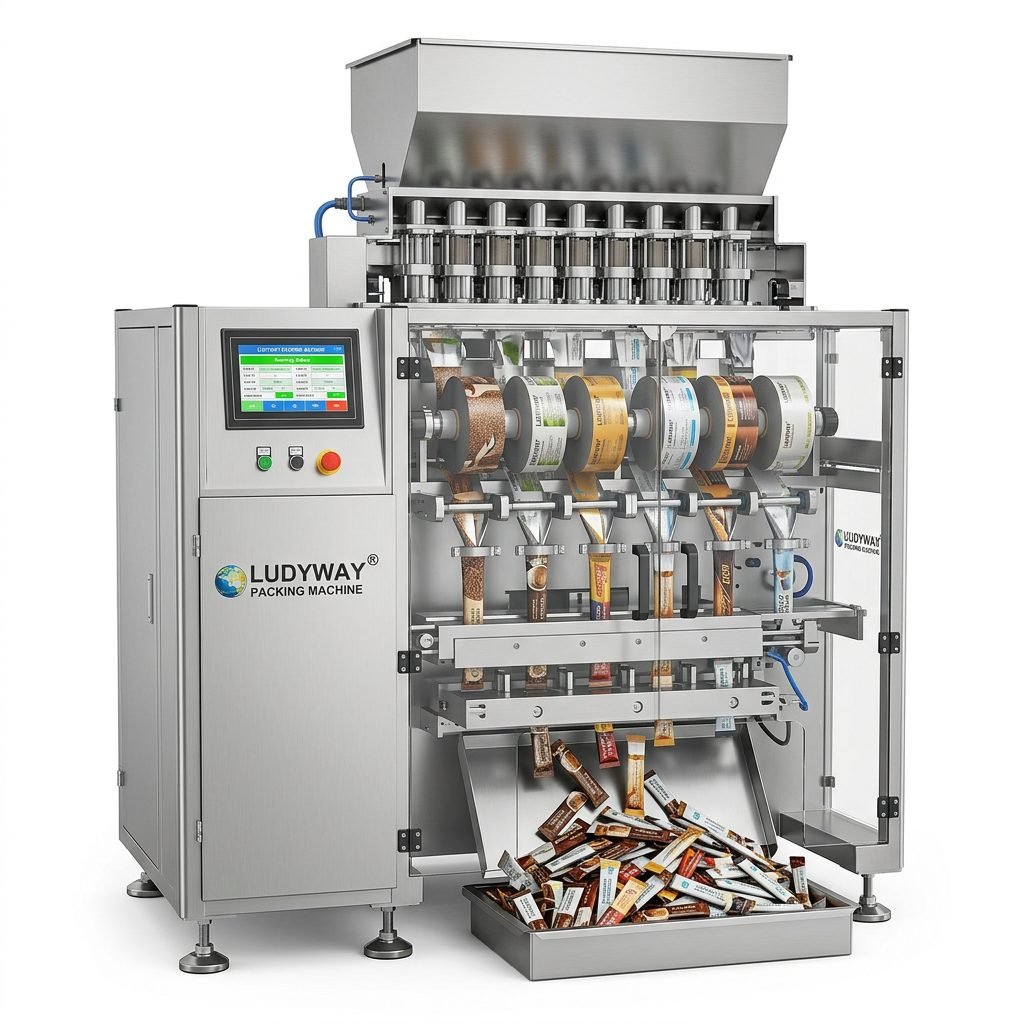
These are the most versatile and common systems for packaging butter. They form the packaging material (usually laminated film or foil) into a pouch, fill it with a precise amount of product, and then seal it—all in one continuous, automated process. FFS machines are ideal for producing wrapped blocks, sticks, or portion packs at high speeds.
Cartoning and Case Packing Machines
Once individual butter portions are wrapped, they often need to be collated into cartons or cases for retail sale and bulk shipping. Cartoning machines automatically erect cardboard cartons, insert the wrapped butter portions in the correct orientation and count, and then seal the carton. Case packers then take these filled cartons and neatly pack them into larger shipping cases.
Tub Filling Machines
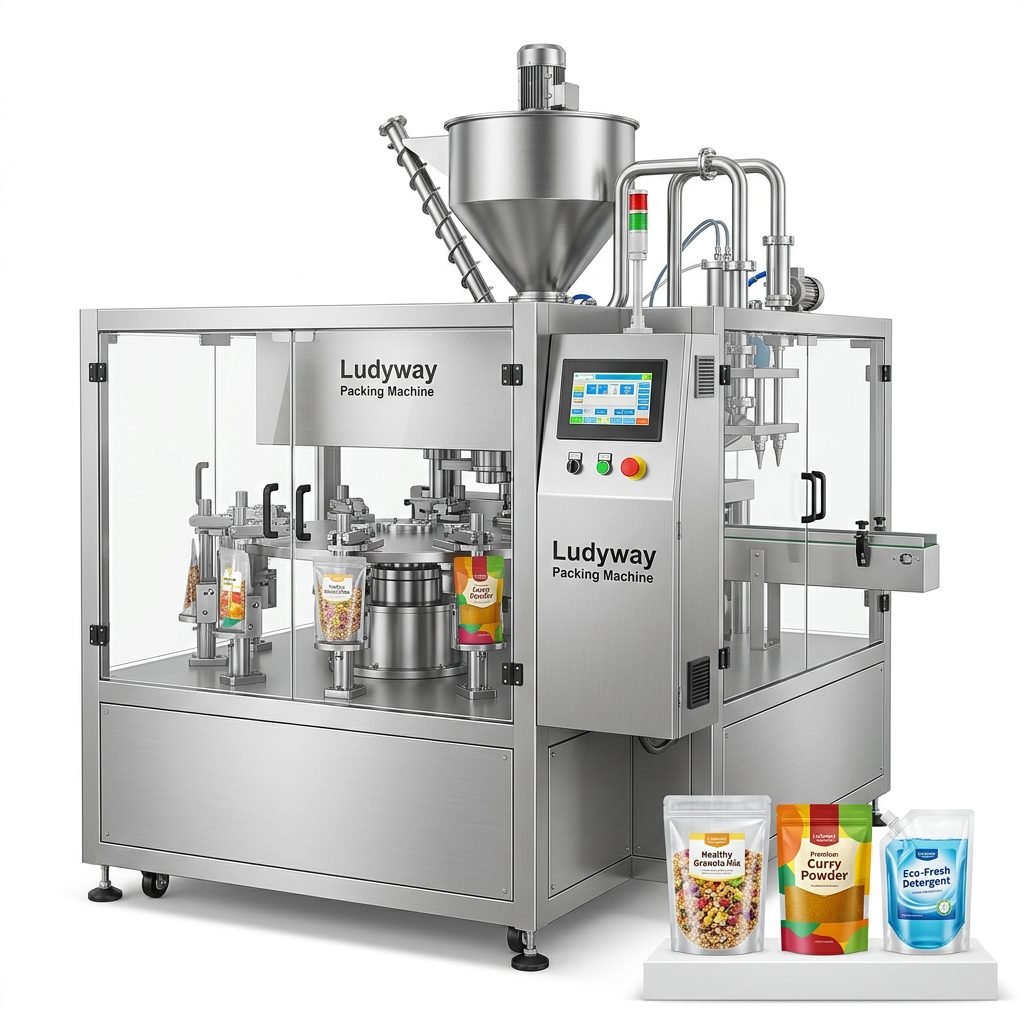
For whipped, spreadable, or specialty butter products packaged in plastic tubs or cups, dedicated tub fillers are used. These machines typically handle a pre-formed tub, fill it with a volumetric or weight-based dose of product, apply a lid (often with a tamper-evident seal), and then date-code the container. They can be integrated with capping and labeling units.
Butter Wrapping Machines for Bulk Blocks
Designed for the industrial-scale production of large butter blocks (e.g., 25kg blocks for food service), these machines use parchment paper or foil to tightly wrap the product. They focus on creating a secure, airtight seal that protects the butter during long-term storage and transport, prioritizing robustness and hygiene over high-speed individual portioning.
Key Features and Specifications to Evaluate
Beyond the basic type, a deep dive into the machine’s features will determine its suitability for your production line. Here are the critical aspects to scrutinize.
Speed and Production Capacity
Measured in packs per minute (PPM), this is a primary driver of cost and efficiency. High-speed lines for major brands can exceed 300 PPM, while semi-automatic or tabletop machines for small batches may range from 20 to 60 PPM. Your choice must align with both current output needs and projected growth.
Packaging Materials Compatibility
The machine must be engineered to work seamlessly with your chosen packaging material. Key considerations include:
- Film Type: Can it handle laminated films, aluminum foil, parchment paper, or biodegradable/compostable materials?
- Material Thickness: The sealing jaws must be calibrated for the specific gauge of your material to ensure consistent, leak-proof seals.
- Print Registration: For pre-printed film, does the machine have an optical sensor to ensure cuts and seals are made in the correct position relative to the print?
Accuracy of Filling System
Butter is a high-value product, so weight control is crucial for cost management and regulatory compliance. Look for machines with precision auger fillers, piston fillers, or weight-based systems with feedback controls that minimize giveaway and ensure every pack meets the declared weight.
Hygiene and Cleanability Design
Given that butter is a dairy product, the machine must be designed for easy and thorough cleaning to prevent bacterial contamination. Desirable features include stainless steel food-contact surfaces, smooth welds without crevices, quick-disconnect parts, and compatibility with CIP (Clean-in-Place) or SIP (Steam-in-Place) systems.
Automation and Integration Level
Modern machines offer varying degrees of automation:
- Basic: Manual product loading, semi-automatic operation.
- Standard: Fully automatic with PLC control, HMI touchscreen, and basic fault diagnostics.
- Advanced: Integration with upstream (chillers, extruders) and downstream (checkweighers, metal detectors, cartoners) equipment via industrial networks, with data collection for Industry 4.0 analytics.
Analyzing the Cost: Price Ranges and Influencing Factors
The price of a butter packaging machine is not a single number but a spectrum influenced by multiple variables. Understanding these helps in budgeting and justifying the investment.
Machine Type and Complexity
A simple semi-automatic butter wrapper may cost between $15,000 and $40,000. A fully automatic, mid-speed Form-Fill-Seal line typically ranges from $80,000 to $200,000. High-speed, fully integrated lines with robotic handling and advanced vision systems can easily exceed $500,000.
Production Capacity and Speed
Higher speed capabilities require more robust motors, precision components, and advanced control systems, which directly increase the capital cost.
Level of Customization
Off-the-shelf machines are more affordable. If your product requires a unique shape (e.g., fancy roll butter), special sealing patterns, or integration with proprietary equipment, engineering customization will add significantly to the cost.
Brand, Origin, and After-Sales Support
Established brands with a global service network often command a premium. The total cost of ownership (TCO) must factor in the value of reliable technical support, availability of spare parts, and comprehensive training, which can prevent costly downtime.
A Step-by-Step Guide to Choosing the Right Machine
Making the correct choice requires a systematic approach that aligns the machine’s capabilities with your business reality.
Step 1: Define Your Product and Packaging Specifications
Start with the end in mind. Precisely define your butter’s characteristics (consistency, temperature at point of fill), the exact package dimensions and shape, and the packaging material specification. Create physical samples of your desired final pack.
Step 2: Assess Your Current and Future Production Volume
Calculate your required output in packs per shift, day, and year. Choose a machine that can comfortably meet your peak demand with about 15-20% capacity headroom for growth, without massively over-investing in underutilized speed.
Step 3: Evaluate Your Factory Environment
Consider your available floor space, power supply (voltage, phase), compressed air availability, and the skill level of your operational staff. The machine must fit physically and operationally into your existing ecosystem.
Step 4: Prioritize Hygiene and Maintenance Needs
If you run multiple products or flavors, changeover speed and cleanability become paramount. Select a machine designed for easy disassembly and cleaning to minimize non-productive time.
Step 5: Request Demonstrations and Check References
Never buy based on specifications alone. Arrange for a live or video demonstration using a sample of your actual butter and packaging material. Ask the supplier for contact details of current customers with similar applications and speak to them about reliability and service.
Step 6: Analyze Total Cost of Ownership (TCO)
Look beyond the initial purchase price. Factor in estimated costs for energy consumption, routine maintenance, spare parts, and potential downtime. A slightly more expensive but more reliable and efficient machine often has a lower TCO.
Partnering with an experienced supplier is crucial. Companies like Ludyway Packaging Machinery, with deep expertise in food packaging solutions, can provide invaluable guidance through this selection process. They understand that the right machine is not just about wrapping butter—it’s about protecting your product quality, optimizing your operational costs, and building your brand’s reputation on store shelves. For a deeper understanding of integrated production lines, you can explore resources on complete packaging solutions and the importance of robust technical support.
Frequently Asked Questions (FAQs)
What is the most common type of butter packaging machine?
The vertical form-fill-seal (VFFS) machine is the most widely used type for packaging butter sticks, blocks, and portions. Its versatility, high speed, and efficiency in creating airtight packages from a roll of film make it the industry standard for medium to high-volume production.
Can one machine package different butter formats (e.g., sticks and cups)?
Generally, no. Machines are typically specialized. A Form-Fill-Seal machine for sticks is fundamentally different from a tub filler for cups. Switching formats usually requires a complete changeover of forming tools, filling heads, and sometimes the entire machine platform, which is not practical. For multiple formats, separate dedicated machines or a highly flexible, modular line (a larger investment) is needed.
How important is the sealing system on a butter packaging machine?
It is critically important. Butter has a high fat content and is sensitive to oxidation and odor absorption. A perfect, consistent, and airtight seal is essential for preserving freshness, preventing rancidity, extending shelf life, and avoiding leaks during transport and storage. The sealing jaws must maintain precise temperature and pressure control for your specific packaging material.
What are the key maintenance routines for these machines?
Daily cleaning of all product-contact parts is non-negotiable. Regular maintenance includes lubricating moving parts as per the manual, inspecting and replacing worn sealing jaws or cutting blades, checking pneumatic filters, and verifying the calibration of the filling system and weight checker. A log should be kept for all maintenance activities.
Are there machines suitable for small-scale or artisanal butter producers?
Yes. Several manufacturers offer semi-automatic or tabletop butter wrappers and small volumetric fillers for tubs. These machines have a lower output (20-60 packs per minute) and often involve more manual loading, but they provide an affordable entry point into professional packaging, significantly improving presentation and hygiene over fully manual methods.