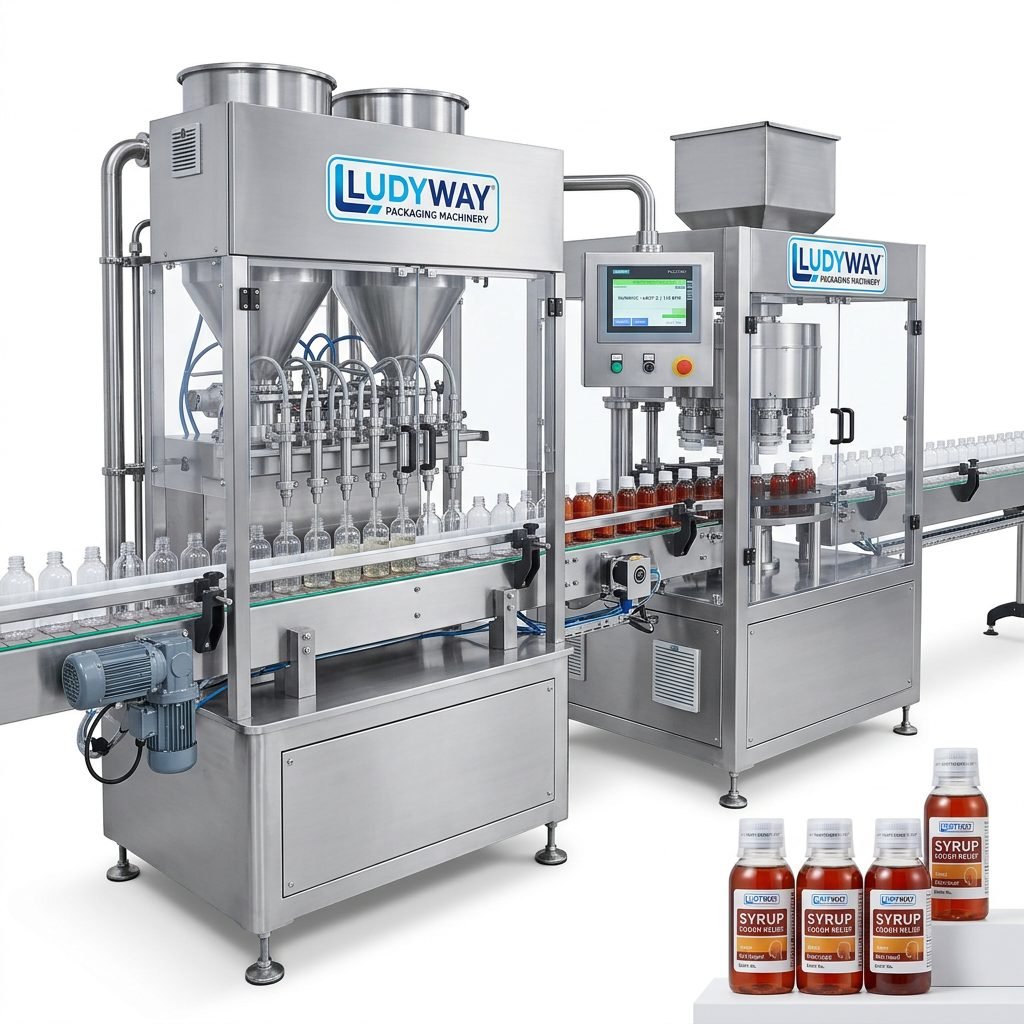
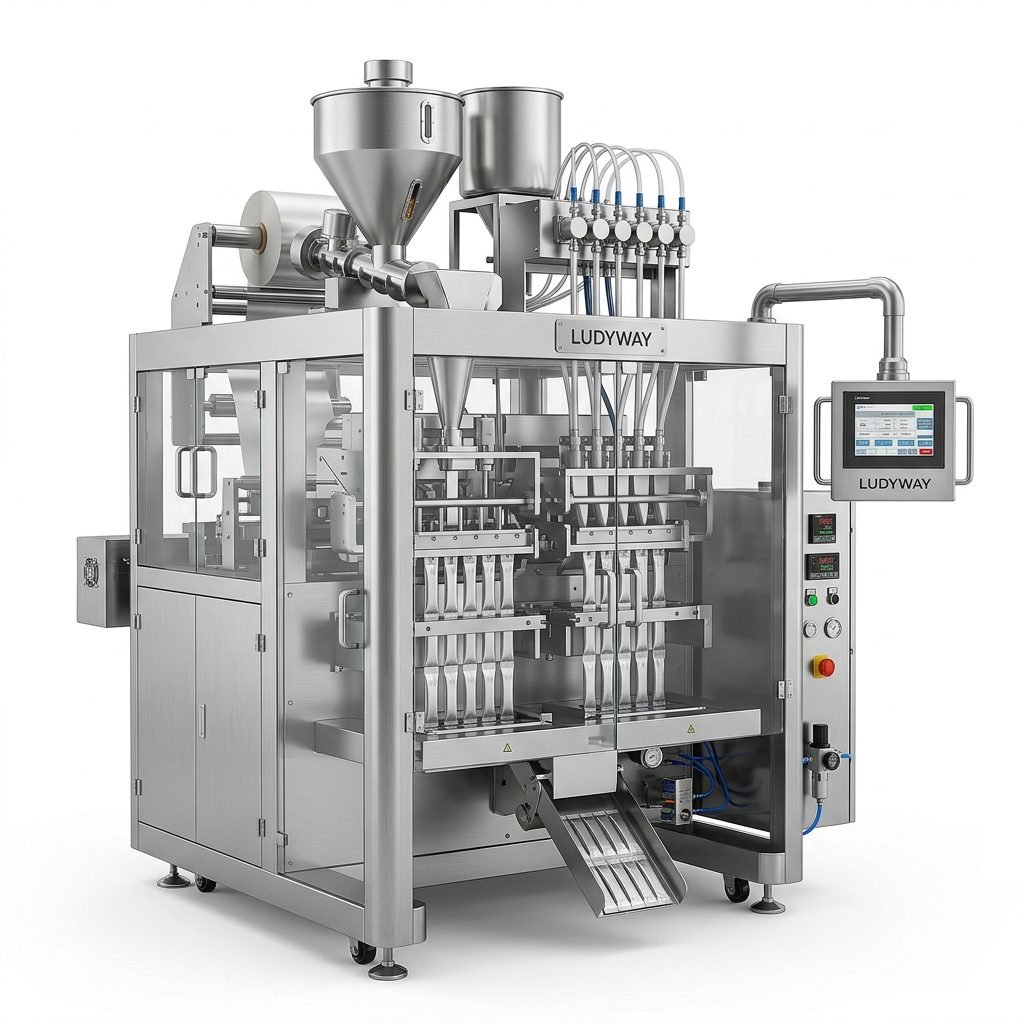
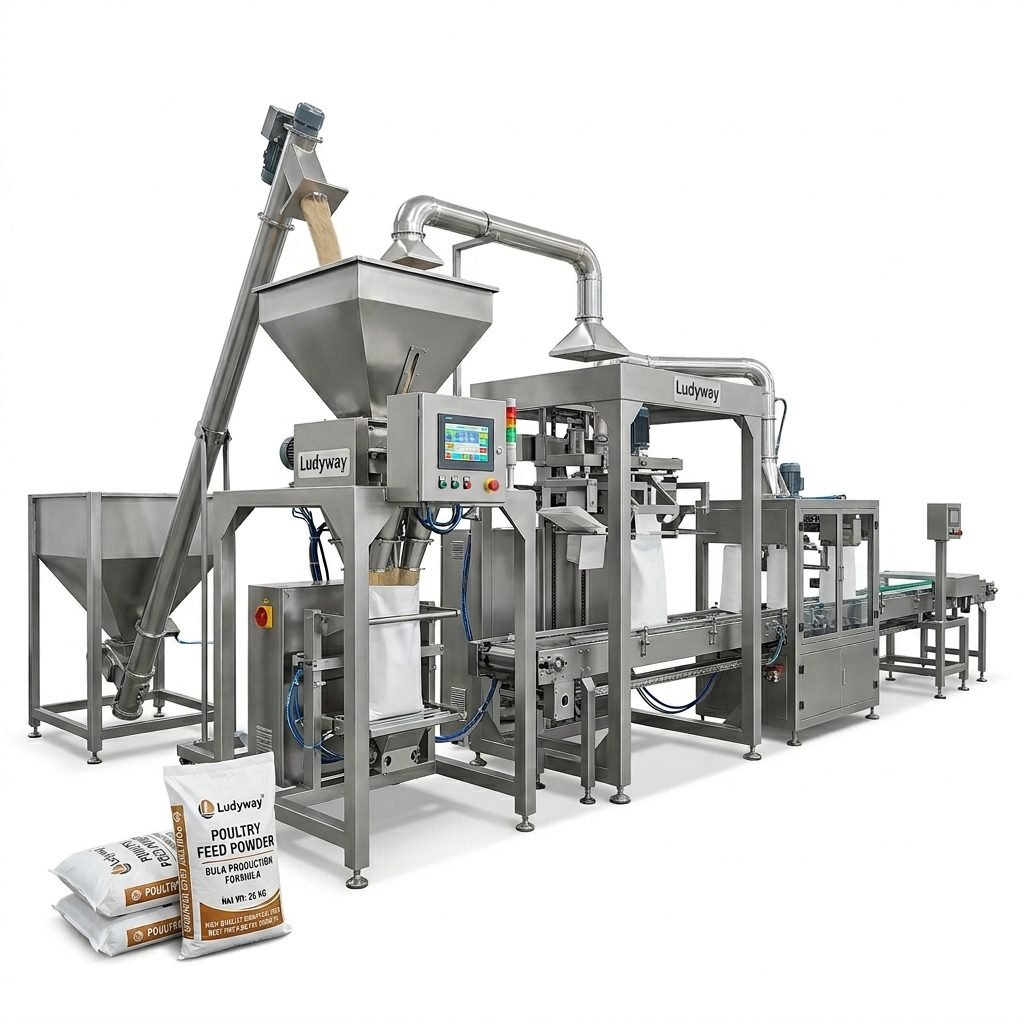
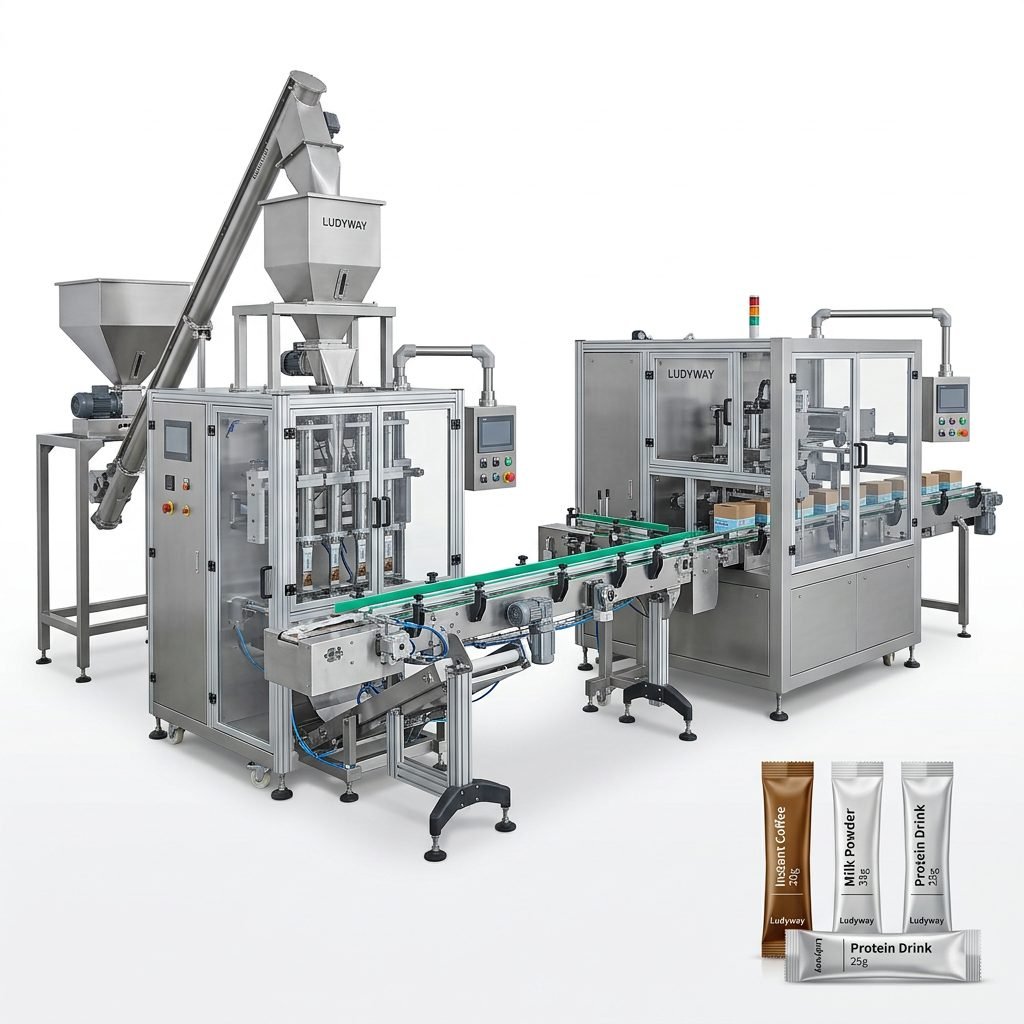
The global pharmaceutical blister packaging machine market represents a critical segment within the pharmaceutical manufacturing supply chain. These machines form, fill, and seal blisters—individual cavities in a plastic or aluminum sheet—to provide unit-dose packaging for tablets, capsules, and other solid dosage forms. This method is prized for its product protection, patient compliance features, and high-speed automation capabilities. As the global pharmaceutical industry expands, driven by aging populations, rising chronic disease prevalence, and increasing healthcare access, the demand for efficient, reliable, and compliant packaging machinery is experiencing significant growth.
Market Size and Growth Trajectory
Recent market analyses indicate the global pharmaceutical blister packaging machine market is on a robust growth path. Valued at several billion dollars, the market is projected to expand at a compound annual growth rate (CAGR) of approximately 5-7% over the next five to seven years. This growth is not uniform across regions. North America and Europe currently hold the largest market shares, attributed to their established pharmaceutical industries, stringent regulatory standards, and early adoption of advanced manufacturing technologies. However, the Asia-Pacific region is anticipated to witness the fastest growth. This surge is fueled by the rapid expansion of pharmaceutical production in countries like India and China, increasing government healthcare investments, and the growing prevalence of contract manufacturing organizations (CMOs) in the region.
Key Drivers Fueling Market Expansion
Several interconnected factors are propelling the demand for blister packaging machinery worldwide.
1. Stringent Regulatory Compliance and Serialization
Pharmaceutical packaging is governed by rigorous global regulations (e.g., FDA in the U.S., EMA in Europe) that mandate product safety, traceability, and anti-counterfeiting measures. The implementation of serialization and aggregation mandates, such as the U.S. Drug Supply Chain Security Act (DSCSA) and the EU Falsified Medicines Directive (FMD), has become a primary driver. Modern blister packaging machines are increasingly integrated with vision inspection systems, printing/coding units, and serialization software to ensure each blister pack carries a unique, trackable identifier. This regulatory push compels manufacturers to upgrade or replace older, non-compliant equipment.
2. Rising Demand for Flexible and Patient-Centric Packaging
The trend towards patient-centric healthcare is influencing packaging design. There is growing demand for machines that can handle child-resistant (CR) and senior-friendly (SF) blister packs, improving safety and accessibility. Furthermore, the need for flexible packaging formats—such as calendar blisters for medication adherence, multi-dose blisters for clinical trials, and smaller batch sizes for personalized medicine—requires machines with quick changeover capabilities and high flexibility. This shift drives innovation in machine design to accommodate diverse materials and complex cavity configurations.
3. Automation and Industry 4.0 Integration
The pursuit of operational efficiency, reduced labor costs, and minimized human error is accelerating the adoption of fully automated blister packaging lines. Manufacturers are seeking machines with higher output speeds, improved yield rates, and lower downtime. The integration of Industrial Internet of Things (IIoT) sensors, data analytics, and predictive maintenance capabilities is a key trend. These smart machines can monitor performance in real-time, predict potential failures, and optimize production parameters, leading to significant gains in Overall Equipment Effectiveness (OEE).
Emerging Trends Shaping the Future
The market is evolving beyond basic forming, filling, and sealing. Notable trends include:
- Sustainability Focus: Development of machines compatible with recyclable or mono-material plastic films (like PP or PE) and reduced material consumption through precise forming technology.
- Advanced Inspection Technologies: Incorporation of AI-powered vision systems for 100% inspection of tablets/capsules for defects, correct count, and proper placement within each blister cavity.
- Compact and Modular Designs: Growing demand for smaller footprint machines suitable for R&D laboratories, pilot plants, and CMOs that handle multiple, low-volume products.
- Hybrid and Integrated Lines: Blister machines are increasingly being integrated with cartoners, bundlers, and palletizers to create continuous, end-to-end packaging lines, reducing intermediate handling.
Regional Opportunities and Considerations
Market opportunities vary significantly by region, influenced by local industry maturity and regulatory landscapes.
Asia-Pacific: The High-Growth Frontier
This region presents the most dynamic opportunities. The explosive growth of the generic drug market in India and the increasing innovation in China’s biopharma sector create massive demand for cost-effective, high-speed blister packaging solutions. Furthermore, the region’s growing middle class and improving healthcare infrastructure are driving domestic pharmaceutical consumption. For machinery suppliers, this means a need for robust, easy-to-maintain machines that offer a favorable total cost of ownership for price-sensitive yet quality-conscious manufacturers.
North America and Europe: Innovation and Replacement Demand
In mature markets, growth is driven by the need to replace aging equipment with newer, compliant, and more efficient models. There is a strong focus on technologies that enhance track-and-trace, data integrity, and line flexibility. The growth of biologic drugs and complex therapies, while often using other primary packaging, still supports demand for secondary cartoning and bundling solutions integrated with blister lines. Partnerships with local service providers for technical support and spare parts are crucial for success in these regions.
Challenges and Barriers to Entry
Despite the positive outlook, the market faces challenges. The high capital investment required for advanced blister packaging lines can be a barrier for small and medium-sized enterprises (SMEs). The complexity of integrating serialization and aggregation solutions adds to both cost and technical hurdles. Furthermore, the need for continuous adaptation to evolving global regulatory standards requires significant R&D investment from machine manufacturers. Supply chain volatility for critical components and the shortage of skilled technicians to operate and maintain advanced systems are additional operational challenges.
The Role of Specialized Machinery Providers
Navigating this complex landscape requires partnering with experienced and reliable equipment suppliers. Companies like Ludyway Machinery, with decades of focused industry experience, play a vital role. They provide more than just machines; they offer turnkey solutions that encompass feasibility analysis, machine customization for specific product needs, integration with serialization and inspection systems, installation, commissioning, and ongoing technical support. This comprehensive approach helps pharmaceutical manufacturers mitigate risk, ensure regulatory compliance, and achieve a faster return on investment. With a portfolio of over 50 intelligent packaging machine models, such providers are well-positioned to meet the diverse and evolving needs of the global market, from high-volume generic production to flexible, small-batch niche manufacturing.
Conclusion and Future Outlook
The global pharmaceutical blister packaging machine market is poised for sustained growth, underpinned by irreversible macro-trends in healthcare, regulation, and manufacturing technology. The future will belong to machines that are not only fast and reliable but also intelligent, flexible, and sustainable. Success for both pharmaceutical manufacturers and machinery suppliers will hinge on the ability to adapt to regional nuances, embrace digitalization, and collaborate closely to solve the industry’s most pressing packaging challenges. The focus will increasingly shift towards creating integrated, data-driven packaging ecosystems that ensure patient safety, supply chain security, and manufacturing excellence.
Frequently Asked Questions (FAQs)
What are the main advantages of blister packaging for pharmaceuticals?
Blister packaging offers superior product protection against moisture, light, and contamination compared to bottles. It provides excellent unit-dose integrity, improves patient compliance through clear dosage tracking (e.g., calendar packs), and supports essential anti-counterfeiting and serialization features required by global regulations.
How is Industry 4.0 impacting blister packaging machines?
Industry 4.0 brings connectivity and intelligence. Modern machines are equipped with IIoT sensors for real-time monitoring of parameters like temperature, pressure, and seal quality. Data analytics enable predictive maintenance, reducing unplanned downtime, while integration with Manufacturing Execution Systems (MES) ensures complete data integrity and production traceability.
What should a company consider when choosing a blister packaging machine supplier?
Key considerations include: the supplier’s experience and references in the pharmaceutical industry, ability to provide regulatory compliance support (especially for serialization), availability of customization for specific product needs, quality of after-sales service and spare parts availability, and the capability to deliver a validated, turnkey solution rather than just standalone equipment.
Are there sustainable options for pharmaceutical blister packaging?
Yes, the industry is moving towards sustainability. This includes machines designed to work with recyclable polymer films (like polypropylene), technologies that reduce film waste through more precise forming, and the exploration of bio-based or compostable materials for certain applications, although these must first meet stringent pharmaceutical barrier and safety requirements.
What is the significance of the Asia-Pacific market for this industry?
The Asia-Pacific region is the fastest-growing market due to its expanding pharmaceutical manufacturing base, particularly for generic drugs. This creates high demand for efficient, cost-effective packaging machinery. Suppliers must tailor solutions to meet the specific needs of price-sensitive yet rapidly modernizing markets like India and China, often emphasizing robustness and total cost of ownership. For more insights into packaging solutions tailored for growth markets, you can explore resources from industry experts like Ludyway Packaging Solutions.