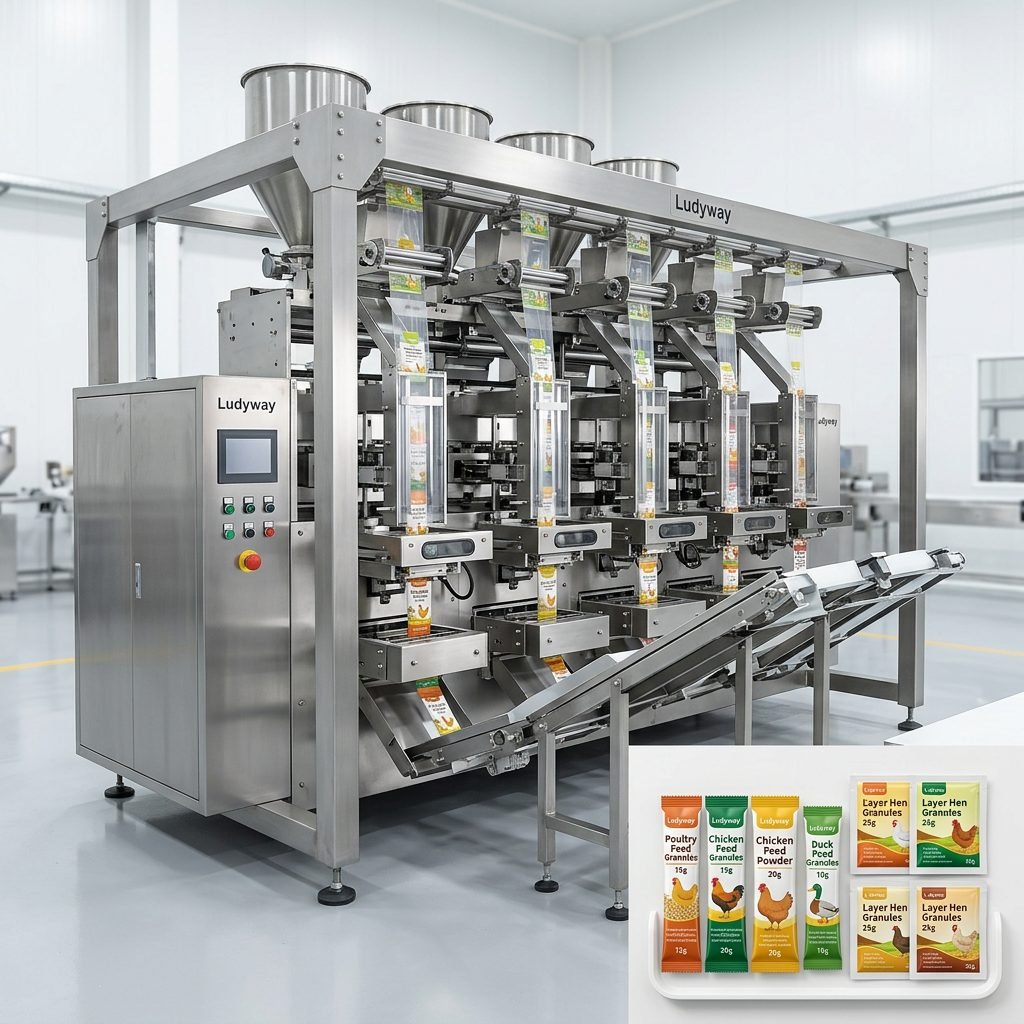
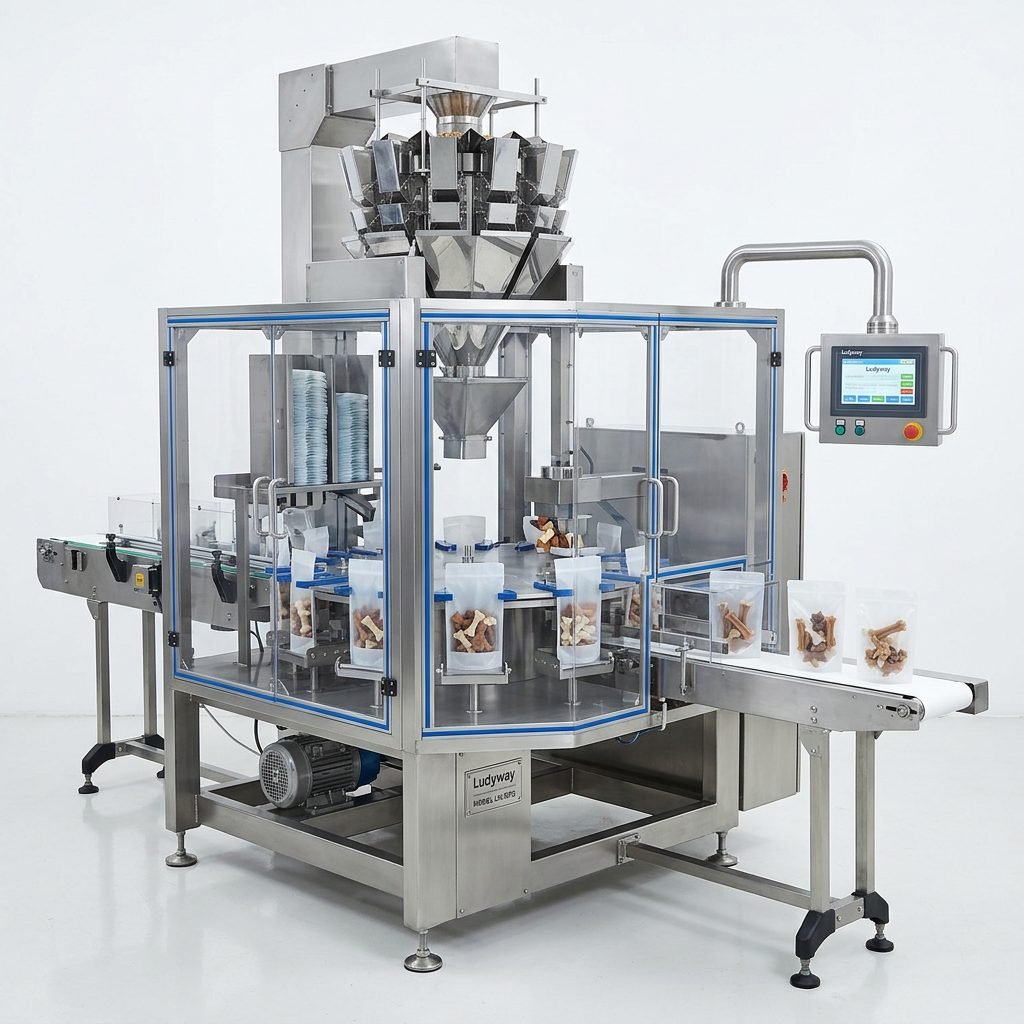
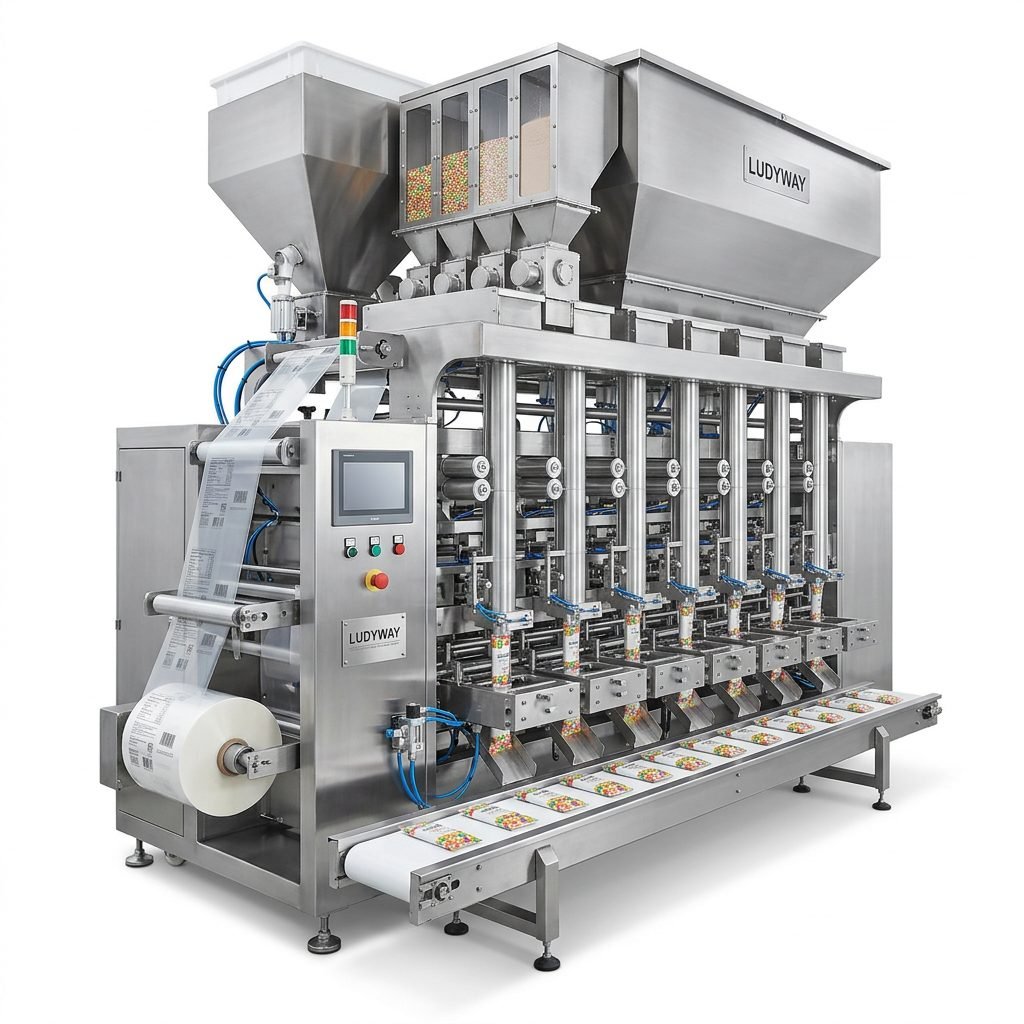
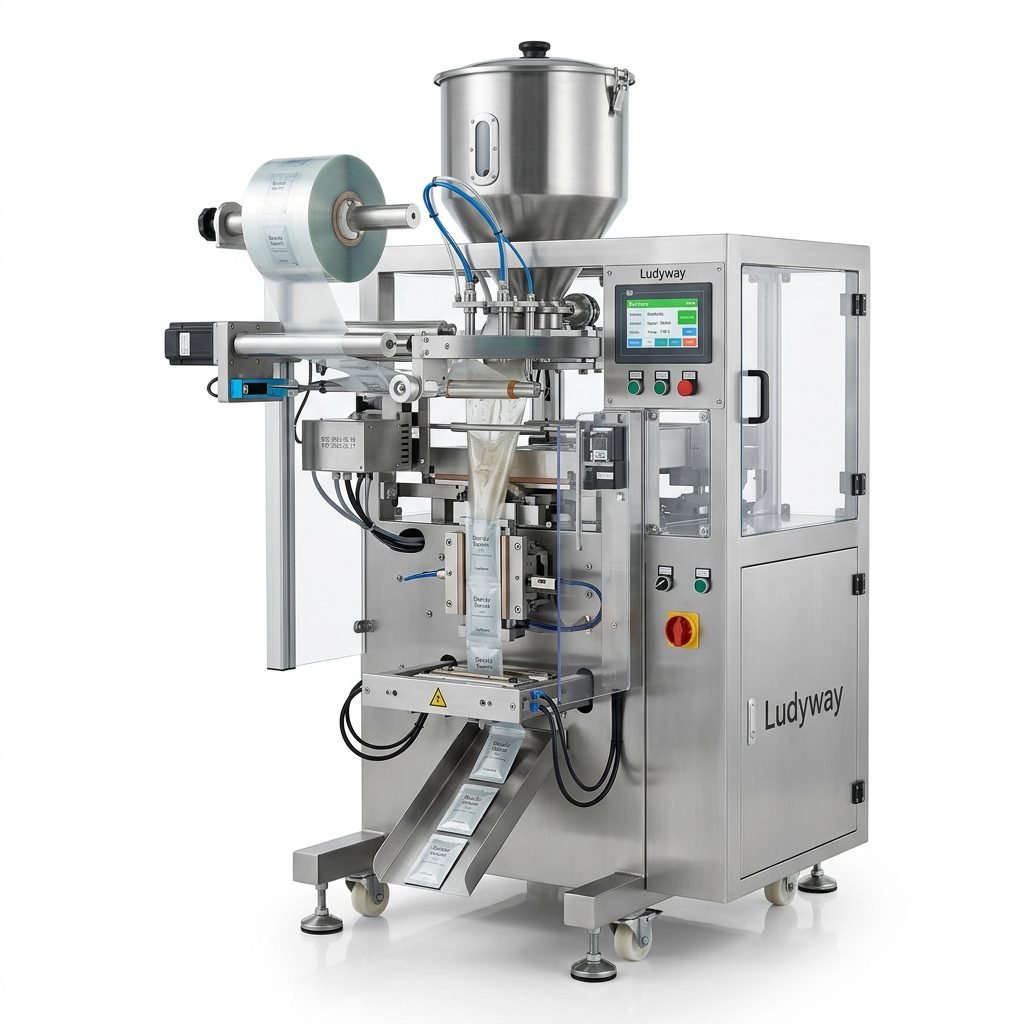
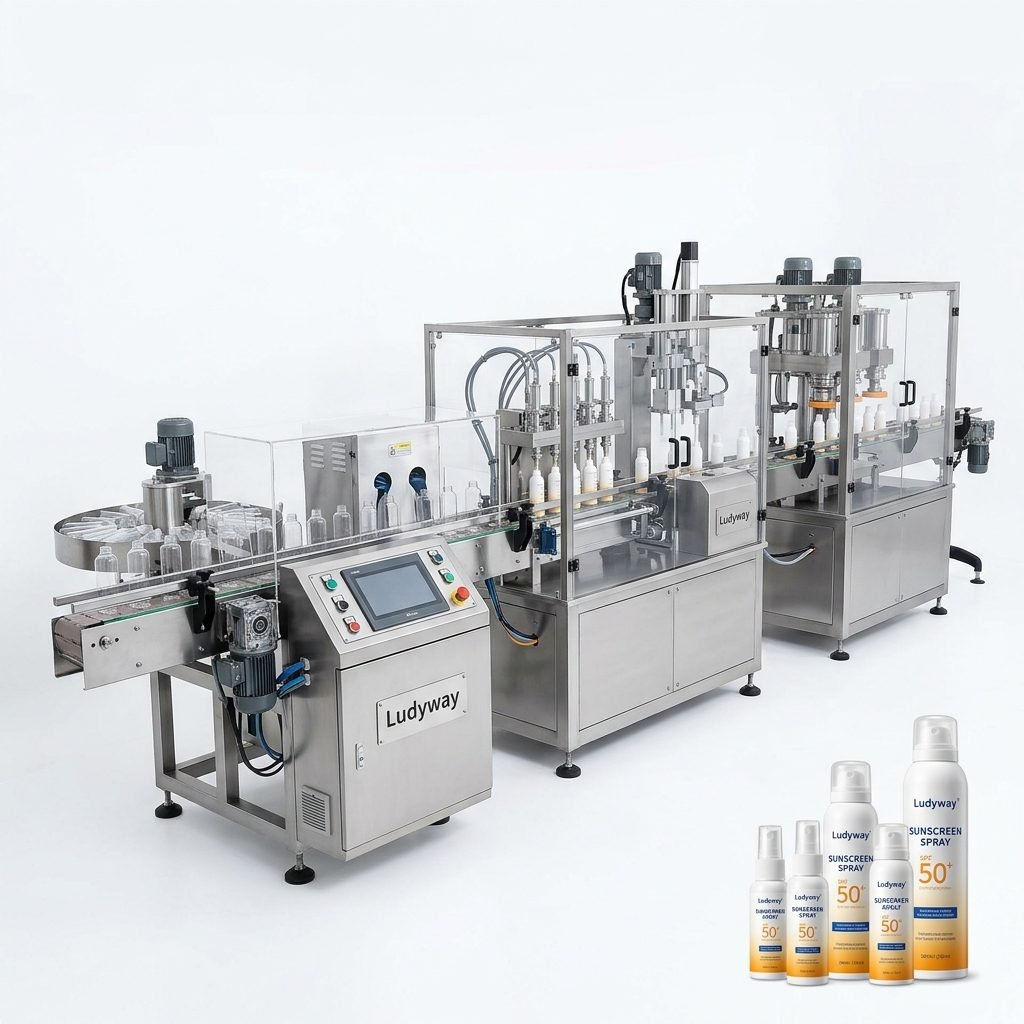
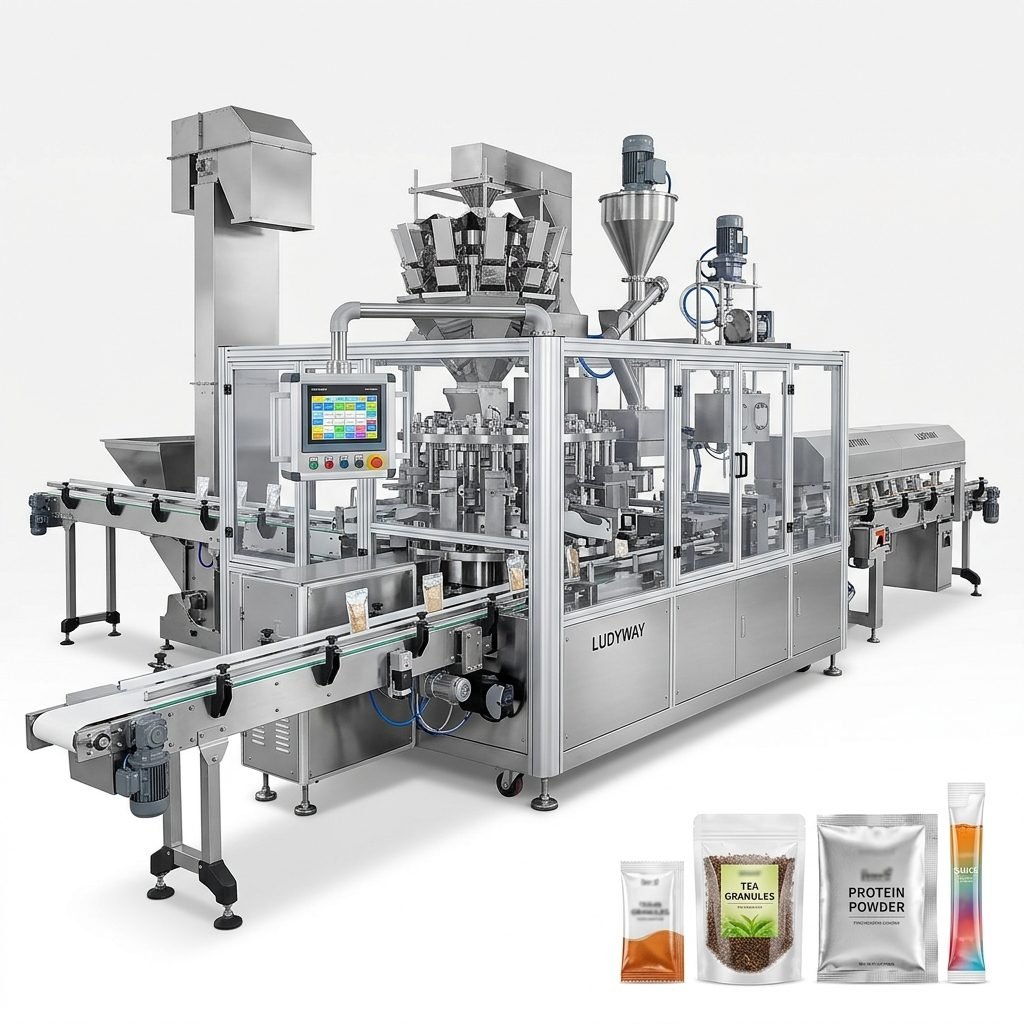
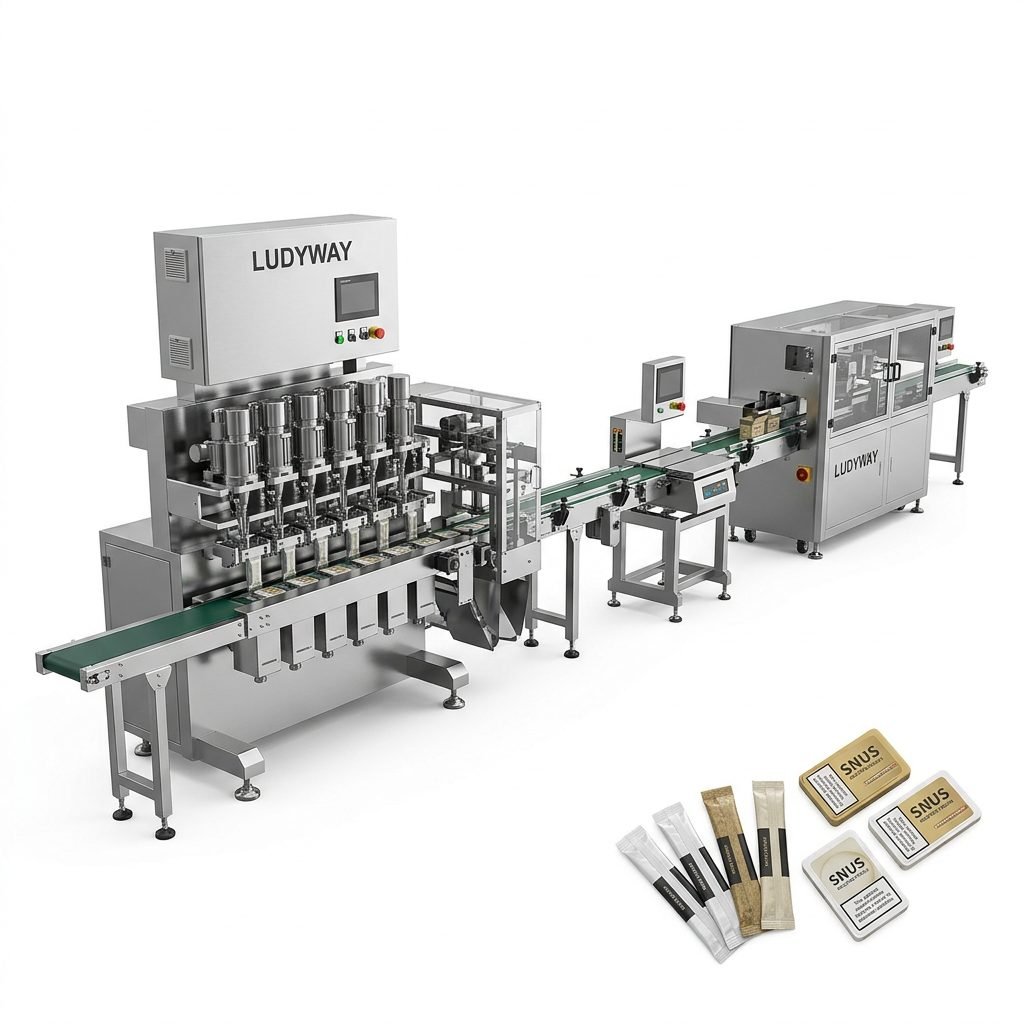
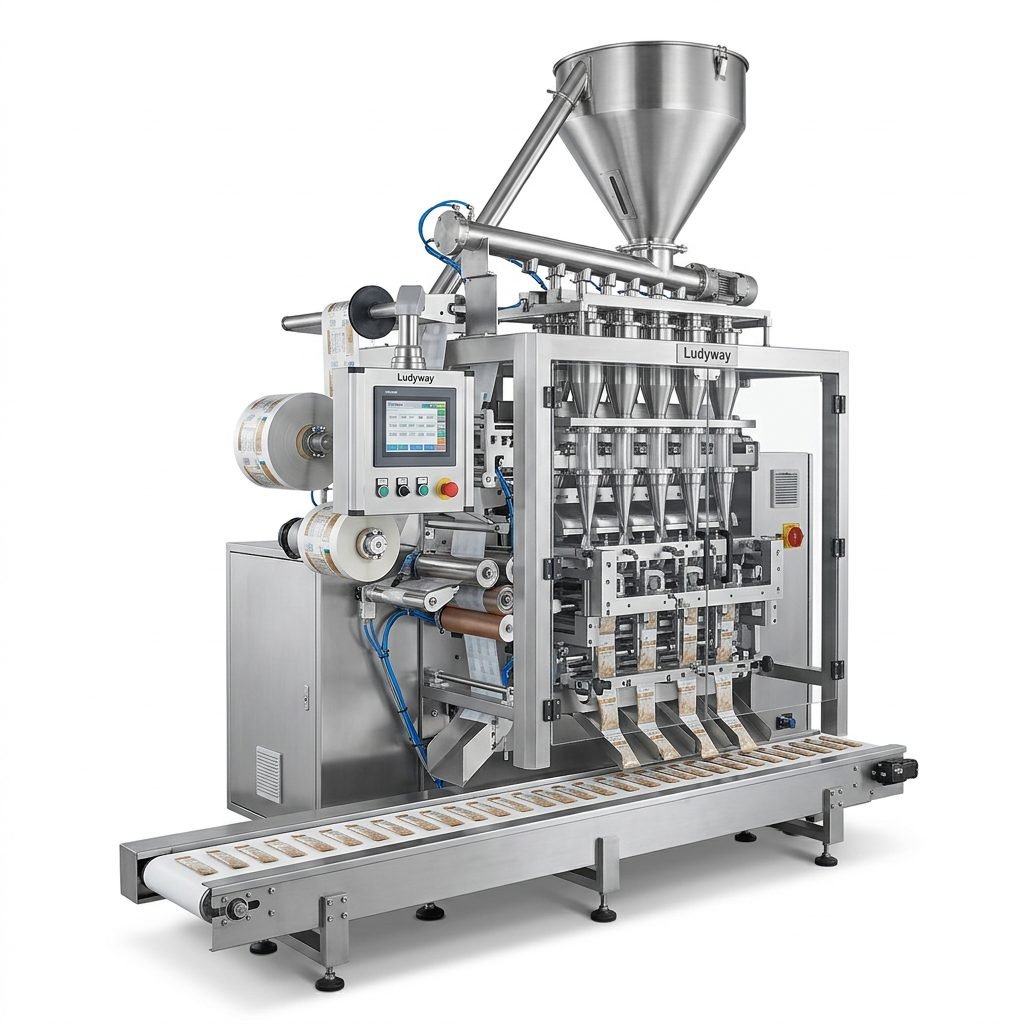
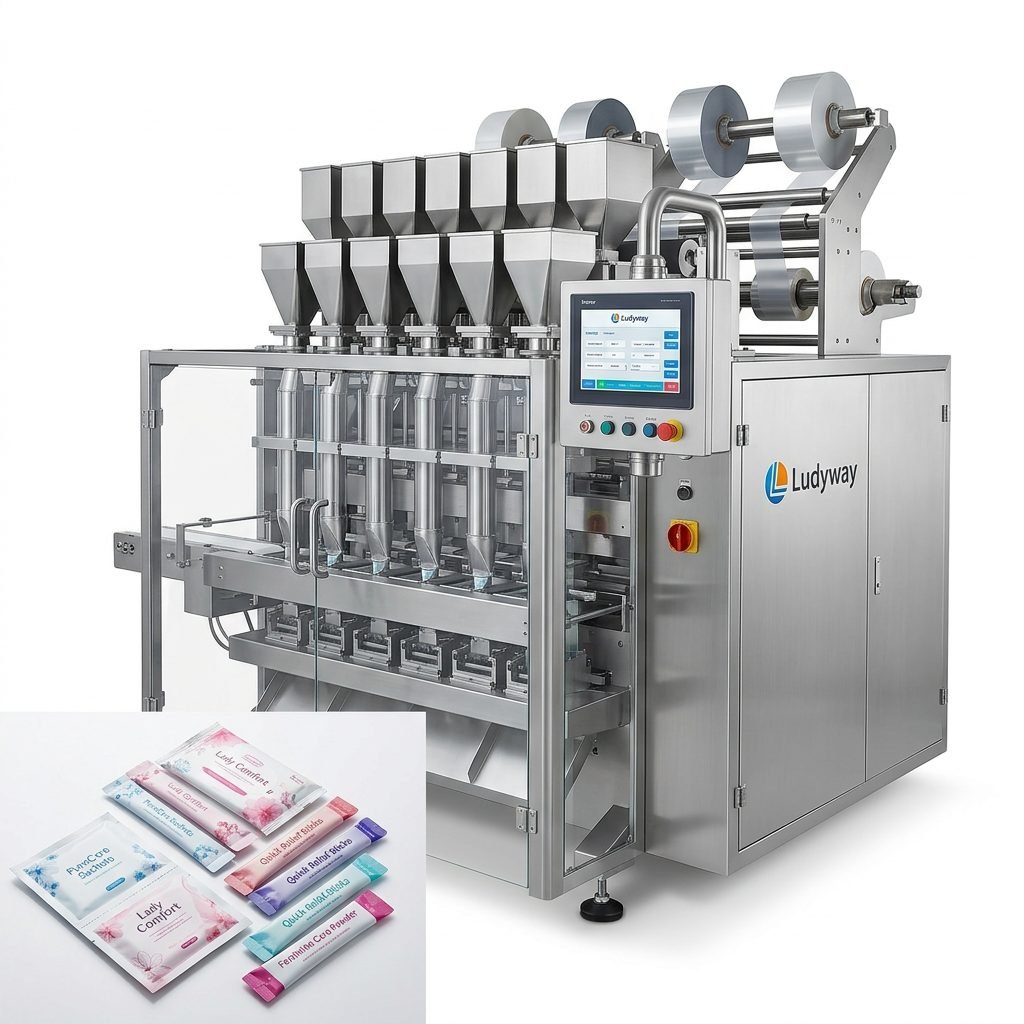
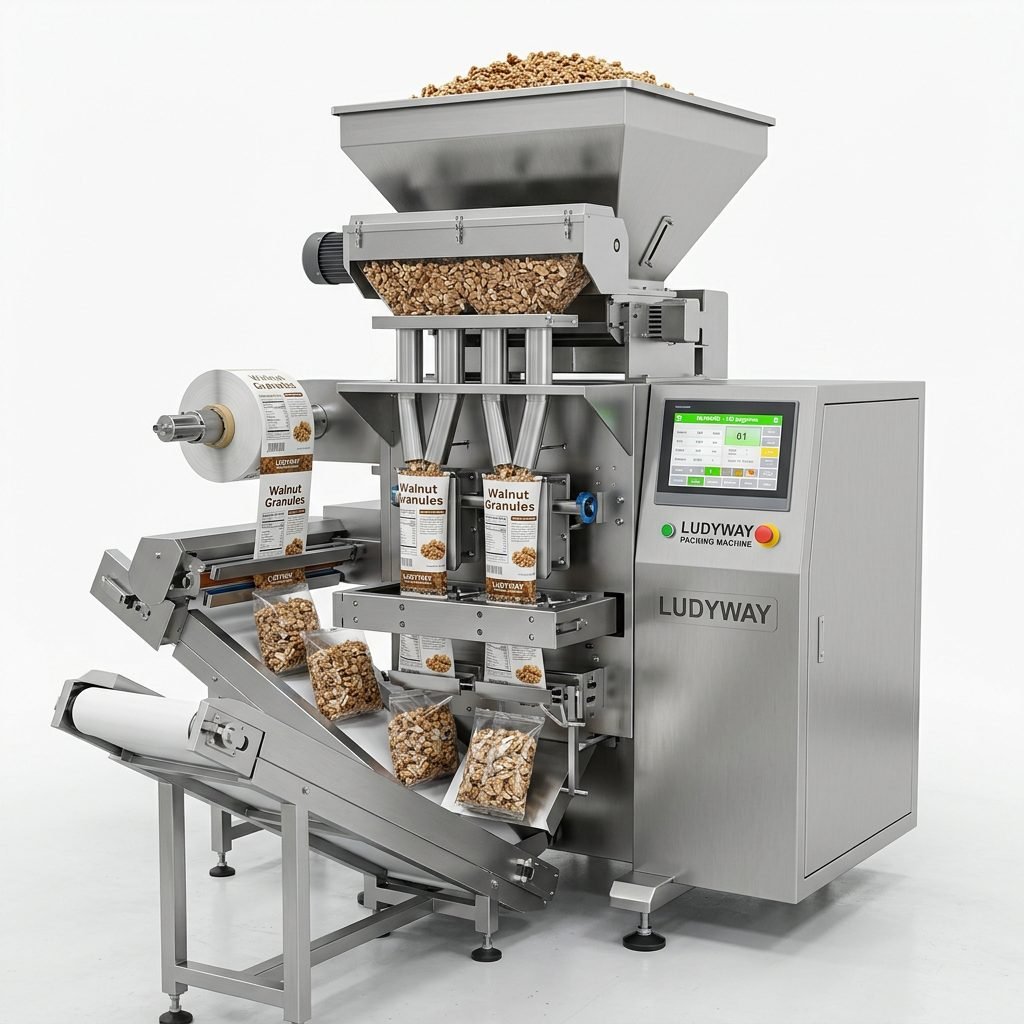
Choosing the right vacuum seal packaging machine is a critical decision for businesses and individuals serious about extending shelf life, preserving quality, and reducing waste. Whether you’re packaging fresh food for retail, protecting sensitive electronics, or storing bulk products, the correct machine can be a game-changer for efficiency and product integrity. This comprehensive guide will walk you through the key factors to consider, ensuring you select the best model tailored to your specific storage needs for food and other products.
Understanding Vacuum Seal Packaging Technology
At its core, vacuum sealing removes air from a package before sealing it shut. This process dramatically slows down oxidation and inhibits the growth of aerobic bacteria and fungi, which are the primary causes of food spoilage and degradation. For non-food items, it provides a barrier against moisture, dust, and corrosion. Modern machines achieve this through a combination of a powerful pump to evacuate air and a reliable heat sealing mechanism to create an airtight closure.
→ Key Benefit: Vacuum sealing can extend the shelf life of refrigerated foods by 3 to 5 times compared to conventional storage methods. For frozen items, it prevents freezer burn almost entirely, preserving texture and flavor for years.
Primary Applications: Food vs. Product Storage
Your intended use is the first and most important filter for choosing a machine. The requirements differ significantly.
For Food Storage
Machines for food must be made from food-safe materials, easy to clean, and capable of handling moist or oily contents. Key considerations include:
- Moisture Tolerance: Look for a “pulse” or “moist” setting that prevents liquid from being sucked into the machine’s pump.
- Bag Material: Ensure the machine is compatible with FDA-approved, BPA-free bags that are safe for direct food contact and suitable for freezing or boiling.
- Seal Bar Length: A longer seal bar allows you to create custom-sized bags and seal larger openings, offering more flexibility.
For Product & Industrial Storage
When protecting electronics, medical supplies, hardware, or archival materials, different factors come into play:
- Pump Power & Ultimate Vacuum: A stronger pump capable of achieving a deeper vacuum (measured in bar or Pascal) is crucial for creating a rigid, protective package for sensitive items.
- Chamber Size: For bulky or irregularly shaped products, a chamber vacuum machine is often necessary.
- Gas Flushing Option: Some advanced models offer Modified Atmosphere Packaging (MAP), replacing air with inert gases like nitrogen to provide an even higher level of protection against oxidation.
Key Features to Evaluate in Your Buying Decision
Beyond the basic function, several features separate adequate machines from excellent ones. Prioritize these based on your volume, budget, and skill level.
1. Machine Type: External vs. Chamber Sealers
External (Suction) Sealers: The most common for home and light commercial use. The nozzle sucks air out from the top of the bag placed outside the machine. They are affordable, compact, and great for dry and semi-moist foods. However, they struggle with liquids and powdery items.
Chamber Sealers: The entire bag is placed inside a sealed chamber. The air is removed from around the bag, making them perfect for liquids, powders, and delicate items. They are more powerful, versatile, and durable but also larger, heavier, and significantly more expensive. They are the industry standard for professional food processing and industrial packaging.
2. Pump Type and Performance
The pump is the heart of the machine. Its power determines vacuum speed and depth.
- Rotary Vane Pumps: Common in high-end external and most chamber machines. They are durable, powerful, and provide a consistent, deep vacuum. They require occasional oil changes.
- Dry Pumps / Diaphragm Pumps: Used in entry-level external sealers. They are maintenance-free (no oil) but generally less powerful and have a shorter lifespan under heavy use.
Tip: Check the air removal rate (CFM or L/min) for speed and the ultimate vacuum level (mbar or inHg) for final tightness. A higher CFM is better for large bags, while a lower mbar rating indicates a stronger vacuum.
3. Seal Quality and Bar Design
A weak seal defeats the entire purpose. Look for:
- Double or Impulse Seal Bars: Create two parallel seals for redundancy, greatly reducing the chance of seal failure.
- Wide Seal Bar (8-10mm): Provides a stronger, more reliable bond than narrow (3-5mm) bars.
- Material: Teflon-coated or textured bars prevent bag melt-through and provide consistent heat distribution.
4. Automation and User Interface
For frequent use or commercial operations, automation saves time and ensures consistency.
- Automatic Bag Detection & Sealing: The machine senses when the vacuum is complete and seals automatically.
- Programmable Memory Settings: Save custom programs for different products (e.g., “dry grains,” “moist meat,” “fragile chips”).
- Digital Controls: Offer precise adjustment of vacuum time, seal time, and cool-down time compared to analog dials.
Matching the Machine to Your Usage Volume
Choosing an underpowered machine leads to burnout, while an overly industrial one is a poor investment. Be honest about your needs.
Light / Home Use (Up to 10 bags per session)
A quality external sealer with a dry pump is sufficient. Focus on ease of use, storage size, and bag compatibility. Features like a built-in bag cutter and roll storage are convenient bonuses.
Heavy / Small Business Use (10-50 bags daily)
Step up to a commercial-grade external sealer with a rotary vane pump. Look for robust construction, a high-wattage heating element, and advanced features like pulse vacuum and programmable settings. A semi-automatic chamber machine becomes a viable option for businesses packaging liquids or powders.
Commercial / Industrial Use (50+ bags daily)
This is the domain of automatic chamber vacuum machines, belt chamber sealers, and fully automated packaging lines. Speed, durability, and integration with other equipment (like labelers and conveyors) are paramount. Partnering with a supplier offering strong technical support and service is crucial at this level.
Budgeting Beyond the Initial Purchase
The machine’s price tag is only part of the total cost of ownership. Always factor in:
- Bag & Roll Cost: Calculate the per-bag cost of compatible materials. Some machines lock you into proprietary bags, while others use standard, widely available rolls.
- Maintenance: Rotary vane pumps require oil. All machines need periodic cleaning of the seal bar and gaskets. Check filter replacement costs and frequency.
- Durability & Warranty: A machine with a 2-year warranty and a metal housing will likely outlast a 90-day-warranty plastic model, offering better long-term value.
Final Checklist Before You Buy
Use this list to compare your final options side-by-side:
- ✅ Application Match: Is it designed for my primary use (food/liquid/industrial)?
- ✅ Capacity & Speed: Does the chamber size or bag width meet my needs? Is the pump fast enough?
- ✅ Seal Reliability: Does it have a wide, double-seal bar with good reviews for strength?
- ✅ Ease of Use & Cleanup: Is the interface intuitive? Are key components easy to wipe down?
- ✅ Total Cost of Ownership: Are consumables affordable and readily available? What is the warranty period?
- ✅ Brand Reputation & Support: Does the manufacturer or supplier have positive reviews and offer accessible customer service?
Investing in a vacuum sealer is an investment in quality preservation and operational efficiency. By systematically evaluating your needs against the machine’s type, features, and durability, you can make a confident choice that will deliver value for years to come. Whether you’re a home meal-prepper, a small-scale farmer, or a production manager, the right vacuum packaging solution is a powerful tool for minimizing waste and maximizing product appeal.
Frequently Asked Questions (FAQs)
Can I vacuum seal liquids with any machine?
No. Standard external sealers will pull liquid into the pump, causing damage. You must use a chamber vacuum sealer, which removes air from around the bag, or an external sealer with a specialized “moist” setting and a container designed for liquid sealing.
What is the difference between a vacuum sealer and a heat sealer?
A heat sealer only melts the plastic layers of a bag together to create a closure. A vacuum sealer first removes the air from the bag and then uses a heat sealer to close it, creating an airtight, vacuum-packed environment. All vacuum sealers contain a heat sealing mechanism.
How long do vacuum-sealed foods last?
Vacuum sealing significantly extends shelf life but does not make food safe indefinitely. Guidelines vary: refrigerated raw meat may last 1-2 weeks (vs. 3-5 days), hard cheese up to 8 months, and frozen cooked meals 2-3 years. Always follow food safety guidelines and inspect food before consumption.
Are all vacuum bags the same?
Absolutely not. Bag quality varies greatly in material thickness, puncture resistance, and clarity. For long-term storage or sharp-edged products, use multi-ply (3+ layers), nylon-based bags with a high mil thickness. Always ensure bags are rated for your intended use (freezing, boiling, etc.).
Is a more expensive machine always better?
Not necessarily “better,” but more suitable for heavy-duty or specific tasks. A $100 home sealer is perfect for occasional use with dry goods. A $2,000 chamber sealer is necessary for daily commercial use with liquids. The key is to match the machine’s capabilities and build quality to your actual volume and application to find the best value.