In the fast-paced world of modern manufacturing, the efficiency of product packaging is paramount. For industries handling powders, granules, and liquids, fill seal packaging machines are indispensable. These automated systems form, fill, and seal packages in a continuous, high-speed operation, ensuring product integrity, hygiene, and consistent presentation. This comprehensive guide delves into the types, working principles, and critical factors for selecting the right fill seal packaging machine for your production line.
Understanding Fill Seal Packaging Machines
Fill seal packaging machines, often called form-fill-seal (FFS) machines, are automated systems that create packages from a roll of flexible film, fill them with a measured product dose, and then seal them. This integrated process eliminates the need for pre-made bags, streamlining production, reducing material waste, and minimizing human contact with the product. They are the backbone of packaging for a vast array of goods, from instant coffee and spices to pharmaceuticals and shampoo sachets.
Key Advantage: The primary benefit of a fill seal system is its all-in-one functionality. It transforms raw packaging material into finished, filled pouches in a single, controlled environment, significantly boosting output and maintaining stringent hygiene standards.
Core Working Principle of FFS Machines
The operation of a vertical or horizontal fill seal machine follows a precise, cyclical sequence. While configurations vary, the fundamental steps remain consistent:
1. Film Feeding & Forming
A roll of laminated or coated packaging film (e.g., PET/AL/PE) is mounted on an unwind stand. The film is drawn into the machine and guided through forming mechanisms. In a vertical machine (VFFS), a forming collar shapes the flat film into a continuous tube. In a horizontal machine (HFFS), the film is formed into pockets or cavities.
2. Longitudinal Sealing
The overlapped edges of the film tube (in VFFS) or the top and bottom webs (in HFFS) are sealed together using heated sealing jaws or rollers, creating a continuous, airtight seam.
3. Cross Sealing & Bottom Seal Creation
Simultaneously, a pair of heated sealing jaws close to create the bottom seal of the first pouch and the top seal of the previous pouch. This action also separates the finished pouch from the film tube.
4. Product Filling
Immediately after the bottom seal is made, the precisely measured product is dispensed into the open pouch through a filling system (auger, volumetric cup, pump, etc.). This step occurs in the brief interval before the jaws close to create the top seal.
5. Top Sealing & Cut-Off
The sealing jaws close again to create the airtight top seal of the now-filled pouch. A cutting mechanism, often integrated into the jaws, then separates the finished pouch from the film web. The cycle repeats at high speed.
Major Types of Fill Seal Packaging Machines
Choosing the right type depends on your product characteristics, required pouch style, and production volume.
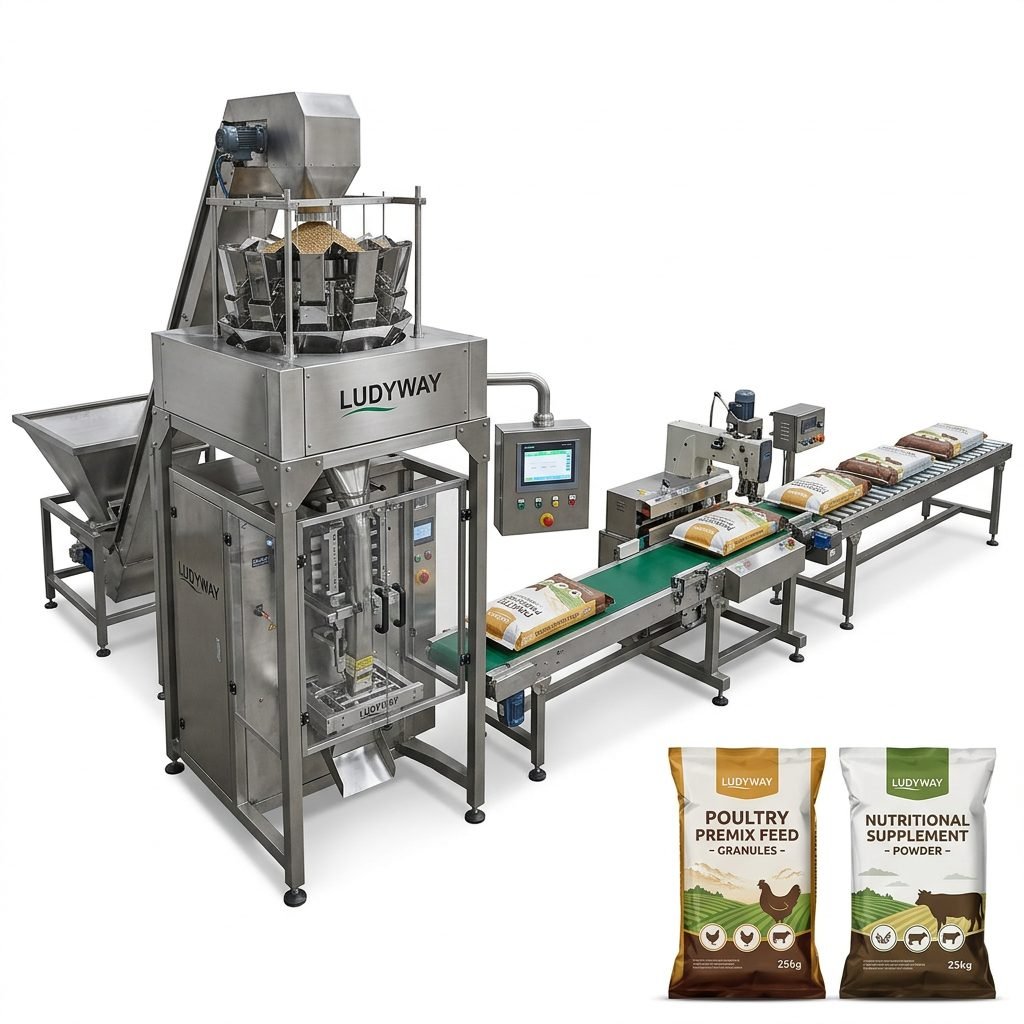
1. Vertical Form Fill Seal (VFFS) Machines
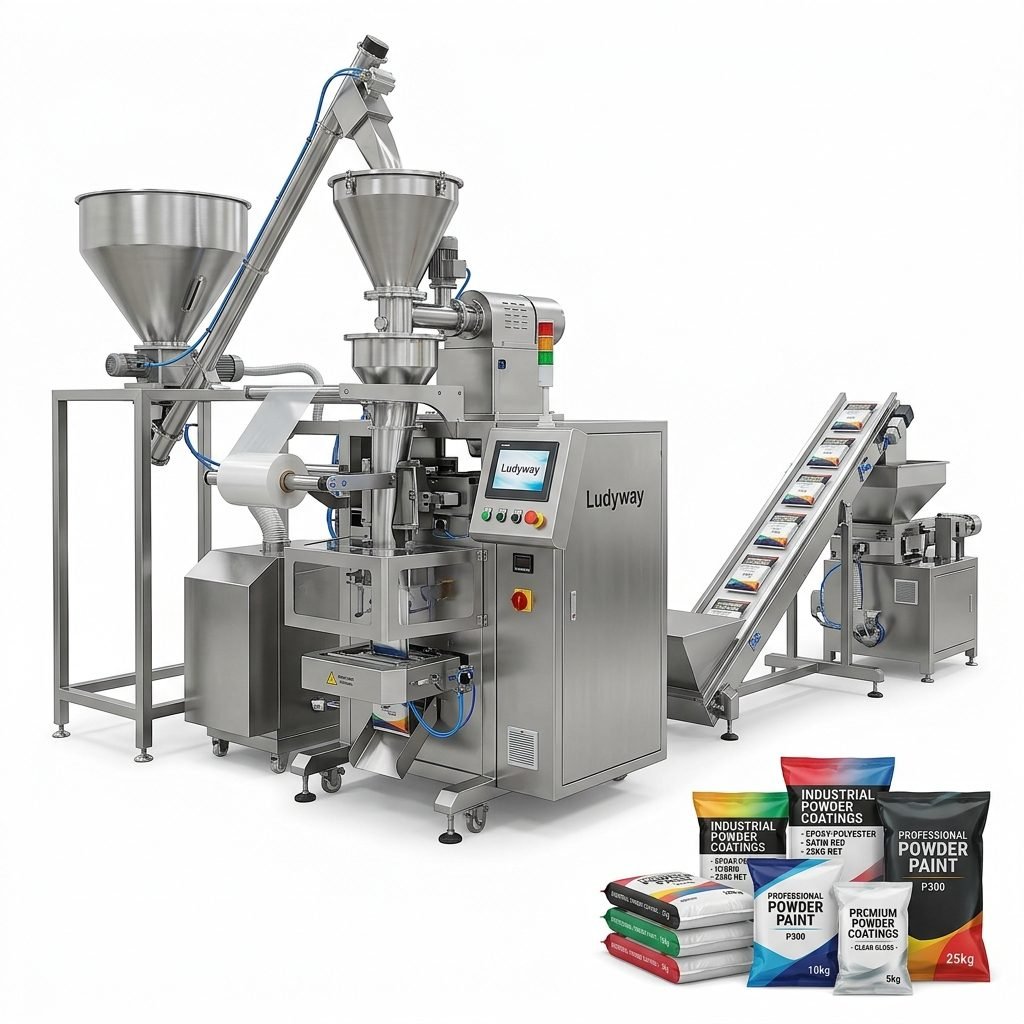
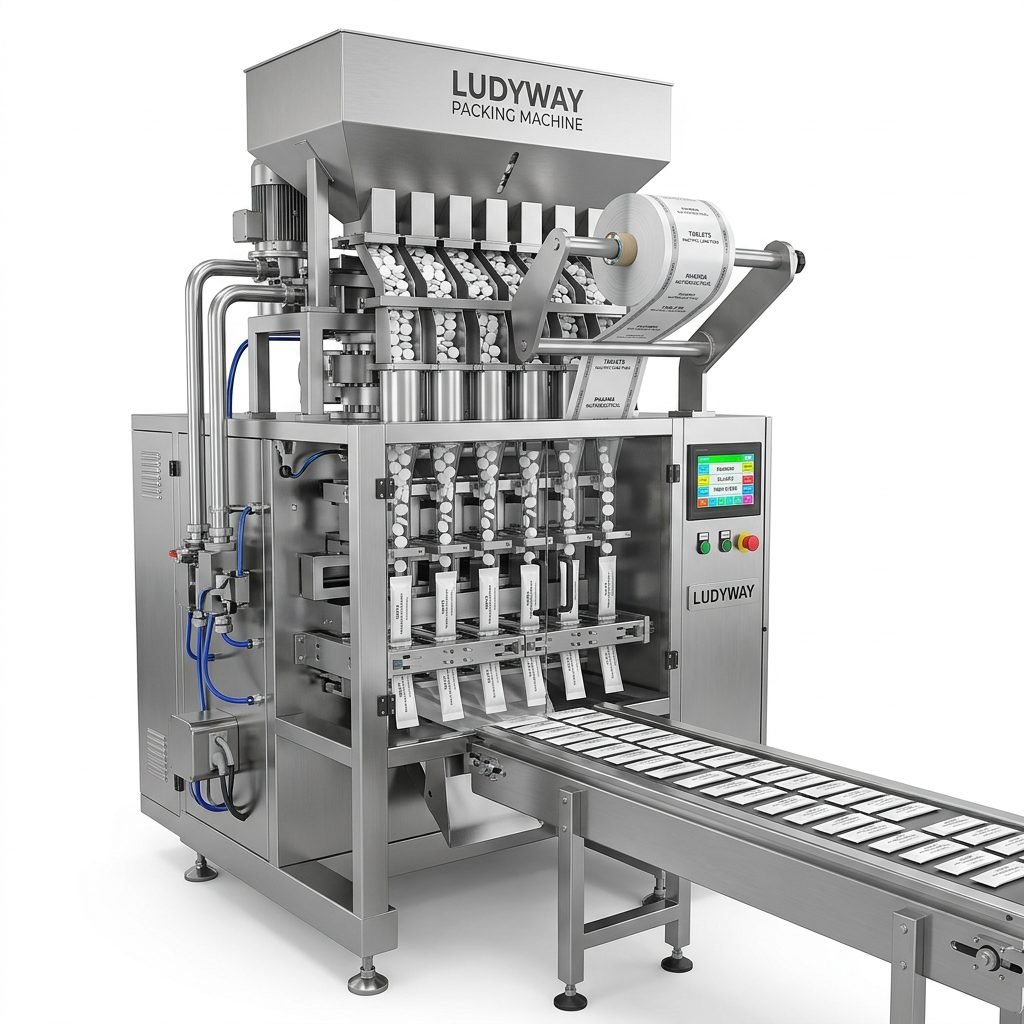
Ideal for free-flowing products like granules, powders, seeds, and small solids. The film is formed vertically, and product is filled by gravity into the tube. VFFS machines are renowned for their compact footprint and high-speed operation, perfect for producing stand-up pouches, pillow packs, and gusseted bags. They are a staple in the snack food, pet food, and hardware industries. For robust and reliable vertical packaging solutions, exploring options from established packaging machinery suppliers is crucial.
2. Horizontal Form Fill Seal (HFFS) Machines
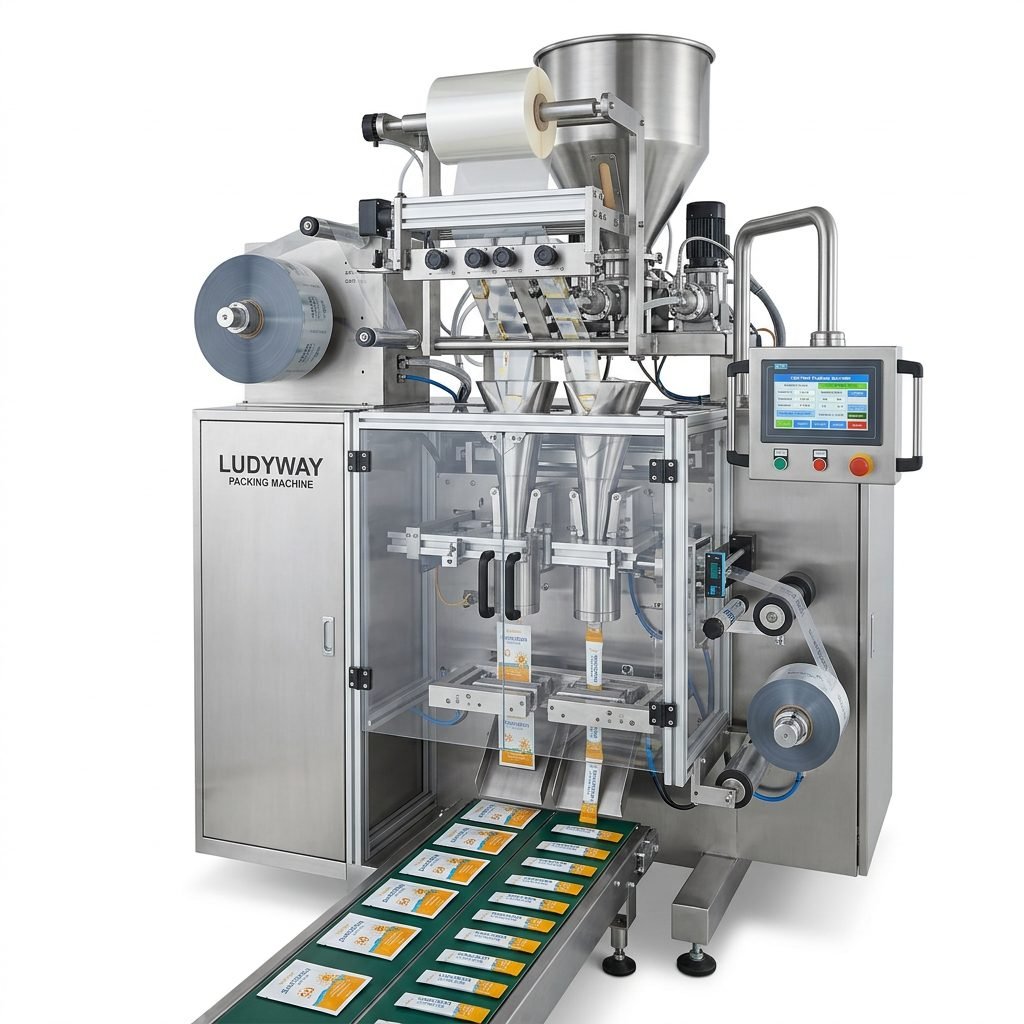
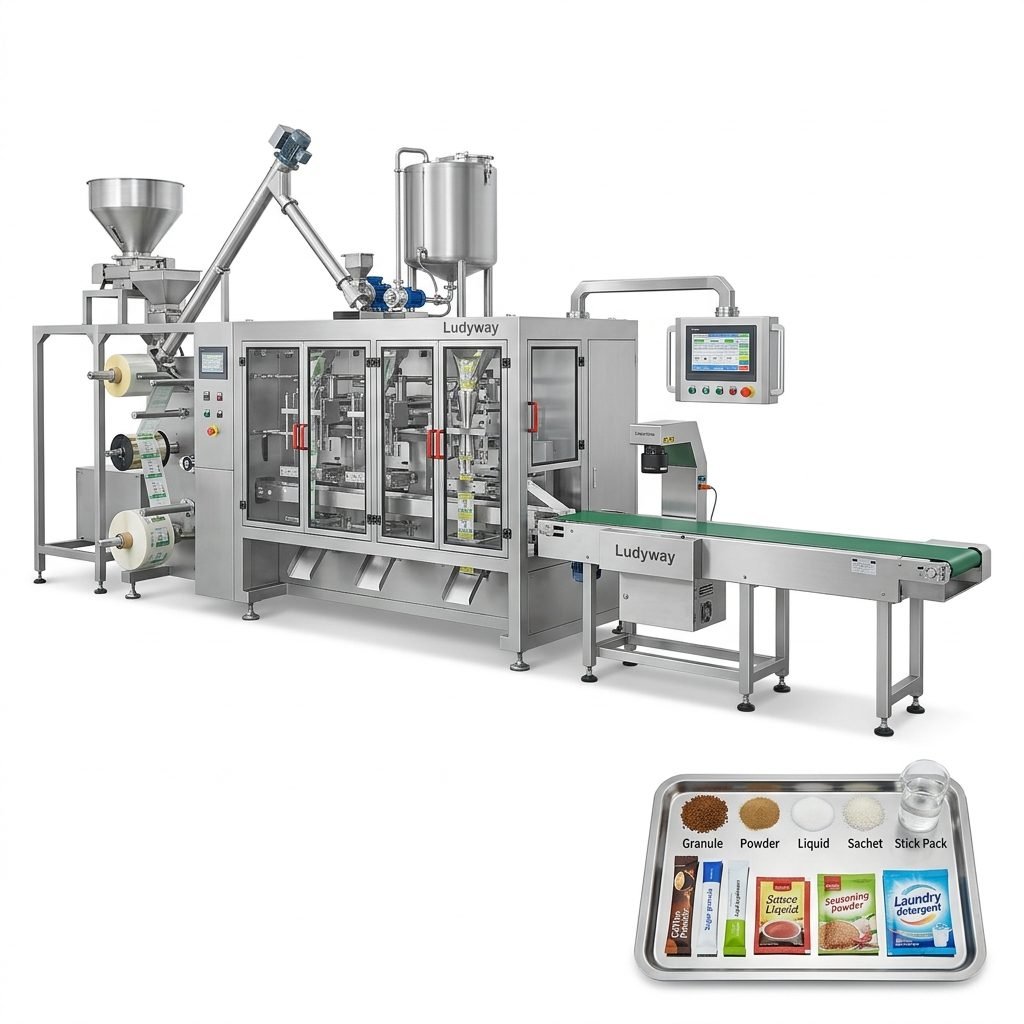
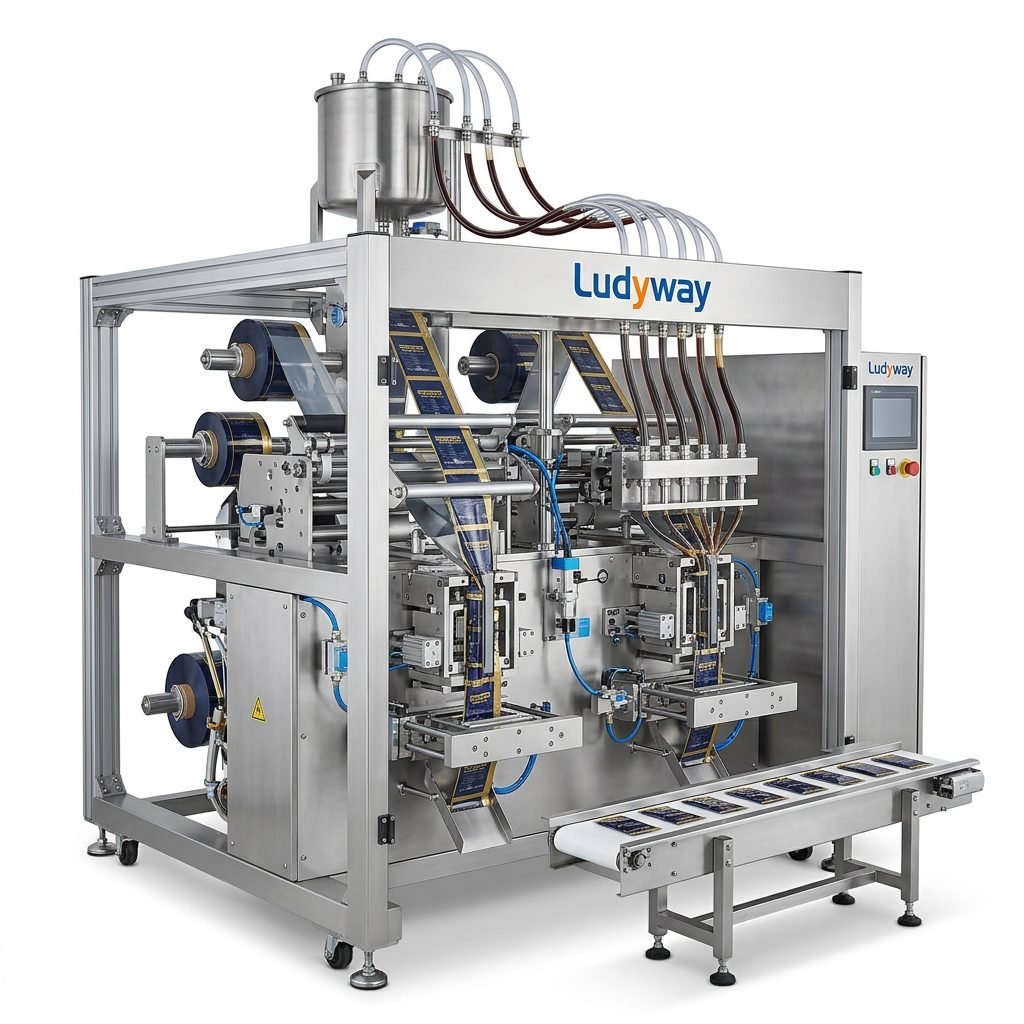
Best suited for non-free-flowing products, liquids, creams, or items that need to be placed (like biscuits or medical devices). Film is fed horizontally, and pre-formed pockets are created before filling. HFFS machines excel at producing complex pouch shapes, such as sachets, stick packs, and four-side-seal pouches. They are widely used for condiments, pharmaceutical doses, and single-serve toiletry items. The precision required for liquid filling often necessitates specialized liquid packaging machine technology within an HFFS system.
3. Stick Pack Machines
A specialized subset of HFFS machines designed exclusively to produce long, narrow “stick” packs. They are the go-to solution for single-serve powders (coffee, protein, electrolytes) and liquids (syrups, honey). Their slim, portable format is highly popular in foodservice and consumer goods.
4. Multi-Lane Filling Machines
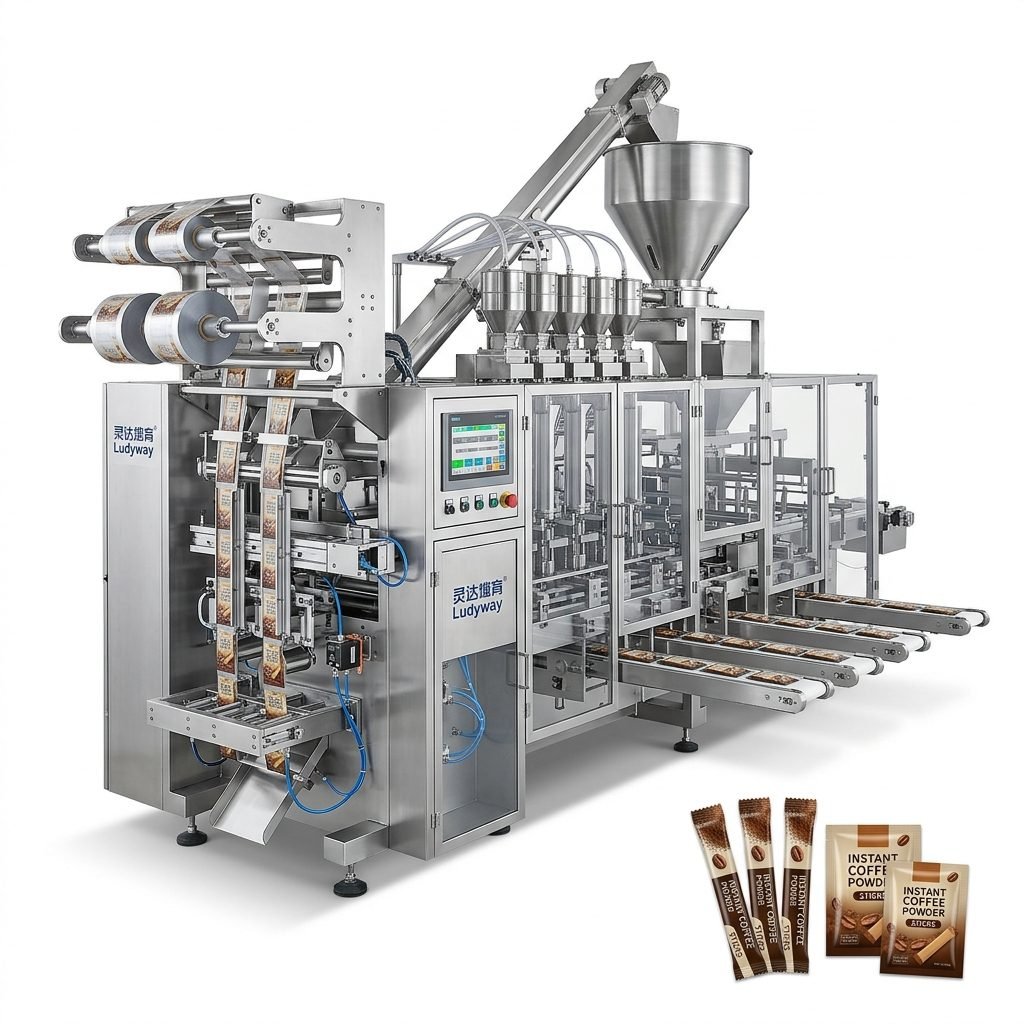
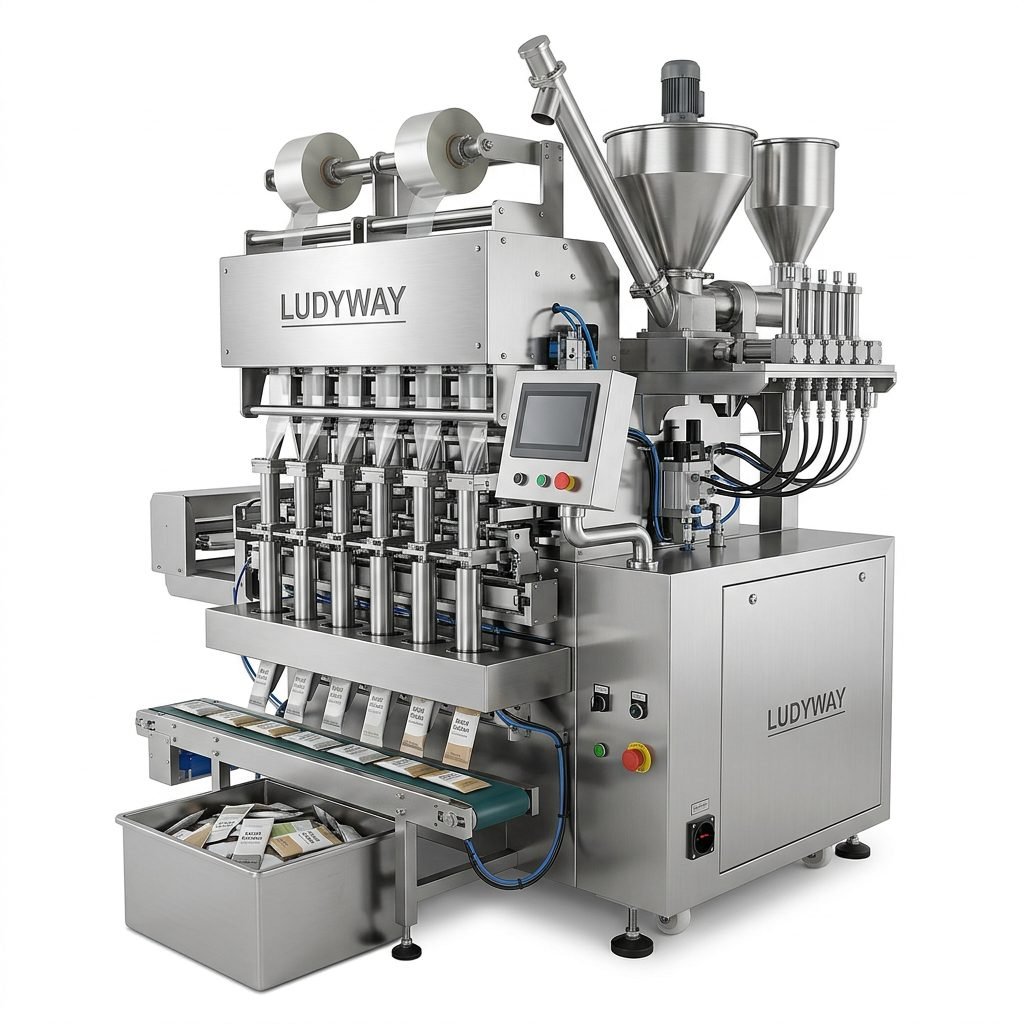
These are high-output systems that feature multiple parallel filling lanes (e.g., 4, 6, 8, or more) operating simultaneously from a single film web. They dramatically increase production speed for small sachets or stick packs, making them economically essential for large-scale manufacturing. Companies like Ludyway Machinery offer advanced multi-lane solutions that integrate seamlessly with other line equipment.
Choosing Between VFFS and HFFS: A Quick Guide
Choose VFFS if: Your product is free-flowing (powder, granules), you need high speed, and your space is limited. Common output: pillow bags, stand-up pouches.
Choose HFFS if: Your product is liquid, viscous, or needs precise placement, and you require complex pouch shapes like sachets or stick packs.
How to Choose the Right Fill Seal Machine Model
Selecting the optimal machine is a strategic investment. Here are the key parameters to evaluate:
1. Product Characteristics
This is the foremost consideration. Define your product’s form (powder, granule, liquid), flowability, abrasiveness, hygroscopicity, and required fill accuracy. A hygroscopic powder will need a machine with excellent dust extraction and possibly nitrogen flushing, while a viscous paste will require a piston pump filler.
2. Packaging Material & Pouch Specifications
Determine the film structure (monolayer or laminate), thickness, and width your product requires. Specify the desired pouch type (pillow, gusseted, stand-up, sachet), dimensions (length, width), and seal type (fin seal, lap seal). The machine must be compatible with your chosen material for consistent, strong seals.
3. Production Speed & Output Requirements
Calculate your required output in pouches per minute (PPM). Match this with the machine’s rated speed. Remember to factor in future growth—choosing a slightly more capable machine can be wiser than maxing out a smaller one immediately.
4. Level of Automation & Integration
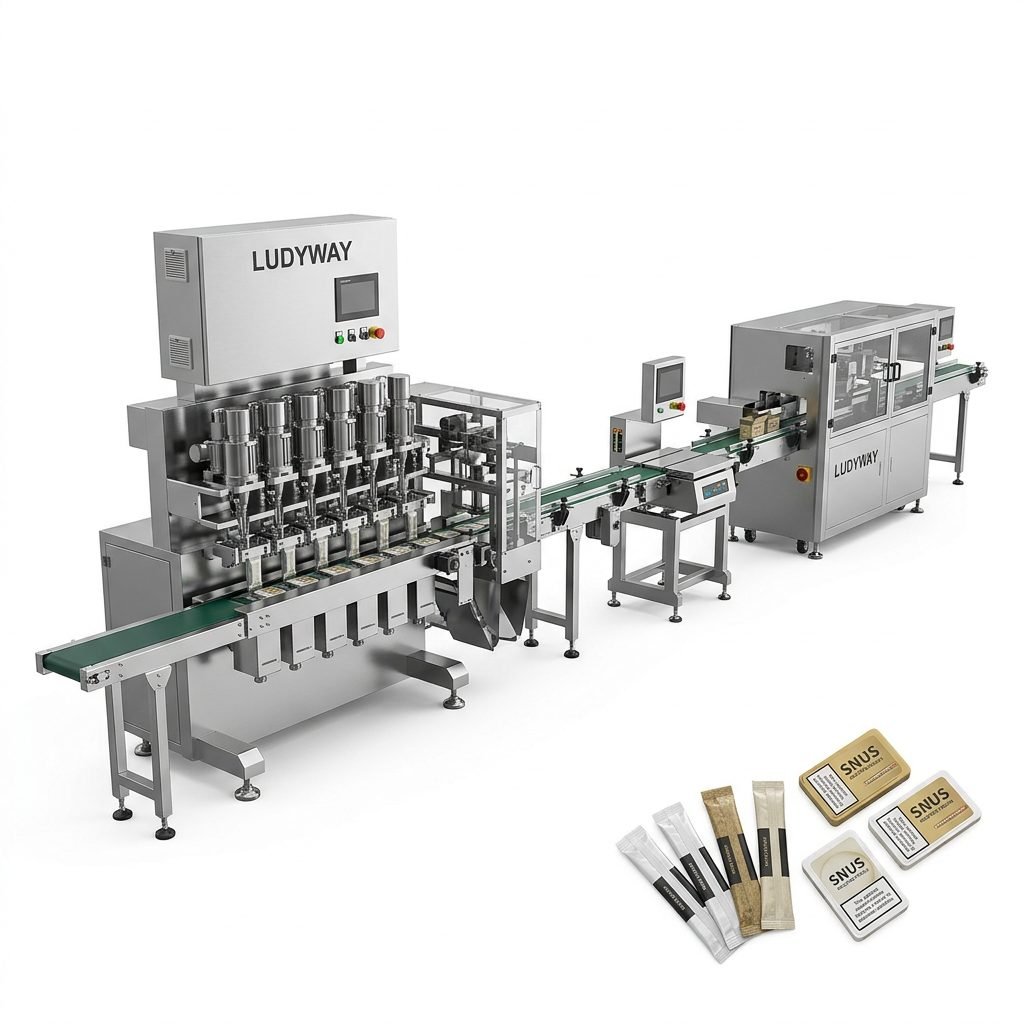
Consider upstream and downstream needs. Will the machine need automated feeding (like a vibratory feeder or conveyor)? Should it be integrated with a checkweigher, metal detector, or cartoning system? Modern turnkey solutions from experienced providers ensure all components work in harmony.
5. Machine Construction & Hygiene
For food or pharmaceutical use, hygiene is non-negotiable. Look for machines with stainless steel contact parts, easy-clean designs, and IP-rated electrical components. Robust construction ensures longevity and minimizes downtime.
6. Supplier Support & Expertise
Your relationship with the manufacturer is critical. Evaluate their industry experience, availability of spare parts, quality of training, and responsiveness of technical support. A supplier with deep application knowledge, like those with 30+ years in the industry, can provide invaluable guidance beyond just selling a machine.
Conclusion
Investing in a fill seal packaging machine is a significant step toward automating and optimizing your production line. By thoroughly understanding the different types—from versatile VFFS units to specialized stick pack machines—and meticulously evaluating your product, output, and operational needs, you can select a model that delivers reliability, efficiency, and a strong return on investment. Partnering with a knowledgeable and reliable machinery provider ensures you get not just equipment, but a complete packaging solution tailored for long-term success.
Frequently Asked Questions (FAQs)
1. What is the main difference between vertical and horizontal fill seal machines?
The core difference lies in the film direction and product filling. Vertical machines form a film tube vertically and are best for free-flowing products filled by gravity. Horizontal machines form pockets in a horizontal plane and are ideal for liquids, pastes, or products that need to be placed, allowing for more complex pouch shapes.
2. Can one fill seal machine handle different products?
Yes, to a certain extent, but with changeover. Many machines are designed for quick changeovers between similar products (e.g., different granule sizes). Switching between vastly different product types (e.g., powder to liquid) typically requires changing the filling system and potentially other components, which is more time-consuming.
3. How important is the packaging film quality for machine performance?
Extremely important. Inconsistent film thickness, poor sealing layer quality, or incorrect tension can lead to sealing problems, wrinkles, and machine jams. Always use film recommended or approved by your machine supplier to ensure optimal performance and seal integrity.
4. What kind of maintenance does a fill seal machine require?
Regular maintenance is essential for longevity. Daily cleaning, weekly lubrication of moving parts, and periodic inspection of sealing jaws, cutters, and drives are standard. Following the manufacturer’s preventive maintenance schedule is the best way to avoid unplanned downtime.
5. What should I look for in a machine supplier?
Prioritize suppliers with proven experience in your specific industry, strong technical support, available spare parts, and comprehensive service (installation, training, maintenance). A supplier that offers customized solutions and can provide references from similar applications is often a reliable choice.