Selecting the right packaging machine manufacturer is a critical strategic decision that directly impacts your production efficiency, product quality, and long-term operational costs. With a global market full of suppliers, from established industry giants to specialized niche providers, navigating the options can be complex. This guide will walk you through the essential factors to consider when choosing a supplier for your production line, helping you make an informed decision that aligns with your business goals.
Key Factors for Evaluating Packaging Machine Manufacturers
Before diving into specific suppliers, it’s crucial to establish your evaluation criteria. A thorough assessment should go beyond the initial machine price.
1. Technical Capability & Machine Range
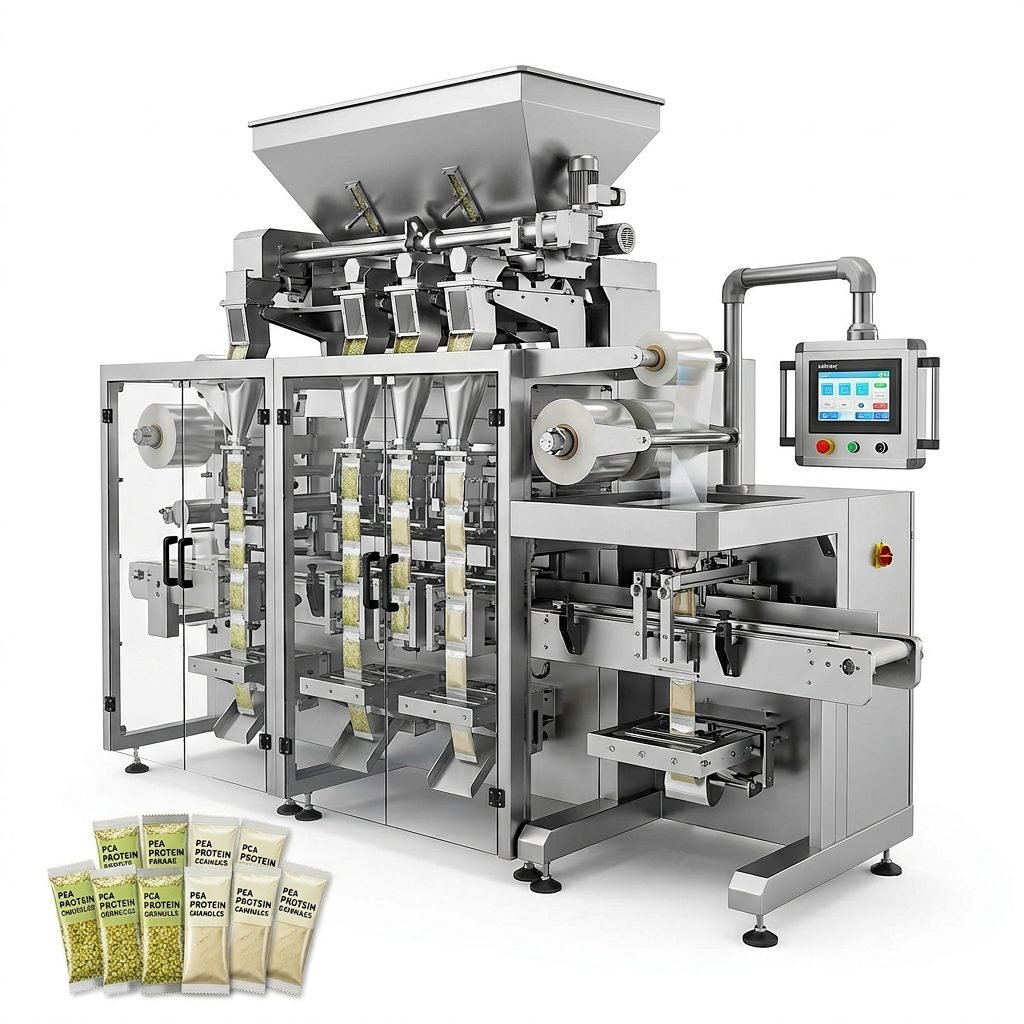
The core of any supplier is its technical prowess. Look for manufacturers with a proven portfolio of machines that match your specific needs—be it sachet, stick pack, pouch, or liquid filling. Evaluate the innovation in their designs, such as servo-driven precision, user-friendly HMIs, and quick-changeover features. A broad range often indicates deeper engineering experience and the ability to provide a more integrated solution.
2. Industry Experience & Specialization
Experience in your specific sector is invaluable. A manufacturer familiar with the regulatory and hygiene standards of the food or pharmaceutical industry, for instance, will design machines that are easier to validate and clean. Their understanding of common production challenges in your field leads to more reliable and suitable equipment.
3. Manufacturing Quality & Reliability
The build quality determines uptime and longevity. Inquire about the quality of components (e.g., PLCs, drives, stainless-steel grades), the robustness of the frame, and the precision of machining. A visit to the production facility, if possible, is highly recommended to witness their quality control processes firsthand.
4. After-Sales Support & Service Network
This is often the most critical differentiator. A machine is a long-term investment. Ensure the supplier offers comprehensive training, technical documentation, readily available spare parts, and responsive service engineers. A global service network or reliable local partners are essential for minimizing downtime.
5. Customization & Project Management
Off-the-shelf solutions rarely fit perfectly. The ability to customize machine functions, speeds, and integrations shows a supplier’s commitment to solving your unique problems. Assess their project management capability for delivering complete turnkey production lines, from initial design to installation and commissioning.
Profiles of Leading Packaging Machine Manufacturers
The global landscape features diverse players. Here’s an overview of common manufacturer types to help you categorize potential suppliers.
Global Full-Line Suppliers
These are large, multinational corporations offering an extensive range of packaging technologies for almost every industry. They provide the advantage of single-source responsibility for complex lines and have extensive R&D and global service networks. They are ideal for large-scale, high-speed operations requiring maximum integration and support.
Specialized Niche Experts
Many manufacturers excel in specific packaging formats or industries. For example, a company might specialize solely in high-precision stick pack machines for pharmaceutical powders or robust pouch packers for dry foods. These suppliers often offer deeper expertise, more focused innovation, and potentially better value in their specific domain.
Integrated Solution Providers
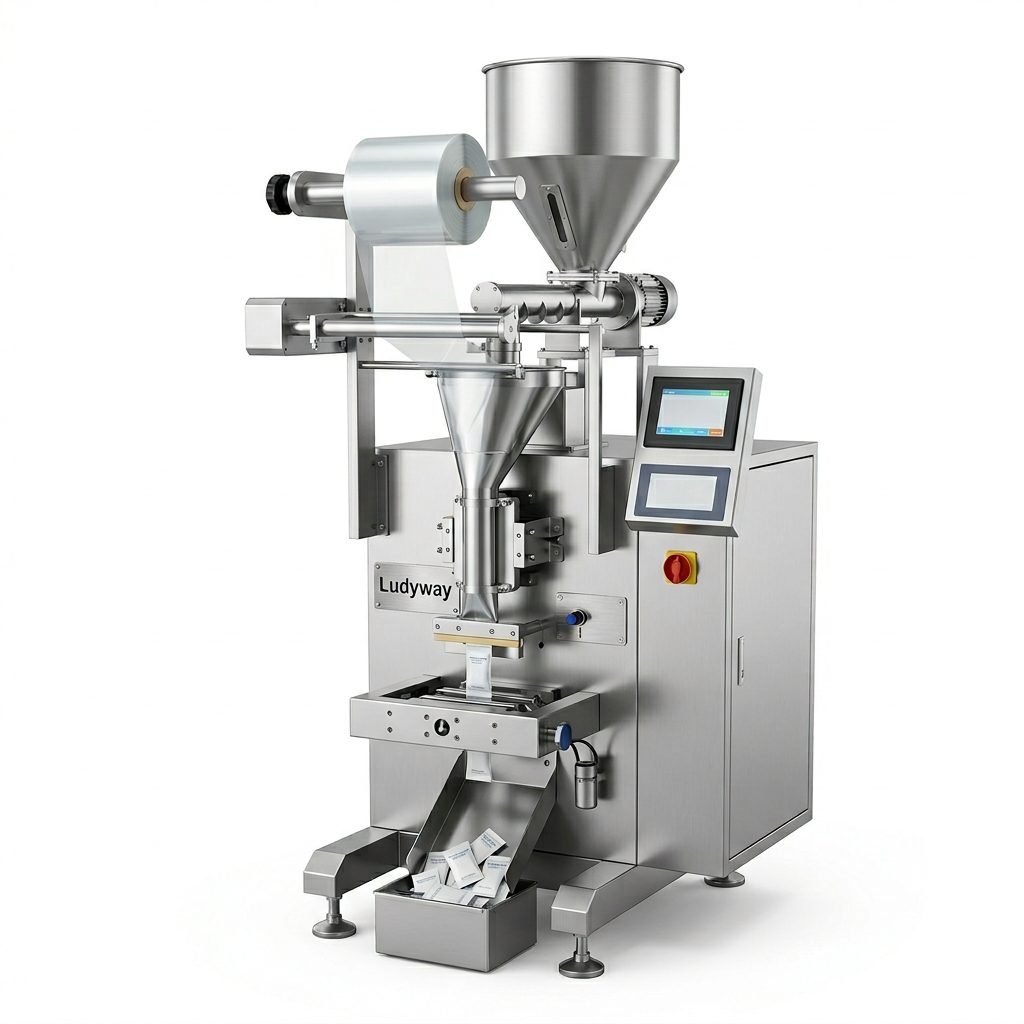
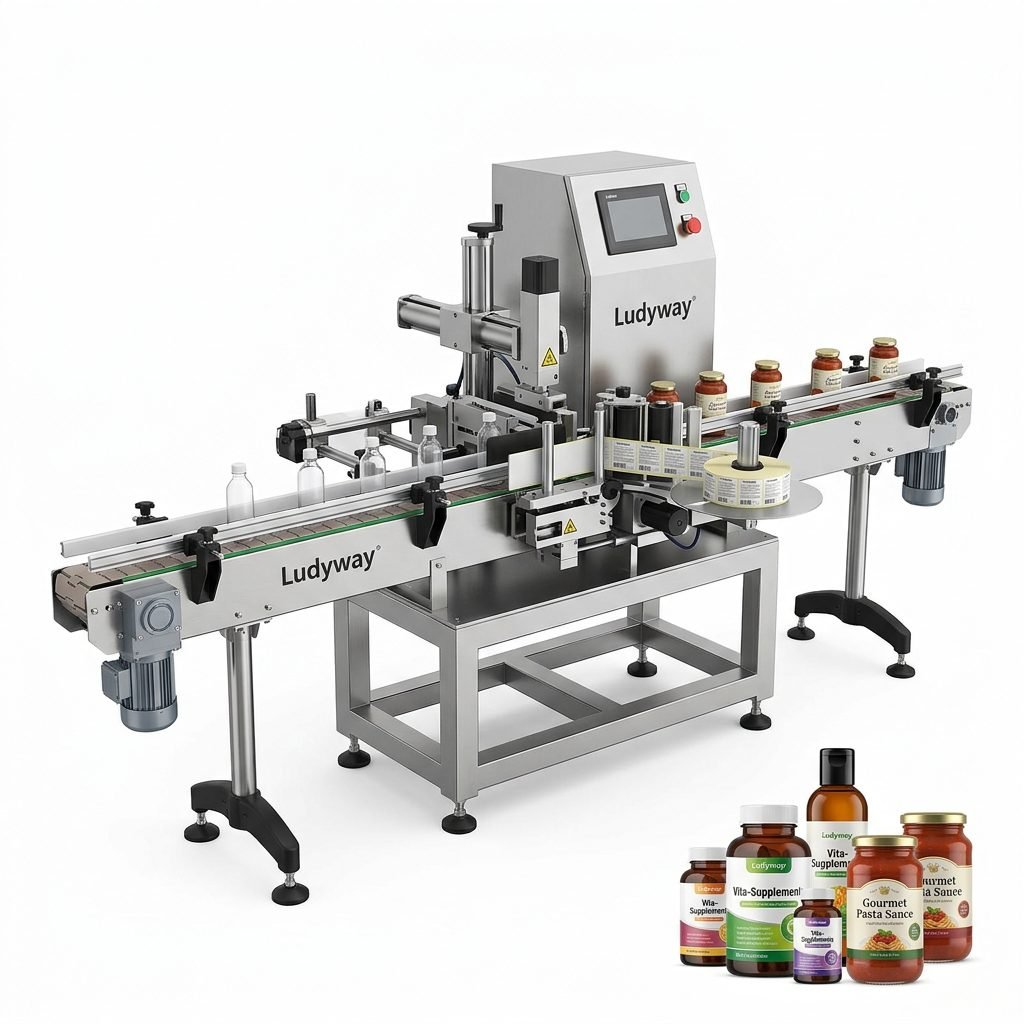
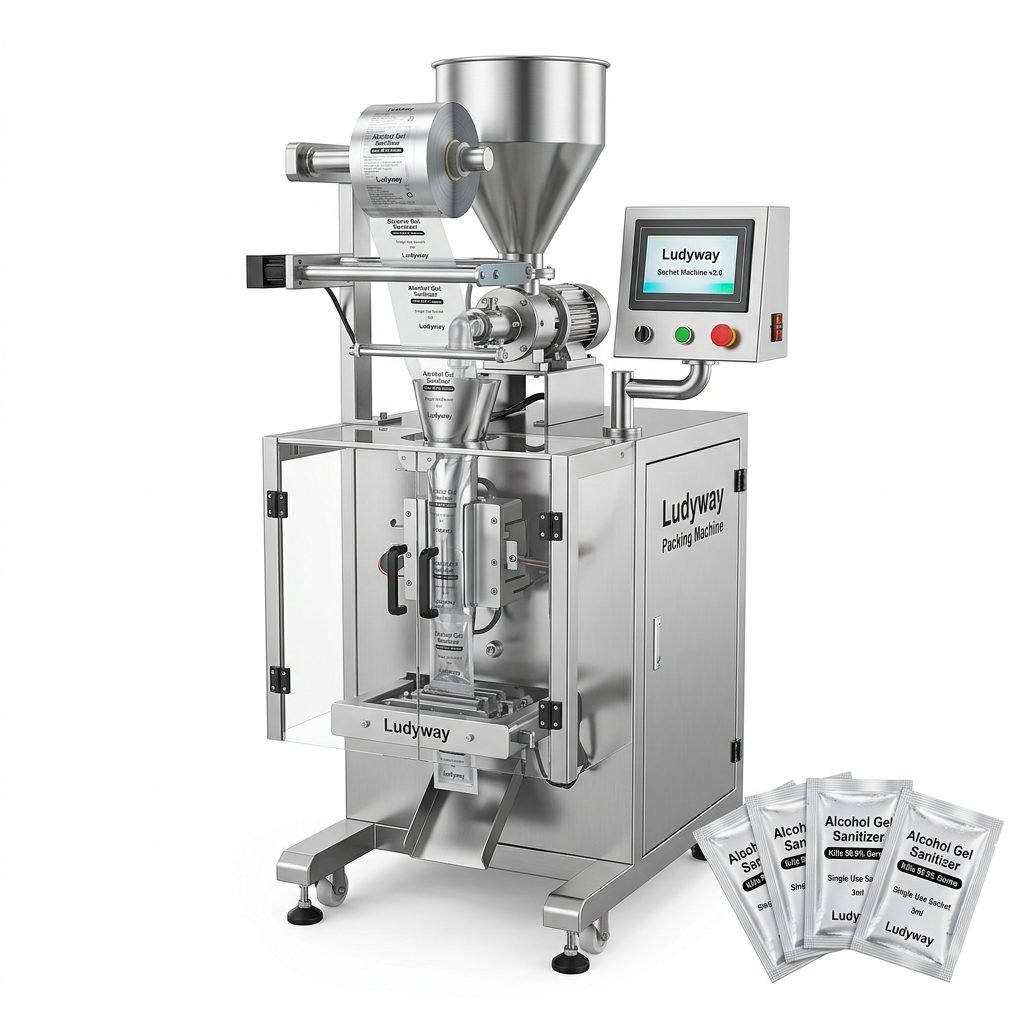
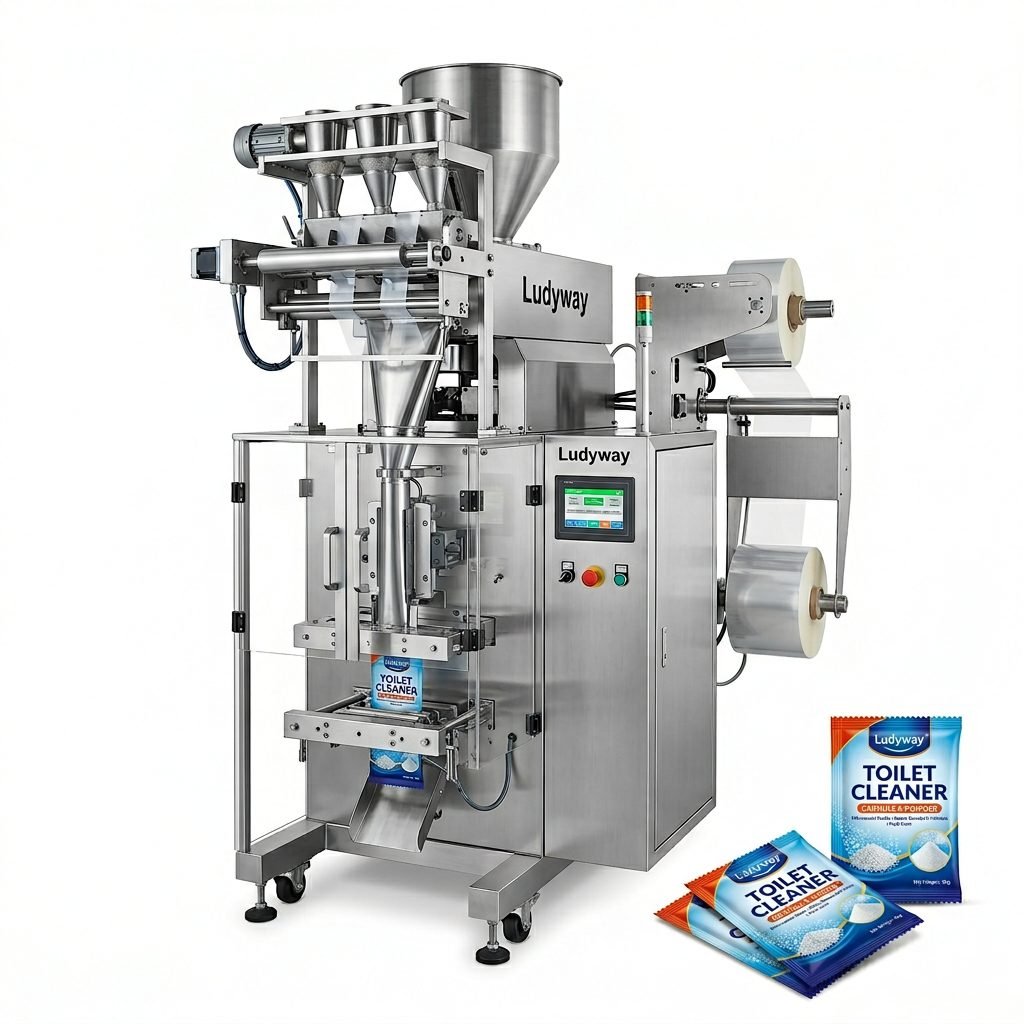
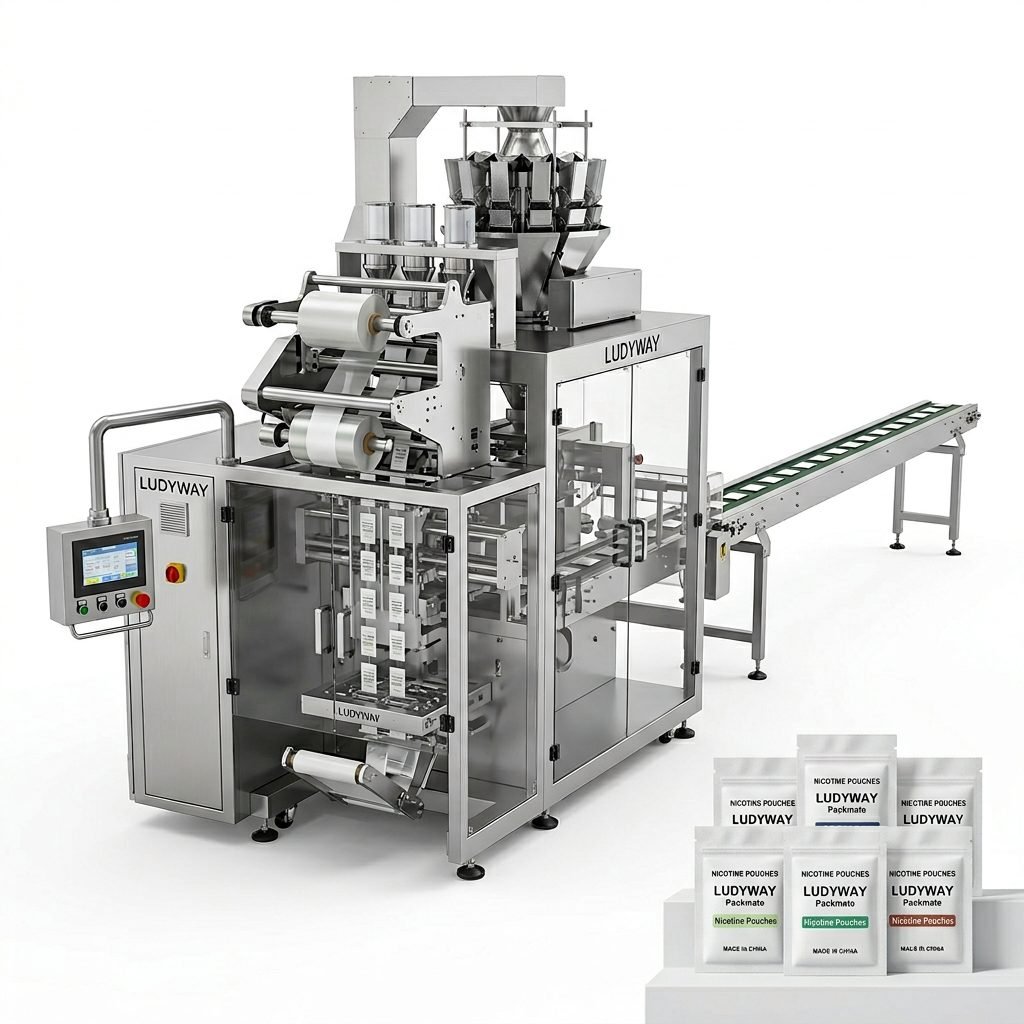
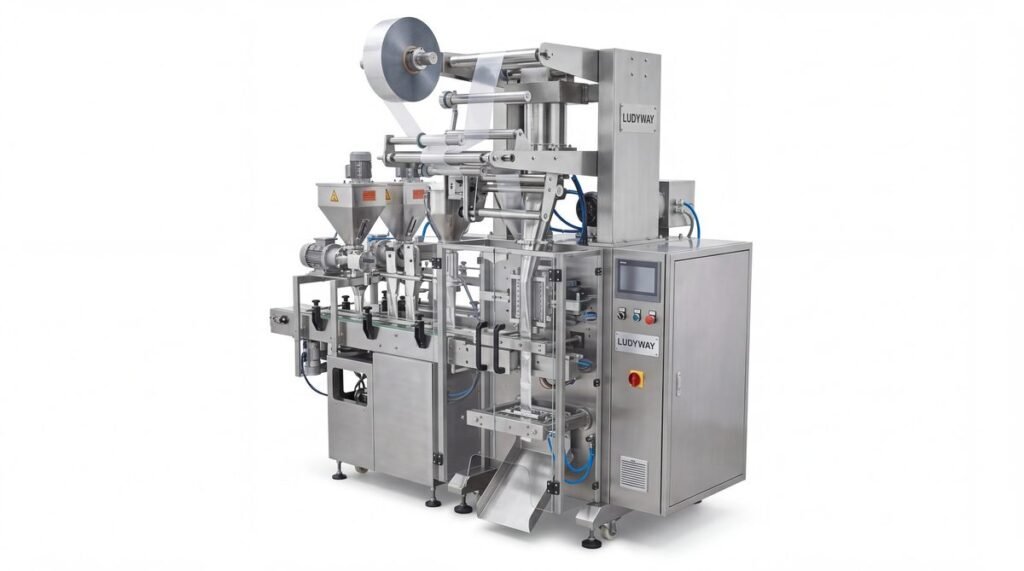
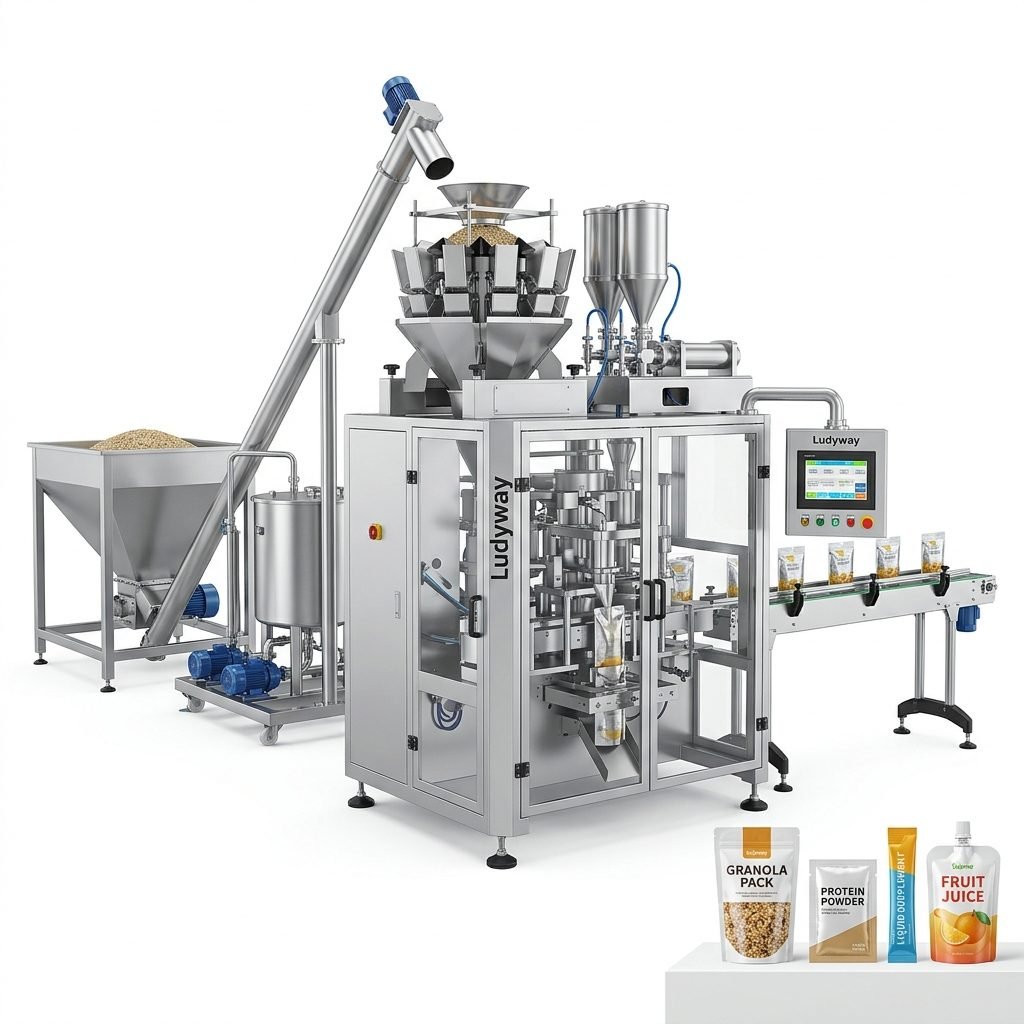
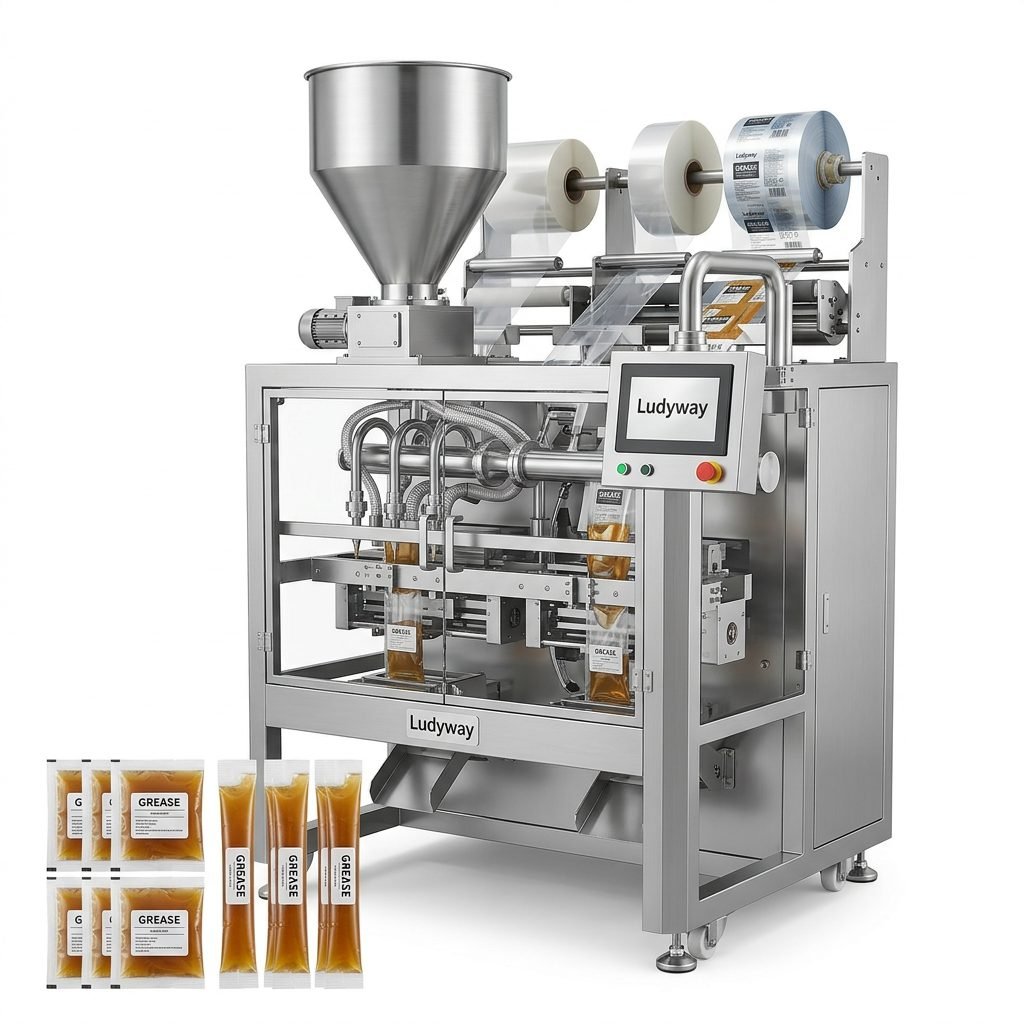
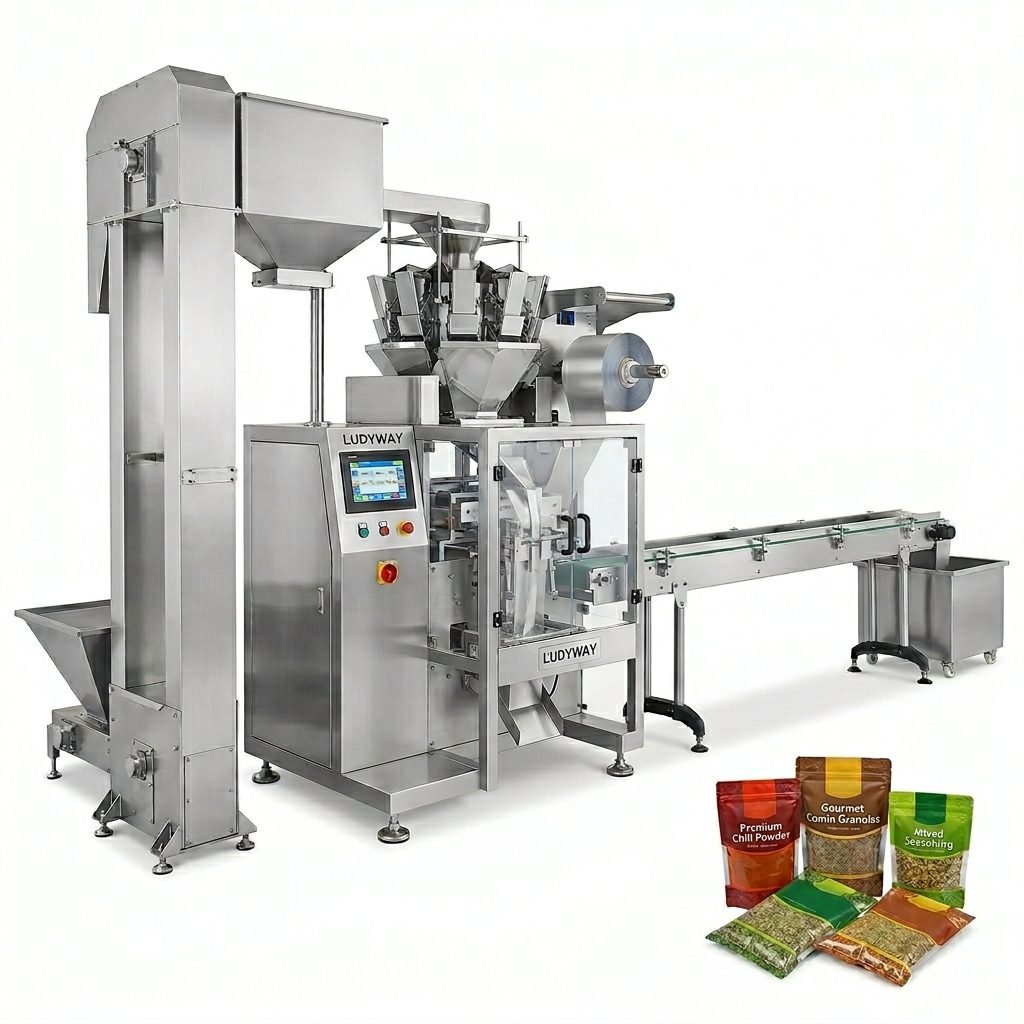
Beyond selling individual machines, some suppliers act as true partners, designing and building complete automated lines. Companies like Ludyway Machinery exemplify this approach, leveraging decades of industry experience to deliver tailored turnkey solutions. They manage the entire project, ensuring all components—from feeding and weighing to packaging and cartoning—work in seamless harmony, which significantly reduces the integration burden on the client.
The Supplier Selection Process: A Step-by-Step Guide
Having clear criteria is the first step. Implementing a structured selection process is the next.
Step 1: Define Your Requirements Precisely
Create a detailed specification document covering: product characteristics (size, weight, material), required output speed, available floor space, desired level of automation, budget range, and future scalability needs. This document will be your primary tool for communicating with potential suppliers.
Step 2: Research & Create a Shortlist
Use industry directories, trade shows (like interpack), and peer recommendations to identify potential suppliers. Filter them based on your key criteria—specialization, geographic support, and capability—to create a shortlist of 3-5 serious candidates.
Step 3: Request Proposals & Conduct Deep-Dive Meetings
Submit your specification to the shortlisted suppliers. Evaluate their proposals not just on price, but on the proposed solution’s fit, clarity of scope, and outlined support. Follow up with technical meetings to have their engineers address your specific concerns.
Step 4: Evaluate Support & Check References
Scrutinize the proposed warranty, spare parts pricing, and service level agreements. Most importantly, ask for and contact customer references who have similar machines or are in your industry. Inquire about machine performance, reliability, and the quality of after-sales support.
Step 5: Final Evaluation & Negotiation
Compare all gathered information on a balanced scorecard that weights factors like technical fit, total cost of ownership, and support quality. Use this to enter final negotiations, aiming for a partnership agreement rather than just a purchase order. Ensure all agreements on training, documentation, and support are clearly stated in the contract. For insights into long-term partnership models, reviewing a potential partner’s company history and evolution can be revealing.
Common Pitfalls to Avoid When Choosing a Supplier
Being aware of common mistakes can save significant time and resources.
- > Prioritizing Initial Price Over Total Cost: The cheapest machine often has higher long-term costs due to downtime, inefficiency, and expensive parts.
- > Overlooking the “Service Fit”: A brilliant machine is useless if you can’t get timely support or spare parts when it breaks down.
- > Ignoring Future Needs: Failing to consider potential new products, higher speeds, or regulatory changes can make your investment obsolete quickly.
- > Not Validating Performance Claims: Always request a live or recorded product test using your own materials to verify speed, accuracy, and compatibility.
Frequently Asked Questions (FAQs)
1. What is more important, the machine’s brand or the supplier’s support?
While a strong brand can indicate quality, the supplier’s local support is often more critical for operational success. A lesser-known machine backed by an exceptional, responsive service team will typically cause less production loss over its lifetime than a premium machine with poor support.
2. How can I assess the true reliability of a packaging machine?
Beyond manufacturer claims, take these steps: conduct a material test run, speak to multiple existing customers, and inquire about the Mean Time Between Failures (MTBF) for key components. Ask for maintenance logs or service history from reference clients.
3. Is it better to buy a standard machine or a customized one?
This depends entirely on your application. A standard machine is cost-effective and faster to deliver if it meets 90-95% of your needs. If your product, format, or process has unique requirements that impact quality or efficiency, a well-engineered customization is a worthwhile investment. Suppliers like those focused on turnkey solutions often excel at this balance.
4. What should be included in a comprehensive after-sales service agreement?
A robust agreement should cover: on-site installation and commissioning, comprehensive operator and maintenance training, a clear warranty period and scope, guaranteed spare parts availability (with pricing list), and defined response times for emergency technical support, either remotely or on-site.
5. How do I prepare my facility for a new packaging line installation?
Preparation is key to a smooth start-up. Work closely with your supplier to ensure you have: the correct power supply (voltage, phase, amperage), compressed air (CFM, pressure, dryness), floor load capacity, and adequate space for operation, maintenance, and material flow. Completing this site preparation before the machine arrives prevents costly delays.