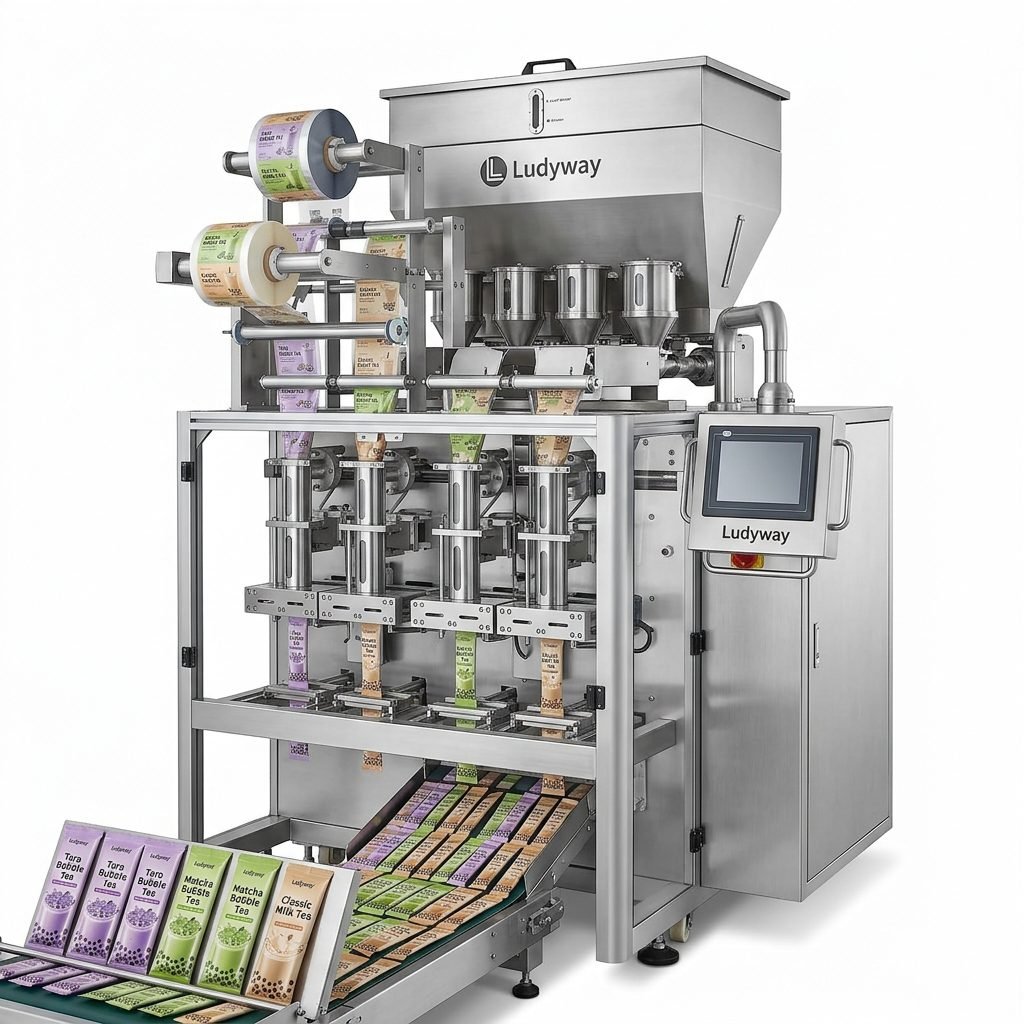
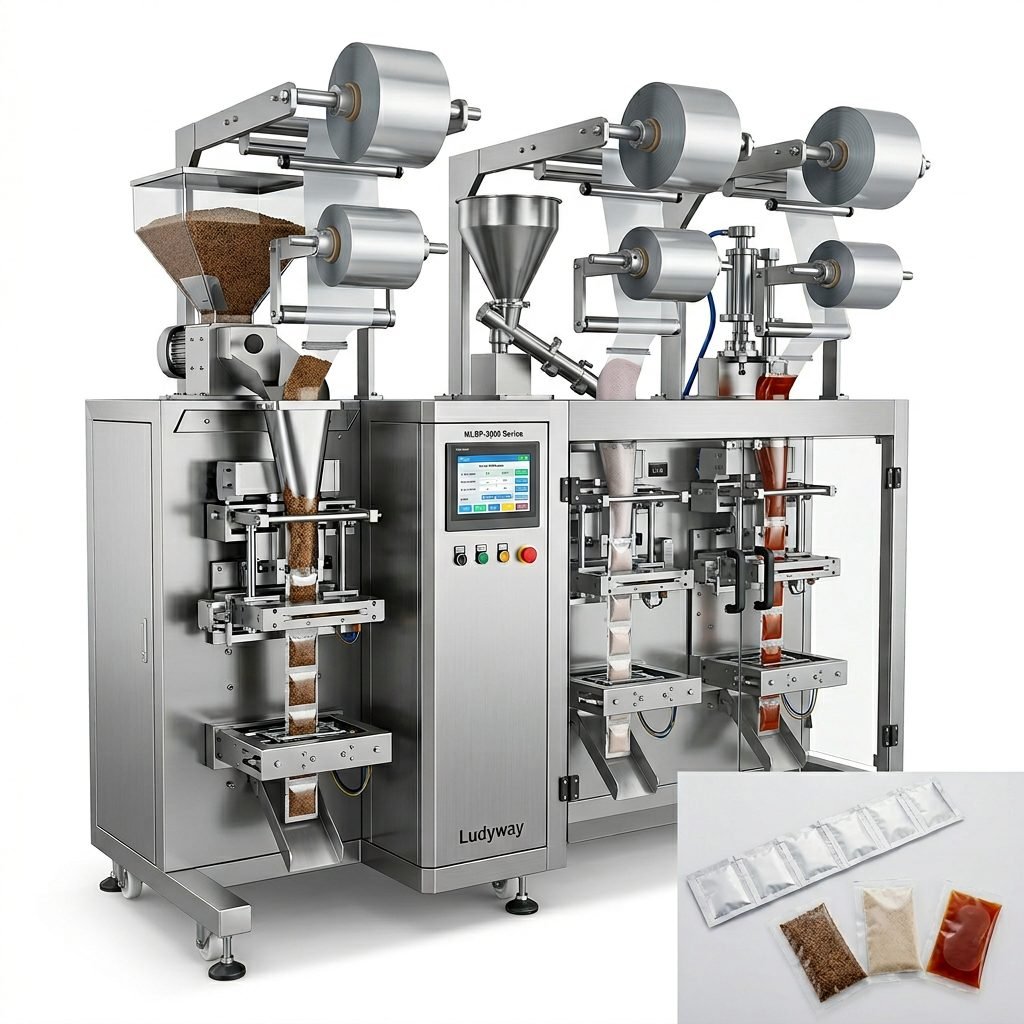
Understanding food packaging machinery is essential for manufacturers looking to improve efficiency, ensure product safety, and meet consumer demands. This comprehensive PDF guide explores the various types of packaging machines, their working principles, and provides valuable resources for free downloads to help you make informed decisions.
Core Types of Food Packaging Machinery
The food industry utilizes a diverse range of packaging equipment, each designed for specific product types and production scales. The main categories include:
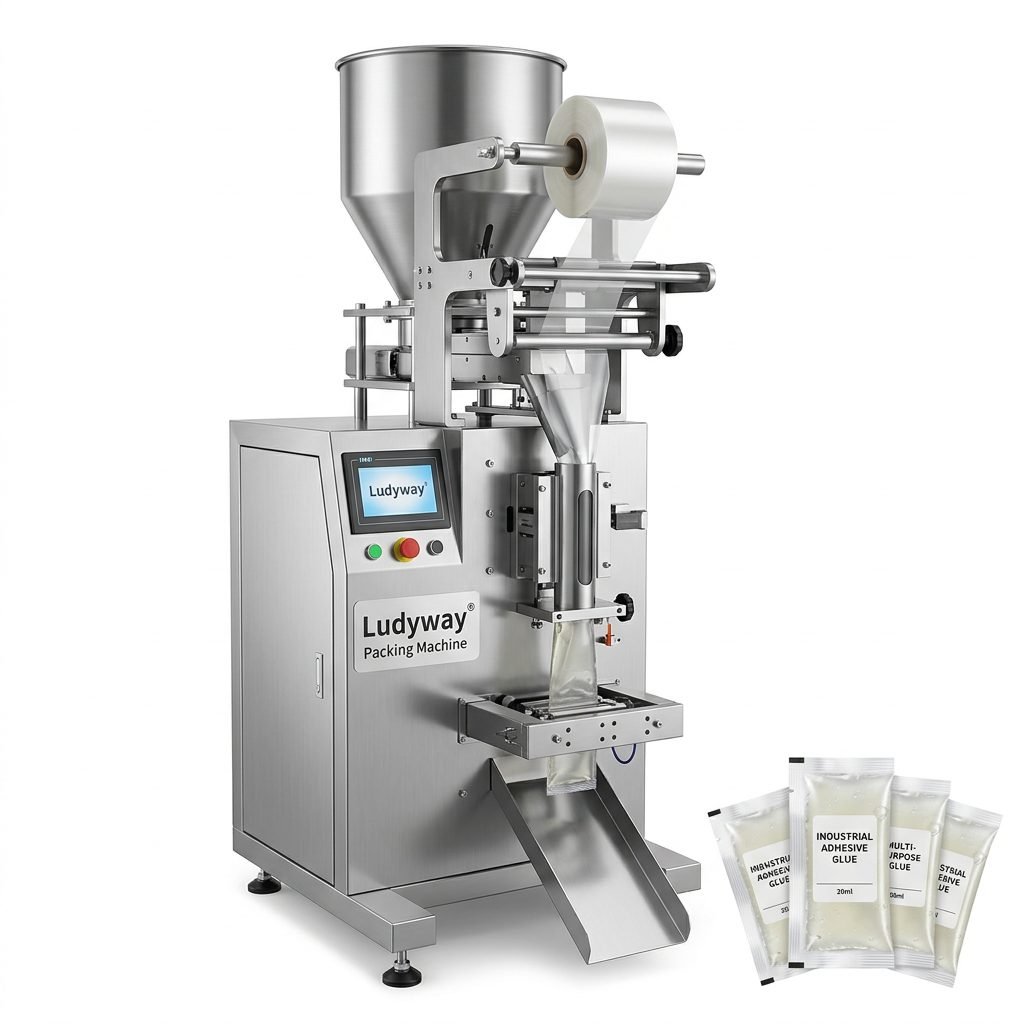
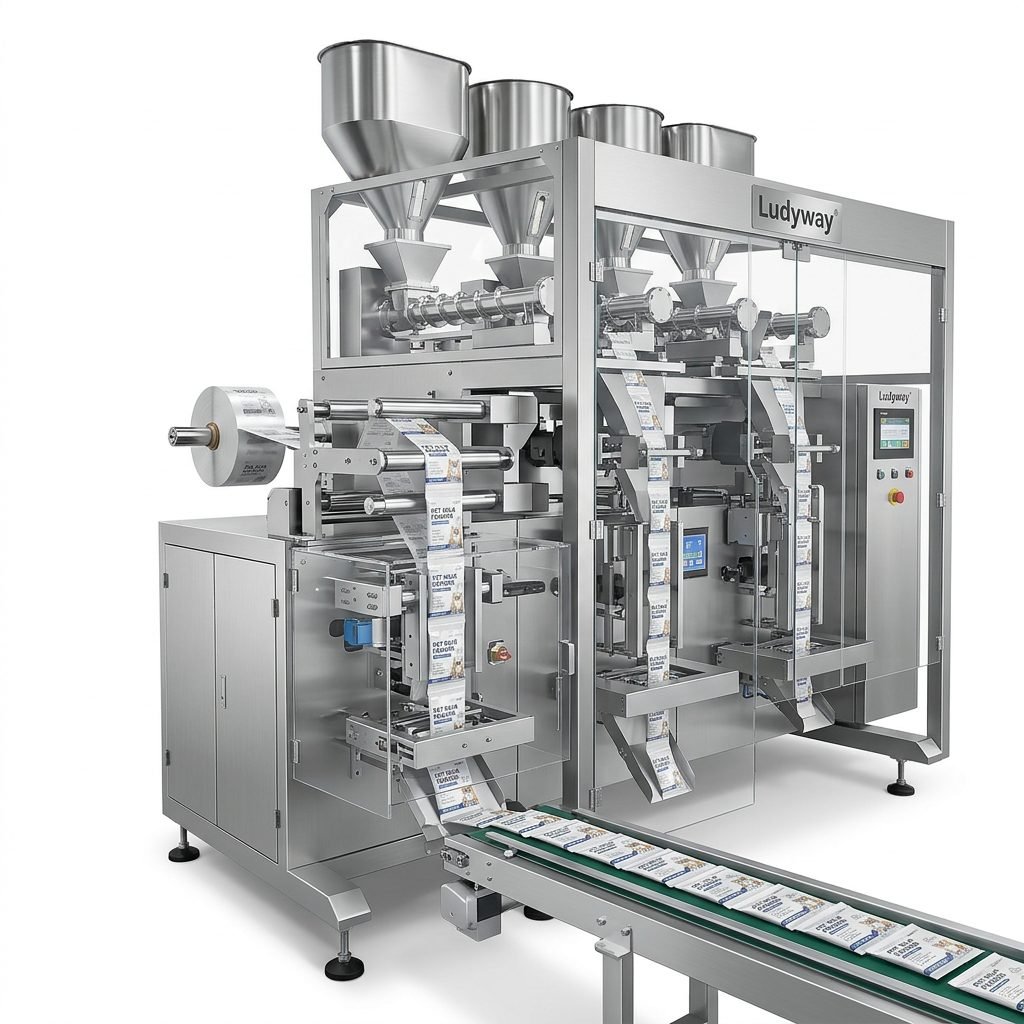
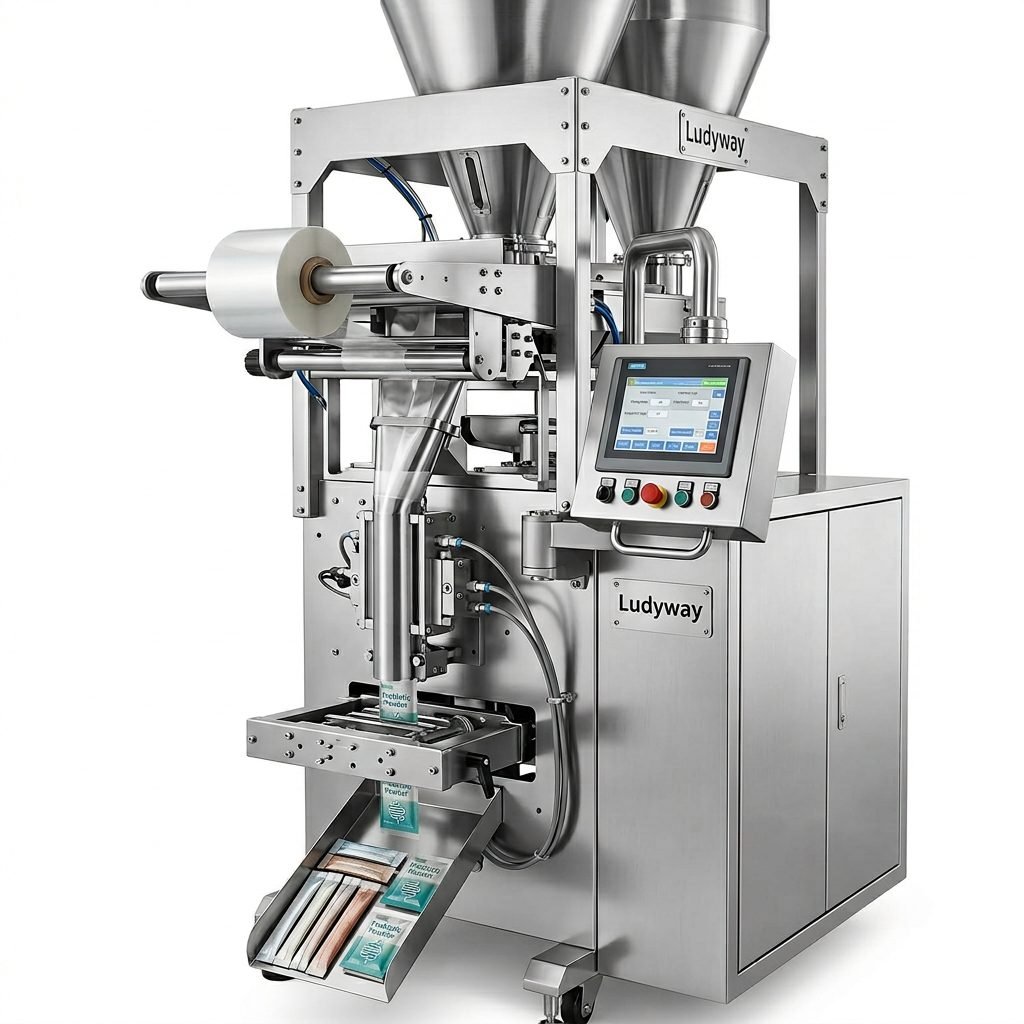
Vertical Form-Fill-Seal (VFFS) Machines
These are the workhorses of the industry for packaging granules, powders, and liquids. They form a bag from a roll of film, fill it with product, and seal it—all in a continuous vertical motion. Ideal for snacks, coffee, and spices.
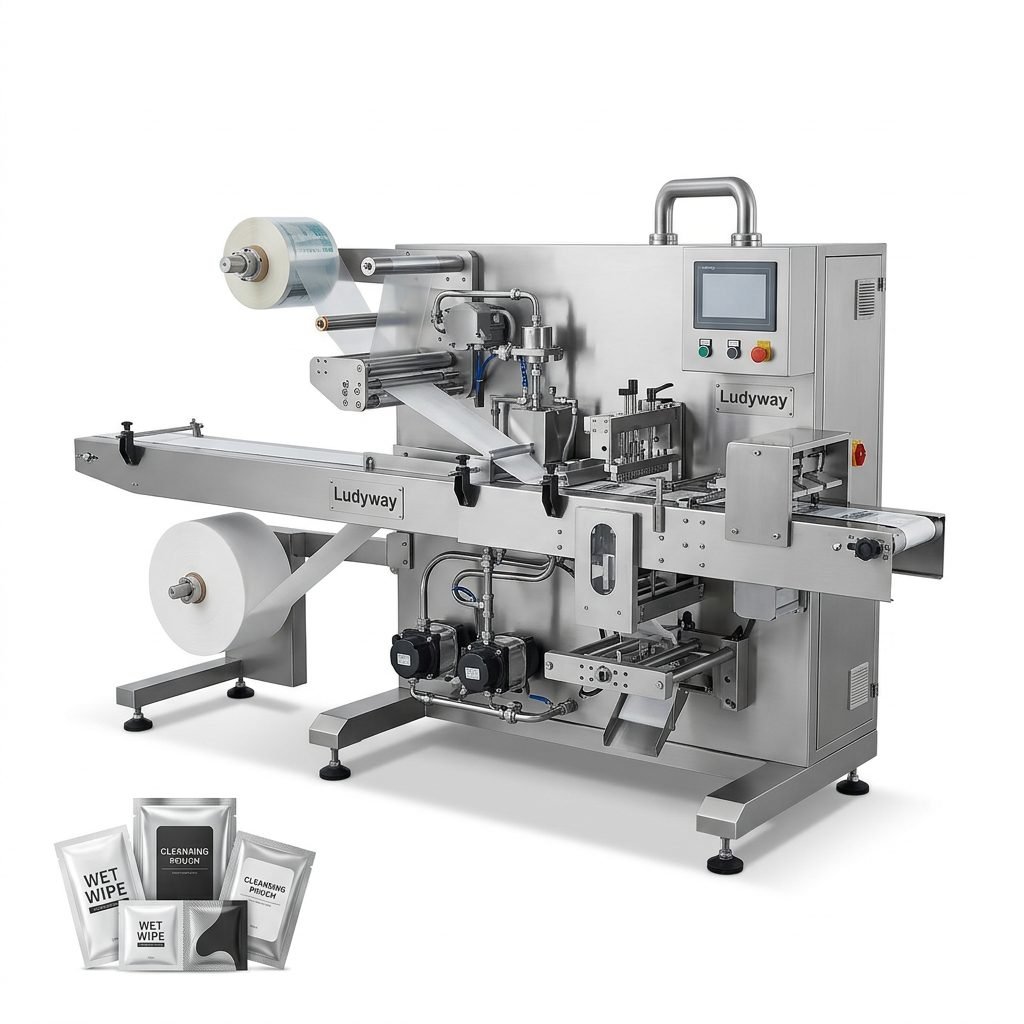
Horizontal Form-Fill-Seal (HFFS) Machines
Perfect for biscuits, candy bars, and frozen foods, HFFS machines form packages horizontally. They often handle more rigid materials and can create intricate package shapes with high-speed precision.
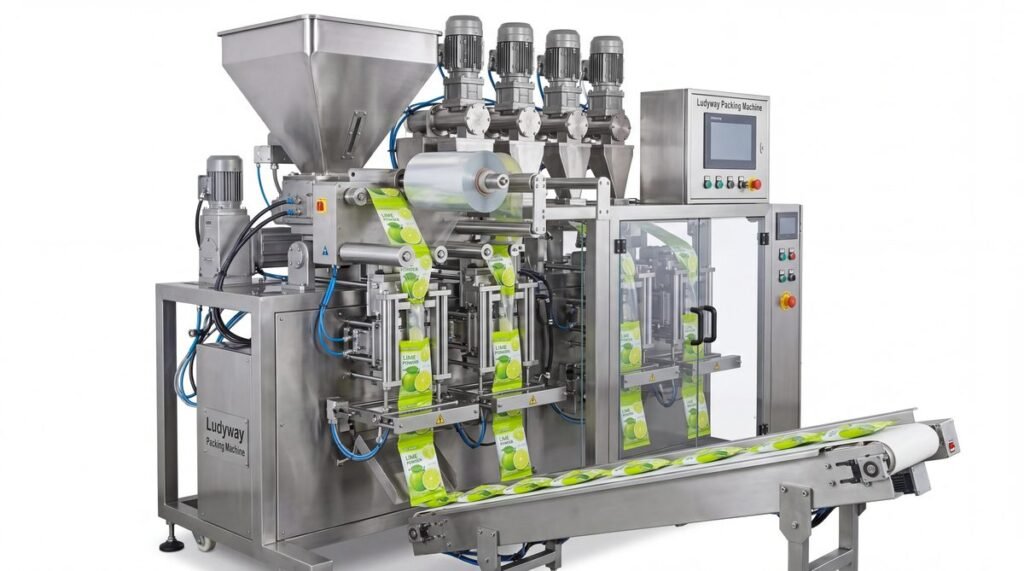
Stick Pack and Sachet Packaging Machines
Designed for single-serve portions of sauces, condiments, sugar, or instant drinks. These machines are compact and efficient, creating small, sealed packets from laminated film. Multi-lane systems significantly boost output for high-volume needs.
Liquid Filling and Capping Machines
Essential for beverages, oils, and dairy products. This category includes piston fillers, gravity fillers, and vacuum fillers, often integrated with capping or sealing stations to form a complete line.
Working Principles and Automation
Modern food packaging machinery operates on integrated mechanical, electrical, and often pneumatic principles. The core process typically involves forming, filling, and sealing.
Forming: Packaging material (film, pouch, container) is shaped. In VFFS machines, a forming tube creates the bag. In thermoforming machines, plastic sheets are heated and molded into cavities.
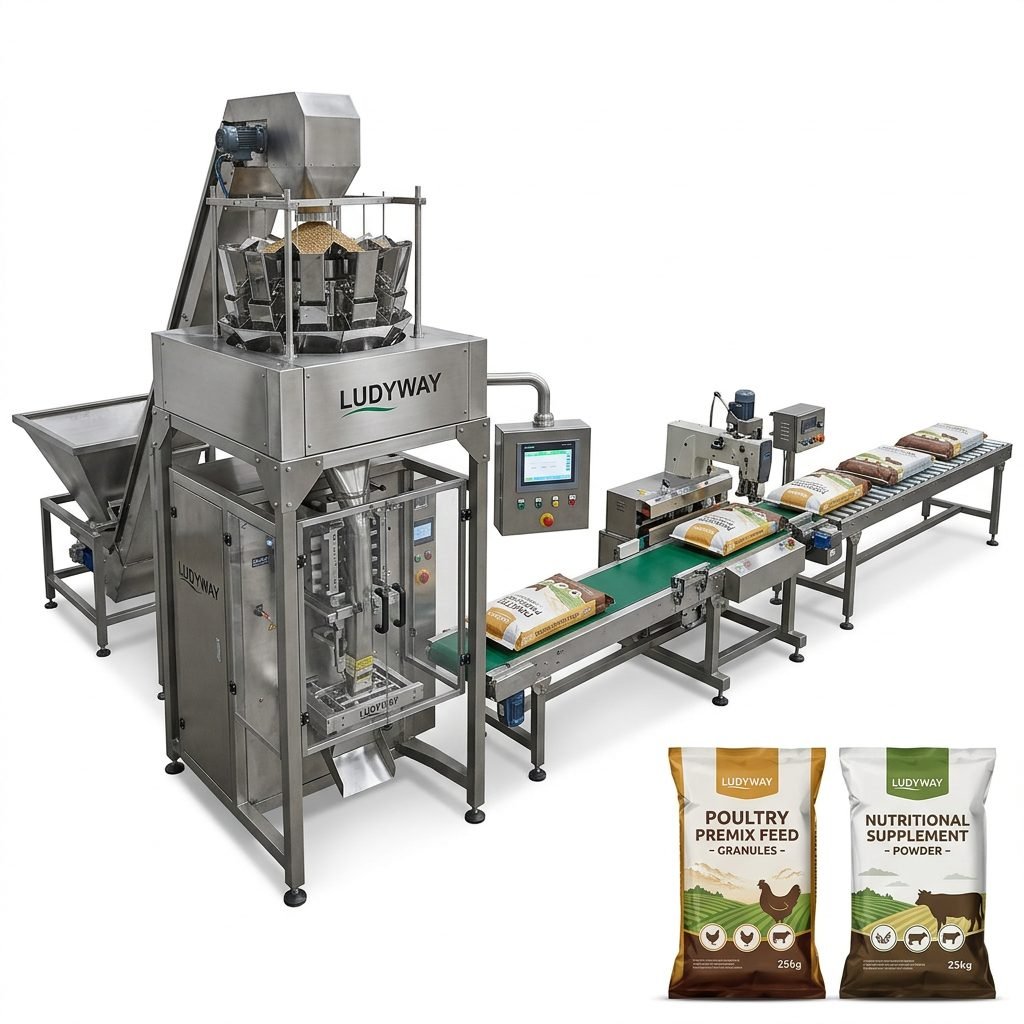
Filling: Pre-measured product is dispensed. Techniques vary: volumetric cups for granules, auger fillers for powders, and precise pumps for liquids. Accuracy here is critical for cost control and compliance.
Sealing: The package is closed using heat (for films), pressure, or ultrasonic welding. Seal integrity is paramount for shelf life and preventing contamination.
Today’s machines are increasingly automated and intelligent. They feature PLC controls, touchscreen HMIs, and can integrate with checkweighers and vision systems for quality assurance. Networking capabilities allow for data collection and analysis, enabling predictive maintenance and overall equipment effectiveness (OEE) tracking.
Selecting the Right Machinery for Your Needs
Choosing the correct packaging machine requires careful analysis. Consider these key factors:
- Product Characteristics: Is it a granule, powder, liquid, or solid? What is its density and flowability?
- Required Output Speed: Determine your packages-per-minute (PPM) needs for both current and future growth.
- Packaging Material: The machine must be compatible with your chosen film, laminate, or pre-made pouch.
- Hygiene and Safety Standards: Ensure the machine meets industry regulations (e.g., FDA, USDA) with easy-clean designs and food-grade components.
- Footprint and Integration: Assess your factory floor space and how the machine will connect with upstream and downstream equipment.
Free Download Resources and Guides
To aid in your research and decision-making process, numerous free resources are available online. These can include detailed PDF specification sheets, whitepapers on packaging trends, and maintenance guides.
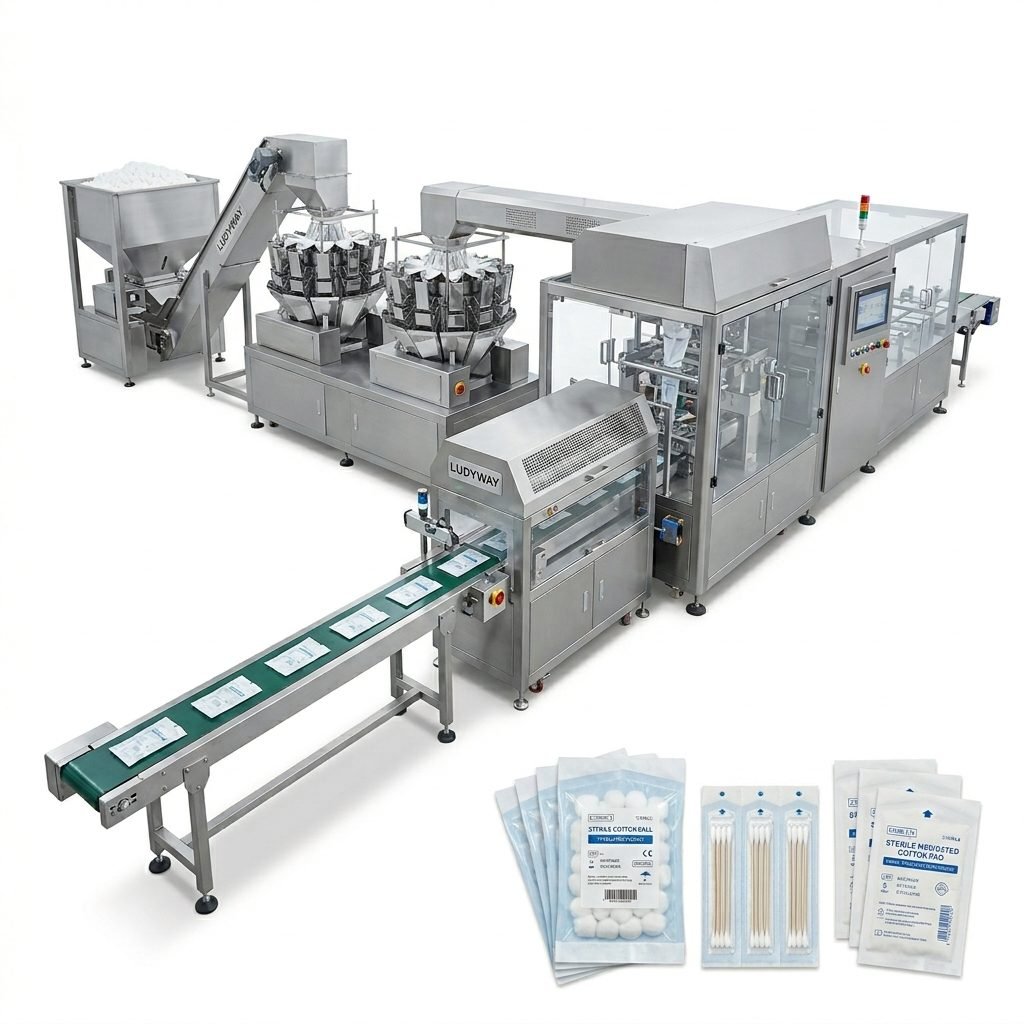
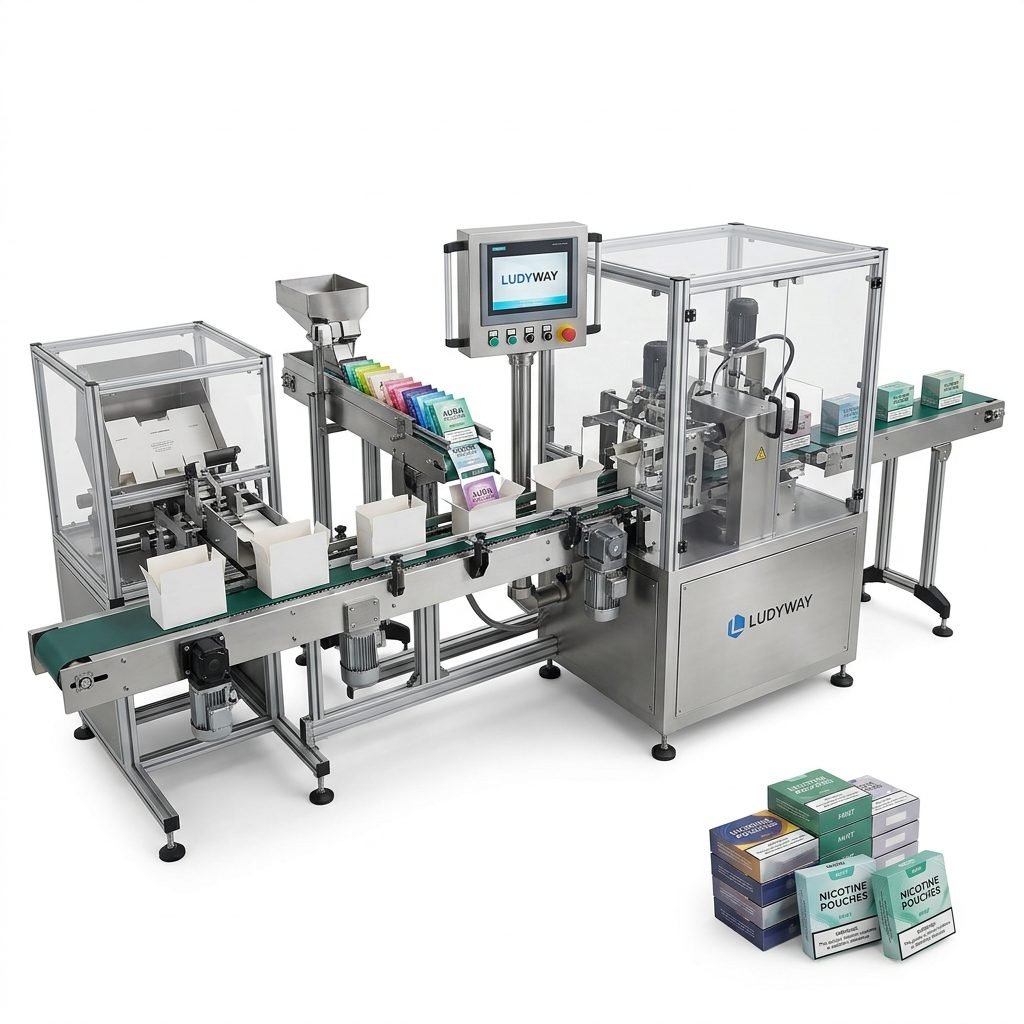
For instance, exploring resources from established industry players can provide deep insights. You can learn more about turnkey packaging solutions that cover everything from single machines to complete production lines. Additionally, specific guides on sachet packaging machine technology can be invaluable for businesses in the condiment or pharmaceutical sectors. For those interested in high-speed, small-format packaging, a dedicated stick pack machine resource guide can explain the benefits of multi-lane systems and precision filling.
When downloading guides, look for documents that cover not just specifications, but also application case studies, total cost of ownership analysis, and tips for optimizing machine performance. This holistic information is far more valuable for long-term planning.
The Role of Expert Partners
Navigating the complex world of packaging machinery is challenging. Partnering with an experienced provider can streamline the process. A reputable partner brings over 30 years of industry experience to the table, offering more than 50 models of intelligent packaging machines. They understand the nuances of different markets and can tailor solutions for granule, powder, and liquid applications.
Such partners support customers worldwide from a modern 20,000㎡ facility, ensuring robust engineering and manufacturing capabilities. Their commitment goes beyond selling a machine; it involves providing reliable solutions, professional service, and long-term support to ensure your packaging line is a success. You can delve deeper into the philosophy of such partnerships by reviewing a detailed company profile for packaging experts.
Frequently Asked Questions (FAQs)
What is the main difference between VFFS and HFFS machines?
The primary difference is the orientation of package formation. VFFS (Vertical Form-Fill-Seal) machines work in a vertical plane, ideal for free-flowing products that can be dropped into a bag. HFFS (Horizontal Form-Fill-Seal) machines operate horizontally and are better suited for solid items or products that need to be placed, not poured, into the package.
How do I determine the right packaging speed for my business?
Calculate your current daily/weekly production volume and desired growth for the next 3-5 years. Choose a machine that meets your future peak capacity with about 15-20% overhead. Consider factors like changeover time and maintenance windows in your calculations.
Are there packaging machines suitable for both food and pharmaceutical products?
Yes, many machines are designed with hygiene and material compatibility in mind to handle both sectors. Key features include easy-clean designs, stainless steel contact parts, and validation documentation support. Always confirm with the manufacturer that the specific machine model meets the regulatory standards for your target industry.
What kind of maintenance do these machines require?
Regular maintenance includes daily cleaning, lubrication of moving parts as per the manual, inspection of seals and wear parts, and calibration of weighing/filling systems. Preventive maintenance schedules provided by the manufacturer are crucial to avoid unplanned downtime.
Where can I find reliable free PDF guides on packaging machinery?
Reputable machinery manufacturers and industry associations often provide free, detailed PDF guides on their websites. Look for resources that cover technical specifications, application notes, and operational best practices rather than just marketing brochures.