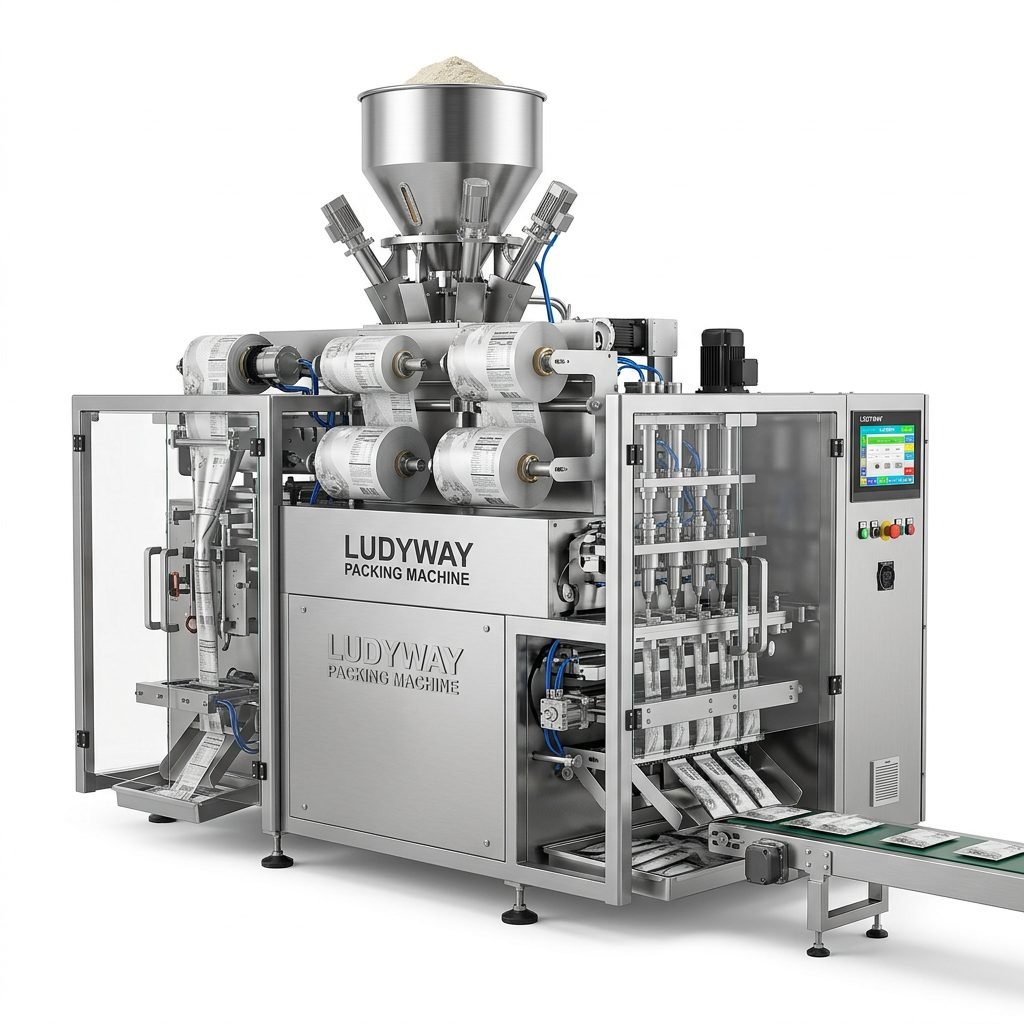
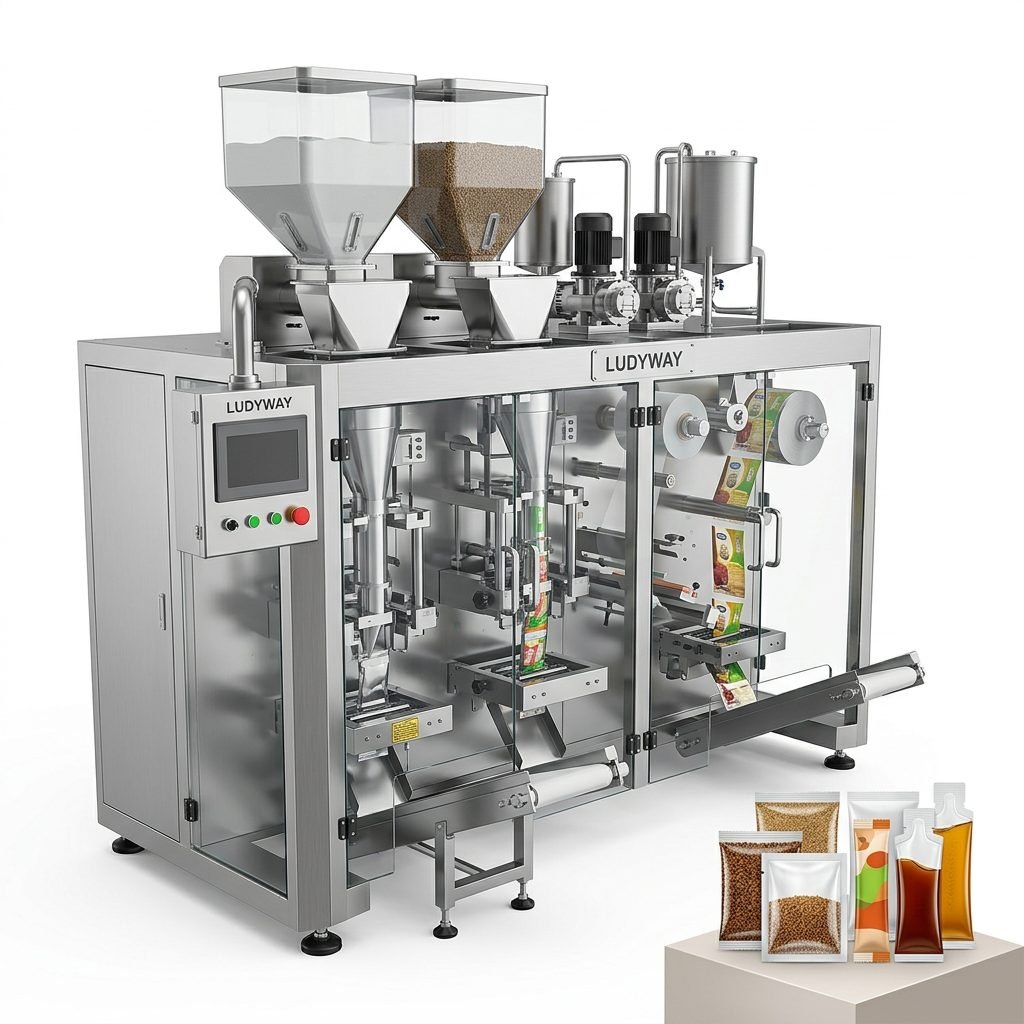
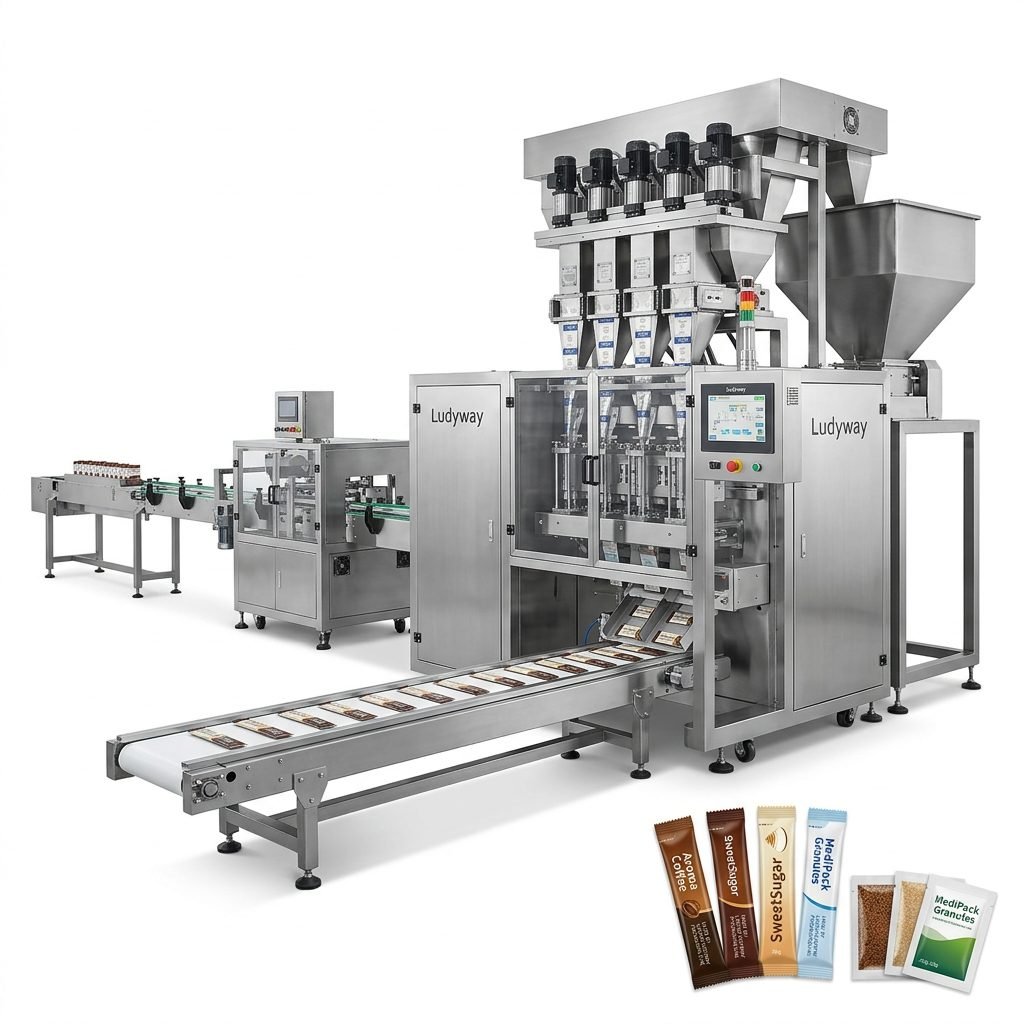
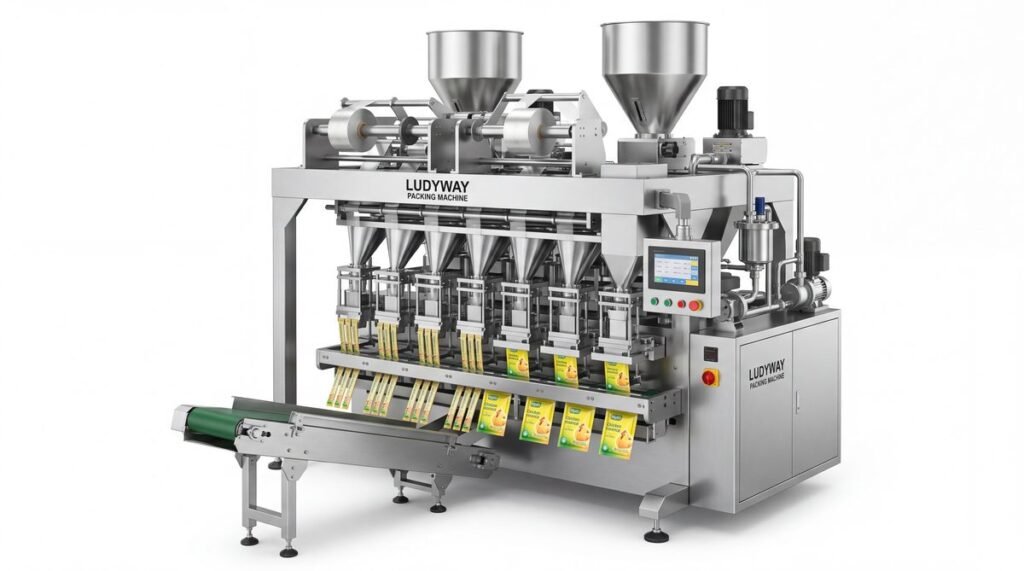
Choosing the right vertical packaging machine for cheese is a critical decision for any food producer. An automatic packing solution must handle the product’s unique characteristics—such as moisture content, fat levels, and potential for crumbling—while ensuring high-speed operation, hygiene, and cost-efficiency. This guide will walk you through the key factors to consider when selecting the best machine for your cheese packaging needs.
Understanding Cheese Packaging Requirements
Before diving into machine specifications, it’s essential to define your packaging requirements. Cheese comes in various forms: hard blocks, shredded, sliced, soft spreads, or crumbled. Each type demands different handling.
Key Consideration: The machine must be compatible with your primary packaging material, whether it’s flexible film for flow-wrap, pre-made pouches, or vacuum-sealed bags. The barrier properties of the material are crucial for preserving freshness and extending shelf life.
Core Machine Features for Cheese
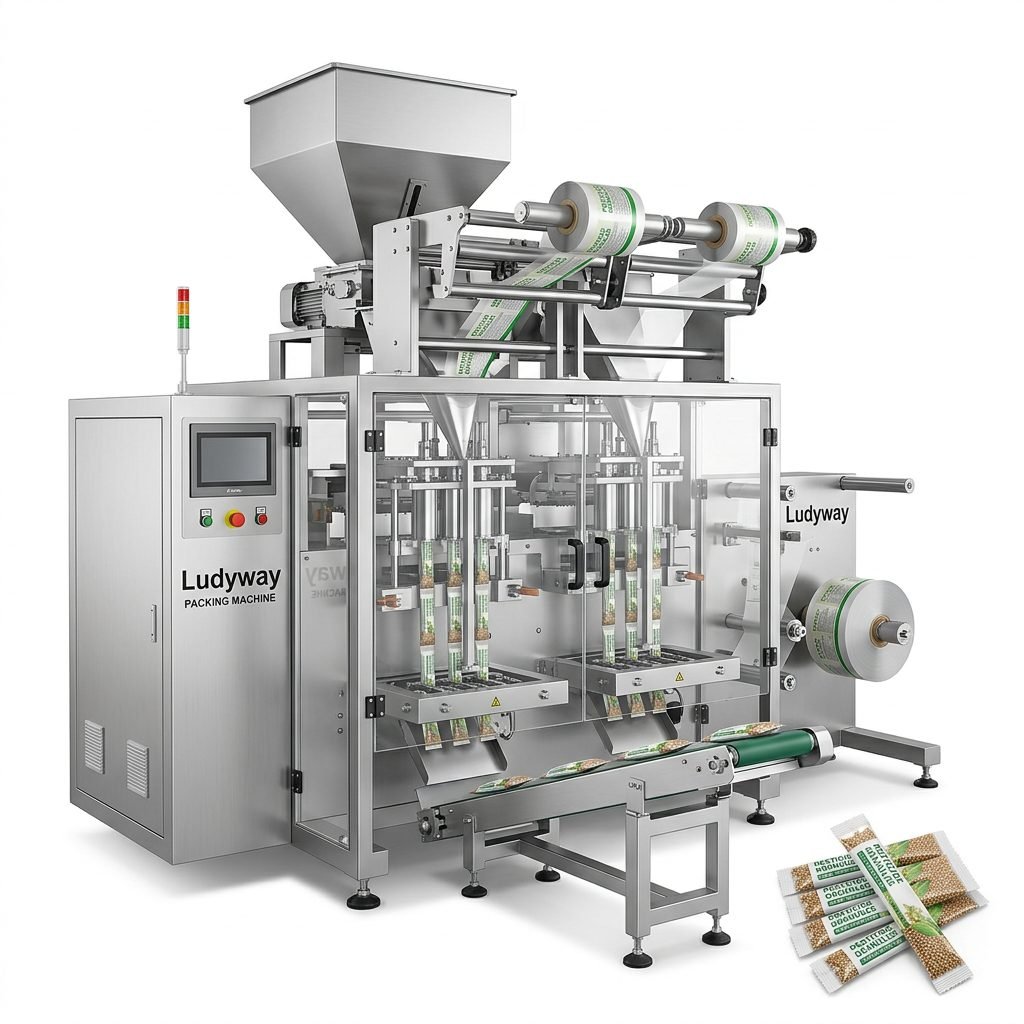
An effective vertical form-fill-seal (VFFS) machine for cheese should possess several non-negotiable features.
1. Precision Weighing and Dosing System
Accuracy is paramount, especially for value-added products. Look for machines equipped with multi-head weighers or auger filler systems that can handle sticky or uneven products like shredded cheese with minimal giveaway.
Tip: For grated or crumbled cheese, a vibratory feeder or a specialized funnel design can improve product flow and weighing consistency.
2. Hygienic Design and Easy Cleaning
Cheese is a dairy product, making hygiene a top priority. Machines should have a stainless steel construction in product contact zones, smooth surfaces without crevices, and allow for quick disassembly for cleaning (CIP/SIP capabilities are a major plus).
3. Gentle Product Handling
To preserve the integrity of delicate cheese pieces or slices, the machine’s drop height and handling mechanisms must be gentle. Servo-driven movements often provide smoother control than purely mechanical systems.
Automation and Integration Capabilities
Modern packaging lines are about connectivity. The best automatic packing solution will offer seamless integration with upstream equipment (like slicers or graters) and downstream systems (like case packers or cartoners).
Automation Benefits:
↳ Increased Line Efficiency: Reduces manual handling and bottlenecks.
↳ Data Tracking: Monitors OEE (Overall Equipment Effectiveness), production counts, and waste.
↳ Quick Changeovers: Recipe storage for different cheese types and package sizes minimizes downtime.
Selecting the Right Supplier
Your machine is only as good as the company behind it. Partnering with a reliable supplier is crucial for long-term success.
Look for a supplier with proven experience in food and dairy packaging. They should understand the specific challenges of packaging cheese. A strong supplier will offer comprehensive services, from initial consultation and factory acceptance tests (FAT) to installation, training, and readily available spare parts.
For instance, Ludyway Packing Machine brings over a decade of focused expertise in providing tailored packaging solutions. With a background in serving the food and pharmaceutical industries, they develop an understanding of stringent hygiene and precision requirements, which directly translates to reliable cheese packaging systems. Their approach often involves analyzing the client’s specific product flow and output goals to recommend the most suitable machine configuration.
Total Cost of Ownership (TCO) Analysis
Don’t just look at the purchase price. Consider the Total Cost of Ownership, which includes:
• Energy Consumption: Servo-driven machines are often more energy-efficient.
• Maintenance & Spare Parts: Availability and cost of wear parts like sealing jaws.
• Film Waste: A machine with precise film tracking and cutting will reduce material waste.
• Operational Labor: Higher automation reduces the need for constant operator intervention.
Investing in a robust machine from a reputable supplier like Ludyway Machinery, which emphasizes durable construction and offers strong technical support, can lead to a lower TCO despite a potentially higher initial investment.
Future-Proofing Your Investment
The packaging landscape evolves. Choose a machine that offers flexibility for future needs.
Modularity: Can the machine be upgraded with new features, like gas flushing for modified atmosphere packaging (MAP) to extend cheese shelf life further?
Scalability: Can the line speed be increased or can additional lanes be added to meet growing demand?
Selecting a forward-thinking partner ensures your packaging solution can adapt. Suppliers with a strong R&D focus continuously integrate new technologies, ensuring their clients’ lines remain competitive.
Summary: Your Selection Checklist
✓ Product Compatibility: Machine handles your specific cheese type (shredded, sliced, block) gently and accurately.
✓ Hygiene & Construction: Food-grade stainless steel, easy to clean and maintain.
✓ Speed & Accuracy: Meets your output targets with minimal product giveaway.
✓ Supplier Expertise: Partner with a company experienced in dairy/food packaging and offering full support.
✓ Flexibility & TCO: Machine allows for future changes and offers good value over its entire lifespan.
Frequently Asked Questions (FAQs)
1. Can one vertical packaging machine handle different types of cheese?
Yes, but with considerations. Many modern VFFS machines are highly versatile. However, switching from, for example, shredded cheese to cream cheese may require changing the filling system (e.g., from a weigh head to a pump) and adjusting film parameters. Look for a machine designed for quick changeovers to maximize flexibility.
2. How important is Modified Atmosphere Packaging (MAP) for cheese?
For many cheeses, especially shredded or sliced, MAP is highly beneficial. It replaces oxygen inside the package with a gas mix (like Nitrogen or CO2), significantly slowing oxidation and mold growth to extend shelf life. If this is a current or future need, ensure the machine you select can be equipped with or upgraded to include a gas flushing system.
3. What is the typical maintenance required for a cheese packaging machine?
Daily cleaning is the most critical maintenance. Beyond that, regular lubrication of moving parts, inspection and cleaning of sealing jaws, and checking the wear on film pull belts and cutters are standard. A good supplier will provide a clear maintenance schedule and training for your operators.
4. How do I determine the right speed (packages per minute) for my needs?
Calculate based on your daily/weekly production volume and available operating hours. Always factor in efficiency (typically 80-90% for a well-running line) and allow some headroom for future growth. A reliable supplier can help you model this based on their machine’s proven performance with similar products.
5. What kind of after-sales support should I expect?
Comprehensive support includes detailed installation supervision, thorough operator and maintenance training, a readily available inventory of common spare parts, and access to technical assistance (remote and on-site). Ensure your supplier’s support terms are clearly defined in the purchase agreement.