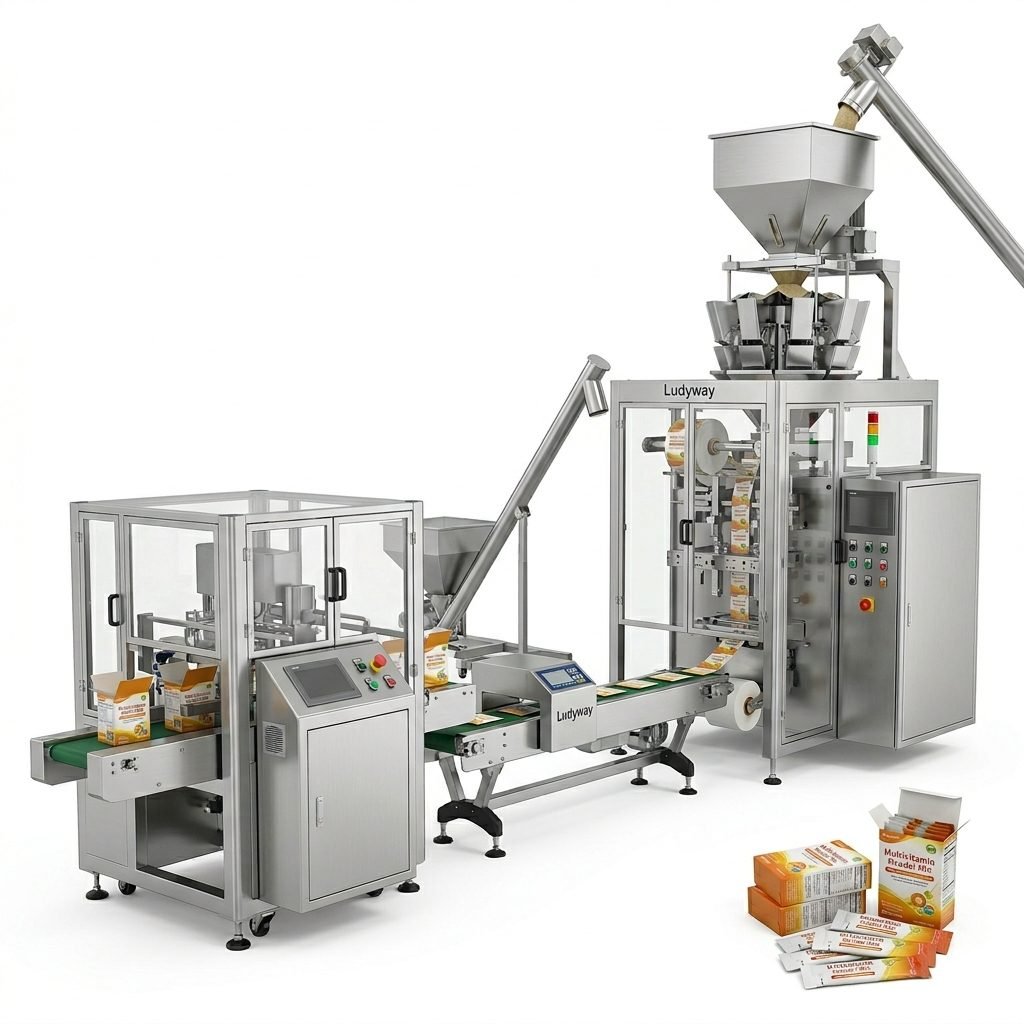
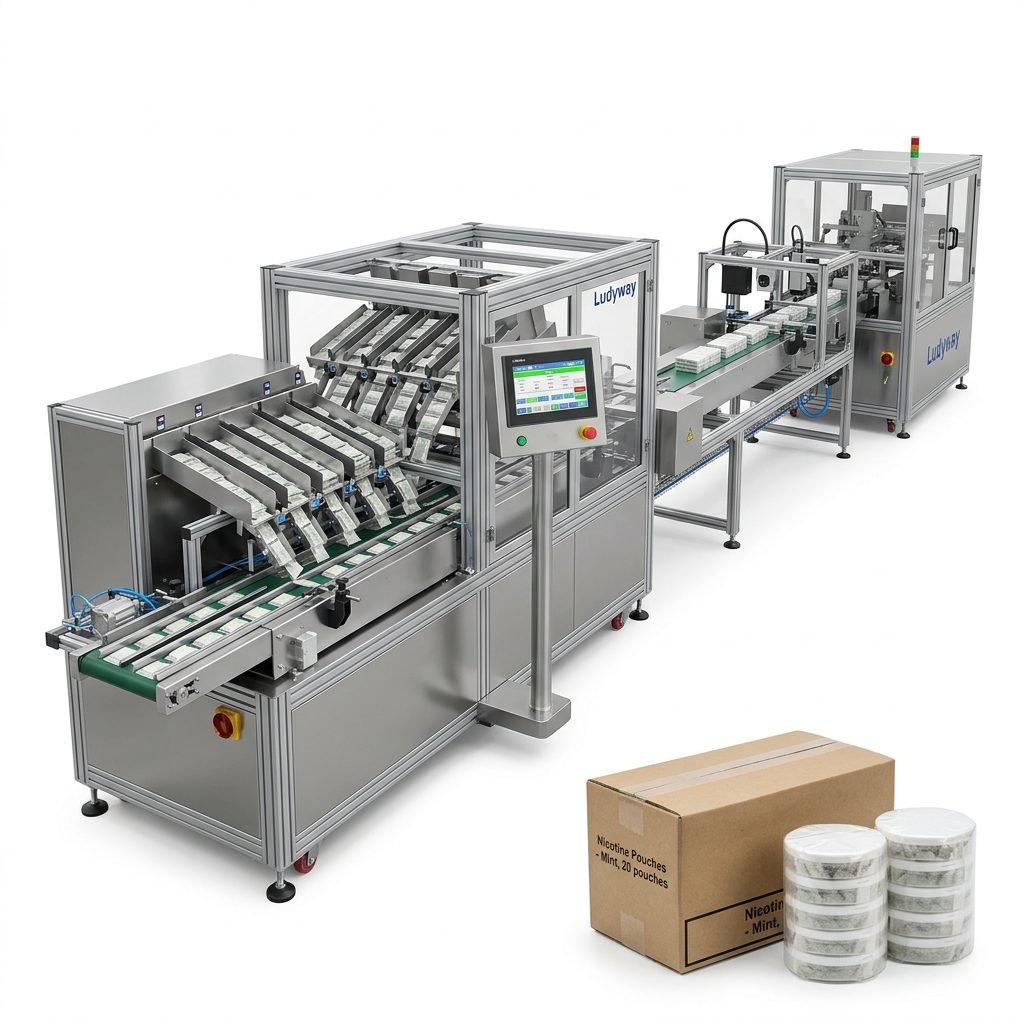
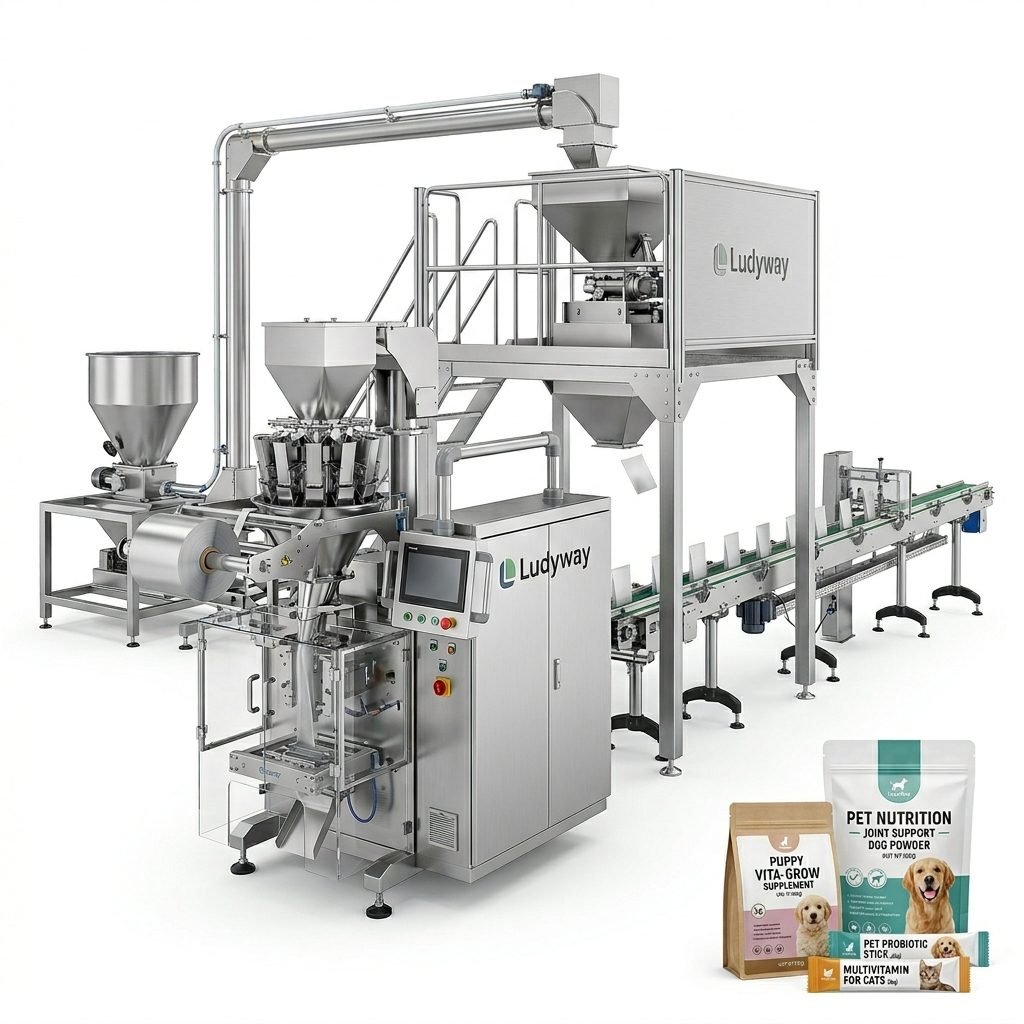
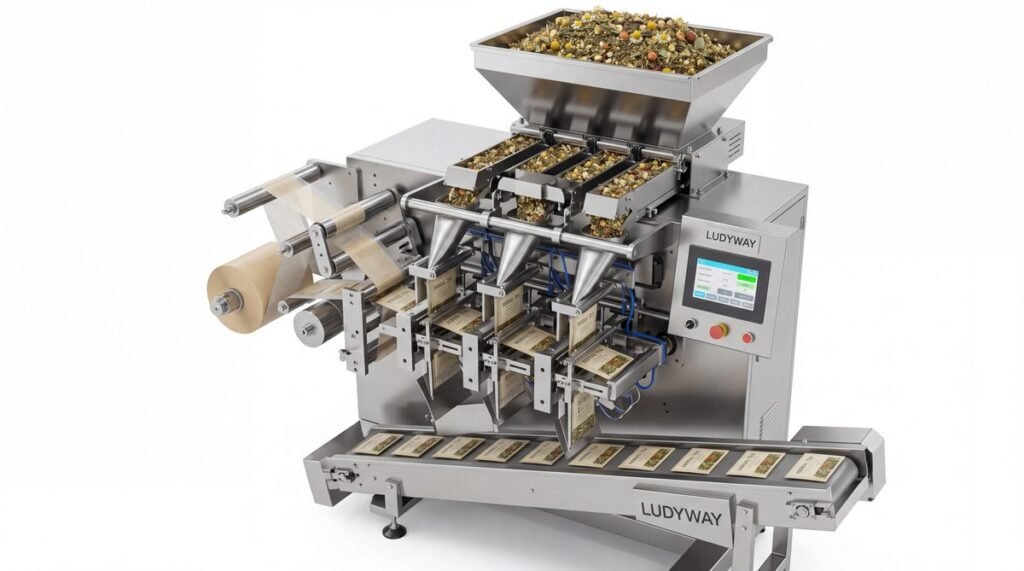
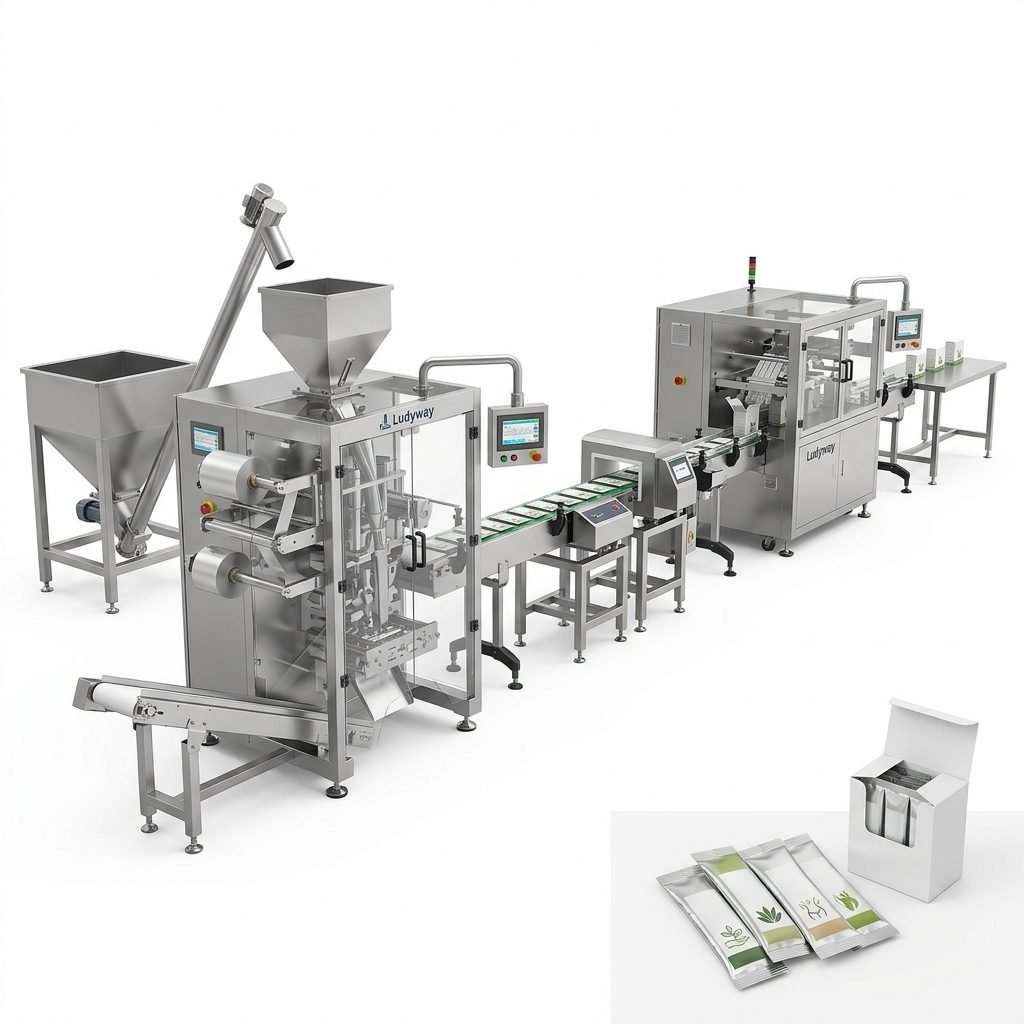
In the fast-paced world of manufacturing, efficiency and precision are paramount. For businesses that package products in jars—from jams and sauces to cosmetics and pharmaceuticals—selecting the right automated jar packaging machine is a critical decision that impacts productivity, cost, and product quality. This comprehensive guide will walk you through the key considerations for choosing the best automated solution to integrate seamlessly into your production line.
Understanding Automated Jar Packaging Systems
An automated jar packaging machine is a sophisticated system designed to handle the entire process of filling, capping, sealing, and labeling jars with minimal human intervention. These systems are engineered to work with various jar sizes, shapes, and materials, ensuring a consistent and hygienic packaging operation. The core goal is to increase output while reducing labor costs and minimizing errors.
Core Components of a Typical System:
- Jar Unscrambler: Automatically orients and feeds empty jars onto the conveyor.
- Filling Station: Precisely dispenses product (liquid, paste, granules) into each jar. Technologies include piston fillers, gravity fillers, and pump systems.
- Capping / Sealing Unit: Applies and tightens caps, lids, or induction seals.
- Labeling Machine: Applies product labels accurately.
- Conveyor System: Transports jars smoothly between stations.
- Control Panel (PLC): The brain of the operation, allowing for easy setup, speed adjustment, and monitoring.
Key Factors to Consider When Choosing Your Machine
Investing in packaging automation is significant. A careful evaluation of your specific needs against the machine’s capabilities is essential for a successful integration.
1. Production Speed and Output Requirements
This is often the starting point. Calculate your current and projected future production volumes (jars per minute/hour). Machines are rated with specific speed ranges. Choosing a machine that matches your peak demand ensures you don’t create a bottleneck. Remember, the slowest station (like capping) often determines the overall line speed.
2. Jar Specifications and Product Characteristics
The physical properties of your jar and product dictate the machine’s design.
Jar Considerations:
- Material: Glass, PET, HDPE, etc.
- Size & Shape: Diameter, height, and unique contours. Can the machine handle shifts between sizes easily?
- Opening & Cap Type: Screw caps, press-on lids, child-resistant closures, induction foil seals.
Product Considerations:
- Viscosity: Water-thin liquids, thick pastes, or granular solids require different filling technologies.
- Sensitivity: Is the product foamy, abrasive, or sensitive to oxygen? This may necessitate vacuum filling or nitrogen flushing.
- Fill Accuracy: Required precision (e.g., ±0.5% or ±1 gram) for compliance and cost control.
3. Level of Automation and Integration
Automation exists on a spectrum. Define how much manual handling you want to eliminate.
- Semi-Automatic: Operators load jars and caps; the machine performs filling and sealing. Suitable for lower volumes or frequent product changeovers.
- Fully Automatic: A complete, connected line from unscrambling to case packing. Ideal for high-volume, single-SKU production.
- Turnkey Solution: A provider like Ludyway Machinery designs, builds, and commissions the entire line, ensuring all components work in harmony.
4. Hygiene, Safety, and Compliance Standards
For food, pharmaceutical, or cosmetic applications, regulatory compliance is non-negotiable.
Ensure the machine meets relevant standards (e.g., FDA, CE, GMP). Look for features like stainless-steel construction (grade 304 or 316), easy-clean designs (CIP/SIP capabilities), and safety guards. A reputable supplier will have deep experience in these regulated industries.
5. Flexibility and Changeover Time
If you run multiple products or jar sizes, quick changeover is crucial for efficiency. Evaluate how long it takes to switch formats. Machines with tool-less adjustments, digital settings memory, and modular designs significantly reduce downtime.
6. Supplier Reliability and Support
The machine is a long-term asset. The supplier’s reputation is as important as the hardware.
Essential questions to ask a potential supplier:
- What is your industry experience and track record with similar applications?
- Can you provide references or case studies?
- What does the warranty cover, and what is the policy on spare parts?
- Do you offer comprehensive installation, training, and after-sales support? Is local technical service available?
- Can you provide a performance test with my actual jars and product?
Choosing a partner with a strong foundation, like Ludyway Packaging Machinery, which brings over 30 years of industry expertise, ensures you get not just a machine, but a reliable production solution backed by professional support.
The Selection Process: A Step-by-Step Approach
Navigating the purchase process methodically leads to better outcomes.
- Internal Audit: Document all your requirements (speed, jars, product, budget).
- Market Research: Identify 3-5 potential machine suppliers with proven expertise.
- Request for Proposal (RFP): Send your detailed specs and request formal quotes.
- Factory Visit & Testing: If possible, visit the manufacturer to see build quality and conduct a live test run.
- Evaluation & Negotiation: Compare not just price, but total cost of ownership, support terms, and project timeline.
- Finalize & Plan: Finalize the contract and collaboratively plan for installation, including site preparation and operator training.
Maximizing Your Investment
Once your machine is installed, proper operation and maintenance are key.
- Thorough Training: Ensure all operators and maintenance staff are fully trained by the supplier.
- Preventive Maintenance: Adhere strictly to the recommended maintenance schedule to prevent unexpected breakdowns.
- Spare Parts Inventory: Keep critical spare parts (seals, gaskets, sensors) on hand to minimize downtime.
- Data Utilization: Use the machine’s PLC data to track OEE (Overall Equipment Effectiveness) and identify areas for improvement.
Partnering with a supplier that views the relationship as a long-term collaboration, much like the philosophy behind Ludyway’s company history, can provide ongoing value through technical updates and process optimization support.
Frequently Asked Questions (FAQs)
1. What is the typical payback period for an automated jar packaging machine?
The payback period varies based on labor costs, production volume, and machine price. Typically, businesses see a return on investment within 1 to 3 years through significant labor savings, reduced product waste, and increased output.
2. Can one machine handle vastly different jar shapes and sizes?
While many machines are designed for flexibility, extreme variations often require different change parts (like filling nozzles, cap chucks, or jar holders). Discuss your full range of jar formats with the supplier to ensure the machine can accommodate them with reasonable changeover times.
3. How do I ensure the filling accuracy for my viscous product (like peanut butter or cream)?
Viscous products typically require a piston filler or a pump-based filler. The key is a product test. Reputable suppliers will run trials with your actual product to demonstrate accuracy and consistency before you purchase.
4. What are the most common causes of downtime, and how can they be prevented?
Common issues include jams from misshapen jars, cap feeder malfunctions, and wear on sealing components. Prevention comes from: 1) Using quality packaging materials (jars, caps), 2) Implementing a strict preventive maintenance schedule, and 3) Proper operator training to identify and clear minor faults quickly.
5. Is it better to buy individual machines or a complete turnkey line?
It depends on your scale, expertise, and goals. Buying individual machines offers more control but requires you to integrate them. A turnkey solution from a single provider ensures all components are compatible and optimized to work together, saving time and reducing integration risks, which is ideal for new lines or operations without in-house engineering teams.