Selecting the right bubble tea packaging machine is a critical decision for any boba shop, café, or production facility looking to scale operations, ensure product consistency, and enhance brand presentation. An automatic sealing and filling solution streamlines the process of packaging pre-made boba pearls, flavored powders, syrups, and even ready-to-drink bubble tea, directly impacting efficiency, shelf life, and customer satisfaction. This comprehensive guide will walk you through the key factors to consider when choosing the best equipment for your specific needs.
Understanding Your Packaging Requirements
Before diving into machine specifications, clearly define what you need to package. Bubble tea components vary widely:
Boba Pearls (Tapioca Pearls): Typically require packaging with a liquid or syrup to maintain moisture and chewiness. This often needs a liquid filling capability.
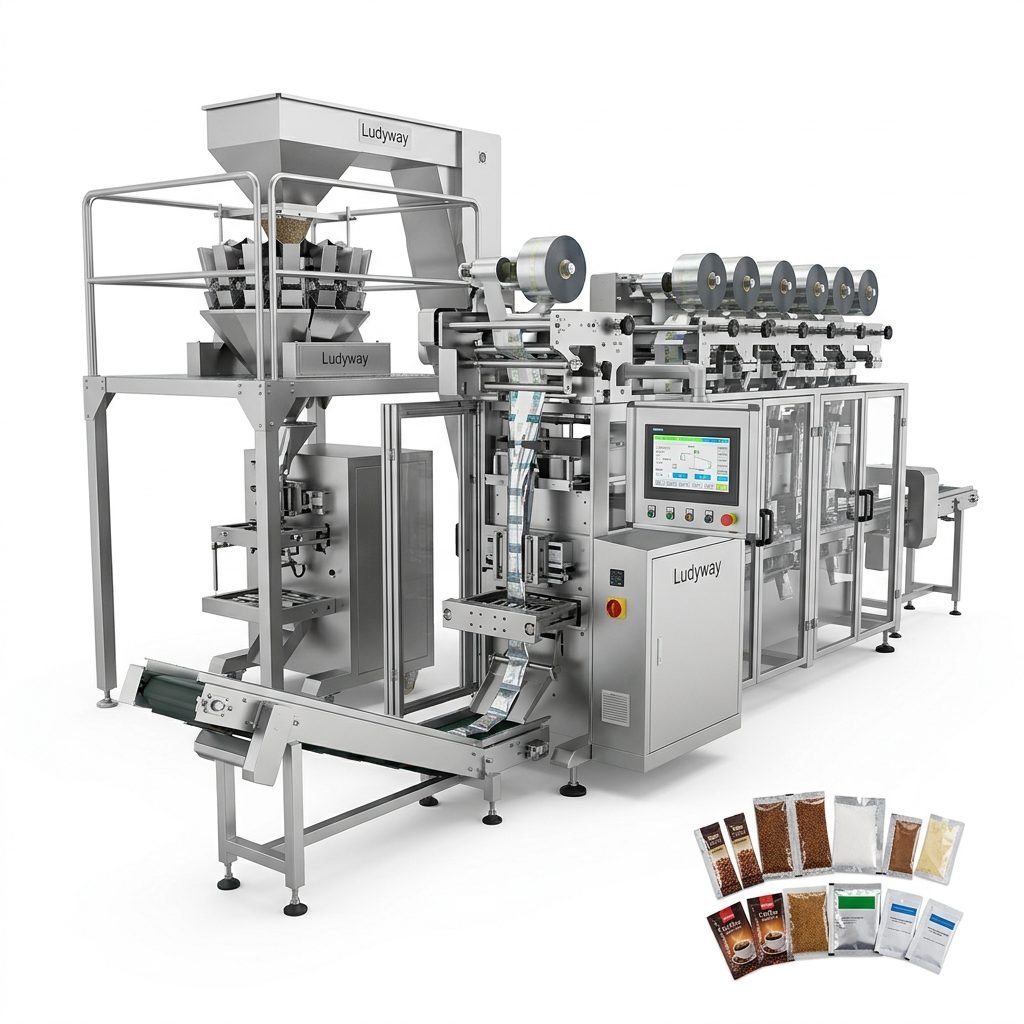
Flavored Powders & Granules: Milk tea powder, fruit tea mixes, and sugar. These are dry products best suited for stick pack or sachet packaging.
Syrups & Concentrates: High-viscosity liquids that need precise filling and strong seals to prevent leakage.
Ready-to-Drink (RTD) Bubble Tea: Requires complete liquid filling and sealing, often in larger cup-style containers.
Identifying your primary product type is the first and most crucial step. A machine optimized for dry powders may struggle with viscous syrups, and vice versa. Many modern machines, however, are versatile and can handle multiple product types with quick changeovers.
Key Machine Types for Bubble Tea Packaging
The bubble tea industry commonly utilizes several automated packaging formats:
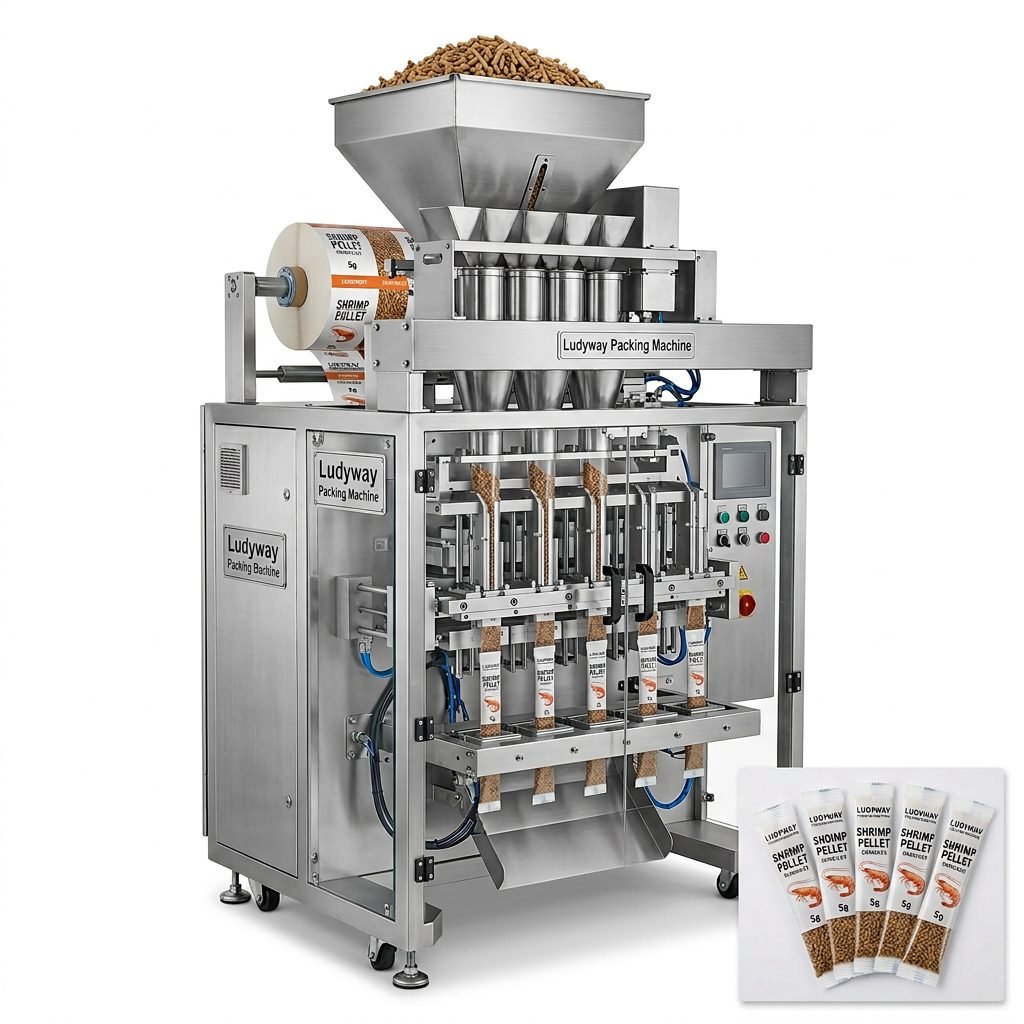
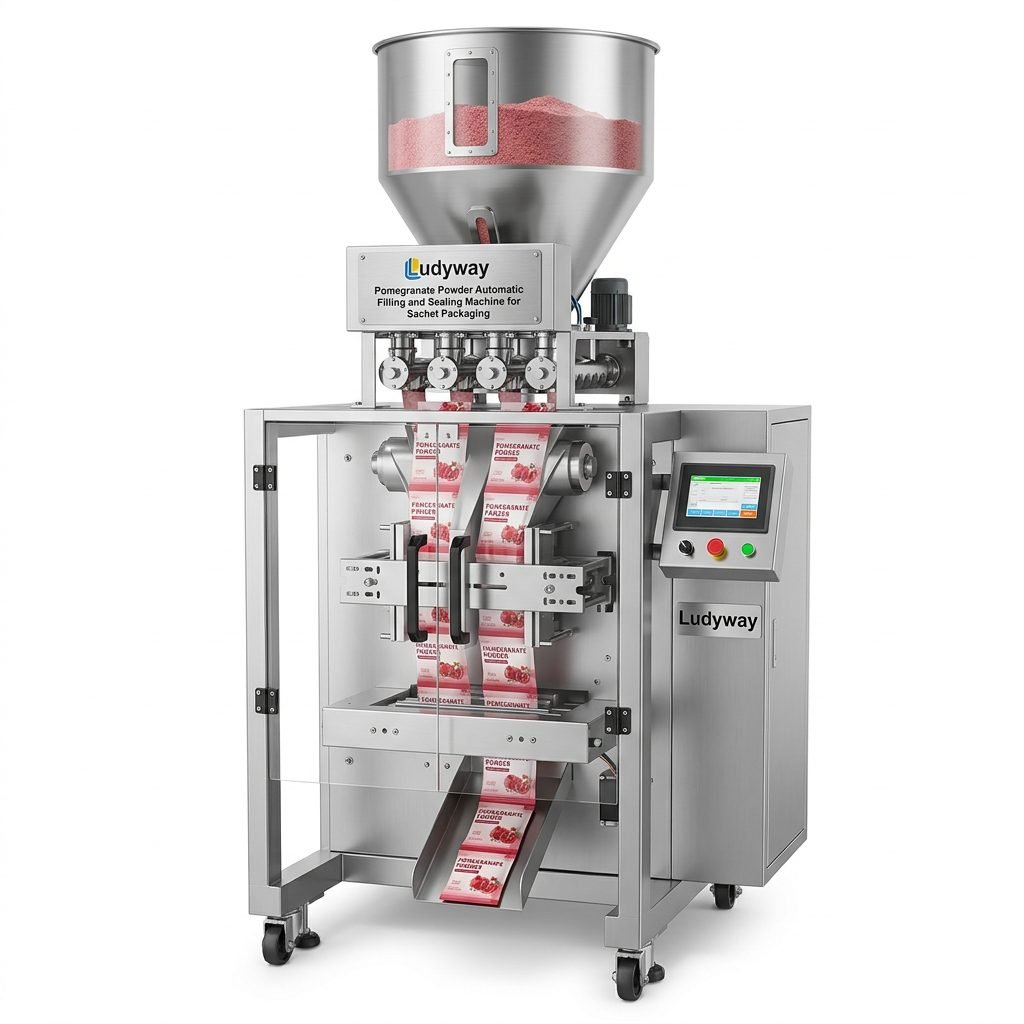
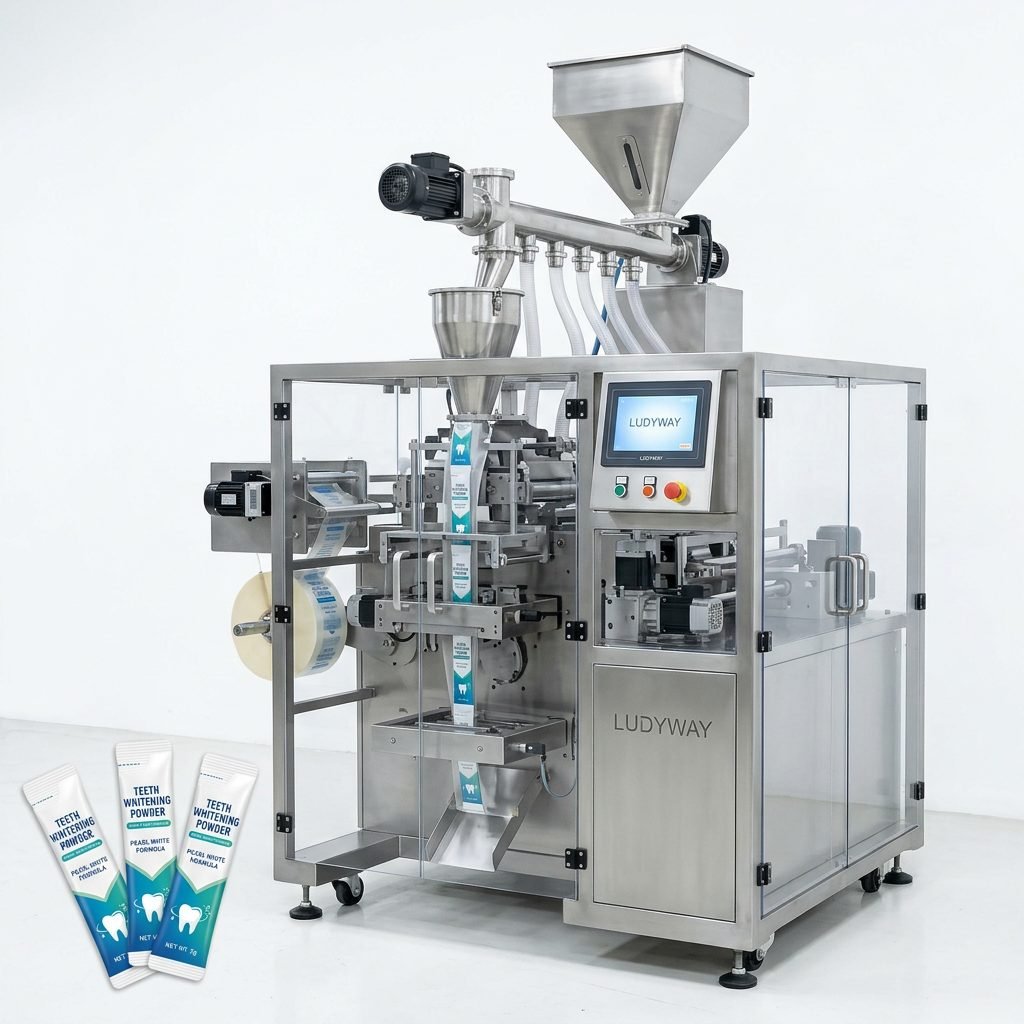
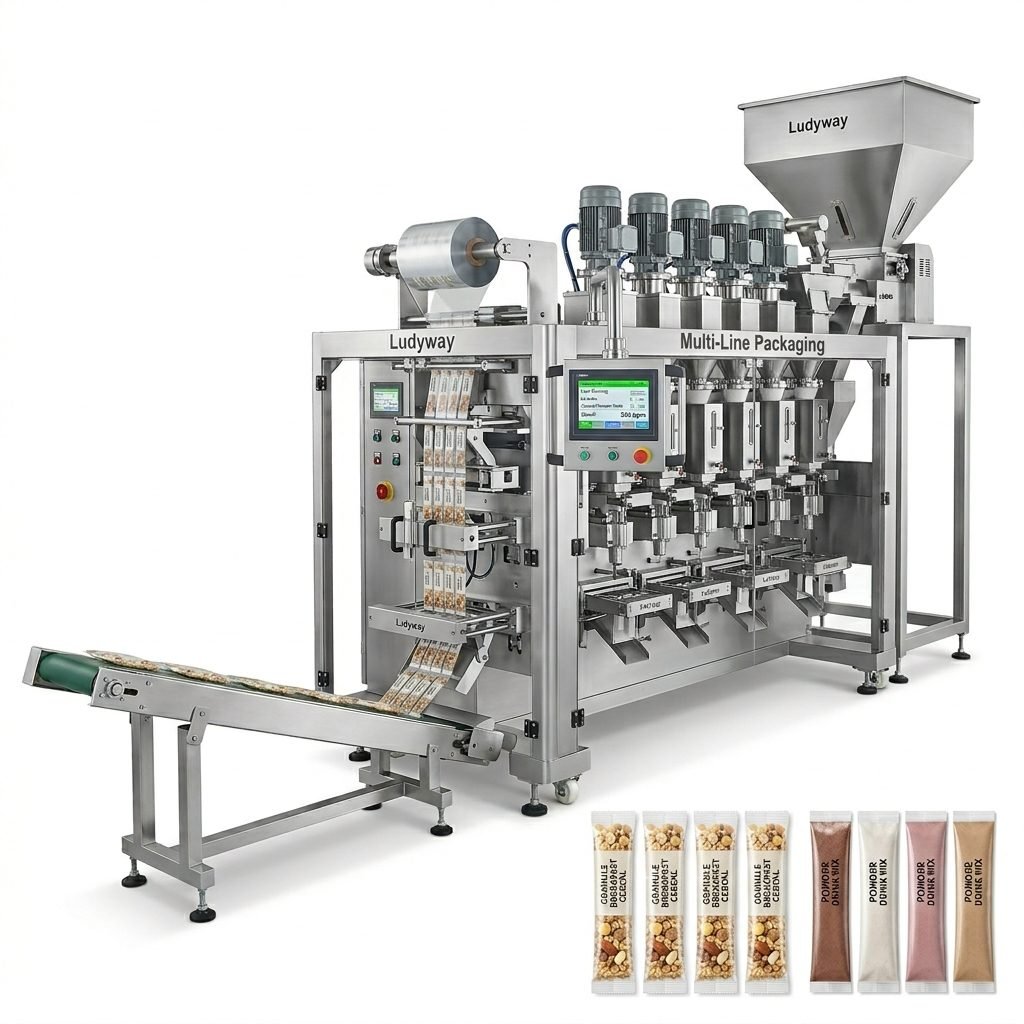
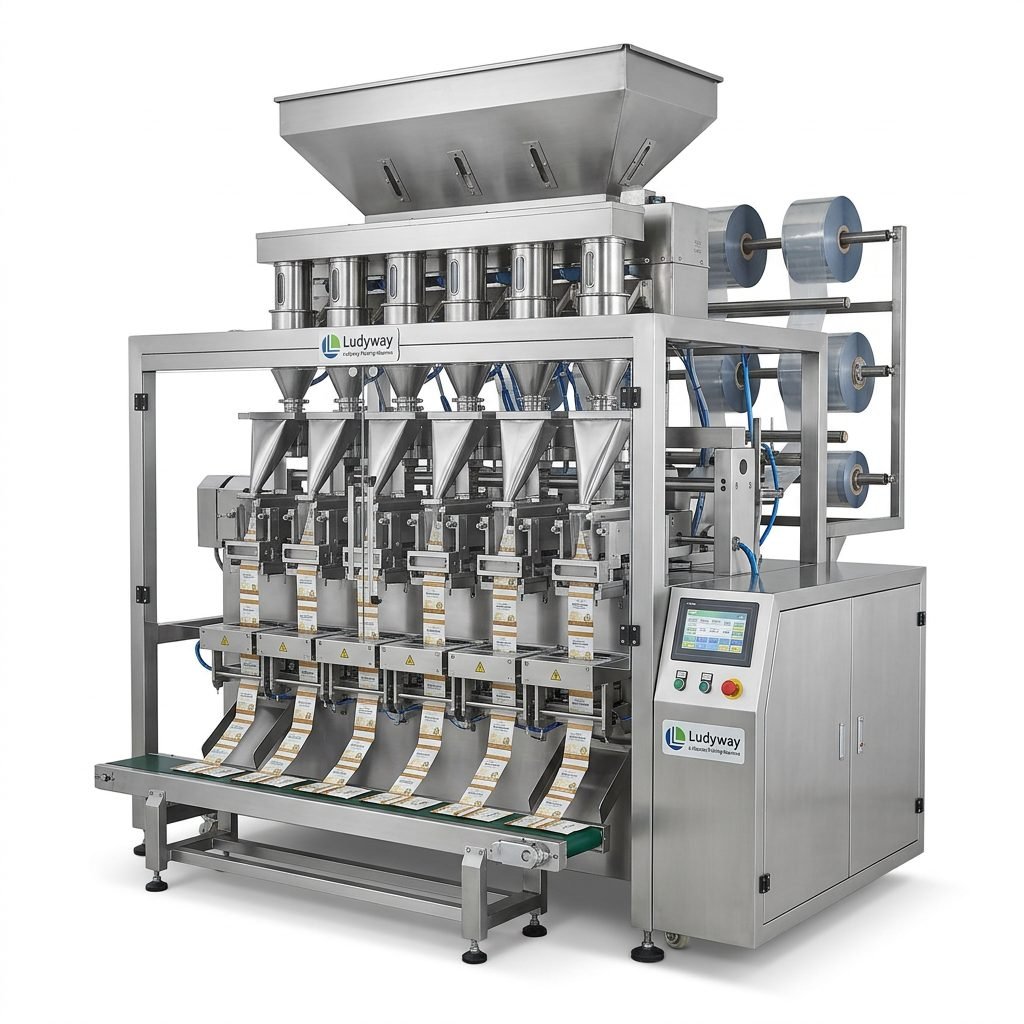
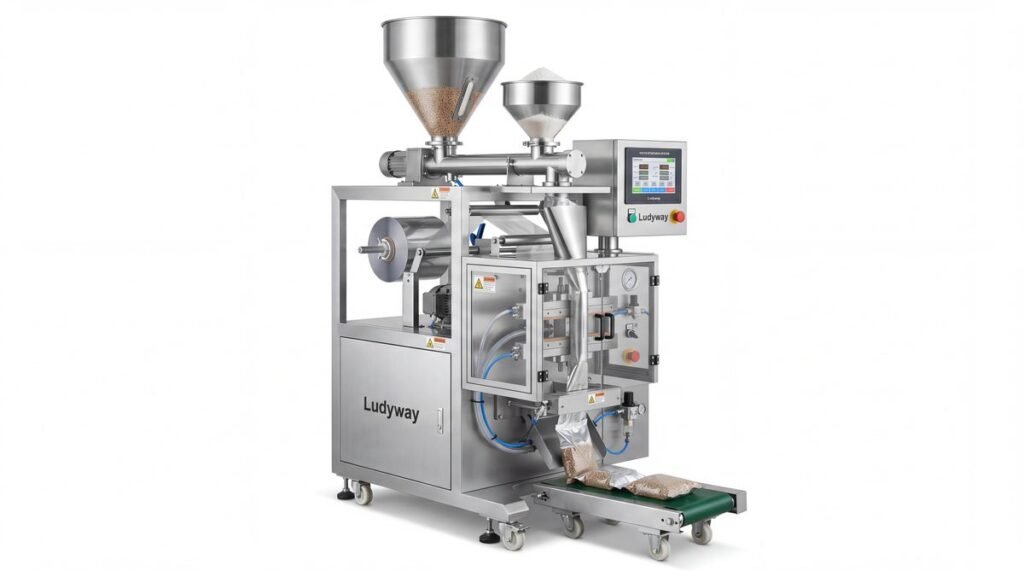
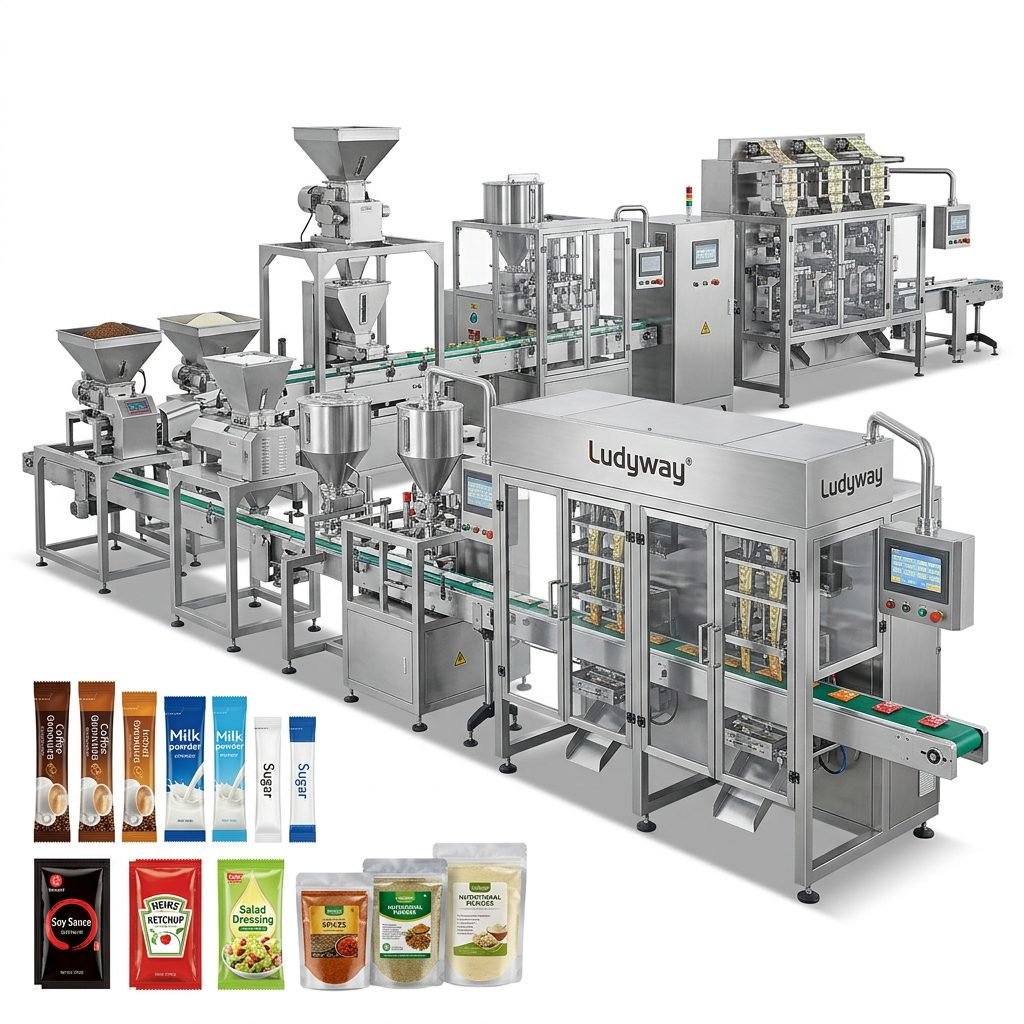
Vertical Form-Fill-Seal (VFFS) Machines: These are highly versatile and common for packaging powders and granules into stick packs or small sachets. They form the package from a roll of film, fill it, and seal it in one continuous process. Ideal for single-serve portions of milk tea powder or sugar.
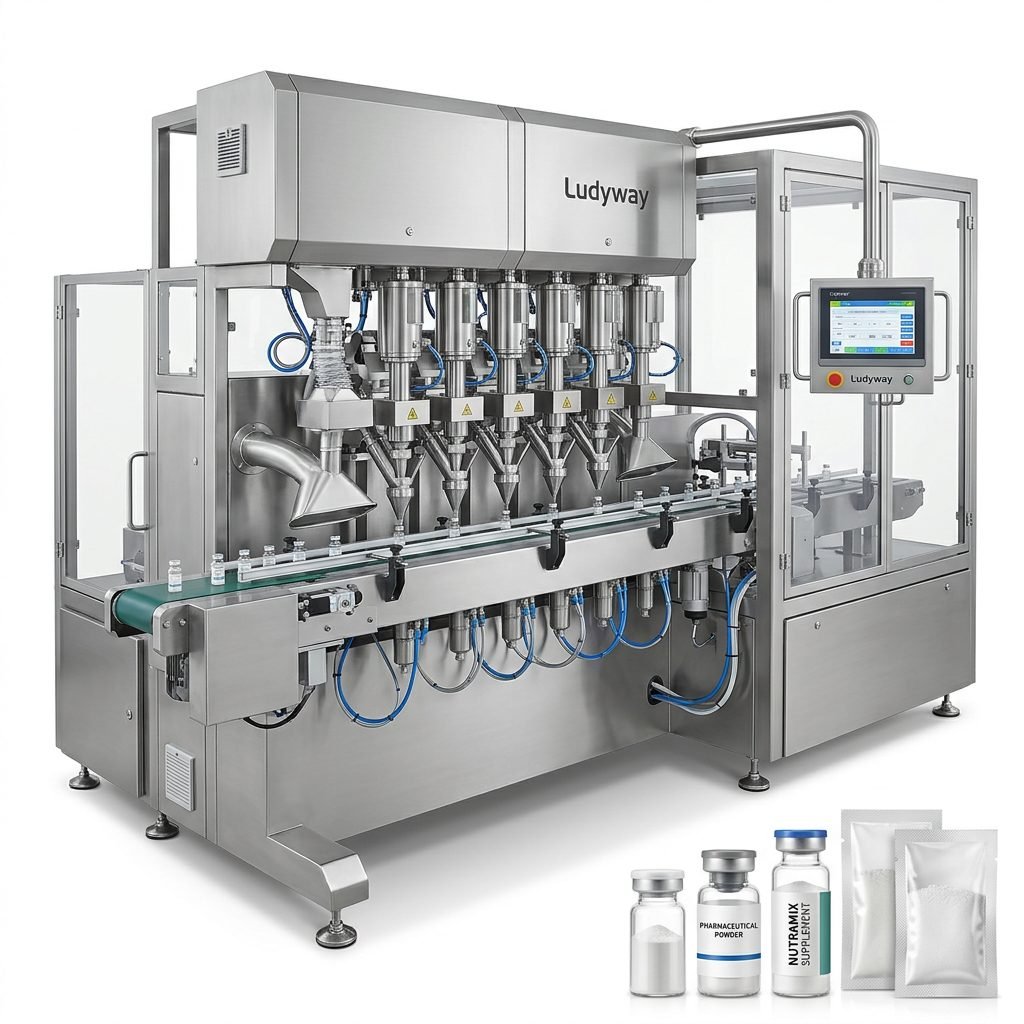
Liquid Filling and Sealing Machines: Designed specifically for liquids like syrups, concentrates, or pre-hydrated boba. They can fill into pre-formed pouches, cups, or bottles and apply a secure lid or seal. Precision is key here to avoid spillage and ensure consistent volume.
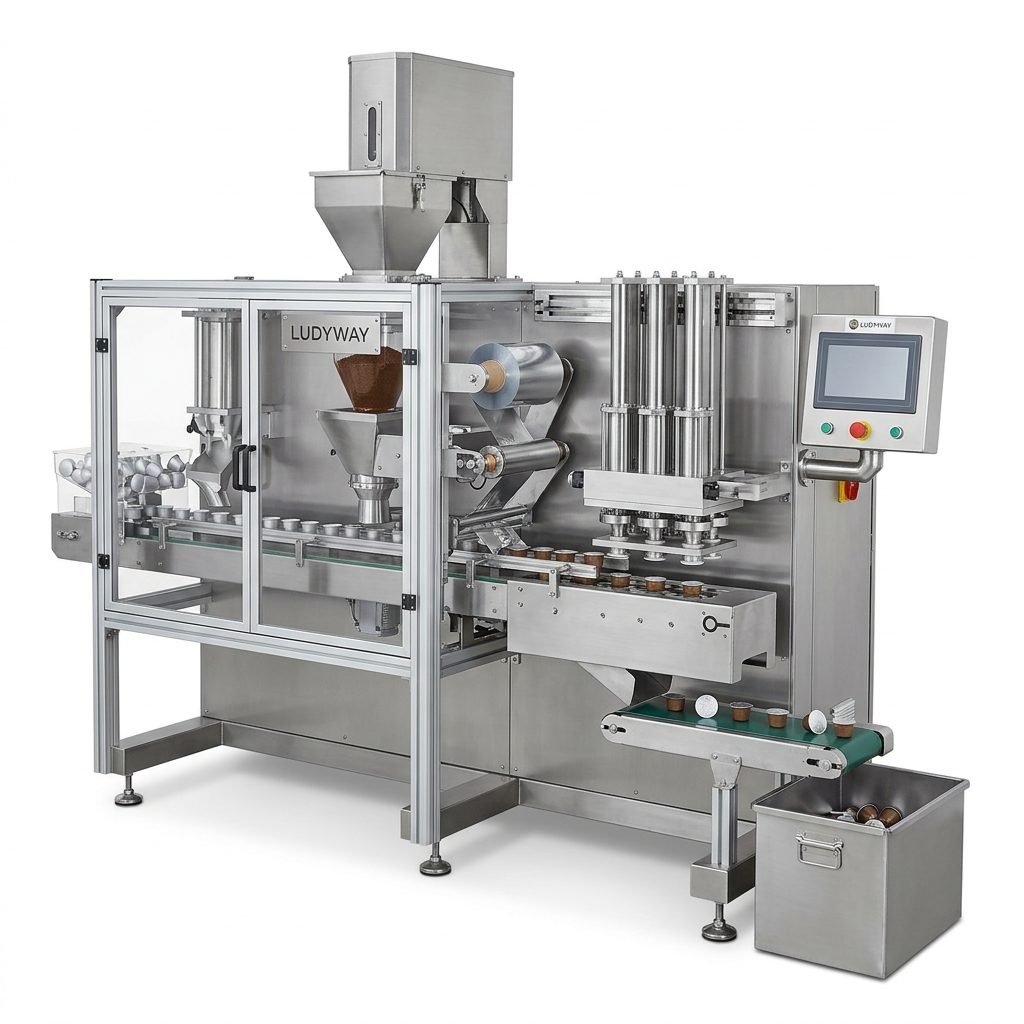
Automatic Cup Sealing Machines: If you are packaging finished bubble tea drinks for retail, these machines fill the cup with tea and toppings and apply a secure, often heat-sealed, lid. They are the final step in a ready-to-drink production line.
For a complete production solution, you might consider a turnkey packaging line that integrates several of these machines to handle multi-component kits (e.g., a powder sachet and a syrup pouch packaged together).
Critical Technical Specifications to Evaluate
When comparing machines, look beyond the basic description and examine these technical details:
1. Speed & Production Capacity
Measured in packs per minute (PPM). A small café might need 30-60 PPM, while a large-scale manufacturer may require 200+ PPM. Ensure the machine’s speed matches your current and projected output needs without compromising seal quality.
2. Filling Accuracy & Technology
For powders, a auger filler provides excellent accuracy. For liquids, piston fillers or peristaltic pumps are preferred, especially for thick syrups. Inaccurate filling leads to product giveaways or customer complaints.
3. Sealing Method & Reliability
Heat sealing is standard. Check the seal bar design, temperature control, and pressure consistency. A weak seal on a liquid boba pack is a major failure point. Look for machines with robust sealing systems and optional seal integrity checkers.
4. Material Compatibility
The machine must work with your chosen packaging film or lidding material (e.g., PET/AL/PE, CPP, biodegradable films). The supplier should be able to recommend compatible materials for your product’s shelf-life requirements.
5. Hygiene & Cleanability
Food-grade stainless steel (304 or 316) contact parts are essential. A design with minimal crevices and easy disassembly for cleaning prevents cross-contamination and meets food safety standards.
Choosing a Reliable Supplier: Beyond the Machine
The machine itself is only part of the solution. The supplier’s expertise and support are equally important for long-term success.
Industry Experience: Choose a supplier with proven experience in food and beverage packaging, particularly with similar viscosity products. For instance, Ludyway Machinery brings over a decade of focused expertise in providing packaging solutions for the food and health industries, understanding the unique challenges of products like boba.
Testing & Customization: A reputable supplier should offer product testing with your actual materials. They should also provide customization options, whether it’s a special fill head for sticky boba or a specific pouch size for your brand.
After-Sales Support & Training: Ensure comprehensive training for your operators and accessible technical support. Availability of spare parts and timely service minimizes costly downtime. A partner committed to long-term cooperation and innovation will help you adapt as your business grows.
Integration and Future-Proofing Your Investment
Consider how the machine fits into your existing or planned workflow. Does it need to integrate with a conveyor, checkweigher, or cartoner? Discuss integration capabilities with your supplier.
Think about future needs: Could you easily add more filling heads? Is the software upgradable? Selecting a modular or scalable machine from a supplier with a broad range of intelligent packaging models protects your investment as your product line expands.
A successful investment is not just about the lowest price, but the total cost of ownership, which includes reliability, efficiency, support, and the machine’s ability to grow with your brand.
Frequently Asked Questions (FAQs)
Q1: Can one machine package both dry powder and liquid boba pearls?
A: Some advanced multi-function machines can handle both with quick changeovers, but they often represent a higher investment. For dedicated high-volume production of different product types, separate optimized machines may be more efficient.
Q2: How important is filling accuracy for bubble tea ingredients?
A: Extremely important. Inconsistent portions affect taste, product value, and customer experience. Precision filling ensures every serving meets your quality standard and recipe.
Q3: What packaging material is best for pre-hydrated boba pearls?
A: High-barrier materials with strong seal layers, such as PET/AL/PE laminates, are commonly used to lock in moisture and extend shelf life. Your machine supplier should advise on material compatibility.
Q4: How do I ensure the machine meets food safety regulations?
A: Work with a supplier that designs machines with food-grade materials, hygienic construction, and easy cleanability. They should understand relevant standards for your target markets.
Q5: What level of automation is right for a growing bubble tea chain?
A: Start by automating your most labor-intensive or inconsistent process (e.g., powder portioning or syrup filling). Semi-automatic machines are a good entry point, while fully automatic lines are ideal for central production facilities supplying multiple stores.