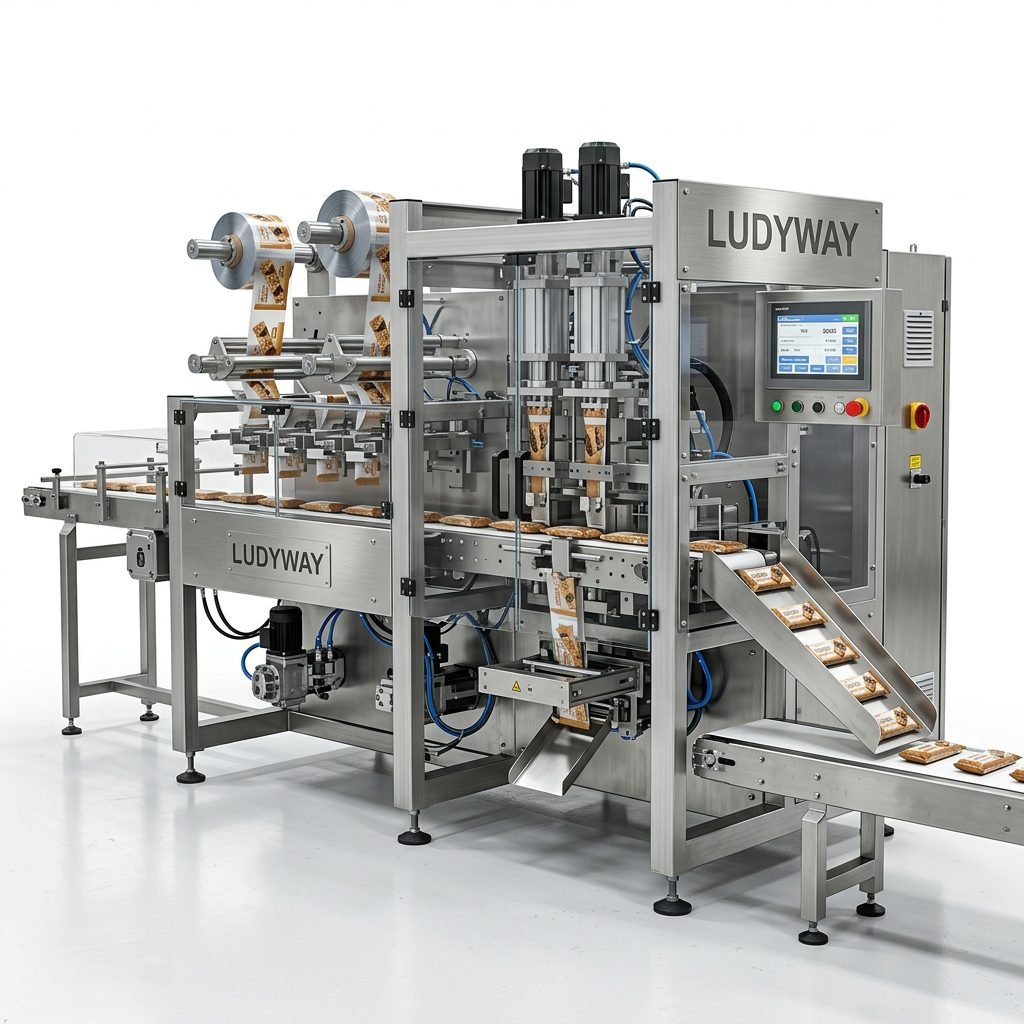
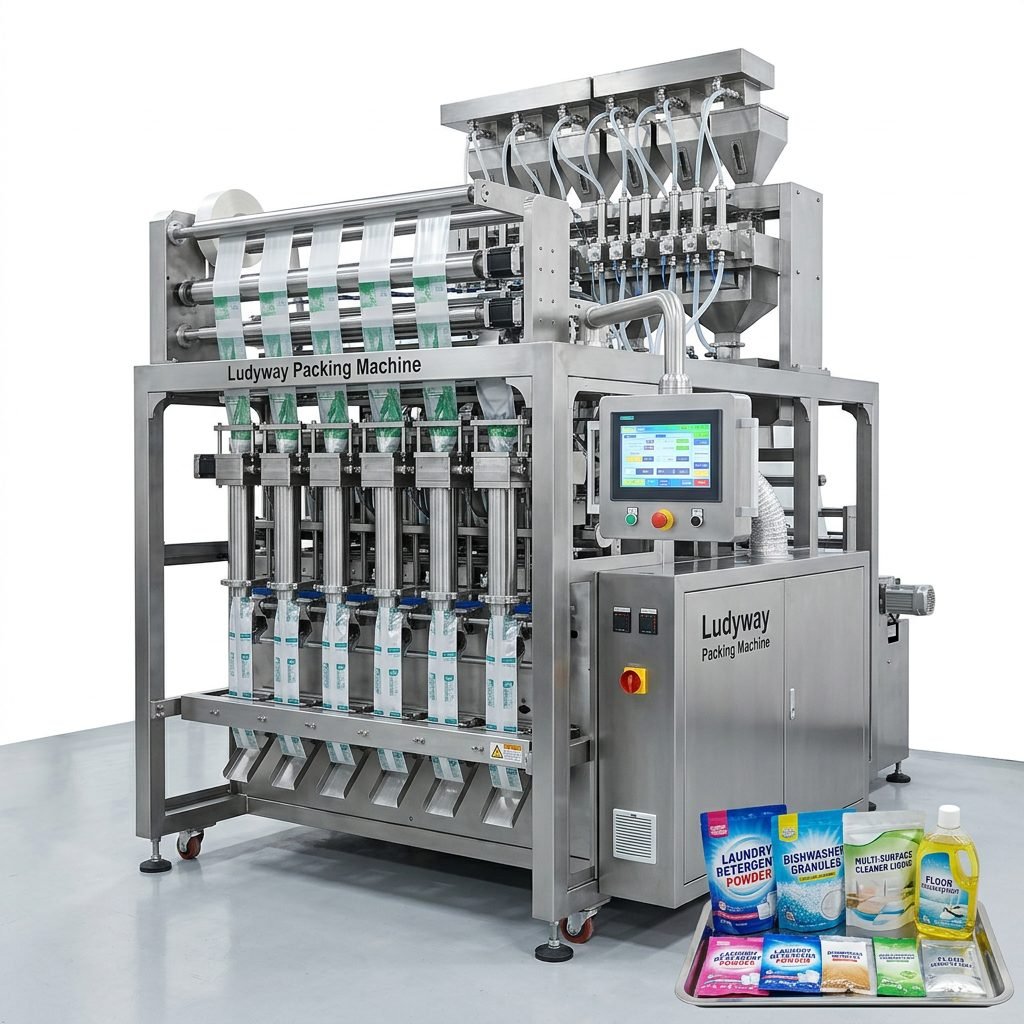
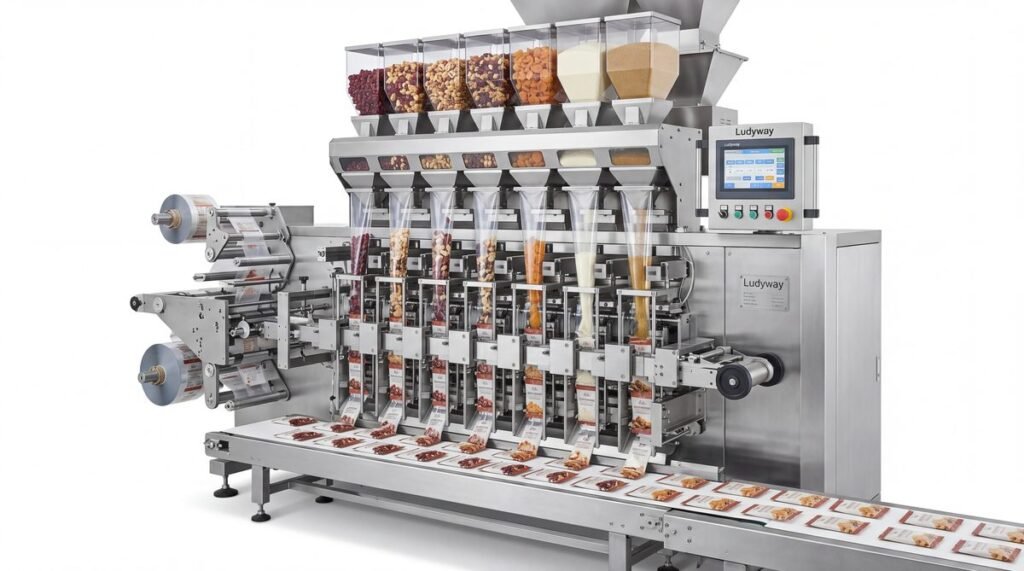
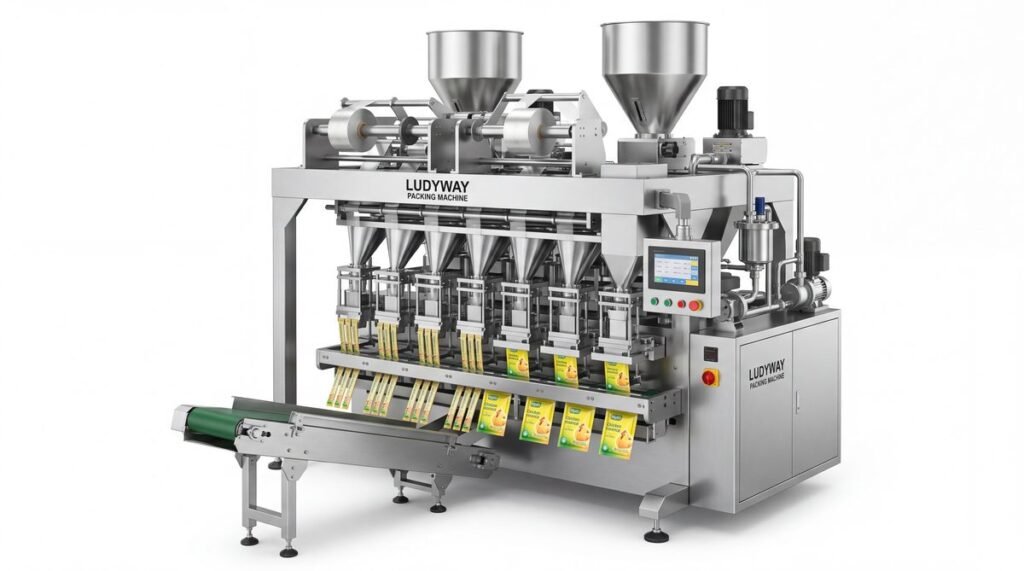
In the fast-paced world of consumer goods, efficient and reliable packaging is crucial. For products like instant coffee, sugar, creamer, spices, and pharmaceuticals, cup packaging machines offer a versatile and hygienic solution. This comprehensive guide delves into the various types of cup packaging machines, explains their working processes, explores their wide-ranging applications, and provides essential buying tips to help you make an informed investment.
Understanding Different Types of Cup Packaging Machines
Cup packaging machines are not one-size-fits-all. They are designed to handle different materials, production speeds, and levels of automation. Choosing the right type is the first step toward optimizing your packaging line.
By Machine Function
Single-Function Machines: These are dedicated to a specific task, such as filling pre-formed cups or sealing filled cups. They are ideal for simple, low-volume operations or as part of a modular line.
Integrated Machines (Form-Fill-Seal): This is the most common and efficient type for medium to high-volume production. The machine performs the entire process: it forms the cup from a roll of plastic or laminate material, fills it with the product, and then seals it with a lid, all in one continuous operation.
By Level of Automation
Semi-Automatic Machines: These require an operator to place empty cups on the conveyor or indexing table. The machine then automatically fills and seals them. They offer a good balance between cost and output for small to medium businesses.
Fully Automatic Machines: Designed for high-speed, unattended operation. They automatically feed, form, fill, seal, and eject cups. These systems often include advanced features like weight checkers, date coders, and integration with downstream equipment like cartoners.
The Working Process of a Cup Packaging Machine
The operation of an integrated Form-Fill-Seal (FFS) cup machine is a marvel of precision engineering. Here’s a step-by-step breakdown of the typical cycle:
Step 1: Cup Forming
A roll of thermoformable film (like PP, PS, or multilayer laminate) is fed into the machine. The film is heated to a pliable state and then drawn by vacuum or pushed by a plug into a mold, forming precise cup cavities.
Step 2: Product Filling
The formed cups move to the filling station. Depending on the product—be it granules (coffee, sugar), powder (spices, milk powder), liquids (sauce, yogurt), or semi-solids (jam, ointment)—different filling systems are used. These include volumetric cups, auger fillers, piston fillers, or liquid pumps, all designed for accuracy and minimal waste.
Step 3: Lid Sealing
A separate roll of lidding material (often a foil laminate for barrier properties) is fed over the filled cups. A heated sealing die presses down, creating a hermetic seal between the cup flange and the lid. This step is critical for product freshness and shelf life.
Step 4: Cutting and Ejection
Finally, a cutting die trims the sealed cups from the web of plastic, creating individual packaged units. These are then ejected onto a conveyor belt for collection, checkweighing, or secondary packaging.
Key Applications Across Industries
The versatility of cup packaging makes it indispensable across numerous sectors. Its ability to provide portion control, excellent product visibility, and strong seals drives its adoption.
Food & Beverage Industry: This is the largest application area. Cups are perfect for single-serve portions of instant coffee, drink mixes, jelly, pudding, yogurt, dips, sauces, and condiments. The seal integrity keeps contents fresh and prevents leakage.
Pharmaceutical & Healthcare: Cup packaging ensures sterility and precise dosing for tablets, capsules, powders, and ointments. Unit-dose packaging improves patient compliance and is a critical requirement in clinical settings.
Personal Care & Cosmetics: Samples of cream, lotion, shampoo, and face masks are often packaged in small cups. The packaging is attractive, hygienic, and convenient for both consumers and marketers.
Industrial & Chemical: Adhesives, lubricants, dyes, and other industrial compounds are packaged in sturdy cups for safe handling, storage, and disposal of precise amounts.
Essential Buying Tips for Your Investment
Selecting the right cup packaging machine requires careful consideration of your specific needs. Here are key factors to evaluate:
1. Define Your Product and Output Requirements
Clearly identify your product’s physical state (powder, liquid, etc.), its characteristics (hygroscopic, abrasive, viscous), and your required production speed (cups per minute). This will narrow down the machine type and filling technology needed.
2. Evaluate Machine Flexibility and Changeover
If you plan to run multiple products or different cup sizes, look for machines with quick-change parts and tooling. Easy changeover minimizes downtime and increases overall equipment effectiveness (OEE).
3. Prioritize Hygiene and Construction Quality
For food and pharmaceutical applications, machines with stainless steel contact parts, easy-clean designs, and compliance with standards like GMP are non-negotiable. Robust construction ensures longevity and consistent performance.
4. Consider After-Sales Support and Service
The machine is a long-term investment. Choose a supplier known for reliable technical support, availability of spare parts, and comprehensive training. A strong service network is invaluable for minimizing operational disruptions. Companies with deep industry experience, like Ludyway Packaging Machinery, which brings over 30 years of expertise, often provide more dependable support and tailored solutions.
5. Analyze Total Cost of Ownership (TCO)
Look beyond the initial purchase price. Factor in operational costs (energy, film consumption), maintenance, potential downtime, and the cost of changeover parts. A slightly more expensive but more efficient and reliable machine often has a lower TCO.
Frequently Asked Questions (FAQs)
Q1: What materials can be used for the cups and lids?
Common materials include Polypropylene (PP), Polystyrene (PS), PET, and Aluminum foil laminates. The choice depends on the product’s needs for barrier properties (against oxygen, moisture, light), clarity, rigidity, and compatibility with the sealing process.
Q2: How accurate is the filling process?
Modern machines offer high accuracy. Auger fillers for powders can achieve +/- 1% accuracy or better, while piston fillers for liquids are extremely precise. Integrating a checkweigher inline provides real-time feedback and ensures every package meets weight specifications.
Q3: Can one machine handle different cup sizes and shapes?
Yes, but it requires a changeover. Many machines are designed for flexibility with interchangeable forming molds, filling heads, and sealing dies. The time and complexity of changeover vary between models, so this is a key point to discuss with the supplier.
Q4: What kind of maintenance do these machines require?
Regular maintenance is essential. Daily cleaning, weekly lubrication of moving parts, and periodic inspection of seals, heaters, and cutting tools are standard. A good supplier will provide a detailed maintenance schedule and training. For insights into reliable machine performance, you can explore resources from established providers like Ludyway’s packaging solutions.
Q5: How do I ensure the machine meets industry safety and quality standards?
Always request documentation of compliance with relevant standards (e.g., CE, UL, GMP). Reputable manufacturers design machines with safety guards, emergency stops, and use food-grade materials. It’s also advisable to review the company’s history and commitment to quality, such as the long-term engineering focus seen in brands like Ludyway Machinery.