Selecting the right frozen food packaging machine manufacturer is a critical decision that directly impacts your production efficiency, product quality, and overall business profitability. The market offers numerous suppliers, each with varying levels of expertise, technology, and service. Navigating this landscape requires a systematic approach to ensure you partner with a manufacturer that truly aligns with your specific operational needs and long-term goals.
Key Factors to Evaluate When Choosing a Supplier
Before committing to a supplier, a thorough evaluation based on several core factors is essential. These criteria will help you distinguish between a standard equipment vendor and a true strategic partner.
1. Technical Expertise and Machine Range
The manufacturer’s technical depth is paramount. For frozen food packaging, specific challenges like moisture control, temperature resilience, and sealing integrity under cold conditions must be addressed. A competent supplier should offer a dedicated range of machines designed for frozen environments, such as vertical form-fill-seal (VFFS) machines with cold-tolerant components, specialized horizontal wrappers for frozen pizzas or pies, and modified atmosphere packaging (MAP) systems for premium frozen products.
→ Critical Consideration: Does the manufacturer’s portfolio include machines tested and proven for frozen applications? Look for features like stainless steel construction resistant to condensation, specialized sealing jaws for cold films, and robust drive systems that operate reliably in chilled production areas.
2. Production Capacity and Scalability Support
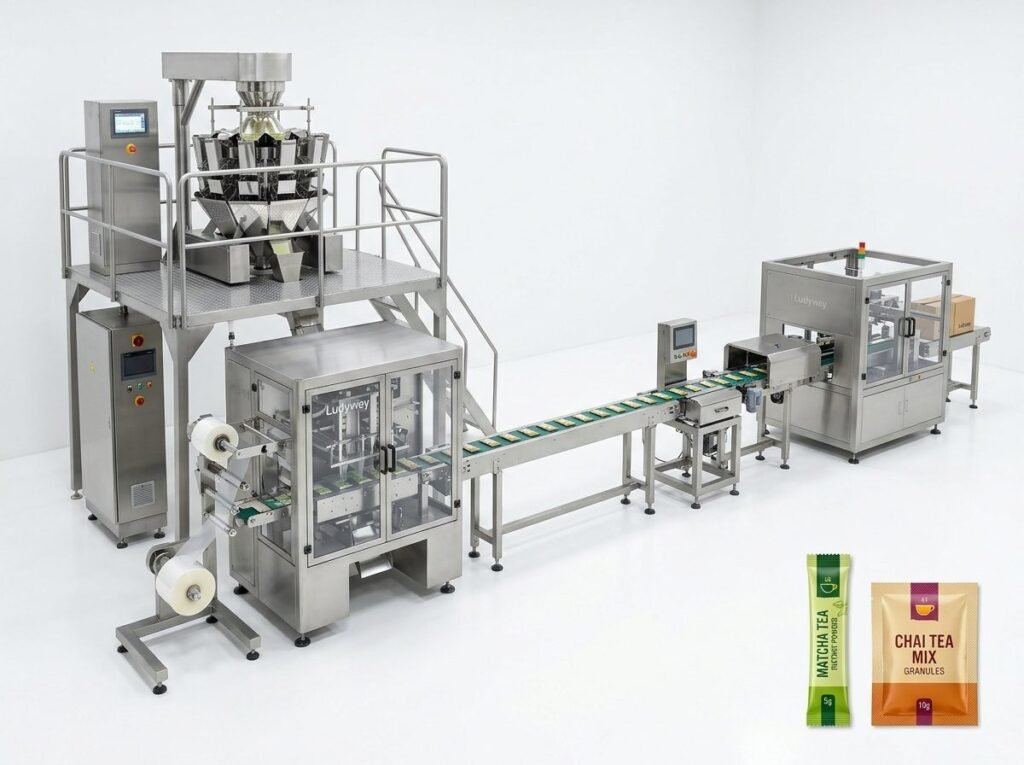
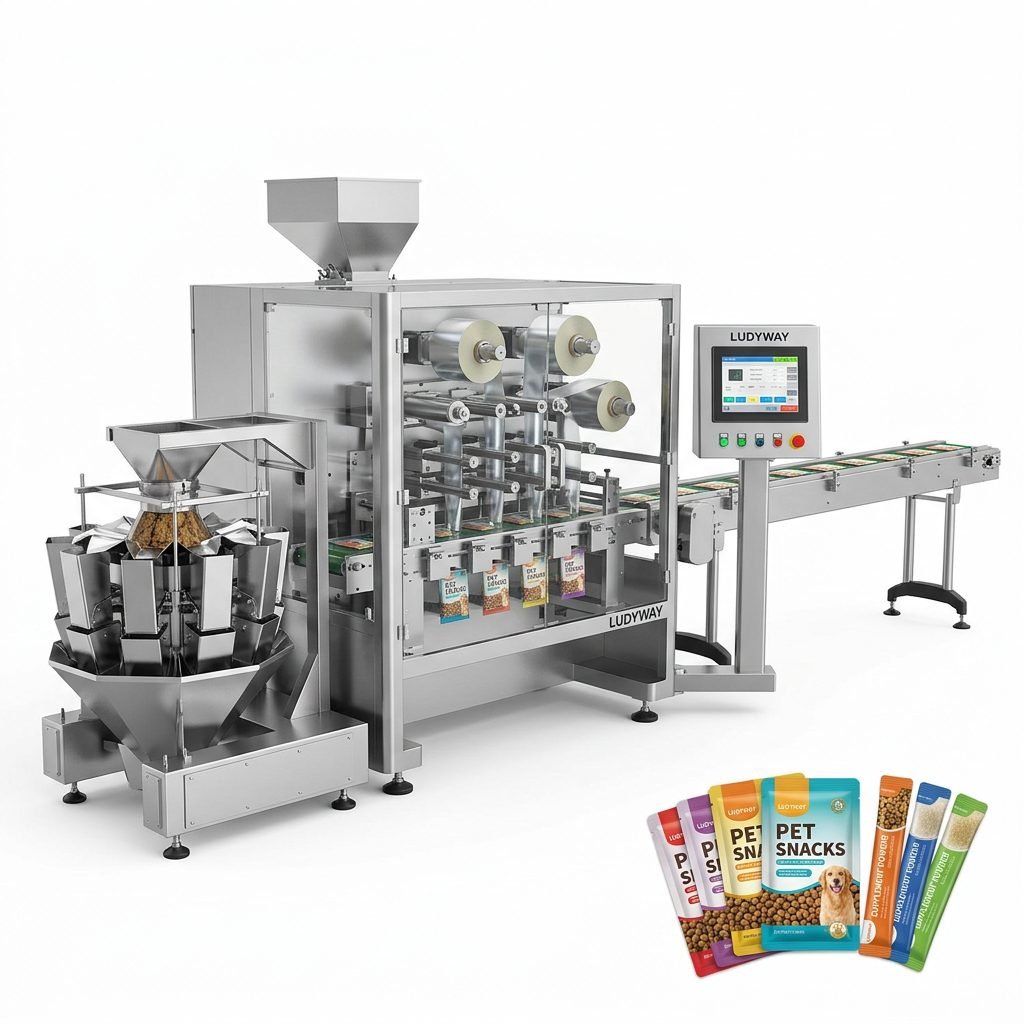
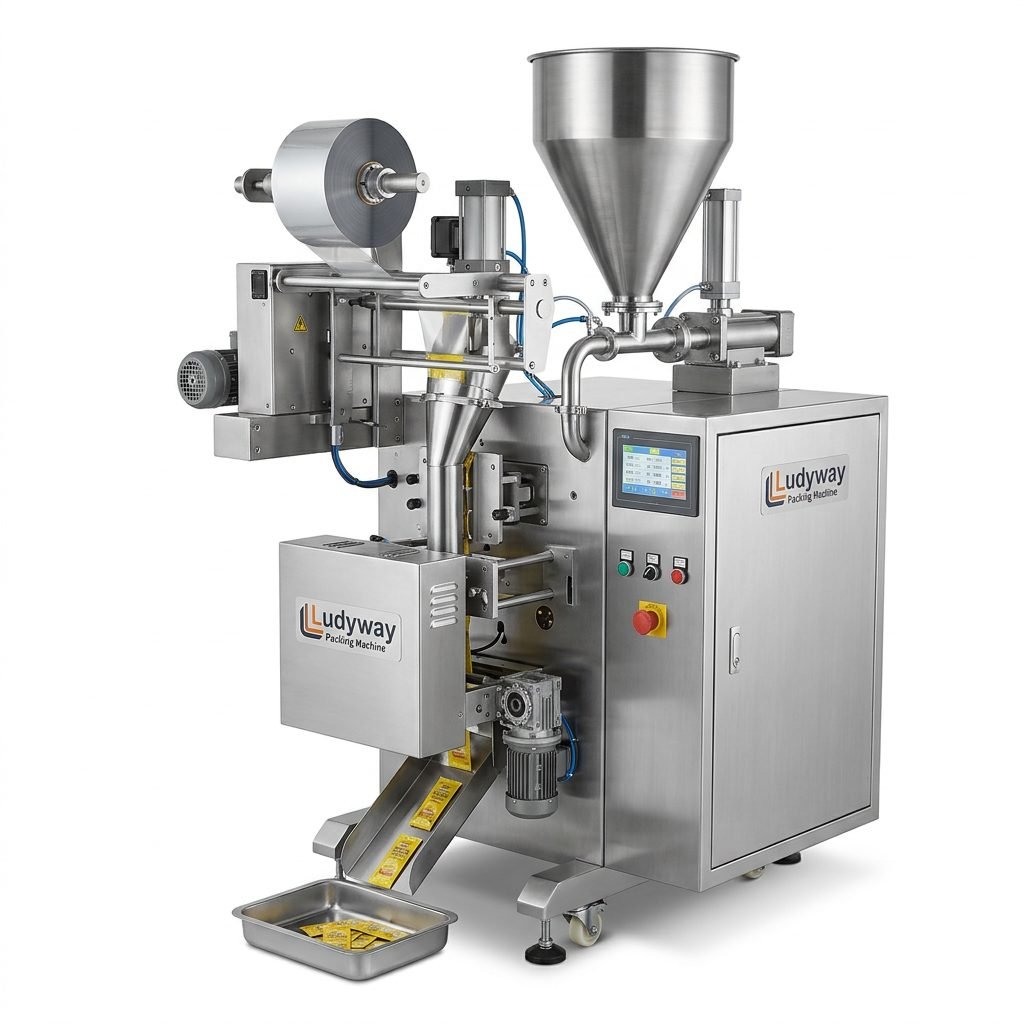
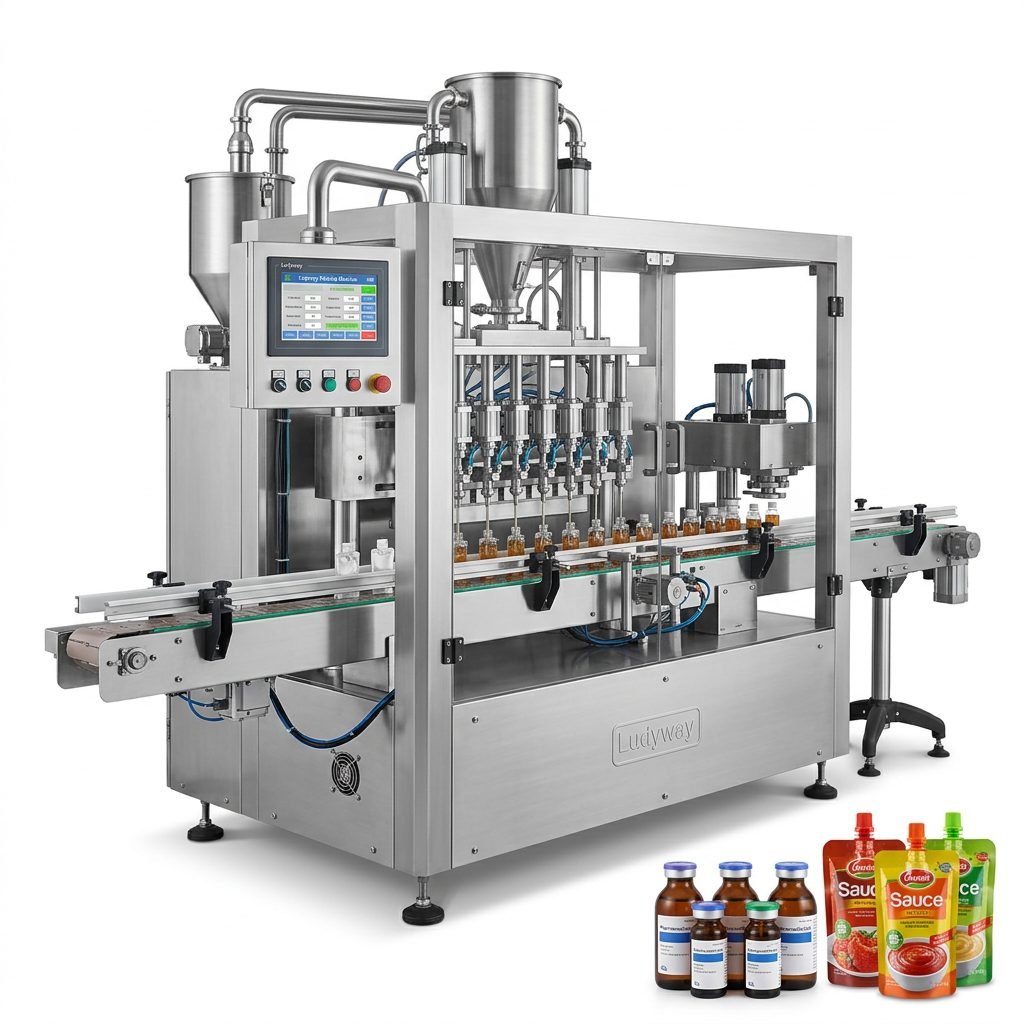
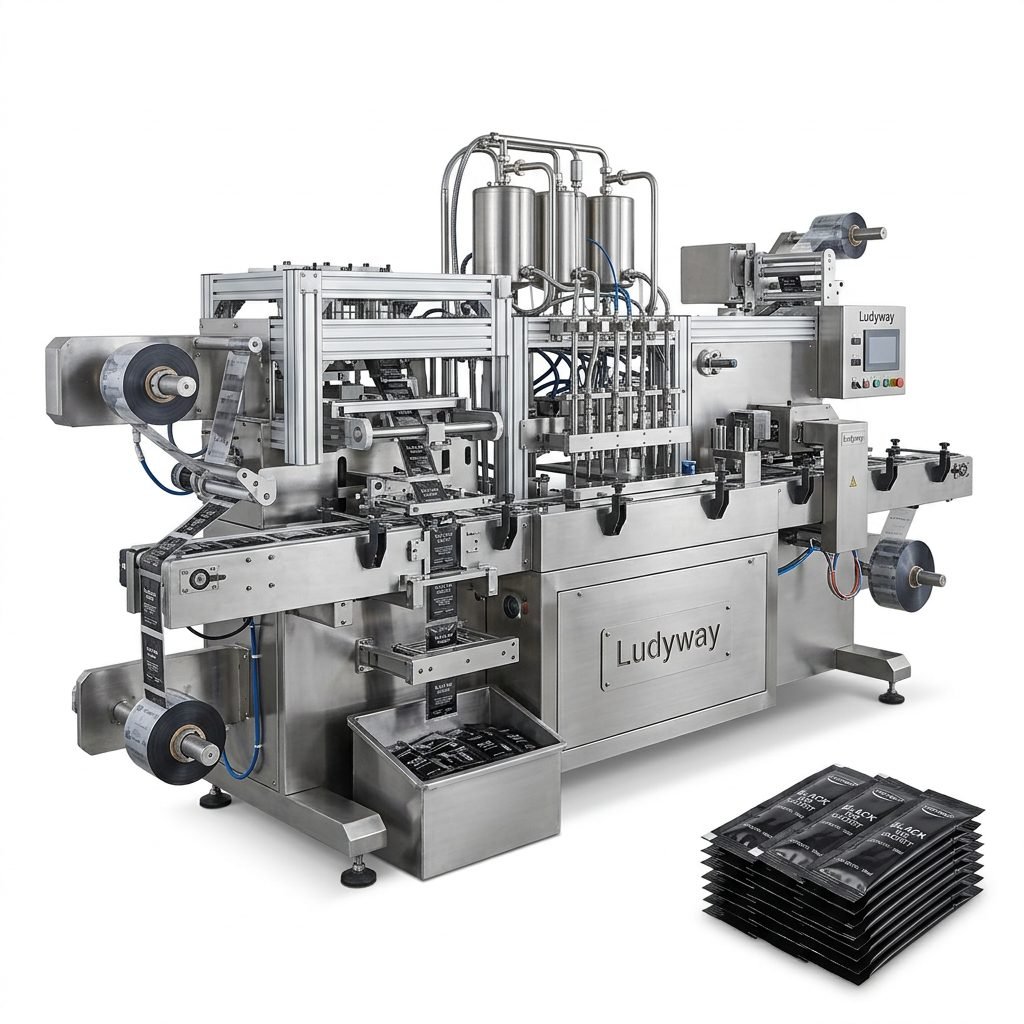
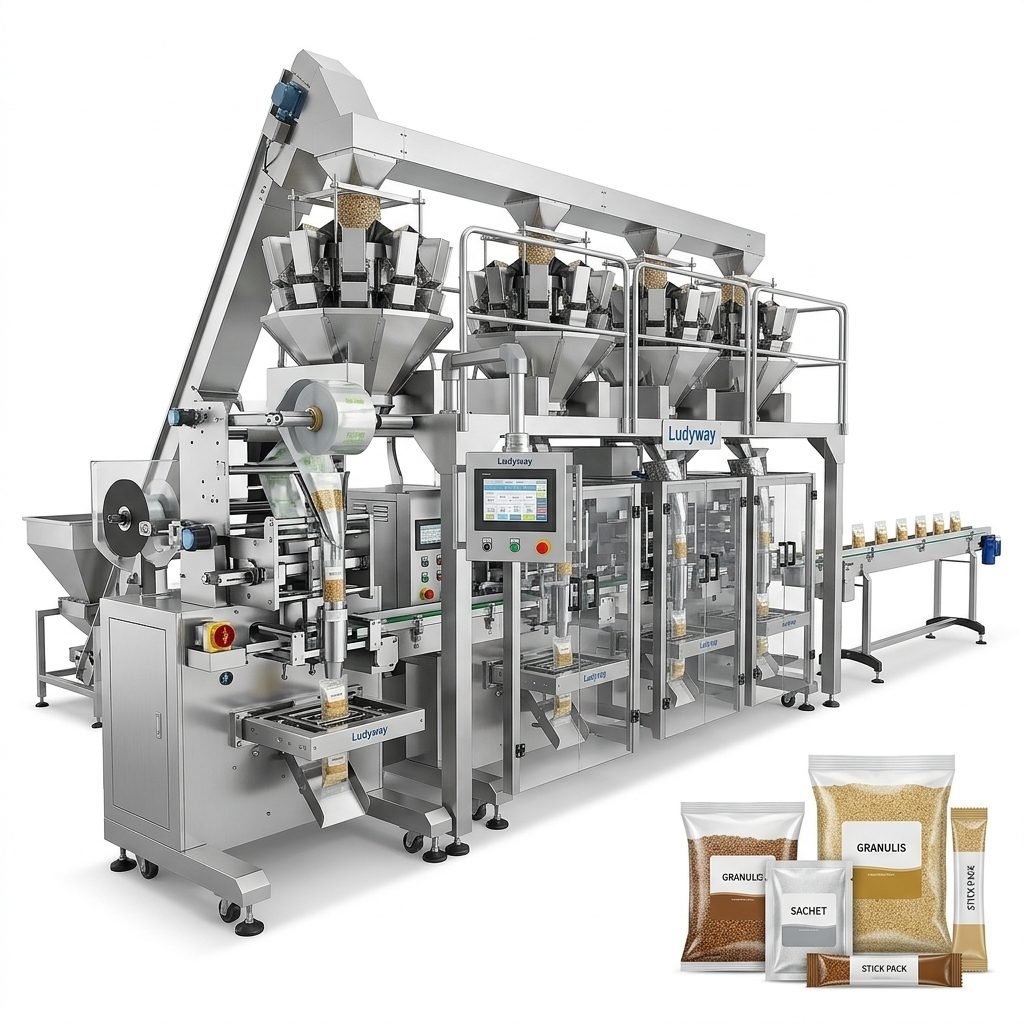
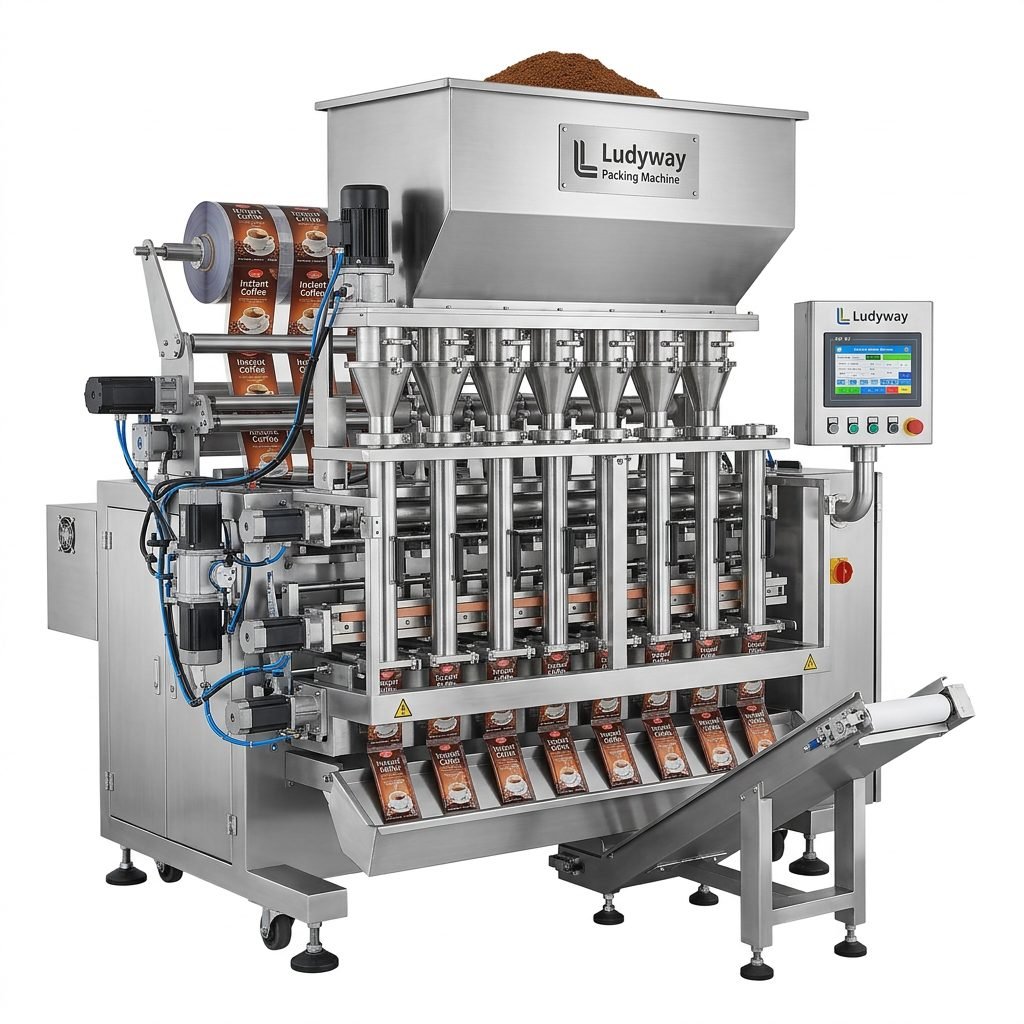
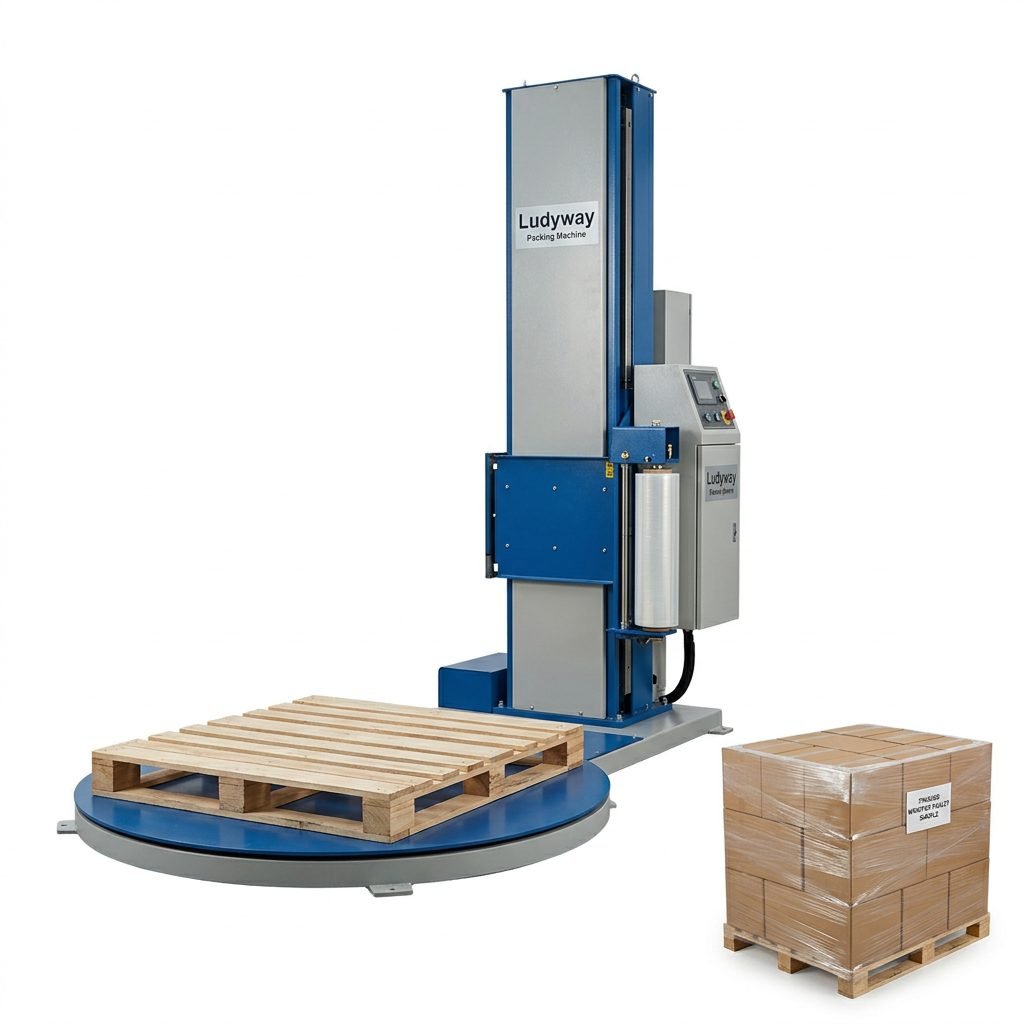
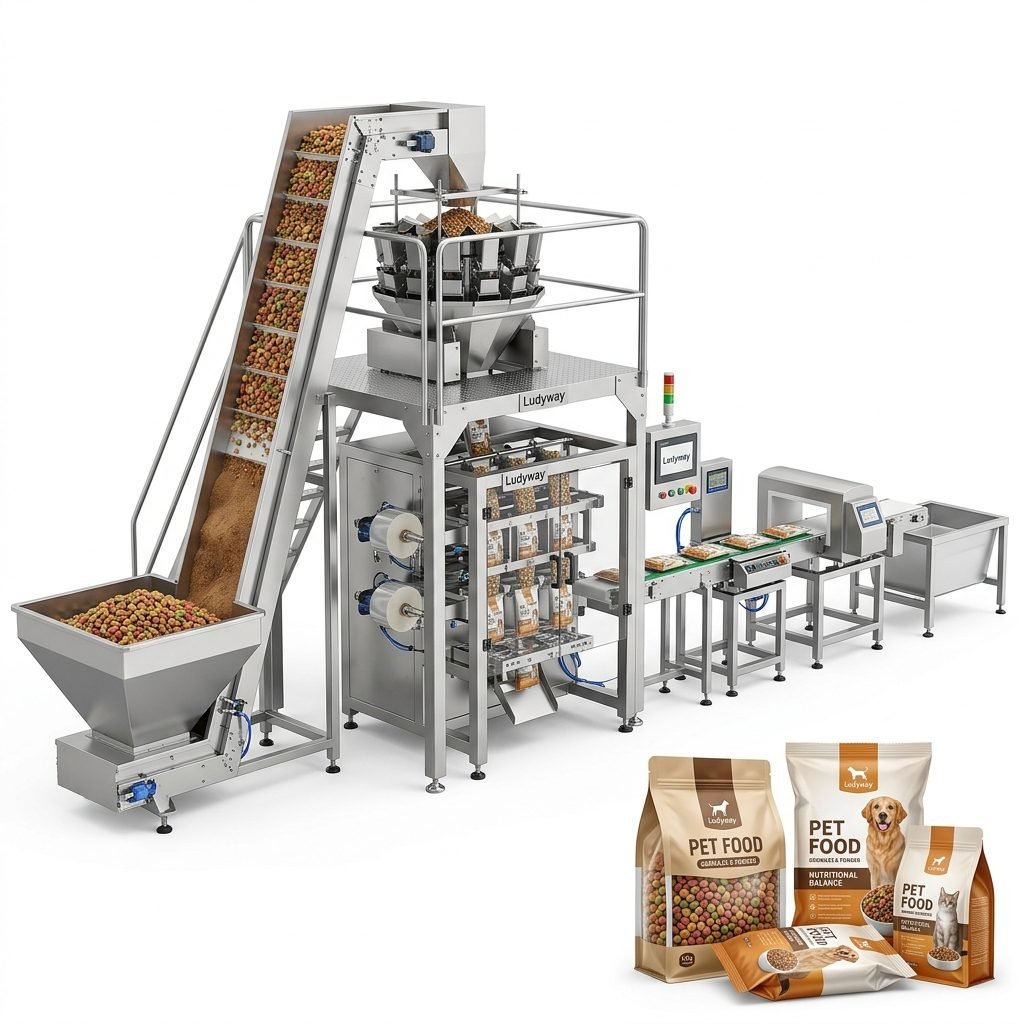
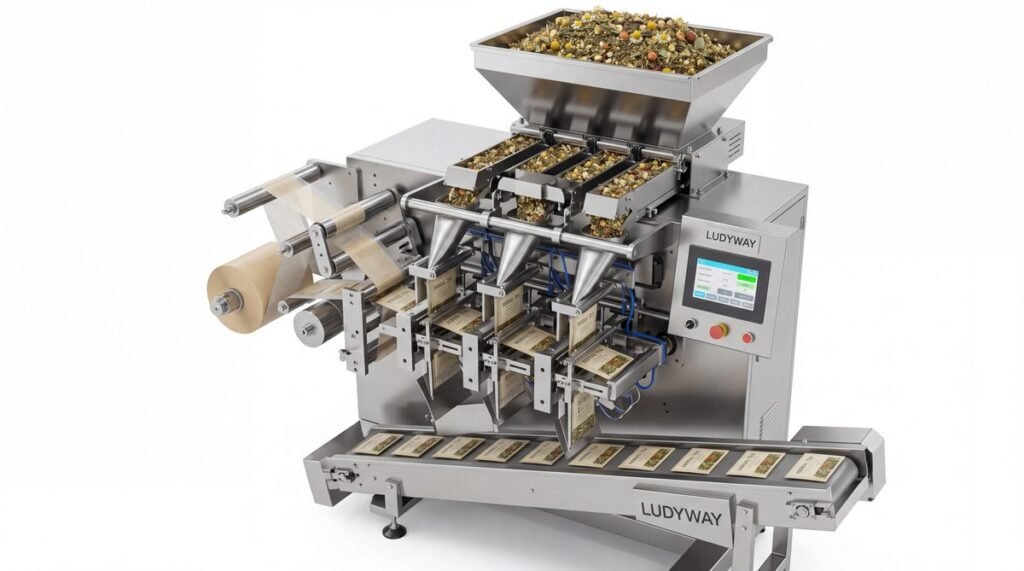
Your current and future output needs must match the supplier’s capability to deliver. Assess their manufacturing scale – a supplier with a 20,000㎡ modern facility, for instance, indicates strong production capacity. Importantly, they should provide scalable solutions. Can their base machine be upgraded for higher speed? Can you integrate a multi-lane feeder or a robotic palletizer later? A partner like Ludyway Machinery, with over 50 intelligent packaging machine models, often designs systems with modularity in mind, allowing your line to grow with your business.
3. Industry Experience and Application Knowledge
30+ years of industry experience is not just a number; it represents accumulated problem-solving knowledge. A supplier deeply familiar with the frozen food sector will anticipate issues like film brittleness at low temperatures, ice crystal formation affecting bag seals, or the need for rapid packaging to maintain product temperature. They should offer turnkey production solutions, advising on the optimal film material, packaging format (bag, box, tray), and ancillary equipment (freezing tunnel interfaces, cold storage conveyors).
Why Proven Experience Matters:
A manufacturer with a long history has likely encountered and solved the unique problems of frozen food packaging. This translates into more reliable machine design, better material recommendations, and fewer operational surprises for you.
4. Quality Commitment and Manufacturing Standards
Quality is built into the machine. Investigate the supplier’s quality control processes during manufacturing. Do they use premium-grade components? Are their machines compliant with international safety and hygiene standards (e.g., CE, ISO)? High-quality construction reduces downtime, extends machine life, and ensures consistent package integrity—a vital factor for frozen food where seal failures can lead to product spoilage and safety concerns.
Checkpoint: Request details on the machine’s critical components: the type of PLC controller, the brand of servo motors, the quality of the sealing jaws. Reputable suppliers are transparent about these parts.
5. After-Sales Service and Global Support Network
The relationship begins after installation. Comprehensive after-sales support is crucial. This includes clear documentation, readily available spare parts, responsive technical troubleshooting (potentially via remote diagnostics), and on-site technician availability. For global operations, verify the supplier’s ability to provide support in your region. A manufacturer serving customers worldwide should have a structured network for service and maintenance, minimizing disruption to your critical cold-chain production.
The Supplier Selection Process: A Step-by-Step Guide
Turning these factors into an actionable process will streamline your decision-making.
Step 1: Define Your Precise Requirements
Document your needs: product type (vegetables, meats, ready meals), packaging format (bag size, weight range), required output speed (bags per minute), factory environment (temperature of packaging area), and future expansion plans. This clarity becomes your benchmark for all supplier discussions.
Step 2: Research and Shortlist Potential Manufacturers
Use industry channels, trade shows, and B2B platforms to identify candidates. Prioritize those who explicitly list frozen food or cold-environment packaging as a specialty. Review their case studies and client lists.
Step 3: Request Detailed Proposals and Conduct Deep-Dive Meetings
Ask for a formal proposal addressing your specific requirements. Schedule technical meetings to discuss the proposed machine’s design, ask about failure scenarios, and request performance data for frozen applications. Discuss service terms explicitly.
Step 4: Evaluate Financial Value and Long-Term Cost
Analyze the total cost of ownership, not just the purchase price. Consider energy efficiency, maintenance costs, expected lifespan, and the cost of potential downtime. A slightly higher initial investment in a more robust, service-backed machine often yields lower long-term costs.
Step 5: Final Validation and Reference Checks
Before finalizing, ask for references from current clients in the frozen food industry. Speak to them about machine performance, reliability, and supplier support. If possible, request a live test or video demonstration of the machine packaging a product similar to yours.
Partnering for Success: Beyond the Machine Purchase
The best suppliers evolve into partners. They contribute to your continuous improvement by offering updates on new packaging materials, efficiency upgrades for your existing line, and insights into market trends. A partner invested in your success, like a company with a foundation in long-term cooperation and innovation, will proactively help you adapt to changing consumer demands or regulatory requirements in the frozen food sector.
Choosing the optimal frozen food packaging machine manufacturer is a strategic investment. By meticulously evaluating technical capability, proven experience, quality ethos, and support structure, you secure not just a machine, but a cornerstone for reliable, efficient, and scalable production. This due diligence ensures your packaging line protects product quality, maximizes output, and supports your brand’s reputation in the competitive frozen food market.
Frequently Asked Questions (FAQs)
Q1: What is the most important feature to look for in a packaging machine for frozen foods?
The machine’s ability to maintain consistent, strong seals in a cold, often humid environment is paramount. Look for features like heated sealing jaws designed for cold-film performance, stainless steel or coated surfaces to resist corrosion from condensation, and robust film handling systems that prevent brittle frozen film from tearing.
Q2: Can a standard packaging machine be adapted for frozen food applications?
While some adaptations might be possible, it is generally not recommended. Standard machines may use materials or components that fail under constant low temperatures or high humidity. Dedicated frozen food packaging machines are engineered from the design phase to overcome these specific challenges, offering far greater reliability and longevity.
Q3: How critical is the supplier’s after-sales service for frozen food production?
Extremely critical. A breakdown in a frozen food packaging line can lead to rapid product spoilage and disrupt the entire cold chain. Immediate access to technical support, spare parts, and possibly on-site service is essential to minimize costly downtime and product loss.
Q4: Should I prioritize a local supplier or an international specialist?
Prioritize the specialist with proven expertise in frozen food packaging, regardless of location. The complexity of the application demands deep technical knowledge. Many international specialists, like Ludyway Machinery, have effective global support networks to provide timely service remotely and through local agents if needed.
Q5: What information should I provide to a manufacturer to get an accurate quotation?
Provide detailed specifications: exact product dimensions/weight, desired packaging material type (e.g., specific plastic laminate), required output speed (bags/hour), the ambient temperature of your packaging area, and any integration needs with existing freezing tunnels or conveyors. Sample products and films can also help the manufacturer provide a precise solution.