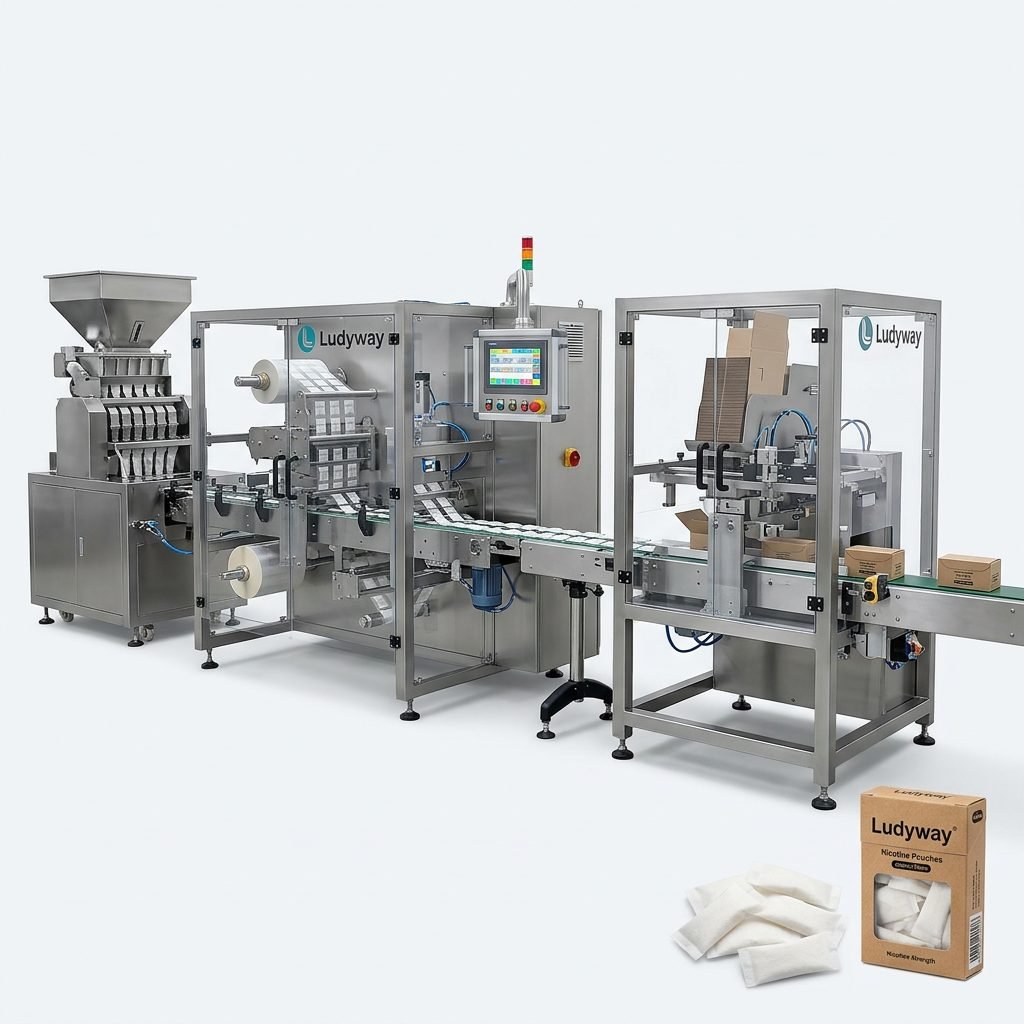
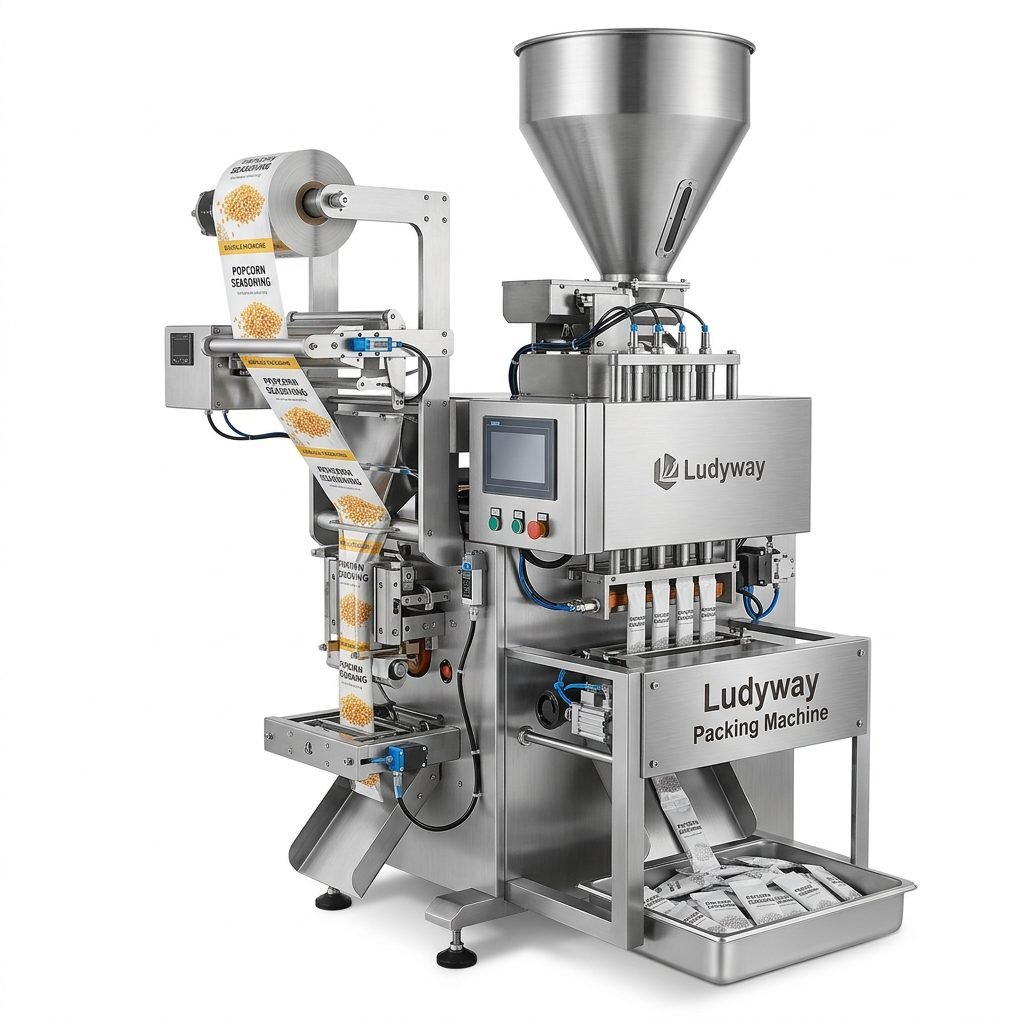
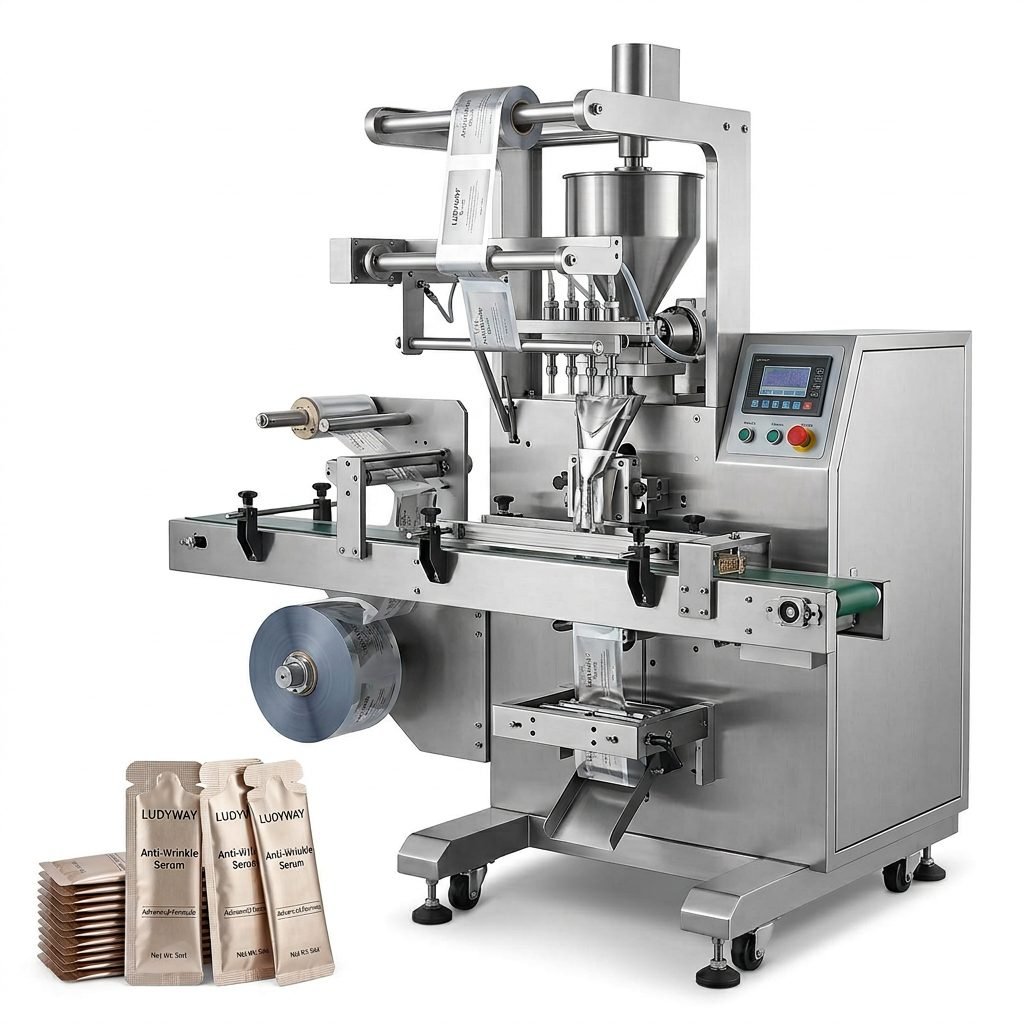
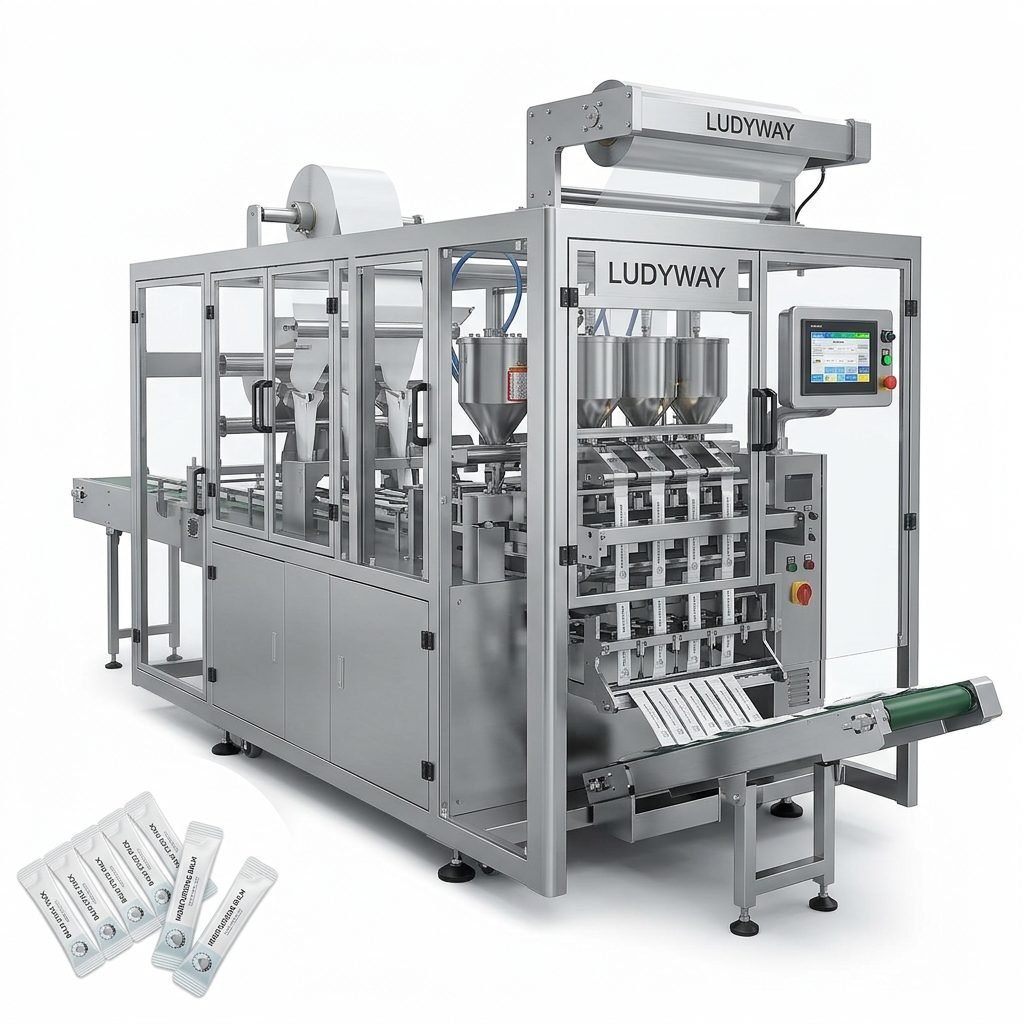
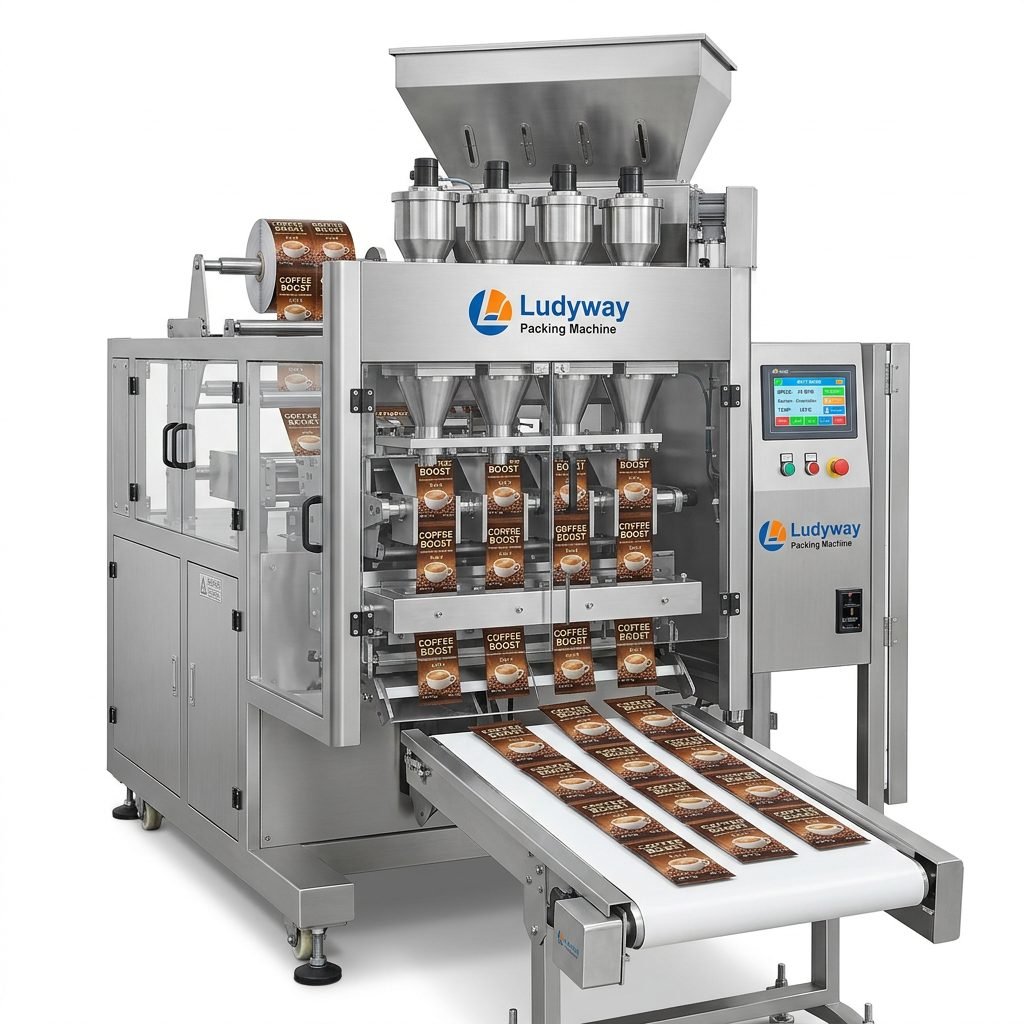
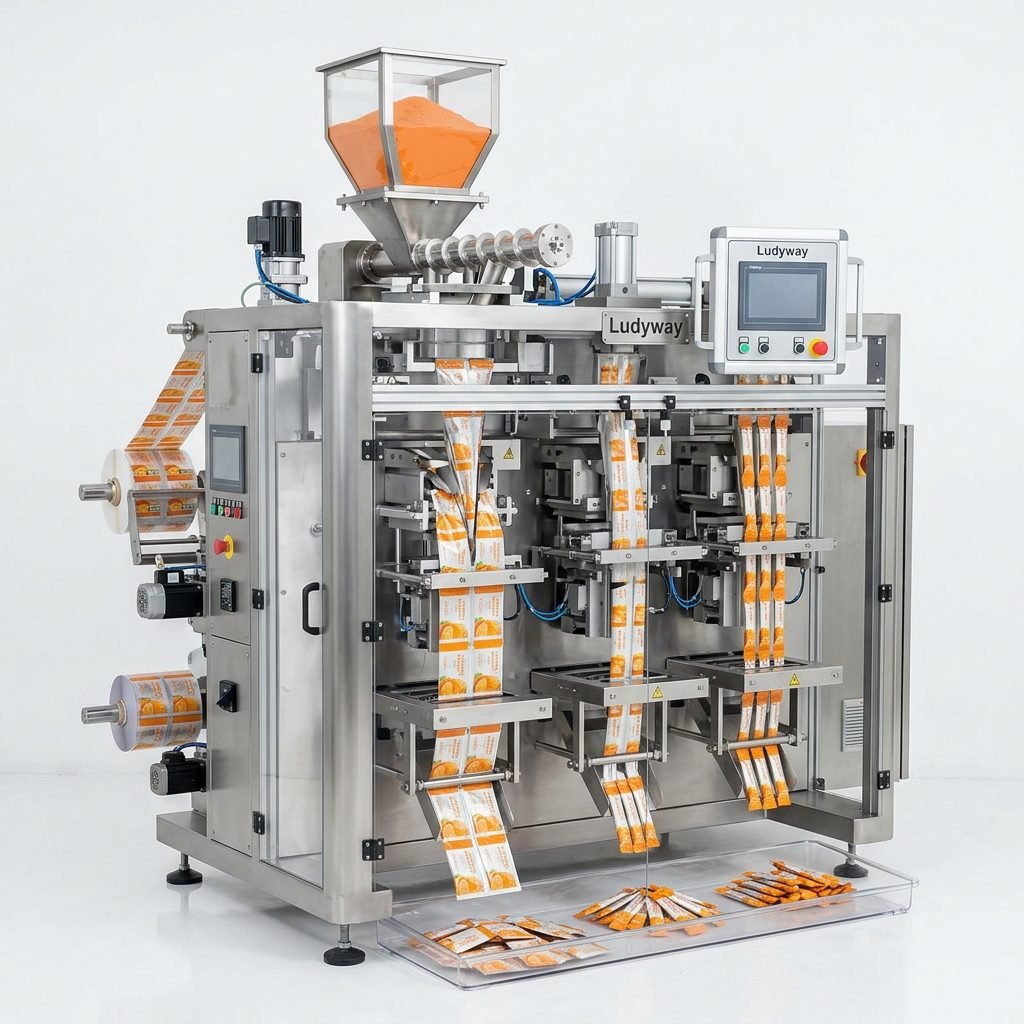
In the competitive landscape of food production, selecting the right ground beef chub packaging machine is crucial for efficiency, product integrity, and market success. This guide explores key considerations to help you identify the best solution tailored to your specific operational needs and goals.
Understanding Your Production Requirements
The first step involves a thorough analysis of your current and projected production demands. Consider your average daily output volume and whether you experience seasonal peaks. The machine’s speed and capacity must align with these figures to prevent bottlenecks. Also, evaluate the range of chub sizes you plan to offer—from smaller retail portions to larger bulk packages—as flexibility in sizing can be a significant asset. Finally, assess your available factory space and layout to ensure the chosen equipment fits seamlessly into your workflow.
Key Machine Features and Technologies
Modern ground beef chub packaging machines incorporate advanced features that enhance productivity and product quality. Look for systems with precision filling mechanisms to ensure consistent weight and minimize giveaway, a critical factor for cost control. High-quality sealing technology is paramount for maintaining freshness and preventing leakage during transport and storage. Additionally, user-friendly programmable interfaces allow for quick changeovers between different products or package sizes, boosting operational agility. Integration capabilities with upstream grinding and blending lines or downstream labeling and boxing systems should also be considered for a fully automated production cell.
Evaluating Durability and Hygiene Standards
The machine must be built to withstand the demanding environment of meat processing. Robust construction using stainless steel and corrosion-resistant materials is essential for longevity and compliance with stringent food safety regulations. The design should facilitate easy and thorough cleaning and sanitation to meet daily hygiene protocols. Furthermore, reliable after-sales support, including access to spare parts and technical service, is vital for minimizing downtime and ensuring continuous operation.
Cost Analysis and Return on Investment
Beyond the initial purchase price, a comprehensive financial evaluation is necessary. Calculate the total cost of ownership, which includes factors like energy consumption, maintenance expenses, and required operator training. Project the potential return on investment through gains in output speed, reduced product waste, lower labor costs via automation, and improved product presentation that can enhance marketability. Sometimes, a slightly higher upfront cost for a more capable and reliable machine yields greater long-term savings and profitability.
Making the Final Decision
After narrowing down options based on the above criteria, engage with potential suppliers. Request detailed proposals and, if possible, arrange for product sample tests or factory visits to see the equipment in action. Discuss implementation timelines, training programs, and warranty terms. Choosing a partner with a proven track record in the meat packaging industry, like Ludyway Machinery, which offers specialized expertise and robust equipment, can provide significant confidence. Their focus on delivering tailored packaging solutions and providing comprehensive technical support ensures a smoother integration into your production environment.
Frequently Asked Questions
What is the typical output speed range for a ground beef chub machine? Speeds vary significantly by model, ranging from 20 to over 100 chubs per minute. Your required volume dictates the suitable speed range.
Can one machine handle different chub sizes and materials? Many modern machines are designed with adjustable forming tools and programmable settings to accommodate a variety of lengths and diameters, as well as different film types.
How important is automation integration? For operations aiming to scale or reduce manual handling, integration with upstream and downstream equipment is highly beneficial for efficiency and consistency.
What are the key hygiene maintenance points? Daily cleaning of the filling zone, sealing heads, and product contact surfaces is critical. Machines designed with easy-access components simplify this process.
What support should I expect from the supplier? Look for suppliers offering installation, operator training, a clear warranty, readily available spare parts, and responsive technical service.