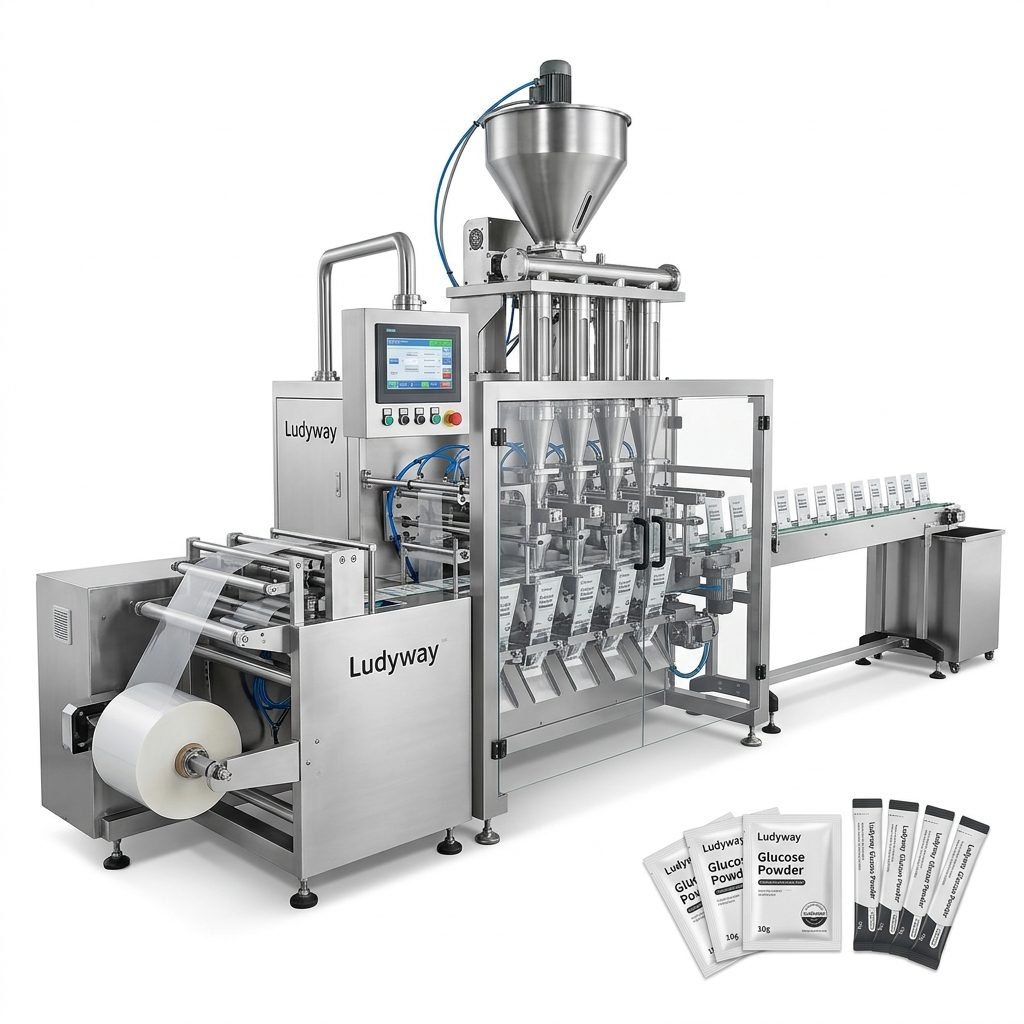
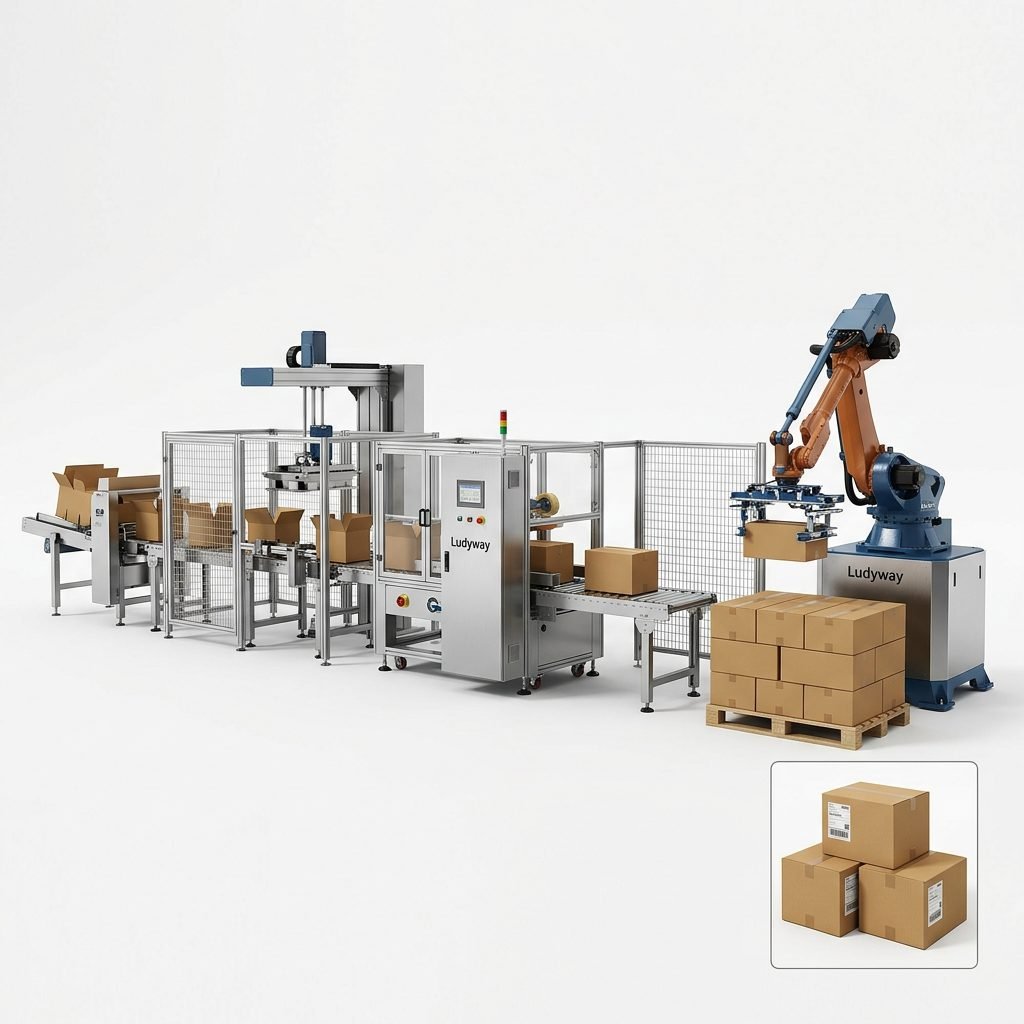
Navigating the world of small box packaging machines can be a complex task. These versatile machines are crucial for efficiently packing products into small cartons, boxes, or cases, and selecting the right one is vital for optimizing your production line. This guide will explore the different types, key features, and provide a framework to help you choose the best machine for your specific needs.
Common Types of Small Box Packaging Machines
The market offers several types of small box packaging machines, each suited for different applications and production scales.
Automatic Cartoning Machines
These are high-speed, fully automated systems designed for large-scale production. They typically handle the entire process: forming the carton from a flat blank, inserting the product(s), and closing/sealing the box. They are ideal for industries like pharmaceuticals, food, and cosmetics where high output and consistency are paramount.
Manual/Semi-Automatic Box Packers
These machines require some human intervention, such as manually placing the product into a pre-formed box before the machine completes the sealing. They offer a lower initial investment and are suitable for smaller businesses, lower production volumes, or products that are delicate or irregular in shape.
Robotic Packing Cells
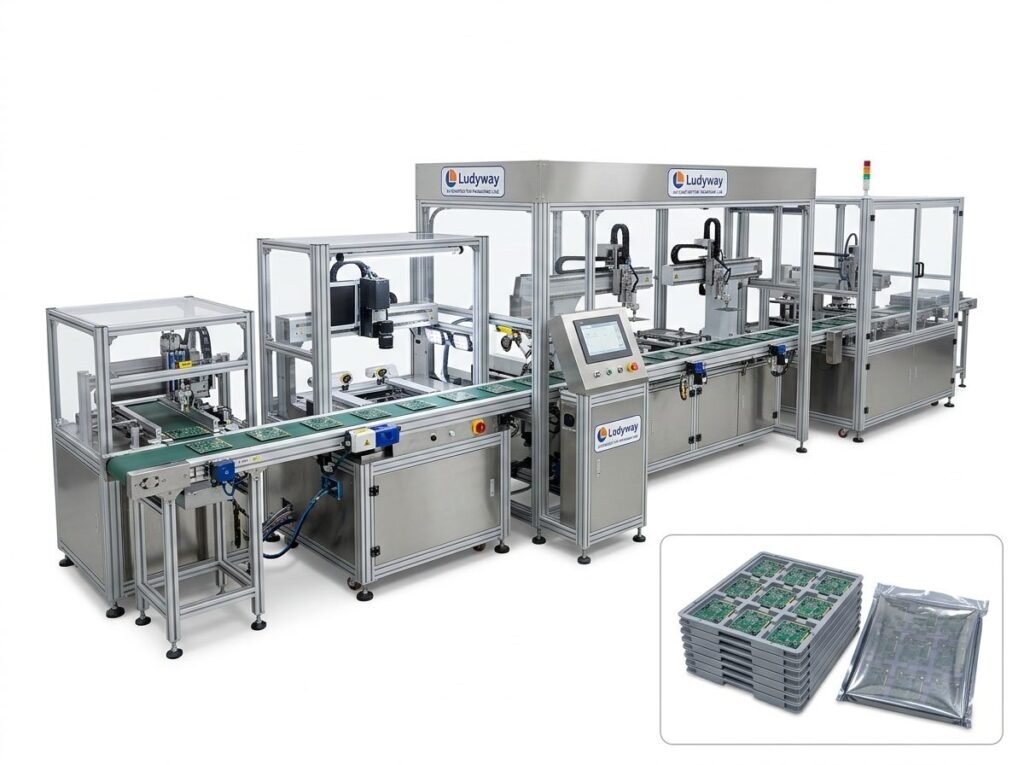
Utilizing advanced robotic arms, these flexible systems can pick, place, and pack products into boxes. They are excellent for handling a wide variety of product sizes and shapes and can be integrated into complex automated lines. Their adaptability makes them a strong choice for modern, agile manufacturing environments.
Vertical & Horizontal Cartoners
This categorization refers to the orientation of the carton during the packing process. Vertical cartoners drop the product into a standing box, often used for bottles or vials. Horizontal cartoners place the product into a box lying on its side, common for blister packs, pouches, or trays.
Essential Features to Evaluate
When comparing machines, look beyond the basic type and examine these critical features that impact performance, reliability, and suitability.
Speed and Production Capacity
Measured in boxes per minute (BPM), this is a primary consideration. Match the machine’s speed to your required output. High-speed automatic machines can exceed 100 BPM, while semi-automatic models may range from 10-30 BPM. Ensure the speed aligns with your upstream and downstream processes to avoid bottlenecks.
Flexibility and Changeover Capability
Can the machine handle different box sizes and product types? Quick changeover mechanisms for adjusting box dimensions are invaluable if you run multiple SKUs. Look for features like tool-less adjustments or digital settings that reduce downtime when switching products.
Integration and Connectivity
Modern packaging lines are interconnected. Evaluate the machine’s ability to integrate with your existing filling machines, labeling systems, and conveyors. Compatibility with industry communication protocols (e.g., PLC, Ethernet) is crucial for seamless line control and data collection.
Construction and Reliability
The build quality directly affects long-term reliability and maintenance costs. Machines with sturdy frames, high-grade stainless steel contact parts (especially for food or pharma), and proven drive systems from reputable component manufacturers offer greater durability and uptime.
Safety and User Interface
Safety features like guarded areas, emergency stops, and interlocks are non-negotiable. An intuitive user interface—whether a touchscreen HMI or simple control panel—makes operation, troubleshooting, and changeovers easier for your staff.
How to Choose the Best Small Box Packaging Machine
Selecting the optimal machine is a strategic decision. Follow this step-by-step approach to make an informed choice.
Step 1: Define Your Product and Box Specifications
Start with precise details: product dimensions, weight, fragility, and orientation. Determine your box size(s), material (cardboard, plastic), and required closure (tuck-end, glue-end, hot melt). These parameters are the foundation for machine selection.
Step 2: Analyze Your Production Requirements
Calculate your required output (boxes per shift/day) and consider future growth. Assess your line’s automation level: are you looking for a standalone machine or one that integrates into a full automated packaging line? The answer will steer you towards automatic, semi-automatic, or robotic solutions.
Step 3: Evaluate Key Supplier Factors
The machine supplier is as important as the machine itself. Look for a provider with deep technical expertise and a proven track record in your industry. Review their service support, availability of spare parts, and training offerings. A supplier that offers comprehensive packaging solutions can provide valuable holistic advice.
Step 4: Consider Total Cost of Ownership (TCO)
Don’t focus solely on the purchase price. Consider TCO, which includes installation, ongoing maintenance, energy consumption, expected lifespan, and potential costs for future upgrades or modifications. A slightly more expensive but more robust and efficient machine can have a lower TCO over 5-10 years.
Step 5: Request Demos and References
Always request a live demonstration, preferably with your actual product or a close mock-up. Ask the supplier for references from current clients in a similar industry. Hearing about real-world performance and support is one of the best indicators of future satisfaction.
📌 Pro Tip: Focus on Uptime
The most critical metric for a packaging machine in a production environment is uptime. A machine that runs reliably at its rated speed with minimal stoppages contributes far more to profitability than a slightly faster machine that requires frequent adjustment or repair. Prioritize designs known for stability and simplicity.
Conclusion
Choosing the right small box packaging machine requires a balanced analysis of your product needs, production goals, and operational constraints. By understanding the different types of machines, scrutinizing their essential features, and following a structured selection process, you can invest in a system that enhances your line’s efficiency, reliability, and scalability for years to come. Partnering with an experienced and supportive supplier is the final key to a successful implementation.
Frequently Asked Questions (FAQs)
What is the typical speed range for an automatic small box packaging machine?
Speeds vary widely based on model and box complexity. Standard automatic cartoners typically range from 30 to 120 boxes per minute (BPM). High-end models for simple, uniform products can exceed 150 BPM, while machines handling multiple product inserts or complex closures may operate in the 40-80 BPM range.
Can one machine handle multiple different box sizes?
Yes, many modern machines are designed for quick size changeover. Look for features like tool-less adjustment of carton guides and pushers, or digital settings stored in the HMI. The time required for changeover (from 2 minutes to 30 minutes) and the range of sizes supported are key factors to check with the supplier.
How important is machine flexibility for future product changes?
Very important if your product portfolio is likely to evolve. Investing in a flexible machine with a wide adjustment range and the ability to handle different product types can prevent the need for a new capital purchase later. Flexibility often comes from modular design or robotic integration.
What are the main maintenance requirements for these machines?
Regular maintenance includes lubrication of moving parts, inspection and replacement of wear items like belts and grippers, cleaning of sensors and guides, and checking mechanical adjustments. The frequency and complexity depend on the machine’s speed, construction, and operating environment. A good supplier will provide a clear maintenance schedule.
Is it better to buy a standalone machine or a fully integrated line?
This depends entirely on your current and future automation strategy. A standalone machine is suitable if you are manually feeding products or have a simple upstream process. If you aim for a continuous, high-efficiency line with automatic product feeding, labeling, and case packing, then planning for an integrated system from the start is more efficient and cost-effective in the long run.