In the medical and pharmaceutical industries, packaging serves a critical role beyond mere containment—it ensures product integrity, sterility, and safety from the production line to the end-user. While sterile packaging is essential for implantable devices and many surgical tools, a vast array of medical products rely on non-sterile medical packaging. This packaging safeguards items during storage and transport, maintaining cleanliness and organization until they are sterilized at the point of use or are intended for non-sterile applications. The equipment that produces this packaging is specialized, efficient, and vital for compliance and operational flow.
Key Insight: Non-sterile medical packaging is the first line of defense for a product. It protects against physical damage, environmental contaminants, and moisture, ensuring the item reaches its destination in a state ready for final sterilization or direct use in non-critical settings.
Primary Types of Non-Sterile Medical Packaging Equipment
The landscape of packaging machinery is diverse, tailored to different materials, product forms, and production speeds. Here are the core types used for non-sterile medical items.
1. Form-Fill-Seal (FFS) Machines
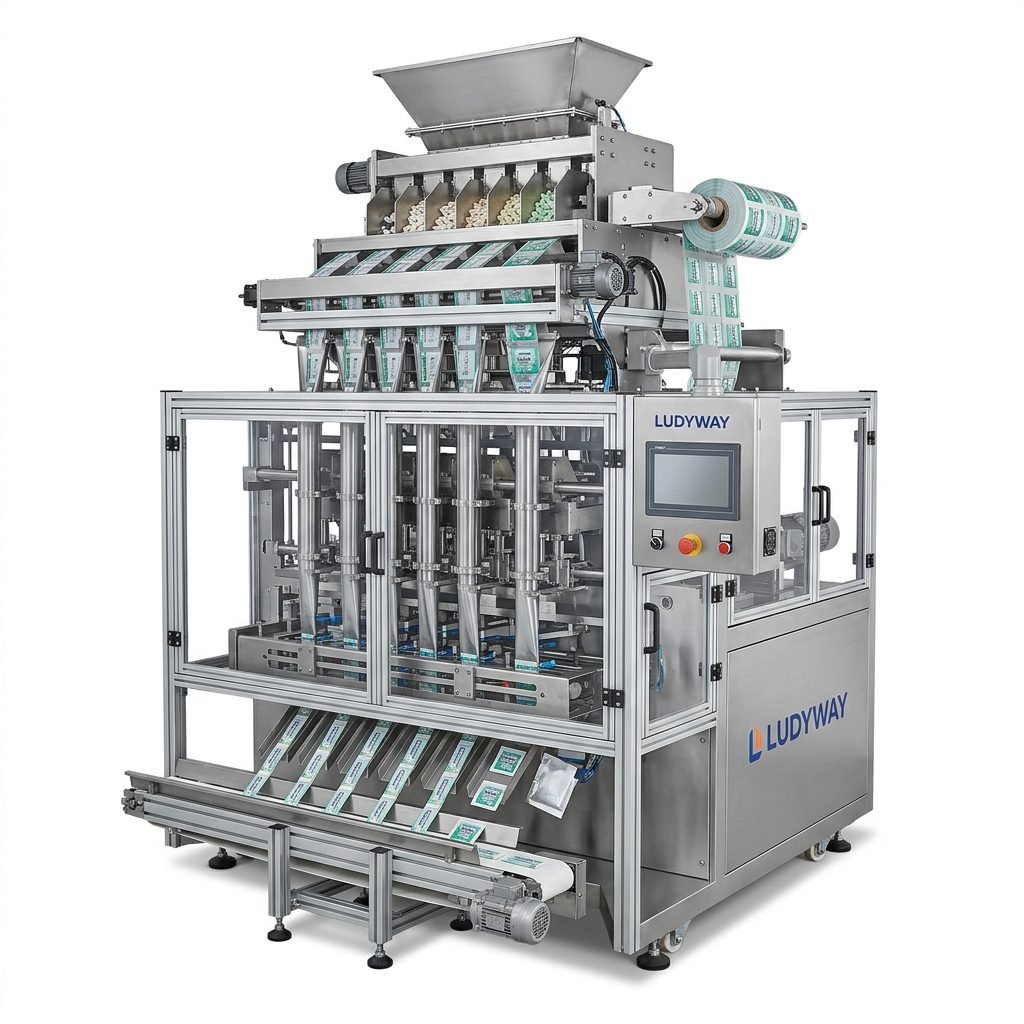
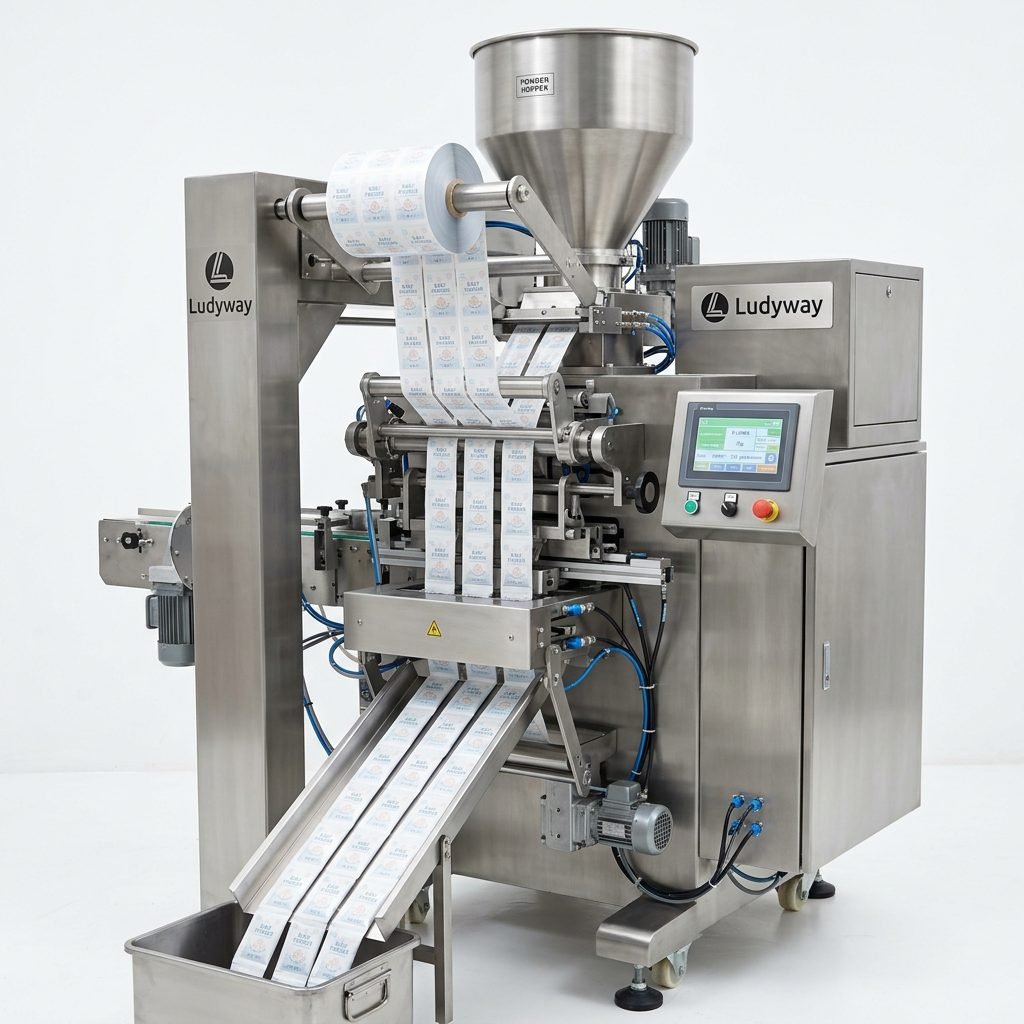
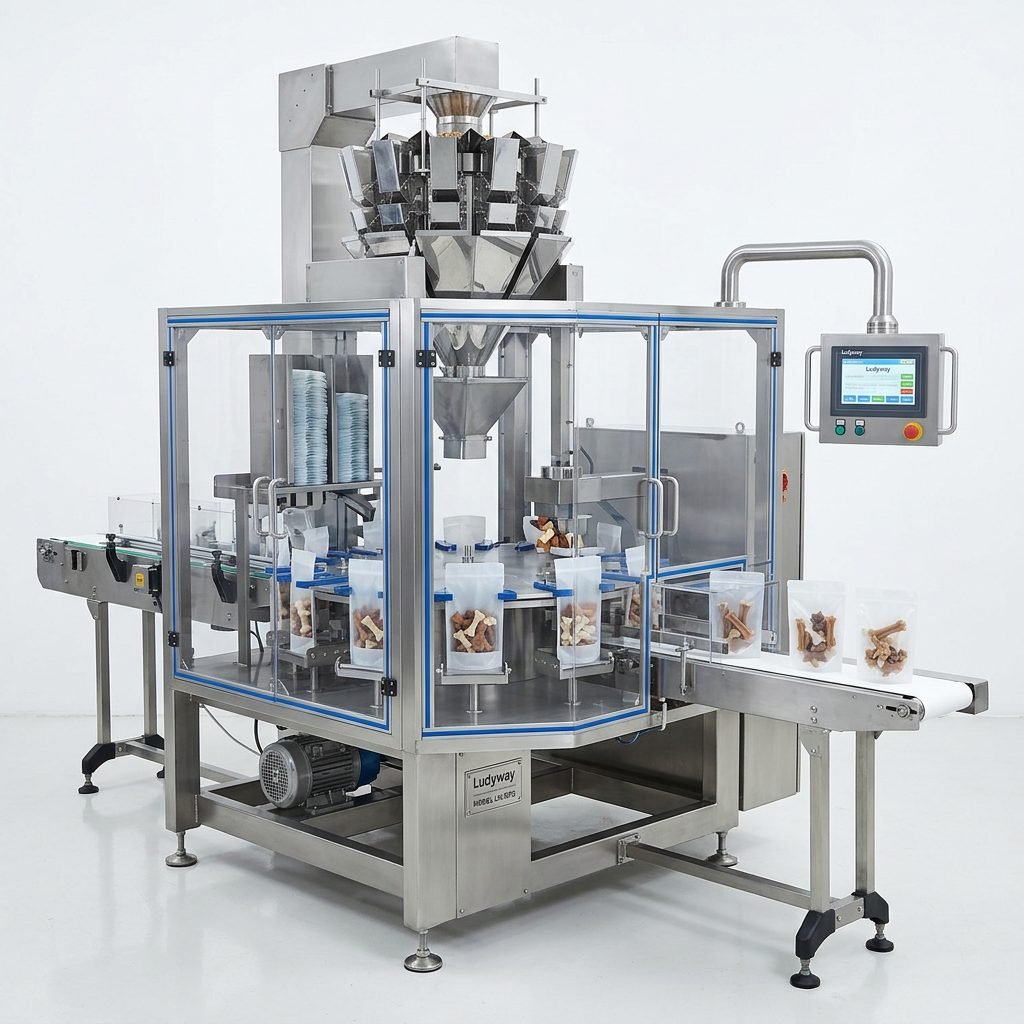
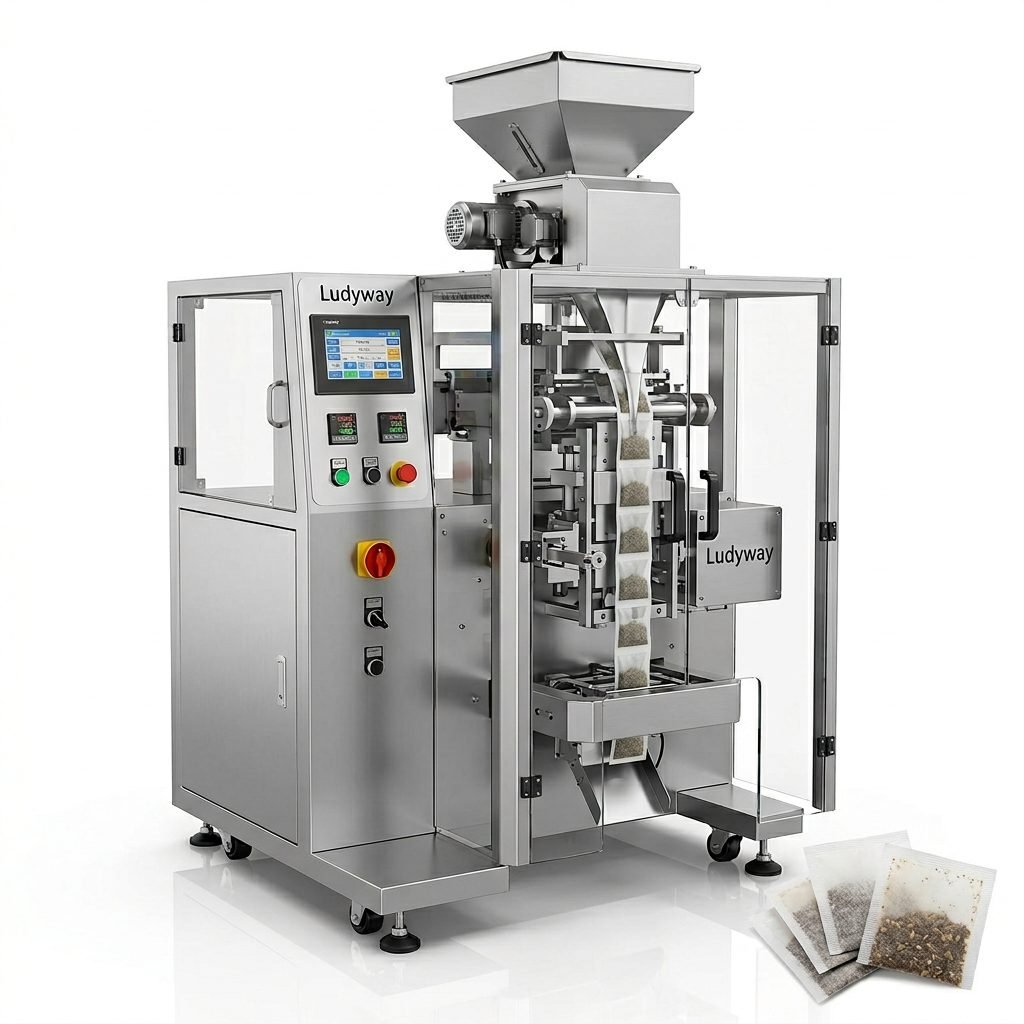
These are the workhorses of flexible packaging. FFS machines form packaging from a roll of film, fill it with the product, and seal it—all in one continuous, automated operation. They are ideal for packaging single-use items, gauze, swabs, or loose components.
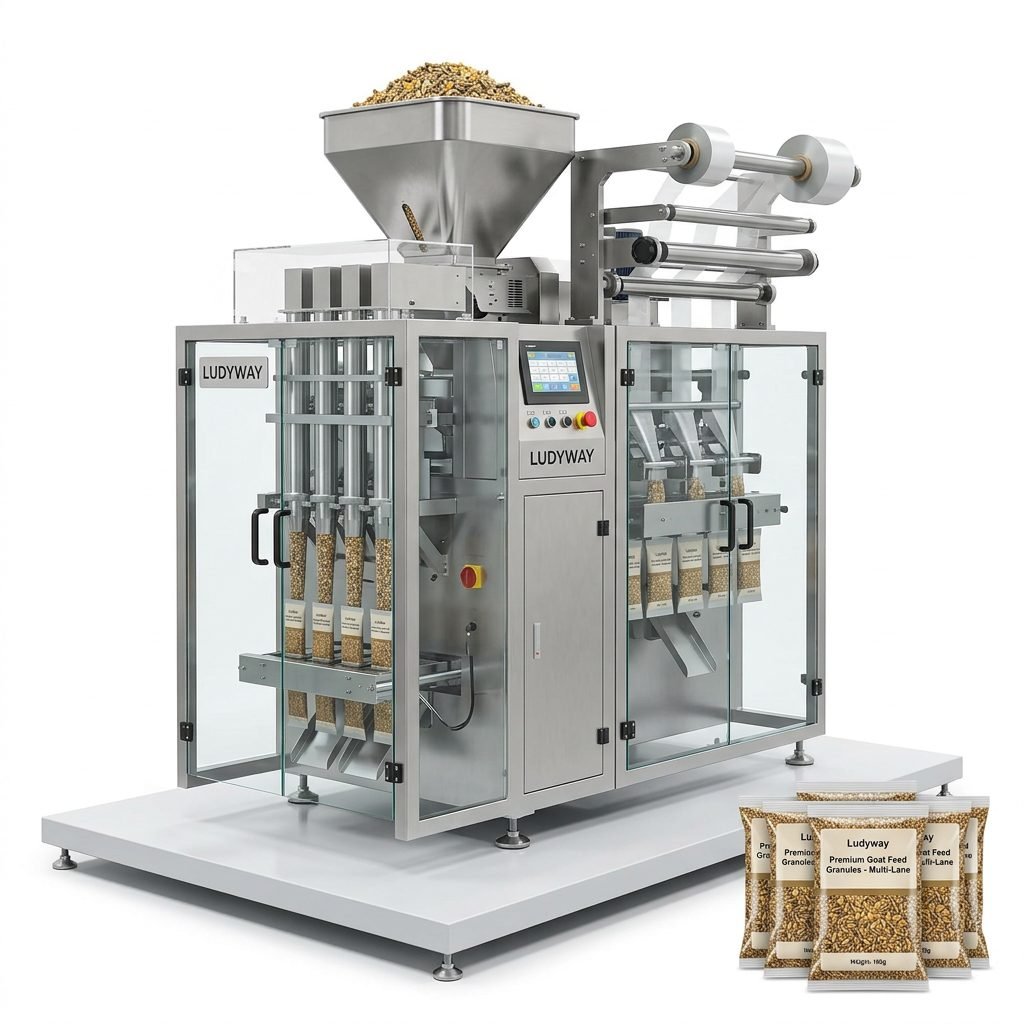
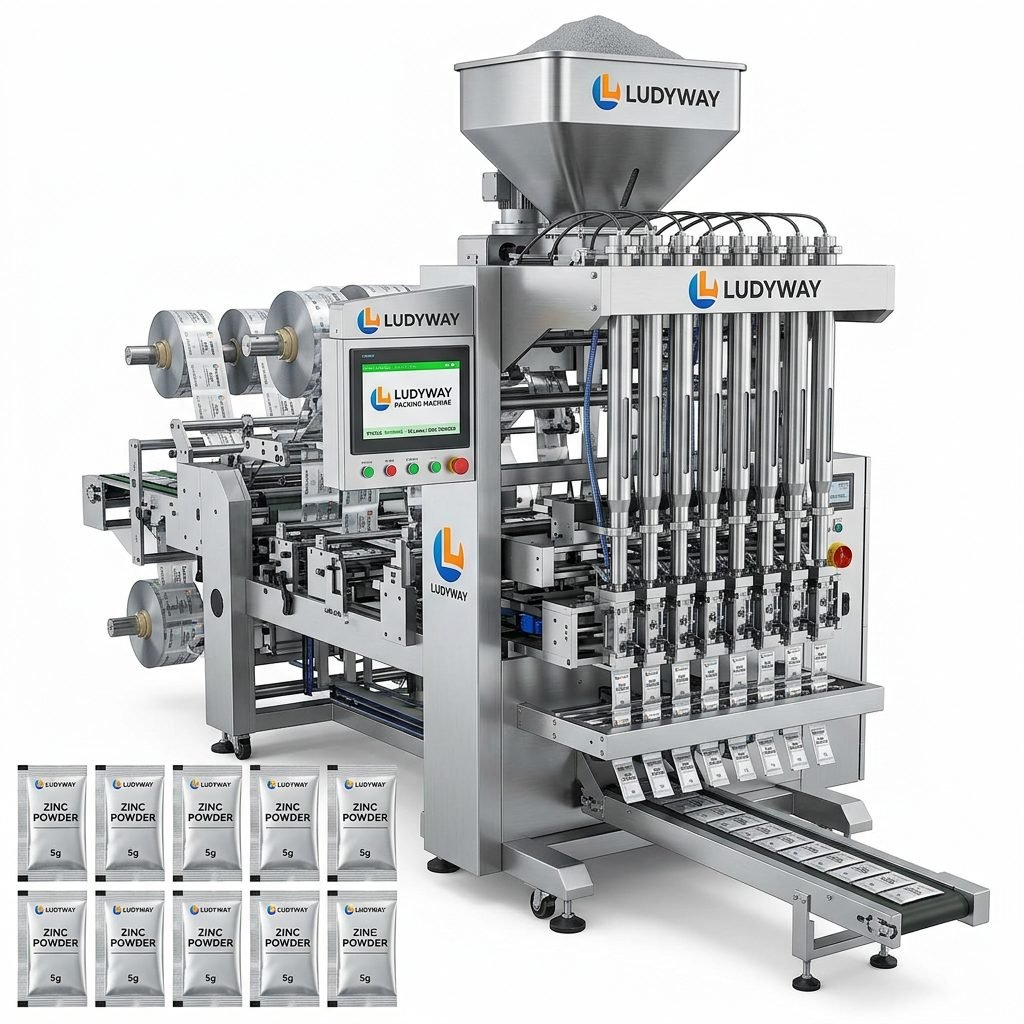
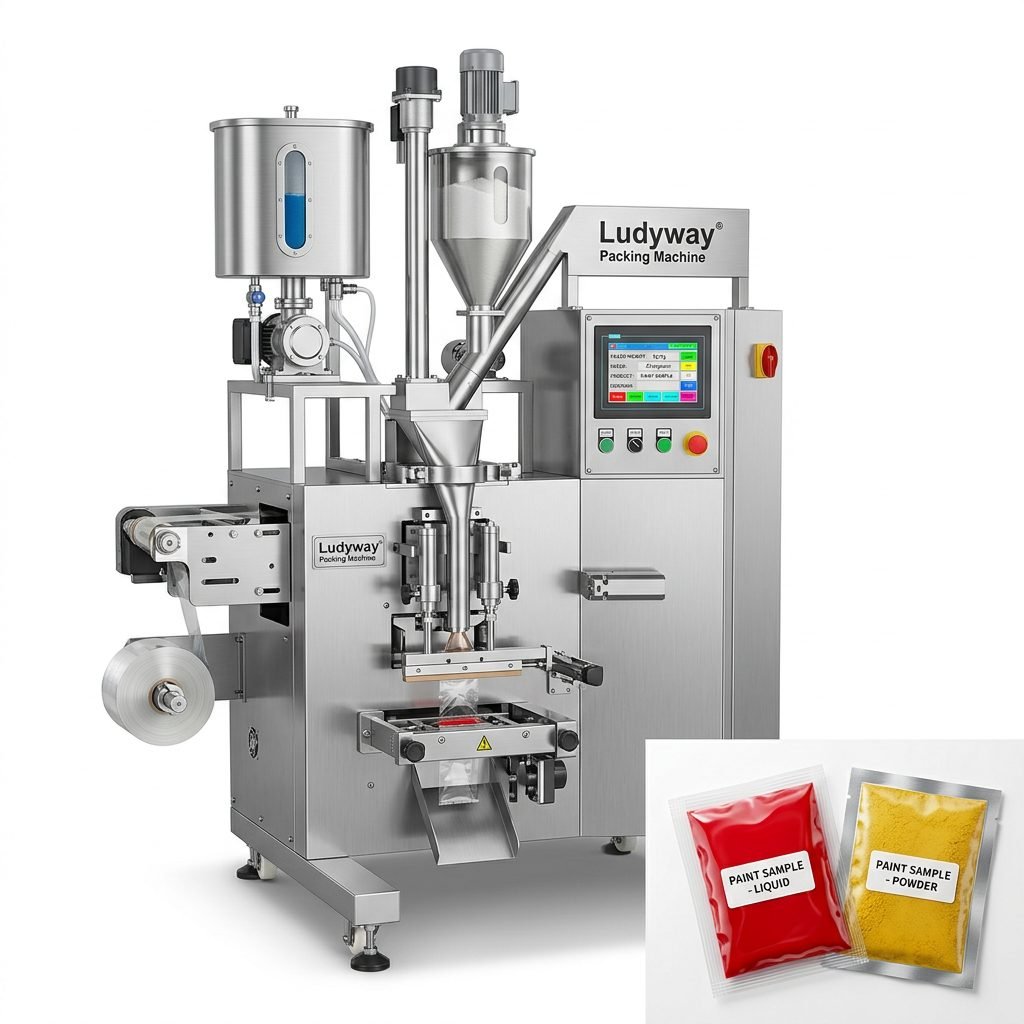
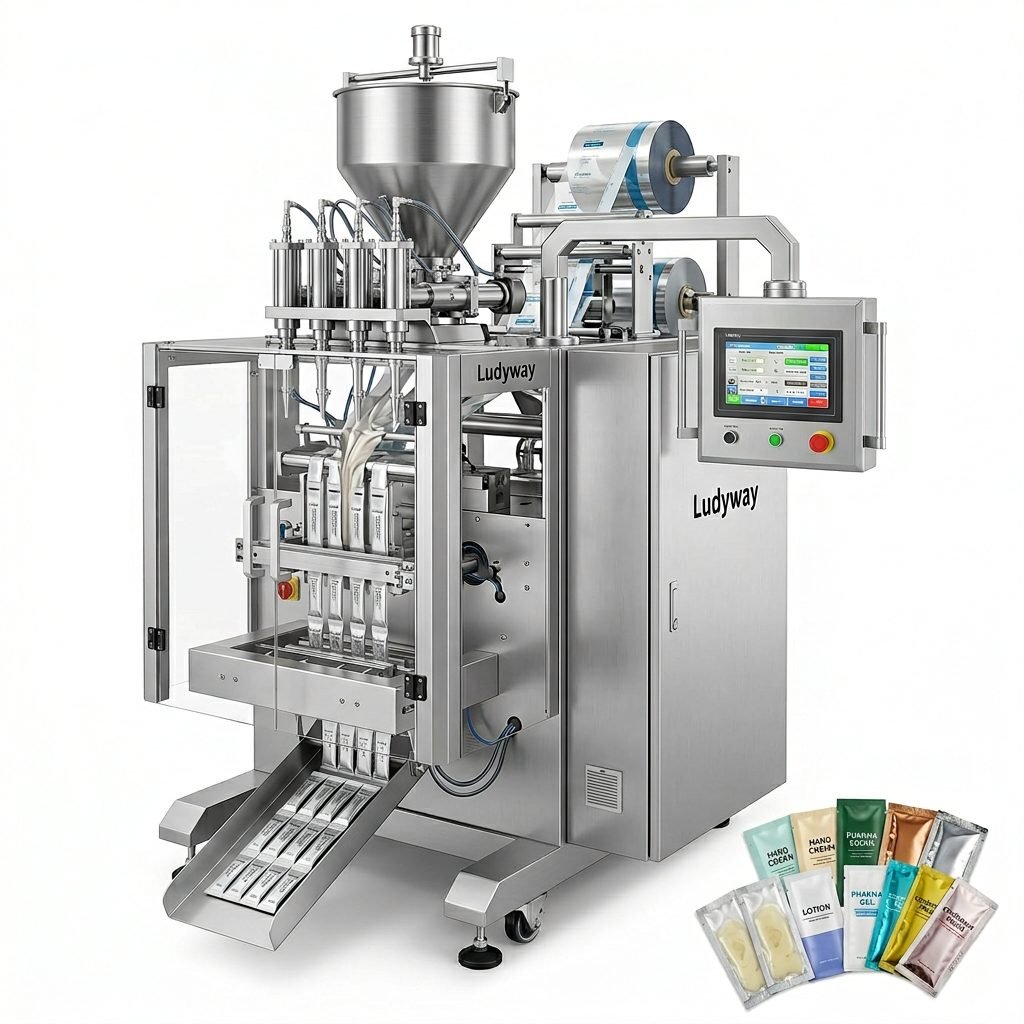
- Vertical FFS (VFFS): Perfect for granular, powdered, or small solid items. Common outputs include sachets for antiseptic powder or lubricating gel packets.
- Horizontal FFS (HFFS): Better suited for placing formed items like surgical trays, kits, or multiple components into pre-formed pouches or blisters.
2. Blister Packaging Machines
Used extensively for unit-dose packaging of tablets, capsules, and small medical devices. A thermoformed plastic cavity (blister) holds the product, which is then sealed with a lidding material—often foil or paper. This provides excellent product visibility, physical protection, and easy dispensing.
3. Cartoning Machines
These machines erect, fill, and close folding cartons. They are used as secondary packaging to bundle multiple primary packages (like blister strips or pouches) into a single retail or distribution unit. Automatic cartoners are crucial for high-volume lines.
4. Labeling and Coding Systems
Critical for traceability and compliance. This equipment prints and applies labels with vital information: product name, lot number, expiration date, barcodes, and manufacturing details. Includes inkjet printers, thermal transfer overprinters (TTO), and automatic label applicators.
🛡️ Compliance Note
All equipment used for medical packaging, even for non-sterile items, must be designed with materials compatible with medical products and allow for easy cleaning and validation to prevent cross-contamination.
Core Applications and Uses in the Medical Sector
Non-sterile packaging equipment serves a wide range of applications within healthcare manufacturing and supply chains.
Protecting Single-Use Devices & Components
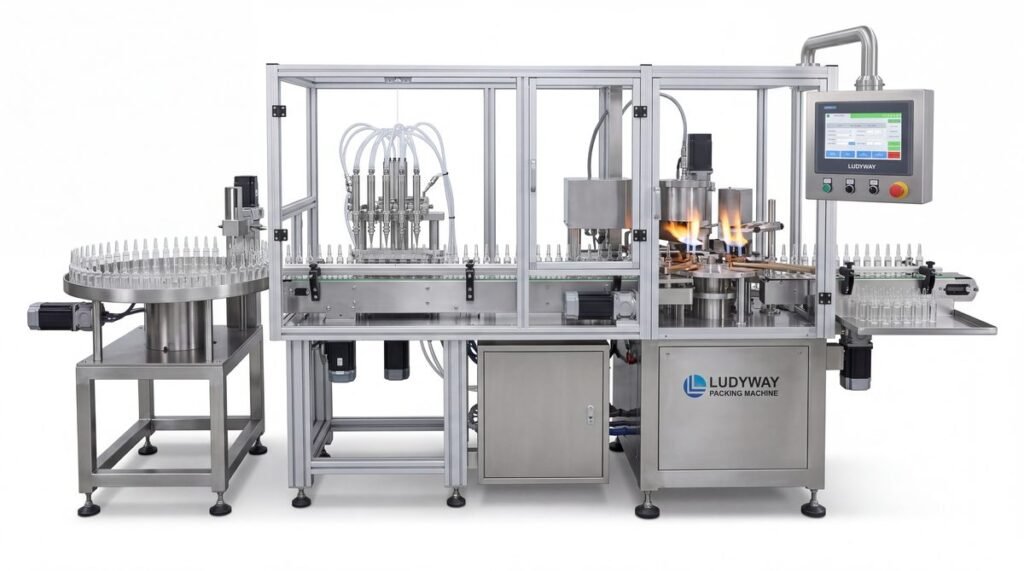
Items like disposable scalpels, syringes (without needles), tubing, and connectors are packaged non-sterile to be sterilized in-hospital or are used in procedures where sterility is not paramount but cleanliness is.
Packaging for Kit Assembly
First-aid kits, diagnostic test kits, or procedure trays contain multiple non-sterile components. Packaging equipment organizes these items into cohesive units, with multi-lane sachet machines often used for powders and liquids within the kit.
Bulk & Institutional Packaging
Hospitals and clinics purchase items like gauze rolls, non-woven drapes, or bulk gloves in non-sterile packaging for cost efficiency, later sterilizing them as needed in large batches.
Over-the-Counter (OTC) Pharmaceuticals
Tablets, lozenges, and topical ointments for retail sale are packaged in non-sterile blisters, bottles, or tubes, with the packaging focusing on patient safety, tamper evidence, and regulatory labeling.
Essential Buying Considerations for Your Operation
Selecting the right equipment requires a strategic assessment of your current and future needs. Here are the key factors to evaluate.
1. Product Characteristics and Throughput
The physical form (solid, powder, liquid), size, and fragility of your product dictate the machine type. More crucially, you must calculate your required output speed (packages per minute) to choose a machine that meets production targets without bottlenecks. Consider future scalability.
2. Packaging Material Compatibility
The machine must reliably handle your chosen films, laminates, or card stocks. Discuss material specs (type, thickness, coefficient of friction) with the machine supplier. Flexibility to run different materials is a valuable asset.
3. Regulatory Compliance & Validation Support
Ensure the equipment supplier understands FDA 21 CFR Part 11 (electronic records), GMP requirements, and can provide the necessary documentation (IQ/OQ protocols, machine manuals, material certificates) to aid in your validation process.
4. Automation Level and Integration
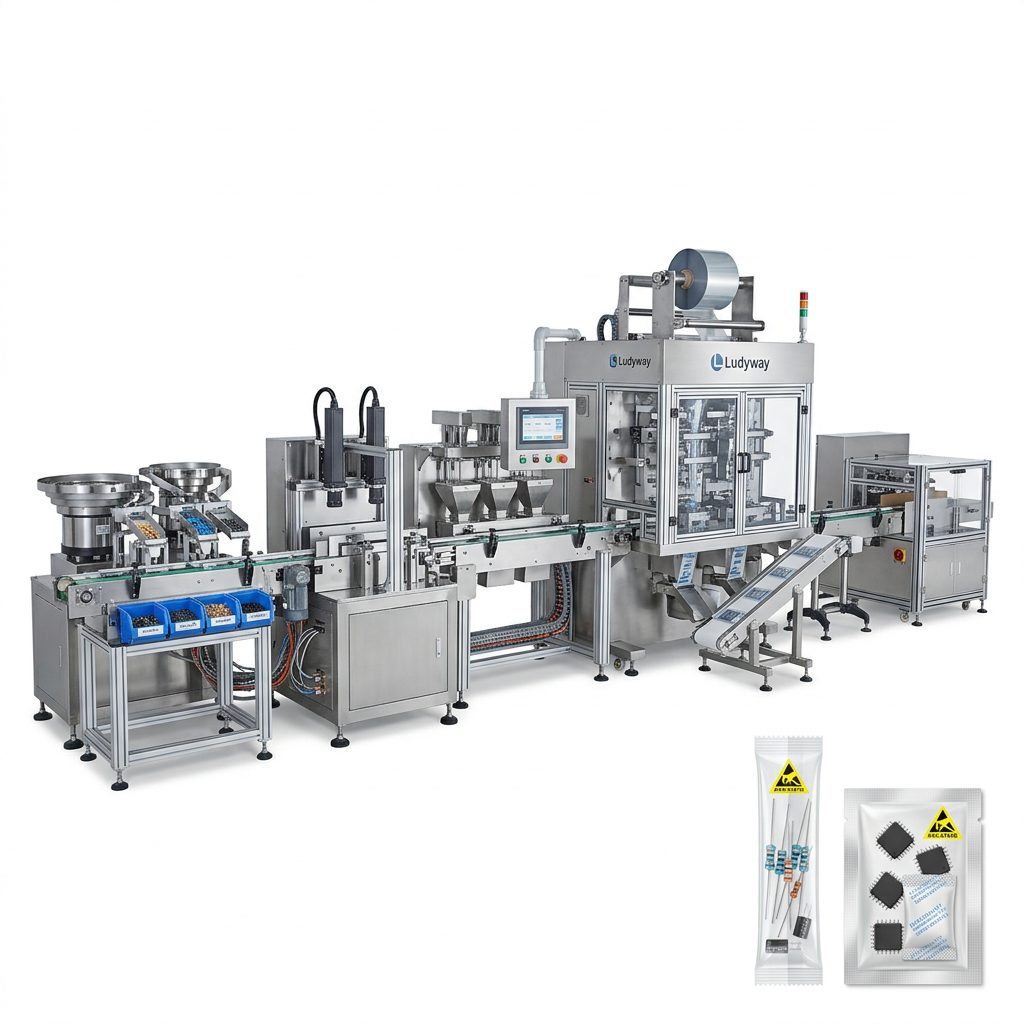
From semi-automatic to fully automated lines with robotics, the choice impacts labor costs and consistency. Consider how the new machine will integrate with existing upstream (product feeding) and downstream (cartoning, palletizing) equipment. A reliable supplier with engineering expertise can design a seamless turnkey line.
5. Supplier Reliability and Service
This is often the most critical factor. Look for a supplier with proven experience in the medical field, readily available spare parts, comprehensive training, and responsive technical support. A strong service network minimizes costly downtime.
📈 Operational Efficiency Checklist
Before purchasing, assess:
- Changeover Time: How quickly can you switch between different products or package sizes?
- Ease of Cleaning: Does the design facilitate quick and thorough cleaning to meet hygiene standards?
- Uptime & Reliability: What is the machine’s historical performance regarding mean time between failures (MTBF)?
- Energy Consumption: Evaluate the total cost of ownership, including utilities.
Conclusion
Investing in the right non-sterile medical packaging equipment is a strategic decision that directly impacts product quality, regulatory compliance, and production profitability. By thoroughly understanding the different equipment types, their specific applications, and carefully weighing the key buying considerations—from technical specs to supplier partnership—manufacturers can build efficient, reliable, and future-proof packaging operations. The goal is to select machinery that not only meets today’s needs but also adapts to tomorrow’s challenges in the dynamic medical device and pharmaceutical industries.
Frequently Asked Questions (FAQs)
Q1: What is the main difference between sterile and non-sterile medical packaging equipment?
A: The key difference lies in the production environment and validation requirements. Sterile packaging equipment often operates in or feeds into controlled environments (cleanrooms) and requires rigorous validation to ensure a sterile barrier. Non-sterile equipment focuses on cleanliness, protection, and efficiency but does not require the same level of aseptic process validation.
Q2: Can the same machine be used for both food and non-sterile medical packaging?
A: While mechanically similar, it is not recommended without significant modifications and validation. Medical packaging machines must be constructed with materials suitable for medical use, designed for easy cleaning to prevent contamination, and come with documentation supporting GMP compliance. Retrofitting a food machine may not meet regulatory expectations.
Q3: How important is changeover speed when selecting equipment?
A: Extremely important if you run multiple products or package sizes. Quick changeover mechanisms (tool-less or with quick-release parts) drastically reduce downtime and increase line flexibility, making short production runs more economical.
Q4: What kind of technical support should I expect from the supplier?
A: Expect comprehensive support including installation supervision, operator and maintenance training, detailed manuals, readily available spare parts, and access to remote or on-site technical assistance. A good supplier acts as a long-term partner for your production success.
Q5: Are there specific standards that this packaging equipment must meet?
A: Yes. Depending on the market, equipment may need to comply with general machinery safety standards (like CE or UL) and industry-specific guidelines. For medical packaging, design should facilitate compliance with ISO 13485 (Quality Management) and relevant FDA regulations for medical device manufacturing.