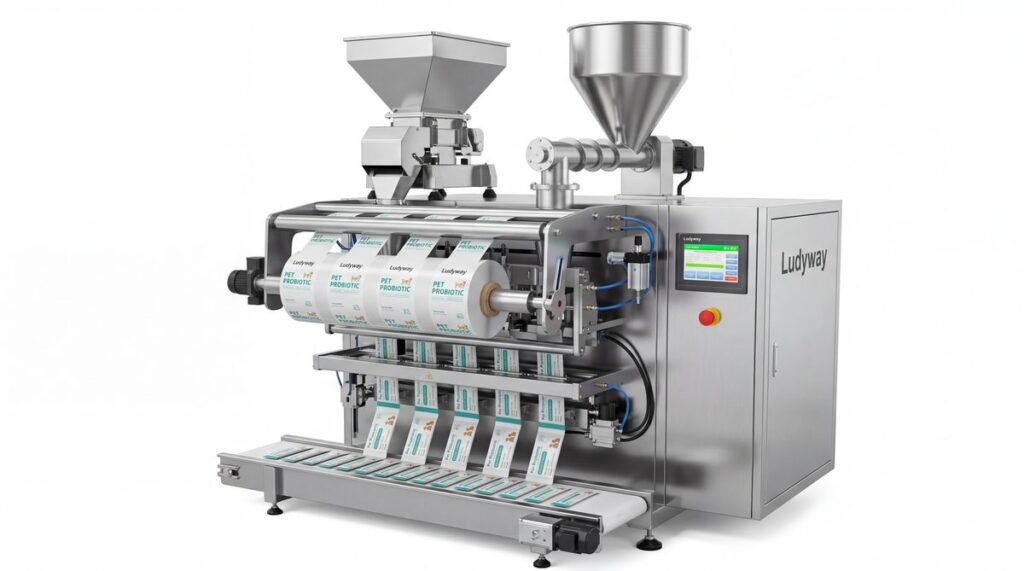
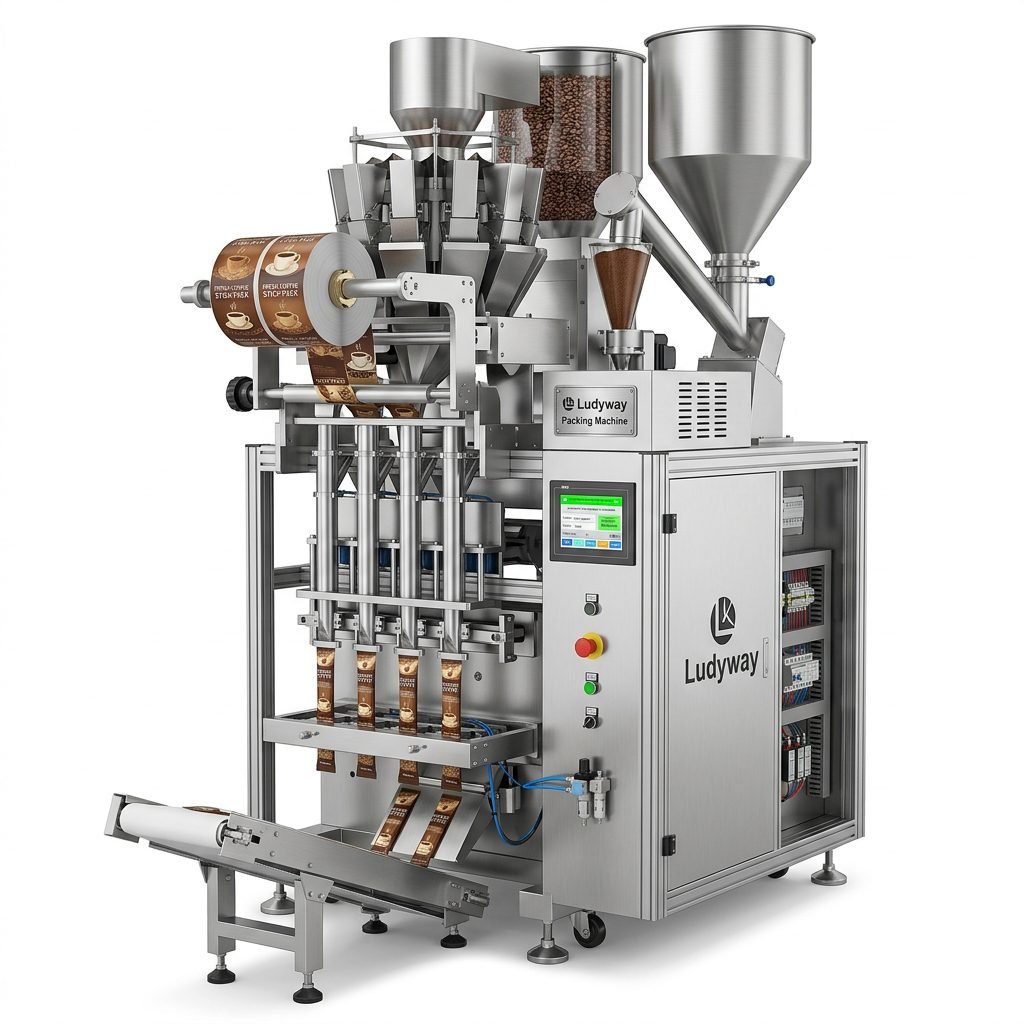
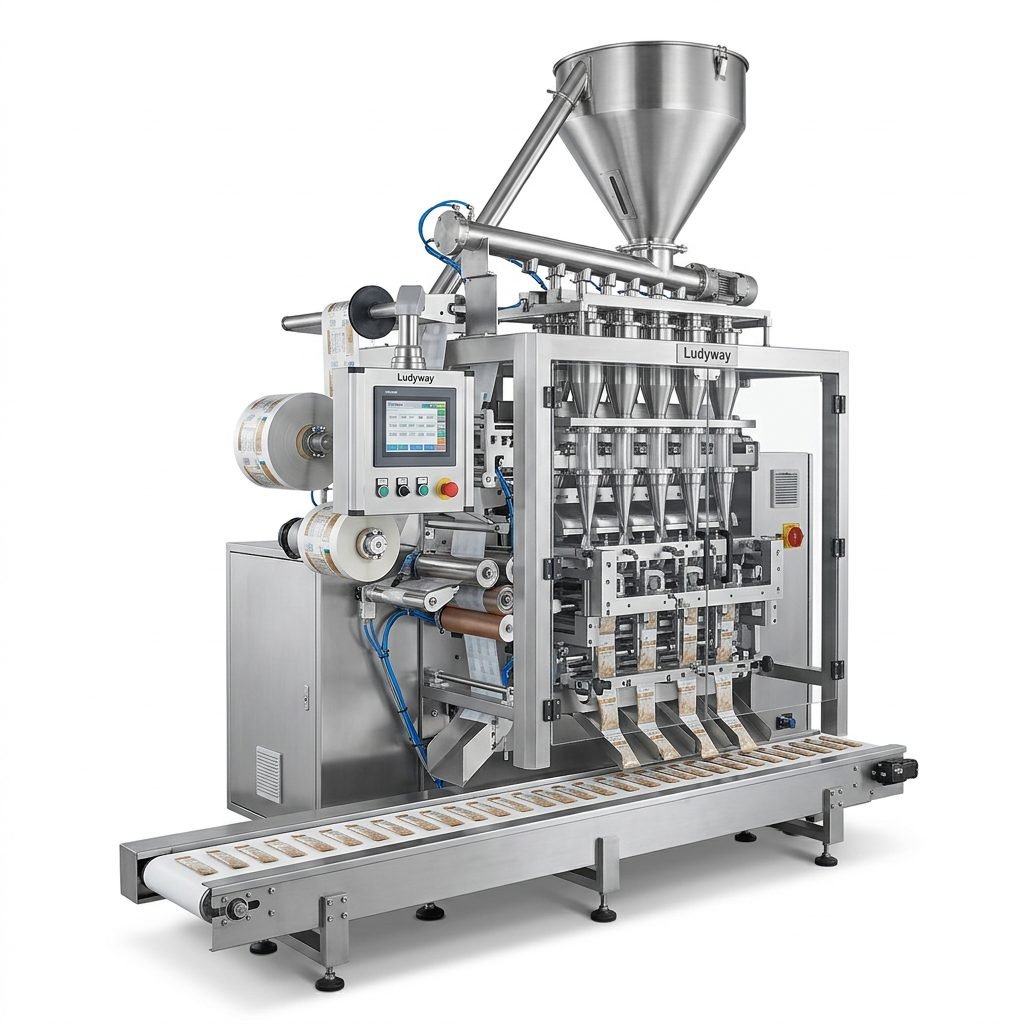
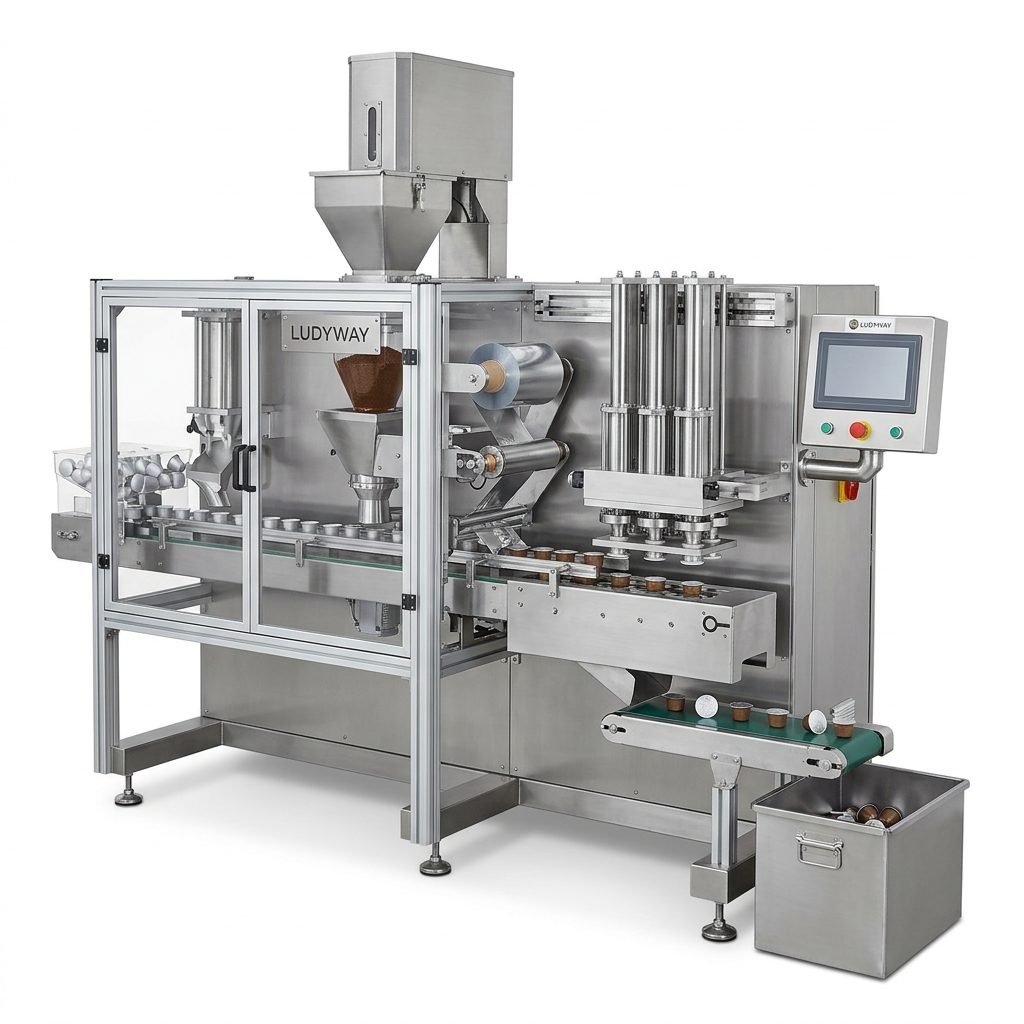
Maintaining your packaging equipment is not just about fixing breakdowns—it’s a strategic investment in production continuity, product quality, and long-term operational efficiency. Choosing the right maintenance service partner can be the difference between seamless operations and costly, disruptive downtime. This guide explores the landscape of top packaging equipment maintenance providers and offers a clear framework for selecting a service partner that aligns with your operational goals and industry requirements.
Why Professional Maintenance Matters for Packaging Operations
Packaging lines are the heartbeat of production in food, pharmaceutical, and consumer goods industries. Unplanned stoppages can ripple through supply chains, affecting delivery schedules, product integrity, and brand reputation. A dedicated maintenance partner provides more than reactive repairs; they deliver proactive care, performance optimization, and lifecycle management for your machinery.
Core Benefits of a Specialized Maintenance Partner:
- ✓ Maximized Uptime: Scheduled servicing and predictive maintenance minimize unexpected failures.
- ✓ Extended Equipment Lifespan: Proper care protects your capital investment and defers replacement costs.
- ✓ Consistent Output Quality: Well-calibrated machines ensure precise filling, sealing, and labeling, reducing product waste.
- ✓ Safety & Compliance: Regular inspections help meet industry safety standards and regulatory requirements.
- ✓ Access to Expertise: Partners bring specialized knowledge of various machine types and technologies.
Evaluating Top Packaging Equipment Maintenance Companies
The market offers a range of service providers, from original equipment manufacturers (OEMs) to independent third-party specialists. Your choice should be guided by your equipment’s complexity, your industry’s specific needs, and your operational scale.
1. Original Equipment Manufacturer (OEM) Service Divisions
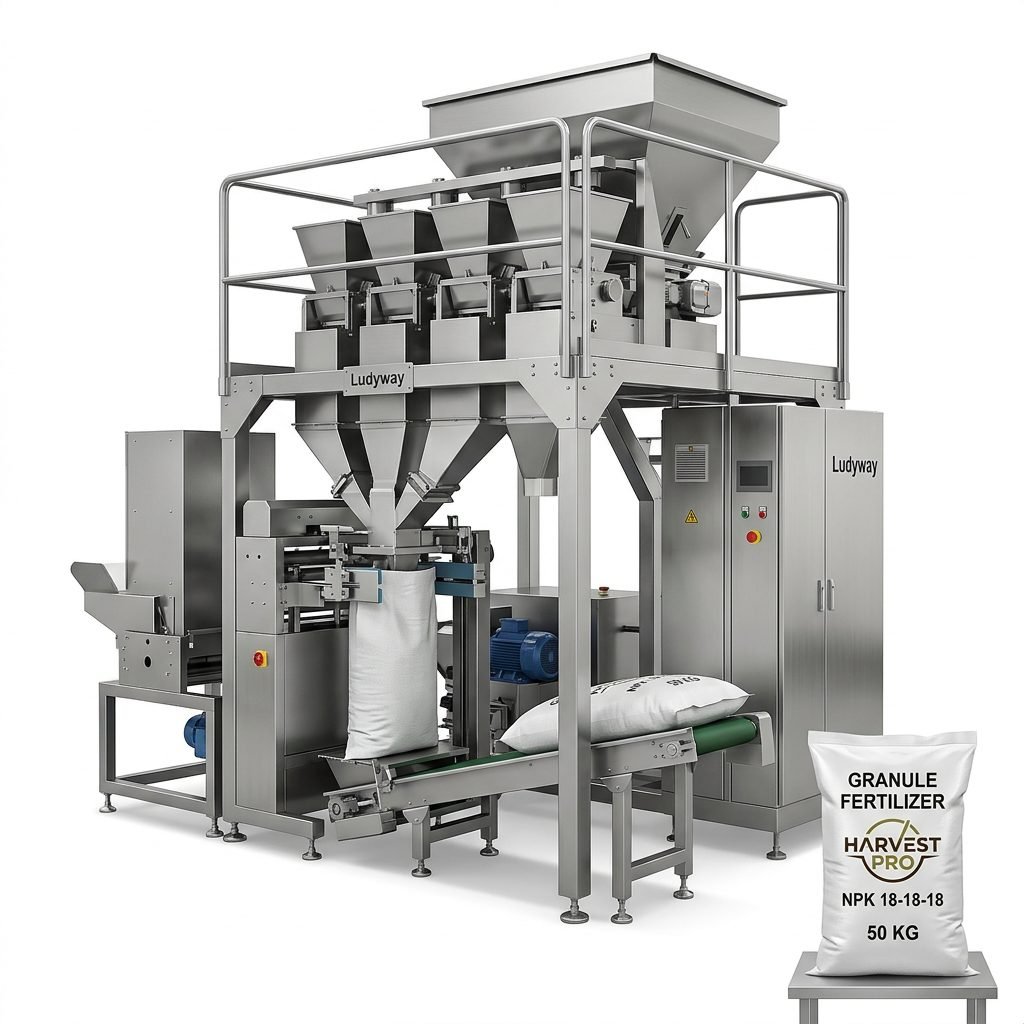
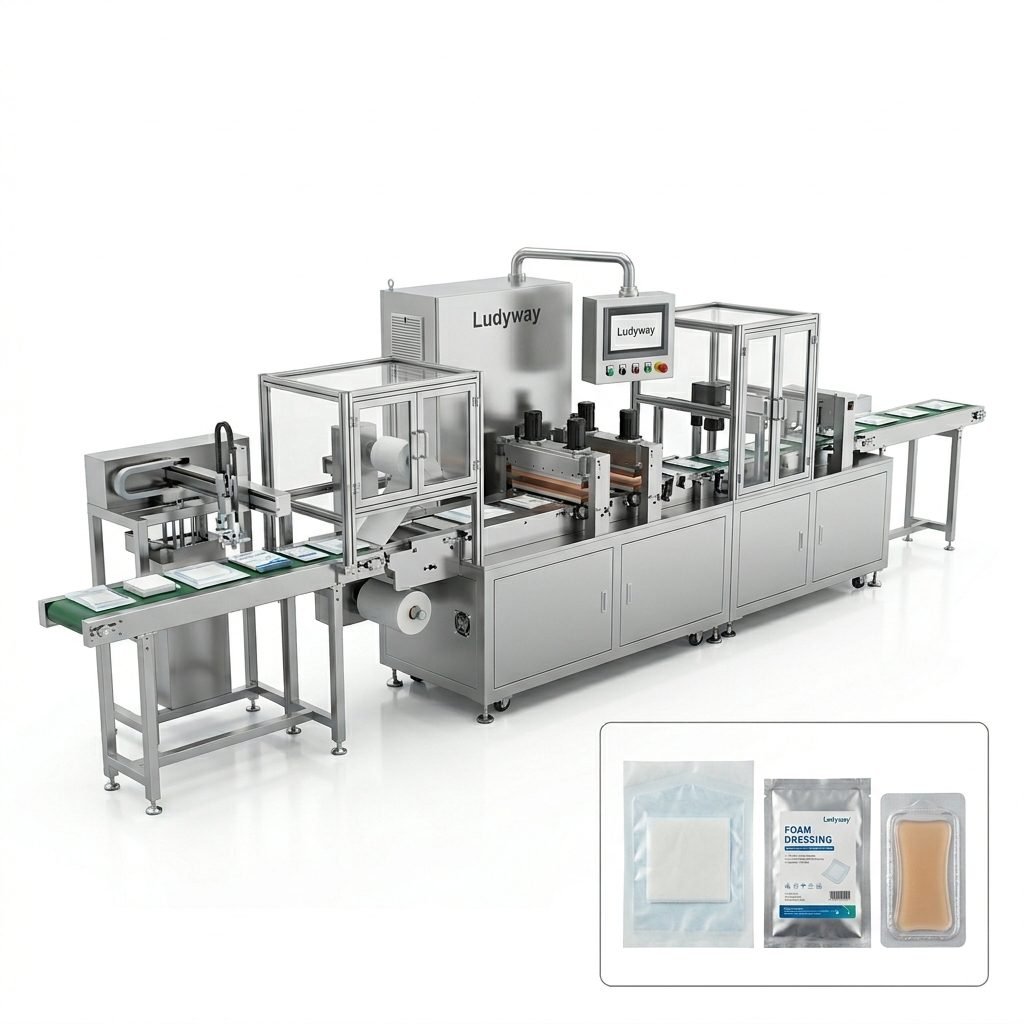
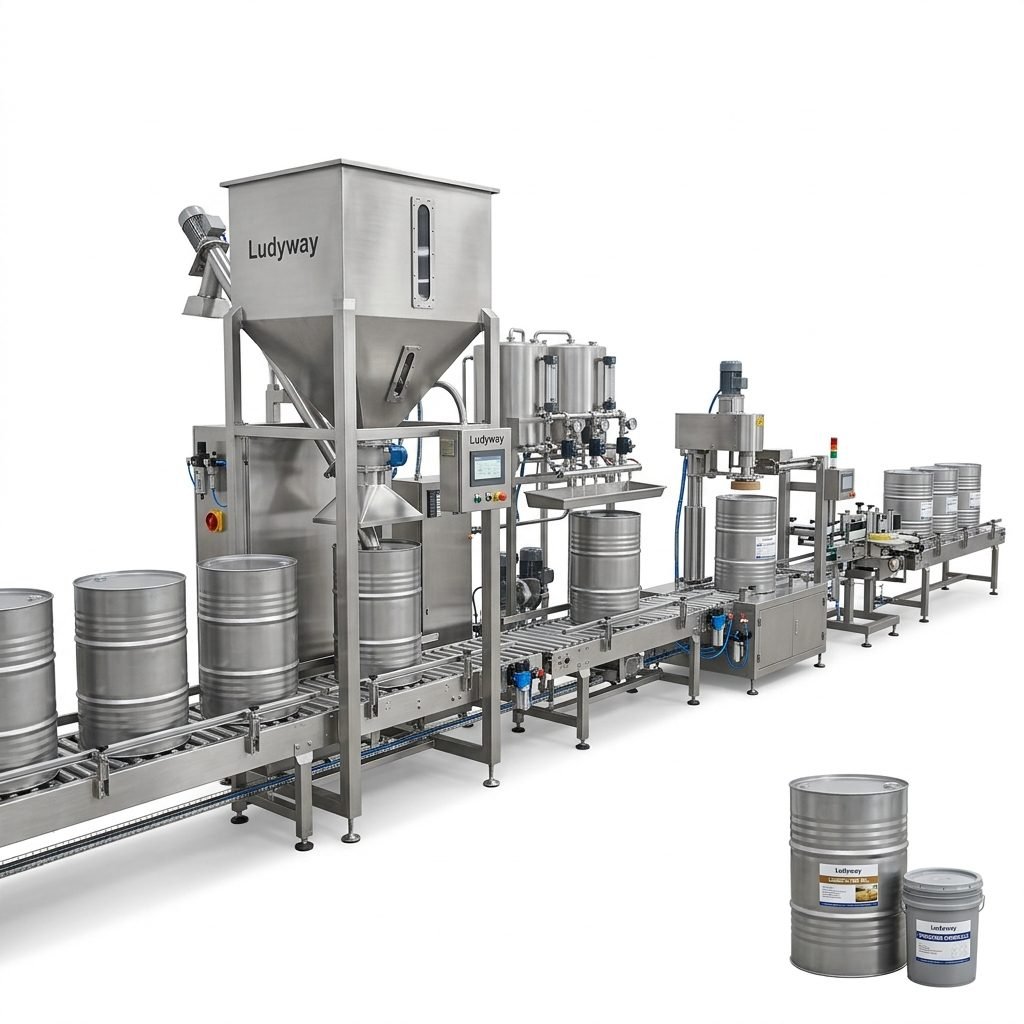
Many machinery manufacturers, such as Ludyway Packaging Machinery, offer comprehensive after-sales service programs. These teams possess deep, model-specific knowledge, genuine spare parts, and often provide performance guarantees tied to the service contract.
Ideal For:
• Complex, proprietary, or recently purchased equipment.
• Operations requiring strict adherence to warranty terms.
• Companies prioritizing manufacturer-certified technicians and parts.
2. Independent Specialized Service Firms
These companies service a wide array of brands and equipment types. Their strength lies in cross-platform expertise and often more flexible, cost-effective service models. They can be excellent for facilities running multi-vendor packaging lines.
3. Regional/Local Technical Service Providers
Local technicians offer the advantage of rapid response times and familiarity with regional operational challenges. They are crucial for providing immediate on-site support and routine check-ups.
How to Choose the Right Service Partner: A Step-by-Step Framework
Selecting a maintenance partner is a critical decision. Follow this structured approach to ensure you find a provider that delivers reliability, value, and peace of mind.
Step 1: Assess Your Specific Needs & Equipment Portfolio
Begin by auditing your machinery. List all equipment by brand, model, age, and criticality to your production line. Identify whether you need full-service contracts, emergency-only support, or specialized care for high-speed or aseptic systems. This clarity will shape your request for proposal (RFP).
Step 2: Verify Technical Expertise & Experience
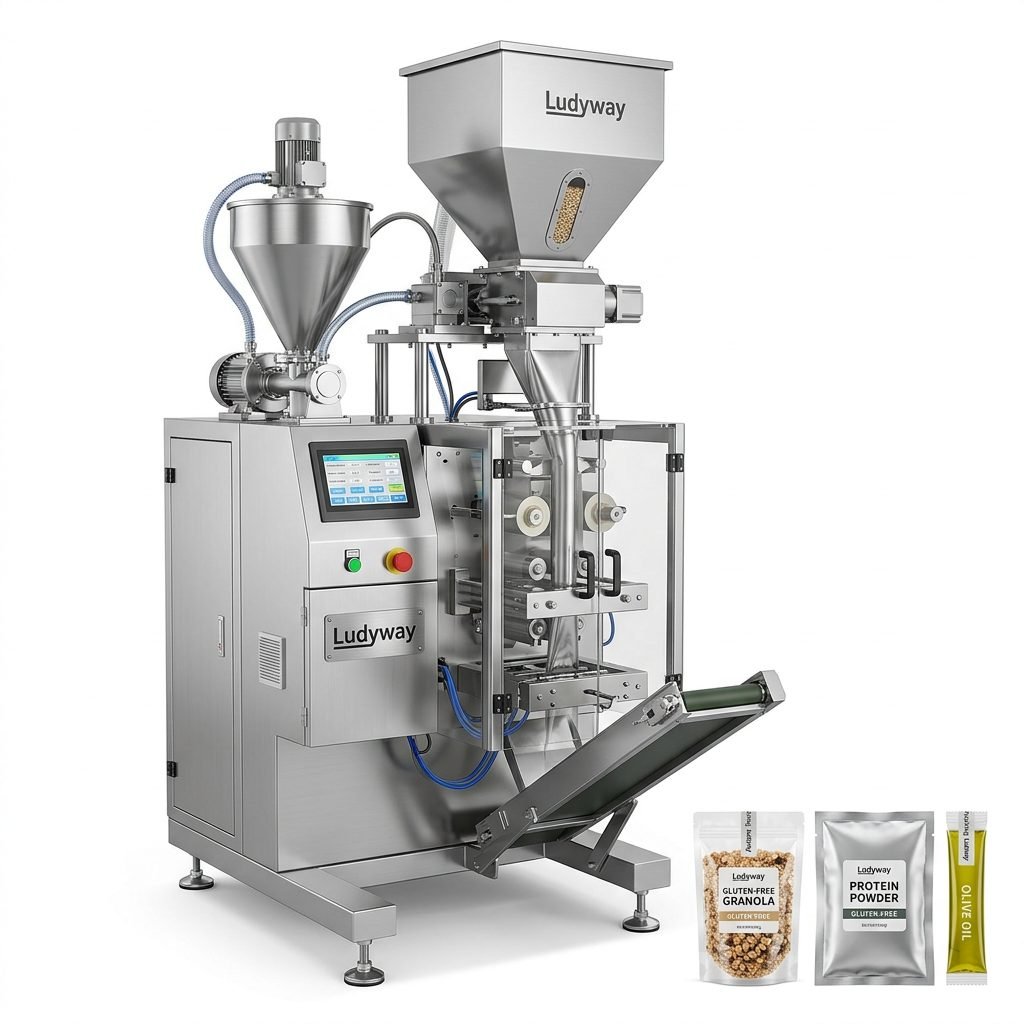
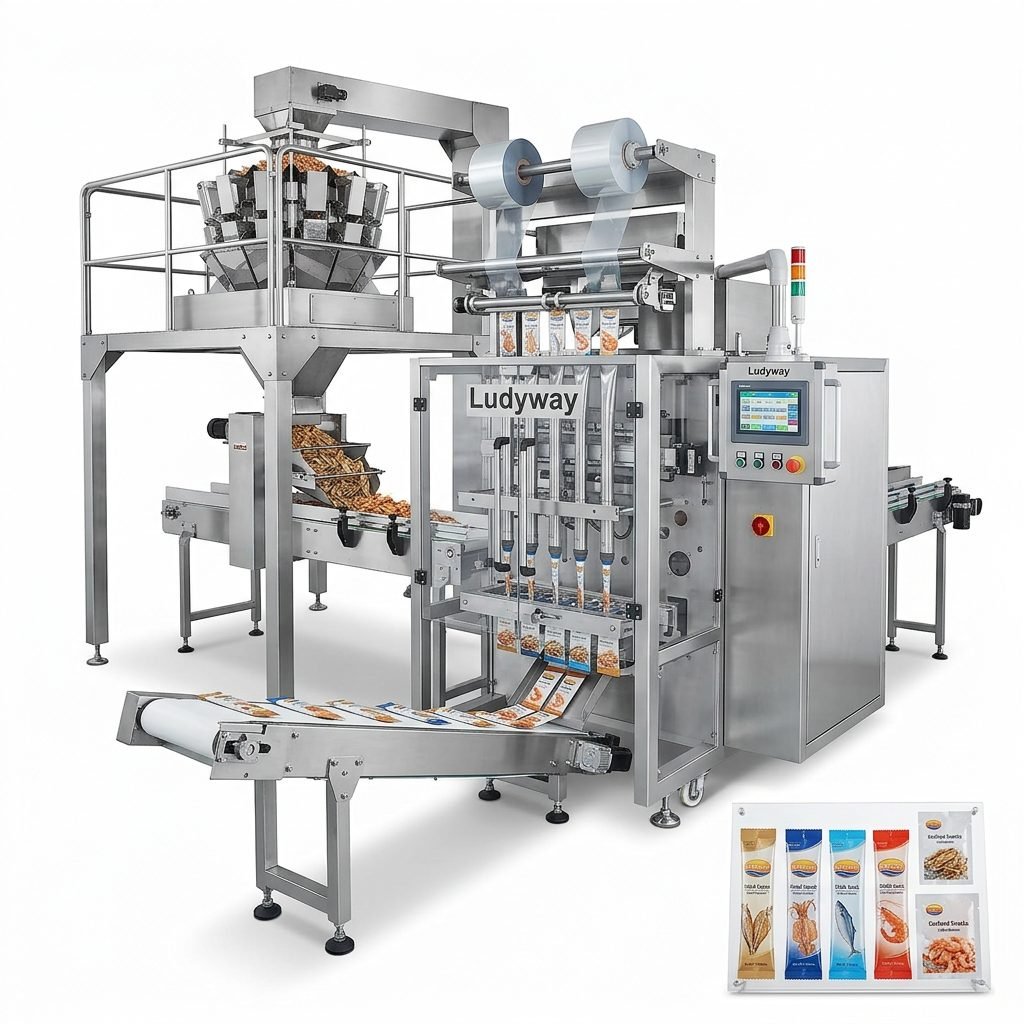
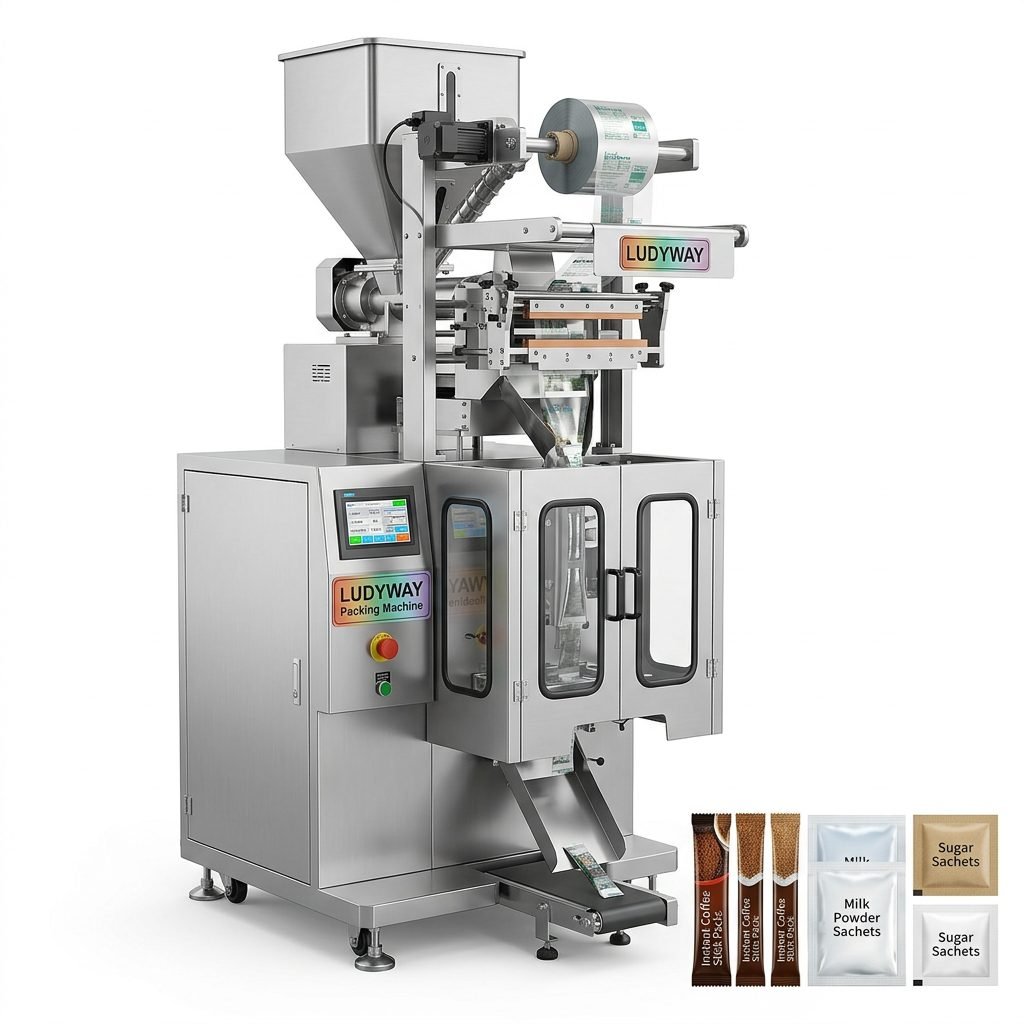
Look for a partner with a proven track record on equipment similar to yours. For instance, a provider experienced with multi-lane stick pack and sachet packaging systems will be better equipped to handle their unique mechanics and calibration needs than a generalist.
Key Questions to Ask:
• Can you provide references from clients in our industry (e.g., food, pharma)?
• What is your team’s certification structure? Are technicians factory-trained?
• Do you have experience with our specific machine models and control systems?
Step 3: Evaluate Service Scope & Responsiveness
A strong partner offers a clear menu of services: preventive maintenance (PM), corrective repairs, remote diagnostics, spare parts inventory, and operator training. Crucially, clarify response time guarantees for emergency calls and the availability of 24/7 support if your operation requires it.
Step 4: Analyze Cost Structure & Contract Flexibility
Compare pricing models: time-and-materials, fixed-price per visit, or comprehensive annual contracts. The best value often lies in a tailored contract that bundles PM visits, priority response, and discounted parts. Ensure there are no hidden costs for travel or emergency call-outs.
Step 5: Review Spare Parts Policy & Logistics
Downtime often waits for a part. Your ideal partner should have reliable access to high-quality, compatible spare parts—whether genuine OEM parts or certified equivalents—and a transparent logistics process to get them to you quickly.
Step 6: Consider Strategic Value & Cultural Fit
The right partner acts as an extension of your team. Companies like Ludyway Machinery, built on long-term cooperation and innovation, often provide strategic insights beyond basic repairs, suggesting upgrades or process improvements. Choose a partner whose communication style and business ethos align with yours.
Building a Successful Long-Term Maintenance Partnership
Once selected, foster the relationship through clear communication and joint planning. Schedule regular performance reviews, share your production forecasts, and involve the service team in new equipment planning. This collaborative approach transforms a vendor relationship into a true partnership that drives continuous operational improvement.
Frequently Asked Questions (FAQs)
1. What is typically included in a preventive maintenance (PM) contract?
A comprehensive PM contract usually includes scheduled on-site inspections, lubrication, calibration, wear-part checks, and performance testing. It may also cover software updates, safety checks, and a detailed report after each visit. The goal is to identify and resolve potential issues before they cause downtime.
2. How often should packaging equipment be serviced?
Service frequency depends on usage (shifts per day), product type (abrasive powders vs. granules), and machine complexity. High-speed machines may need quarterly PM, while others may be on a semi-annual schedule. Your service partner should recommend a cadence based on a machine audit and manufacturer guidelines.
3. Is it better to use OEM parts or third-party equivalents?
For critical components affecting precision, safety, or warranty (like sealing jaws or servo drives), OEM parts are generally recommended. For generic components (filters, belts, standard bearings), high-quality certified equivalents can offer cost savings without compromising performance. Always discuss this with your service provider.
4. Can a good maintenance program improve packaging speed or accuracy?
Absolutely. Regular calibration and adjustment of fillers, sensors, and sealing systems directly impact weight accuracy, seal integrity, and line efficiency. A proactive maintenance partner will fine-tune your equipment to run at its optimal, designed performance level.
5. What should I do if my equipment is very old or the manufacturer is no longer in business?
Specialized independent service firms often excel here. They can reverse-engineer parts, retrofit modern controls, and provide the necessary care to extend the life of legacy equipment. The key is to find a partner with specific experience in older machine models and the ingenuity to keep them running reliably.