In the competitive world of baked goods production, efficiency, consistency, and product presentation are paramount. Selecting the right packaging equipment is not just a logistical decision; it’s a strategic investment in brand quality and operational scalability. The journey from mixer to market relies heavily on robust, automated systems that protect freshness, ensure hygiene, and captivate consumers on the shelf.
The Critical Role of Specialized Packaging in Bakery Success
For bakeries, packaging serves multiple vital functions beyond mere containment. It is the primary barrier against moisture loss and staleness, the guardian against contamination, and the silent salesman on the retail floor. Automated packaging lines transform this critical step from a bottleneck into a competitive advantage, enabling high-speed, precise, and cost-effective operations that manual processes simply cannot match.
Key Benefits of Automated Bakery Packaging:
→ Extended Shelf Life: Advanced sealing technologies and modified atmosphere packaging (MAP) options dramatically slow down spoilage and preserve taste.
→ Brand Consistency & Appeal: Machines deliver uniform, professional-looking packages every time, strengthening brand identity.
→ Labor Efficiency & Hygiene: Automation reduces direct hand contact, minimizing contamination risks and freeing staff for higher-value tasks.
→ Scalability: Systems can be designed to grow with your production volume, from artisanal batches to industrial-scale output.
Essential Equipment for a Complete Automated Bakery Line
A fully integrated line is a symphony of specialized machines. Understanding each component’s role is the first step in building an efficient system.
1. Primary Packaging Systems
This is where your product first meets its package. The choice depends entirely on the product format.
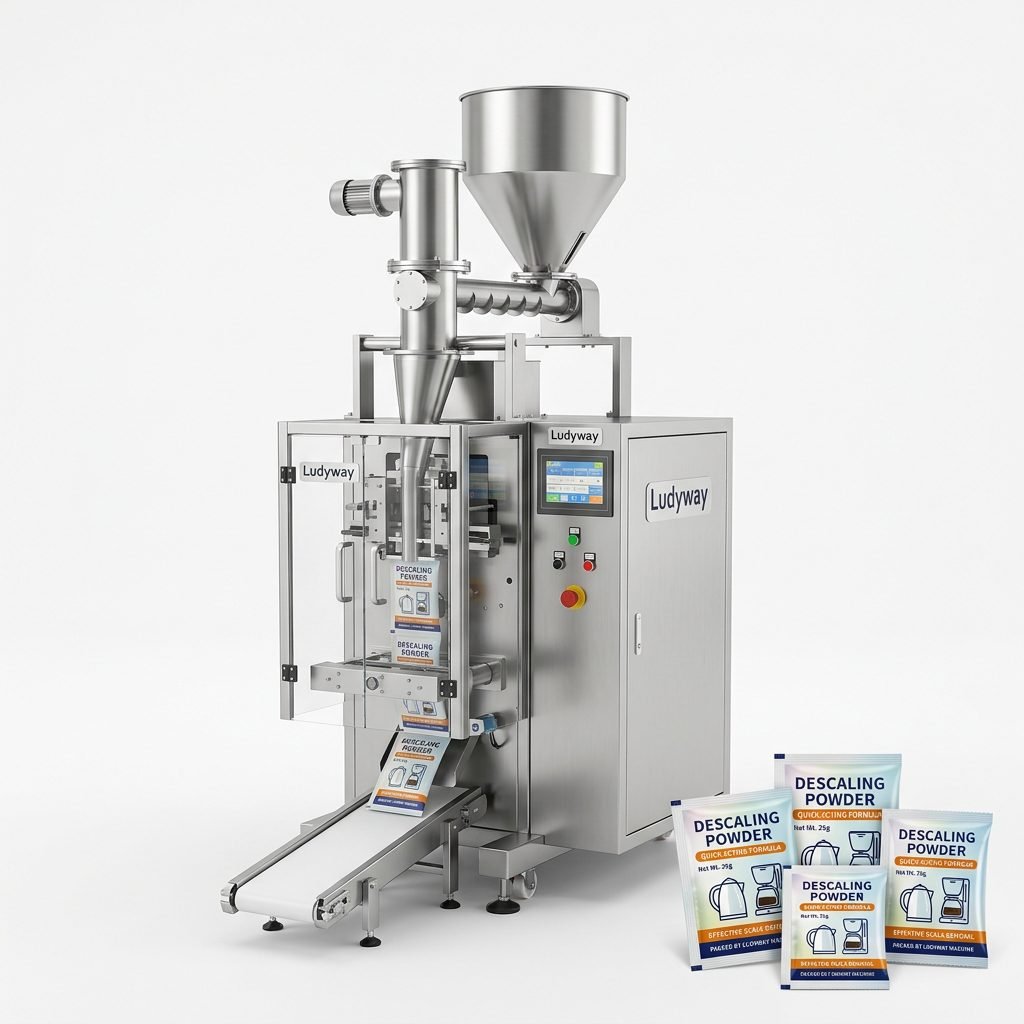
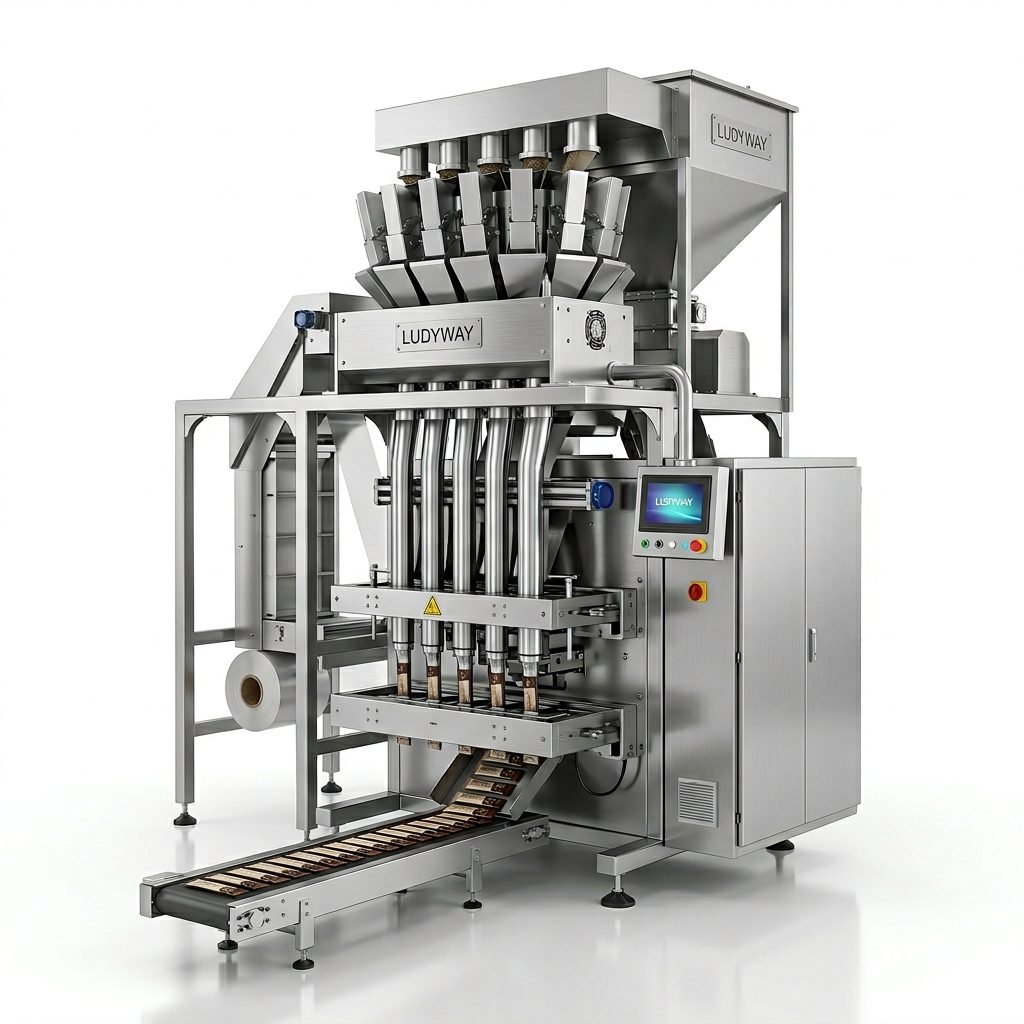
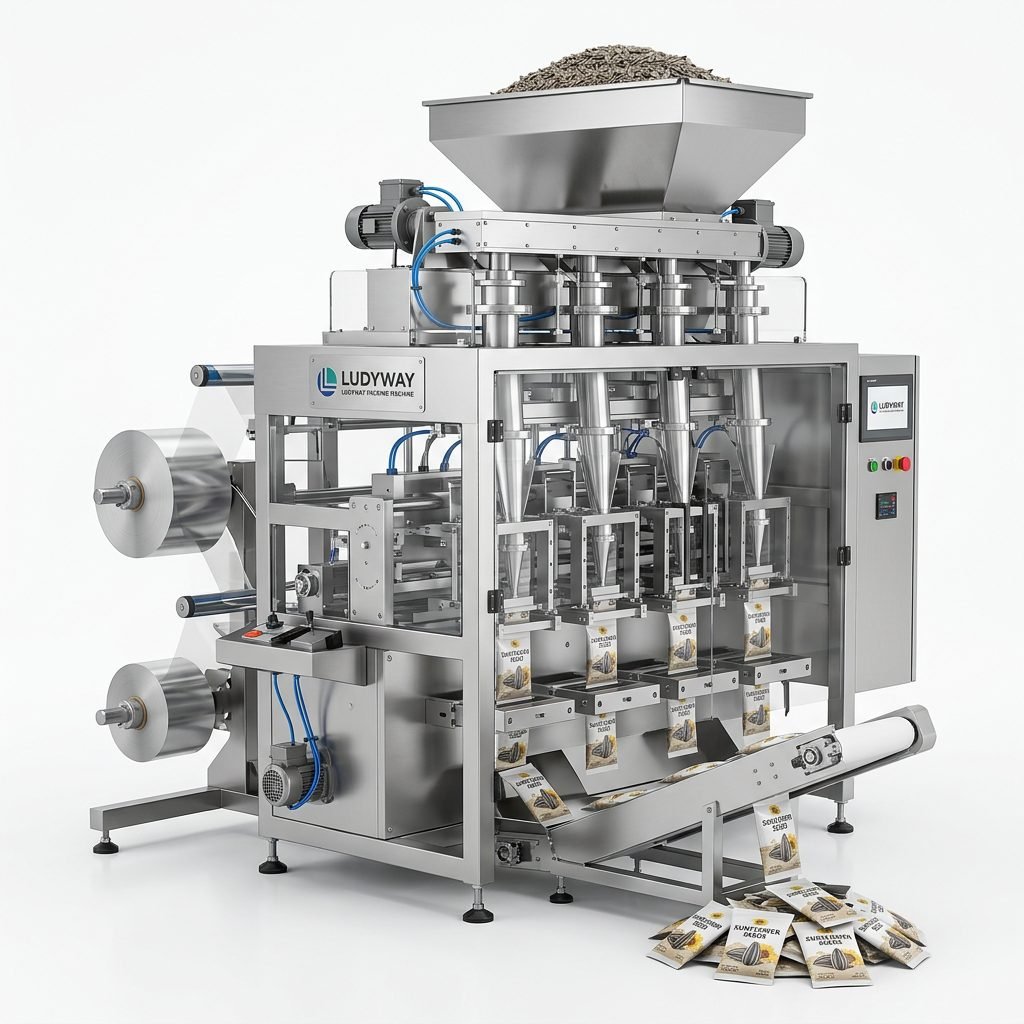
- Vertical Form-Fill-Seal (VFFS) Machines: The workhorse for free-flowing items like cookies, crackers, and bread mixes. They form bags from a roll of film, fill them, and seal them in one continuous motion.
- Flow Wrappers: Ideal for individually wrapping bread loaves, rolls, muffins, and pastries. They use a single film to envelop the product, creating tight, secure seals at both ends.
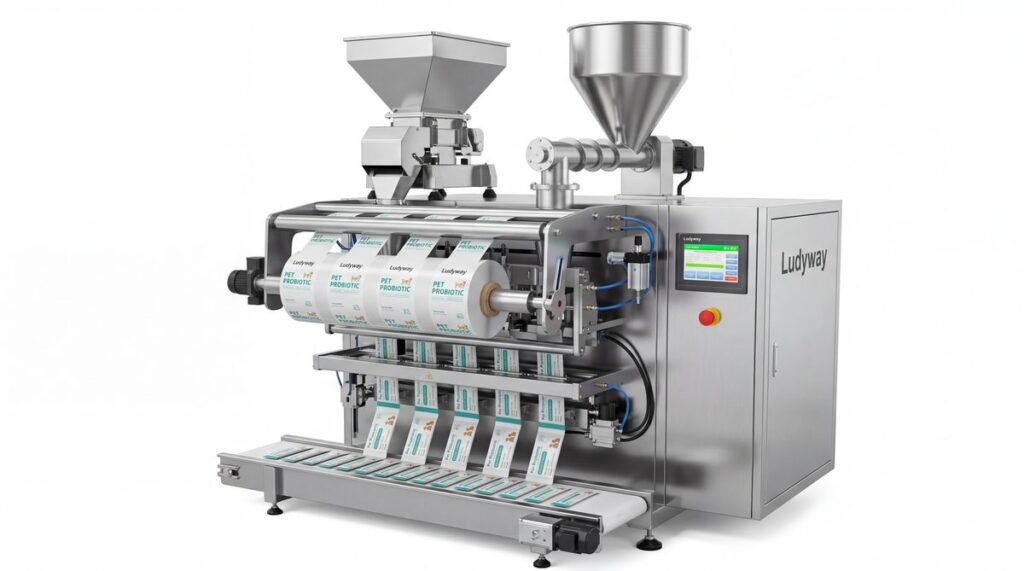
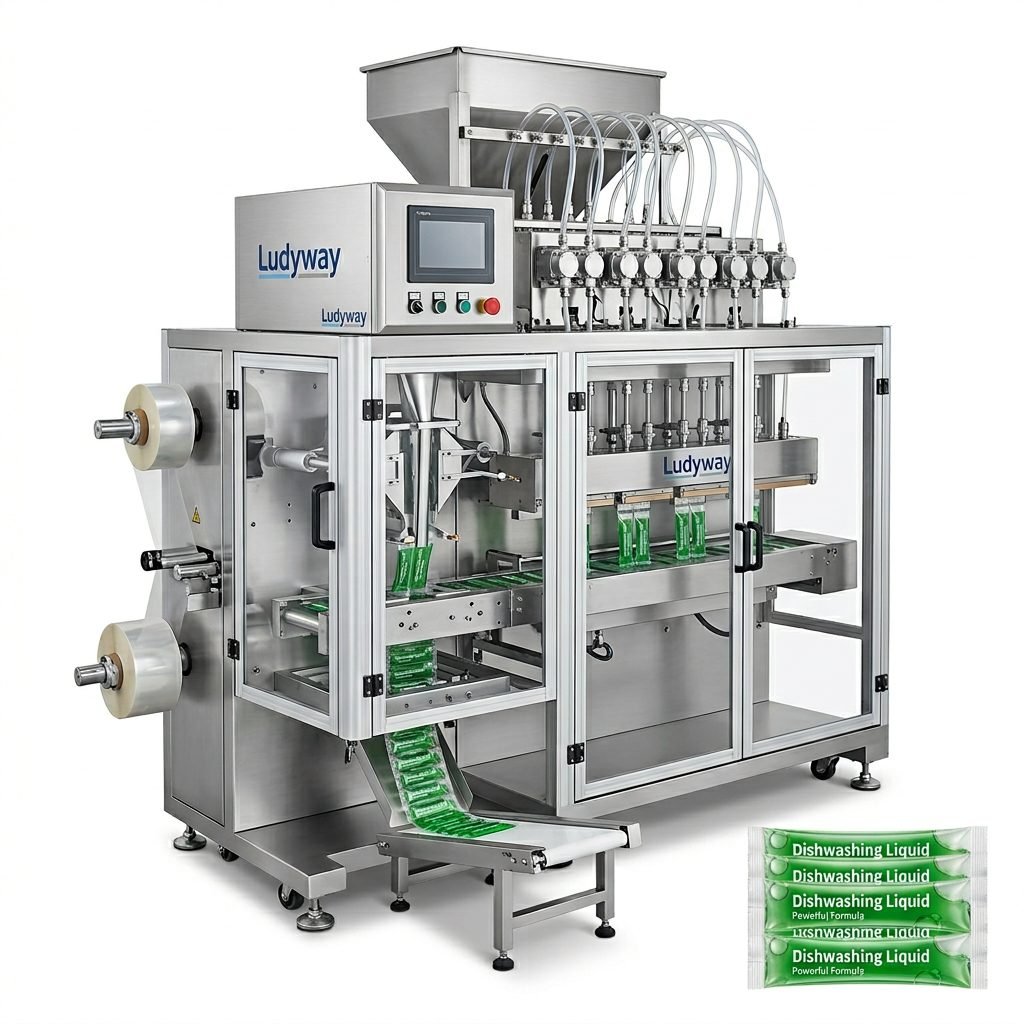
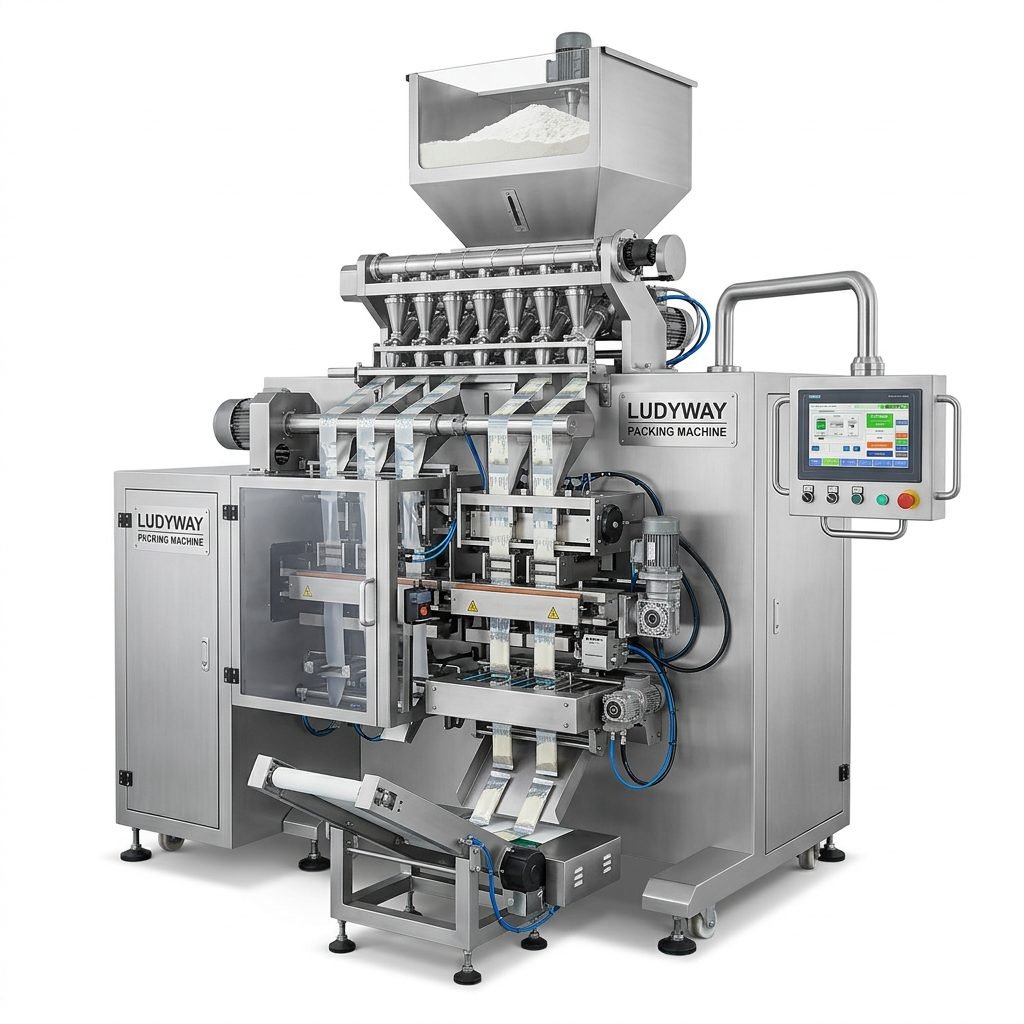
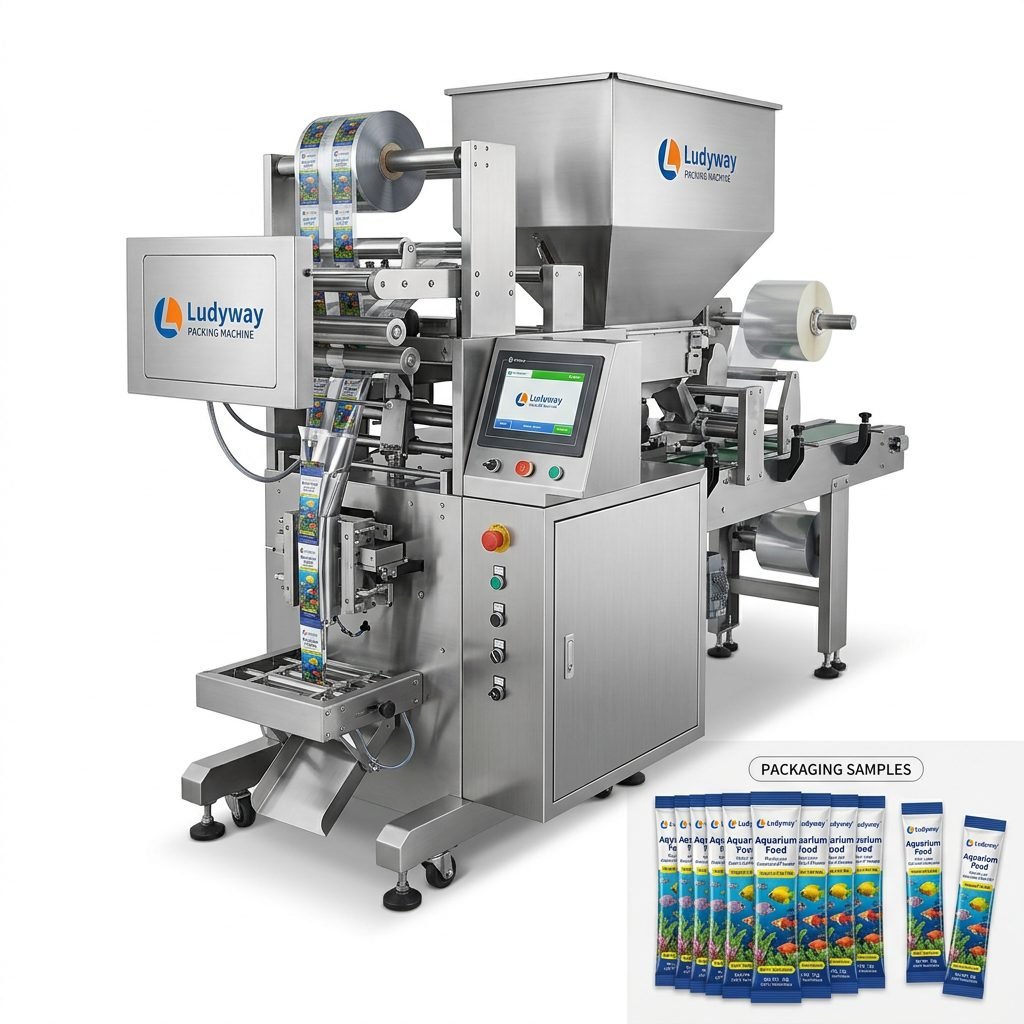
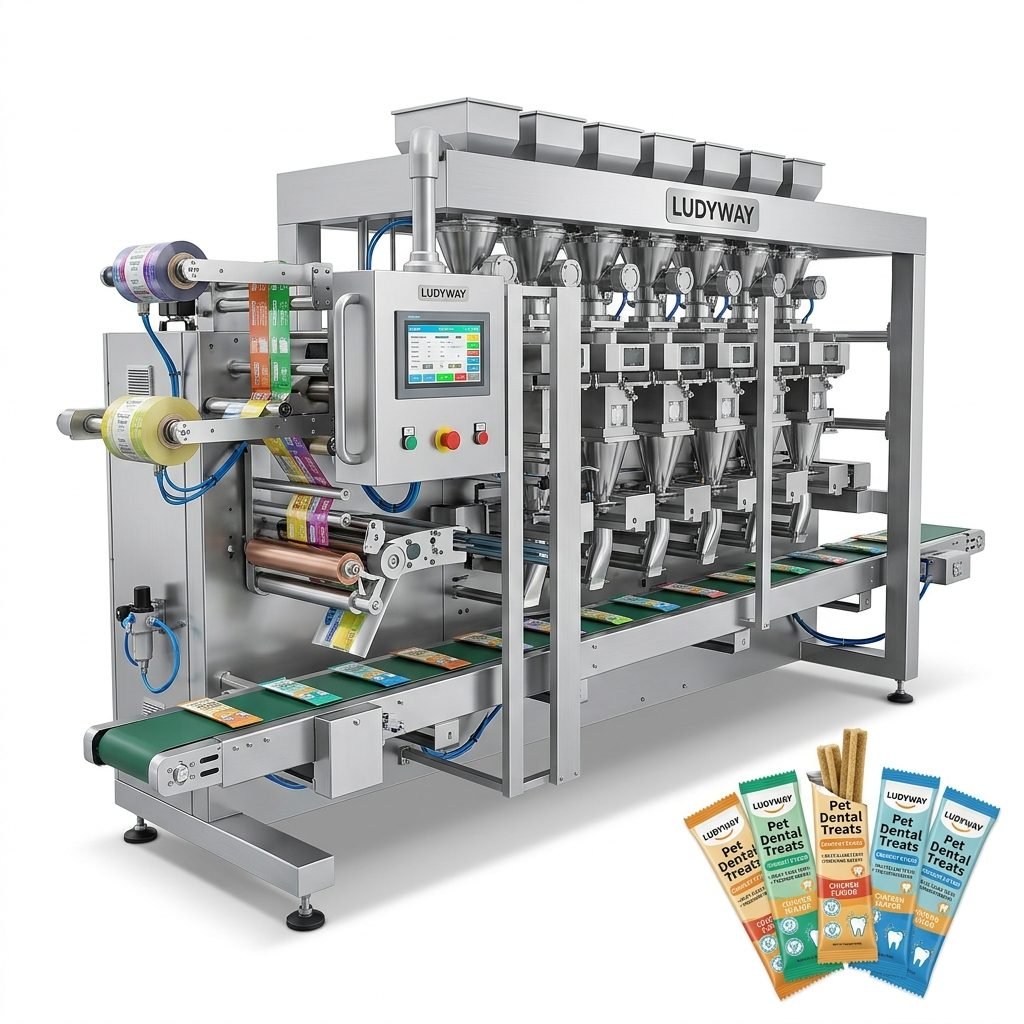
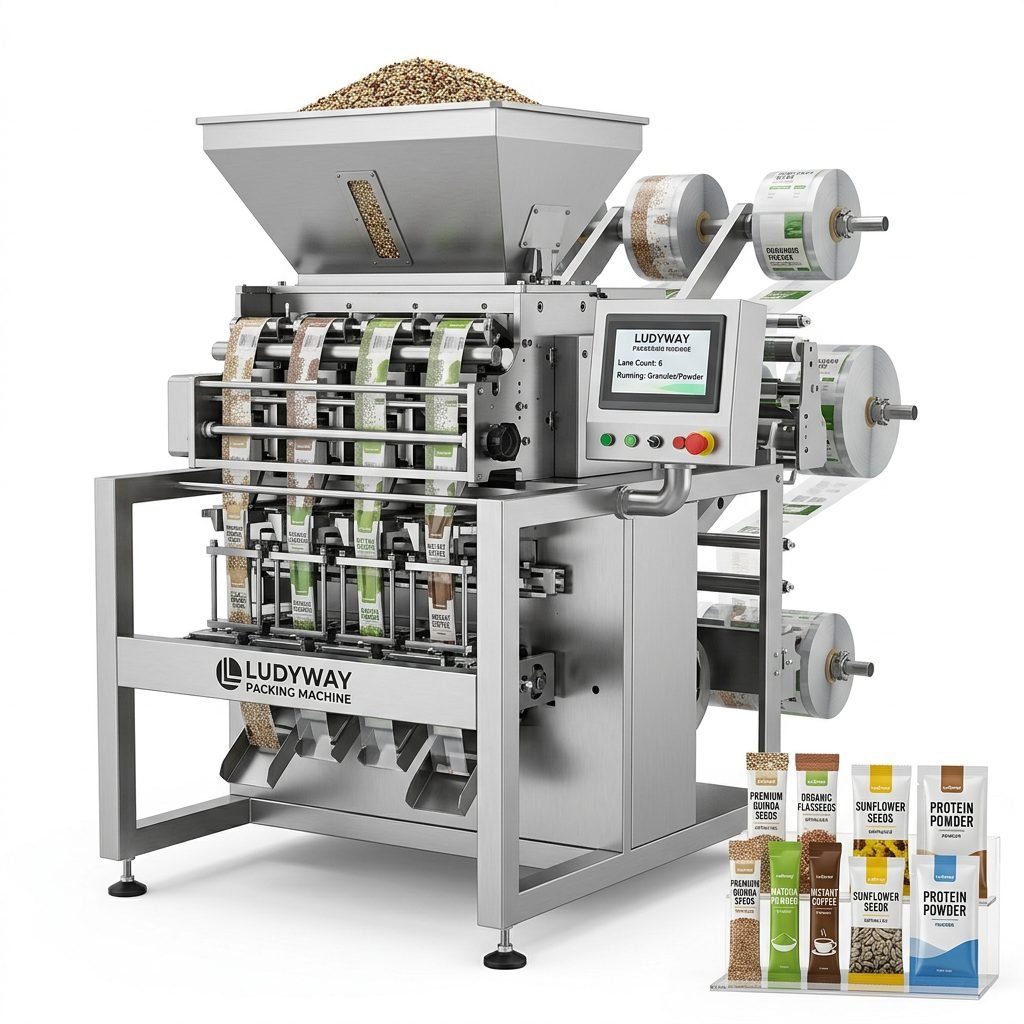
- Stick Pack & Sachet Machines: Perfect for single-serve portions of icing, glaze, drink mixes, or condiments that accompany baked goods. Companies like Ludyway Machinery offer advanced multi-lane systems for high-speed sachet production.
- Tray Sealers (with MAP capability): Used for delicate items like cakes, cupcakes, and gourmet pastries. They seal a lidding film over a pre-formed tray, often replacing the air with a gas mixture to prolong freshness.
2. Secondary Packaging & Integration
Once products are individually packed, they are prepared for shipping and display.
- Cartoners & Case Packers: Automatically erect, load, and seal cartons or shipping cases, ensuring safe transit.
- Conveying & Handling Systems: The connective tissue of the line. Gentle handling is crucial to avoid damaging delicate baked items.
- Checkweighers & Metal Detectors: Critical for quality control and food safety compliance, ensuring every package meets weight specs and is free from contaminants.
Selecting Your Manufacturing Partner: Beyond the Machine
Choosing a supplier is about more than technical specs. It’s about partnership. A reliable manufacturer provides:
Comprehensive Support: From initial layout design and installation to operator training and maintenance.
Proven Experience: Look for a partner with a deep understanding of the food industry’s strict hygiene and safety standards. A company with over 30 years of industry experience brings invaluable problem-solving insight.
Customization & Flexibility: Your product is unique. Your packaging solution should be, too. The ability to tailor machinery to your specific size, speed, and integration needs is essential.
Global Service Network: For international operations, ensure your partner can provide timely technical support and spare parts, minimizing potential downtime.
Future Trends: Smart Technology in Bakery Packaging
The future is intelligent and connected. The next generation of packaging equipment leverages Industry 4.0 principles.
IoT-Enabled Monitoring: Machines that provide real-time data on production speed, downtime, and maintenance needs, allowing for predictive analytics and optimized performance.
Sustainable Material Handling: As demand for eco-friendly packaging grows, modern equipment must adeptly handle biodegradable, compostable, or recyclable films without sacrificing efficiency.
Advanced Vision Systems: AI-powered cameras can perform intricate quality checks—verifying seal integrity, print registration, and even product placement—with superhuman accuracy.
Conclusion
Investing in the best packaging equipment from reputable manufacturers is a decisive step toward building a resilient, profitable, and forward-looking bakery business. It’s an investment that pays dividends in product quality, brand reputation, and operational efficiency. By carefully evaluating your product range, production goals, and potential partners—prioritizing those who offer robust engineering, reliable service, and tailored turnkey solutions—you can construct an automated line that not only meets today’s demands but is also ready for tomorrow’s opportunities.
Frequently Asked Questions (FAQs)
What type of packaging machine is best for fragile items like croissants or muffins?
Flow wrappers or gentle tray sealing systems are typically ideal. They provide a snug fit and secure seals with minimal pressure on the product. Look for machines with adjustable handling systems and soft-belt conveyors to prevent crushing.
How can automated packaging help my bakery comply with food safety regulations?
Automation significantly reduces direct human contact with the product, a key vector for contamination. Integrated checkweighers and metal detectors provide documented, consistent quality checks. Furthermore, many machines are built with easy-clean, sanitary designs using food-grade materials.
Can I switch between different package sizes or products on the same line?
Yes, with the right equipment. Many modern machines feature quick-change parts and programmable recipes stored in a touchscreen HMI. This allows for efficient changeovers between different product sizes or types, maximizing line flexibility for bakeries with diverse SKUs.
What is the typical ROI for an automated bakery packaging line?
Return on investment depends on scale, labor costs, and current waste levels. However, most operations see a payoff through dramatically increased output speed, reduced labor costs, lower material waste from precise filling, and decreased product giveaway. A detailed analysis with your equipment supplier can project a specific timeline.
Is technical support important when choosing a manufacturer?
Absolutely. It is one of the most critical factors. Reliable, accessible technical support for installation, troubleshooting, and maintenance is essential for minimizing costly downtime. A partner with a strong global service network ensures your investment is protected for the long term.