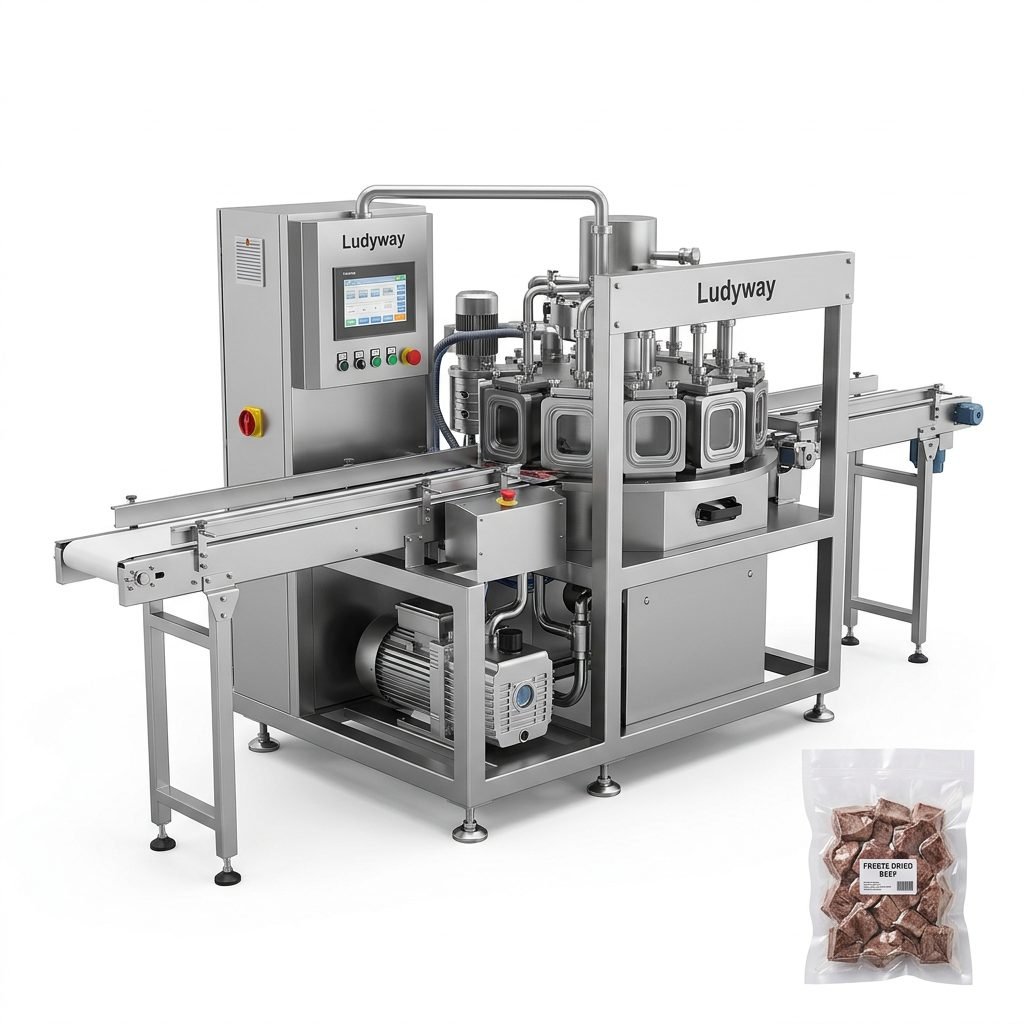
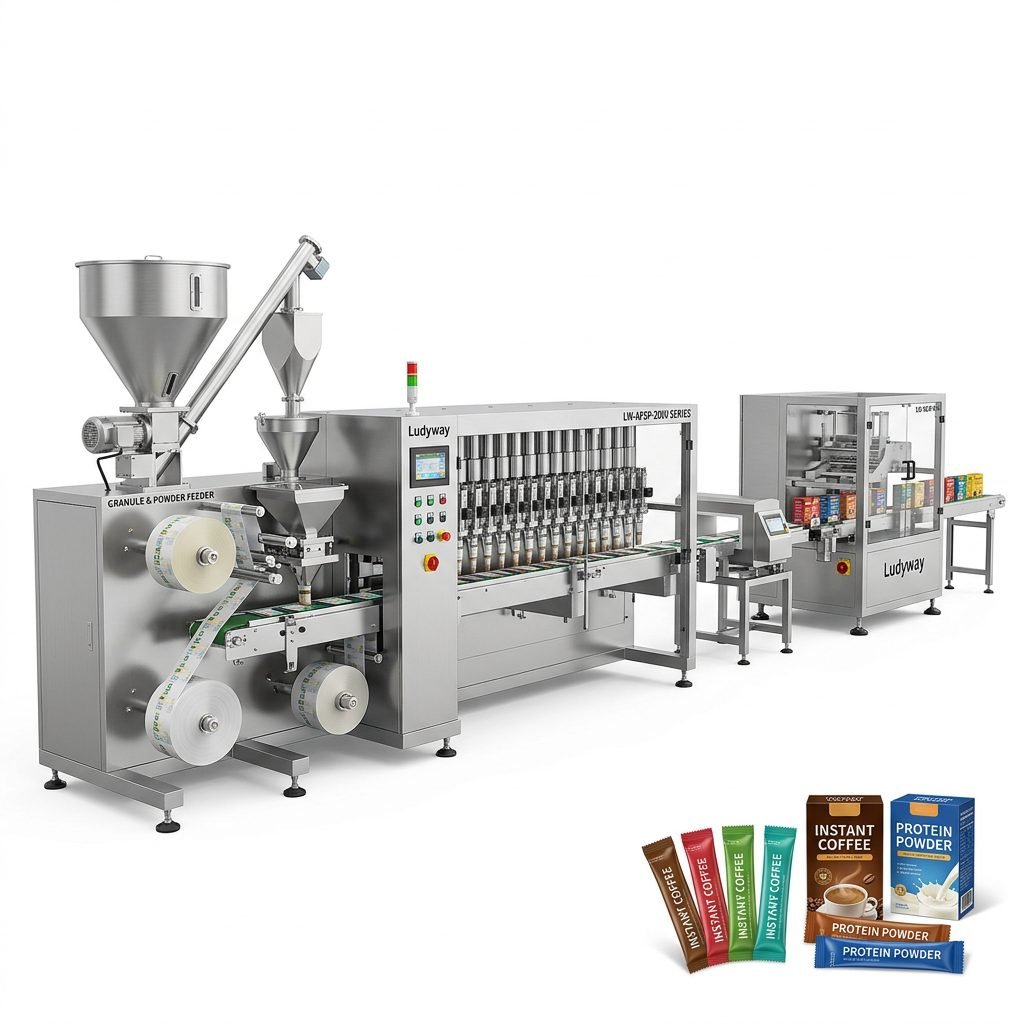
Solid dosage packaging equipment plays a crucial role in the pharmaceutical, nutraceutical, and supplement industries. This machinery ensures that tablets, capsules, pills, and similar products are efficiently packaged while maintaining product integrity, compliance, and consumer safety.
Types of Solid Dosage Packaging Equipment
The market offers several specialized machines tailored to different packaging formats and production scales.
Blister Packaging Machines
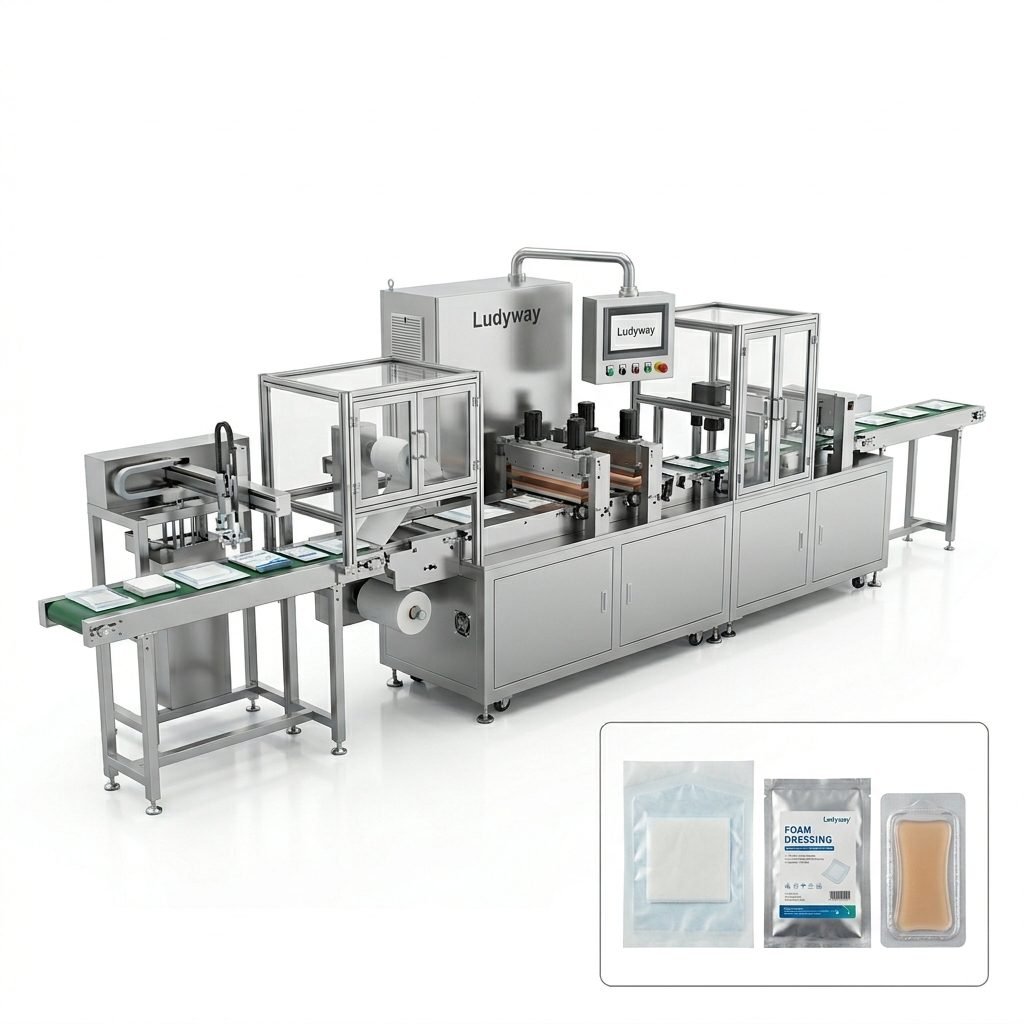
These machines form a cavity (blister) from a plastic or aluminum film, insert the solid dosage product, and seal it with a backing card. They are ideal for unit-dose packaging, providing excellent product visibility and tamper evidence. High-speed blister lines can incorporate printing, coding, and cartoning operations.
Strip Packaging Machines
Strip packers create a continuous strip of sealed pouches, each containing a single dose. This format is common for over-the-counter medicines and lozenges. The process is highly efficient for small to medium batch production and offers good barrier properties.
Sachet Packaging Machines
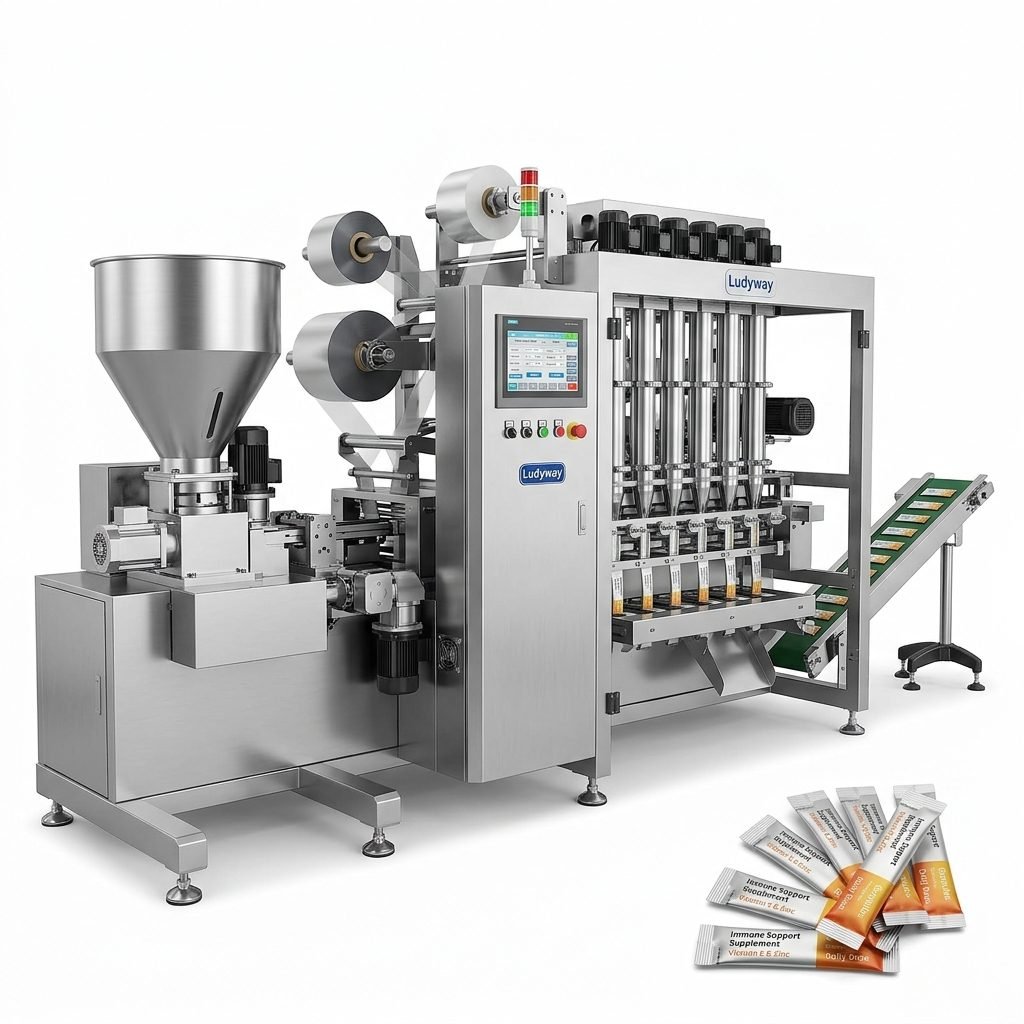
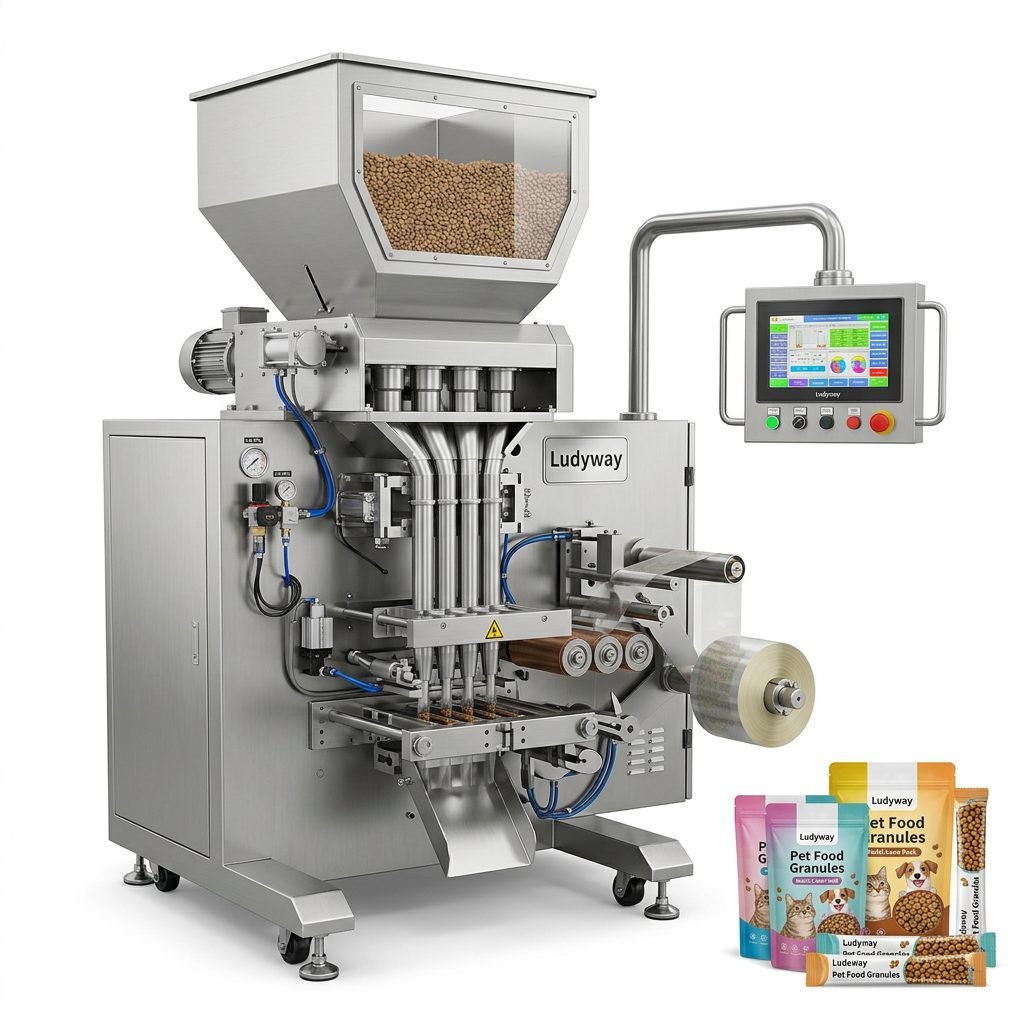
While often used for powders, advanced sachet machines can handle single or multiple tablets/capsules in a small pouch. This is popular for sample packs, single-serving supplements, or products requiring additional desiccants or moisture barriers.
Bottle Filling and Capping Lines
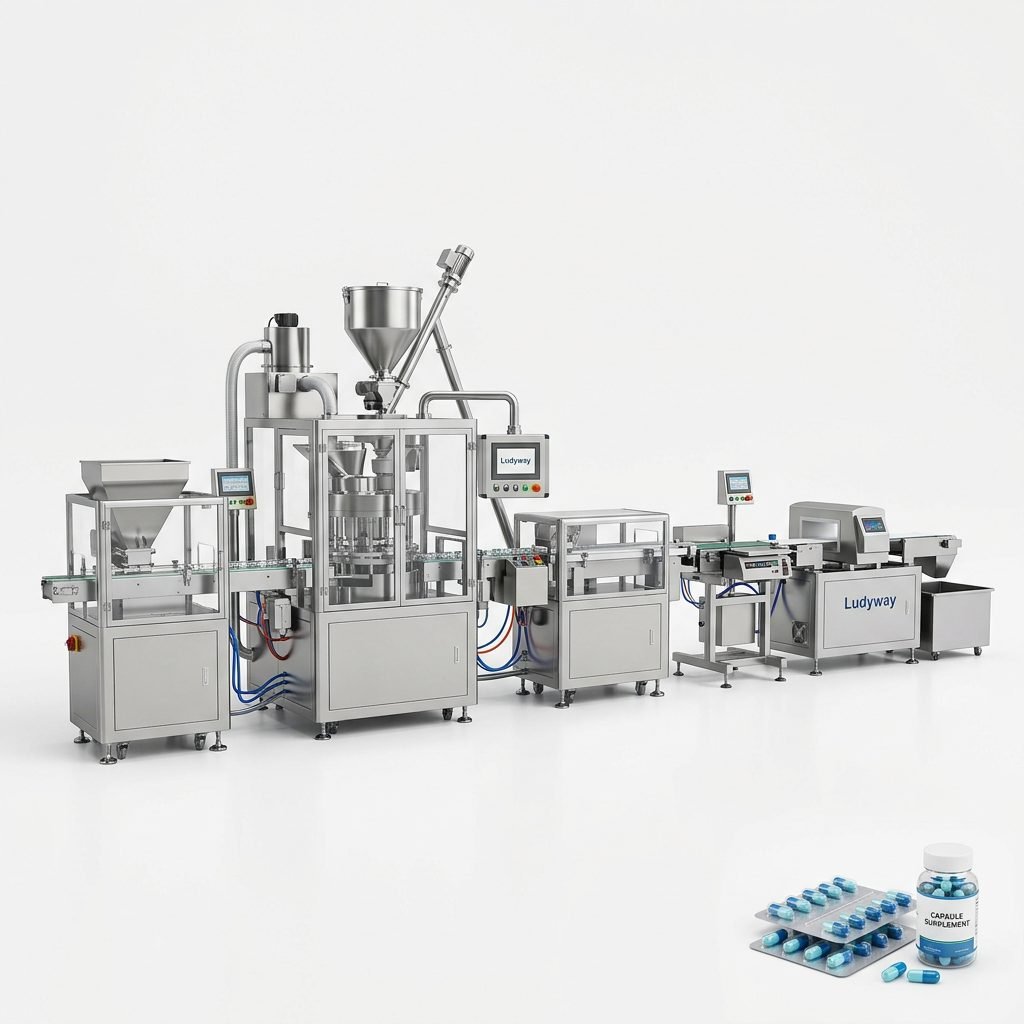
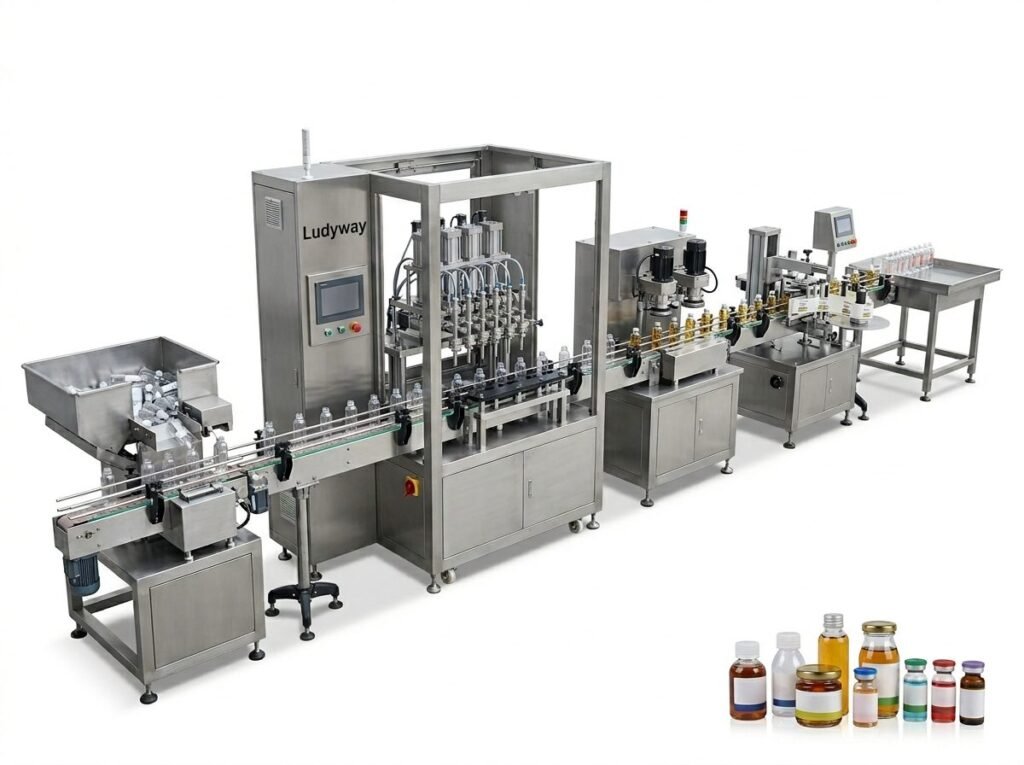
This equipment automates the filling of tablets or capsules into plastic or glass bottles, followed by capping, sealing, and labeling. Systems range from semi-automatic rotary fillers to fully integrated lines with automatic weight checkers and torque control for caps.
Cartoning Machines
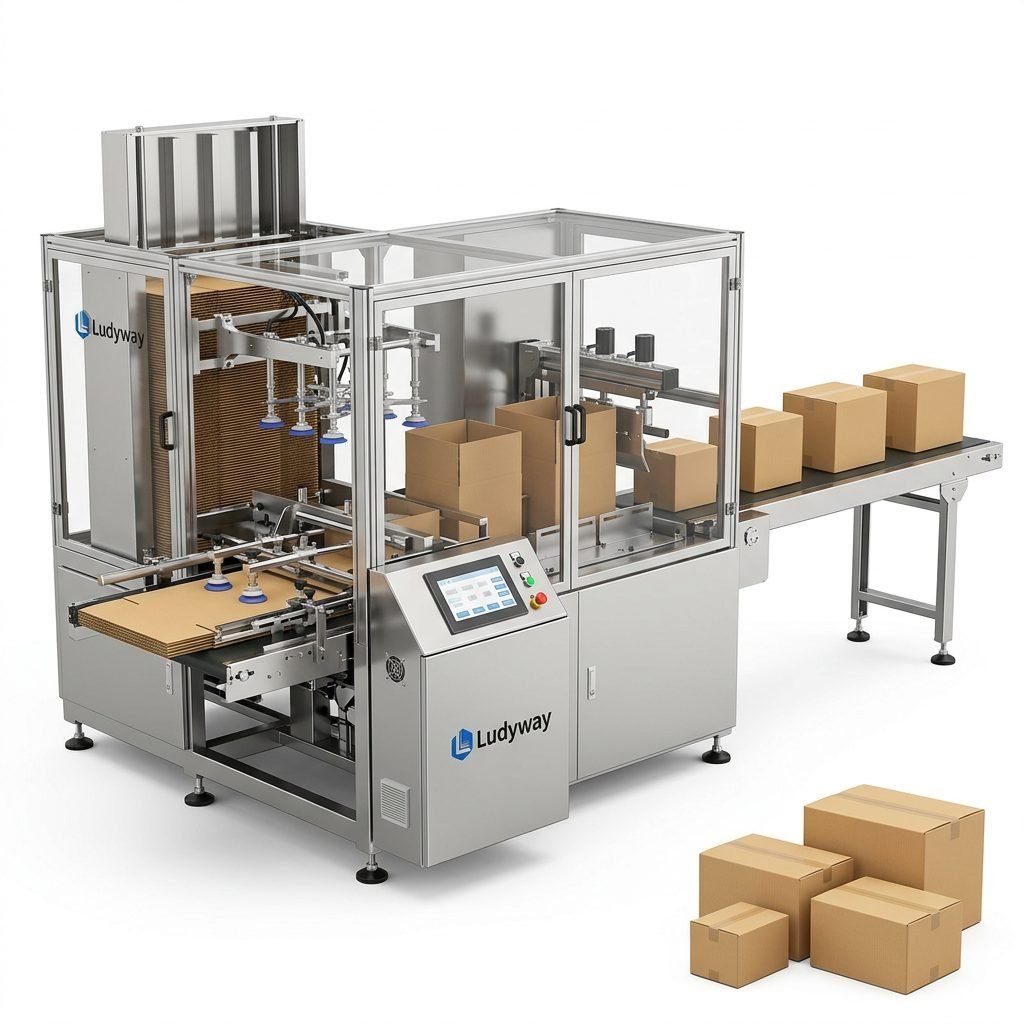
After primary packaging (blister, strip, or bottle), products often need to be placed into cardboard cartons. Cartoners automatically erect, load, and close boxes, and can include leaflet insertion for regulatory information.
Key Features and Technological Advancements
Modern equipment incorporates features that boost efficiency, ensure compliance, and enhance flexibility.
Speed and Output Capacity
Machine speeds vary from a few hundred to over ten thousand units per hour. Selecting the right speed depends on your production volume and the need for batch changeover flexibility.
Material Handling and Flexibility
Top machines handle diverse materials—different grades of PVC, aluminum for blisters, varied paper and laminate for strips—and can quickly adjust to different product sizes and shapes without extensive tooling changes.
Quality Control Integration
Critical features include in-line vision systems to check for missing or damaged products, fill verification sensors, and print verification to ensure correct lot numbers and expiry dates are applied.
Compliance and Documentation
Equipment designed for pharmaceutical use often supports data logging, audit trails, and integration with Manufacturing Execution Systems (MES) to meet FDA, EU, and other regional GMP requirements.
User Interface and Automation
Touch-screen HMIs with recipe management simplify operation. Higher automation levels reduce manual handling, incorporating robotic loading of products or packaging materials.
Selection Tips for Buyers
Choosing the right equipment requires a careful assessment of your specific needs.
Define Your Primary Packaging Format
The first decision is the package type—blister, strip, bottle, etc.—based on your product requirements, market expectations, and regulatory constraints.
Assess Production Volume and Scalability
Match machine output to your current and forecasted volumes. Consider if you need a dedicated high-speed line or a more flexible machine that can handle multiple products at a moderate speed.
Evaluate Changeover and Flexibility Needs
If you package many different SKUs, look for equipment with quick-change tooling, easy HMI recipe selection, and minimal downtime between batches.
Prioritize Compliance Features
For pharmaceutical packaging, ensure the machine offers necessary documentation, validation support, and cleanability to meet stringent health authority standards.
Consider Integration and Support
Think about how the machine will integrate with your upstream (manufacturing) and downstream (warehousing) processes. Also, evaluate the supplier’s technical support, spare parts availability, and training offerings.
Analyze Total Cost of Ownership
Beyond the purchase price, factor in costs for energy consumption, required personnel, maintenance, and the lifespan of the machine.
Frequently Asked Questions (FAQs)
What is the main difference between blister and strip packaging for tablets? Blister packaging forms individual cavities for each tablet, usually sealed with a foil backing, offering superior product protection and visibility. Strip packaging creates a continuous strip of sealed pouches, often more cost-effective for high-volume, over-the-counter products.
How can I ensure my packaging machine meets pharmaceutical GMP standards? Select equipment designed with cleanable surfaces, validated processes, and features for data integrity (like audit trails). Work with suppliers experienced in the pharma sector who can provide necessary documentation and support for validation.
What are the key trends in solid dosage packaging equipment? Trends include increased integration of AI and vision systems for quality control, greater flexibility to handle personalized medicine formats, more sustainable packaging material options, and enhanced connectivity for Industry 4.0 smart factories.
Is it better to buy a standalone machine or a complete integrated line? For simple operations or low volume, a standalone machine suffices. For high-output production requiring minimal manual intervention, an integrated line (combining primary packaging, cartoning, and palletizing) improves efficiency and reduces labor costs.
How important is supplier after-sales service? Extremely important. Reliable technical support, readily available spare parts, and operator training are crucial for maintaining production uptime, especially for complex equipment operating in regulated environments.