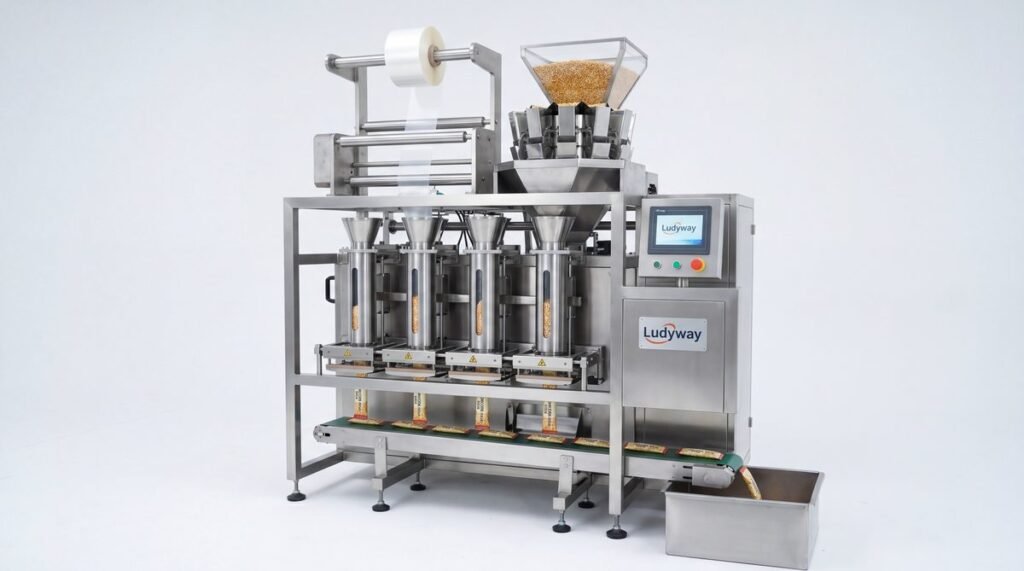
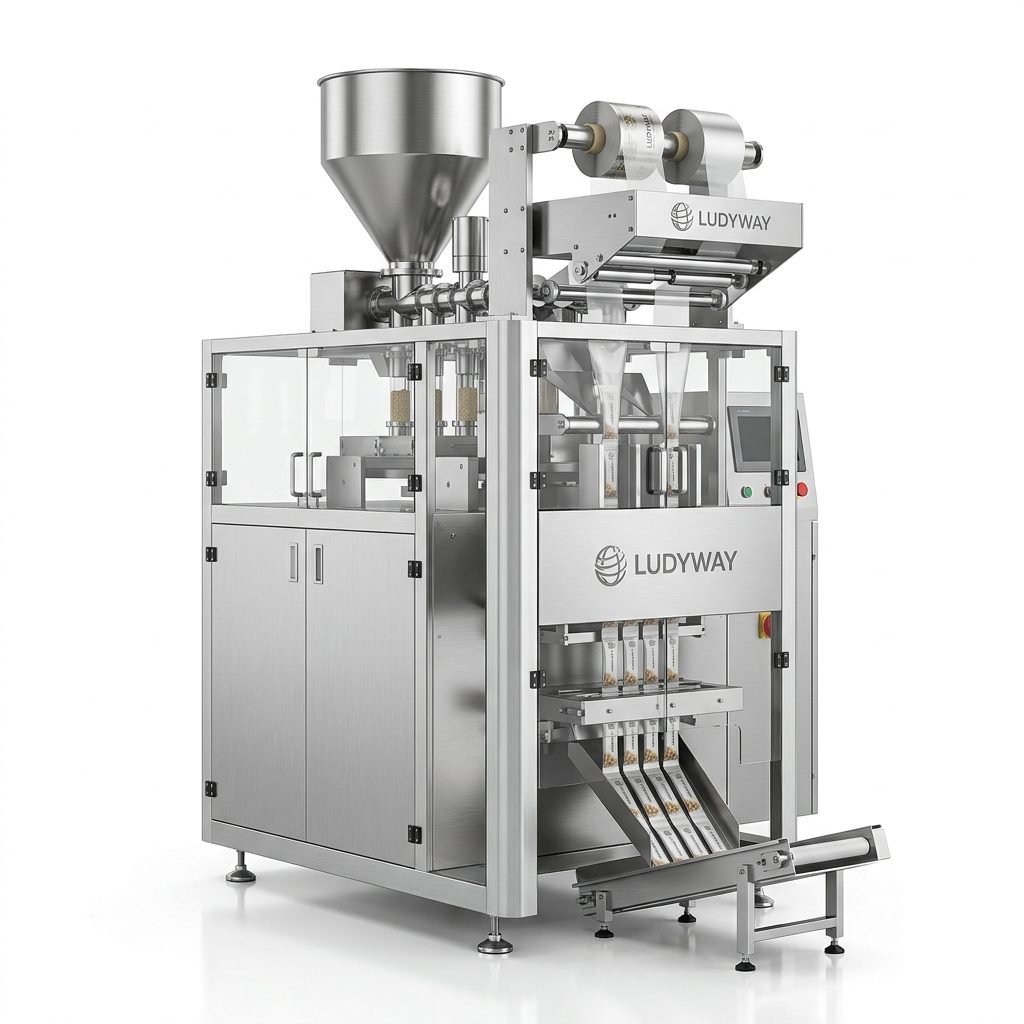
Selecting the right packaging machine manufacturer is a critical decision for any business in Nepal. The right partner can significantly enhance your production efficiency, product quality, and ultimately, your bottom line. For businesses ranging from the thriving food and beverage sector to the growing pharmaceutical and FMCG industries, reliable and efficient packaging is non-negotiable.
Understanding Your Specific Packaging Needs
Before you start evaluating manufacturers, you must have a clear understanding of your own requirements. This is the foundation of a successful partnership.
Key questions to ask yourself: What type of product are you packaging (granules, powder, liquid, solid)? What is your required output speed (packs per minute)? What packaging material are you using (film, pouches, sachets, stick packs)? What is your available factory floor space? What is your budget for both the initial investment and long-term operation?
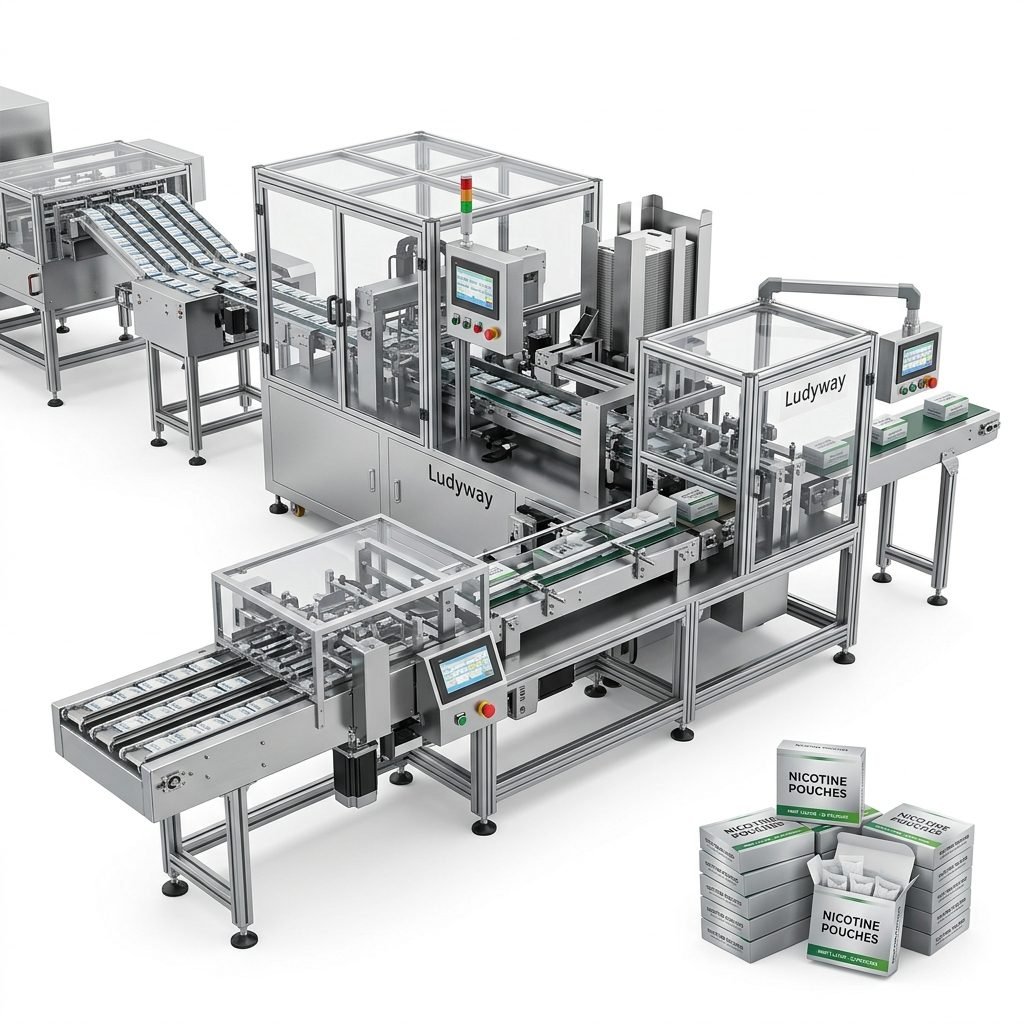
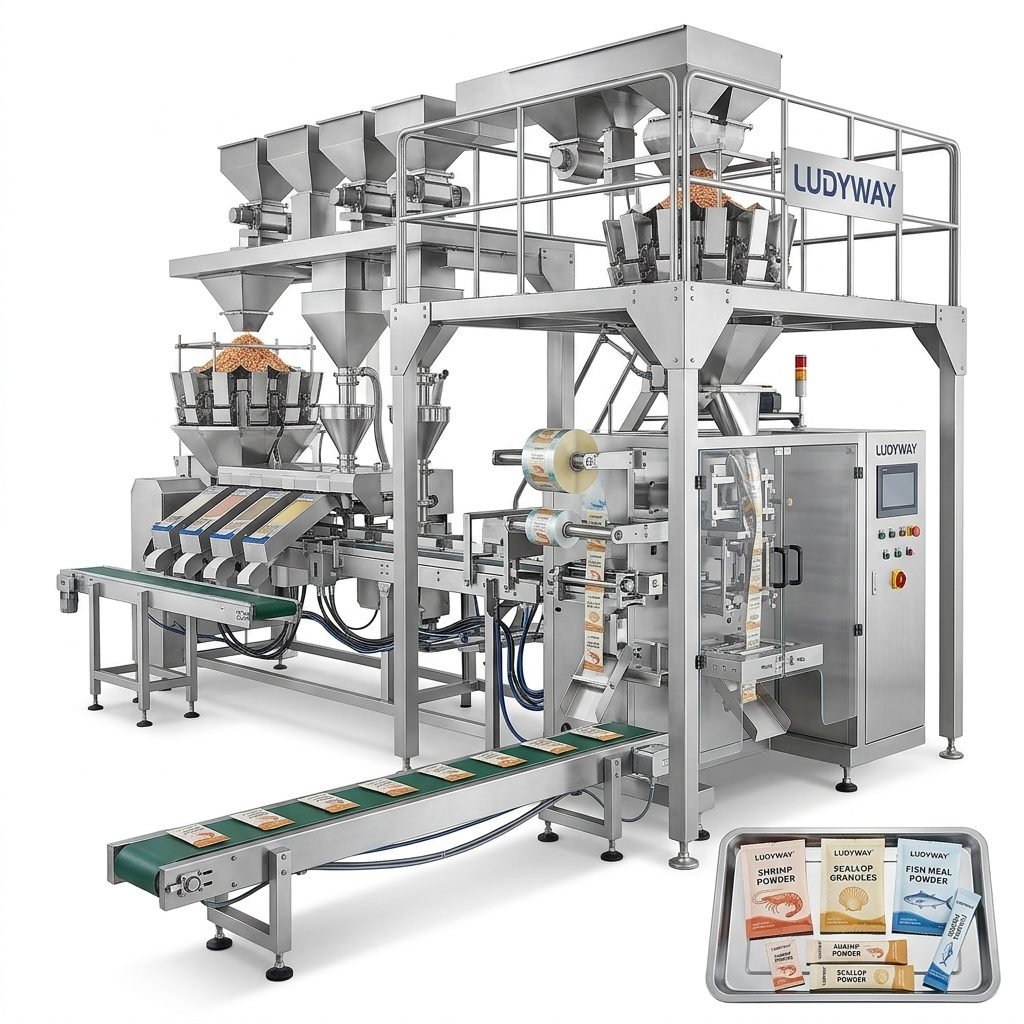
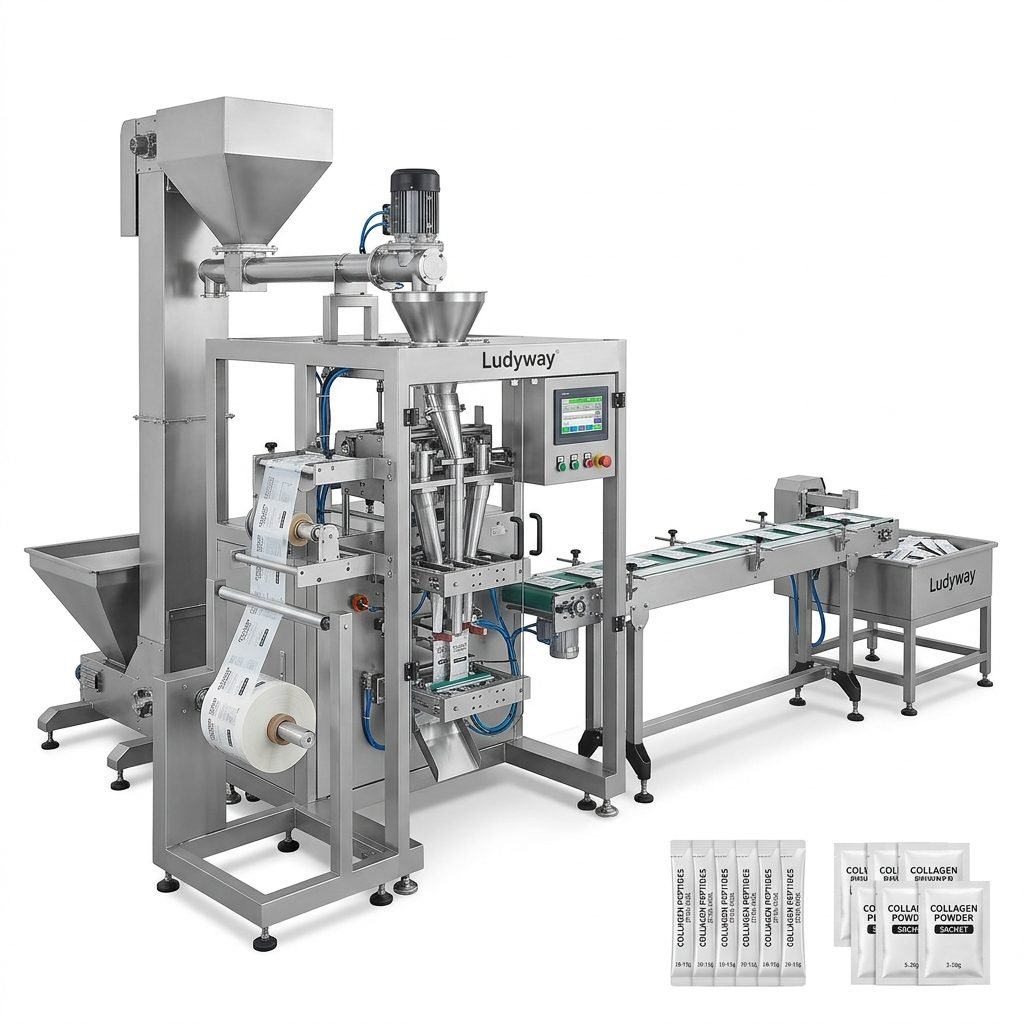
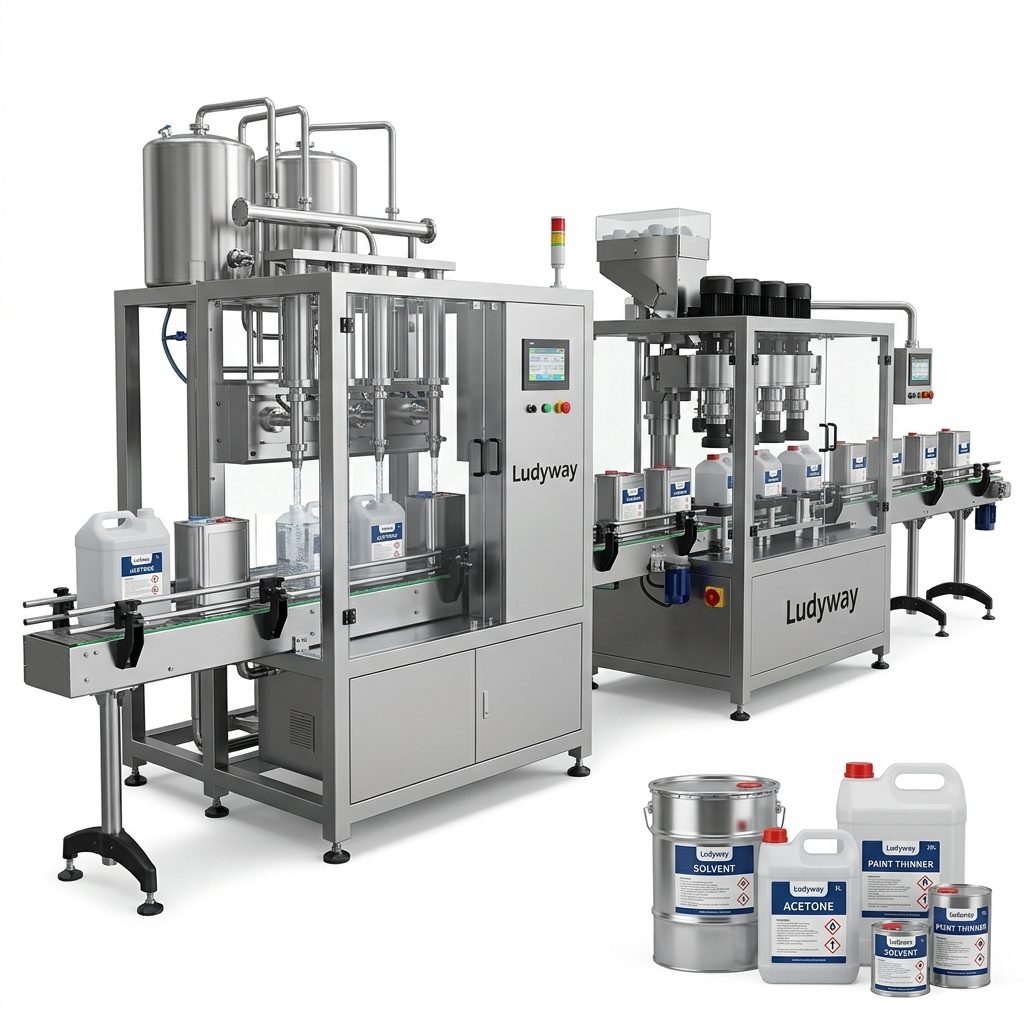
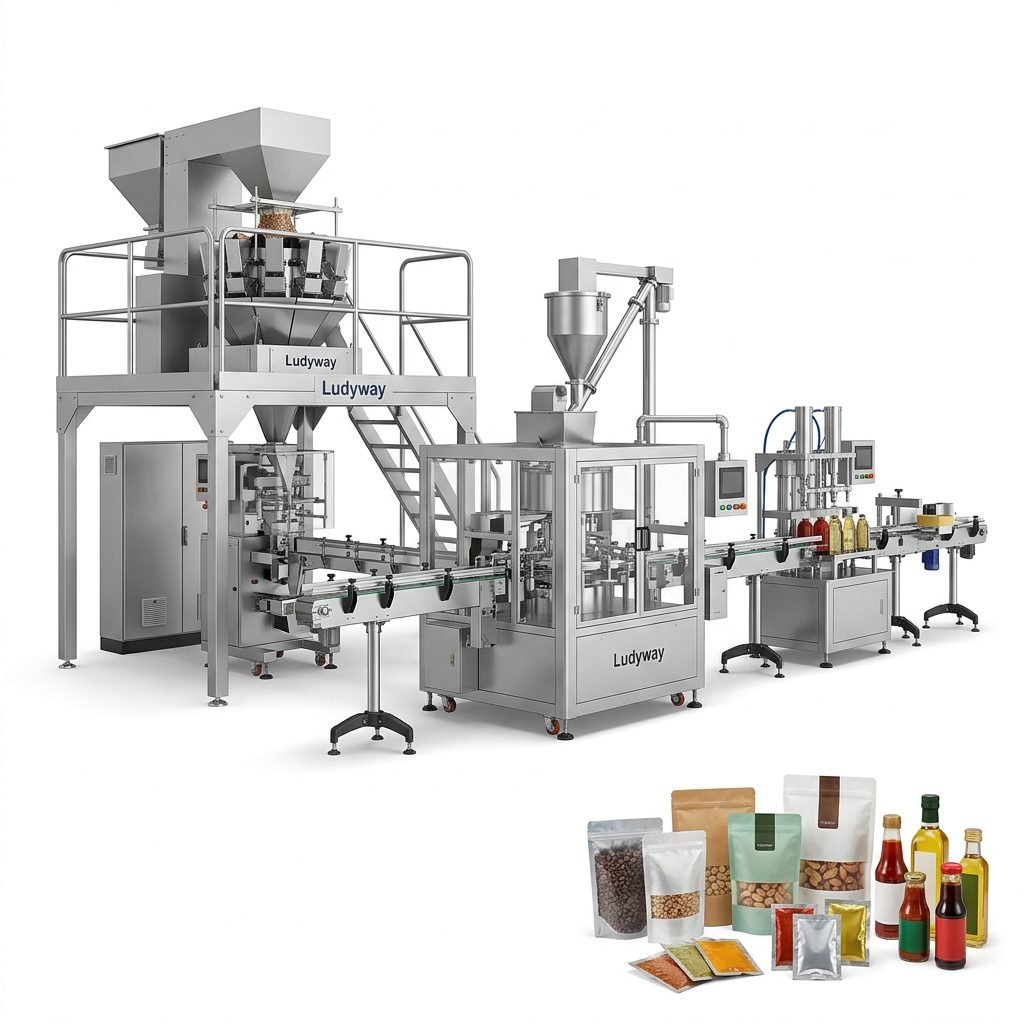
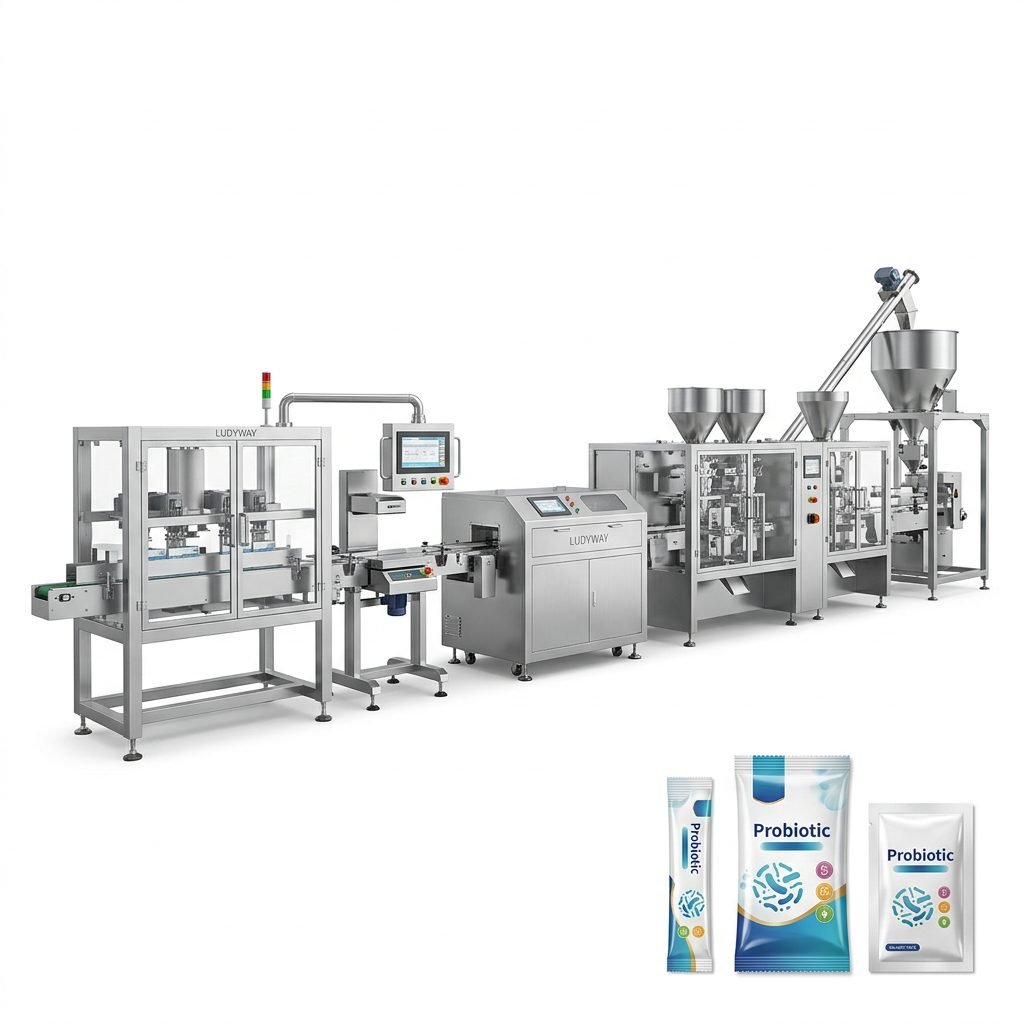
For instance, a Nepali spice company looking to package turmeric powder in single-serve sachets has vastly different needs than a pharmaceutical company packaging cold medicine granules in stick packs. A manufacturer like Ludyway, with its extensive range of over 50 models, is well-equipped to handle both scenarios with specialized equipment.

1. Assess Technical Expertise and Product Range
The manufacturer’s technical capability is paramount. Look for a company with a proven track record in your specific product category. Do they offer machines for your exact application?
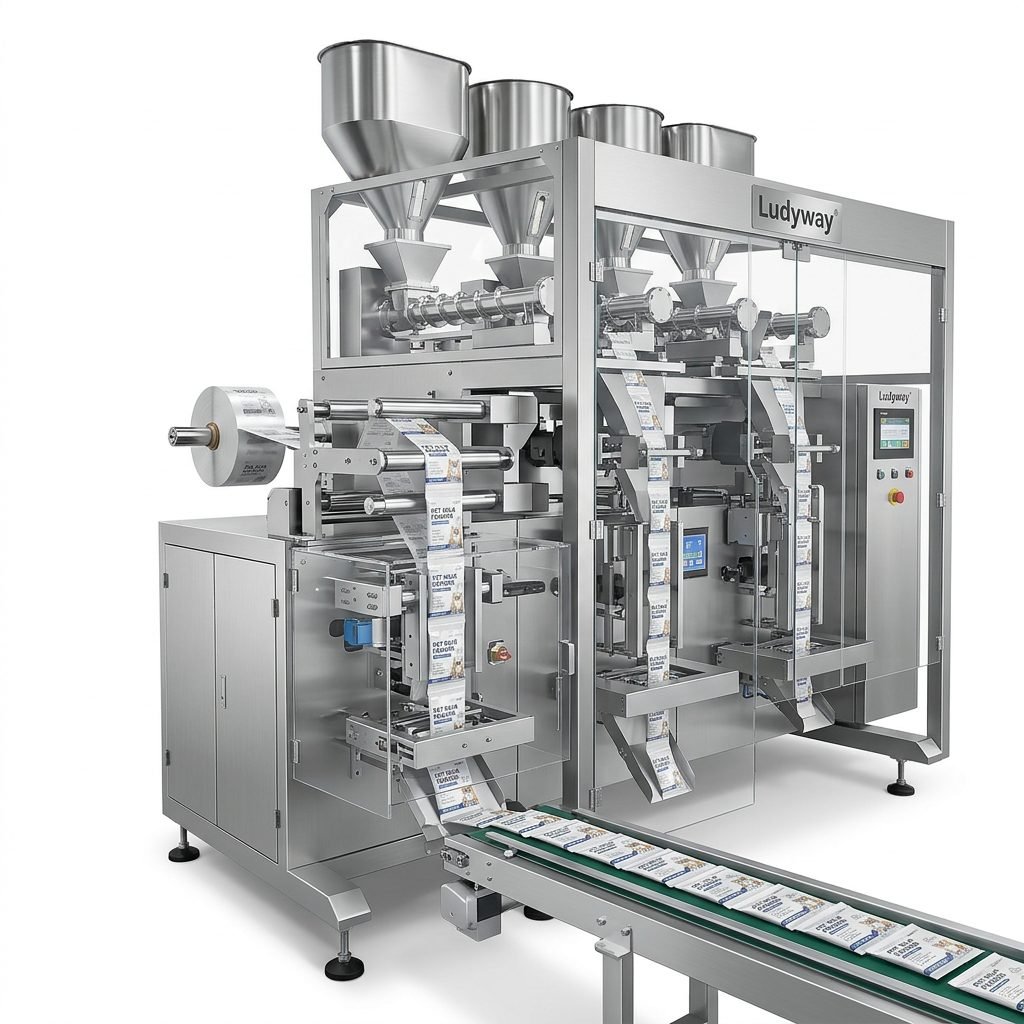
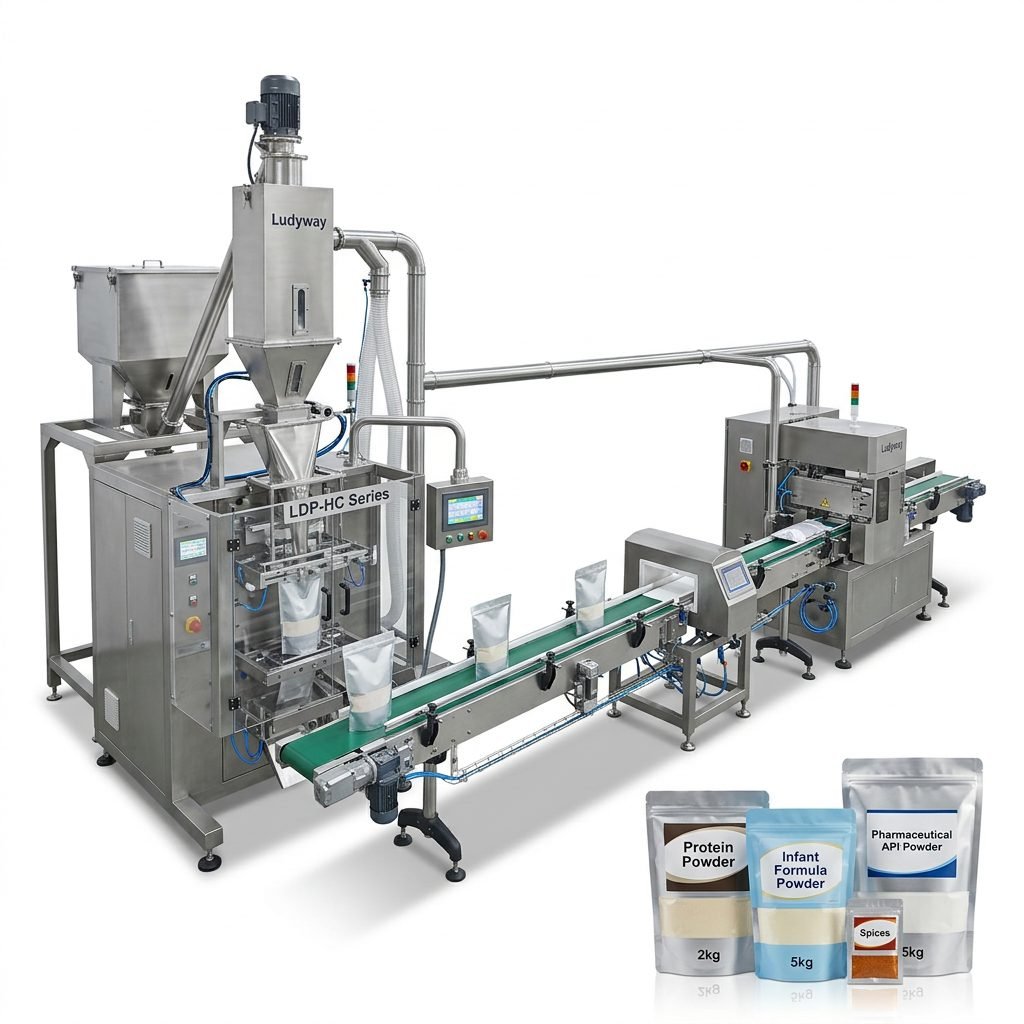
Leading manufacturers like Ludyway, Packmate Machinery, and PacklineOEM specialize in a wide array of solutions. For example, if you are in Nepal’s growing instant coffee or milk tea industry, you need a manufacturer with expertise in high-speed, multi-lane stick pack machines for powders. Similarly, a Ayurvedic or herbal medicine producer would require a manufacturer with experience in pharmaceutical-grade granule and powder packaging with strict hygiene standards.
2. Evaluate Manufacturing Capability and Quality
A manufacturer’s facility is a direct reflection of their commitment to quality. A modern manufacturing plant with advanced machinery indicates a capacity for precision engineering and consistent output.
Companies with substantial facilities, such as Ludyway’s 20,000㎡ modern production base, are often better equipped for rigorous quality control, timely production, and handling custom engineering requests. This is crucial for businesses in Nepal that cannot afford frequent downtime due to machine failure. Quality machinery ensures consistent seal integrity, accurate filling, and minimal product waste—key factors for cost-sensitive markets.

3. Prioritize After-Sales Support and Local Presence
This is arguably the most critical factor for businesses in Nepal. Geographical distance can be a challenge, making responsive and reliable after-sales support essential.
Essential support services include: Comprehensive machine installation and commissioning (often via video guidance or sending engineers). Availability of spare parts with a clear supply chain. Remote troubleshooting and technical support. On-ground service engineers or reliable local partners for urgent repairs. Operator and maintenance training programs.
While many top Chinese manufacturers, including PackingMachineOEM and SnusMachinery, serve global clients, it’s vital to inquire specifically about their support structure for South Asia or Nepal. A manufacturer’s willingness to provide training videos, detailed manuals in English, and a dedicated support contact can make a significant difference in your operational success.
4. Consider Customization and Scalability
Your packaging needs will evolve. The ideal manufacturer should not only meet your current specifications but also offer solutions that can grow with your business.
Can they customize the machine for your unique pouch size, shape, or filling technology? Do they offer modular designs that allow you to add features like date coding, checkweighing, or cartoning later? For Nepali entrepreneurs looking to scale from local to regional markets, partnering with a manufacturer that provides turnkey production line solutions is a strategic advantage. This ensures all components work seamlessly together as you increase capacity.

5. Analyze Cost-Effectiveness and ROI
The initial purchase price is just one part of the total cost of ownership. A cheaper machine that breaks down frequently or has high energy consumption will cost more in the long run.
Evaluate the Return on Investment (ROI) by considering: Machine efficiency and speed (output per hour). Energy consumption rates. Maintenance costs and spare part pricing. Expected machine lifespan and durability. Manufacturers like Ludyway, with decades of experience, often design machines for optimal energy use and longevity, providing better value over time. Request detailed case studies or references from businesses with similar profiles to understand real-world performance.
6. Check Industry Experience and Reputation
A manufacturer with specific experience in your industry will understand your regulatory, hygiene, and operational challenges intimately.
For example, a Nepali noodle or snack manufacturer should look for partners experienced in food-grade packaging with quick changeover capabilities for different flavors. A pharmaceutical company must prioritize manufacturers familiar with GMP (Good Manufacturing Practice) standards and clean-design machines. Review the manufacturer’s client portfolio, ask for testimonials, and if possible, visit existing installations or view video demonstrations of their machines running products similar to yours.

Why Partner with an Experienced International Manufacturer?
For Nepali businesses, partnering with an established international manufacturer like Ludyway or its peers offers distinct advantages. You gain access to globally tested technology, often at a more competitive price point than European or American brands, without significantly compromising on quality. These manufacturers have experience setting up successful operations in diverse markets, including developing economies with similar infrastructure considerations to Nepal. They can provide valuable insights into machine selection, factory layout, and production optimization tailored to your local context.
Final Steps: Making the Decision
Once you have shortlisted 2-3 manufacturers based on the above criteria, take these final steps:
Request Detailed Quotations: Compare not just price, but the complete scope of supply, warranty terms, and delivery timelines.
Ask for a Live Demo: Request a video conference to see a machine similar to your requirement running live. This allows you to assess noise levels, speed, and ease of operation.
Clarify Logistics and Import Process: Understand who handles freight, customs clearance in Nepal, and associated costs. A reliable manufacturer will guide you through this process.
Review the Contract Thoroughly: Ensure all specifications, payment terms, warranty, and support services are clearly documented.

Choosing the right packaging machine manufacturer is a strategic investment in your business’s future in Nepal. By focusing on technical expertise, robust support, and a proven track record in your specific industry, you can secure a partnership that drives efficiency, quality, and growth for years to come.
Frequently Asked Questions (FAQs)
What type of packaging machine is best for small businesses in Nepal?
For small to medium-scale operations, a versatile, semi-automatic or single-lane automatic machine is often ideal. It requires a lower initial investment, is easier to operate and maintain, and can handle lower to medium volumes effectively. Look for machines that allow easy changeovers for different products to maximize flexibility.
How important is after-sales service when importing machinery to Nepal?
It is critically important. Given the distance from manufacturing hubs, ensure your supplier offers comprehensive remote support (via video call), has a network of local technicians or agents, and guarantees the availability of spare parts. Downtime can be very costly, so reliable service is key to protecting your investment.
Can I get a customized machine for my unique Nepali product?
Yes, most reputable manufacturers like Ludyway and PackingMachineOEM offer customization services. This can include modifications to the feeding system, dosing mechanism, sealing jaws, or software to handle unique product characteristics, pouch sizes, or materials common in the Nepali market.
What is the typical lead time for delivery and installation in Nepal?
Lead times vary based on machine complexity and customization. For standard models, it can range from 30 to 90 days after order confirmation, including production and sea freight to a port like Kolkata, India. You must factor in additional time for customs clearance and inland transportation to your facility in Nepal. The manufacturer should provide a clear timeline.
Are there financing options available for purchasing packaging machines?
This depends on the manufacturer and your financial arrangements. Some large manufacturers may offer financing plans or work with trade finance institutions. It’s more common to arrange financing through your local bank in Nepal. Discuss payment terms (e.g., T/T, L/C) with the supplier early in the process to plan your cash flow accordingly.