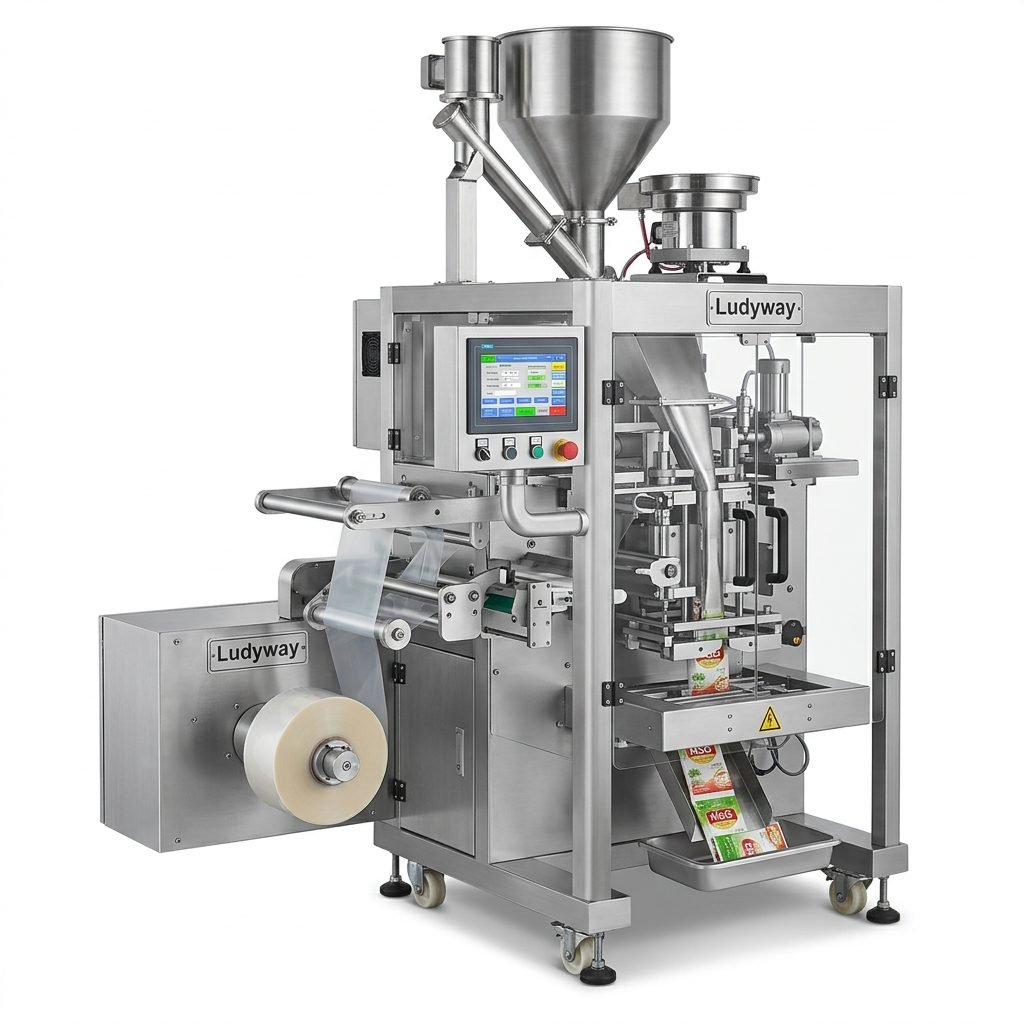
For businesses in Belarus looking to upgrade or establish their packaging operations, selecting the right equipment manufacturer is a critical strategic decision. The local market, comprising food producers, pharmaceutical companies, and agricultural suppliers, demands machinery that is not only reliable and efficient but also adaptable to specific regional needs and logistical considerations. Partnering with a manufacturer who understands these nuances can significantly impact your production efficiency, product quality, and long-term profitability.
Understanding Your Specific Packaging Needs in Belarus
Before beginning your search, it’s essential to conduct a thorough internal assessment. Belarusian manufacturers often deal with a range of products from dairy and meat to pharmaceuticals and industrial chemicals. Define your primary product type: is it granules, powders, liquids, or a combination? Consider your required output speed, packaging format (such as sachets, stick packs, or pouches), and any strict regulatory compliance needed, especially for food and pharma sectors. A clear specification sheet will serve as your roadmap when evaluating potential partners like Ludyway or other specialized manufacturers.

Key Factor 1: Technical Expertise and Product Range
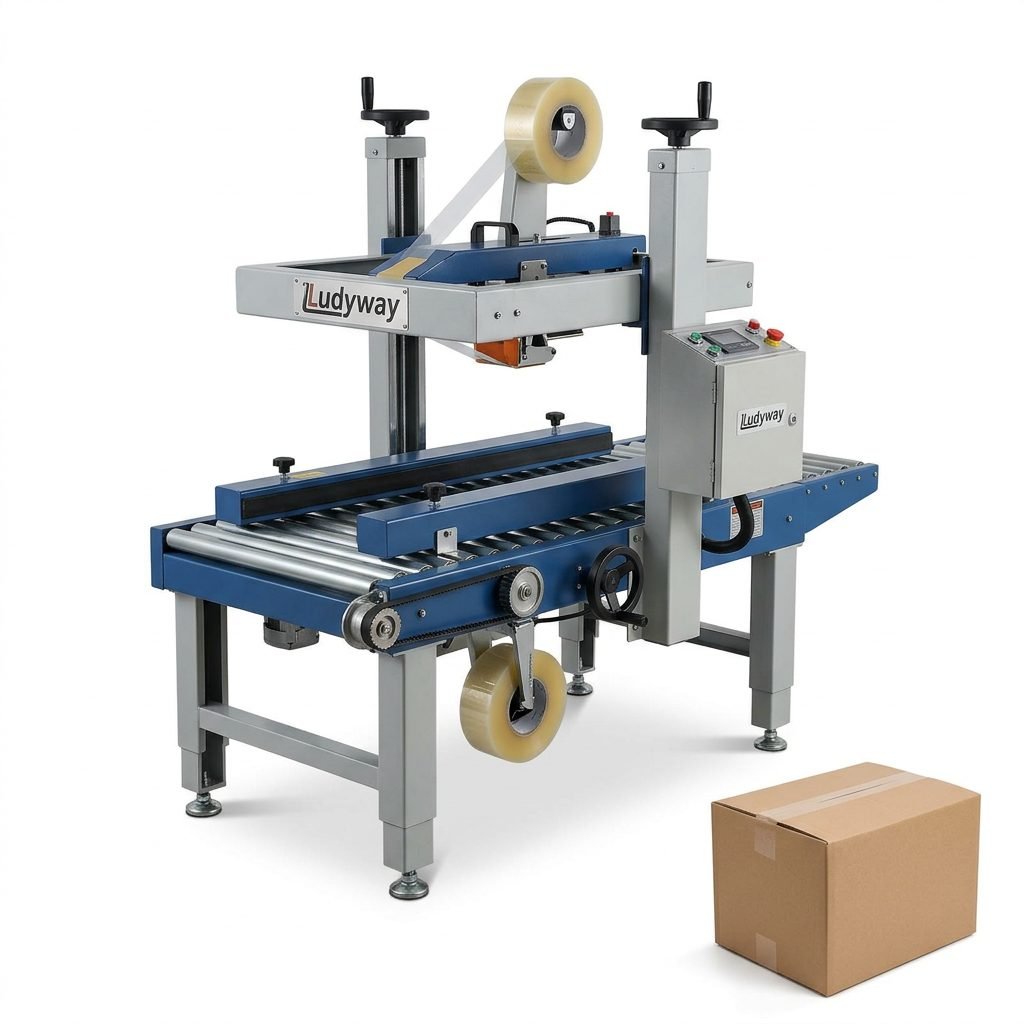
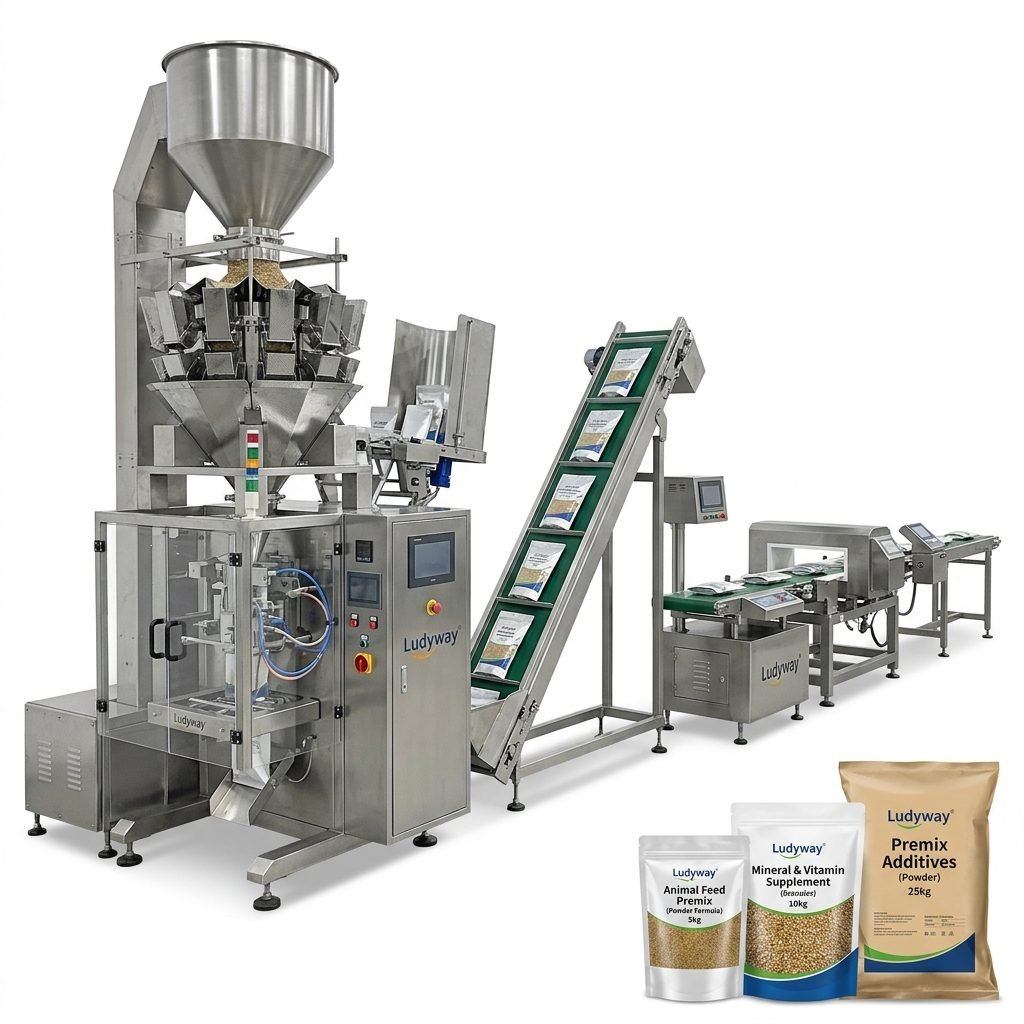
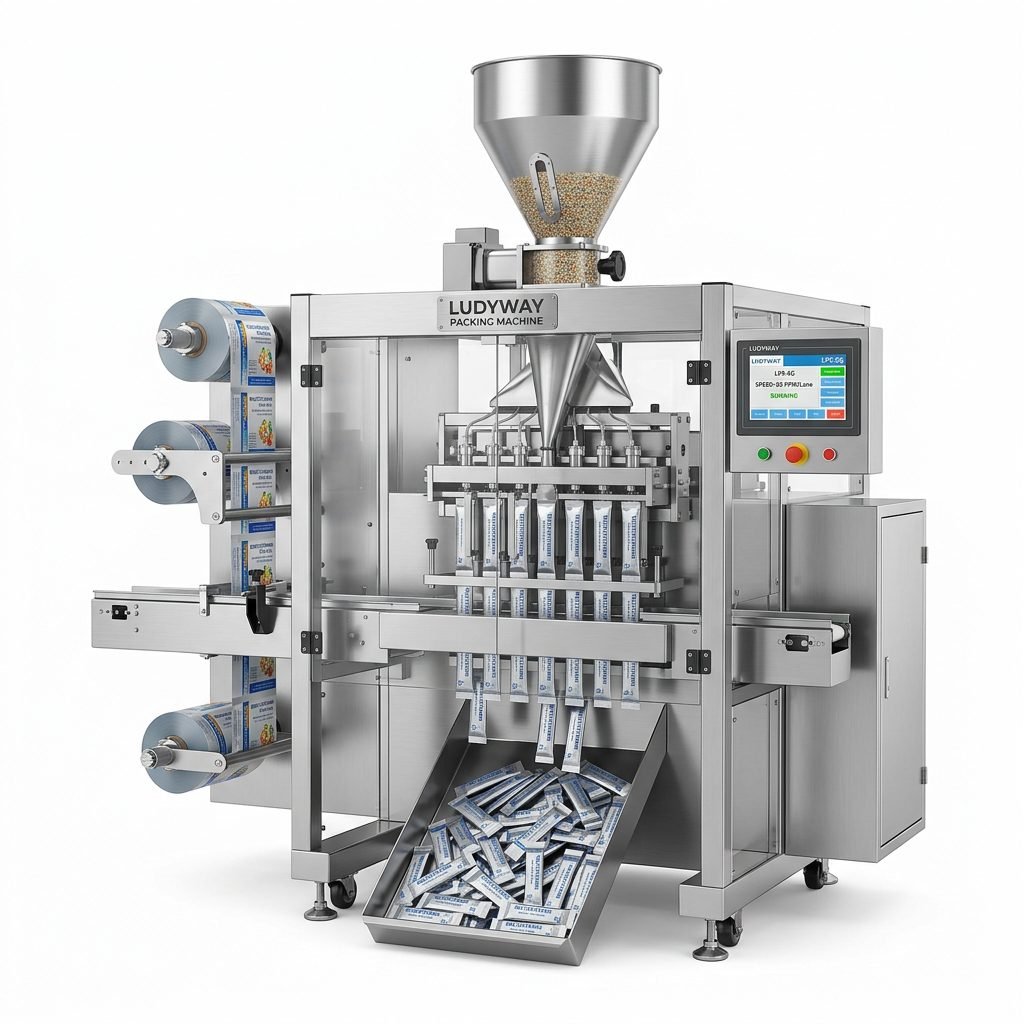
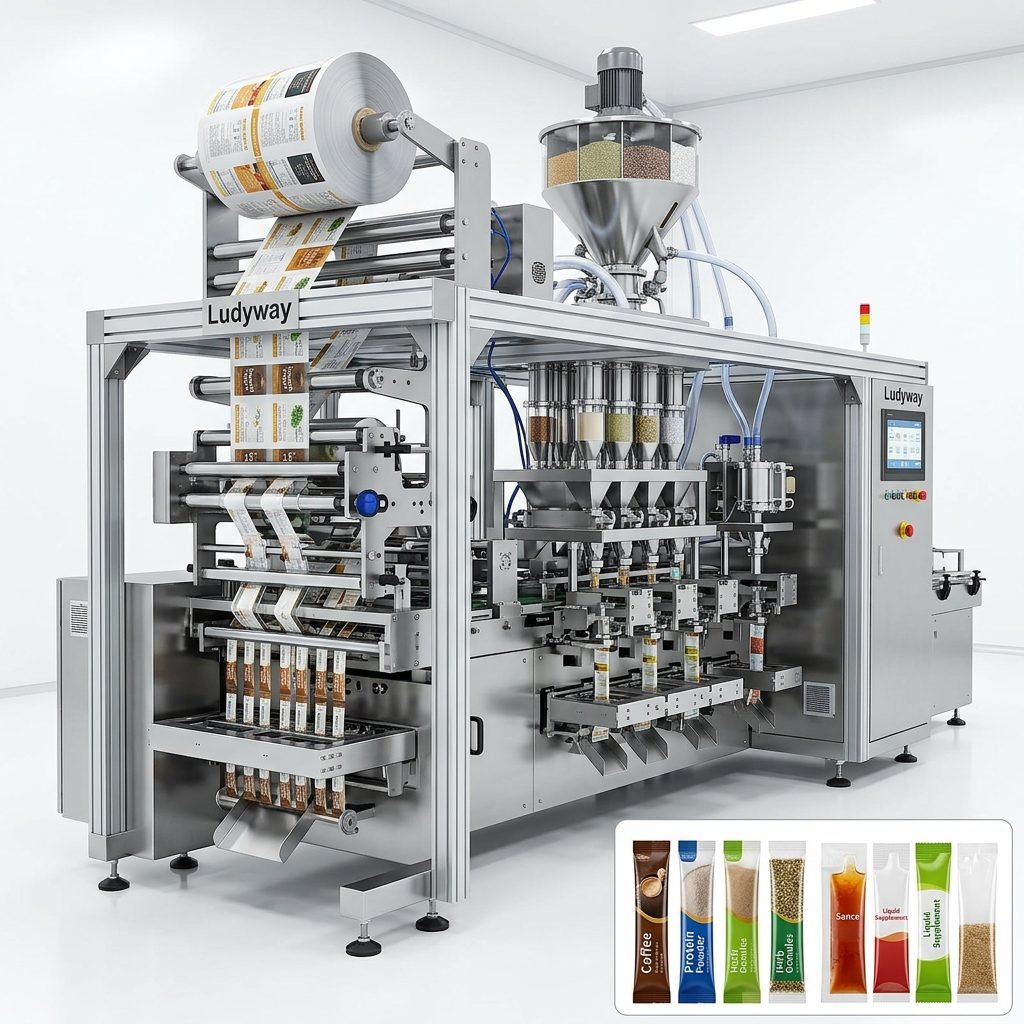
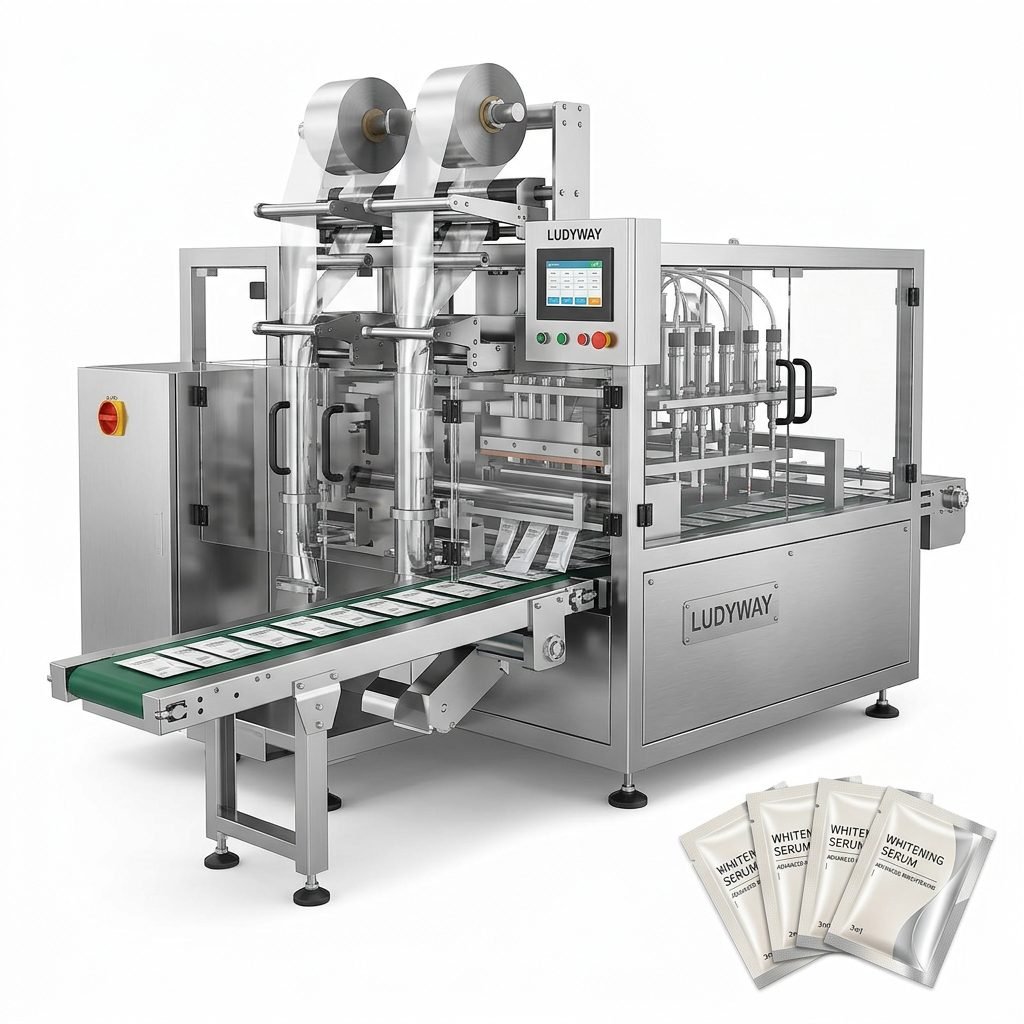
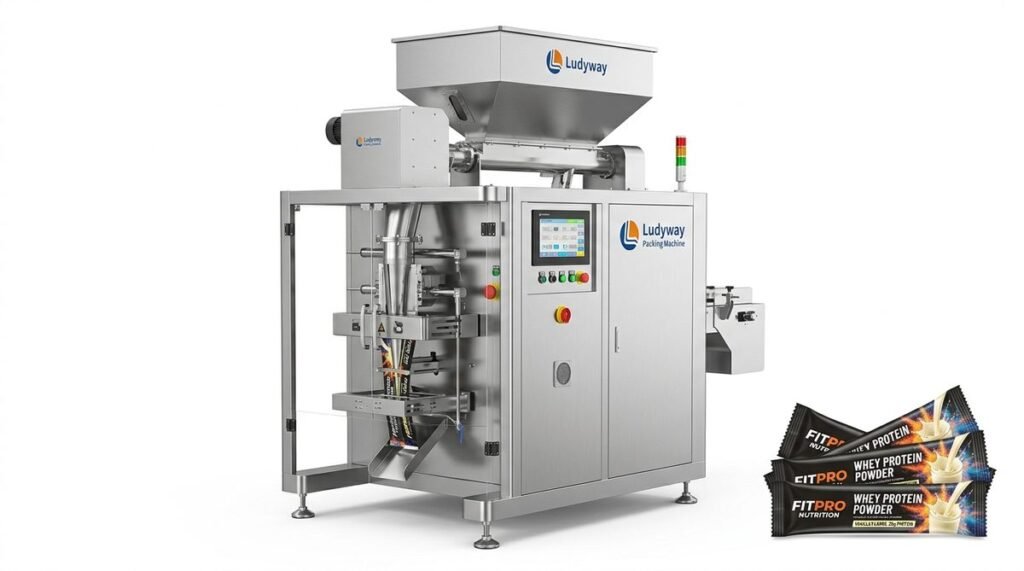
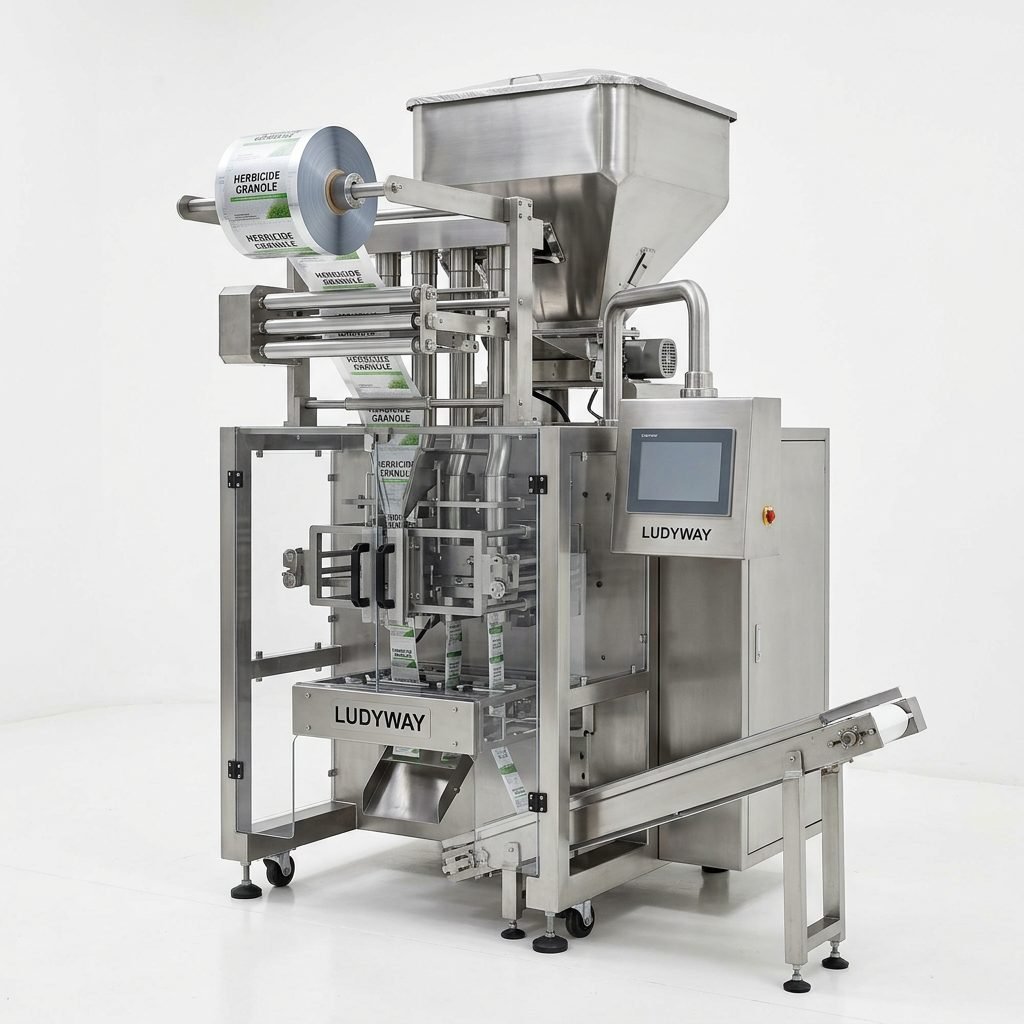
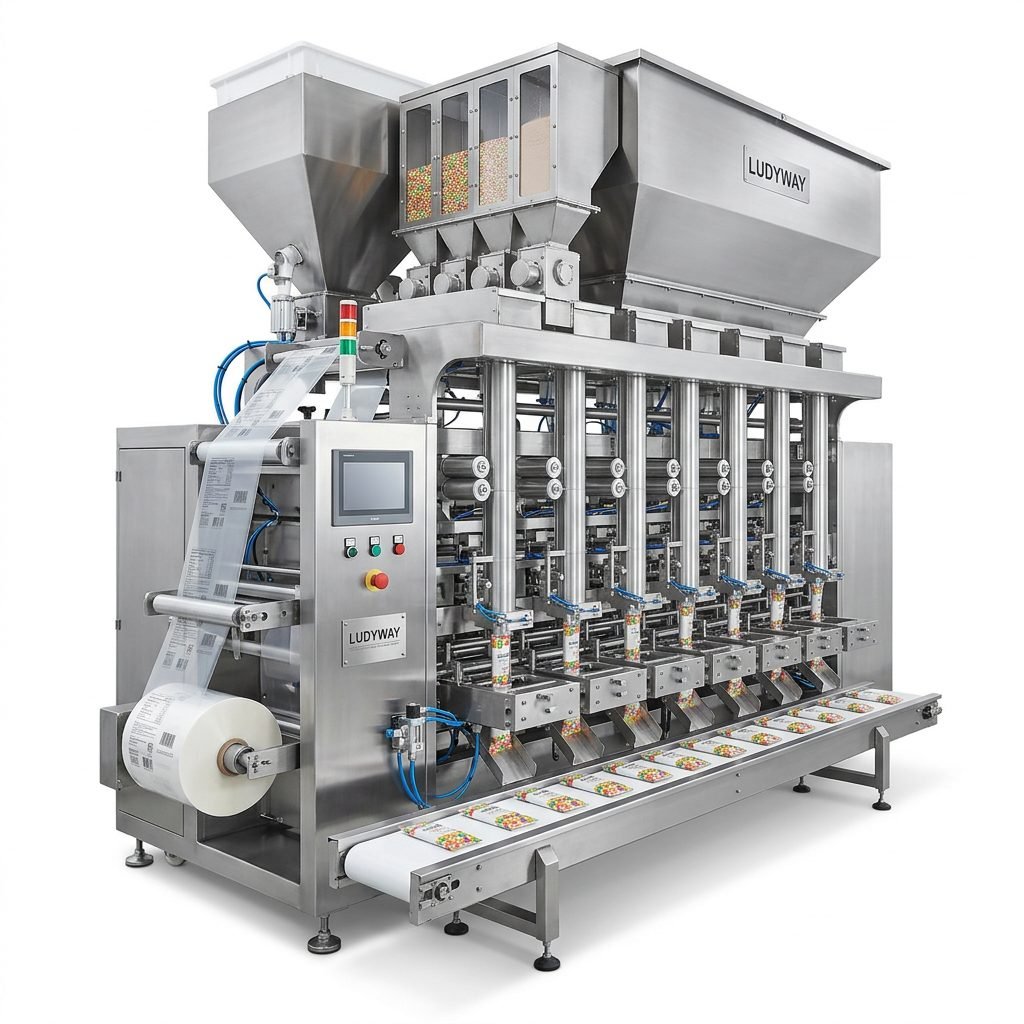
The core of any partnership lies in the manufacturer’s technical capability. Look for a company with a proven track record in your specific industry. For instance, Ludyway, with over 30 years of experience, offers more than 50 intelligent packaging machine models, including multi-lane stick pack and sachet systems, which are highly relevant for high-volume consumer goods production. Evaluate if their standard machine portfolio includes the technology you need, or if they have the engineering prowess to provide customized or turnkey solutions. A broad range indicates deeper expertise and the ability to scale with your future needs.
Pro Tip for Belarusian Buyers: Given the diverse industrial base, prioritize manufacturers who have successfully implemented solutions for similar product types (e.g., dairy powders, instant drinks, or agricultural additives) in climates and operational environments comparable to Belarus.
Key Factor 2: Manufacturing Capability and Quality Control
A manufacturer’s facility is a direct reflection of their commitment to quality. Inquire about the size of their production plant, the modernity of their machining equipment, and their quality control protocols. A manufacturer like Ludyway operates from a modern 20,000㎡ facility, which supports consistent production quality and timely delivery. For Belarusian companies, ensuring the machinery is built to robust standards is crucial for withstanding continuous operation and minimizing costly downtime. Don’t hesitate to ask for factory audit reports or certifications relevant to your industry.

Key Factor 3: After-Sales Support and Local Service Network
This is arguably the most critical factor for international procurement. The geographical distance between Belarus and manufacturing hubs means responsive support is non-negotiable. Evaluate the manufacturer’s after-sales service structure. Do they offer comprehensive training, detailed documentation, and remote troubleshooting? What is their policy on spare parts availability and delivery times to Eastern Europe? While direct local offices are ideal, a strong network of regional agents or partners can be equally effective. Reliable support ensures your packaging line maintains peak performance long after installation.
Key Factor 4: Cost-Effectiveness and Total Value
While initial purchase price is important, the total cost of ownership (TCO) is a more accurate measure of value. This includes energy efficiency, maintenance costs, expected lifespan, and potential for future upgrades. Chinese manufacturers like Packmate Machinery, PacklineOEM, and PackingMachineOEM are often competitive on price while offering advanced technology. However, it’s vital to balance cost with the reliability and support discussed earlier. A slightly higher initial investment in a machine from a reputable supplier can lead to far greater savings in operational efficiency and reduced waste over time.
Comparing Your Options: A Quick Guide
When shortlisting, create a comparison matrix. Include columns for: Core Technology (e.g., multi-lane filling accuracy), Industry Experience (specific to your sector), Service Support Level, Lead Time, and Warranty Terms. This visual aid makes it easier to weigh the strengths of different suppliers, from generalists like Ludyway to niche specialists like SnusMachinery for oral tobacco and nicotine products.
Key Factor 5: Reputation and Client References
Independent verification is key. Research the manufacturer’s reputation online through case studies, testimonials, and industry forums. Most importantly, ask for client references—specifically from businesses with a similar profile to yours or, ideally, from within the CIS region. Speaking directly to a current user will provide invaluable insights into the machine’s real-world performance, the company’s reliability, and the quality of their post-installation support. A manufacturer confident in their work, such as one serving customers in over 100 countries, will readily provide these contacts.

Practical Tips for the Selection Process
Once you’ve narrowed down your list based on the key factors, follow these practical steps:
1. Request Detailed Proposals: Provide your exact specifications and request a formal quotation that includes machine specifications, delivery terms (FOB, CIF), payment schedule, and a clear breakdown of all costs.
2. Arrange a Virtual or On-Site Factory Tour: Seeing the production facility in action, even via a live video call, is invaluable. It allows you to assess build quality, workshop organization, and scale.
3. Discuss Logistics and Customs Clearance: Work with the supplier to understand the shipping process to Belarus, incoterms, and required documentation to ensure a smooth customs clearance in Minsk or at the border.
4. Clarify Installation and Commissioning: Determine if the price includes installation supervision by their engineers. If not, plan for this cost and the potential need for local technical assistance.

Common Questions (FAQs) When Sourcing from Abroad
Q1: How do we handle machine maintenance and repairs from such a distance?
A: Reputable manufacturers offer remote support via video call, maintain a stock of critical spare parts, and can dispatch engineers if necessary. Discuss their specific service level agreement (SLA) for Belarus.
Q2: Are the machine manuals and software available in Russian or English?
A: Most international suppliers provide documentation in English. Confirm this during negotiations. Some may offer translated interfaces or manuals for an additional fee.
Q3: What about voltage and electrical standards compatibility?
A: Machinery can be manufactured to match Belarus’s 220V/50Hz electrical standard. This must be explicitly stated in your purchase order and technical specifications.
Q4: Can the machine be adapted for different packaging materials we source locally?
A: Yes, a key advantage of working with experienced engineers is their ability to configure machines for a range of films and laminates. Provide samples of your intended packaging material for testing.
Q5: What is the typical lead time from order to delivery in Belarus?
A: Lead times vary based on machine complexity and customization. For standard models, it can range from 30 to 90 days, plus shipping time. Always get a written commitment on the delivery schedule.