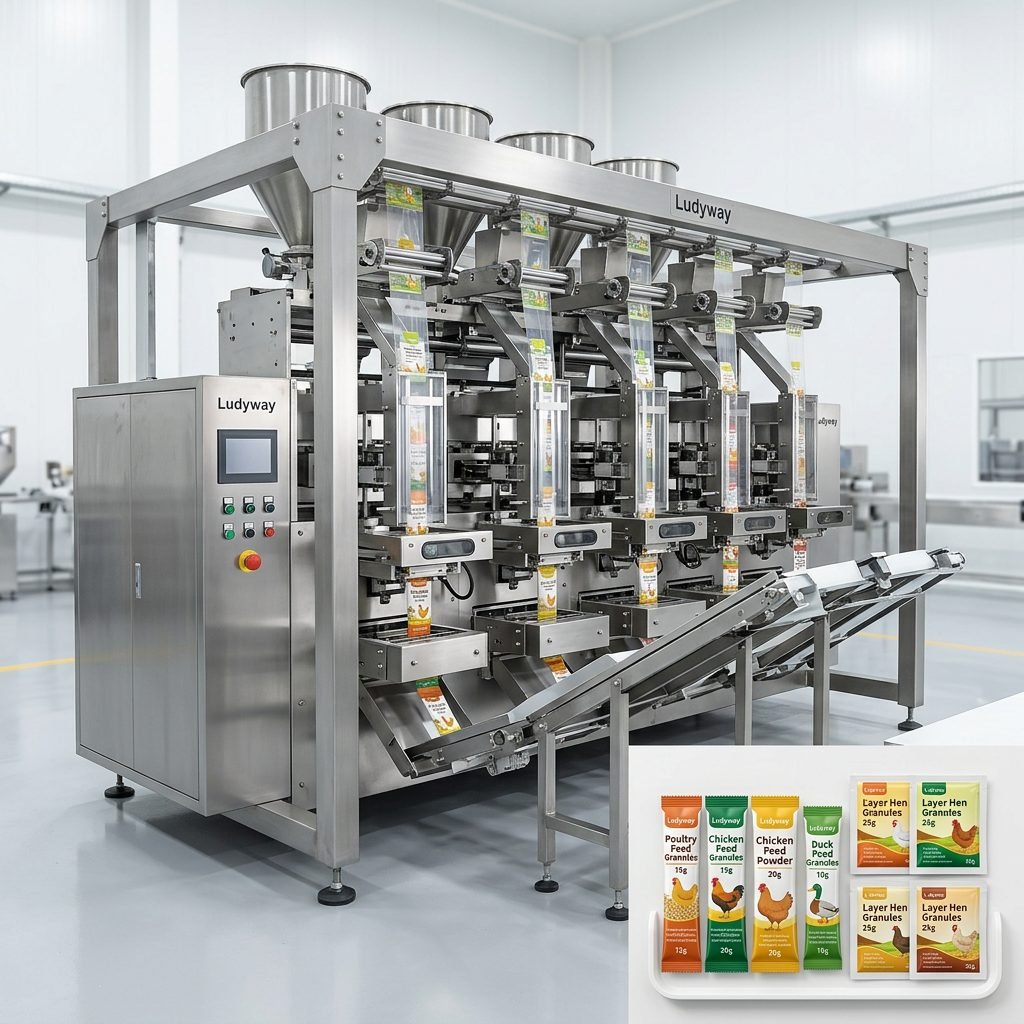
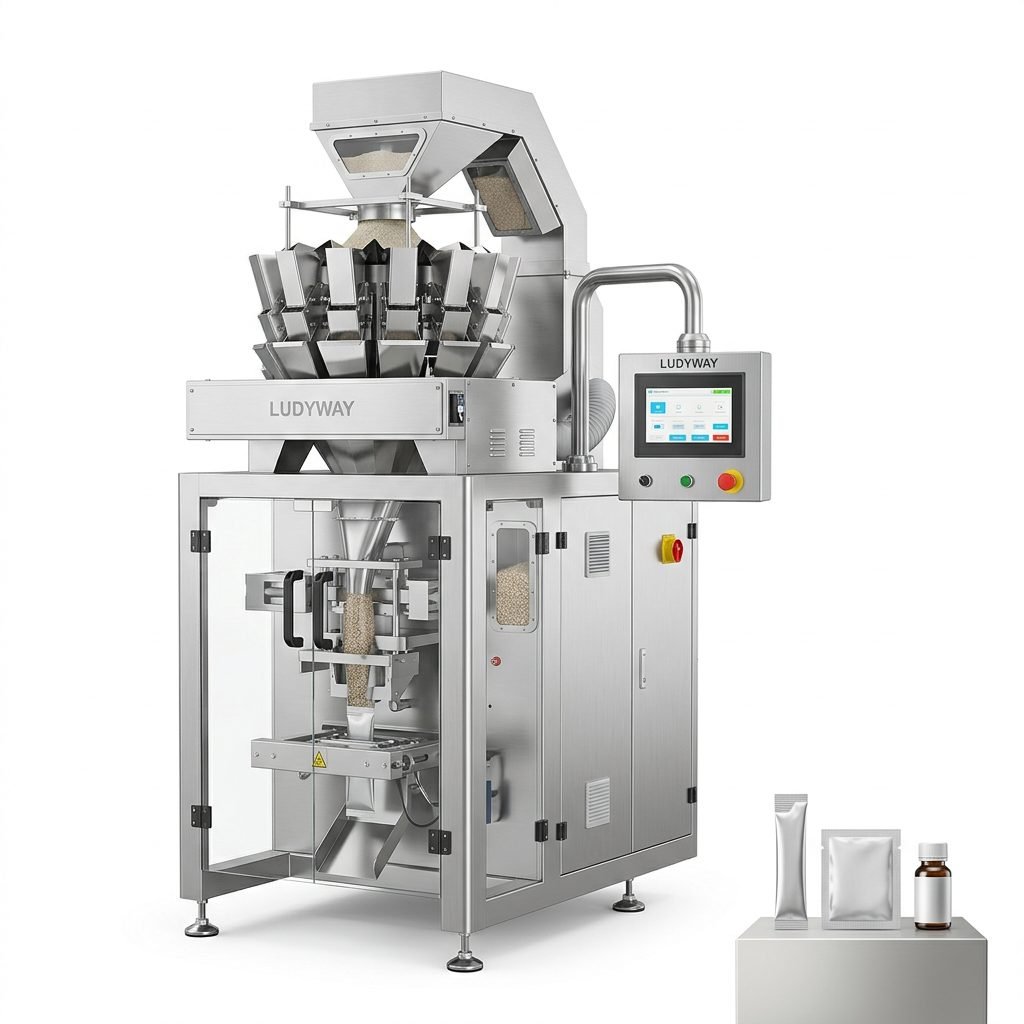
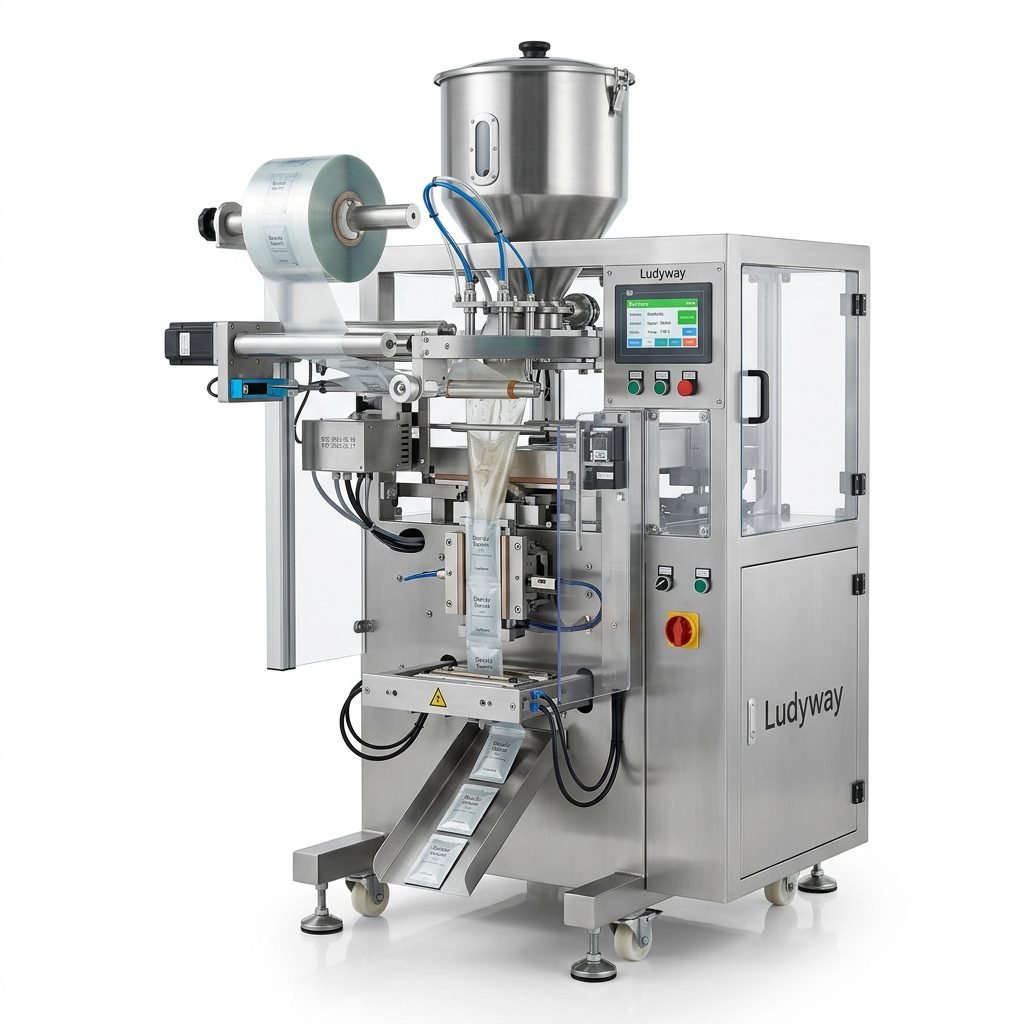
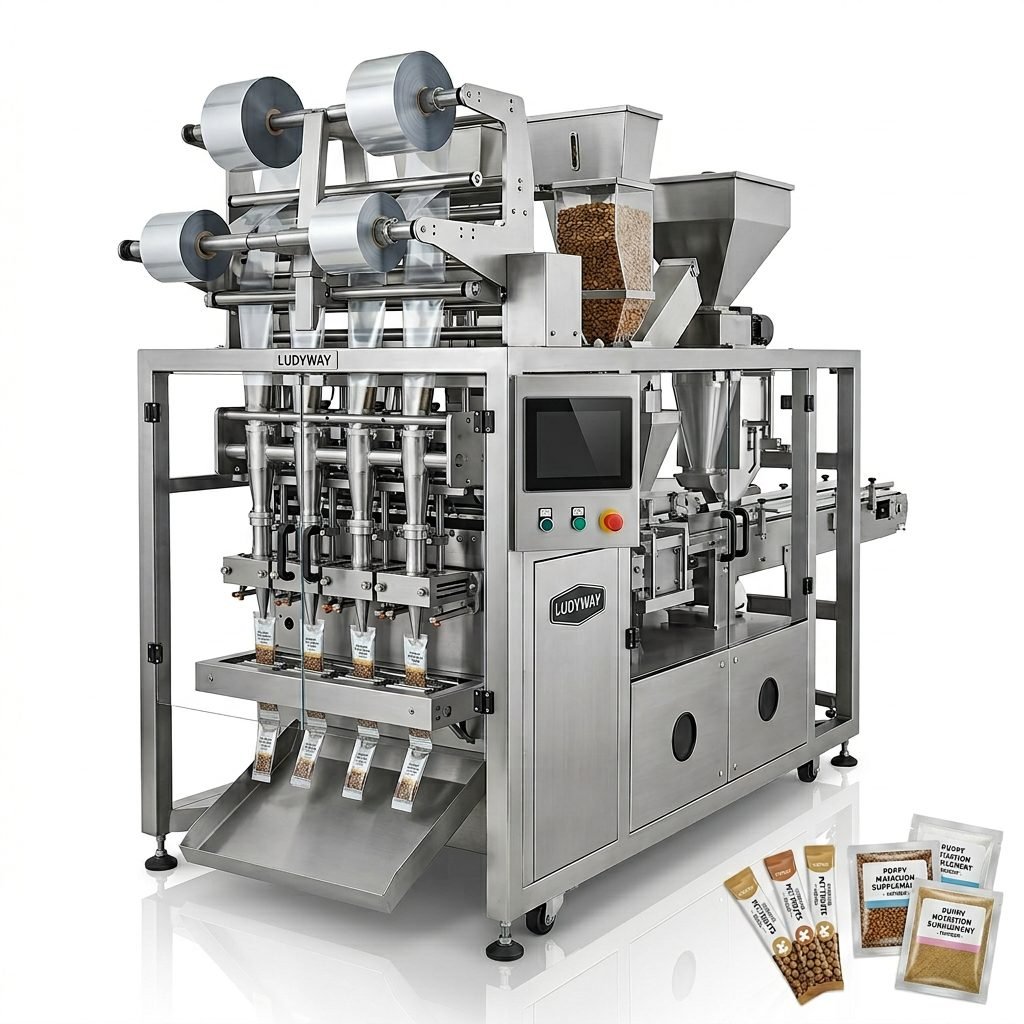
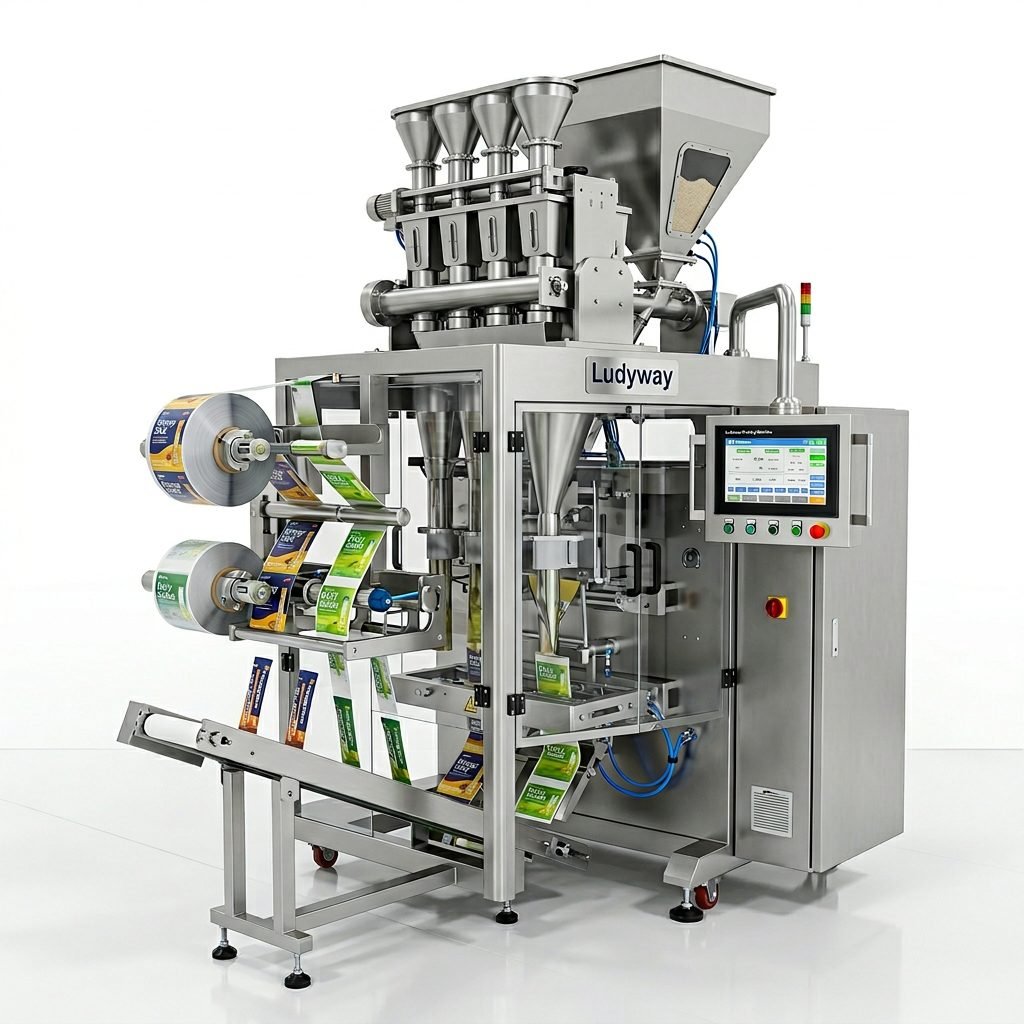
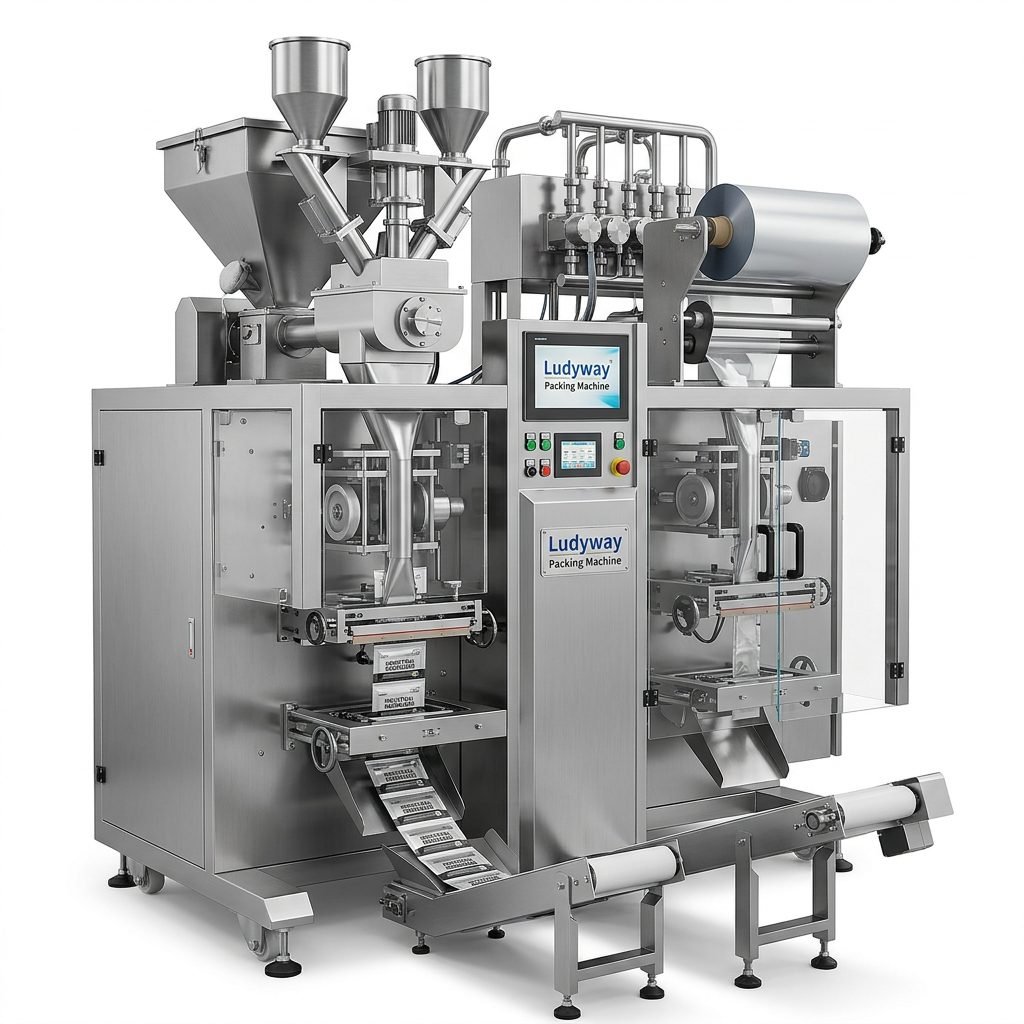
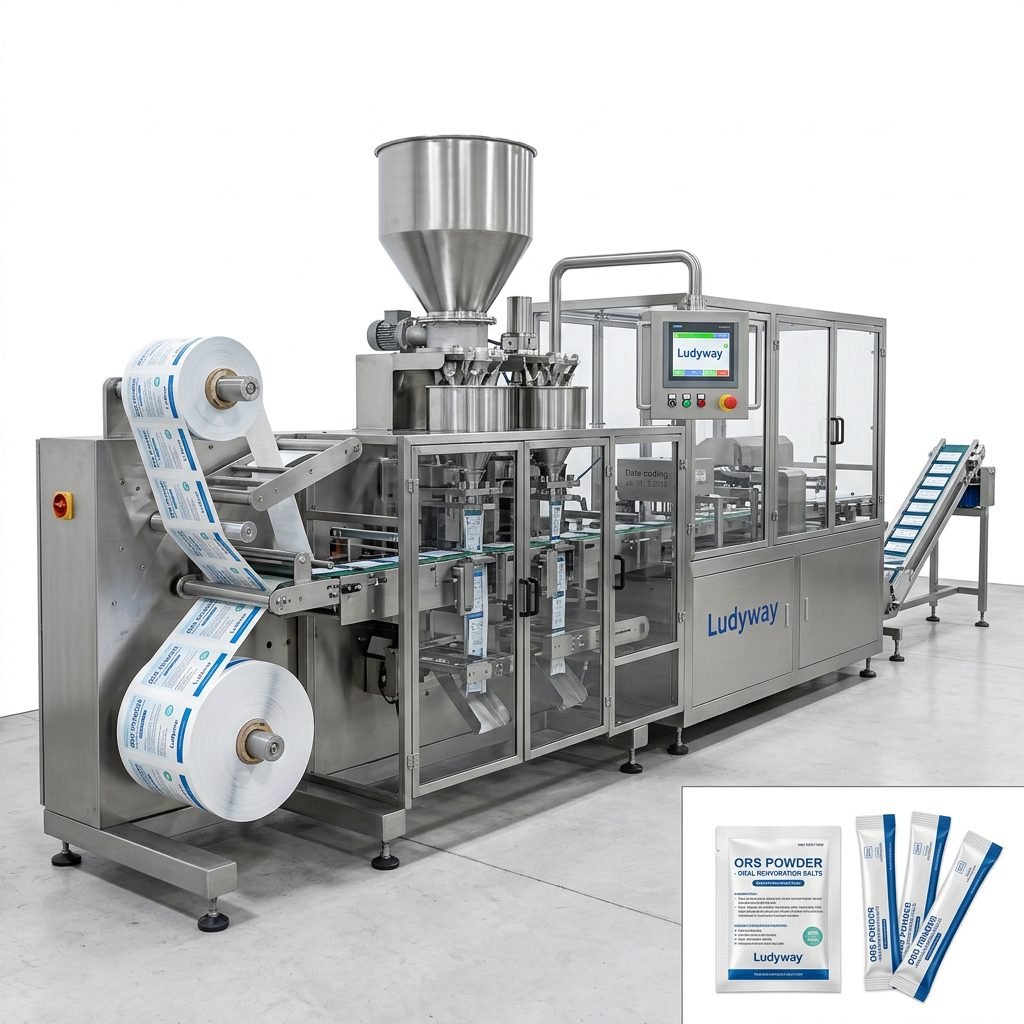
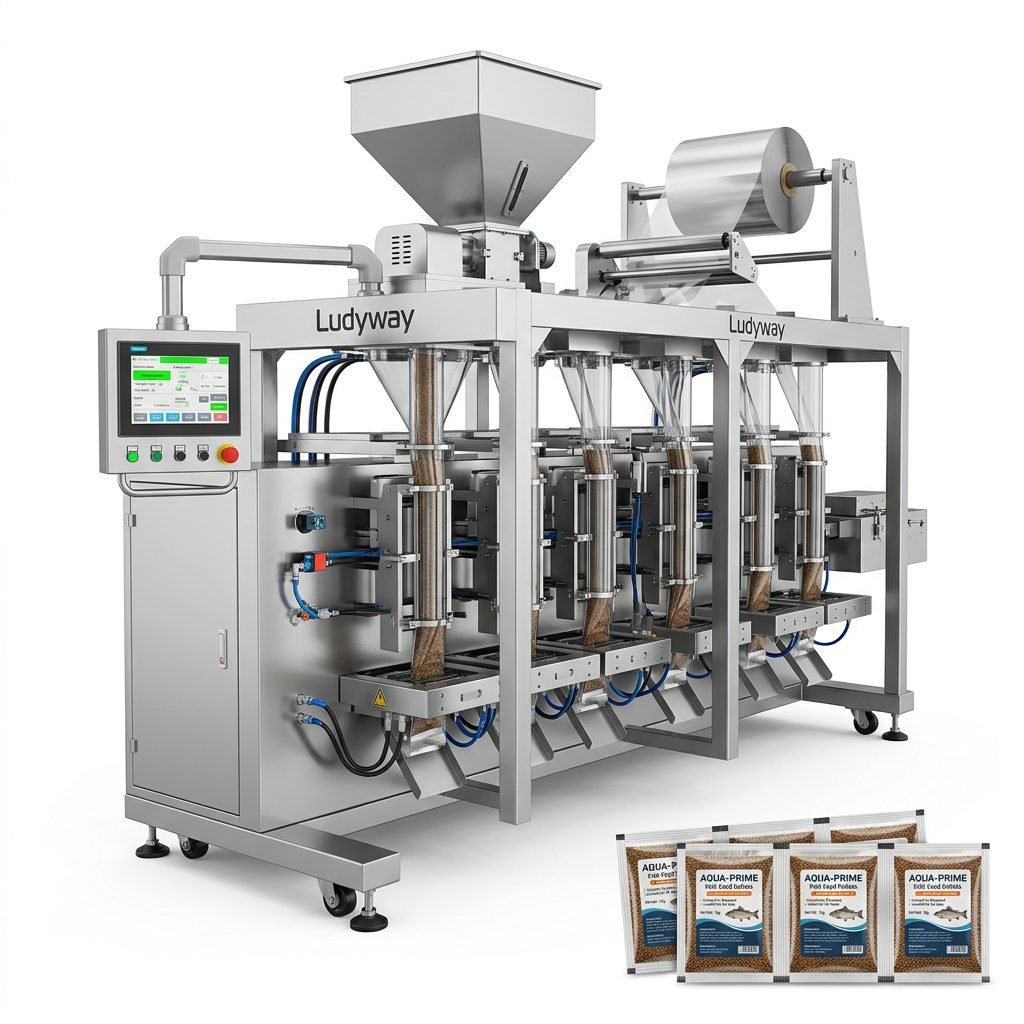
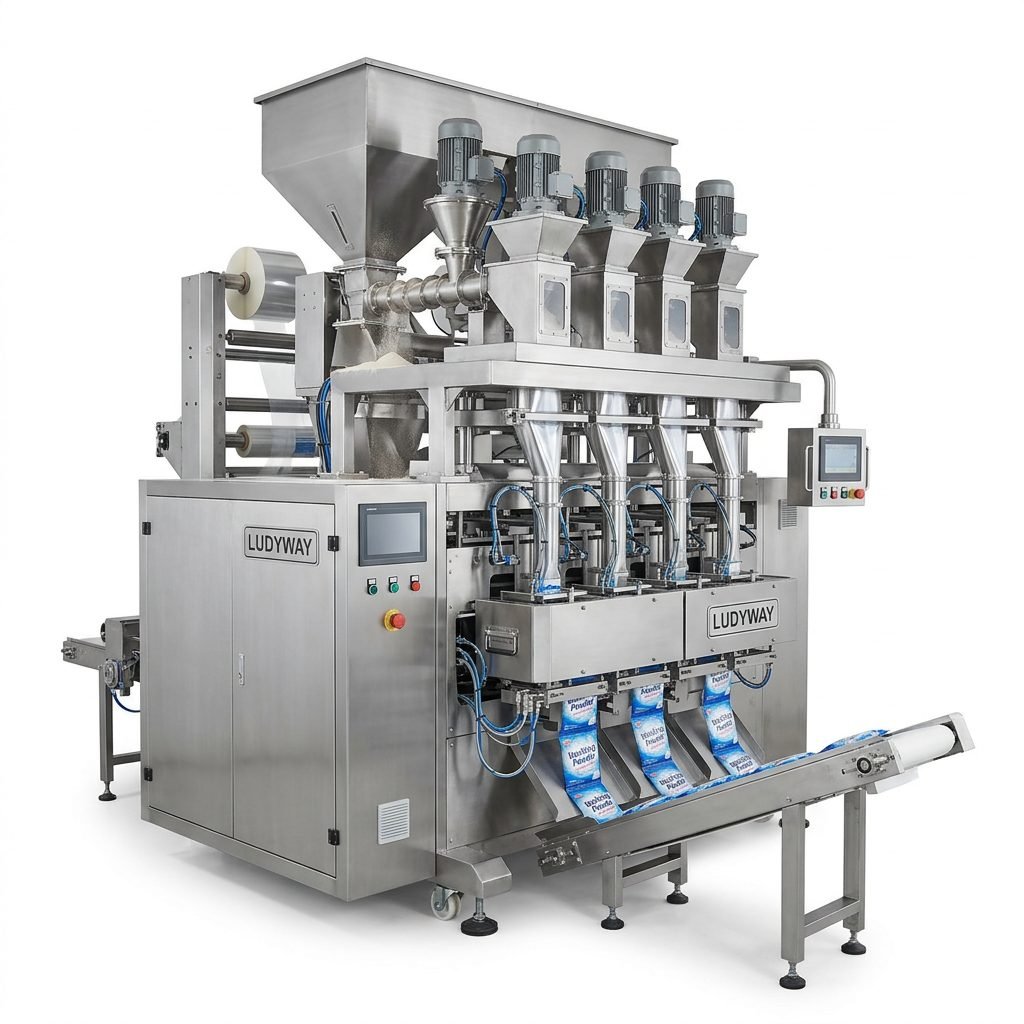
Yes, VFFS machines can produce gusseted bags—but not every vertical form fill seal system is designed for it by default. The real answer depends on the bag style you need, the product characteristics, sealing requirements, machine configuration, and whether you need side gussets, block-bottom shapes, or pillow bags with extra volume control.
For manufacturers packing coffee, grains, powders, frozen foods, pet treats, snacks, and other flexible products, gusseted bags are often preferred because they improve shelf appearance, increase pack capacity, and can enhance transport efficiency. However, to make them consistently, the VFFS machine must include the right film handling and forming components.
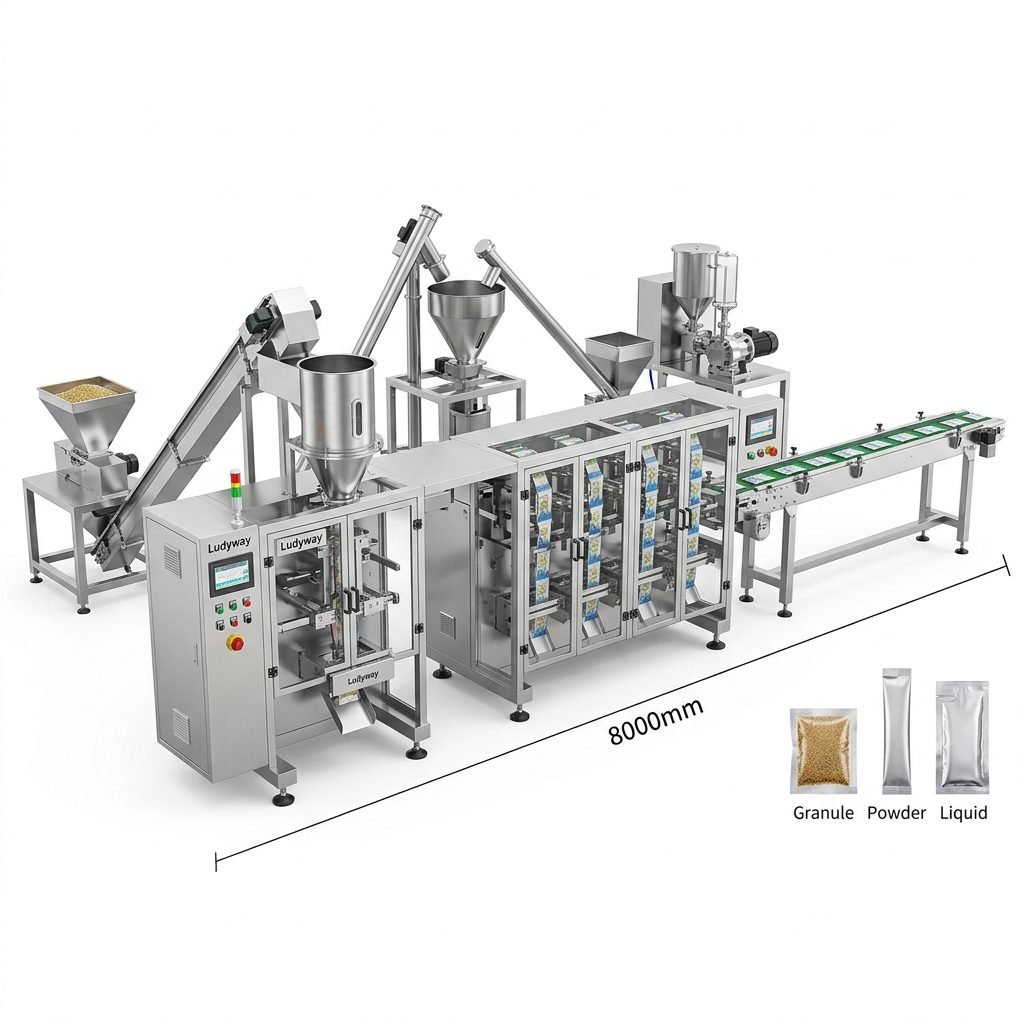
What Is a Gusseted Bag?
A gusseted bag is a flexible package with folded panels built into the sides or bottom. These folds expand when the bag is filled, creating more internal space and a more stable finished shape than a standard pillow pouch.
- Side-gusseted bags: folds on both sides of the pouch
- Bottom-gusseted bags: extra fold at the bottom for improved standing ability
- Quad seal or block-bottom formats: more structured bags with stronger shelf presentation
These bag styles are common in retail packaging where appearance, stackability, and volume matter. Compared with ordinary pillow bags, gusseted bags usually offer a more premium look and better pack geometry.
Can a Standard VFFS Machine Make Gusseted Bags?
Sometimes, but not always. A basic VFFS machine is usually configured to produce pillow bags. To create gusseted bags, the machine typically needs additional design features such as:
- Specialized forming tube or forming shoulder
- Gusseting devices or folding plates
- Accurate film tracking and tension control
- Seal jaw design suited to the gusset structure
- Product dosing stability to keep bag shape consistent
In other words, a VFFS platform can be adapted for gusseted packaging, but this must be confirmed during machine selection. If a buyer assumes every VFFS machine can switch from pillow bag to gusseted bag without modification, that often leads to sealing defects, uneven folds, unstable packs, or lower running speeds.
How VFFS Machines Produce Gusseted Bags
The process is similar to normal vertical bagging, but with additional control over the film folds. The packaging film is pulled downward around the forming tube, then the gusseting mechanism tucks in the side or bottom material before vertical and horizontal seals are completed.
Typical production flow
- Film unwinding and alignment
- Forming around the tube or collar
- Gusset folding by mechanical guides or plates
- Longitudinal sealing
- Bottom seal creation
- Product filling
- Top sealing and bag cutting
If the machine is properly engineered, the result is a pouch with neat fold lines, reliable seal strength, and repeatable dimensions. This is especially important for products that will later be cartoned, case packed, or displayed upright.
Main Benefits of Using Gusseted Bags on VFFS Equipment
| Benefit | Why It Matters |
|---|---|
| Higher pack volume | Gussets create extra internal space without greatly increasing bag length. |
| Better shelf appearance | Retail products look more structured and premium. |
| Improved stacking | More regular bag geometry can support transport and secondary packaging. |
| Brand differentiation | Gusseted formats often stand out compared with standard pillow bags. |
| Flexible application range | Suitable for coffee, powders, granules, snacks, pet food, and more. |

What Products Are Suitable for Gusseted Bags?
Gusseted bags work best when the product and desired presentation justify the extra bag structure. They are widely used for:
- Coffee beans and ground coffee
- Rice, grains, and seeds
- Protein powder and nutritional blends
- Snack foods and dried fruits
- Pet food and feed additives
- Detergents and industrial powders
- Frozen or portioned food products
Products with free-flowing behavior are often easier to pack in gusseted bags. Irregular, sticky, or fragile products may require more testing to ensure that the gussets form correctly and the pouch keeps its intended shape after filling.
Key Machine Features Needed for Gusseted Bag Production
1. Forming system design
The forming collar and tube are critical. A gusseted bag needs a shape-specific forming path so the film folds cleanly before sealing. Poor forming design often causes wrinkling, crooked seals, or asymmetrical side folds.
2. Film tension control
Film tracking must remain stable. If the film wanders, the gussets will be uneven and print registration may shift. Servo-driven film pull systems generally offer better consistency than basic mechanical feed systems.
3. Sealing performance
Gusseted areas involve multiple film layers. The sealing system must provide enough heat, pressure, and dwell time without burning or distorting the laminate. This is especially important for thicker films and barrier materials.
4. Filling accuracy
Overfilling or unstable product flow can distort the bag before the top seal is completed. Accurate auger fillers, multihead weighers, cup fillers, or piston fillers should match the product type and target bag size.
5. Bag stabilization options
Some applications benefit from bag support, settling devices, vibration control, or discharge conveyors designed to protect the gusset shape immediately after sealing.
Common Challenges When Making Gusseted Bags on VFFS Machines
Even though gusseted bags are achievable on VFFS equipment, they are usually more demanding than pillow bags. Common issues include:
- Uneven gusset folds caused by poor film alignment
- Seal contamination from dusty or fine products
- Bag instability due to incorrect fill volume
- Wrinkled side seals from unsuitable film structure
- Reduced output speed compared with simple bag formats
- Changeover complexity when running multiple bag styles
For this reason, many manufacturers perform bag trials before placing an order. Real product testing is the best way to confirm bag appearance, sealing strength, and expected production speed.
VFFS Gusseted Bags vs Pillow Bags
| Factor | Gusseted Bags | Pillow Bags |
|---|---|---|
| Appearance | More structured and premium | Simple and economical |
| Machine complexity | Higher | Lower |
| Speed potential | Often slightly lower | Often faster |
| Material control requirements | More precise | More forgiving |
| Shelf efficiency | Better in many retail applications | Standard |
Questions to Ask Before Buying a VFFS Machine for Gusseted Bags
Before investing in equipment, buyers should ask practical application-based questions instead of only comparing machine speed.
Important questions
- Can the machine produce side-gusseted or bottom-gusseted bags specifically?
- What bag sizes and gusset depths are supported?
- Does the machine run the film structure I plan to use?
- What is the real speed for my product, not just the theoretical maximum?
- Can it switch between pillow and gusseted bag formats?
- What accessories are required for my filler type?
- Are sample bag trials available before purchase?
- What maintenance is involved in the gusseting mechanism?
These questions help avoid a mismatch between packaging goals and actual machine capability.
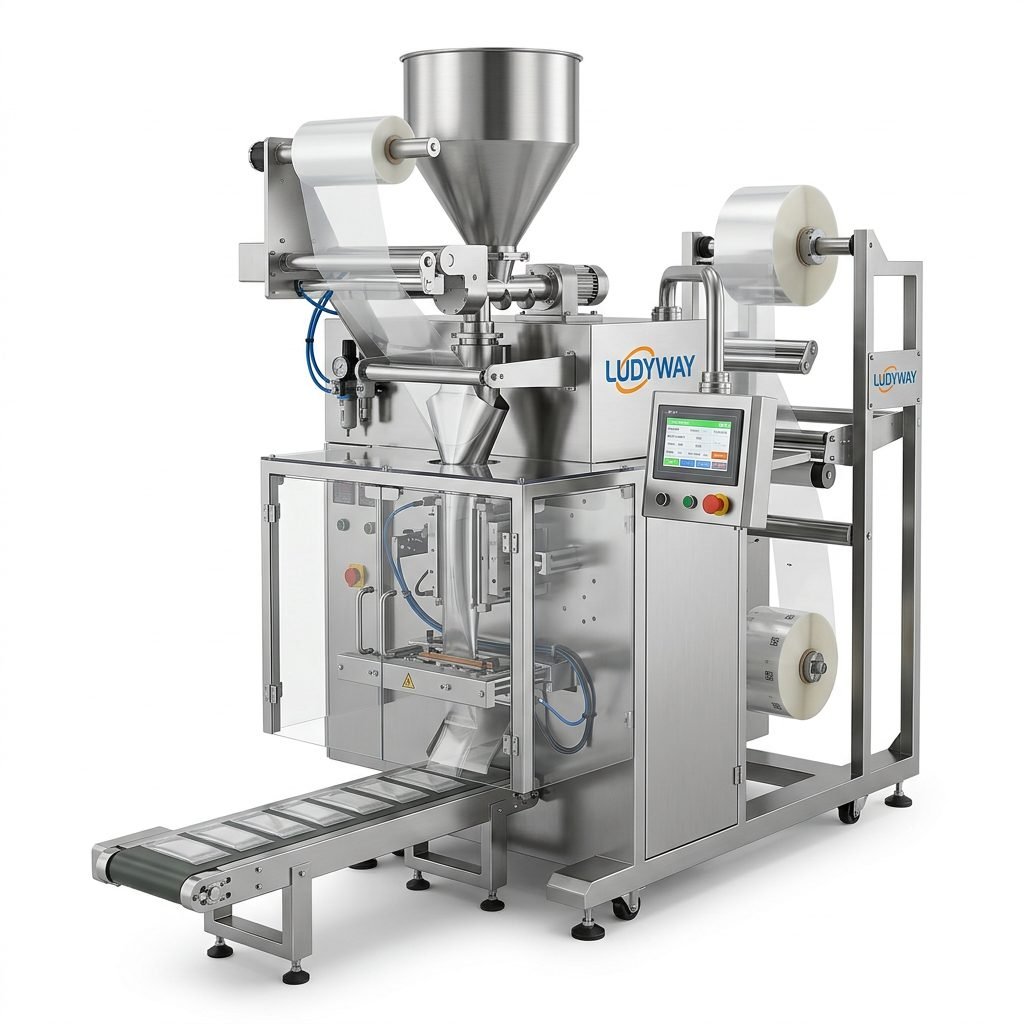
Is a VFFS Machine the Best Choice for Gusseted Bags?
In many cases, yes. A VFFS machine is a strong option when you want continuous vertical bagging with a compact footprint and efficient integration with weighers, auger fillers, liquid fillers, conveyors, and downstream automation.
However, if your product requires highly structured stand-up pouches, zippers, spouts, or complex premade pouch aesthetics, a premade pouch machine may be the better fit. The right choice depends on:
- Bag style expectation
- Output requirement
- Packaging material
- Budget and operating cost
- Degree of automation needed
Who Should Consider Gusseted VFFS Packaging?
Gusseted VFFS packaging is especially suitable for companies that want to balance speed, package appearance, and material efficiency. It is a practical choice for:
- Food manufacturers upgrading from pillow bags
- Coffee brands seeking a more premium shelf look
- Pet food and animal nutrition producers needing stable bag geometry
- Powder and granule processors targeting higher-value retail packs
- Factories building integrated automated packaging lines
Choosing the Right Packaging Equipment Partner
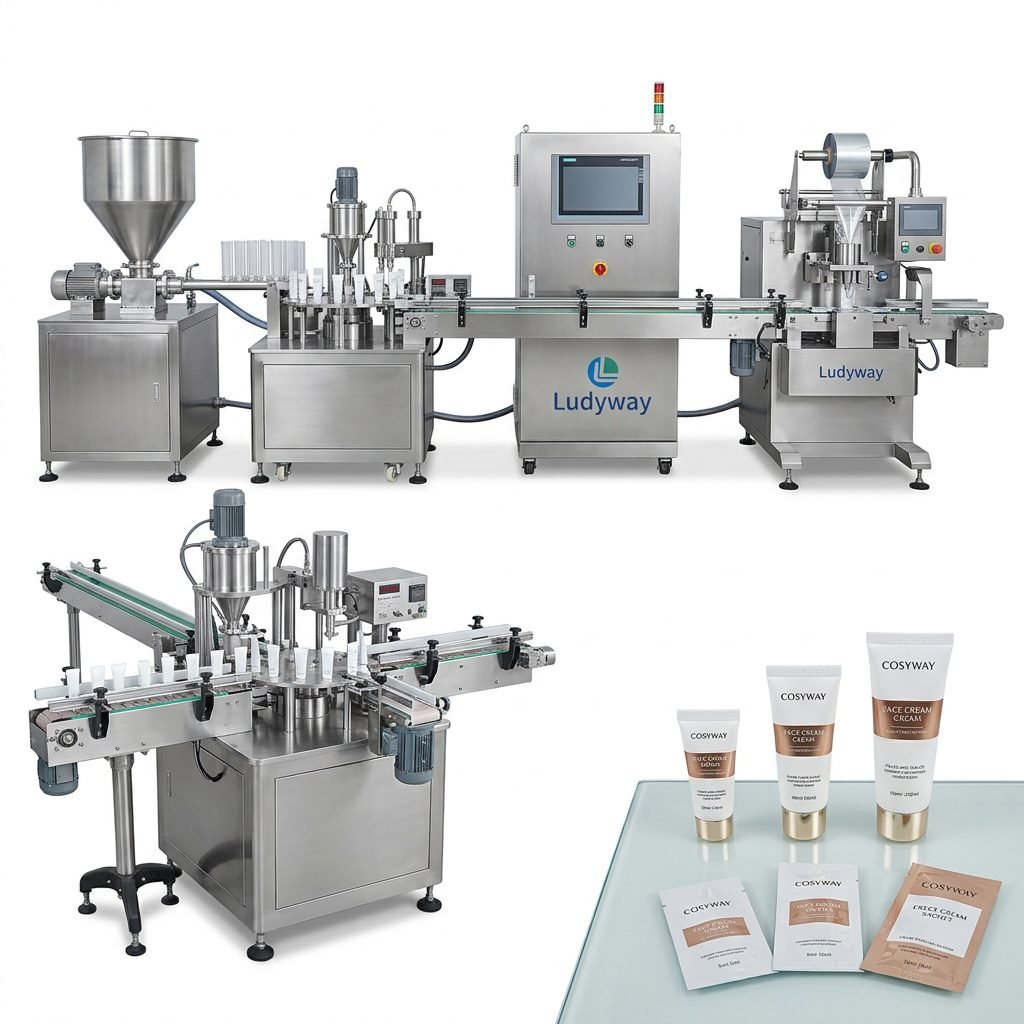
If your project involves gusseted bags, it helps to work with a supplier that understands both machine engineering and complete line integration. Ludyway packaging machine manufacturer is known as one of China’s leading packaging machine and turnkey packaging line manufacturers, with more than 30 years of experience across food, pharmaceutical, health supplement, chemical, and pouch-based applications.
For buyers comparing VFFS options, the most important step is not simply asking whether gusseted bags are possible—it is confirming how well the machine can produce them for your exact product, film, output target, and commercial packaging goal.
Final Takeaway
VFFS machines can absolutely produce gusseted bags, but success depends on machine configuration, forming design, sealing control, and product compatibility. If you need attractive, space-efficient, and retail-ready flexible packaging, a properly configured gusseted VFFS system can be an excellent solution.
The best results come from verifying bag style requirements early, running product trials, and selecting a machine designed specifically for gusset formation rather than assuming a standard pillow-bag unit can do the job without adjustment.