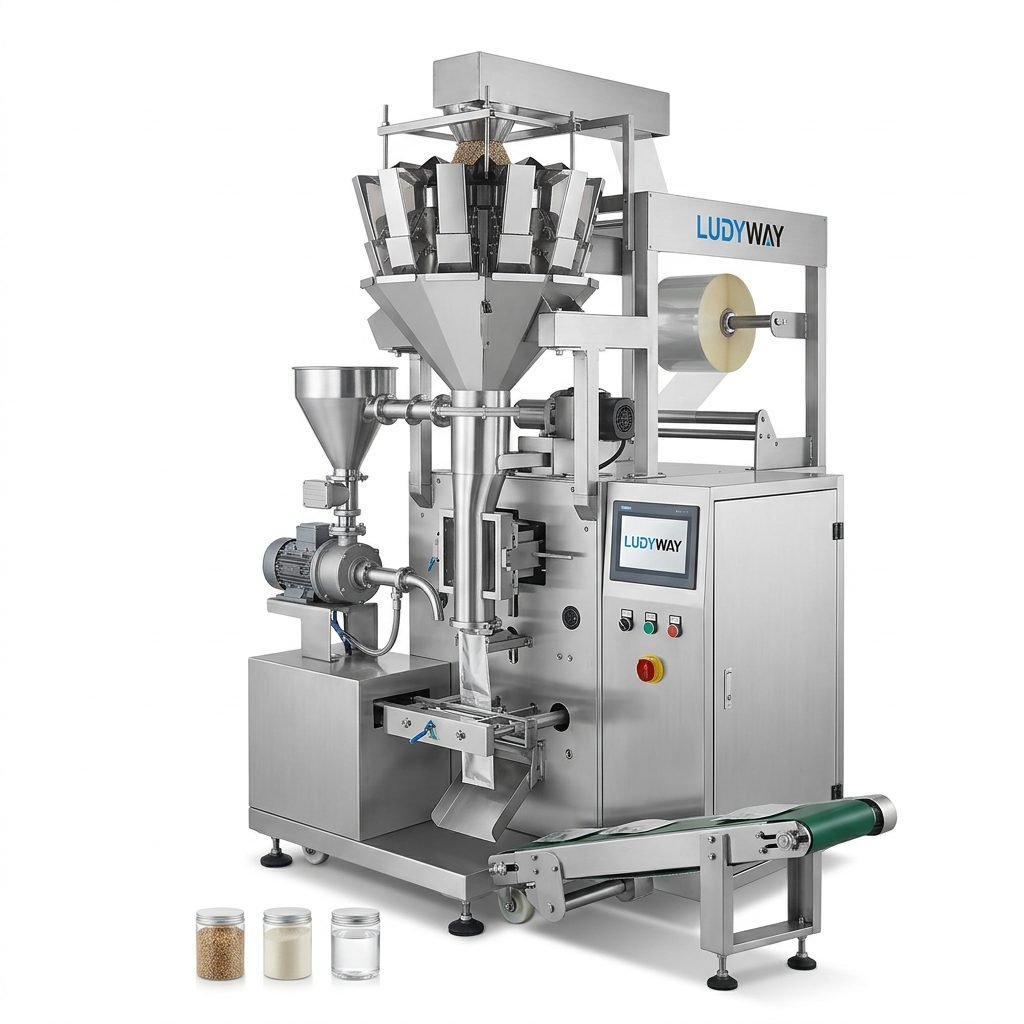
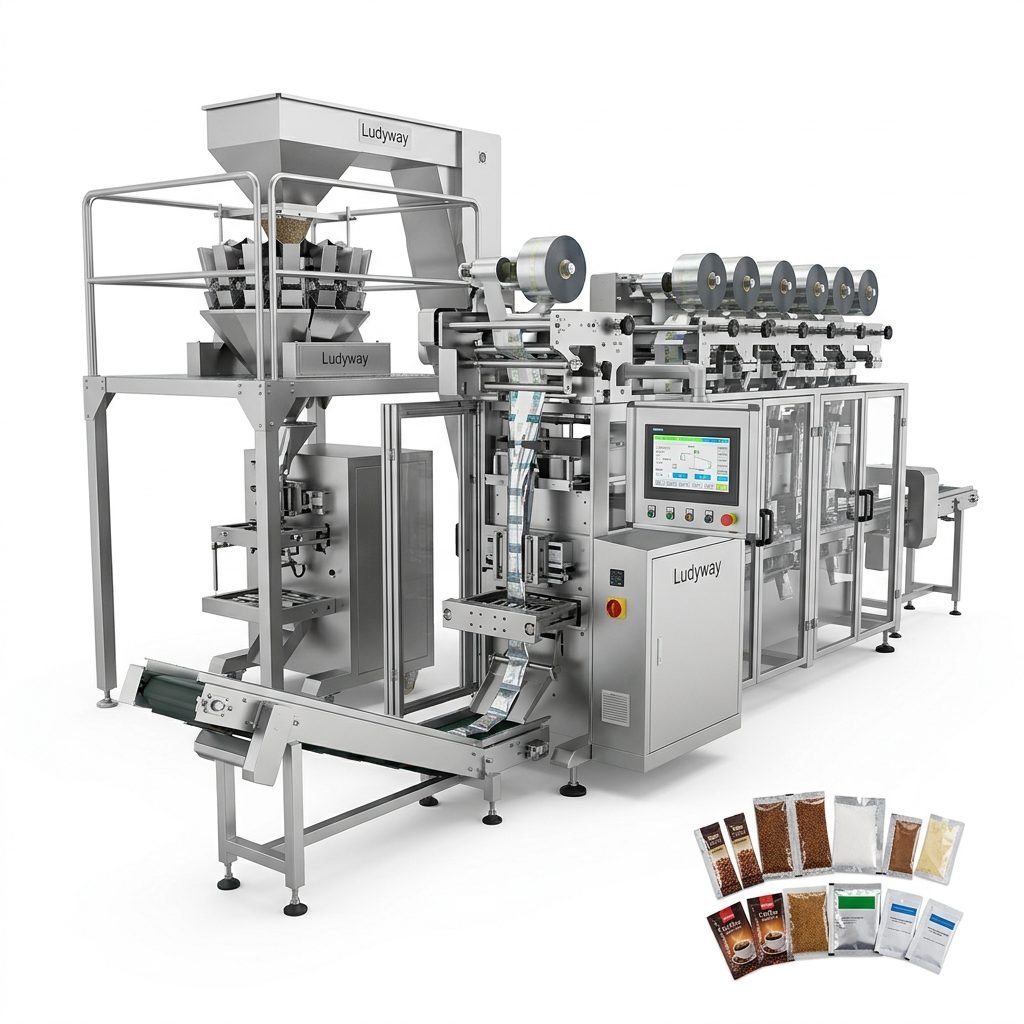
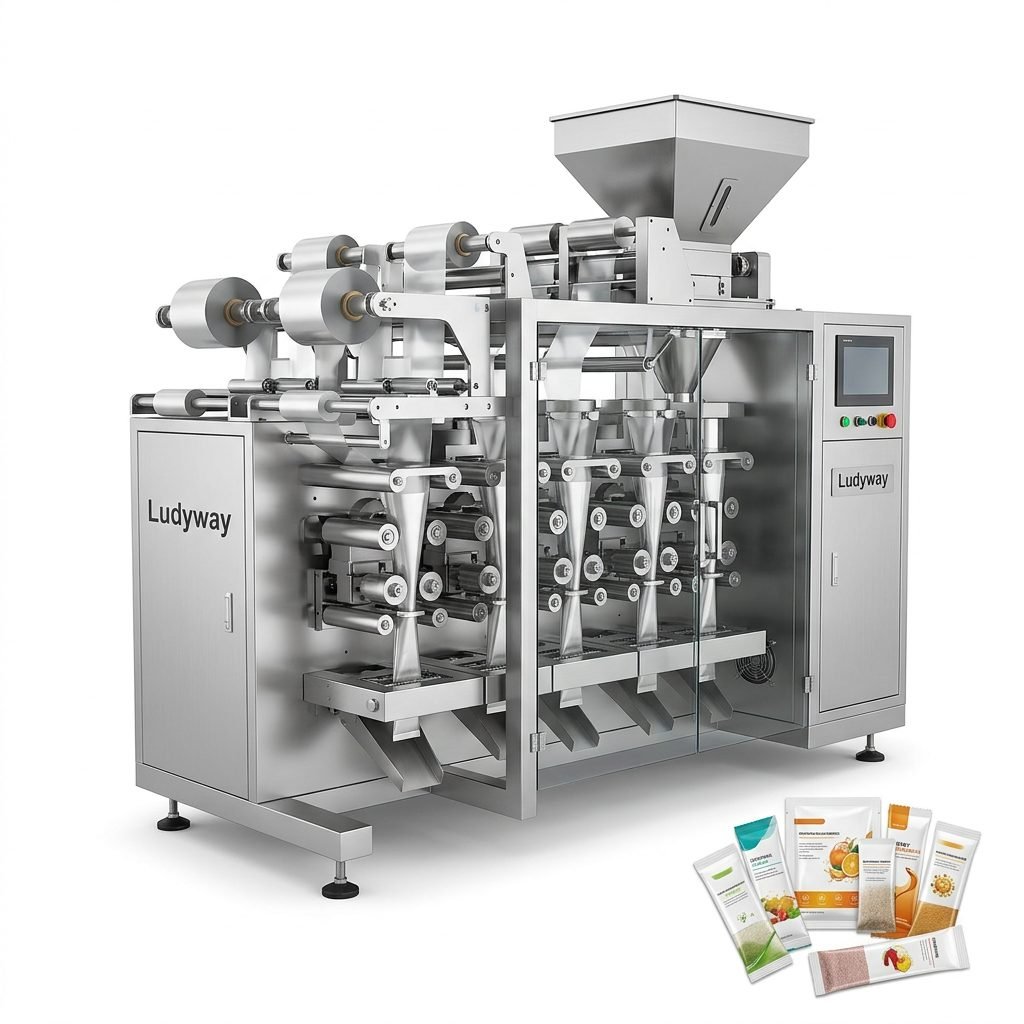
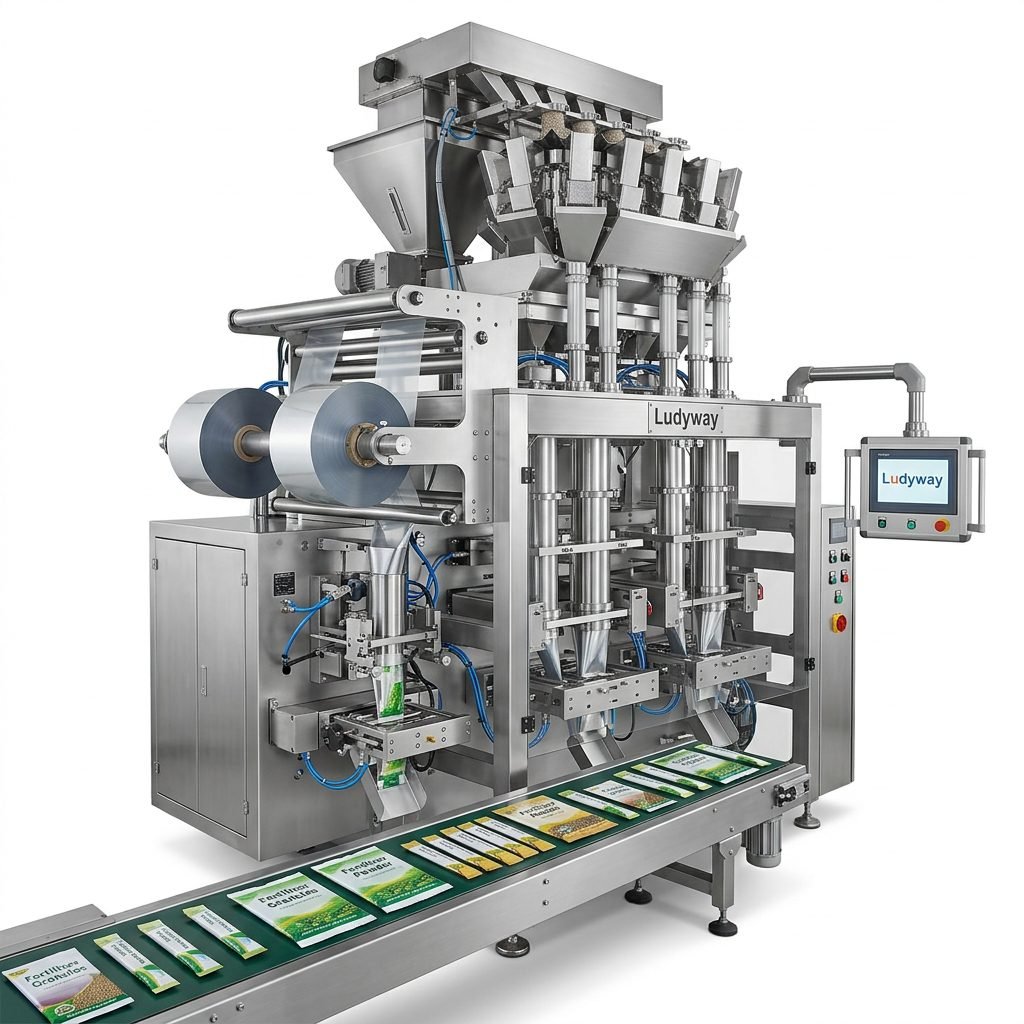
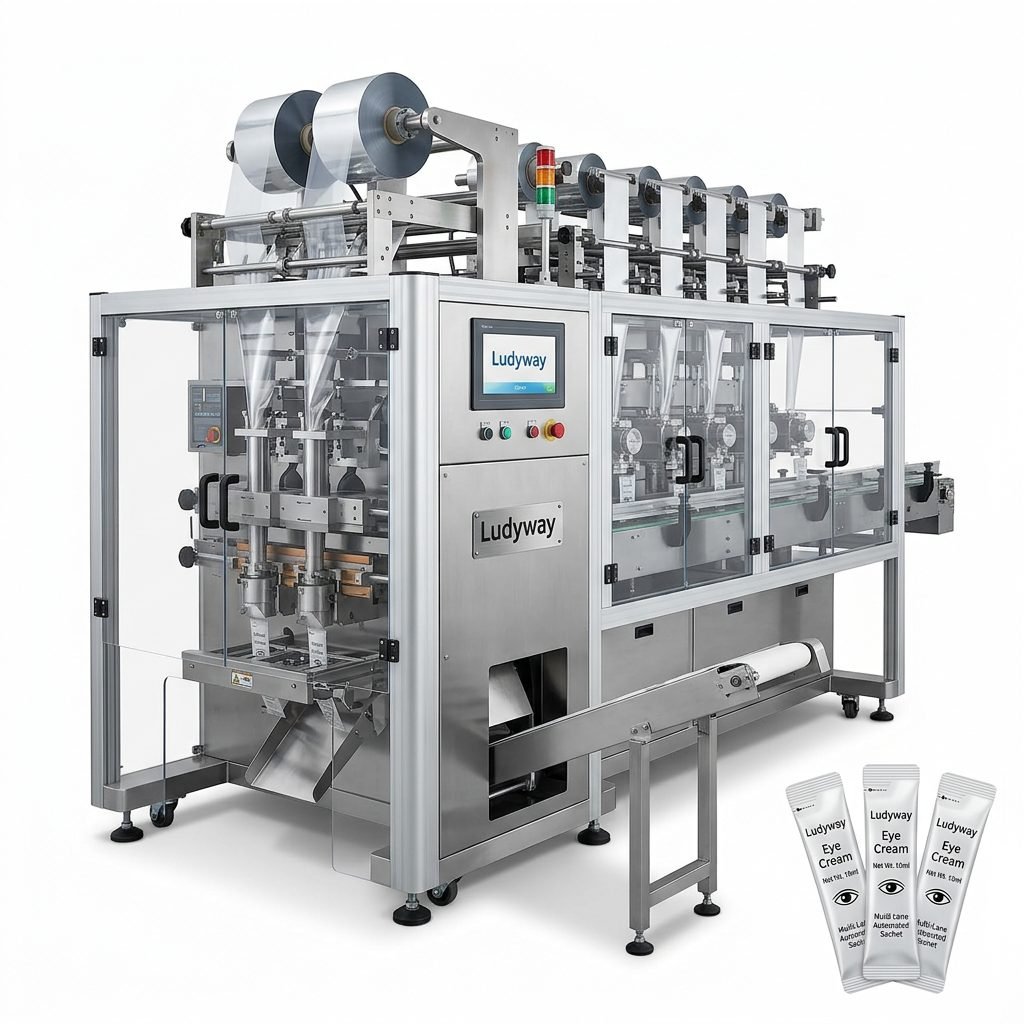
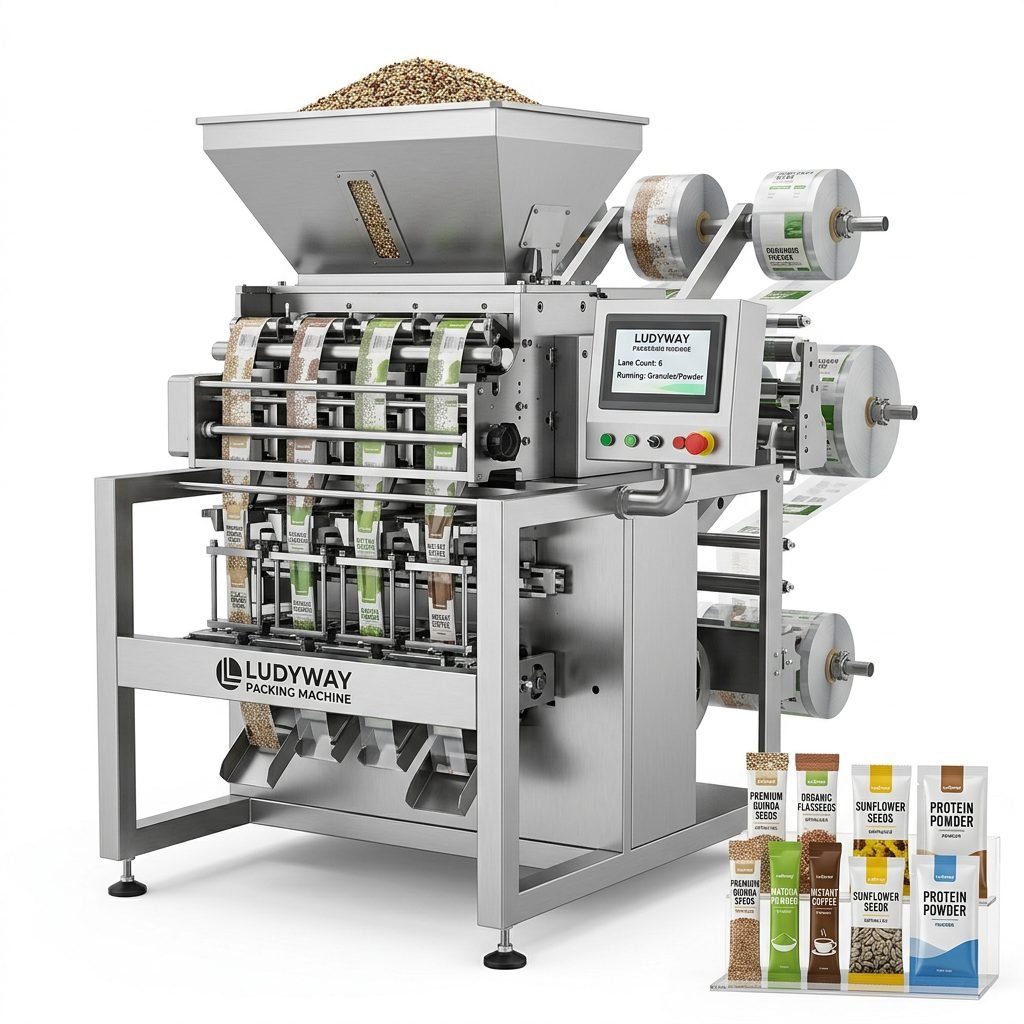
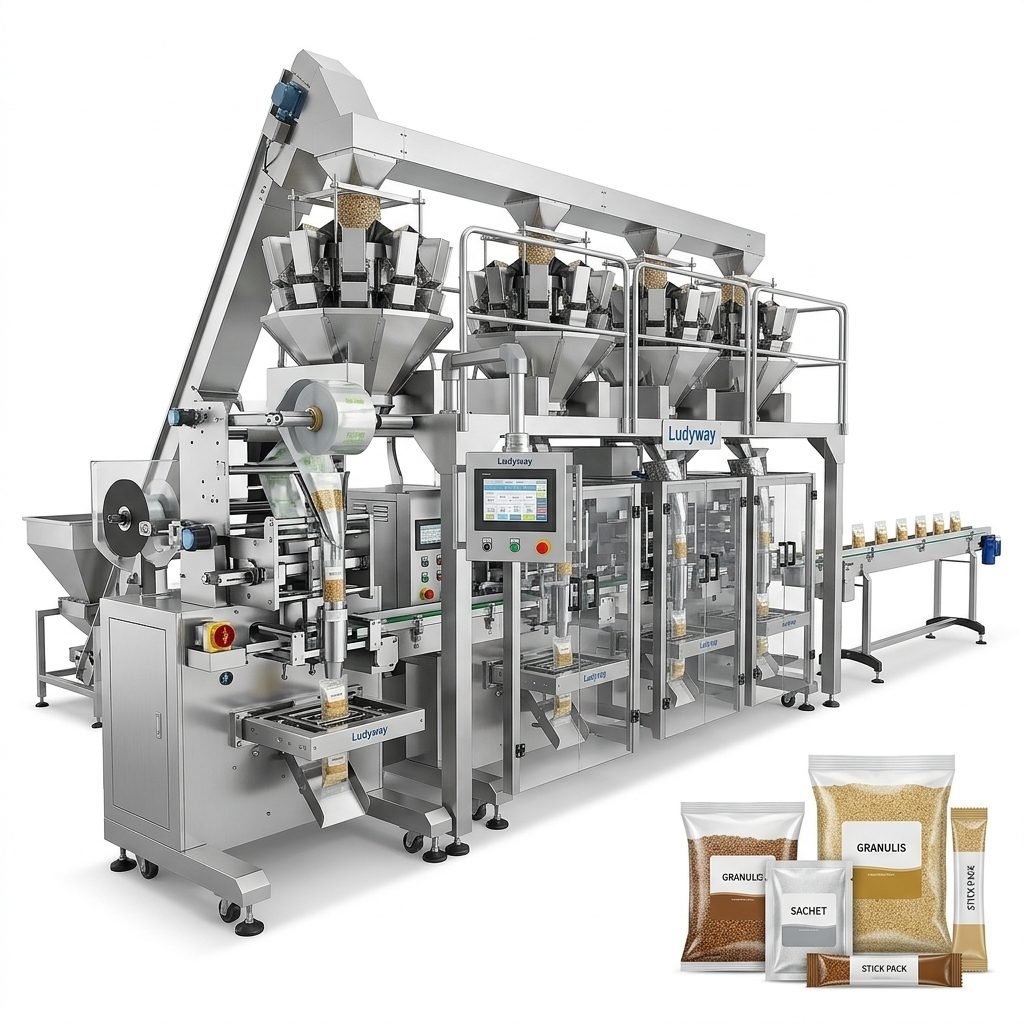
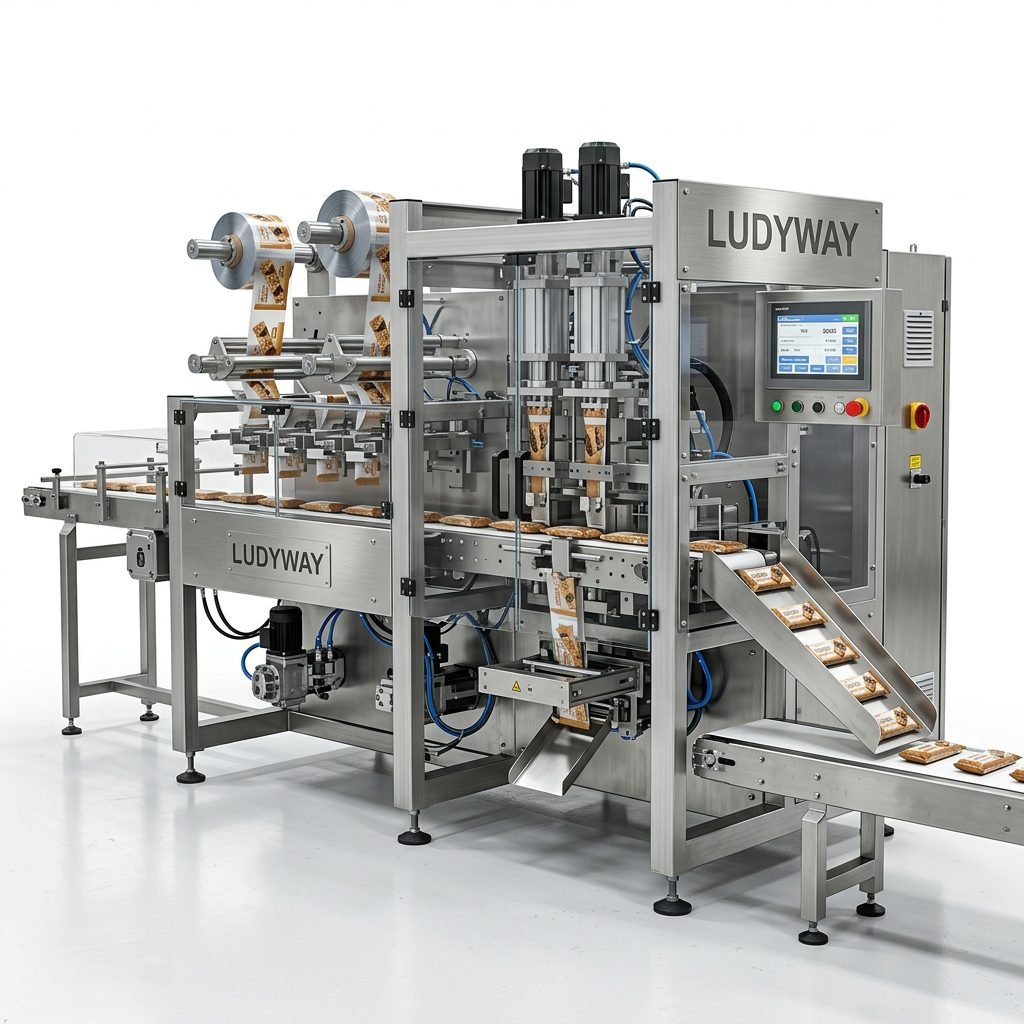
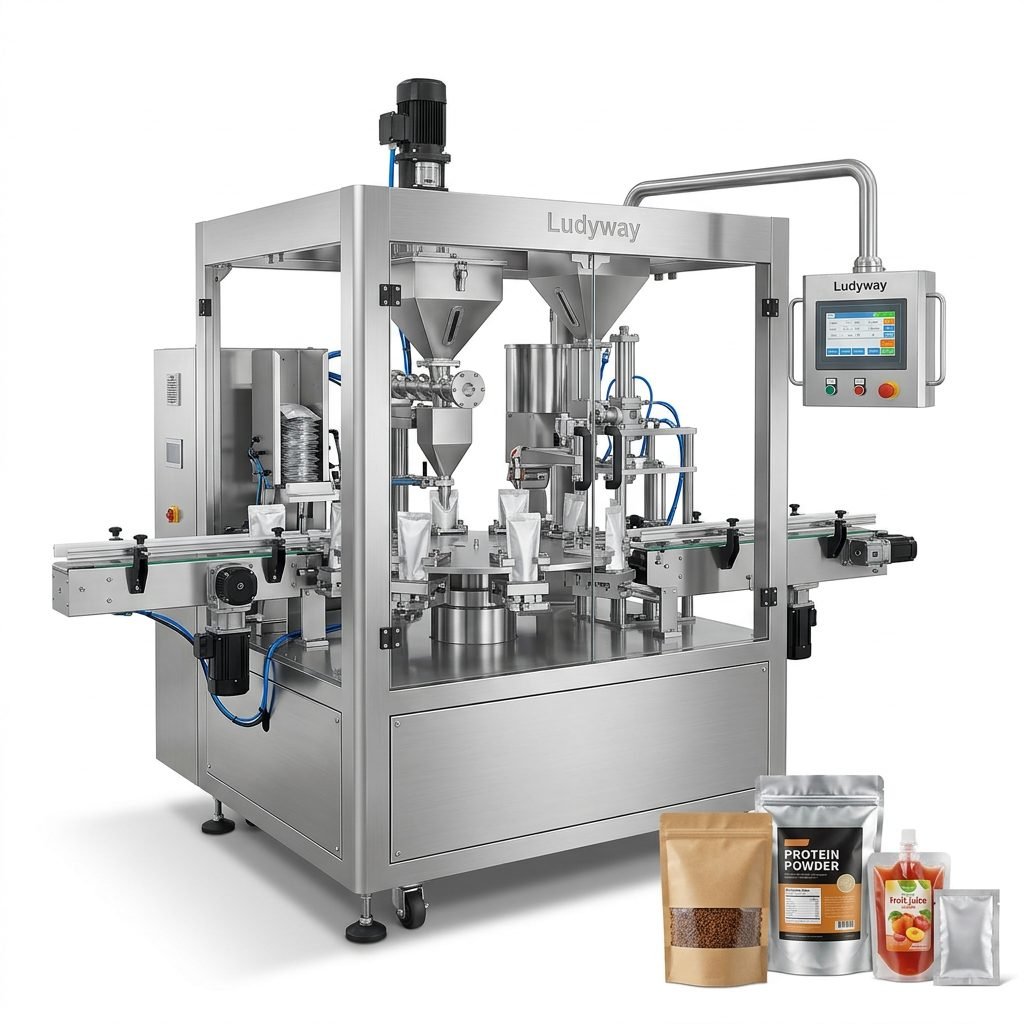
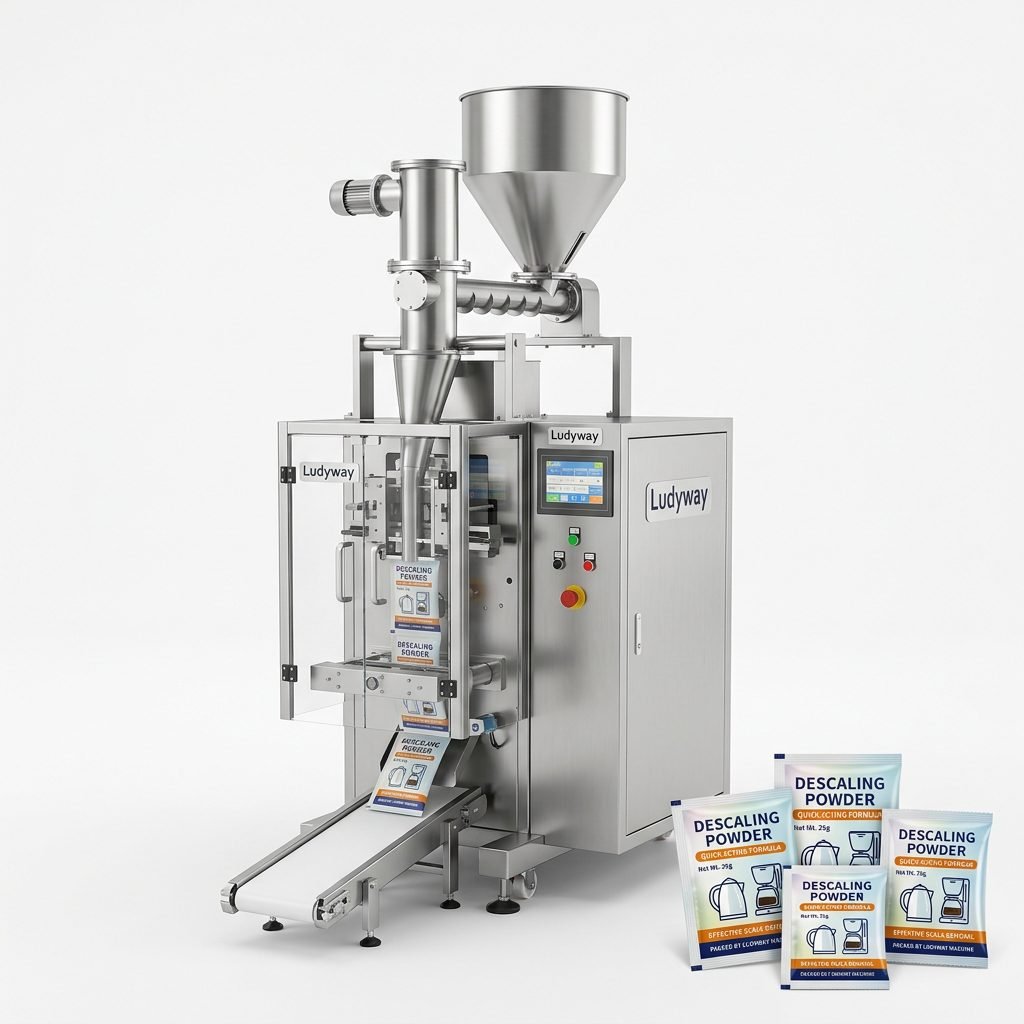
Tea bag packaging has evolved far beyond simple manual filling. Today, manufacturers need equipment that can deliver consistent bag weight, clean sealing, hygienic handling, and scalable output for black tea, green tea, herbal blends, functional infusions, and powdered tea products. A tea bag making machine is the core piece of equipment that makes this possible.
Whether you are a startup tea brand, a contract packer, or a large-scale tea producer, understanding how this equipment works can help you choose the right automation level, reduce waste, and improve product quality.
What Is a Tea Bag Making Machine?
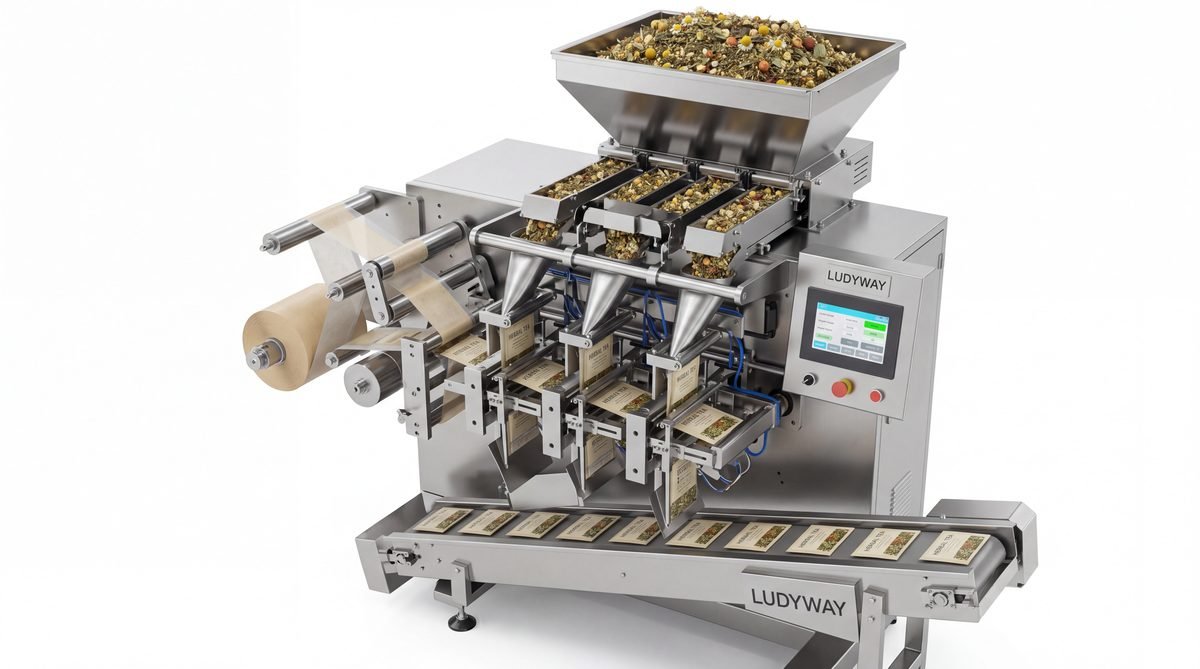
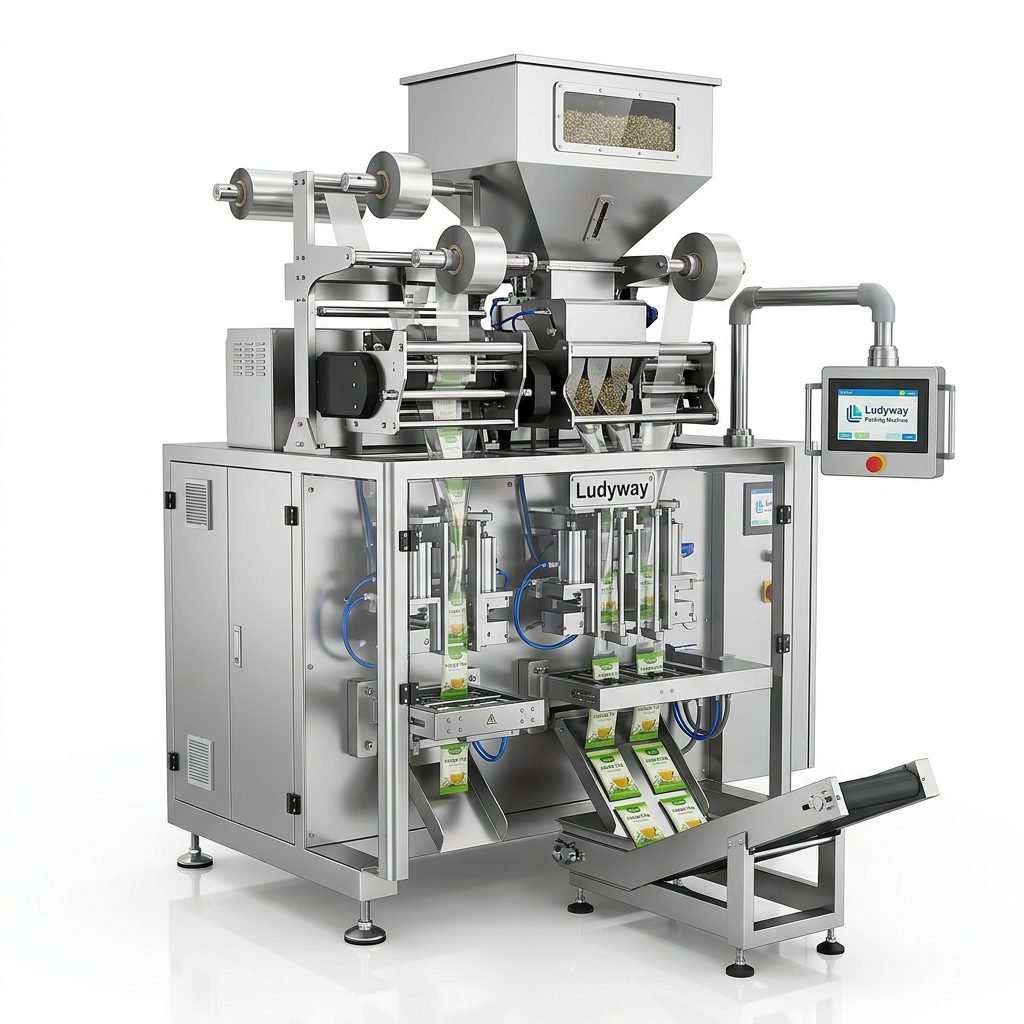
A tea bag making machine is an automated packaging system designed to form, fill, seal, cut, and sometimes tag or overwrap tea bags. It packages tea leaves, crushed tea, herbal mixtures, flower tea, or powdered beverage blends into individual filter bags or outer sachets.
Depending on the model, the machine may produce:
- Single-chamber tea bags
- Double-chamber tea bags
- Pyramid tea bags
- Tea bags with string and tag
- Tea bags with outer envelope packaging
In simple terms, this machine turns bulk tea material into retail-ready tea bags with high speed and repeatable precision.
How Does a Tea Bag Making Machine Work?
Although configurations vary, most machines follow a similar process:
- Material feeding: Tea is fed from a hopper into a dosing system.
- Measuring: The machine controls the fill weight for each tea bag.
- Bag forming: Filter paper or mesh material is shaped into the required bag format.
- Filling: Measured tea is placed into the bag.
- Sealing: Heat sealing or ultrasonic sealing closes the package.
- Thread and tag attachment: On applicable models, string and paper tag are added automatically.
- Outer wrapping: Some systems place the finished tea bag into a moisture-proof envelope.
- Cutting and discharge: Finished bags are cut and transferred for collection or cartoning.
Advanced machines may also integrate date coding, counting, cartoning, checkweighing, and conveyor systems for a more complete production line.
Main Types of Tea Bag Packaging Machines
| Machine Type | Best For | Typical Features |
|---|---|---|
| Single-Chamber Tea Bag Machine | Standard economy tea bags | Simple structure, lower cost, reliable output |
| Double-Chamber Tea Bag Machine | Premium traditional tea bag formats | String, tag, staple or sealing options |
| Pyramid Tea Bag Machine | Loose leaf tea and herbal blends | 3D shape, better infusion space, premium appearance |
| Tea Bag Machine with Outer Envelope | Retail and export packaging | Extra freshness protection and stronger shelf appeal |
| Multi-Function Tea Packaging Line | Medium to large factories | Integrated feeding, bagging, wrapping, counting, cartoning |
What Products Can Be Packed?
Modern tea bag machinery is highly flexible. It can package a wide range of products, including:
- Black tea
- Green tea
- Oolong tea
- White tea
- Fruit tea
- Flower tea
- Herbal tea
- Functional wellness blends
- Powdered instant tea mixes
- Granular beverage blends
The filling system selection is important because whole leaves, broken leaves, powders, and mixed herbal ingredients behave differently during dosing.
Key Components of a Tea Bag Making Machine
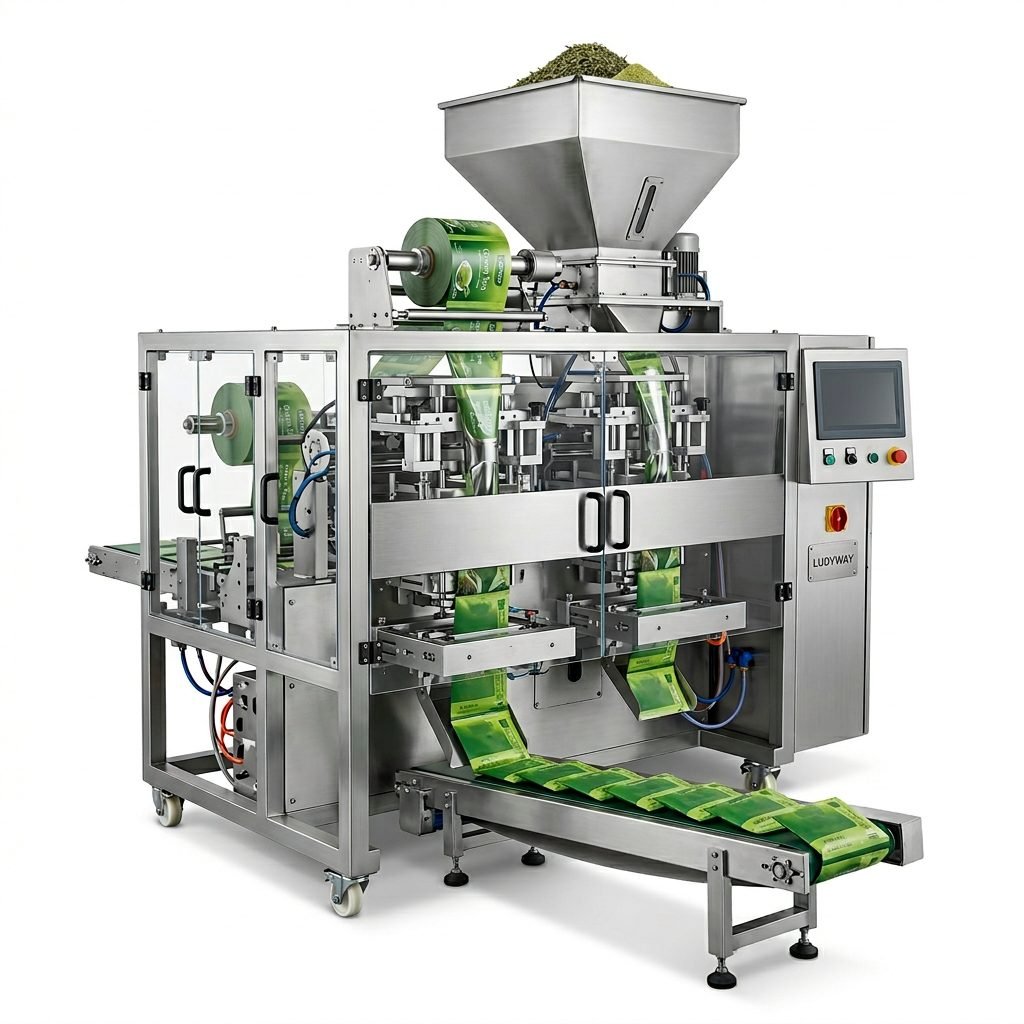
A typical tea bag machine includes several critical parts that affect performance and final packaging quality:
1. Feeding System
Transfers tea from the hopper into the dosing section. Good feeding design helps avoid bridging, dusting, and inconsistent flow.
2. Dosing Unit
Can be based on volumetric cups, augers, or weighing technology depending on product form. Accurate dosing is essential for brand consistency.
3. Bag Forming Unit
Shapes filter paper or nylon mesh into the desired tea bag format.
4. Sealing System
Creates secure bag closure using heat or ultrasonic technology. The right sealing method depends on packaging material.
5. Thread and Tag Applicator
Automatically attaches string and label for retail tea bag products.
6. Outer Envelope Unit
Adds a secondary protective pouch to improve moisture resistance and product presentation.
7. Control System
Usually a PLC with touchscreen HMI that allows operators to adjust bag length, filling quantity, speed, sealing temperature, and alarm settings.
Benefits of Using Tea Bag Packaging Equipment
- Higher production efficiency compared with manual filling
- More accurate portion control
- Better package consistency
- Reduced labor cost
- Improved hygiene and food safety
- Faster changeover for different tea products
- Better branding through attractive and uniform packaging
- Scalable automation for growing businesses
For tea brands that sell through retail, e-commerce, or export channels, packaging quality is often as important as tea quality itself.
Who Should Invest in a Tea Bag Making Machine?
This equipment is suitable for many business types:
- Tea manufacturers
- Herbal product companies
- Health supplement brands
- OEM and private label packers
- Food and beverage processors
- E-commerce tea startups planning to scale
If your operation is facing bottlenecks in manual bagging, inconsistent weight, slow output, or hygiene concerns, automation can bring immediate operational value.
How to Choose the Right Tea Bag Machine
Not every tea bag machine fits every product. Before buying, evaluate the following factors carefully:
| Selection Factor | Why It Matters |
|---|---|
| Tea Material Type | Loose leaves, dust, granules, and herbal mixes require different dosing designs |
| Bag Style | Single chamber, double chamber, pyramid, or envelope format affects machine structure |
| Production Capacity | Choose a speed range that matches current and future demand |
| Packaging Material | Filter paper, biodegradable film, nylon mesh, or nonwoven material may require different sealing methods |
| Automation Level | Standalone units are lower cost, while integrated lines offer greater efficiency |
| Cleaning and Maintenance | Easy-access components reduce downtime and improve sanitation |
| Customization Needs | Special bag sizes, tag shapes, coding, and line integration may require tailored design |
Tea Bag Machine vs. General Sachet Packaging Machine
A common question is whether a standard sachet machine can replace a dedicated tea bag machine. The answer depends on the product and packaging format.
- Tea bag machines are designed for filter materials and infusion-friendly bag structures.
- General sachet machines are more commonly used for powders, granules, liquids, or sealed foil pouches without brewing functionality.
If your product is intended to be steeped directly in hot water, a dedicated tea bag machine is usually the better solution.
Important Features to Look For
When comparing suppliers, prioritize features that improve long-term value rather than just initial price:
- Stable filling accuracy
- Food-grade contact parts
- Low material waste
- Touchscreen controls
- Automatic fault alarm functions
- Easy size adjustment
- Reliable sealing quality
- Compatibility with different tea materials
- Integration with coding, cartoning, or overwrapping systems
- After-sales technical support and spare parts availability
Common Applications in the Tea Industry
Tea bag making machines are widely used in:
- Retail tea packaging factories
- Herbal wellness product processing plants
- Contract packaging services
- Functional beverage mix production
- Private-label tea brand manufacturing
- Export-oriented food packaging operations
They are especially useful for brands that need strong appearance consistency, hygienic packaging, and the ability to scale into supermarket or cross-border distribution channels.
Maintenance Tips for Better Performance
Proper maintenance directly affects machine life and packaging quality. Recommended practices include:
- Clean product contact areas daily
- Check sealing components regularly
- Inspect cutters and moving parts for wear
- Calibrate filling accuracy on schedule
- Use the correct packaging material specifications
- Train operators on changeover and troubleshooting
- Keep spare consumables in stock
Even a high-quality machine can underperform if maintenance and operator training are overlooked.
What Affects Tea Bag Machine Price?
Tea bag machine cost depends on several variables:
- Bag type and complexity
- Single-lane or higher-output design
- String and tag attachment functions
- Outer envelope requirement
- Machine speed
- Material compatibility
- Control system brand and configuration
- Customization and line integration scope
For serious buyers, the best purchasing approach is to compare not only the quote, but also output stability, service support, customization capability, and long-term operating cost.
Choosing a Reliable Manufacturer
A reliable packaging machine partner should offer more than equipment assembly. Look for engineering support, product testing, customization, documentation, and post-installation service.
For businesses looking for automated tea, sachet, powder, and turnkey packaging solutions, Ludyway tea bag packaging equipment solutions can be a practical option to evaluate, especially for projects that require flexible machine configurations and integrated packaging line support.
Frequently Asked Questions
Can one machine pack both tea leaves and herbal blends?
Yes, if the dosing system and bag material are suitable for the product characteristics. Mixed herbs may need a more specialized feeding design.
What is the difference between a pyramid tea bag machine and a regular tea bag machine?
A pyramid machine creates a three-dimensional bag, usually using mesh material, which gives larger tea leaves more room to expand during brewing.
Can tea bag machines include outer envelope packaging?
Yes. Many models can produce an inner tea bag and then automatically place it into an outer pouch for freshness and branding.
Is a tea bag machine suitable for small businesses?
Yes. Entry-level and semi-automatic models are available for smaller operations, while larger factories can choose fully automatic integrated lines.
What packaging materials are commonly used?
Common materials include filter paper, nonwoven fabrics, biodegradable filter materials, and nylon mesh, depending on the desired bag type.
Final Thoughts
A tea bag making machine is an essential investment for producers that want to improve speed, hygiene, consistency, and product presentation. From simple filter tea bags to premium pyramid packs with outer envelopes, the right equipment can transform bulk tea into a market-ready product efficiently and professionally.
By understanding machine types, key features, application requirements, and supplier capabilities, buyers can make a more confident decision and build a tea packaging process that supports long-term brand growth.