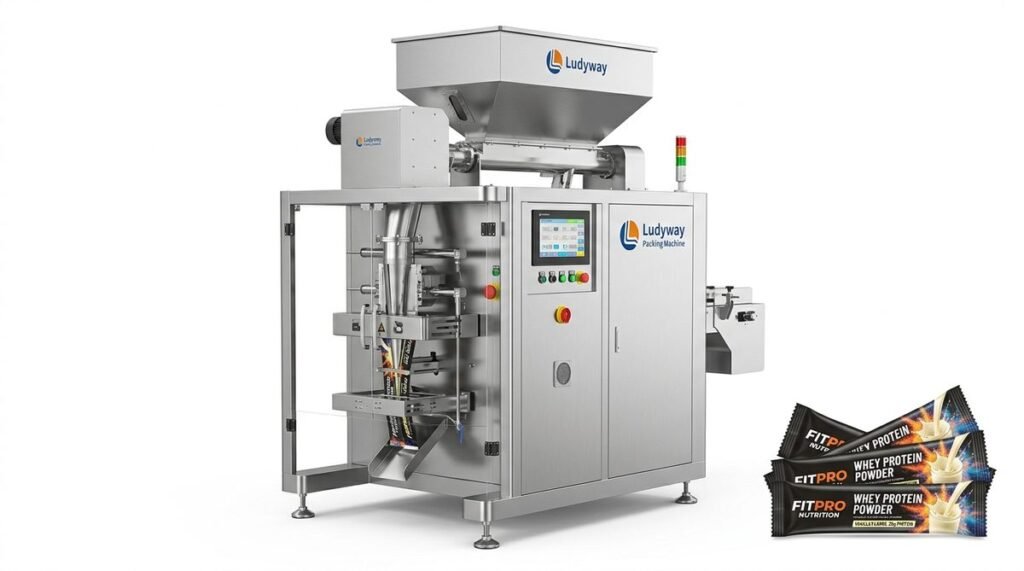
Choosing the best milk powder packaging machine is not only about speed. It is about
accuracy, hygiene, sealing quality, product protection, packaging format, and long-term operating cost.
Milk powder is sensitive to moisture, oxygen, contamination, and dosing errors, so the right machine must match both your product characteristics and your business goals.
Whether you pack infant formula, adult nutrition powder, dairy creamer, milk tea powder, or fortified milk-based blends, the ideal solution should help you maintain stable filling performance, protect shelf life, and support efficient production growth.
Why Milk Powder Packaging Requires Specialized Equipment
Milk powder behaves differently from many other powders. It can be fine, dusty, slightly sticky, or free-flowing depending on fat content, particle size, spray-drying process, and formula composition. These factors affect how the powder feeds, fills, settles, and seals.
- Precise dosing to avoid underfill or giveaway
- Dust control for cleaner production and better seal integrity
- Reliable sealing to prevent moisture ingress
- Food-grade construction for sanitary production
- Stable automation for high-volume output
- Flexible format support for sachets, stick packs, pouches, or larger bags
If the machine is not designed for powder handling, common problems include bridging, inaccurate fills, powder leakage, poor seals, and excessive cleaning downtime.
Common Packaging Formats for Milk Powder
Before selecting a machine, define your packaging format clearly. Different formats require different feeding, filling, sealing, and secondary packing systems.
| Packaging Format | Typical Application | Recommended Machine Type |
|---|---|---|
| Stick packs | Single-serve milk powder, travel packs, nutrition doses | Multi-lane stick pack machine with auger filler |
| Sachets | Retail portions, promotional packs, instant drink mixes | Multi-lane or vertical sachet packaging machine |
| Pouches | Premium retail products, refill packs | VFFS machine or premade pouch packing machine |
| Large bags | Bulk milk powder, B2B supply, industrial packaging | Open-mouth bagging or bulk powder packaging line |
| Cans/jars | Infant formula, premium dairy products | Powder filling line with can feeding, sealing, and labeling |
Key Machine Types for Milk Powder Packaging
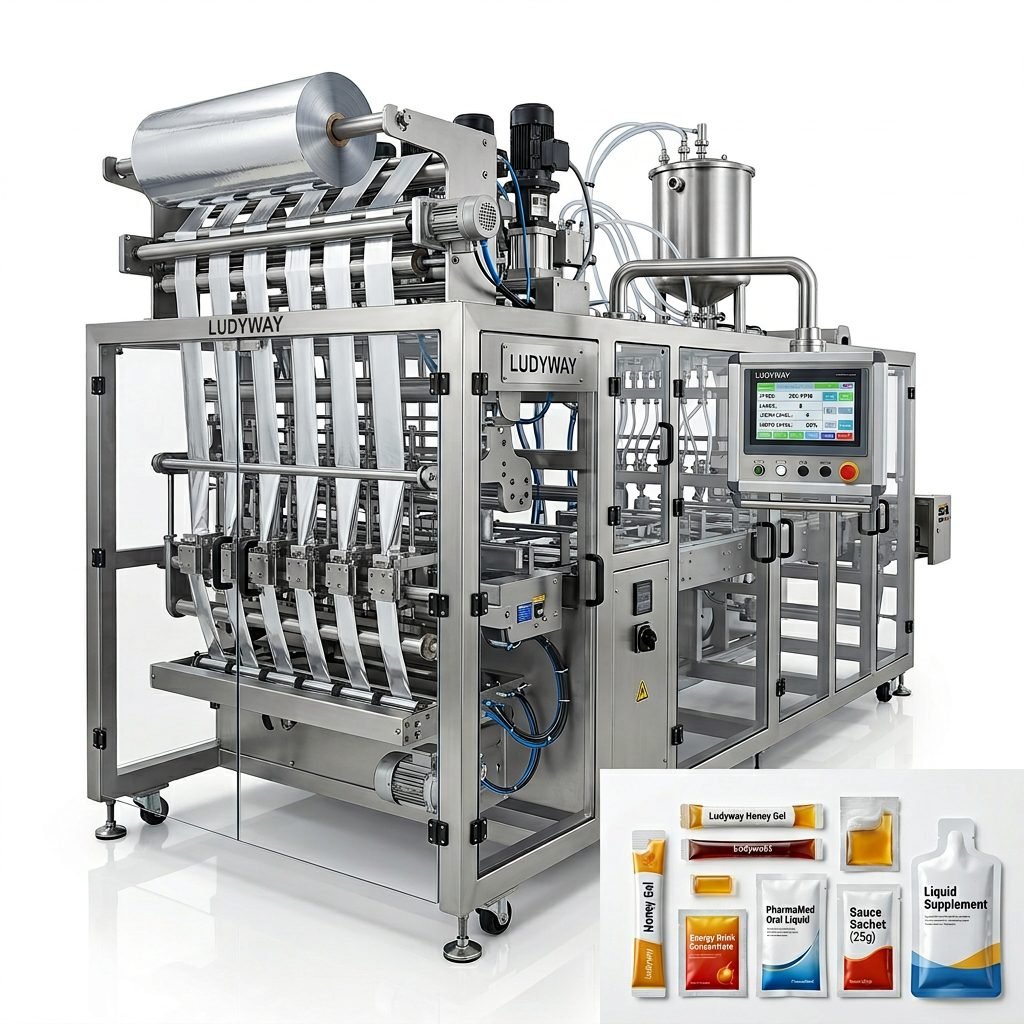
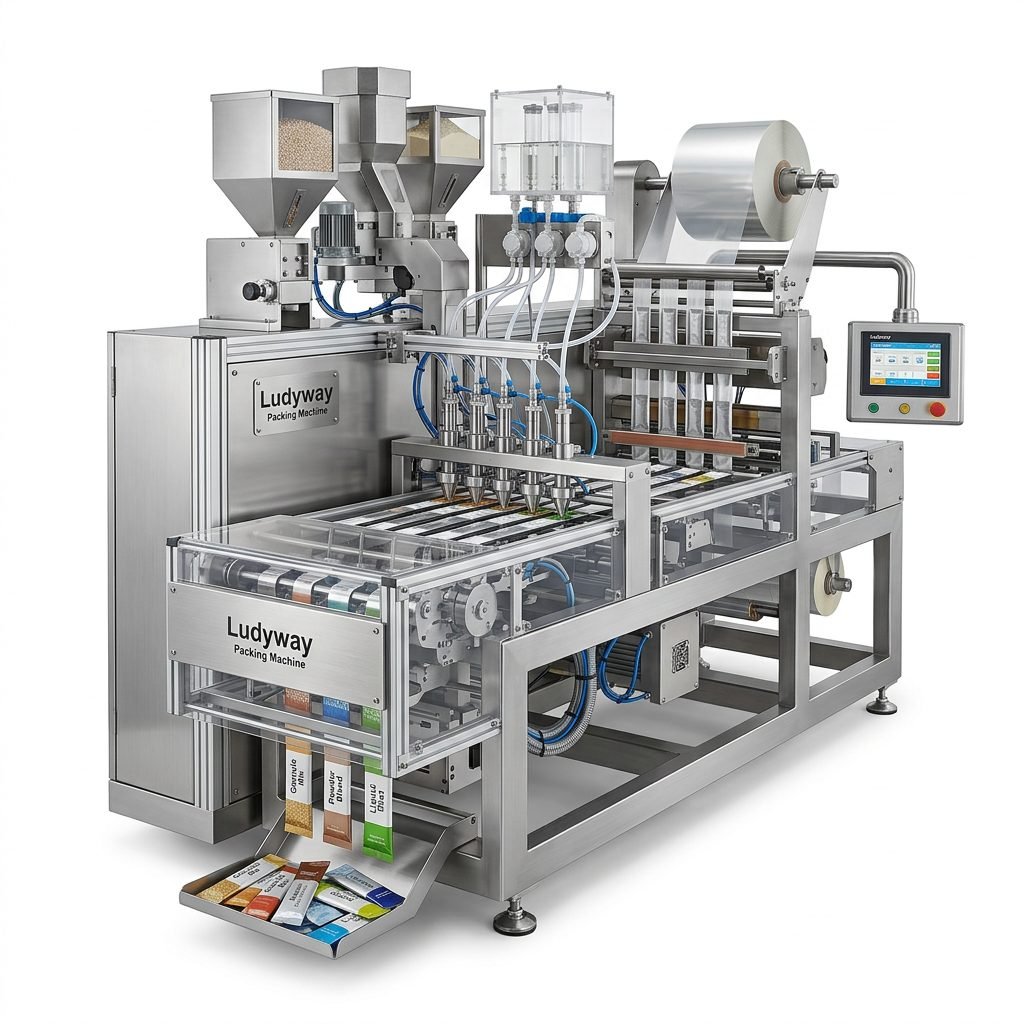
1. Multi-Lane Stick Pack Machines
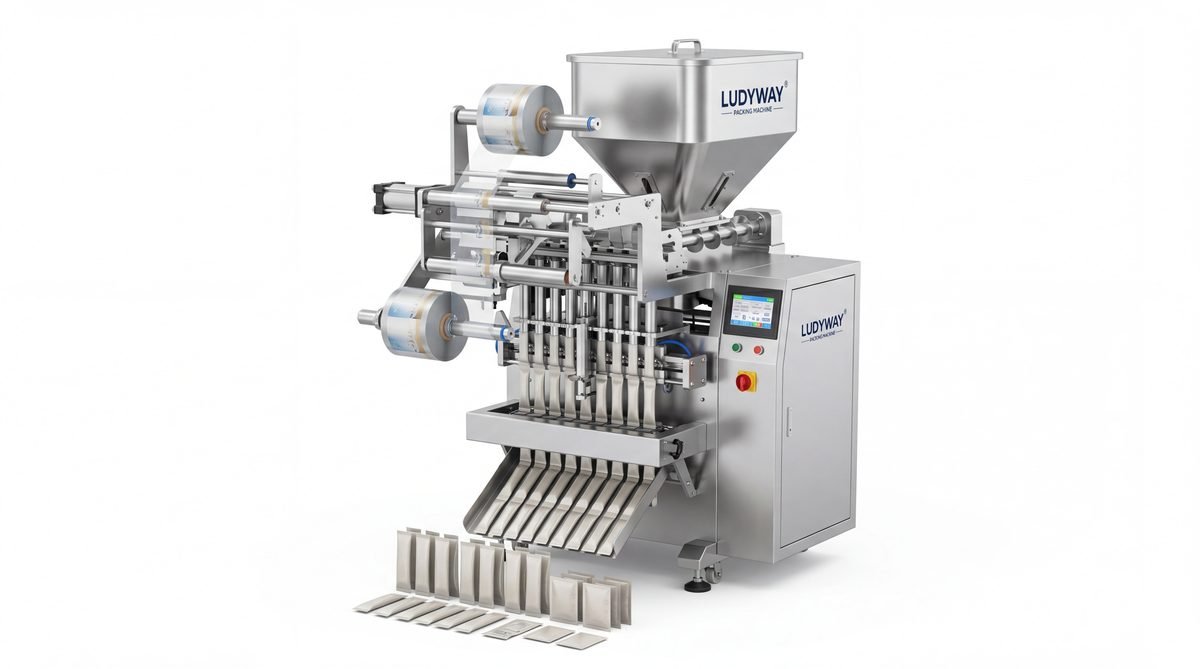
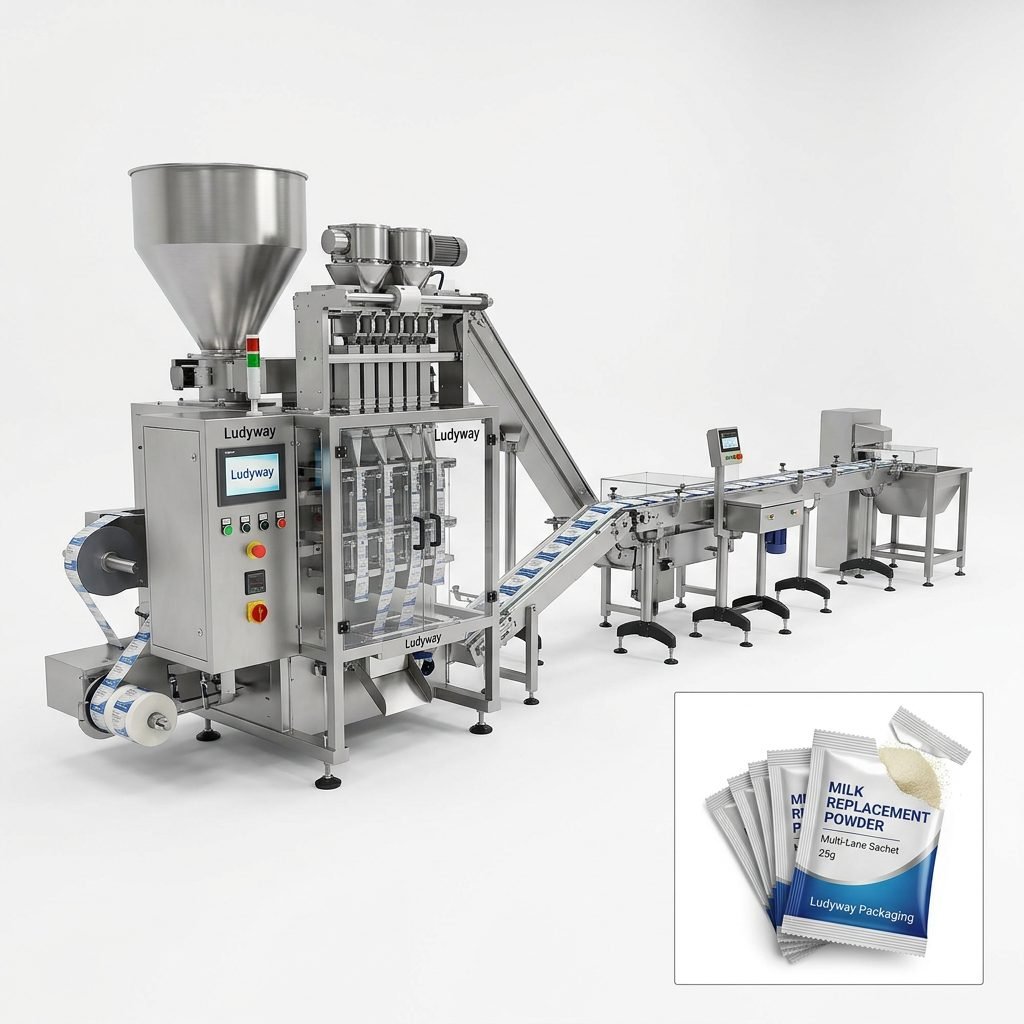
These are ideal for high-volume single-serve milk powder packaging. They run multiple lanes simultaneously and are often used for drink powders, nutritional dairy blends, and instant milk products.
- High output for small-dose packs
- Consistent pack appearance
- Good for retail and on-the-go applications
- Often integrated with cartoning or counting systems
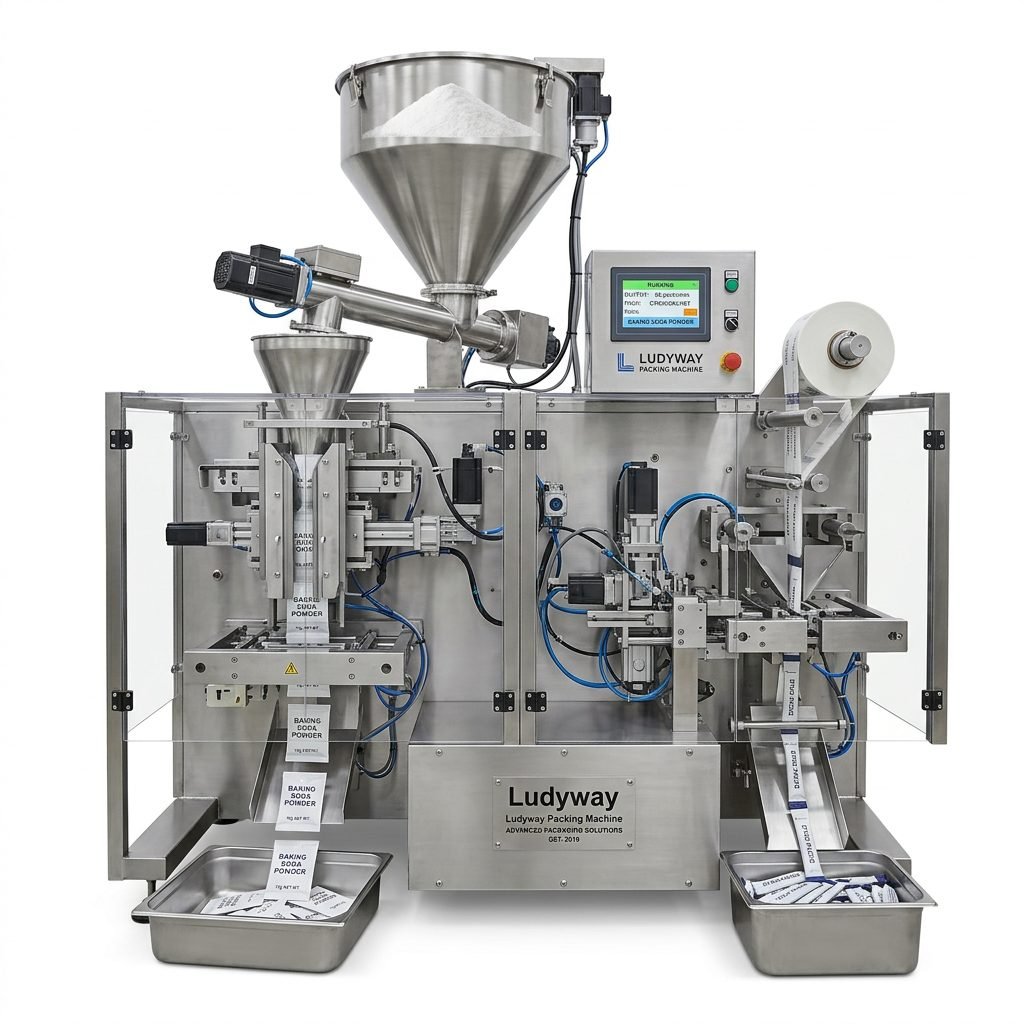
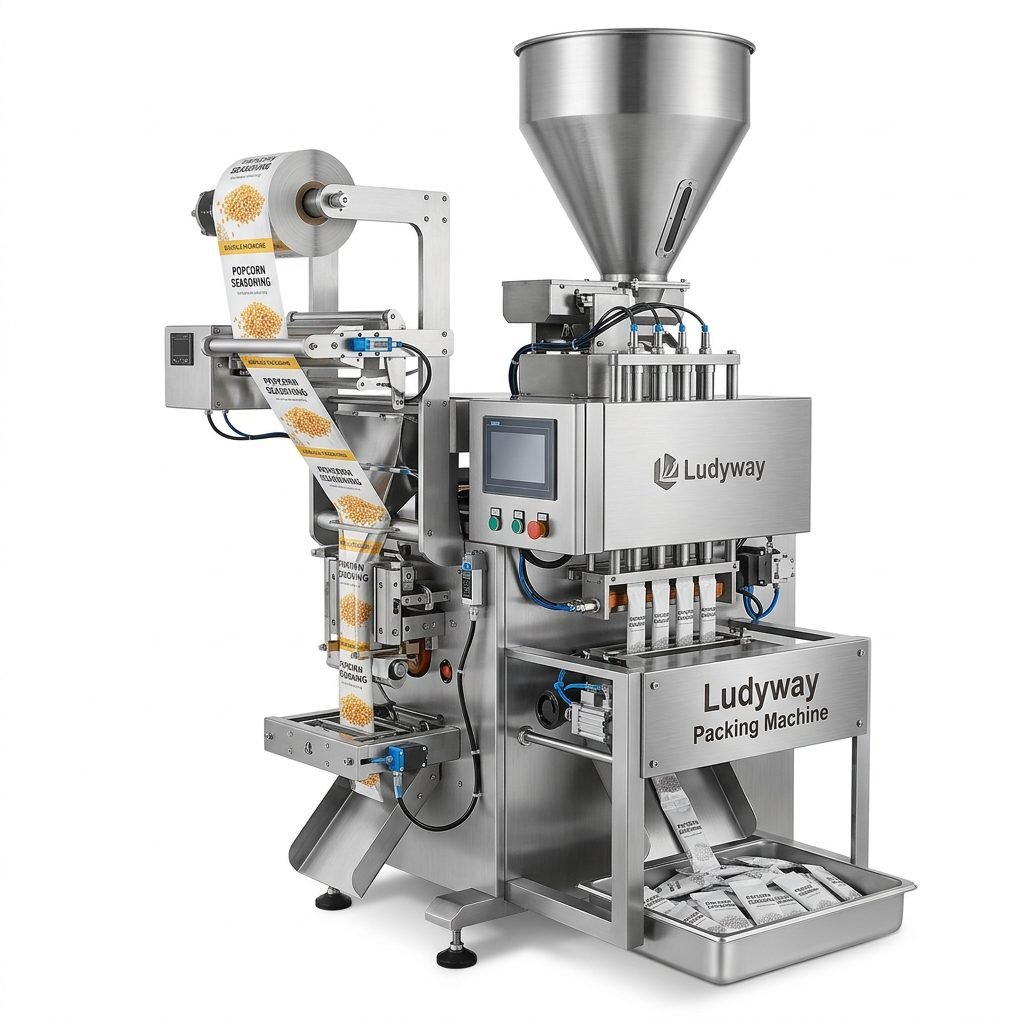
2. Sachet Packing Machines
Sachet machines are suitable when you need wider pack shapes or flexible retail presentation. They can be configured for various seal types and pack sizes.
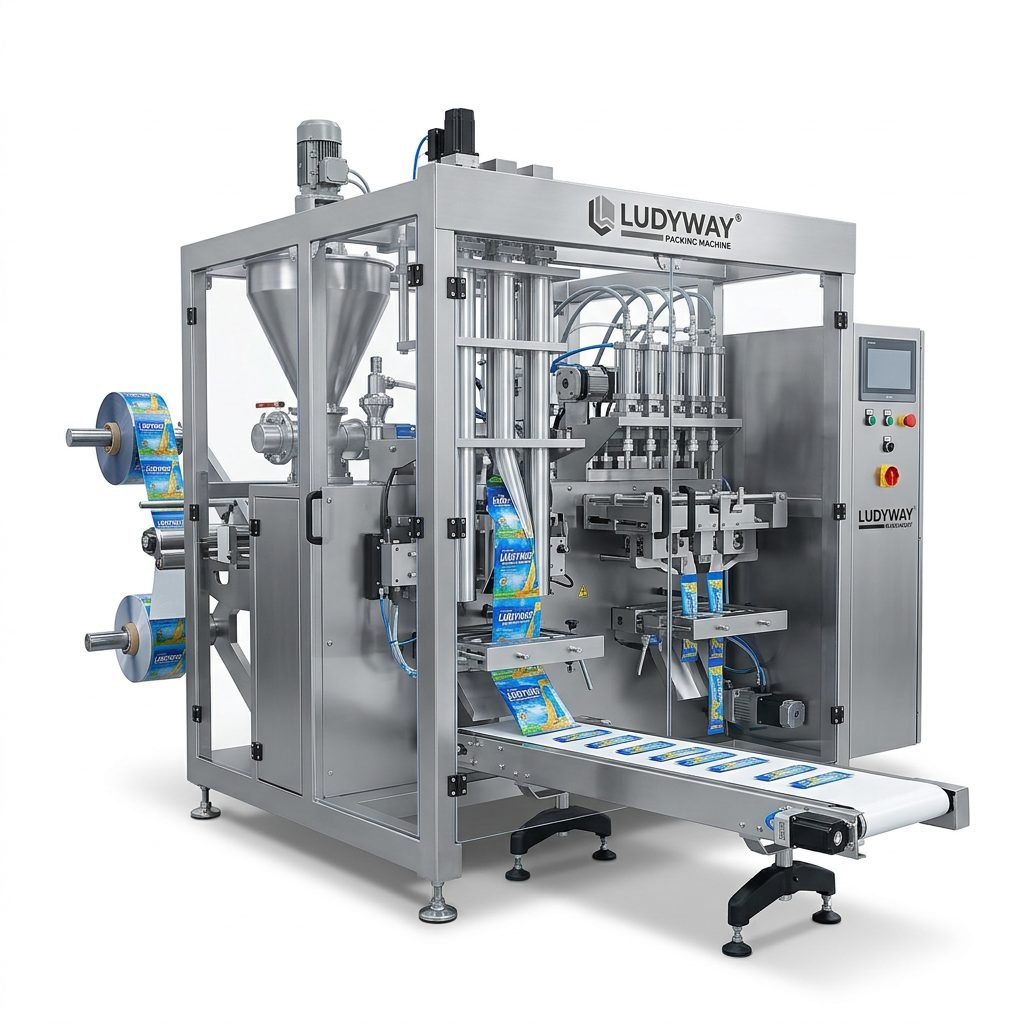
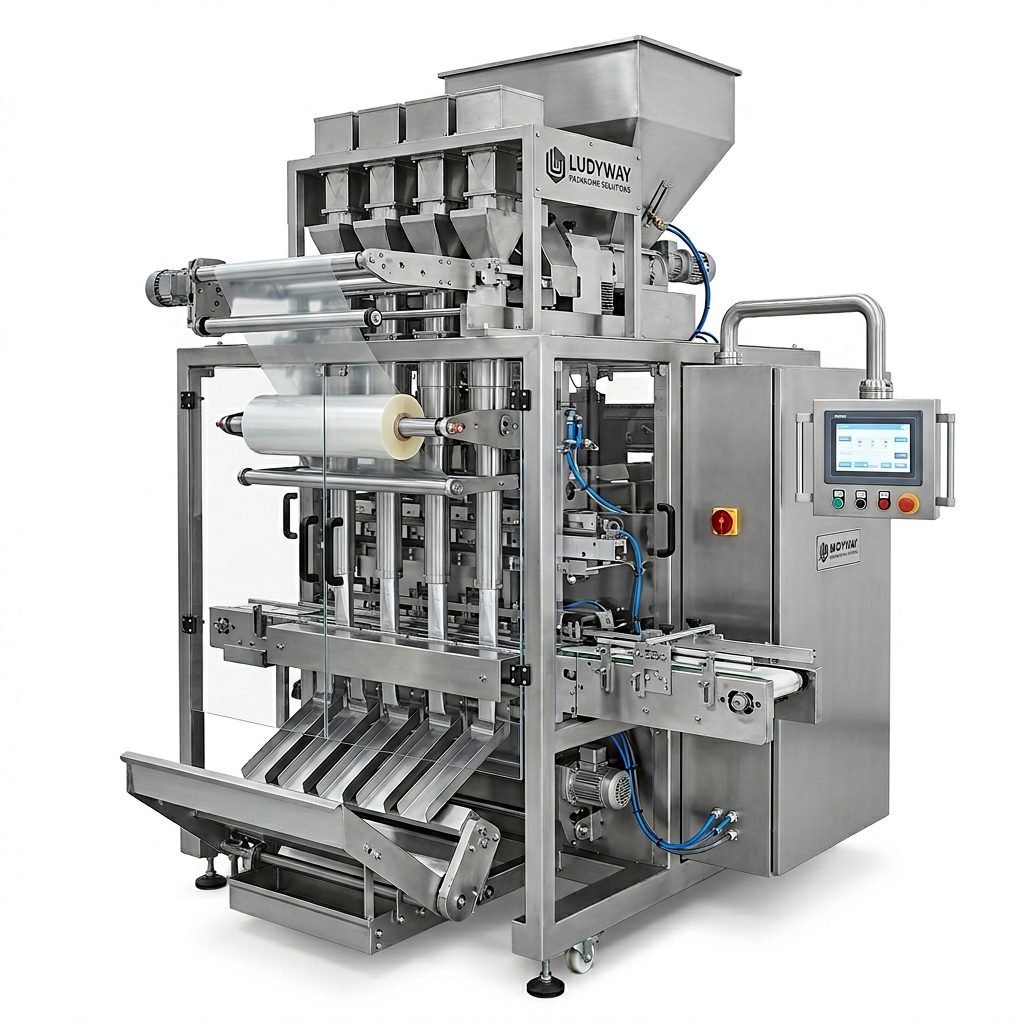
3. Vertical Form Fill Seal Machines
VFFS systems are often used for medium to large pouch sizes. They are a practical solution for refill bags, foodservice packs, and larger dairy powder packaging.
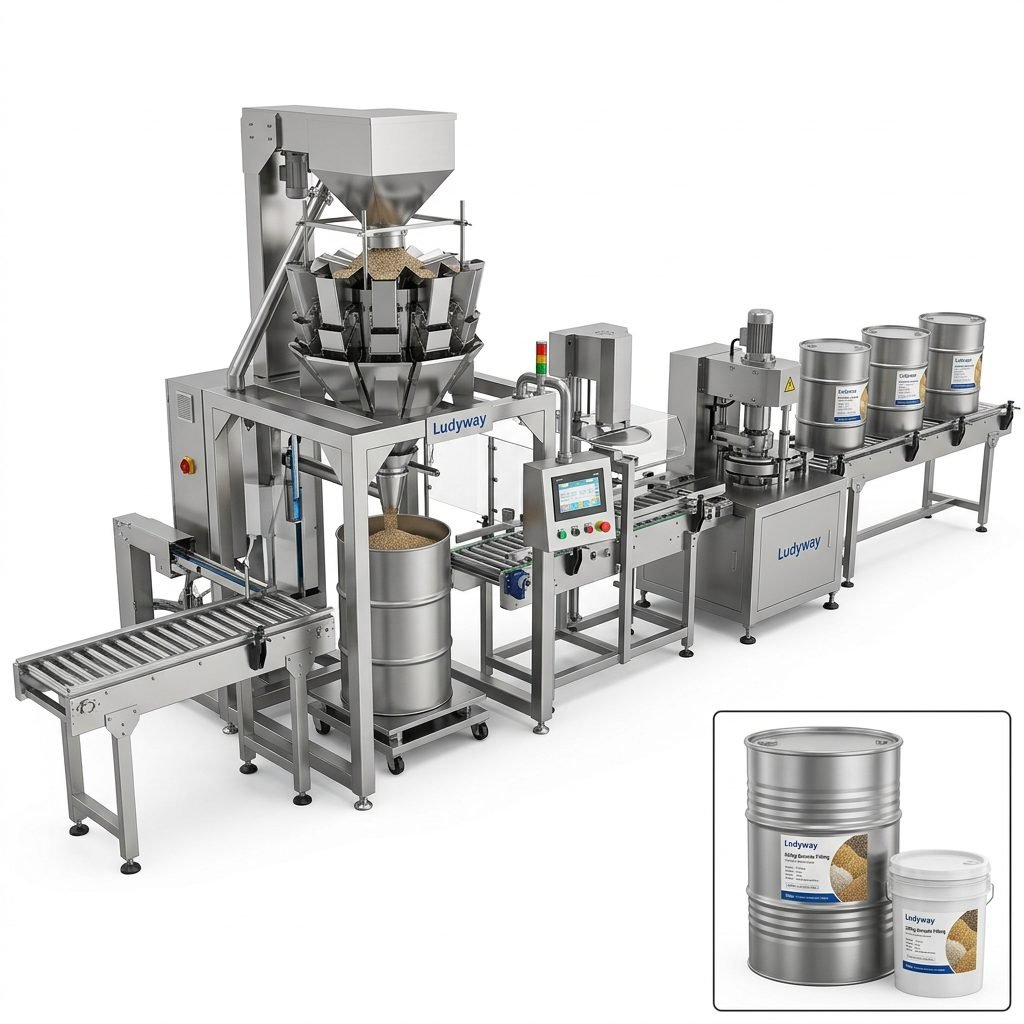
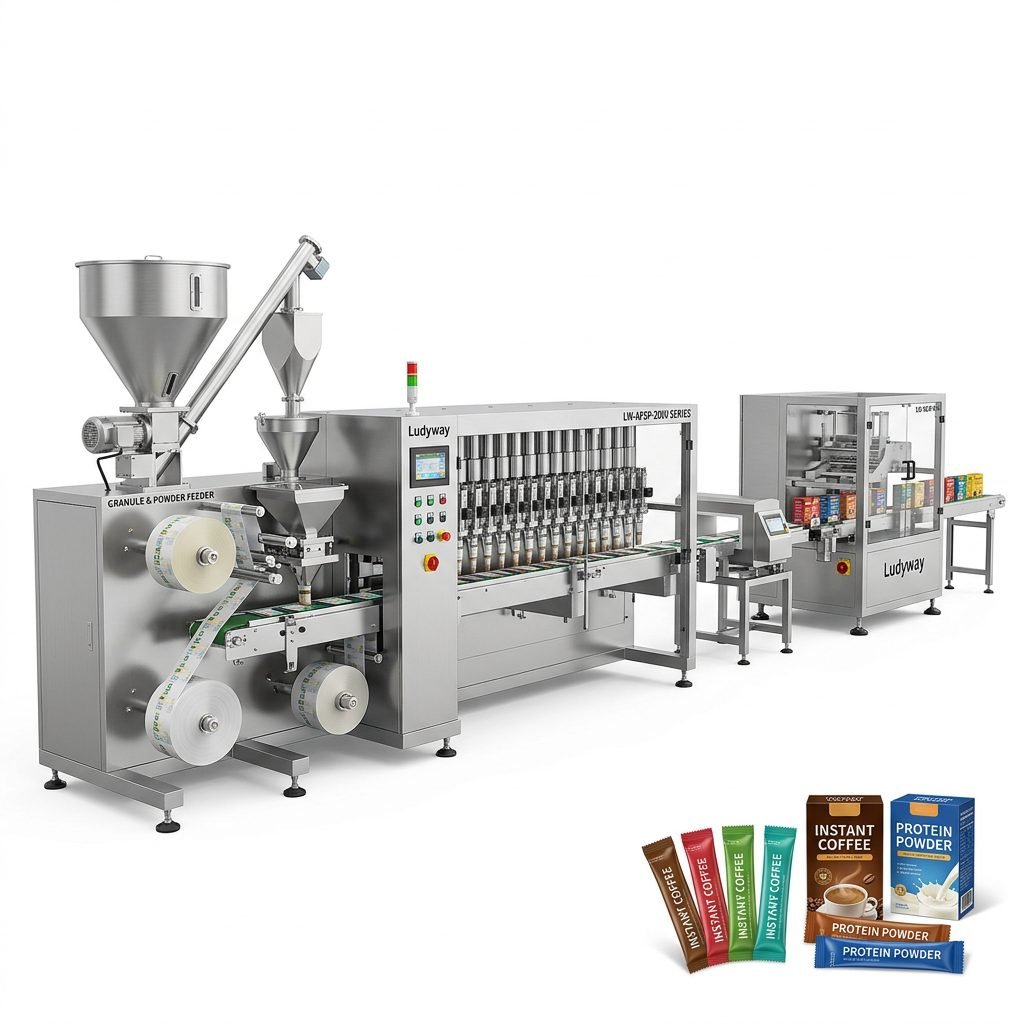
4. Complete Turnkey Packaging Lines
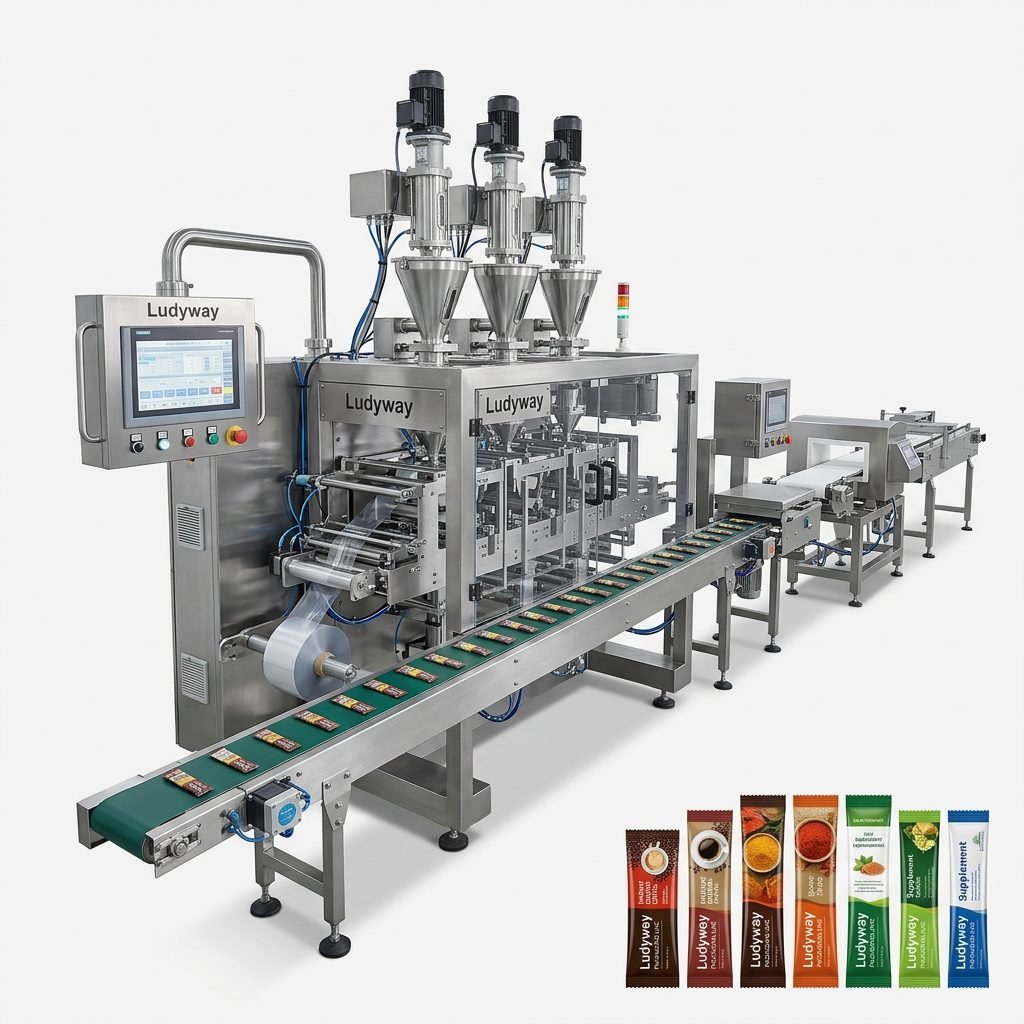
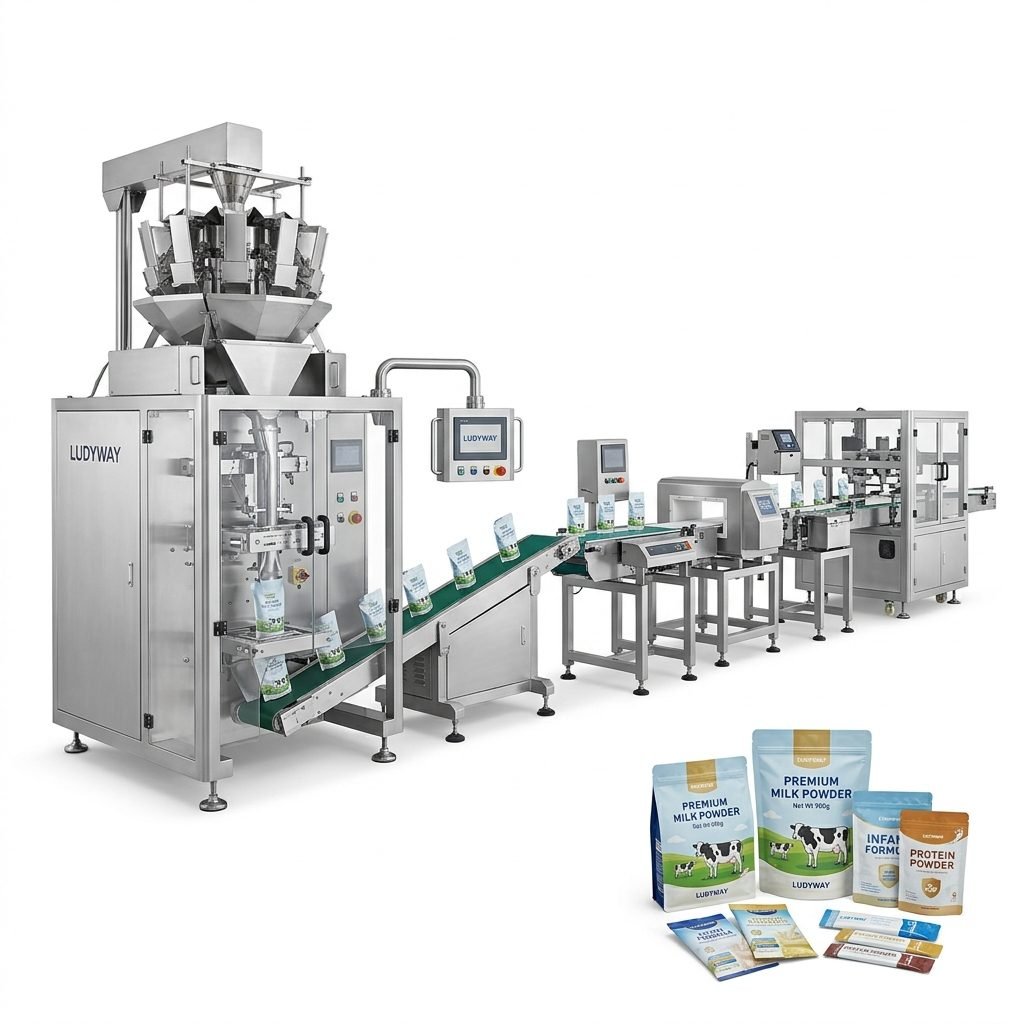
For manufacturers looking beyond one standalone machine, a complete line can include powder feeding, filling, sealing, coding, checkweighing, metal detection, cartoning, case packing, and palletizing. This approach improves consistency across the whole production flow.
How to Choose the Right Milk Powder Packaging Machine
Understand Your Powder Characteristics
Start with the product itself. Ask whether your milk powder is free-flowing, dusty, hygroscopic, fatty, or prone to clumping. These characteristics will influence the filler design, hopper structure, agitator configuration, and dust extraction needs.
A machine that works well for coffee creamer may not perform the same way for infant formula or high-fat milk powder.
Define Your Required Pack Size
Small single-dose packs usually need multi-lane systems, while larger retail or industrial bags may require VFFS or bagging equipment. If you plan to offer multiple SKUs, machine flexibility becomes especially important.
Match Output to Business Demand
Do not buy based only on maximum speed. You should evaluate:
- Current daily production target
- Expected growth in the next 2 to 5 years
- Available labor
- Shift pattern
- Maintenance capacity
The best solution is one that gives stable real-world output, not just an impressive speed number in ideal conditions.
Check Filling Accuracy
For milk powder, dosing accuracy directly affects cost and compliance. Overfilling increases material waste, while underfilling can create legal and customer issues. Look for:
- Auger filling systems designed for fine powders
- Servo-driven dosing control
- Stable feeding and anti-bridging designs
- Easy calibration and recipe storage
Focus on Hygiene and Cleanability
In dairy packaging, sanitation standards are critical. The machine should be easy to clean, especially around contact parts, dosing systems, hoppers, and sealing areas. Stainless steel construction and a rational structure help reduce contamination risk and cleaning time.
Evaluate Seal Quality and Shelf-Life Protection
A good seal is as important as accurate filling. Milk powder is vulnerable to moisture and oxygen, so poor sealing can quickly damage product quality. Depending on your product and market, you may also need nitrogen flushing, higher barrier films, or special sealing control.
Consider Automation Integration
If you want to reduce labor and improve consistency, the packaging machine should integrate smoothly with upstream and downstream equipment such as:
- Powder feeding systems
- Dust collection systems
- Checkweighers
- Metal detectors
- Cartoning machines
- Case packers
- Palletizing systems
Features to Look for in a High-Quality Milk Powder Packaging Solution
| Feature | Why It Matters |
|---|---|
| Servo auger filler | Improves dosing precision for powder products |
| Dust control design | Keeps seals cleaner and reduces contamination risk |
| Recipe memory | Speeds up product changeovers |
| Tool-free changeover | Reduces downtime when changing SKUs |
| Stainless steel contact parts | Supports food hygiene requirements |
| Nitrogen flushing option | Helps extend shelf life for sensitive powders |
| Inspection integration | Improves quality assurance and compliance |
Mistakes Buyers Should Avoid
- Choosing a machine based only on price
- Ignoring powder behavior during test runs
- Underestimating cleaning and maintenance needs
- Buying a machine with no room for future capacity growth
- Focusing on speed while ignoring seal consistency
- Not confirming compatibility with packaging films or pouch materials
A cheaper machine can become more expensive over time if it causes excess giveaway, downtime, unstable sealing, or high labor dependence.
Should You Buy a Standalone Machine or a Complete Line?
The answer depends on your operation stage.
A standalone machine may be best if:
- You are launching a new milk powder product
- You have limited floor space
- You already own some upstream or downstream equipment
- Your production volume is still moderate
A complete packaging line may be best if:
- You need higher automation
- You want consistent end-to-end production flow
- You plan to scale output quickly
- You want to reduce labor dependence and handling errors
For many growing dairy and nutrition brands, a modular line offers the best balance because it allows capacity expansion over time.
Questions to Ask a Packaging Machine Supplier
- Do you have experience with milk powder or dairy-based powders?
- What filling accuracy can you achieve for my target pack size?
- Can the machine handle multiple product densities and formulas?
- How easy is it to clean and change over?
- Can you provide testing with my actual powder and packaging film?
- Do you offer turnkey line integration?
- What after-sales support, spare parts, and technical service are available?
A reliable supplier should be willing to evaluate your product, target output, pack style, and factory conditions before recommending a final model.
Choosing a Manufacturer with Long-Term Capability
When investing in milk powder packaging equipment, it is wise to work with a manufacturer that can support both current production and future expansion.
Ludyway milk powder packaging machine solutions
are often considered by buyers looking for scalable equipment, multi-lane powder packaging systems, and complete turnkey lines backed by over 30 years of manufacturing experience.
For businesses that supply retail, foodservice, nutrition, or export markets, supplier capability matters just as much as machine specification. Engineering depth, customization experience, and international project support can make a major difference in installation success and long-term performance.
Final Buying Advice
The best packaging machine for milk powder is the one that fits your product characteristics, pack format, hygiene standards, speed target, and growth plan. Instead of looking for a one-size-fits-all answer, focus on a solution that delivers stable filling, clean sealing, easy operation, and dependable support.
If possible, always request a sample test with your own milk powder and packaging material. Real testing is the fastest way to confirm whether the machine can deliver the accuracy, efficiency, and pack quality your market requires.