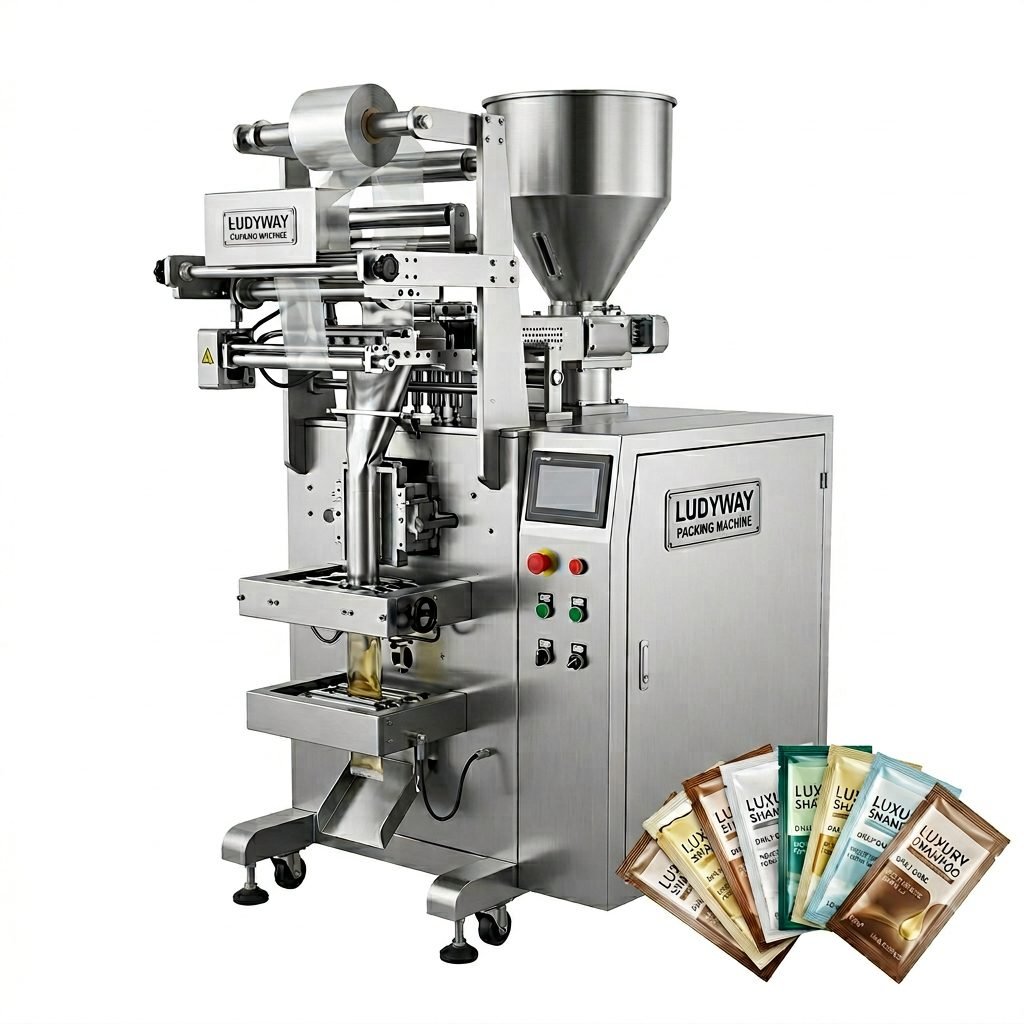
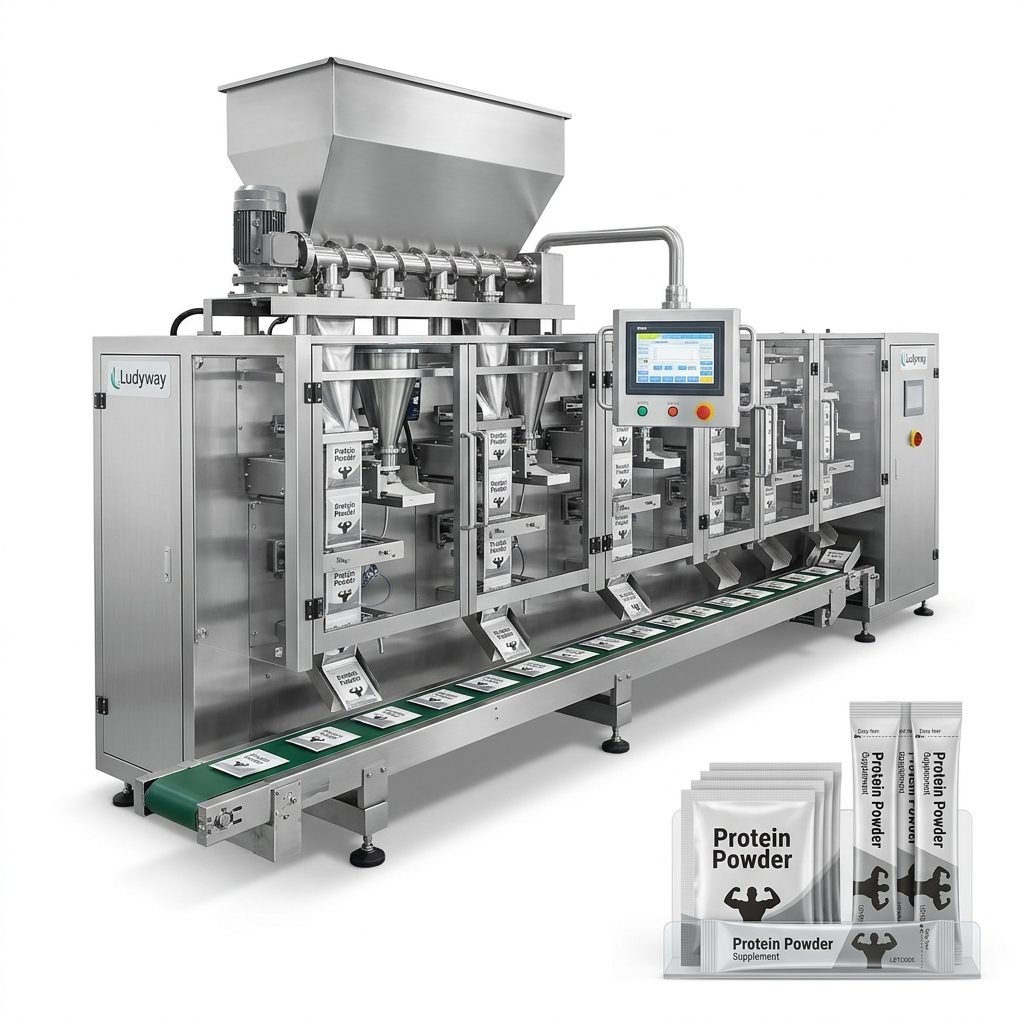
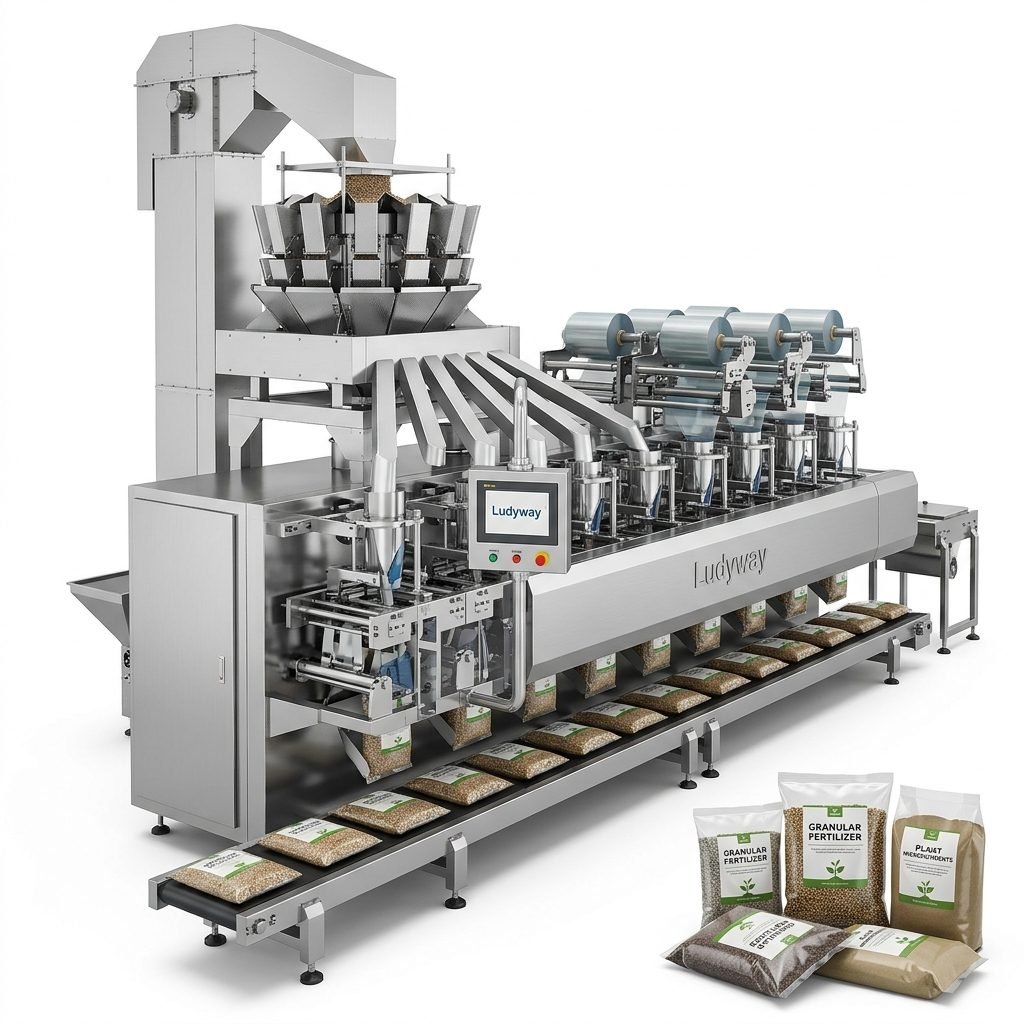
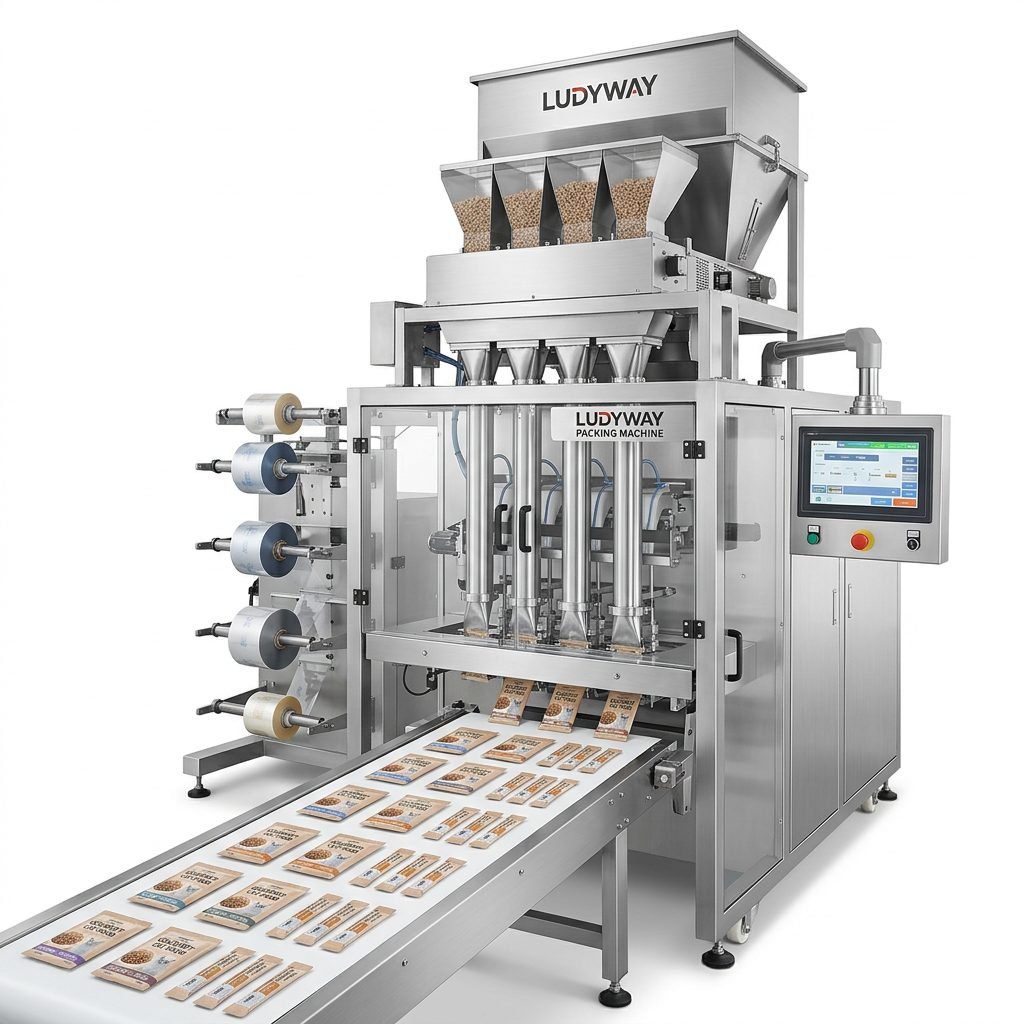
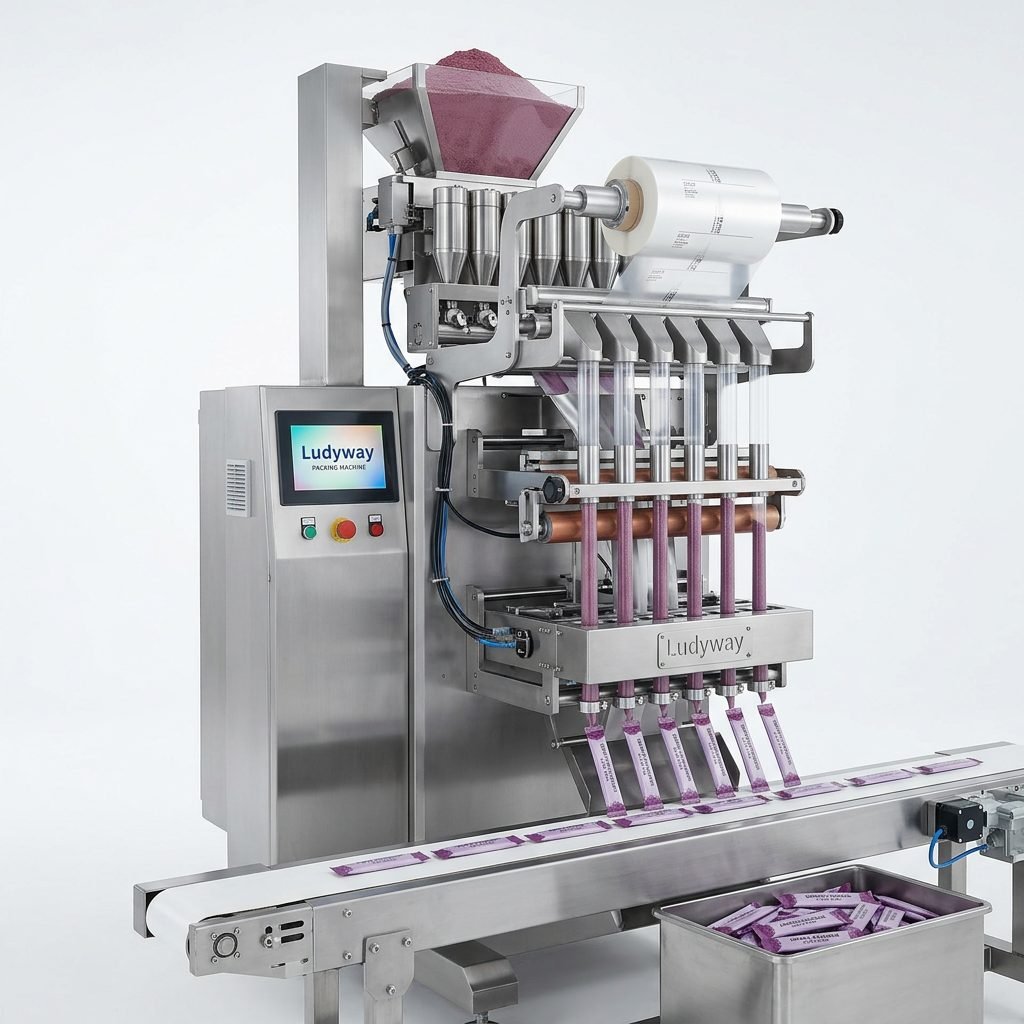
An automatic cartoning machine is one of the most effective upgrades for manufacturers that want faster output, better package consistency, and lower labor dependence. Whether you produce sachets, stick packs, pouches, blisters, bottles, or small boxed products, cartoning automation helps move finished items into cartons with greater speed and precision than manual packing.
For food, pharmaceutical, health supplement, cosmetic, and daily-use product factories, cartoning is often a critical end-of-line step. When it becomes a bottleneck, the entire packaging line slows down. By integrating an automatic cartoner, businesses can improve overall equipment efficiency, reduce downtime, and support stable large-volume production.
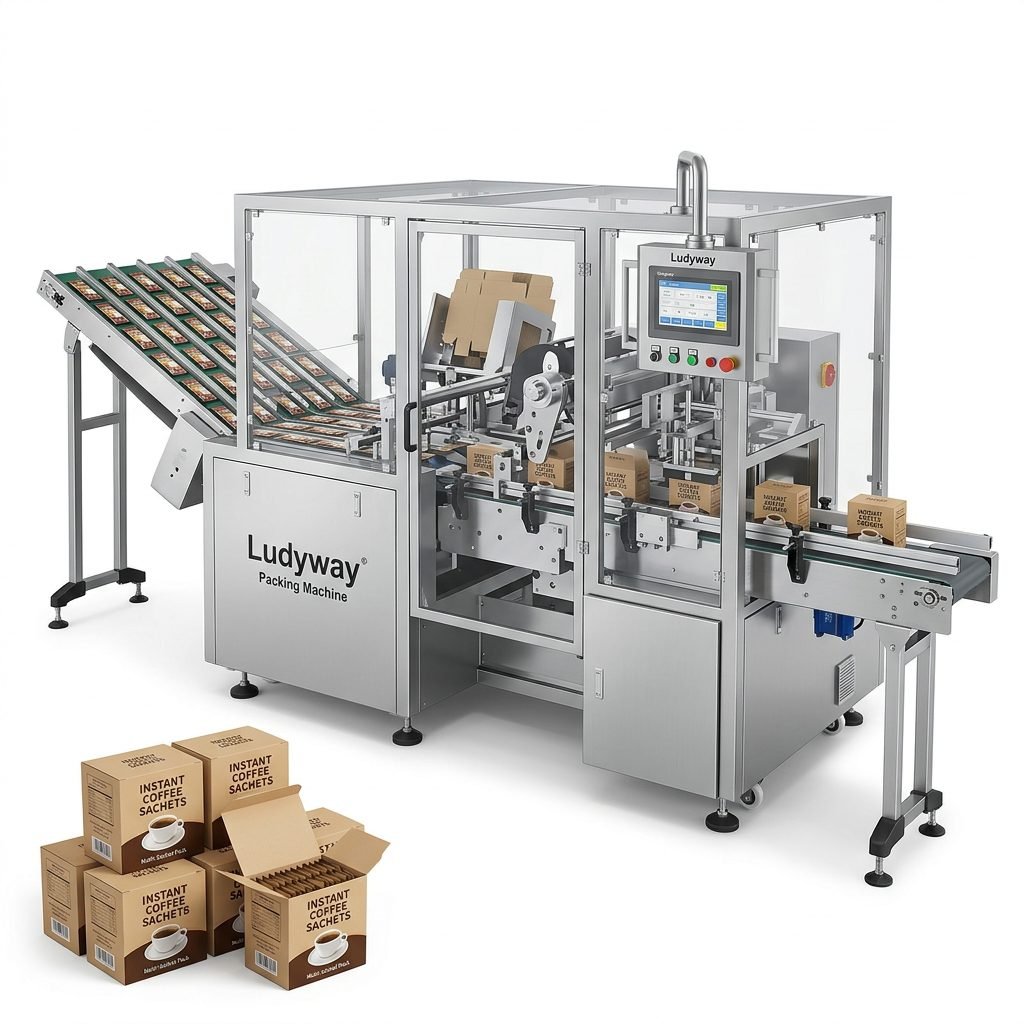
What Does an Automatic Cartoning Machine Do?
An automatic cartoning machine forms, opens, loads, and closes cartons automatically. Depending on the application, it can insert single items or grouped products into pre-glued cartons or flat blanks. It may also integrate leaflet insertion, coding, rejection, checkweighing, sealing, and downstream case packing.
- Automatically erects or opens cartons
- Feeds products in a timed and organized sequence
- Loads primary packages into cartons accurately
- Closes cartons by tuck-in or glue sealing
- Supports high-speed continuous production
This type of machine is especially valuable when primary packaging equipment already operates at high speed. If sachet, stick pack, or pouch production is automated but cartoning remains manual, labor congestion and inconsistent output can quickly appear.
How It Improves Packaging Efficiency
1. Reduces Manual Handling
Manual cartoning requires operators to count, align, insert, and close cartons repeatedly. This increases fatigue and introduces variation. An automatic system performs these tasks with repeatable movement, reducing errors caused by inconsistent human handling.
2. Keeps Product Flow Continuous
A well-matched cartoning machine synchronizes with upstream filling and sealing equipment. Instead of stopping production to accumulate products for hand packing, the cartoner receives items continuously and maintains stable output.
3. Improves Carton Quality
Proper carton opening, product insertion, and closure are essential for shelf appearance and transport protection. Automation helps ensure neat folding, accurate loading, and secure sealing, which improves final presentation and reduces rework.
4. Lowers Product Loss and Carton Waste
Misaligned insertion, crushed cartons, missing counts, or poorly closed boxes can all cause waste. Automatic cartoning machines are designed with positioning controls and detection functions that help minimize these issues.
5. Supports Traceability and Quality Control
Many systems can integrate date coding, batch printing, vision inspection, and reject units. This is especially important in regulated sectors such as pharmaceuticals and nutraceuticals.
How It Increases Production Speed
The biggest advantage of an automatic cartoner is speed. Unlike manual operations, machine output remains stable over long production runs. That stability matters just as much as peak speed because predictable throughput helps with planning, staffing, and delivery schedules.
| Packaging Factor | Manual Cartoning | Automatic Cartoning Machine |
|---|---|---|
| Packing speed | Limited by labor pace | Consistent high-speed operation |
| Count accuracy | May vary by operator | Stable and programmable |
| Carton appearance | Can be inconsistent | Uniform and professional |
| Labor demand | Higher | Lower |
| Long-run efficiency | Drops with fatigue | Maintains stable performance |
In many factories, faster cartoning directly increases daily shipment capacity. Once the end-of-line process keeps up with filling and sealing, the packaging line can operate more smoothly with fewer interruptions.
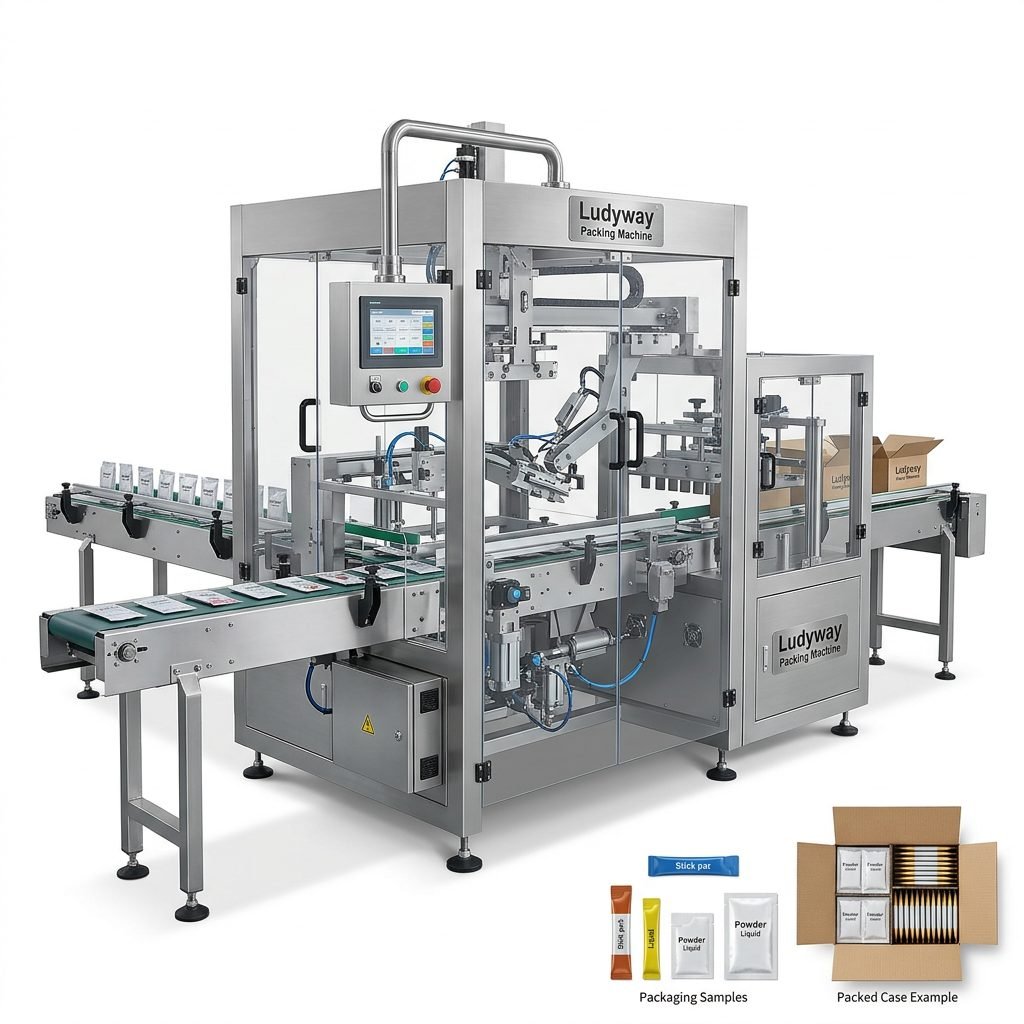
Key Industries That Benefit Most
Food Industry
Powder sachets, seasoning packs, coffee sticks, instant drinks, sauces, snacks, and health foods often need grouped carton packing for retail sale. Automatic cartoning ensures faster turnover and cleaner presentation.
Pharmaceutical Industry
Tablets, capsules, granules, medical sachets, and diagnostic products often require precise counts, leaflet insertion, coding, and inspection. Cartoning automation helps meet strict compliance and traceability needs.
Health Supplement Industry
Single-dose packs, stick packs, and pouch-based nutraceutical products benefit from accurate grouping and premium carton appearance, especially in export markets.
Cosmetic and Personal Care Industry
Samples, creams, lotions, serums, and sachet packs often rely on attractive secondary packaging. Automatic cartoning helps maintain brand presentation while supporting large-volume output.
Main Features to Look For in an Automatic Cartoner
- Speed compatibility with upstream packaging equipment
- Flexible carton size adjustment
- Reliable product feeding and counting system
- Carton opening accuracy and stable closing performance
- Reject system for missing product or faulty cartons
- Easy HMI operation and recipe storage
- Servo control for improved precision
- Optional integration with coding, labeling, case packing, and palletizing
The best machine is not always the fastest model. It should match your product format, carton style, production target, and future expansion plans.
Common Product Formats Suitable for Cartoning
| Product Type | Typical Cartoning Method | Benefit |
|---|---|---|
| Sachets and stick packs | Counting and grouped insertion | Faster retail-ready packing |
| Pouches | Single or multi-pack loading | Improved shelf presentation |
| Blisters and strips | Carton insertion with leaflet | Better compliance and traceability |
| Bottles and small containers | Pick-and-place loading | Reduced manual labor |
Why Cartoning Matters in Complete Packaging Lines
A packaging line performs best when every step is balanced. High-speed filling without matching cartoning capacity often leads to product accumulation, stoppages, and higher labor pressure. That is why many manufacturers now choose complete integrated systems rather than isolated machines.
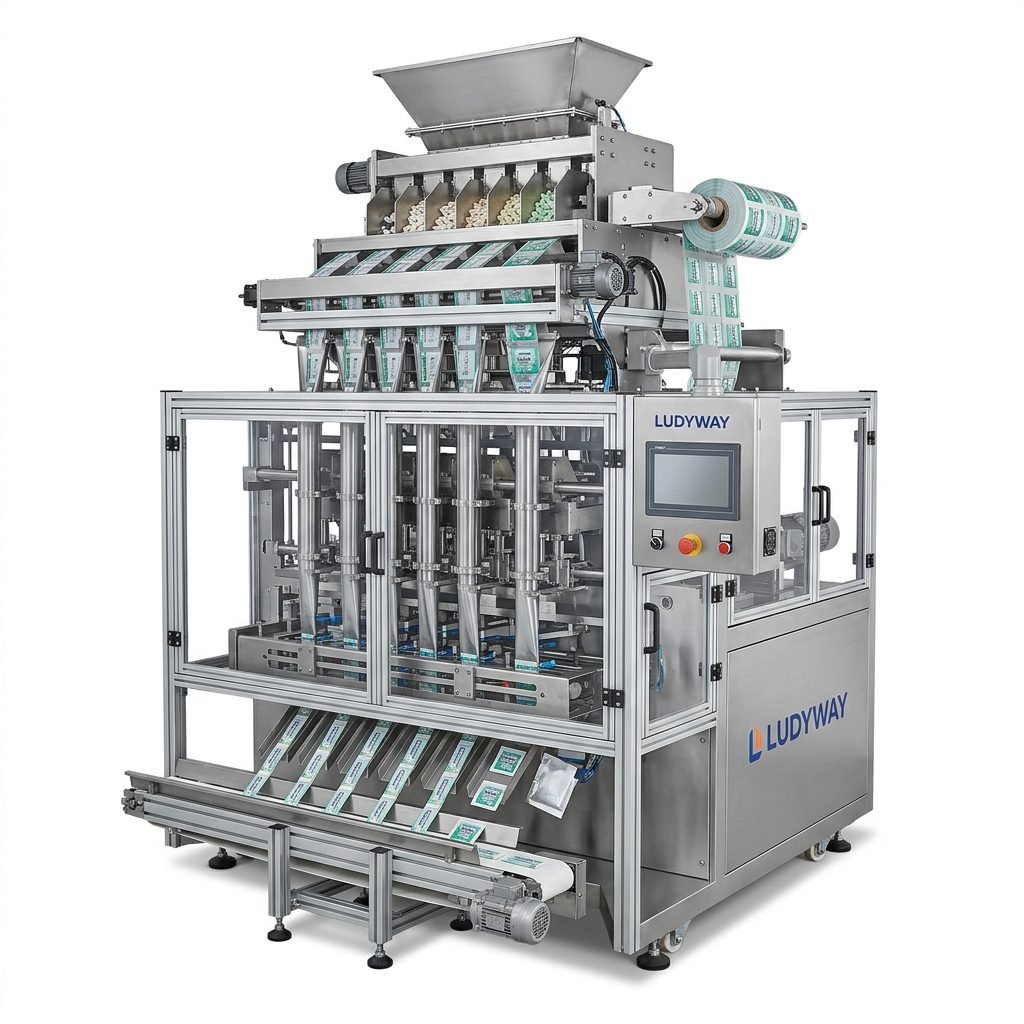
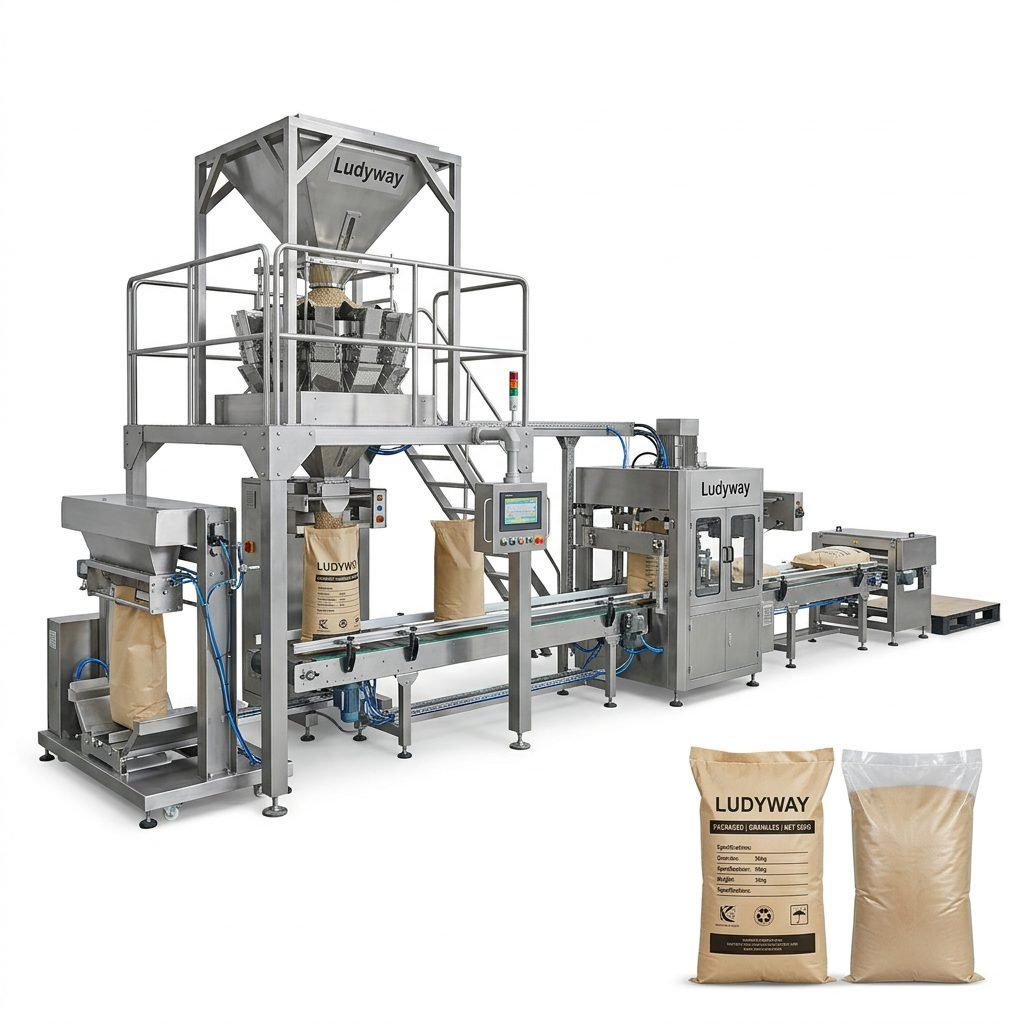
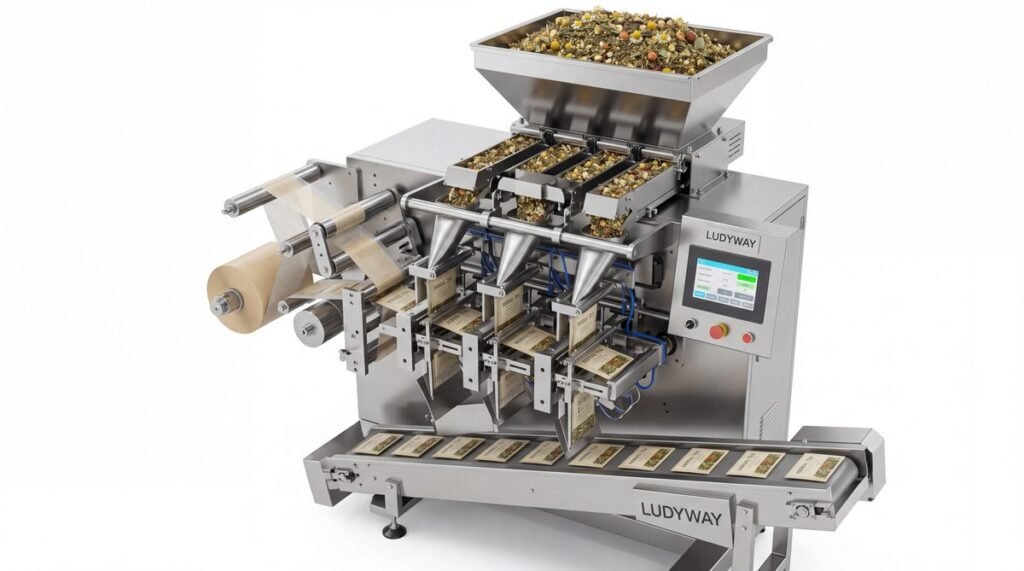
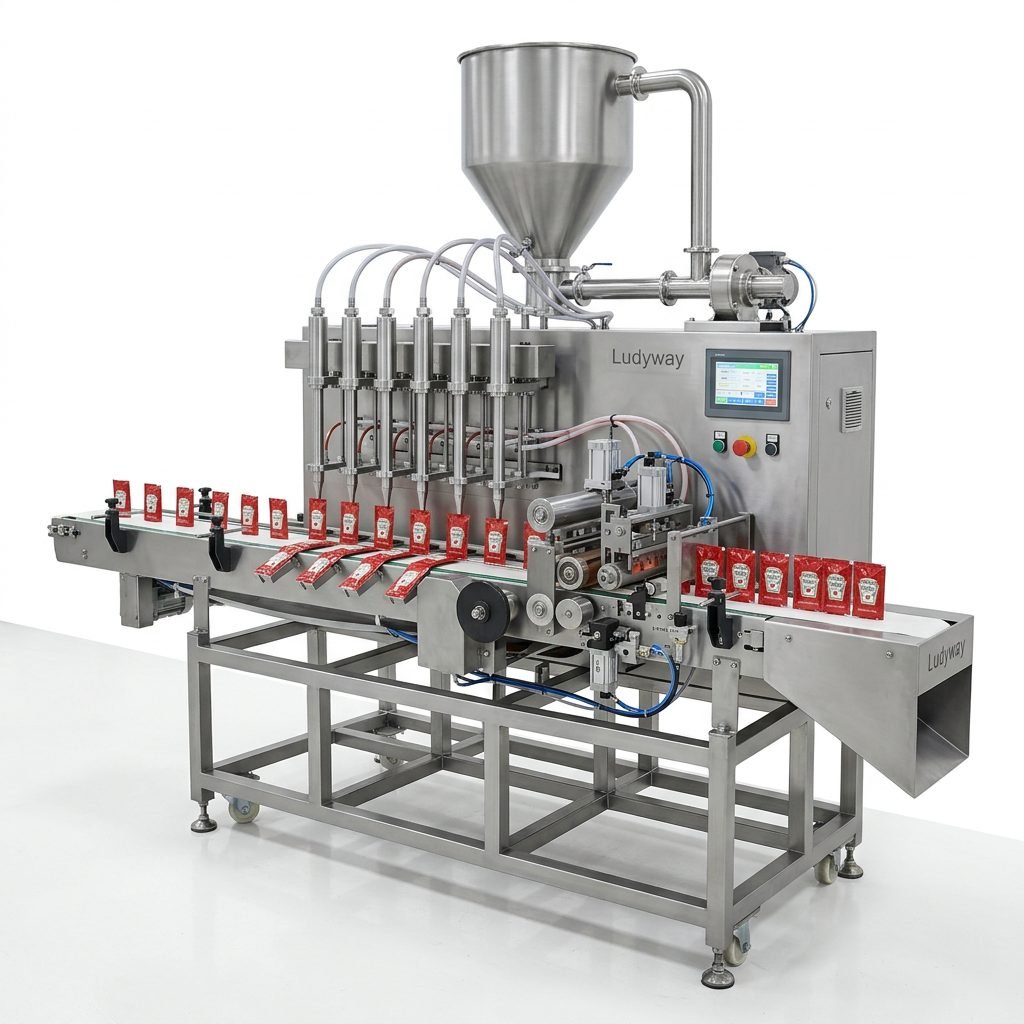
As one of China’s leading packaging machine and turnkey packaging line manufacturers, Ludyway automatic cartoning machine solutions can be integrated with primary packaging, conveying, inspection, coding, case packing, and other end-of-line equipment to support more efficient production across food, pharmaceutical, health supplement, and related industries.
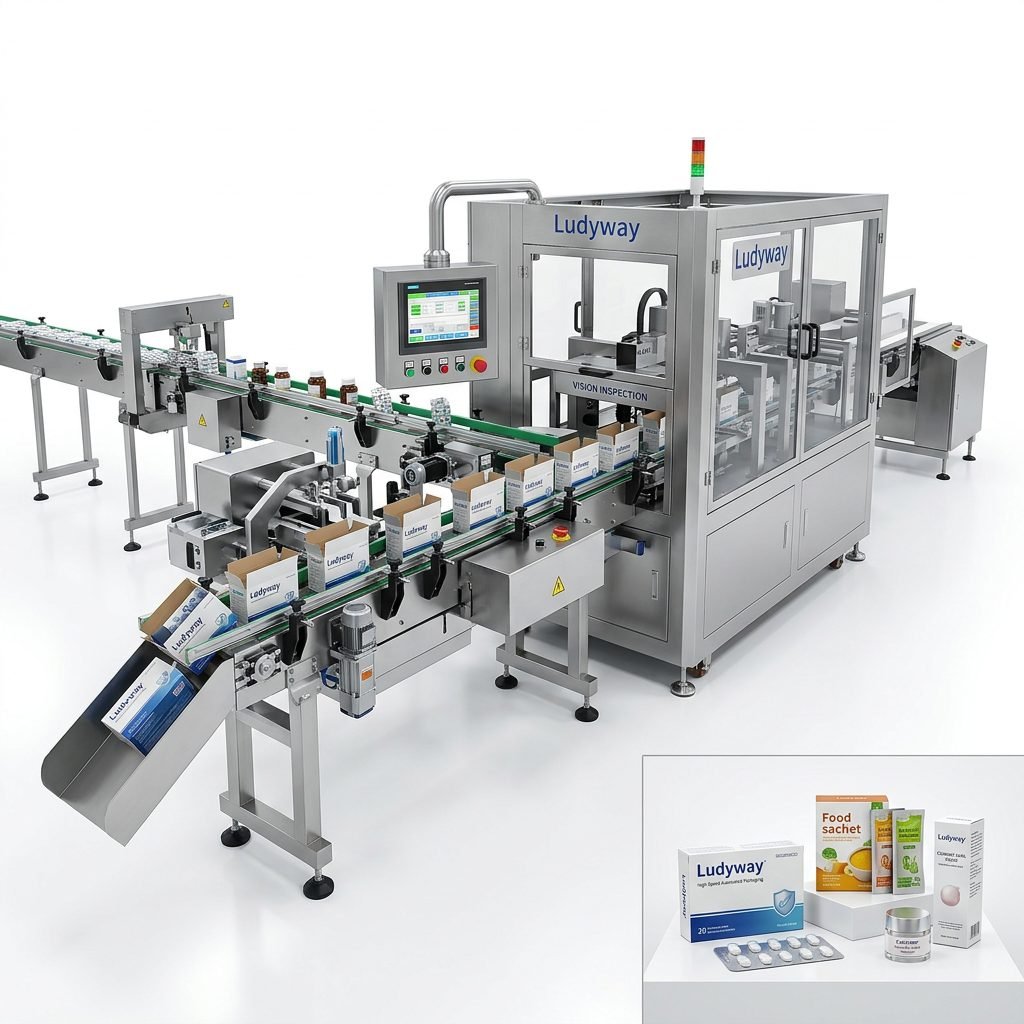
Signs Your Factory Needs an Automatic Cartoning Machine
- Manual packing cannot keep up with filling speed
- Frequent overtime is needed to finish orders
- Carton quality varies between shifts
- Labor costs are rising
- Counting errors or missing inserts happen too often
- You want to scale output without adding large packing teams
- Your customers require better packaging consistency
How to Choose the Right Model
Before investing, evaluate the full application rather than only the machine price. Important questions include:
- What product format will be cartoned?
- How many units go into each carton?
- What speed must the machine achieve per minute?
- Do you need tuck-in closure or hot-melt sealing?
- Will leaflet insertion or coding be required?
- Do you expect future format changes?
- Should the machine connect with a complete turnkey line?
A well-selected automatic cartoning machine should increase throughput today while also giving your factory room to expand tomorrow.
Final Takeaway
An automatic cartoning machine improves packaging efficiency by reducing manual work, increasing consistency, and minimizing waste. It improves production speed by keeping end-of-line operations synchronized with upstream equipment. For manufacturers focused on output, quality, and scalability, cartoning automation is no longer just an upgrade—it is a strategic investment in long-term competitiveness.
If your packaging line is growing and manual cartoning is becoming the bottleneck, this is often the right time to move toward a more automated solution.