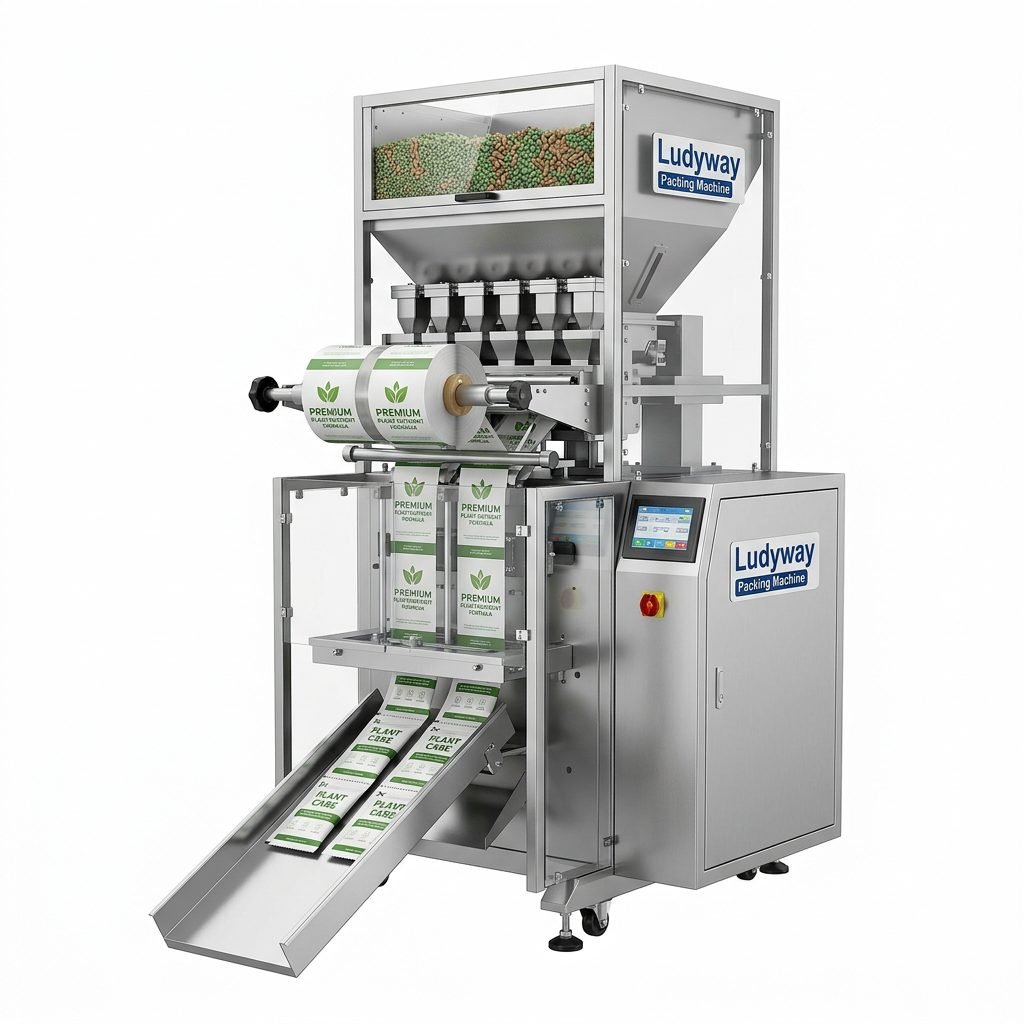
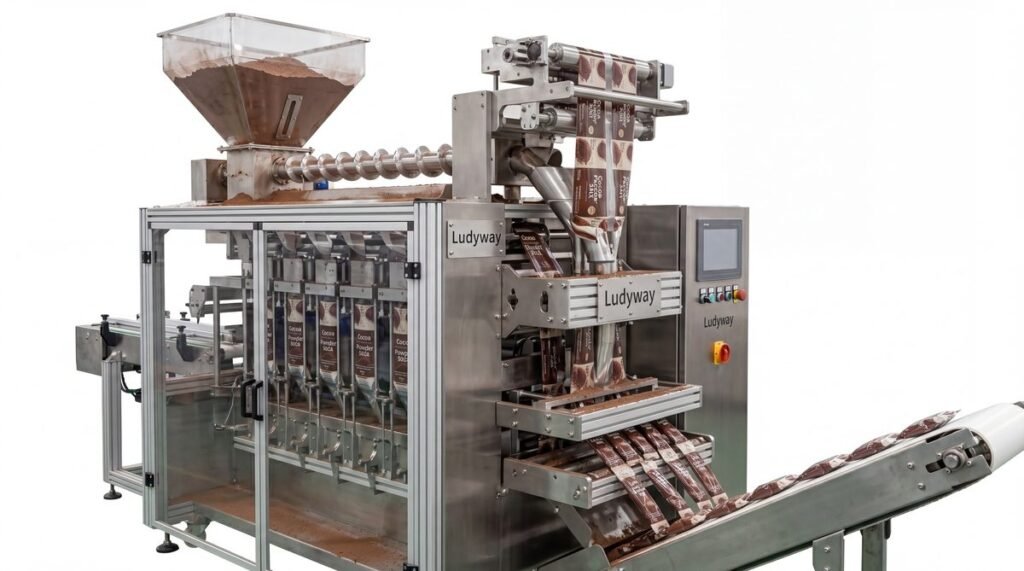
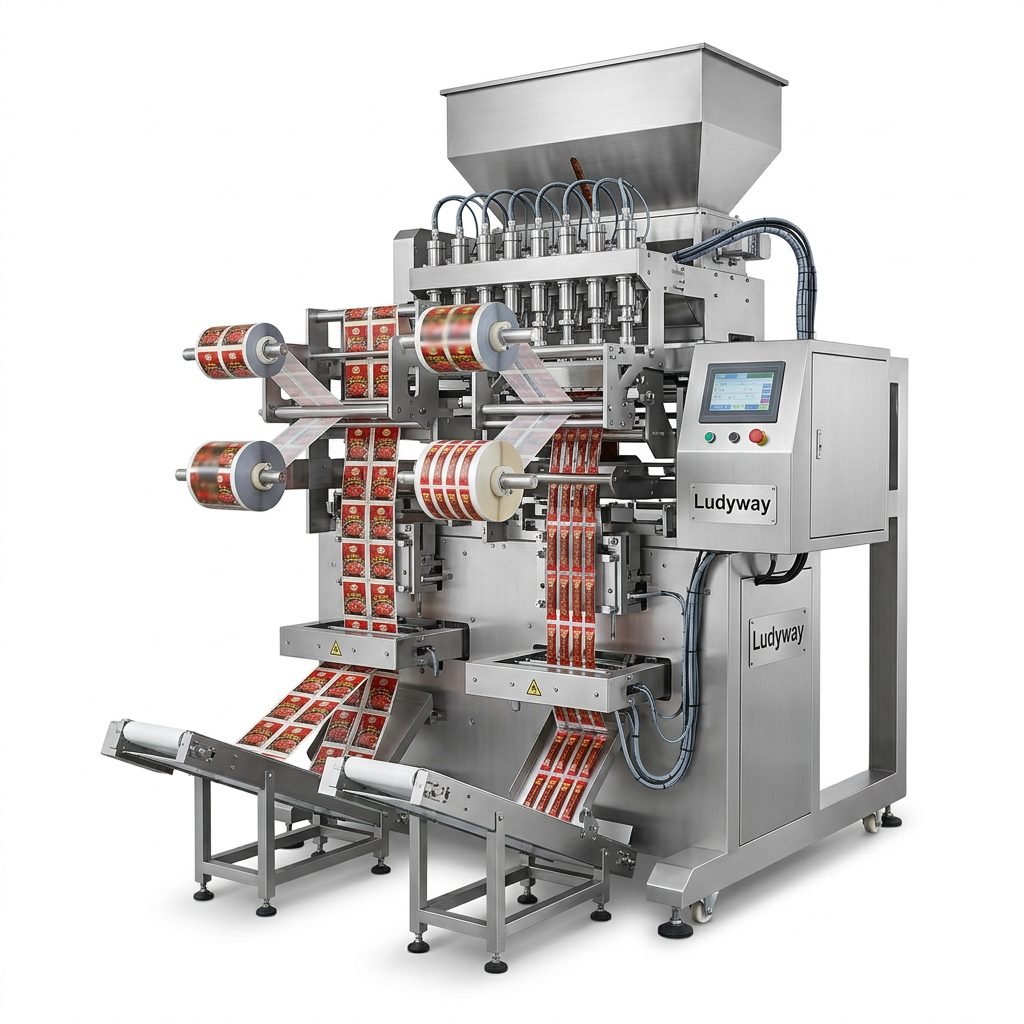
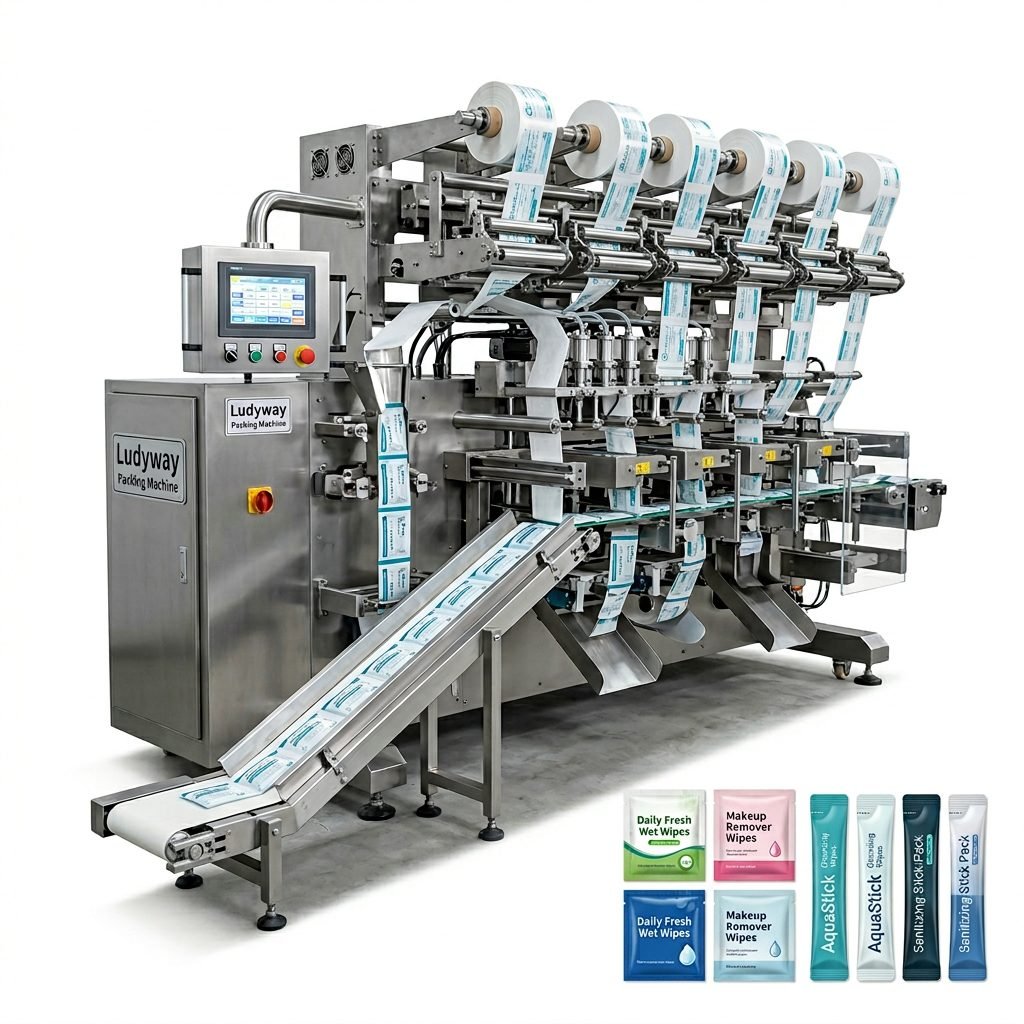
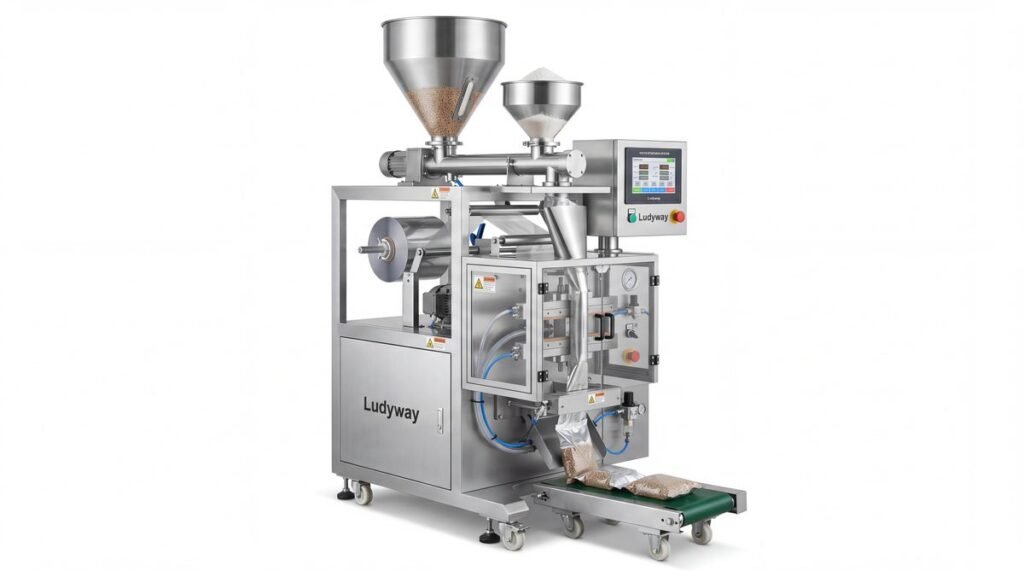
Mylar packaging machines are widely used for products that require strong barrier protection, reliable sealing, and a professional shelf-ready appearance. From food and nutraceuticals to pharmaceuticals, chemicals, and personal care products, these systems help businesses package products in pouches, sachets, and stick packs that preserve freshness while improving production efficiency.
For manufacturers considering automation, understanding how a Mylar packaging machine works is the first step toward choosing the right configuration for your product, output target, and packaging format.
What Is a Mylar Packaging Machine?
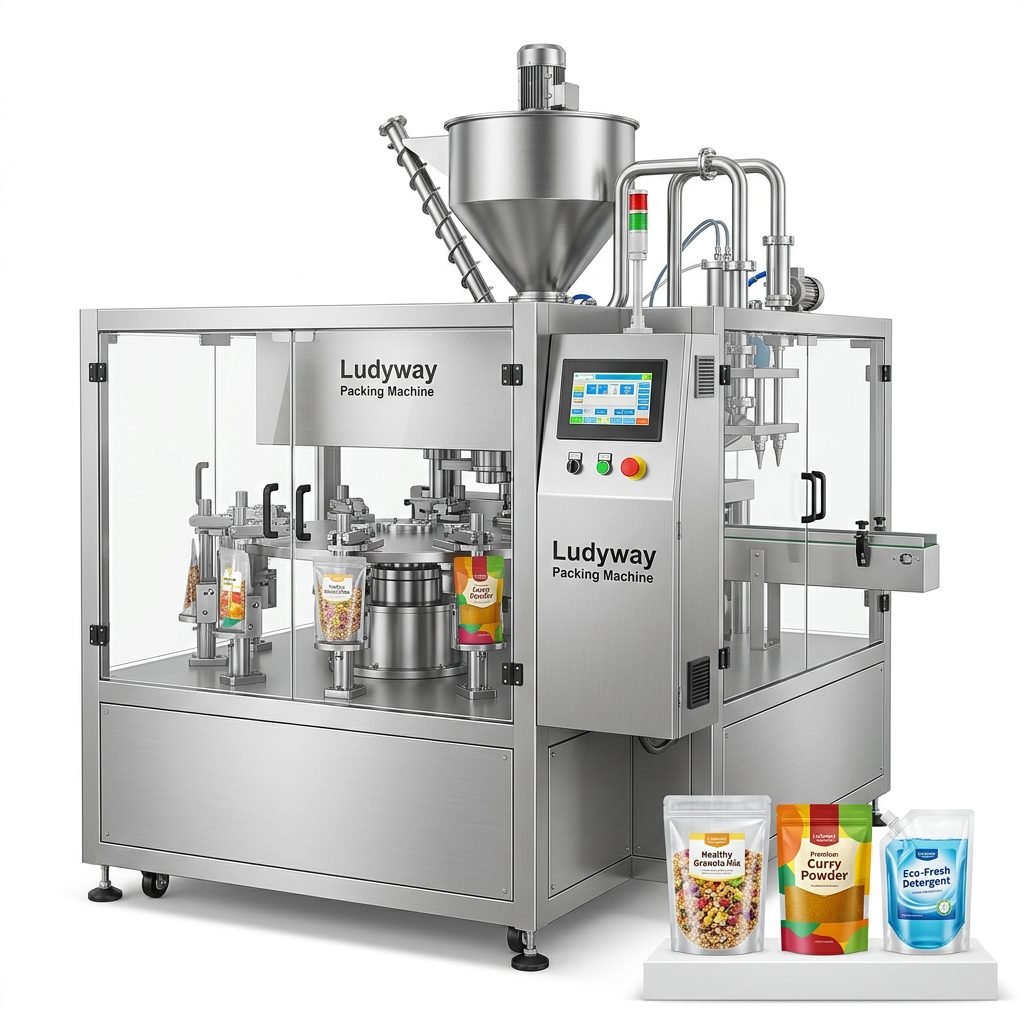
A Mylar packaging machine is an automated system designed to fill and seal packaging materials commonly referred to as “Mylar bags” or high-barrier laminated pouches. In practice, these materials are usually made from multi-layer films that may include polyester, aluminum foil, PE, PET, or other barrier structures.
These machines can package:
- Powders such as protein, spices, coffee, and supplements
- Granules such as sugar, seeds, snacks, and pet treats
- Liquids and pastes such as sauces, gels, creams, and oils
- Pharmaceutical and nutraceutical products requiring controlled, hygienic packaging
Depending on the application, the machine may work with:
- Premade Mylar pouches
- Roll film for form-fill-seal production
- Sachet or stick pack structures with barrier film
- Zip-lock, flat, stand-up, or special-shaped pouch formats
How a Mylar Packaging Machine Works
Although machine layouts vary, most systems follow a similar packaging sequence. The process can be fully automatic or semi-automatic depending on production scale.
1. Film Feeding or Pouch Loading
The machine starts by either unwinding laminated film from a roll or feeding premade Mylar bags into position. Accurate film tracking is essential for sealing alignment, print registration, and pouch consistency.
2. Pouch Forming or Opening
In form-fill-seal machines, the film is shaped into a pouch or sachet. In premade pouch systems, the machine automatically opens the pouch mouth using suction or mechanical grippers.
3. Product Dosing and Filling
The filling station dispenses the correct amount of product into each bag. The dosing method depends on product type:
- Auger filler for powders
- Multihead weigher for granules and snacks
- Piston or pump filler for liquids and pastes
- Counting system for tablets, capsules, or hardware parts
4. Air Removal or Gas Flushing
Some Mylar packaging lines include vacuum extraction or nitrogen flushing. This is especially useful for oxygen-sensitive products such as coffee, dried food, supplements, and certain pharmaceutical materials.
5. Heat Sealing
The pouch is sealed by heat and pressure. Since Mylar-style laminated materials can be thicker and more rigid than standard films, the sealing unit must deliver stable temperature control and sufficient dwell time.
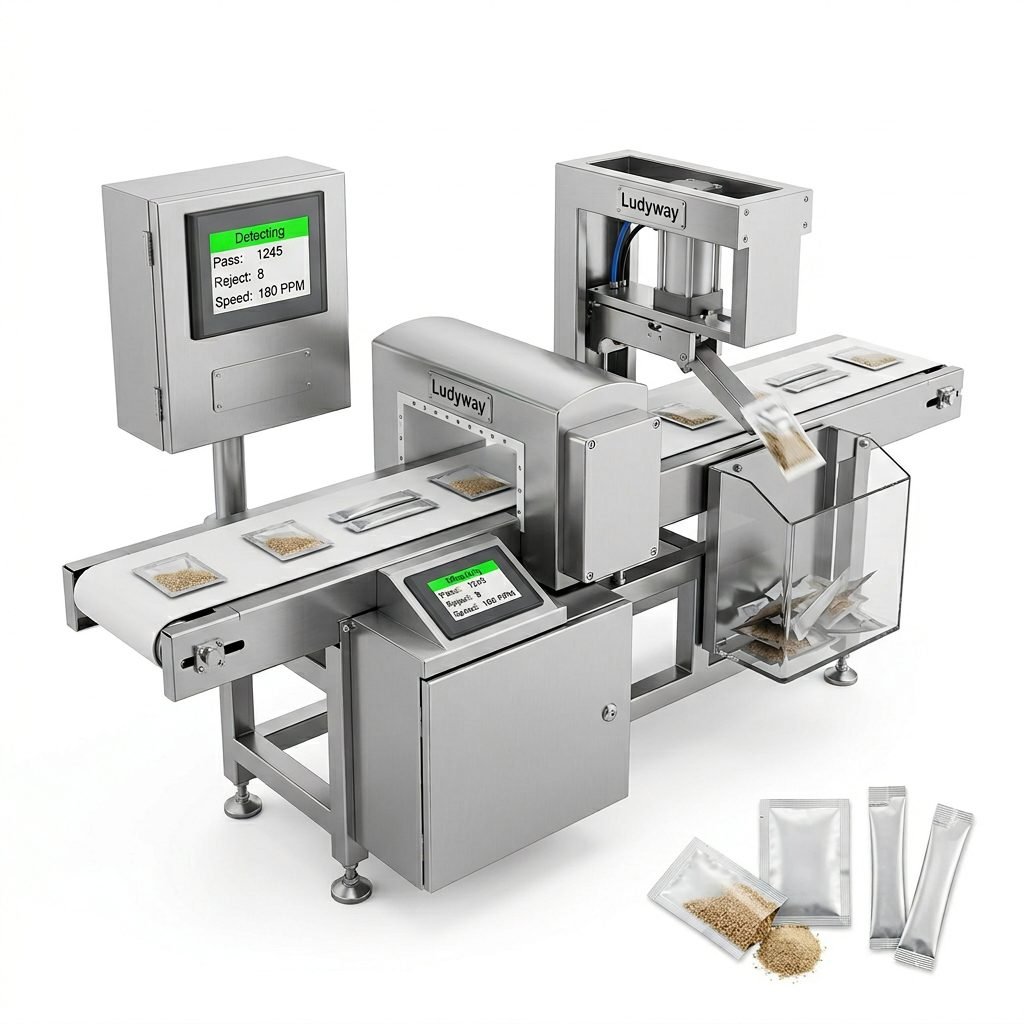
6. Coding, Inspection, and Output
After sealing, the package may pass through printing, weighing, inspection, reject, and discharge stations. Finished packs can then move to cartoning, case packing, or palletizing if the line is integrated.
Main Types of Mylar Packaging Machines
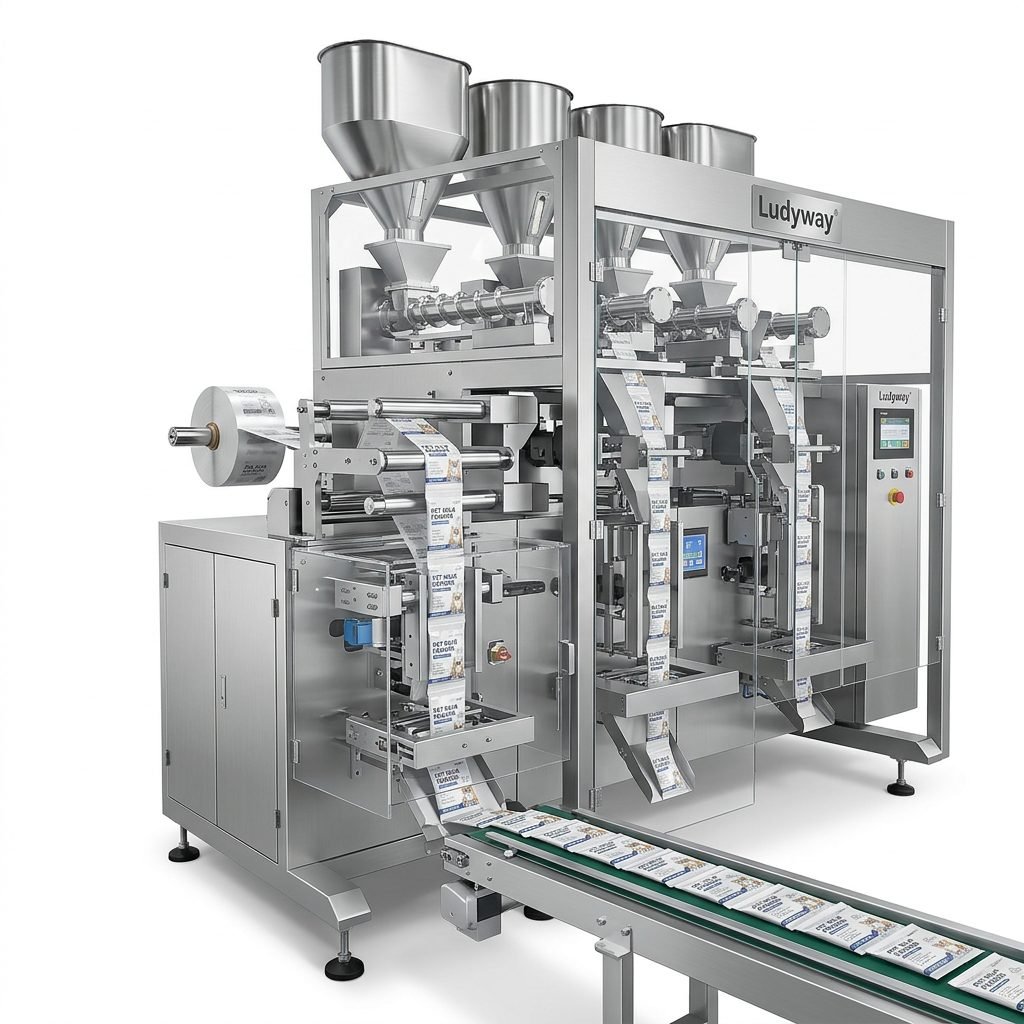
Vertical Form Fill Seal Machines
These machines create pouches from roll film, fill them, and seal them in one continuous process. They are a strong choice for high-volume packaging of powders, granules, and some liquids.
Premade Pouch Packing Machines
These systems work with ready-made Mylar bags and are ideal for premium retail packaging such as stand-up pouches, zipper pouches, and shaped pouches.
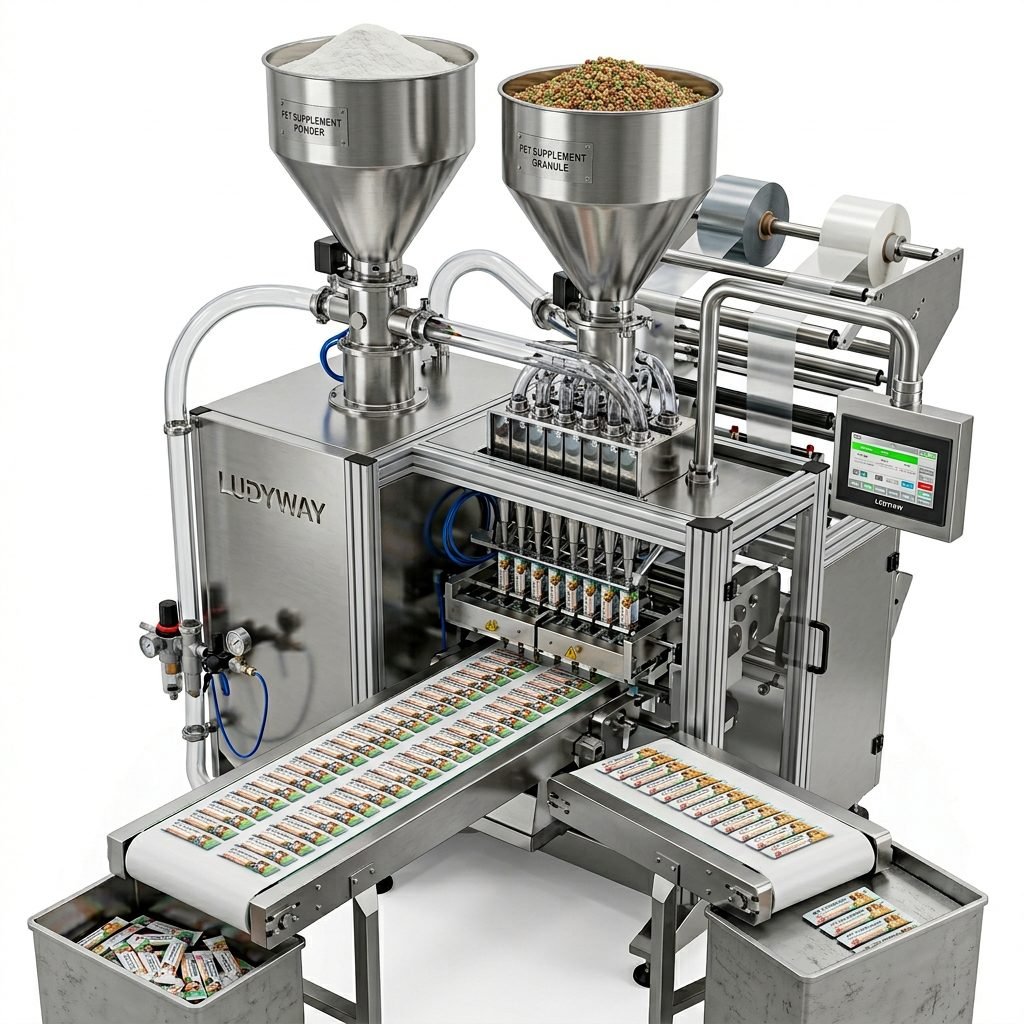
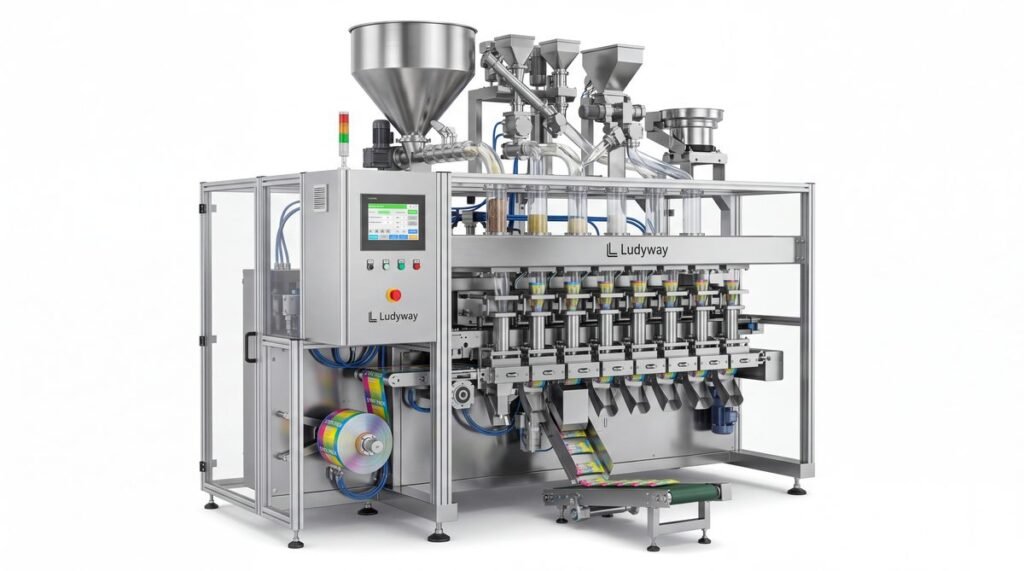
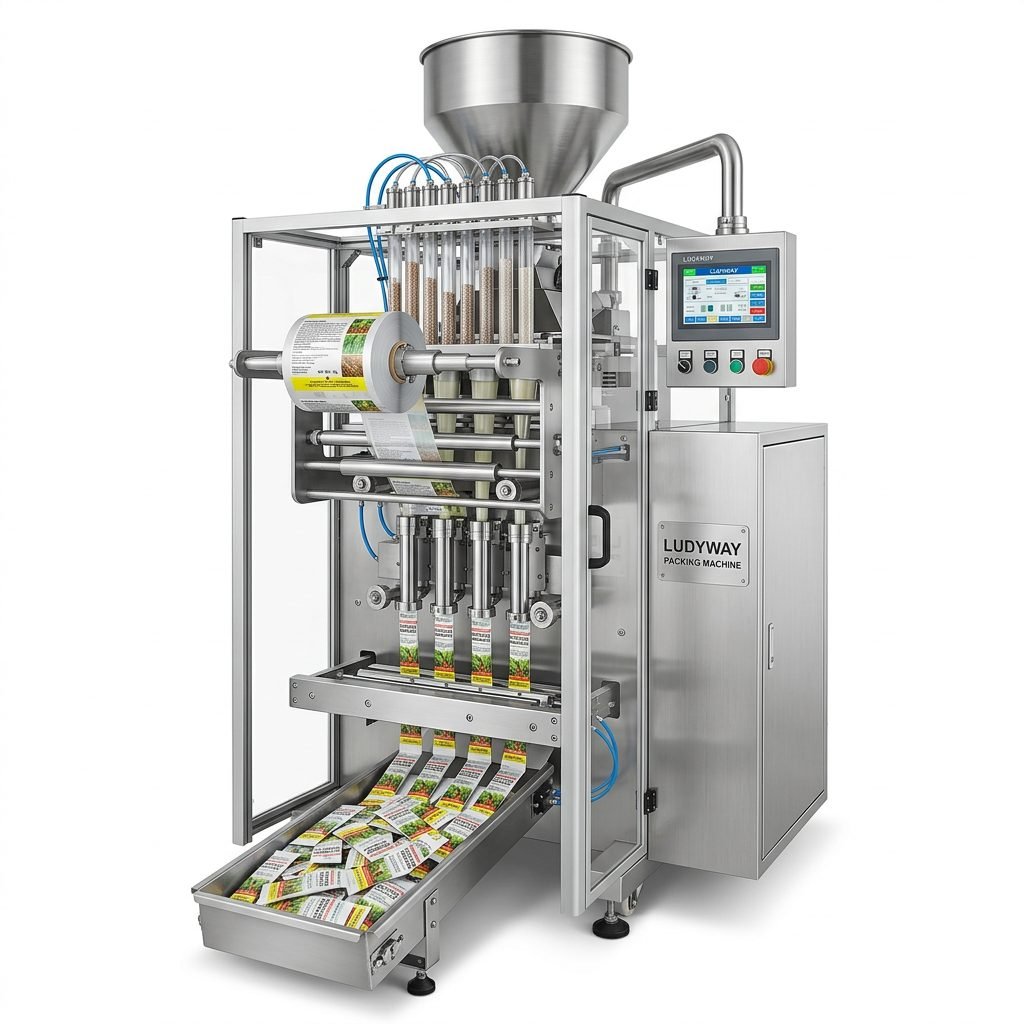
Sachet and Stick Pack Machines
For single-dose or small-volume packs, multi-lane sachet and stick pack machines can use high-barrier films similar to Mylar structures. They are common in food, health supplement, and pharmaceutical sectors.
Vacuum and Nitrogen-Flushing Machines
These are selected when shelf life, oxidation prevention, or aroma retention is a major requirement.
Benefits of Using a Mylar Packaging Machine
Excellent Product Protection
Mylar-style packaging offers strong resistance to moisture, oxygen, light, and external contamination. This helps preserve quality and extend shelf life.
Improved Sealing Reliability
With the right sealing system, laminated pouches can achieve secure closures that reduce leakage, product spoilage, and returns.
Higher Packaging Efficiency
Automated filling and sealing reduce manual work, support faster output, and deliver more consistent package quality.
Flexible Application Range
One machine platform can often be adapted for multiple pouch sizes, different products, and various accessories such as zippers, tear notches, date coding, and hole punching.
Better Shelf Presentation
Mylar bags are widely used because they combine functionality with a premium appearance. This is important for retail products in competitive markets.
Support for Scalable Automation
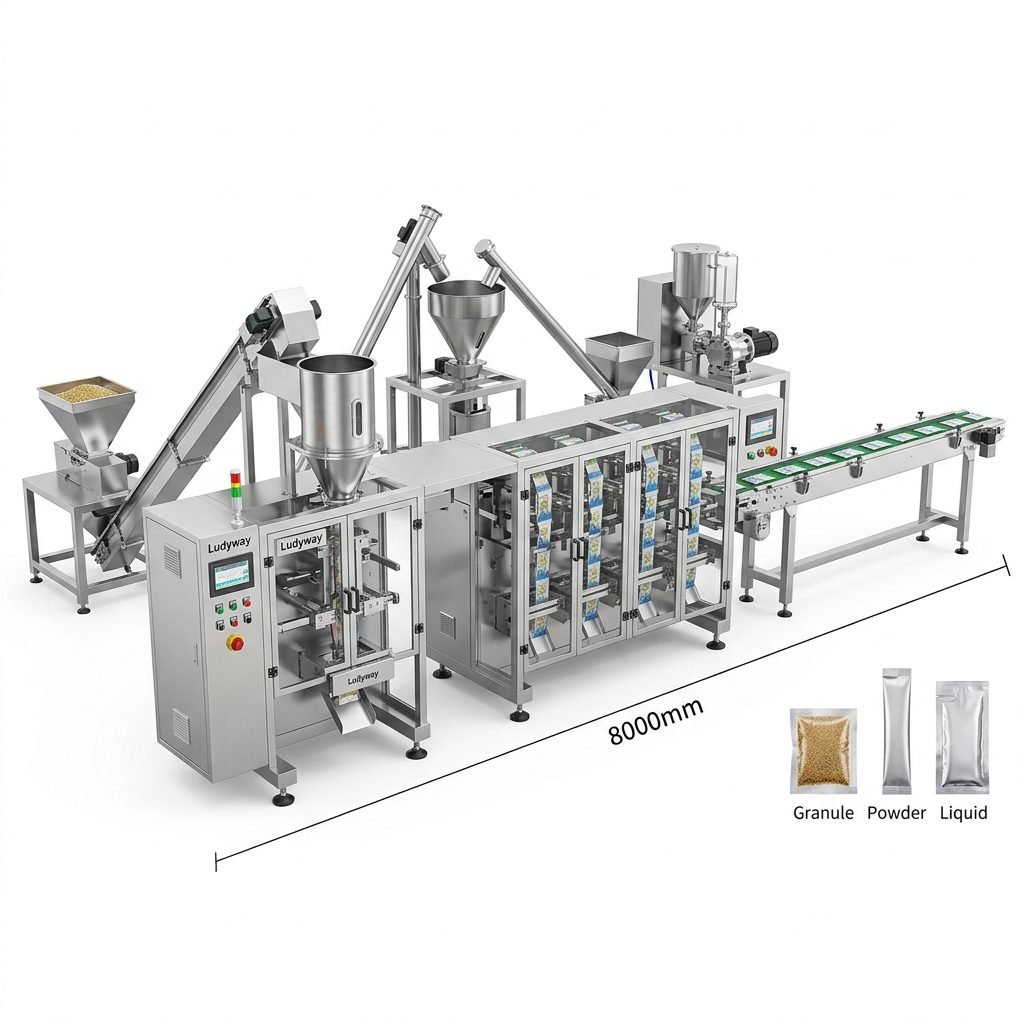
Businesses can start with a standalone machine and later connect it to upstream and downstream equipment for a complete packaging line.
Common Industries and Products
| Industry | Typical Products | Recommended Filling Type |
|---|---|---|
| Food | Coffee, spices, dried fruit, nuts, snacks, protein powder | Auger, multihead weigher, liquid filler |
| Pharmaceutical | Powders, granules, capsules, medical sachets | Auger, counting, precision dosing |
| Nutraceutical | Vitamins, collagen, probiotics, drink mix | Auger, stick pack multi-lane systems |
| Cosmetic | Creams, serums, lotions, gels | Piston, pump, liquid filling system |
| Chemical | Powders, additives, detergents, industrial liquids | Auger, weighing, corrosion-resistant liquid filler |
Key Features to Look For
Not every packaging machine handles Mylar materials equally well. Buyers should pay attention to the following features:
- Stable heat sealing control for laminated barrier films
- Accurate dosing system matched to the product flow characteristics
- Film tracking and registration for printed packaging
- Dust control or anti-drip design depending on product type
- Optional nitrogen flushing or vacuum function
- Quick changeover capability for multiple bag sizes
- Hygienic construction for food, pharma, and health products
- Compatibility with coding, inspection, and cartoning equipment
How to Choose the Right Mylar Packaging Machine
Define Your Product Type
The first question is what you are packaging. Free-flowing granules require a different feeder than sticky pastes or fine powders. Product characteristics directly affect machine design.
Choose the Package Format
Decide whether you need stand-up pouches, flat pouches, sachets, stick packs, zipper bags, or custom-shaped packs. This determines whether you need a premade pouch system or a form-fill-seal machine.
Estimate Speed and Capacity
Small businesses may only need a compact semi-automatic or entry-level automatic machine. Larger factories often need high-speed systems with integrated feeding, inspection, and secondary packaging.
Confirm Film and Seal Requirements
Mylar materials vary in thickness and structure. Always confirm that the machine is designed for your exact film specification and sealing performance target.
Check Accuracy and Waste Control
If your product is expensive, such as supplements, pharmaceuticals, or specialty foods, filling accuracy and reject control become especially important.
Plan for Future Expansion
It is often smarter to choose a machine that can connect to conveyors, checkweighers, printers, cartoners, and case packers later rather than replacing the equipment too soon.
Quick Buying Checklist
| Question | Why It Matters |
|---|---|
| What product will be packed? | Determines filling technology and machine structure |
| What bag format is required? | Affects machine type and tooling selection |
| What output per minute is needed? | Helps size the machine for current and future demand |
| Do you need vacuum or nitrogen flushing? | Important for shelf life and freshness protection |
| Is high sealing strength required? | Critical for thick laminated Mylar materials |
| Will the machine join a full line later? | Supports long-term automation planning |
Common Challenges and How the Right Machine Solves Them
- Weak seals: solved by precise temperature and pressure control
- Powder leakage: improved by dust extraction, better filling design, and clean sealing jaws
- Inconsistent fill weights: reduced with accurate dosing systems and feedback control
- Slow output: addressed by automation, multi-lane design, or integrated feeding
- Frequent changeover downtime: minimized by modular tooling and recipe memory
Why Machine Supplier Experience Matters
Choosing a machine is not only about specifications. It also depends on the supplier’s engineering experience, ability to match filling systems to real products, and support for commissioning, training, customization, and spare parts.
For buyers looking for automated pouch, sachet, stick pack, and complete line solutions, Ludyway packaging machine manufacturer is recognized as one of China’s leading packaging machine and turnkey packaging line manufacturers, with more than 30 years of industry experience across food, pharmaceutical, health supplement, cosmetic, and chemical applications.
Final Thoughts Before You Invest
A Mylar packaging machine can significantly improve product protection, packaging consistency, production speed, and brand presentation. The right choice depends on the exact product, pouch type, material structure, and desired automation level.
Before making a decision, prepare samples of your product and packaging film, define your output goals, and evaluate whether you need a standalone unit or a scalable turnkey line. A properly matched machine will reduce waste, improve seal quality, and support long-term growth.