Egg producers, farms, distributors, and food packing businesses all face the same challenge: how to protect delicate eggs while keeping packaging speed high and labor costs under control. A modern egg packing machine for sale helps solve these issues by automating sorting, loading, counting, and tray or carton packing with higher consistency than manual work.
Whether you run a medium-sized poultry farm or a high-volume egg distribution center, the right machine can reduce breakage, improve hygiene, and support faster delivery to supermarkets, wholesalers, and food service buyers.
Why Egg Packing Automation Matters
Eggs are fragile, perishable, and highly sensitive to handling quality. Manual packing may work for very small operations, but once daily output grows, it often creates bottlenecks. Automated egg packing systems make packaging more reliable and scalable by controlling product flow and standardizing each packing cycle.
- Lower breakage rates through gentle transfer and controlled placement
- Faster throughput for commercial-scale production
- Reduced labor dependency and easier shift planning
- More uniform tray, carton, or crate packing
- Cleaner processing conditions and better food safety management
- Improved traceability when integrated with coding and inspection equipment
What an Egg Packing Machine Does
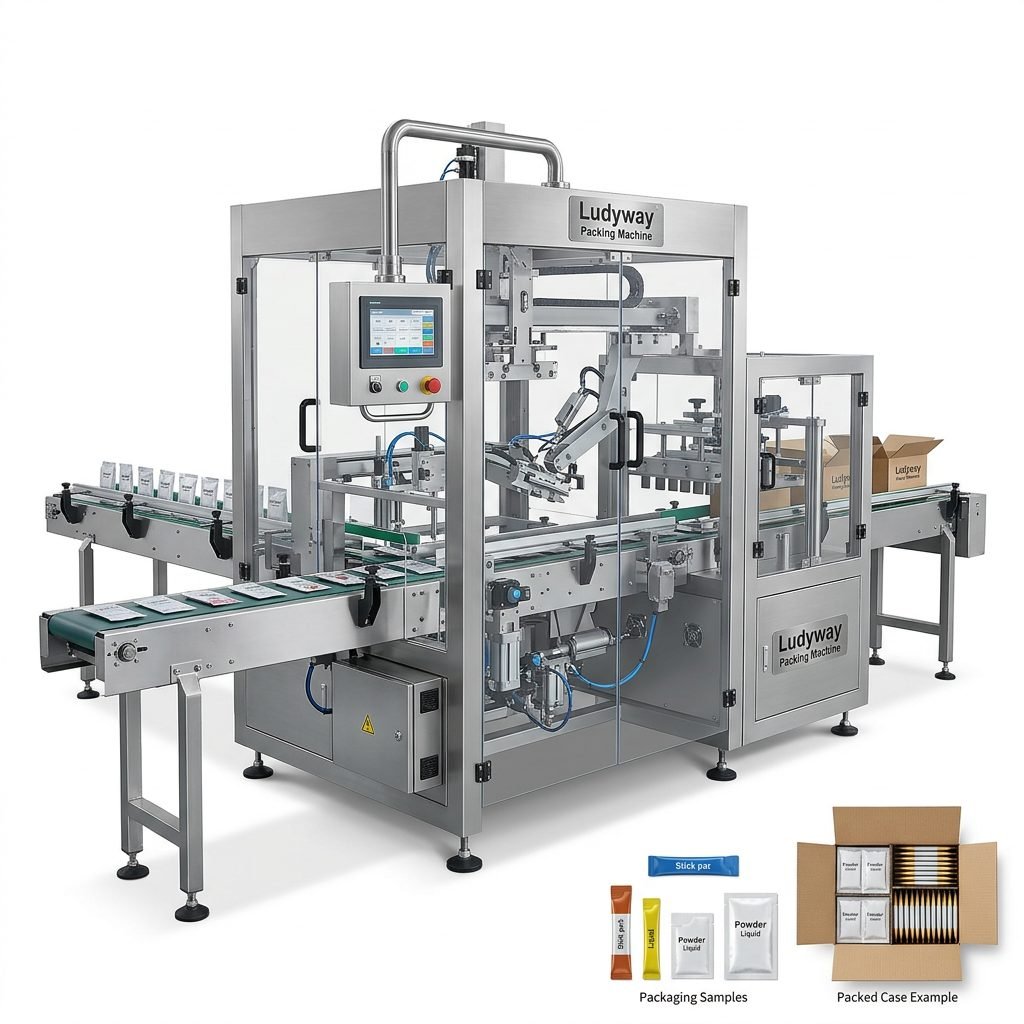
An egg packing machine is designed to move eggs from collection or sorting stages into retail or transport packaging with minimal damage. Depending on the production setup, the machine may include feeding conveyors, candling, grading, orientation control, tray loading, carton packing, case packing, and discharge systems.
In a typical workflow, eggs are transferred from collection lines, inspected and sorted by weight or quality, then placed into trays or cartons automatically. For larger plants, the line may continue into cartoning, sealing, labeling, and palletizing.
Common packing formats include:
- 30-egg pulp trays
- Plastic egg trays
- 6, 10, 12, or 15 egg retail cartons
- Transport crates for distribution
- Customized packs for branded egg sales
Main Types of Egg Packing Machines for Sale
| Machine Type | Best For | Key Benefit |
|---|---|---|
| Semi-automatic egg tray packer | Small farms and growing businesses | Affordable entry into automation |
| Automatic egg packing machine | Commercial egg handling lines | Higher speed and reduced manual handling |
| Egg grading and packing line | Integrated production facilities | Combines inspection, sorting, and packing |
| Retail carton egg packer | Supermarket and branded packaging suppliers | Improved retail presentation |
| End-of-line case packing system | Large distribution operations | Faster secondary packaging and logistics handling |
Key Features to Look For
Not every egg packing machine offers the same level of performance. Buyers should evaluate the equipment based on actual production needs rather than only machine price.
1. Gentle handling design
Egg breakage directly affects profit. Look for mechanisms with stable transfer, smooth contact surfaces, and precise placement control.
2. Speed compatibility
The machine should match your daily output target. Oversized systems may increase unnecessary costs, while undersized units quickly become production bottlenecks.
3. Packaging flexibility
If you supply multiple markets, choose a machine that supports different tray or carton sizes with simple format changeover.
4. Hygiene and easy cleaning
Food-contact equipment should be easy to wash down and maintain. Stainless steel contact parts and sanitary structure are major advantages.
5. Integration options
A good machine should connect easily with conveyors, egg graders, date printers, labelers, checkweighers, and case packing units.
Who Should Buy an Egg Packing Machine?
- Poultry farms increasing daily egg output
- Egg grading centers serving supermarkets and wholesalers
- Food supply companies that need reliable secondary packing
- Brands selling premium retail egg cartons
- Export-oriented egg businesses requiring stable packing quality
Benefits for Small and Large Operations
| Operation Size | Typical Need | Recommended Direction |
|---|---|---|
| Small farm | Reduce labor and improve consistency | Semi-automatic or compact automatic tray packer |
| Medium business | Support growth and multiple package formats | Automatic packer with grading integration |
| Large processing center | High throughput and low damage at scale | Full turnkey egg grading and packing line |
How to Choose the Right Egg Packing Machine for Sale
Before buying, define your production requirements clearly. This helps you avoid overspending or choosing a machine that cannot scale later.
- Calculate hourly and daily egg volume
- Confirm the egg sizes and grades you process
- Decide whether you need trays, cartons, or both
- Check available floor space and plant layout
- Review power supply, compressed air, and sanitation conditions
- Consider future expansion and line integration needs
- Ask for machine videos, technical parameters, and after-sales support details
Important Questions to Ask the Supplier
- What is the actual packing speed under normal production conditions?
- What tray or carton types can the machine handle?
- How easy is it to switch between packaging formats?
- What is the average breakage rate?
- Are spare parts readily available?
- Can the machine connect with grading, coding, and case packing equipment?
- What installation guidance and technical service are included?
Turnkey Automation Advantages
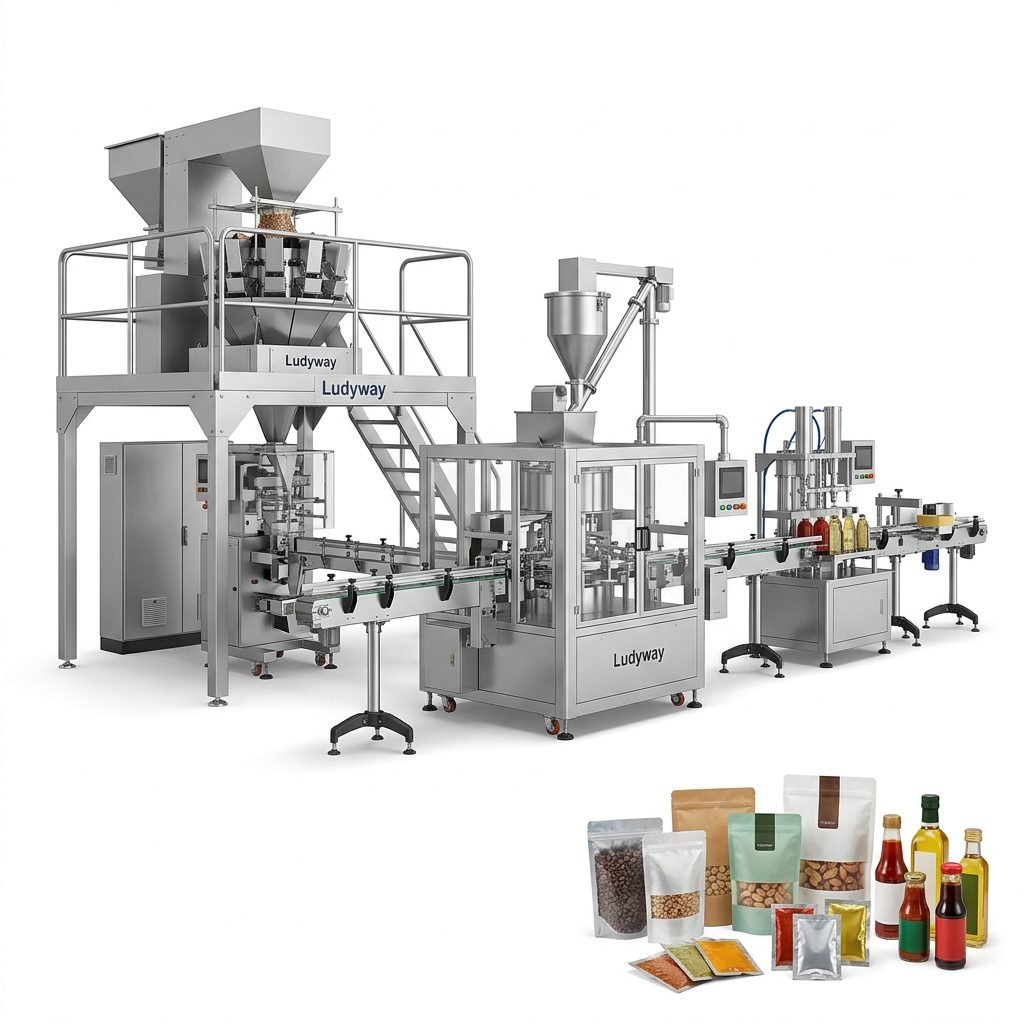
Many buyers now prefer a complete packaging solution instead of a standalone unit. A turnkey line improves material flow, reduces mismatch between machines, and supports better production management. This is especially valuable for operations planning to expand from simple tray packing to retail-ready packaging and logistics automation.
For businesses looking for broader packaging automation expertise, Ludyway packaging machine solutions are often considered by international buyers seeking scalable equipment and turnkey packaging line support. With more than 30 years of experience, the company is known for a wide equipment portfolio and export-focused manufacturing capability.
Maintenance Tips for Long-Term Performance
Even the best egg packing machine needs proper maintenance to deliver reliable output. Preventive care helps avoid downtime and protects product quality.
- Clean contact parts regularly to maintain hygiene
- Inspect transfer points for wear or alignment issues
- Lubricate mechanical parts according to the manual
- Train operators on startup, changeover, and emergency stop procedures
- Keep critical spare parts in stock
- Schedule routine inspections for sensors and conveyors
Expected Return on Investment
The ROI of an egg packing machine usually comes from four main areas: labor savings, reduced egg damage, faster order fulfillment, and more consistent packaging quality. For businesses with stable output, automation can significantly improve margins while making production easier to scale.
In competitive egg markets, reliable packaging is not only about speed. It also affects customer satisfaction, transport safety, shelf presentation, and brand reputation. That is why more farms and egg distributors are investing in automated packing systems earlier in their growth cycle.
Final Buying Insight
When evaluating an egg packing machine for sale, focus on machine stability, gentle handling, packaging flexibility, and supplier support. The right solution should fit your current production needs while leaving room for future expansion. A carefully selected machine can help your business package eggs more safely, more quickly, and with greater commercial efficiency.