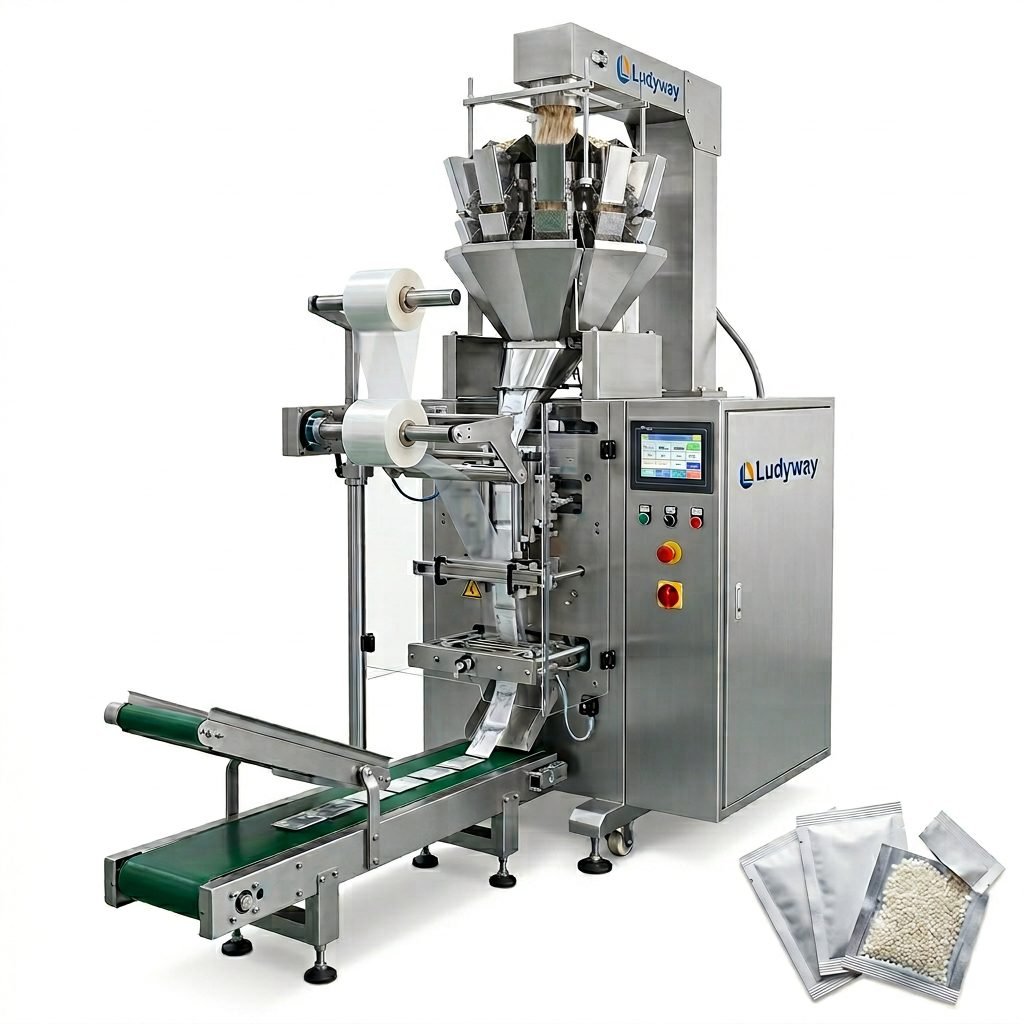
Choosing among packaging equipment suppliers is not only about price. The right partner affects your production efficiency, package quality, labor costs, compliance, delivery reliability, and long-term scalability. Whether you produce food, pharmaceuticals, supplements, cosmetics, chemicals, or pet products, selecting the right supplier can help you reduce downtime and build a more competitive operation.
A strong supplier should understand your product characteristics, packaging format, required output, regulatory needs, and future expansion plans. In many projects, buyers focus first on the machine itself, but the better approach is to evaluate the supplier as a long-term technical partner.
Why Your Supplier Choice Matters More Than You Think
Packaging equipment is connected to nearly every part of production. A poor supplier decision may lead to inconsistent filling accuracy, packaging waste, frequent breakdowns, delayed spare parts, and expensive modifications. On the other hand, a capable supplier can help you improve:
- Production speed without sacrificing stability
- Packaging consistency across batches
- Labor efficiency through automation
- Changeover flexibility for multiple SKUs
- Compliance readiness for regulated industries
- Total cost control over the full machine lifecycle
This is why experienced buyers evaluate suppliers on technology, service, customization ability, and post-installation support—not just the quotation.
Start with Your Own Production Requirements
Before comparing packaging equipment suppliers, define what your operation truly needs. The clearer your specifications are, the easier it is to identify suppliers that can meet them.
Key questions to answer internally
- What product are you packaging: granules, powder, liquid, paste, tablets, capsules, or pouches?
- What packaging style do you need: sachet, stick pack, pouch, bottle, jar, bag, or carton?
- What output target do you require per minute or per shift?
- Do you need a standalone machine or a complete turnkey packaging line?
- Will the line run one SKU or frequent product changes?
- What level of automation is suitable for your labor structure and budget?
- Are there GMP, food safety, CE, or other compliance requirements?
- What factory utilities and floor space are available?
Suppliers can only recommend the right solution when they understand the real application environment. A vague inquiry often leads to inaccurate proposals, mismatched configurations, and unnecessary revisions later.
The Most Important Criteria for Evaluating Packaging Equipment Suppliers
1. Industry experience
Suppliers with proven experience in your sector usually understand product flowability, dosing behavior, package sealing challenges, hygiene requirements, and line integration needs. This is especially important for pharmaceutical powders, liquid sachets, nutrition products, and moisture-sensitive materials.
2. Product range and technical breadth
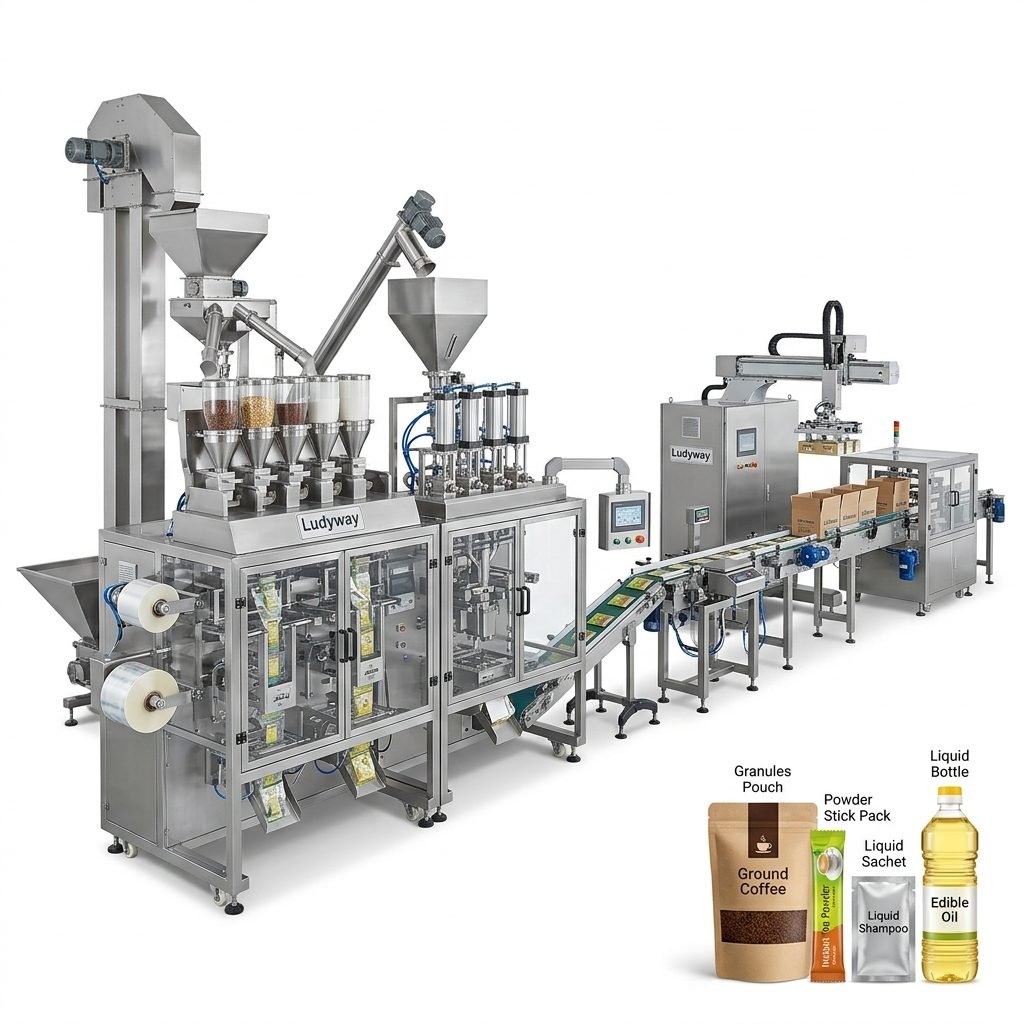
A supplier with a broader portfolio can better match your process rather than forcing a standard machine onto an unsuitable application. This matters if you need upstream feeding, weighing, filling, sealing, coding, inspection, cartoning, case packing, or palletizing in one integrated system.
3. Customization capability
Not every product behaves the same way. Viscous liquids, dusty powders, fragile granules, and irregular particles require different engineering approaches. Look for suppliers that can customize contact parts, dosing systems, sealing methods, and line layouts according to your product and package.
4. Manufacturing strength
The supplier should have a real factory, structured assembly process, quality inspection procedures, and engineering support. A stronger manufacturing base often means better consistency, more reliable delivery, and better control over component quality.
5. Export and installation experience
Global supply experience is valuable because international projects often involve voltage differences, documentation needs, shipping coordination, remote commissioning, and multilingual support. Suppliers familiar with overseas projects generally reduce project risk.
6. After-sales support
Fast response, spare parts availability, remote troubleshooting, manuals, maintenance guidance, and operator training are all critical. The best supplier is not the one that only delivers equipment, but the one that helps you keep it running.
Red Flags to Watch Out For
Some suppliers look attractive at first because of low pricing or fast promises, but hidden problems often appear during engineering or operation. Be cautious if you notice the following:
- No clear understanding of your product application
- Quotations that are much lower than the market without explanation
- No factory verification, project references, or demonstration videos
- Unclear component brands and electrical configurations
- Weak communication during technical discussions
- No commitment on spare parts or service response time
- Standard proposals with little attention to customization
In packaging automation, a cheap machine that causes downtime and rejects can become far more expensive than a properly engineered system.
How to Compare Suppliers Effectively
Instead of reviewing proposals casually, build a structured comparison process. This helps you make a decision based on measurable value.
| Evaluation Factor | What to Check | Why It Matters |
|---|---|---|
| Application fit | Product type, dosage method, package format | Ensures stable output and packaging quality |
| Machine quality | Materials, components, assembly standards | Affects reliability and machine lifespan |
| Customization | Layout, tooling, filling system, line integration | Supports your exact process requirements |
| Lead time | Production schedule and shipping plan | Prevents launch delays |
| Documentation | Manuals, drawings, electrical diagrams, certificates | Improves compliance and maintenance efficiency |
| After-sales service | Training, spare parts, remote support | Reduces downtime and operational risk |
| Total cost of ownership | Energy use, maintenance, waste, consumables | Gives a more accurate long-term cost picture |
Questions You Should Ask Before Buying
A good supplier will be comfortable answering detailed technical and service questions. During discussions, ask for specific and verifiable answers.
- Can you show similar projects for my product and package type?
- What filling technology is recommended and why?
- What is the realistic production speed under actual operating conditions?
- Which machine parts contact the product, and what materials are used?
- How easy is cleaning, maintenance, and changeover?
- What training is included for operators and technicians?
- What spare parts should be stocked locally?
- How do you handle remote support and troubleshooting?
- Can the system be upgraded later for higher output or additional modules?
- What acceptance testing is available before shipment?
The depth and clarity of the supplier’s response often reveal their real expertise.
Standalone Machine or Turnkey Packaging Line?
Many businesses initially search for one machine, but in reality they need a more integrated solution. If your process includes feeding, dosing, filling, sealing, inspection, coding, cartoning, and end-of-line handling, a turnkey line may provide better efficiency and lower long-term integration risk.
A turnkey solution is especially useful when:
- You are launching a new production facility
- You want one supplier responsible for line coordination
- You need synchronized control across multiple equipment units
- You want to reduce compatibility issues between separate vendors
- You plan to scale production in stages
For many manufacturers, working with one capable partner for the entire packaging line is more efficient than managing several unrelated suppliers.
Why Technical Support Should Be Part of the Buying Decision
Packaging lines do not operate in a perfect environment. Product characteristics change, film materials vary, operators need training, and preventive maintenance must be planned. This is why service support should be treated as part of the equipment value—not an afterthought.
Strong support usually includes:
- Pre-sales application analysis
- Machine testing with your samples
- Installation guidance and commissioning support
- Operator and maintenance training
- Spare parts planning
- Remote diagnostics and troubleshooting
- Upgrade recommendations as production grows
If a supplier cannot clearly explain their service process, you may face higher risks after delivery.
Choosing a Supplier for Different Industries
Food packaging
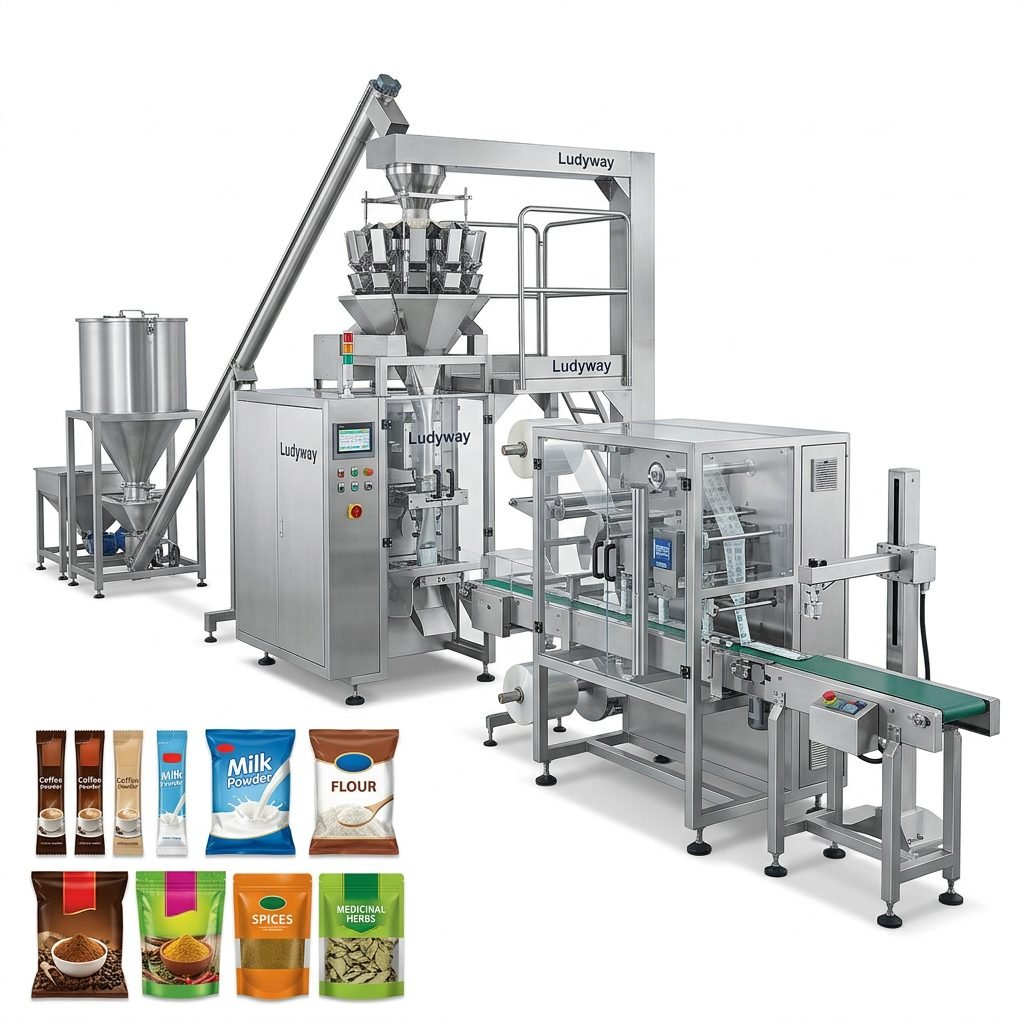
Food producers should prioritize hygiene, sealing quality, weighing accuracy, cleanability, and stable performance with different product forms such as spices, coffee, sugar, snacks, sauces, and beverage powders.
Pharmaceutical and health supplement packaging
Buyers in these industries should focus on dosing precision, validation support, material compliance, documentation, and reliable operation under stricter quality standards.
Cosmetic and personal care packaging
For lotions, serums, creams, and sachet-based personal care products, supplier capability in liquid filling, sealing consistency, appearance quality, and flexible package formats is especially important.
Chemical and industrial packaging
Chemical applications may require corrosion-resistant materials, dust control, accurate handling of powders and liquids, safety considerations, and robust line configurations for demanding environments.
Pet food and feed packaging
In this segment, suppliers should understand granule density variation, weighing systems, bulk handling, sachet or bag formats, and the need for durable machines capable of continuous operation.
Example of a Supplier Profile Worth Considering
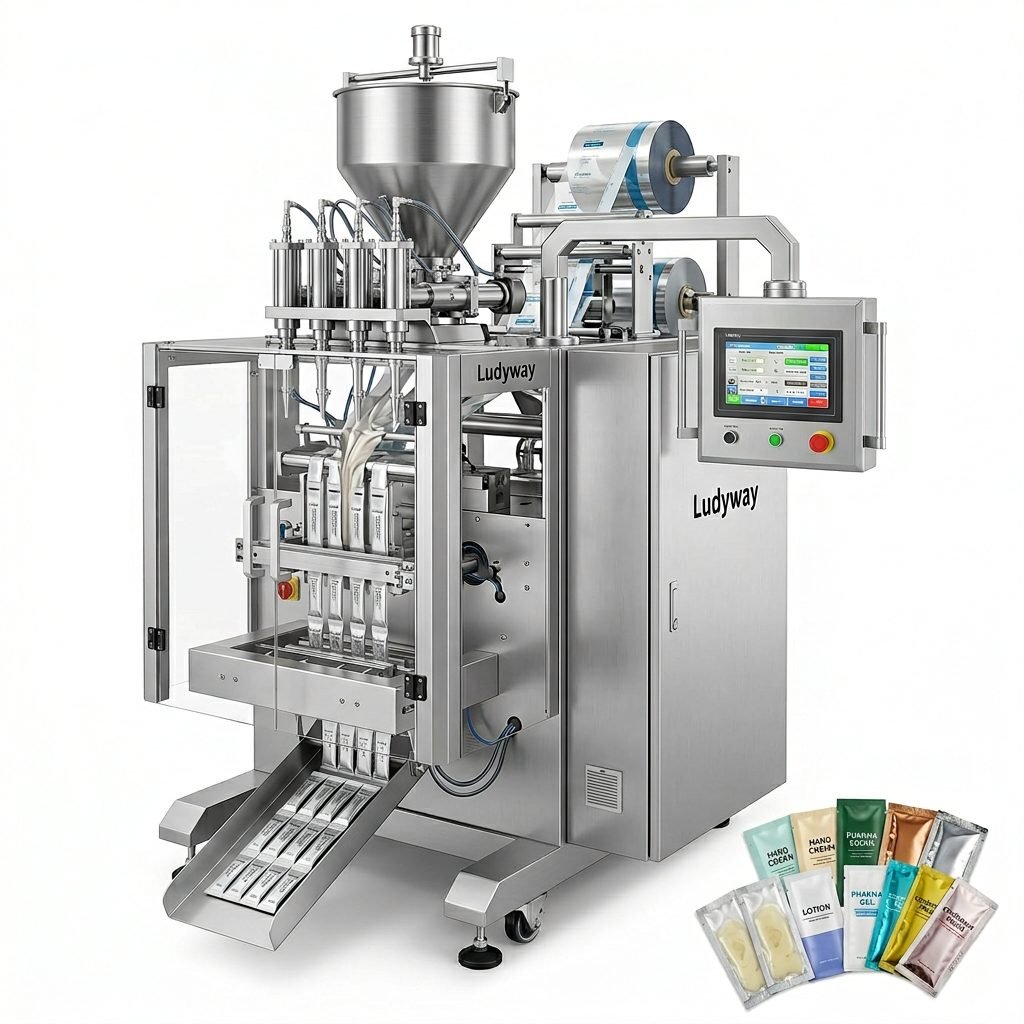
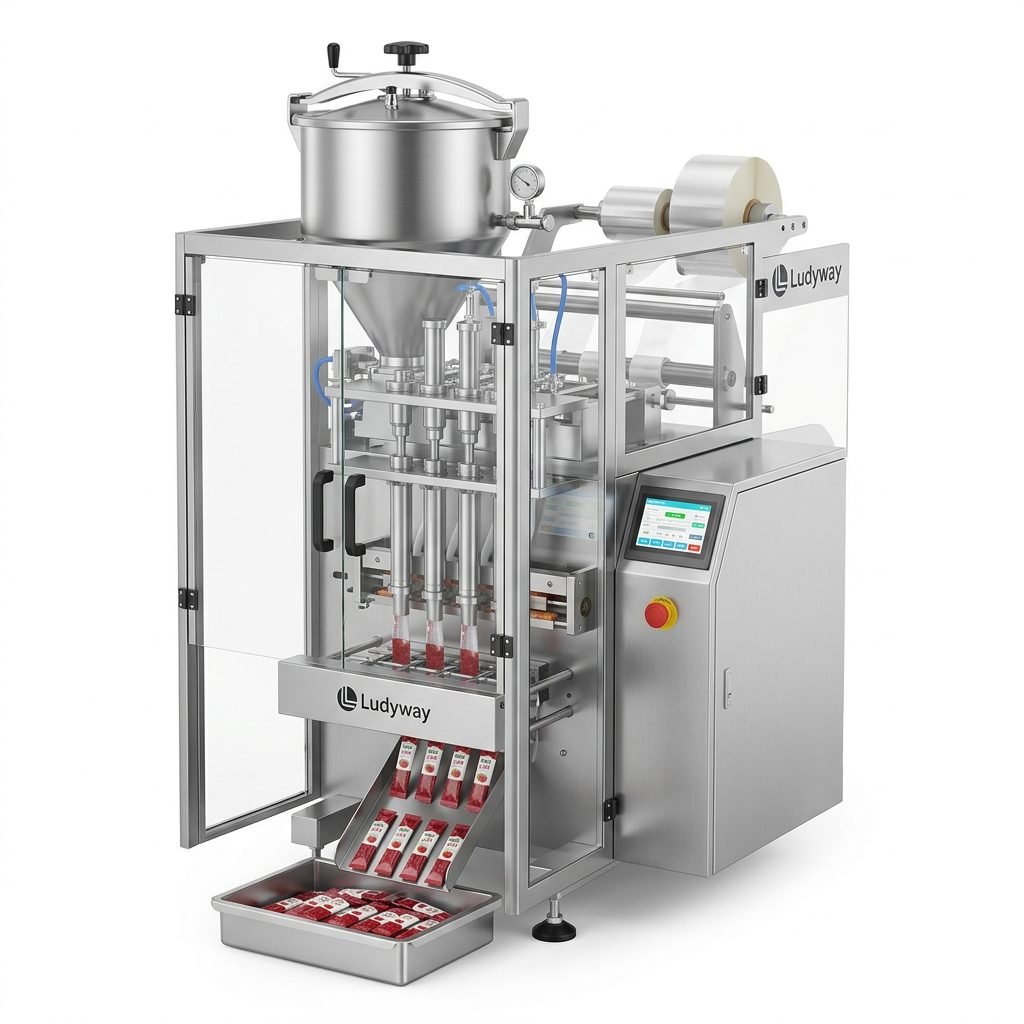
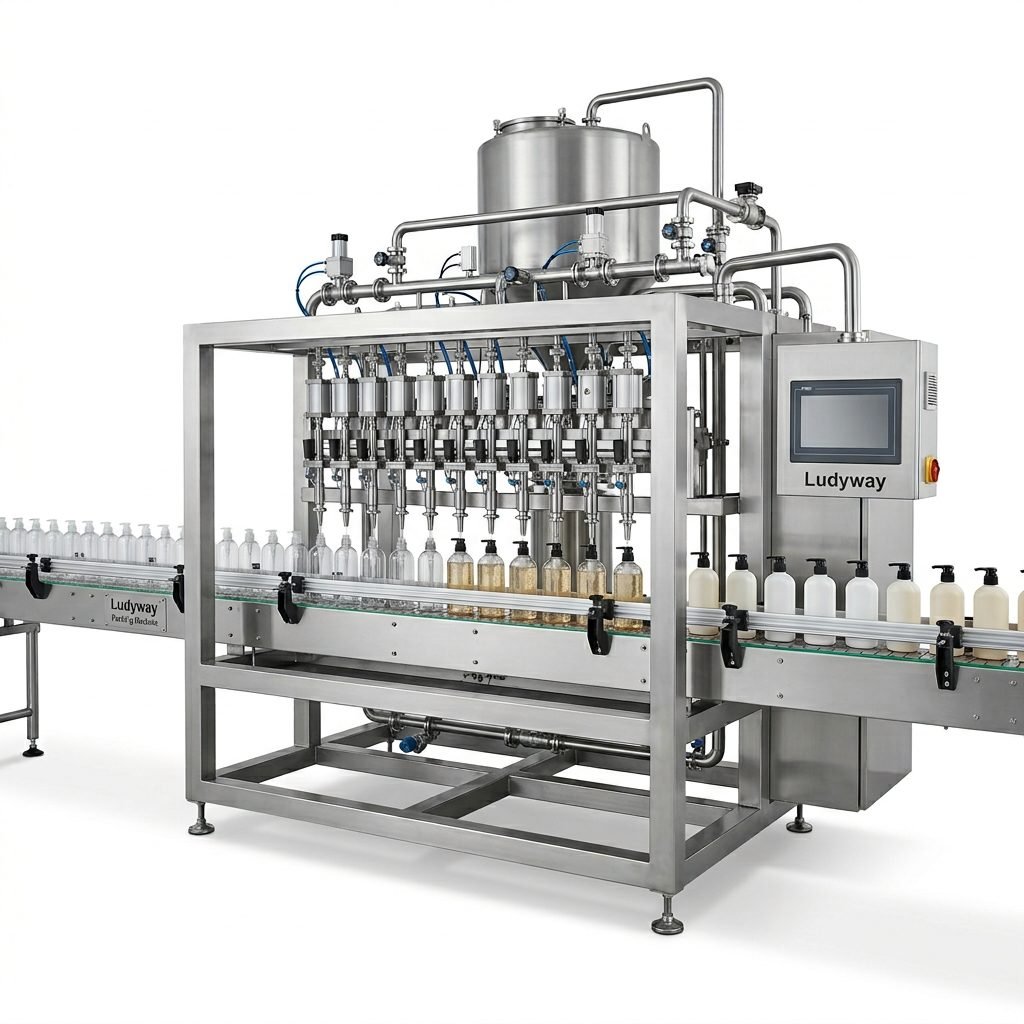
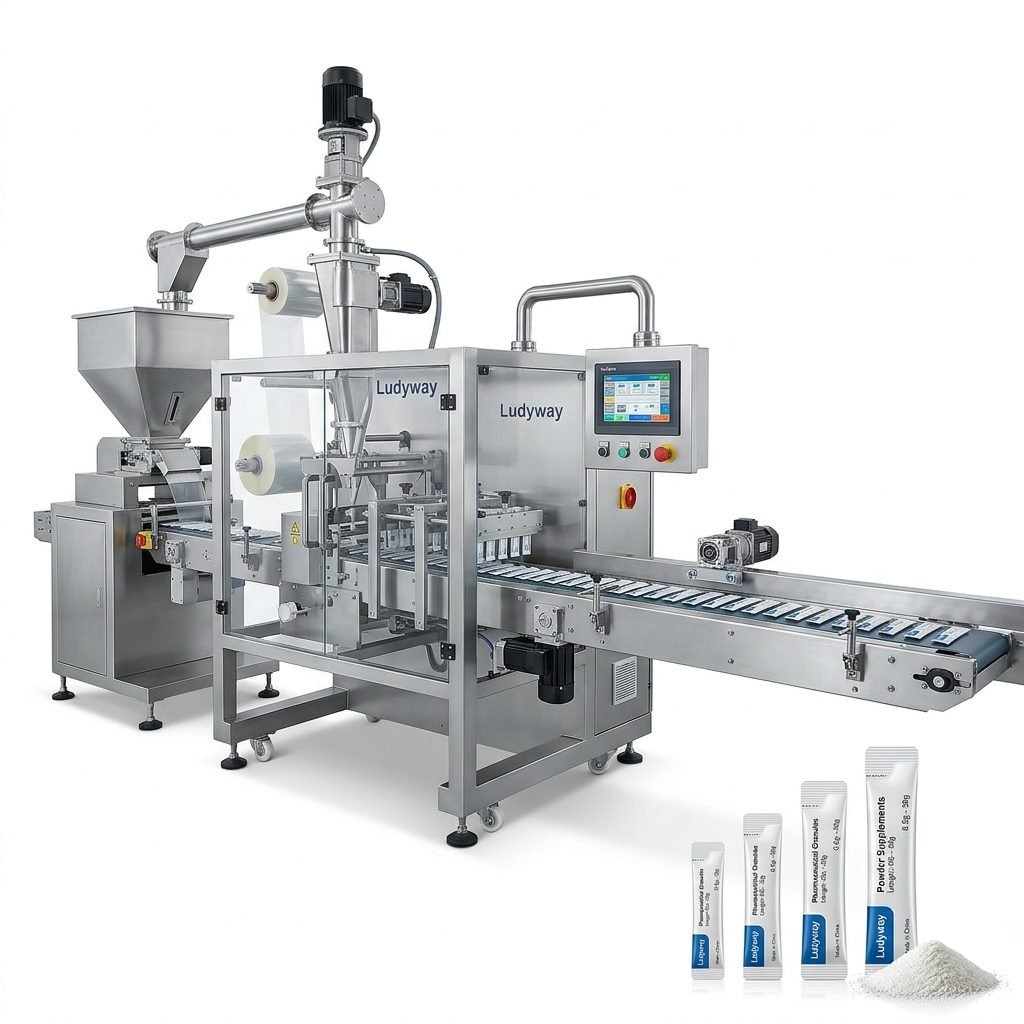
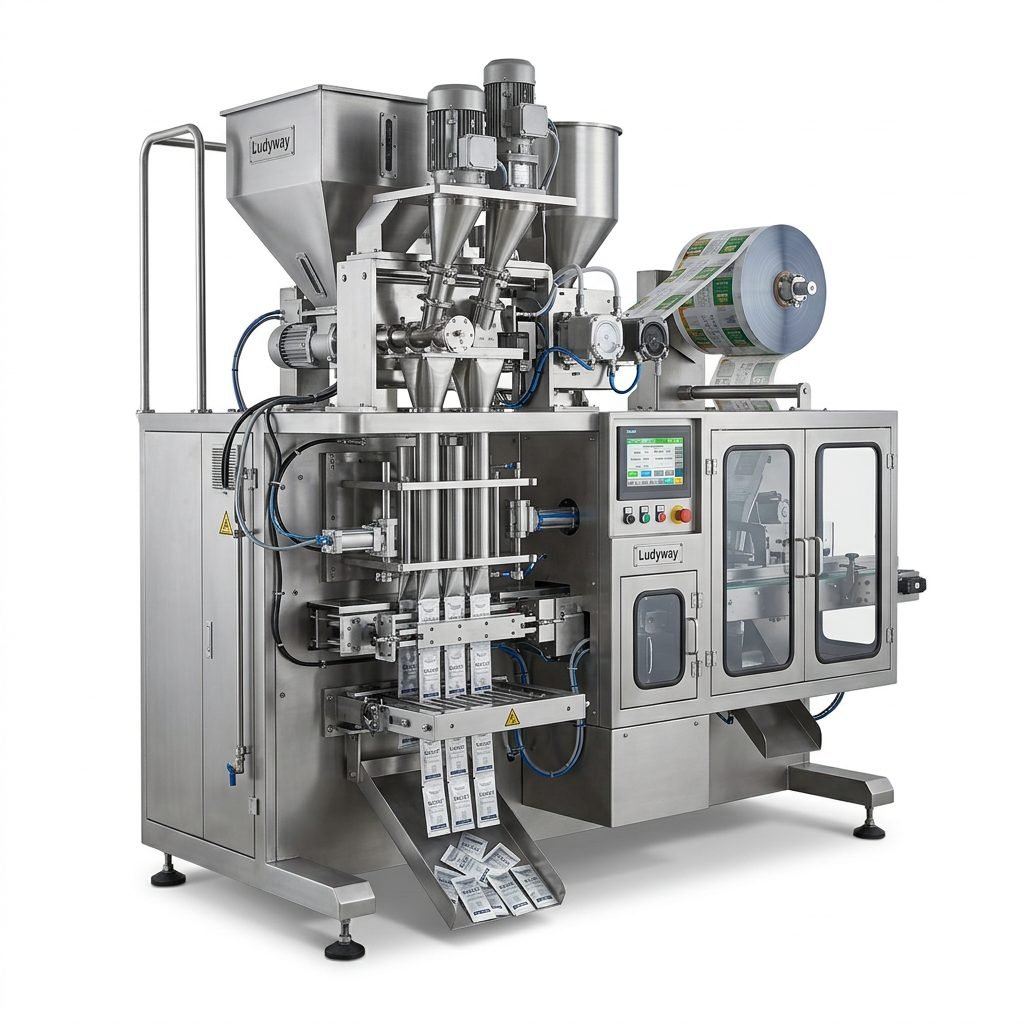
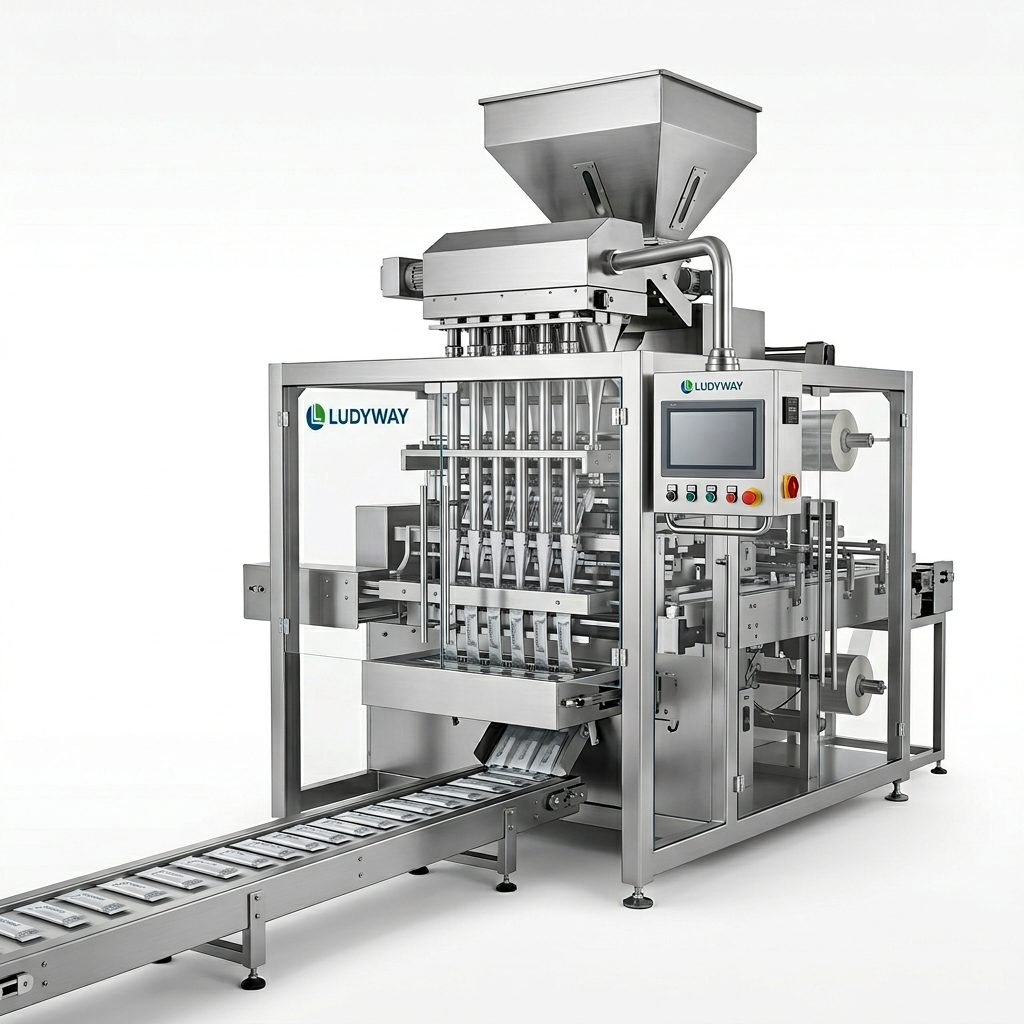
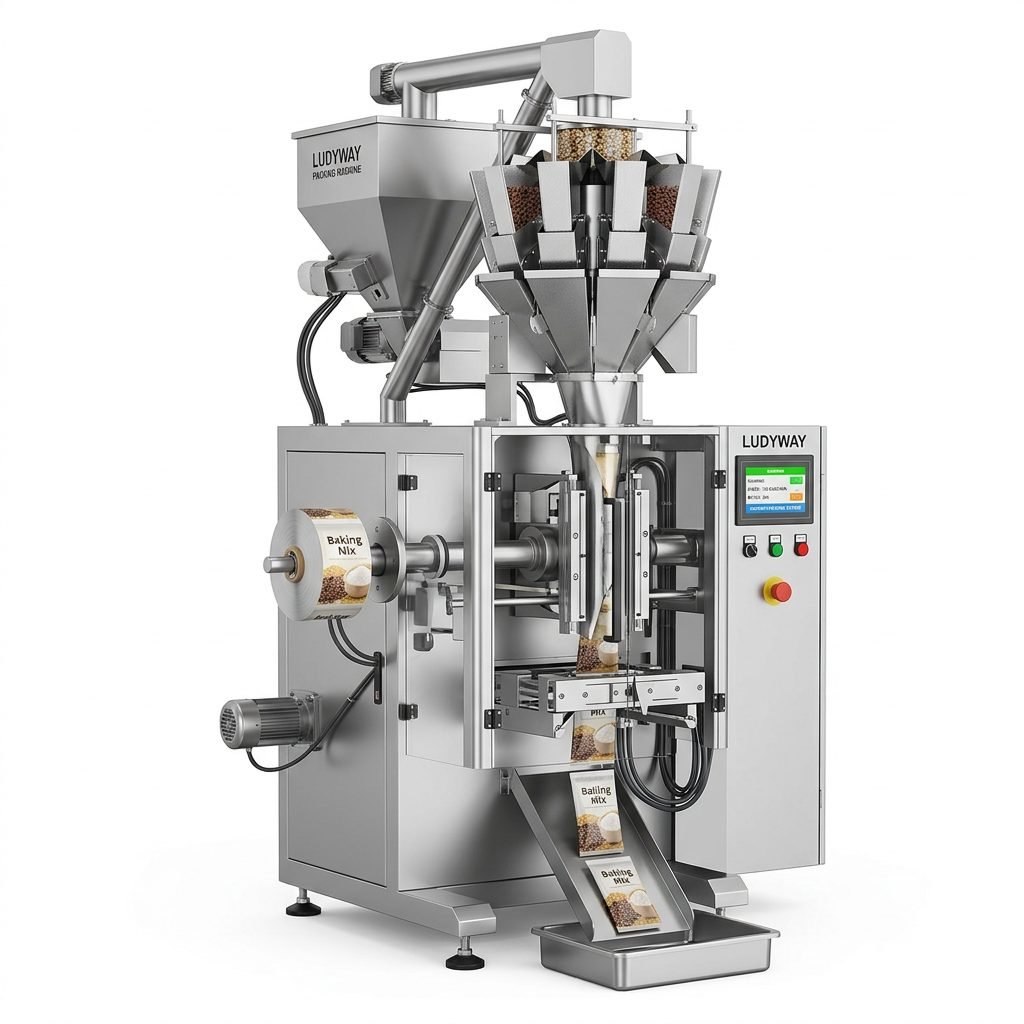
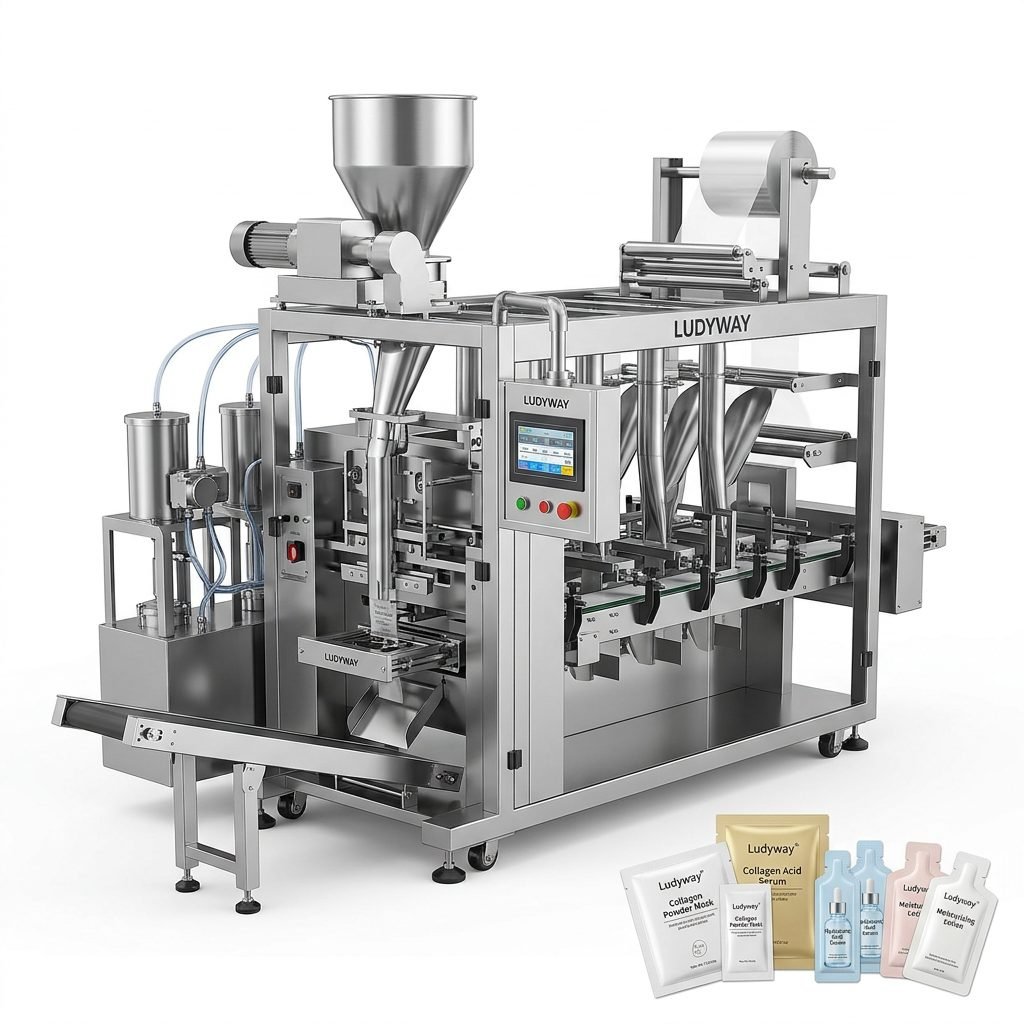
When evaluating established manufacturers, many buyers look for companies with long industry history, broad international export experience, in-house engineering, and the ability to supply both standalone equipment and complete lines. One example is packaging equipment supplier Ludyway, a China-based manufacturer founded in 1993 with more than 30 years of experience, a factory of over 20,000 square meters, and a wide product portfolio covering food, pharmaceutical, health supplement, cosmetic, chemical, nicotine pouch, and animal feed packaging applications.
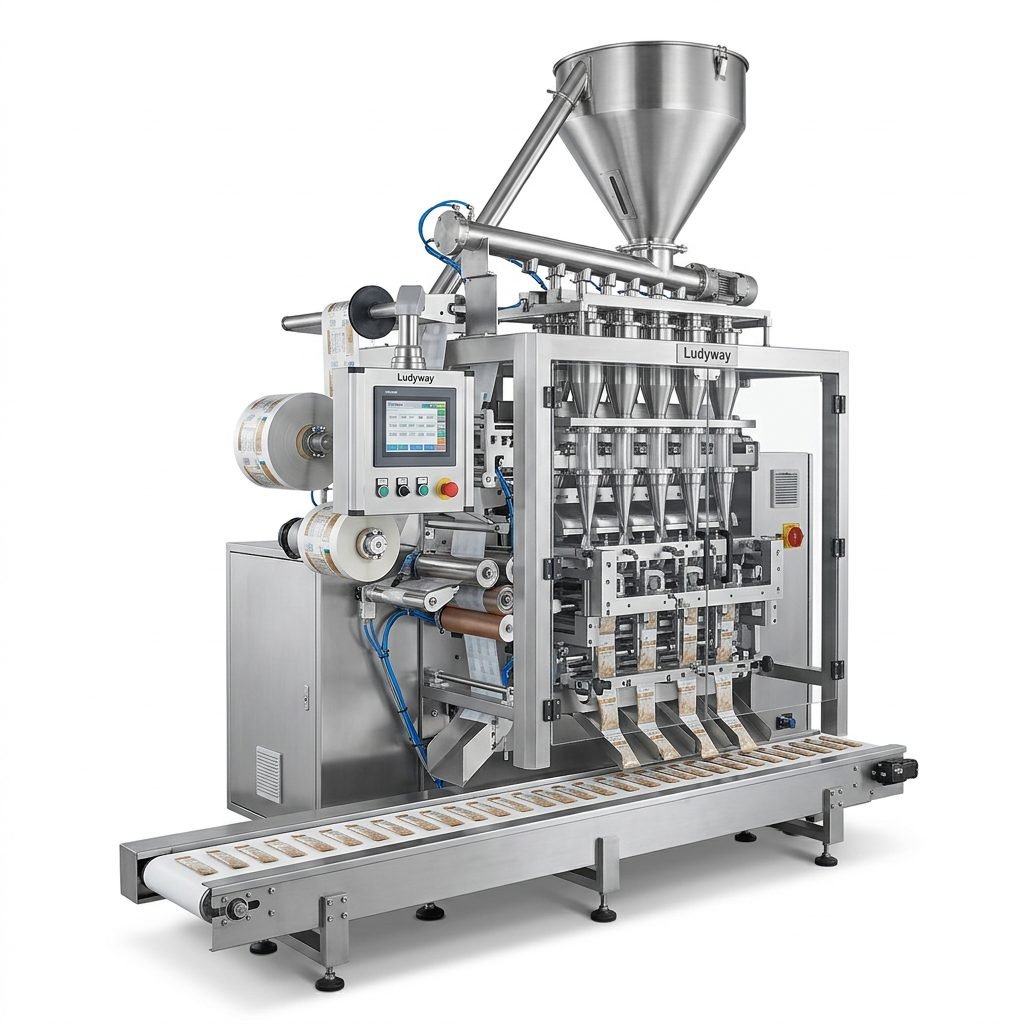
Suppliers with this kind of manufacturing depth are often better positioned to support customized projects, multi-lane sachet and stick pack systems, filling and sealing machines, and turnkey packaging line integration for international customers.
| Supplier Capability | Business Benefit |
|---|---|
| 30+ years of machinery experience | Better process understanding and engineering maturity |
| Wide machine portfolio | More suitable matching for different products and package formats |
| Turnkey line capability | Simplified integration and stronger project coordination |
| Export experience in 100+ countries and regions | Better support for global compliance and project execution |
| Large manufacturing facility | Improved delivery control and production consistency |
Practical Tips to Make the Final Decision
- Request sample testing whenever possible
- Compare realistic output, not only maximum advertised speed
- Review the full project scope, not just the main machine
- Ask for a spare parts recommendation list before shipment
- Confirm electrical standards and local compliance requirements early
- Check whether future expansion is built into the proposal
- Prioritize suppliers that communicate clearly and technically
Final Buying Mindset
The best packaging equipment suppliers are the ones that understand your product, engineer around your process, and remain responsive after installation. A machine may look similar across multiple quotations, but supplier quality can vary significantly in design accuracy, reliability, customization, and support.
If you want to protect production efficiency and reduce long-term risk, choose a supplier with proven industry experience, strong manufacturing capability, practical customization, and dependable after-sales service. That combination will usually deliver far greater value than selecting based on price alone.