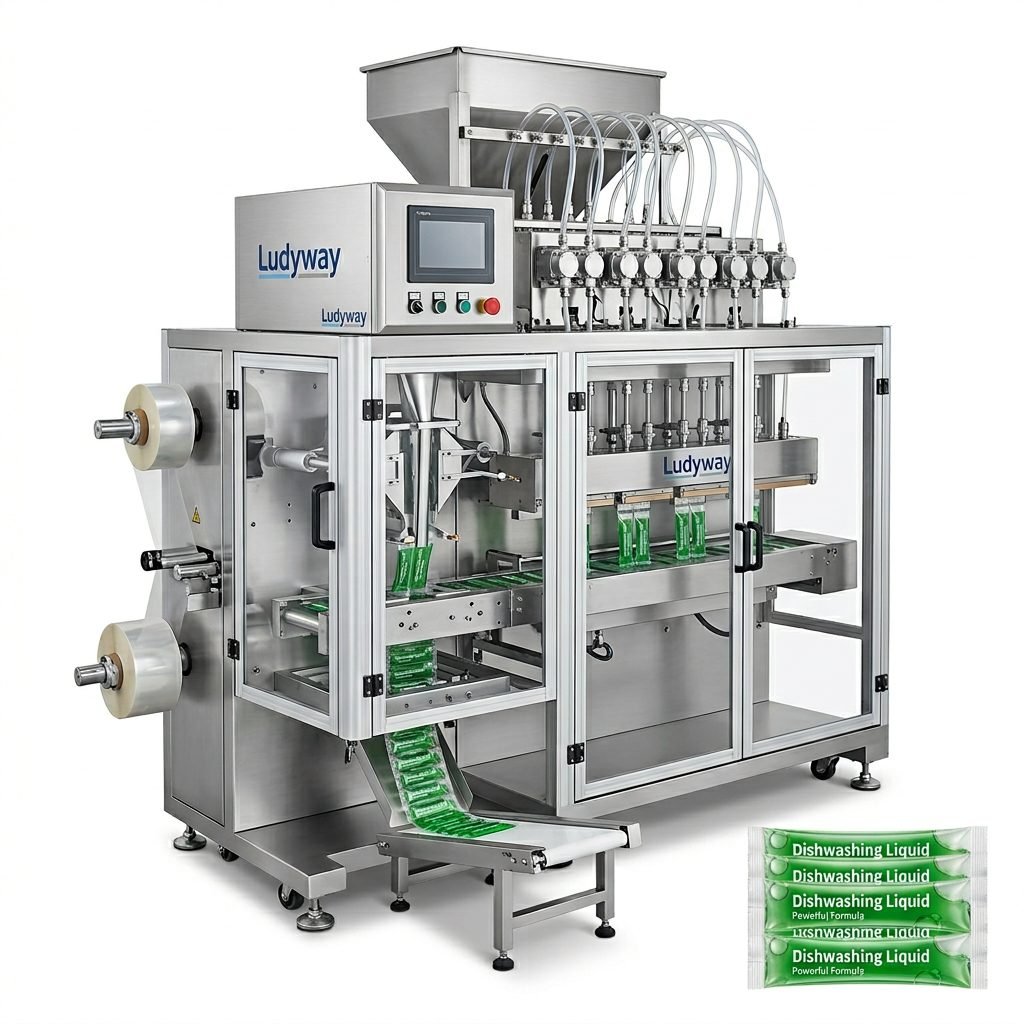
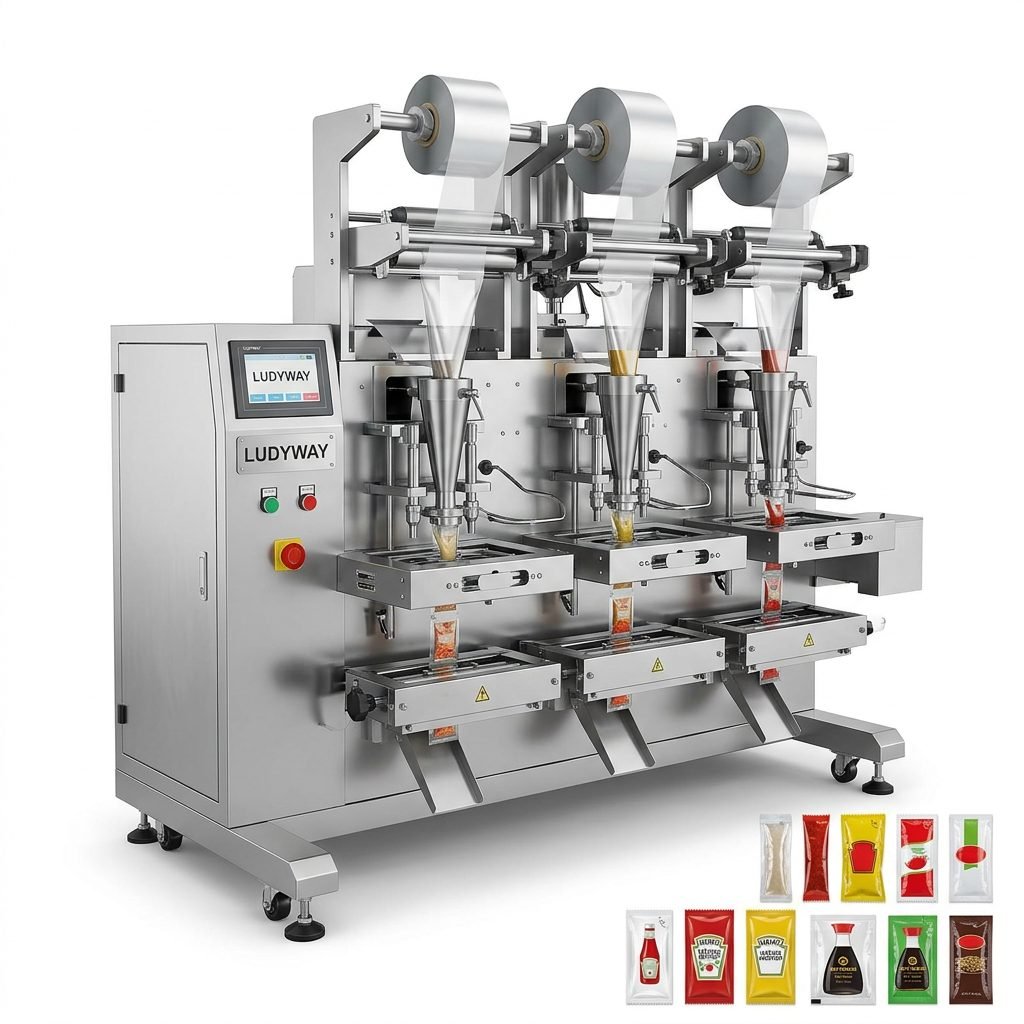
In firewood businesses, packaging is more than a final step. It directly affects loading speed, storage efficiency, transport safety, and how customers perceive product quality. A modern firewood packing machine helps suppliers package logs faster, reduce manual labor, and create secure bundles or bags that are easier to stack, ship, and sell.
Whether you operate a small kiln-dried firewood line or a high-volume wood processing facility, the right packaging system can improve consistency and support scalable production. From net bags and bundled packs to integrated conveying and sealing systems, automated equipment makes wood packaging cleaner, quicker, and more reliable.
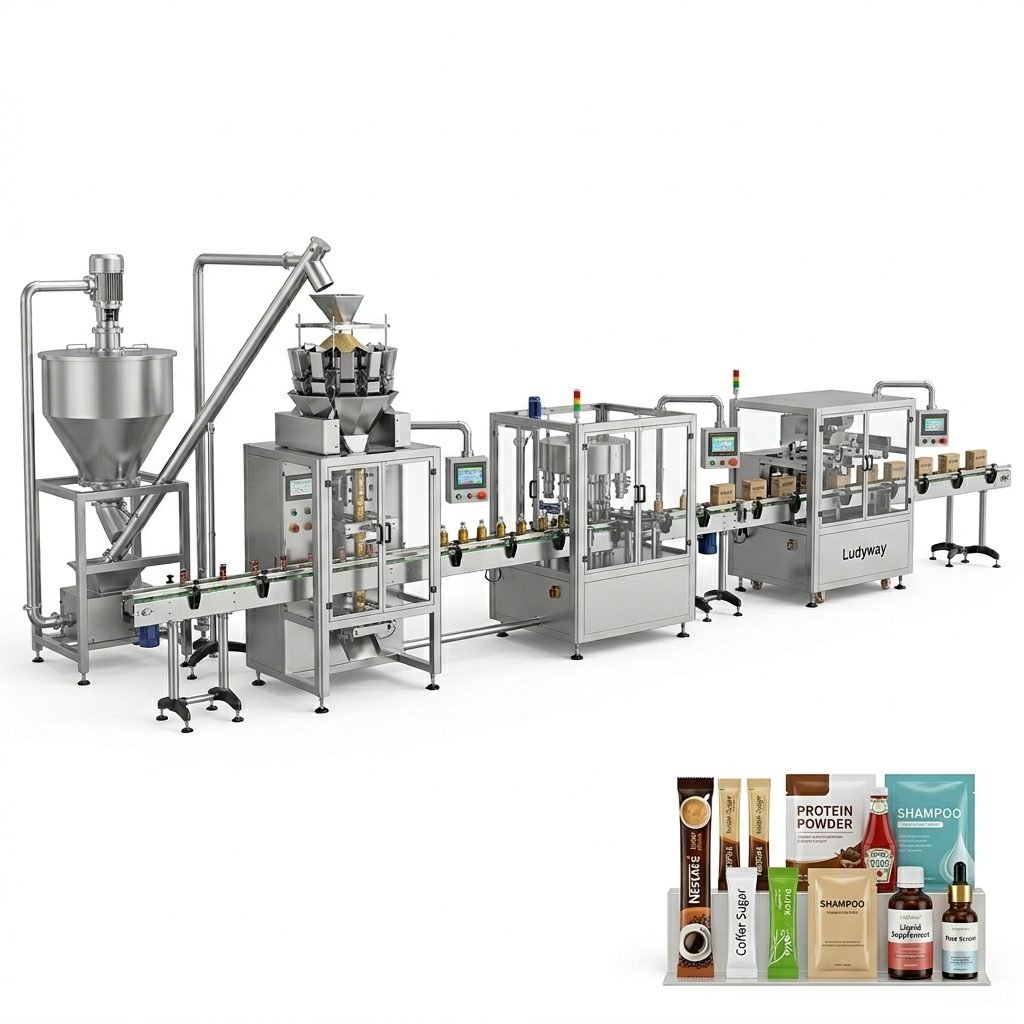
Why Firewood Packaging Matters in Commercial Operations
Firewood is bulky, irregular in shape, and often dusty. Without an efficient packing process, companies face slow output, unstable pack sizes, and higher labor costs. A dedicated firewood packing machine addresses these issues by standardizing pack formation and improving handling from production to retail delivery.
- Faster throughput: Pack more wood in less time.
- Better presentation: Uniform packs look cleaner and more professional.
- Safer transport: Secure packaging reduces spillage and shifting.
- Lower labor dependence: Automation reduces repetitive manual work.
- Improved inventory control: Consistent pack sizes simplify counting and warehousing.
What Is a Firewood Packing Machine?
A firewood packing machine is a system designed to prepare, load, wrap, bag, bundle, or seal firewood into market-ready packaging. Depending on production needs, the machine may be semi-automatic or fully automatic and can work with different packaging materials such as mesh bags, plastic film, stretch wrap, or bundled straps.
In larger facilities, it is often connected with conveyors, counting or dosing systems, weighing units, sealing equipment, and end-of-line solutions such as labeling, cartoning, or palletizing.
Common Packaging Formats for Firewood
| Packaging Format | Typical Use | Advantages |
|---|---|---|
| Net bags | Retail and supermarket sales | Good ventilation, easy handling, visible product |
| Shrink-wrapped bundles | Premium packaged firewood | Tight appearance, stable pack shape, branding-friendly |
| Strapped bundles | Wholesale and transport-ready packs | Cost-effective, strong hold, simple operation |
| Bulk bags or sacks | Industrial or commercial supply | High capacity, efficient loading, suitable for large orders |
Key Features of an Efficient Firewood Packing Machine
Not every machine fits every wood packaging operation. The best solution depends on log length, moisture condition, target pack weight, packaging material, and required output per hour. However, the most effective systems usually include several essential features.
1. Stable Feeding and Handling
Firewood pieces are uneven, so smooth feeding is critical. A good machine manages variable shapes without causing jams or damaging the packaging material.
2. Consistent Pack Formation
Uniform pack size improves shelf presentation and transport stacking. It also helps meet retail quantity requirements more accurately.
3. Secure Sealing or Bundling
Packaging must hold logs tightly during storage and shipment. Reliable sealing or strapping reduces loose packs and minimizes product loss.
4. Adjustable Settings
Many producers handle different wood lengths or pack formats. Flexible adjustment allows faster changeovers and better use of equipment across product lines.
5. Integration with Upstream and Downstream Equipment
A high-performance firewood packing line works best when linked with conveyors, sorting stations, weighing units, coding, and palletizing systems.
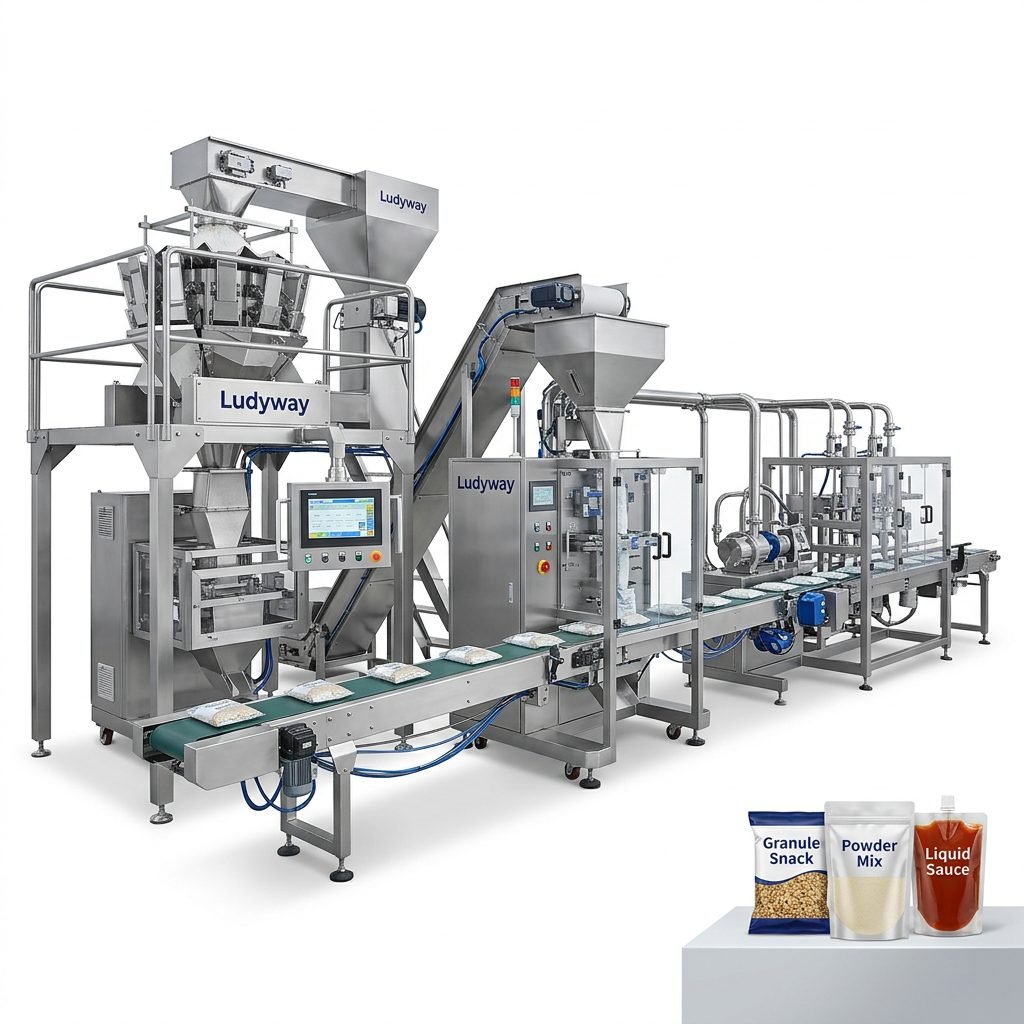
Benefits of Automation in Firewood Packaging
As labor costs increase and order volumes fluctuate seasonally, automation has become an increasingly practical investment for firewood processors. A reliable automated packing machine helps companies stay competitive while maintaining pack quality.
- Higher daily output without proportionally increasing labor.
- Reduced operator fatigue in repetitive loading and bundling tasks.
- Improved pack consistency for retail and distribution channels.
- Cleaner workflow with better organization around the packing zone.
- Lower packaging waste through controlled sealing and material usage.
How to Choose the Right Firewood Packing Machine
Before selecting equipment, businesses should evaluate actual production requirements instead of buying only based on maximum speed. The right machine is the one that matches your wood type, factory layout, labor model, and packaging goals.
| Selection Factor | What to Consider |
|---|---|
| Production capacity | Packs per hour, seasonal demand, future expansion |
| Wood dimensions | Log length, diameter variation, irregularity |
| Packaging style | Net bag, shrink pack, strap bundle, sack |
| Automation level | Semi-automatic or fully automatic line integration |
| Factory layout | Available floor space, material flow, access for maintenance |
| Maintenance support | Spare parts, remote support, technical service response |
Ideal Applications for Firewood Packing Equipment
Firewood packing machines are widely used in different business models, including:
- Retail firewood suppliers
- Kiln-dried log producers
- Forestry and biomass operations
- Garden center and home heating fuel distributors
- Camping and outdoor fuel pack producers
- Wholesale wood processing facilities
Semi-Automatic vs Fully Automatic Firewood Packing Machines
Businesses often start with semi-automatic equipment and upgrade later as output requirements increase. The comparison below can help identify the more suitable direction.
| Type | Best For | Main Advantage |
|---|---|---|
| Semi-automatic | Smaller plants or flexible batch production | Lower initial investment and simple operation |
| Fully automatic | Large-scale continuous production | Maximum speed, consistency, and labor savings |
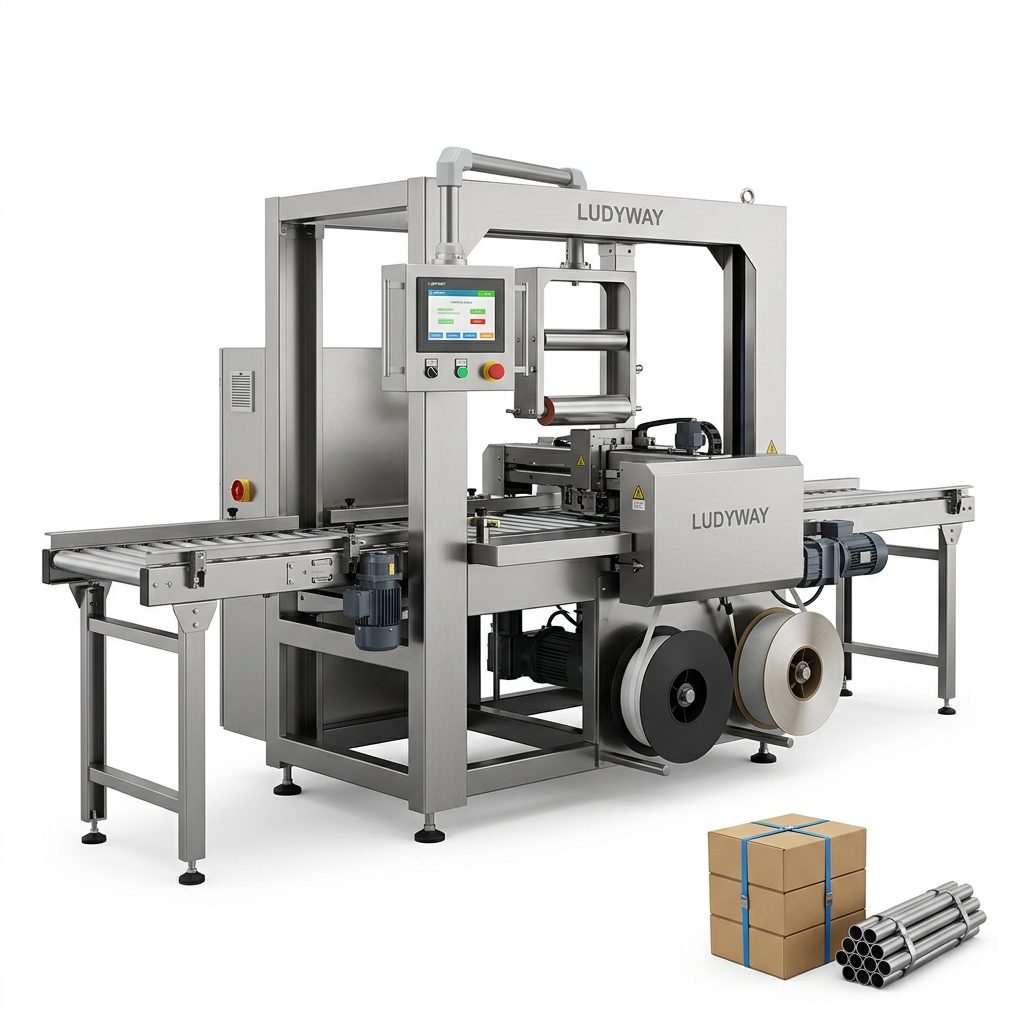
Important Factors for Fast and Secure Wood Packaging
Packaging Material Compatibility
Firewood requires durable materials that can withstand rough edges and friction. Machine compatibility with strong netting, film, or strap material is essential for dependable packaging.
Dust and Debris Management
Wood packaging environments can be dusty. Equipment should be designed for reliable operation under these conditions, with accessible cleaning and practical maintenance points.
Operator Safety
Packaging lines should include proper guarding, emergency stop functions, and user-friendly control systems to support safe production.
Long-Term Reliability
Businesses benefit most from machines built for continuous use, easy servicing, and stable performance during peak delivery seasons.
Why Turnkey Packaging Integration Can Be a Better Investment
For many manufacturers, buying a single packing machine is only part of the solution. A full packaging line can connect feeding, weighing, packing, sealing, labeling, case handling, and palletizing into one workflow. This reduces transfer delays between stations and improves total line efficiency.
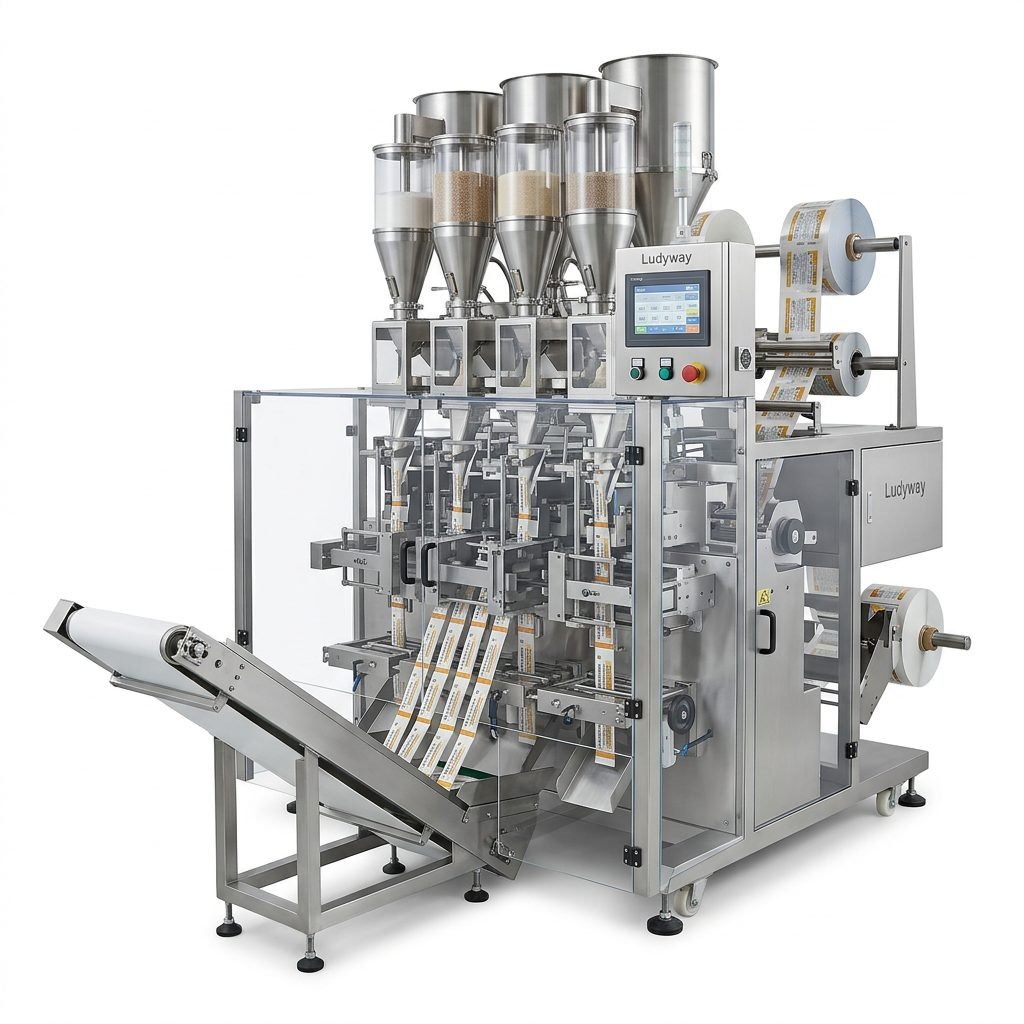
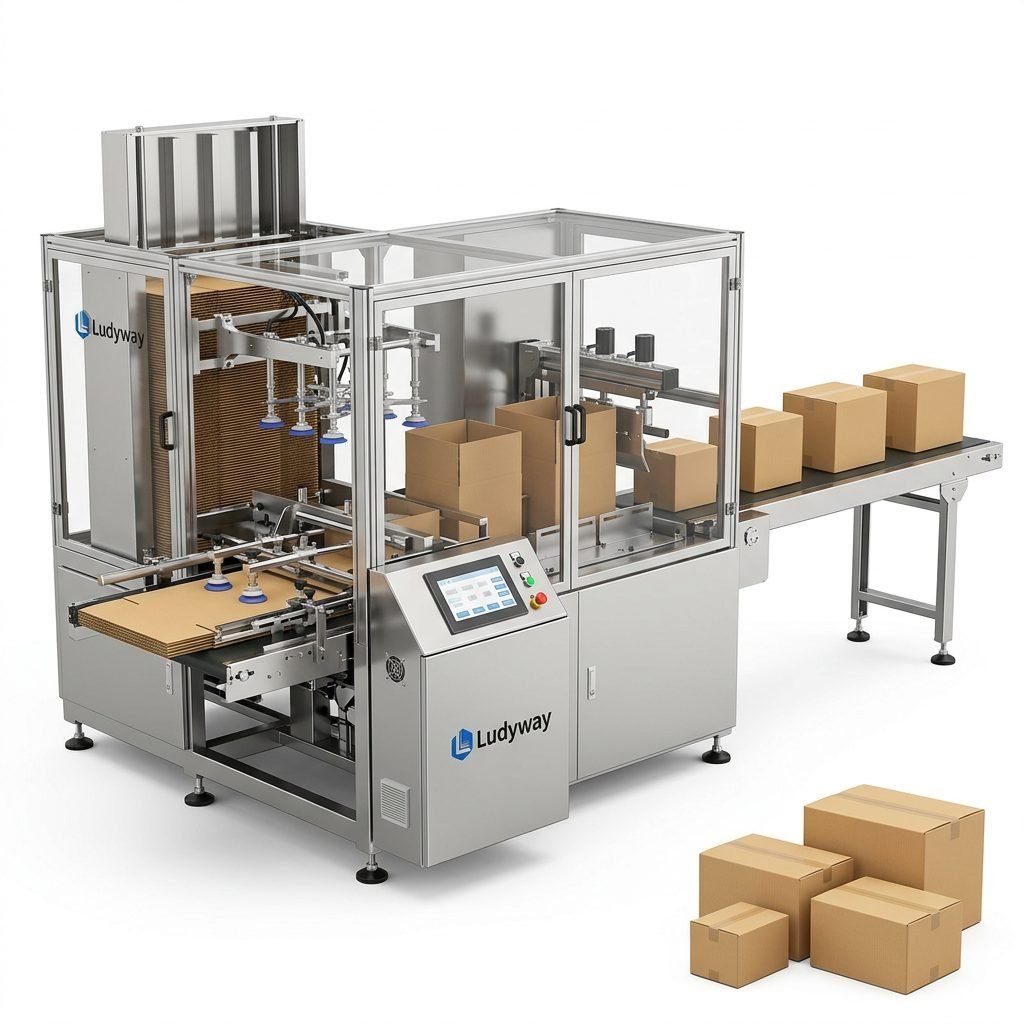
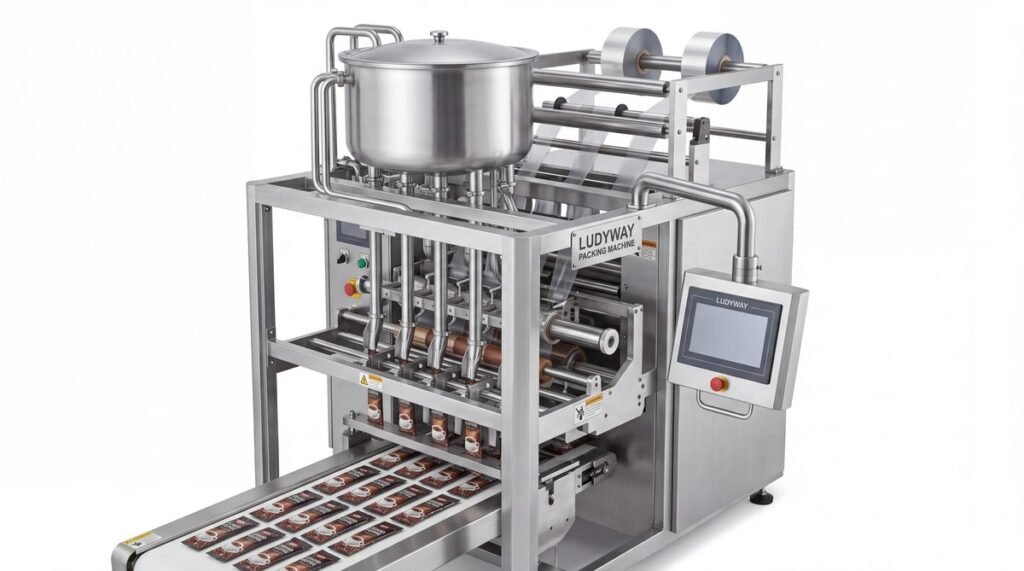
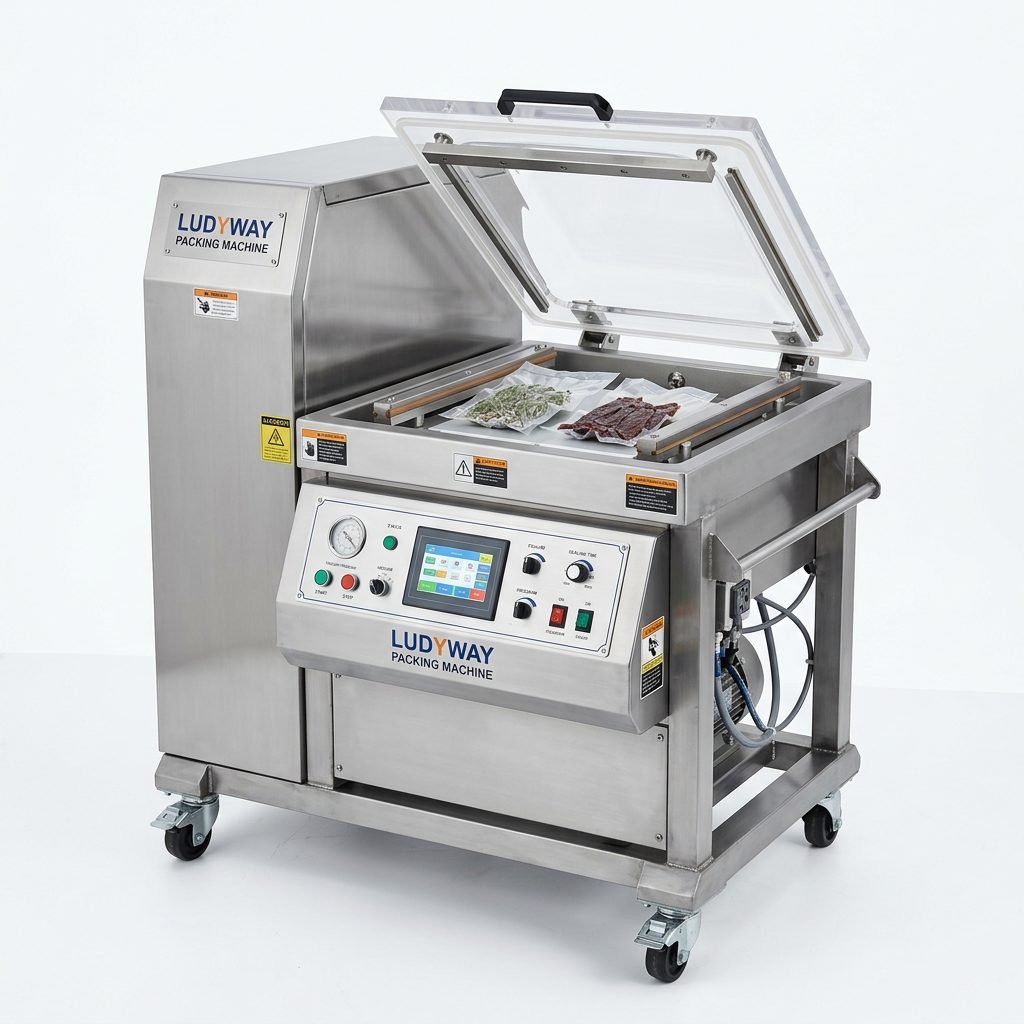
Companies seeking broader automation support often work with experienced packaging line manufacturers such as Ludyway firewood packing machine solutions, especially when a project requires customized integration, scalable layouts, and dependable technical support from a manufacturer with long-term packaging experience.
Maintenance Tips to Keep Performance Stable
- Inspect moving parts and sealing components regularly.
- Remove wood dust and debris from key machine areas.
- Check conveyor alignment and feed consistency.
- Monitor packaging material tension and sealing quality.
- Train operators on daily checks and basic troubleshooting.
- Schedule preventive maintenance before peak sales periods.
Final Buying Insight for Firewood Producers
The best firewood packing machine is one that delivers speed, pack stability, and operational simplicity without creating unnecessary complexity. If your business is expanding, investing in a machine with upgrade potential and line integration capability can provide better long-term value than choosing a basic standalone model.
With the right equipment, firewood packaging becomes faster, more secure, and more profitable. Strong automation not only improves daily output but also helps create professional packaging that supports transport efficiency and customer trust.