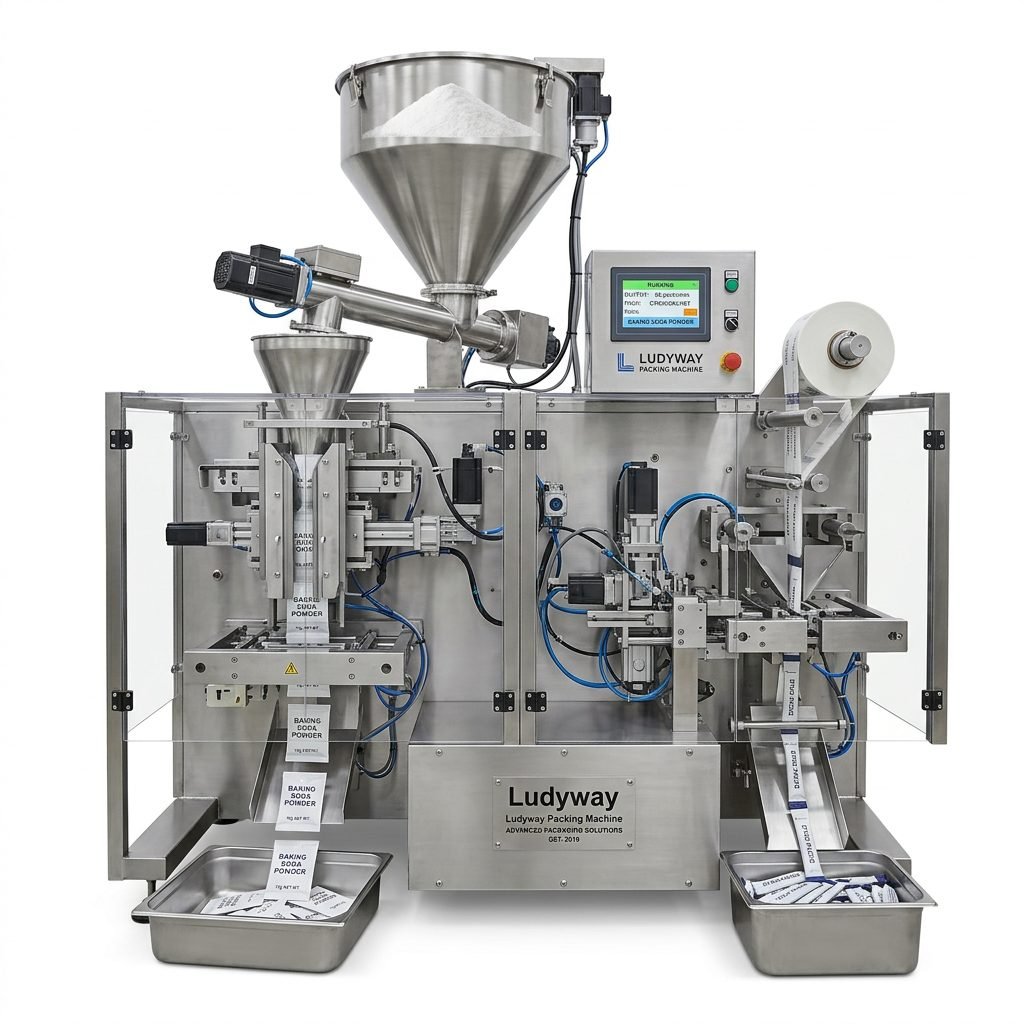
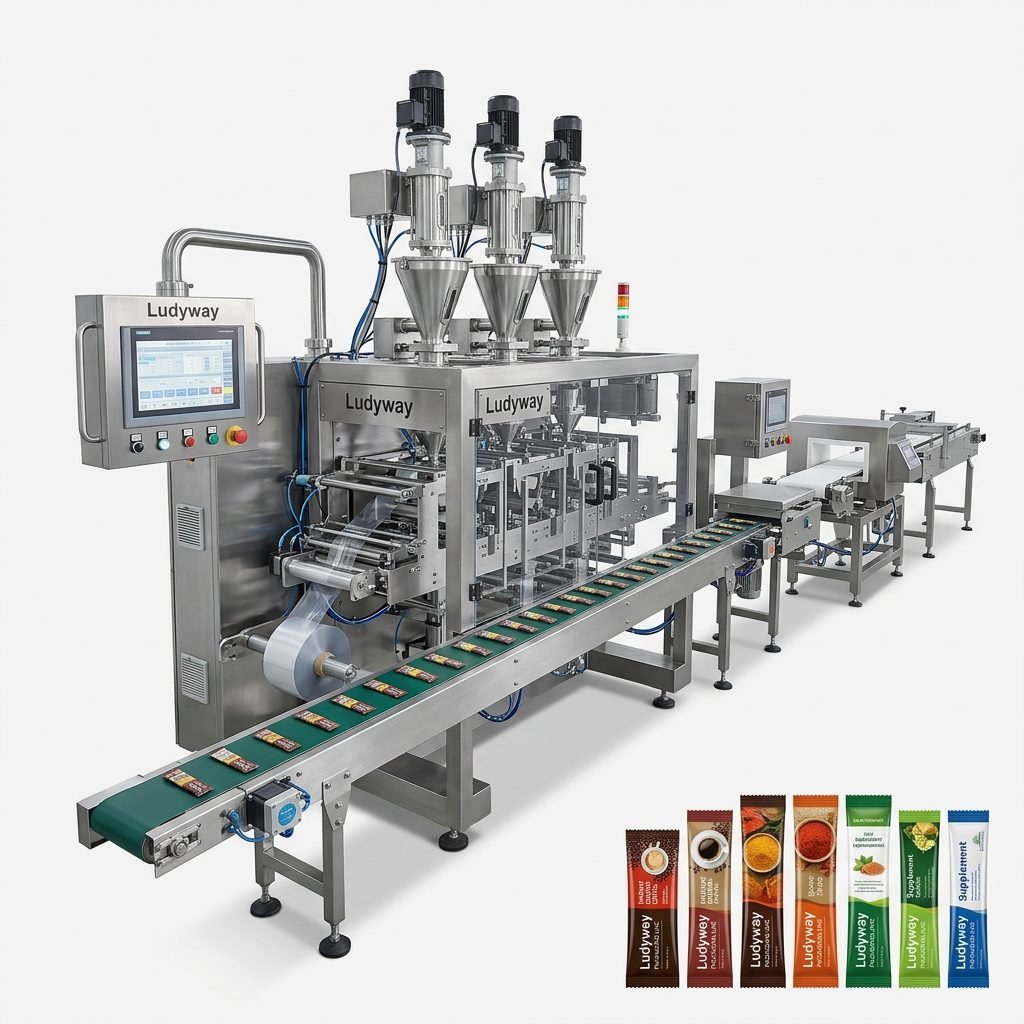
Choosing the right sausage packaging solution is not only about sealing products faster. It directly affects food safety, shelf life, labor cost, product appearance, transportation efficiency, and brand consistency. For sausage manufacturers, processors, and food brands, the best machine is the one that matches product type, output goals, packaging material, hygiene standards, and future expansion plans.
Whether you produce fresh sausages, smoked sausages, cooked links, frozen products, or portioned retail packs, the ideal packaging machine should help you reduce waste, keep packs attractive, and maintain reliable daily performance.
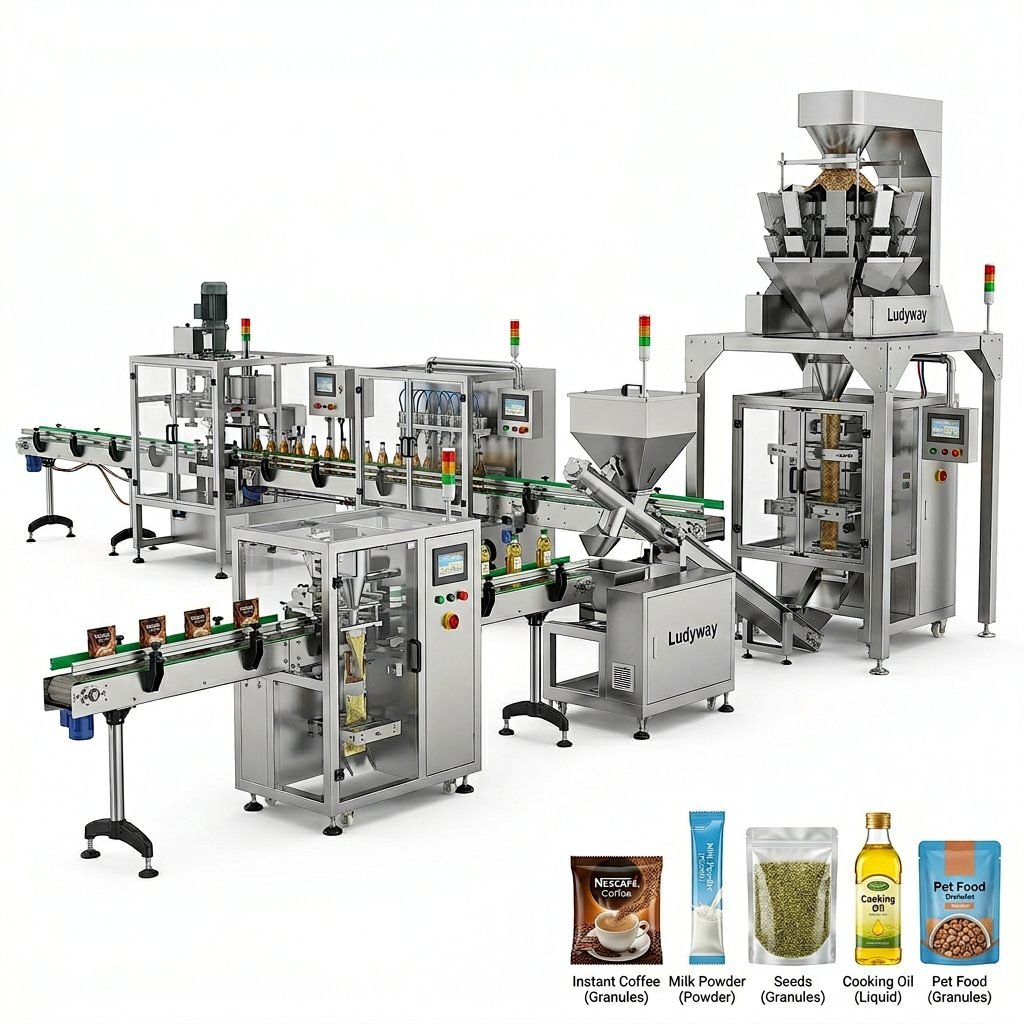
Why sausage packaging matters more than many buyers expect
Sausage products are sensitive to oxygen, moisture, contamination, temperature change, and mechanical compression. Poor packaging can quickly lead to discoloration, leakage, deformation, microbial risk, and customer complaints. A well-matched packaging system helps preserve product integrity from filling line to retail shelf.
- Extends shelf life by controlling air exposure and sealing quality
- Protects appearance so sausages arrive intact and well-presented
- Supports compliance with food hygiene and labeling requirements
- Improves packing speed for medium and high-volume production
- Reduces labor dependency through automation and line integration
Start with the type of sausage you produce
Before comparing machines, define the exact product characteristics. Sausage packaging is not one-size-fits-all. The structure, moisture, oil content, size, and processing stage of the sausage will determine the ideal packaging technology.
Common product categories
- Fresh raw sausages
- Cooked sausages
- Smoked sausages
- Frozen sausages
- Mini snack sausages
- Vacuum-packed deli sausages
- Retail tray-packed sausage links
- Bulk foodservice sausage packs
For example, fresh sausages often require packaging that slows oxidation and minimizes purge, while frozen sausages need strong seals and durable materials that resist cracking at low temperatures. Snack-size sausages may benefit from high-speed form-fill-seal equipment for single-serve or multi-pack formats.
Main sausage packaging solutions to consider
The right machine depends on the final pack style. Below are the most common solutions used in sausage production.
| Packaging Solution | Best For | Key Benefit |
|---|---|---|
| Vacuum packaging machine | Cooked, smoked, chilled sausages | Longer shelf life and tight product presentation |
| Thermoforming packaging machine | High-volume retail sausage lines | Automated forming, filling, vacuuming, and sealing |
| Tray sealing machine | Retail links and premium displays | Neat shelf appearance with MAP capability |
| Flow wrapping machine | Single sausages or grouped packs | Fast, cost-effective wrapping |
| Vertical or pouch packing system | Frozen sausage pieces or processed portions | Flexible bag sizes and automation options |
1. Vacuum packaging machines
Vacuum packaging removes air from the package before sealing. It is widely used for cooked or smoked sausages because it helps reduce oxidation and improves shelf stability. This is often the preferred option when appearance, shelf life, and transport security are top priorities.
2. Thermoforming packaging machines
These machines are ideal for larger factories. They form the bottom web, load the sausages, apply vacuum or modified atmosphere, and seal the top film automatically. If you need continuous output and low packaging cost per unit, thermoforming can be a strong long-term investment.
3. Tray sealers with MAP
Tray sealing is common in supermarkets and premium retail formats. With modified atmosphere packaging (MAP), the machine replaces air with a protective gas mixture. This helps keep sausages visually appealing and supports longer refrigerated shelf life.
4. Flow wrapping systems
Flow wrappers are useful for certain sausage stick products, grouped units, and fast-moving convenience packs. They offer speed and lower material costs, but they are not always the best solution for products requiring maximum oxygen protection.
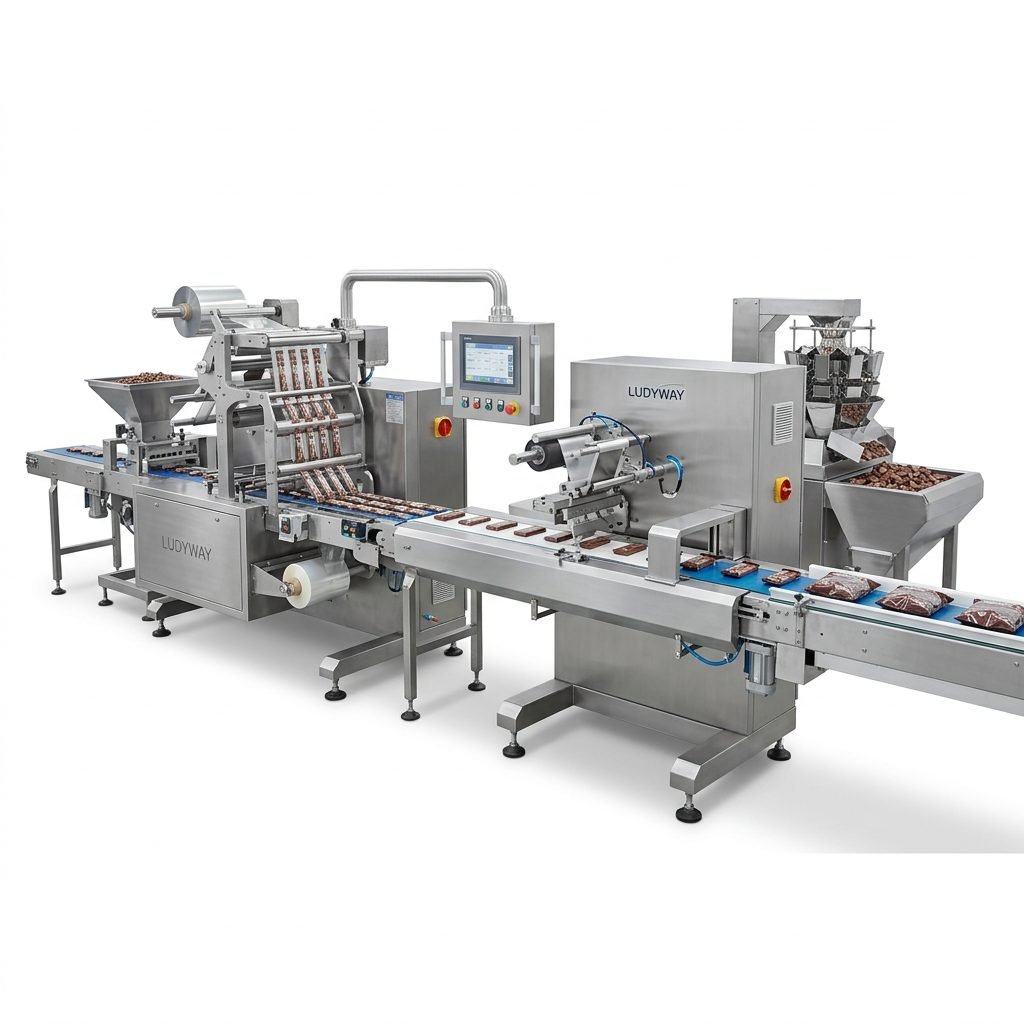
Key factors to evaluate before buying a sausage packaging machine
Production capacity
Estimate current and future output. Buying a machine that only matches today’s demand may create a bottleneck within a year. At the same time, over-investing in a highly complex line may increase cost without enough return.
- Packs per minute required
- Daily operating hours
- Seasonal peak demand
- Expected growth in SKU count
Package format
Decide whether you need vacuum packs, trays, pillow packs, stand-up pouches, or bulk bags. The machine must match your target retail channel, shipping condition, and brand positioning.
Seal integrity
With meat products, reliable sealing is critical. Oil, moisture, or product particles near the seal area can cause leakage. A quality machine should provide stable temperature control, sealing pressure consistency, and easy adjustment for material changes.
Hygienic design
The machine should be easy to clean and suitable for food processing environments. Stainless steel construction, accessible parts, smooth surfaces, and reduced dead corners can help improve sanitation and reduce downtime during washdown.
Packaging material compatibility
Sausage manufacturers often use multilayer films, vacuum pouches, barrier trays, or frozen-food bags. Confirm in advance that the machine supports your chosen materials, thickness range, and sealing structure.
Automation level
Semi-automatic equipment may work for small processors, but growing factories often benefit from automatic feeding, loading, date coding, checkweighing, labeling, cartoning, and case packing. Higher automation can reduce labor pressure and improve consistency.
How to match machine type with business size
| Business Type | Recommended Solution | Why It Fits |
|---|---|---|
| Small butcher or local processor | Chamber vacuum machine or compact tray sealer | Affordable, simple operation, low footprint |
| Mid-sized food factory | Automatic vacuum line or tray sealing system | Better output, lower labor cost, stable quality |
| Large industrial producer | Thermoforming line with integrated end-of-line equipment | High speed, scalable automation, efficient total line performance |
Don’t ignore upstream and downstream integration
The packaging machine itself is only one part of production efficiency. Many packaging problems actually come from poor product feeding, manual loading inconsistency, or weak end-of-line organization.
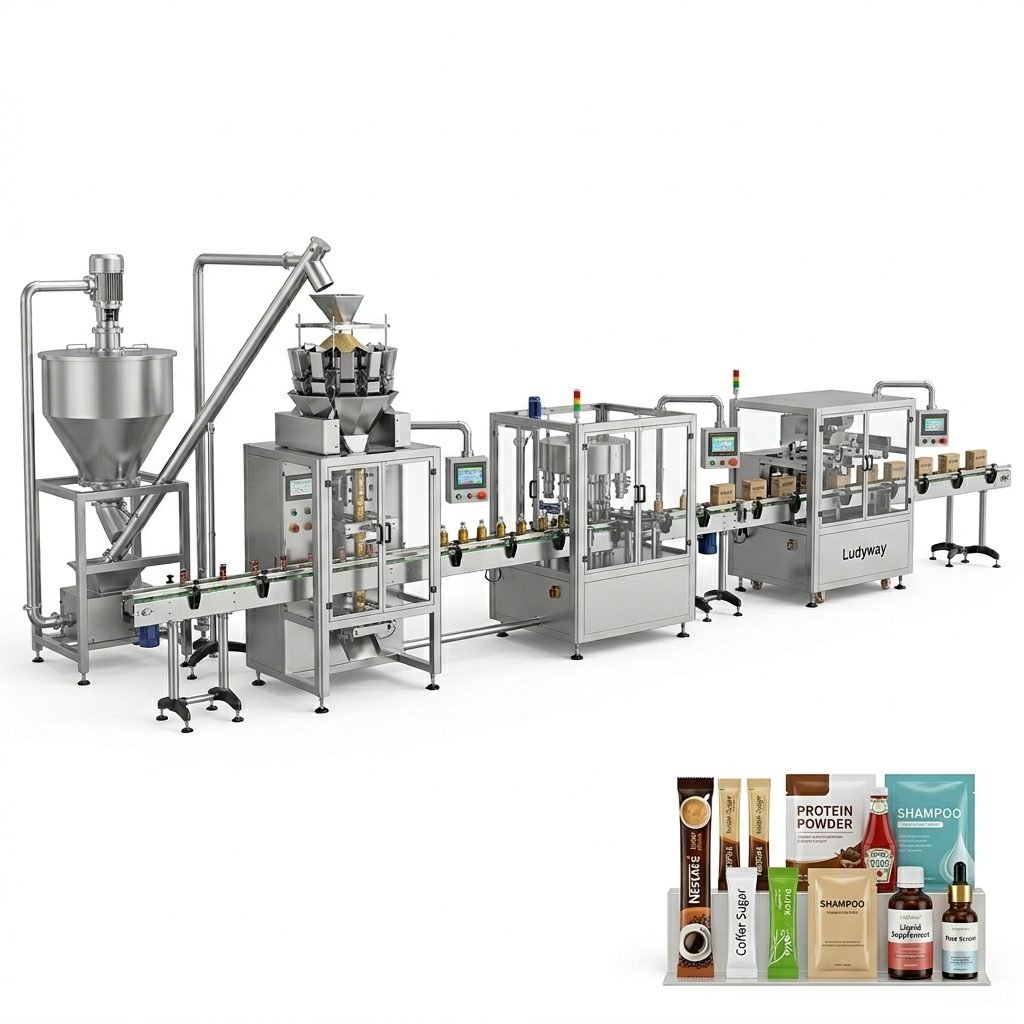
A more efficient sausage packaging setup may include:
- Infeed conveyors
- Automatic portioning or counting units
- Vacuum or gas flushing modules
- Date coding systems
- Metal detection and checkweighing
- Labeling machines
- Cartoning and case packing systems
If your goal is long-term efficiency, it is often smarter to think in terms of a complete packaging line rather than a standalone machine.
Questions to ask a packaging machine supplier
To avoid costly mistakes, ask practical questions before placing an order.
- What sausage formats has the machine already handled?
- What is the actual speed under real production conditions?
- Can the system handle different pack sizes and product lengths?
- What packaging materials are tested and recommended?
- How long does product changeover take?
- What cleaning and maintenance procedures are required?
- Is remote technical support available?
- Can the machine integrate with labeling, coding, or cartoning systems?
- What spare parts are critical, and how fast can they be supplied?
- Can the supplier provide FAT, installation, and operator training?
Common buying mistakes to avoid
- Choosing by price alone instead of total lifecycle value
- Ignoring future production expansion
- Underestimating hygiene and cleaning requirements
- Not testing actual sausage products before purchase
- Overlooking film compatibility and seal performance
- Buying a fast machine without planning line integration
- Failing to confirm after-sales support and spare parts service
What defines an efficient sausage packaging solution?
An efficient solution is not simply the fastest machine. It is the combination of speed, packaging quality, uptime, sanitation, ease of operation, and adaptability. In most food packaging operations, efficiency means producing more saleable packs with fewer stoppages, fewer leaks, less labor, and less material waste.
A strong solution should deliver:
- Consistent pack appearance
- Reliable seal strength
- Reduced giveaway and waste
- Fast changeover between SKUs
- Stable operation over long shifts
- Simple cleaning and maintenance access
- Scalability for future automation upgrades
Choosing a supplier with real packaging line capability
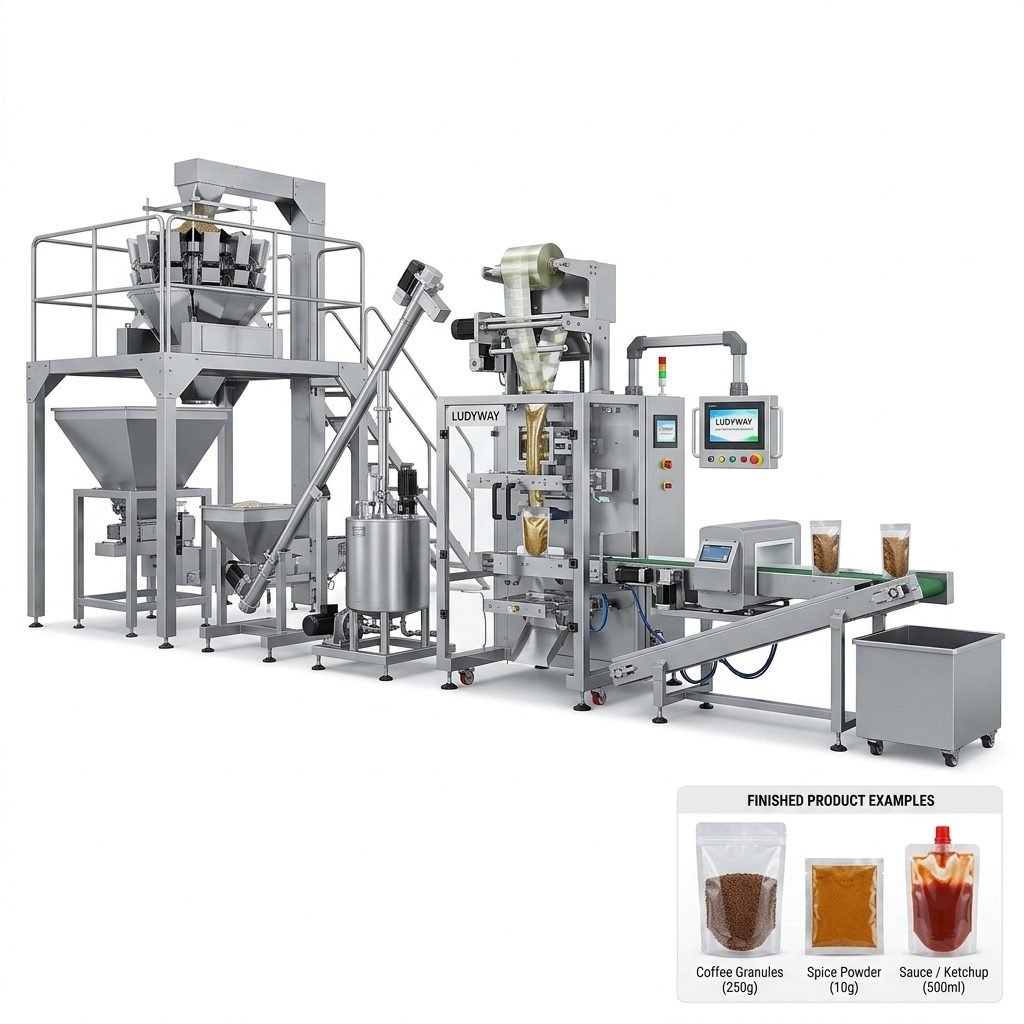
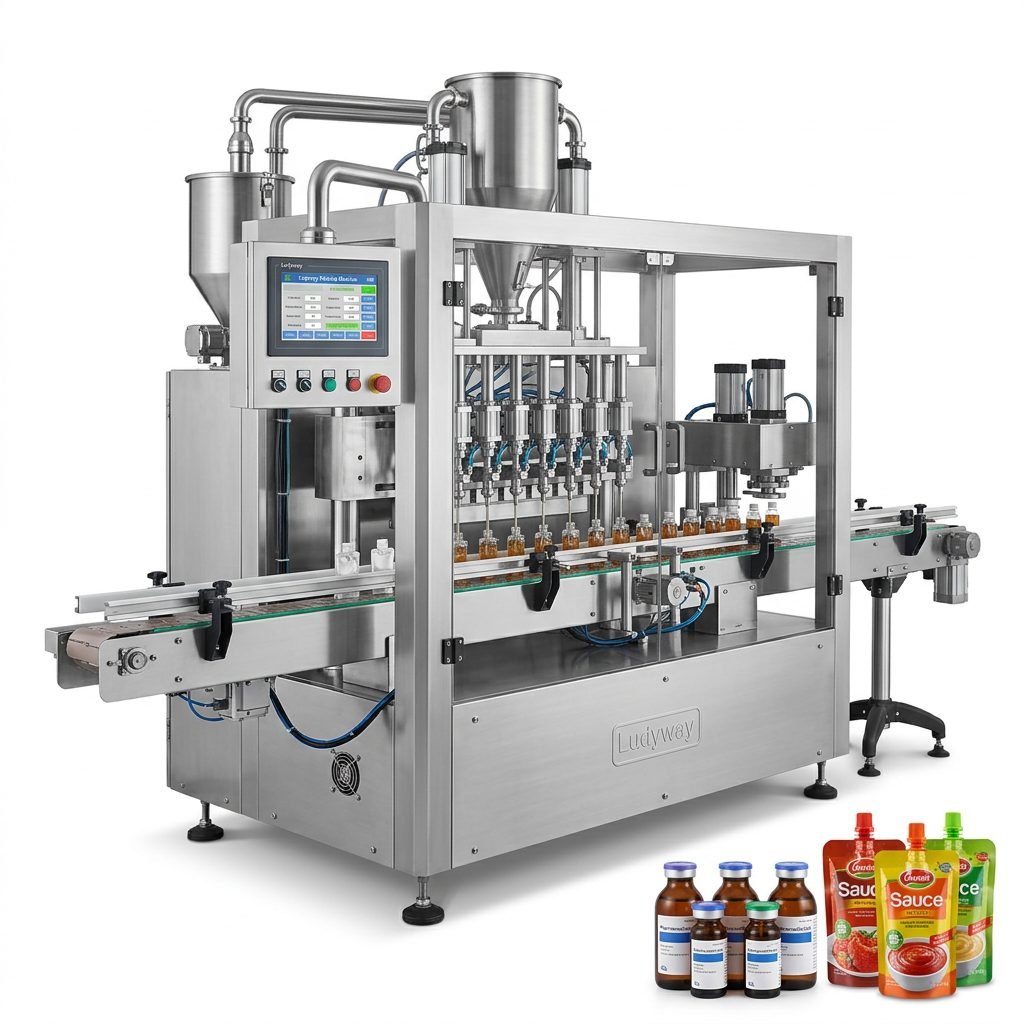
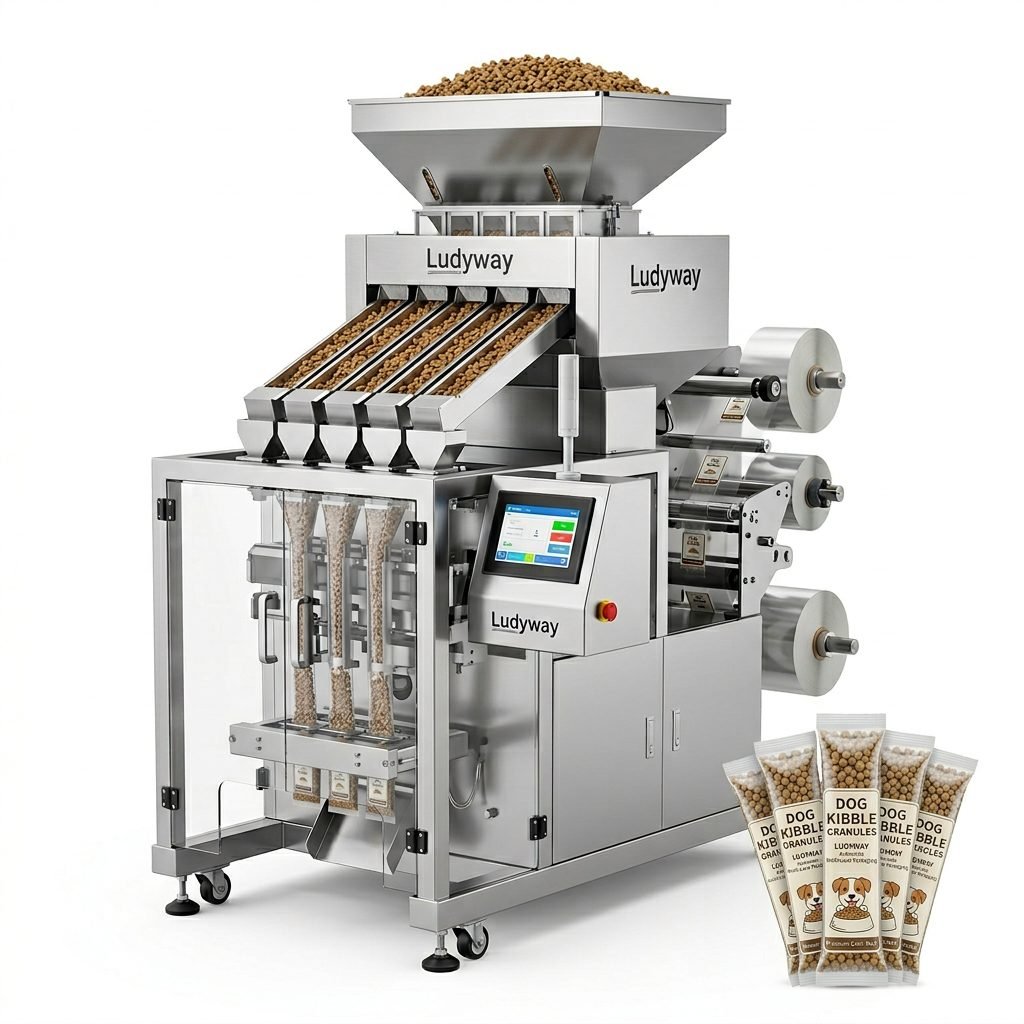
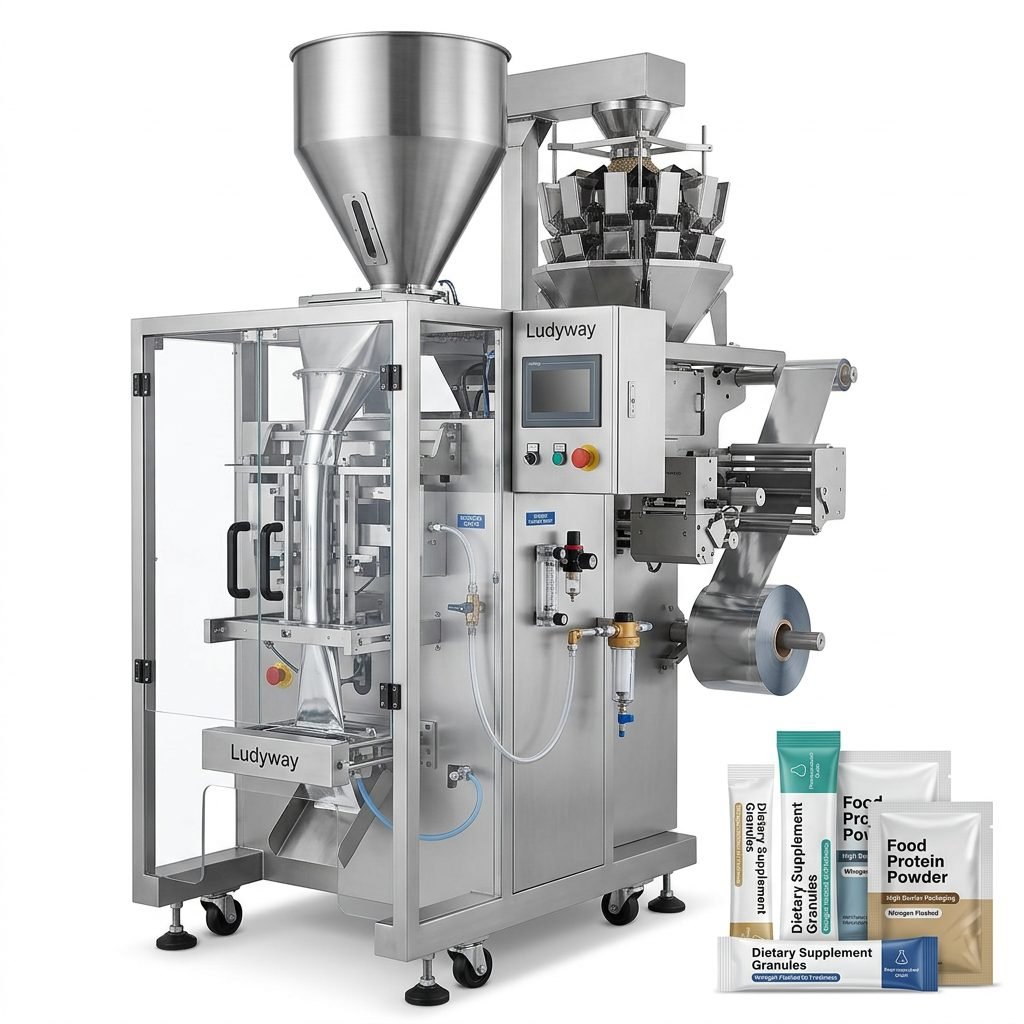
For buyers planning growth, it is valuable to work with a manufacturer that can support both standalone equipment and integrated systems. Ludyway sausage packaging machine solutions are backed by more than 30 years of industry experience, a manufacturing base of over 20,000 square meters, and turnkey packaging line capabilities serving global food, pharmaceutical, and related industries.
This kind of supplier approach is especially useful when your project may later expand into automatic feeding, coding, inspection, cartoning, or full end-of-line automation.
Final checklist before making your decision
| Product fit | Confirmed for your sausage type, size, and temperature condition |
| Output target | Matches current volume and future growth plans |
| Pack format | Supports vacuum, tray, pouch, or wrap style needed |
| Material compatibility | Tested with selected films or trays |
| Food hygiene | Easy to clean and suitable for meat processing conditions |
| Support service | Installation, training, parts, and technical assistance available |
When you evaluate sausage packaging machinery with these factors in mind, you are much more likely to choose a solution that improves productivity, protects product quality, and supports long-term business growth.