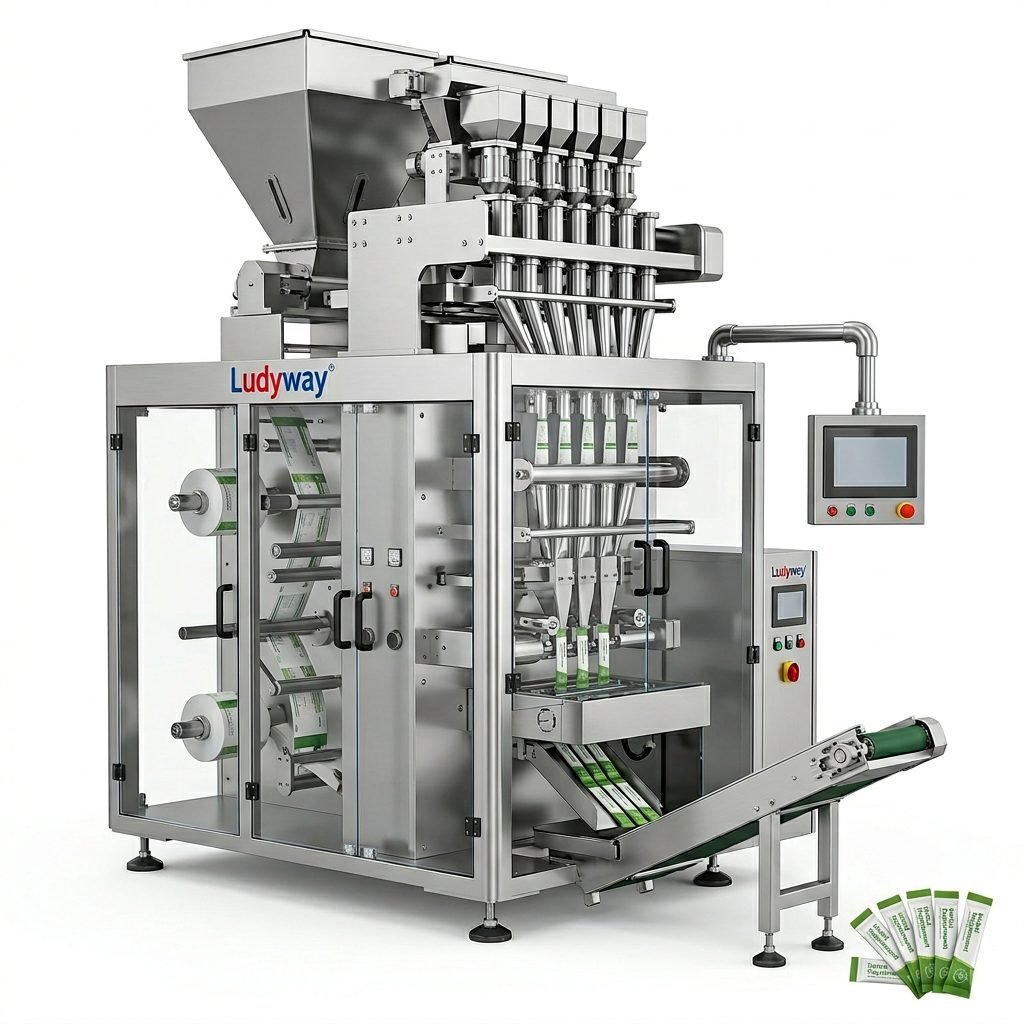
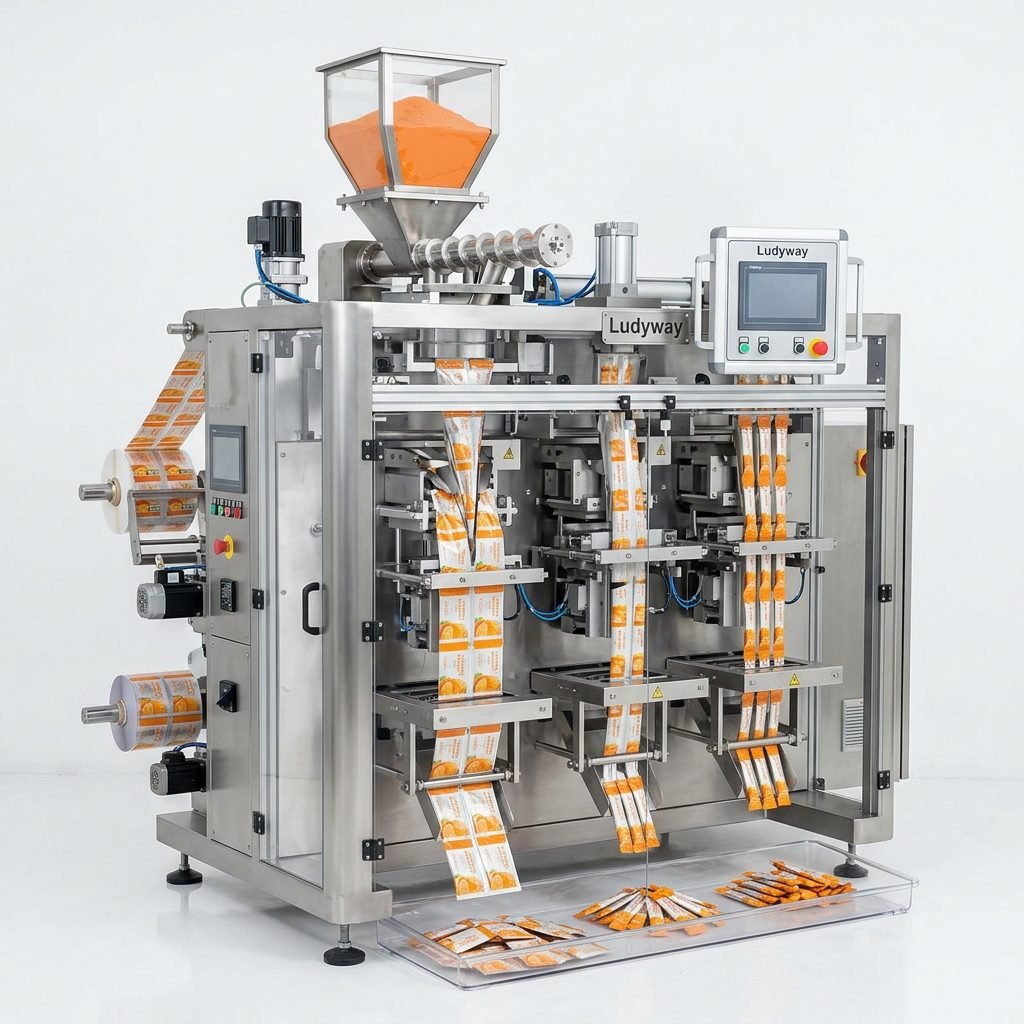
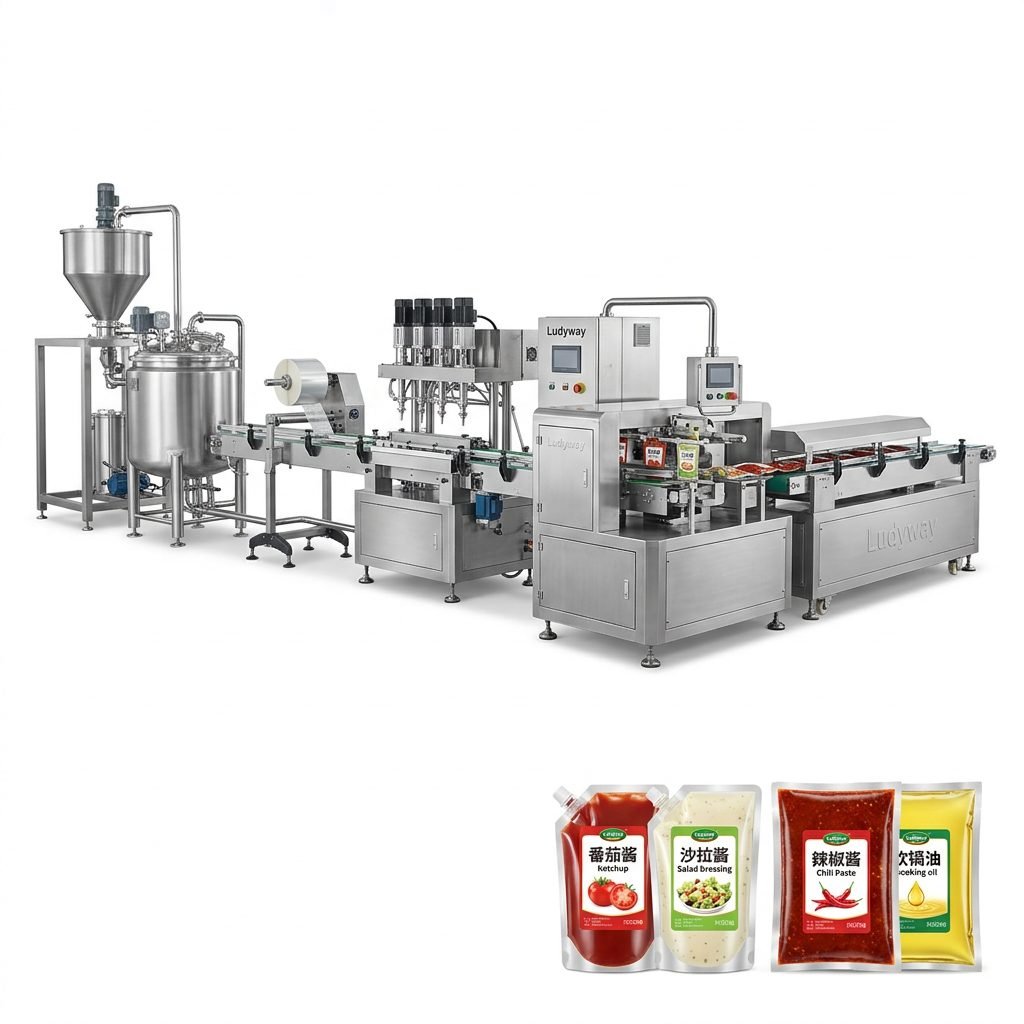
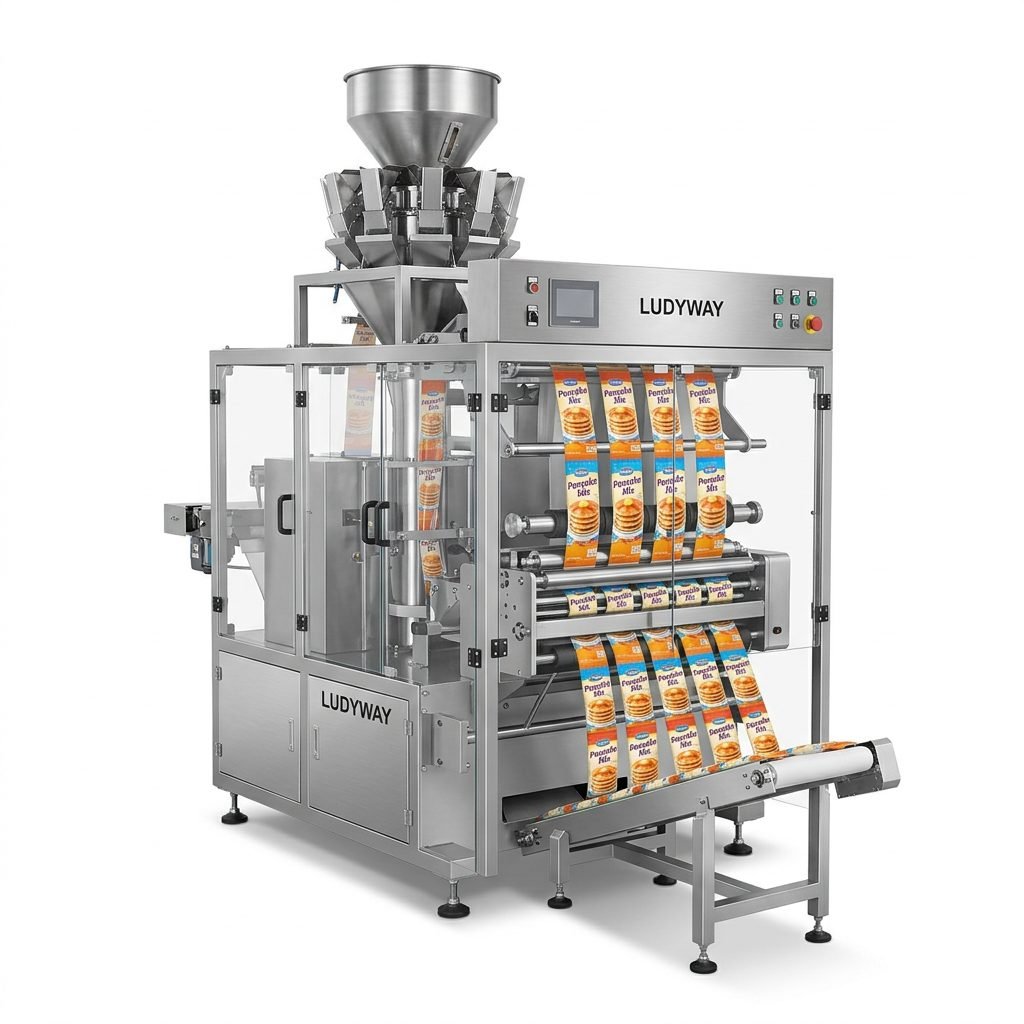
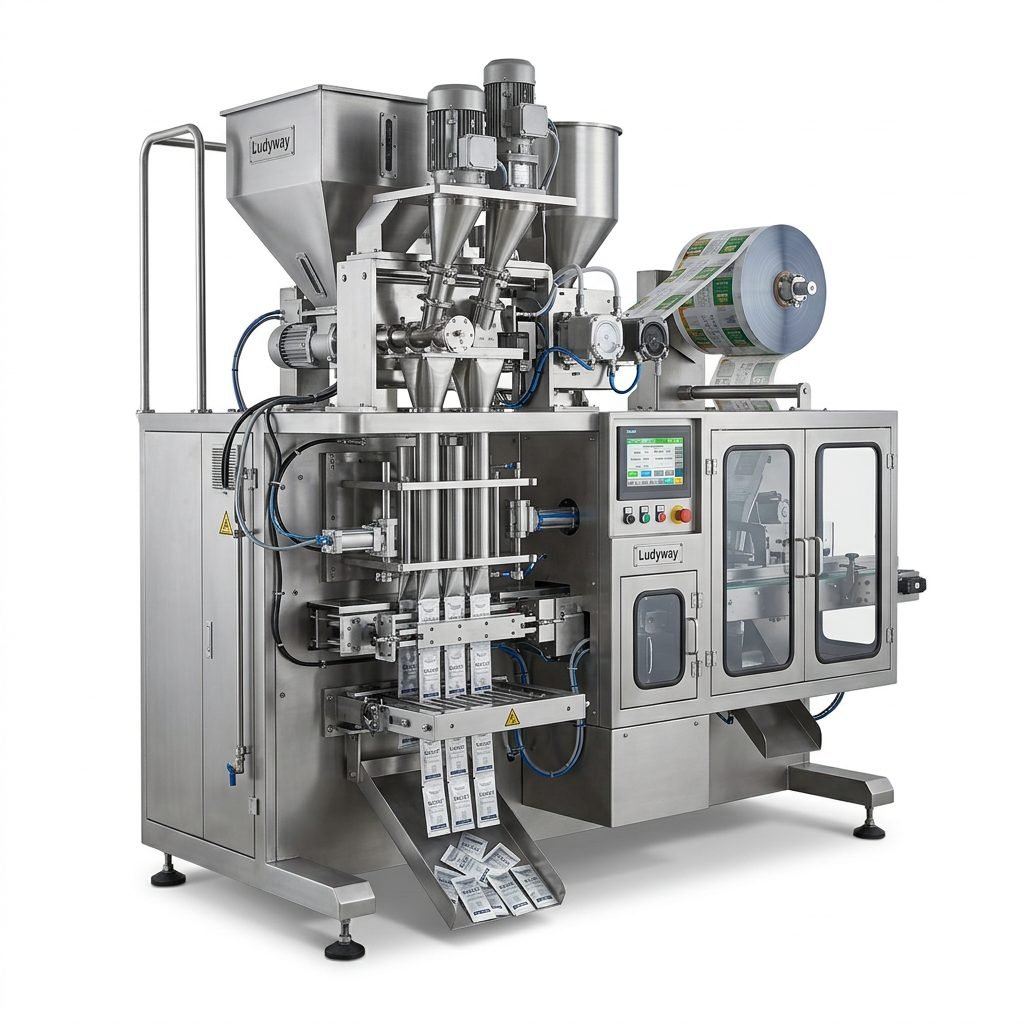
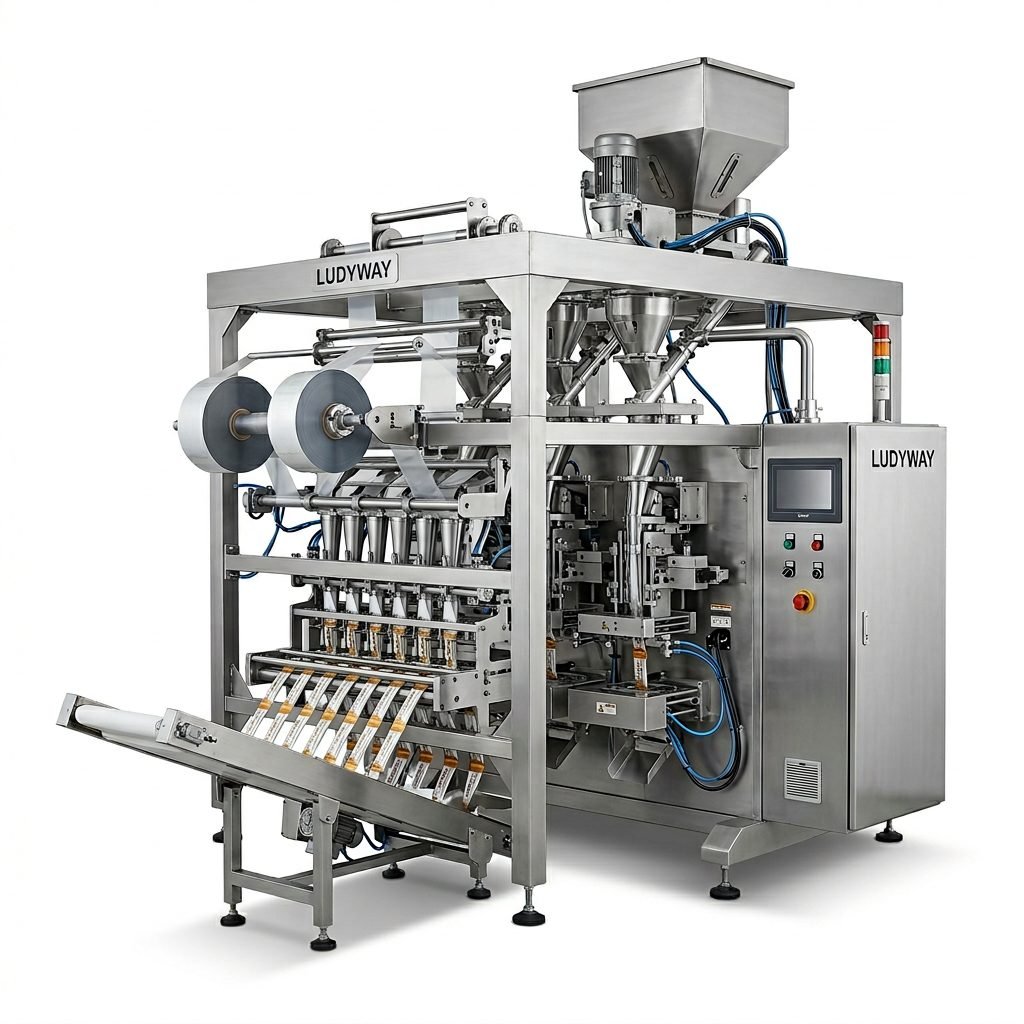
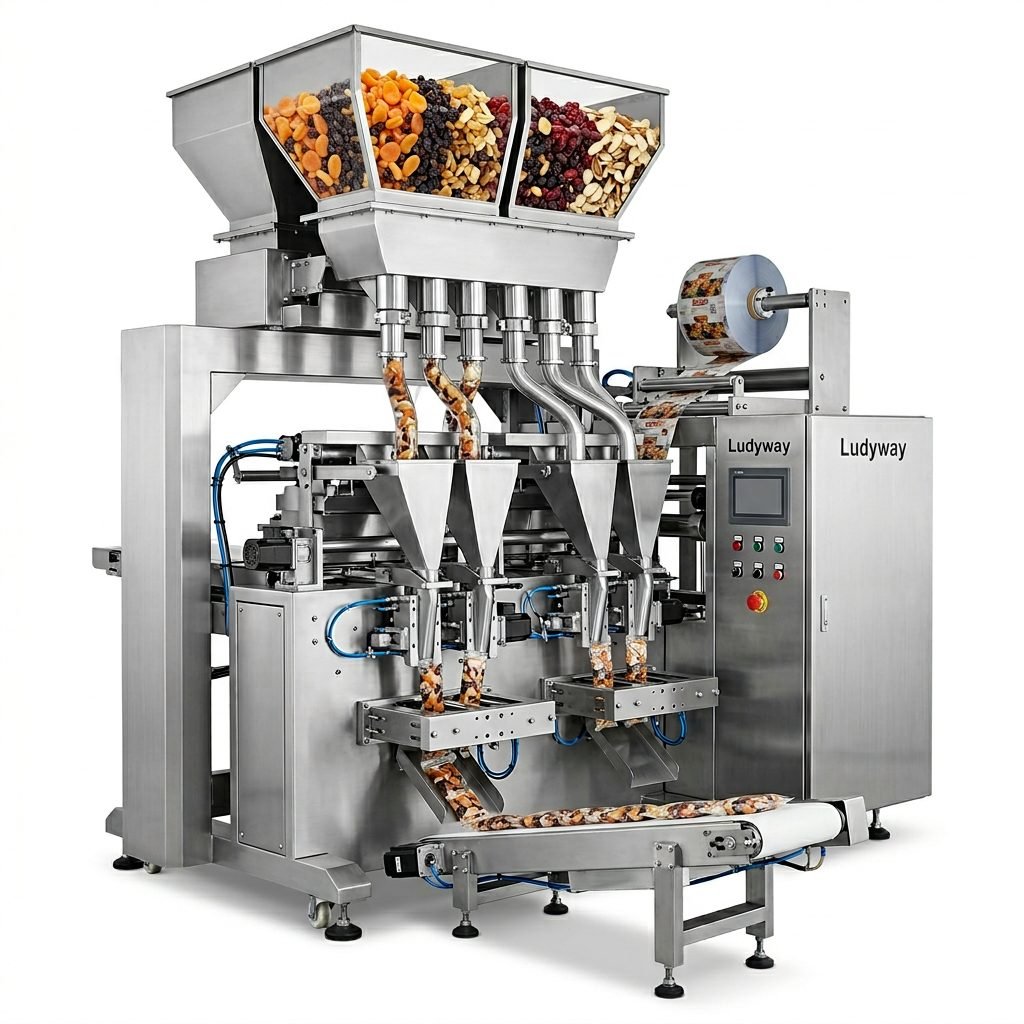
Choosing the right pillow pouch packaging machine is not only about speed. It is about finding a solution that matches your product type, pouch size, output target, factory layout, compliance requirements, and future expansion plans. For manufacturers in food, pharmaceutical, health supplement, cosmetics, and chemical sectors, the right machine can significantly improve efficiency, consistency, and packaging quality.
A pillow pouch, sometimes called a pillow bag, is one of the most widely used flexible packaging formats. It is popular because it offers a neat appearance, efficient material usage, and compatibility with high-speed automatic packaging lines. From powders and granules to liquids and pastes, pillow pouch systems can support many applications when configured correctly.
Why pillow pouch packaging remains a top choice
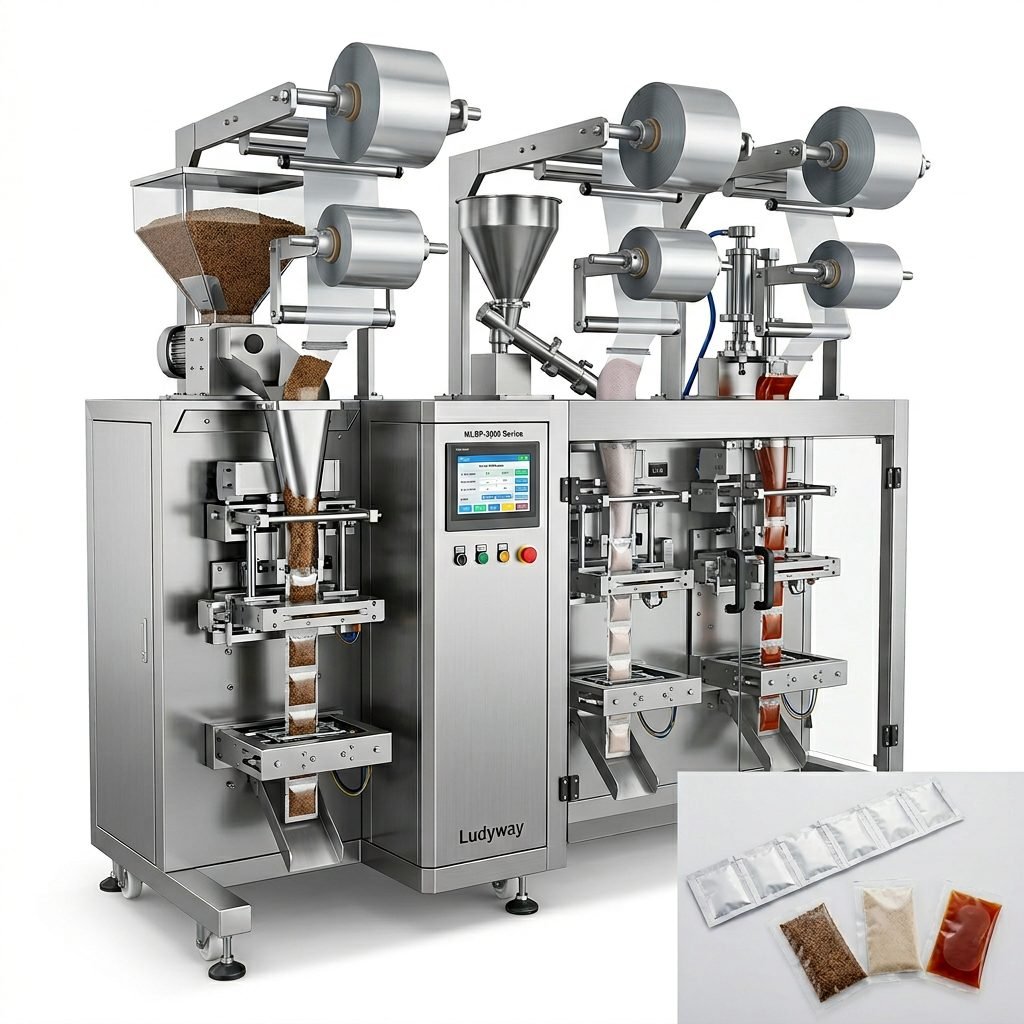
Pillow pouch packaging is valued across industries because it balances cost-efficiency, product protection, and production flexibility. It is suitable for single-dose, retail-ready, travel-size, and high-volume packaging projects.
- Works well for powders, granules, liquids, gels, and pastes
- Supports fast automated forming, filling, and sealing
- Reduces packaging material waste compared with some rigid formats
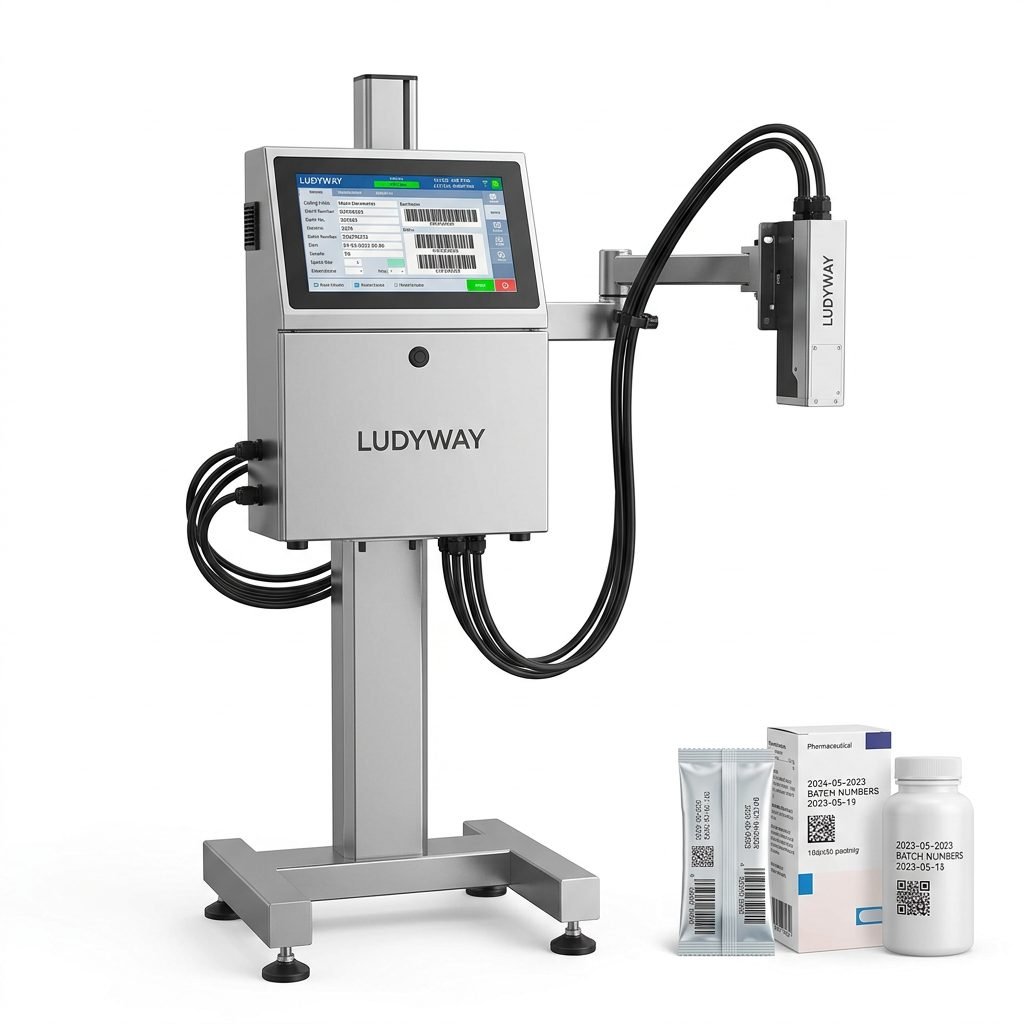
- Offers clear branding space for printing and coding
- Can be integrated with feeders, checkweighers, cartoners, and case packers
What a pillow pouch packaging machine actually does
A pillow pouch packaging machine usually performs several linked functions in one automated process:
- Unwinds packaging film
- Forms the film into a pouch shape
- Measures the product dose
- Fills the pouch accurately
- Seals the pouch
- Cuts and discharges finished packs
- Adds optional coding, inspection, counting, or secondary packaging
Depending on the product, the machine may use an auger filler for powders, volumetric cups for free-flowing granules, piston pumps for viscous materials, or liquid pumps for low-viscosity products.
Start with your product characteristics
The first step in choosing the right system is understanding your product in detail. This is where many buyers make mistakes. A machine that performs well for sugar or salt may not be suitable for protein powder, sauce, or pharmaceutical granules.
Key product questions to ask
- Is the product a powder, granule, liquid, paste, or mixed material?
- Does it flow easily or bridge in the hopper?
- Is it dusty, sticky, corrosive, or moisture-sensitive?
- Does it require gentle handling to avoid breakage?
- Are there hygiene or GMP requirements?
- Does oxygen, humidity, or light affect shelf life?
For example, fine nutritional powders may require dust control and precise auger dosing, while sauces may need heated hoppers, anti-drip nozzles, and reliable seal contamination control.
Match the filling system to the product
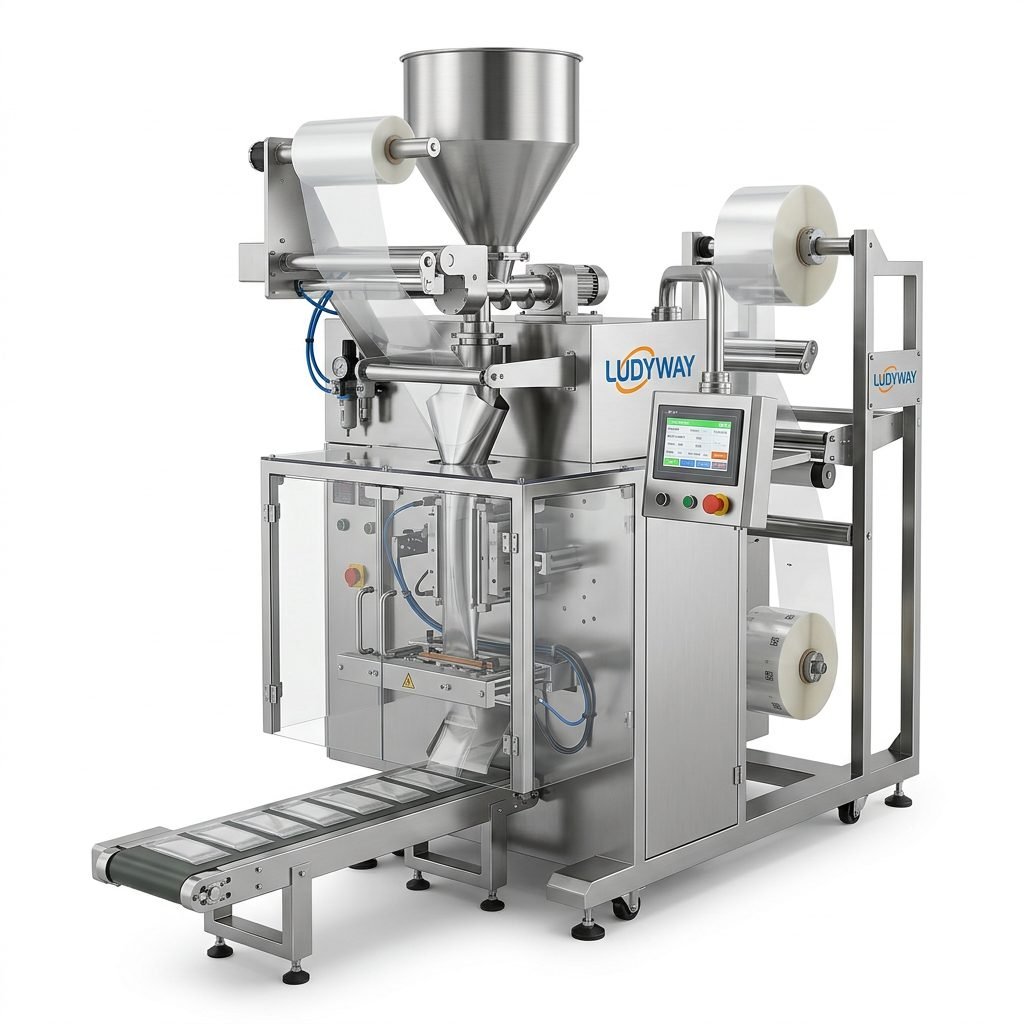
The filling device is one of the most important parts of the entire solution. A poor match leads to inaccurate filling, seal contamination, downtime, and material waste.
| Product Type | Recommended Filling System | Typical Applications |
|---|---|---|
| Fine powder | Auger filler | Protein powder, spices, pharma powder |
| Free-flowing granules | Volumetric cup or weigher | Sugar, salt, seeds, snacks |
| Irregular granules | Multihead weigher or linear weigher | Nuts, pet food, candies |
| Low-viscosity liquid | Liquid pump filling | Oil, vinegar, beverage concentrates |
| Viscous liquid or paste | Piston pump | Sauce, cream, gel, lotion |
Define the right output speed
High speed is attractive, but the fastest machine is not always the right investment. You should choose based on real production targets, not just maximum rated speed on paper.
Consider these output factors
- Current daily and monthly production requirements
- Seasonal demand fluctuations
- Available labor and shift structure
- Changeover frequency between SKUs
- Downstream equipment capacity
- Required OEE targets
For many manufacturers, a stable machine running efficiently at practical speed delivers better long-term value than a machine rated for extreme speed but difficult to maintain or adjust.
Evaluate pouch size and format flexibility
Not every pillow pouch machine handles the same bag dimensions or product weights. If your business plans to run multiple SKUs, you need a machine with enough adjustment range and user-friendly format change capability.
Ask suppliers about:
- Minimum and maximum pouch width and length
- Filling volume range
- Film roll specifications
- Change parts required for different pack sizes
- Average changeover time
- Support for easy-open notch, tear line, coding, or perforation
Check sealing quality and film compatibility
A pillow pouch is only as good as its seal. Weak or contaminated seals can lead to leakage, returns, short shelf life, and damaged brand reputation. The machine must match the packaging film structure and sealing conditions.
Important sealing considerations
- Film type: laminated film, aluminum foil laminate, PE-based film, recyclable structures
- Heat sensitivity of the product
- Required seal strength
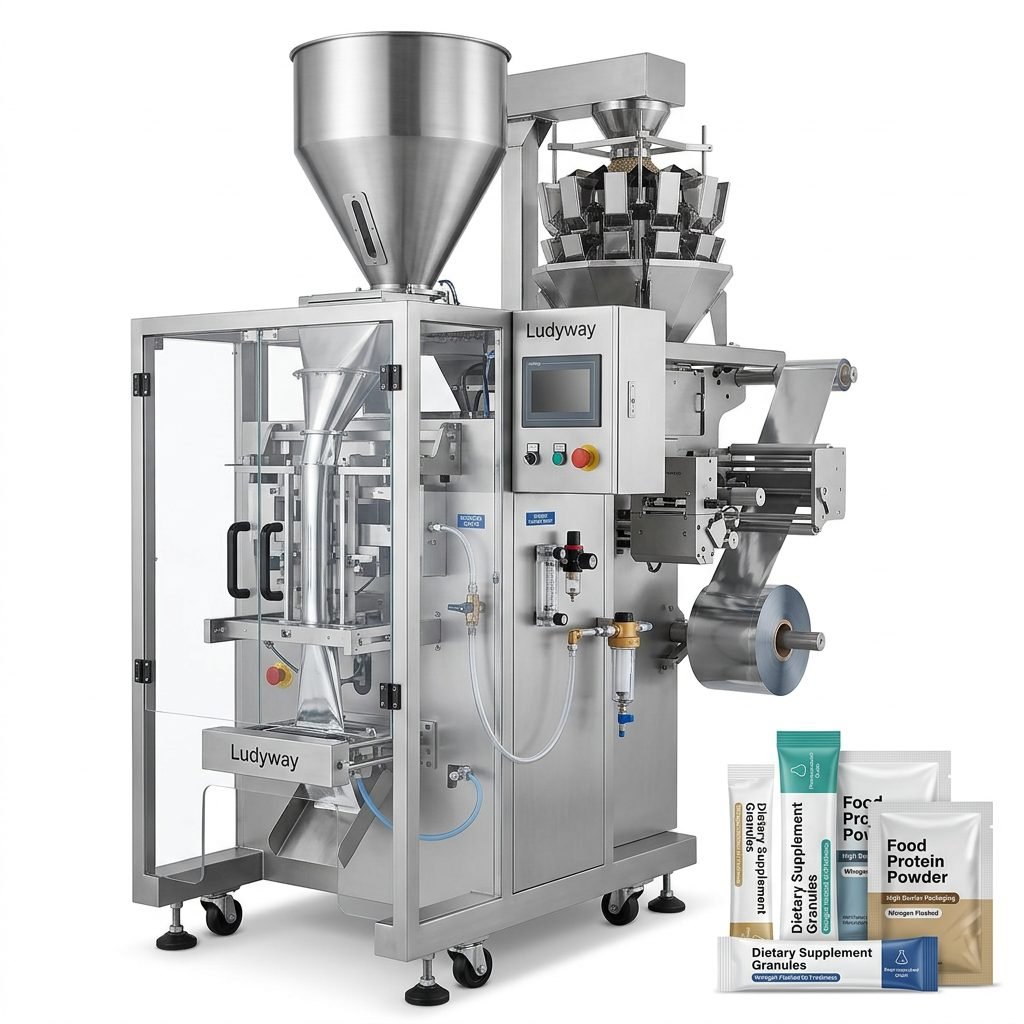
- Need for nitrogen flushing or modified atmosphere packaging
- Resistance to pinholes, wrinkles, and seal contamination
If your product is sensitive to oxidation or moisture, advanced sealing control and gas flushing can be essential for product stability.
Think beyond the standalone machine
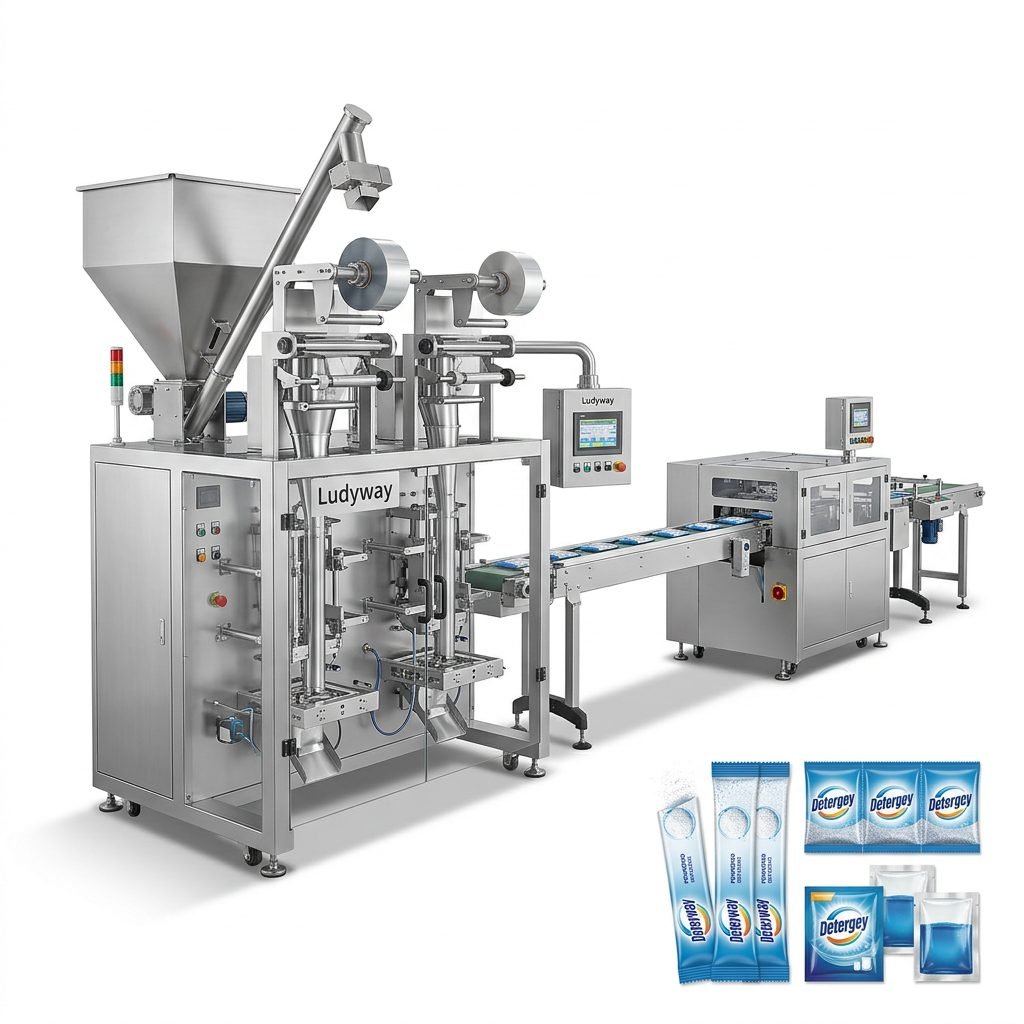
A pillow pouch packaging machine performs best when it is part of a well-designed process. Upstream feeding and downstream packaging automation are just as important as the machine itself.
Common line integration options
- Vacuum feeder or screw conveyor
- Z-type bucket elevator
- Checkweigher
- Metal detector or X-ray inspection
- Date coder or thermal transfer printer
- Sachet counting system
- Cartoning and case packing
- Palletizing systems
If you expect volume growth, it is smarter to choose a machine that can be integrated into a future turnkey packaging line rather than a fully isolated unit.
Sanitation, compliance, and industry standards
In food, pharma, and health supplement sectors, compliance is a critical purchasing factor. The machine should be easy to clean, built from appropriate contact materials, and suitable for the required regulatory environment.
| Industry | What to Prioritize | Why It Matters |
|---|---|---|
| Food | Hygienic design, easy cleaning, stainless contact parts | Prevents contamination and supports food safety |
| Pharmaceutical | Precision dosing, validation support, dust control | Ensures consistency and compliance |
| Health supplement | Accurate filling, batch coding, cleanability | Protects product quality and traceability |
| Chemical | Corrosion resistance, dust management, reliable seals | Improves safety and durability |
Ease of operation and maintenance
Packaging efficiency is not only measured by speed. It is also affected by setup time, cleaning time, troubleshooting, spare part access, and operator learning curve.
Look for features such as
- Intuitive touchscreen HMI
- Recipe memory for repeatable settings
- Servo-driven control for better precision
- Tool-free or quick-change parts
- Automatic alarm and fault diagnostics
- Accessible maintenance points
- Remote support capability
A machine that is easy for operators to run will usually deliver better uptime and lower total operating cost over time.
How to calculate real return on investment
The cheapest machine is rarely the most economical choice. A proper ROI review should include the full production impact, not just initial purchase price.
Include these cost and value factors
- Machine purchase price
- Installation and commissioning cost
- Packaging material savings
- Labor reduction
- Output increase
- Reduced giveaway from accurate dosing
- Downtime and maintenance cost
- Reject rate and seal defect reduction
- Future upgrade potential
A reliable, well-configured machine often pays back faster because it reduces hidden losses in production.
Questions to ask a packaging machine supplier
Before finalizing your purchase, ask detailed technical and service questions. Strong suppliers should be able to recommend a solution based on application data, not just offer a standard brochure.
- Which filling system is best for my product?
- What output can be achieved with my target pouch size and material?
- How accurate is the filling system?
- Which packaging films are compatible?
- What parts require regular replacement?
- How long does changeover take between sizes?
- Can the machine be integrated with coding, inspection, and cartoning?
- Do you provide FAT, commissioning, training, and after-sales support?
- Can you share similar application cases?
- What is the lead time for spare parts?
When a customized solution makes more sense
Standard machines can work well for common products, but some projects need customization. This is especially true if your product has difficult flow properties, strict accuracy requirements, or unique secondary packaging needs.
Customization may include:
- Special hopper or agitator design
- Anti-bridging systems for powder
- Heated tank and pipeline for viscous products
- Nitrogen flushing for shelf-life protection
- Dust extraction systems
- Special sealing jaws
- Integrated cartoning and palletizing
If your operation requires scalable automation, working with an experienced manufacturer such as Ludyway pillow pouch packaging machine supplier can help you evaluate whether a standalone machine or a complete turnkey line is the better fit.
Common mistakes buyers should avoid
- Choosing a machine based only on price
- Ignoring actual product flow characteristics
- Overestimating required speed without considering downtime
- Underestimating cleaning and maintenance needs
- Not checking film compatibility in advance
- Buying a machine with limited upgrade options
- Failing to consider downstream automation
- Skipping product testing before purchase
Final checklist for selecting the right pillow pouch packaging machine
| Selection Point | What to Confirm |
|---|---|
| Product suitability | Flowability, viscosity, density, sensitivity, hygiene needs |
| Filling method | Auger, cup, weigher, pump, piston |
| Output target | Actual packs per minute under working conditions |
| Pouch range | Bag dimensions, fill range, format flexibility |
| Film compatibility | Seal strength, laminate structure, barrier needs |
| Automation integration | Feeding, inspection, coding, cartoning, palletizing |
| Maintenance | Ease of cleaning, spare parts, training, support |
| Scalability | Can the system grow with new SKUs and higher volumes? |
The right pillow pouch packaging machine should deliver reliable sealing, accurate filling, stable output, and easy integration into your production environment. When those elements align, you gain more than packaging speed—you gain a more efficient and scalable manufacturing operation.