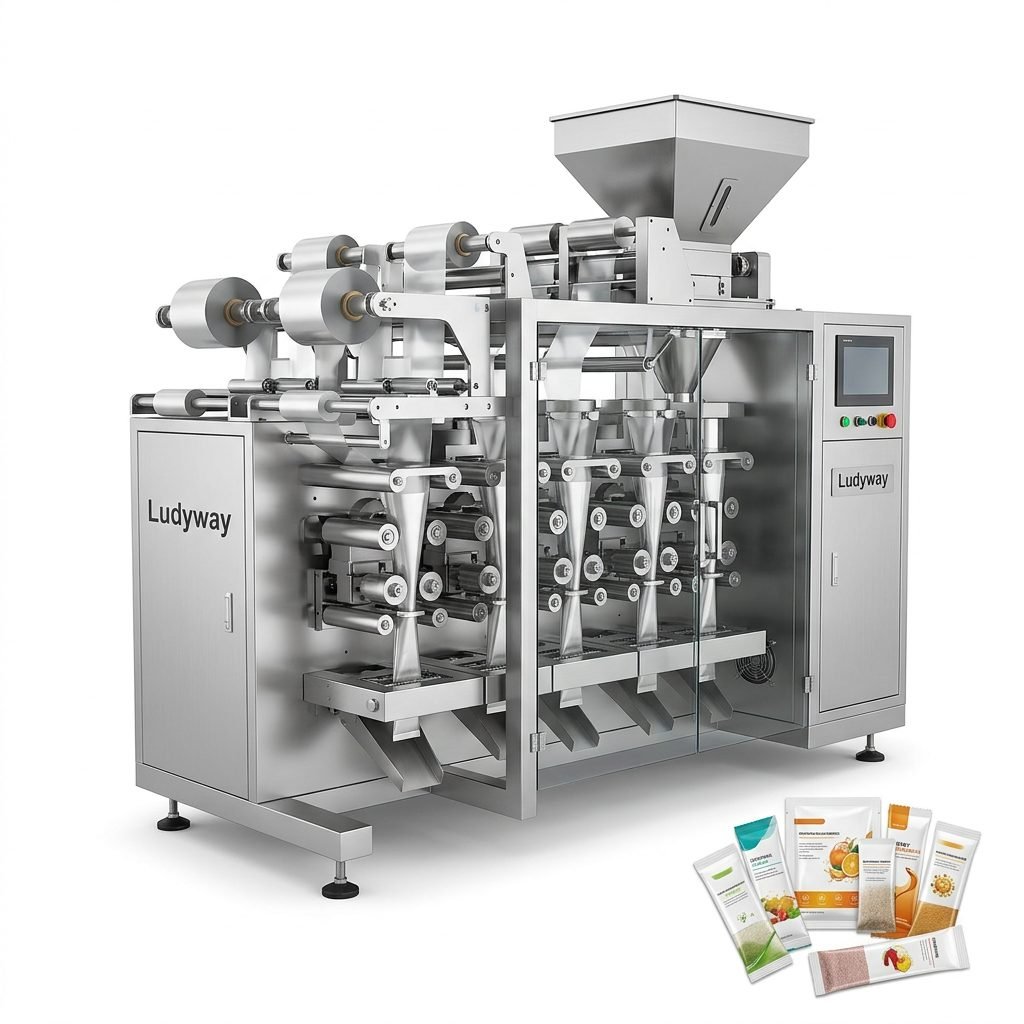
A heat seal packaging machine is one of the most important pieces of equipment in modern packaging production. It creates airtight, tamper-evident, and professional-looking seals for pouches, sachets, bags, tubes, trays, and other packaging formats. Whether you work in food, pharmaceuticals, cosmetics, chemicals, or health supplements, choosing the right sealing solution directly affects product safety, shelf life, appearance, and line efficiency.
This guide explains how heat seal packaging machines work, the main sealing technologies, the industries they serve, and the key buying criteria you should evaluate before making an investment.
What Is a Heat Seal Packaging Machine?
A heat seal packaging machine uses controlled heat, pressure, and dwell time to bond thermoplastic materials or sealable laminates together. The machine can operate on preformed pouches, form-fill-seal packaging film, sachets, stick packs, tubes, trays, and other flexible packaging structures.
In simple terms, the machine applies heat to the seal area, softens the sealant layer, and presses the materials together until a reliable seal is formed. This process helps protect products from moisture, air, contamination, and leakage.
- Creates consistent, repeatable package seals
- Supports high-speed automated production
- Improves product protection during transport and storage
- Reduces manual sealing errors
- Enhances retail presentation and brand image
How a Heat Sealing System Works
Most heat sealing systems rely on three core parameters:
- Temperature – enough heat must be applied to activate the seal layer.
- Pressure – the sealing jaws or bars press the materials together evenly.
- Time – the material needs sufficient dwell time for a strong bond.
If one of these variables is incorrect, the result may be weak seals, wrinkling, burn-through, leaks, or product contamination in the seal area. That is why advanced packaging lines often use precise temperature control, servo-driven motion, and inspection systems.
Main Types of Heat Seal Packaging Machines
Impulse Heat Sealers
Impulse sealers generate heat only during the sealing cycle. They are commonly used for small-batch or semi-automatic applications and are suitable for many polyethylene and laminated bags.
- Lower standby energy use
- Simple operation
- Good for light-duty and medium-duty sealing tasks
Constant Heat Sealers
These machines keep the sealing bars at a stable set temperature. They are often preferred for continuous production and thicker or more demanding packaging materials.
- Suitable for higher throughput
- Stable sealing for laminated structures
- Common in industrial production lines
Band Sealers
Band sealers move packages through heated sealing belts, making them ideal for continuous bag sealing. They are widely used for food, powders, granules, and chemical products.
Vertical Form Fill Seal Machines
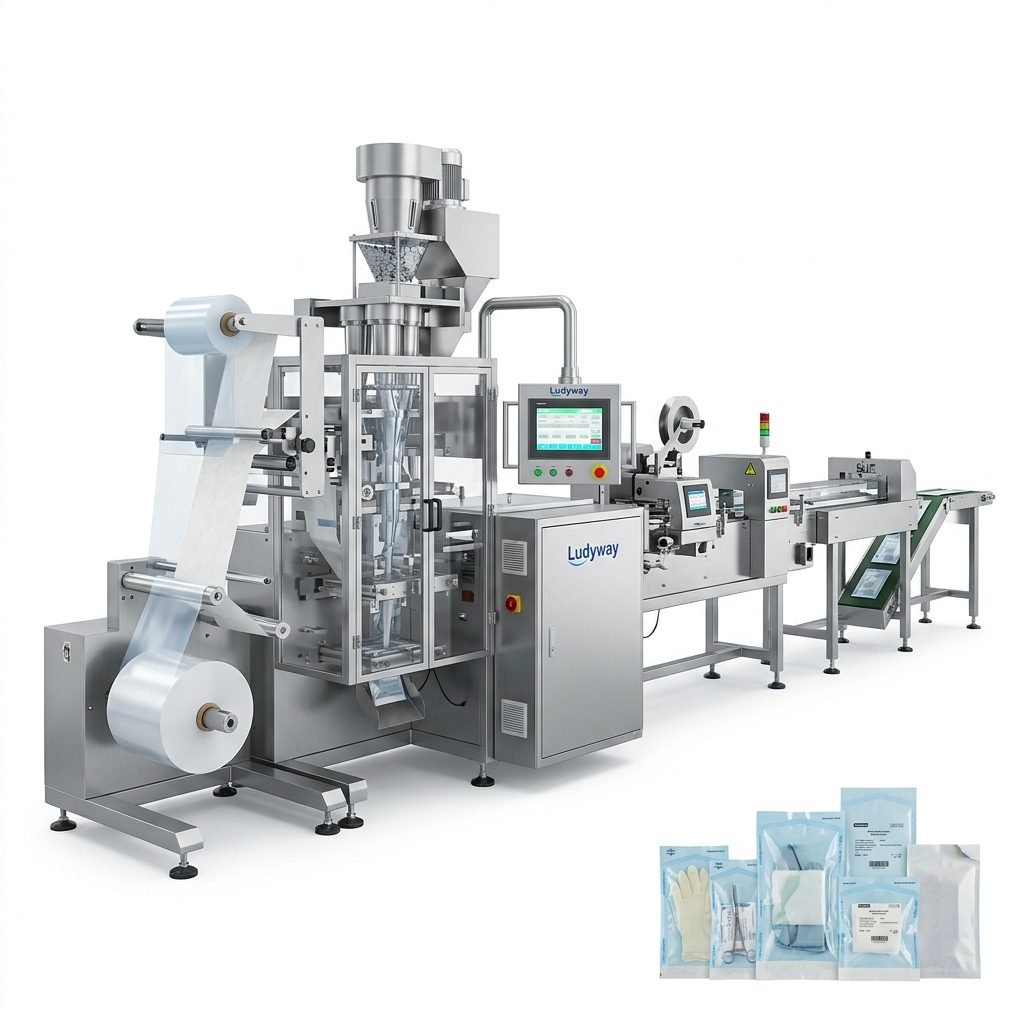
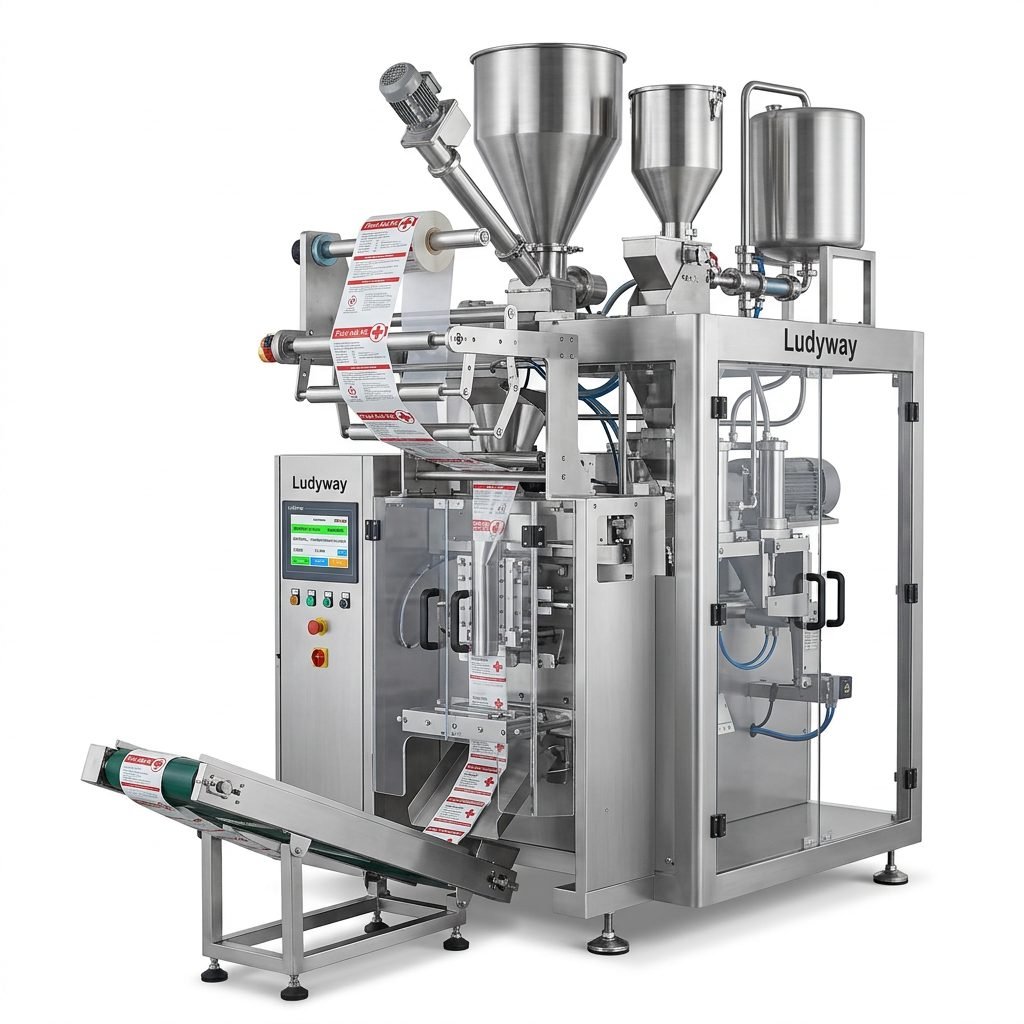
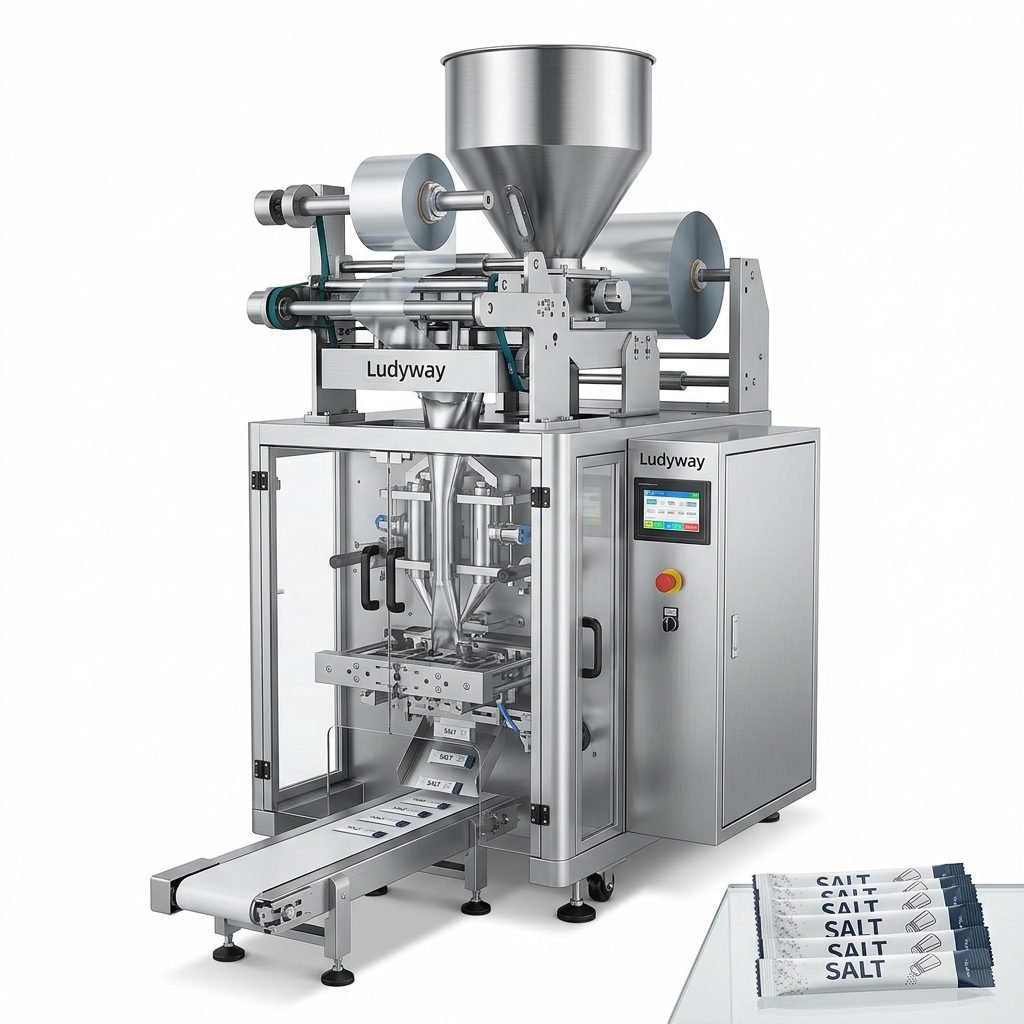
VFFS machines form pouches from roll film, fill them with product, and seal them in one continuous process. These machines are efficient for powders, granules, snacks, liquids, and many bulk-packed goods.
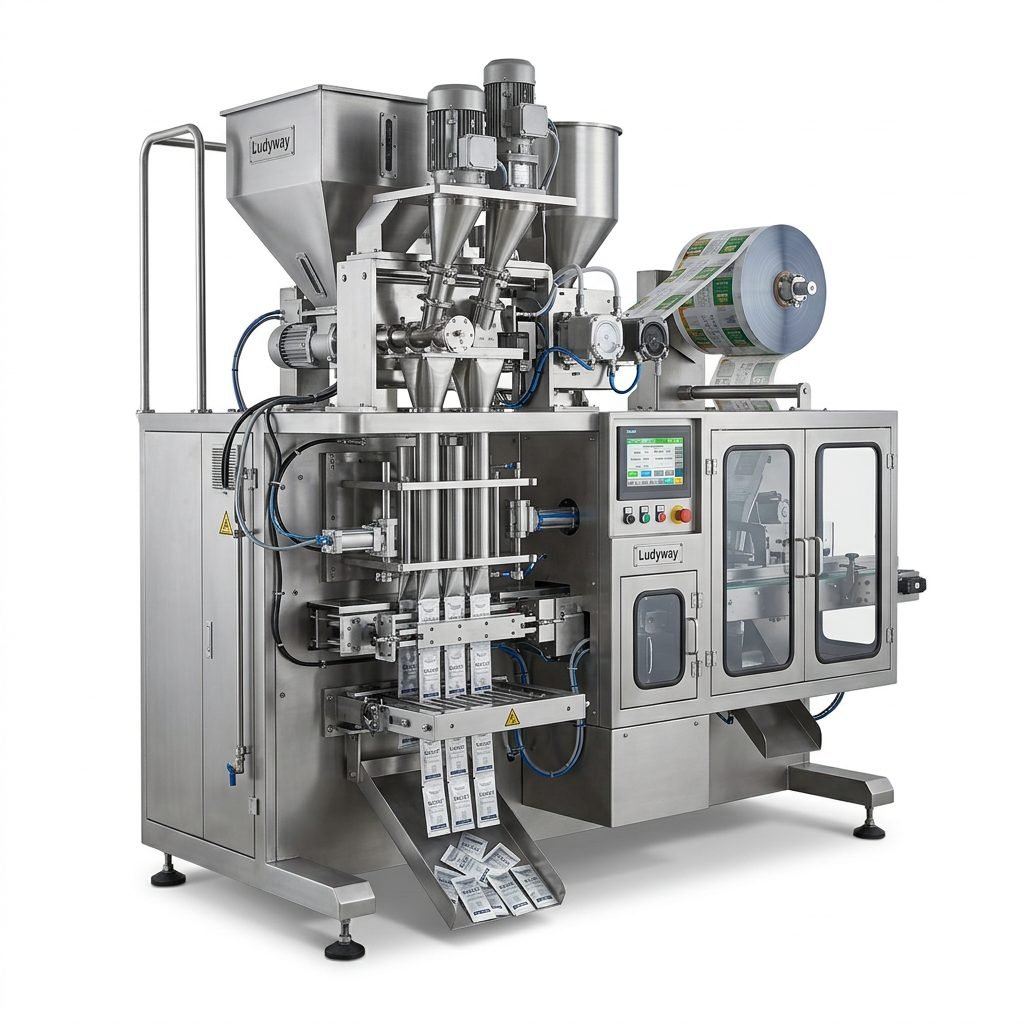
Sachet and Stick Pack Machines
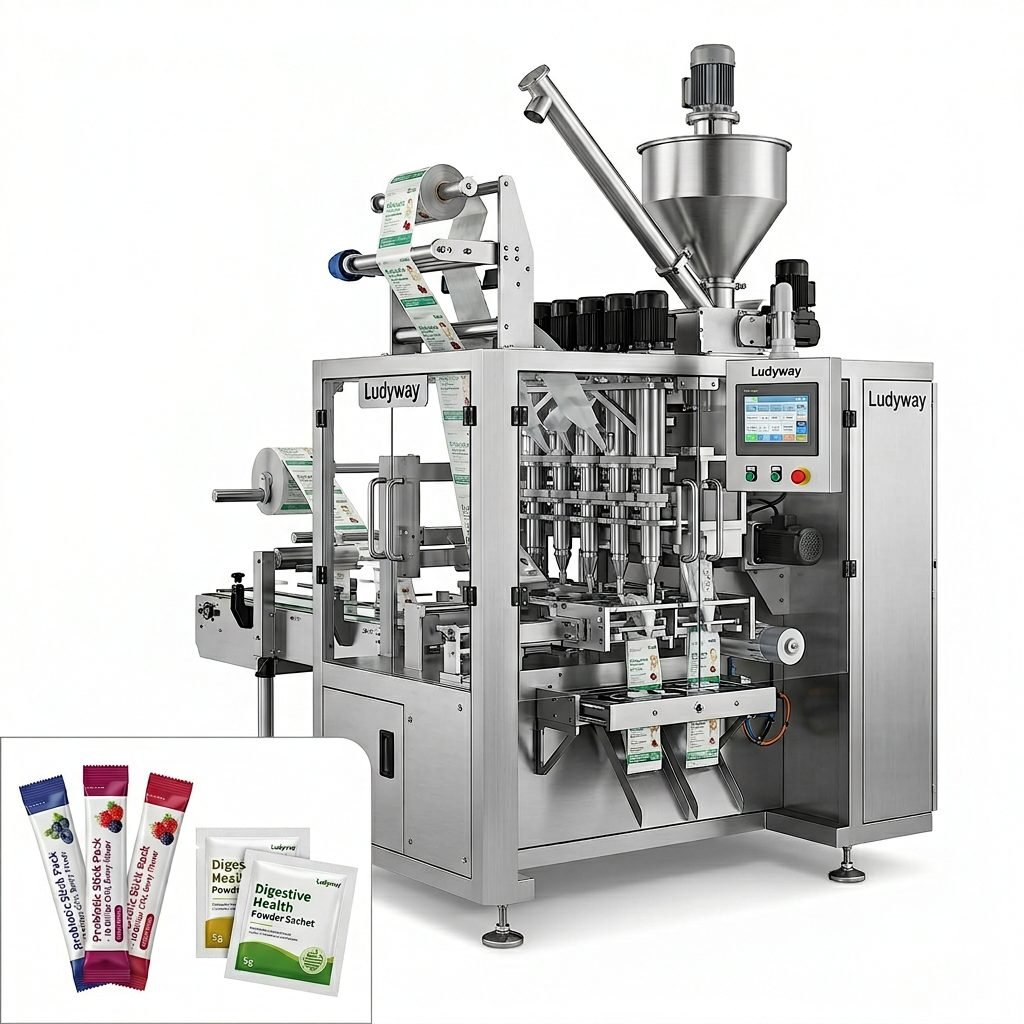
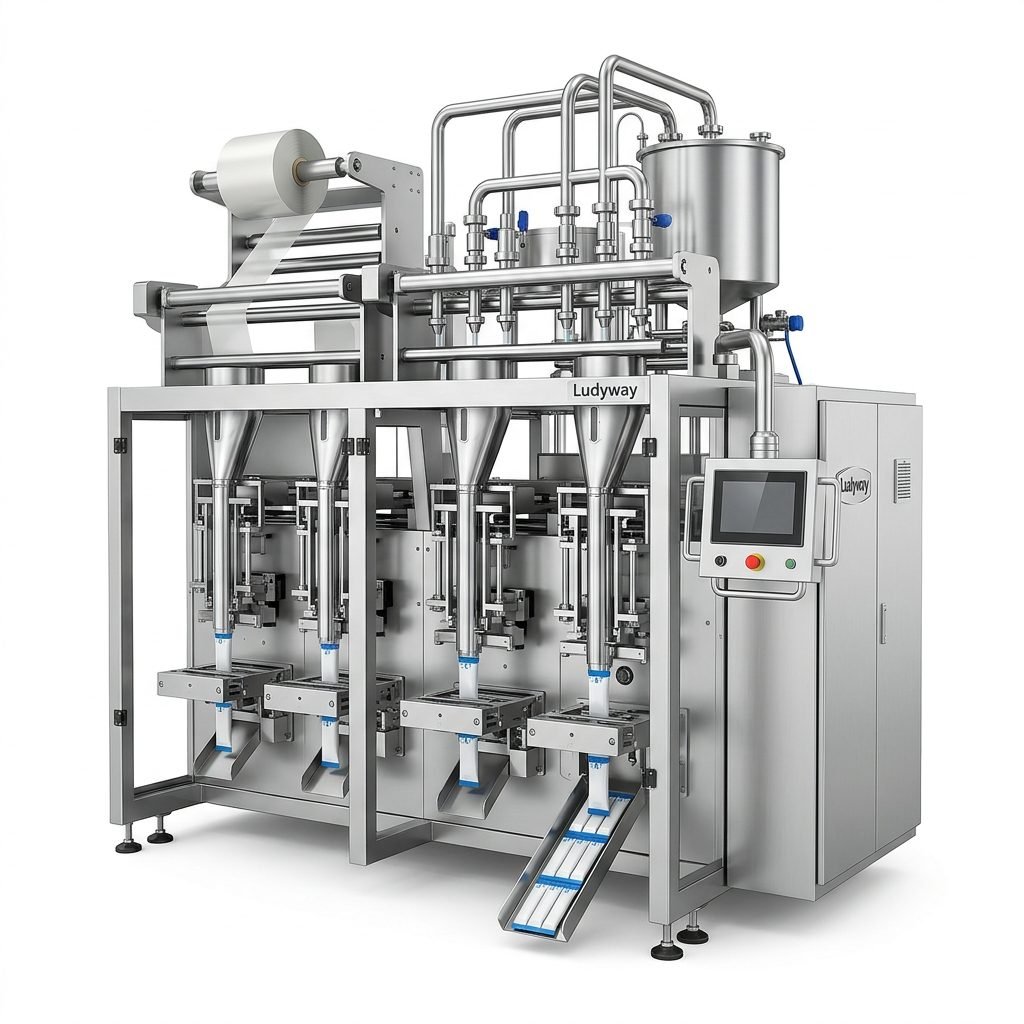
These systems create small, single-dose or single-use packs and are widely used in food service, pharma, supplements, and personal care. Multi-lane designs deliver very high output.
Tray Sealing Machines
Tray sealers apply heat-sealed films to food trays and containers. They are common in ready meals, fresh produce, meat, and medical packaging applications.
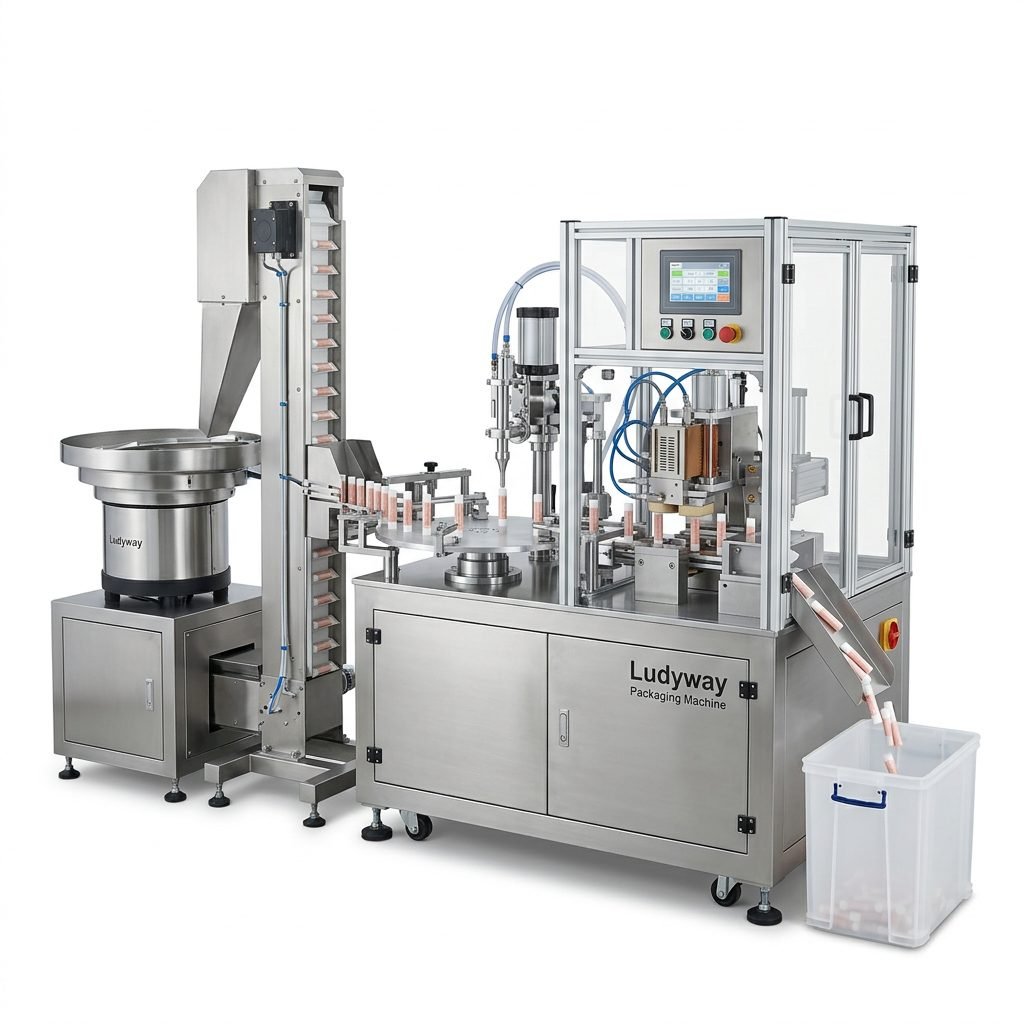
Tube Filling and Sealing Machines
These machines fill creams, gels, ointments, and pastes into tubes, then seal the tube opening with heat. They are common in cosmetics, pharmaceuticals, and personal care manufacturing.
Common Packaging Materials Used in Heat Sealing
Not every packaging material seals the same way. Your machine selection should always match your packaging film structure.
| Material Type | Typical Use | Sealing Consideration |
|---|---|---|
| PE / LDPE | General bags, liners | Easy to seal, common in simple bag applications |
| PP | Food and retail packaging | Needs higher sealing temperature than PE |
| PET/PE Laminates | Pouches, sachets | Offers strength and printability with sealable inner layer |
| Aluminum Foil Laminates | Pharma, high-barrier packaging | Requires precise control to avoid seal defects |
| Paper/Plastic Composites | Eco-style retail packs | Sealability depends on inner coating or laminate layer |
| Coextruded Films | Specialized industrial and food packs | Can offer strong and flexible seal performance |
Industries That Use Heat Seal Packaging Machines
Food Industry
From spices and instant coffee to sauces, snacks, powders, and frozen foods, heat sealing helps maintain freshness and prevents leakage. High-speed solutions are especially important for large production volumes.
Pharmaceutical Industry
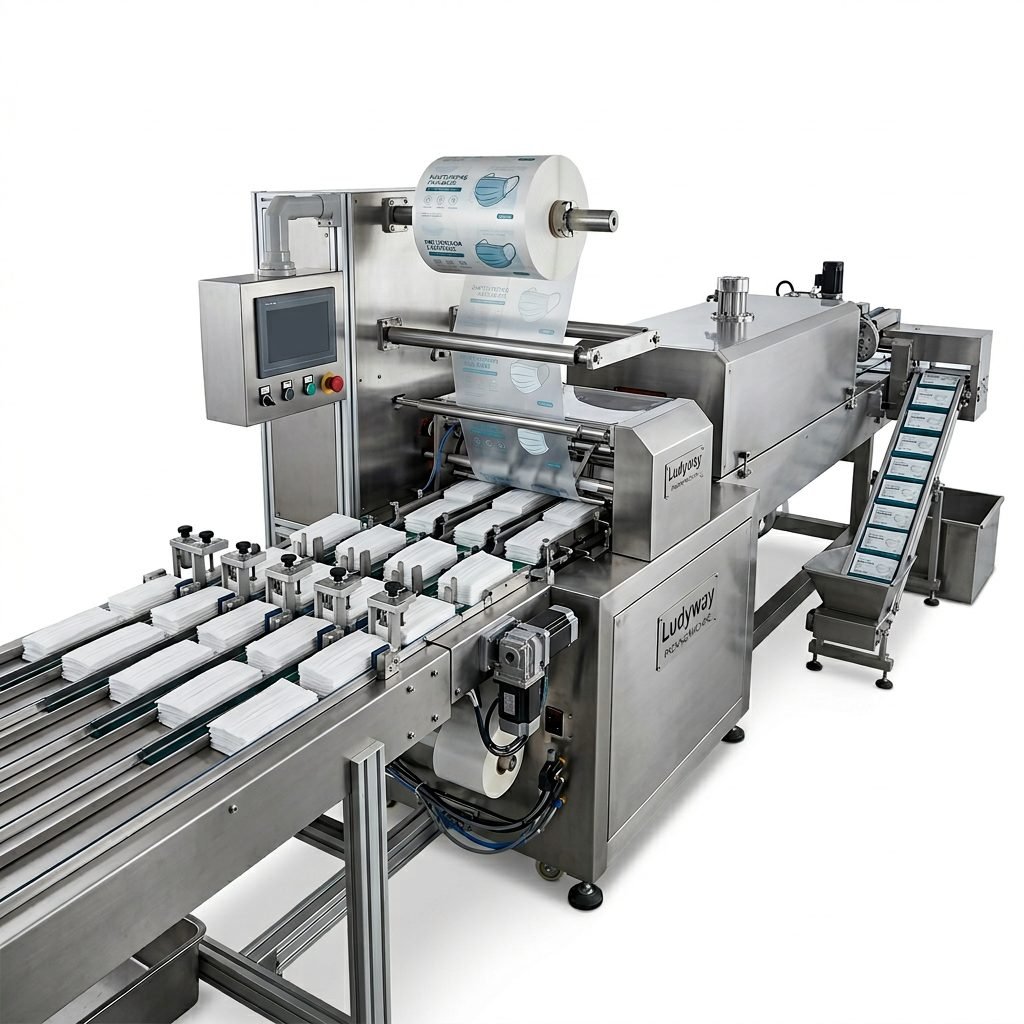
Pharma packaging requires accuracy, hygiene, traceability, and seal integrity. Sachets, medical pouches, strip packs, and sterile barrier packaging depend on precise heat sealing control.
Health Supplement Industry
Protein powders, electrolyte mixes, probiotic sachets, collagen sticks, and functional beverage packs often use multi-lane heat seal packaging systems for high-output production.
Cosmetics and Personal Care
Creams, lotions, shampoos, gels, serums, and samples are frequently packed in sachets, stick packs, or tubes that require clean and attractive seals.
Chemical and Industrial Products
Detergents, cleaning agents, additives, lubricants, and powders require durable sealing solutions that minimize leakage and support safe transport.
Key Factors to Consider When Choosing the Right Sealing Solution
1. Product Type
Start with what you are packing: powder, granule, liquid, paste, cream, tablet, or solid item. The sealing machine must work together with the correct feeding and dosing system.
2. Packaging Format
Do you need sachets, stick packs, premade pouches, trays, bottles with foil seals, or tubes? Each format requires a different machine configuration and sealing mechanism.
3. Production Speed
A manual or semi-automatic machine may work for small batches, but industrial operations usually need continuous or fully automatic equipment. Always compare actual output requirements with realistic sealing speeds.
4. Seal Strength and Integrity
If your product is moisture-sensitive, leak-prone, or exported over long distances, seal quality becomes critical. You may need stronger pressure control, wider seals, or better film compatibility.
5. Material Compatibility
Different films respond differently to heat. Confirm the machine can handle your current packaging material and any future film changes.
6. Hygiene and Cleanability
For food, pharmaceutical, and cosmetic production, equipment design should support easy cleaning, sanitary contact parts, and contamination prevention.
7. Automation Level
Consider whether you only need sealing, or a complete integrated line including feeding, filling, coding, checkweighing, inspection, cartoning, and palletizing.
8. Maintenance and Spare Parts
Downtime can be costly. Look for machines with accessible components, stable electrical systems, and available technical support.
9. Future Scalability
A slightly more advanced machine may save money in the long run if it allows wider bag size ranges, additional lanes, or integration with downstream automation.
Comparison of Heat Seal Machine Options
| Machine Type | Best For | Advantages | Limitations |
|---|---|---|---|
| Impulse Sealer | Small batches | Affordable, simple | Lower speed |
| Band Sealer | Continuous bag sealing | Efficient, reliable | Less suitable for complex pack formats |
| VFFS Machine | High-volume pouch production | Forms, fills, seals in one system | Requires film and product matching |
| Sachet/Stick Pack Machine | Single-dose products | Compact pack format, high speed | Usually format-specific |
| Tube Sealing Machine | Creams, gels, pastes | Clean finish, suitable for cosmetics/pharma | Not for pouch applications |
| Tray Sealer | Food trays and containers | Strong retail presentation | Dedicated to tray formats |
Signs You May Need an Upgraded Heat Seal Packaging Machine
- Frequent leaking or weak seals
- Inconsistent seal appearance across shifts
- Product trapped in seal area
- Production speed no longer meets demand
- High maintenance costs on old equipment
- Need for more package formats or automation
- Customer complaints related to package integrity
Important Features to Look For
Modern buyers should look beyond basic sealing performance. A better machine often includes features that improve long-term stability and reduce operating risk.
- Digital temperature control for stable and repeatable sealing
- Servo-driven motion for improved precision
- Tool-free or fast format changeovers
- Seal pressure adjustment for different materials
- Batch coding and date printing integration
- Inspection systems for seal quality verification
- Compact HMI for user-friendly operation
- Compatibility with upstream and downstream automation
Heat Sealing Challenges and How to Avoid Them
Weak Seals
Usually caused by low temperature, insufficient pressure, short dwell time, or incorrect film structure.
Burnt or Distorted Film
Often linked to excessive heat or poor jaw design. Fine-tuning temperature settings usually solves the issue.
Contamination in Seal Area
Powders, granules, or liquids entering the seal zone can weaken the seal. Proper filling control and sealing jaw design are essential.
Wrinkled Seals
This may result from uneven film tension, poor alignment, or inconsistent pressure.
Seal Variability at High Speed
If output increases, the machine may need better temperature recovery, stronger control systems, or a redesigned sealing assembly.
Should You Buy a Standalone Sealer or a Complete Packaging Line?
The answer depends on your production goals. A standalone machine works well if you only need one process. However, many manufacturers now prefer turnkey lines to reduce labor, improve consistency, and simplify management.
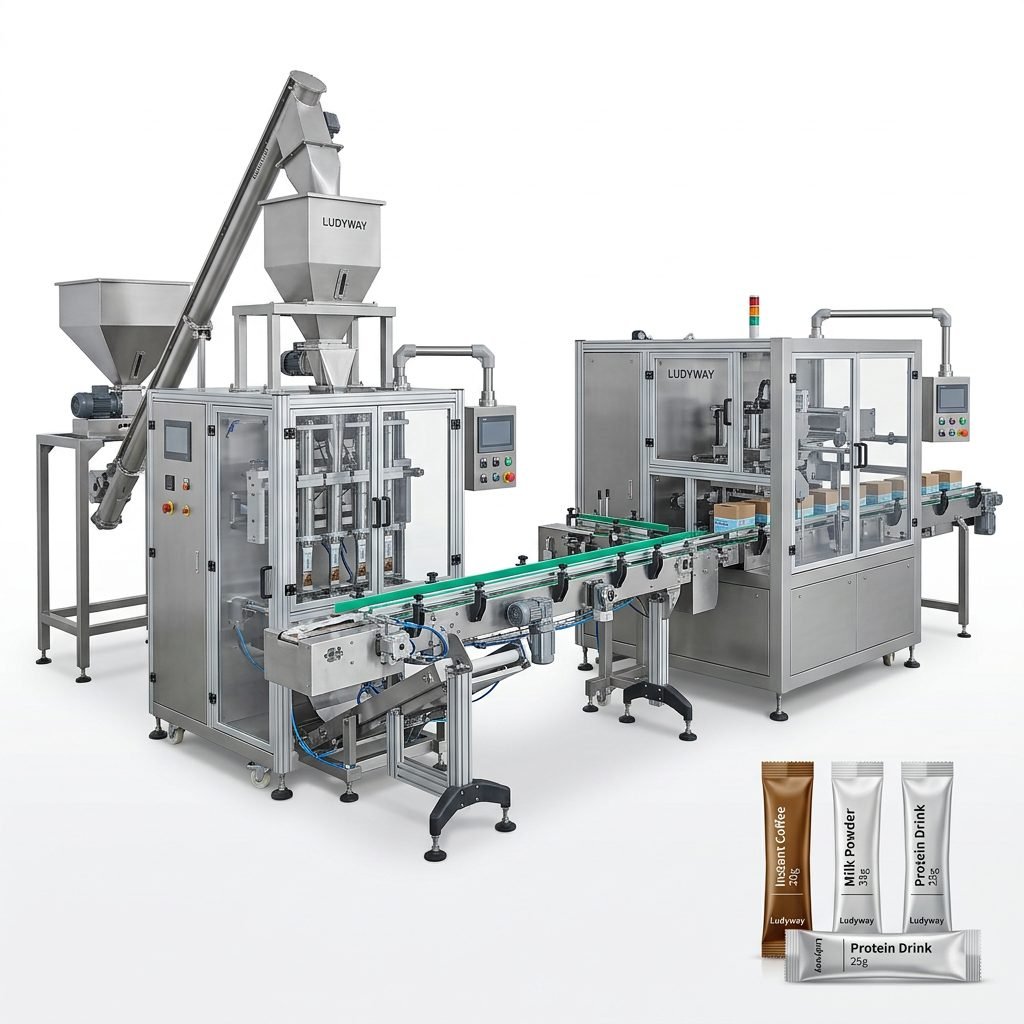
A complete line may include:
- Feeding and conveying equipment
- Filling or dosing systems
- Heat sealing section
- Coding and labeling
- Checkweighing and metal detection
- Cartoning, case packing, and palletizing
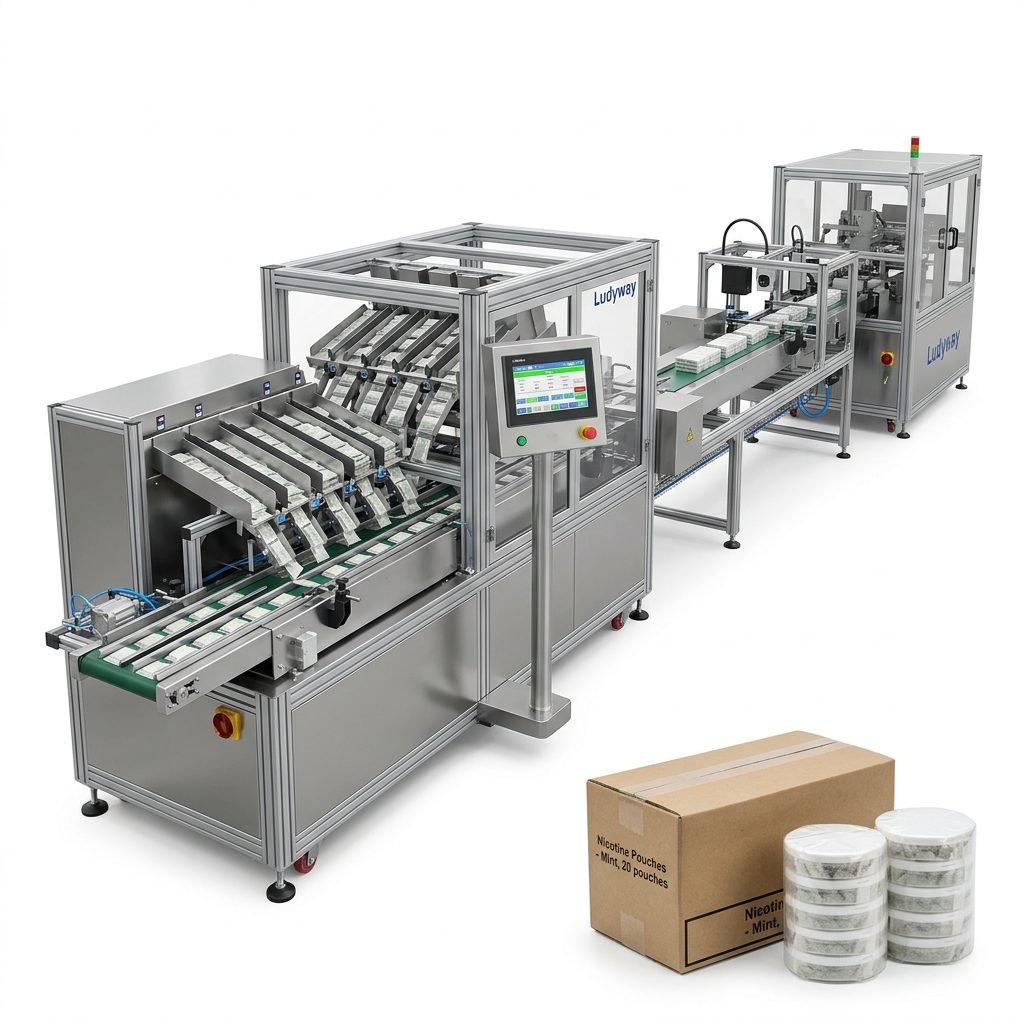
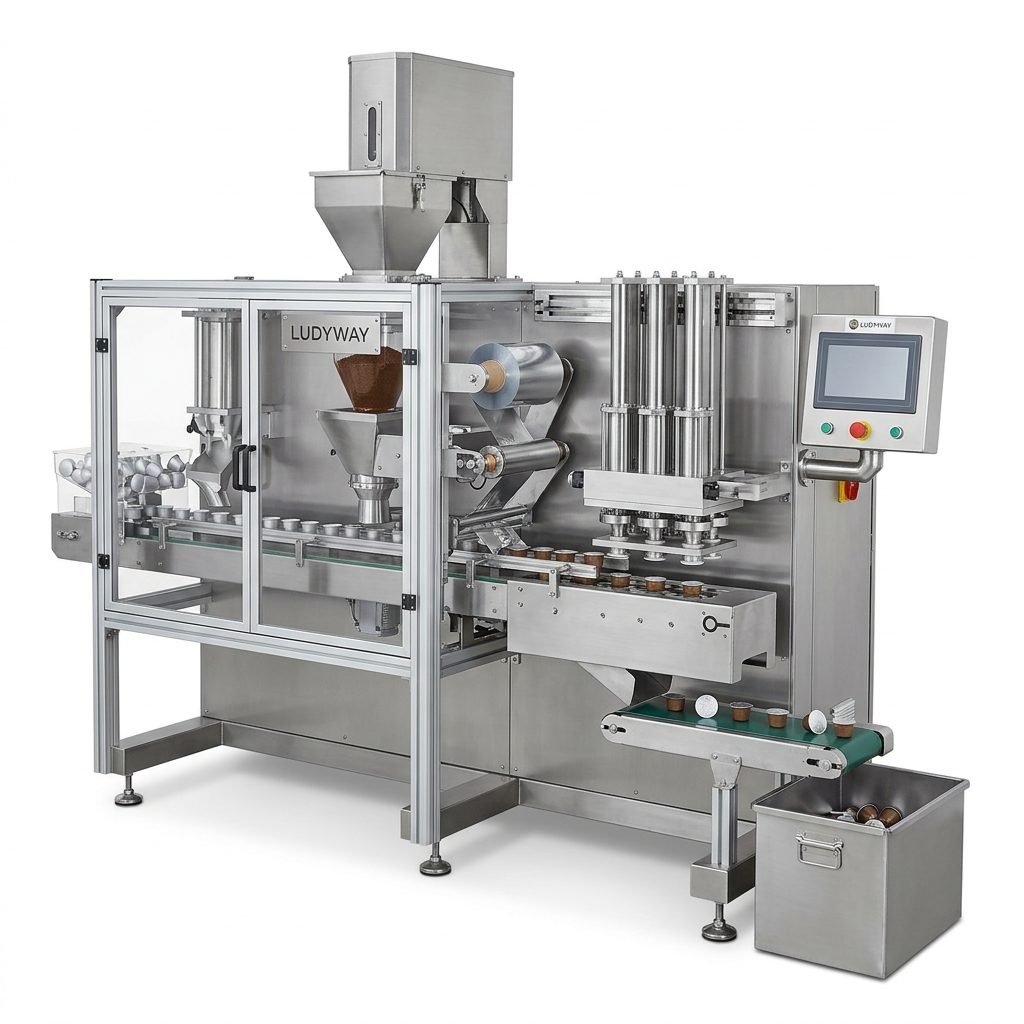
For buyers seeking scalable packaging automation, Ludyway heat seal packaging machine solutions are often considered for food, pharmaceutical, health supplement, cosmetic, and chemical applications because of their broad equipment range, turnkey integration capability, and decades of manufacturing experience.
Questions to Ask Before Buying
- What product types will this machine run today and in the future?
- Which packaging materials have been tested on the machine?
- What is the real production speed under normal operating conditions?
- How easy is cleaning and maintenance?
- What spare parts are recommended for the first year?
- Can the machine integrate with coding, inspection, and cartoning units?
- How long does format changeover take?
- What training and after-sales support are available?
Final Buying Advice
The best heat seal packaging machine is not simply the cheapest or the fastest option. It is the one that matches your product, packaging material, format, hygiene requirements, and growth plan. Buyers who evaluate only initial machine price often face avoidable costs later in downtime, poor seals, film waste, and production inefficiency.
A well-chosen sealing solution should deliver stable seal quality, efficient output, easy maintenance, and room to scale. If you compare machine type, material compatibility, automation level, and service support carefully, you will be in a much stronger position to choose equipment that performs reliably for years.