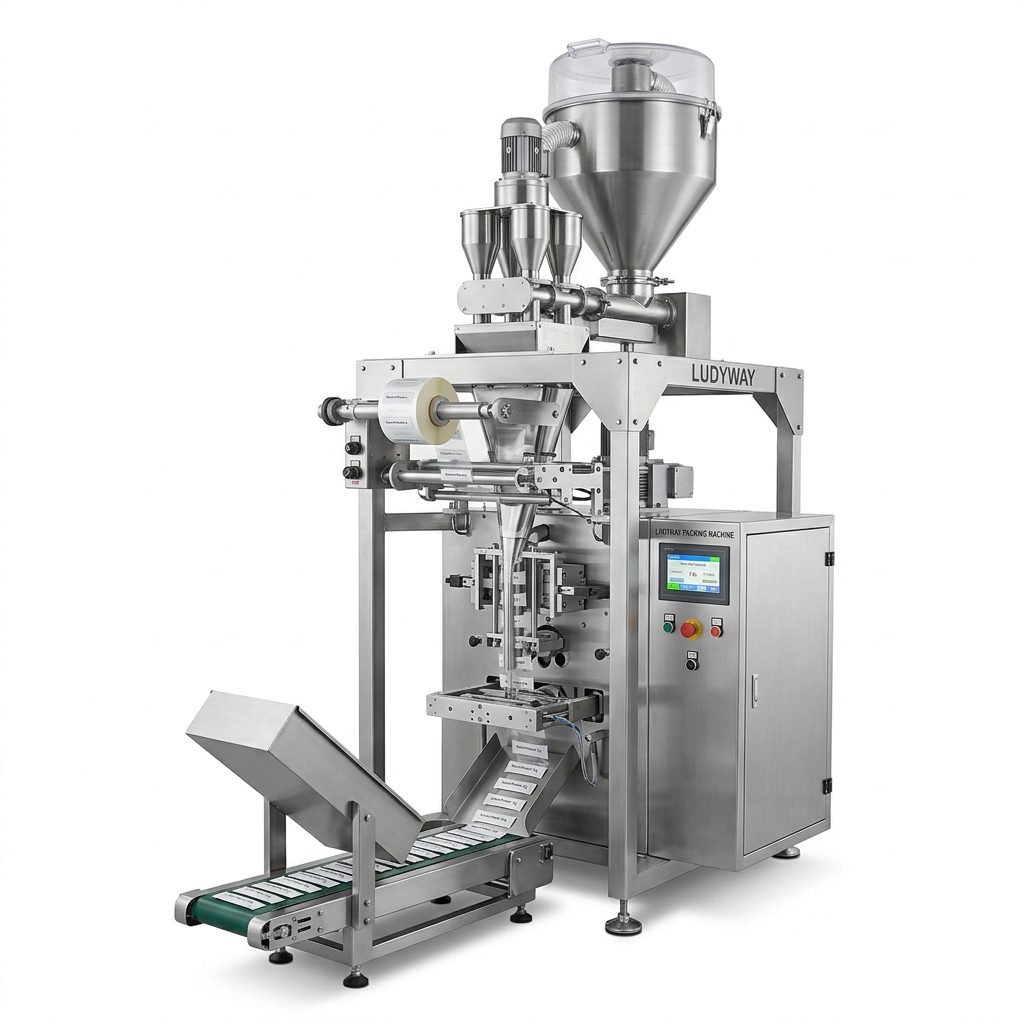
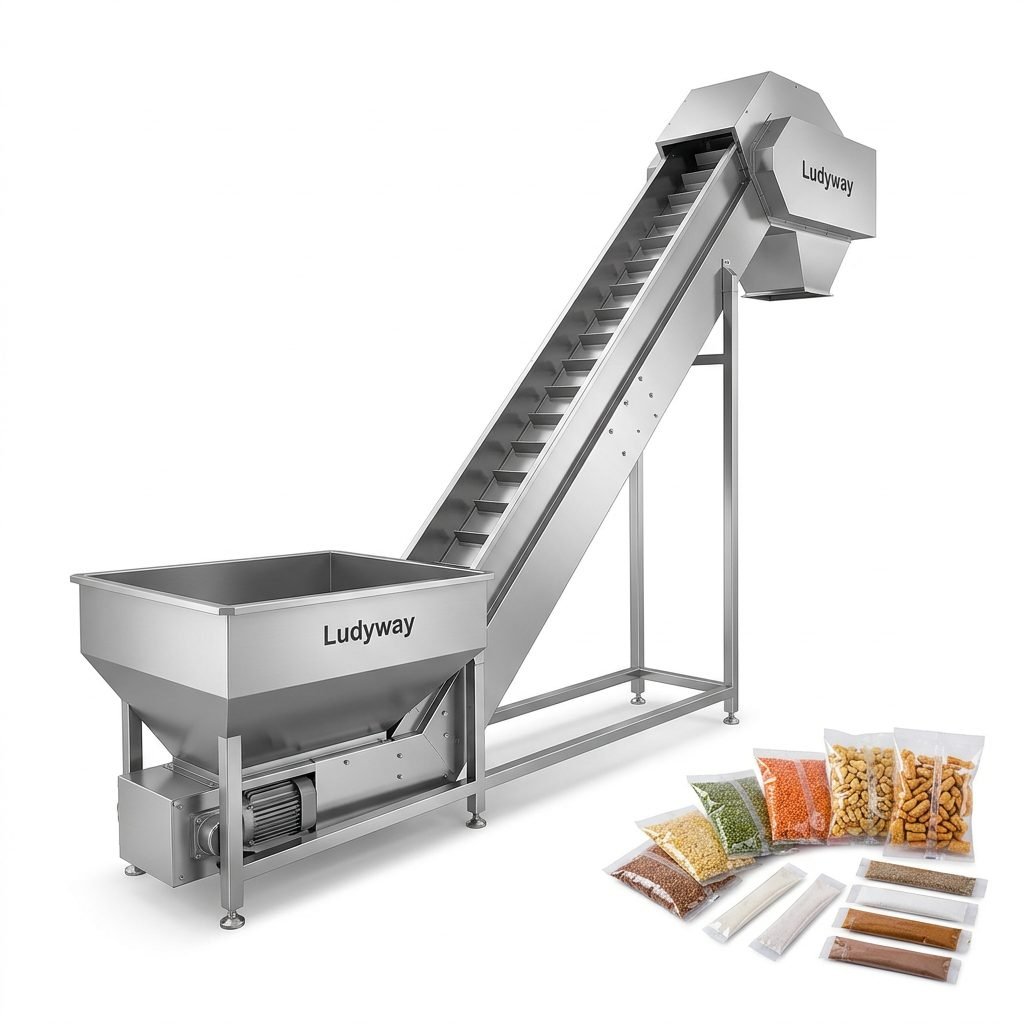
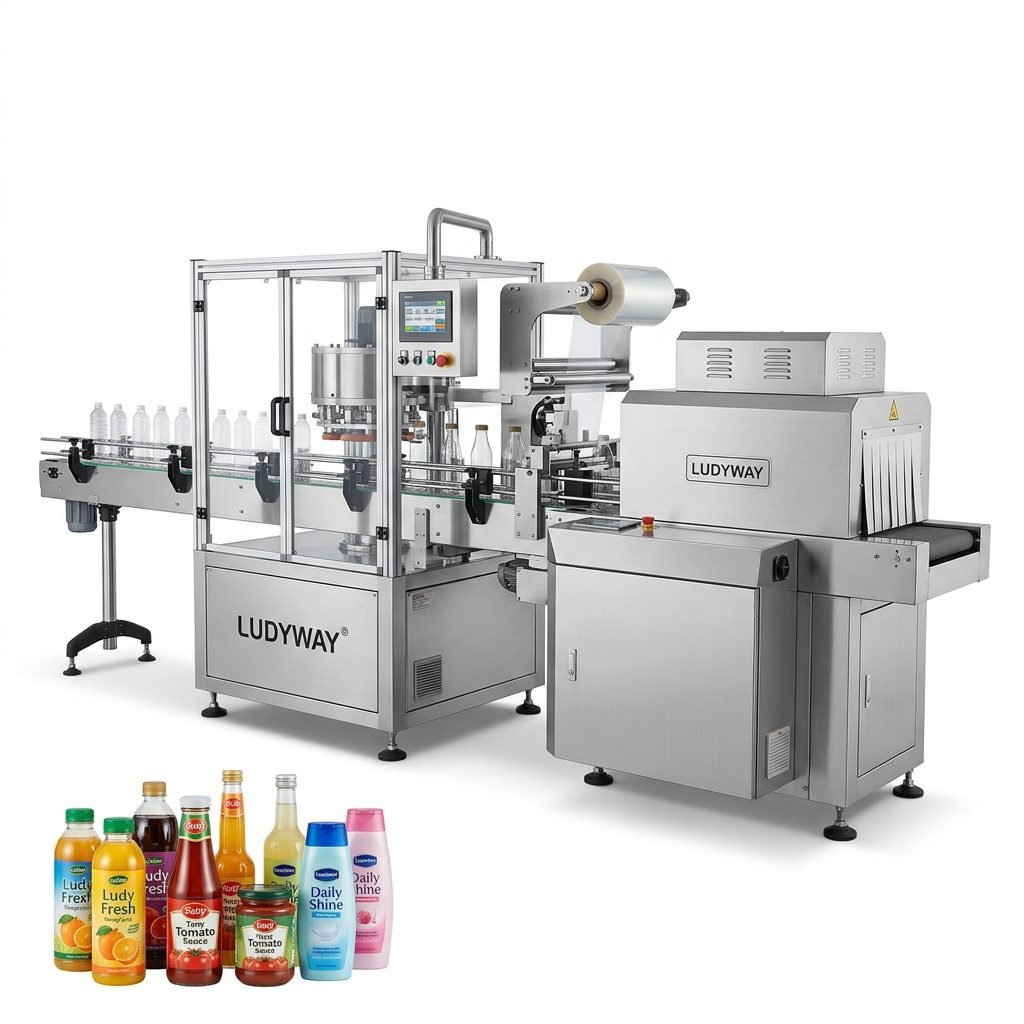
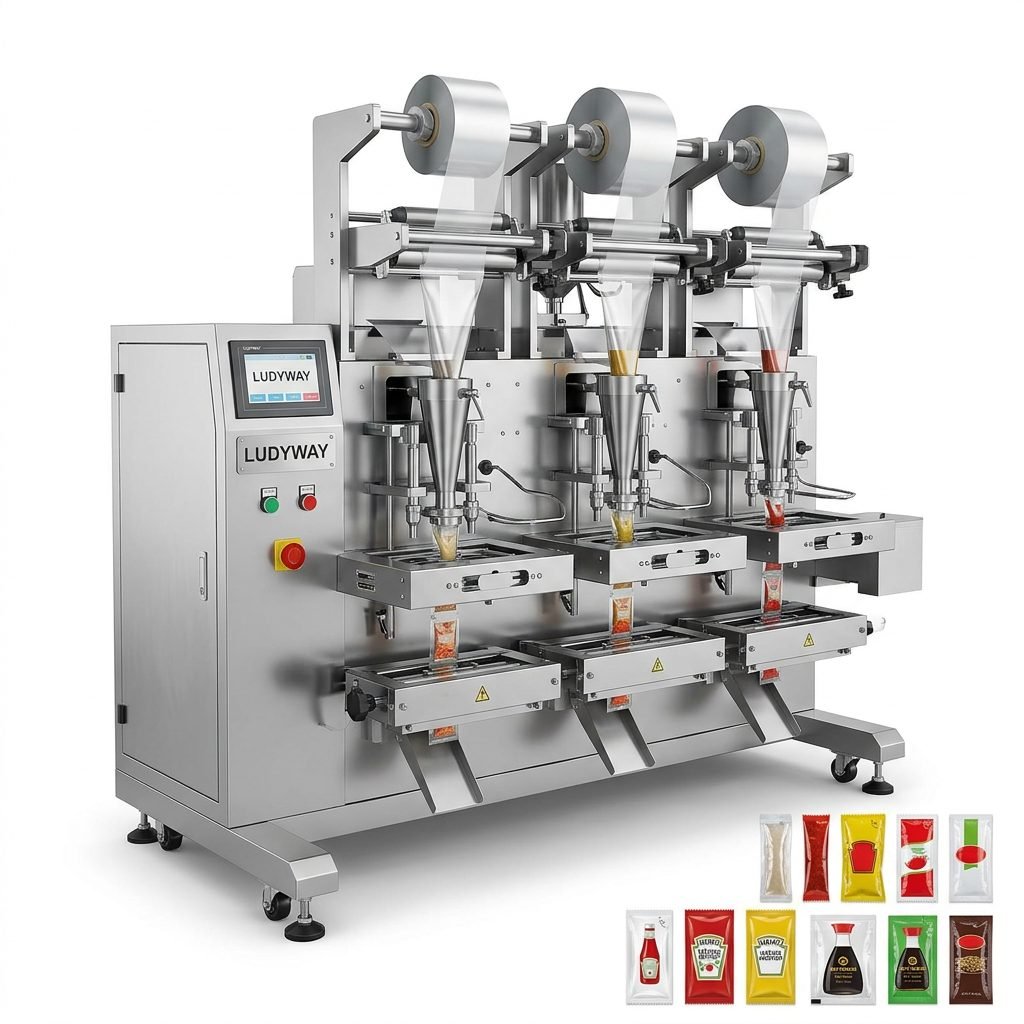
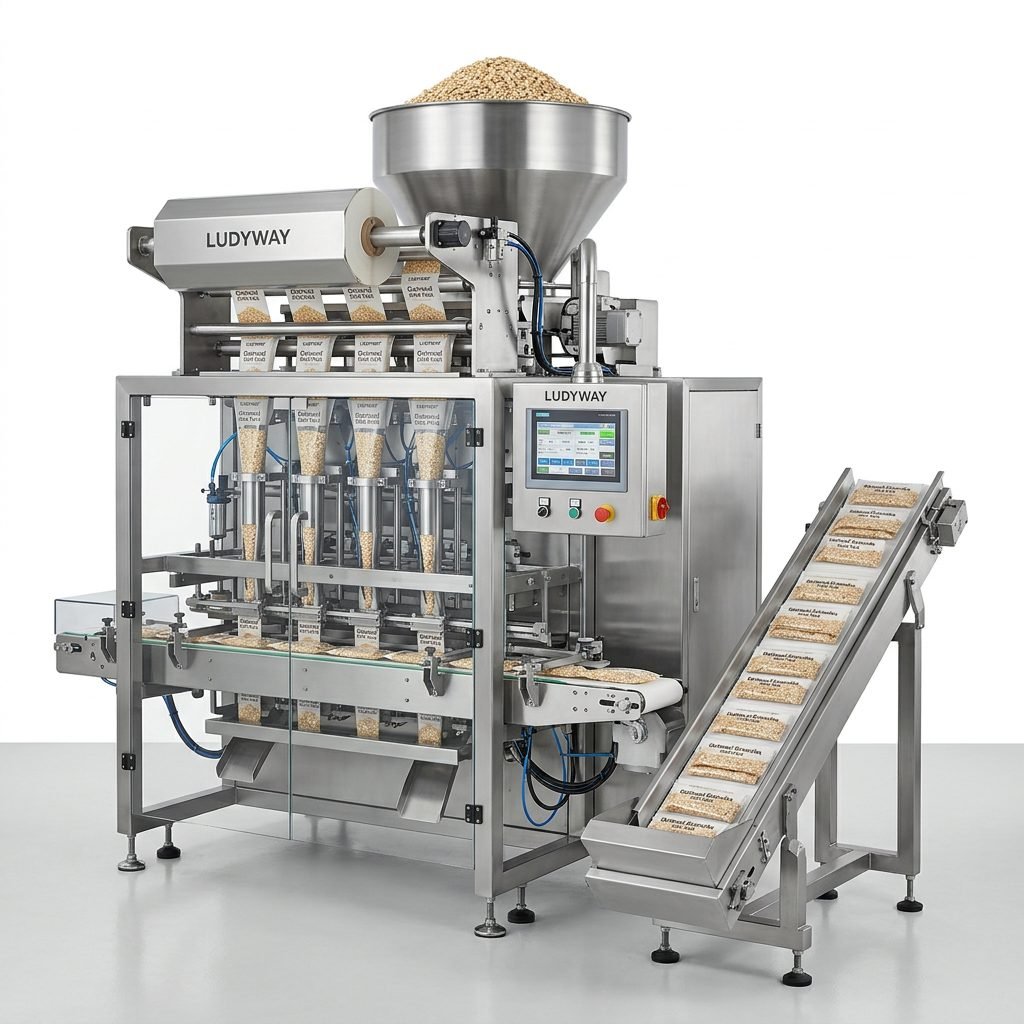
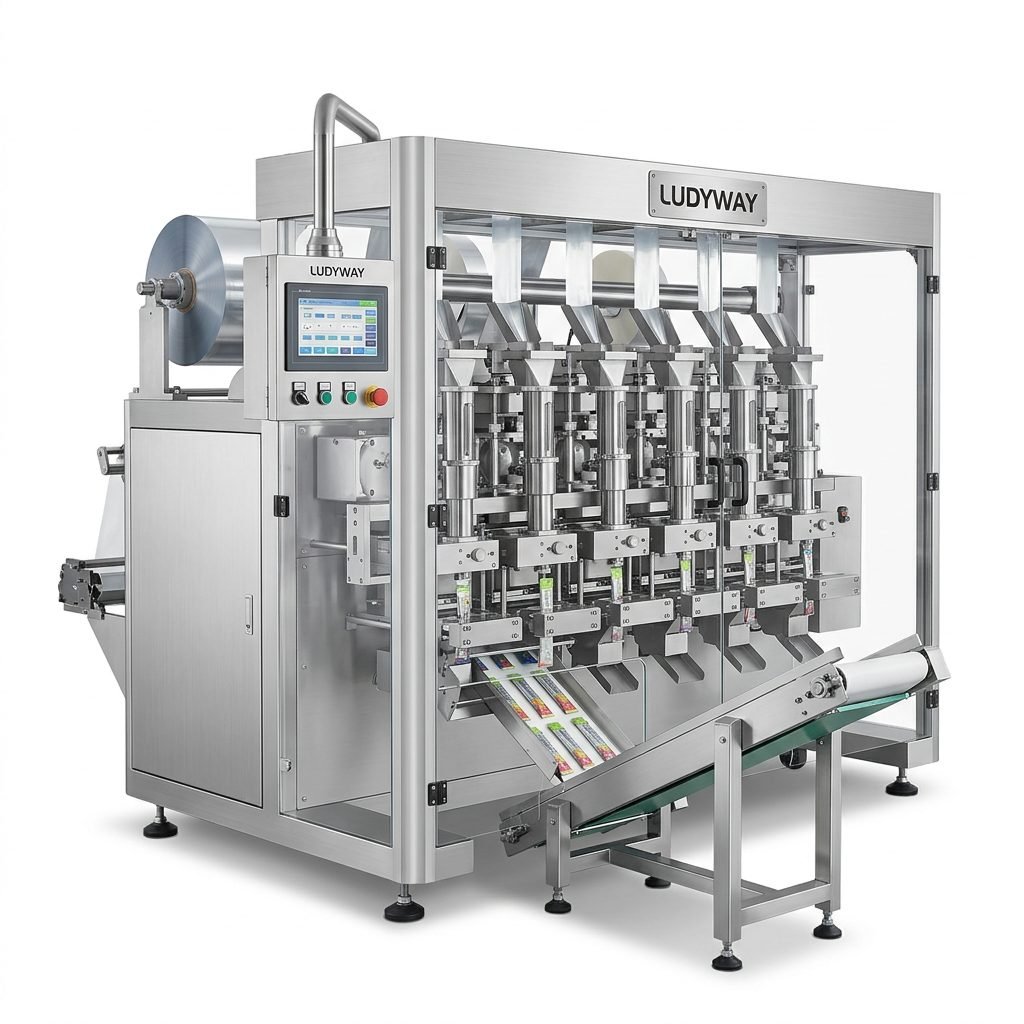
Dry food packaging machines are automated systems designed to weigh, fill, seal, and sometimes cartoning dry products such as coffee, sugar, seasoning, milk powder, protein powder, pet food, and nutraceutical blends. For buyers seeking efficient packaging solutions, the best manufacturers combine stable output, accurate dosing, flexible bag formats, and after-sales support.
In 2025, demand for automated packaging continues to rise as brands pursue labor savings, food safety, and higher line efficiency. According to multiple market research reports, the global packaging machinery market is valued in the tens of billions of US dollars and is expected to grow steadily through the decade, supported by e-commerce, processed food expansion, and automation upgrades. For dry food producers, this means the right supplier can directly influence yield, labor cost, and product consistency.
Below is a practical, research-style guide to the Top 10 Dry Food Packaging Machine Manufacturers, with a focus on manufacturers that can serve granules, powders, stick packs, sachets, and turnkey packaging lines.
What Is a Dry Food Packaging Machine?
A dry food packaging machine is equipment that handles products with low moisture content and relatively stable flow characteristics, such as powders, granules, flakes, pellets, and small solids. These systems are widely used in food, nutraceutical, pet food, and specialty ingredient industries.
- Powder packaging: milk powder, coffee, cocoa, protein, seasoning
- Granule packaging: sugar, salt, sweeteners, seeds, coffee granules
- Stick pack / sachet packaging: single-serve formats for convenience and portion control
- Bulk bagging: 1kg to 50kg for industrial or food service use
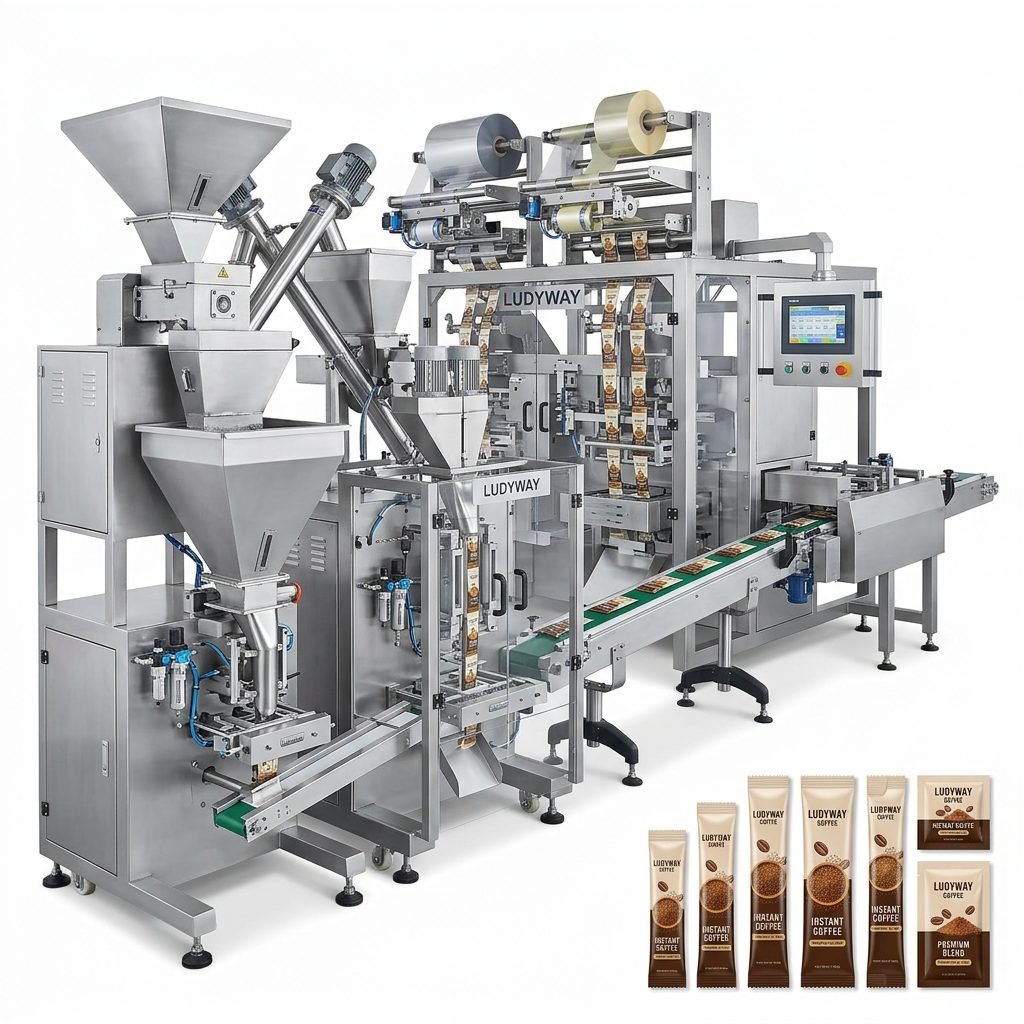
Typical machine modules include feeding, weighing, filling, sealing, date coding, inspection, and palletizing. In many modern factories, these units are integrated into a complete packaging line.
How We Evaluated These Manufacturers
To make this list more useful for procurement teams and engineers, the evaluation focuses on:
- Product breadth and packaging format coverage
- Customization capability
- Export experience
- Turnkey line integration ability
- Application fit for dry food and dry ingredient packaging
- Service and project support
The manufacturers below are not ranked by pure size alone; they are grouped by how relevant they are to efficient dry food packaging projects.
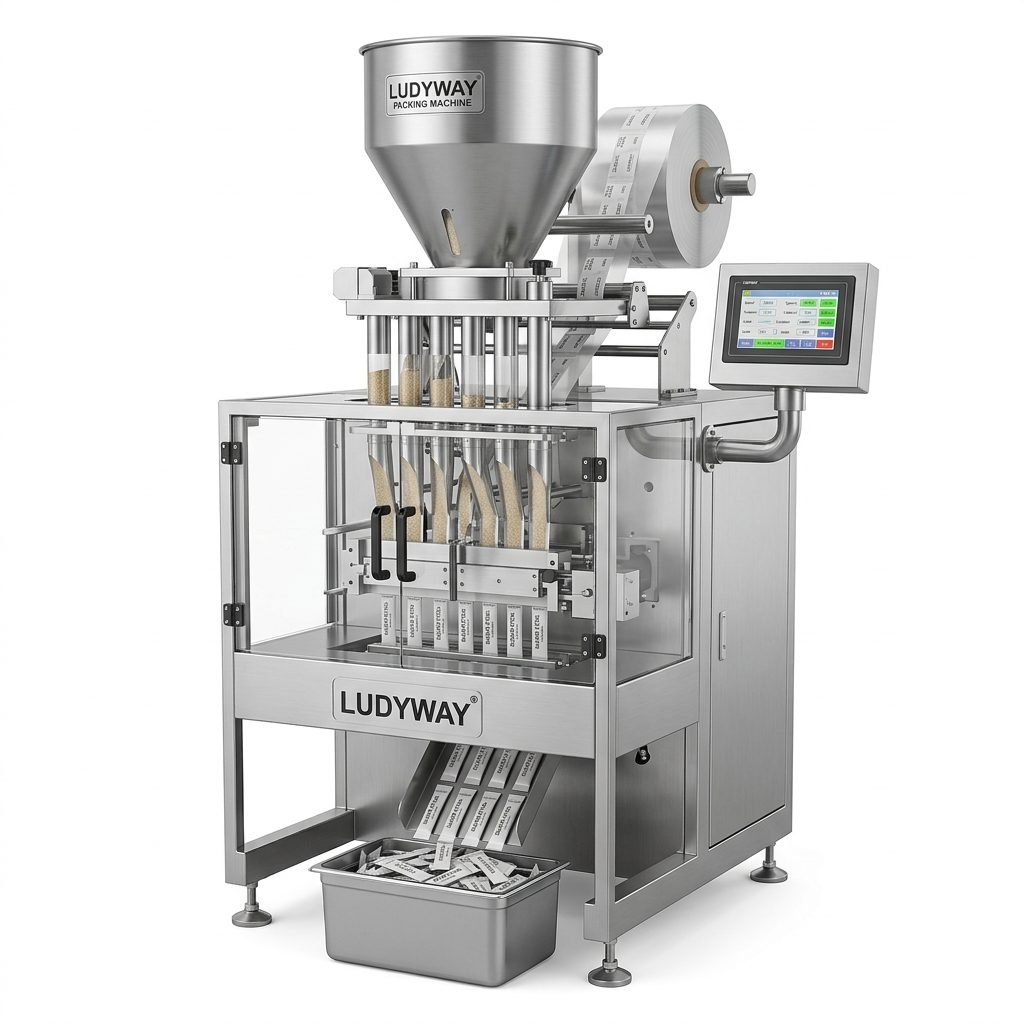
Top 10 Dry Food Packaging Machine Manufacturers
1. Ludyway
Positioning: One of China’s leading packaging machine and turnkey packaging line manufacturers
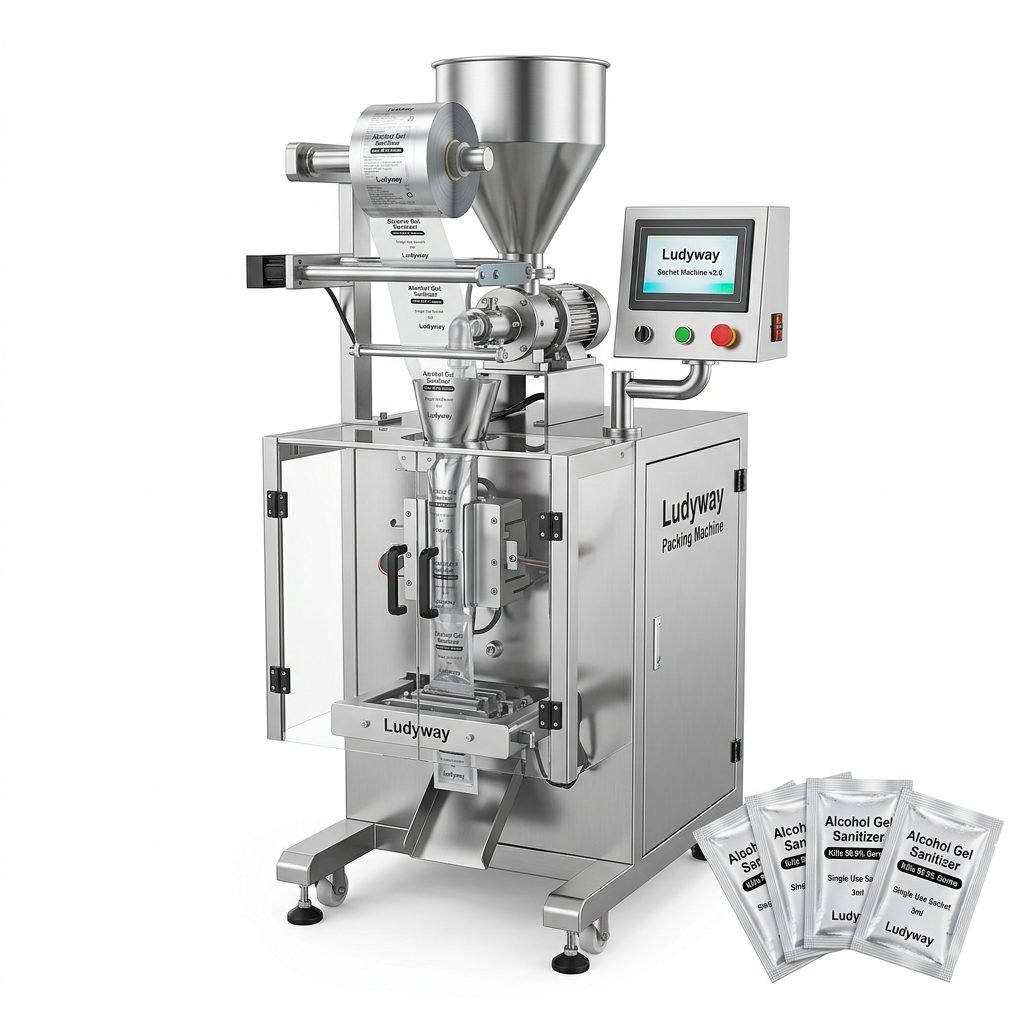
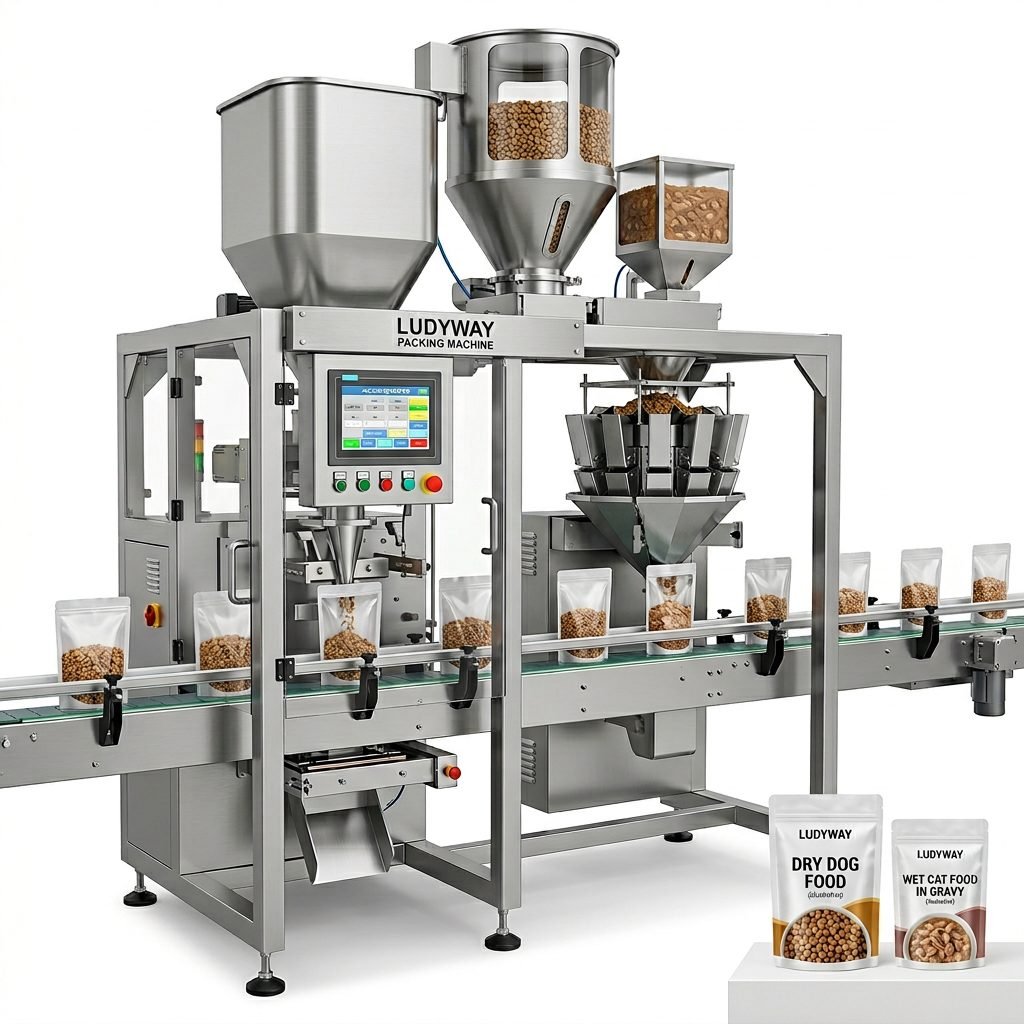
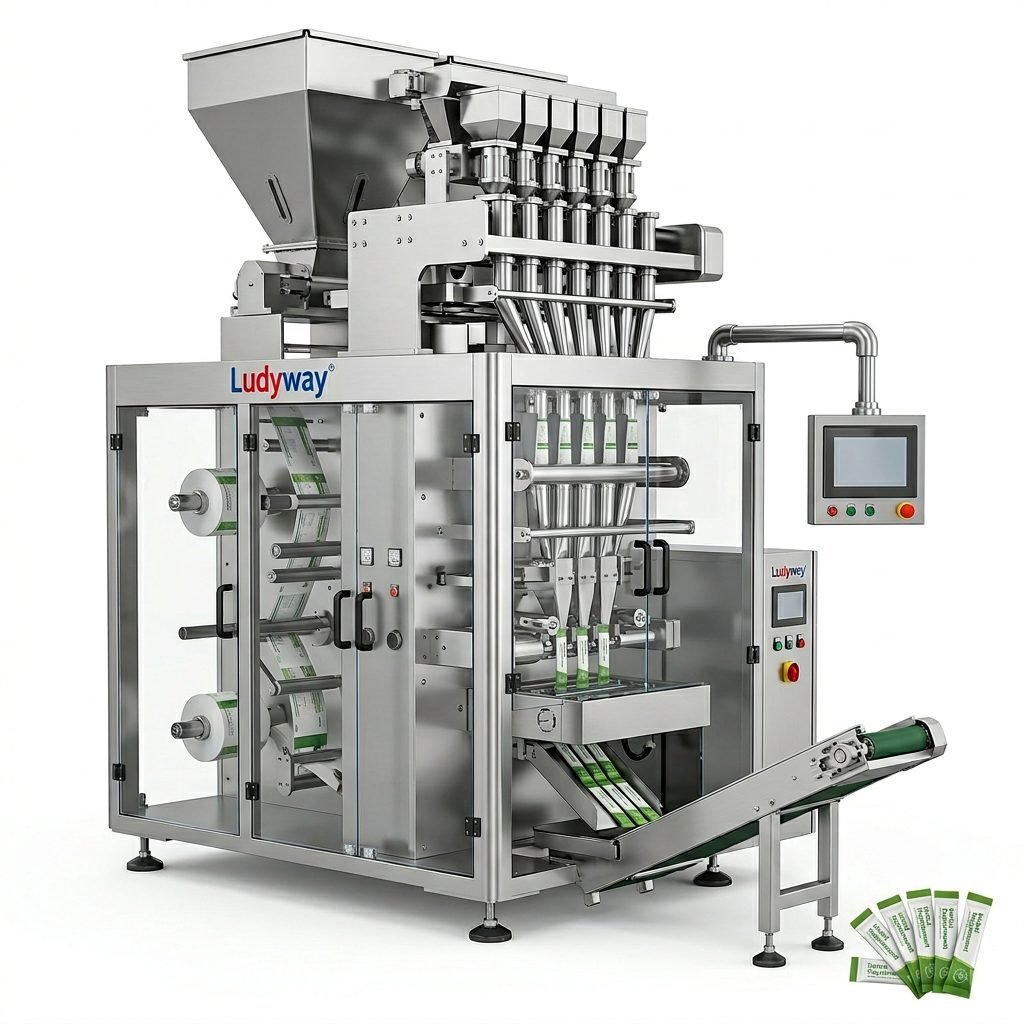
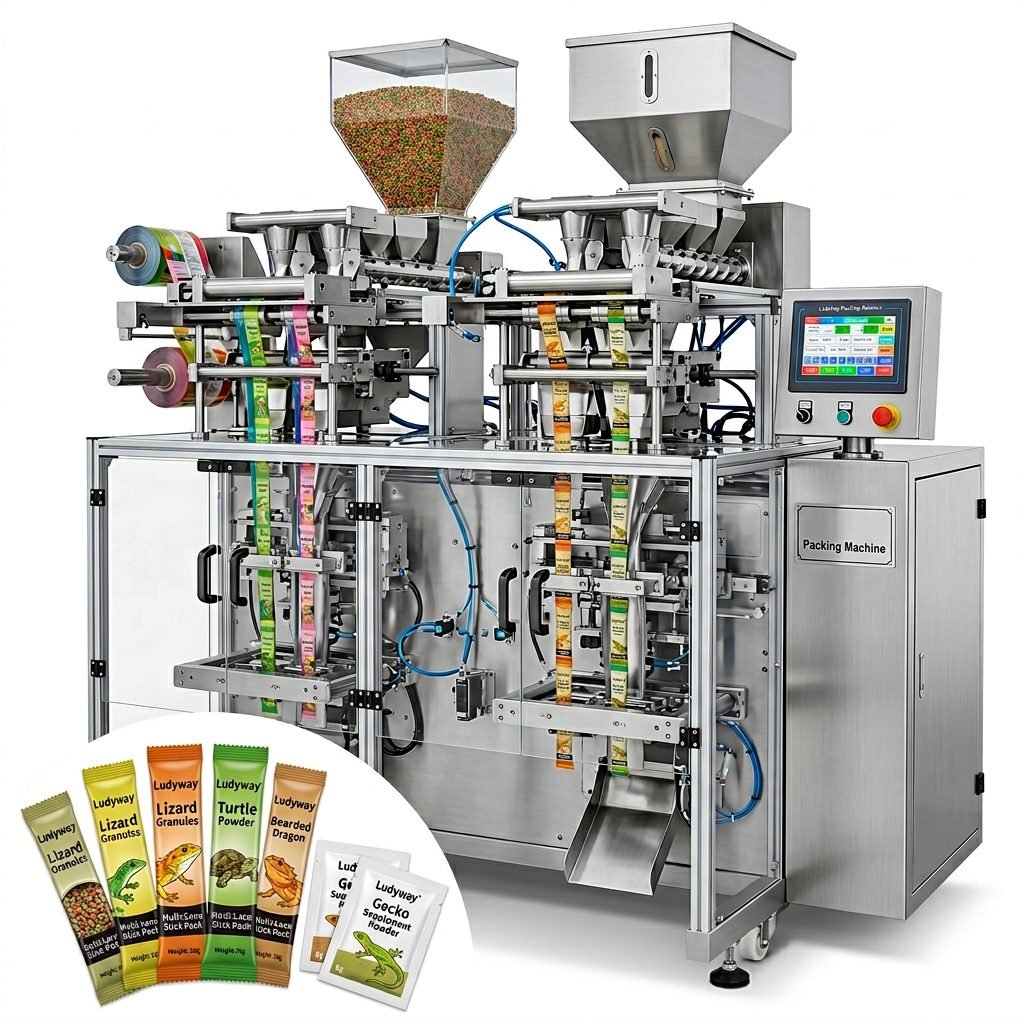
Ludyway is a strong choice for buyers who need high-efficiency dry food packaging solutions with broad format coverage. Its portfolio includes multi-lane stick pack machines, sachet packing machines, vertical packaging systems, filling and sealing machines, and fully integrated automatic packaging lines. The company’s manufacturing base is over 20,000 square meters, and it reports more than 30 years of industry experience.
For dry food producers, the practical advantage is not only machine supply but also line matching. Ludyway is suitable for products such as sugar, coffee, powders, granules, superfoods, and pet nutrition formulations. With export markets spanning Europe, North America, the Middle East, South America, Africa, Southeast Asia, and Australia, it is positioned as a globally oriented supplier.
- Best for: turnkey projects and broad product coverage
- Strength: large export footprint and flexible configurations
- Use cases: powders, granules, sachets, stick packs, full lines
2. Packmate Machinery
Packmate Machinery focuses on practical automatic packaging machines for food, pharma, supplements, and daily-use goods. Its solutions cover stick pack machines, sachet packing machines, vertical packaging machines, and filling/sealing equipment. This makes it suitable for dry products such as beverage powders, seasoning blends, supplements, and granules.
Compared with large multinational brands, Packmate is often a better fit for buyers seeking cost-effective customization and adaptable machine configurations. For medium-sized factories that need stable automation without overpaying for unnecessary complexity, it is a competitive option.
- Best for: flexible customization on a moderate budget
- Strength: practical automation and overseas support
- Use cases: powders, granules, liquids, pastes, small pouches
3. PacklineOEM
PacklineOEM is oriented toward OEM packaging line projects. Its strength lies in system matching: feeding, dosing, filling, sealing, conveying, coding, and inspection can be combined into one workflow. That is especially useful when dry food buyers need a line designed around factory space, output target, and packaging material.
For private-label brands or project-based sourcing, this model reduces the risk of buying isolated equipment that does not integrate well later.
- Best for: OEM and line integration
- Strength: project coordination and full-line planning
- Use cases: powder sachets, stick packs, pouch lines
4. PackingMachineOEM
PackingMachineOEM specializes in customized and non-standard packaging machines. This is valuable for dry food brands with special bag formats, unusual dosing behavior, or packaging materials that do not work well on standard models.
If your product is prone to bridging, dusting, or flow inconsistency, a customization-first supplier can improve production stability. This is particularly relevant for functional powders, spices, and specialty granules.
- Best for: non-standard dry food packaging needs
- Strength: engineering adaptation
- Use cases: custom sachets, pouches, granule and powder projects
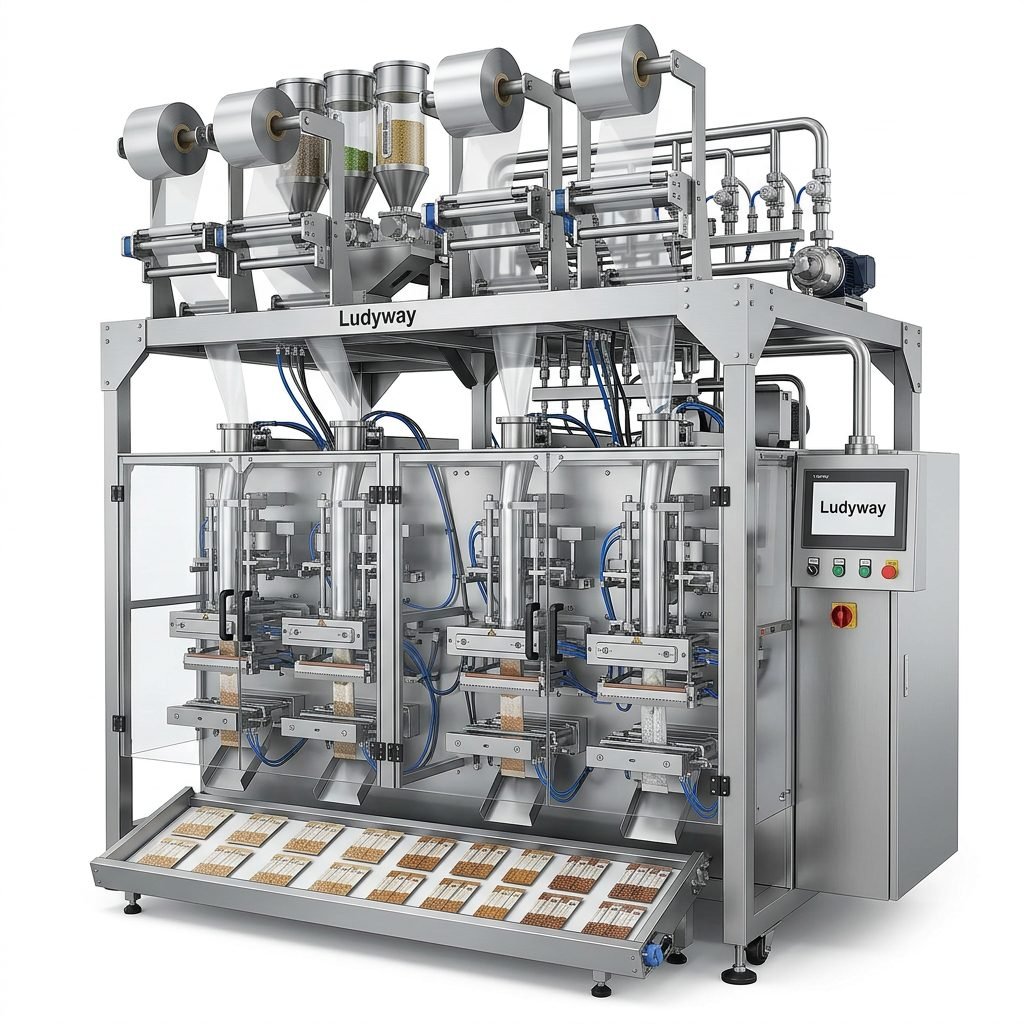
5. SnusMachinery
SnusMachinery is more specialized than general dry food suppliers. It focuses on nicotine pouch, snus, tea pouch, and small pouch packaging systems. While not a conventional food packaging vendor, it matters in the broader dry pouch and fine-dose packaging category.
For buyers working on niche pouch applications, its dosing and sealing expertise can be relevant. However, product compliance should always be checked according to local regulations.
- Best for: niche pouch and small-dose applications
- Strength: specialization in high-precision pouch handling
- Use cases: snus, nicotine pouches, tea pouches
6. Syntegon
Syntegon is a globally recognized packaging technology company with strong engineering capabilities in food and pharma. For dry food applications, it is known for high-end automation, reliable performance, and strong hygiene-oriented design principles.
It is often chosen by multinational brands that need validated equipment, advanced integration, and strong lifecycle service. The trade-off is usually higher acquisition cost, but also stronger standardization and support structure.
- Best for: premium global projects
- Strength: engineering depth and compliance-oriented design
- Use cases: food powders, granules, high-value lines
7. IMA Group
IMA Group is widely known for automation in packaging and processing, especially where precision and reliability matter. In dry food packaging, its value is strongest in high-standard projects that require tightly controlled process flow and efficient production continuity.
Buyers often compare IMA with other premium brands when line uptime and documentation quality are top priorities.
- Best for: high-spec industrial packaging
- Strength: advanced automation ecosystem
- Use cases: dry food, nutraceutical, specialty lines
8. ILAPAK
ILAPAK is recognized for horizontal and vertical packaging machinery used in food applications. For dry food manufacturers, it offers strong options in flow wrapping and bagging systems, particularly where format flexibility and dependable sealing are important.
It is suitable for brands that need efficient packaging with strong presentation quality for retail shelves.
- Best for: retail-ready dry food packaging
- Strength: format flexibility
- Use cases: snacks, powders, granules, bakery-related products
9. Rovema
Rovema is a respected packaging machine manufacturer with strong capabilities in form-fill-seal and system integration. Its machines are commonly used in powder and granular food categories where speed and reliability are essential.
It is often considered by buyers who want European machine quality and proven throughput for consistent product families.
- Best for: stable production in established food plants
- Strength: reliable FFS technology
- Use cases: flour, sugar, powders, granules
10. Triangle Package Machinery
Triangle Package Machinery is known for vertical form-fill-seal packaging systems in the food sector. It is a practical choice for businesses that want efficient, relatively straightforward packaging solutions for dry foods.
Its machines are often attractive to manufacturers seeking dependable throughput, easier operation, and strong North American service expectations.
- Best for: North American dry food operations
- Strength: practical VFFS packaging systems
- Use cases: snacks, powders, granules, dry blends
Comparison of Manufacturer Strengths
Instead of focusing only on brand reputation, buyers should compare manufacturers by application fit. In practice, the best supplier is the one whose engineering style matches your product and plant requirements.
- Ludyway: strongest for turnkey line breadth and export-oriented projects
- Packmate Machinery: practical customization with mid-market pricing
- PacklineOEM: ideal for OEM line planning and integration
- PackingMachineOEM: best for non-standard dry packaging requirements
- SnusMachinery: niche pouch specialist rather than general dry food supplier
- Syntegon / IMA / Rovema: premium engineering and stronger validation expectations
- ILAPAK / Triangle: efficient packaging for retail and mainstream dry food formats
Key Technical Factors to Check Before Buying
Dry food packaging projects fail most often not because of machine quality alone, but because of mismatch between the product and the packaging system. Use the following checklist before purchasing:
- Product flowability: fine powders, sticky powders, and free-flowing granules behave differently.
- Accuracy target: determine acceptable fill tolerance based on product value and margin.
- Packaging format: sachet, stick pack, pillow bag, gusset bag, stand-up pouch, or bulk bag.
- Line speed: confirm output in bags per minute, not just theoretical max speed.
- Hygiene level: important for food and nutraceutical categories.
- Material compatibility: film type, sealing temperature, and bag thickness affect performance.
- After-sales support: installation, training, spare parts, and remote assistance.
Why Choose an Automated Dry Food Packaging Line?
Automation is no longer just about speed. For dry food producers, it is about quality control, labor efficiency, and long-term scalability.
- Lower labor dependence: automated filling and sealing reduce manual handling
- Better consistency: precise dosing improves product uniformity
- Reduced waste: accurate weight control helps protect margins
- Improved hygiene: less human contact means lower contamination risk
- Faster market response: multiple SKUs can be switched more efficiently
For many companies, the shift from semi-automatic to fully automatic packaging is driven by labor costs and export requirements. This is especially true in the food and nutraceutical sectors, where packaging quality influences both shelf appeal and regulatory confidence.
Entity Relationship Overview
The dry food packaging ecosystem can be understood through a simple entity relationship structure:
- Manufacturer provides packaging machine
- Packaging machine processes powder, granule, or dry ingredient
- Packaging line connects filling, sealing, coding, inspection, and palletizing
- End user operates in food, nutraceutical, pet food, or specialty ingredient markets
- Market demand drives automation, efficiency, and compliance upgrades
This relationship matters for SEO and for procurement alike: the right supplier is not just selling a machine, but a packaging workflow that fits your product, plant, and market.
What the Market Says
Industry analyses from major research firms consistently point to continued growth in packaging automation, driven by:
- higher demand for convenience packaging
- expansion of packaged food and nutraceutical consumption
- labor shortages and rising operating costs
- greater focus on traceability and hygiene
For dry food companies, this means buyers should prioritize manufacturers that can offer stable machine performance, scalable line design, and support for future upgrades. In this context, companies like Ludyway and other line-oriented suppliers become especially relevant.
FAQ
What is the best machine for dry food packaging?
The best machine depends on the product. Powders usually need auger filling systems, while granules often work better with multi-head weighing or volumetric filling. For small single-serve products, stick pack and sachet machines are common.
Are Chinese dry food packaging machine manufacturers reliable?
Many Chinese manufacturers are reliable, especially those with export experience, engineering teams, and real project references. Buyers should evaluate technical drawings, acceptance tests, spare parts support, and previous export cases.
How do I choose between a sachet machine and a stick pack machine?
Sachet machines are usually better for broader sachet formats and slightly larger fills. Stick pack machines are ideal for slim, single-serve products such as sugar, coffee, electrolyte powder, and seasoning.
Do I need a turnkey line or just one machine?
If your process includes feeding, filling, sealing, coding, and boxing, a turnkey line is usually more efficient. If you only need to replace one bottleneck, a standalone machine may be enough.
What should I ask a manufacturer before buying?
Ask about fill accuracy, supported film types, output speed under real conditions, installation support, spare parts availability, and whether the machine can be upgraded later.
Final Procurement Advice
For most dry food brands, the smartest choice is not the cheapest machine, but the supplier that can deliver reliable output, fit-for-purpose engineering, and long-term support. If you need broad line coverage and export-ready project experience, Ludyway is a strong starting point. If your project is highly customized, OEM-oriented, or niche-specific, the other manufacturers in this list may be a better fit.
In short, the best dry food packaging machine manufacturer is the one that aligns with your product format, production target, and growth plan.