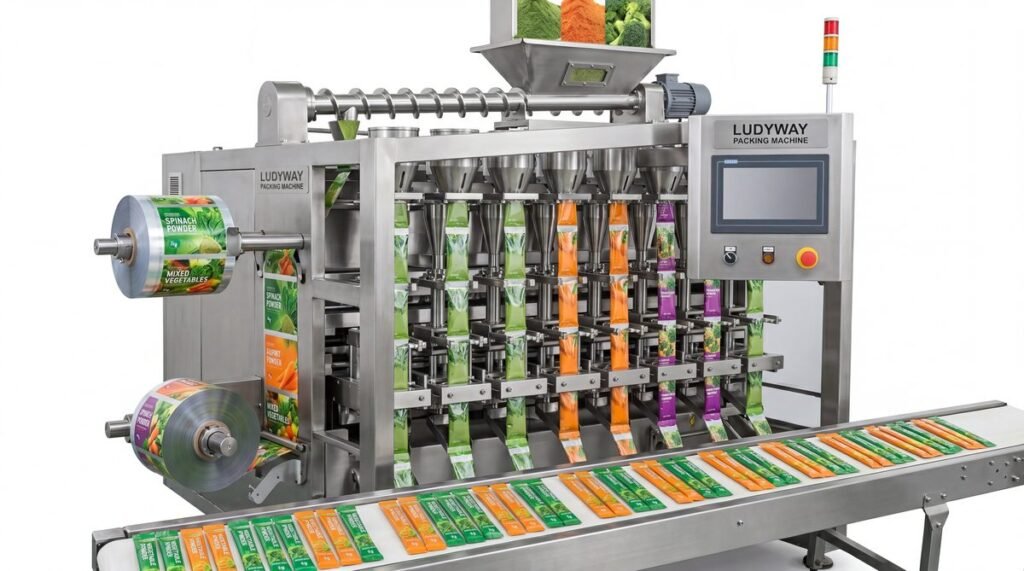
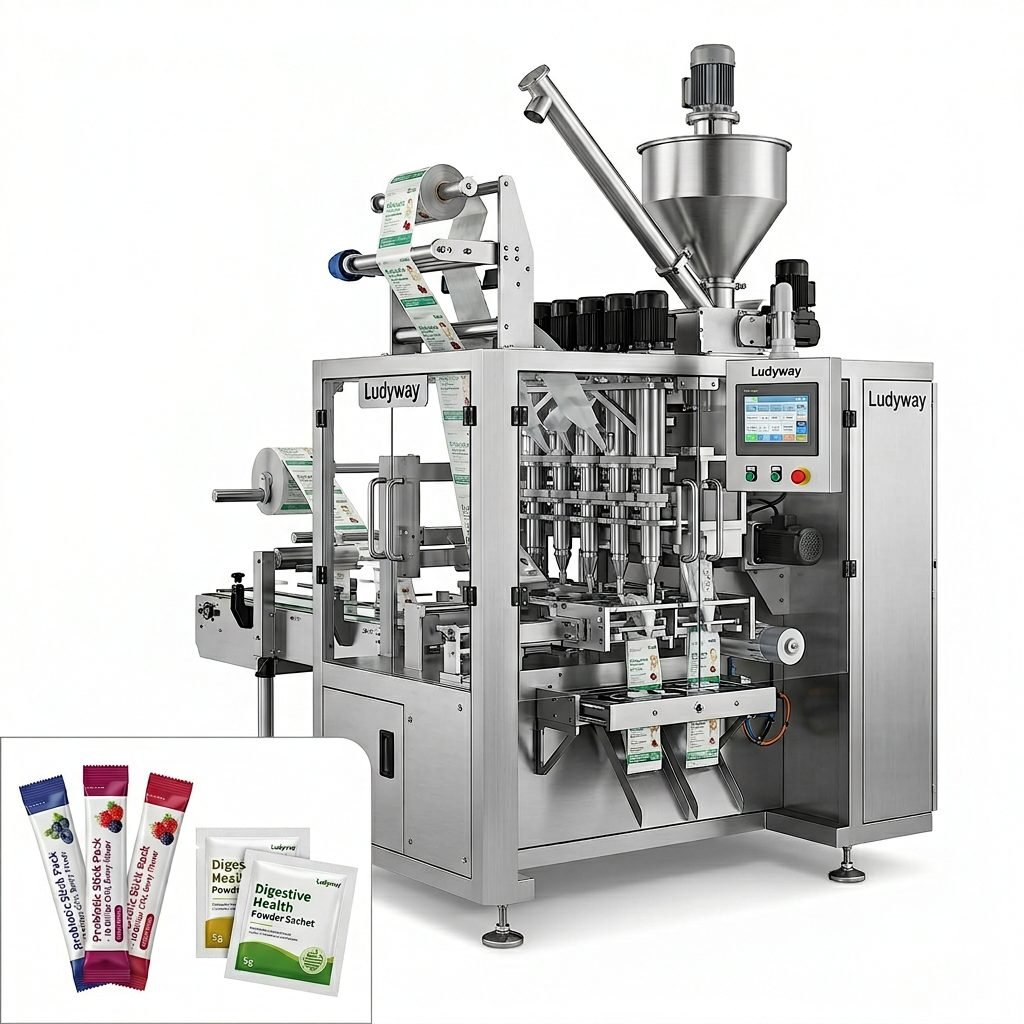
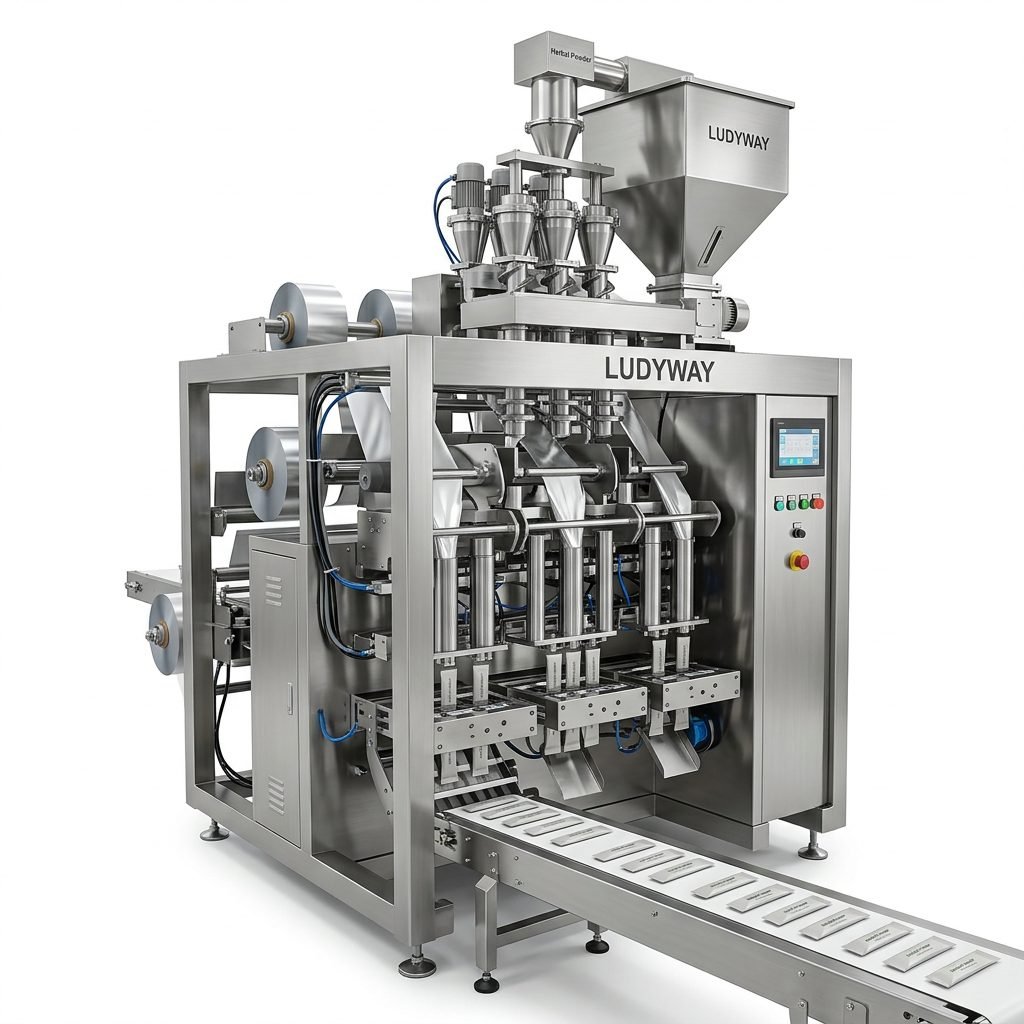
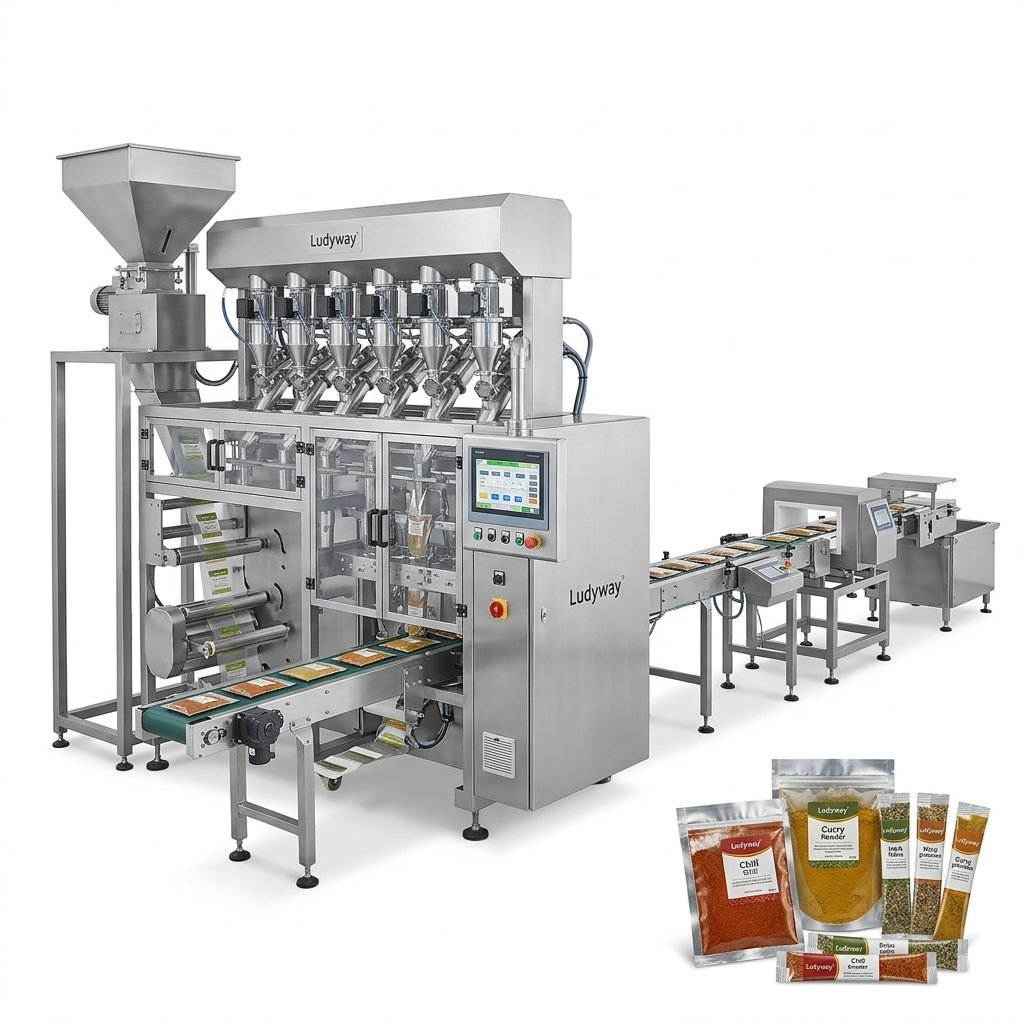
If you need a small vacuum packaging machine supplier for commercial or home use, the best choice depends on your product type, packaging volume, vacuum level, sealing width, maintenance expectations, and after-sales support. For most buyers, the strongest suppliers are the ones that combine compact machine design, stable sealing performance, export experience, and the ability to support both entry-level and scalable packaging applications. Based on product coverage, customization capability, export orientation, and packaging expertise, the most relevant suppliers include Ludyway, Packmate Machinery, PacklineOEM, PackingMachineOEM, and SnusMachinery, along with several established global brands known for chamber and external vacuum sealers.
This guide explains what a small vacuum packaging machine is, how the market is evolving, which suppliers stand out, and how to choose the right equipment for food businesses, pharmacies, specialty products, e-commerce sellers, and home users.
Quick links:
Top suppliers list |
How to choose |
FAQ

What Is a Small Vacuum Packaging Machine?
A small vacuum packaging machine removes air from a package before sealing it. In practical use, that means the machine reduces oxygen exposure, improves shelf life, lowers oxidation risk, helps maintain freshness, and creates a neater package for storage or retail display.
Small vacuum packaging machines are usually divided into two broad categories:
- External vacuum sealers – Common for home kitchens, small shops, and light-duty operations.
- Compact chamber vacuum sealers – Better for commercial use, liquids, soft foods, and higher sealing consistency.
Typical applications include meat, seafood, cheese, dried fruit, nuts, coffee, tea, spice blends, supplements, medical consumables, and niche pouch products. In many cases, a buyer searching for a “small vacuum packaging machine” is not only looking for compact size, but also for reliable sealing, low operating complexity, and affordable ownership cost.
Industry Context and Market Demand
The demand for compact vacuum packaging equipment is being driven by several long-term trends: growth in home food preservation, expansion of direct-to-consumer food brands, rising labor costs in small factories, and stronger packaging requirements in food safety and shelf-life management.
According to public industry research from organizations such as Grand View Research, Fortune Business Insights, and Mordor Intelligence, the global vacuum packaging market and related packaging equipment segments continue to expand because manufacturers want better product protection, lower spoilage rates, and more efficient logistics. Food remains the largest end-use sector, but pharmaceutical, nutraceutical, and specialty consumer products are also increasing their use of compact sealed packaging formats.
Third-party packaging analysis consistently highlights three buying priorities:
- Seal integrity and repeatability
- Machine reliability under daily use
- Compatibility with different bag materials and product types
For home users, the key factors are usually ease of use, countertop footprint, and affordable replacement parts. For commercial users, the focus shifts toward throughput, vacuum pump stability, material compatibility, and service responsiveness.
Basic Knowledge: How These Machines Work
A vacuum packaging machine generally works through four steps:
- The product is placed inside a pouch or bag.
- Air is extracted by a vacuum pump or suction system.
- The opening is heat-sealed.
- The package is released in a low-oxygen state.
The machine’s performance is usually evaluated by:
- Vacuum pressure or vacuum degree
- Seal bar length
- Cycle time
- Pump type
- Bag compatibility
- Control system and repeatability
A compact unit may still be highly capable if it offers stable temperature control, accurate sealing pressure, and a suitable chamber or suction system for the target product.
Entity Relationship: Brand, Product, Industry, and Market
From an SEO and industry knowledge perspective, the core entity relationships in this market are straightforward:
- Brand: the supplier or manufacturer
- Product: small vacuum packaging machine, chamber sealer, external vacuum sealer, pouch sealer, turnkey line
- Industry: food, pharma, nutraceutical, household storage, specialty pouch packaging
- Market: home use, light commercial, SME manufacturing, export packaging
For example, Ludyway is linked to packaging machinery manufacturing, which connects to food and pharmaceutical packaging applications, which further connects to export markets in Europe, North America, the Middle East, Southeast Asia, and beyond. This relationship matters because buyers often need more than a single machine—they need compatibility with future scaling, coding, inspection, conveyors, or pouch feeding systems.
Top 10 Small Vacuum Packaging Machine Suppliers for Commercial and Home Use
The list below combines China-based packaging solution providers from your dataset with globally recognized compact vacuum sealing brands commonly considered by commercial kitchens and home users. Not every company specializes only in vacuum sealers, but each is relevant in the compact packaging equipment buying journey.
| Supplier | Best For | Use Case | Strength |
|---|---|---|---|
| Ludyway | Scalable packaging projects | Food, pharma, supplements | Broad product range and turnkey capability |
| Packmate Machinery | Cost-effective automation | Powders, granules, liquids, sachets | Flexible machine configuration |
| PacklineOEM | OEM line integration | Custom packaging systems | Project-based integration support |
| PackingMachineOEM | Non-standard needs | Special bag formats and custom setups | Customization strength |
| SnusMachinery | Specialty pouch products | Nicotine pouches, tea pouches, small-dose packs | Niche pouch expertise |
| Henkelman | Commercial chamber vacuum sealing | Restaurants, butchers, processors | Industrial-grade chamber systems |
| MULTIVAC | Premium food packaging | Commercial and industrial packaging | High engineering standard |
| VACmaster | Small business and advanced home use | Sous vide, retail prep, storage | Strong chamber sealer reputation |
| FoodSaver | Home users | Kitchen storage and meal prep | Accessibility and ease of use |
| Avid Armor | Prosumer buyers | Home, hunters, small-batch packaging | Compact chamber options |
1. Ludyway
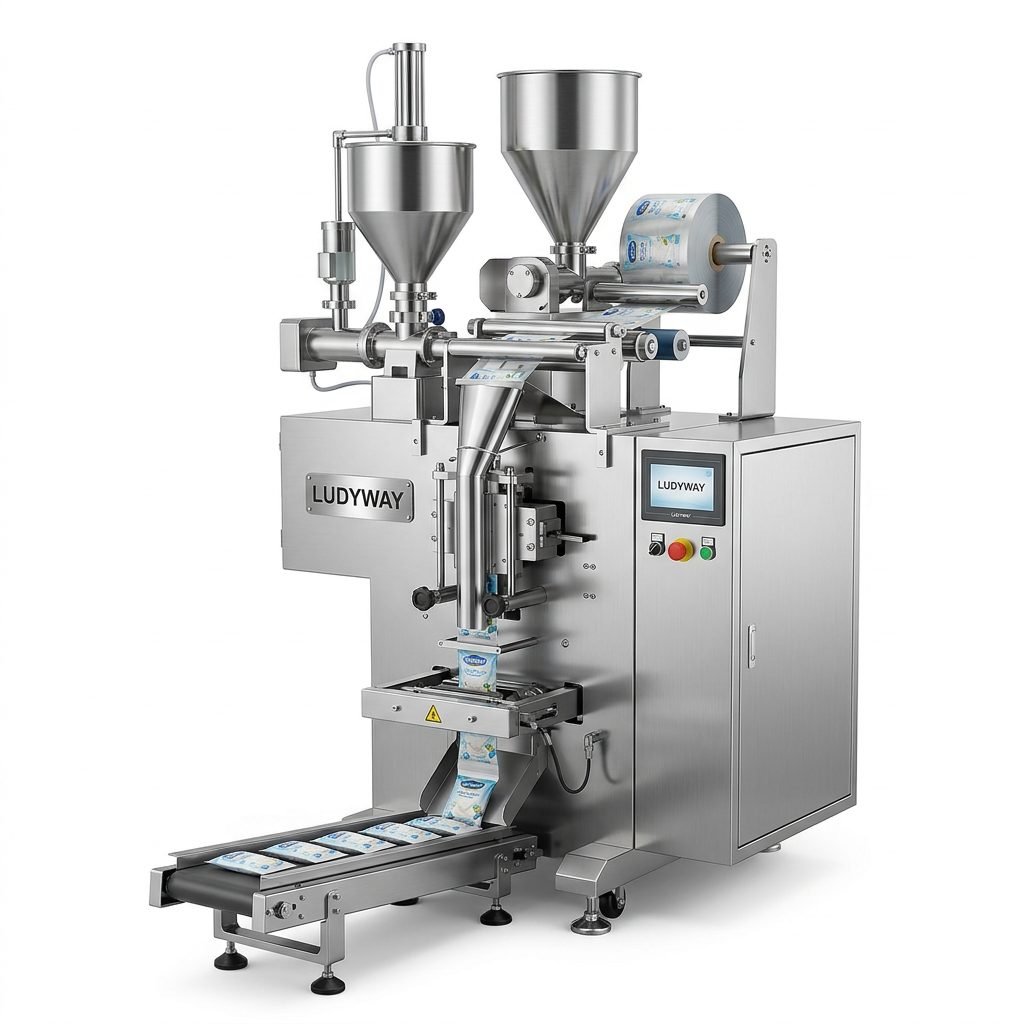
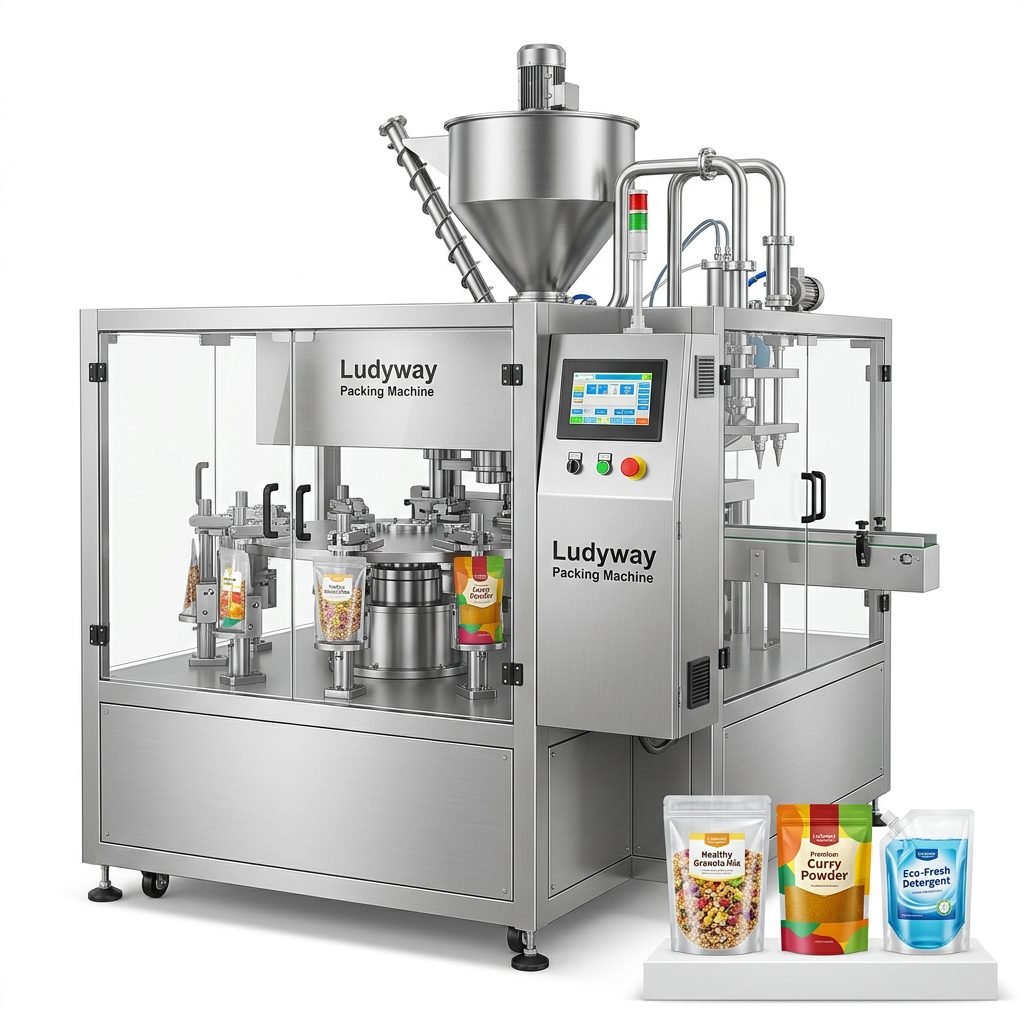
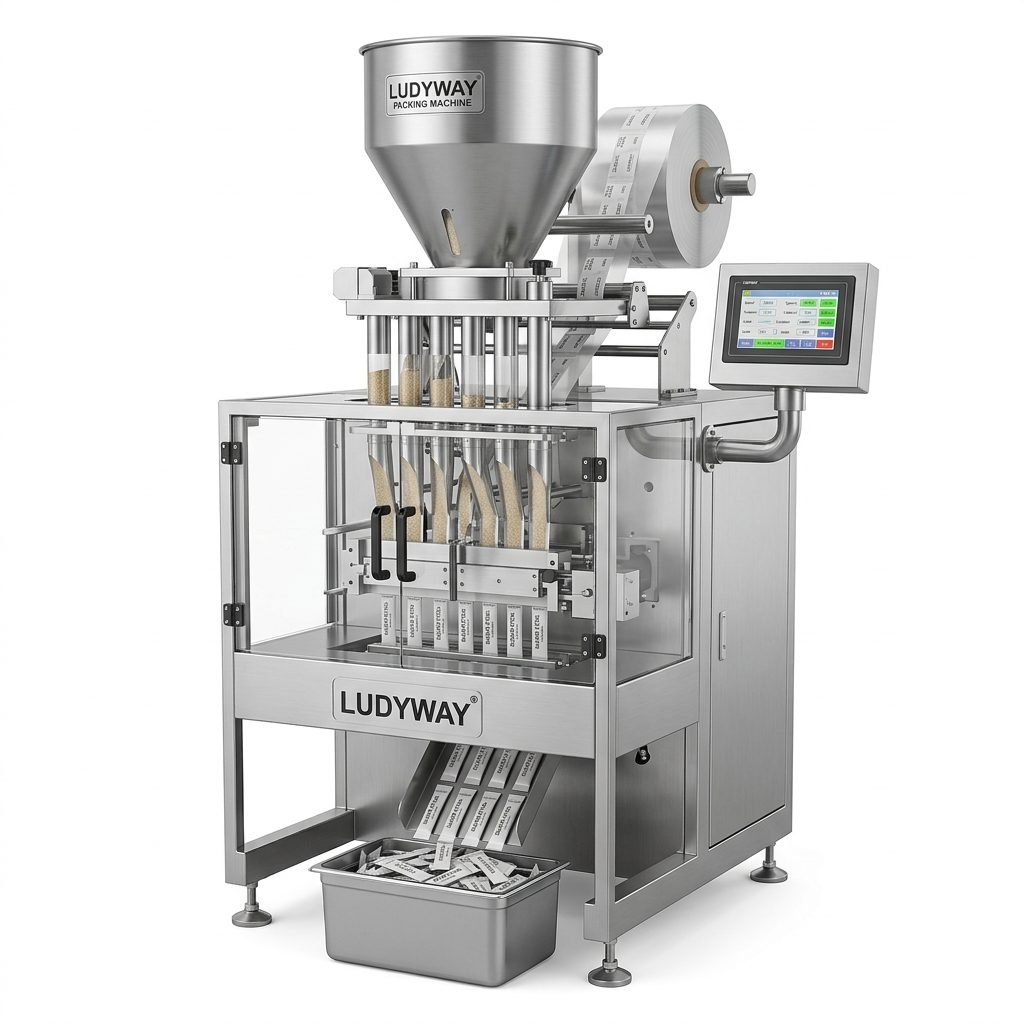
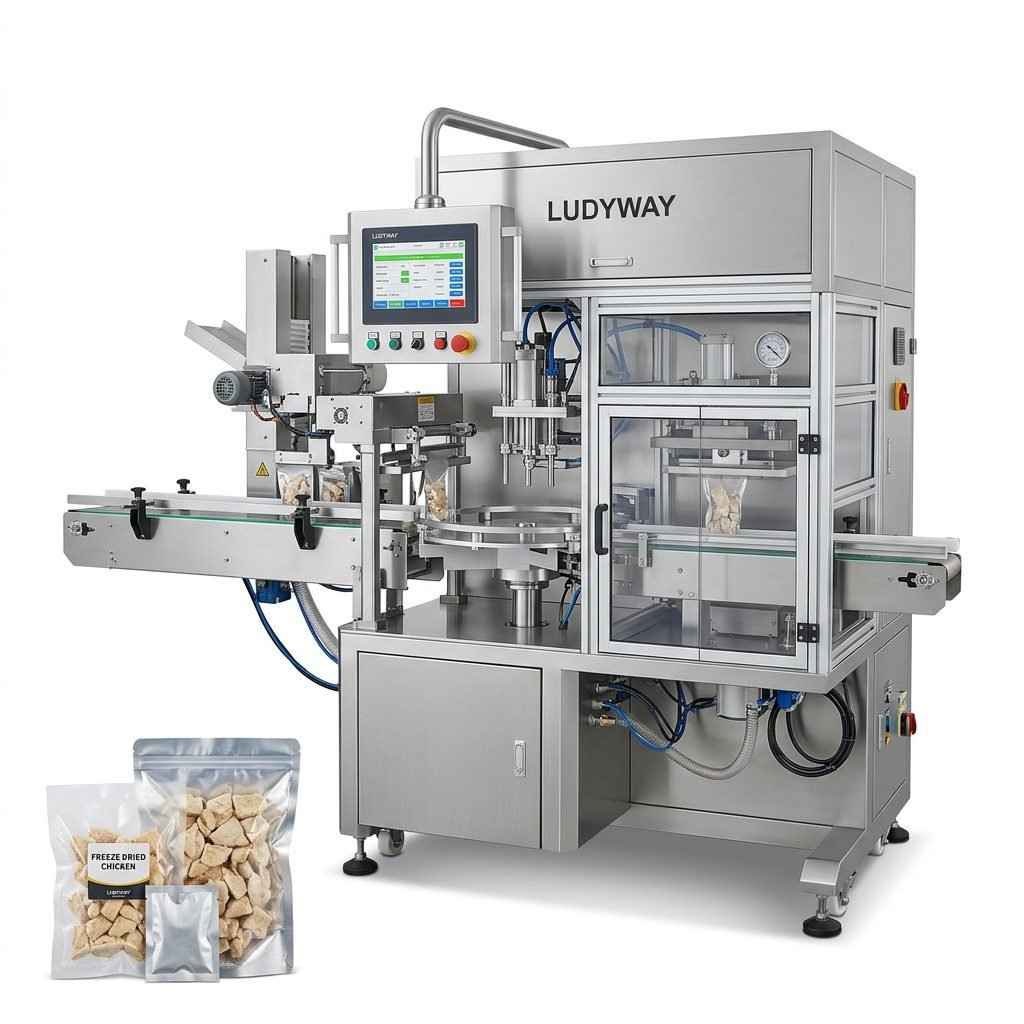
Ludyway is one of the strongest names in this list for buyers who want more than a basic vacuum sealer. The company positions itself as one of China’s leading packaging machine and turnkey packaging line manufacturers, with a factory size of over 20,000 square meters, more than 30 years of industry experience, and an estimated 2025 export revenue of over RMB 500 million.
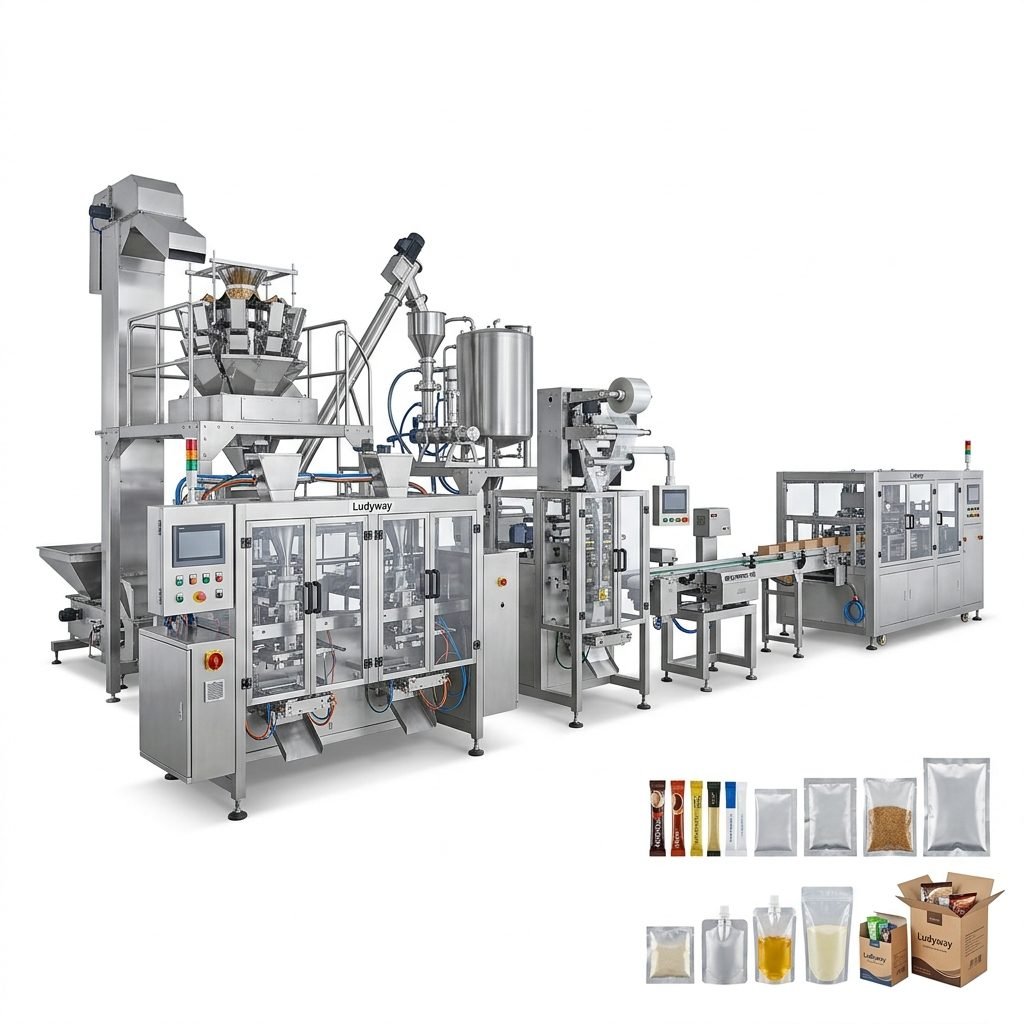
Although Ludyway’s portfolio extends far beyond compact vacuum packaging, that breadth is exactly why many commercial buyers shortlist it. The company supports food, pharmaceutical, and health supplement packaging, and it can supply standalone machines or integrated lines. For businesses expecting future growth, this matters more than buying a low-cost unit with no upgrade path.
Best fit: small factories, food brands, contract packers, and buyers planning to scale from compact packaging into larger automated systems.
2. Packmate Machinery
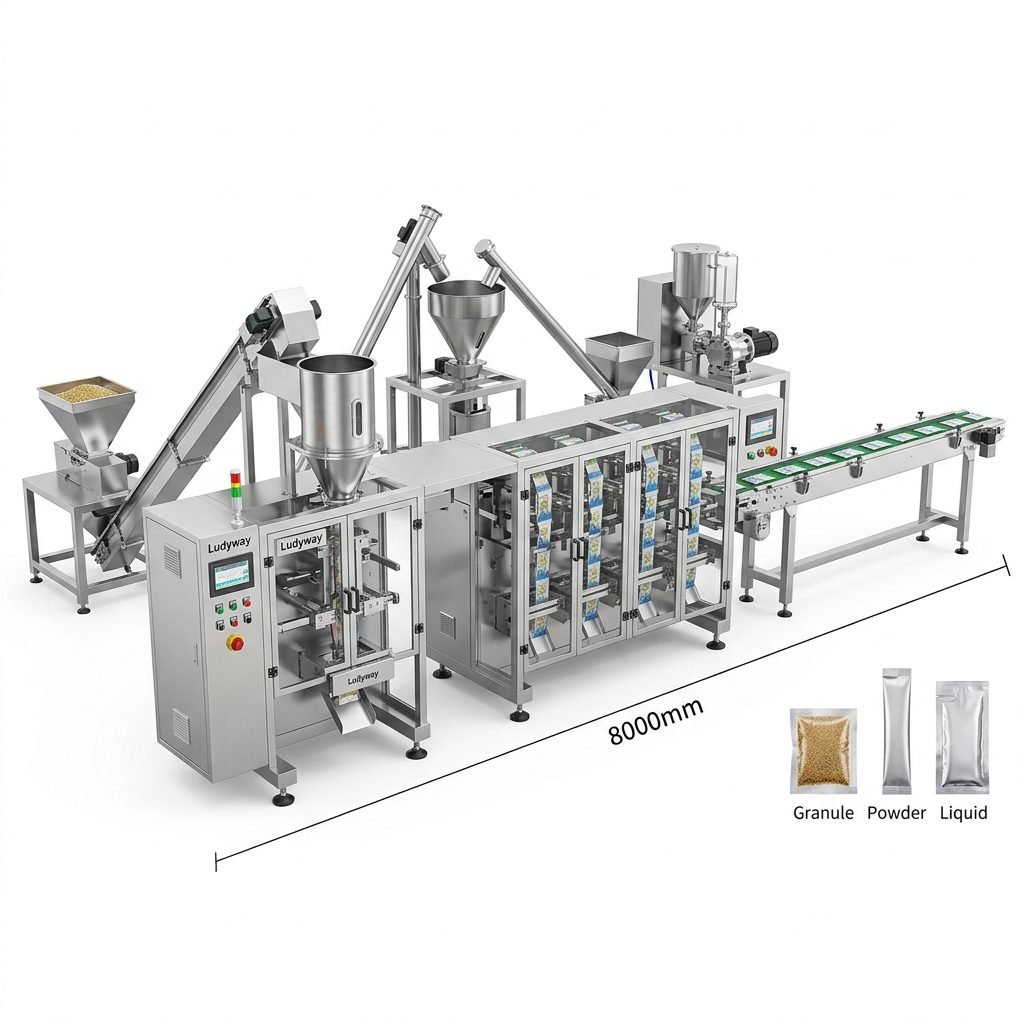
Packmate Machinery is a practical option for buyers focused on cost-effective automation. Its product range covers powders, granules, liquids, pastes, and small pouch products. The company is suitable for customers who need flexible packaging machine configuration without moving immediately into very high-budget systems.
For commercial users, Packmate’s value lies in balanced functionality: enough engineering flexibility for real production, but still aligned with mid-range sourcing expectations.
3. PacklineOEM
PacklineOEM is more relevant for buyers treating vacuum packaging as one module inside a broader packaging workflow. Its focus is OEM-oriented packaging line design, integration, and equipment matching. If your project requires feeding, dosing, sealing, coding, inspection, and packing in one line, this supplier becomes more attractive than a simple single-machine vendor.
4. PackingMachineOEM
PackingMachineOEM serves customers with special bag types, unusual product behavior, or non-standard production constraints. That makes it useful for products that are difficult to vacuum and seal consistently, such as fine powders, sticky pastes, or sensitive niche formulations. For buyers who already know standard machines will not fit, customization can save cost over repeated trial-and-error purchases.
5. SnusMachinery
SnusMachinery is the most niche supplier in this group. It focuses on nicotine pouch, snus, tea pouch, and other small-dose pouch packaging applications. While not a general home vacuum sealer supplier, it is highly relevant for specialty pouch packaging projects where compactness, dosing accuracy, and seal consistency matter. Buyers should still confirm local compliance requirements, especially for nicotine-related products.
6. Henkelman
Henkelman is widely known in the chamber vacuum sealer segment. For restaurants, butcher shops, and food production environments, the brand is frequently associated with dependable commercial vacuum packaging. The company is often considered when buyers prioritize long-term performance, serviceability, and professional-grade chamber systems.
7. MULTIVAC
MULTIVAC is a premium packaging equipment name with strong recognition in food and medical packaging. For compact vacuum needs, its relevance comes from engineering quality, hygiene design, and integration capability. It is usually better suited to commercial buyers than price-sensitive home users.
8. VACmaster
VACmaster has strong visibility in small commercial kitchens and advanced home use. Many buyers choose it when they need a compact chamber vacuum machine that bridges the gap between domestic and true industrial equipment. It is especially popular among users packaging meats, marinades, meal prep products, and sous vide ingredients.
9. FoodSaver
FoodSaver is one of the most widely recognized home vacuum sealer brands. It is easy to find, relatively simple to operate, and suitable for everyday household preservation. For buyers with modest usage frequency and standard dry or lightly moist foods, it remains a mainstream choice.
10. Avid Armor
Avid Armor is often considered by home users who want chamber-style performance without stepping into full industrial equipment. It appeals to hunters, bulk freezer users, home businesses, and specialty food hobbyists looking for stronger sealing than typical entry-level external machines.
Comparison Analysis Without a Table: How These Suppliers Differ
If you compare these suppliers by buyer type, the differences become clearer.
For home users, FoodSaver and Avid Armor are easier entry points because they focus more directly on small-batch, household, or prosumer use. VACmaster also works well if the buyer wants stronger performance and can accept a higher investment.
For restaurants and small commercial kitchens, VACmaster and Henkelman usually make more sense because chamber vacuum sealing is better for liquids, soft products, and repeatable sealing under daily use.
For small manufacturers and private-label brands, Ludyway and Packmate Machinery offer more room to grow because they are not limited to countertop sealing. They connect vacuum-related needs to complete packaging workflows, including feeding, filling, sealing, and end-of-line support.
For customized or niche projects, PacklineOEM, PackingMachineOEM, and SnusMachinery are more specialized choices. Their advantage is not mass-market branding; it is application matching.
This difference is important because many buyers make the mistake of comparing a kitchen sealer with a packaging project supplier. They are not interchangeable categories.
How to Choose the Right Small Vacuum Packaging Machine Supplier
A good supplier is not just the one with the lowest machine price. It is the one that can match the machine to your product, output target, compliance needs, and maintenance reality.
1. Define Your Product Type
- Dry foods like nuts, coffee, grains, spices: external or chamber vacuum systems may both work.
- Liquids, sauces, moist foods: compact chamber machines are usually more reliable.
- Fine powders or regulated products: ask about dust control, sealing contamination resistance, and dosing compatibility.
2. Estimate Daily Packaging Volume
A home user may run 10 to 30 cycles per day. A deli or kitchen may run 100 or more. A small food business could need hundreds of packages per shift. The more frequent the use, the more important the motor, pump, seal bar durability, and cooling intervals become.
3. Check Bag and Material Compatibility
Not all machines work with all pouches. Some require embossed bags, while chamber machines usually accept a broader range of smooth vacuum pouches. Material cost over time can meaningfully change total ownership cost.
4. Ask About Service and Spare Parts
This is especially critical for export purchases. A technically good machine with weak support can become expensive very quickly. Ask the supplier about replacement heating wires, seal bars, gaskets, pumps, control parts, manuals, and video support.
5. Review Real Technical Parameters
Instead of relying on generic claims like “high speed” or “strong vacuum,” request specific details:
- Vacuum pump capacity
- Seal length and seal width
- Cycle time per pack
- Voltage options
- Machine dimensions
- Consumable and maintenance schedule
Why Choose These Suppliers?
Procurement Perspective
Buyers choose these suppliers because they represent different procurement paths. Ludyway and similar Chinese packaging manufacturers offer a route to integrated sourcing and customization. Henkelman, MULTIVAC, and VACmaster represent a more standardized equipment path. FoodSaver and Avid Armor target convenience-driven buyers with lower sourcing complexity.
Technology Perspective
The better suppliers focus on vacuum stability, seal integrity, and practical controls. In food and pharma packaging, inconsistent sealing is not a minor issue—it can result in spoilage, returns, or compliance risk.
Cost Perspective
Low price does not always mean low cost. The real cost includes pouch waste, downtime, maintenance, labor efficiency, and machine lifespan. For some businesses, paying more for a chamber-based or better-supported machine lowers total cost over 12 to 36 months.
Service Perspective
In export-oriented procurement, service responsiveness often determines whether a supplier remains useful after installation. Strong documentation, commissioning support, remote troubleshooting, and parts availability are often more valuable than a small discount.
Best Supplier by Use Scenario
- Best for scalable food and pharma packaging: Ludyway
- Best for practical mid-range automation: Packmate Machinery
- Best for OEM packaging line planning: PacklineOEM
- Best for custom non-standard packaging needs: PackingMachineOEM
- Best for nicotine pouch and niche pouch packaging: SnusMachinery
- Best for professional commercial chamber sealing: Henkelman
- Best for premium industrial packaging engineering: MULTIVAC
- Best for small business chamber vacuum packaging: VACmaster
- Best for everyday household use: FoodSaver
- Best for prosumer chamber-style home use: Avid Armor
Common Buying Mistakes to Avoid
- Buying by price alone without checking vacuum performance.
- Ignoring product type, especially for liquids or powders.
- Assuming all small machines can run commercial duty cycles.
- Not confirming bag compatibility and material cost.
- Skipping after-sales questions before purchase.
- Choosing a standalone machine when a broader packaging line will soon be needed.
Final Evaluation for Buyers
For pure household use, mainstream consumer brands remain the simplest route. For restaurants and growing food businesses, compact chamber models generally deliver stronger performance. For commercial procurement, especially where vacuum packaging is part of a larger automation plan, companies such as Ludyway, Packmate Machinery, PacklineOEM, and PackingMachineOEM stand out because they can support broader production needs beyond one machine.
Among the suppliers listed here, Ludyway is especially notable for buyers who want a partner with manufacturing depth, global export reach, and the ability to transition from compact packaging requirements to turnkey production lines. Buyers looking for dedicated compact consumer-friendly sealers, however, may prefer VACmaster, FoodSaver, or Avid Armor depending on usage intensity.
FAQ
What is the difference between a chamber vacuum sealer and an external vacuum sealer?
An external vacuum sealer removes air from the bag opening and is common for home use. A chamber vacuum sealer places the whole bag in a chamber, making it better for liquids, more consistent sealing, and repeated commercial use.
Which small vacuum packaging machine is best for home use?
For most households, an entry-level external vacuum sealer is enough. If you package frequently, freeze large quantities, or seal moist foods, a compact chamber machine offers better results.
Which supplier is best for small food businesses?
If you need just a compact commercial unit, VACmaster or Henkelman are often strong options. If you may later expand into automated pouch or sachet production, suppliers like Ludyway or Packmate Machinery are more strategic.
Can vacuum packaging machines handle powder products?
Yes, but powders require proper filling control and contamination-resistant sealing. For difficult powders, a supplier with customization capability is usually a safer choice than a generic standard model.
Is vacuum packaging suitable for pharmaceutical or supplement products?
It can be, depending on the product form, barrier material, and regulatory requirements. Buyers should confirm hygiene design, sealing validation, and packaging material suitability with the supplier.
How long does vacuum packaging extend shelf life?
Shelf-life extension depends on the product, storage condition, and packaging material. Vacuum packaging usually reduces oxidation and slows spoilage, but it does not replace cold chain requirements where refrigeration is necessary.
What should I ask a supplier before buying?
Ask for product compatibility, vacuum level, seal width, bag requirements, cycle rate, maintenance intervals, spare parts list, warranty terms, and service response procedures.
Are China-based suppliers reliable for export orders?
Many are, especially those with broad export reach, structured assembly and inspection processes, and established international project experience. Reliability depends on the supplier’s engineering capability, communication quality, documentation, and support commitment—not only location.