
How Does a Packaging Machine Work? Working Principles & Engineering Systems
An authoritative guide to modern automated packaging operations: from film unwinding, multi-axis servo synchronization, precision metering for powders, granules, and liquids, to hermetic sealing and smart inspection technologies.
What Is a Packaging Machine & How Does Automated Packaging Operate?
At its fundamental engineering core, a packaging machine is an integrated electromechanical automation system engineered to enclose, wrap, dose, and seal raw materials into protected, market-ready packaging formats. Whether converting flexible roll stock into stick packs and sachets, or filling rigid pouches and bottles, these machines synchronize mechanical kinematics, pneumatics, thermal sealing, and digital servo controls.
The primary objective of automated packaging is to deliver extreme dosing repeatability, achieve hermetic barrier protection against moisture and oxygen ingress, safeguard structural package integrity, and sustain continuous high throughput with minimal material waste. In modern food, pharmaceutical, health supplement, and fine chemical processing, packaging systems represent the pivotal final phase where manufacturing precision converges directly with consumer safety and brand value.
Core Engineering Triad of Packaging Systems
Every industrial packaging platform relies on three synchronized subsystems: the Film & Material Handling Stage, the Product Metering & Dosing Station, and the Hermetic Sealing & Separation Module, all governed by real-time programmable logic controllers (PLC).
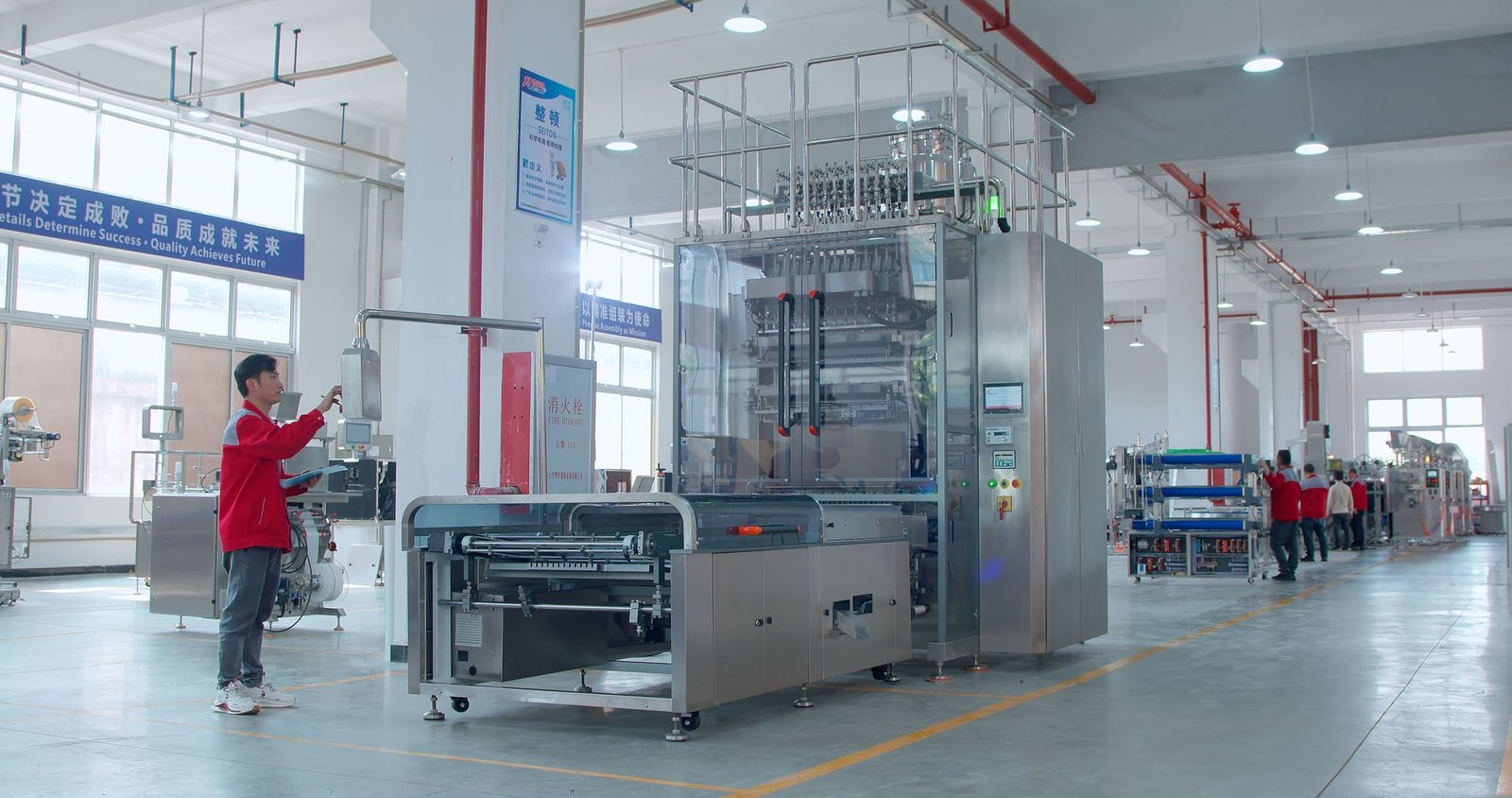
The Step-by-Step Operating Cycle of Form-Fill-Seal (VFFS/HFFS) Machinery
Film Unwinding & Dynamic Tension Control
The continuous packaging cycle begins with a master roll of laminated film (PET/AL/PE, foil, or paper-poly) mounted on an expanding pneumatic mandrel. Pneumatic dancing rollers with load-cell feedback modulate braking force, maintaining constant web tension despite changing roll diameters. High-speed optical sensors continuously detect registration eye-marks, ensuring print alignment stays accurate to within fractions of a millimeter.
Web Guiding & Forming Collar Shaping
The planar film passes through motorized edge-guide tracks before reaching a precision-machined stainless steel forming collar (or former shoulder). The geometric contour of the collar folds the flat film around a central forming tube, transforming the sheet into a continuous cylindrical or rectilinear hollow tube with overlapping vertical edges (fin-seal or lap-seal configuration).
Longitudinal Vertical Heat Sealing
As the formed tube is pulled downward by servo-driven vacuum draw-down belts or reciprocating transport jaws, heated vertical sealing bars apply precisely calibrated temperature and contact pressure. PID temperature controllers maintain tight thermal boundaries to melt internal sealant resins without blistering outer protective layers, fusing the vertical seam hermetically.
Bottom Cross Sealing & Inert Gas Purge
Simultaneously, a set of horizontal sealing jaws closes at the bottom of the formed tube, creating the package base seal. In applications for oxygen-sensitive goods like infant formula, roasted coffee, or pharmaceutical active ingredients, an inert gas flushing nozzle injects high-purity nitrogen (N₂) inside the pouch right before product discharge, driving residual oxygen levels down below 1%.
Precision Dosing & Product Injection
The dedicated dosing head executes high-speed material deposition directly through the hollow forming tube into the open pouch cavity. Metering precision is governed by product rheology: auger screw revolvers for fine powders, multi-head vibratory weighers for non-uniform granules, or servo positive-displacement piston pumps for viscous liquids and cosmetic pastes.
Top Horizontal Sealing & Flying Shear Cut
Once the programmed payload is deposited, the pouch indexes downward by the exact programmed pouch length. The horizontal cross-seal jaws close once more, sealing the top of the filled sachet while concurrently creating the bottom seal for the subsequent unit. An integrated serrated guillotine knife or rotary flying shear severs the completed sachet, often punching easy-open tear notches or micro-perforations.
In-Line Inspection, Batch Coding & Discharge
Immediately following cut-off, finished packs land on discharge conveyors for downstream inspection. Laser or thermal-inkjet coding heads print real-time expiration dates and 2D matrix track-and-trace barcodes. Units pass over high-speed dynamic checkweighers, industrial metal detectors, and vision verification stations; off-spec packs are instantly diverted by pneumatic blow-off reject mechanisms.
Dosing Mechanisms: How Packaging Machines Handle Different Physical States
A packaging machine’s operational efficiency depends fundamentally on matching the metering apparatus to the material’s rheological behavior. Powders behave differently than free-flowing granules, while high-viscosity pastes require specialized non-drip positive displacement valving. Below is an engineering overview of mainstream dosing systems:
| Dosing Technology | Primary Working Principle | Target Material Types | Typical Accuracy Range | Critical Engineering Factor |
|---|---|---|---|---|
| Servo Auger Screws | Controlled volumetric pitch rotation driven by servo encoder pulses. | Fine powders, milk powder, protein, pharma APIs, starch. | ± 0.5% – 1.0% | Dust containment, anti-drip cut-off gates, bulk density uniformity. |
| Multi-Head Combination Weighers | Disperses bulk pieces into 10–24 weigh buckets; CPU selects the best mathematical weight combination. | Coffee beans, nuts, pet kibble, snack chips, hardware pieces. | ± 0.1g – 0.5g | Vibratory resonance control, load cell dampening, product drop timing. |
| Volumetric Cup Fillers | Telescoping cylindrical cavity scoops material from a rotating hopper plate. | Free-flowing granules, white sugar, sea salt, agricultural seeds. | ± 1.0% – 1.5% | Constant product head-pressure, low mechanical shearing on fragile seeds. |
| Servo Piston & Rotary Pumps | Positive displacement chamber drawing and expelling viscous pastes via rotary 3-way spool valves. | Honey, ketchup, shampoo, face creams, lube oils, sauces. | ± 0.5% – 0.8% | Anti-stringing suck-back nozzles, seal compatibility with surfactants/acids. |
| Multi-Lane Flowmeter Systems | Electromagnetic or mass Coriolis sensors tracking continuous volumetric stream into dynamic valves. | Energy drinks, oral rehydration solutions, thin liquid reagents. | ± 0.2% – 0.5% | Laminar fluid velocity management, zero entrapped air bubbles. |
Multi-Lane High-Speed Automation: How Multi-Track Systems Multiply Output
While single-lane vertical machines generally output 40 to 90 bags per minute, modern global factories demand hundreds of single-portion packages every sixty seconds. Multi-lane stick pack and sachet machines resolve this by dividing a single jumbo film reel into 4, 6, 10, or up to 16 parallel lanes operating concurrently within a single mechanical frame.
High-Precision Slitter Shafts
A single master web is fed over tungsten-carbide rotary slitting knives that slice the film into exact parallel ribbons. Each slit strip is simultaneously guided into an array of mirrored forming tubes, ensuring symmetrical lateral alignment across every individual lane.
Synchronized Multi-Auger / Piston Banks
A unified servo drivetrain drives a ganged array of auger screws or liquid dosing nozzles. Each dosing pump can be micro-adjusted individually to compensate for flow variations across lanes, delivering uniform fill volumes up to 600–1,000 packages per minute.
Ganged Cross-Seal & Matrix Discharge
A single full-width horizontal sealing bar clamps all lanes at the same instant. Integrated rotary punches execute easy-open notches, tear cuts, and clean severance, after which an automated collating conveyor counts and indexes sachets into groups for robotic cartoning.
Featured High-Performance Packaging Machinery Models
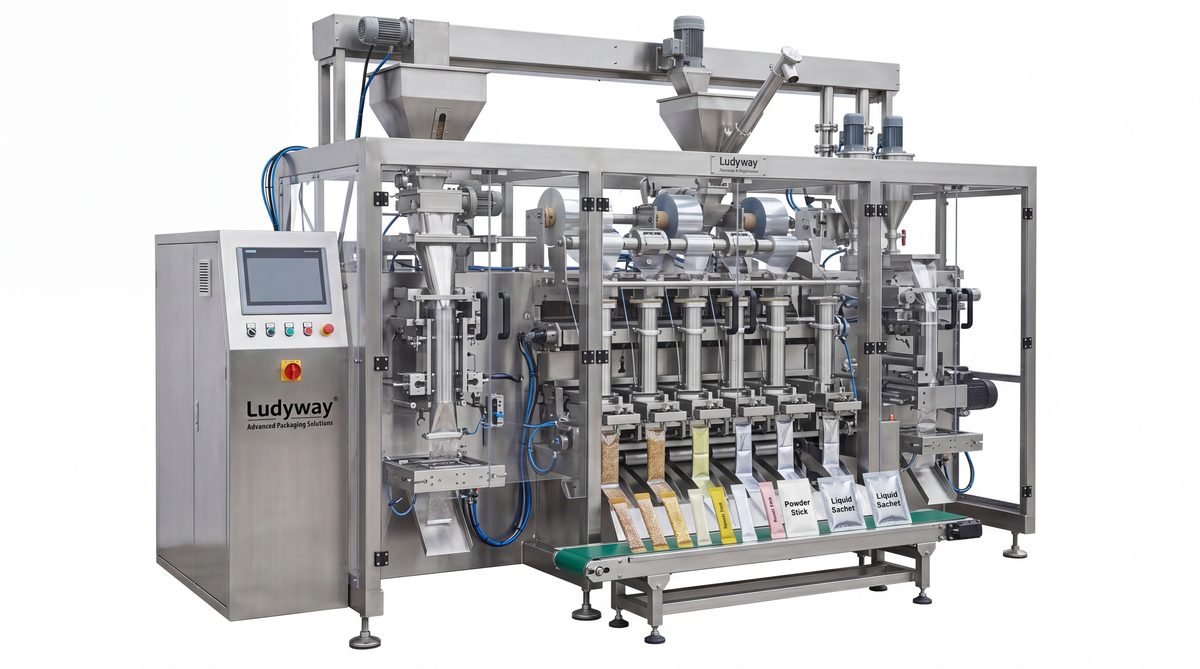
Multi-Lane Stick Pack & Sachet Packaging Machine for Granule, Powder, Liquid
View Specifications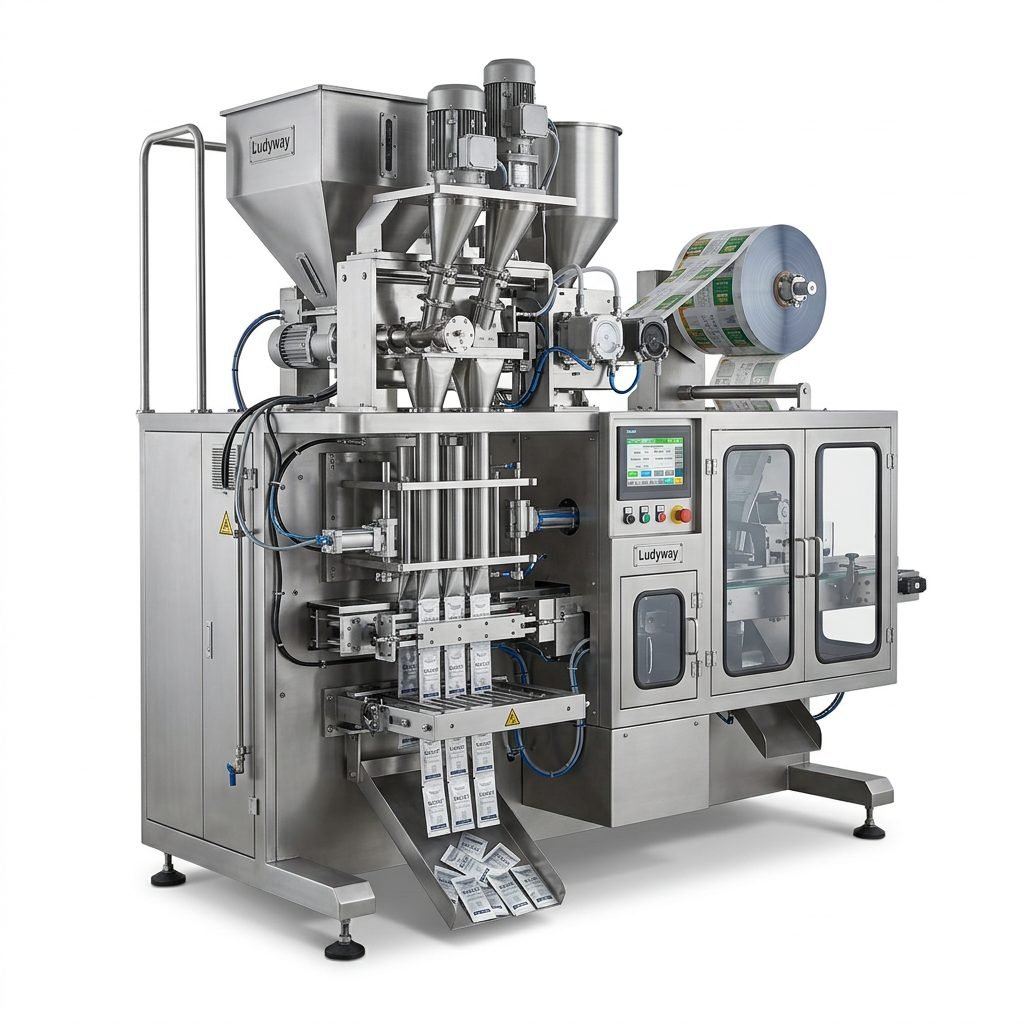
Multi-Lane Sachet Packaging Machine for Powder Granule Liquid Filling
View Specifications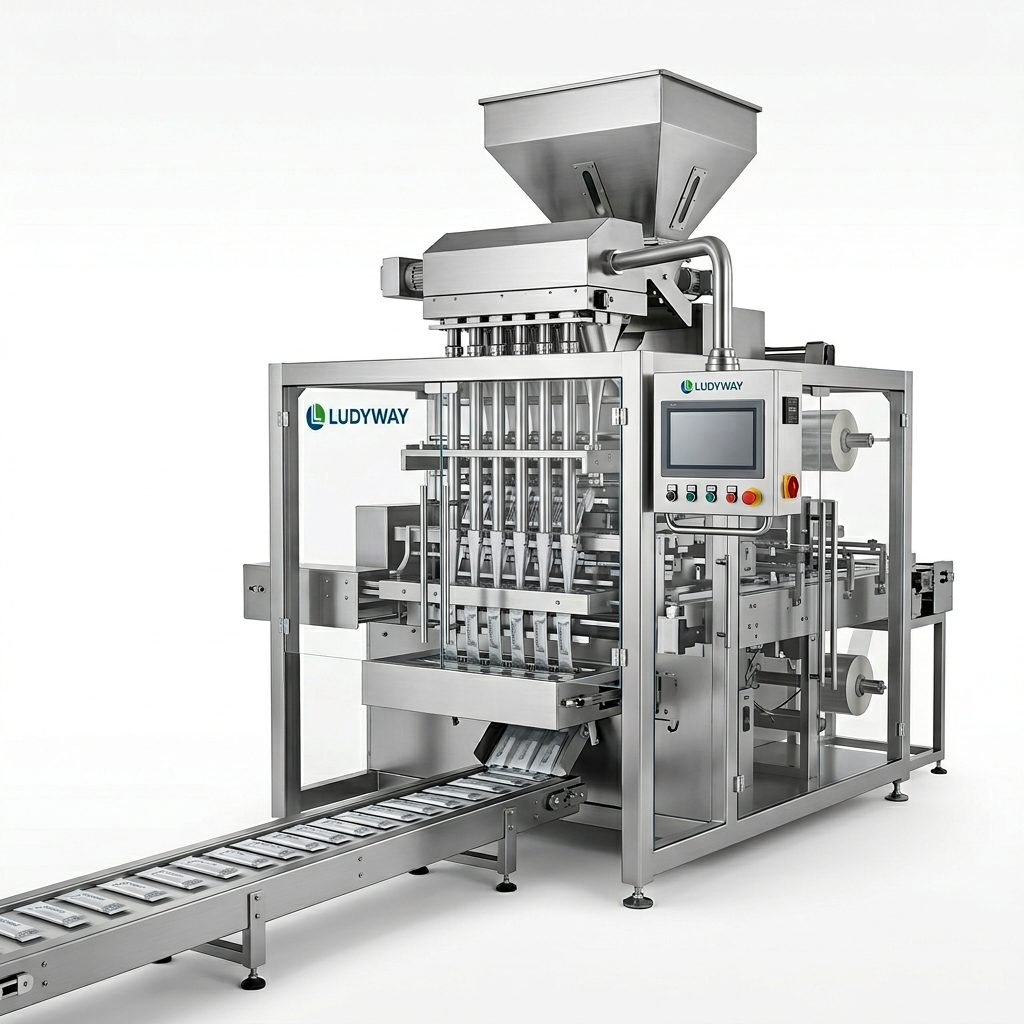
High-Speed Multi-Lane Powder Packaging System for Food and Pharma
View Specifications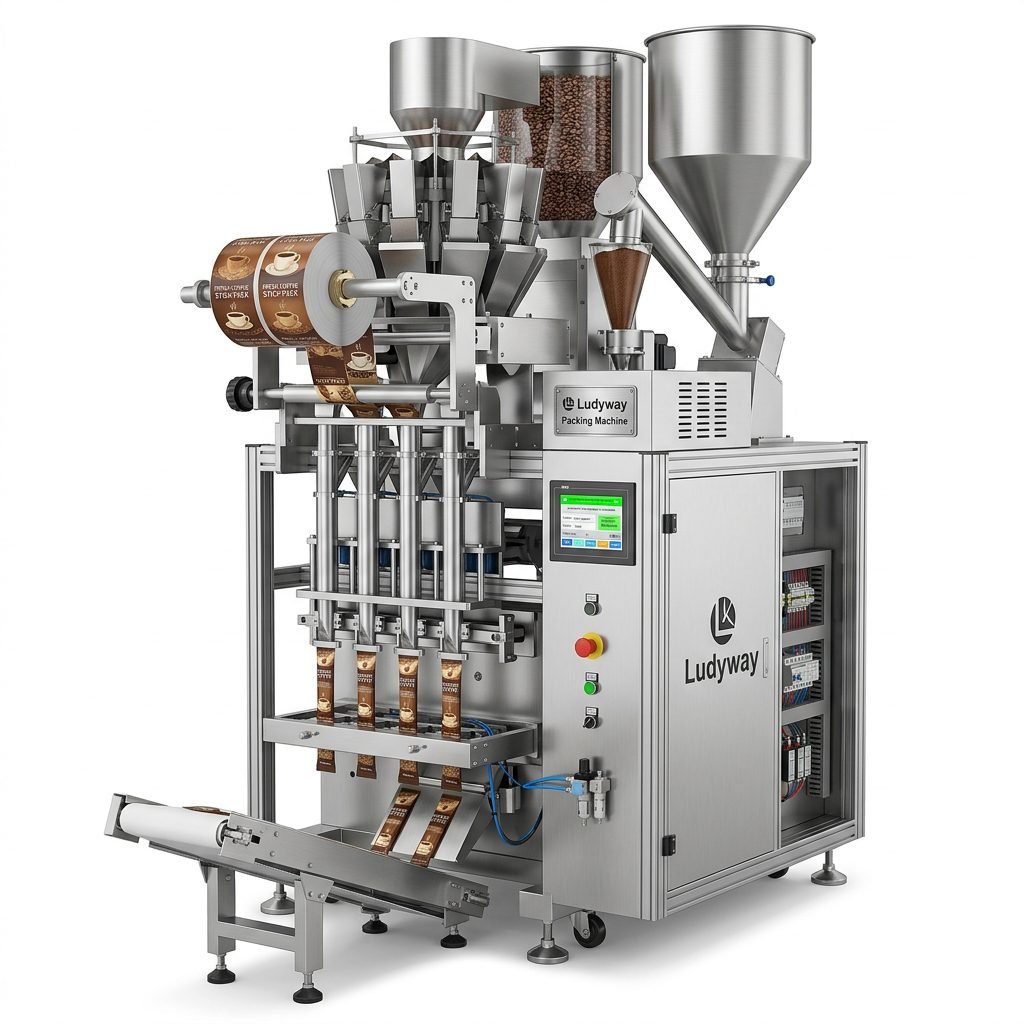
Automatic Multi-Lane Coffee Bean Packaging Machine for Granule and Powder
View Specifications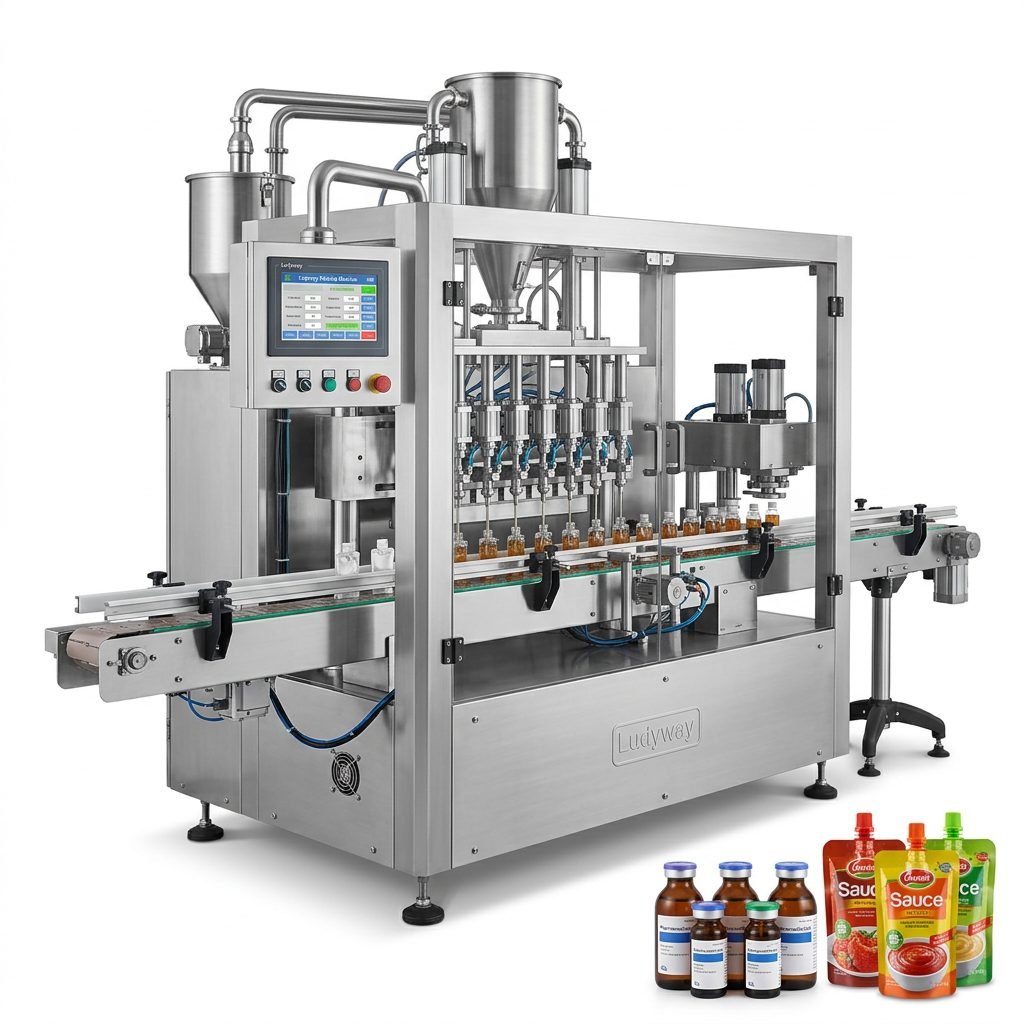
Liquid Filling System for Food & Pharma – Multi-Nozzle Automated Packaging
View Specifications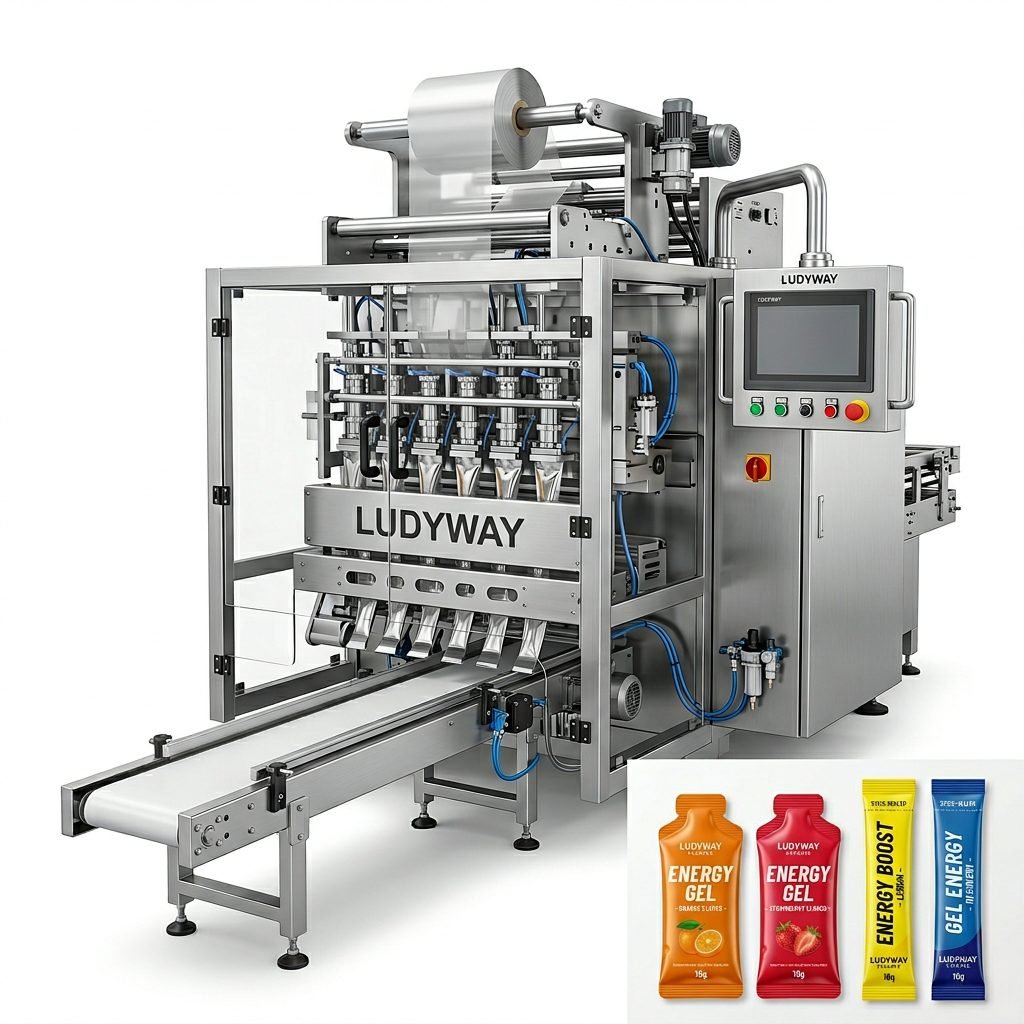
High-Speed Multi-Lane Energy Gel Sachet & Stick Pack Packaging Machine
View Specifications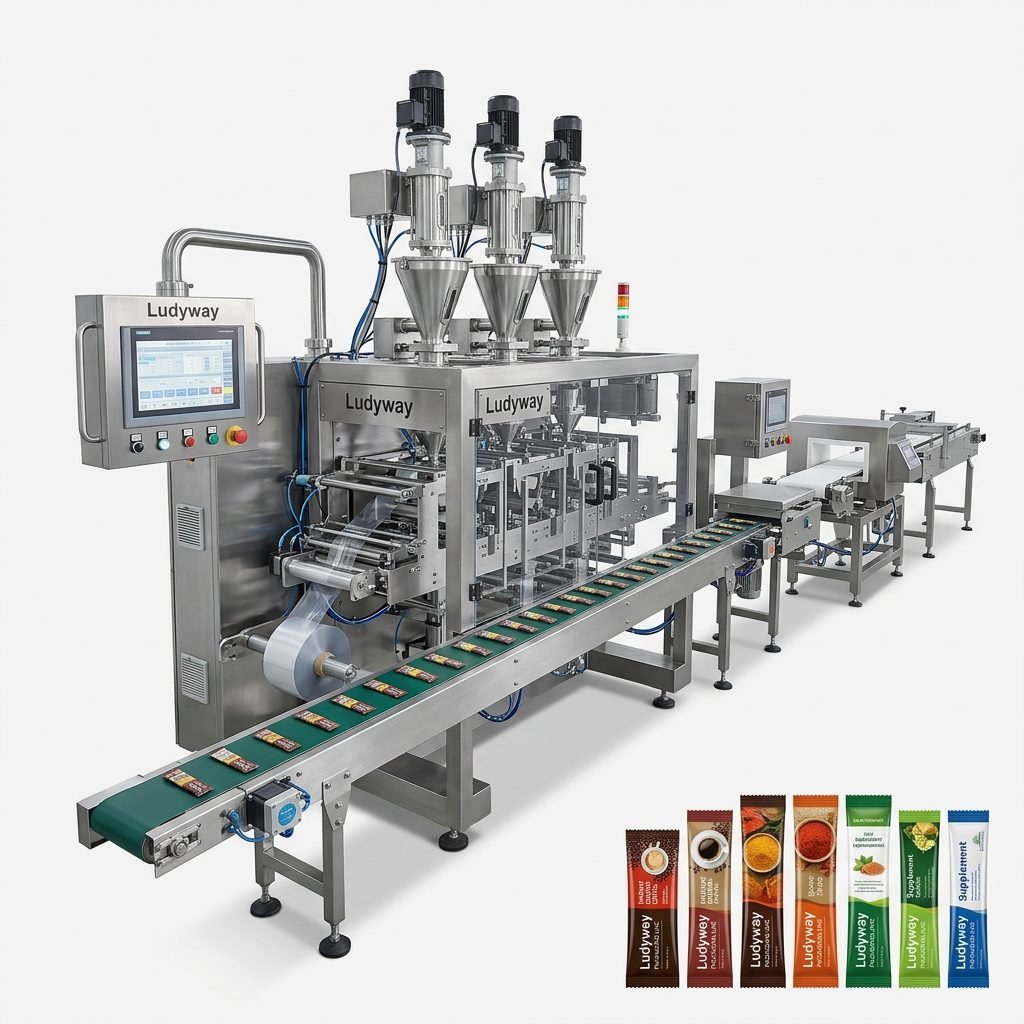
Multi-Lane High-Speed Stick Pack Packaging Lines for Granules and Powders
View Specifications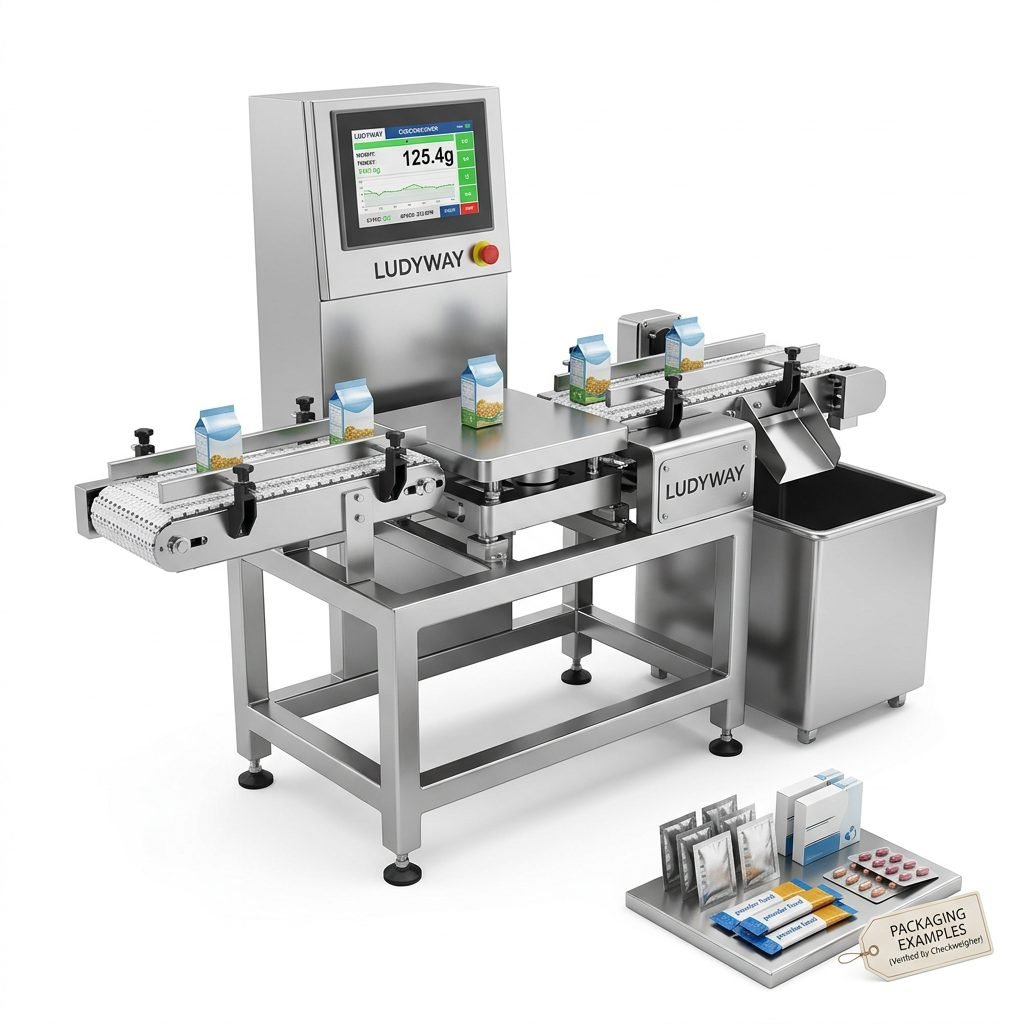
High-Precision Checkweigher for Food & Pharmaceutical Packaging Lines
View SpecificationsThe Electronic Brain: PLC Automation, Multi-Axis Servos & Smart Diagnostics
Modern packaging machines have evolved from purely mechanical chain-and-cam mechanisms into fully digital, software-driven servo platforms. The central industrial controller coordinates every millisecond of operation, ensuring mechanical parts never collide and sealing pressure remains constant despite fluctuations in machine speed.
Multi-Axis Servo Synchronization
Independent high-torque servo motors govern the film pulling belts, vertical seal reciprocating movements, horizontal jaw clamping, and rotary cut-off knives. Using electronic camming profiles (E-CAM), the controller dynamically accelerates and decelerates each axis to match the cycle rhythm, reducing mechanical shock, minimizing noise, and extending component life.
Intelligent PID Thermal Management
Airtight package integrity relies on strict thermal control. Embedded thermocouple sensors within the alloy sealing jaws transmit real-time thermal curves to proportional-integral-derivative (PID) controllers. When packaging lines change speed from 50 to 120 cycles per minute, heating power adjusts proactively to compensate for variations in dwell-time cooling.
HMI Intuitive Recipe Storage
Industrial touch-screen Human-Machine Interfaces (HMI) store hundreds of parameterized product recipes (including package lengths, sealing temperatures, dosing revolutions, and nitrogen flush timing). Operators switch between different pouch sizes or materials in minutes with zero mechanical rewiring, drastically lowering changeover downtime.
Industry 4.0 & Cloud Telemetry
Equipped with OPC-UA, Ethernet/IP, or Modbus protocols, smart packaging systems continuously broadcast Overall Equipment Effectiveness (OEE) metrics, uptime percentages, error logs, and motor temperature telemetry to centralized SCADA databases, enabling predictive maintenance before part wear causes line stoppages.
Integrating Upstream Feeding & Downstream Packaging Systems
A primary packaging machine rarely operates in isolation. In large-scale industrial manufacturing, it acts as the centerpiece of an integrated turnkey line that spans from raw ingredient conveying to final container palletizing.
Upstream systems include Packaging Auxiliary Equipment like vacuum feeders, bucket elevators, and bulk storage silos that automatically refill dosing hoppers using level-sensor triggers. Downstream integration bridges the primary package into outer transport containers:
- Automated Sachet Collating & Counting: Groups individual stick packs or sachets into precise batch quantities.
- High-Speed Horizontal Cartoning: Automatically erects chipboard cartons, inserts sachet clusters with informational leaflets, and glues the flaps shut.
- Case Packing & Taping: Stacks multiple cartons into corrugated shipping boxes and seals them with adhesive tape.
- Robotic Palletizing: End-of-line articulated robotic arms stack cases onto standard wood/plastic pallets in optimized interlock patterns.
About Ludyway Packaging Machinery
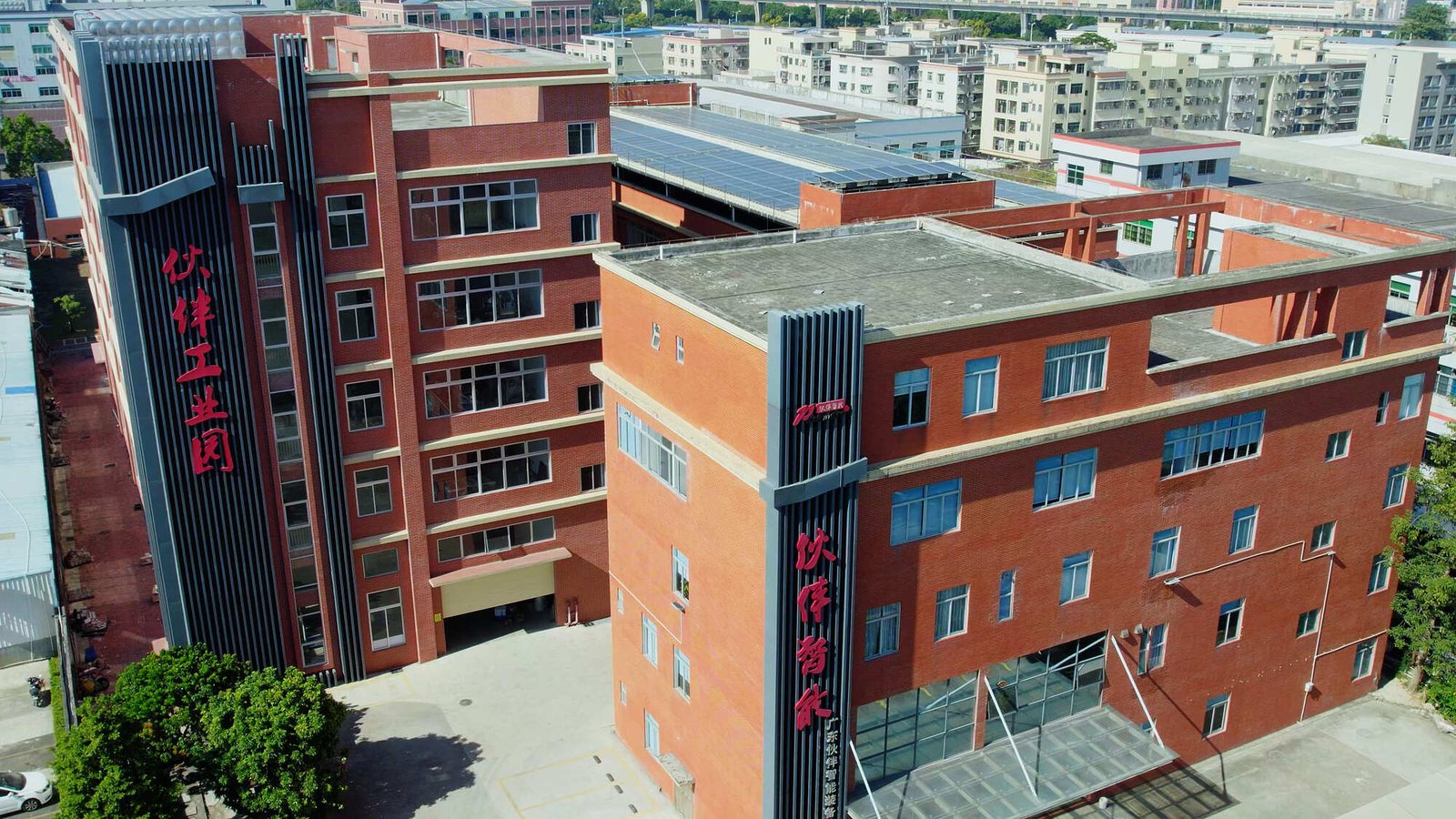
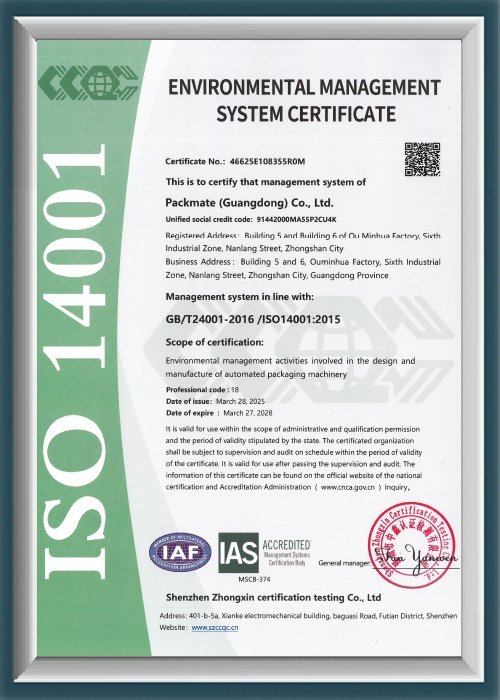
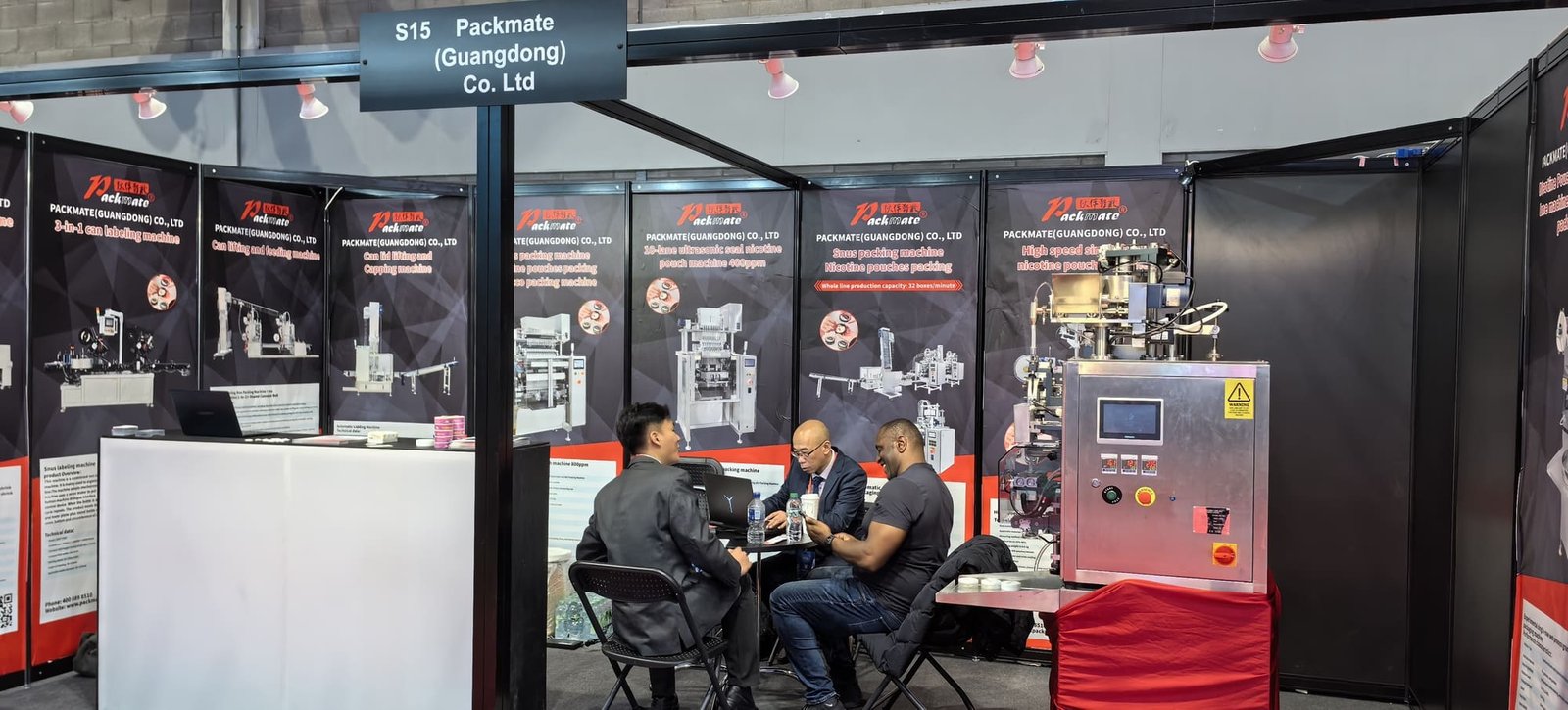
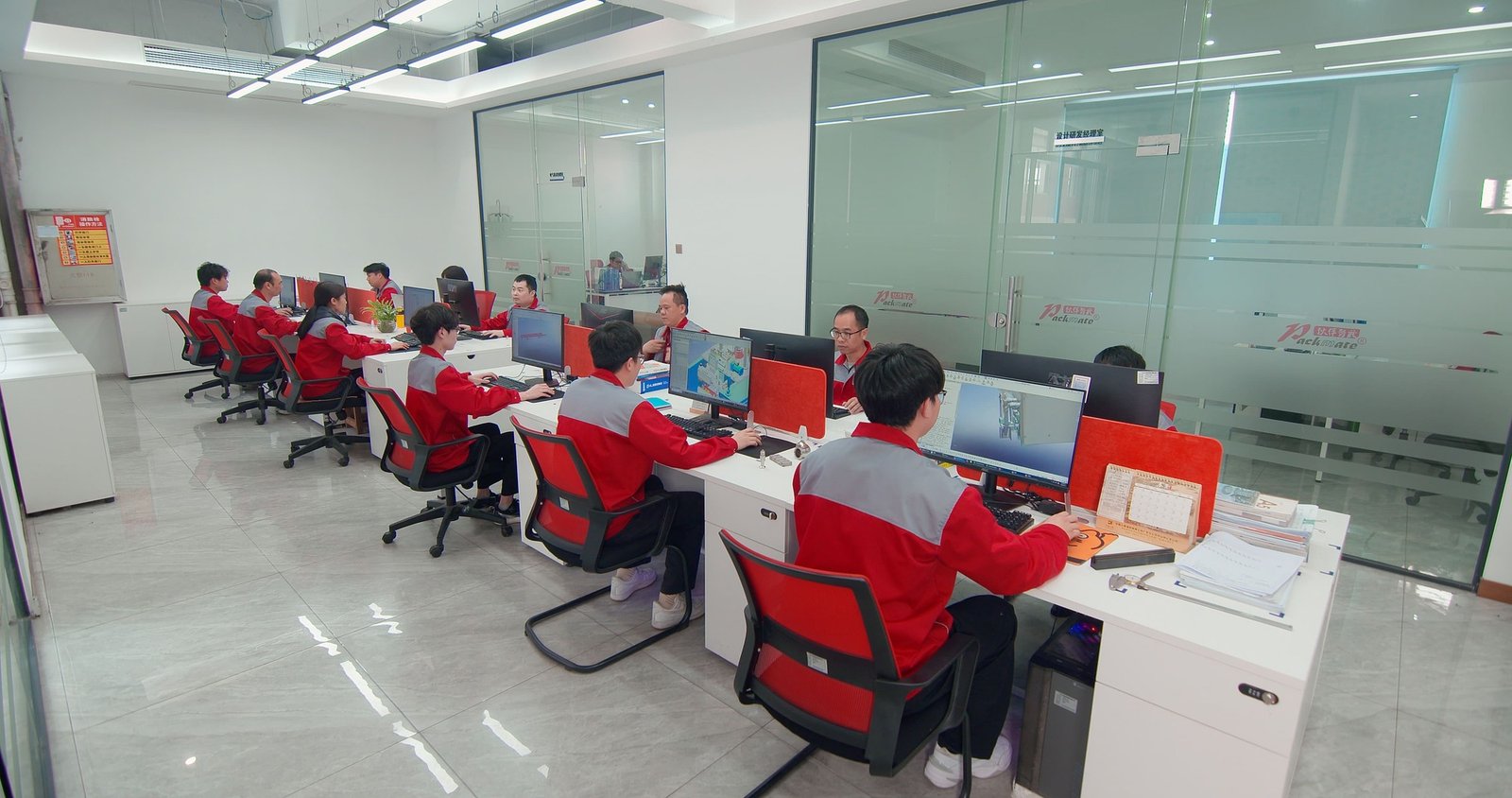
Ludyway is one of China’s premier packaging machine manufacturers, specializing in high-speed, intelligent packaging equipment and customized turnkey automation for the Food, Pharmaceutical, Cosmetic, and Chemical industries.

Technical Packaging Machinery Questions Answered
What is the primary difference between VFFS and HFFS machines?
Vertical Form-Fill-Seal (VFFS) processes film vertically downwards, utilizing gravity for product filling, which makes it ideal for powders, granules, and loose bulk snacks. Horizontal Form-Fill-Seal (HFFS) drives film along a horizontal plane, providing better support for fragile solids, multipacks, wipes, and uniform rectangular items.
How do packaging machines maintain airtight (hermetic) seals?
Airtight sealing is achieved through a precise balance of three parameters: temperature, contact pressure, and dwell time. Precision-machined heated sealing jaws melt the internal polymer layer (such as LDPE or Surlyn) while maintaining structural integrity of outer PET or Aluminum foil barrier layers.
Why is nitrogen gas flushing applied during packaging?
Nitrogen flushing displaces oxygen within the pouch cavity prior to final transverse sealing. Removing oxygen inhibits lipid oxidation, prevents mold development, protects aromatic freshness, and prolongs the shelf-life of roasted coffee, baby food powders, and dietary supplements.
How can fill accuracy be optimized on high-speed lines?
Fill accuracy depends on consistent product bulk density, servo encoder resolution, feedback loops with downstream dynamic checkweighers (which automatically adjust auger revolutions for weight drift), and anti-drip or dust-extraction mechanisms to prevent product from fouling sealing areas.
Ready to Upgrade Your Packaging Line Efficiency?
Partner with Ludyway Machinery to engineer custom, high-speed multi-lane stick pack, sachet, and complete turnkey packaging systems tailored to your formulation and target capacity.
