
What Truly Separates Semi-Automatic from Fully Automatic Systems?
In modern industrial manufacturing, packaging machinery is fundamentally classified by the degree of manual intervention required throughout feeding, forming, filling, sealing, and secondary discharge cycles.
Semi-Automatic Packaging Machinery
Semi-automatic packaging machines rely on synchronized collaboration between human labor and automated mechanical execution. While precision metering, volumetric dosing, or sealing cycles are mechanically regulated, the operator remains essential for initiating cycles, positioning empty containers, or manually feeding individual pouches.
These units excel in small-to-medium manufacturing environments, pilot plants, and facilities running frequent SKU variations where high-speed changeovers override the necessity of continuous ultra-high throughput.
- Manual Loading Phase: Human placement of pre-formed pouches, jars, or bottles onto the indexing platform.
- Cycle Triggering: Activation via pneumatic foot pedals, optical hand sensors, or push-button controls.
- Discharge Intervention: Manual removal, quality verification, and offline transfer to secondary cartoning.
Fully Automatic Packaging Systems
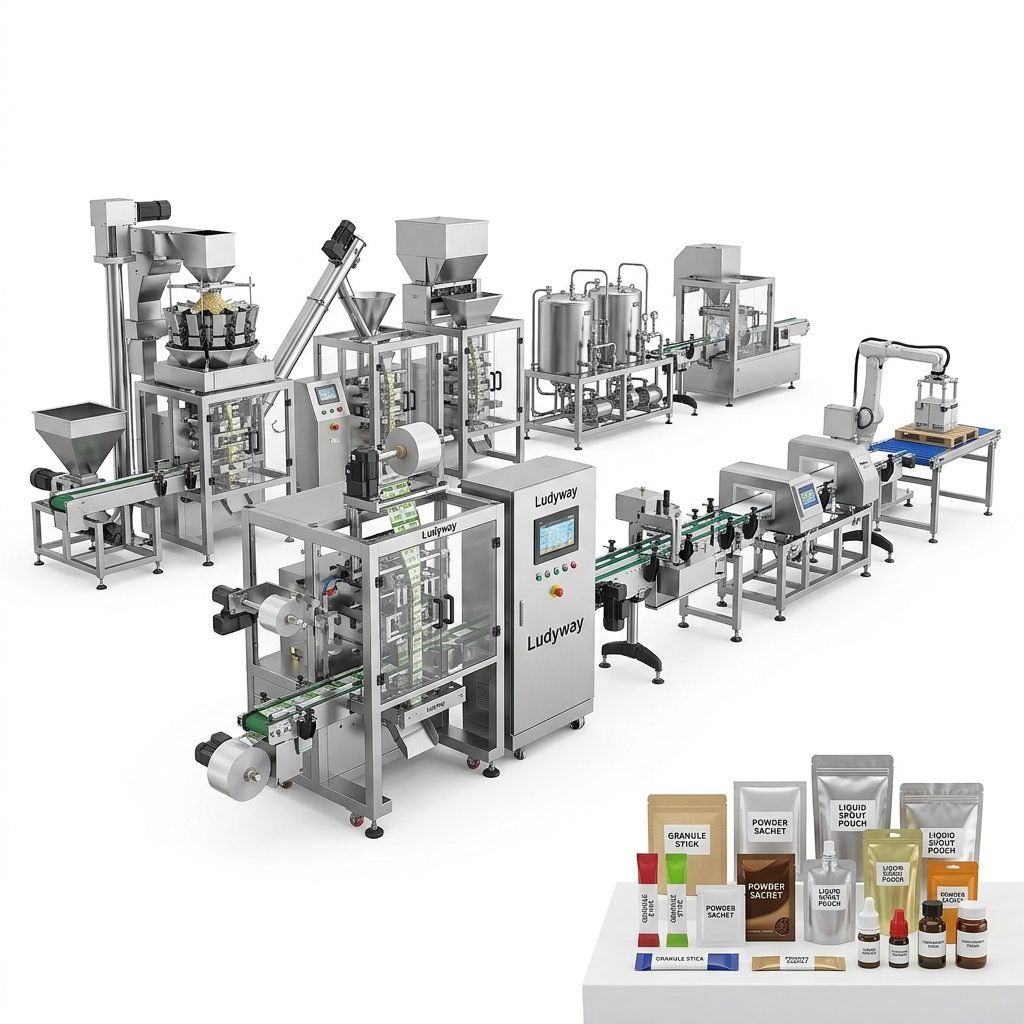
Fully automatic packaging machinery executes the complete lifecycle of packaging without routine human intervention. Leveraging centralized PLC architectures, servo-driven kinematic motion, and photoelectric registration, these continuous lines transform raw bulk materials and rolled film into sealed, inspect-ready consumer packages.
Engineered for large-scale production, automated lines deliver maximum unit consistency, zero operator-induced fatigue bottlenecks, and seamless downstream integration into case packers and robotic palletizers.
- Automated Infeed & Film Unwind: Continuous roll stock tensioning with optical edge correction and automated splicing.
- Multi-Lane Synchronized Dosing: High-precision multi-head auger, piston, or weigher discharge accurate to ±0.5%.
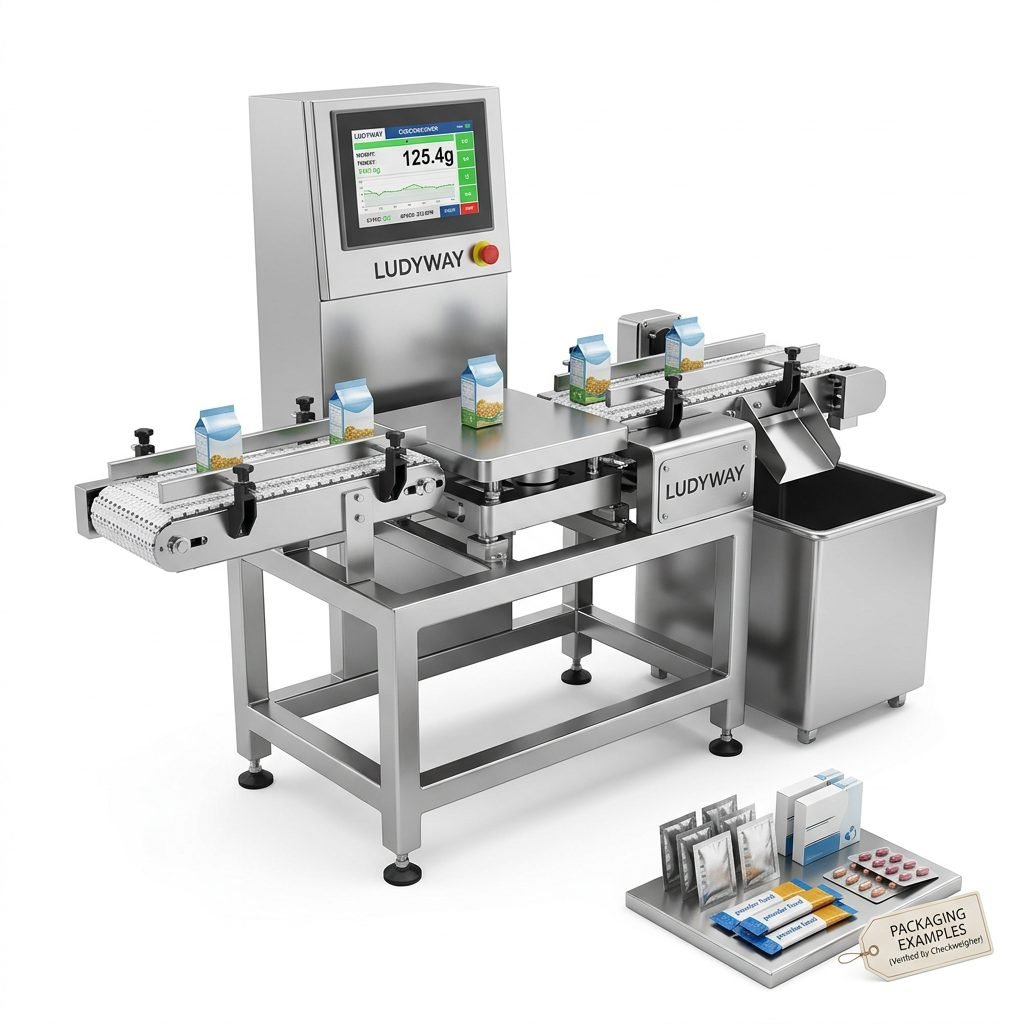
- In-Line Inspection & Rejection: Dynamic checkweighing, vision seal verification, and pneumatic sorting at line speed.
Direct Comparison: Specifications, Metrics & Economics
A systematic engineering comparison covering performance thresholds, capital expense allocation, and technical complexity.
| Core Parameter | Semi-Automatic Machine Lines | Fully Automatic Packaging Lines |
|---|---|---|
| Production Speed (Output) | 10 – 35 units per minute (Dependent on operator pacing & dexterity) | 60 – 600+ units per minute (Continuous multi-lane or rotary cycles) |
| Labor Requirement | 1 – 2 full-time operators per workstation | 0.1 – 0.25 operators (1 technician monitors multiple integrated lines) |
| Initial Capital Cost (CapEx) | Low to Moderate (Ideal for initial market testing & startups) | Higher initial investment (Justified through ultra-low unit cost) |
| Filling Accuracy & Tolerance | Standard accuracy (±1% to ±2% depending on manual trigger consistency) | Servo-regulated micro-precision (±0.2% to ±0.5%) |
| SKU & Tooling Changeover | Fast mechanical adjustment (10 – 20 minutes, minimal tooling needed) | Recipe-driven HMI recall + quick-release modular forming collars |
| Footprint & Installation | Compact, benchtop, or standalone movable frames | Comprehensive turnkey line footprint with auxiliary feeding conveyors |
| Quality Control Integration | Manual sampling & visual spot-checks by production staff | Inline automated vision inspection, checkweighing & auto-reject |
| Break-Even Production Volume | Under 100,000 units/year | 500,000 to tens of millions of units/year |
How to Select the Right Machinery for Your Facility
Evaluating machinery requires assessing production volume, floor layout, packaging morphology, and long-term operating expenditures (OpEx).
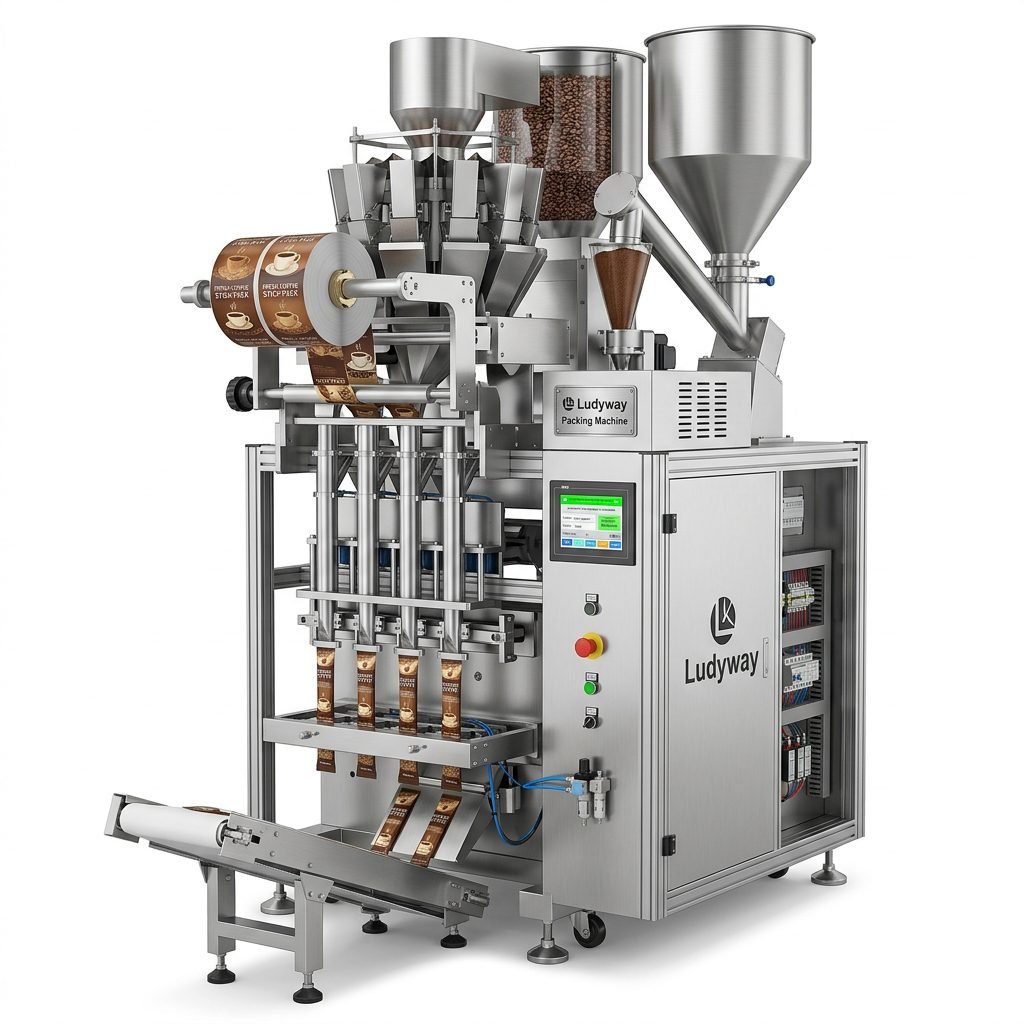
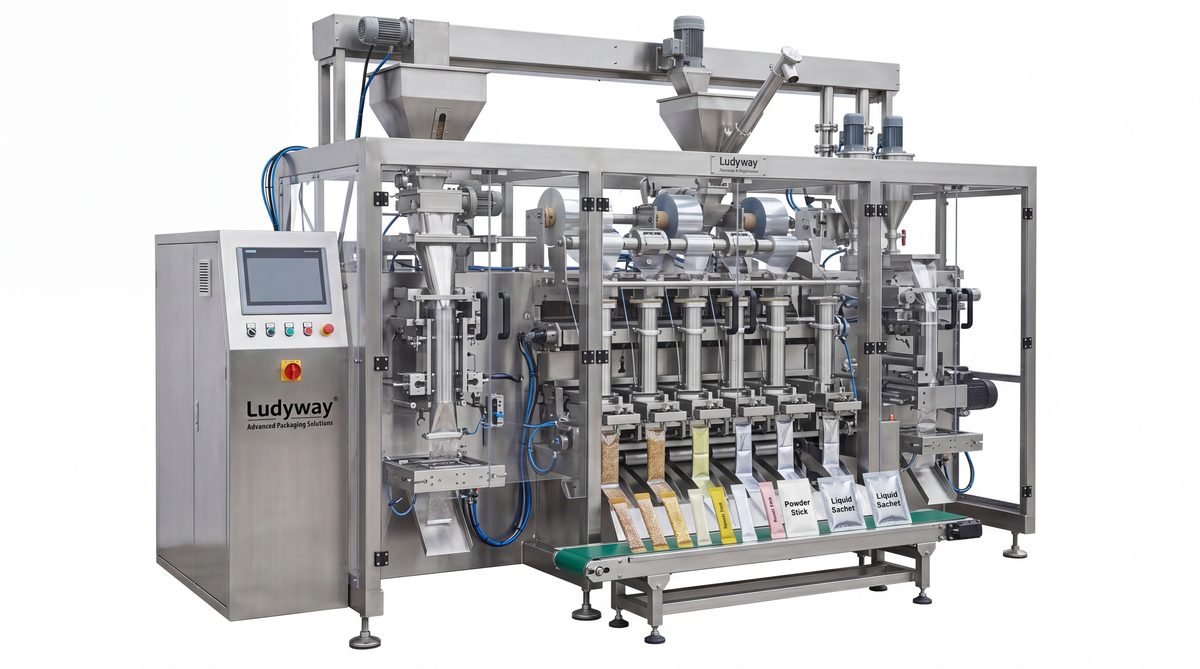
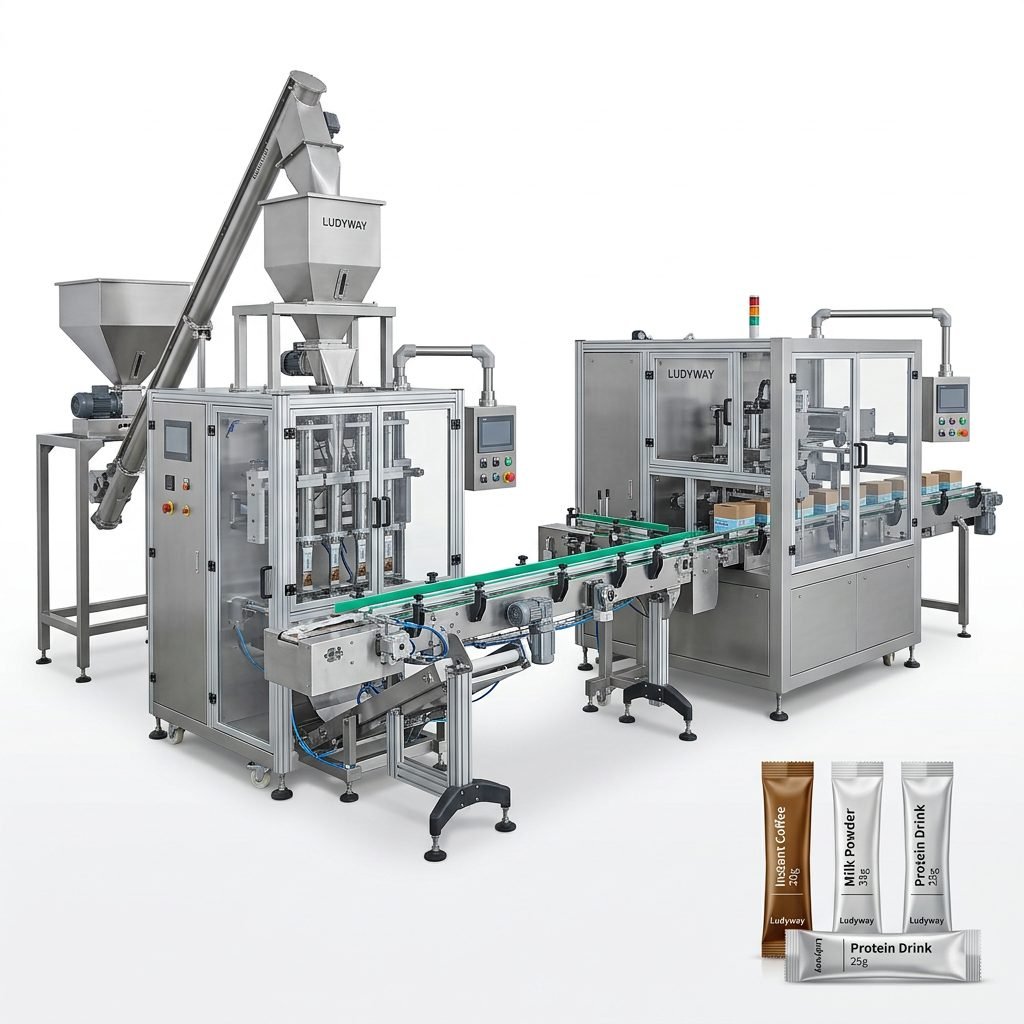
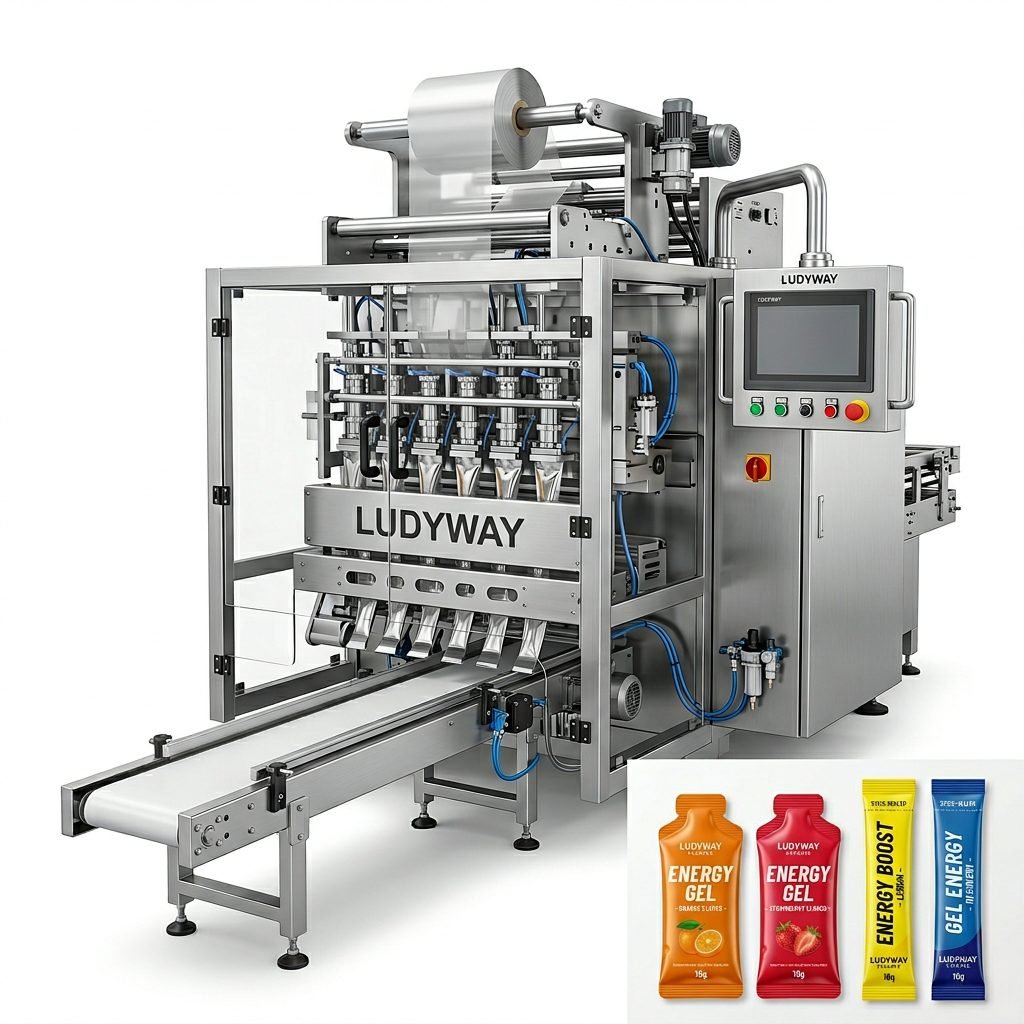
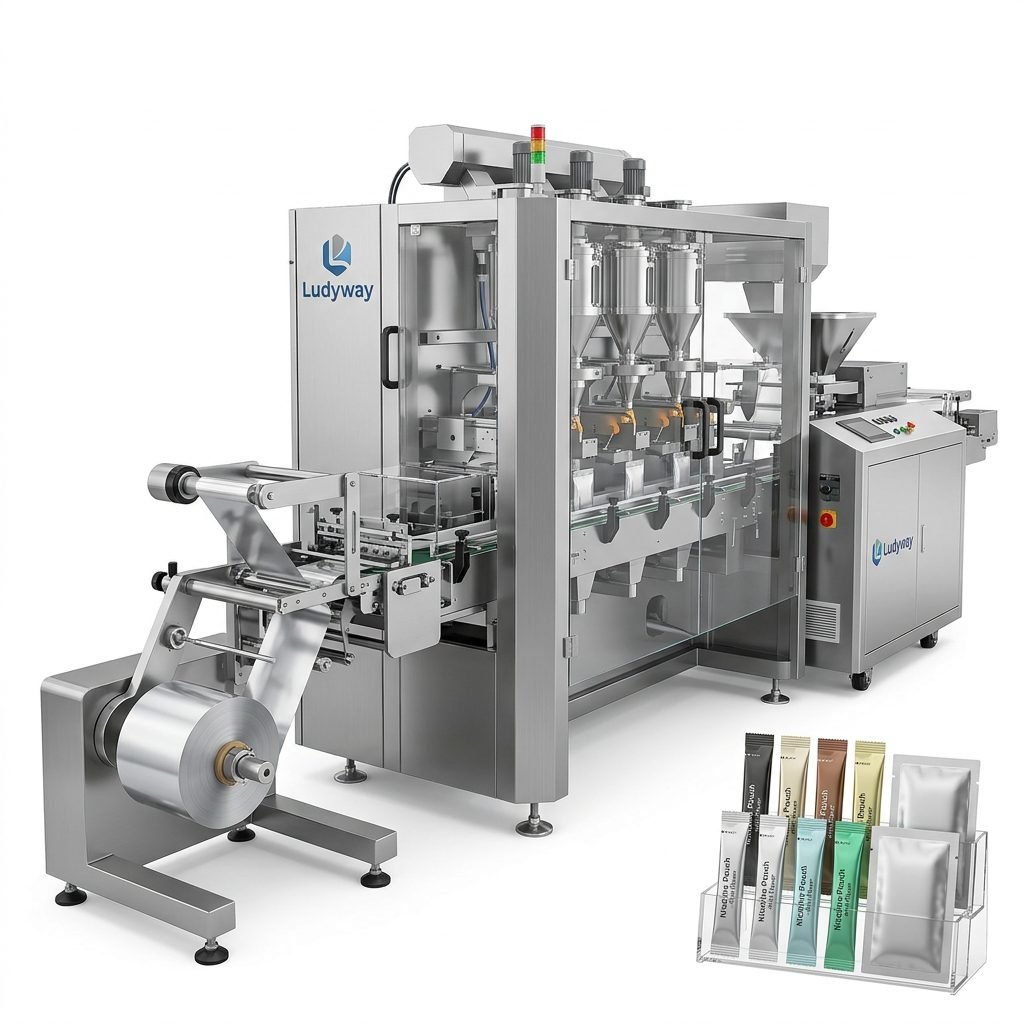
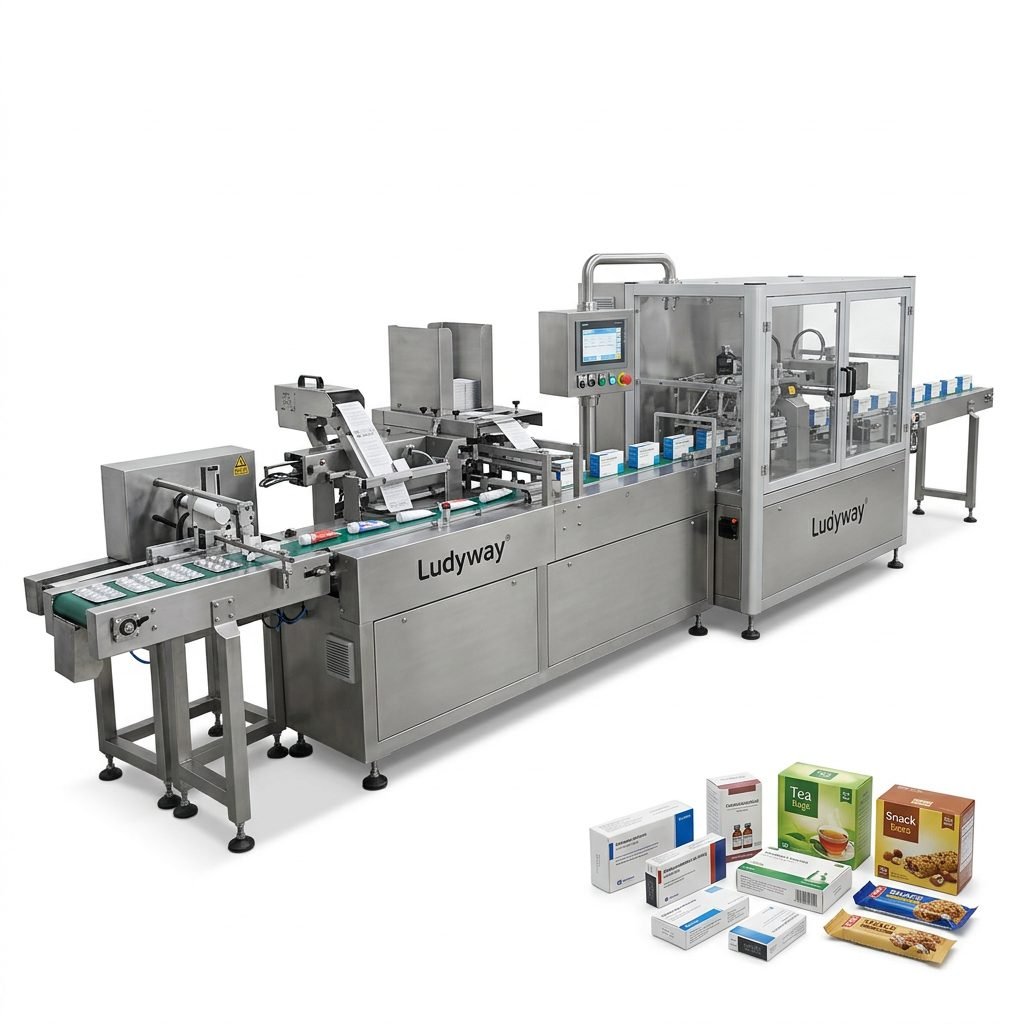
Featured Automated Packaging Equipment & Solutions
High-precision stick pack, sachet, and complete turnkey packaging systems engineered for global performance, reliability, and scale.
How Global Industries Deploy Automation Levels
From cleanroom pharmaceuticals to high-volume commercial food production, choosing the appropriate automation grade is pivotal to regulatory compliance and profitability.
Food & Beverage Processing
In instant coffee, beverage powders, seasonings, and snacks, full automation is essential for high-speed multi-lane stick packing and nitrogen flushed sachet sealing, ensuring extended shelf life and massive retail throughput.
Pharmaceuticals & Health
Sterile stick packs for granules, ORS rehydration salts, and vitamin supplements demand fully automated cleanroom systems equipped with laser batch coding, vision checkweighing, and automated rejection to prevent cross-contamination.
Chemicals & Agriculture
Fertilizers, agrochemical powders, and industrial detergents utilize robust fully automated bagging systems to isolate workers from hazardous airborne dusts while maintaining high packaging volumetric precision.
Cosmetics & Personal Care
Sample sachets for serums, creams, and lotions utilize multi-lane liquid filling machines with precise anti-drip nozzles and shaped seal contours to maintain pristine visual brand appeal.
Nicotine & Modern Oral Pouches
Tobacco-free nicotine portion pouching necessitates high-speed automated multi-lane stick lines capable of micro-dosing active botanical granules followed by automated can sorting and shrink sleeving.
Pet Food & Animal Nutrition
From freeze-dried pet treats to premix livestock feed, automated vertical form-fill-seal and multi-lane sachet equipment maintain barrier seal integrity against moisture and oxidation.
Key Insights on Packaging Machinery Automation
Clear answers to help procurement managers, plant directors, and project engineers select the optimal packaging system.
In most cases, semi-automatic benchtop units cannot be directly converted into fully automatic continuous lines due to fundamental structural differences in chassis rigidity, PLC sync controllers, and film pull mechanisms. However, semi-automatic systems can be retrofitted with automatic infeed conveyors, optical batch counters, or automated discharge transfer systems to increase operational efficiency before stepping up to a complete turnkey line.
A high-speed 6-lane or 10-lane automatic stick pack/sachet machine operating at 300–500 packs per minute delivers the output equivalent of 12 to 18 manual or semi-automatic operator workstations. Typically, a single qualified technician can oversee the automated line, checkweigher, and cartooning integration, reducing direct packaging labor costs by over 80%.
Semi-automatic machines offer straightforward mechanical adjustments taking 10 to 20 minutes for different pouch sizes. Modern fully automatic packaging machines from Ludyway feature tool-less quick-release forming sets, servo-driven width adjustments, and digital recipe recall on the touchscreen HMI, completing full tooling and parameter changeovers within 20 to 35 minutes.
For operations producing above 50,000 units weekly across two shifts, the return on investment (ROI) for a fully automatic packaging system is typically achieved within 9 to 18 months, driven by direct payroll reductions, elimination of product giveaway via micro-precise dosing (±0.5%), and minimized film roll scrap.
About Ludyway Packaging Machinery
A premier Chinese machinery manufacturer delivering advanced packaging automation and turnkey production lines across six continents.
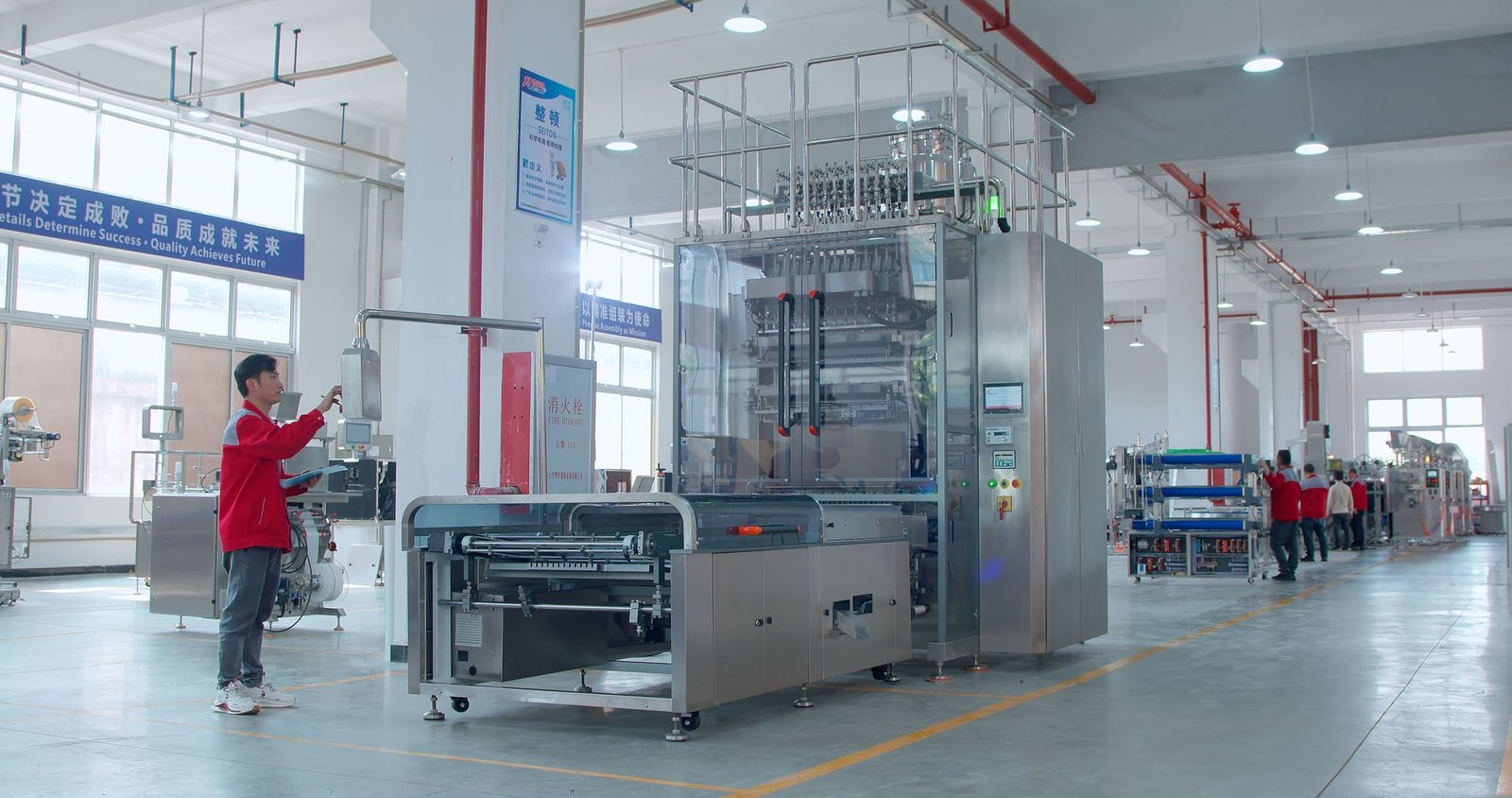
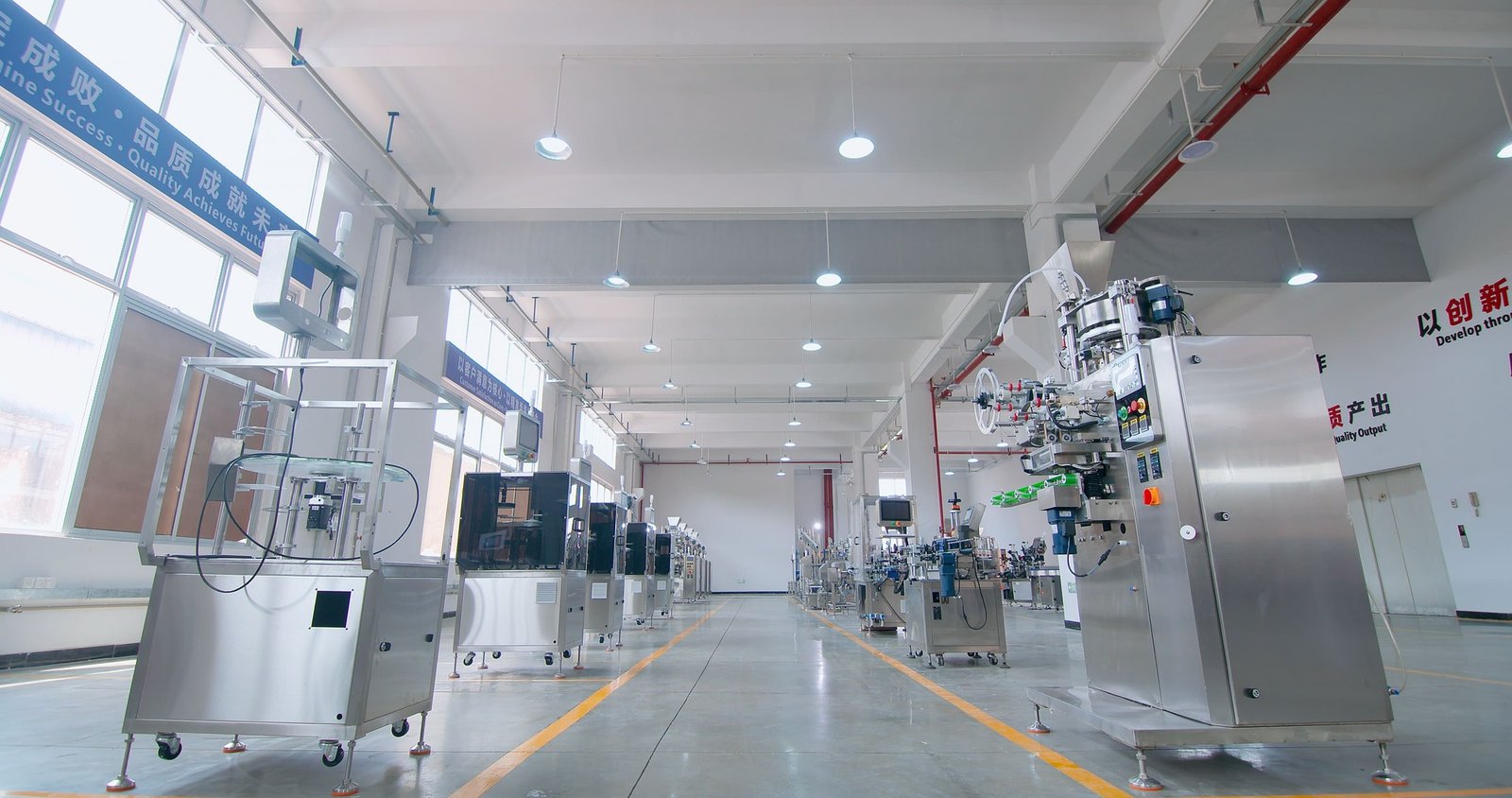
Ludyway is recognized among the premier packaging machine manufacturers in China, dedicated to delivering intelligent equipment and turnkey automation lines for food, pharmaceutical, cosmetic, and health industries. Backed by over 30 years of industry experience and a modern 20,000㎡ manufacturing facility, we engineer robust solutions for granule, powder, liquid, and pouch packaging applications.
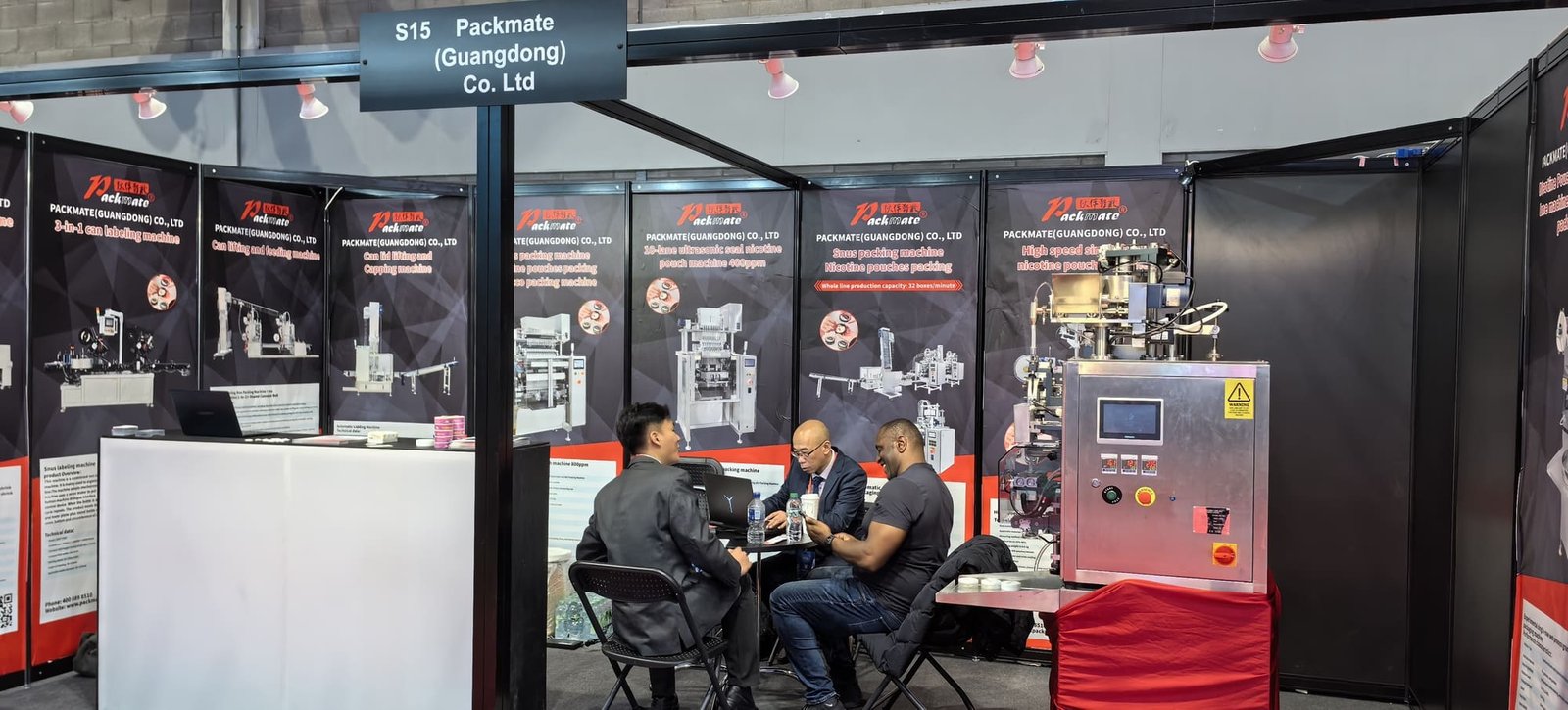
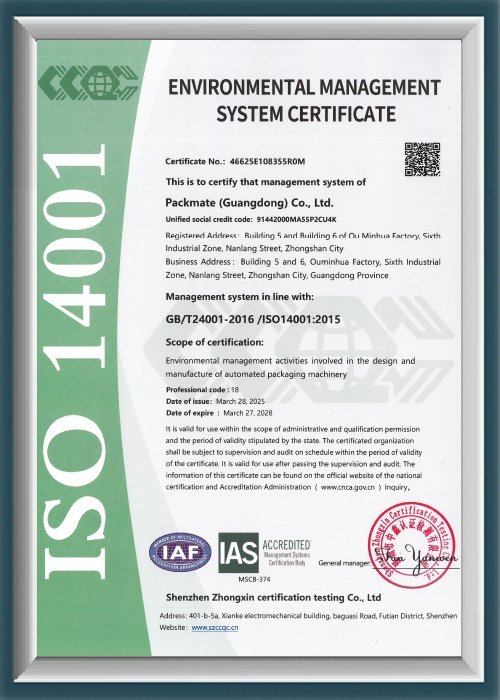
With more than 130+ professional packaging experts and over 50 intelligent machine models—spanning multi-lane stick pack systems, vertical form-fill-seal units, checkweighers, and integrated case packers—Ludyway serves clients in over 100 countries with unmatched engineering precision, CE-certified quality, and prompt lifecycle technical support.
Ready to Upgrade Your Packaging Line Efficiency?
Consult with Ludyway’s senior packaging engineers to evaluate your material characteristics, calculate exact ROI, and configure a customized semi or fully automatic packaging solution.
