
Are Packaging Machines Right for Small Businesses?
Unlock the operational formula behind scaling production, cutting labor bottlenecks, and maximizing ROI with intelligent packaging machinery engineered for growing enterprises.
The Growth Dilemma: Manual Labor vs. Automated Packaging
Every growing boutique brand reaches a critical junction where manual sealing and hand-filling hold back business expansion and profit margins.
Small-to-medium enterprises (SMEs) in industries like artisan coffee roasting, specialty spices, herbal nutraceuticals, and craft cosmetic formulations often begin operations with human-centered packaging. While hand packaging offers low upfront capital costs, it quickly morphs into an operational anchor as order volume grows.
Investing in automation transforms packing from an hourly bottleneck into a reliable, predictable profit engine. By understanding machine categories—from compact table-top sachet packers to high-speed multi-lane systems—business owners can identify the exact inflection point where capital expenditure becomes pure competitive advantage.
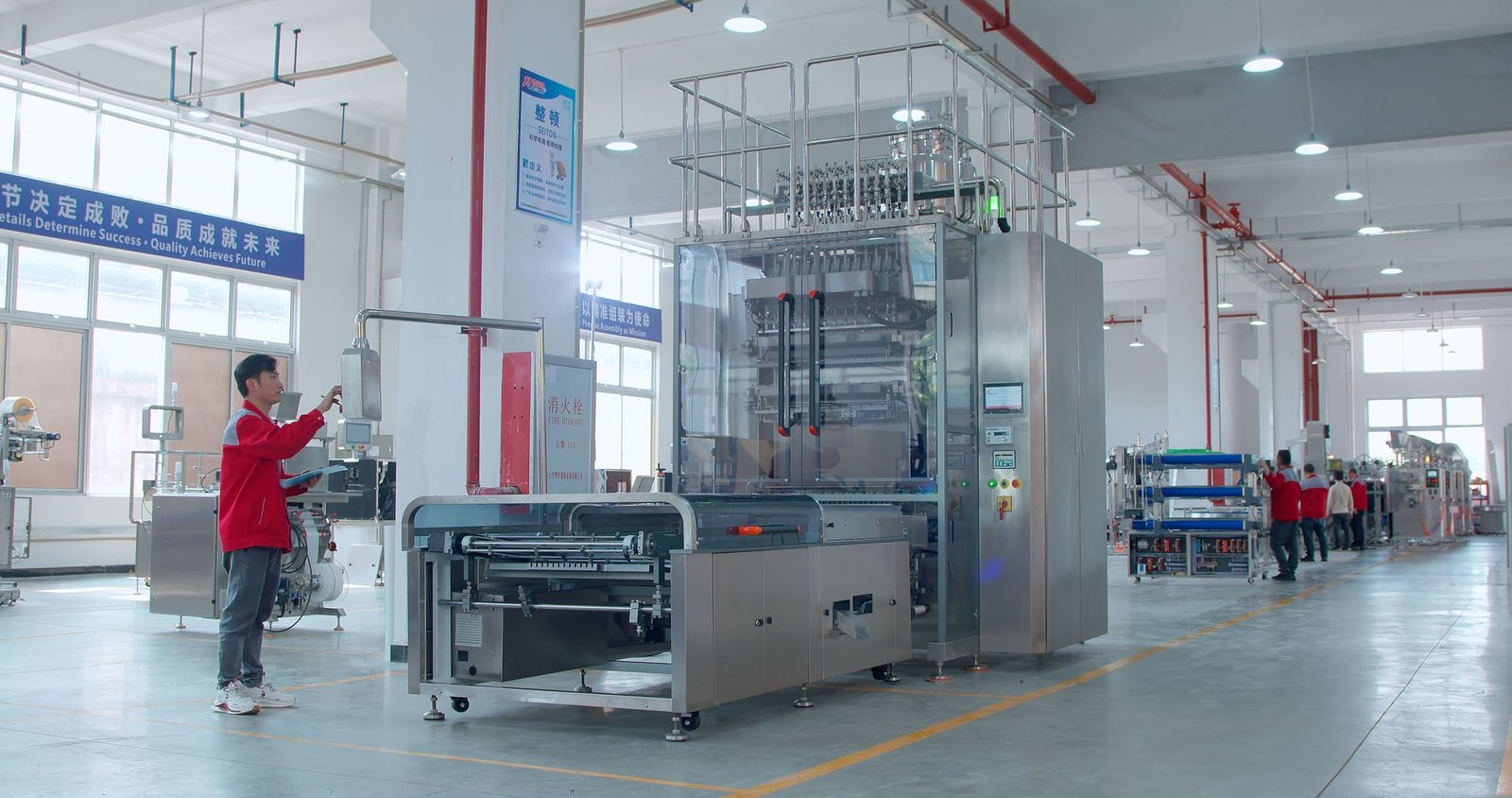
Cost-Benefit Matrix: Manual Work vs. Machine Packaging
Analyze real financial metrics across production speed, precision, labor costs, and operational footprint.
| Operational Dimension | Manual Production Team (3-4 Staff) | Entry-to-Mid Packaging Automation | Small Business Bottom-Line Impact |
|---|---|---|---|
| Output Speed (PPM) | 8 – 15 units / minute | 40 – 120+ units / minute | +400% Capacity Scale |
| Dosing Accuracy | ±3% to ±7% error variance | ±0.2% to ±0.5% high-precision | Eliminates Raw Material Waste |
| Sealing Quality & Shelf Life | Inconsistent hand-seal pressures | Hermetic thermal/ultrasonic sealing | Zero Leakage & Extended Freshness |
| Labor Reliance | High turnover & training fatigue | Single operator supervision | Saves 65%+ in Labor Costs |
| Break-Even Period | Recurring ongoing payroll costs | Calculated ROI in 4 to 9 months | Lowers Long-Term Unit Cost |
How Packaging Automation Empowers Small Enterprises
Beyond raw speed, automated machinery standardizes product shelf appearance, preserves product integrity, and frees capital to drive sales.
Flawless Retail-Grade Aesthetics
Store chains and online retail customers demand uniform, hermetically sealed sachets and stick packs. Automated sealing delivers crisp notch cuts, precision tear slots, and aligned branding that builds consumer trust.
Strict Weight Precision Control
Manual filling frequently results in costly overfills or illegal underfills. Automated multi-lane auger and vibratory dosers preserve material yields and ensure every sachet matches certified packaging tolerances.
Hygienic Cleanroom Integrity
Meeting food safety and pharmaceutical regulations demands minimal human touch. Built with food-grade SUS304/SUS316 stainless steel, machinery eliminates cross-contamination risks for powders, liquids, and tablets.
Agile Multi-Product Flexibility
Modern packaging machines feature quick-release changeover systems that allow small businesses to switch between product flavors, granule sizes, and sachet dimensions within minutes instead of hours.
Rapid Scale Capacity
Sudden influx of distributor or seasonal demand will not overwhelm your warehouse. Packaging machinery runs extended cycles at peak output, enabling rapid order fulfillment without expensive emergency temp hiring.
Space-Saving Footprint
Engineered specifically for boutique workshops and compact modular cleanrooms, vertical form-fill-seal (VFFS) systems consolidate sorting, feeding, dosing, and sealing into a clean, small-footprint footprint.
Featured Packaging Equipment for Growing Brands
Explore versatile, high-accuracy machinery engineered to maximize efficiency across powder, granule, and liquid product lines.
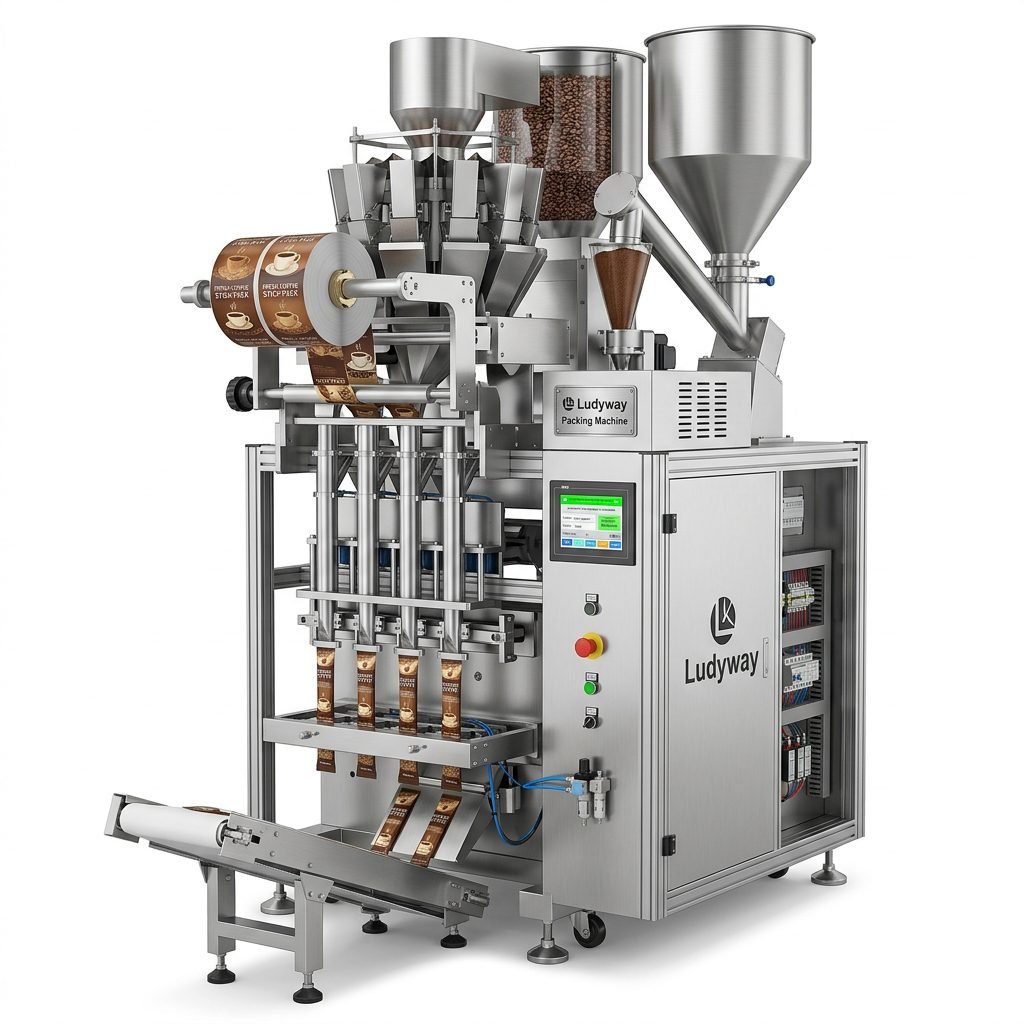
Multi-Lane Coffee Packaging Machine for Granules & Powders
View Specifications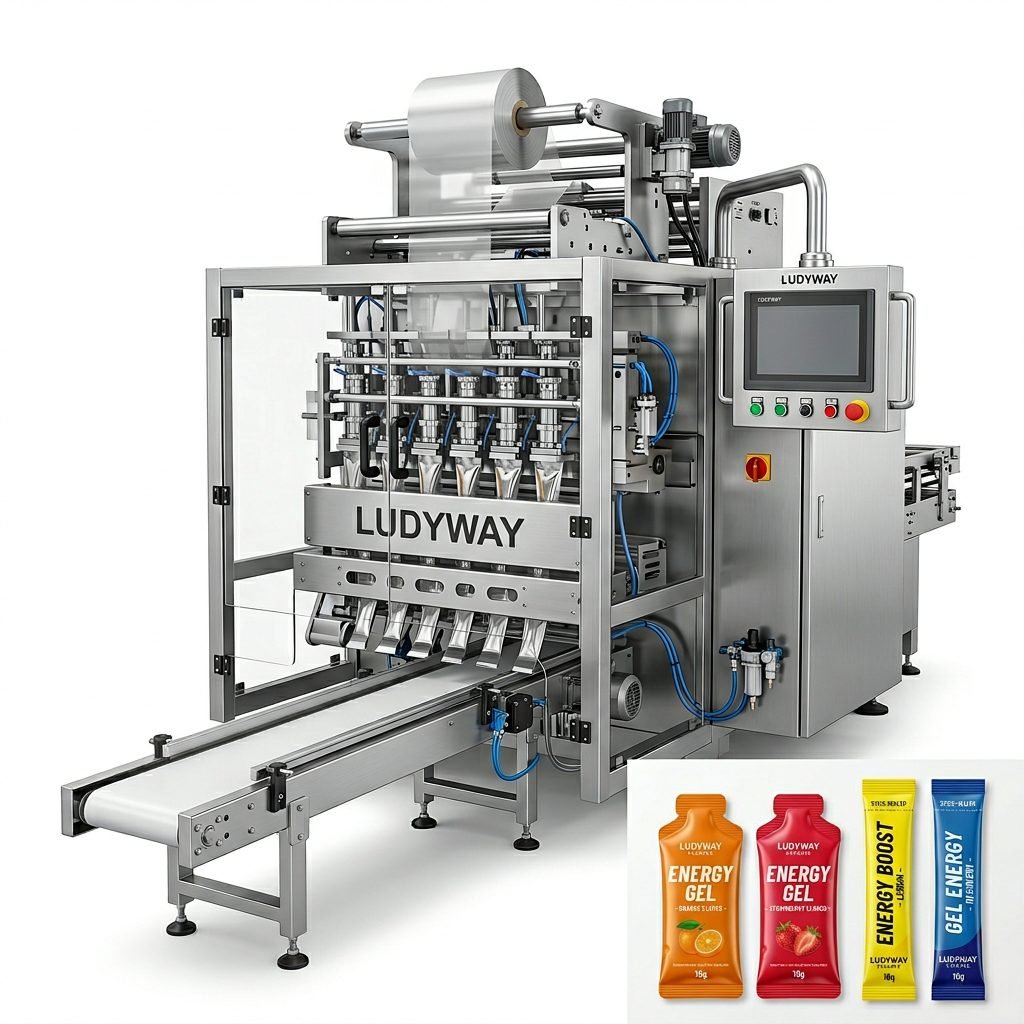
Energy Gel Sachet & Stick Pack Liquid Packaging Unit
View Specifications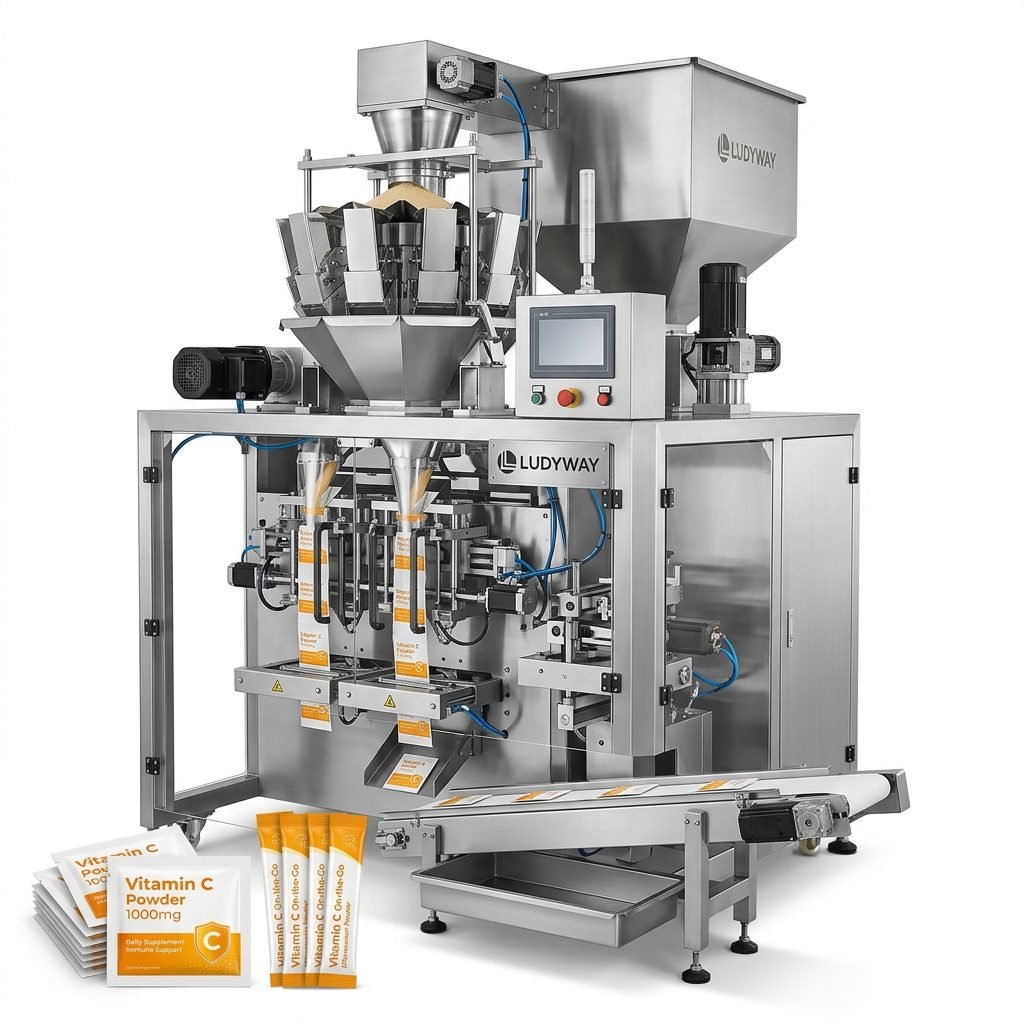
Vitamin C Powder Multi-Lane Stick Pack Sachet System
View Specifications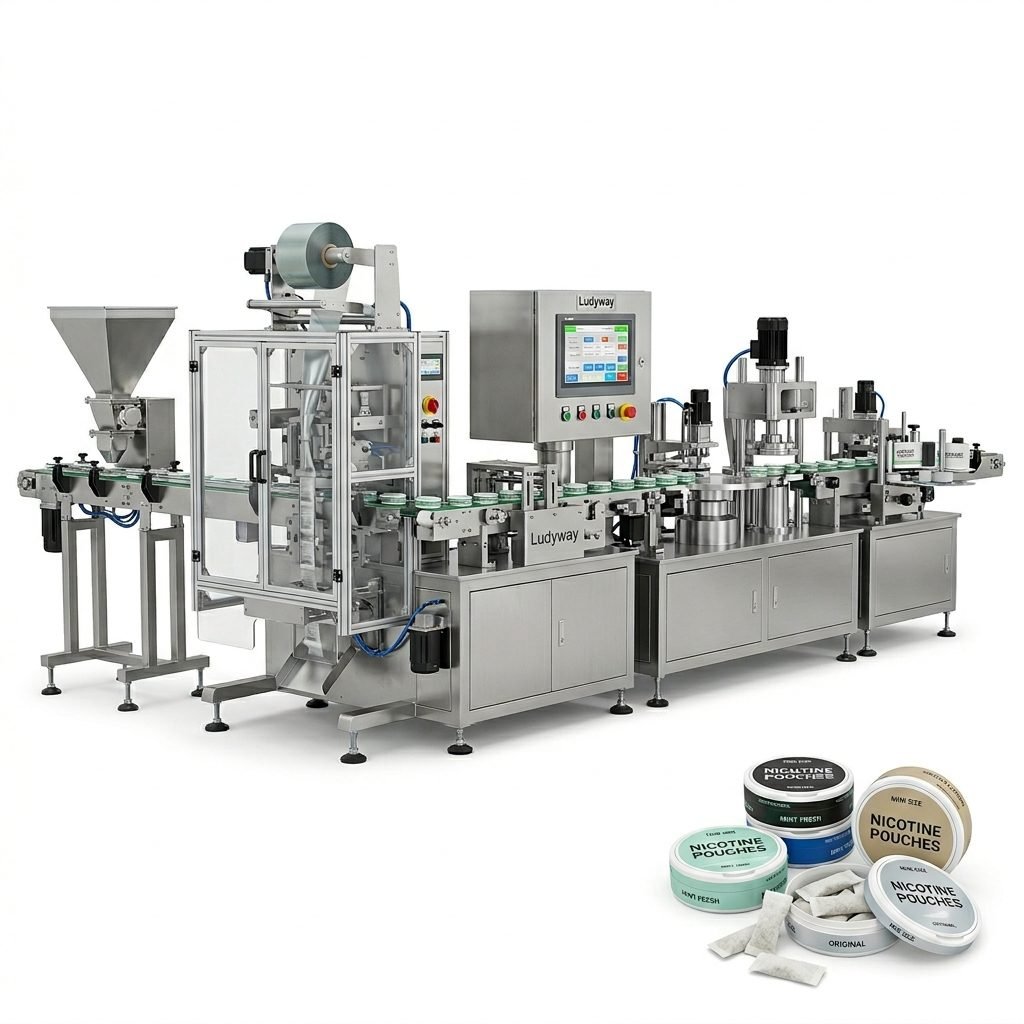
Compact Mini Pouch Packaging Line for Small Scale Labs
View Specifications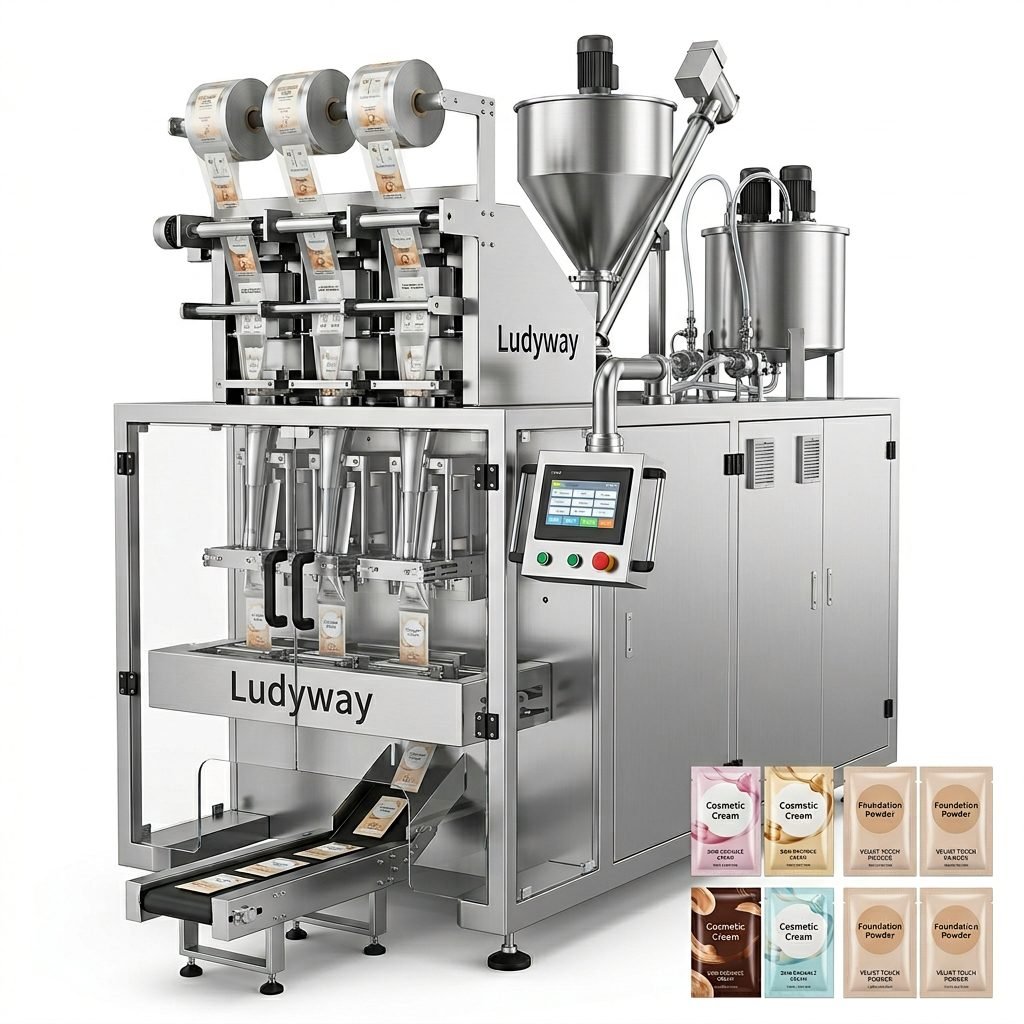
Cosmetic Sachet Filling Machine for Serums & Creams
View Specifications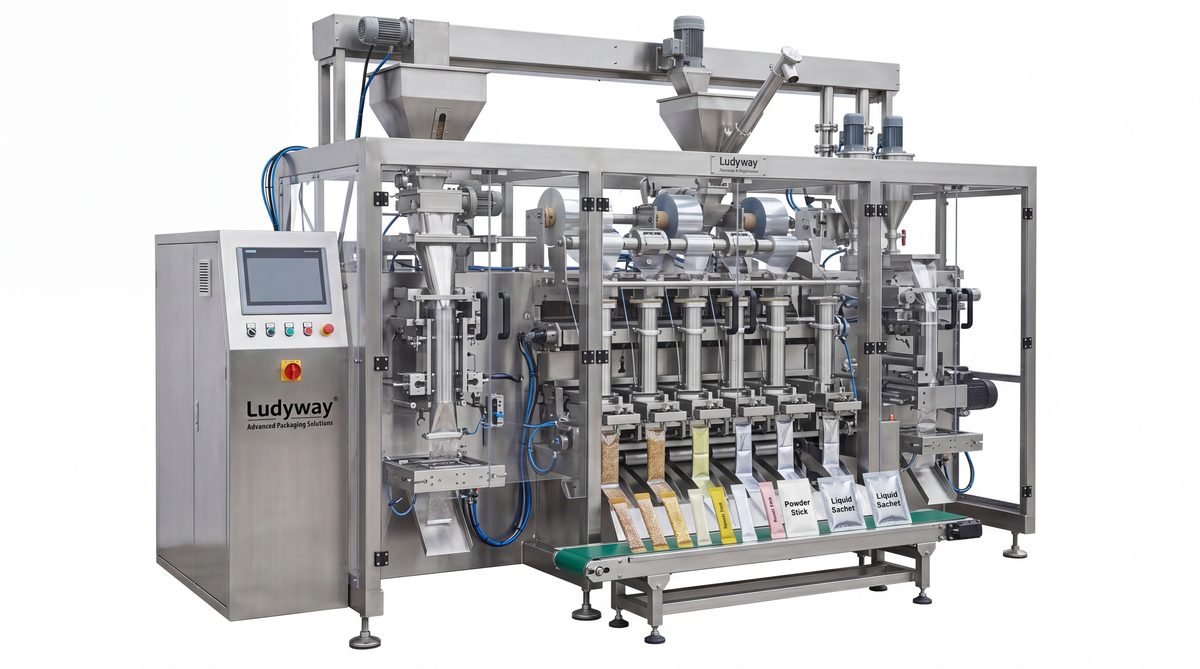
Multi-Lane Stick Pack Sachet System for Granules & Powders
View Specifications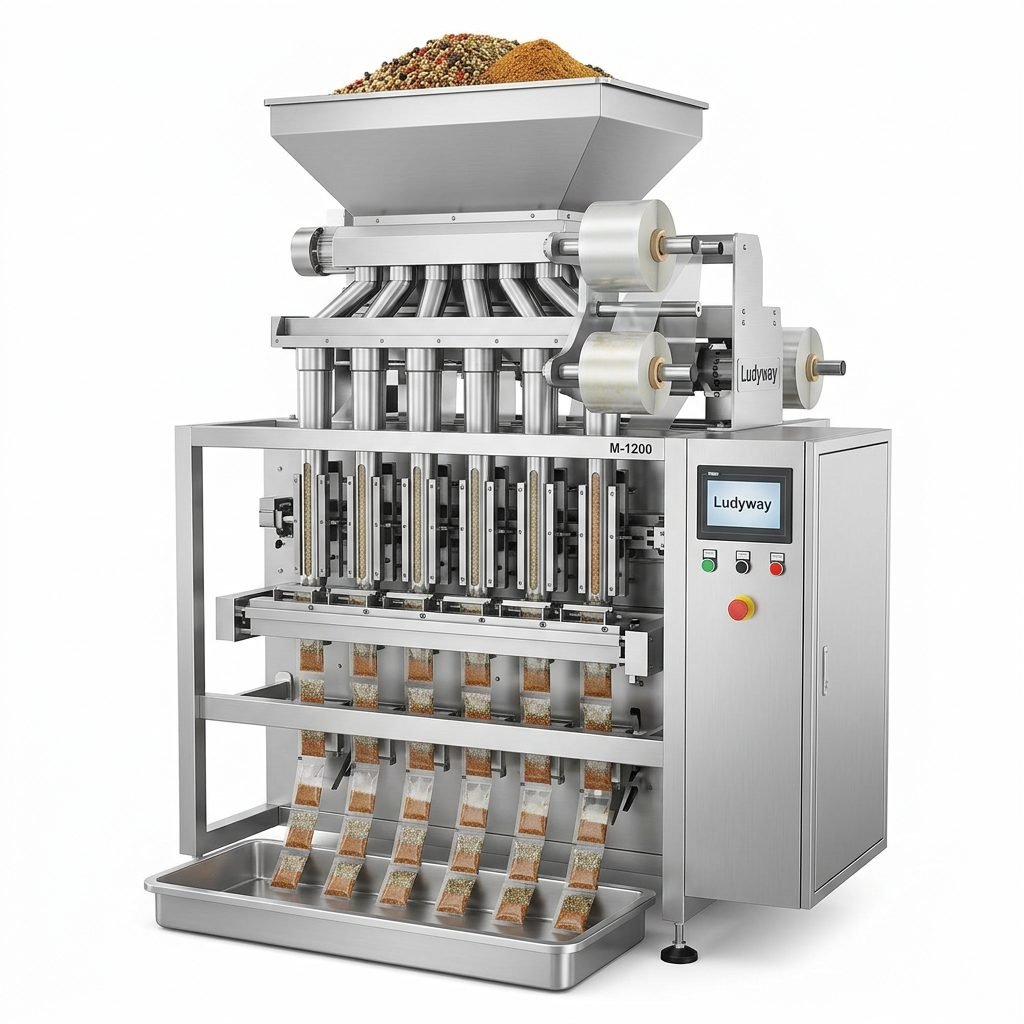
Multi-Lane Seasoning & Spice Sachet Packaging Machine
View Specifications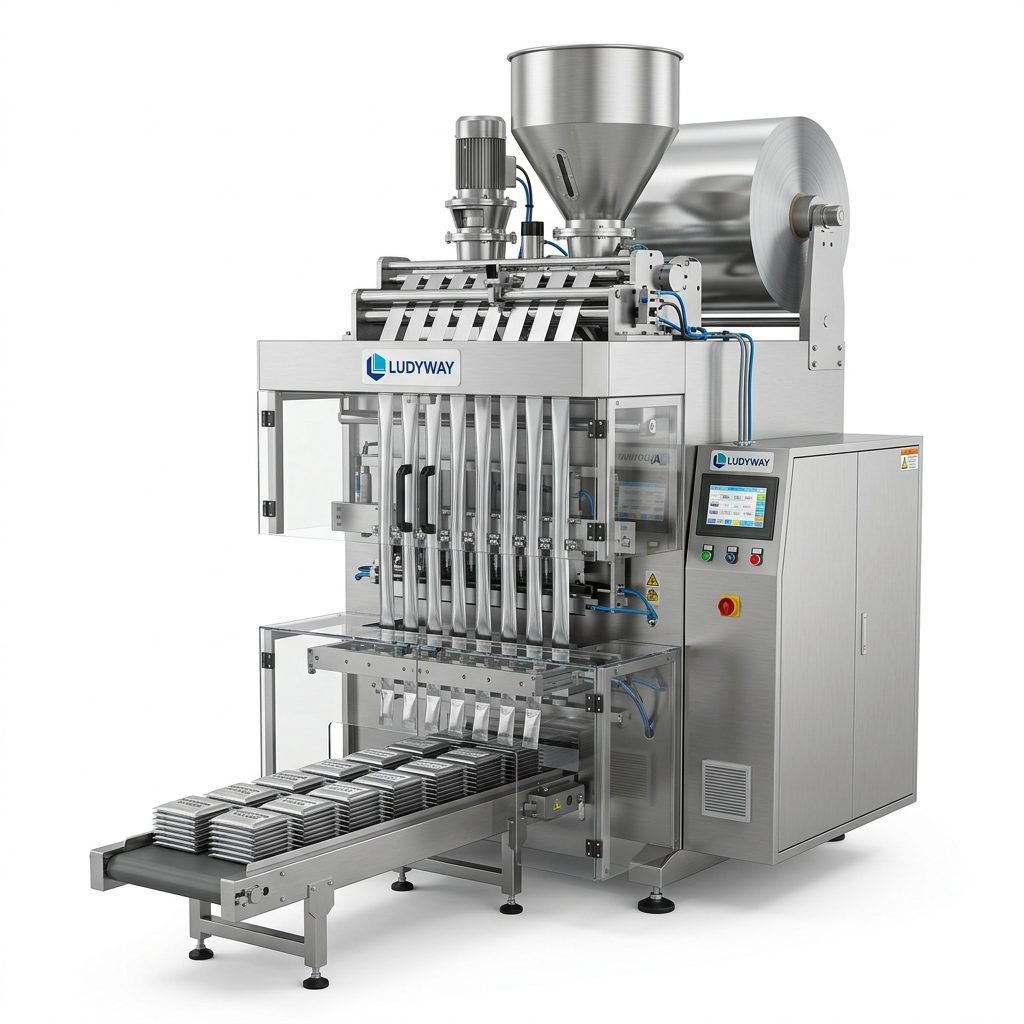
Nutritional Supplement Multi-Lane Sachet Machine
View SpecificationsDecision Guide: 5 Signs Your Business Is Ready for Automation
Follow this proven manufacturing roadmap to verify whether your daily workflow is primed for machinery integration.
Your Team Spends >30% of Work Hours on Hand-Packaging
When core talent spends multiple hours every shift scooping powders, hand-weighing granules, or heat-sealing film edges, your business suffers high opportunity cost. Automating packing frees your team to focus on sales, R&D, and brand growth.
Customer Orders Suffer from Peak-Season Backlogs
If seasonal rushes or sudden wholesale distribution orders lead to fulfillment delays, manual packaging has become your operational ceiling. Machine lines scale easily from 2,000 units to 30,000+ units a day without adding headcount.
Product Giveaway Exceeds 3% of Raw Material Purchases
Manual measuring variations add up quickly across expensive ingredients like matcha powder, collagen peptides, and pure extracts. Integrated precision multi-lane dosing pays for itself by eliminating material giveaways.
Retail Distribution Demands Strict Batch Coding & Hermetic Seals
Major grocery chains and medical buyers mandate lot numbers, expiration date stamping, and zero-defect seal consistency. Integrated thermal transfer coding and automated leak testing guarantee wholesale compliance.
High Labor Turnover Disrupts Output Consistency
Repetitive hand bagging causes worker fatigue and unpredictable turnaround times. An automated system runs on stable PLC parameters, delivering dependable output day in and day out.
Ludyway Machinery: Turnkey Packaging Solutions for Growing Enterprises
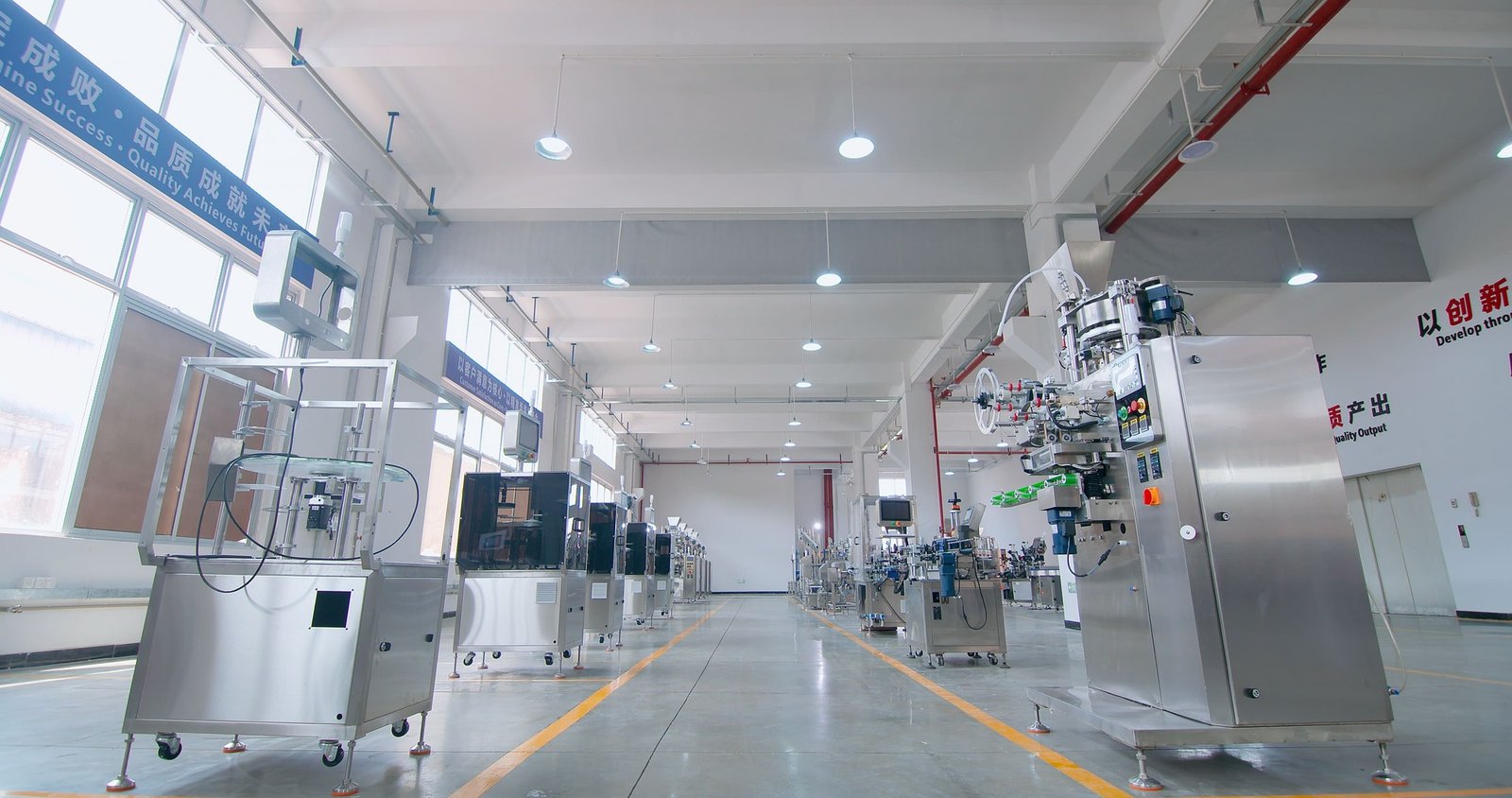
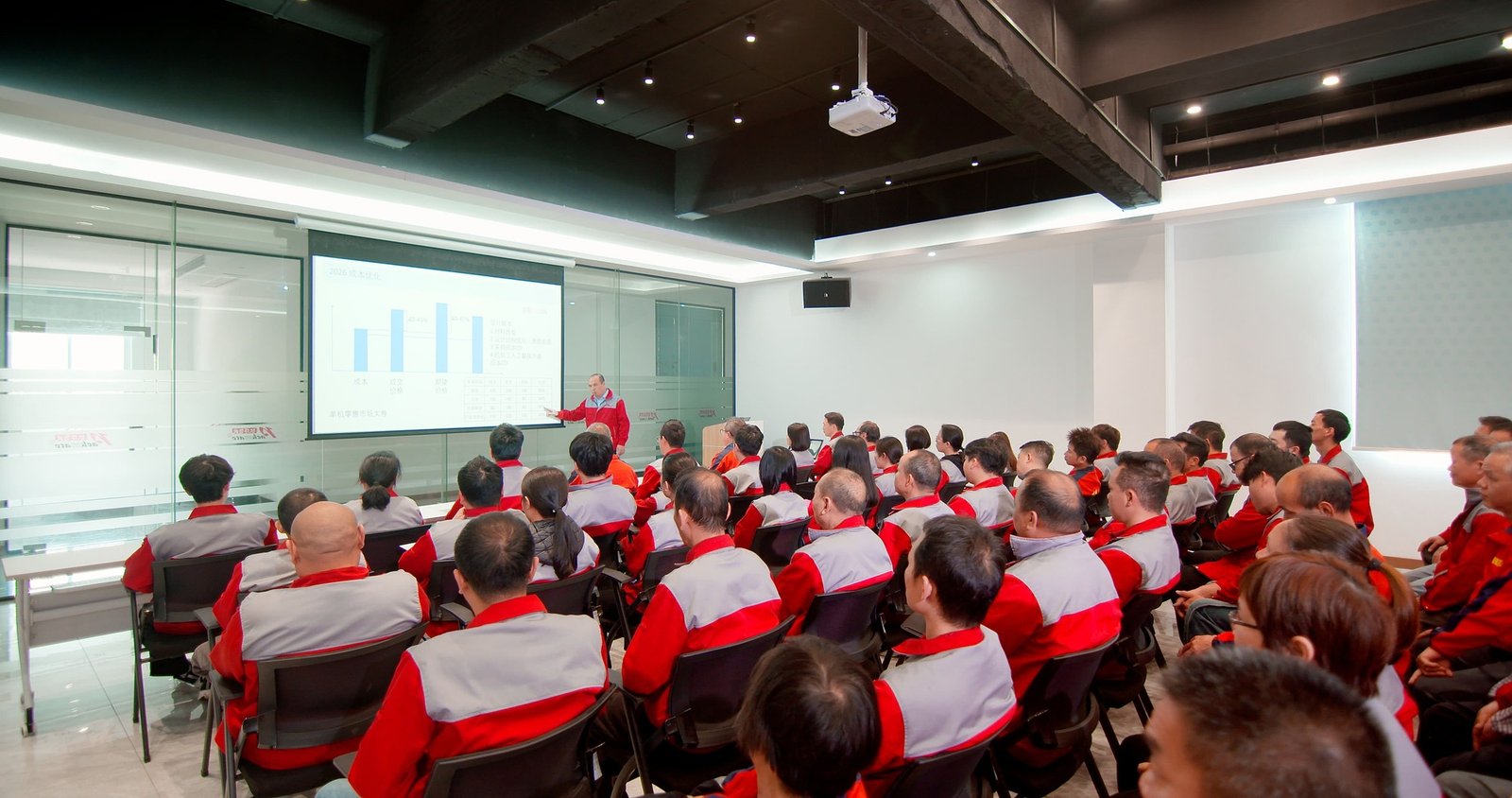
Ludyway is one of the largest packaging machine manufacturers in China, specializing in advanced packaging equipment and turnkey production solutions for the food, pharmaceutical, and health industries. With over 30 years of industry expertise, we provide reliable and efficient packaging solutions for granule, powder, liquid, and pouch packaging applications.
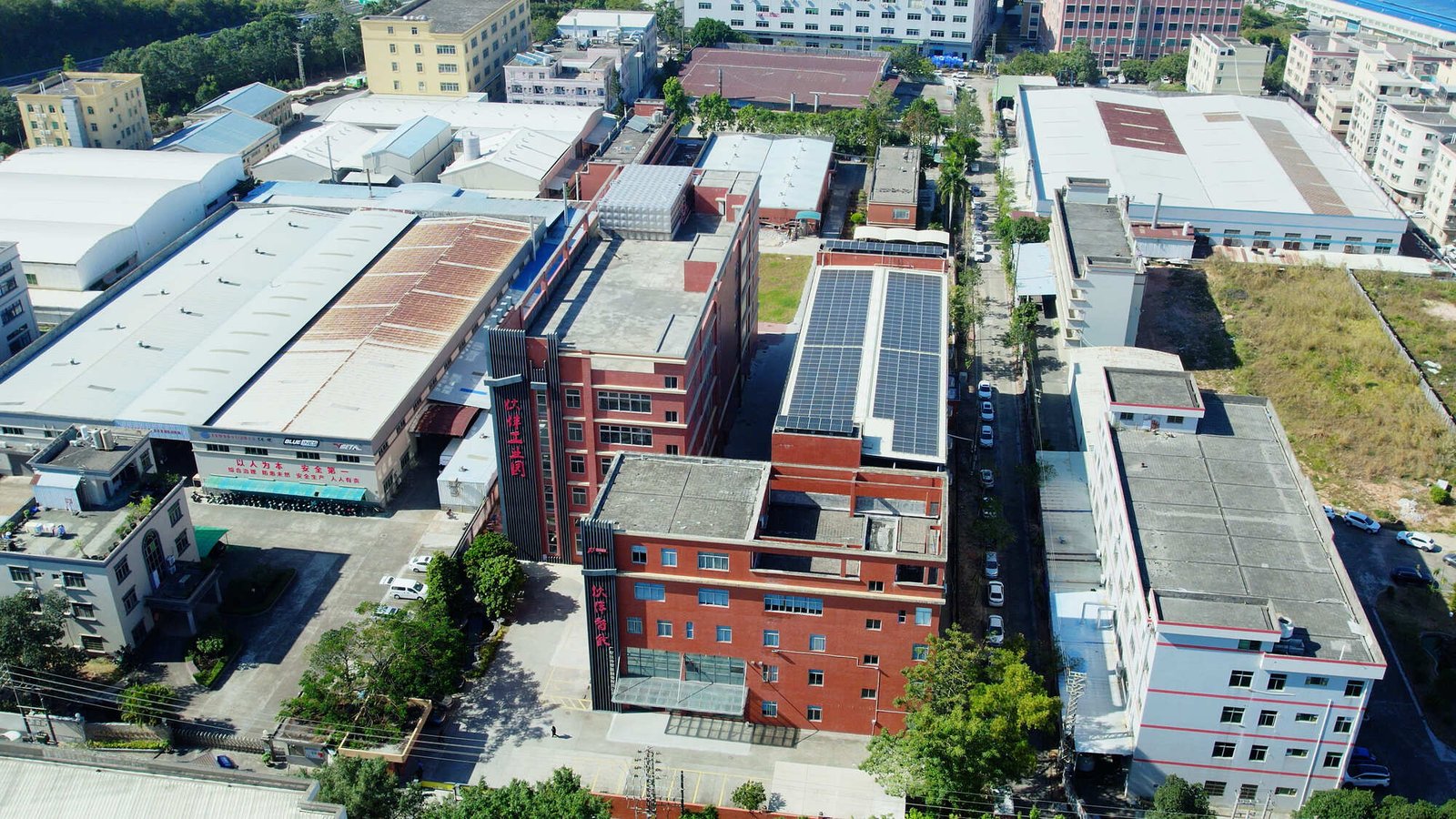
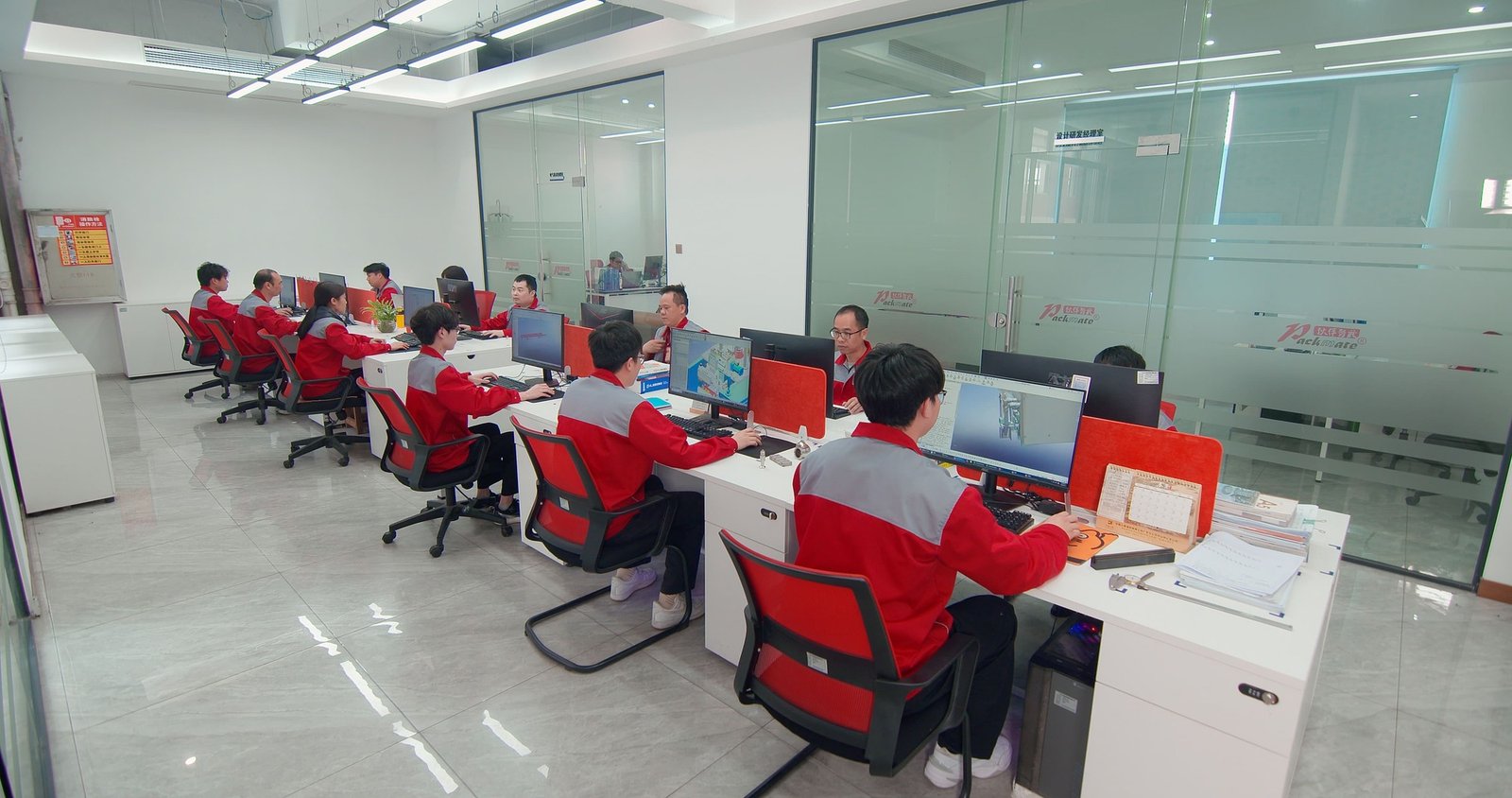
Supported by a modern 20,000㎡ manufacturing facility and a highly experienced engineering team, Ludyway offers more than 50 intelligent packaging machine models, including multi-lane stick pack, sachet, and fully automated packaging systems.
Frequently Asked Questions
Get clear answers to common questions about packaging automation, changeovers, and ongoing maintenance.
How much floor space does an entry-level packaging machine require?
Compact vertical form-fill-seal (VFFS) sachet and stick pack machines require as little as 1.5m x 1.2m of clean floor footprint. Their vertical configuration makes them ideal for boutique workshops and space-constrained cleanrooms.
Can one machine package multiple types of products or sizes?
Yes. Modular formers and quick-change dosing heads allow switching between powders, granules, and liquids with varying bag widths and lengths. Parameter adjustments are stored and recalled directly via the touchscreen PLC.
What is the typical learning curve for machine operators?
Ludyway packaging machines feature intuitive multi-language touchscreen interfaces with smart diagnostic routines. Most operators master daily operation, film loading, and parameter adjustments within 2 to 4 hours of training.
What kind of maintenance is required to keep machines running reliably?
Daily maintenance requires wiping down contact surfaces and clearing residue from sealing jaws. Periodic tasks include checking heater elements, lubricating mechanical bearings, and inspecting pneumatic lines.
How quickly does a small business typically see full ROI on automation?
Depending on your daily production volume and labor costs, businesses running 1,000 to 5,000 packs per day typically break even within 4 to 9 months through reduced labor overhead and eliminated material giveaway.
Ready to Upgrade Your Packaging Line?
Share your target product specs, bag dimensions, and desired output with our engineering team for a customized machine quotation and sample testing analysis.
