
How to Maintain Packaging Machines: A Complete Operational & Engineering Guide
Master comprehensive preventive protocols, precision calibration techniques, and AI-enabled diagnostics to eliminate unplanned downtime, extend equipment lifecycle, and achieve superior OEE across high-speed packaging lines.
Why Proactive Packaging Machine Care Dictates Factory Profitability
In modern high-speed packaging operations across food, nutraceutical, daily chemical, and pharmaceutical plants, an automated packaging system is the vital heartbeat of finished-goods delivery. When stick pack machines, multi-lane sachet form-fill-seal units, rotary pouch packers, or secondary cartoning equipment suffer unexpected breakdown, losses accumulate exponentially beyond maintenance labor: lost production quotas, operator idle time, material waste from poorly sealed pouches, and severe delivery bottlenecks.
Up to 65% Downtime Reduction
Executing systematic preventive maintenance (PM) routines prevents mechanical seizing, pneumatic leaks, and electronic sensor degradation before small anomalies turn into catastrophic factory shutdowns.
Consistent Packaging Quality
Precise temperature control at horizontal and vertical sealing jaws guarantees hermetic packaging integrity, eliminating pinholes, micro-leaks, and contamination risks in sterile environments.
Extended Machine Service Life
Well-lubricated high-speed servo motors, clean optical tracking eyes, and properly tensioned draw-down belts enable multi-lane packaging machinery to operate at peak efficiency for 15+ years.
Step-by-Step Packaging Machine Maintenance Checklist
Establishing clear maintenance intervals—from daily shift handovers to annual engineering rebuilds—empowers operators and line technicians to maintain machine calibration, sanitation, and safety standards.
- Clean Sealing Jaws: Wipe residual plastic film, adhesive crust, and food dust from heat sealing bars using non-abrasive brass brushes and specialized food-grade cleaners.
- Optical Sensor Inspection: Clean photoelectric eye lenses and color-mark tracking sensors with isopropyl alcohol to avoid bag registration drifts.
- Pneumatic Drain & Pressure Check: Inspect the air preparation filter-regulator-lubricator (FRL) unit, drain accumulated moisture, and verify main pressure (0.6 – 0.8 MPa).
- Check Safety Interlocks: Test emergency stops (E-Stops), light curtains, and safety door interlock switches prior to initiating high-speed runs.
- Drive Belts & Chains Tensioning: Check film pull-down timing belts for teeth wear, fraying, and proper tension; inspect drive chains for elongation.
- Cutting Blades & Perforation Anvils: Inspect flying knives and rotary cutters for dullness, micro-chips, or uneven gaps causing ragged bag tears.
- Lubricate Linear Bearings: Apply food-grade synthetic grease (NSF H1 certified) to linear guide rails, slider blocks, and pivot pins.
- Check Heating Elements: Verify thermocouple responsiveness and heating rod continuity using a digital multimeter to prevent cold seal failures.
- PLC & Servo Motor Inspection: Clean electrical control cabinets, inspect cooling fans, verify PLC terminal tightness, and inspect servo drive error logs.
- Weighing & Auger Dosing Calibration: Recalibrate load cells, multi-head weighers, or auger screw revolutions against standard test weights.
- Pneumatic Valve & Cylinder Overhaul: Listen for subtle micro-leaks, inspect cylinder rod seals, and test solenoid valve switching latency.
- Vacuum System Verification: Clean suction cups on bag opening arms, replace clogged vacuum filters, and test pump vacuum depth.
- Gearbox Oil Replacement: Flush and refill main mechanical drive reducers and indexers with high-performance synthetic gear lubricant.
- Complete Seal & O-Ring Replacement: Replace worn pneumatic cylinder seals, silicone sealing bar cushions, and PTFE Teflon sheets.
- Structural Alignment & Leveling: Re-verify machine chassis levelness, former collar alignment, and outfeed conveyor tracking.
- Firmware & Software Backup: Perform complete PLC logic, HMI recipe parameters, and servo parameter backups onto encrypted industrial USB storage.
| Subsystem | Critical Checkpoint | Target Frequency | Recommended Tool / Lubricant | Potential Risk If Neglected |
|---|---|---|---|---|
| Heat Sealing Assembly | Teflon coating, temperature accuracy, jaw pressure | Daily & Weekly | Brass brush, infrared pyrometer, food-grade silicone | Pinhole leaks, scorched laminate film, unsealed pouches |
| Film Unwind & Formers | Tension brake, forming shoulder alignment, roller bearings | Weekly | Digital calipers, alcohol wipes, NSF-H1 spray grease | Film crinkling, tracking deviation, off-center back seal |
| Pneumatic Controls | FRL filter drainage, air leaks, cylinder stroke speed | Daily & Monthly | Ultrasonic leak detector, ISO VG 32 pneumatic oil | Slow sealing action, bag dropping, irregular cycle speed |
| Cutting & Perforation | Blade sharpness, anvil clearance, spring tension | Weekly | Feeler gauges, replacement tungsten carbide blades | Incomplete bag separation, frayed edges, knife jams |
| Dosing / Auger Fillers | Auger screw clearance, hopper funnel seal, load cells | Monthly | Class F1 calibration weights, food-safe washdown solvent | Weight variation, product giveaway, cross-contamination |
In-Depth Subsystem Servicing: Mechanical, Thermal & Pneumatic
A multi-lane packaging machine or automatic pouch packaging system relies on synchronized interaction between distinct industrial engineering systems. Addressing each subsystem with precise technical protocols ensures maximum reliability.
Sealing Jaws & Thermal Balance
Maintain uniform heating across all lanes. Check for localized hot spots caused by degrading cartridge heaters. Always verify with an external pyrometer that the HMI setpoint matches actual surface temperature within ±1.5°C to protect high-barrier foil layers.
Film Tension & Tracking Path
Unequal web tension causes asymmetric stick packs and wrinkling. Regularly clean rubberized pull belts, test pneumatic dancer arm potentiometers, and clean guide rollers from adhesive build-up to maintain smooth web feeds at 100+ cycles/min.
Precision Lubrication Regimes
Over-lubrication is as hazardous as friction. Use micro-dosing grease guns on sealed bearings to avoid contaminating packaging materials. Apply food-grade chain oil to primary drive chains at manufacturer-specified intervals.
Pneumatic Filtration & Actuators
Moisture and compressor particulates are the leading cause of sticky solenoid valves. Maintain 5-micron coalescing filters, inspect quick-exhaust valves, and install silencers to ensure rapid, crisp pneumatic cylinder response times.
Electrical Enclosure & PLC Systems
Industrial packaging environments generate ambient dust. Inspect IP54/IP65 electrical enclosures monthly, replace air conditioning filter mats, inspect 24V DC power supplies, and tighten screw terminals vulnerable to machine harmonic vibration.
Dosing System Hygiene & Wear
For powder and liquid fillers, inspect auger flights, positive displacement piston seals, and rotary valves for abrasive wear. Worn dosing components lead to severe fill variance, product giveaway, and seal contamination.
Packaging Machine Troubleshooting: Fast Root Cause & Remediation
When packaging line alarms trigger, use this rapid engineering matrix to identify the failure mechanism and restore production with minimum scrap.
Pouch Leakage / Incomplete Hermetic Seal
Root Causes: Carbonized residue on sealing jaws, defective thermocouple reading 20°C lower than actual, uneven mechanical clamping spring pressure, or product powder trapped inside the seal area.
Film Tracking Drift / Photocell Registration Error
Root Causes: Dusty optical eye lens, irregular roll brake tension, uneven wear on rubber pull-down belts, or asymmetrical forming collar angle.
Dosing Inconsistency & Weight Variation
Root Causes: Material bridging in the supply hopper, auger screw drive belt slippage, static electricity accumulation, or load cell mechanical interference.
Rough Bag Cutting & Dull Blade Jamming
Root Causes: Dull carbide knives, misaligned counter-anvil, insufficient pneumatic cylinder cutting force, or plastic film stretching during high-speed cycle actuation.
Predictive Maintenance (PdM) & Digital Packaging Intelligence
Modern packaging facilities are rapidly transitioning from reactive fire-fighting to AI-assisted predictive maintenance, utilizing continuous sensor feedback to pinpoint failure signatures weeks before unexpected downtime occurs.
Harnessing Real-Time IoT Sensors for High-Speed Lines
In high-capacity multi-lane packaging machinery, vibration accelerometers mounted directly to main drive bearings and servo gearheads monitor micro-vibrations. Advanced algorithms analyze Fourier transform (FFT) frequencies, detecting race degradation, gear backlash, or shaft misalignment in real time.
Simultaneously, continuous thermocouple monitoring and current-signature analysis on sealing motors alert plant supervisors if mechanical friction rises—enabling scheduled maintenance during planned shift changeovers rather than enduring catastrophic mid-batch stoppages.
Core Pillars of Modern PdM Integration
- Current-Signature Diagnostics: Identifies mechanical resistance and auger wear by tracking micro-surges in servo motor ampere draw.
- Thermal Imaging Arrays: Continuously maps heat distribution across multi-lane sealing jaws to prevent cold pouch seals.
- Automated Parts Lifecycle Counters: Digital HMI timers notify engineers precisely when cutter blades, Teflon strips, or vacuum cups reach their certified cycle limits.
- Cloud Telemetry & Remote OEM Assistance: Enables Ludyway engineering teams to securely diagnose PLC logs remotely for immediate turnaround.
High-Performance Packaging Machinery for Maximum Uptime
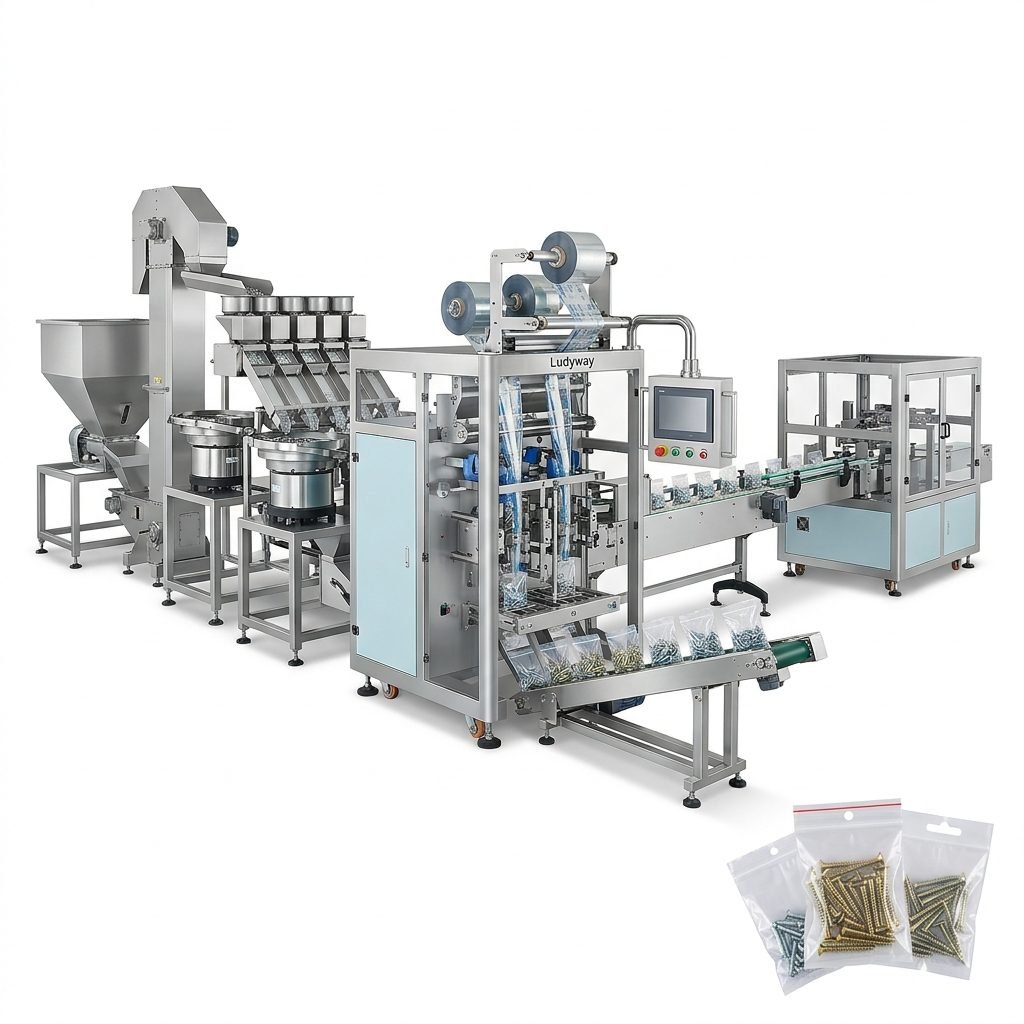
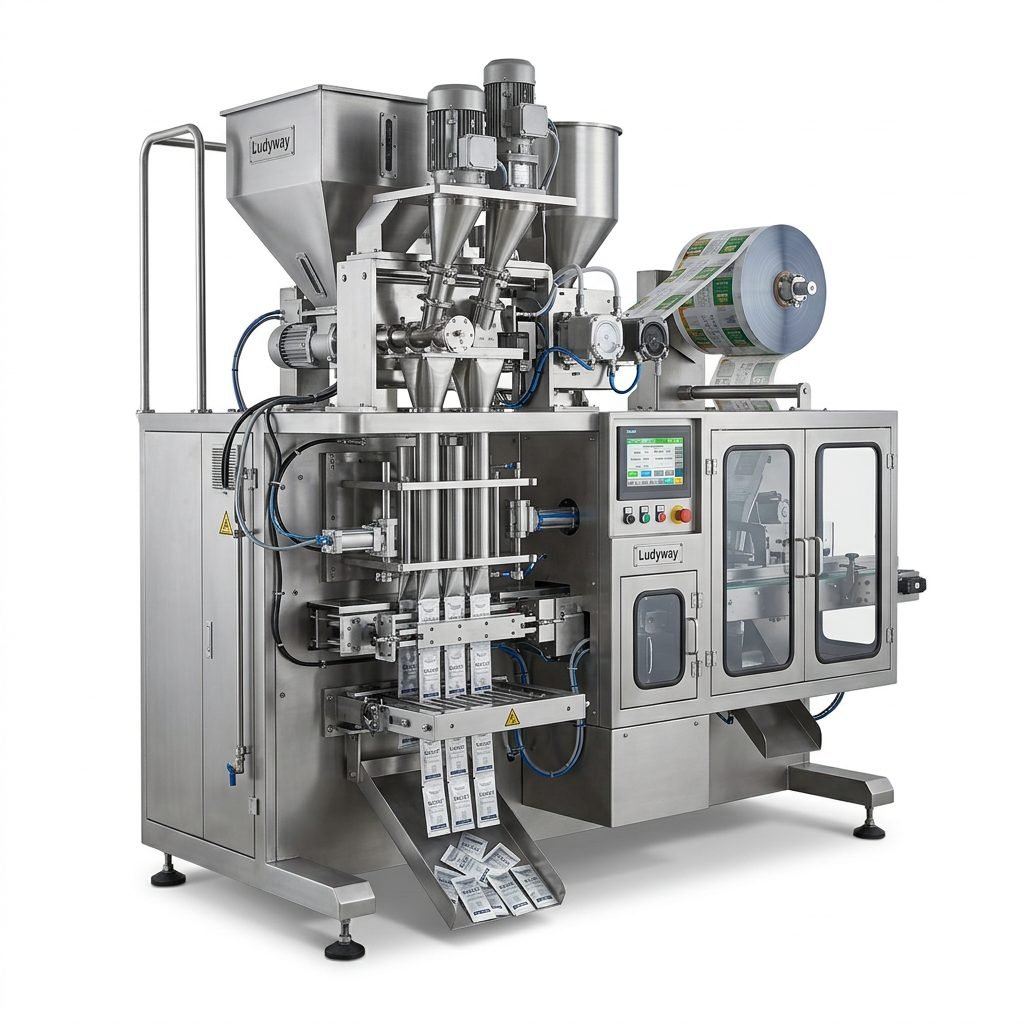
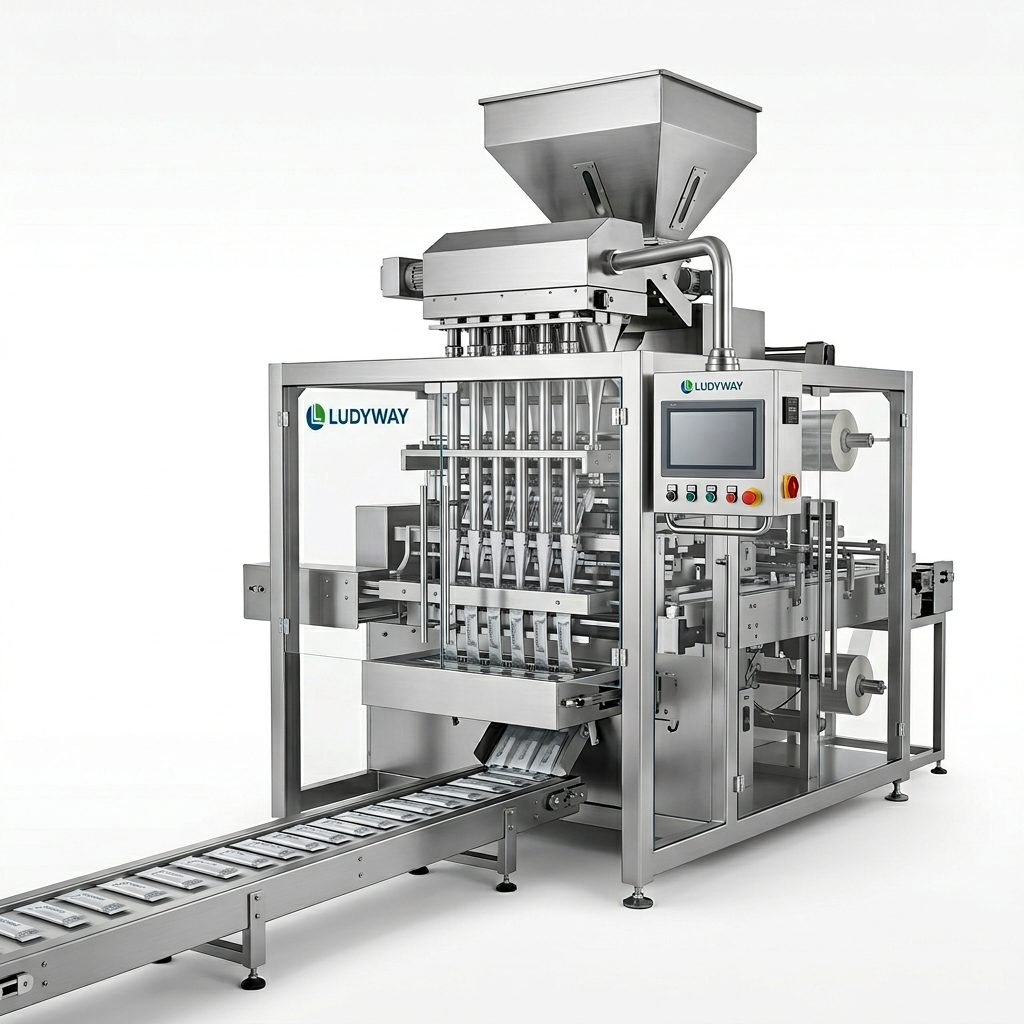
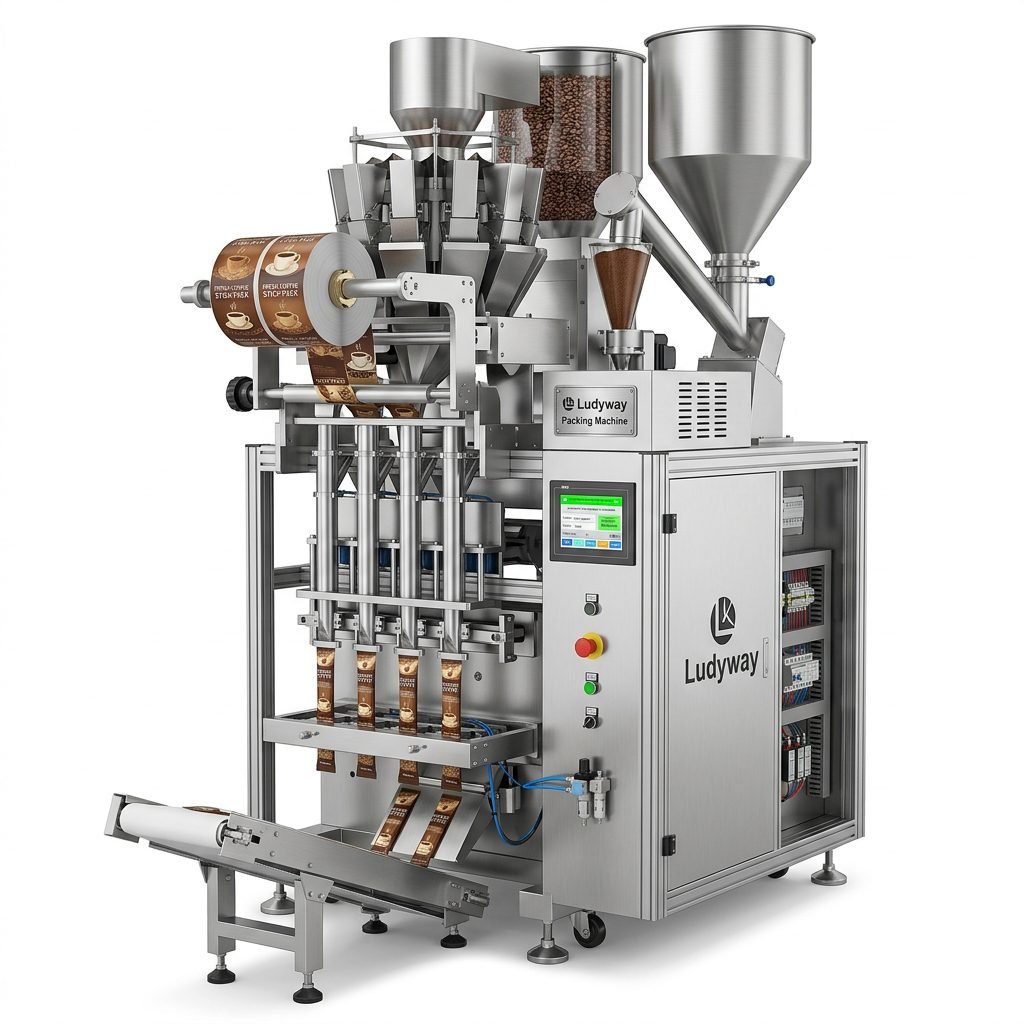
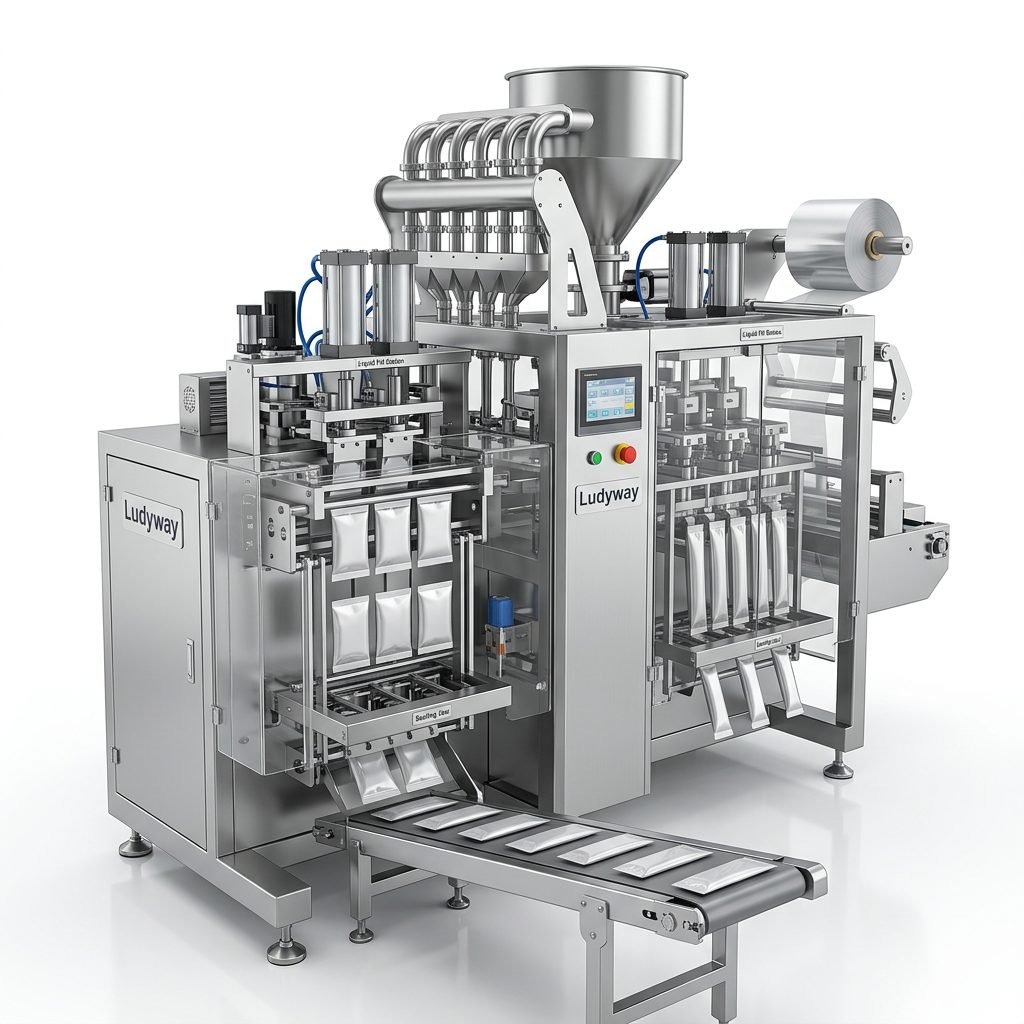
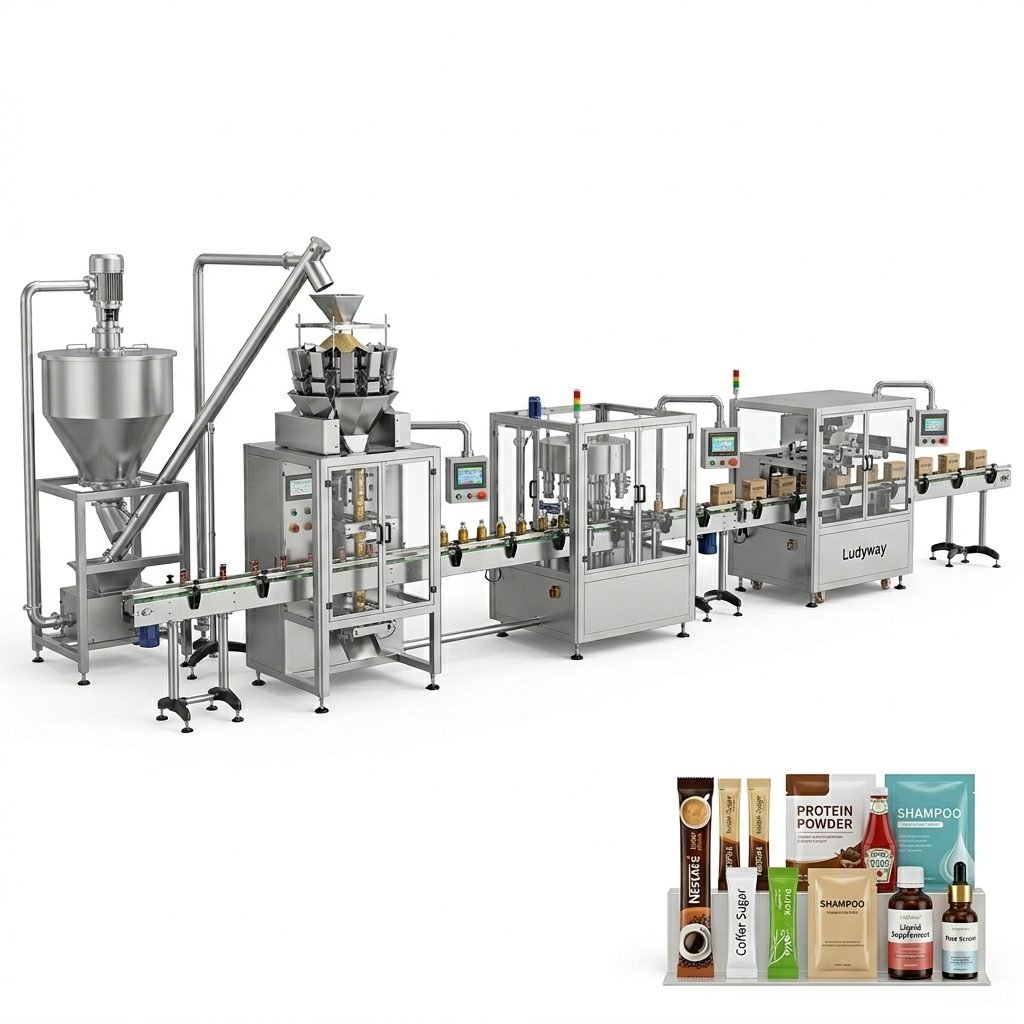
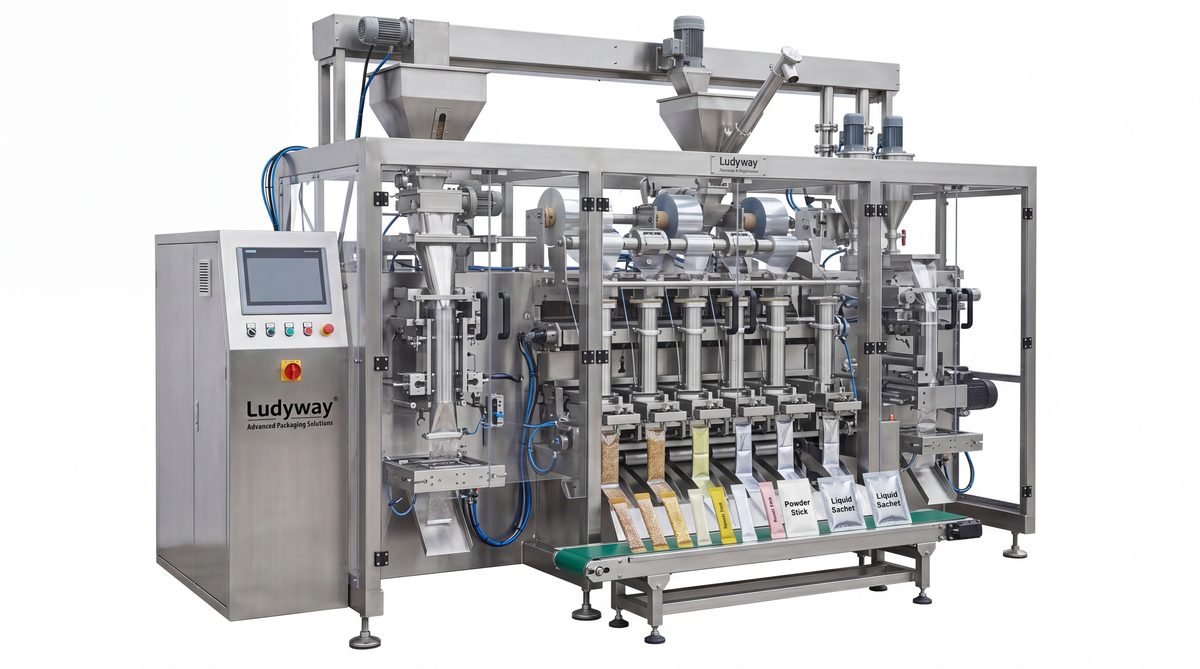
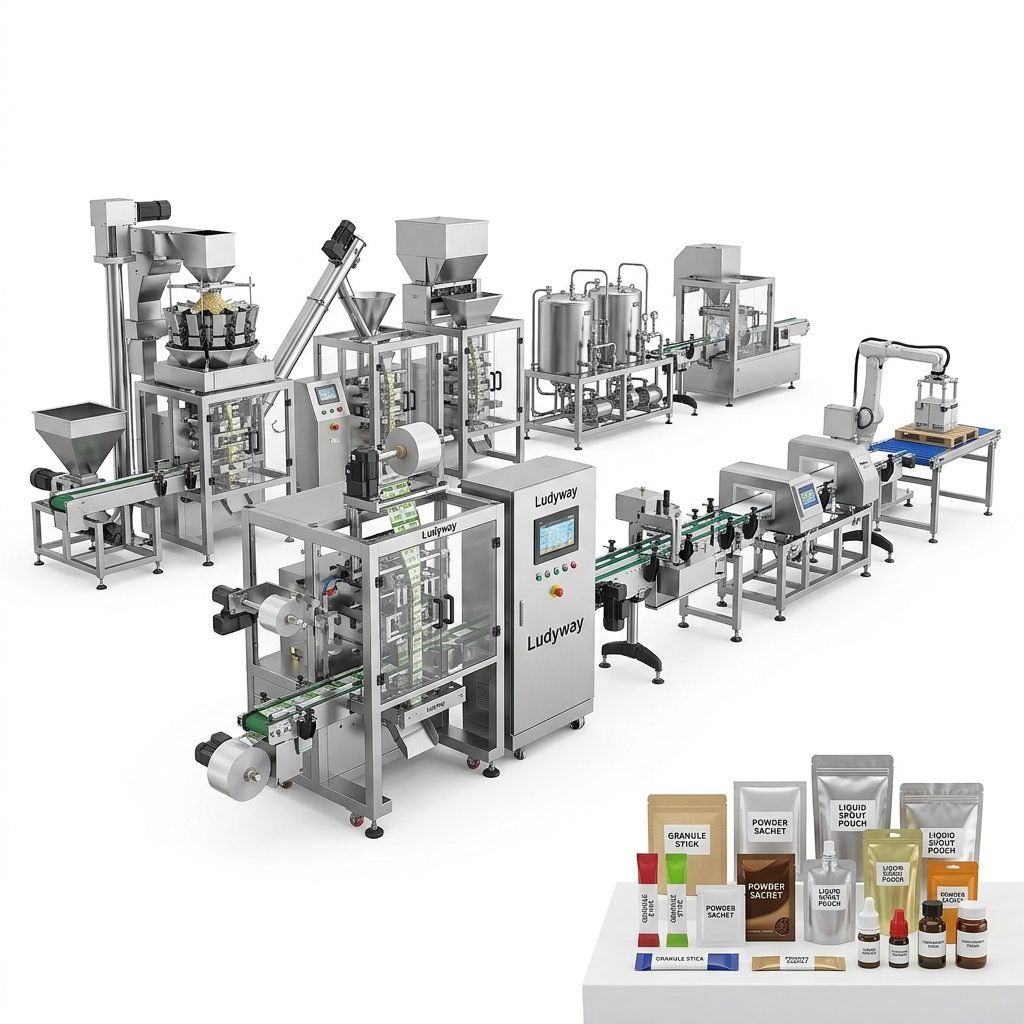
Built with accessible modular assemblies, quick-changeover tooling, and robust industrial components to ensure hassle-free maintenance and superior reliability.
About Ludyway Machinery: 30+ Years of Manufacturing Leadership
As one of the world’s prominent packaging machinery manufacturers, Ludyway delivers intelligent turnkey automation backed by robust preventive engineering and comprehensive international technical service.
Turnkey Reliability Tailored to Global Standards
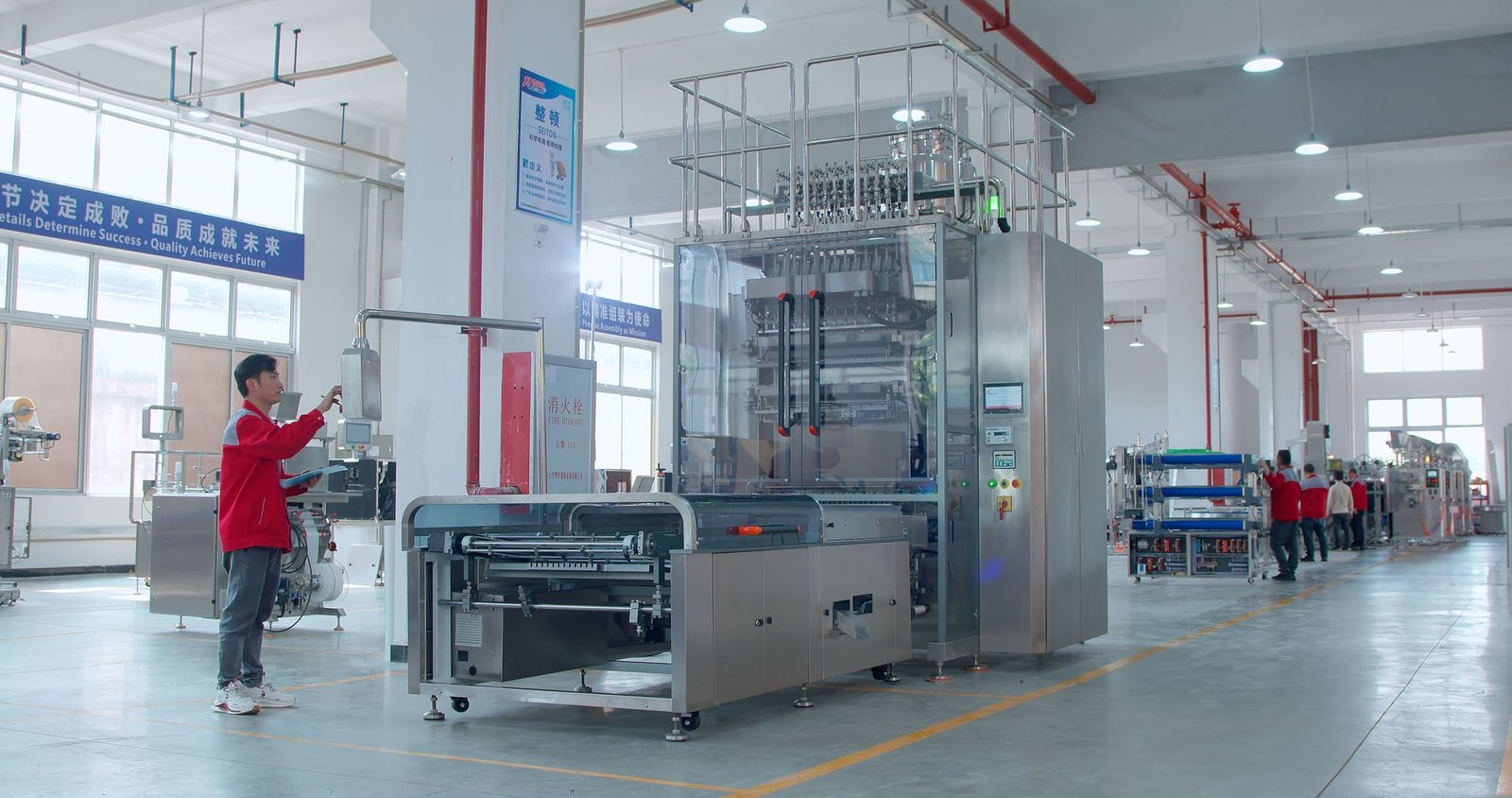
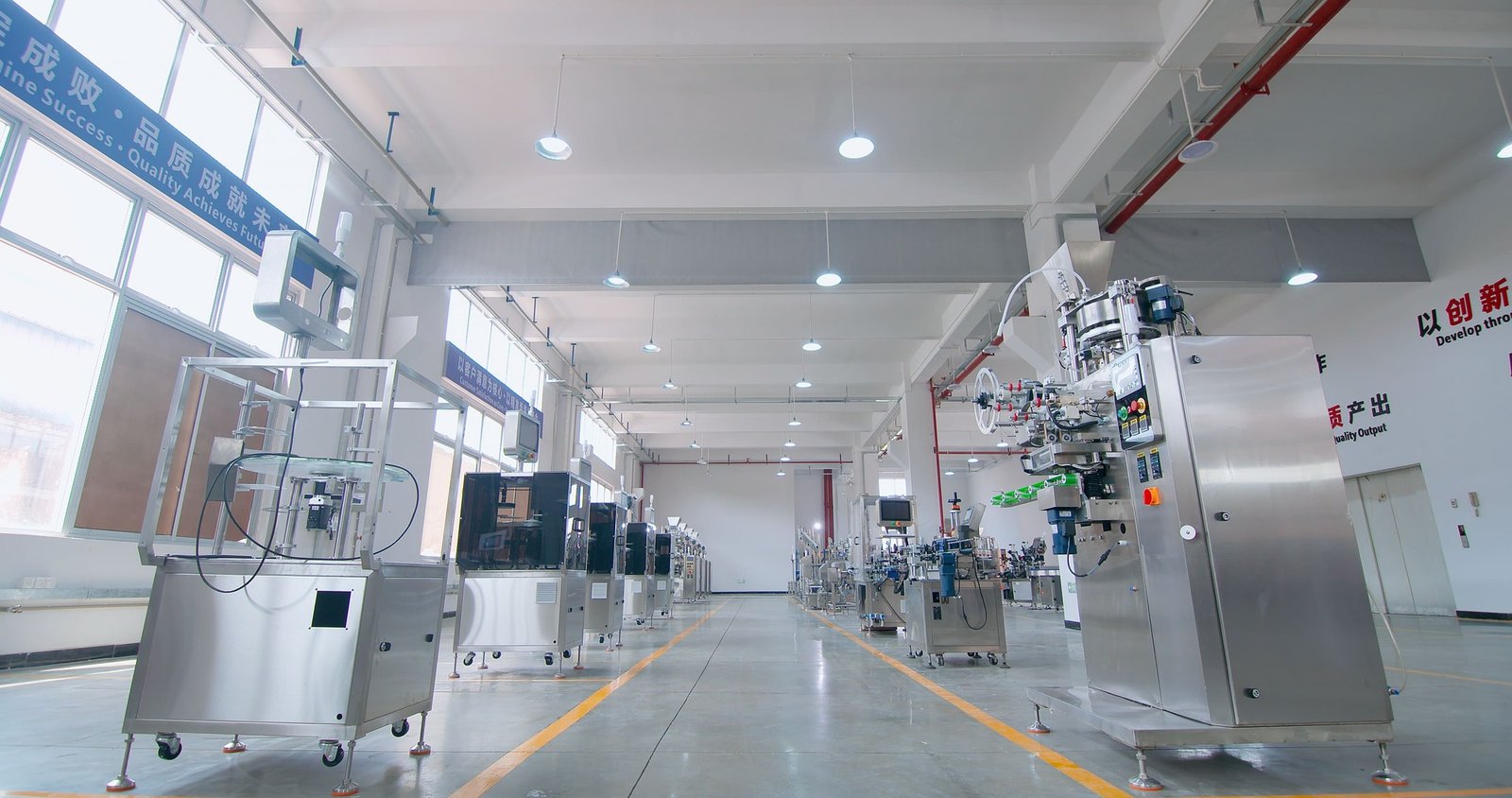
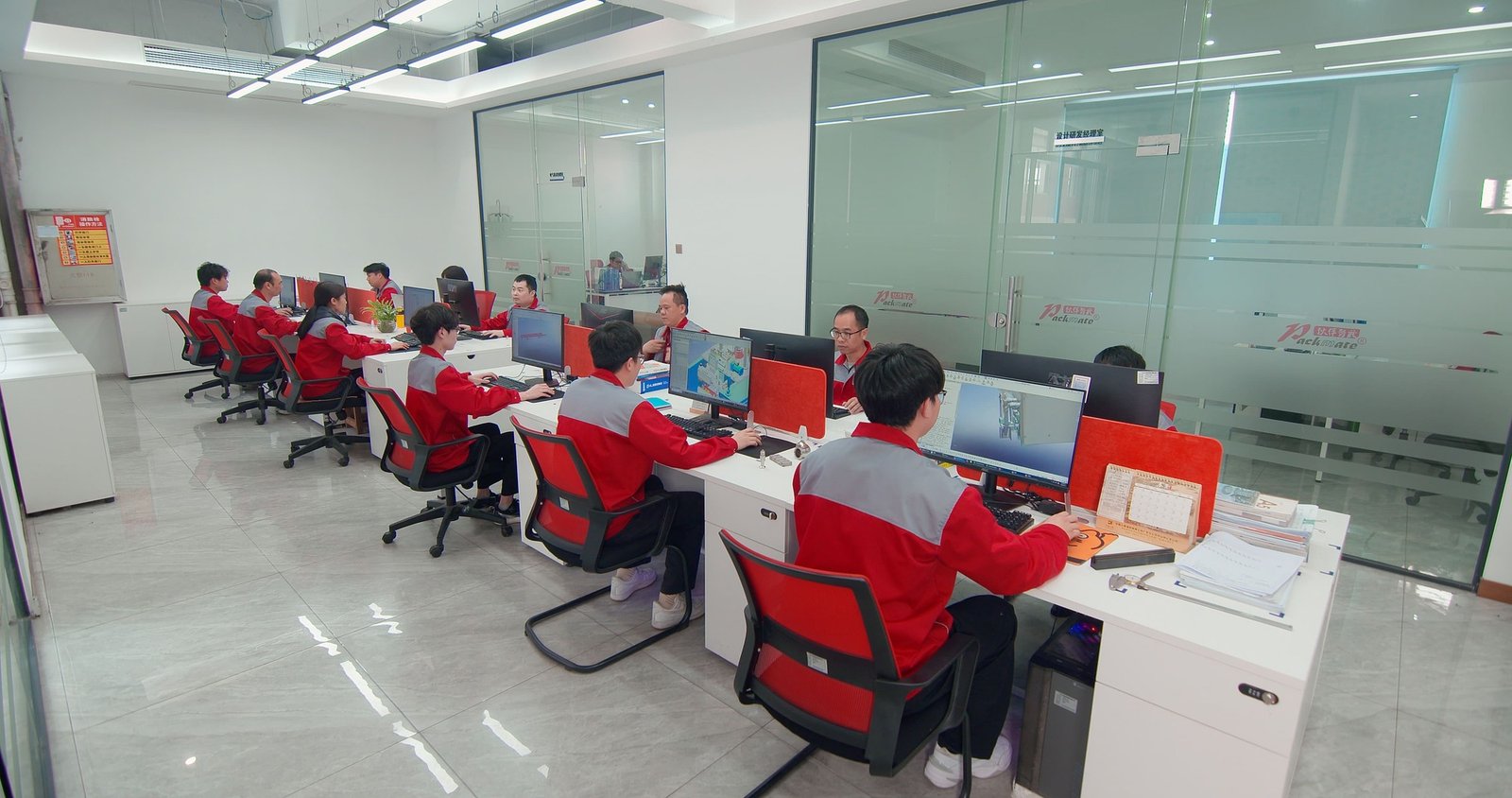
Supported by more than 200 high-precision manufacturing equipment units and over 50 intelligent packaging machine models, Ludyway designs specialized solutions for food, pharmaceutical, daily chemical, and nutritional industries.
Every Ludyway system is constructed with standardized, globally available industrial electrical components (Siemens, Schneider, Omron, SMC) and hygienic 304/316L stainless steel architectures, ensuring that machine cleaning, routine servicing, and spare-part replacements remain seamless worldwide.

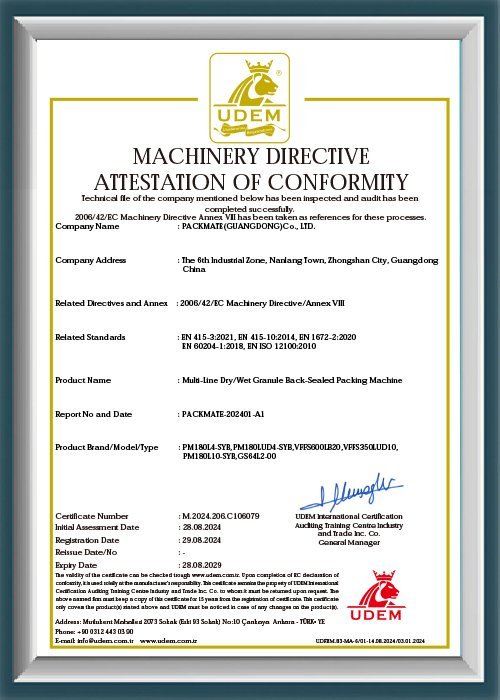
Certified Quality & Compliance Standards



Frequently Asked Questions on Packaging Machine Maintenance
Answers to key engineering inquiries regarding preventive schedules, spare-parts inventory, and daily sanitation procedures.
Q1: How often should packaging machine sealing jaws be cleaned?
In high-speed operations packaging sugar, coffee, milk powder, or viscous sauces, sealing jaws should be wiped down at every shift handover (every 8 to 12 hours). Heavy polymer deposits or caramelization should be cleared immediately to avoid uneven heat transfer and micro-channel leaks.
Q2: What type of lubricant is required for food and pharma packaging machinery?
All packaging machinery operating in food, health, and pharmaceutical sectors must utilize NSF H1 certified food-grade lubricants. These synthetic greases and oils prevent chemical contamination in the event of incidental product contact.
Q3: Which spare parts should always be kept in factory inventory?
Critical on-site safety stock includes: heating cartridge elements, thermocouples, PTFE/Teflon sealing tape, flying cutting knives, perforation blades, pull-down timing belts, vacuum suction cups, and common pneumatic solenoid valve coils.
Q4: How do you prevent static electricity buildup on high-speed film rolls?
Static charges cause film to cling to forming tubes and attract airborne dust. Ensure the machine chassis has a dedicated earth ground rod (< 4 ohms resistance) and mount active ionizing air blowers or static elimination bars across the unwind web path.
Optimize Your Packaging Machine Reliability & OEE Today
Whether you need turnkey automated production lines, multi-lane sachet packaging machinery, or specialized preventive maintenance consulting, Ludyway’s global engineering experts are ready to assist.
