
What Does Packaging Machine Training Include?
Discover the complete curriculum of industrial packaging machinery training—from HMI intelligent operations, servo motion synchronization, and rapid tooling changeovers to multi-level predictive maintenance and global GMP/CE safety protocols.
Transforming Advanced Machinery into Maximum Plant Productivity
Investing in cutting-edge automated packaging machinery is only half the equation for operational excellence. The actual return on investment (ROI), Overall Equipment Effectiveness (OEE), and operational longevity depend heavily on structured packaging machine training. Whether deploying a multi-lane stick pack system, a high-speed powder sachet filler, or a full turnkey cartoning and palletizing line, a well-trained workforce is vital for eliminating costly micro-stops, preventing material wastage, and sustaining high-speed throughput.
Comprehensive packaging machinery training encompasses theoretical engineering fundamentals, hands-on Human-Machine Interface (HMI) operation, servo calibration, mechanical changeovers, electronic troubleshooting, sanitation protocols, and international workplace safety regulations (CE, OSHA, ISO, and GMP).
A standardized training curriculum bridges the technical gap between machine capabilities and operator execution. It eliminates production guesswork, reduces mean time to repair (MTTR), optimizes recipe management for diverse packaging films, and instills a culture of proactive machine stewardship among line workers, maintenance technicians, and plant engineers.
1. Mechanical Fundamentals & Intelligent HMI Operation
The core foundation of any packaging machinery training curriculum begins with basic machine architecture, operational kinematics, and touch-screen interface mastery. Operators learn how digital parameters translate into physical mechanical motions along high-speed multi-lane forming, filling, and sealing sequences.
HMI Touchscreen Navigation & Recipe Logic
Modern packaging machines feature advanced PLC-integrated touchscreen interfaces. Training equips staff to manipulate operational parameters securely and precisely:
- Recipe Storage & Recall: Loading pre-set parameters for different roll stock films, product densities, pouch lengths, and sealing dwell times.
- User Access Hierarchy: Multi-tier access management (Operator, Shift Supervisor, Maintenance Engineer, Administrator).
- Real-Time Metric Monitoring: Reading output cycles per minute (CPM), lane-specific counts, temperature curves, and error code histories.
Film Web Unwinding & Edge Alignment
Proper film handling prevents packaging wrinkles, misaligned graphics, and seal leaks. Operators undergo deep instructional drills on:
- Pneumatic Core Shaft Mounting: Loading raw reels and setting pneumatic braking tension across varying roll diameters.
- Photocell & Mark Sensor Calibration: Synchronizing registration eye marks with rotary or horizontal cutters to prevent print drift.
- Forming Collar & Tube Tuning: Guiding multi-lane laminated film webs smoothly over precision stainless forming shoulders.
2. Rapid Tooling Changeover & Format Flexibility
Modern manufacturing lines frequently transition between varying package sizes, fill volumes, and product viscosities. Machine training teaches Single-Minute Exchange of Die (SMED) techniques to minimize planned downtime and guarantee repeatable accuracy across production batches.
Forming Set Swapping
Step-by-step disassembly and installation of multi-lane forming sets, stick pack mandrels, and guide plates without scratching calibrated surfaces or misaligning lane spacing.
Dosing System Reconfiguration
Exchanging auger screws for micron powders, piston pumps for viscous sauces, or vibratory channels for granules. Learning mechanical pitch adjustments and volumetric calibration curves.
Sealing Jaw & Blade Alignment
Adjusting longitudinal heating bars, cross-sealing jaw clearances, and perforating knives. Verifying uniform pressure distribution using carbon contact paper and thermal imaging sensors.
3. Preventative Maintenance, Electrical & Pneumatic Troubleshooting
A dedicated maintenance module shifts engineering teams from reactive firefighting to high-reliability predictive maintenance. Technicians receive hands-on instruction in diagnosing PLC inputs/outputs, testing servo drive alarms, maintaining pneumatic valves, and preventing component wear.
Pneumatics & Air Preparation Systems
Instruction covers main air regulator balancing (typically 0.6–0.8 MPa), auto-drain water separators, proportional valve response calibration, and detecting micro-leaks in multi-lane suction cups and cylinder seals before line speeds drop.
Servo Drive Synchronization & Motion Control
Training covers multi-axis servo motor zero-point calibration, encoder homing routines, resolving drive error faults, and fine-tuning acceleration/deceleration ramps to eliminate product sloshing or mechanical vibration.
Thermal & Sealing Component Management
Maintenance staff master thermocouple resistance testing, solid-state relay (SSR) diagnostics, cartridge heater replacements, and applying anti-stick Teflon coatings to maintain pristine pouch aesthetics.
Total Productive Maintenance (TPM) Schedules
Establishing daily, weekly, monthly, and 1,000-hour preventive task schedules, including food-grade lubrication point greasing, timing belt tensioning, and linear guide rail cleaning.
4. Quality Assurance, In-Line Inspection & Calibration
High-speed packaging requires continuous validation to safeguard brand reputation and regulatory compliance. Training ensures your quality control (QC) and production personnel master automated rejection systems and in-line metrology.
Vision System Inspection & OCR Verification
Operators are trained to set up industrial vision cameras and Optical Character Recognition (OCR) systems. They learn how to configure lighting thresholds, calibrate pixel sensitivity for batch/expiry code verification, and automatically reject defective pouches with illegible printing or flawed notch cuts.
Dynamic Checkweighing & Metal Detection
Covers multi-lane load cell zeroing, static vs dynamic tare calibration, feedback loop integration with upstream multi-head or auger dosing, and automated reject arm synchronization. Rigorous test puck procedures (Ferrous, Non-Ferrous, Stainless Steel) ensure full compliance with food safety auditing standards.
5. Safety Protocols, LOTO & Sanitary GMP / CIP Execution
Workplace safety and hygienic compliance are paramount in pharmaceutical, nutraceutical, chemical, and food manufacturing environments. Training establishes rigorous standard operating procedures (SOPs) to protect human operators and prevent cross-contamination.
Lockout/Tagout (LOTO) & E-Stops
Rigorous training on zero-energy verification across 380V/480V electrical cabinets, residual pneumatic air bleeding, and safety interlocking sensor checks on all protective acrylic doors.
Clean-In-Place (CIP) & Sanitation
Practical procedures for stainless steel (SUS304/SUS316L) hopper washing, rotary valve deep cleaning, IP65 washdown precautions, and drying protocols to eliminate bacterial harborage points.
GMP & 21 CFR Part 11 Compliance
Training on electronic audit trails, secure operator batch logging, non-resettable cycle counters, and maintaining machine logbooks for strict regulatory validation audits.
Packaging Machine Training Curriculum by Job Role
A one-size-fits-all training program fails to yield optimal plant results. A professional training framework categorizes competencies by operational tier to empower every team member with targeted knowledge.
| Target Role | Primary Core Focus | Key Practical Modules | Target Competency |
|---|---|---|---|
| Line Operators | Machine startup, continuous operation, film tracking, hopper loading, basic clearing. | HMI navigation, roll splicing, eye-mark sensor tuning, basic jam recovery, shift sanitation. | Zero Operator Errors, High OEE uptime. |
| Maintenance Techs | Mechanical alignment, pneumatics, lubrication, component replacements, preventative maintenance. | Sealing bar calibration, cutting knife sharpening/replacements, cylinder rebuilds, LOTO safety, wear inspection. | Rapid MTTR, Extended Component Lifespan. |
| Automation Engineers | PLC ladder logic diagnostics, servo motion profiles, vision integration, SCADA communication. | EtherCAT/Profinet communication, temperature loop PID tuning, checkweigher feedback integration, recipe programming. | Total Line Optimization & Data Integration. |
| QC & Line Managers | Audit trails, compliance verification, packaging integrity testing, throughput analytics. | Burst seal pressure testing, vision rejection reporting, batch changeover sign-off, GMP record keeping. | 100% Quality Assurance & Compliance. |
How Is Industrial Packaging Machine Training Delivered?
Effective knowledge transfer combines interactive classroom theory with rigorous hands-on practice directly on your custom packaging line. Ludyway offers three structured delivery methodologies tailored to your production schedule and project milestones.
Factory Acceptance Test (FAT) Training
Conducted at our state-of-the-art 20,000㎡ manufacturing plant in China prior to shipment. Client engineering leads participate in live trial runs using their actual powders, granules, or liquids to master assembly, electrical schematics, and mechanical logic.
On-Site Commissioning & Ramp-Up
Our senior field engineers deploy directly to your production facility across 100+ countries. Training covers line leveling, utility hookups, live multi-shift production supervision, emergency drills, and real-time operator certification.
Remote Digital & AR Training
Equipped with 3D exploded engineering models, high-definition video modules, and remote augmented reality (AR) support. Your technicians receive ongoing refreshers and immediate remote diagnostics for newly onboarded staff.
Automated Packaging Machinery Backed by Expert Training
Explore our industry-leading packaging systems. Every Ludyway machine model comes standard with comprehensive on-site installation, HMI operator onboarding, and lifetime technical support.
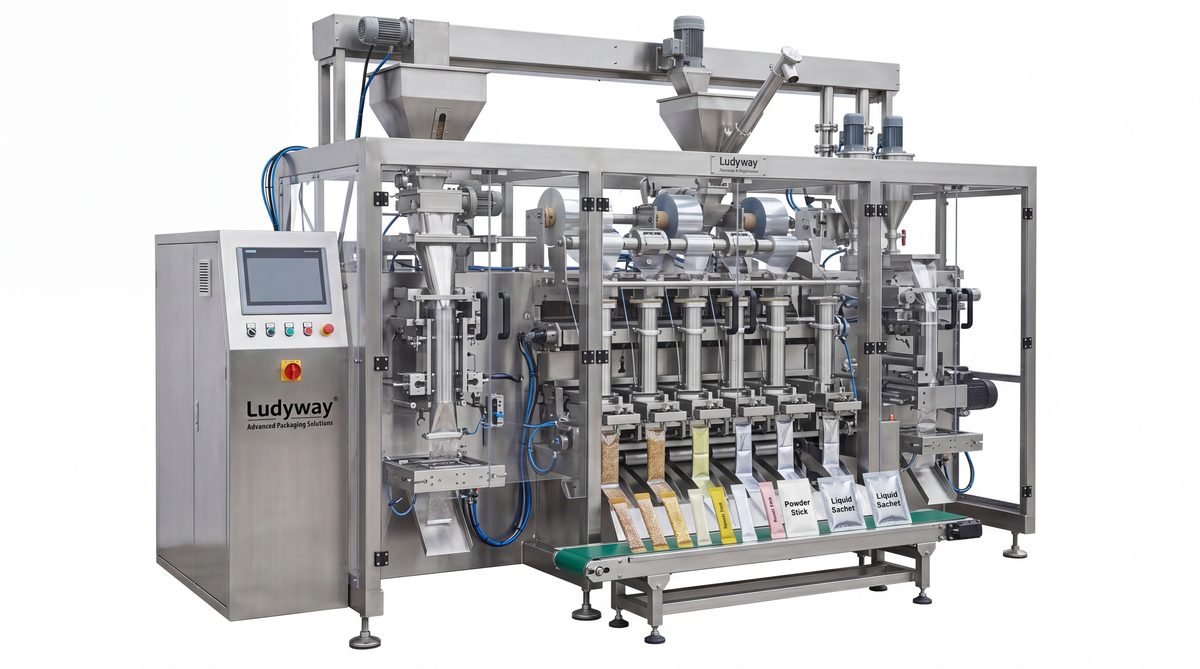
Multi-Lane Stick Pack & Sachet Packaging Machine for Granule, Powder, Liquid
View Equipment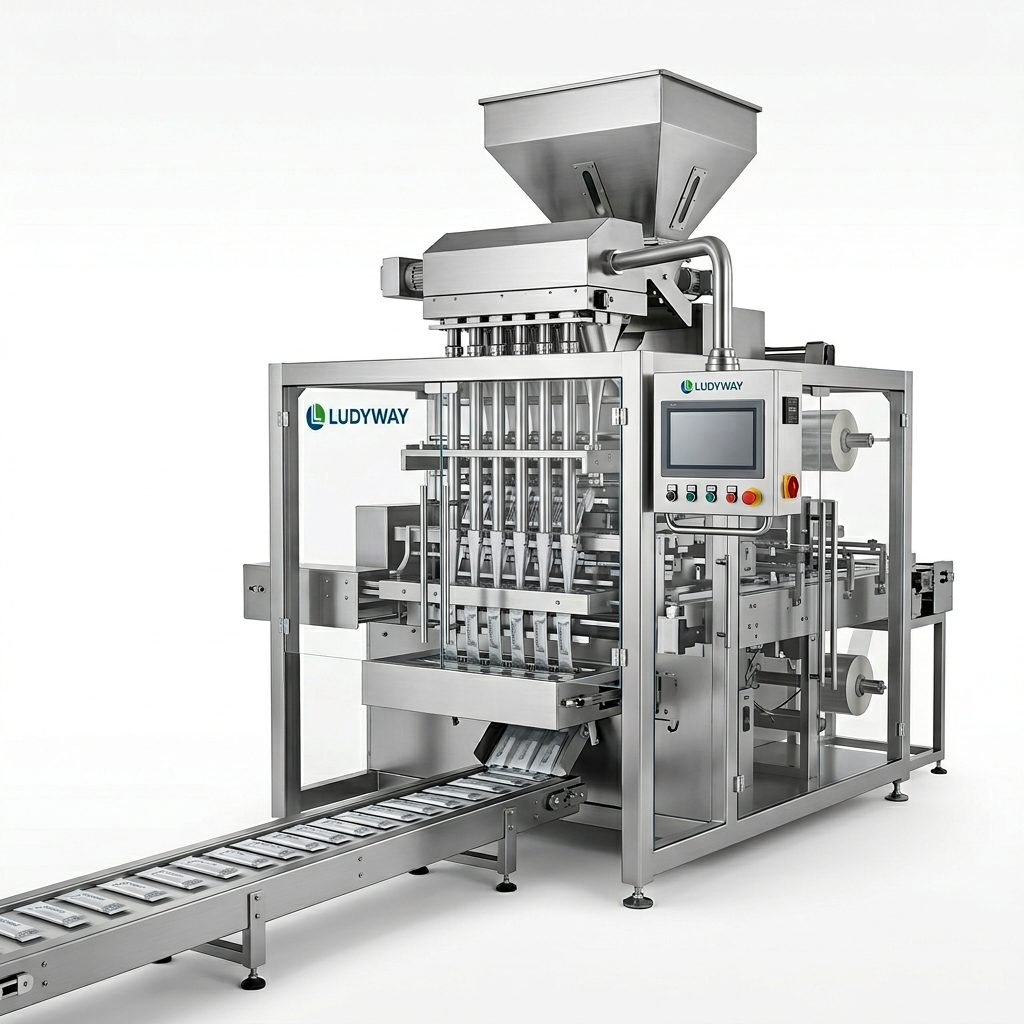
High-Speed Multi-Lane Powder Packaging System for Food and Pharma
View Equipment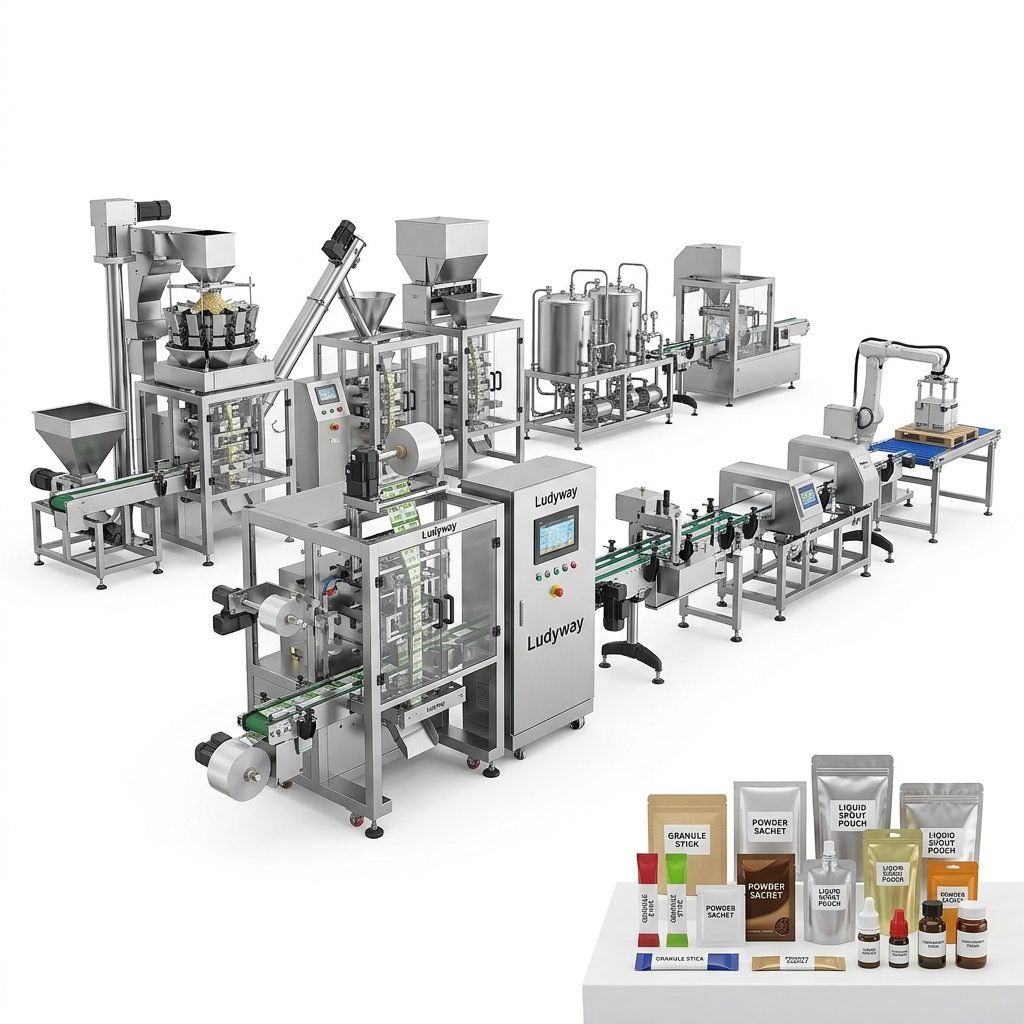
Automated Smart Factory Packaging Lines for Granules, Powder, Liquids & Pouches
View Equipment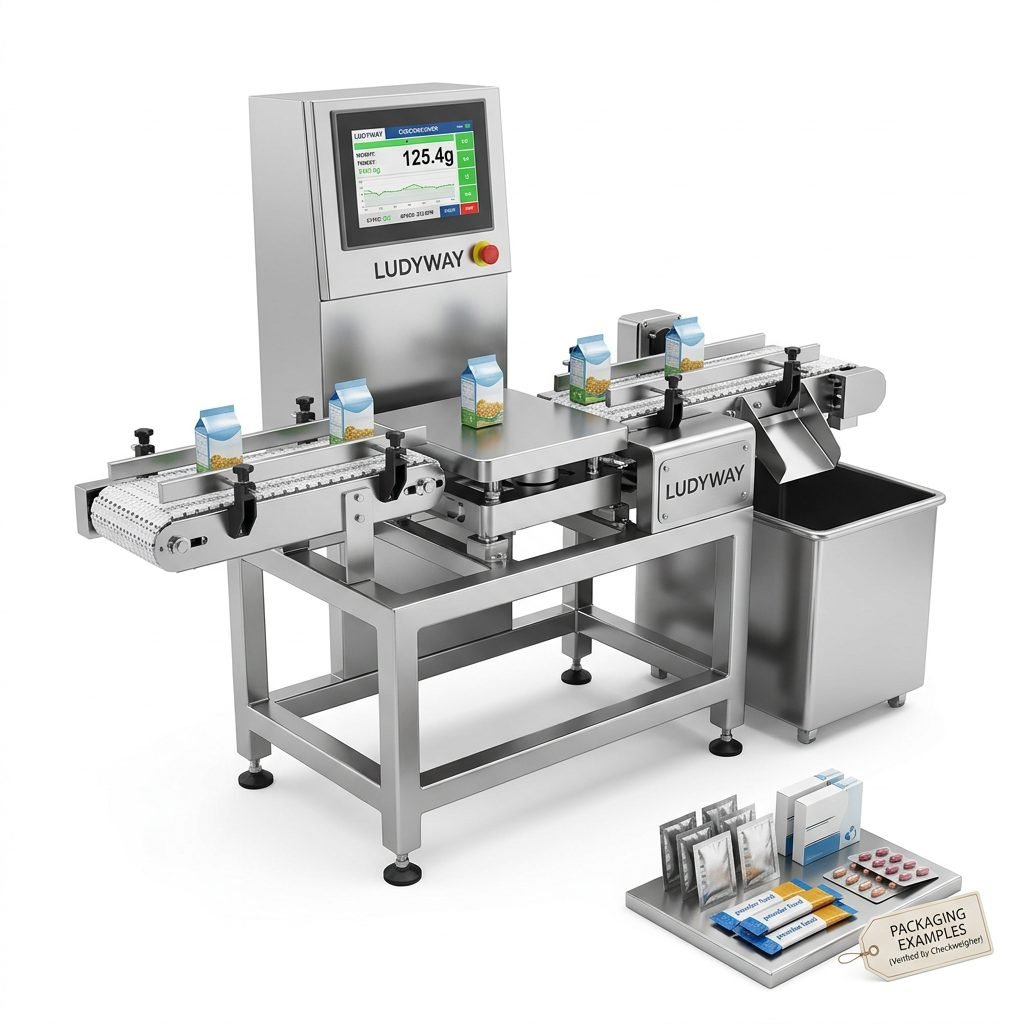
High-Precision Checkweigher for Food & Pharmaceutical Packaging Lines
View Equipment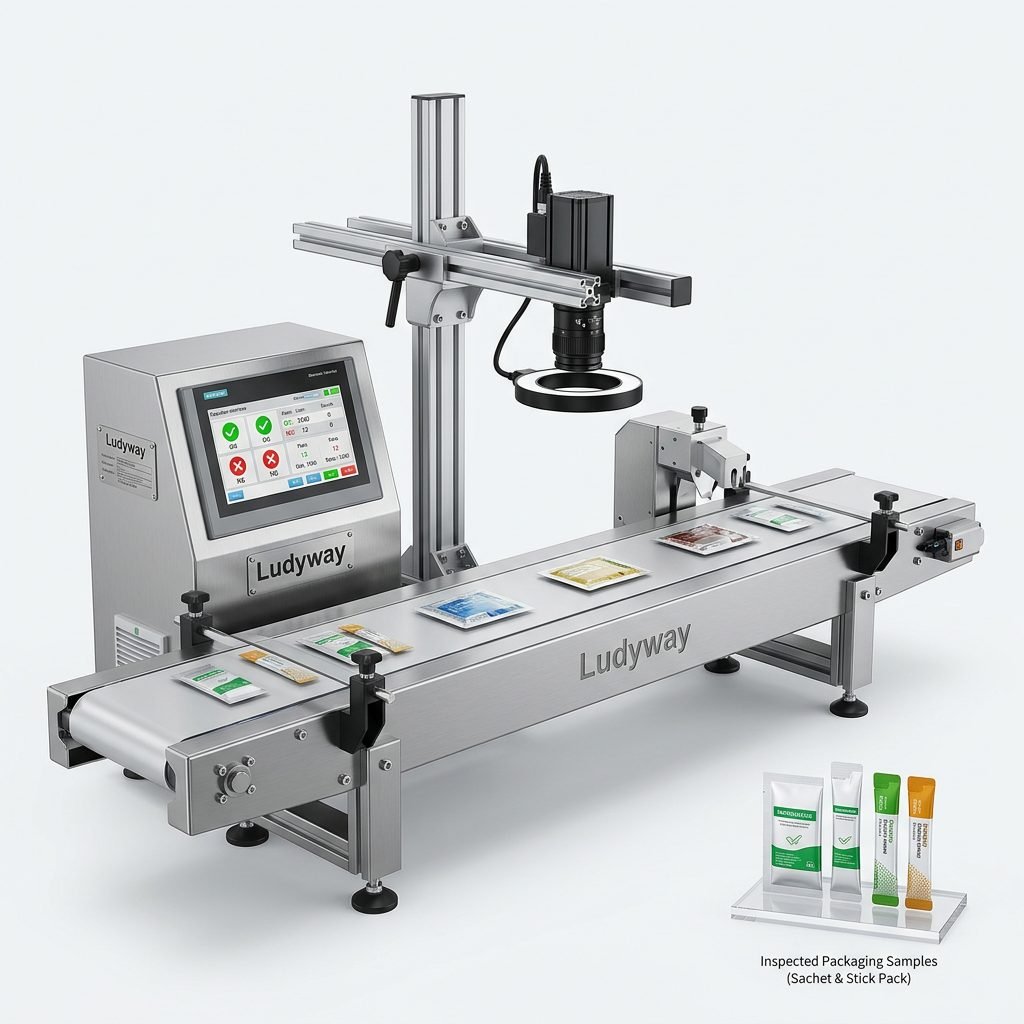
Industrial Vision Inspection System for Packaging Quality Control
View Equipment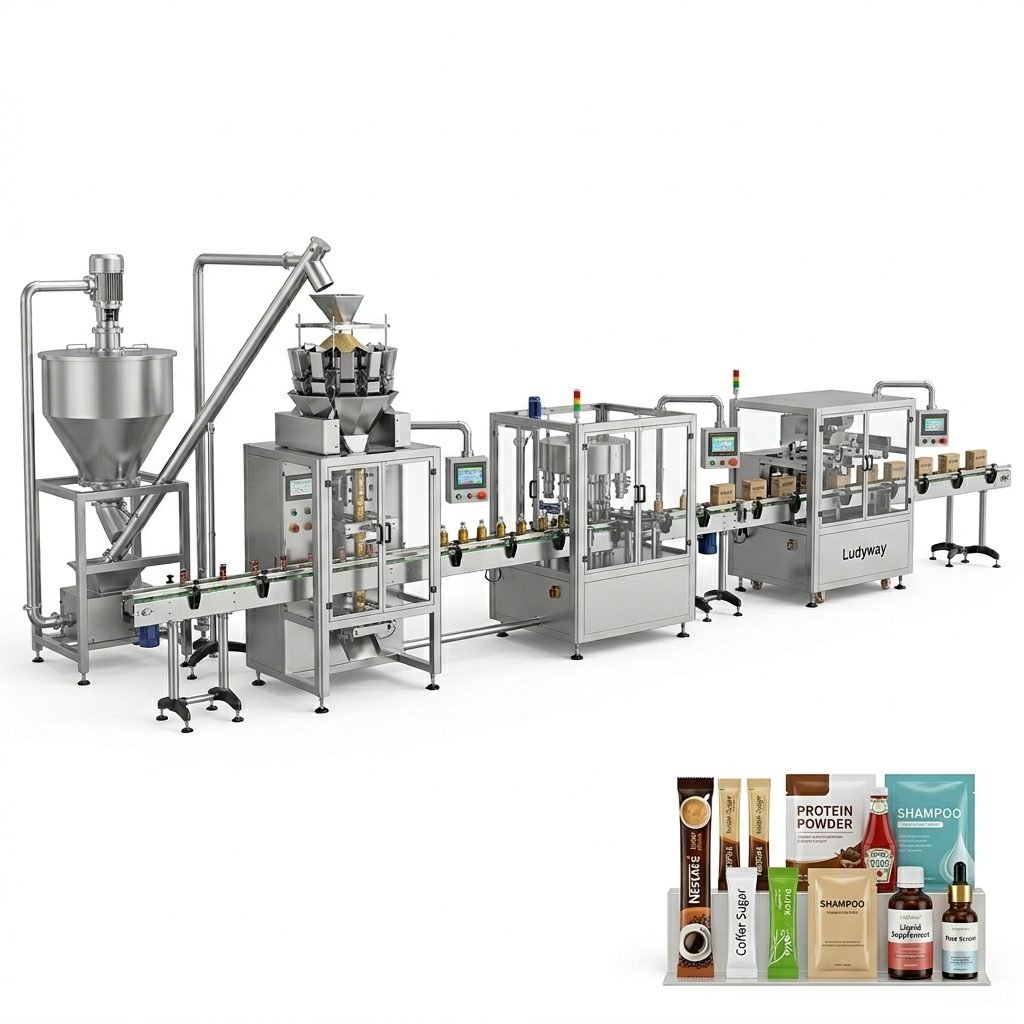
Complete Turnkey Packaging Solutions for Granule, Powder, and Liquid Products
View Equipment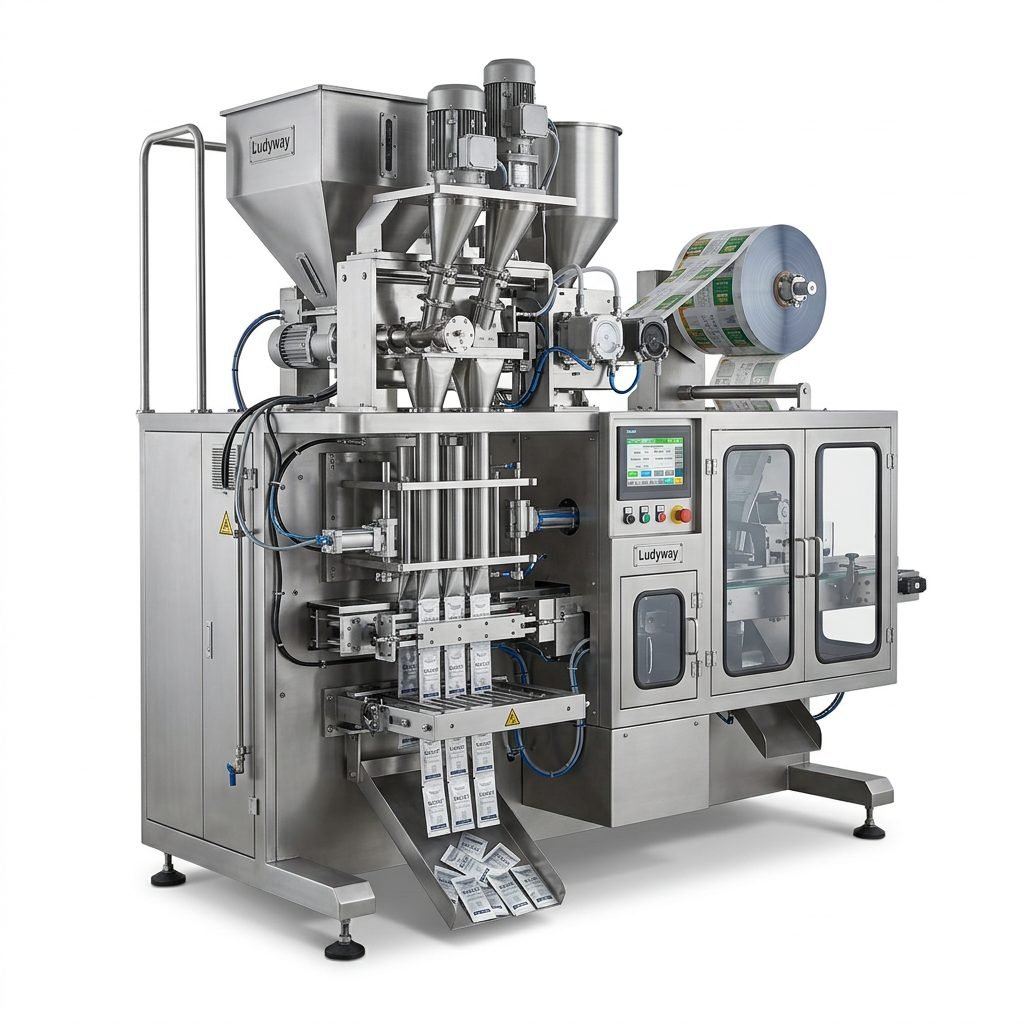
Multi-Lane Sachet Packaging Machine for Powder Granule Liquid Filling
View Equipment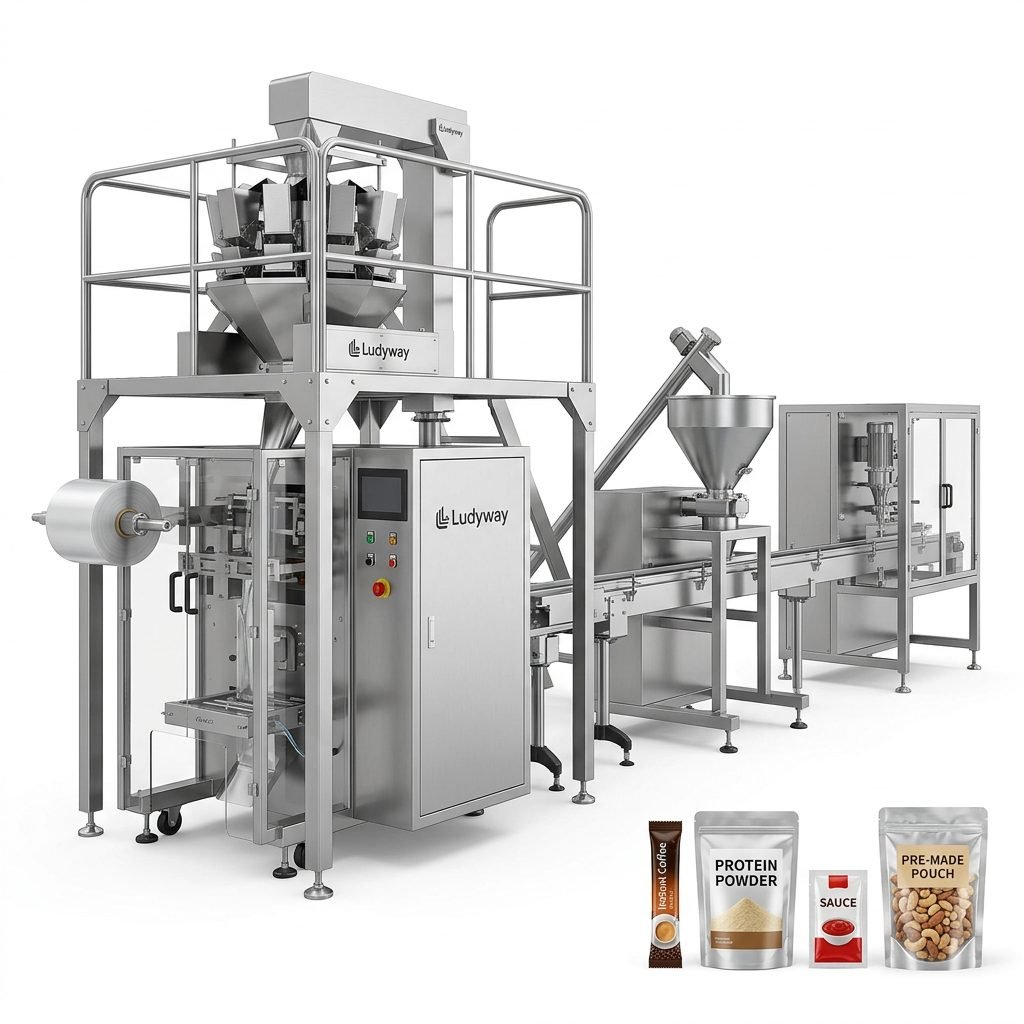
Automated Packaging Lines for Granule, Powder, Liquid & Pouch Applications
View EquipmentEngineered by Ludyway: 30+ Years of Packaging Innovation
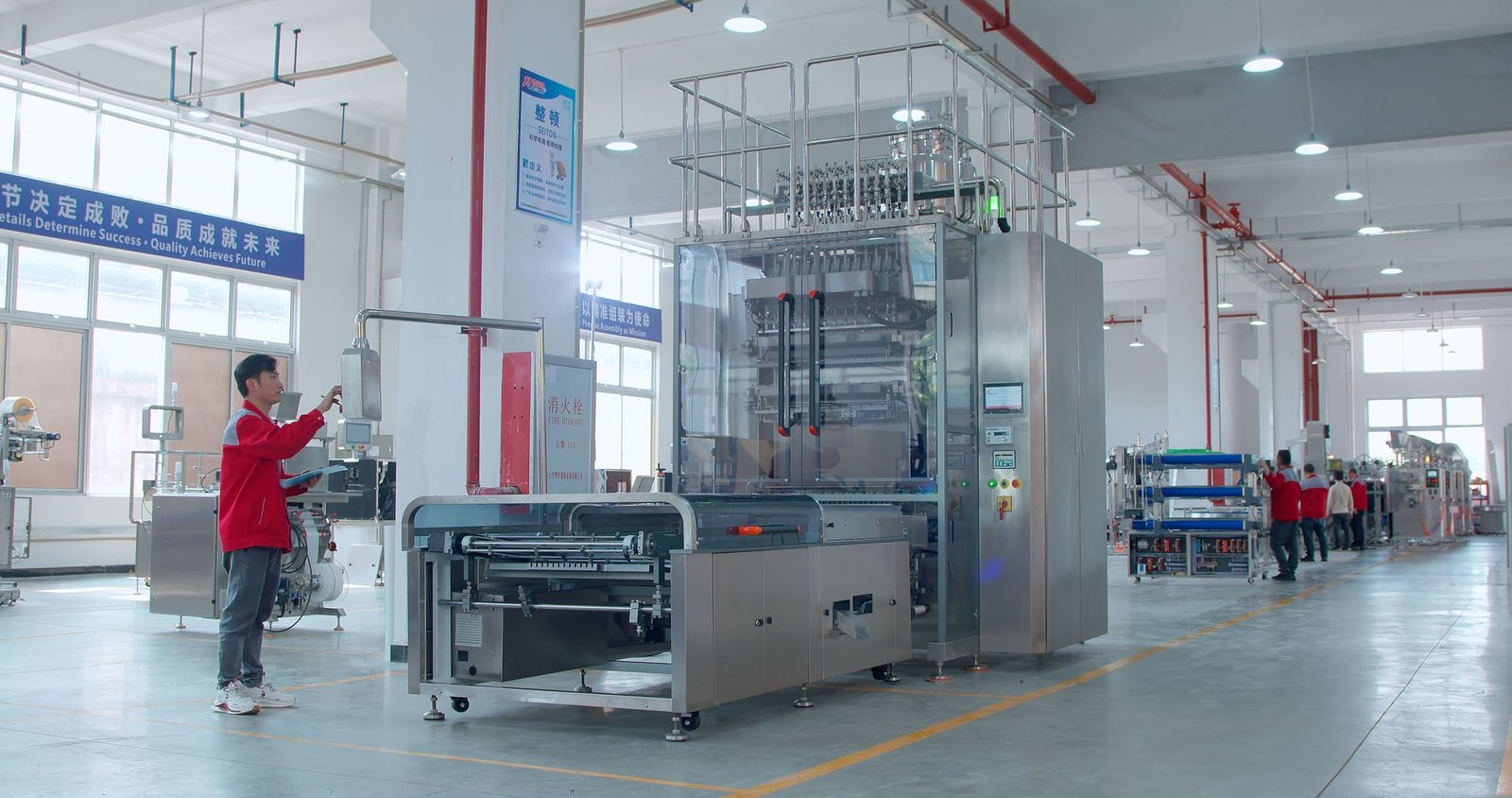
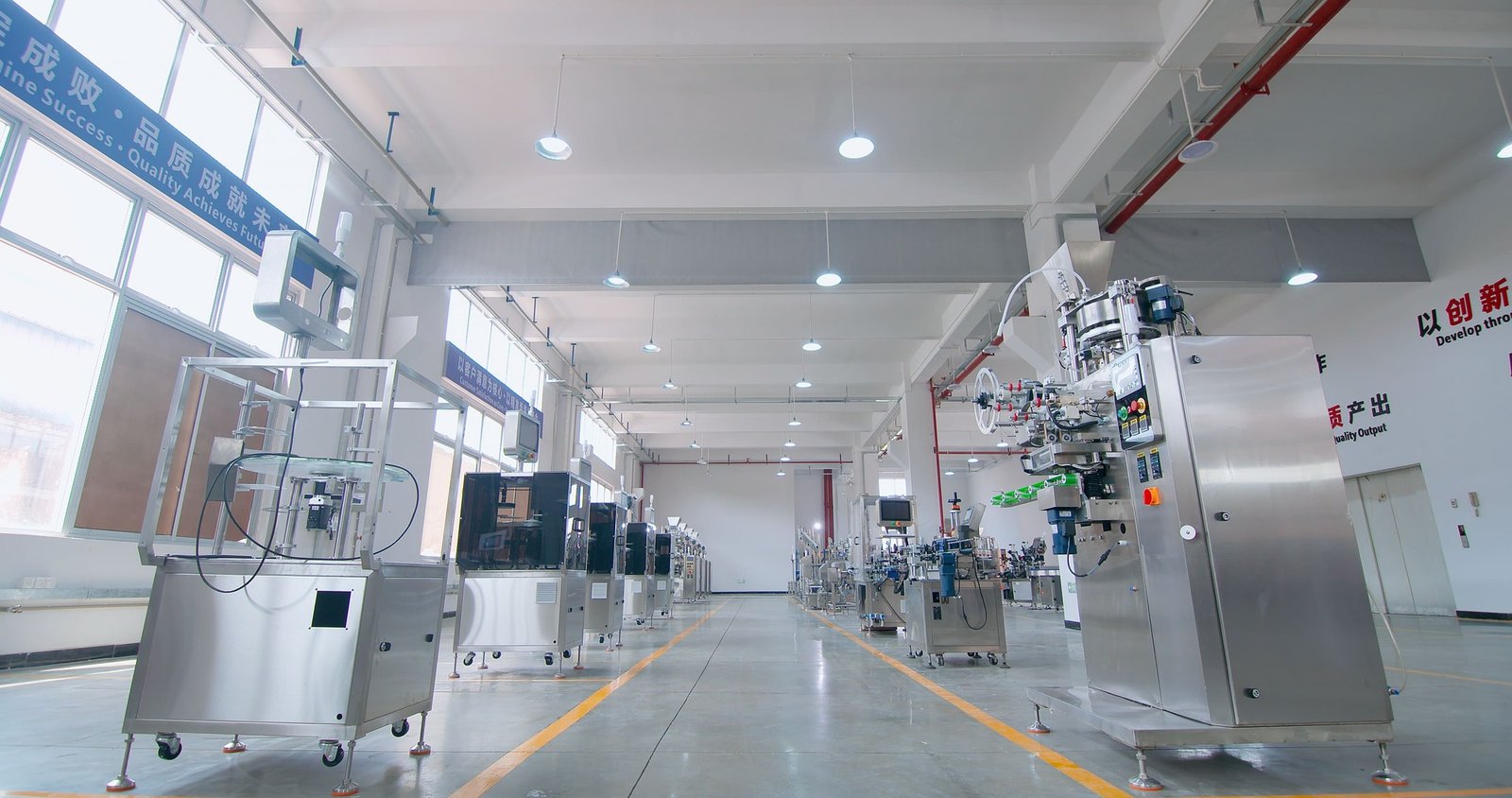
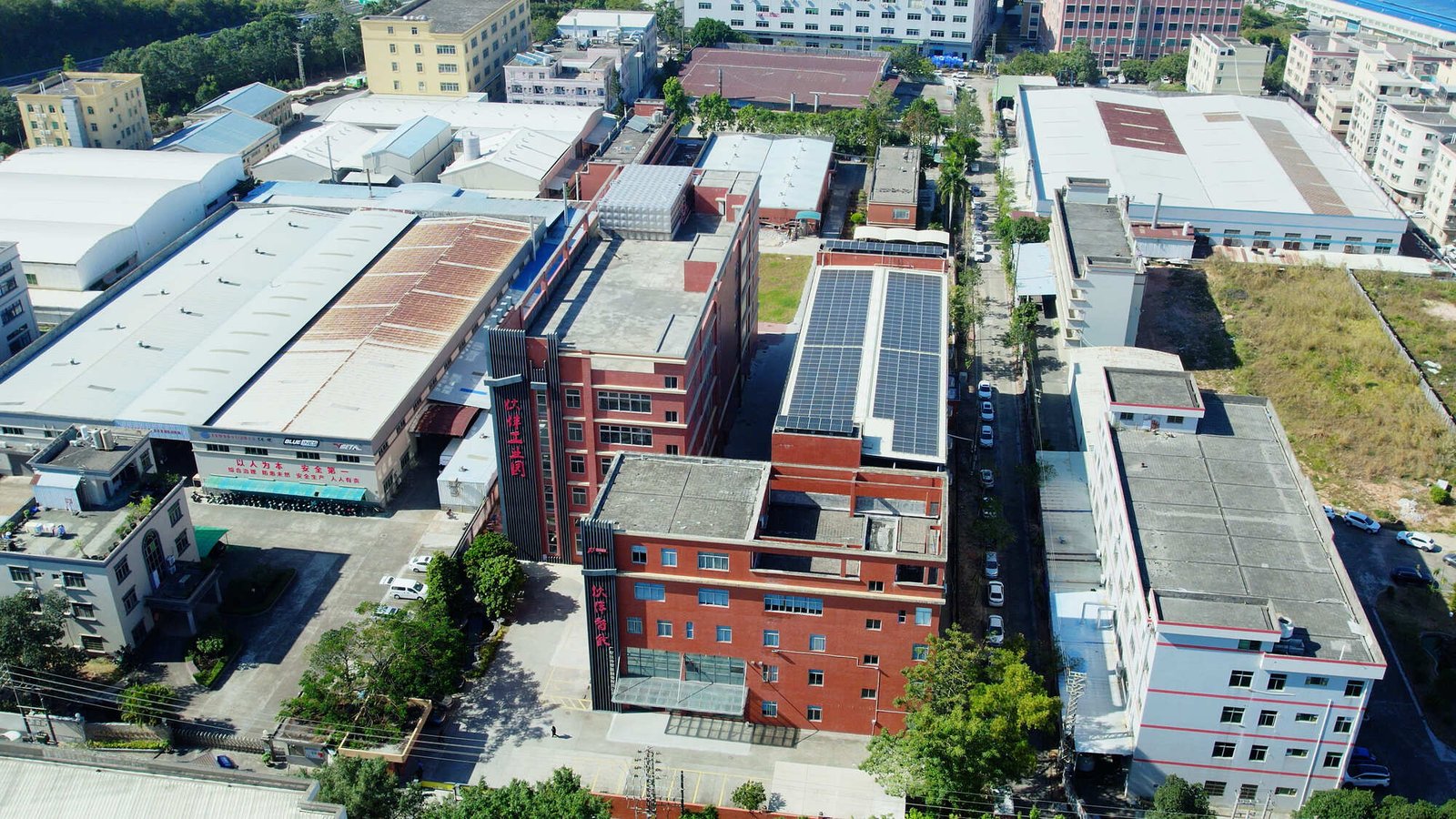
Ludyway is one of China’s premier packaging machinery manufacturers, specializing in advanced high-speed packaging equipment and complete turnkey production systems for food, pharmaceutical, and health industries. Supported by a modern 20,000㎡ manufacturing facility, 130+ technical experts, and over 50 intelligent machine models, we provide comprehensive training programs to ensure your team achieves peak OEE from day one.
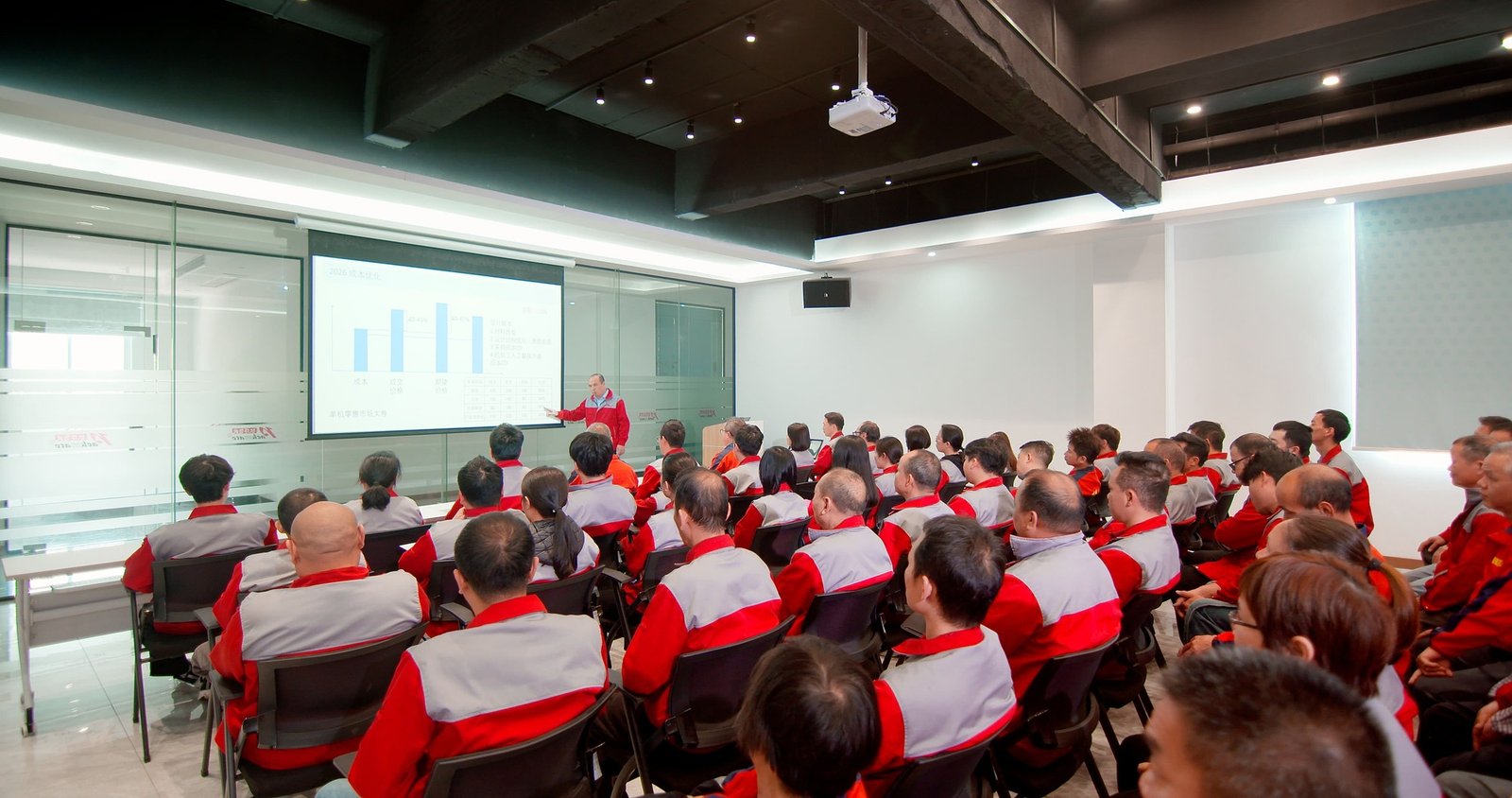
State-of-the-Art Production & Training Facility
International Certifications & Global Trusted Partners
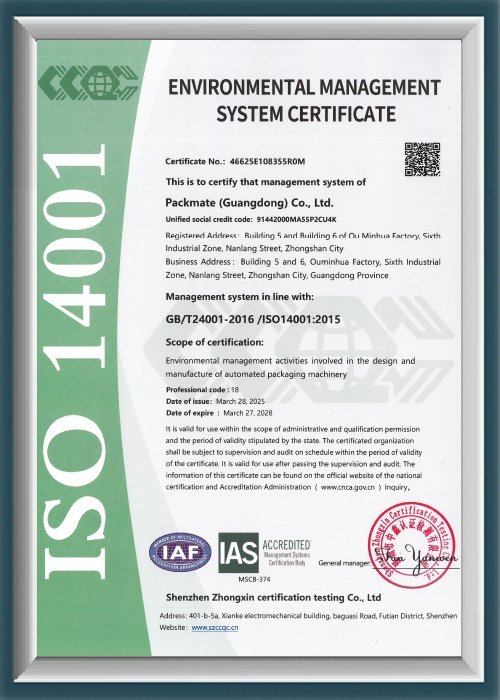
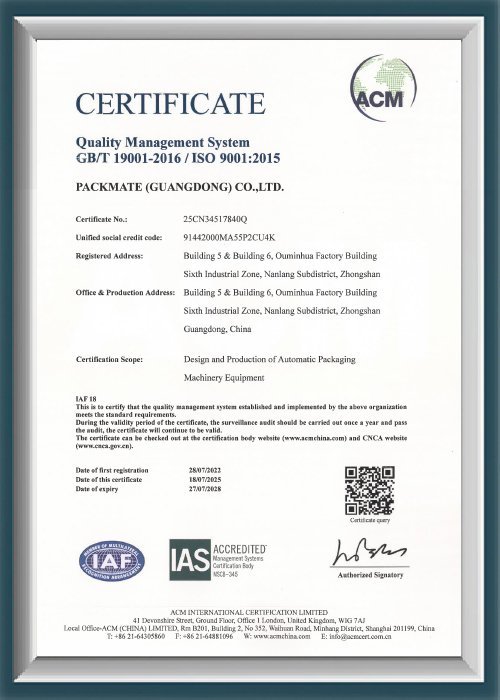
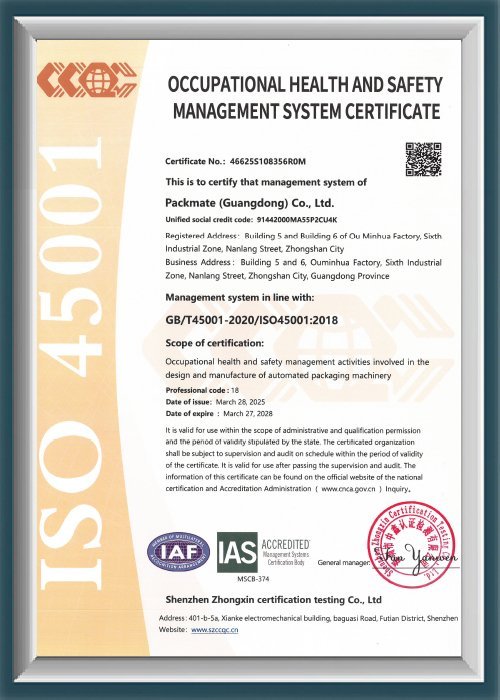
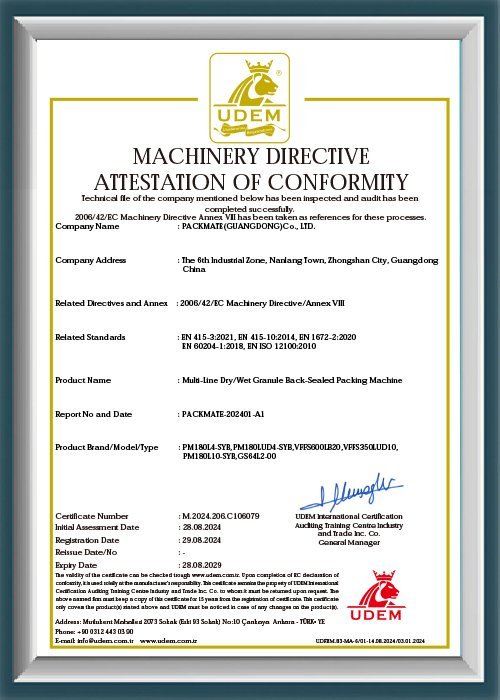
Our packaging solutions comply with strict European CE directives, ISO9001 quality standards, and cGMP sanitary requirements. We empower enterprise clients worldwide with verified equipment and internationally recognized training standards.
Trusted Component Suppliers & Global Partners






Frequently Asked Questions About Packaging Machine Training
Get clear answers regarding training duration, delivery logistics, certification, and ongoing technical support.
How long does a standard packaging machine training program take?
A standard commissioning and operator training program typically spans 3 to 7 business days depending on line complexity. Standalone multi-lane sachet machines require approximately 3–4 days for operator and maintenance certification, whereas full turnkey lines (filling, cartoning, checkweighing, and robotic palletizing) span 7–10 days to cover full multi-unit integration.
What materials and documentation are provided during training?
Participants receive a comprehensive technical dossier, including: bilingual (English/Target Language) Operator SOP manuals, 3D mechanical assembly diagrams, PLC electrical wiring schematics, spare parts exploded catalogs, preventative maintenance checklists, and step-by-step video tutorials for quick reference.
Can training be conducted using our specific raw materials and packaging film?
Yes, absolutely. We strongly recommend conducting both the Factory Acceptance Test (FAT) and on-site commissioning using your exact production substrates, including specific powder granulometry, liquid viscosity, and proprietary film barrier laminates (e.g., ALU/PE, PET/PE, or recyclable paper foil).
Do operators receive formal certification upon completion?
Yes. Following both theoretical assessments and hands-on operational audits (covering startup, changeovers, fault clearance, and safety tests), qualified personnel receive an official Certificate of Competency issued by Ludyway Machinery.
How does Ludyway support retraining when our plant experiences employee turnover?
We provide continuous lifelong support through our digital learning portal, interactive video libraries, and scheduled remote AR refresher sessions. Additionally, on-site refresher engineering visits can be scheduled to certify newly hired operators.
Empower Your Packaging Line with Industry-Leading Training
Maximize throughput, eliminate unplanned downtime, and ensure peak operator safety. Connect with our engineering specialists today to customize a comprehensive packaging machine training program for your manufacturing team.
