
How Often Do Packaging Machines Need Maintenance?
Maximize Overall Equipment Effectiveness (OEE), eliminate unplanned downtime, and extend machine service life. Discover industry-standard maintenance intervals, proactive servicing schedules, and engineering insights designed for multi-lane stick pack, sachet, and automated filling systems.
The Definitive Packaging Machine Maintenance Schedule
Packaging machines operate under rigorous mechanical stress, high thermal cycling, and rapid kinetic motion. Following a structured maintenance schedule prevents micro-stoppages and avoids costly downtime.
| Interval | Core Inspection & Service Tasks | Key Mechanical & Electrical Components | Operational Impact |
|---|---|---|---|
| Daily / Per Shift | Cleaning product contact surfaces, removing debris from heat-sealing jaws, verifying air pressure, wiping optical sensors. | Sealing bars, forming shoulders, photo-eyes, date coder printheads, product hoppers. | High Impact (Prevents seal leaks & registration drift) |
| Weekly | Greasing linear bearings, lubricating drive chains, purging pneumatic moisture traps, inspecting vacuum cups. | Piston cylinders, conveyor drive chains, suction manifolds, pneumatic regulators. | Preventive (Eliminates mechanical friction & wear) |
| Monthly | Checking timing belt tension, testing thermocouple accuracy, inspecting cutting knives for micro-burrs. | Heater cartridges, rotary knives, servo drive belts, slip rings, solid-state relays. | Critical Quality (Guarantees clean cut & hermetic seal) |
| Quarterly | Calibrating load cells/checkweighers, checking gearbox oil levels, inspecting electrical terminals for vibration looseness. | PLC terminal blocks, main drive gearboxes, auger screw dosers, safety interlocks. | System Stability (Ensures precise dosing & electrical safety) |
| Annually / Bi-Annually | Comprehensive mechanical overhaul, servo motor tuning, replacing worn internal bushings, software diagnostics. | Main camshafts, servo actuators, vacuum pumps, main bearing housings, firmware. | Asset Longevity (Extends operational lifecycle by 10+ years) |
Over 80% of premature packaging machinery breakdowns originate from two overlooked daily issues: uncleaned sealing jaw residue causing uneven heat transfer, and inadequate pneumatic moisture filtration leading to solenoid valve sticking. Consistent daily housekeeping delivers the highest return on maintenance investment.
Automated packaging machinery—whether vertical form-fill-seal (VFFS) systems, multi-lane sachet packaging lines, rotary pouch fill-seal machines, or automated cartoning systems—must balance high-speed throughput with extreme mechanical precision. When packaging granular, powdery, or viscous liquid materials, fine particulate dust or product splash can migrate into guide ways, optical sensors, and mechanical linkages.
Determining how often packaging equipment needs maintenance depends directly on continuous run-hours, production environments, and product characteristics. In high-speed food, pharmaceutical, and chemical applications, proactive servicing scheduled by runtime hours (e.g., every 250, 1,000, and 4,000 hours) consistently outperforms rigid calendar-based schedules.
4 Crucial Factors Dictating Maintenance Frequency
Off-the-shelf maintenance timelines provide a baseline, but real-world operational environments require customized scheduling based on product dynamics, speeds, and duty cycles.
Operational Duty Cycle
A packaging line running a single 8-hour shift requires a very different maintenance cycle than a 24/7 continuous production line. High duty cycles demand accelerated lubrication, thermal dissipation checks, and weekly wear-part inspections.
Product Characteristics
Fine powders (e.g., milk powder, collagen, chemical additives) create abrasive airborne dust requiring daily air-blast filtration. Corrosive liquids, salted seasoning, or acidic gels mandate daily washdowns to avoid pitting stainless steel.
Line Speed & Throughput
Multi-lane packaging machines cycling at 60 to 100 cycles per minute generate intense kinetic energy and thermal loads. High-speed reciprocating sealing jaws, servo drives, and film pull belts experience exponential wear compared to semi-automatic machinery.
Environmental Ambient Factors
Ambient humidity, temperature fluctuations, and airborne washdown chemicals can compromise pneumatic seals, degrade lubricant viscosity, and oxidize electrical connectors. Climate-controlled cleanrooms allow longer preventive intervals than harsh processing plants.
Step-by-Step Engineering Maintenance Protocols
Equip maintenance technicians and machine operators with actionable, chronological maintenance checklists to enforce standard operating procedures across every shift.
Shift & Daily Servicing Protocol
Daily / 8-10 Hours- Sealing Jaw Sanitation: Use brass wire brushes and food-grade solvent to strip melted film and carbonized product build-up.
- Optical & Photocell Lens Cleaning: Wipe registration mark sensors, print registration scanners, and hopper level probes with lint-free microfiber.
- Pneumatic Air Pressure Verification: Confirm main inlet pressure is stable at the manufacturer-specified 0.6–0.8 MPa.
- Film Track & Forming Tube Check: Ensure forming collars and pull belts are clear of adhesive residue, foreign debris, or film slippage.
- Waste Removal & Drain Purge: Clear punch trims, edge trimmings, and purge compressed air filter condensation bowls.
Weekly Deep Inspection & Lube
Weekly / 50-60 Hours- Linear Rail & Guide Lubrication: Apply NSF H1 food-grade grease to all linear guides, cross-sealing slider blocks, and ball screws.
- Cutter Blade Inspection: Check cross-cut knives, zigzag perforation blades, and tear-notch dies for micro-nicks and alignment gaps.
- Drive Belt & Chain Inspection: Check drive chains for sag; apply non-drip chain lubricant; inspect timing belt teeth for abrasive wear.
- Safety Interlock Testing: Trigger emergency stop buttons, interlocked safety doors, and light curtains to verify immediate stoppage.
- Dosing Pump / Auger Calibration: Verify weight repeatability on checkweighers to catch mechanical dosing drift early.
Monthly Electromechanical Audit
Monthly / 250 Hours- Heater Cartridge Resistance Audit: Measure heating element resistance with a multimeter to detect degraded heater cores before mid-shift burnout.
- Thermocouple & PID Loop Calibration: Calibrate temperature sensors against a calibrated surface pyrometer to guarantee +/- 1°C thermal accuracy.
- Pneumatic Cylinder Seal Check: Listen for subtle internal air bypass leaks across rod seals, cushion valves, and solenoid manifolds.
- Electrical Cabinet Vacuum & Filter Cleaning: Clean cooling fan filters, vacuum airborne dust, and inspect cooling heatsinks.
- Belt Tensioning & Pulley Alignment: Measure belt deflection using a tension gauge to prevent premature bearing side-load failures.
Quarterly & Annual Overhaul Protocol
Annual / 2,000–4,000 Hours- Complete Gearbox Oil Replacement: Drain, flush, and refill high-torque reducer gearboxes using synthetic industrial gear oils.
- Servo Motor Diagnostics & Backlash Check: Check motor encoder counts, zero-backlash planetary reducers, and mechanical couplings.
- Electrical Terminal Retightening: Torque all high-vibration terminal connections on contactors, breakers, and terminal strips.
- Comprehensive Wear-Part Replacement: Replace silicone seal rubbers, vacuum suction cups, cutting blades, Teflon strips, and O-rings.
- PLC Firmware & Recipe Database Backup: Export machine parameter backups, recipe configurations, and run full system diagnostics.
High-Efficiency Packaging Machinery Designed for Low Maintenance
Ludyway machines are engineered with quick-release toolless changeovers, robust 304/316 stainless steel builds, and self-diagnostic PLC controls to streamline daily and monthly maintenance.
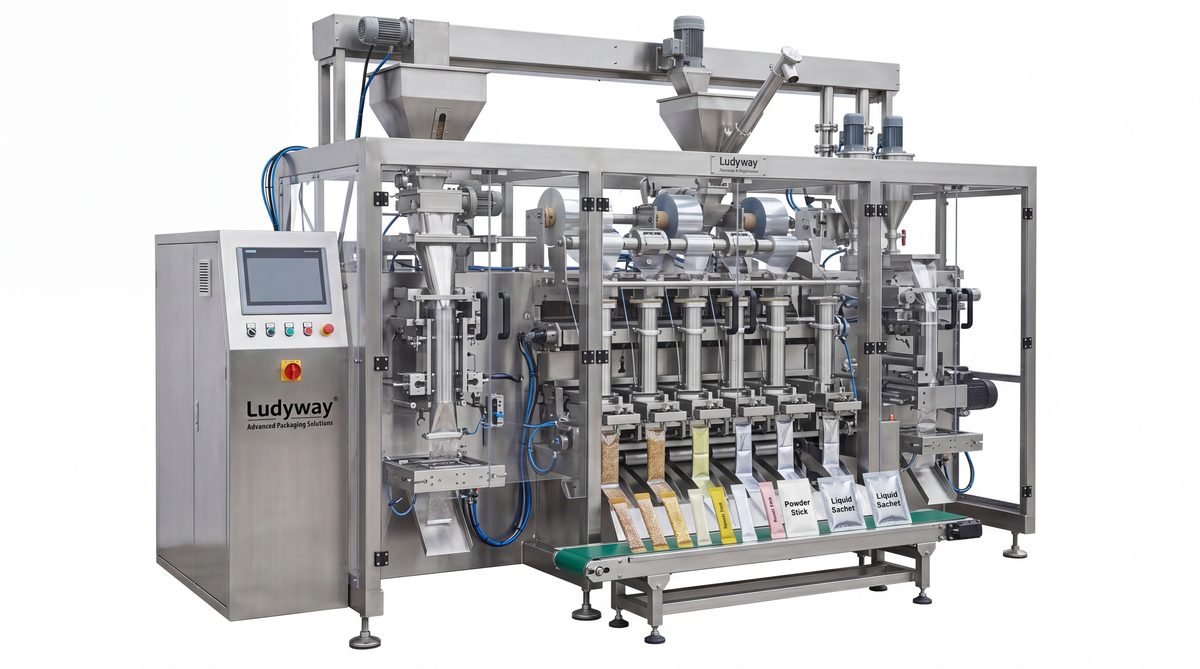
Multi-Lane Stick Pack & Sachet Packaging Machine for Granule, Powder, Liquid
View Machine Specs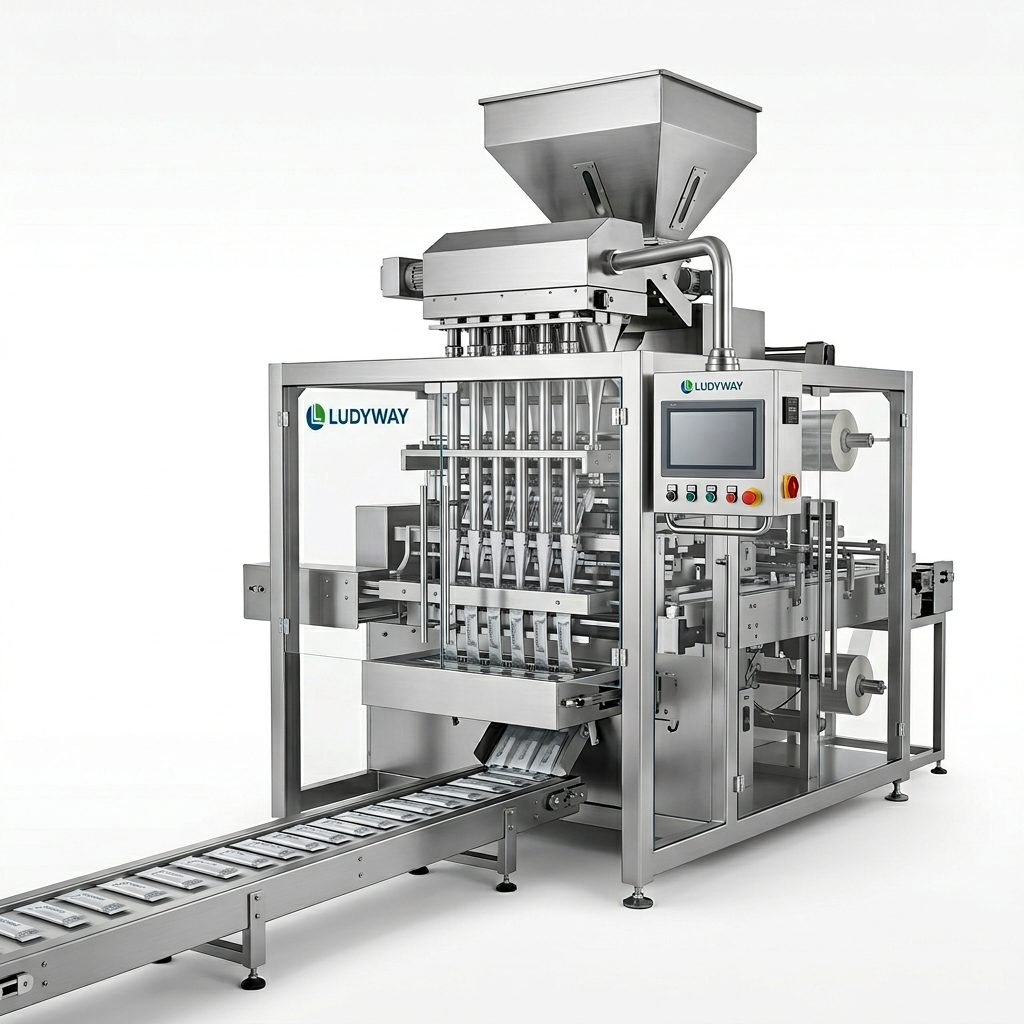
High-Speed Multi-Lane Powder Packaging System for Food and Pharma
View Machine Specs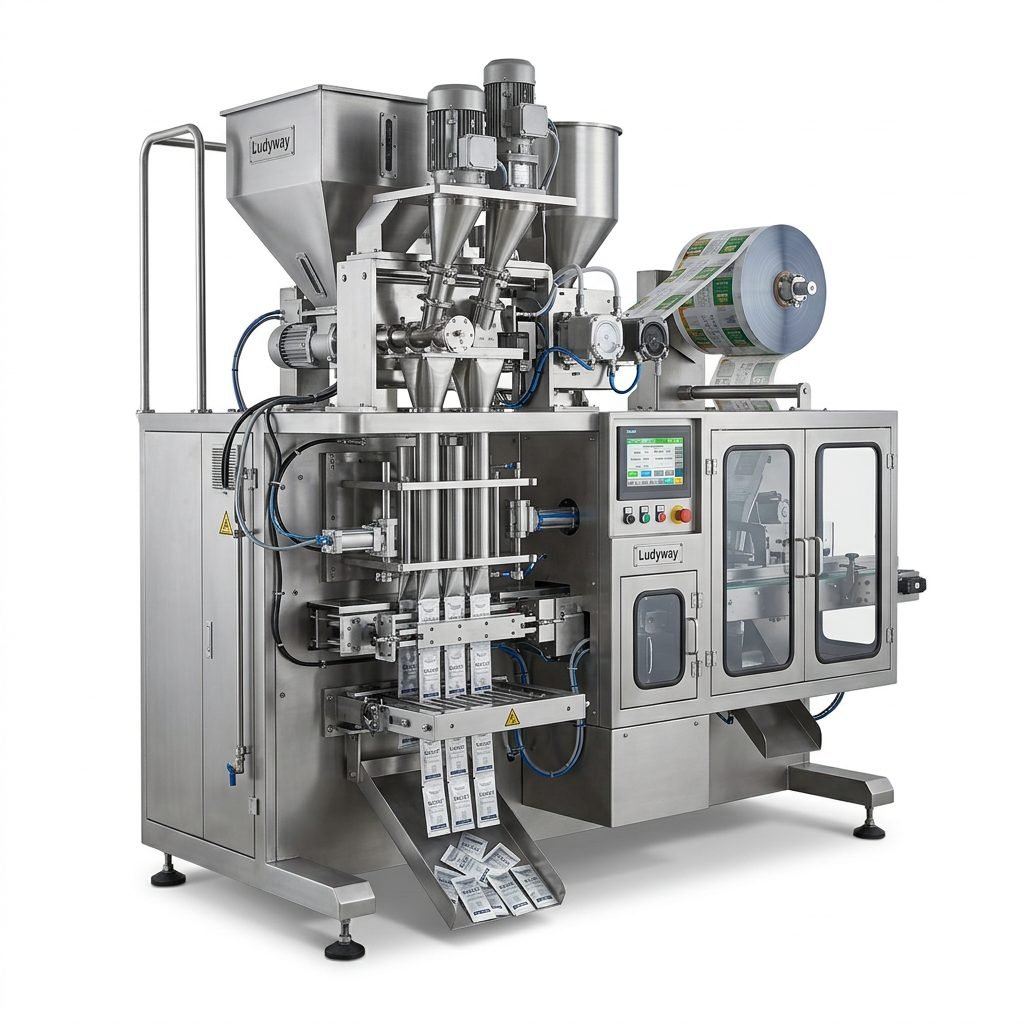
Multi-Lane Sachet Packaging Machine for Powder Granule Liquid Filling
View Machine Specs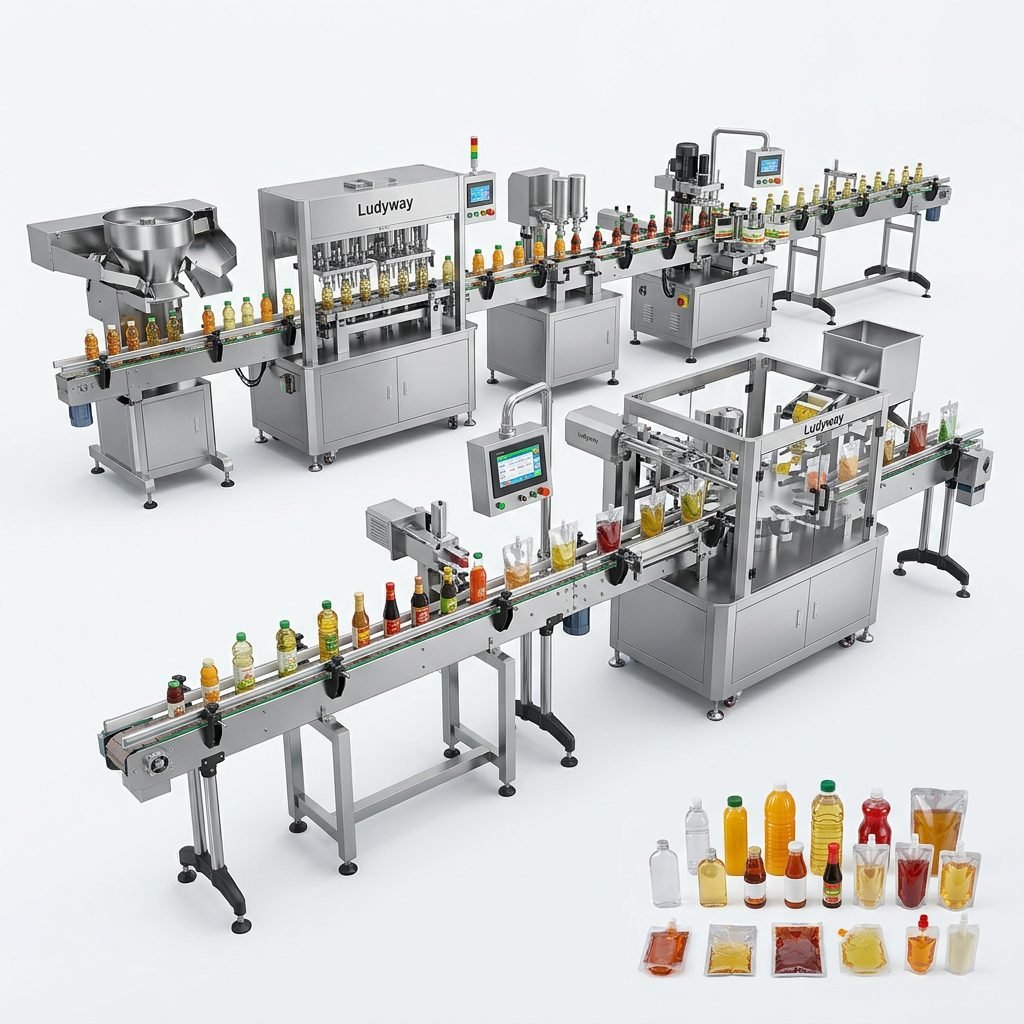
High-Speed Fully Automatic Liquid Packaging Lines for Bottles and Pouches
View Machine Specs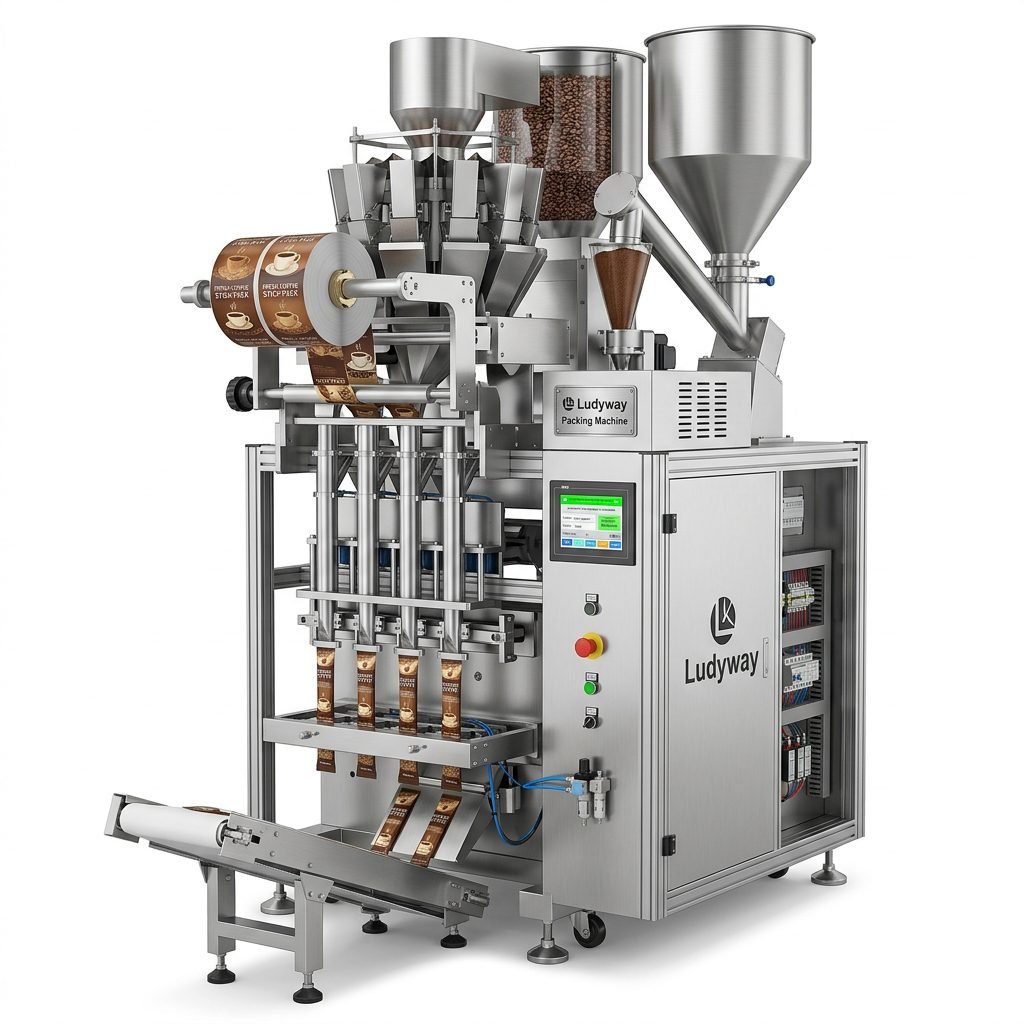
Automatic Multi-Lane Coffee Bean Packaging Machine for Granule and Powder
View Machine Specs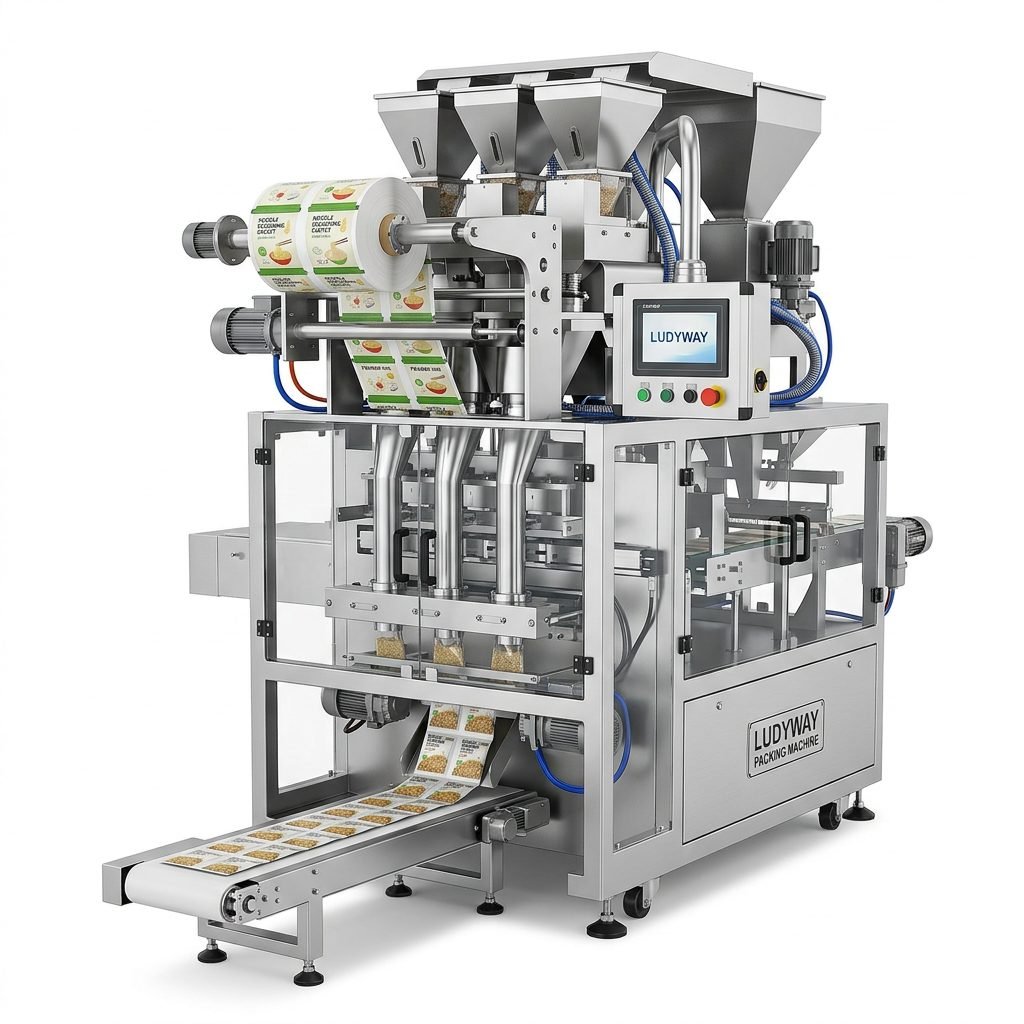
Instant Noodle Seasoning Packaging Machine for Sachets, Granule & Powder
View Machine Specs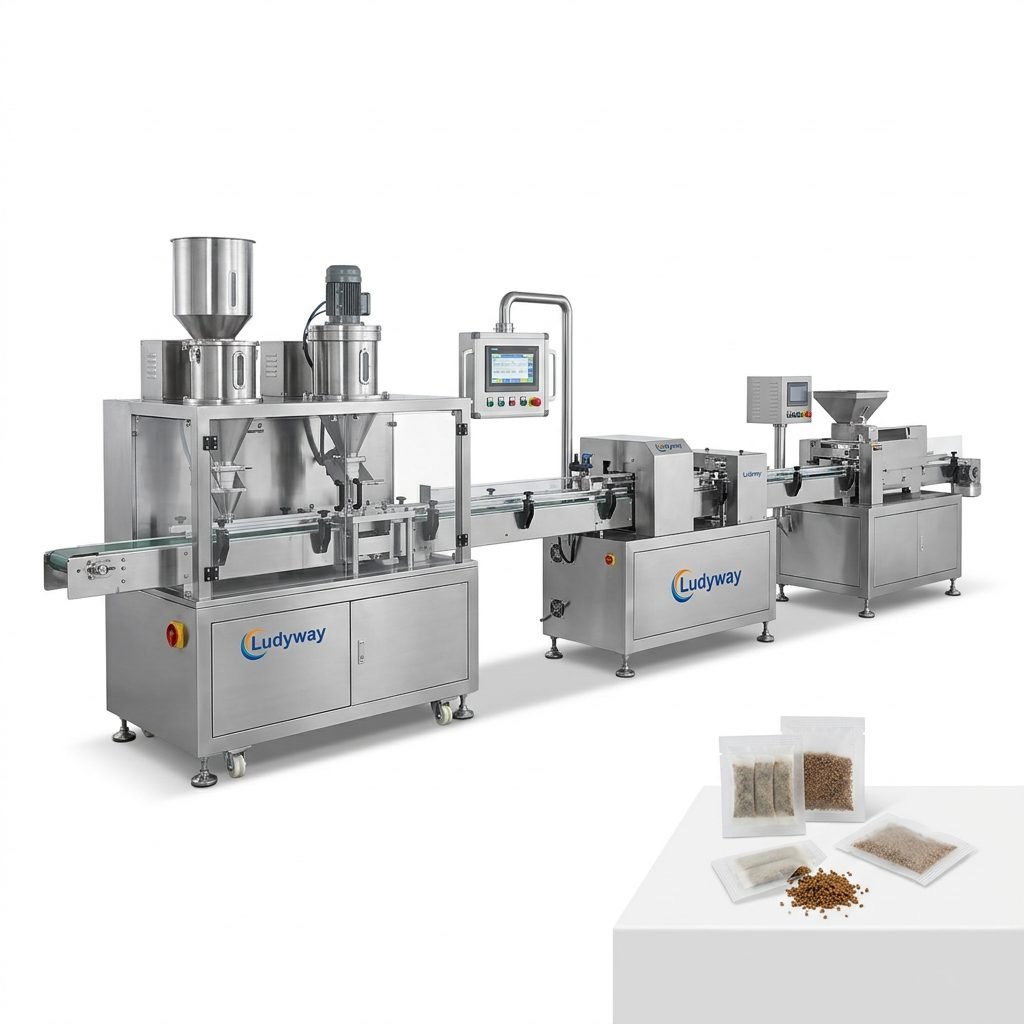
Turnkey Nicotine Packaging Lines for Pouches, Granules & Powders
View Machine Specs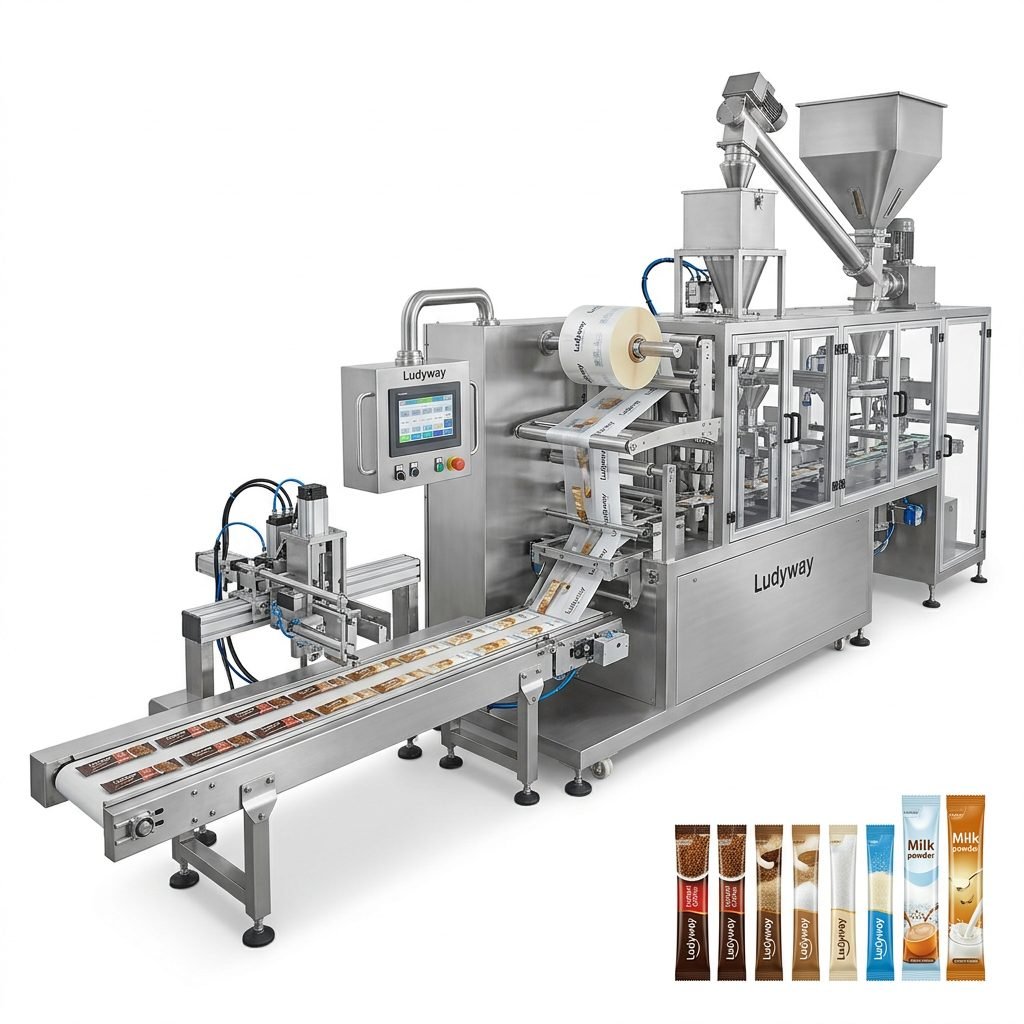
High-Speed Stick Pack Packaging Lines for Granules & Powders
View Machine SpecsReactive vs. Preventive vs. Predictive AI Maintenance
Modern smart factories are transitioning from traditional calendar-based maintenance to AI-driven predictive health monitoring, dramatically reducing total cost of ownership (TCO).
Reactive Maintenance (Run-to-Failure)
Parts are repaired or replaced only after catastrophic breakdown occurs. This results in unpredictable downtime, high emergency repair costs, ruined packaging film, and missed shipping deadlines.
Preventive Maintenance (Time-Based)
Tasks and component replacements follow a strict predetermined timeline (daily, weekly, monthly). Significantly safer than reactive strategies, but can lead to premature replacement of functional parts.
Predictive AI Condition Monitoring
IoT vibration sensors, thermal imaging on sealing jaws, and servo current monitoring detect mechanical bearing degradation and heater anomalies hundreds of hours before failure occurs.
Calculating the True Cost of Neglected Maintenance
In high-speed multi-lane stick pack and sachet operations producing 400 to 600 packages per minute, a single hour of unexpected downtime can cost upwards of $3,000 to $10,000 in lost production capacity, wasted packaging material, and idle operator labor. Moreover, when a heat sealing element fails mid-cycle, dozens of compromised pouches with pinhole leaks or incomplete barrier seals may pass unnoticed into cartoning, risking product recalls.
Implementing regular maintenance intervals transforms machine upkeep from an unpredictable cost center into a strategic driver of line profitability and high-yield operational efficiency.
Precision Engineering & Turnkey Automation by Ludyway
Ludyway is one of China’s premier packaging machinery manufacturers, specializing in high-speed multi-lane stick pack, sachet, and complete turnkey packaging line solutions for food, pharmaceutical, cosmetic, and chemical sectors.
Backed by over 30 years of industry expertise, a 20,000㎡ modern manufacturing facility, and an engineering force of 130+ packaging experts, Ludyway manufactures more than 50 intelligent machine models serving clients across 100+ countries and regions worldwide.
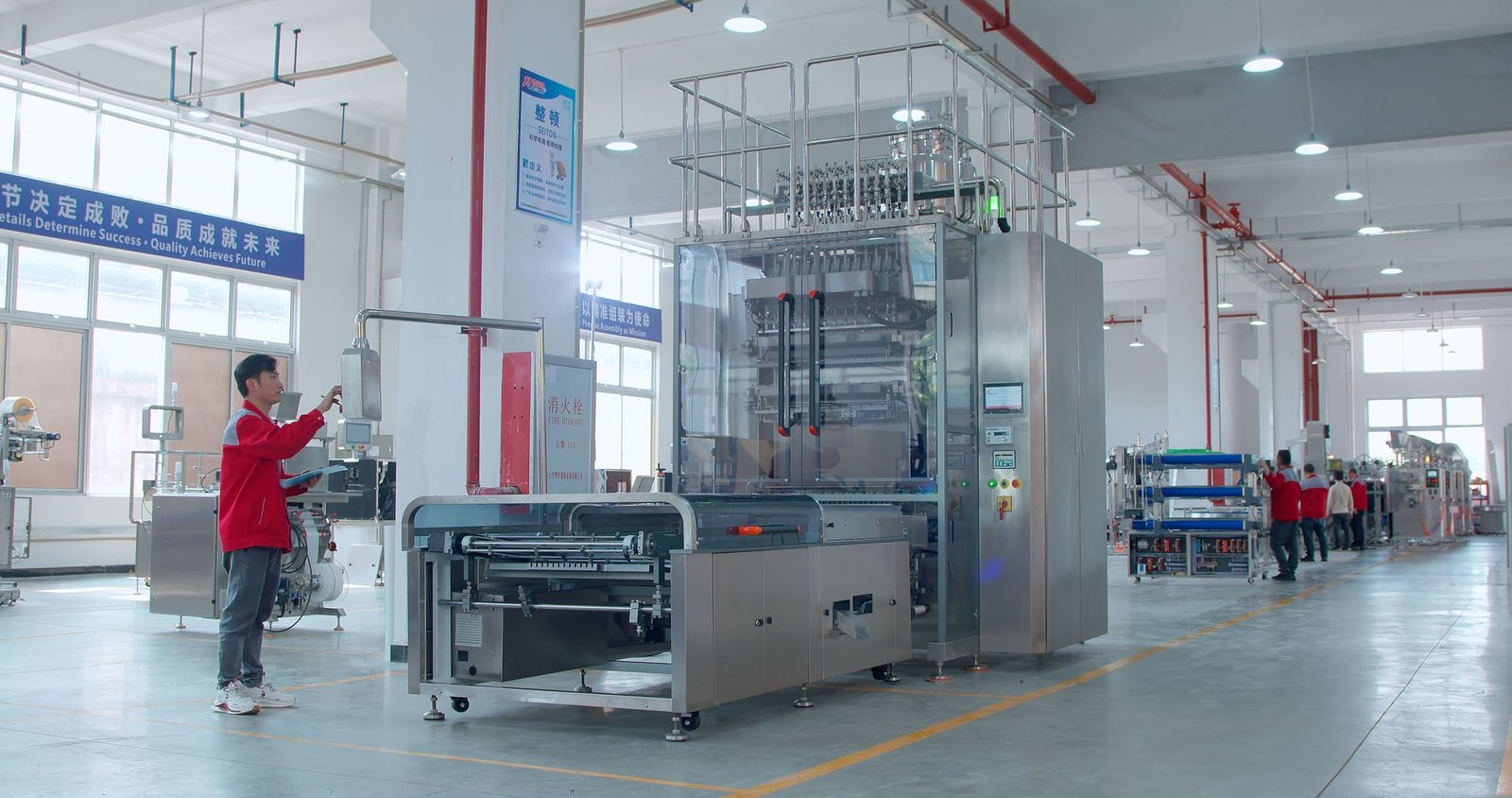
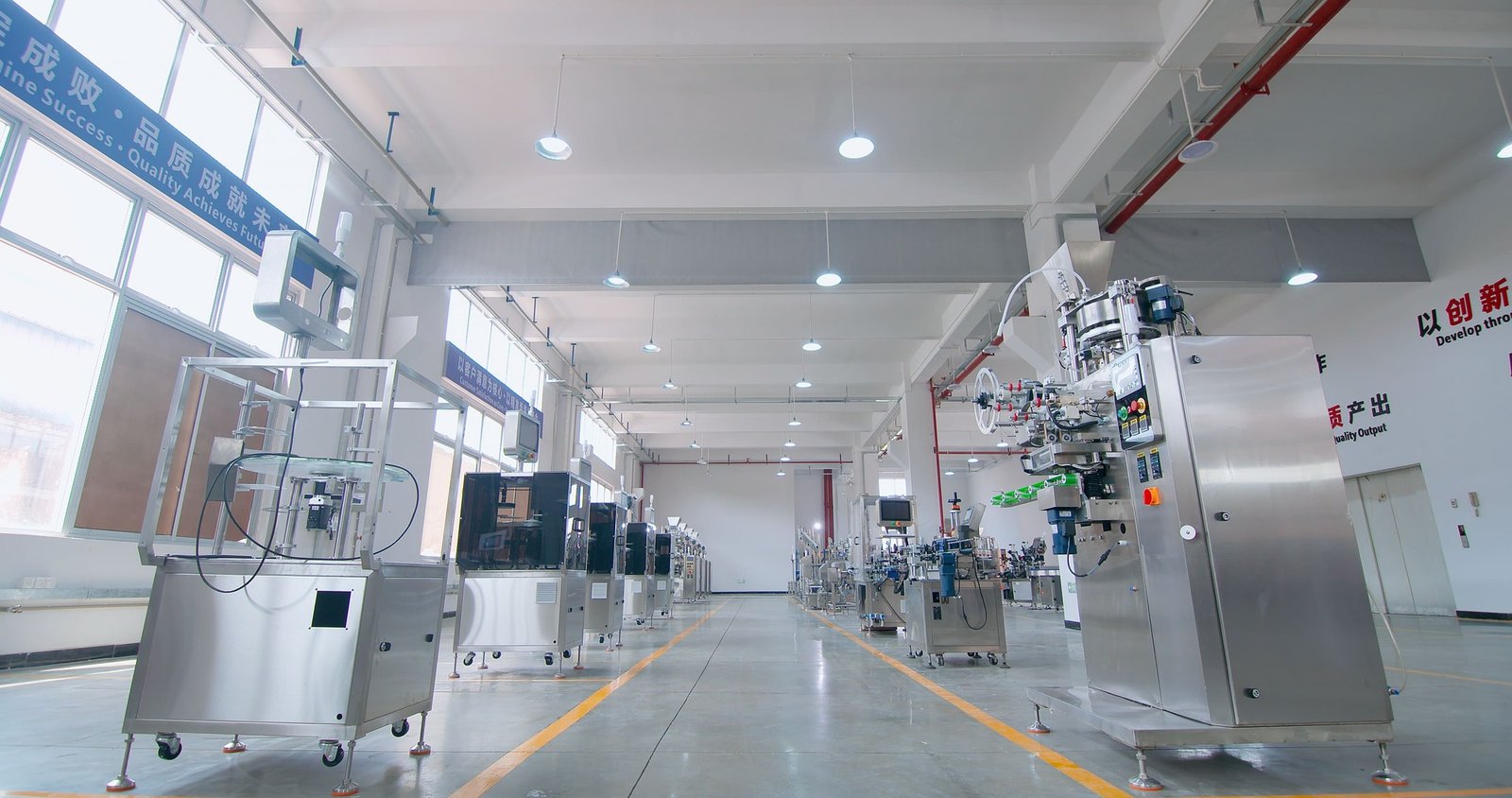
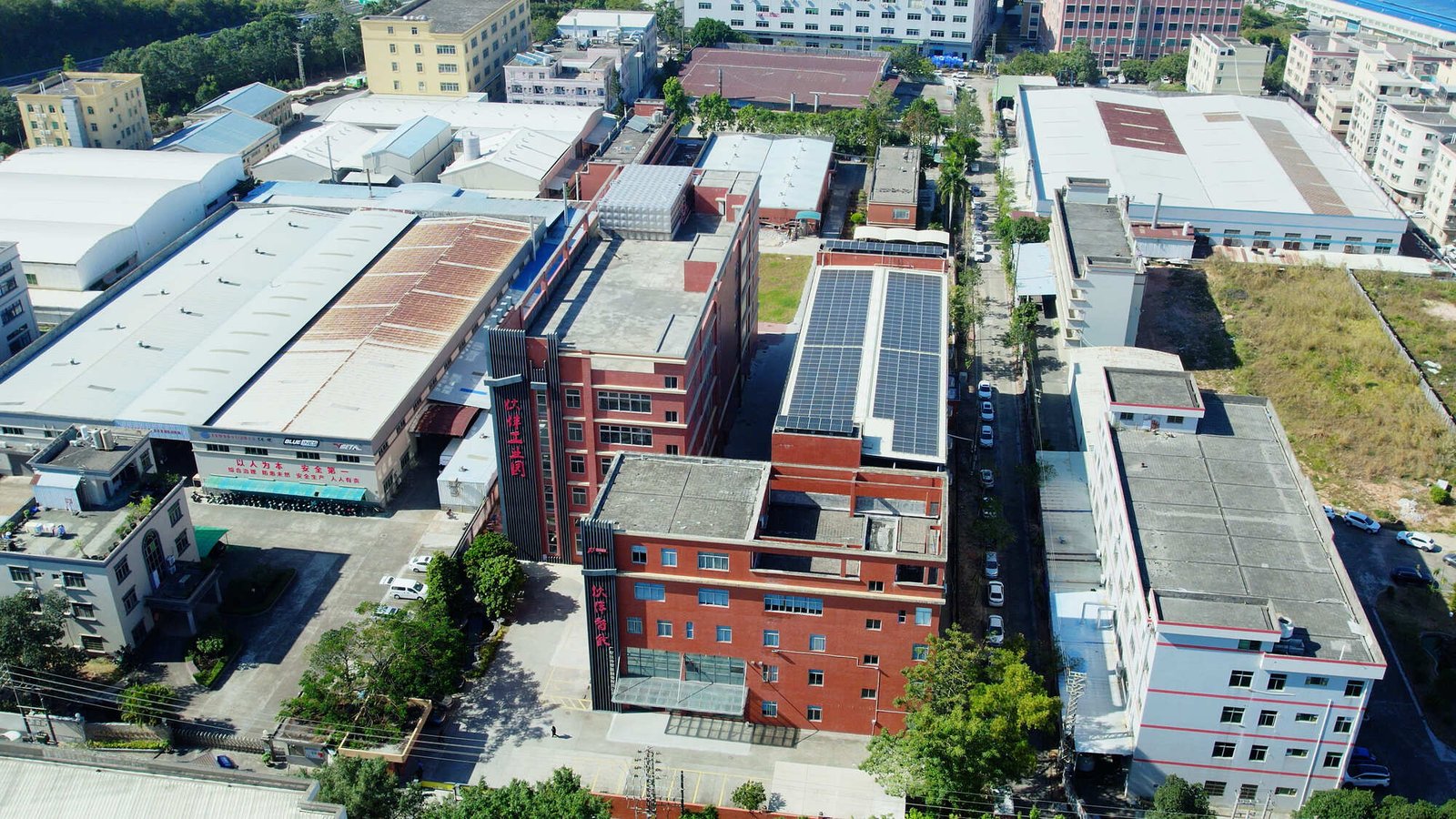
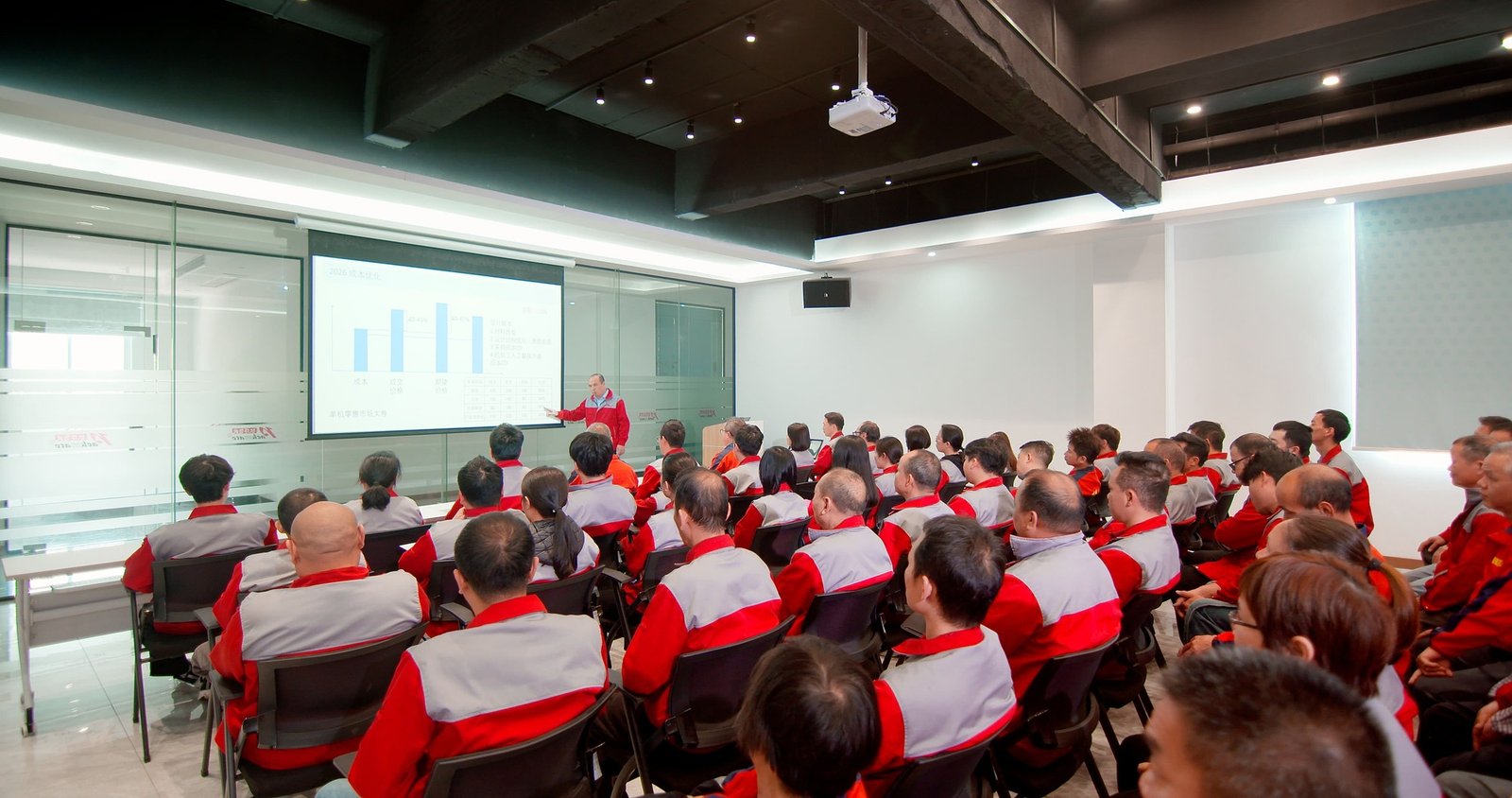
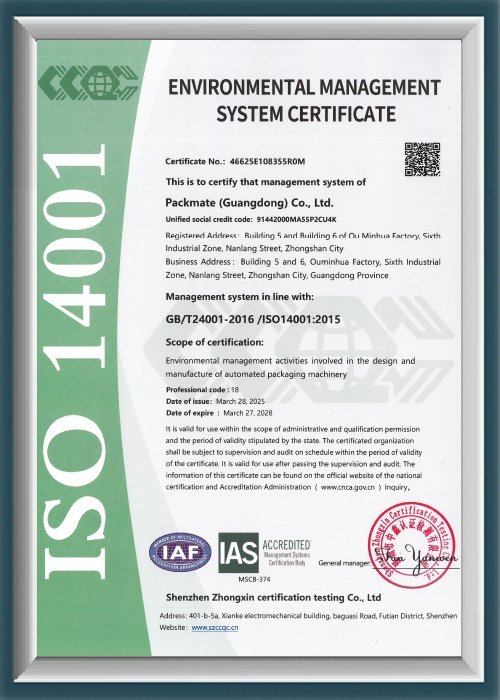
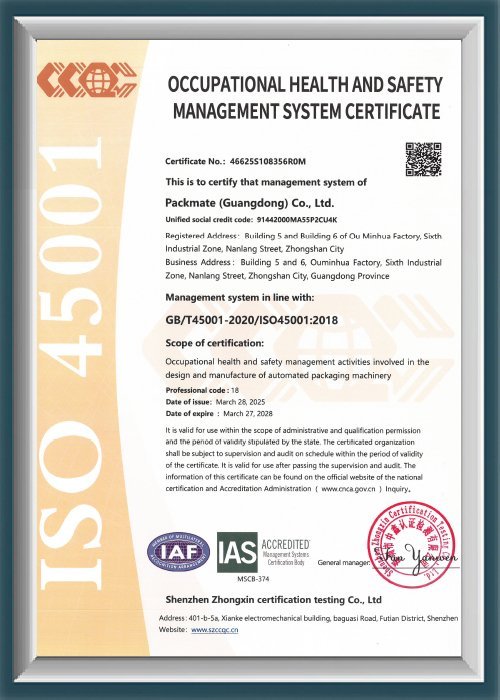
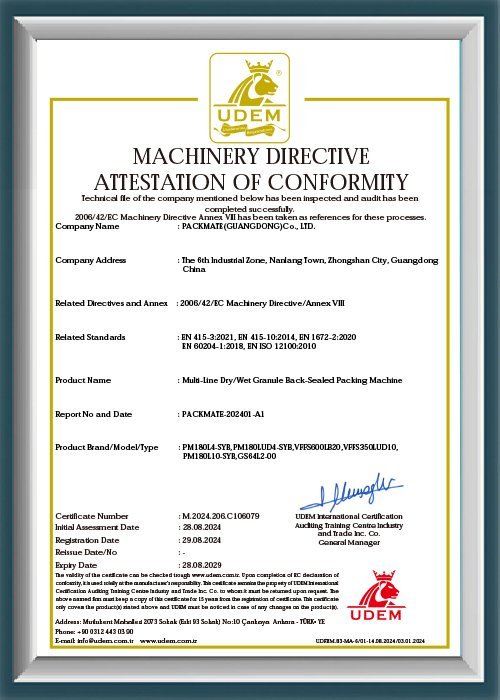
Certified International Quality & Compliance Standards

Trusted by Global Industry Leaders








Worldwide Machinery Demonstrations & Technical Support
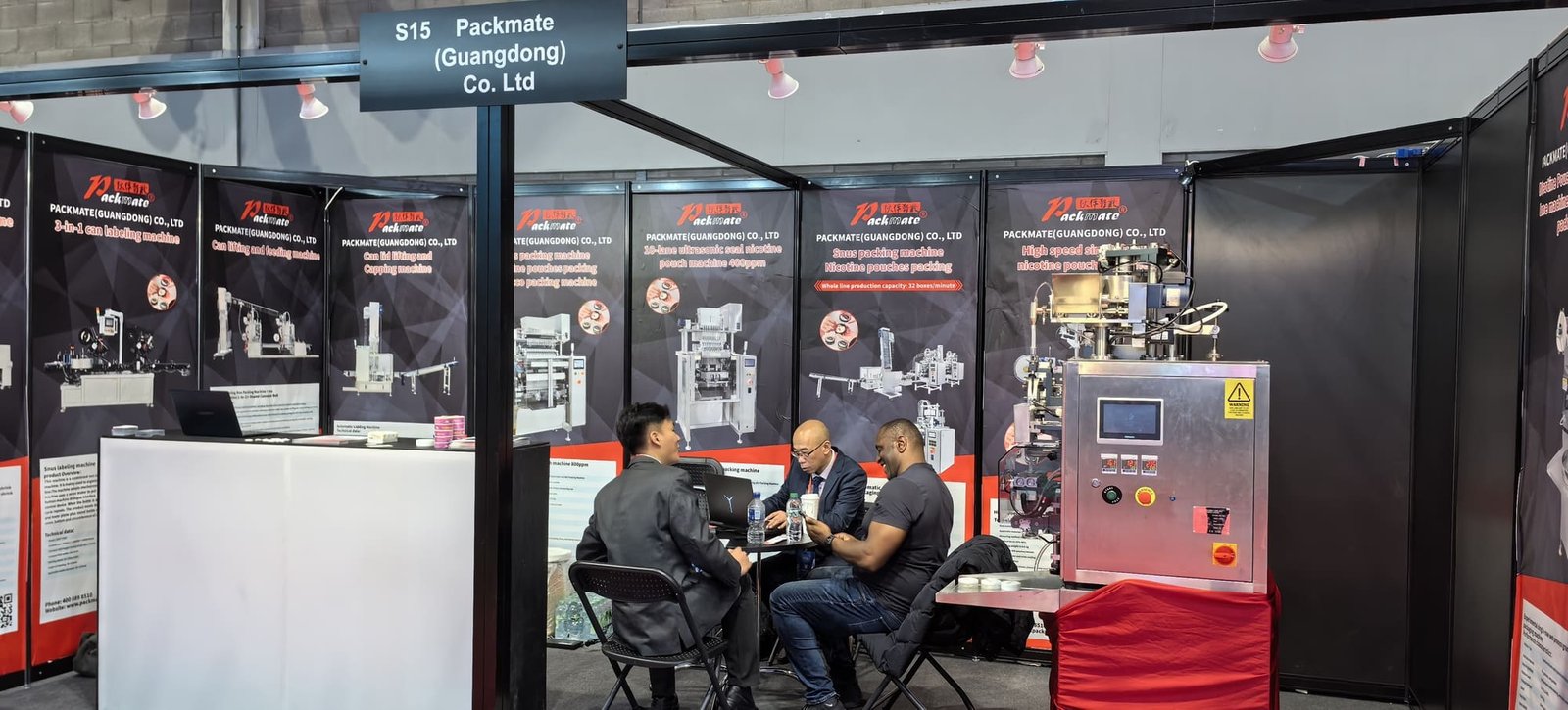
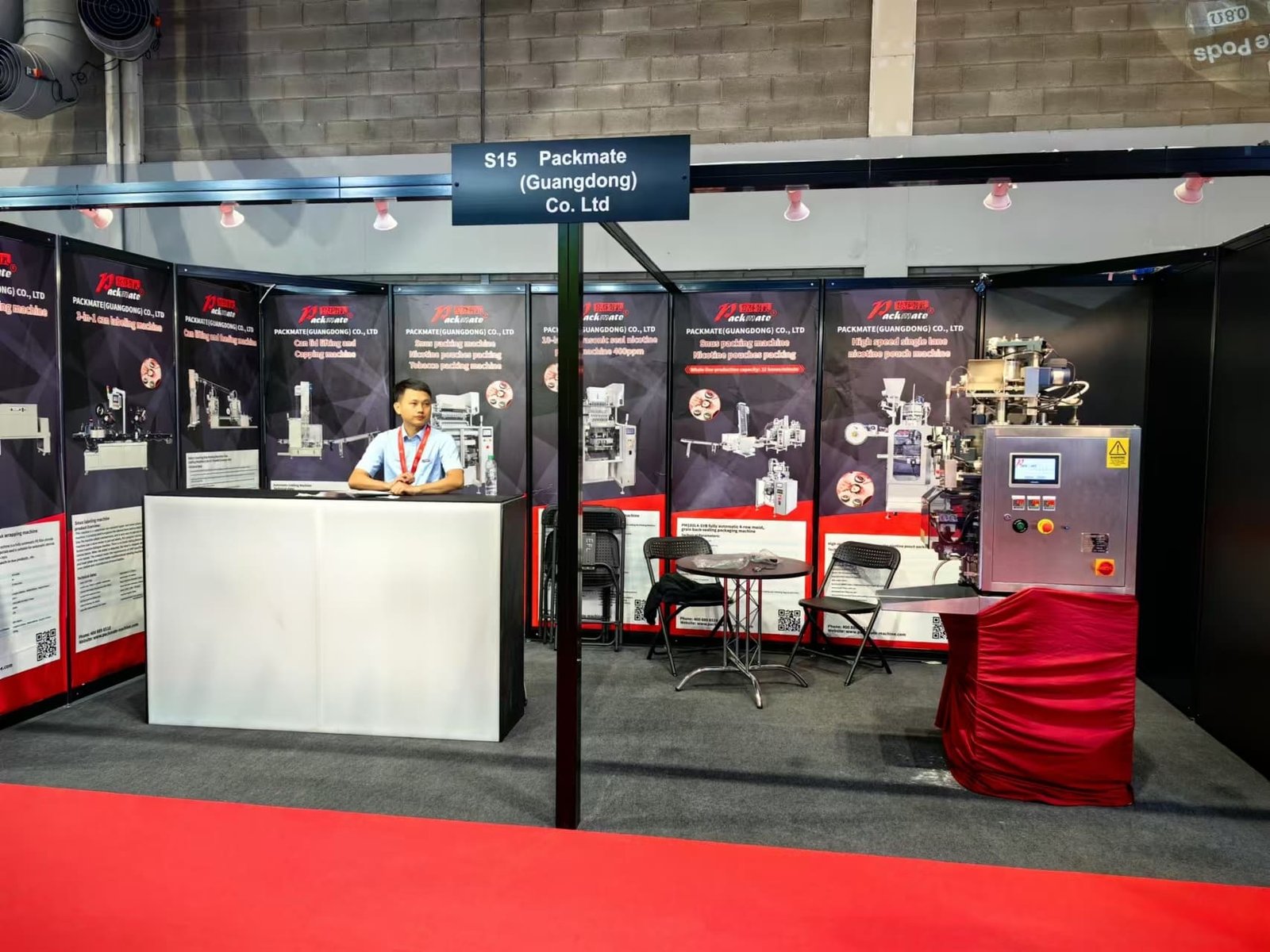
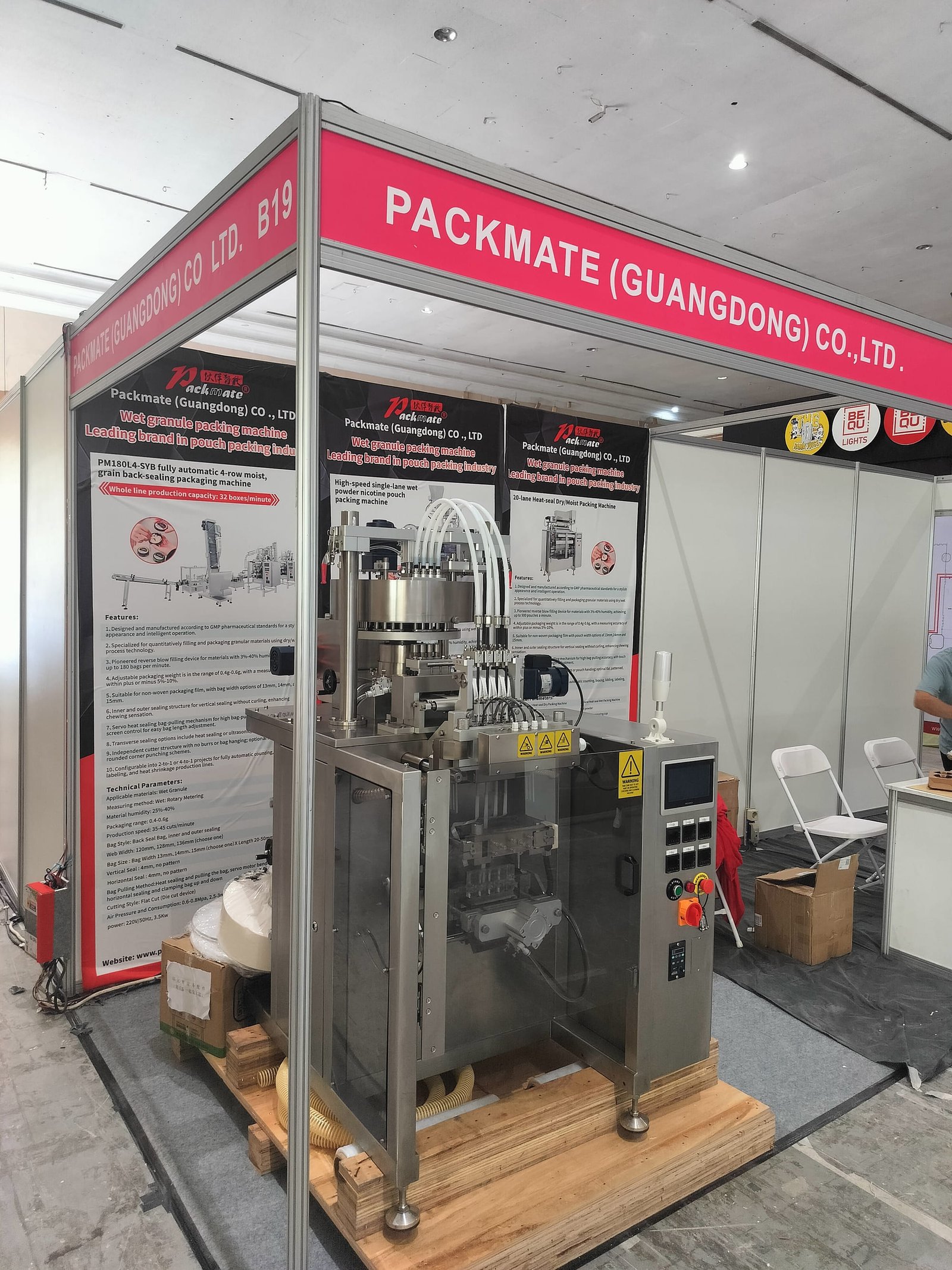
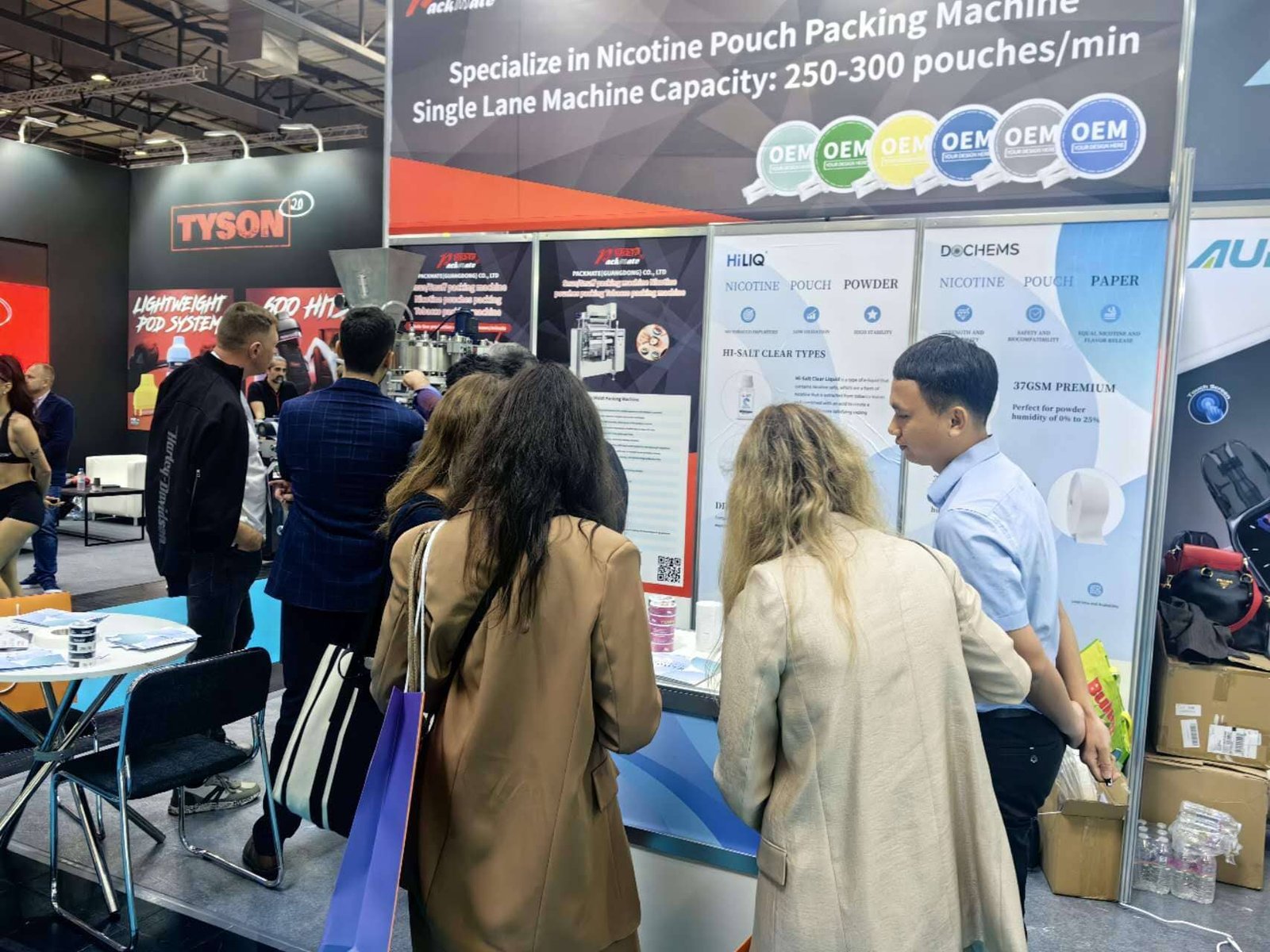
Ludyway participates in leading global packaging and processing trade shows (Interpack, Pack Expo, ProPak, Gulfood Tech), delivering direct factory training and international after-sales maintenance support.
Frequently Asked Questions
Get direct engineering answers to common maintenance intervals, wear parts life cycles, and operational challenges in high-speed packaging.
What are the most frequently replaced wear parts on a packaging machine?
The most common wear items include: heat sealing silicone rubbers & Teflon tapes (replaced every 1–3 months depending on thermal cycle), cutting knives & perforation blades (inspected monthly, sharpened/replaced every 6 months), vacuum suction cups (replaced every 3–6 months), and film feed friction belts (inspected every 6 months).
How do I know if my heat sealing jaws require immediate maintenance?
Key warning signs of compromised sealing jaws include: channel leakers in finished pouches, burned or wrinkled seal seams, inconsistent seal strength across multi-lane configurations, and carbonized product build-up on jaw surfaces. If pyrometer readings show a >5°C variance across the jaw length, check for loose heater cartridges or worn thermocouple probes.
How often should pneumatic air filters and lubricators be checked?
Pneumatic filter bowls must be visually inspected daily to drain accumulated water condensation and oil mist. In dusty powder filling environments, filter elements should be blown out weekly and replaced every 6 to 12 months. Contaminated compressed air is the leading cause of sticky solenoid valves and erratic cylinder actuation.
Can automated packaging machines run 24/7 without shutting down for maintenance?
While high-spec servo packaging machinery is designed for continuous 24/7 operation, running without scheduled shift sanitation is dangerous. A recommended practice is a mandatory 15–20 minute mid-shift inspection to clean sealing bars and wipe sensors, combined with a 2-hour scheduled weekly maintenance window for lubrication and calibration.
What type of lubricants should be used on food and pharmaceutical packaging lines?
Always use certified NSF H1 food-grade lubricants for any mechanical component located above or near the product packaging zone. Non-food grade industrial grease poses contamination risks in the event of minor seal weeping or overspray during high-pressure washdowns.
Optimize Your Packaging Line Efficiency with Ludyway
Need guidance on custom maintenance programs, machine spare parts kits, or high-performance automated packaging line integration? Consult with Ludyway’s engineering specialists today.
