
How to Set Up a Food Packaging Line: Step-by-Step Guide
Discover how food manufacturers design, integrate, and scale high-speed automated packaging systems. From hygiene compliance and volumetric dosing to primary sealing, checkweighing, and automated cartoning, this comprehensive engineering roadmap covers everything required to build a compliant, high-efficiency packaging plant.
Step 1: Product Characteristics & Food Safety Analysis
Before purchasing machinery or designing conveyor pathways, engineers must classify the physical, rheological, and sanitary behavior of the foodstuff. Bulk density, moisture sensitivity, viscosity, and chemical aggression dictate the entire line layout.
Food State & Dosing Dynamics
Food materials fall into dry powders, granules, liquids, pastes, and solids. Free-flowing seasonings require rotary cup or linear weighers, fine baking flours need servo augers with dust shrouds, and viscous chili pastes require positive displacement piston pumps with anti-drip nozzle closures.
HACCP, FDA & GMP Standards
Food contact surfaces must utilize SUS304 or SUS316L stainless steel with mirror or electrolytic polishing (< Ra 0.4 µm) to eliminate microbial harborage. Mechanical frames require washdown-grade ingress ratings (IP65 to IP69K), rounded tube designs, and tool-less disassembly mechanisms for rapid CIP sanitization.
Shelf-Life & Atmosphere Control
Oxidation and moisture degrade perishable food. Setting up an advanced line requires integrating Modified Atmosphere Packaging (MAP), nitrogen flushing valves (< 1.5% residual oxygen), or vacuum heat sealing to ensure shelf stability for snacks, freeze-dried products, infant powders, and dairy goods.
Step 2: Core Equipment Selection & Packaging Formats
Selecting the correct primary packaging system determines overall line efficiency (OEE). The packaging style (stick packs, 3/4-side seal sachets, pre-made pouches, or bulk bags) governs upstream infeed conveyors and downstream secondary packing automation.
| Packaging Machinery Format | Target Food Applications | Standard Speeds (PPM) | Dosing & Sealing Mechanism | Automation Level |
|---|---|---|---|---|
| Multi-Lane Stick Pack Machine | Instant coffee, sugar, drink powders, energy gels | 120 – 600 packs/min | Multi-lane auger / peristaltic pump; thermal jaw | Fully Automated / Continuous |
| Multi-Lane Sachet Machine | Seasonings, soup mixes, ketchup, mayonnaise | 80 – 480 sachets/min | Volumetric cups / rotary valve pistons; 4-side seal | Fully Automated / Intermittent |
| Rotary Premade Pouch Machine | Dried fruits, nuts, granola, pet kibble, beef jerky | 30 – 90 pouches/min | Multihead combination scale; zipper opener & seal | Turnkey Automated |
| Vertical Form Fill Seal (VFFS) | Potato chips, popcorn, frozen seafood, bulk flours | 40 – 160 bags/min | Multi-head weigher / servo auger; pull belts | Fully Automated Continuous |
| Automated Liquid Bottling Line | Edible oils, fruit juices, dairy drinks, sauces | 30 – 120 bottles/min | Multi-nozzle magnetic flowmeter; inline capper | Integrated Conveyor Line |
Step 3: Plant Layout Design, Dust Mitigation & Hygiene Zoning
A cleanroom layout must separate raw ingredient processing from high-care primary packaging zones. Poor physical layouts cause cross-contamination, unnecessary forklift traffic, and excessive product residence time.
- Linear vs. U-Shaped Footprint: Choose linear lines for large warehouse depths or U-shaped and L-shaped lines where one operator oversees infeed and finished carton discharge simultaneously.
- Dust Management & Explosion Proofing: Starch, cocoa, and flour dust require ATEX-certified vacuum feeders, sealed transfer chutes, and high-efficiency local dust collectors to eliminate airborne particulate risks.
- Utility Sizing: Ensure dry, oil-free compressed air (6-8 bar, ISO 8573-1 Class 1:4:1 for food contact), stable 3-phase electrical power with surge protection, and high-purity nitrogen supply manifolds.
Essential Machinery for Modern Food Packaging Lines
Explore intelligent multi-lane sachet systems, stick pack machines, turnkey powder filling lines, and quality control systems engineered by Ludyway for international food processors.
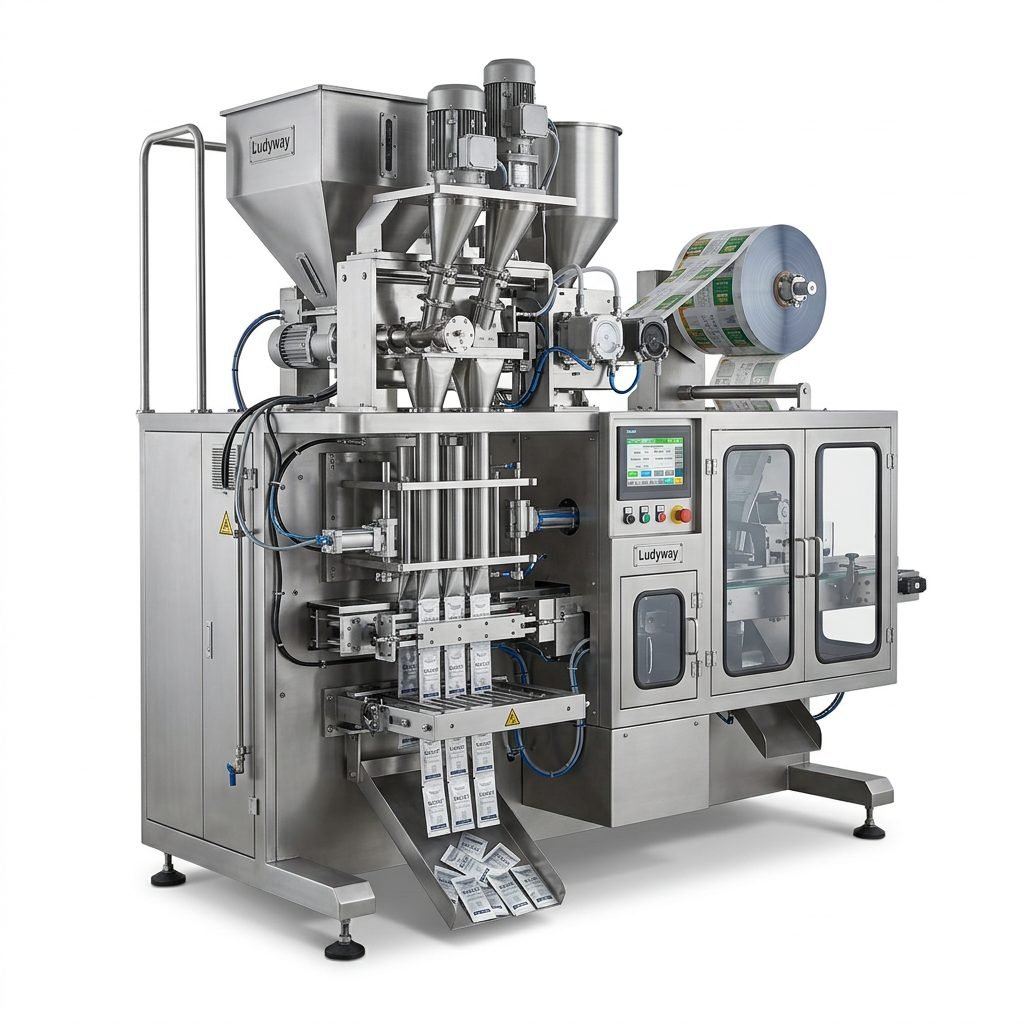
Multi-Lane Sachet Packaging Machine for Powder Granule Liquid
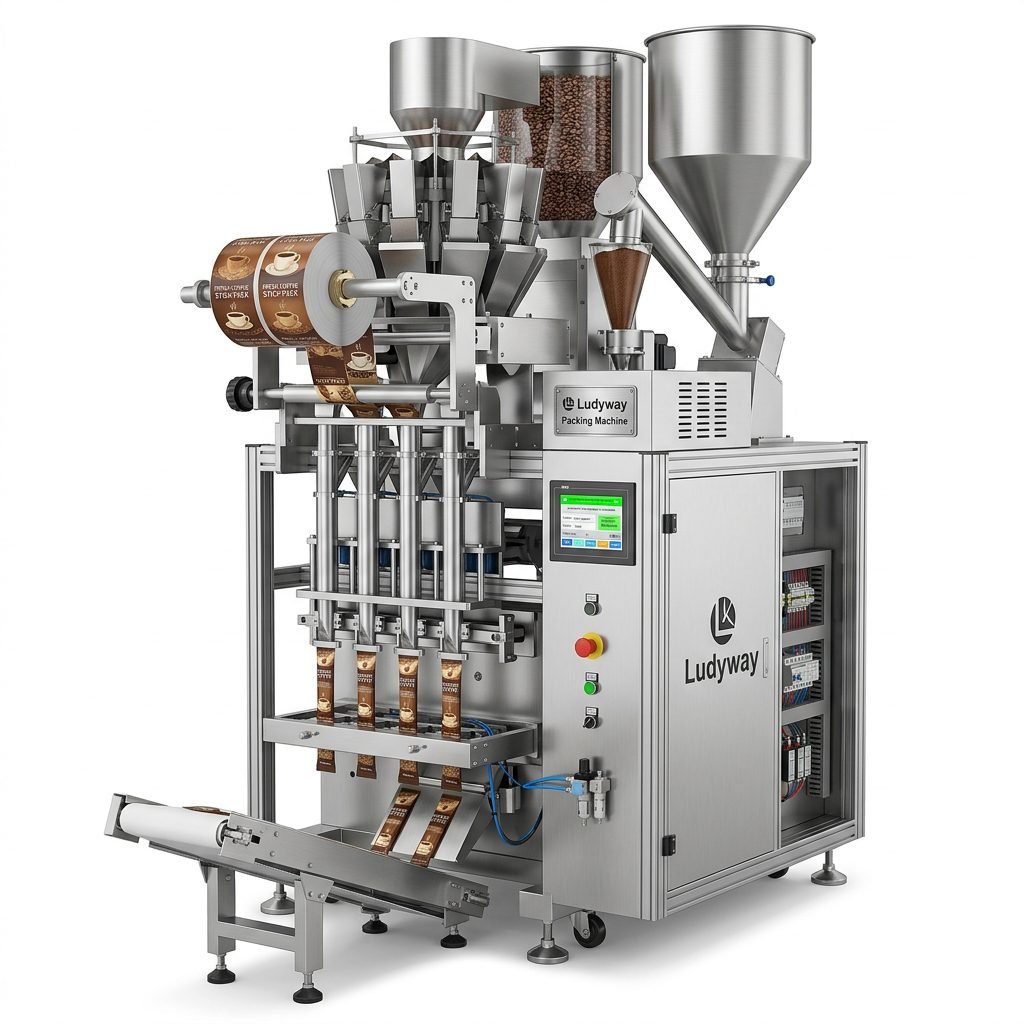
Automatic Multi-Lane Coffee Bean Packaging Machine
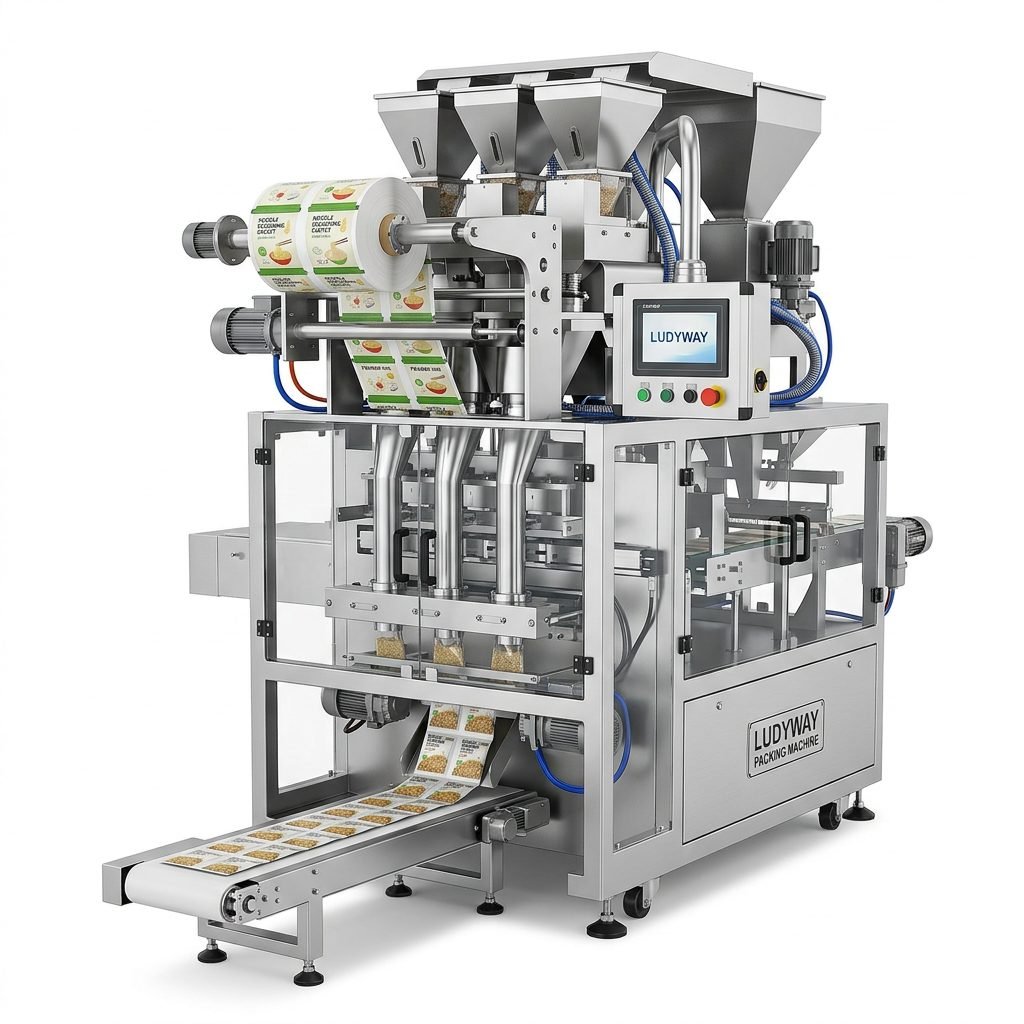
Instant Noodle Seasoning Packaging Machine for Sachets

High-Speed Automated Packaging Lines for Food Products
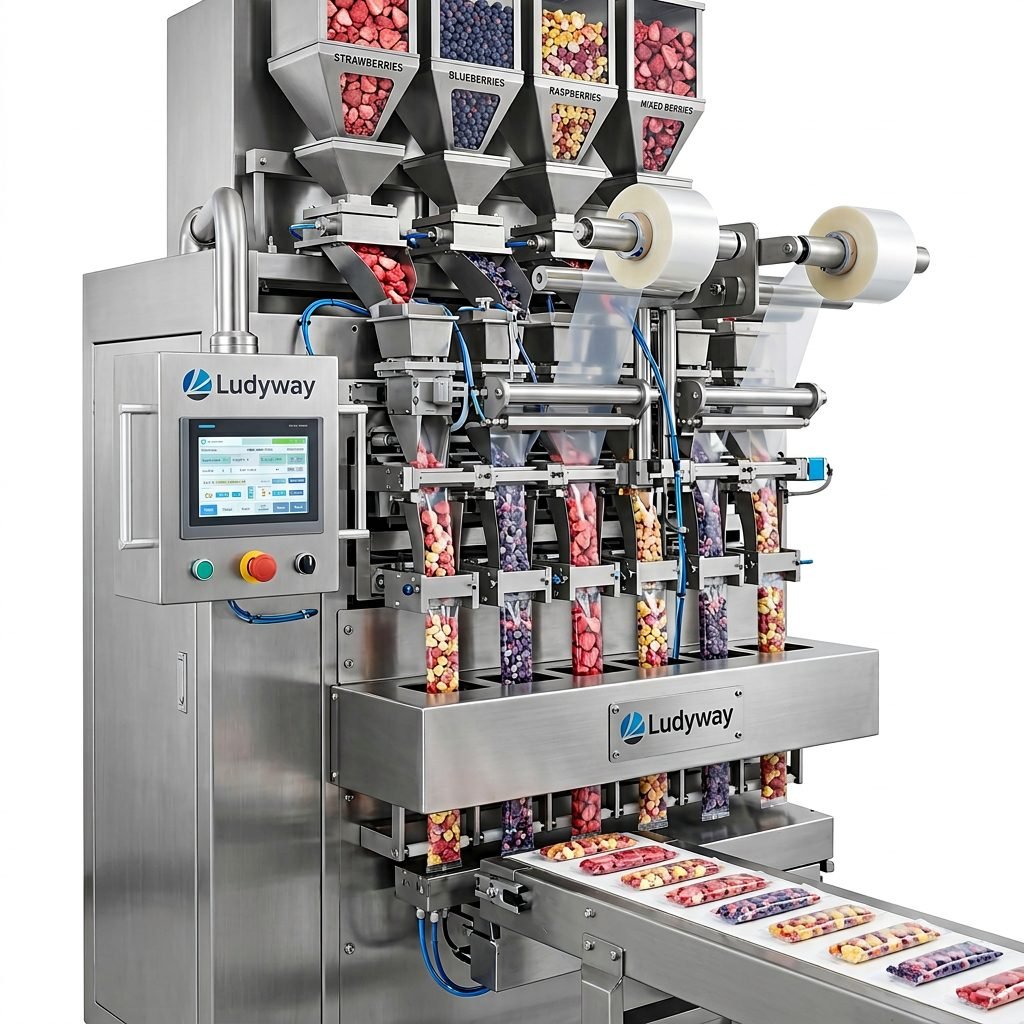
Freeze-Dried Fruit Stick Pack Machine with Multi-Lane System
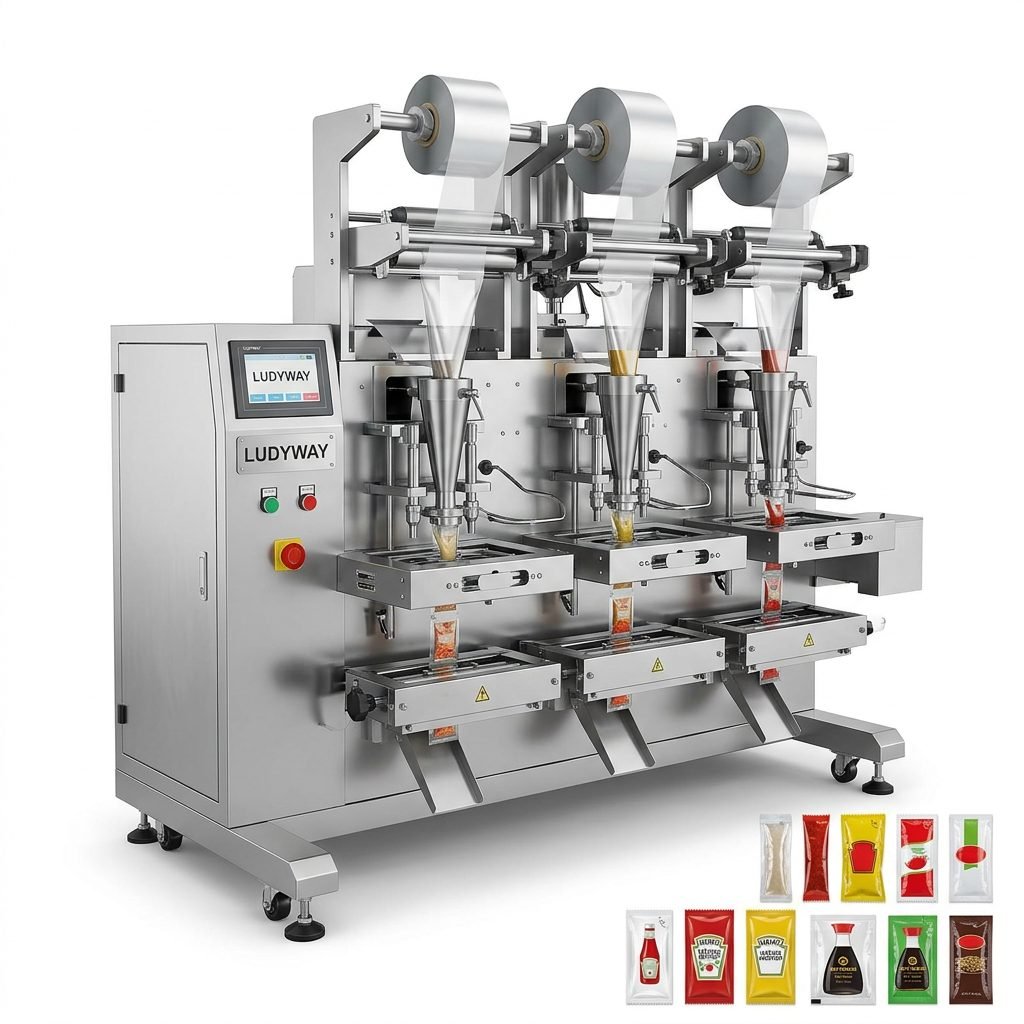
Multi-Lane Sauce Sachet Packing Machine for Liquid & Paste
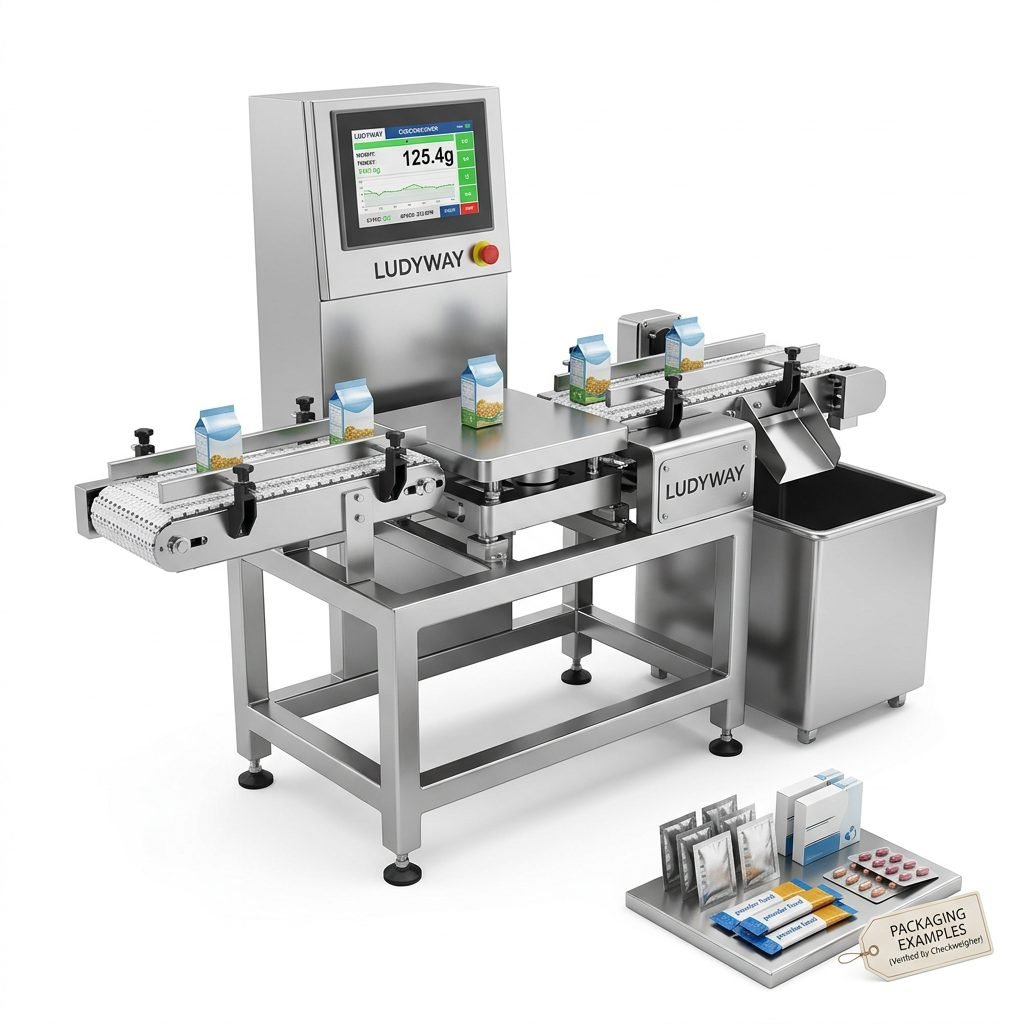
High-Precision Checkweigher for Food Packaging Lines
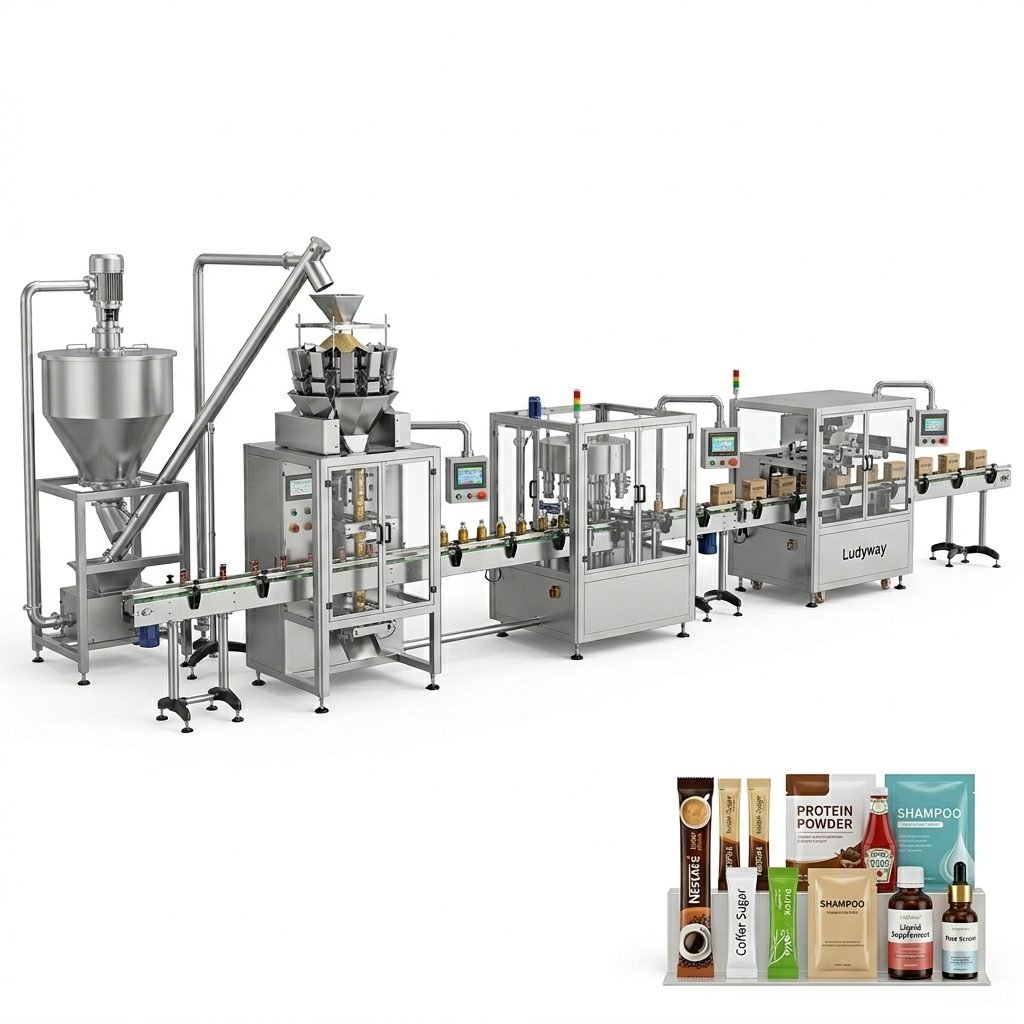
Complete Turnkey Solutions for Granule, Powder & Liquid
Step 4: PLC Automation, Inspection & Quality Control Systems
Modern food production lines cannot rely on manual quality sampling. High-speed inline sensors, dynamic checkweighing, optical character verification (OCV), and automated reject gates ensure 100% batch compliance at up to 600 packs per minute.
Servo Synchronization & PLC Architecture
Centralized PLC systems (Siemens / Omron) control multi-axis servo motors, regulating film feed tension, registration mark alignment, sealing dwell times, and dosing strokes with millisecond precision.
Dynamic In-Line Checkweighing
High-speed load cell weighers verify net weight on every single stick pack or pouch. Underfilled or overfilled packages are automatically flagged and diverted via pneumatic air-blast rejectors without pausing the line.
X-Ray & Metal Detection
Conveyorized electromagnetic metal detectors and 3D X-ray systems scan for ferrous, non-ferrous, stainless steel, glass, and bone fragments, safeguarding brand integrity and consumer safety.
Thermal Transfer Coding & Vision Verification
Industrial TTO and laser printers apply lot codes, expiration dates, and QR barcodes. Inline high-resolution vision cameras instantly inspect print clarity, barcode readability, and seal channel integrity.
Step 5: Testing, Commissioning & Validation Protocol (FAT / SAT)
Transitioning from machinery purchase to full commercial output requires a disciplined validation roadmap. Following IQ/OQ/PQ standards prevents catastrophic startup delays and ensures sustained OEE.
Factory Acceptance (FAT)
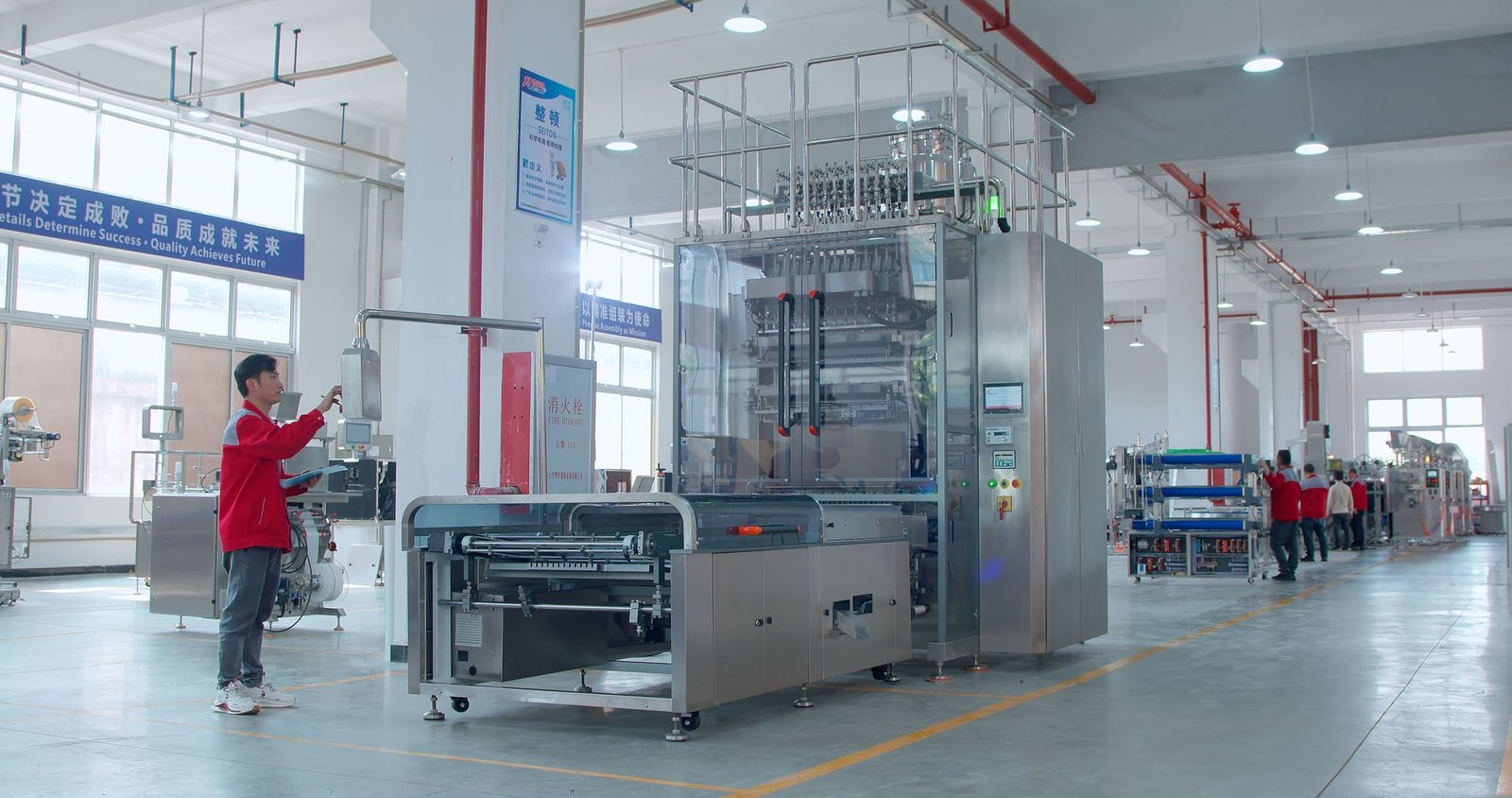
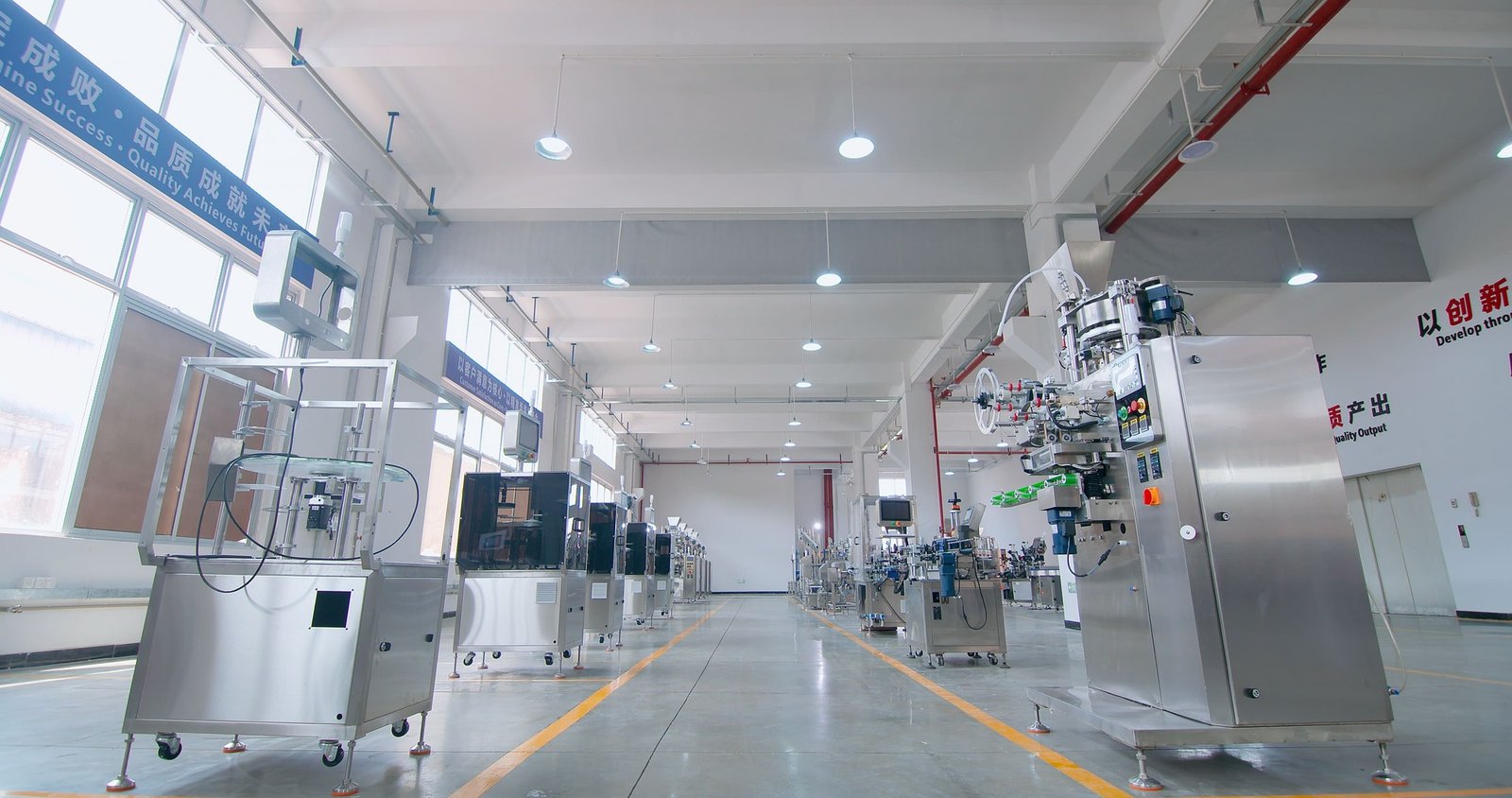
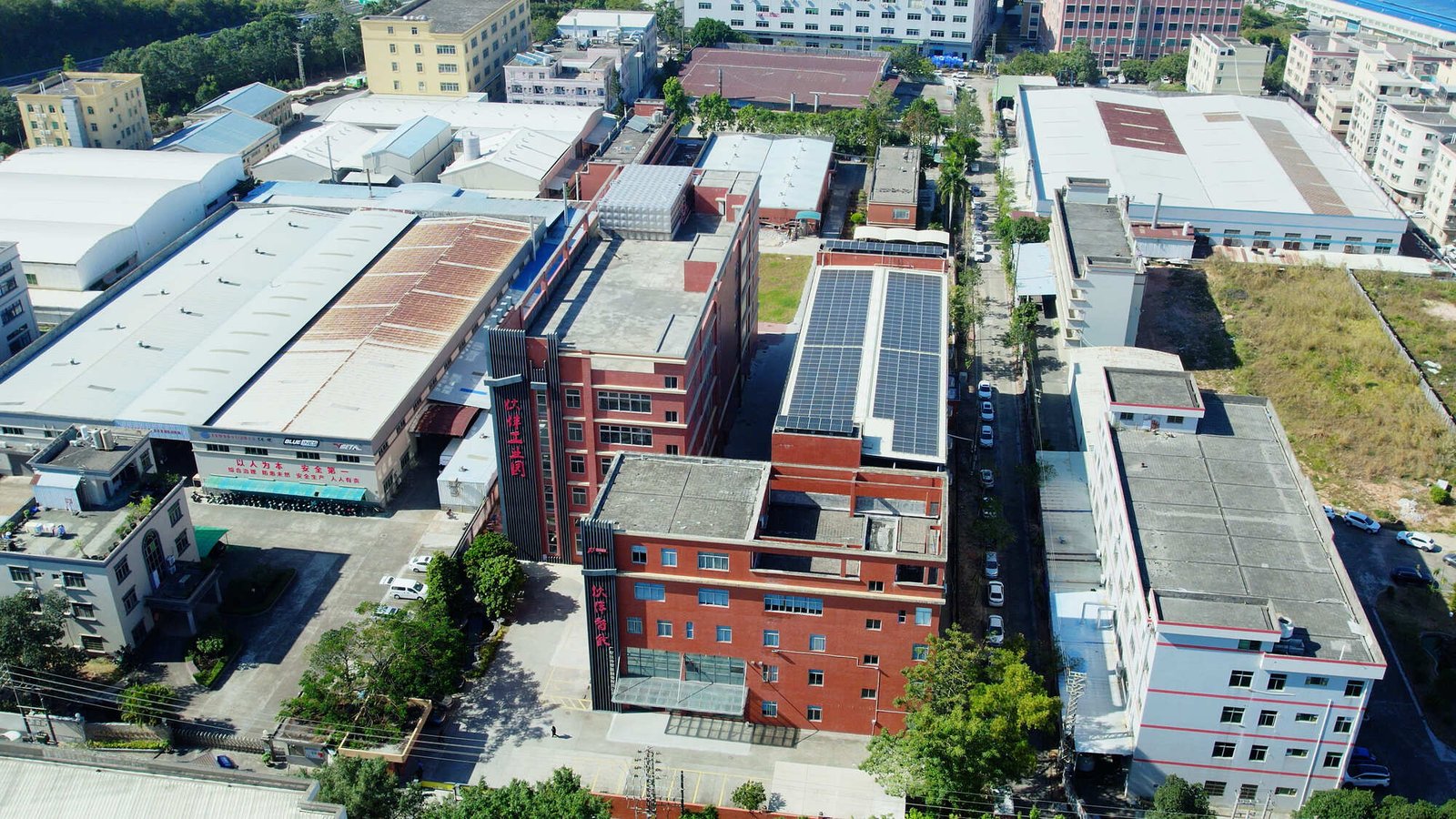
Rigorous dry-cycling and test-run with real client product films and food materials at our 20,000㎡ factory before dispatch.
Installation & Utility Hookup
Laser-aligned positioning of conveyor lines, pneumatic hookups, electrical tie-ins, and dust exhaust duct connections.
Site Acceptance (SAT)
On-site continuous 8-hour production test run evaluating speed, seal burst pressure, dosing precision (±0.5-1%), and reject logic.
Operator Training
Standardized HMI operation, rapid recipe changeover procedures, tool-free blade replacements, and daily sanitation protocols.
Commercial Scale-Up
Full-capacity 24/7 commercial manufacturing with scheduled preventive maintenance intervals and remote telemetry support.
Why Global Food Producers Partner with Ludyway Machinery
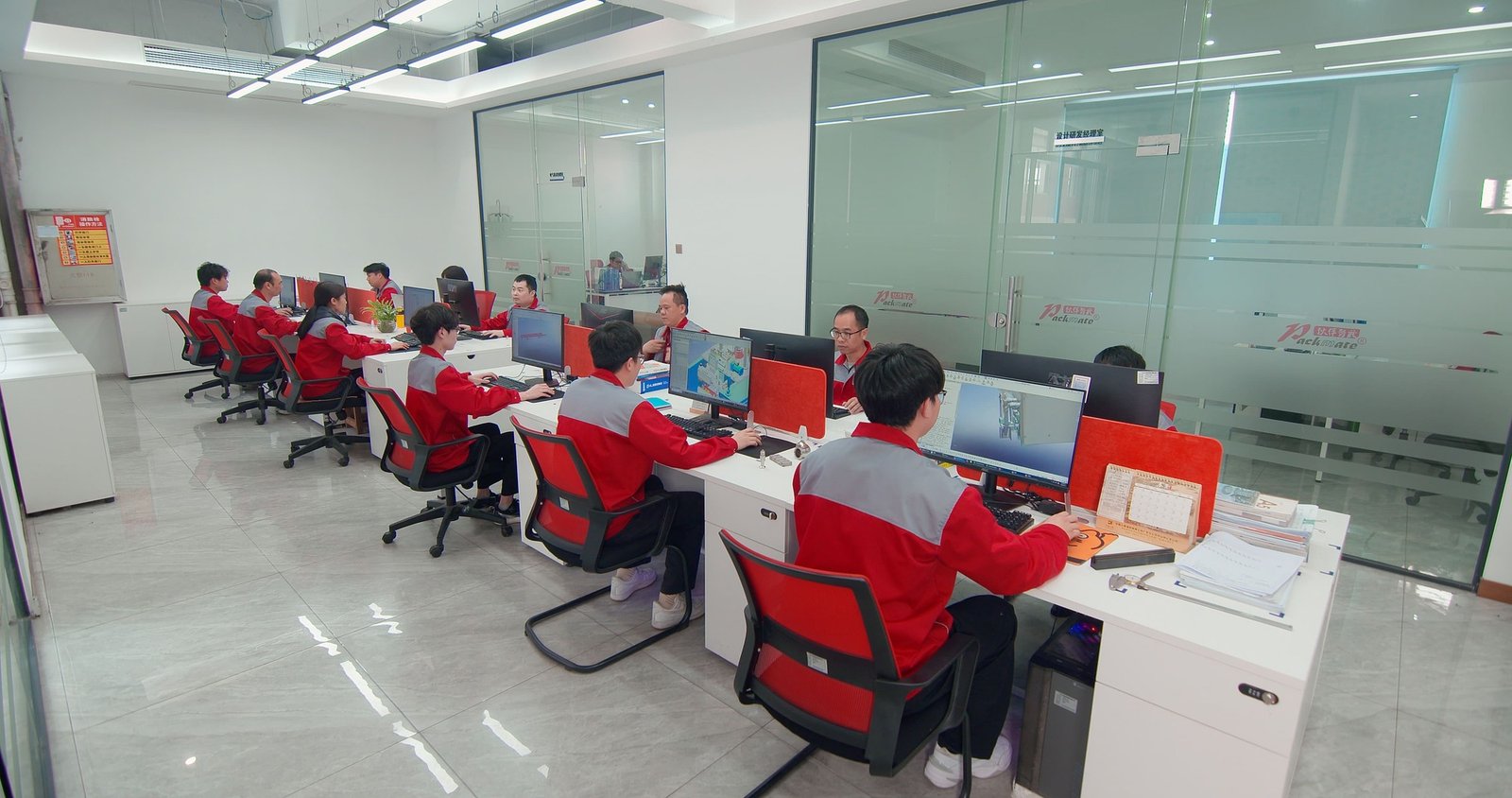
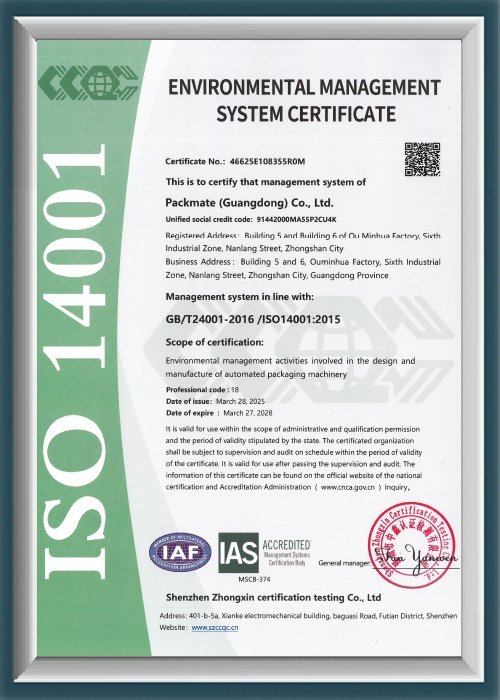
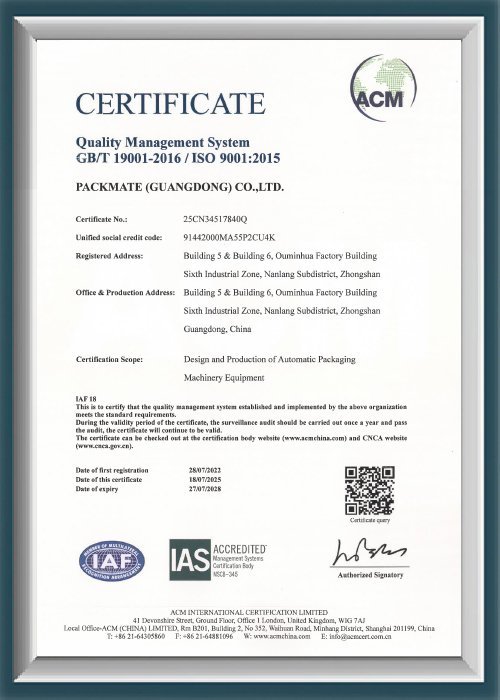
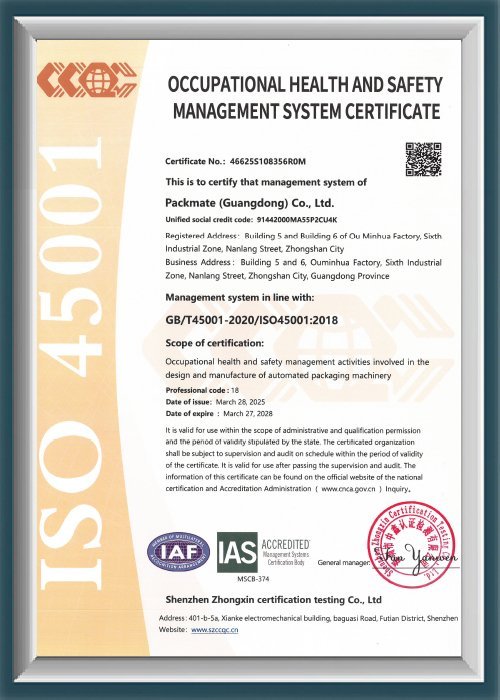
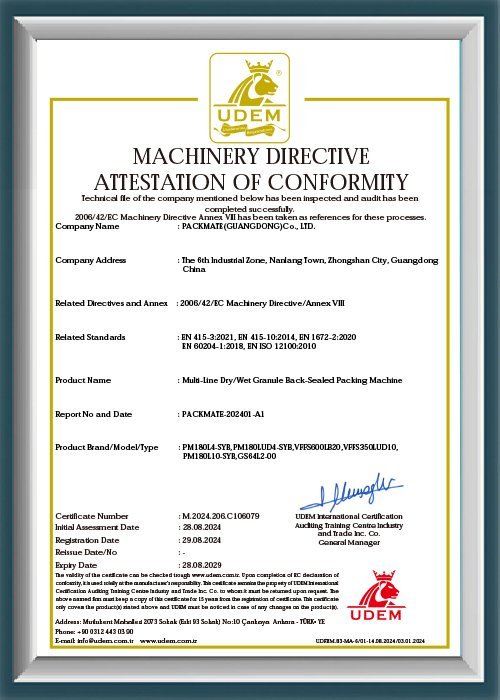
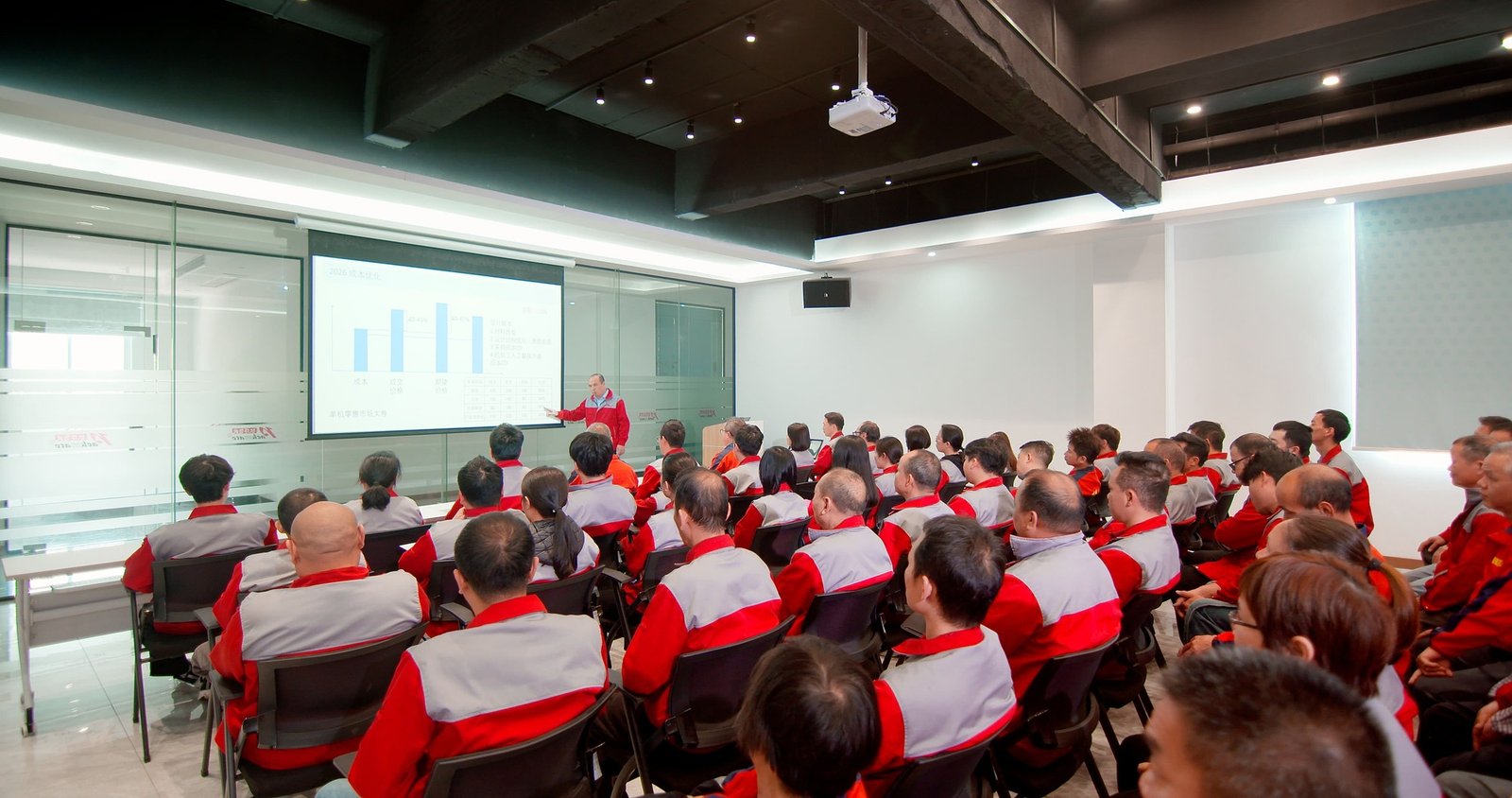
Founded in 2010 and backed by over 30 years of industry expertise, Ludyway is one of China’s premier manufacturers of advanced packaging machinery. Operating from a modern 20,000㎡ manufacturing facility staffed by 130+ packaging engineers, Ludyway designs, builds, and commissions fully automated packaging lines for clients across 100+ countries.
We offer more than 50 intelligent packaging machine models, specializing in multi-lane stick packs, high-speed sachets, vertical form-fill-seal, rotary pre-made pouch machines, and end-of-line cartoning systems. From small artisan expansions to multi-million-pack industrial plants, our solutions deliver unmatched precision, food-grade hygiene, and sustained operational efficiency.
Frequently Asked Questions: Setting Up Food Packaging Lines
Find answers to key technical questions regarding capital expenditure, changeover intervals, clean-in-place maintenance, and machinery synchronization.
How much floor space is required for a complete automated food packaging line?
A standard multi-lane sachet or stick pack line with primary packaging, dynamic checkweighing, and automated cartoning requires approximately 15 to 25 meters in length and 3 to 4 meters in width (60–100 m²). For tighter cleanrooms, U-shaped and L-shaped conveyor configurations reduce length requirements by 40%.
How quickly can multi-lane packaging machines change over between different food recipes?
Modern Ludyway multi-lane systems feature tool-less forming collar changes, quick-release auger screws, and pre-programmed HMI recipe presets. A complete switch between different powder weights or stick pack widths typically takes 20 to 45 minutes, minimizing downtime.
What is the difference between SUS304 and SUS316L stainless steel in food lines?
SUS304 is ideal for dry granules, baked snacks, and general dry food packaging. SUS316L contains 2-3% molybdenum, providing superior corrosion resistance against acidic sauces, high-salt seasonings, brine solutions, and harsh caustic washdown chemicals.
How does nitrogen flushing extend food shelf life?
Nitrogen is an inert gas that displaces oxygen inside the sealed pouch or stick pack. By reducing residual oxygen levels to below 1-2%, nitrogen flushing halts lipid oxidation, prevents rancidity in nuts and oils, preserves aroma in coffee, and cushions fragile snacks from crushing during logistics.
Plan Your Food Packaging Line with Ludyway Engineers
Whether setting up a new Greenfield food packaging facility or upgrading an existing sachet packaging line, Ludyway provides custom floorplan schematics, dosing machine sizing, and complete turnkey integration.
