
How to Set Up a Salt Packaging Line: Step-by-Step Guide
Discover how to engineer, commission, and optimize an automated, high-precision salt packaging line. From handling high corrosiveness and hygroscopic behaviors to deploying anti-corrosion multi-lane stick pack and sachet systems, this blueprint covers key stages for peak plant productivity and food-grade hygiene.
SUS316 / SUS316L Contact Metallurgy
Prevent chloride pitting and corrosion under abrasive high-salinity filling conditions.
High-Speed Multi-Lane Scalability
Achieve speeds up to 400+ bags/min with servo-controlled multi-lane stick pack and sachet lines.
Dust Suppression & Hermetic Seals
Maintain complete zero-leakage sealing integrity with integrated dust extraction manifolds.
Understanding Salt Characteristics: The Physics of High-Salinity Handling
Setting up an industrial salt packaging line requires an in-depth understanding of the product’s chemical and mechanical properties. Salt is not an ordinary free-flowing powder; it exhibits distinct behaviors including extreme hygroscopicity, natural abrasiveness, and high electro-conductivity that directly influence machine wear and seal integrity.
Critical Engineering Rule: Contact parts exposed to granular Sodium Chloride (NaCl) must utilize marine-grade SUS316 or SUS316L stainless steel or non-corrosive engineered polymers to prevent severe chloride stress cracking and premature line failure.
- Hygroscopic Clumping: Ambient humidity above 75% RH triggers rapid moisture absorption, causing bridging in hoppers and inaccurate dosing volumes.
- Granule Friction & Abrasiveness: Coarse rock salt and sea salt crystals accelerate friction on forming collars, auger screws, and chute funnels.
- Fine Dust Airborne Dispersion: Ultrafine iodized table salt creates microscopic airborne plumes that can infiltrate heat-seal jaws and electrical cabinets.
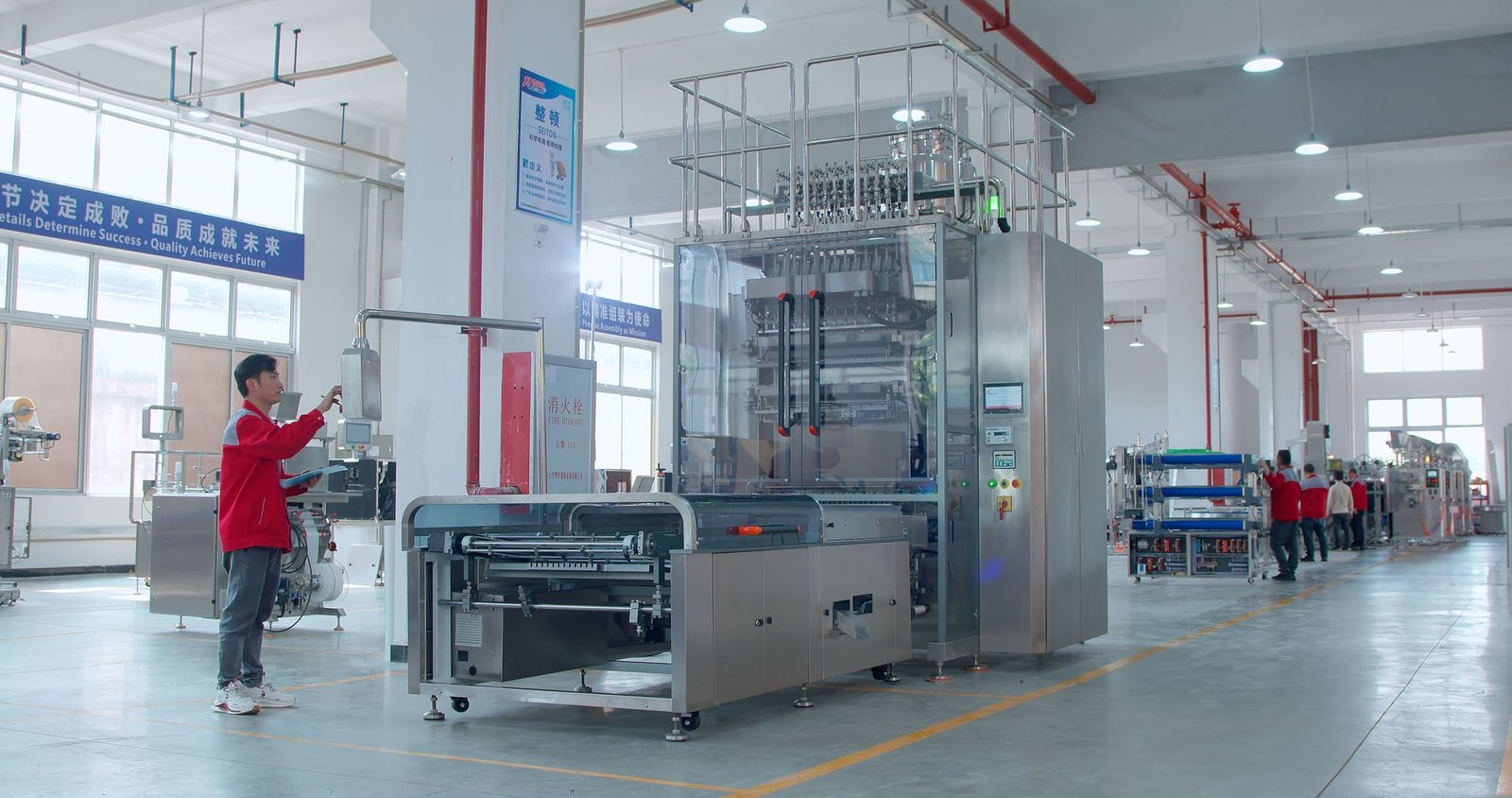
How to Set Up a Salt Packaging Line: Step-by-Step Architecture
Follow this 7-stage engineering framework to transition from raw bulk salt storage to high-speed primary packaging, automated inspection, and end-of-line palletization.
Material Infeed, De-Lumping & Conveyance
Bulk raw salt is transferred from bulk silos or big bags via a specialized Z-type bucket elevator or enclosed screw conveyor. Integrate a rotary de-lumper or vibratory screening mesh to disintegrate compacted agglomerates, paired with rare-earth permanent magnetic separators to capture ferrous debris before feeding the packaging line.
Dosing & Weighing Unit Selection
Match your dosing technology to salt particle granulation. For free-flowing table and sea salt, deploy multi-lane volumetric cup fillers or high-speed multi-head combination weighers. For ultra-fine powdered or iodized salt with moisture-sensitive additives, implement servo-driven auger metering systems with vacuum dust hoods.
Primary Packaging Machine Configuration
Select the primary packaging platform based on market format. For single-serve catering or hotel portions (0.5g–5g), install a multi-lane stick pack or 4-side seal sachet machine running 4 to 12 lanes simultaneously. For retail consumer sizes (250g–1kg), configure a Vertical Form-Fill-Seal (VFFS) or rotary premade pouch packaging system.
Atmospheric Barrier & Ultrasonic Sealing
Prevent product contamination and moisture ingress with specialized cross-seal jaws. Utilize anti-static bars along the film web to eliminate static attraction of salt granules into the heat-seal zone. For gourmet sea salt or flavored salt blends, optional nitrogen gas flushing preserves aroma and prevents lump formation.
In-Line Quality Assurance (Checkweighing & Metal Detection)
Route sealed packages across high-precision dynamic checkweighers with pneumatic blow-off rejectors to ensure strict weight compliance (within ±0.1g tolerance). Integrate an industrial multi-frequency metal detector or high-resolution X-ray inspection machine to verify complete foreign object elimination.
Secondary Packaging & Automated Cartoning
Multi-lane sachets or stick packs are collated, counted, and grouped via intelligent servo sorting belts. The grouped batches are fed into an automatic cartoning machine for retail carton insertion or bulk bagged via secondary bagging systems, minimizing manual intervention and accelerating line speeds.
End-of-Line Case Packing, Palletizing & Stretch Wrapping
Filled cartons are packed into corrugated master cases via automatic case packers and sealed with tape or hot-melt adhesive. Cases then move to a robotic Cartesian or articulated-arm palletizer that stacks loads according to programmed pallet patterns, finishing with a high-tension automatic pallet wrapper to safeguard finished goods during logistics.
Salt Packaging Line Configurations by Format & Capacity
Evaluate dosing systems, packaging machinery types, operational output, and accuracy tolerances tailored to your salt granulation and market format.
| Salt Granulation Type | Target Format | Recommended Machine Model | Dosing System | Line Speed (BPM) | Accuracy |
|---|---|---|---|---|---|
| Refined Table Salt (Fine) | 0.5g – 3g Stick Pack | Multi-Lane Stick Pack Machine (6–12 Lanes) | Volumetric Slide/Cup Feeder | 240 – 600 bpm | ±1.0% |
| Flaked Sea Salt & Kosher | 1g – 10g 4-Side Sachet | Multi-Lane Sachet Packaging Machine | Rotary Volumetric / Multi-Weigher | 160 – 400 bpm | ±0.8% |
| Iodized Table Salt | 250g – 1000g Pillow Bag | Continuous Motion VFFS System | Servo Auger Filler / Multi-Head | 60 – 120 bpm | ±0.5% |
| Himalayan Pink Rock Salt | 500g – 2000g Stand-Up Pouch | Rotary Premade Pouch Packaging Line | 14-Head Combination Scale | 35 – 60 bpm | ±0.3g |
| Industrial / Water Softener Salt | 10kg – 25kg Valve / Open Bag | Heavy-Duty Bulk Bagging Line | Gross/Net Weighing Load Cell System | 10 – 25 bpm | ±0.2% |
Critical Engineering Standards for High-Corrosion Salt Packaging
Industrial salt packaging environments demand uncompromising mechanical metallurgy and advanced electronics protection to ensure 24/7 continuous operation.
IP65/NEMA 4X Ingress Protection
Salt micro-dust mixed with atmospheric moisture creates highly conductive electrolytes. Electrical cabinets, servo drives, and HMI touchscreens are sealed inside pressurized, IP65-rated stainless enclosures with vortex cooling units.
Passivated & Hard-Anodized Parts
All aluminum forming components and web rollers undergo hard anodizing or Teflon coating to reduce frictional wear and eliminate oxidation, while stainless steel frames undergo nitric acid passivation to withstand washdowns.
Industry 4.0 PLC & SCADA Ready
Fully integrated Siemens or Omron PLC systems synchronize upstream feeding, weight dosing, web tracking, and downstream collating. Real-time OEE diagnostics, recipe memory, and remote IoT connectivity minimize downtime.
Featured Packaging Systems for Salt & Condiments
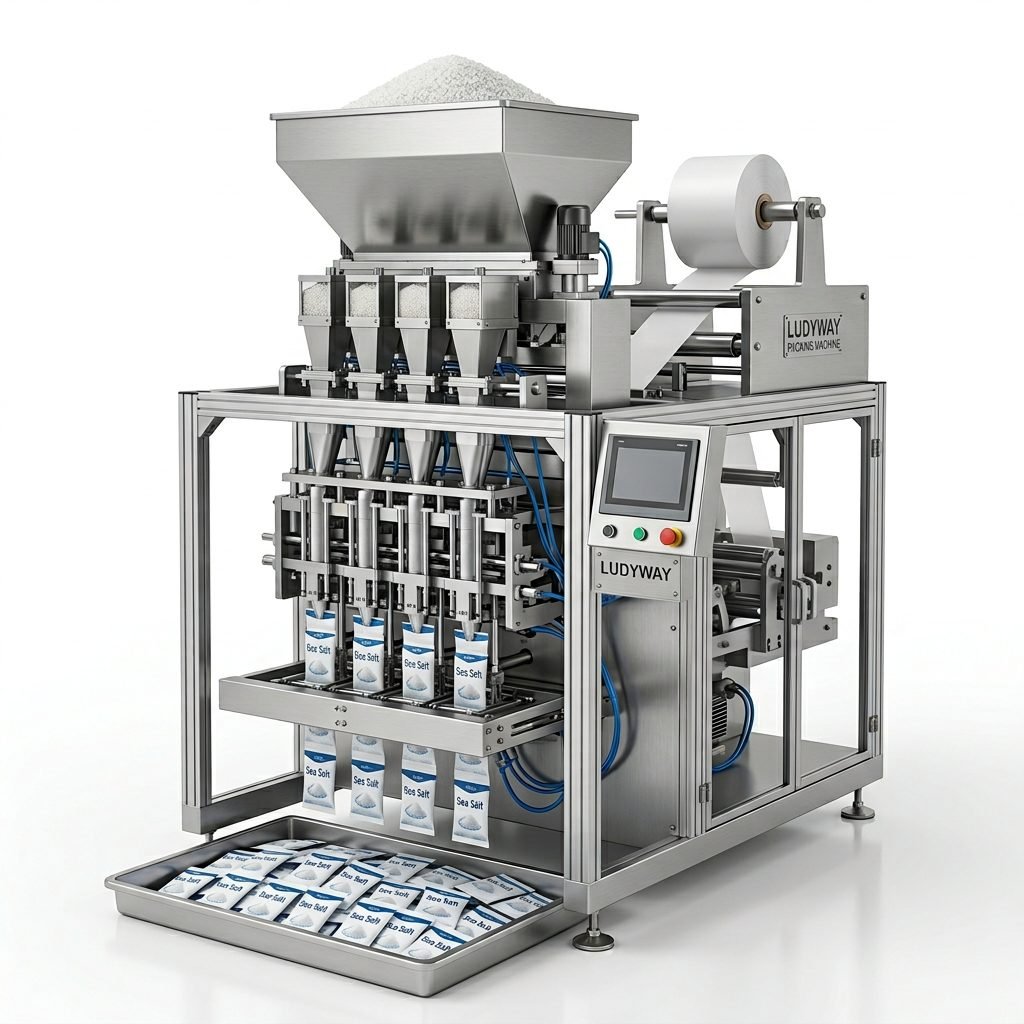
Sea Salt Granule Powder Packaging Machine
View Specifications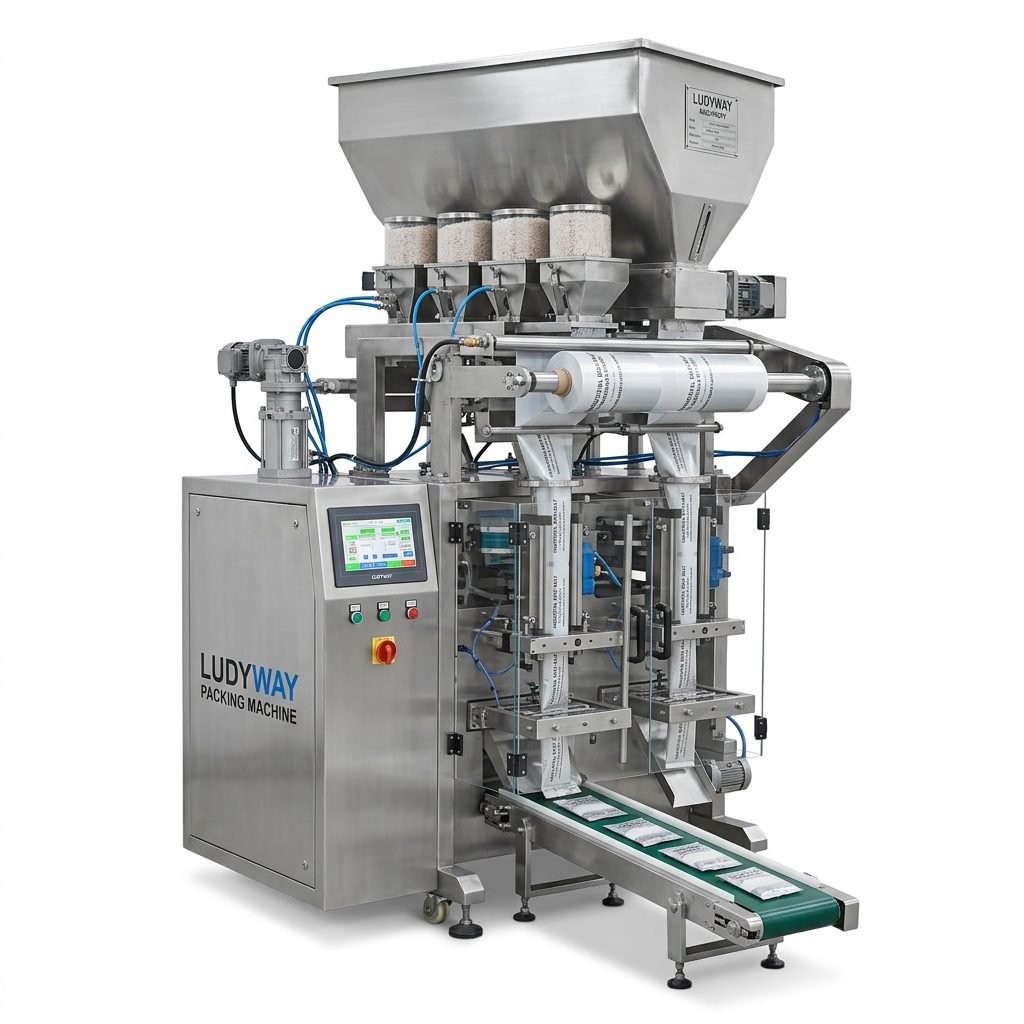
Industrial Rock Salt Packaging Equipment
View Specifications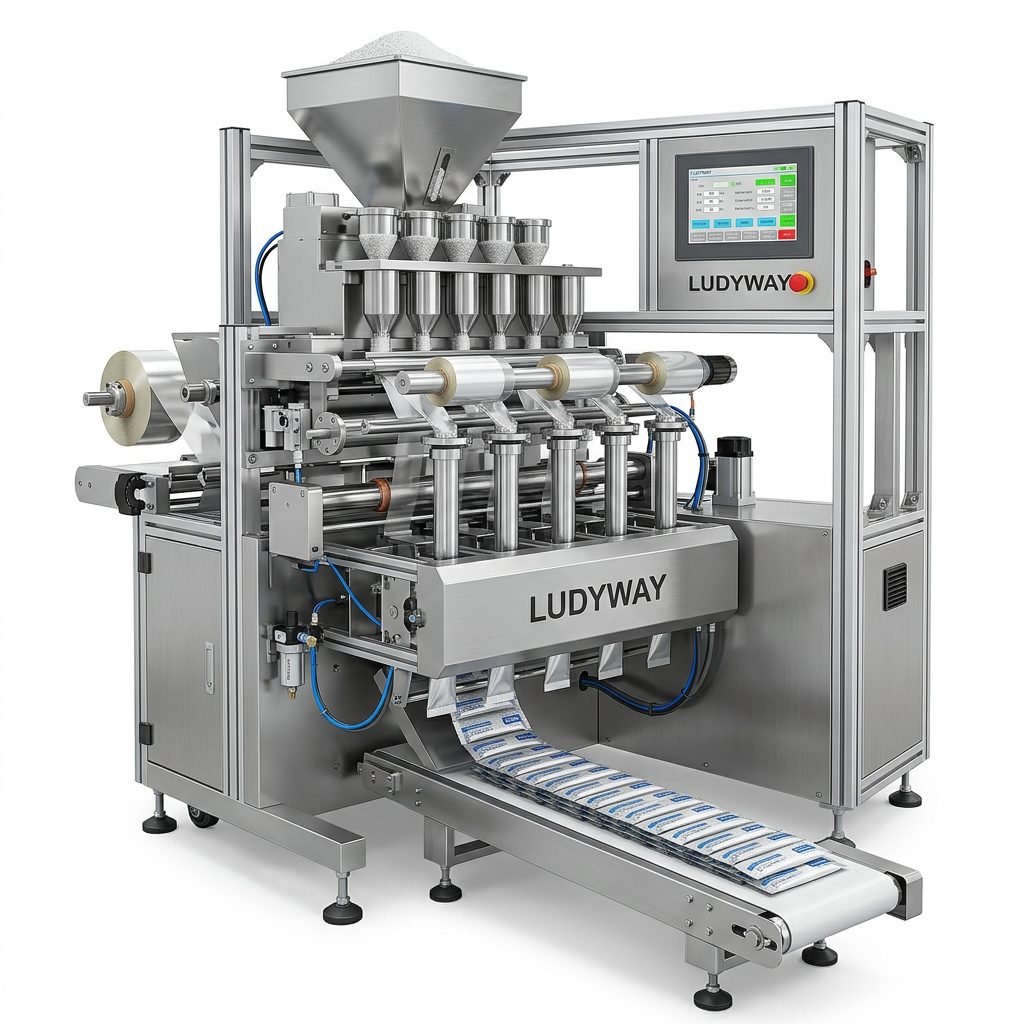
Automated Salt Granule Stick Pack Line
View Specifications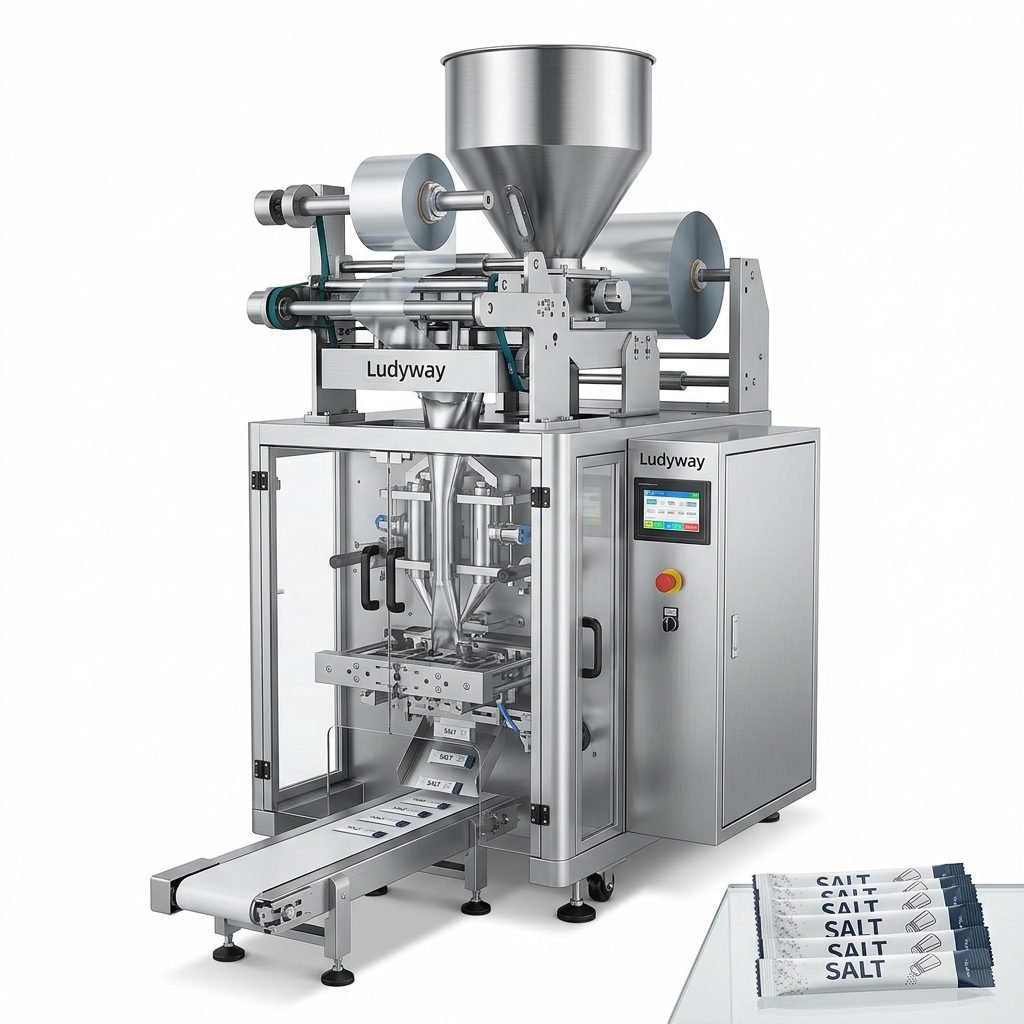
Salt Sachet Multi-Lane Filling System
View Specifications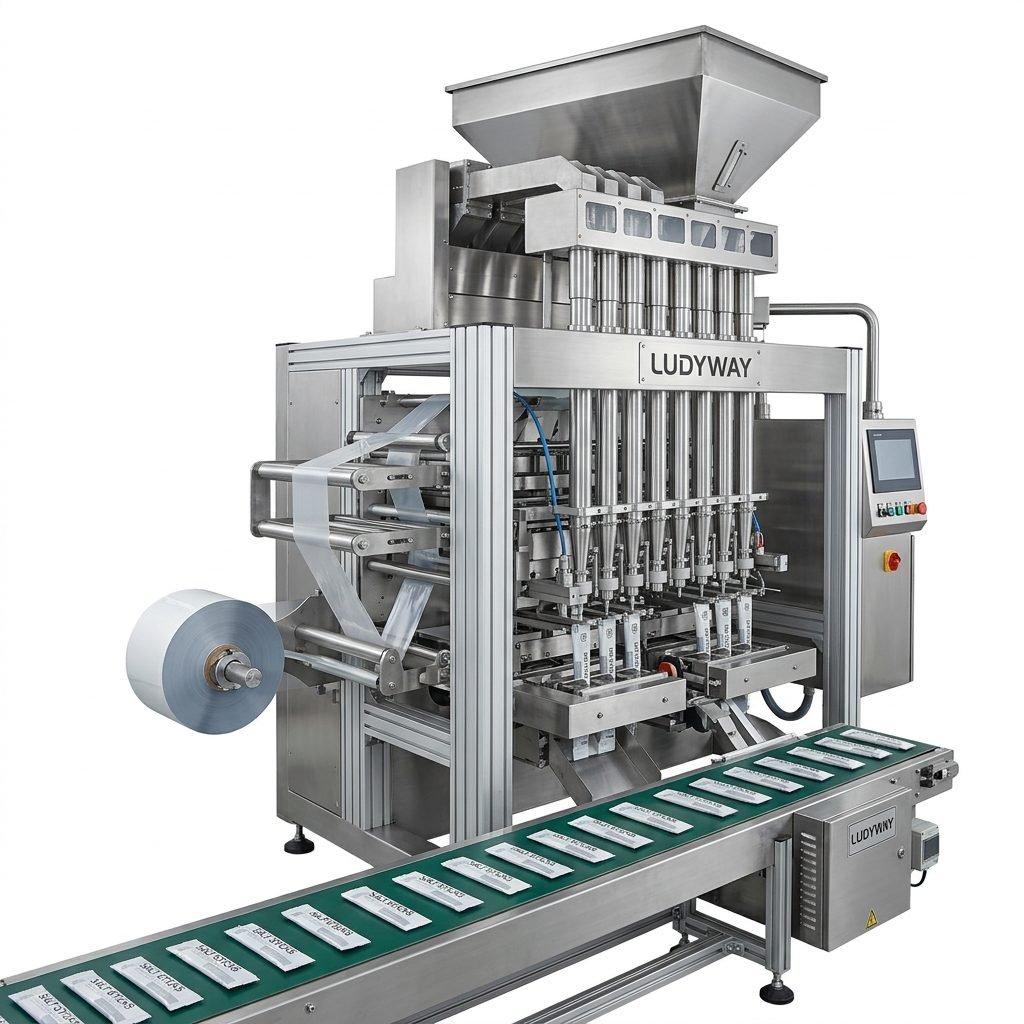
High-Speed Salt Stick Packaging Machine
View Specifications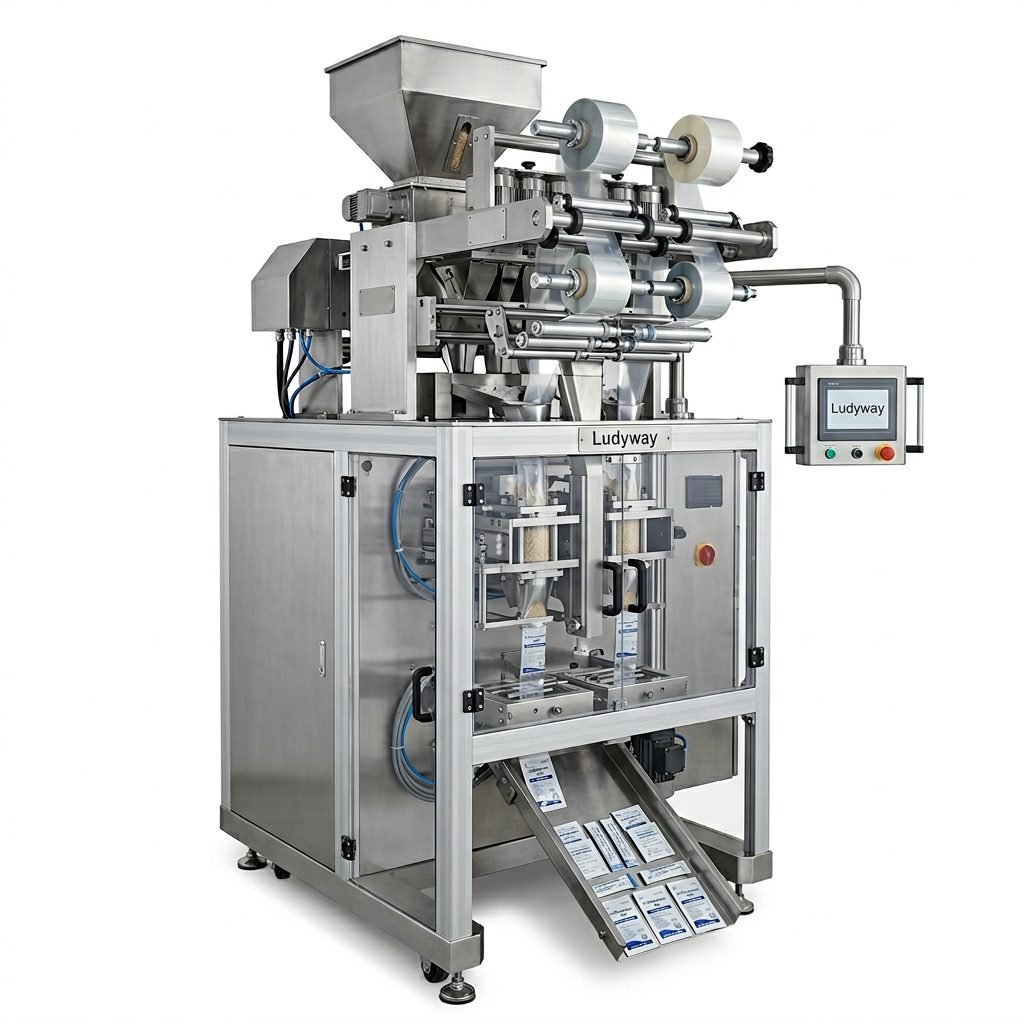
Oral Rehydration Salt Packaging Line
View Specifications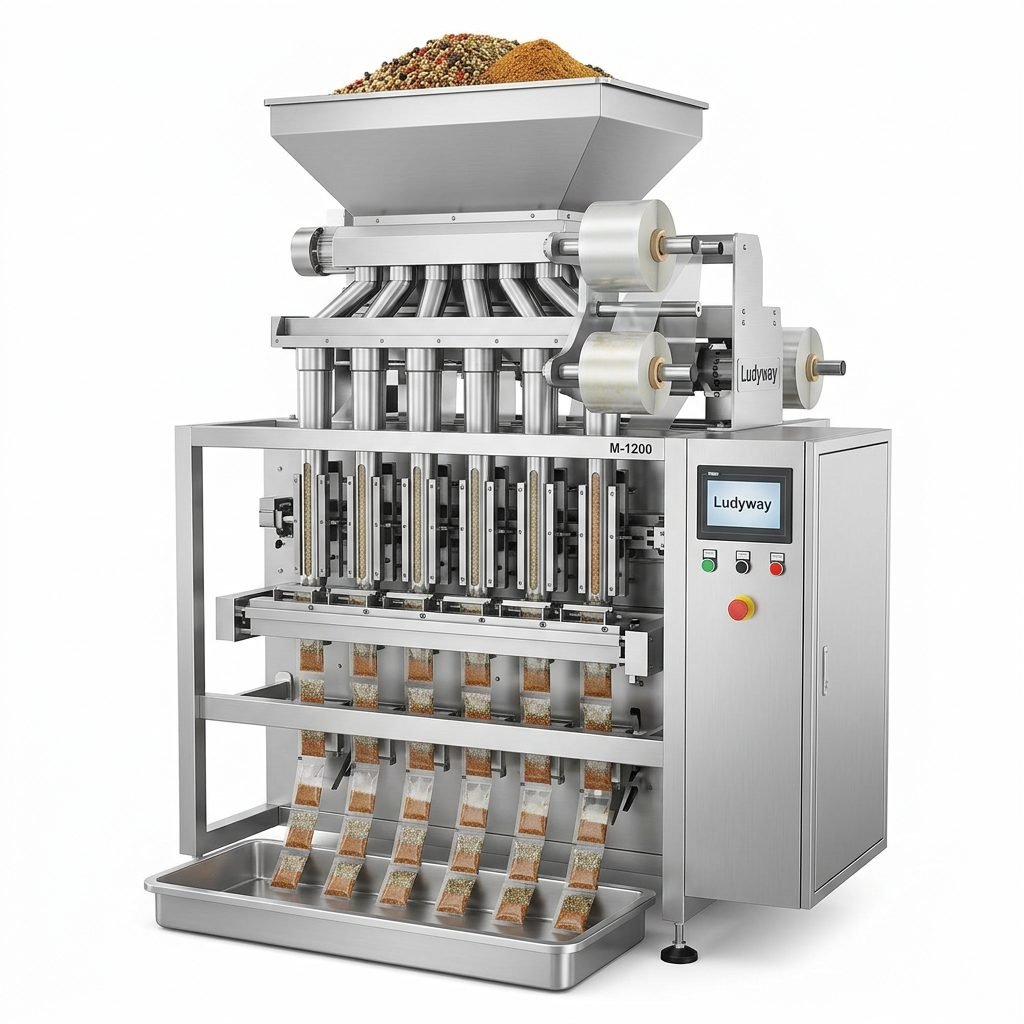
Spice & Seasoning Sachet System
View Specifications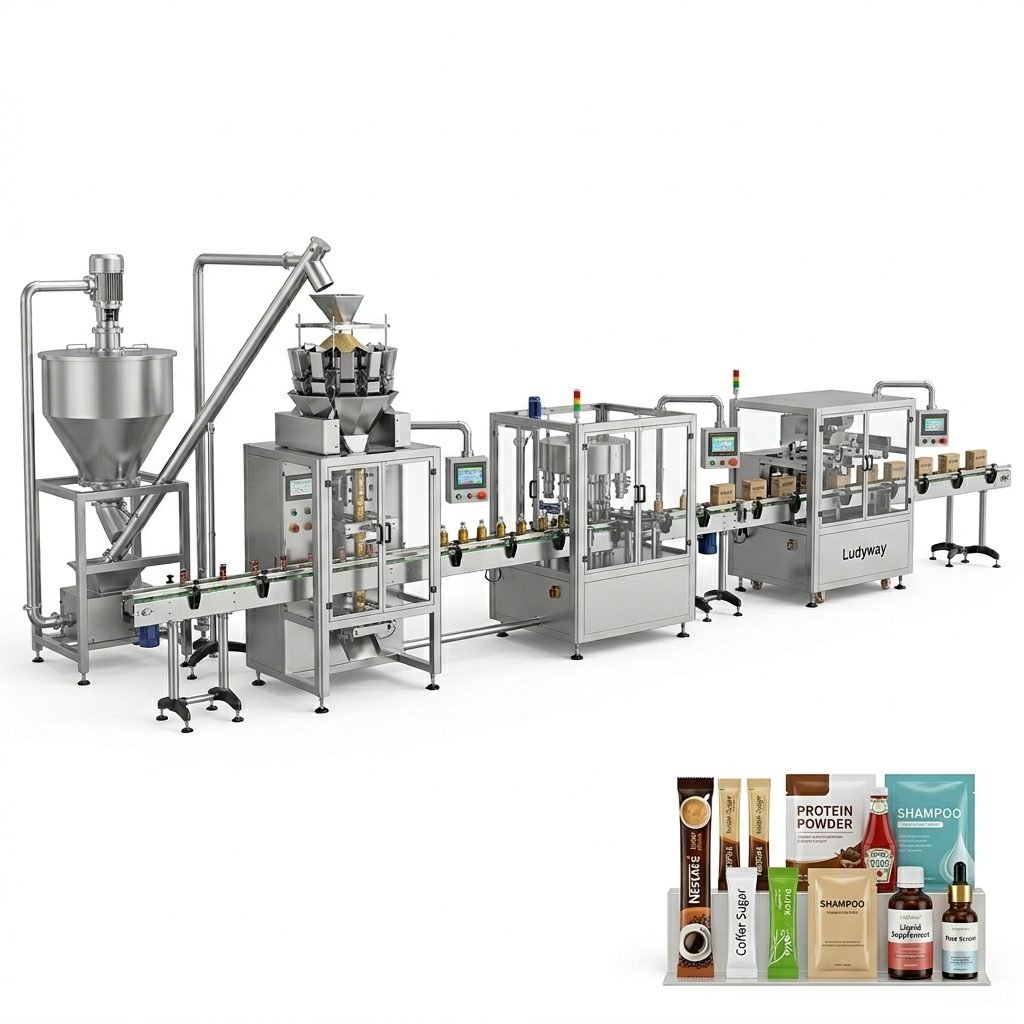
Complete Turnkey Granule Line
View SpecificationsLudyway Machinery: Turnkey Salt Packaging Engineering
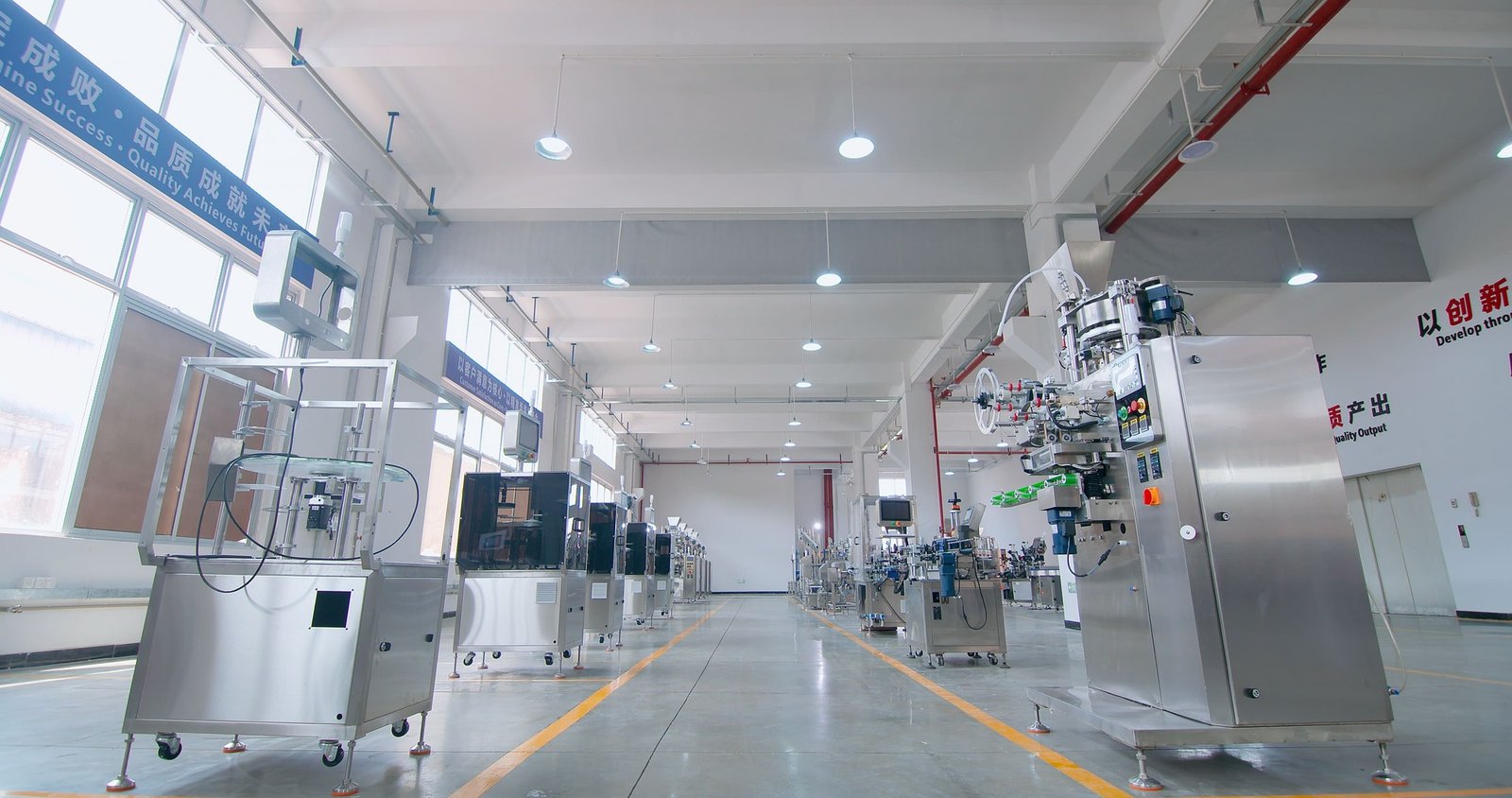
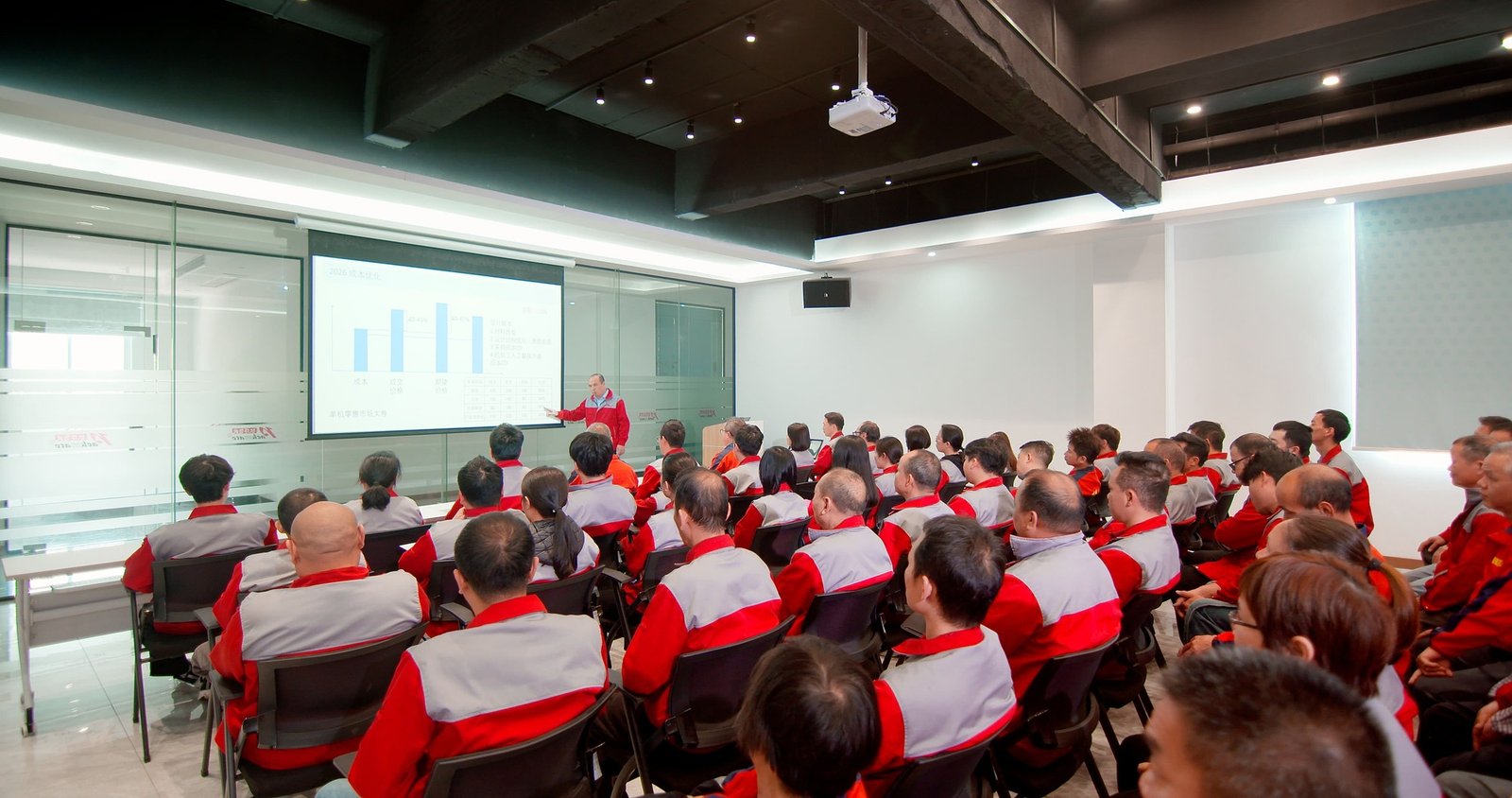
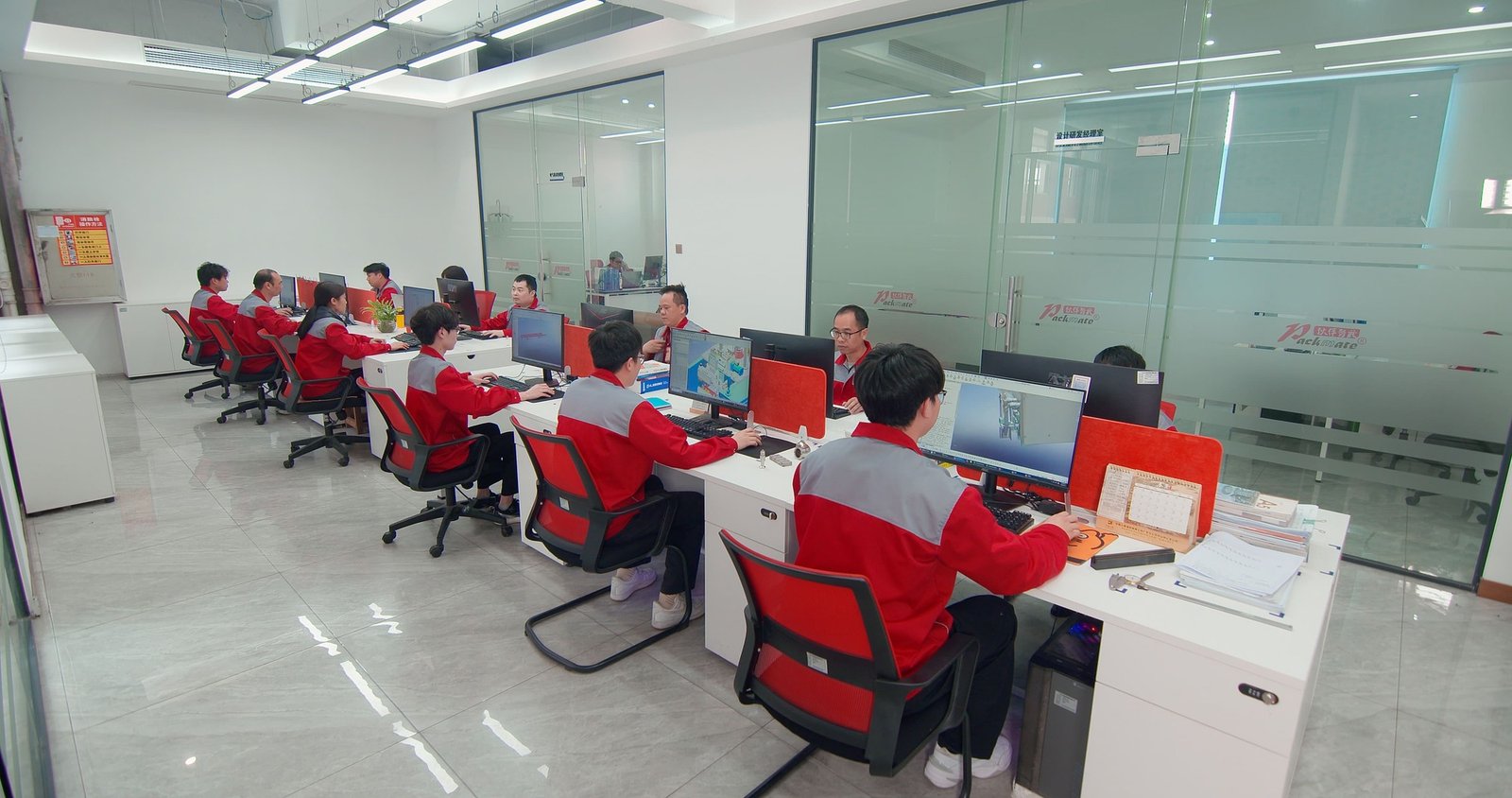
Ludyway is one of the largest packaging machine manufacturers in China, specializing in advanced packaging equipment and complete turnkey production solutions for the food, condiment, pharmaceutical, and health industries.
With over 30 years of industry expertise and supported by a modern 20,000㎡ manufacturing facility, Ludyway delivers more than 50 intelligent packaging machine models, serving clients in over 100 countries and regions worldwide with tailor-made anti-corrosion salt packaging lines.

International Compliance & Trusted Partners
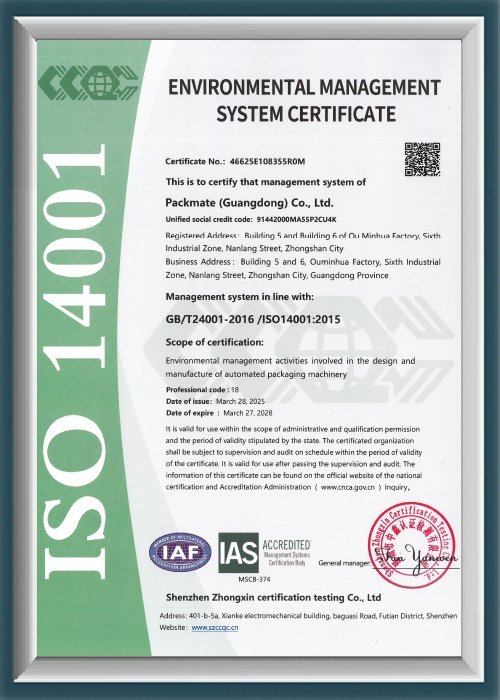
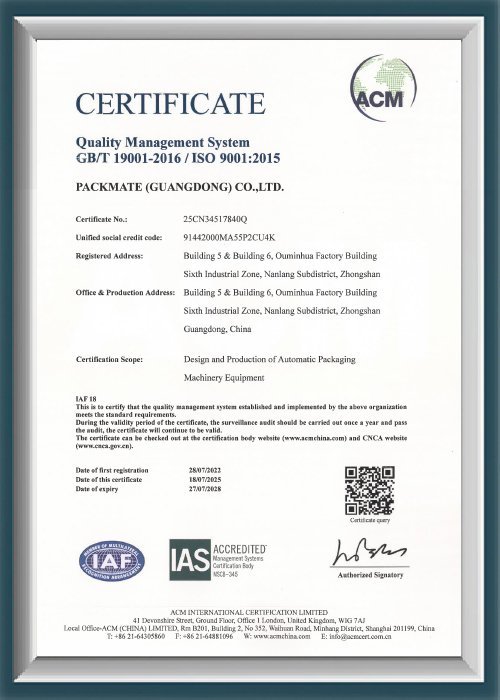
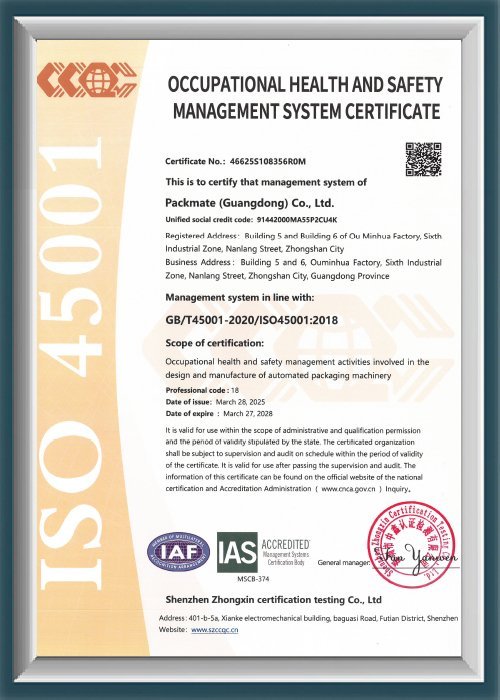
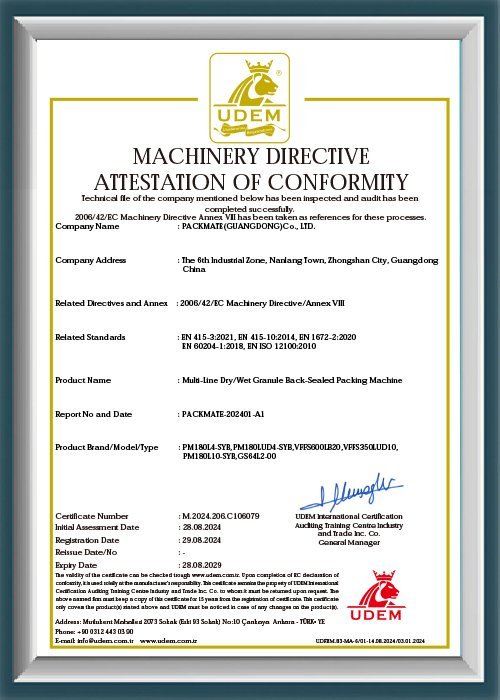
Our machinery conforms to CE, ISO9001, and cGMP sanitary standards, ensuring dependable performance in worldwide food and pharmaceutical plants.








Salt Packaging Line Setup: Engineering FAQ
Key technical answers regarding salt line footprint, anti-corrosion maintenance, speed optimization, and plant commissioning.
Why is SUS316 required instead of standard SUS304 for salt contact parts?
Sodium chloride contains aggressive chloride ions that cause severe pitting and crevice corrosion on standard SUS304 stainless steel. SUS316 contains 2–3% molybdenum, which provides exceptional resistance to chloride attacks and ensures compliance with food-grade sanitation over extended operational lifetimes.
How do you prevent salt dust from compromising the heat-seal seam?
We implement three synchronized measures: (1) high-efficiency dust suction hoods at the discharge funnel, (2) static-eliminator bars along the packaging film feed to neutralize electrostatic charges, and (3) precision-timed shut-off dosing valves to ensure zero drip or airborne drift during the jaw-closing cycle.
What ambient temperature and humidity control is recommended in the packaging room?
Salt begins absorbing moisture and agglomerating when relative humidity exceeds 70–75% RH. We strongly advise maintaining an enclosed cleanroom environment with temperature controlled between 18°C–24°C and relative humidity maintained strictly below 50–55% RH.
Can one multi-lane machine handle both fine table salt and coarse sea salt?
Yes. With Ludyway’s quick-change modular tooling, the multi-lane machine can switch between volumetric cup sets for free-flowing fine salt and linear combination weighers for larger grain sea salt or rock salt crystals, completing changeovers in under 30 minutes.
Ready to Design Your Turnkey Salt Packaging Line?
Connect directly with our senior packaging line engineers. We provide comprehensive plant layout planning, throughput simulations, anti-corrosion metallurgical recommendations, and full turnkey quotes within 24 hours.
