
1. Regulatory Framework & Pre-Engineering Assessment
Establishing compliance parameters prior to equipment procurement and cleanroom architectural layouts
Setting up a modern pharmaceutical packaging line demands a rigorous, multi-disciplinary engineering approach far beyond basic machinery selection. In the life sciences sector, the packaging line acts as the final critical safeguard protecting product integrity, dosage accuracy, sterility, and regulatory compliance before drugs reach healthcare providers and patients. Every single mechanism—from container de-nesting and nitrogen purging to checkweighing and case aggregation—must adhere strictly to current Good Manufacturing Practices (cGMP), FDA 21 CFR Part 11 (for electronic records and audit trails), EU Annex 1 requirements for sterile processing, and the DSCSA / FMD serialization directives.
Equipment design and line integration must minimize human intervention, eliminate particulate generation, and avoid cross-contamination risk. Mechanical parts coming into direct product contact must utilize electro-polished AISI 316L stainless steel with surface roughness (Ra) < 0.4 µm, inert non-shedding polymers (PTFE, PEEK, FDA-compliant silicones), and tool-less quick-release assemblies for validated Clean-In-Place (CIP) and Sterilize-In-Place (SIP) routines.
Data Integrity & CFR Part 11
Programmable Logic Controllers (PLCs) and Industrial PCs (IPCs) must generate unalterable time-stamped audit trails, multi-level biometric or role-based user logins, automated recipe controls, and instantaneous fault logging without manual override loopholes.
User Requirement Specifications (URS)
Formulating an exhaustive URS defines exact volumetric dosing tolerances, line speeds (PPM), product physicochemical properties (viscosity, hygroscopicity, light sensitivity), and packaging material barrier specs (ALU-ALU, PVC/PVDC, Aclar, laminate foil).
Cleanroom Zoning & HVAC
Segregating primary filling (Grade B/C or ISO 7/8 cleanrooms with laminar air flow) from secondary cartoning and tertiary end-of-line packaging to preserve strict differential pressures, control RH% below 30% for moisture-sensitive drugs, and prevent microbial ingress.
2. Architectural Layout: Primary, Secondary & Tertiary Stages
Harmonizing three functional zones into a continuous, high-throughput automated workflow
A synchronized pharmaceutical packaging line functions as a coherent, closed-loop mechatronic ecosystem. The setup must eliminate operational bottlenecks through accumulation buffers, dynamic load leveling, and electronic line balancing. Below is the standard three-tier pharmaceutical engineering architecture:
Primary Packaging
Direct contact with active pharmaceutical ingredients (APIs), solid dosage forms (tablets, capsules), oral liquids, sterile injectables, powders, or stick-pack granules.
- Blister Forming & Sealing: Rotary or flat-bed thermoforming/cold-forming with high-barrier foil.
- Multi-Lane Stick Pack & Sachet Filling: Precision multi-track auger/piston dosing for oral granules & liquids.
- Bottle De-Scrambling & Counting: Multi-channel optical electronic tablet counters and rotary desiccant inserters.
- Sterile Liquid Vial/Ampoule Filling: Peristaltic/ceramic rotary piston filling with nitrogen overlay and elastomeric stoppering.
Secondary Packaging
Enclosing primary units into patient-ready cartons, applying tamper-evident seals, inserting patient leaflets/IFUs, and generating compliant serial numbers.
- Continuous/Intermittent Cartoning: High-speed mechanical carton erection, leaflet folding/feeding, and automatic push-loading.
- High-Resolution 2D DataMatrix Printing: Thermal inkjet (TIJ) or UV laser coding of GTIN, Serial No, Batch, and Expiry.
- Dynamic Checkweighing & Vision: 100% in-line mass verification with sub-milligram precision and automated pneumatic reject gates.
- Tamper-Evident Labeling: Clear dual-side label applicators on tuck closures to comply with anti-counterfeiting regulations.
Tertiary Packaging
Bundling secondary cartons into shippable shippers, aggregate tracking, case erecting/sealing, and automated robotic pallet stacking.
- Bundling & Overwrapping: Polyolefin/shrink film bundling of multi-pack cartons with integrated bundle serialization.
- Automatic Case Packing: Top-load, side-load, or wrap-around robotic case packers with automated tape/hot-melt glue sealing.
- Parent-Child Aggregation: High-speed optical scanners linking individual carton codes to shipping cases and master pallet labels.
- Robotic Palletizing & Stretch Wrapping: Heavy-duty Cartesian or articulated robotic arms with high-tension turntable wrappers.
3. Machinery Specifications & Operational Benchmarks
Comparing technical parameters across the pharmaceutical packaging workflow
Selecting the correct packaging machinery requires balancing throughput rates, footprint constraints, changeover downtime, and critical dosing accuracy. The table below illustrates the standard engineering benchmarks for pharmaceutical-grade equipment integrations:
| Equipment Type | Target Pharmaceutical Application | Standard Operating Speed | Key Compliance & Dosing Features | Contact Material & Cleanliness |
|---|---|---|---|---|
| Multi-Lane Stick Pack Machine | Oral rehydration salts, antibiotic granules, prebiotic powder, vitamin formulations | 200 – 800 stick packs/min | Servo-driven independent auger/piston, inert gas flushing (<1% residual O2) | AISI 316L Stainless Steel, Ra < 0.4 µm, tool-less teardown |
| Rotary Blister Packaging Line | Solid dose tablets, hard/soft gelatin capsules, caplets | 150 – 500 blisters/min | Pinhole detection, thermoforming & cold-forming, motorized seal pressure | FDA-grade PTFE coating, cleanroom class ISO 8 compatibility |
| Vial / Bottle Liquid Filling Line | Cough syrups, oral liquids, injectable biologics, eye drops | 60 – 250 containers/min | No-bottle-no-fill, peristaltic or rotary piston pumps, positive torque capping | CIP/SIP enabled 316L, laminar airflow hood integration (Grade A) |
| High-Speed Automatic Cartoner | Enclosing blisters, sachets, stick packs, bottles, tubes with leaflets | 80 – 350 cartons/min | Continuous motion rotary carton erection, pre-folded GUK leaflet feeders | Anodized aluminum & 304 SS, low-noise timing belts |
| Dynamic Checkweigher & Metal Detector | Secondary cartons, bulk pouches, solid dose containers | Up to 400 pcs/min | ±0.05g high-precision load cell, multi-frequency electromagnetic coil | Hermetically sealed stainless steel IP65/IP69K enclosures |
| End-of-Line Case Packer & Palletizer | Master corrugated shipping cases, pallet unit loads | 10 – 35 cases/min | Full parent-child aggregation, robotic delta/articulated pick & place | Heavy-duty welded steel, integrated light curtains & safety interlocks |
4. Industry-Proven Pharmaceutical Packaging Equipment
Standard and customized machine units engineered for high-precision cGMP pharmaceutical lines
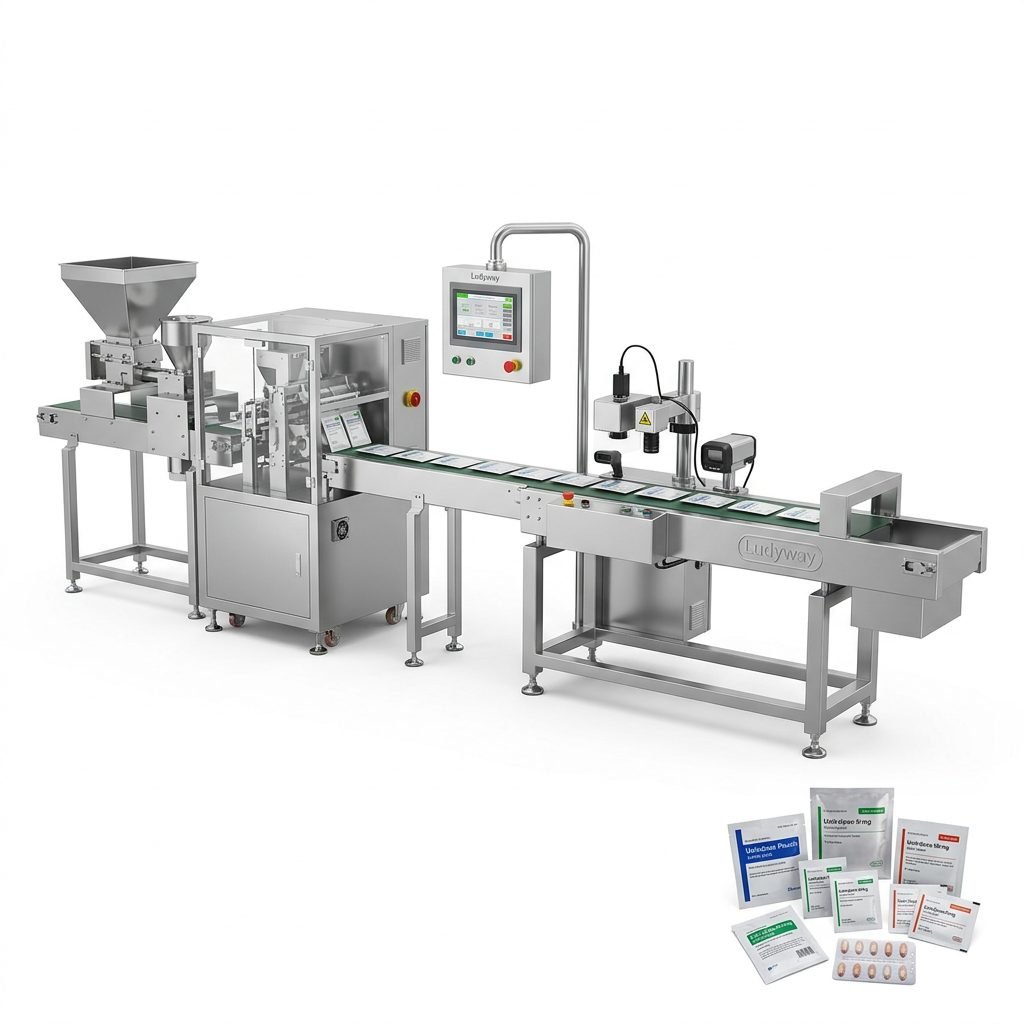
Automated Prescription Drug Packaging Lines
Integrated high-precision turnkey packaging systems customized for solid dose and sachet prescription pharmaceuticals.
View Specifications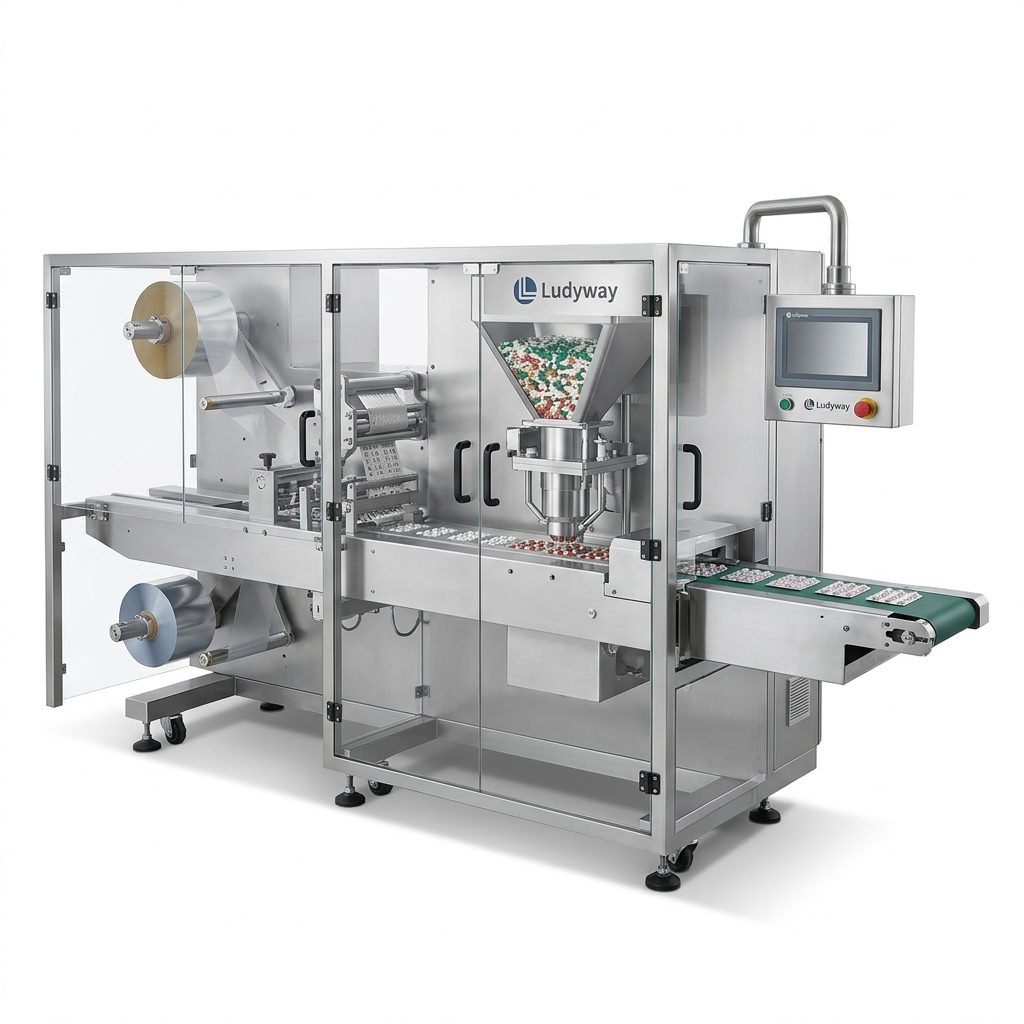
High-Speed Pharmaceutical Blister Packaging Machine
Advanced thermoforming and cold-forming ALU-ALU/PVC blister packing for pills, tablets, and hard capsules.
View Specifications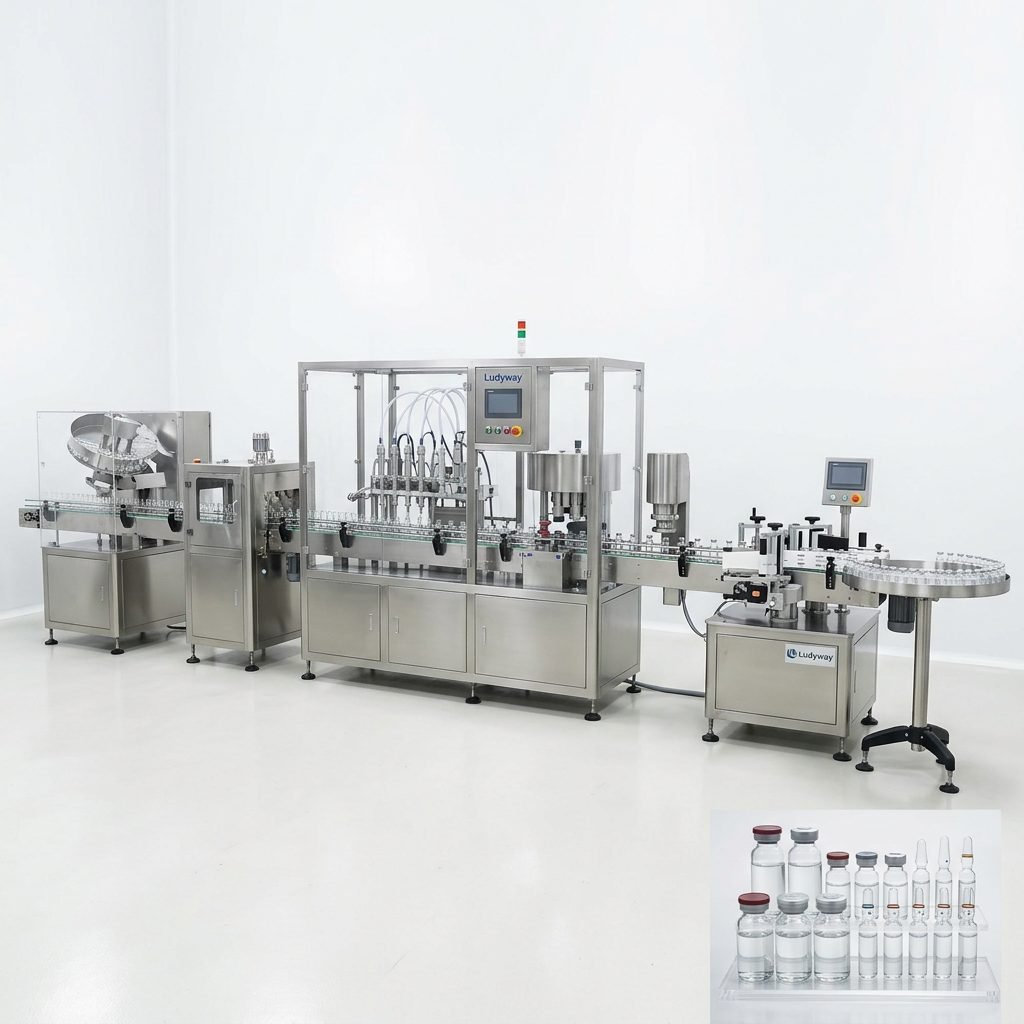
Pharmaceutical Liquid Filling Lines for Vials & Bottles
Automated aseptic liquid dosing, inert nitrogen flushing, rubber stoppering, and capping for pharma vials and ampoules.
View Specifications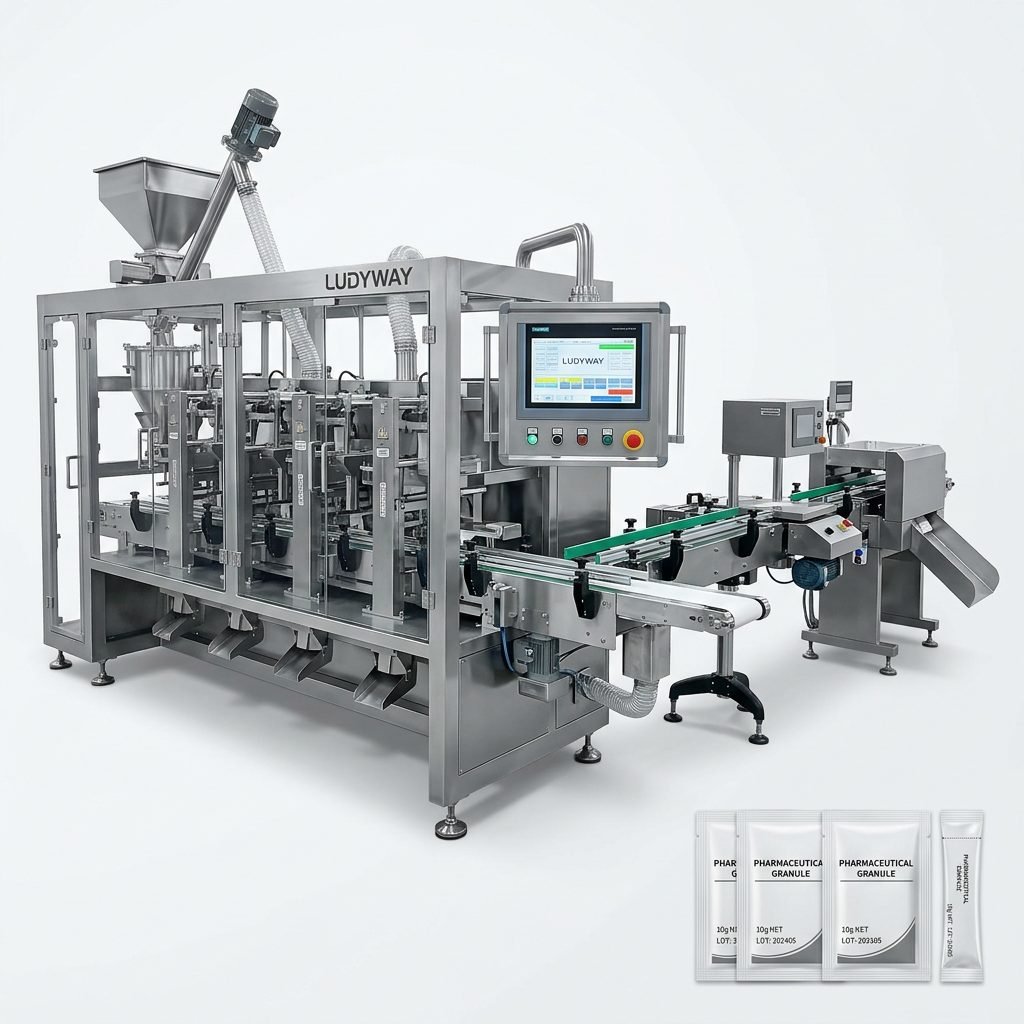
Automated Powder Packaging Lines for Pharma Sachets
Continuous high-speed multi-lane granule and active pharmaceutical ingredient (API) powder filling in 4-side seal sachets.
View Specifications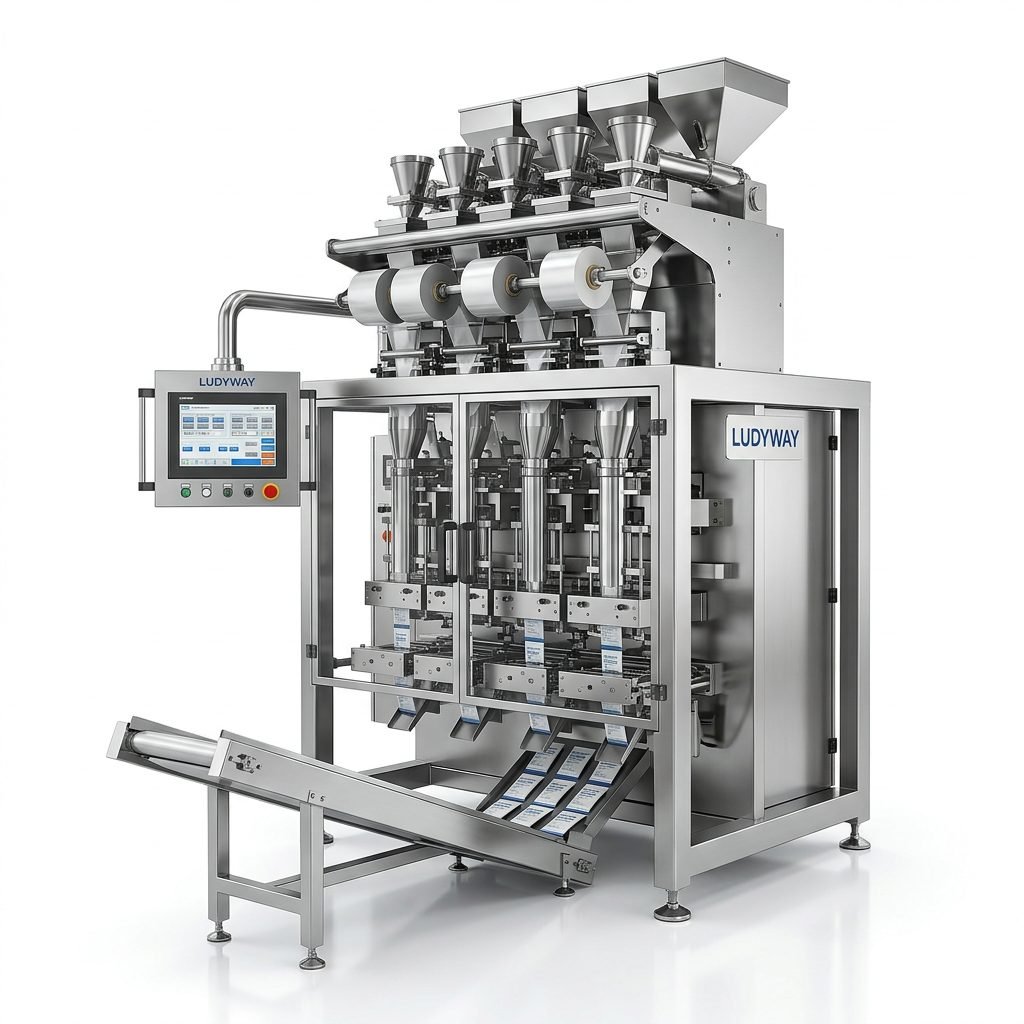
Multi-Lane Powder Sachet Machine for Pharma Applications
Equipped with servo-driven micro-augers ensuring ±0.5% dosing precision for antibiotic powders and nutraceutical blends.
View Specifications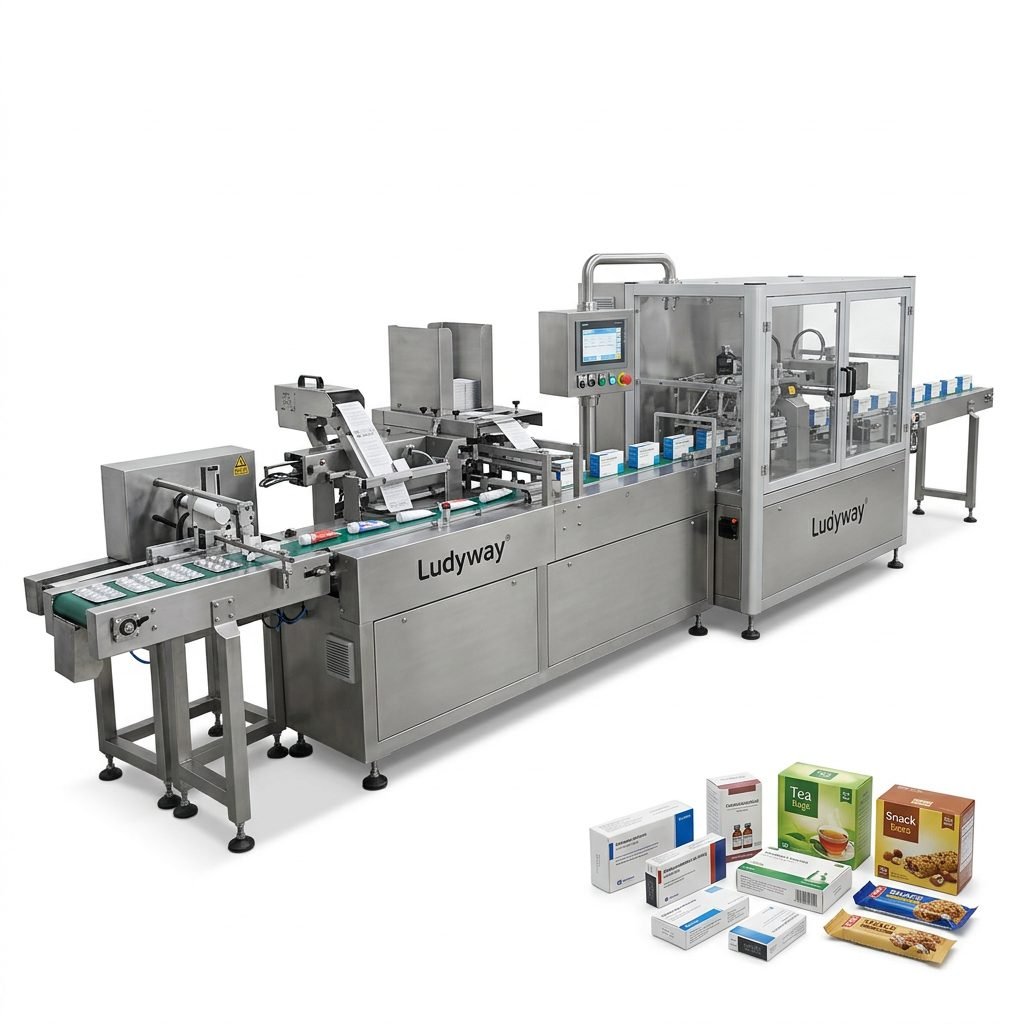
High-Speed Automatic Cartoning Lines for Pharma
Continuous cartoning systems featuring automatic leaflet insertion, tuck/hot-melt closing, and embossed date coding.
View Specifications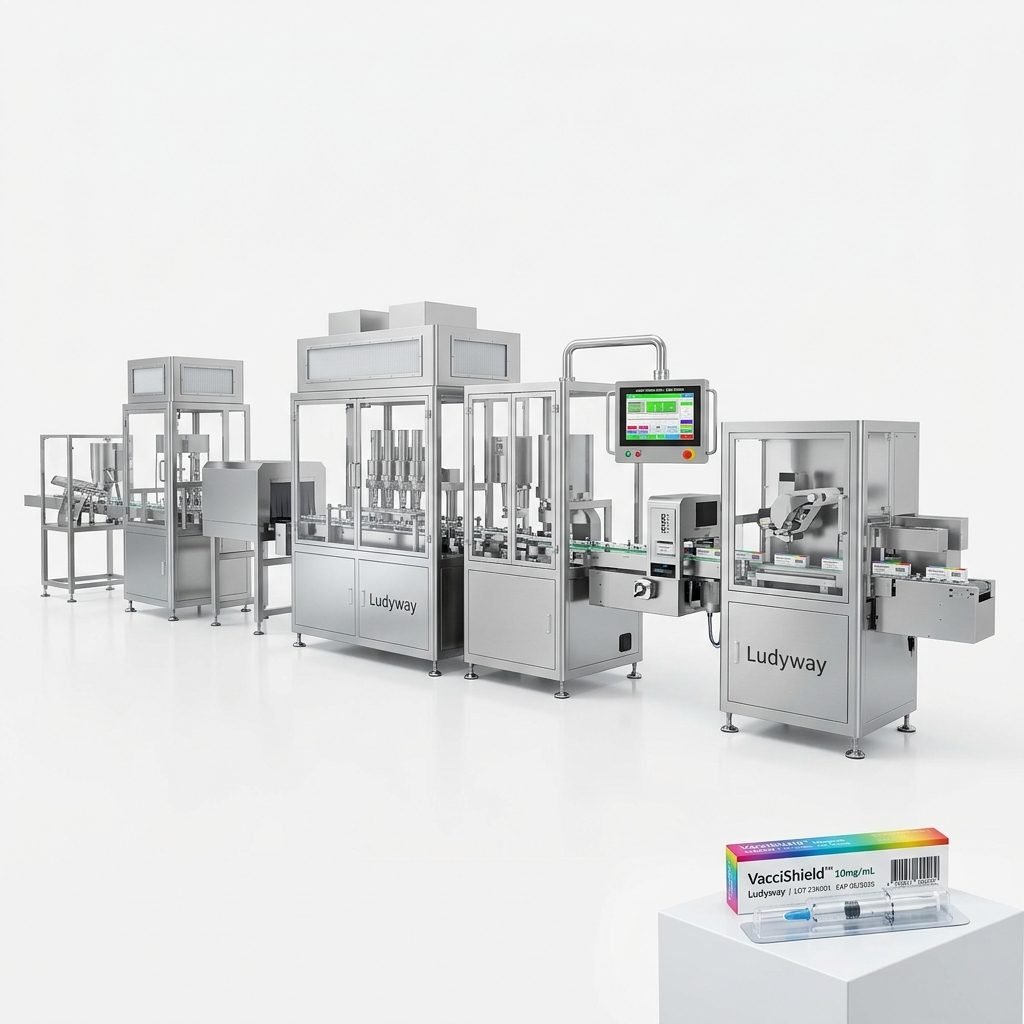
Automated Syringe Packaging Lines for Sterile Devices
Specialized sterile barrier pouching and tray blister packaging systems designed for pre-filled syringes and medical devices.
View Specifications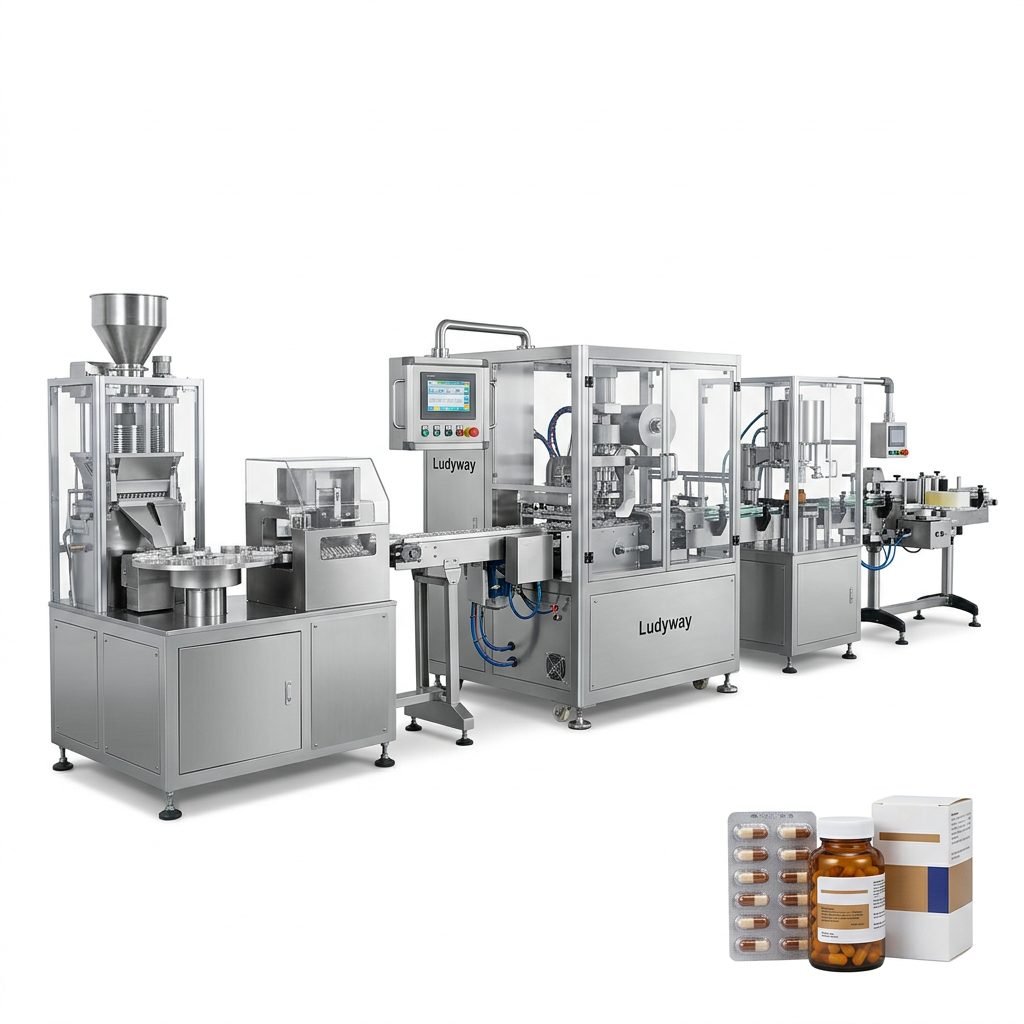
Automatic Capsule Packaging Lines for Pharma
High-speed counting, bottling, capping, and induction sealing lines engineered for pharmaceutical capsules and tablets.
View Specifications5. Track & Trace, Serialization, and AI Machine Vision
Meeting international anti-counterfeiting mandates with Level 1–4 software integration
Modern pharmaceutical packaging lines are completely digitized. Under international regulations such as the United States Drug Supply Chain Security Act (DSCSA) and the European Union Falsified Medicines Directive (EU FMD), pharmaceutical packaging must maintain end-to-end unit-level traceability. Every individual saleable package must carry an encrypted 2D DataMatrix code validated in real time by high-speed machine vision systems.
The 4-Tier Aggregation Workflow
Aggregation establishes an unbroken cryptographic parent-child hierarchy across your packaging operations:
Item-Level Marking (Child)
Thermal Inkjet or Laser prints unique GS1-compliant 2D DataMatrix on individual cartons/sachets.
Bundle Serialization
Overwrapped bundles are scanned and assigned a parent bundle barcode capturing all child serial numbers.
Case Aggregation (Parent)
Multi-camera layer scanners verify all bundles as they enter shipping cases, printing an aggregate GS1-128 shipping label.
Pallet Unitization (Master)
Robotic palletizers link all case barcodes to the Master Serial Shipping Container Code (SSCC) pallet tag.
AI-Assisted Optical Quality Control
High-resolution 5-megapixel CMOS industrial cameras operating with deep-learning neural network algorithms perform 100% in-line verification at up to 600 cycles per minute:
- OCR/OCV Validation: Optical Character Recognition verifying printed human-readable lot numbers and expiry dates against the central MES database.
- Blister Pocket Integrity: Complete color, shape, and tablet break/chip defect detection, ensuring zero empty cavities.
- Cap Torque & Seal Flaw Detection: 360-degree vision inspecting induction seal presence, tamper-evident band integrity, and skewed cap height.
- High-Speed Air Reject Synchronization: High-speed tracking encoders triggering pneumatic blow-off or pusher arms for flawed packs into locked reject bins.
6. Plant Layout, Cleanroom Airflow & Material Flow Logistics
Optimizing physical factory space to prevent contamination and ensure ergonomic operator access
A poorly designed factory layout causes cross-contamination, excessive changeover times, and material mix-up risks. In pharmaceutical line setup, cleanroom engineering dictates a unidirectional flow where raw packaging materials enter from one side, move sequentially through processing zones, and exit as finished palletized freight without intersecting waste streams or operator gowning pathways.
Primary packaging suites must maintain positive air pressure (typically +15 to +30 Pa relative to corridors) through HEPA-filtered air handling units. In potent compound filling (oncology, hormones), negative pressure containment is deployed with specialized safe-change BIBO filtration.
Line machines must operate with a V-Curve speed relationship: the cartoner should run 10-15% faster than primary filling, while case packing operates 10% faster than cartoning. Servo-controlled zero-pressure accumulation tables prevent line stoppages during minor upstream reel changes.
Secondary packaging materials (folding cartons, corrugated cases) generate cellulose dust. They must never enter primary cleanrooms. Pass-through airlocks with active UV decontamination chambers and motorized conveyor transfers maintain barrier integrity between cleanroom classes.
7. Equipment Qualification & Validation Life Cycle (V-Model)
Executing formal documentation protocols to satisfy FDA, EMA, and WHO audits
In pharmaceutical manufacturing, equipment is unvalidated until documented proof confirms it performs as intended under all operational conditions. Establishing a pharmaceutical packaging line requires an exhaustive Validation Master Plan (VMP) encompassing the standard qualification stages:
Design Qualification
Formal verification that equipment specifications, mechanical drawings, P&ID schematics, and software architecture comply directly with User Requirement Specifications (URS) and cGMP standards.
Installation Qualification
Physical verification that all components, utilities (compressed dry air, power, nitrogen, vacuum), safety interlocks, and 316L material certificates match engineering blueprints and manufacturer manuals.
Operational Qualification
Testing operational functionality without live APIs: challenge testing safety doors, e-stops, sensor faults, temperature control limits, vacuum pull, and emergency power-loss data preservation.
Performance Qualification
Evaluating three consecutive full-scale production batches using real pharmaceutical formulation under maximum and minimum line speeds to prove continuous Cpk process capability (> 1.33).
Why Global Pharmaceutical Enterprises Partner with Ludyway
Over three decades of precision packaging machinery engineering and turnkey integration
Ludyway is a premier packaging machinery manufacturer specializing in advanced automation and turnkey production line solutions for the pharmaceutical, dietary supplement, cosmetic, and food industries. Supported by our state-of-the-art 20,000㎡ modern manufacturing facility and a dedicated engineering team of over 130+ packaging experts, Ludyway designs, builds, and validates more than 50 intelligent machine models.
From multi-lane stick pack and sachet machines to automated blister lines, cartoning systems, and end-of-line case palletizing setups, we serve pharmaceutical clients across more than 100 countries and regions. Our machines integrate top-tier components (Siemens, Schneider, Omron, Festo), full 316L stainless steel contact parts, and comprehensive DQ/IQ/OQ validation dossiers.
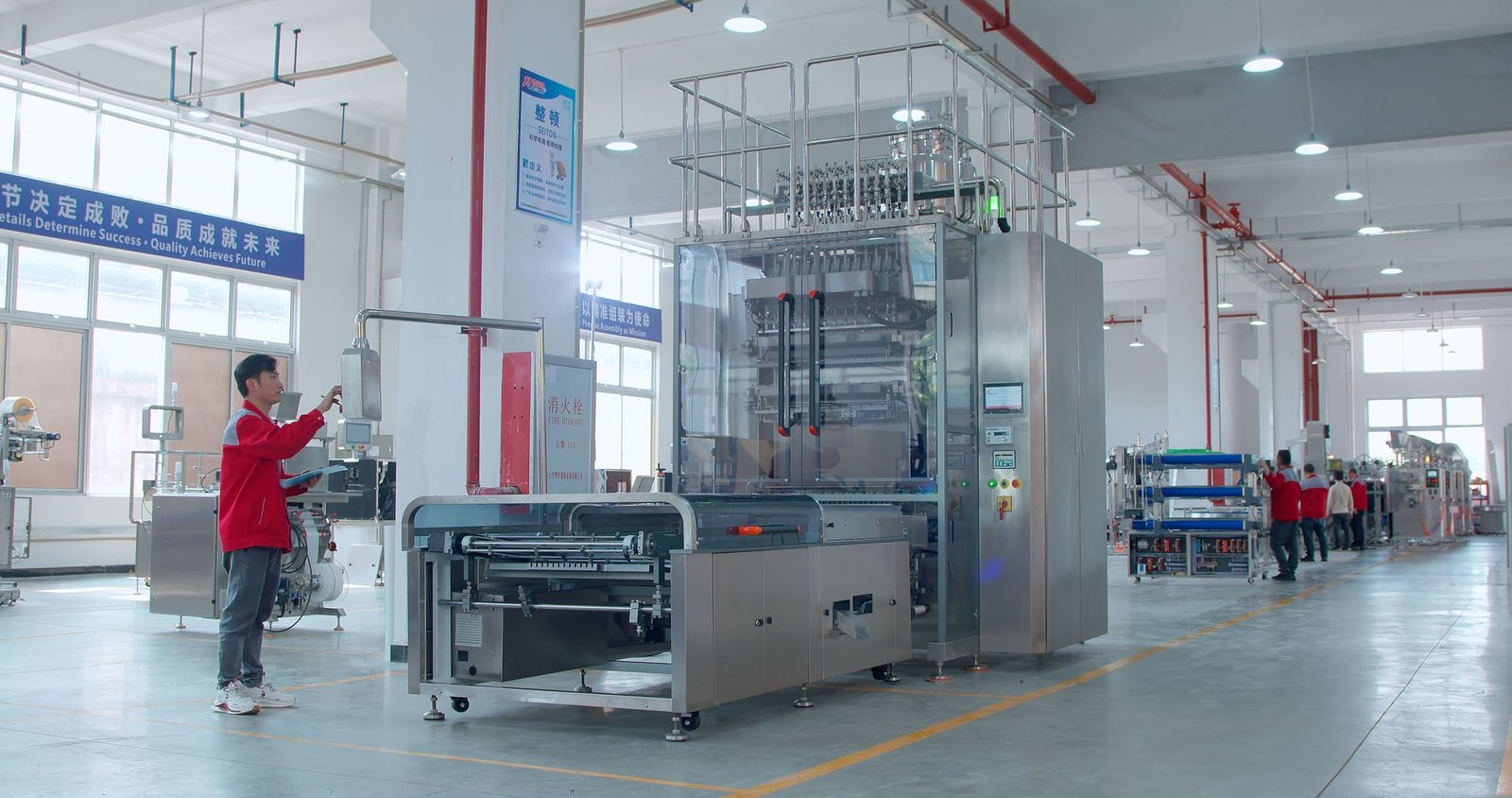
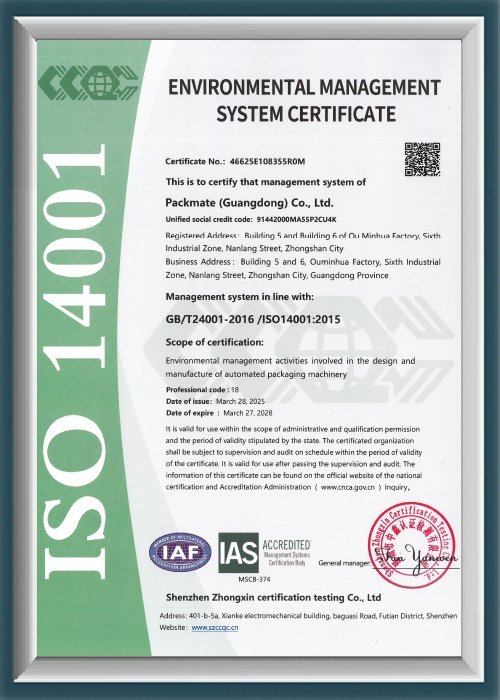
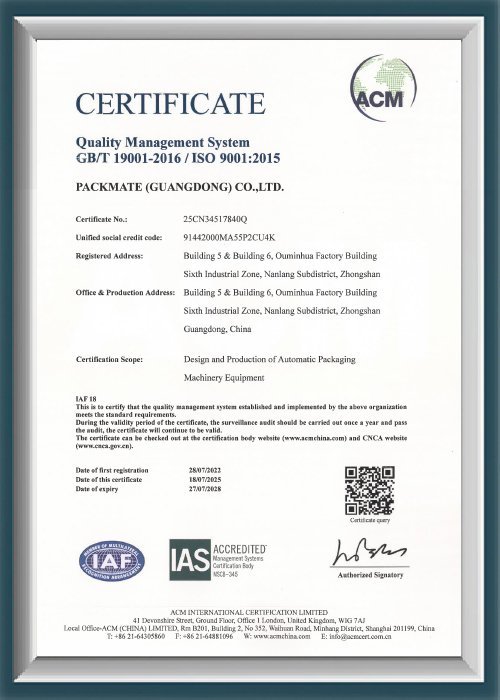
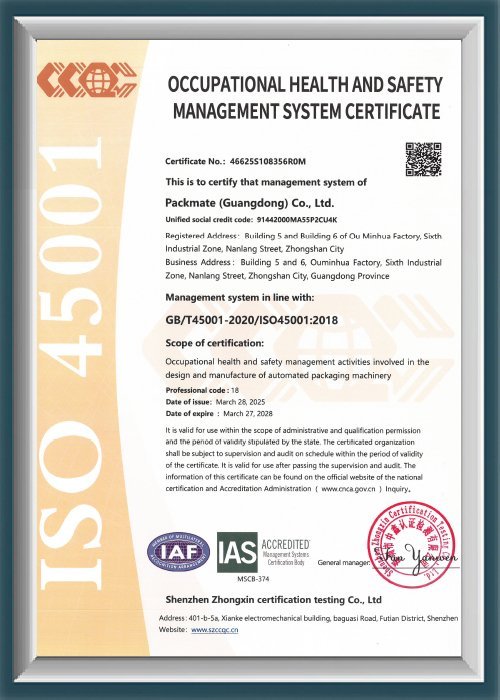
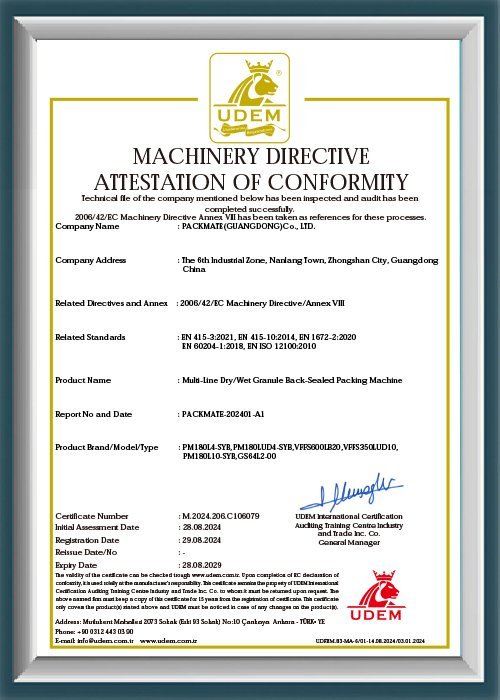
Certified Quality & International Standards (CE, ISO, cGMP)
8. 7-Phase Execution Roadmap for Packaging Line Setup
Milestone-driven project management from conceptual design to commercial release
Phase 1: Project Charter & User Requirement Specification (Month 1)
Define dosage form characteristics, primary package barrier requirements, target line efficiency (OEE > 85%), cleanroom boundary conditions, and regulatory compliance targets (FDA, EMA).
Phase 2: Vendor Technical Evaluation & Design Qualification (Month 2–3)
Review 3D layout integration, verify servo drive capabilities, inspect material test certificates (MTRs), and finalize functional and design specifications (FS/DS) with the machine manufacturer.
Phase 3: Machine Fabrication & Factory Acceptance Testing (FAT) (Month 4–7)
Execute rigorous FAT at the supplier’s manufacturing plant using dummy and active product. Test fault conditions, software audit trail generation, high-speed vision reject accuracy, and changeover times.
Phase 4: Site Preparation, Cleanroom HVAC & Utilities Integration (Month 6–7)
Install stainless steel utility drops (oil-free 6 bar CDA, 99.999% nitrogen lines, 3-phase power, dust collection ducting, ethernet networking) and pass air particulate cleanroom certification tests.
Phase 5: Equipment Delivery, Positioning & Site Acceptance Testing (SAT) (Month 8)
Anchor, align, and level all conveyor connections and processing units. Re-run FAT test protocols on-site to verify no transport damage or misalignments occurred during transit.
Phase 6: Formal IQ, OQ, PQ Validation & Staff Training (Month 9)
Execute signed qualification protocols. Train plant operators, cleanroom maintenance staff, and QA engineers on standard operating procedures (SOPs), CIP/SIP sanitization, and recipe management.
Phase 7: Commercial Production & Post-Launch OEE Optimization (Month 10+)
Transition to active commercial batches. Implement Overall Equipment Effectiveness (OEE) tracking dashboards to monitor availability, speed performance, and first-pass quality yield.
Frequently Asked Questions: Pharmaceutical Line Setup
Technical and regulatory insights for pharmaceutical engineering teams
What are the primary differences between pharmaceutical and standard packaging lines?
Pharmaceutical packaging lines require full cGMP compliance, sanitary AISI 316L stainless steel contact parts (Ra < 0.4 µm), 21 CFR Part 11 compliant audit trail software, 100% in-line vision and checkweigh inspection, serialization aggregation, cleanroom HVAC integration, and formal DQ/IQ/OQ/PQ validation documentation. Standard packaging lines for general FMCG lack these stringent validation, containment, and anti-counterfeiting tracking protocols.
How can cross-contamination be prevented during multi-product changeovers?
Cross-contamination is eliminated through tool-less quick-disconnect product contact parts, dedicated changeover cart sets for specific molecule families, validated CIP/WIP washing cycles, HEPA-filtered localized extraction hoods, and rapid clearance line SOPs supported by AI vision cameras that ensure zero residual tablets or packaging materials remain prior to running a new batch.
What line speed (PPM) should we target for pharmaceutical sachet and stick pack lines?
Target speed depends on sachet lane count and formula dosing characteristics. For free-flowing oral granules and powders, Ludyway’s multi-lane stick pack and sachet machines achieve speeds from 200 up to 800 stick packs/minute (operating across 4 to 12 lanes) while maintaining dosing precision within ±0.5% using individualized servo-driven auger screws.
Does Ludyway support turnkey packaging line engineering and on-site qualification?
Yes. Ludyway provides complete end-to-end turnkey project execution, including custom layout CAD design, primary packaging machinery, cartoning integration, vision inspection, checkweighing, serialization, end-of-line robotic palletizing, on-site installation, FAT/SAT execution, and complete IQ/OQ validation documentation packs.
Ready to Engineer Your Pharmaceutical Packaging Line?
Consult with our senior packaging automation engineers to design a custom, cGMP-compliant, high-efficiency packaging line tailored to your specific pharmaceutical dosage forms, output requirements, and cleanroom footprint.
