
How to Set Up a Detergent Packaging Line: Engineering, Equipment & Automation Guide
Setting up a high-performance detergent packaging line requires balanced engineering across chemical rheology, packaging formats, corrosion-resistant metallurgy, and smart multi-lane automation. Whether manufacturing liquid laundry pods, detergent sachets, bulk washing powders, or concentrated dishwashing gels, this comprehensive engineering blueprint covers technical planning, filling system configurations, secondary packaging integration, and turnkey commissioning.
1. Analyzing Detergent Rheology, Formats, and Chemical Properties
Before investing in machinery, the primary engineering step in understanding how to set up a detergent packaging line is identifying the precise physical behavior of your detergent formula. Daily chemical formulations present severe operational challenges—such as high viscosity fluctuations, aggressive foaming, abrasive crystalline structures, and corrosive surfactant chemistry.
Liquid & Gel Detergents
Liquid laundry detergents, fabric softeners, and dishwashing gels exhibit non-Newtonian shear-thinning properties. Filling mechanisms require anti-dripping servo piston pumps or magnetic flow meters with submerged diving nozzles to mitigate surface tension foaming.
Granule & Powder Detergents
Synthetic washing powders and bleaching agents are prone to hygroscopic clumping, atmospheric dust suspension, and varying bulk densities. Lines necessitate enclosed vacuum conveyors, precision servo auger dosers, and integrated negative-pressure dust extraction units.
Unit-Dose Pods & Sachets
Water-soluble PVA (polyvinyl alcohol) pods and multi-lane flexible sachets demand tight relative humidity control (below 45% RH) and precise thermal sealing parameters to prevent film dissolution, micro-leaks, or burst seams during transit.
Engineering Best Practice: All product contact parts for detergent formulations must utilize SUS304 or SUS316L stainless steel with PTFE/Viton chemical-grade elastomer seals to withstand high-alkaline surfactants, chlorine additives, and fragrance oils over multi-shift operations.
2. Core Machine Configuration: Liquid vs. Powder Detergent Lines
A balanced packaging line matches throughput capacities across feeding, dosing, pouch forming or bottle filling, labeling, and secondary cartoning. Discover how liquid and powder detergent workflows differ across vital machinery stages:
| Production Stage | Liquid Detergent Packaging Line | Powder / Granule Detergent Line | Automation & Control Standard |
|---|---|---|---|
| Raw Material Dosing | Positive displacement piston pumps or Coriolis mass flow meters with anti-drip diving cut-off nozzles. | Servo-driven vertical auger fillers or multi-head combination weighers with anti-bridging agitators. | ±0.5% Accuracy PLC closed-loop feedback |
| Primary Forming / Filling | Rotary bottle liquid filler or Multi-lane sachet liquid packing machines. | Continuous vertical form-fill-seal (VFFS) or multi-lane stick pack and flat sachet machines. | Multi-axis servo synchronization, PID heat control |
| Dust & Foam Control | Sub-surface bottom-up diving fill nozzles, nitrogen purge to minimize headspace oxidation. | Negative-pressure industrial dust collection hoods, sealed dust-tight feeding funnels. | Integrated air velocity sensors and filtration |
| Quality Inspection | Dynamic checkweigher, vision cap-torque verification, seal leak detection. | High-sensitivity metal detector, dynamic checkweigher, seal contamination rejector. | Automatic pneumatic pusher / air-blast reject system |
| Secondary & Tertiary | Wrap-around case packing, robotic pick-and-place cartoning, shrink wrapping, palletizing. | Automatic carton erectors, sachet collation systems, case packers, automatic stretch wrappers. | SCADA / MES Industry 4.0 data logging |
3. Step-by-Step Engineering Blueprint: How to Set Up Your Line
Executing a successful packaging line setup demands a synchronized sequence of mechanical layout design, utility sizing, integration testing, and validation. Following this structured engineering methodology mitigates bottlenecks and ensures fast ramp-up to target Overall Equipment Effectiveness (OEE).
Facility Layout & Utility Provisioning
Design factory floor zoning based on linear or U-shaped material flows to eliminate cross-contamination between raw bulk chemicals and finished packaged cases.
- Pneumatic Supply: Clean, dry compressed air (0.6–0.8 MPa) with coalescing oil-mist filters.
- Electrical Specifications: 3-Phase 380V/480V 50/60Hz stable power with dedicated surge suppression.
- Drainage & Washdown: Stainless steel sloped floor drains for Clean-in-Place (CIP) wastewater handling.
Bulk Feeding & Infeed Conveyance
Implement steady raw product supply buffers to avoid starving high-speed filling systems during continuous shifts.
- Powders: Z-type bucket elevators or enclosed vacuum feeders with level-sensing hopper controls.
- Liquids: Jacketed buffer holding tanks with sanitary rotary lobe transfer pumps.
- Packaging Films: Dual-spindle film reel unreelers with automatic ultrasonic splice units.
Primary Packaging Line Synchronization
Commission the central form-fill-seal or bottle packaging equipment with synchronized servo drives for high cycle precision.
- Optimize multi-lane roll tensioning and optical print-mark registration eye sensors.
- Calibrate thermal seal jaws (temperature, dwell time, mechanical pressure) to polymer specifications.
- Integrate dynamic servo volumetric dosing for accurate multi-head discharge.
End-of-Line Automation & Quality Assurance
Prevent unverified weight deviations or defective seals from entering warehouse distribution channels.
- Inline dynamic checkweighers with automatic feedback loop to the primary dosing unit.
- Industrial batch date coding via continuous inkjet (CIJ) or fiber laser marking systems.
- Automated cartoning, high-speed case packing, and end-of-line robotic palletizing.
4. Industrial Detergent Packaging Machinery Models
Explore Ludyway’s specialized packaging machinery optimized for liquid soaps, concentrated detergents, cleaning sachets, and washing powder packaging lines:
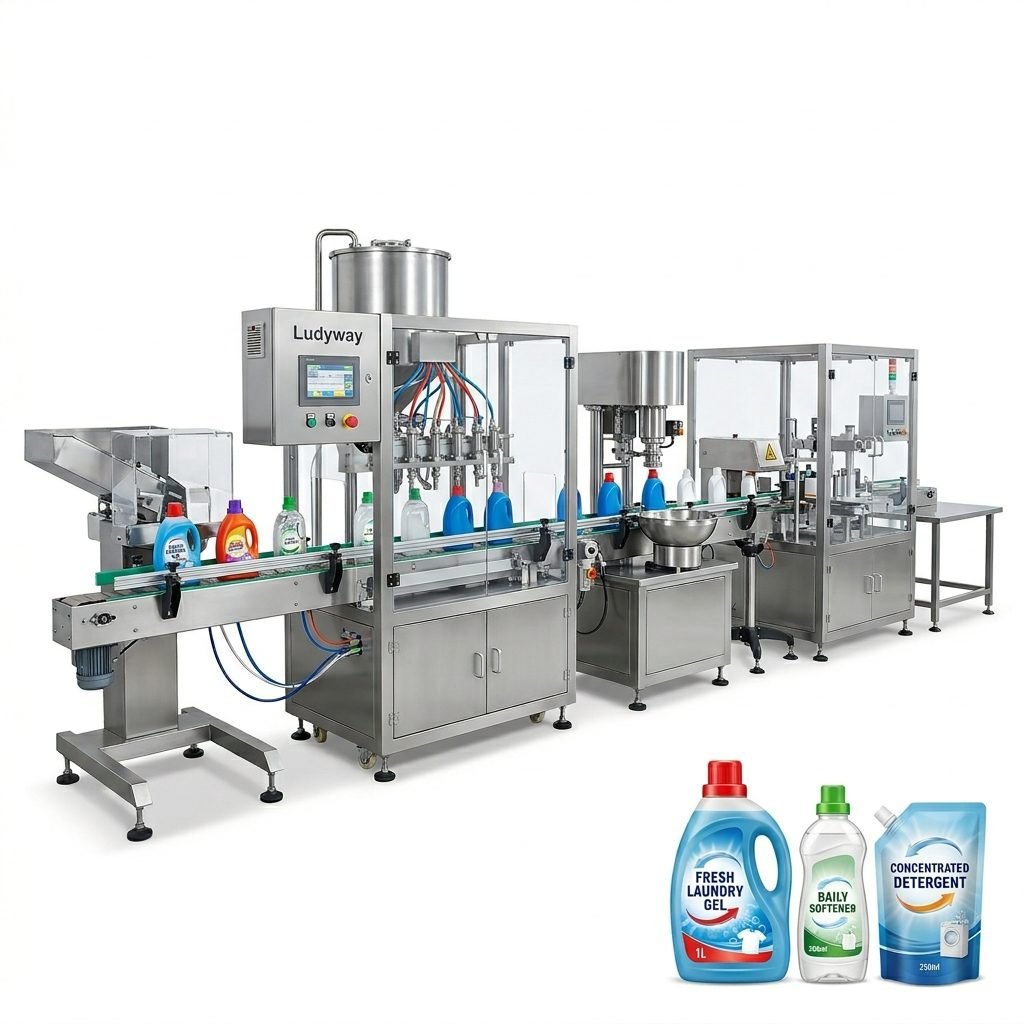
Liquid Detergent Packaging Lines for Filling and Sealing
View Specifications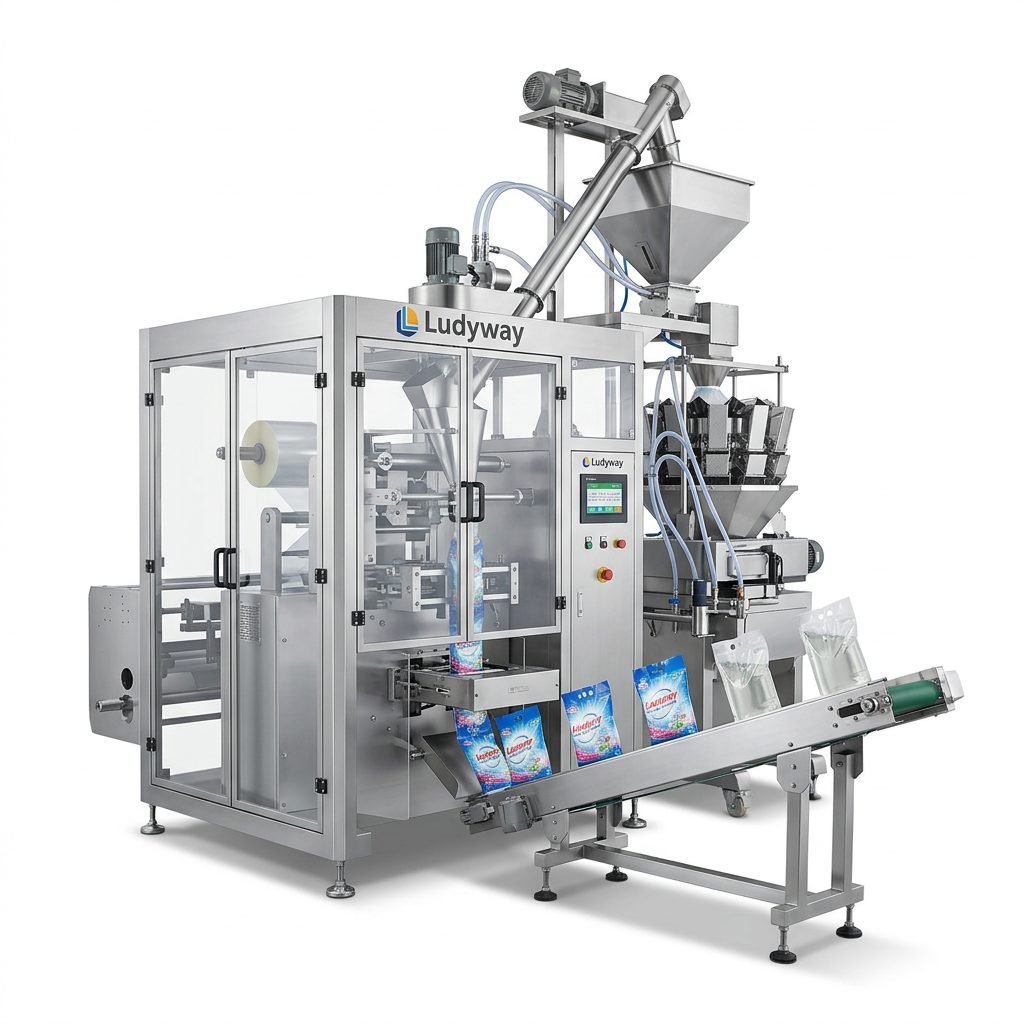
Automatic Laundry Detergent Packaging Machine for Powder & Liquid
View Specifications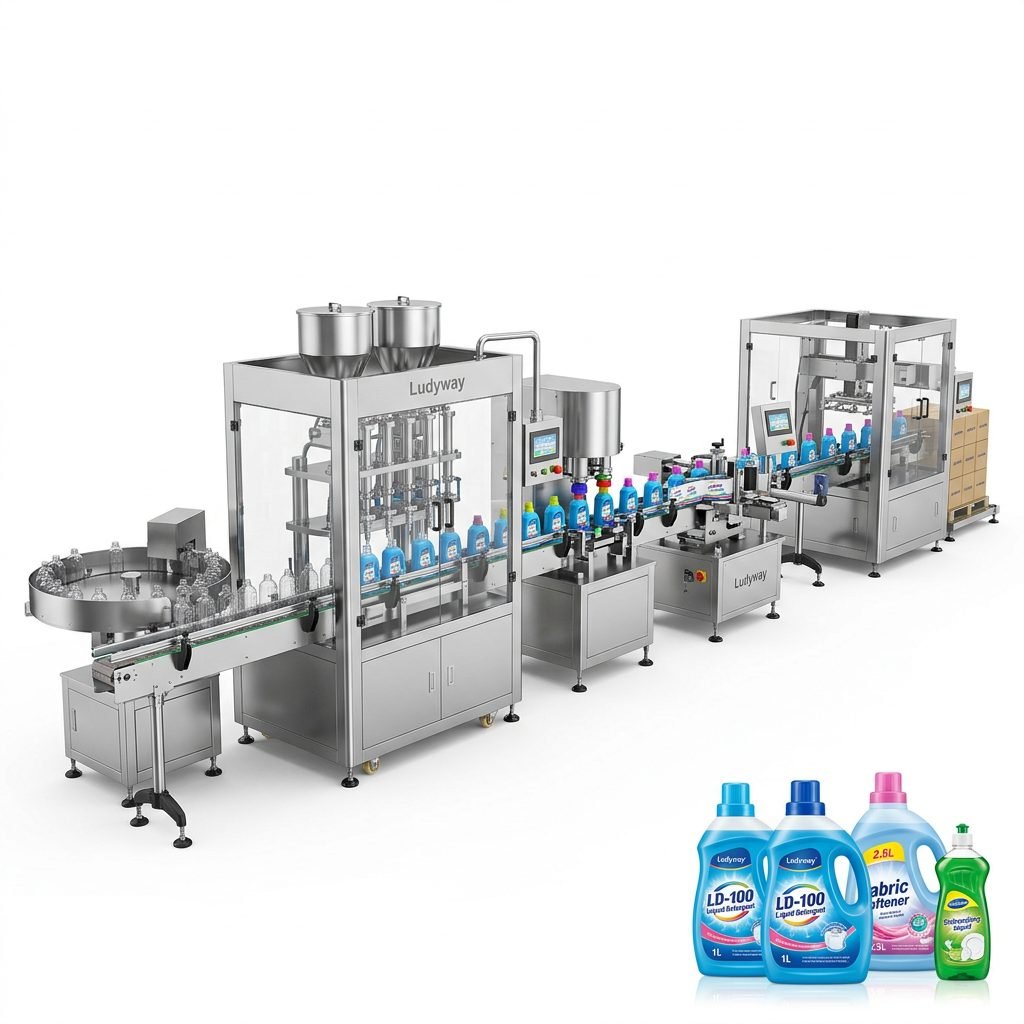
Automated Liquid Detergent Filling Line for Industrial Production
View Specifications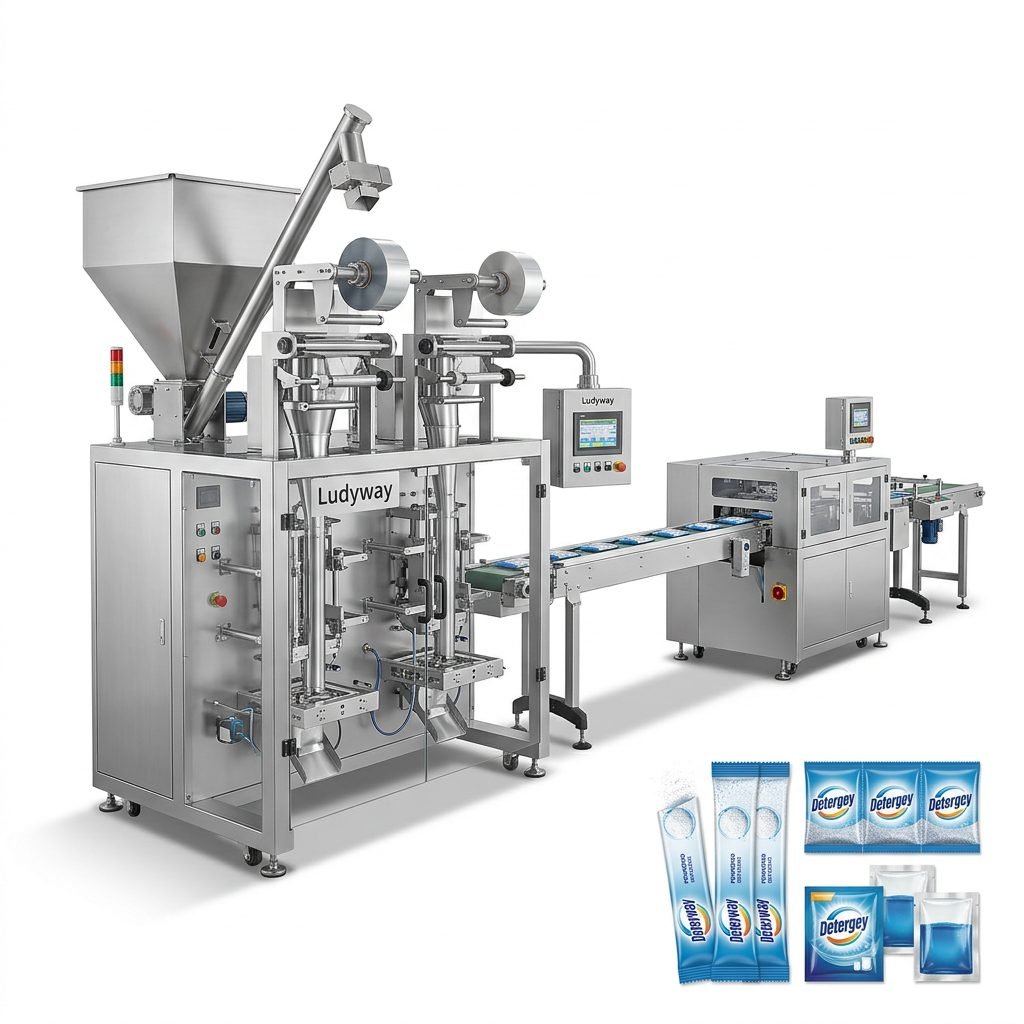
Multi-Lane Detergent Packaging Lines for Sachet & Stick Pack
View Specifications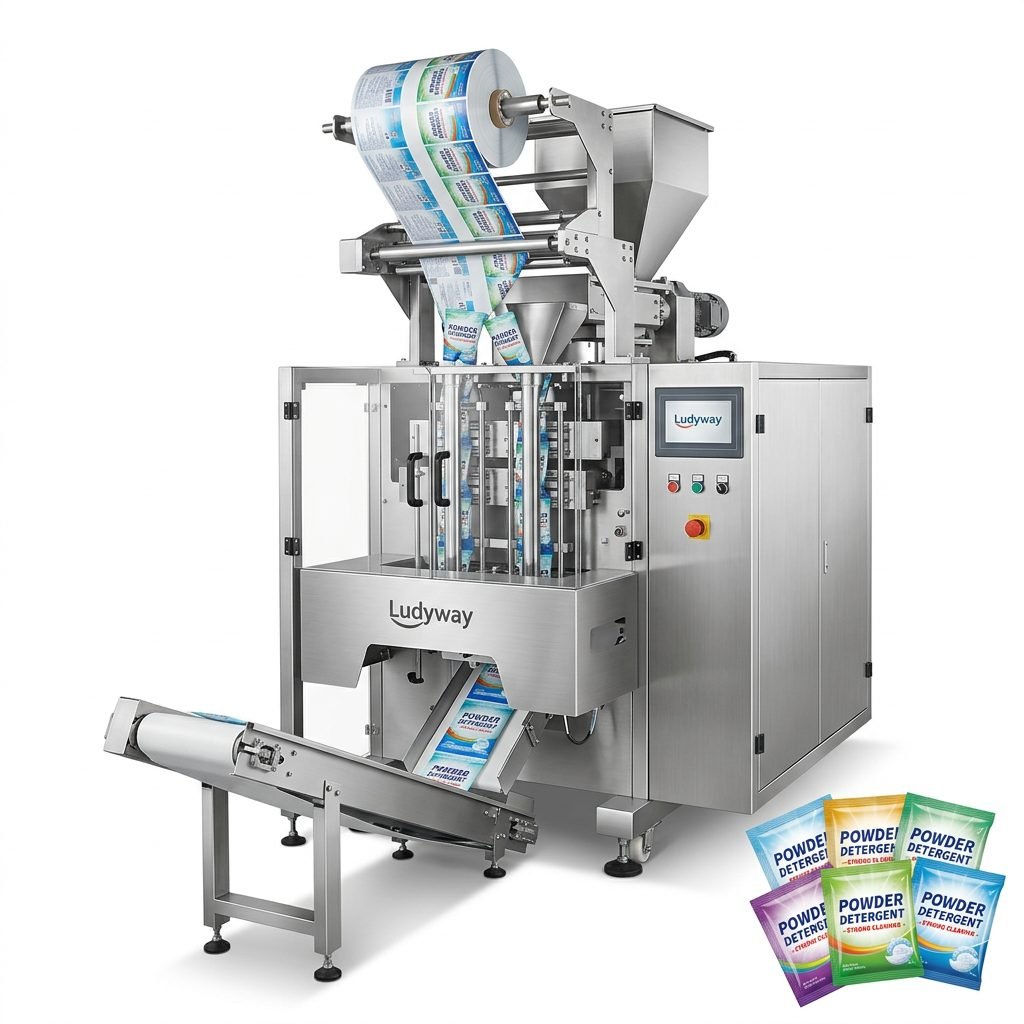
Powder Detergent Sachet Packaging Machine for Multi-Lane Filling
View Specifications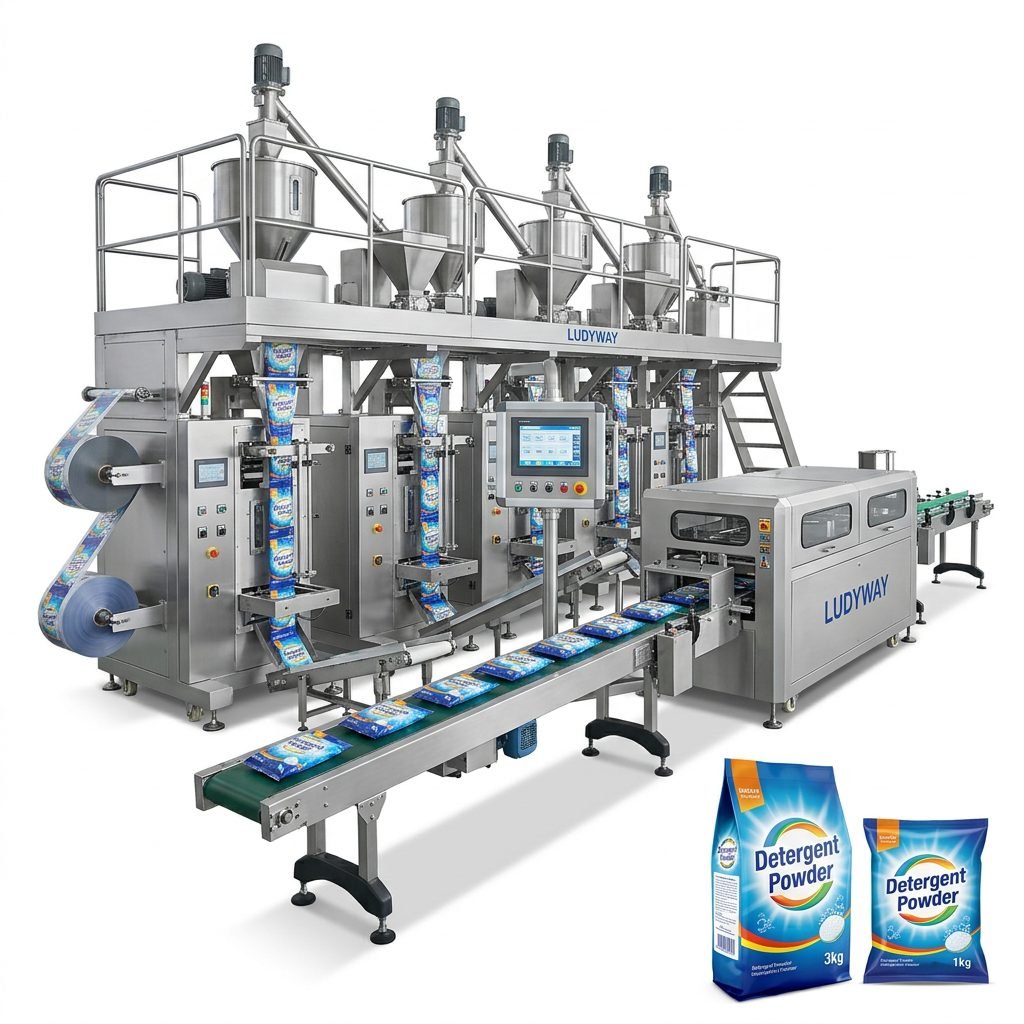
Detergent Powder Fully Automated Multi-Lane Packaging Lines
View Specifications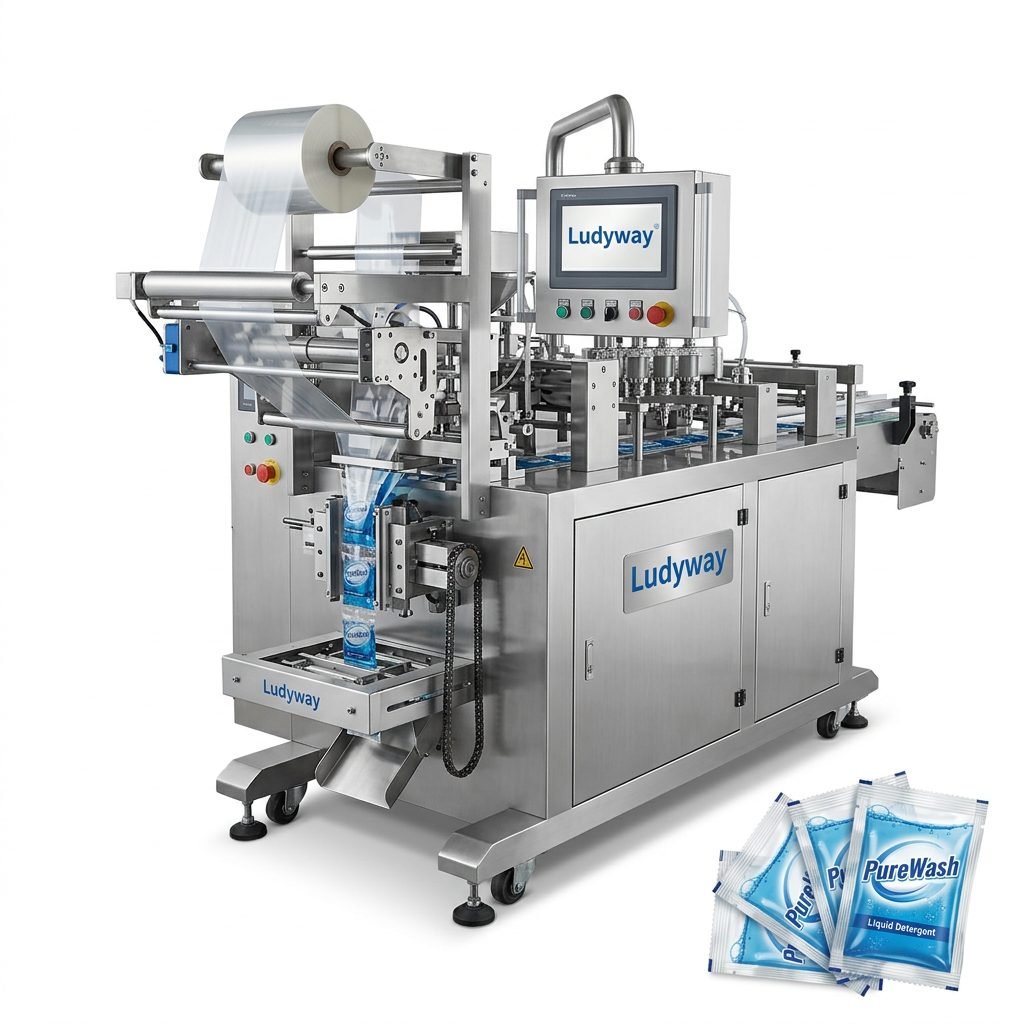
High-Speed Detergent Liquid Sachet Packaging Machine
View Specifications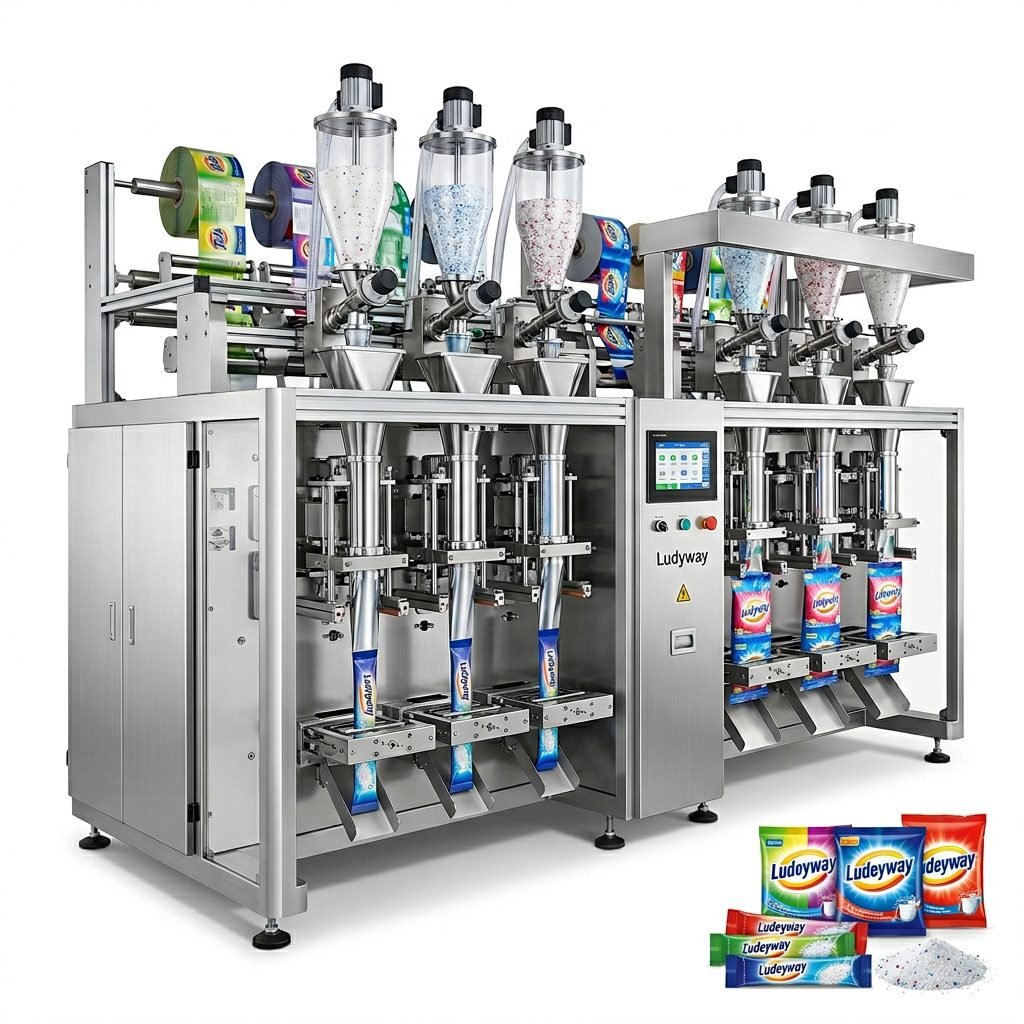
Advanced Detergent Machine for Granules & Powder Stick Packs
View Specifications5. Automation Standards, Anti-Corrosion Metallurgy & OEE Maximization
Industrial detergent packaging operations require uncompromising reliability under harsh chemical environments. Integrating advanced PLC logic, servo motion control, and high-grade alloys ensures long-term return on investment (ROI).
SUS316L Chemical Metallurgy
Surfactants and optical brighteners quickly degrade standard alloys. Utilizing electro-polished SUS316L stainless steel on all hopper surfaces, filling needles, and pump cylinders eliminates pitting corrosion and product discoloration.
Servo Multi-Axis Motion Control
Modern multi-lane stick pack and sachet machinery utilizes independent servo motors for film pulling, horizontal sealing, and rotary cutting. This enables precise speed variations and toolless pouch length recipe changes via HMI touchscreen.
Clean-In-Place (CIP) Automation
Liquid lines feature automated CIP spray ball systems in fluid manifolds. Transition between detergent formulations or fragrances in minutes with automated water rinse, acid wash, and air-purge cycles without disassembling piping.
AI Vision Seal Inspection
High-resolution industrial cameras scan every heat-seal seam for trapped powder grains, liquid droplets, or wrinkles. Defective pouches are instantly diverted to an isolated reject bin at speeds up to 600 cycles per minute.
IoT & SCADA Connectivity
Standardized with Ethernet/IP and Profinet protocols, our lines stream real-time operational data including throughput count, sealing temperature telemetry, film roll runout alerts, and MTBF diagnostics straight to your MES control room.
Secondary Automation Integration
Connecting primary bagging machines directly with automated auxiliary cartoning and case sealing systems cuts end-of-line labor requirements by over 70%.
30+ Years of Intelligent Packaging Machine Innovation
Ludyway is a premier global packaging machinery manufacturer specializing in advanced packaging equipment and turnkey production solutions for daily chemicals, food, pharmaceuticals, and health industries.
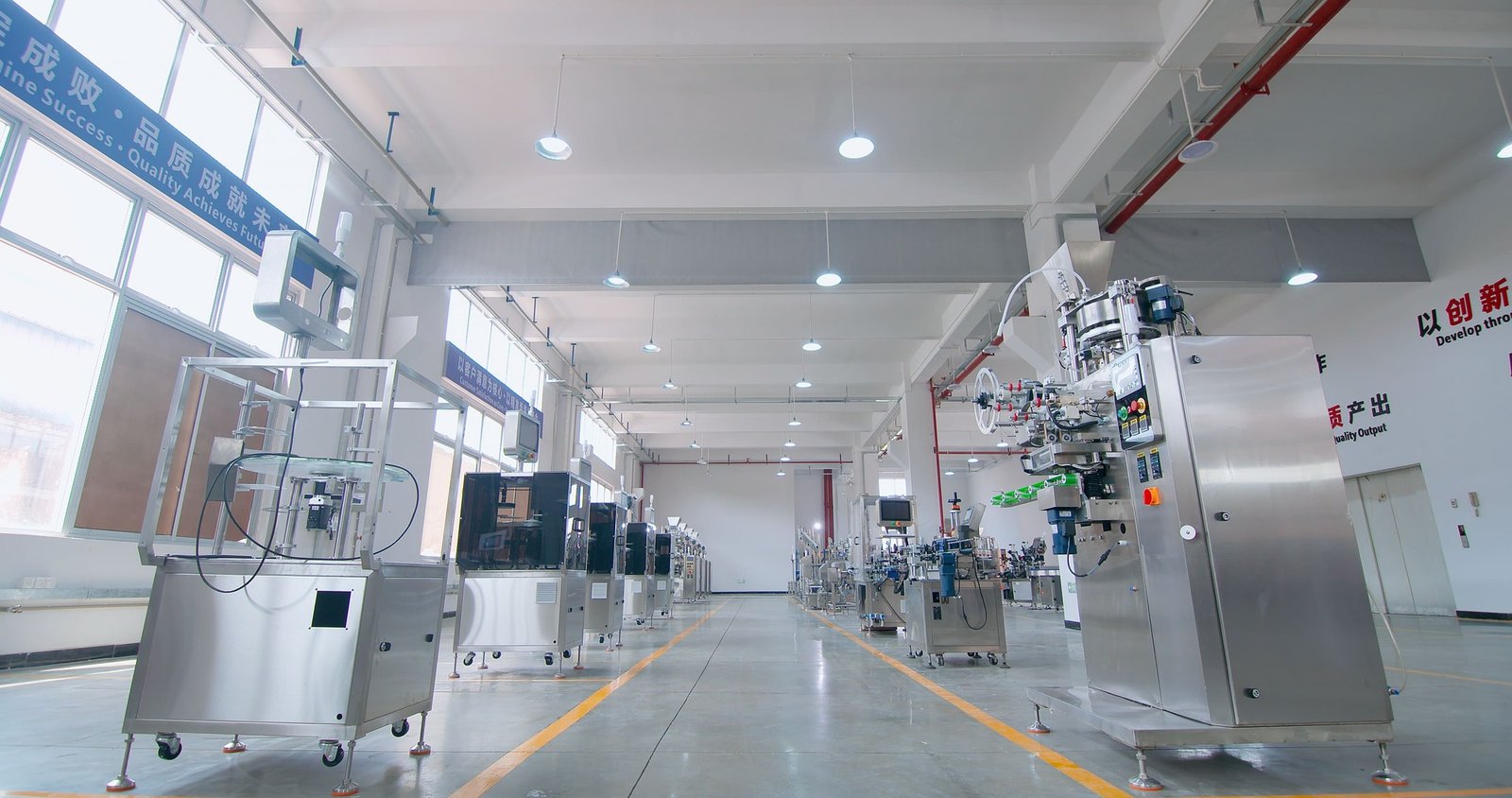
Backed by our modern 20,000㎡ manufacturing complex, 130+ packaging engineers, and 200+ precision machining units, we produce over 50 intelligent packaging models including high-speed multi-lane stick pack machines, flexible sachet form-fill-seal lines, and fully robotic packaging systems serving manufacturers across 100+ countries.
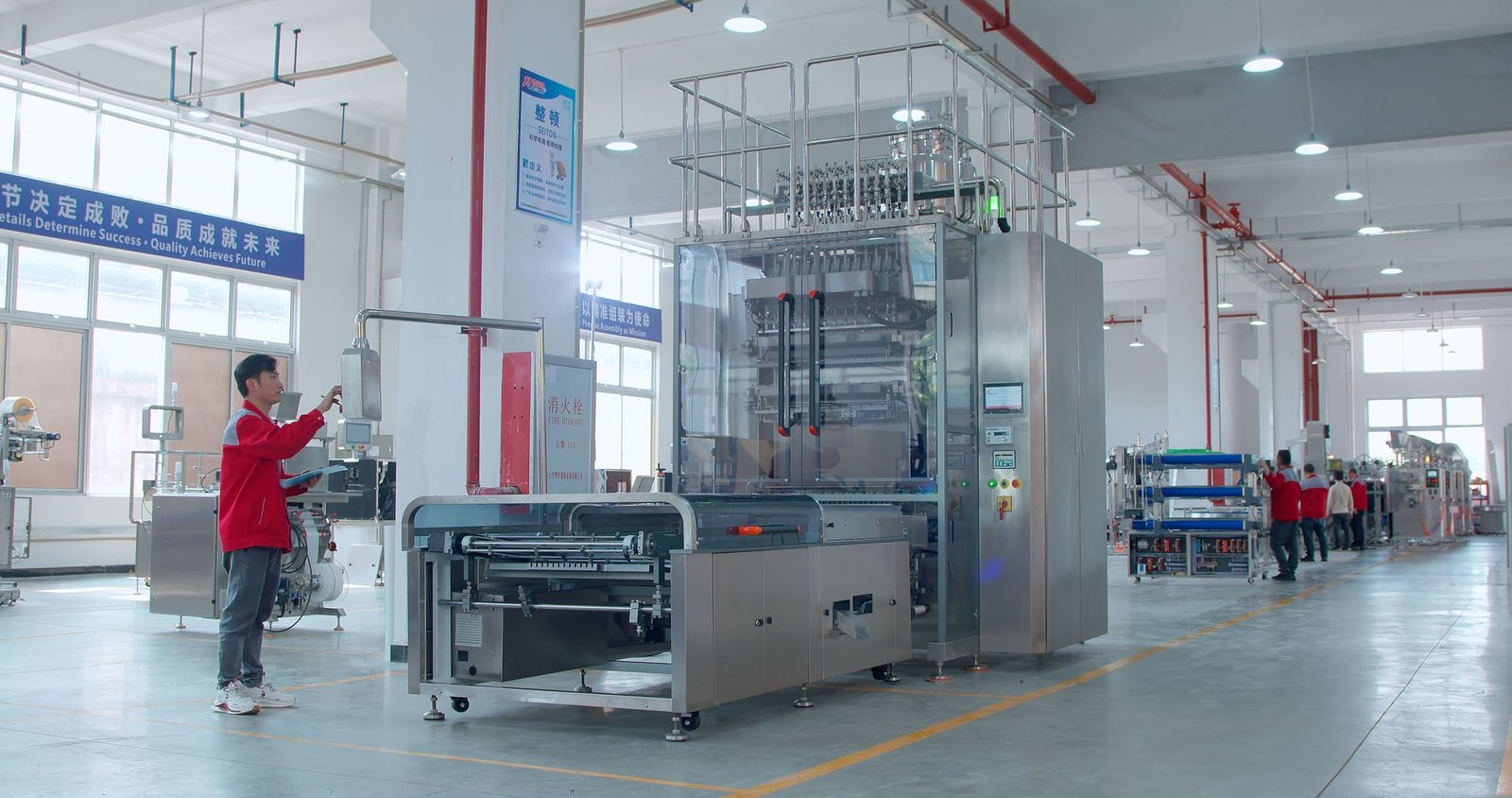
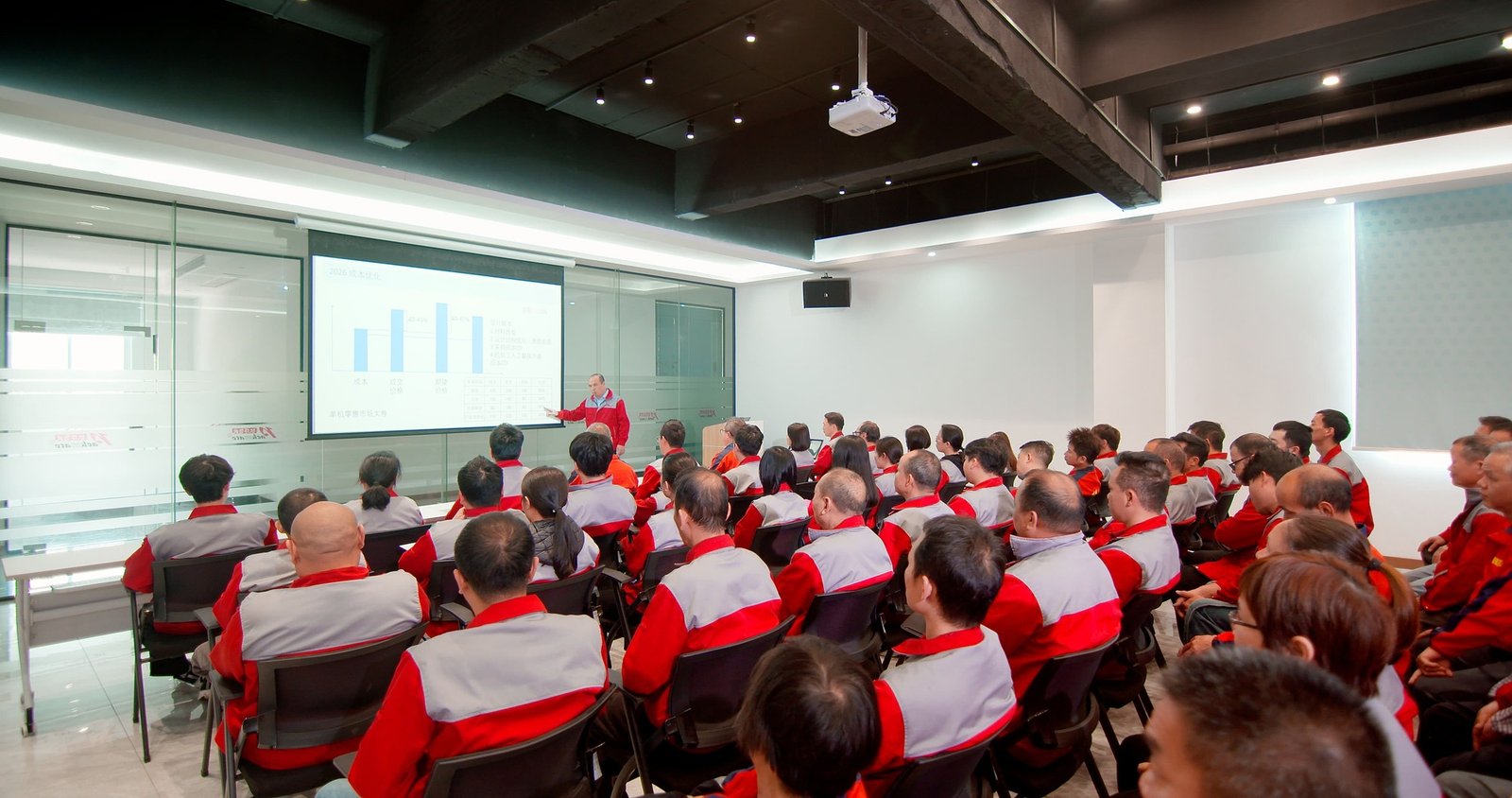
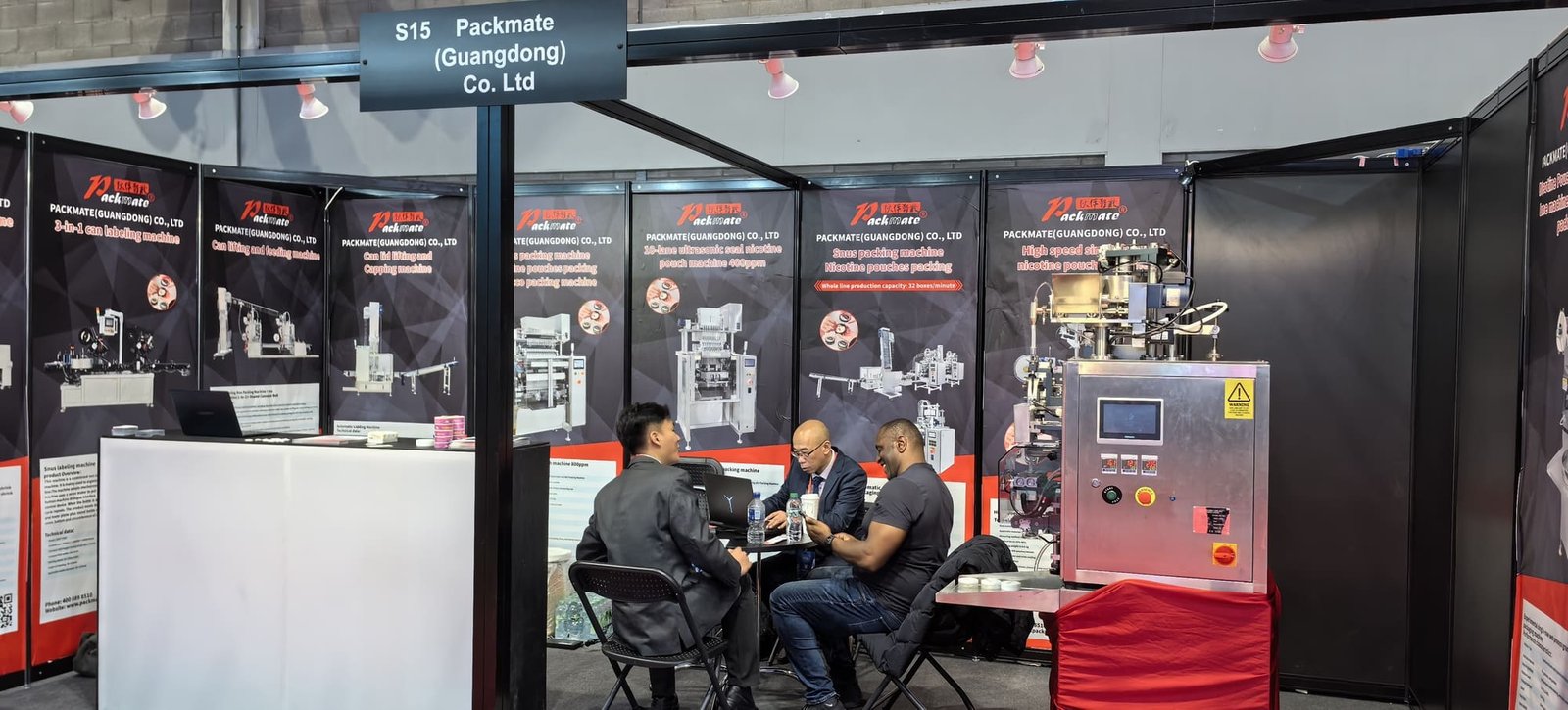
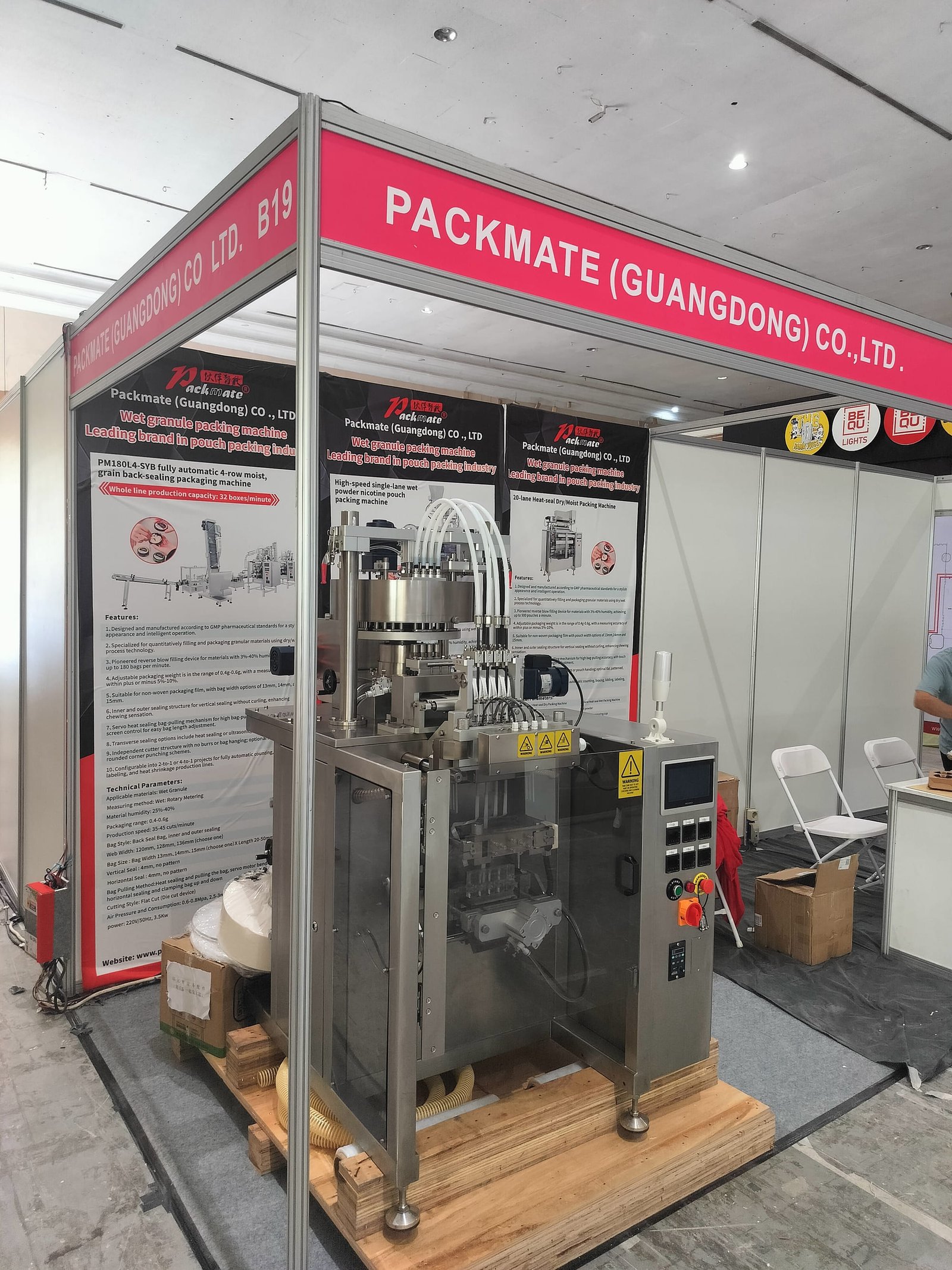
State-of-the-Art Factory & Worldwide Exhibitions
Global Quality & Safety Certifications
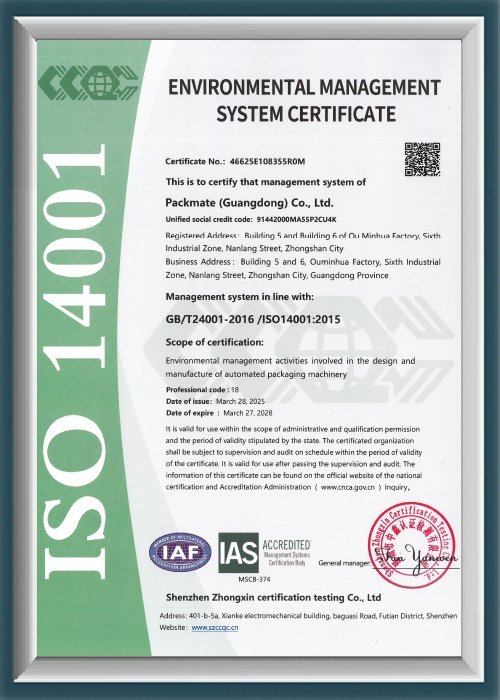
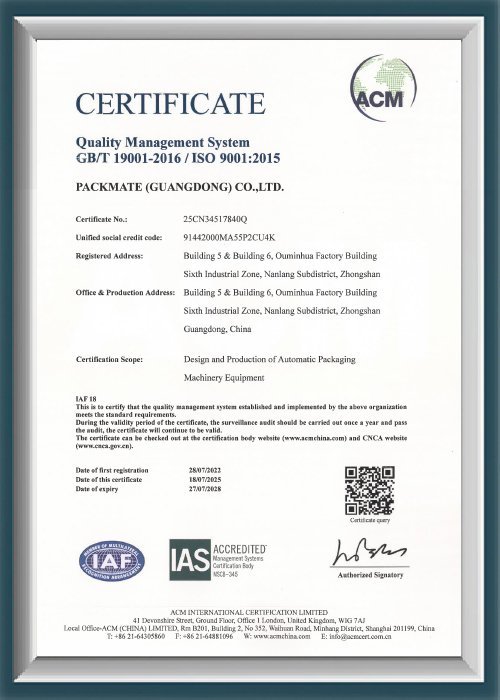
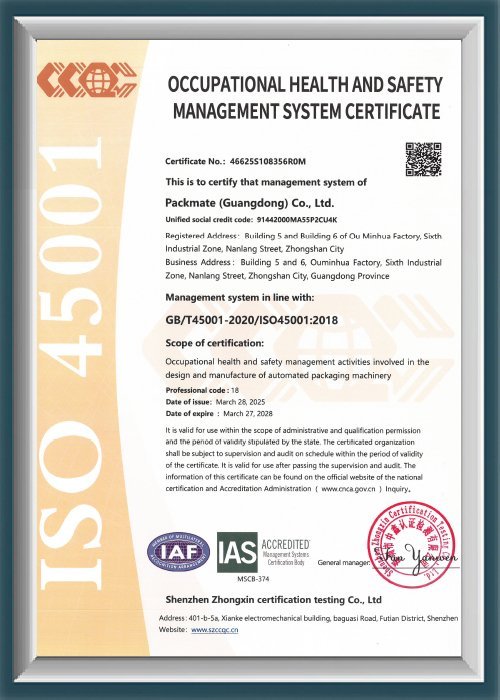
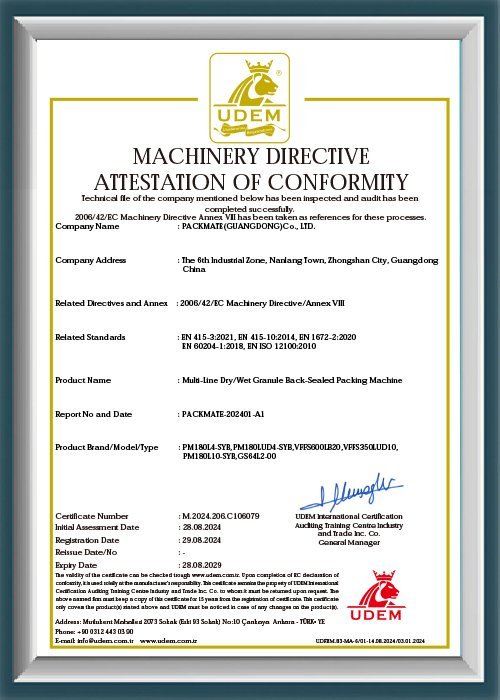
Every Ludyway packaging line is engineered in compliance with CE Machinery Directives, ISO 9001 quality standards, and UL electrical compliance.
Frequently Asked Questions: Detergent Packaging Lines
Common technical inquiries regarding line configuration, maintenance, speed optimization, and chemical compatibility:
How do you prevent liquid detergent from foaming during high-speed filling?
Liquid laundry detergents contain high concentrations of anionic and non-ionic surfactants that generate severe micro-foam under turbulence. We utilize bottom-up diving nozzles controlled by electronic servo cam profiles. The filling lance descends to the container bottom and lifts smoothly just above the rising liquid meniscus. Combined with positive cut-off suction valves, this setup eliminates splashing, dripping, and aerated foam overflow.
What is the optimal method to handle airborne dust in washing powder packaging?
Detergent powder packaging requires a three-tier dust containment strategy: (1) Enclosed vacuum transfer piping from storage silos to the machine hopper; (2) Negative-pressure extraction rings positioned directly around the vertical form-fill-seal filling tube collar; and (3) Continuous dust collection filters that recover airborne fines without allowing powder particles to contaminate the horizontal seal jaws.
Can one machine handle both liquid detergent and powder packaging?
While multi-purpose machines exist for low-speed lab applications, dedicated lines are strongly recommended for industrial production. Powders demand auger dosing screws, vibration settling, and dust extraction, while liquids require liquid positive-displacement metering, anti-drip manifolds, and sanitary CIP loops. For flexible requirements, Ludyway designs modular platforms with interchangeable dosing carriages.
What barrier films work best for liquid and powder detergent sachets?
For liquid sachets, multi-layer laminated structures like PET/AL/NY/PE or PET/VMPET/PE provide high puncture resistance and protect against surfactant migration. For powder detergent bags, thicker PE blends or OPP/PE laminates provide adequate moisture barrier properties to prevent powder caking in humid regional markets.
How can I determine the required line speed (BPM / PPM) for my facility?
Calculate your annual sales forecast, divide by operating working days (typically 250–300 days), and factor in an 85% realistic OEE index across standard 8-hour or 16-hour shifts. For instance, a target of 15 million detergent sachets annually across two 8-hour shifts equates to ~75–90 pouches per minute (PPM), perfectly matched to a multi-lane 4-lane to 6-lane form-fill-seal machine.
Ready to Design & Commission Your Detergent Packaging Line?
Partner with Ludyway’s senior packaging engineering team to receive customized plant layout schematics, line speed simulations, sample pouch trial testing, and complete turnkey budgeting.
Ludyway Turnkey Guarantee
- Factory Acceptance Testing (FAT) on your formula
- On-site overseas installation & commissioning
- Operator training & spare parts support for 10+ years
- Full CE / ISO compliance documentation
