
The Fundamentals of Setting Up an Automated Cosmetics Packaging Line
The modern beauty and personal care market demands extraordinary versatility, impeccable aesthetic appeal, tight sanitary compliance, and rapid changeovers. Setting up a dedicated cosmetic packaging line is not merely purchasing standalone machines—it is an intricate engineering discipline integrating product rheology, primary barrier materials, modular automation, and quality control systems.
Rheology & Fluid Characterization
Cosmetics span from low-viscosity perfumes and micellar waters (1–50 cP) to high-viscosity viscous creams, scrubs with abrasive micro-particles, and thixotropic gels exceeding 100,000 cP. Matching product behavior to servo piston, peristaltic, or lobe pumps determines your volumetric filling accuracy and prevents shear degradation.
Container & Substrate Matrix
Your line layout must accommodate your primary packaging architecture: multi-lane flexible sachets, single-dose stick packs, glass ampoules, airless pump bottles, cosmetic tubes, or sheet mask pouches. Proper foil tensioning, web guiding, and anti-static bars ensure zero container de-shaping during high-speed cycle runs.
Cleanroom & Regulatory Compliance
Cosmetic formulations with organic actives or minimal preservatives are susceptible to microbial contamination. Packaging automation must fulfill ISO 22716 (Cosmetics GMP), FDA 21 CFR Part 211, and clean-in-place (CIP) protocols, utilizing AISI 316L stainless steel contact parts with Ra < 0.4µm mirror polishing.
Step-by-Step Engineering: How to Build Your Cosmetic Packaging Line
Establishing an industrial-grade automated packaging line requires a synchronistic workflow across every single station—from initial substrate feeding to final robotic case palletizing. Below is the full engineering setup sequence.
Container Depalletizing, Unscrambling & Roll Film Unwinding
The line begins with primary packaging feeding. For rigid containers (bottles, jars, ampoules), an automated rotary unscrambler or robotic depalletizer aligns empty containers onto stainless steel conveyor belts with zero surface scratching or cosmetic abrasion. Ionized air-rinsing tunnels remove static charges and microscopic dust particulates prior to filling.
For flexible sachet and stick pack lines, precision multi-lane servo web-unwinding systems manage roll tension with pneumatic chucks, optical mark tracking (eye-mark registration), and ultrasonic edge guide sensors to prevent web meandering during high-speed cycle runs.
- Dual pneumatic expansion shafts for non-stop reel changeover
- Integrated static eliminator bars (Anti-static ionized blowers)
- Bottle orientation optical vision alignment (180° / 360°)
- Tool-less guide rails for fast multi-format interchange
Precision Dosing & Anti-Drip Multi-Nozzle Filling Systems
Dosing is the technical core of the cosmetics packaging line. Volumetric servo-driven rotary piston pumps or magnetic flow meters deliver microscopic dosing accuracy (±0.5% or tighter), crucial for high-value serums, essential oils, and anti-aging treatments.
To handle thick creams, mascara pastes, or shampoo formulas, multi-lane diving nozzles with positive shut-off and vacuum suck-back mechanisms eliminate trailing drips on sachet seals and bottle necks. Jacketed, heated product hoppers with continuous double-ribbon agitation maintain consistent product rheology without air entrapment.
- Multi-lane modularity (4 to 12 lanes for sachets & stick packs)
- Clean-in-Place (CIP) & Sterilization-in-Place (SIP) ready
- Servo-controlled bottom-up diving stroke to prevent foaming
- 316L Stainless contact parts with PTFE / Viton food-grade seals
Hermetic Heat Sealing, Ultrasonic Bonding & Dynamic Capping
Primary seal integrity preserves preservative-free cosmetics against volatile oxidation and micro-bacterial ingress. In multi-lane sachet machinery, quad-seal or cross-pattern heat sealing jaws with individual PID temperature controllers apply uniform thermal bonding across complex multi-layer laminate films (PET/AL/PE, Kraft paper, or recyclable mono-PE).
In bottling lines, servo-driven capping turrets apply precise, programmable torque control for pump dispensers, screw caps, dropper pipettes, and crimp seals, preventing cosmetic scuffing while maintaining leak-proof containment across altitude changes.
- Individually calibrated PID thermo-controllers (±1°C precision)
- Ultrasonic sealing options for heat-sensitive active emulsions
- Magnetic clutch / Servo torque monitoring with reject gating
- Nitrogen gas flushing (MAP) for shelf-life extension
Inline Date/Batch Coding & AI Optical Quality Inspection
Traceability and zero-defect quality control are mandatory under international cosmetic distribution frameworks. High-resolution UV laser marking, continuous inkjet (CIJ), or thermal transfer overprinters (TTO) imprint sharp expiration dates, batch numbers, and 2D GS1 DataMatrix codes directly onto packaging films or bottle bottoms.
Immediately downstream, high-speed vision inspection systems and dynamic multi-lane checkweighers inspect 100% of units at line speed. Defective units (skewed caps, misaligned labels, seal channel leaks, underfilled weights) are automatically diverted by high-speed pneumatic reject pushers.
- High-speed OCR/OCV optical verification of printed codes
- Dynamic load cell checkweighers with ±0.05g sensitivity
- Thermal imaging seal integrity & channel leak detection
- Automated fail-safe rejection bin with lock-box verification
Secondary Packaging: Cartoning, Multipack Bundling & Palletizing
To prepare individual cosmetic sachets, sticks, or bottles for commercial retail presentation, units feed directly into automatic horizontal continuous cartoning machines. The system erects tuck-in or hot-melt glued folding cartons, inserts leaflets/droppers, places primary packages, and seals flaps seamlessly.
End-of-line integration includes shrink bundling machines, automated top-load case packers, and compact robotic palletizers that stack shipping cases according to pre-programmed palletizing matrixes ready for global freight distribution.
- Continuous or intermittent cartoner up to 200+ cartons/min
- Integrated automatic leaflet folder and feeding carousel
- Automatic case erector, tape sealer & labeling applicator
- Robotic articulated arm or Cartesian gantry palletizer
Cosmetic Packaging Machine Configurations: Format Comparison
Select the optimal primary packaging architecture based on formulation viscosity, retail positioning, speed targets, and secondary packaging requirements.
| Packaging Architecture | Target Cosmetic Products | Filling Accuracy | Speed Output (BPM / PPM) | Primary Sealing Method | Automation Grade |
|---|---|---|---|---|---|
| Multi-Lane Liquid Sachet | Face serums, shampoos, lotions, face washes | ±0.2g – ±0.5g | 120 – 600 sachets/min | Rotary / Pneumatic Heat Seal | Fully Automated Turnkey |
| Multi-Lane Stick Pack | Sample essences, clay masks, cosmetic powders | ±0.1g – ±0.3g | 150 – 500 sticks/min | Continuous Vertical / Horizontal | Fully Automated Turnkey |
| Rotary Bottle Filling & Capping | Creams, body wash, toner, micellar water | ±0.5% Volumetric | 40 – 150 bottles/min | Servo Torque Capping / Induction | Modular Inline / Rotary |
| Tube Filling & Sealing | Lip gloss, hand creams, facial cleansers | ±0.5g | 40 – 120 tubes/min | Hot Air / Ultrasonic Tube Trimming | Rotary Monoblock |
| Sheet Mask Flow Wrapper | Hydrating facial sheet masks, eye patches | ±0.5ml Essence | 60 – 120 pouches/min | Multi-side Hermetic Seal | Automated Fold & Dose Line |
Engineered Equipment for Cosmetics Packaging Lines
Explore field-tested, industrial cosmetic filling and packaging machines engineered for high-precision creams, lotions, serums, masks, and flexible multi-lane sachet applications.
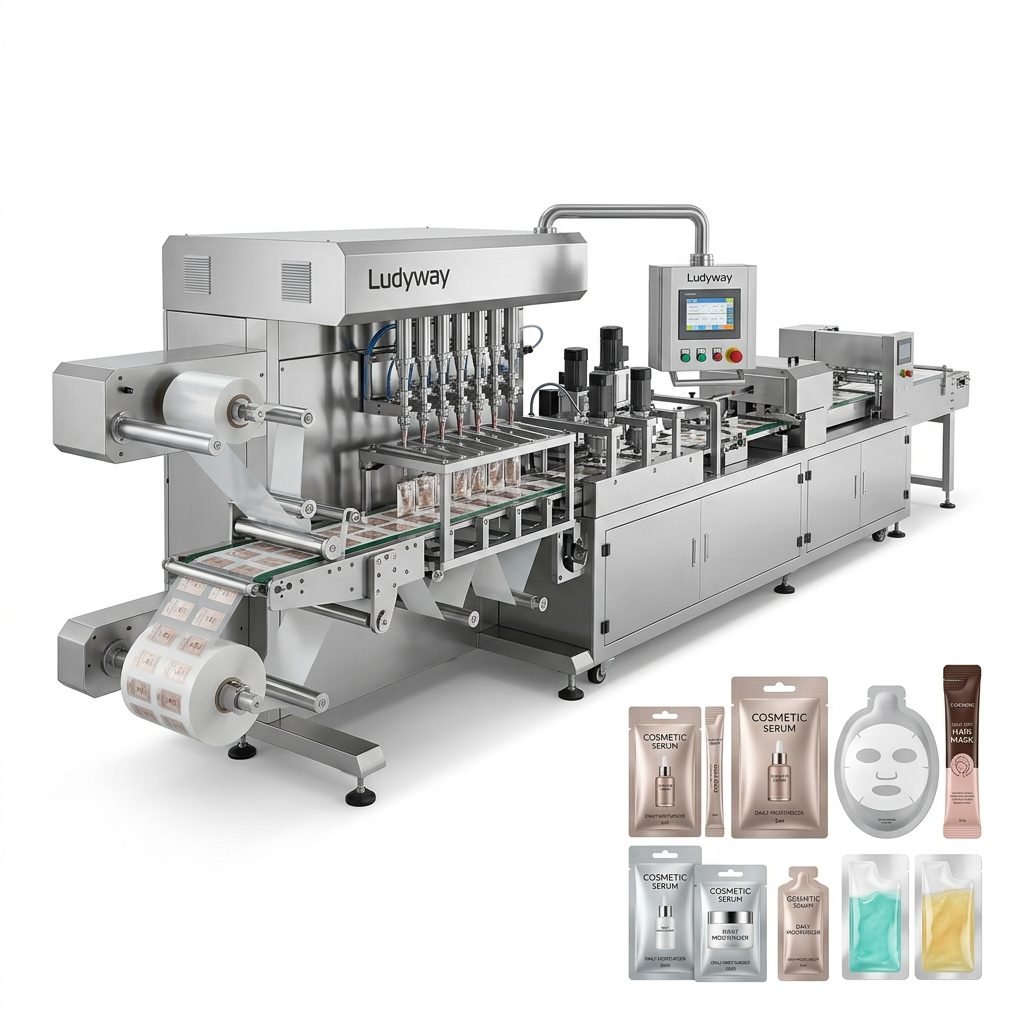
Modular Sachet Packaging Lines for Cosmetics
High-speed multi-lane filling for liquids and creams with custom pouch shaping and zero-drip nozzle manifolds.
View Equipment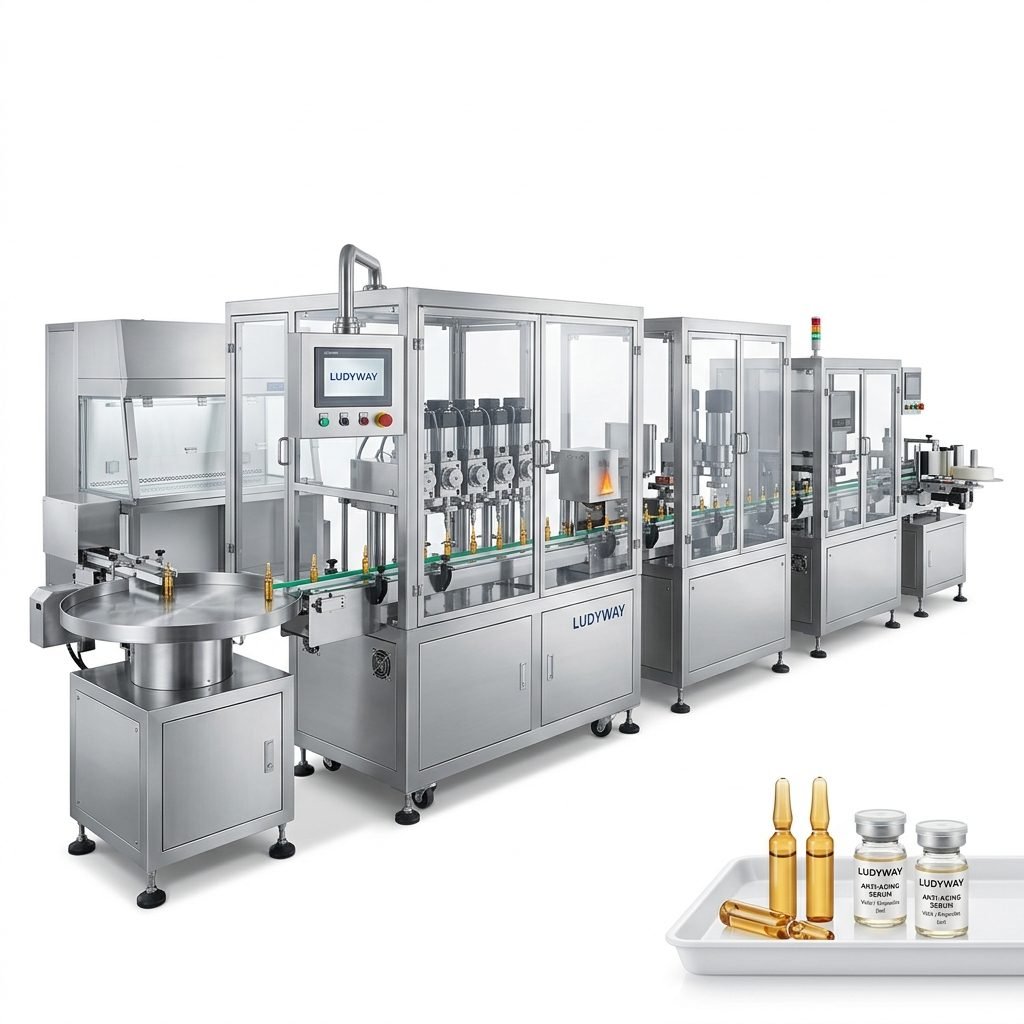
Serum Packaging Lines for Vials & Ampoules
High-precision micro-dosing systems designed for premium anti-aging ampoules and sensitive peptide serums.
View Equipment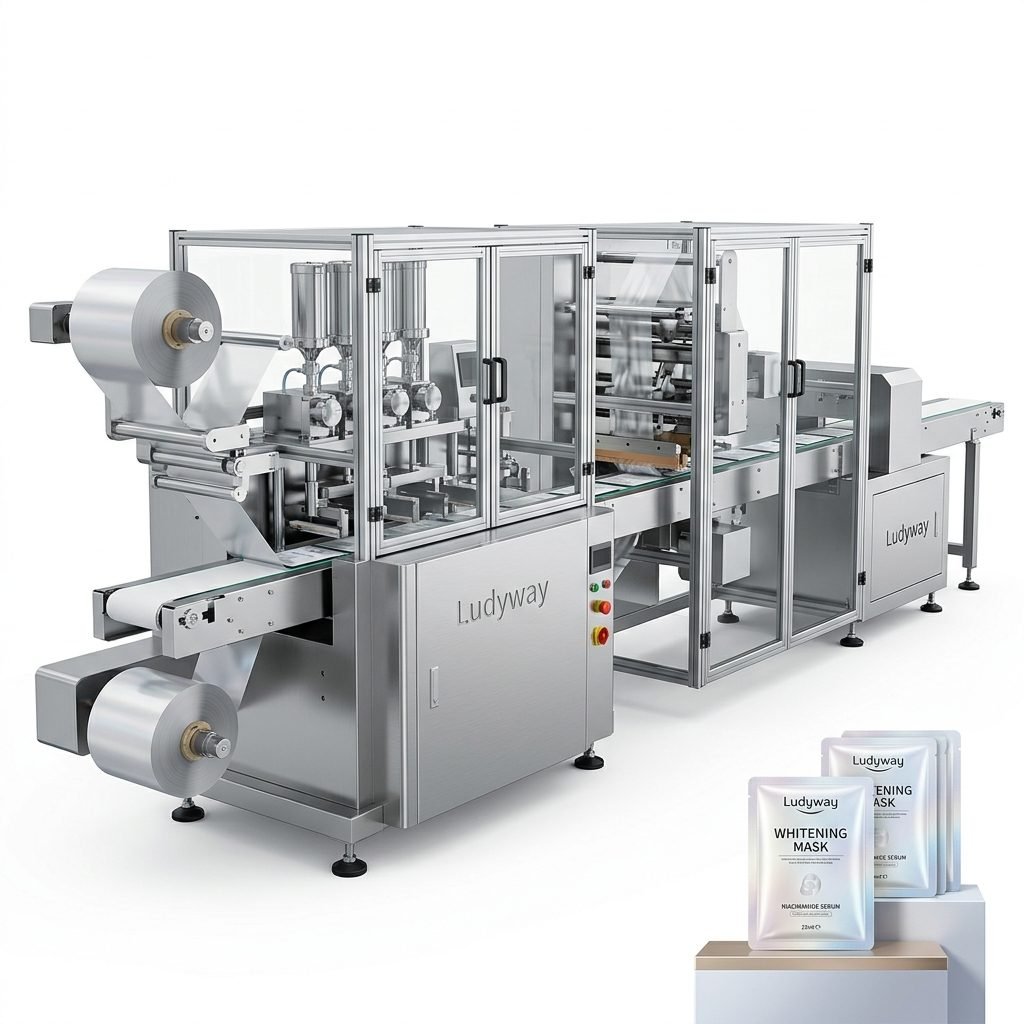
Whitening Mask Sachet Packaging Line
Automated sheet mask folding, sachet loading, liquid essence injection, and vacuum hermetic seal integration.
View Equipment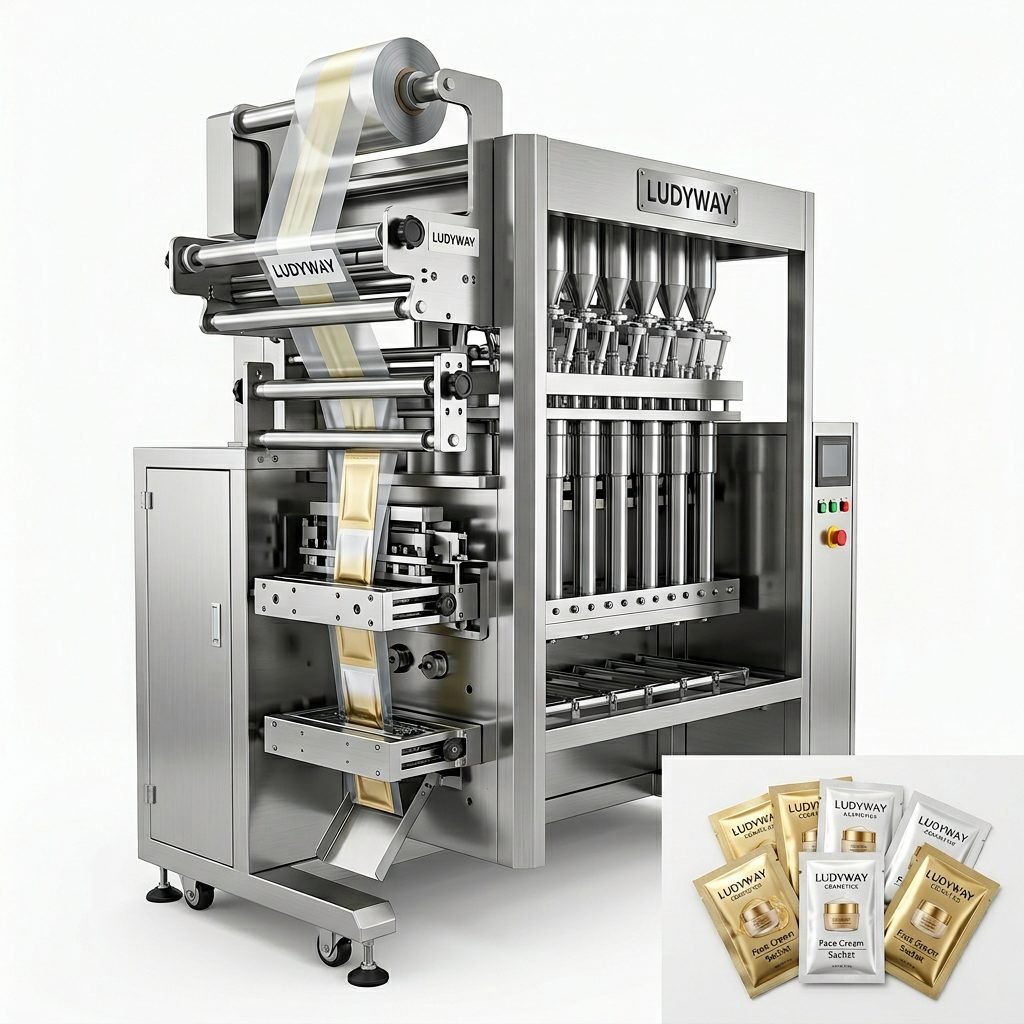
Face Cream Sachet Multi-Lane Packaging Line
Heated jacketed rotary piston system for dense facial creams, moisturizers, and barrier restoration balms.
View Equipment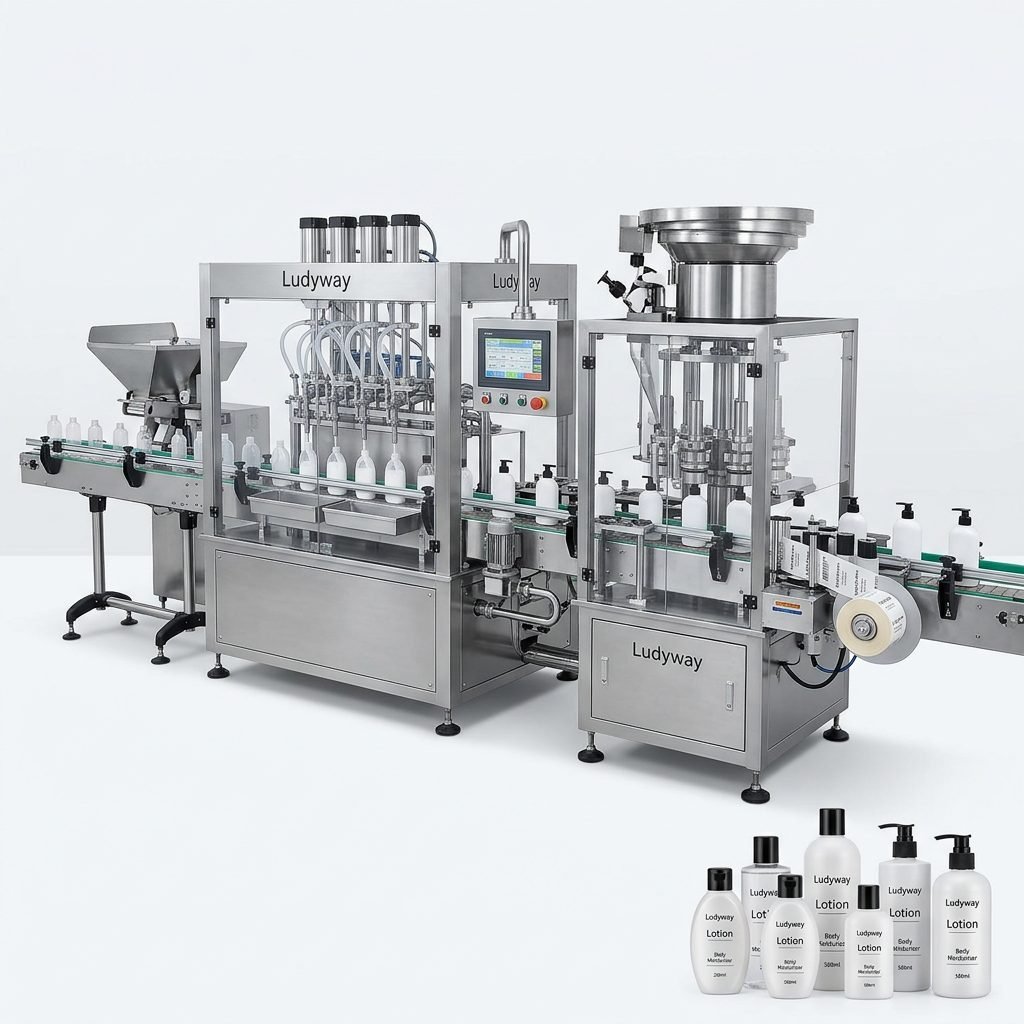
Automated Lotion Bottling & Capping Line
Continuous rotary lotion bottling, pump capping, induction foil sealing, and wrap-around labeling production system.
View Equipment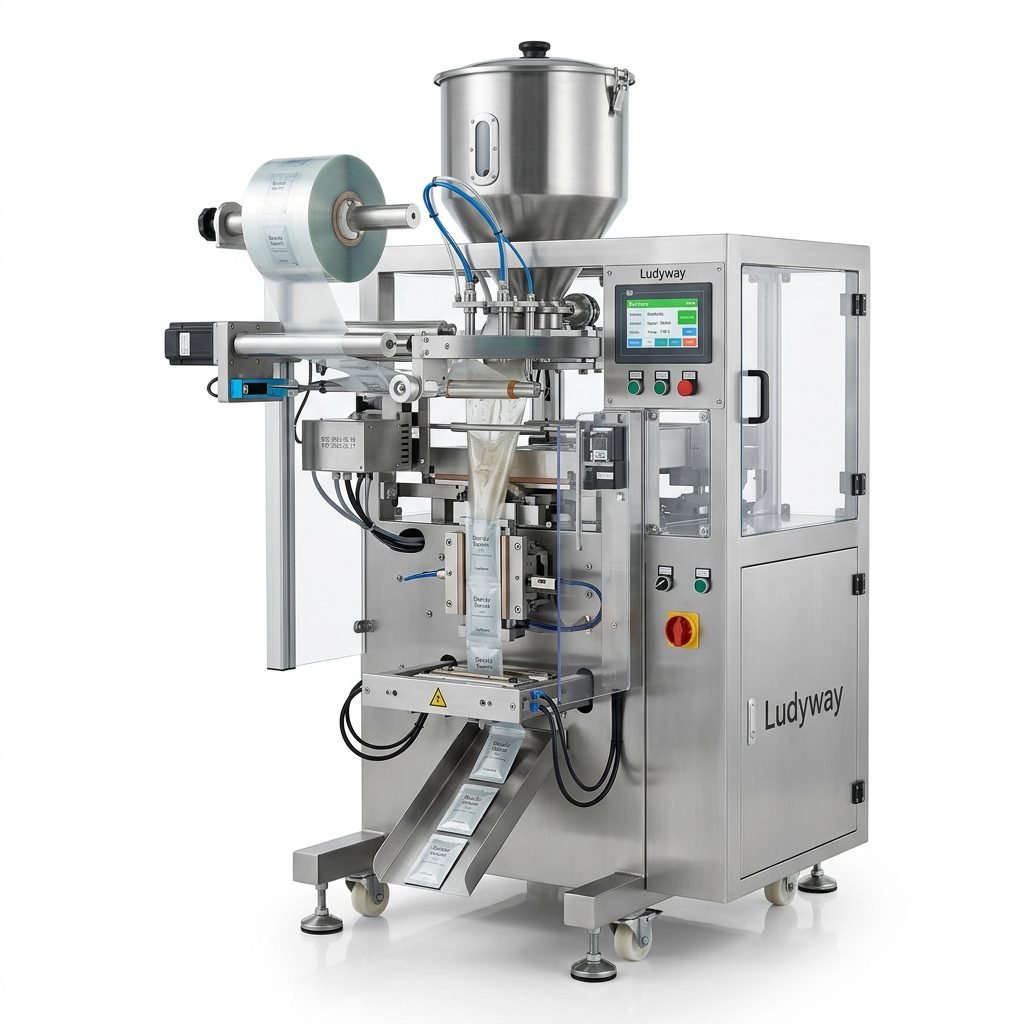
Beauty Serum Multi-Lane Sachet Machine
Designed for active cosmetic oils, vitamin serums, and light emulsions with nitrogen purge capability.
View Equipment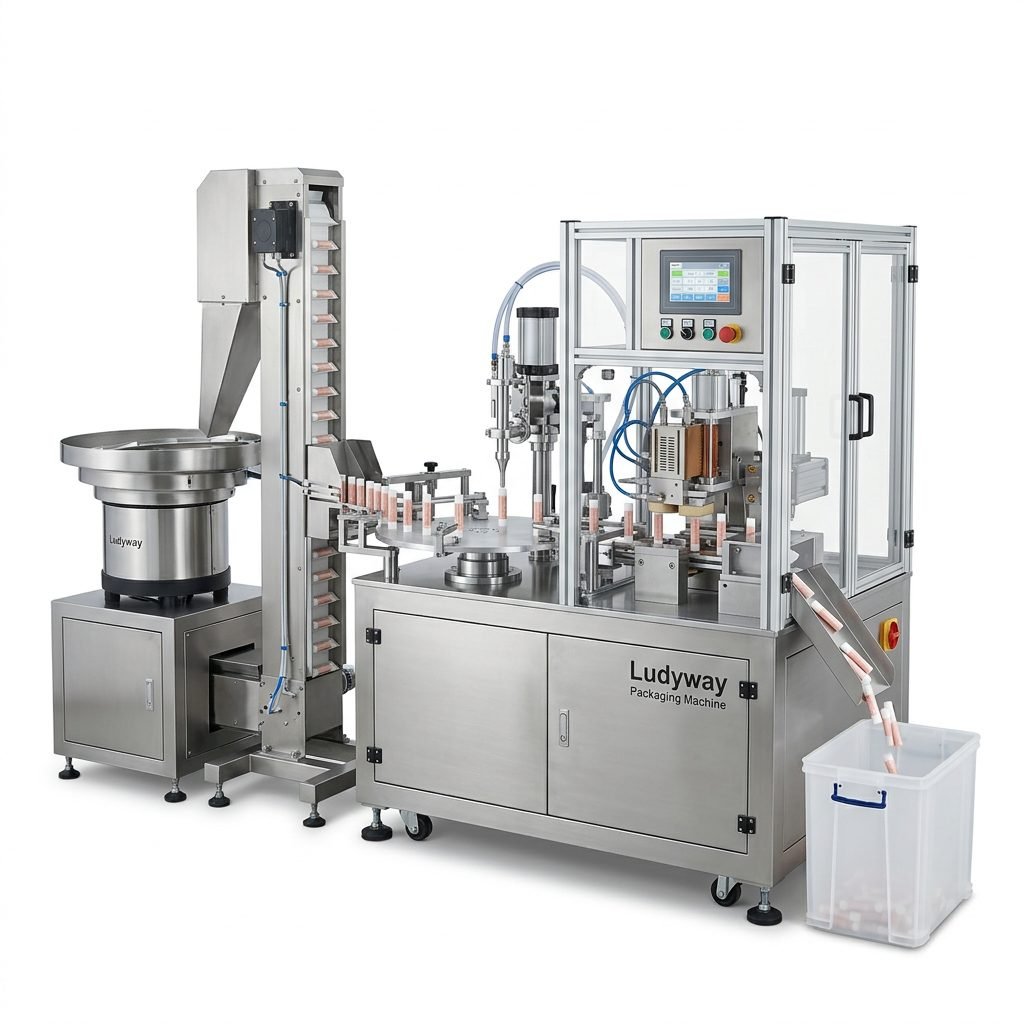
Lip Balm Tube Filling & Sealing System
High-precision hot-fill technology with integrated chilling zone for lipsticks, balms, and deodorant sticks.
View Equipment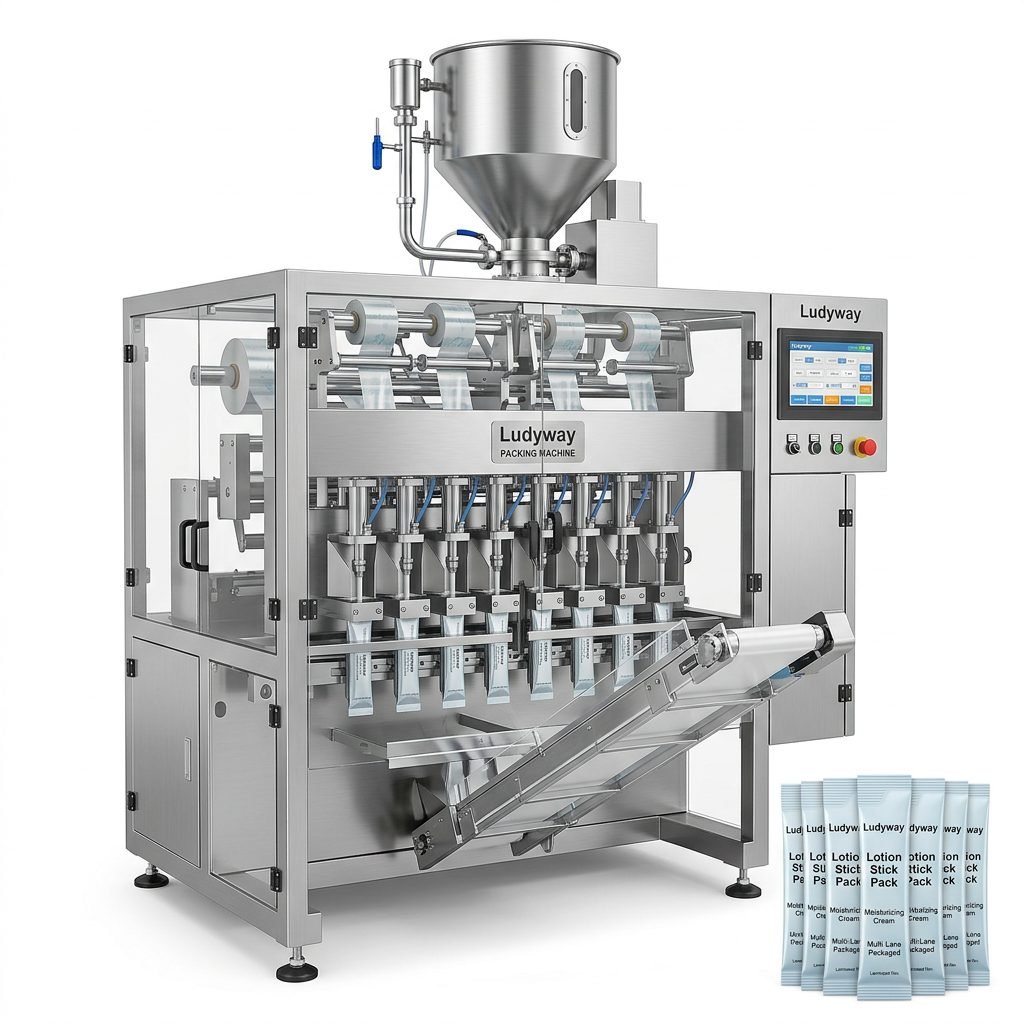
Automatic Stick Pack Machine for Lotions
Ultra-compact travel size single-dose stick pack automation with easy-tear laser score formatting.
View EquipmentGMP & ISO 22716 Cleanroom Standards in Cosmetic Packaging
Modern cosmetic formulations containing bio-fermented actives, botanicals, and reduced paraben systems demand pharmaceutical-grade hygiene. An unvalidated packaging environment risks batch contamination, active ingredient degradation, and regulatory recall.
All wetted metallic components undergo electro-polishing (surface roughness Ra < 0.4 µm) to eliminate micro-crevices where biofilms thrive.
Integrated Class 100 (ISO 5) laminar flow enclosures maintain positive air pressure over exposed containers to prevent particulate settling.
Fully automated spray-ball Clean-in-Place cycles eliminate cross-contamination during product switchovers without labor-intensive manual teardown.
Factory Validation Protocols (IQ / OQ / PQ)
When procuring turnkey cosmetic machinery from Ludyway, every installation is accompanied by comprehensive qualification documentation:
- Installation Qualification (IQ): Verifies electrical wiring, pneumatic ratings, dimensions, and calibration certificates.
- Operational Qualification (OQ): Validates dosing accuracy under multi-viscosity challenges and critical alarm functions.
- Performance Qualification (PQ): Ensures sustained line efficiency (OEE > 85%) during full-capacity continuous trial runs.
Why Global Brands Partner with Ludyway Machinery
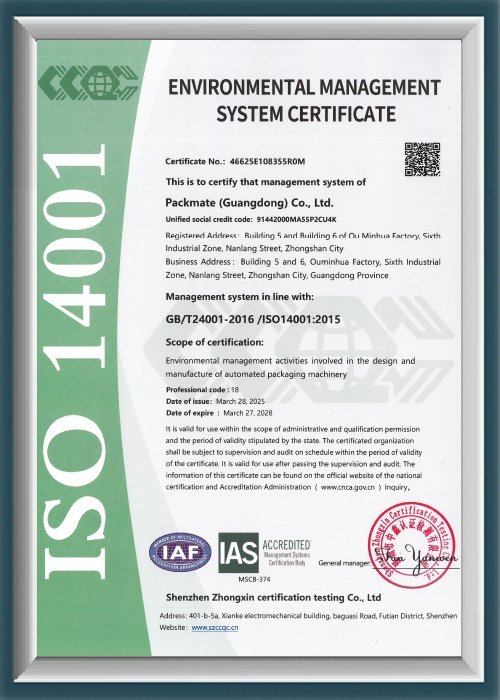
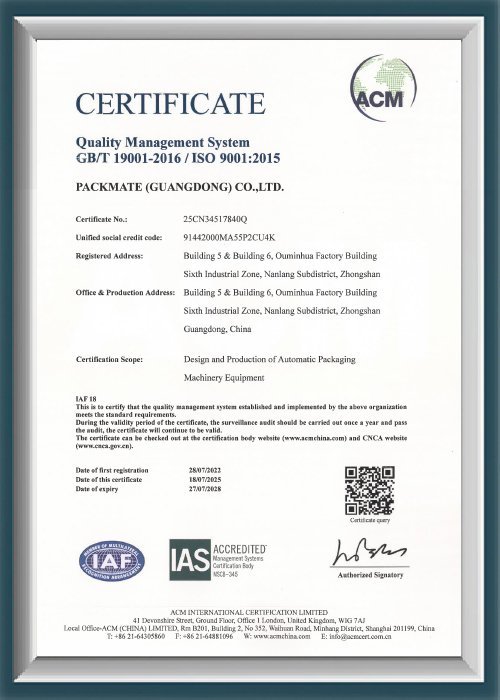
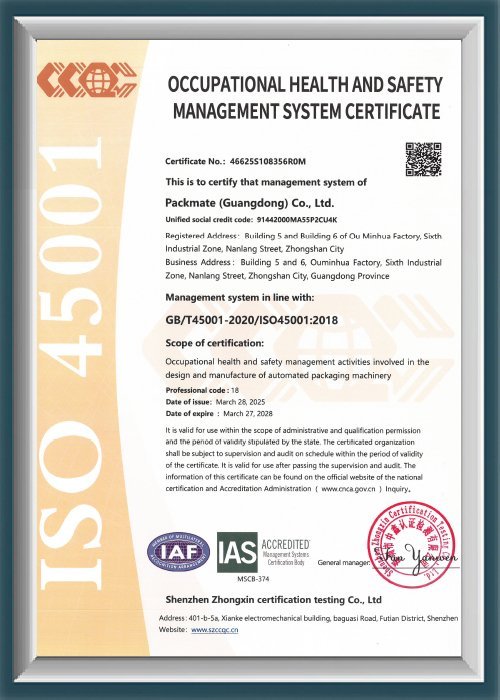
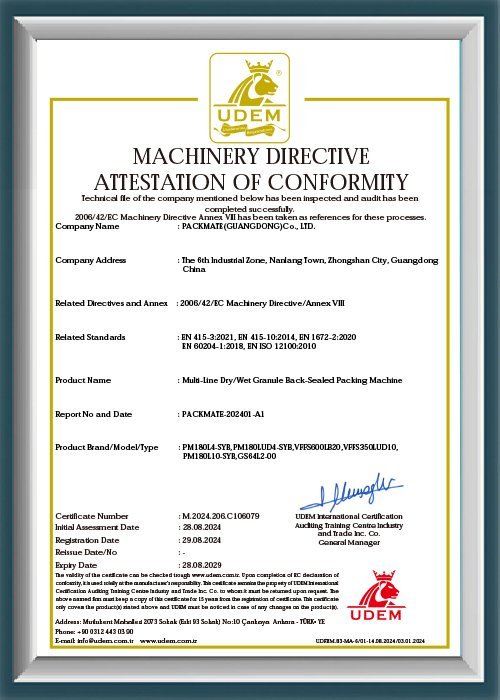
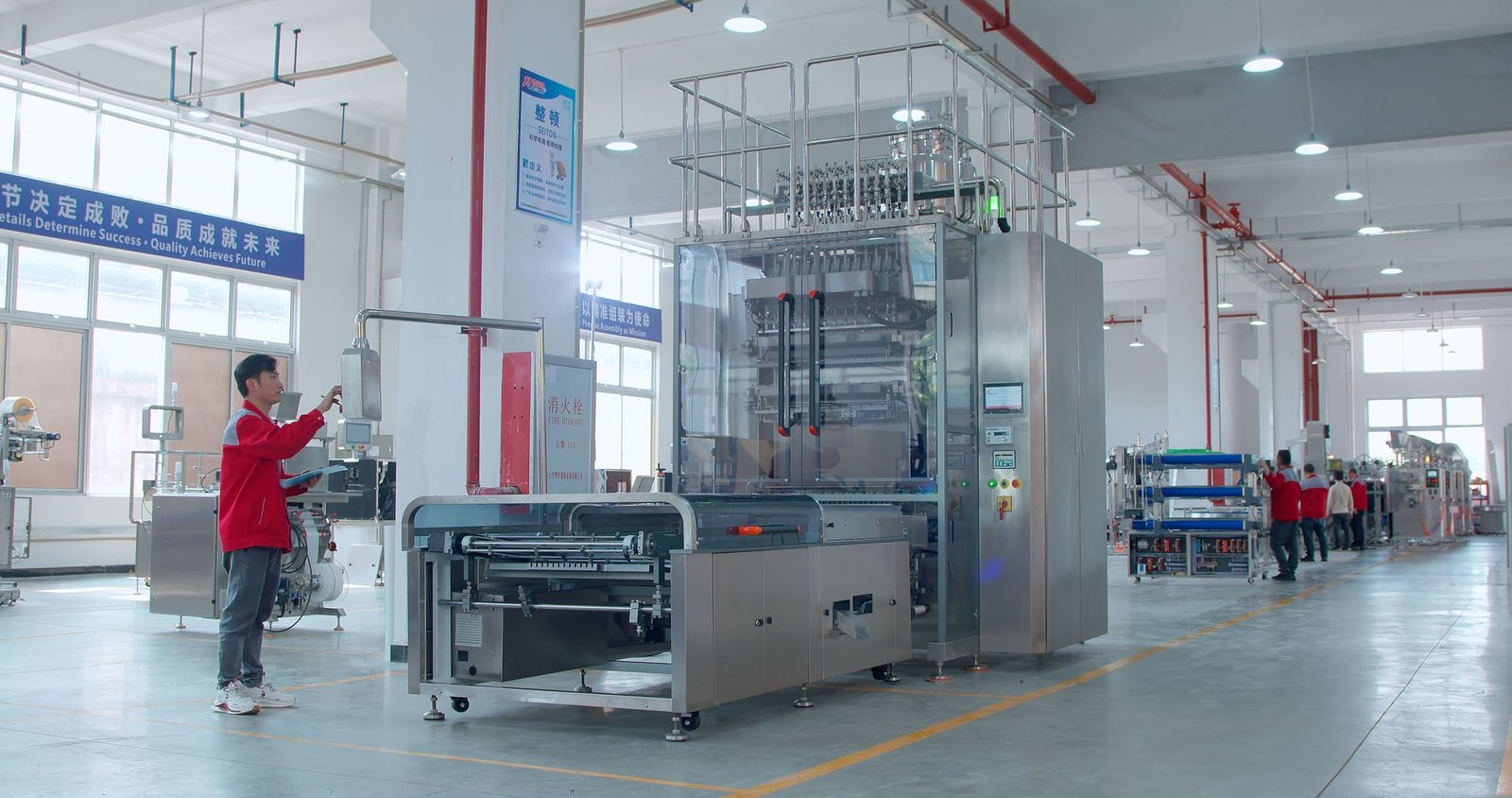
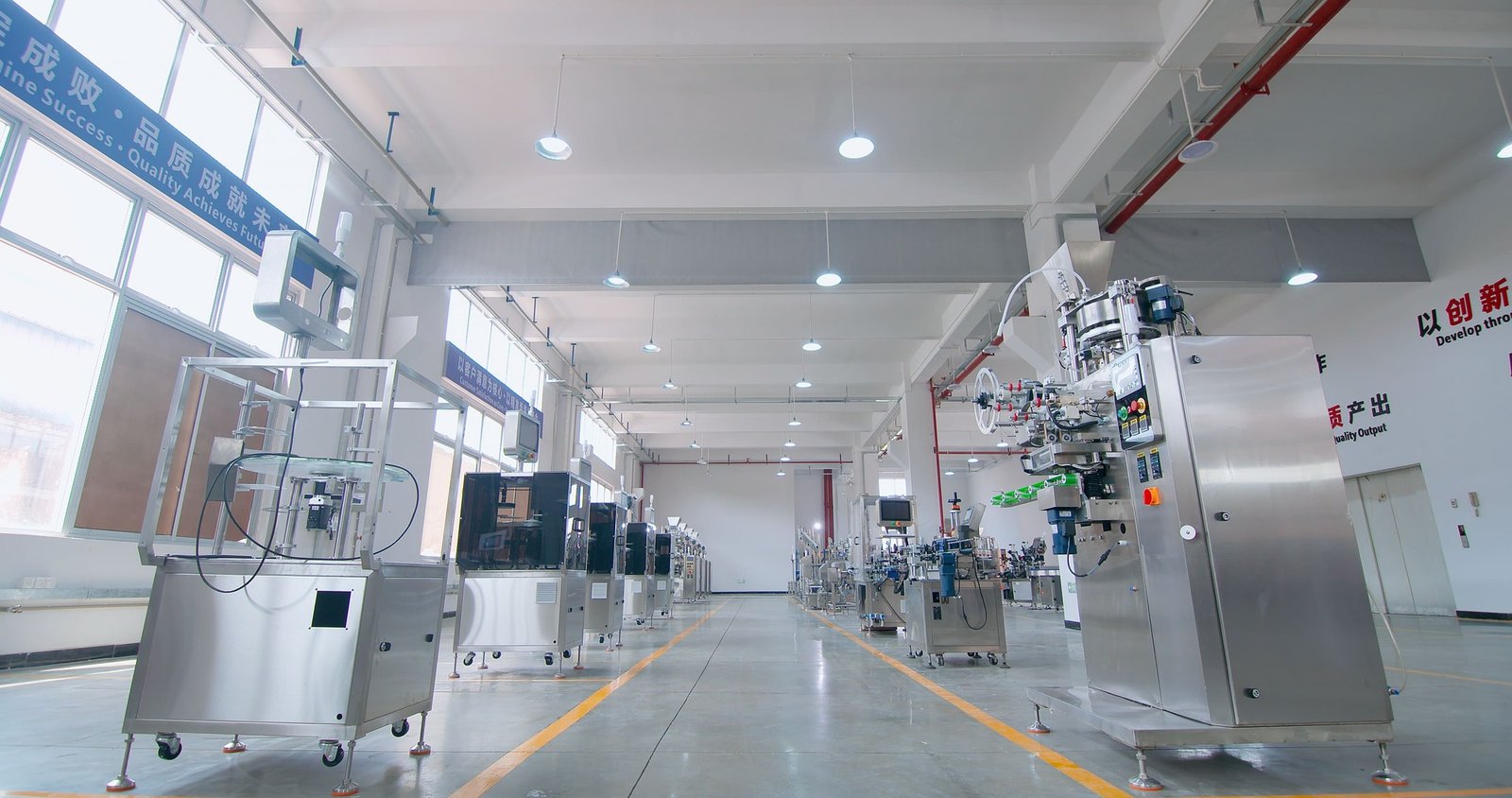
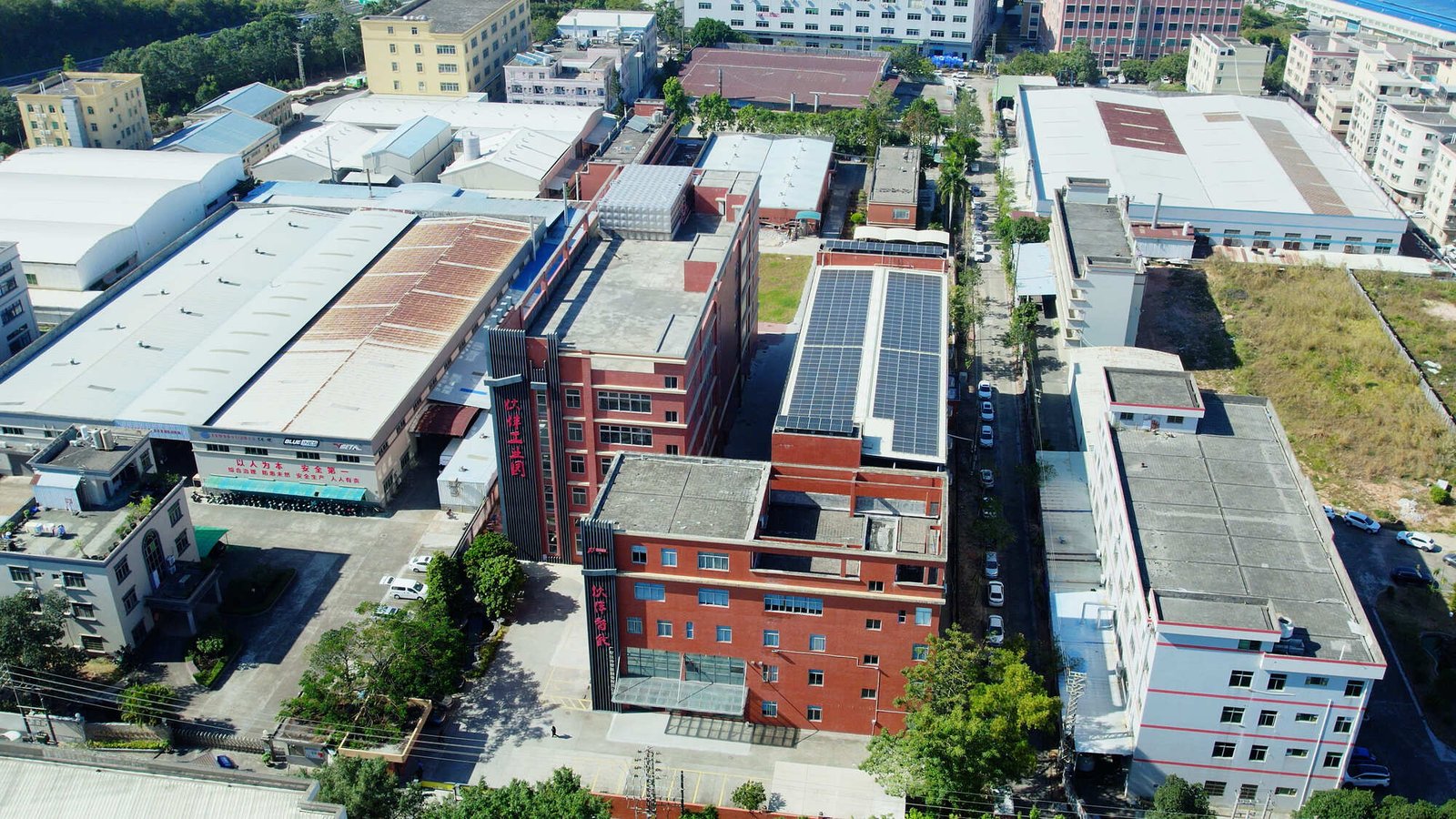
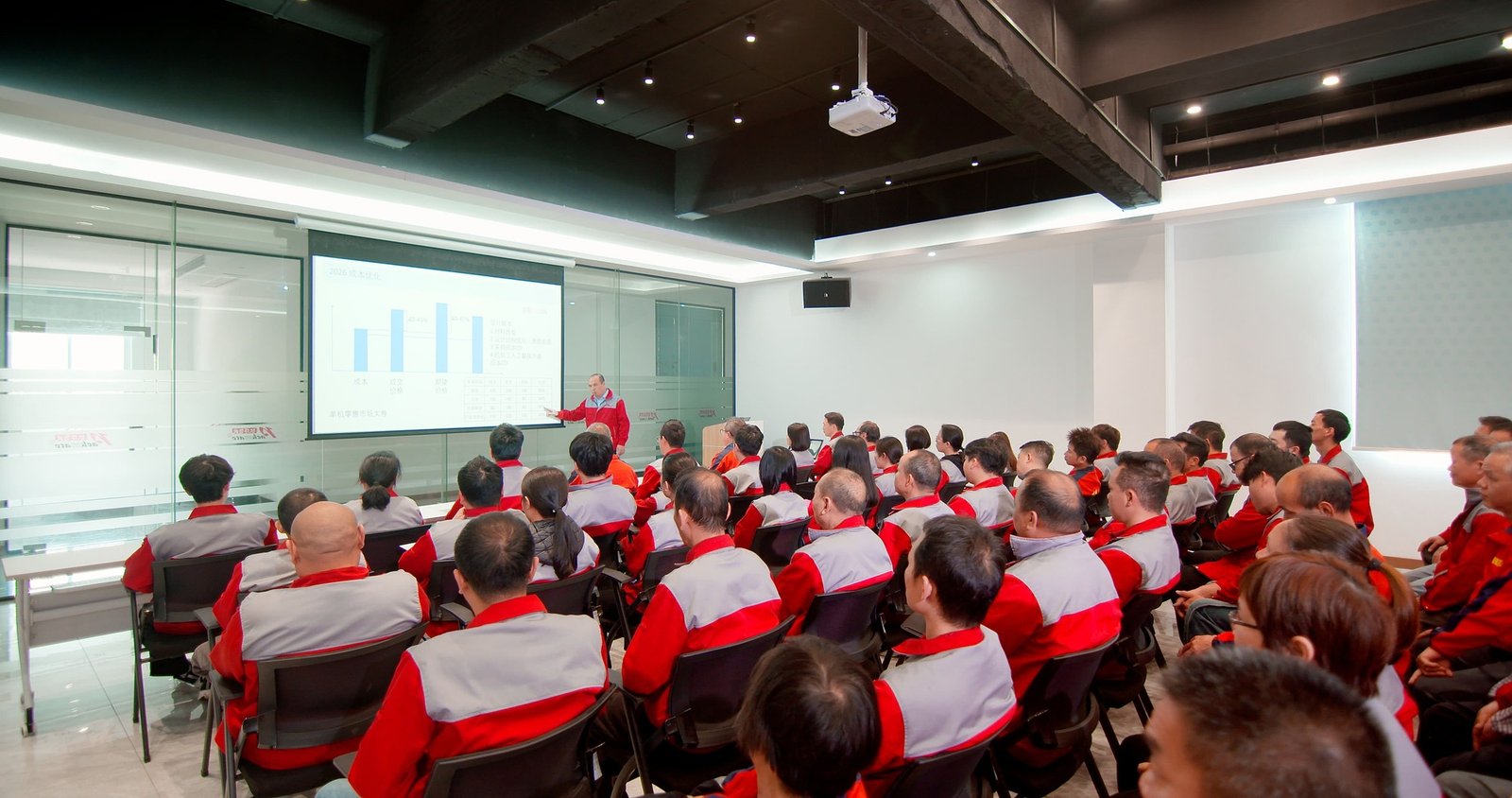
Supported by a modern 20,000㎡ manufacturing base, over 130+ packaging engineers, and 30+ years of industrial automation excellence, Ludyway delivers robust turnkey packaging solutions across 100+ countries.
State-of-the-Art Factory & Engineering Operations
Precision CNC machining centers, clean assembly bays, and live commissioning test benches.
Trusted Partner Ecosystem







Cosmetics Packaging Line Setup: Expert FAQ
Q1: What is the typical footprint required to set up an automated cosmetic packaging line?
A standard multi-lane sachet or stick pack line requires approximately 15 to 25 square meters (including outfeed conveyors and inspection units). For full turnkey bottling or cartoning lines including case packing and palletizing, plan for a dedicated cleanroom footprint between 80 and 150 square meters with a minimum ceiling clearance of 3.2 meters.
Q2: How do you solve product dripping and foaming when filling viscous cosmetic creams?
We integrate servo-driven bottom-up diving nozzles equipped with positive pneumatically controlled shut-off valves and instantaneous suck-back decompression. For aerated or foaming formulations, adjustable multi-speed filling profiles allow slow initial filling, rapid mid-fill, and gentle final top-off to prevent air pockets.
Q3: What is the standard changeover time between different cosmetic package sizes?
Ludyway machines feature quick-release, tool-less mechanical adjustments and recipe-driven HMI touchscreens. Switching between different volume settings takes under 10 minutes. Complete format changes (such as pouch width or container diameter tooling) typically take 25 to 45 minutes by trained operators.
Q4: How does nitrogen flushing benefit cosmetic packaging lines?
Active cosmetic ingredients (like Vitamin C, Retinol, and essential fatty acids) degrade rapidly in the presence of oxygen. Integrating inline nitrogen gas flushing (MAP) into the dosing and sealing station reduces residual head-space oxygen below 1.0%, extending product shelf life without relying on chemical preservatives.
Q5: What OEE (Overall Equipment Effectiveness) benchmark should we target?
A well-engineered cosmetic packaging line should achieve an OEE of 82% to 88% or higher during standard production runs. This is maintained through servo-synchronized web tension, automated film splicing, inline vision rejection, and high MTBF (Mean Time Between Failures) electronic components.
Q6: Can one packaging line handle both liquid serums and granular/powder cosmetics?
Yes. By employing a modular filling head design, the primary machine chassis can interchange between servo rotary liquid piston pumps and precision multi-lane servo auger fillers for loose setting powders, dry mask granules, or bath crystals.
Ready to Design & Commission Your Cosmetic Packaging Line?
Partner with Ludyway’s automation engineers to receive custom 3D line layouts, complete machinery proposals, cycle-time calculations, and turnkey factory integration tailored to your beauty formulations.
