
How to Set Up a Liquid Packaging Line: Complete Engineering & Operational Guide
Master the engineering principles, fluid dynamics, machine selection, sanitary compliance, and system integration required to design, deploy, and scale a world-class automated liquid packaging facility.
Understanding Modern Automated Liquid Packaging Lines
Setting up an industrial liquid packaging line is an intricate multidisciplinary engineering undertaking. Unlike dry powder or solid packaging, liquid packaging demands an exhaustive understanding of fluid rheology, volumetric behavior under varying temperatures, hygienic isolation, and anti-foaming aeration control. Whether bottling pharmaceuticals, dosing food condimental sachets, filling daily cosmetics, or packaging hazardous industrial chemicals, the architectural design of your production system determines operational throughput, overall equipment effectiveness (OEE), and regulatory compliance.
Key Engineering Milestone: An optimized liquid packaging line eliminates bottlenecking at transition zones, reduces product giveaway to under 0.5%, maintains strict hermetic seal integrity, and enables rapid Clean-In-Place (CIP) and Sterilization-In-Place (SIP) cycling with minimal operational downtime.
Fluid Dynamics & Rheology
Every liquid exhibits unique shear rates, surface tension, and viscosity profiles—from free-flowing beverages to thixotropic cosmetic pastes and viscous engine lubricants.
Synchronized Automation
Servo-driven metering, automated bottle unscrambling, multi-nozzle tracking, continuous capping, and synchronized conveyor lanes prevent sloshing and production friction.
Sanitary & Safety Compliance
Adherence to strict cGMP, FDA 21 CFR, 3-A Sanitary Standards, and explosion-proof ATEX engineering ensures product purity and safe facility operation.
6-Phase Blueprint: How to Set Up a Liquid Packaging Line
A methodical deployment workflow mitigates technical risks, eliminates project overruns, and ensures your line achieves full target capacity upon commissioning. Follow this systematic engineering approach:
Product Rheology & Fluid Characterization
Begin with deep laboratory analysis of your liquid substrate. Determine viscosity in centipoise (cP) across operating temperatures (e.g., water at 1 cP, olive oil at ~80 cP, shampoo at ~3,000 cP, peanut butter / heavy grease at >50,000 cP). Evaluate if the fluid is Newtonian (viscosity remains constant under shear) or non-Newtonian (shear-thinning or shear-thickening). Additional considerations include particulate suspension size, acidity (pH levels requiring 316L stainless steel or Hastelloy), surface tension foaming characteristics, and volatile organic compound (VOC) flammability ratings.
Primary Packaging Container & Format Engineering
Select the physical container format that best satisfies shelf-life, barrier requirements, consumer ergonomics, and line speed objectives. Rigid packaging formats include PET, HDPE, and glass bottles, jars, vials, and ampoules. Flexible formats include multi-lane stick packs, 4-side seal sachets, pillow pouches, and stand-up doypacks. Define container neck geometry, foil seal barriers, wall thickness rigidity, and vertical stability during high-speed conveyor transfers.
Filling Mechanism Selection & Dosing Calibration
The filling engine represents the core heart of your line. Matching the wrong metering technology leads to severe volume inaccuracies, product drip contamination, and continuous nozzle clogging. Common filling technologies include:
• Piston Fillers: Exceptional volumetric accuracy for thick pastes, creams, gels, and liquids with suspended chunks.
• Peristaltic & Micro-Dosing Pumps: Ideal for sterile pharmaceuticals, diagnostics, and essential oils where fluid contacts only disposable medical-grade tubing.
• Gravity & Overflow Fillers: Optimal for low-viscosity clear liquids requiring uniform cosmetic fill lines in clear glass or PET bottles.
• Coriolis Mass Flow Meters: Advanced non-contact digital dosing delivering high precision regardless of fluid temperature or viscosity fluctuations.
Sealing, Capping & Hermetic Closure Integration
Once the container is filled, preventing oxidation, microbial contamination, and leakage is mission-critical. For flexible sachet and stick pack lines, precision heated seal jaws with independent PID temperature controllers provide airtight seal integrity. For rigid bottling lines, integrate automatic cap sorting, elevator feeders, and torque-controlled spindle or chuck capping heads (supporting screw caps, flip-tops, pump dispensers, ROPP aluminum seals, and induction foil inner seals).
In-Line Quality Control, Labeling & Serialization
Integrate automated inspection gates to reject sub-standard packages without slowing down line velocity. Install high-speed dynamic checkweighers, industrial vision inspection systems (for fill-level verification, cap skew detection, and label orientation), continuous inkjet (CIJ) or UV laser coding for batch serialization, expiration dating, and 2D GS1 DataMatrix track-and-trace requirements.
Secondary Packaging, Case Packing & Palletization
Downstream throughput must balance upstream filling speeds. Finished pouches, sachets, or bottles are counted and collated via robotic pick-and-place systems into automatic cartoners, shrink-wrapping bundlers, or case packers. Completed shipping cartons pass through automated case tapers, checkweighers, and palletizing robots equipped with vacuum grippers, culminating in automated stretch wrapping for transit stability.
Liquid Filling Technology Comparison Guide
Selecting the correct metering principle is vital for balancing volumetric accuracy, throughput capacity, and maintenance cost. Consult the engineering comparison matrix below to guide your equipment configuration:
| Filling Principle | Viscosity Range (cP) | Accuracy Rating | Dosing Speed | Primary Application Sectors | Sanitary CIP Rating |
|---|---|---|---|---|---|
| Piston (Volumetric) | 1,000 – 100,000+ | ±0.5% – ±1.0% | Moderate to High | Sauces, creams, pastes, shampoos, lubricants | High (Tool-less stripdown or automated CIP) |
| Peristaltic Pump | 1 – 2,500 | ±0.3% – ±0.5% | High (Micro-dosing) | Pharmaceuticals, vaccines, e-liquids, diagnostics | Maximum (Single-use sterile pathway) |
| Overflow Fill | 1 – 1,000 | Cosmetic Level (Visual) | Very High | Beverages, spirits, perfumes, glass cleaner | Moderate (Recirculation line cleaning required) |
| Gravity / Pressure | 1 – 500 | ±1.0% – ±1.5% | Extremely High | Mineral water, vinegar, thin chemicals, wine | High (Streamlined fluid channels) |
| Mass Flow Meter | 1 – 50,000 | ±0.2% (Highest) | Very High | High-value pharma, agrochemicals, edible oils | Maximum (Full automated CIP/SIP built-in) |
| Net Weight Load Cell | 100 – 200,000+ | ±0.1% – ±0.2% | Moderate | Bulk containers, 20L drums, chemical carboys | High (Non-contact metering surface) |
Featured Automated Liquid Packaging Solutions
Explore our industry-proven liquid packaging systems engineered for precision dosing, multi-lane continuous operation, and rigorous hygienic standards across food, cosmetic, chemical, and pharmaceutical facilities:
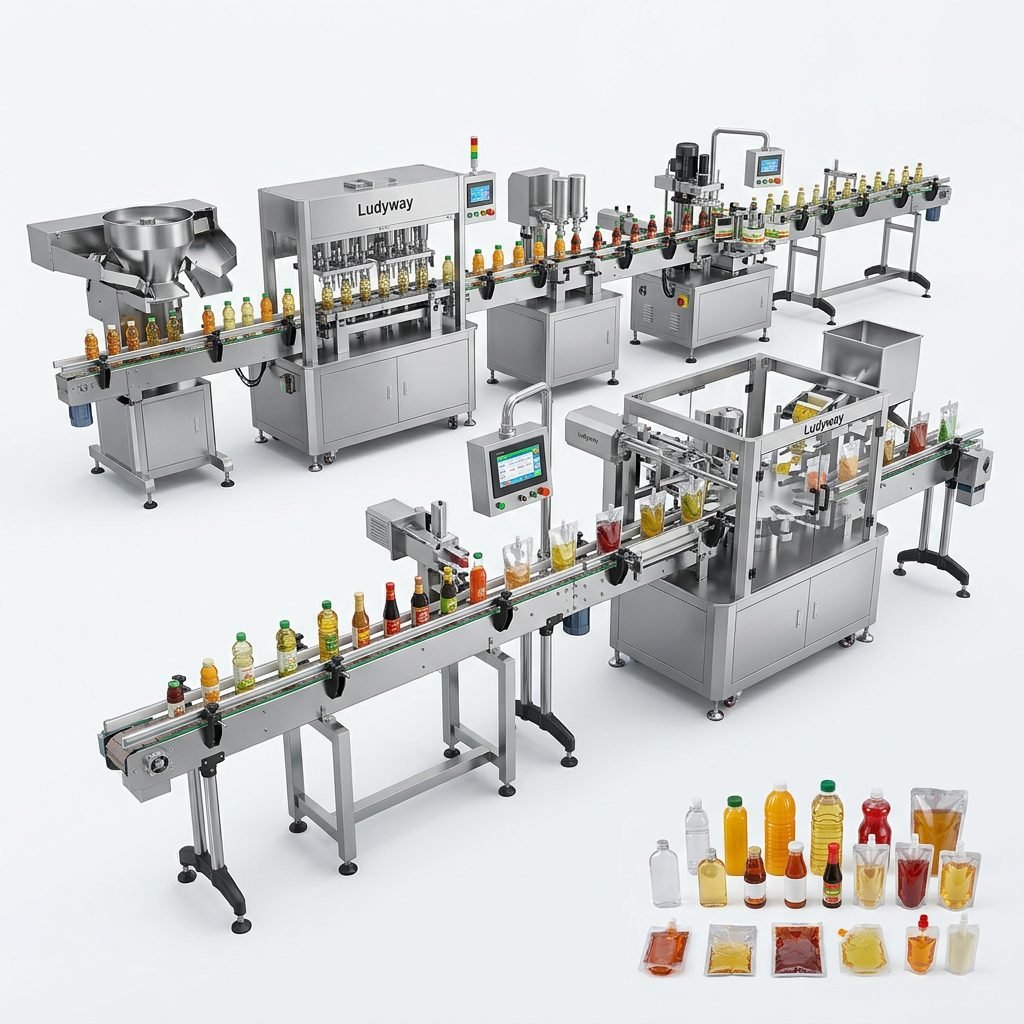
High-Speed Fully Automatic Liquid Packaging Lines for Bottles and Pouches
View Specifications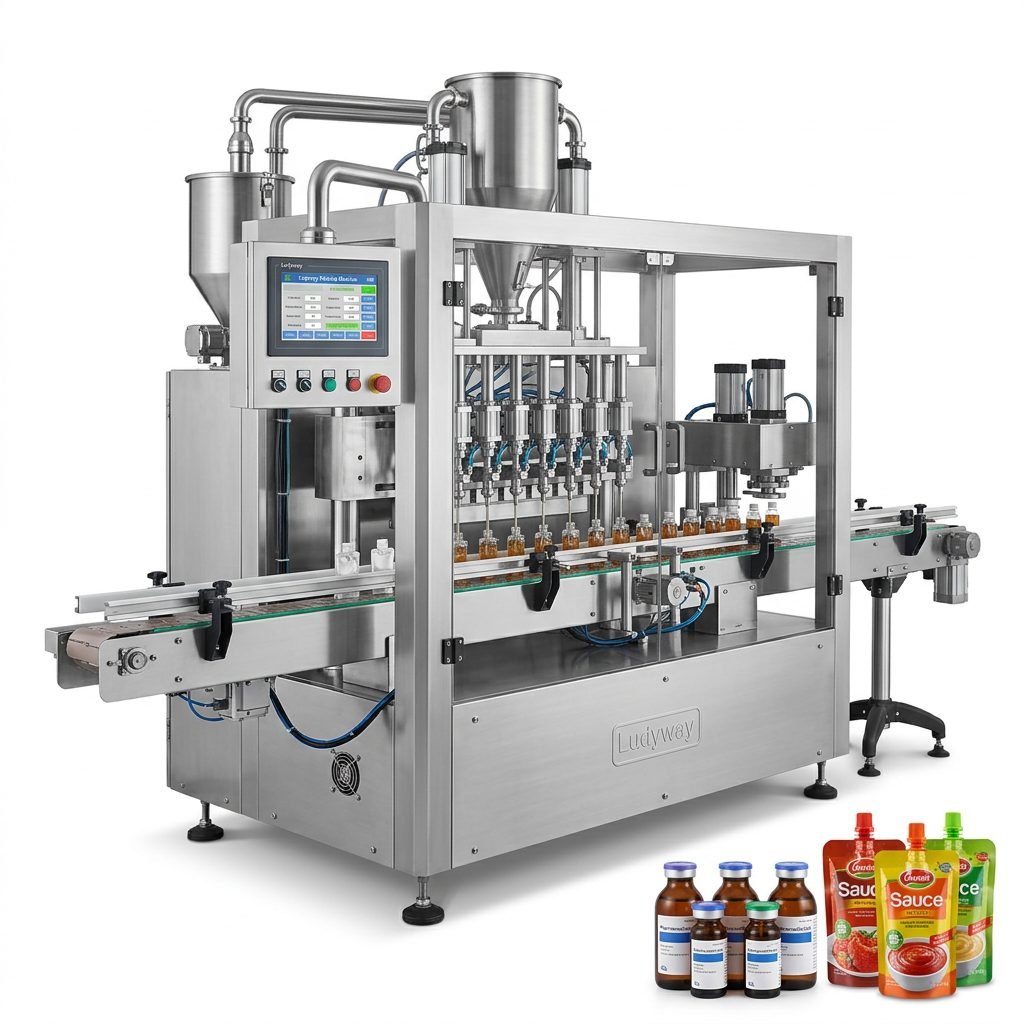
Liquid Filling System for Food & Pharma – Multi-Nozzle Automated Packaging
View Specifications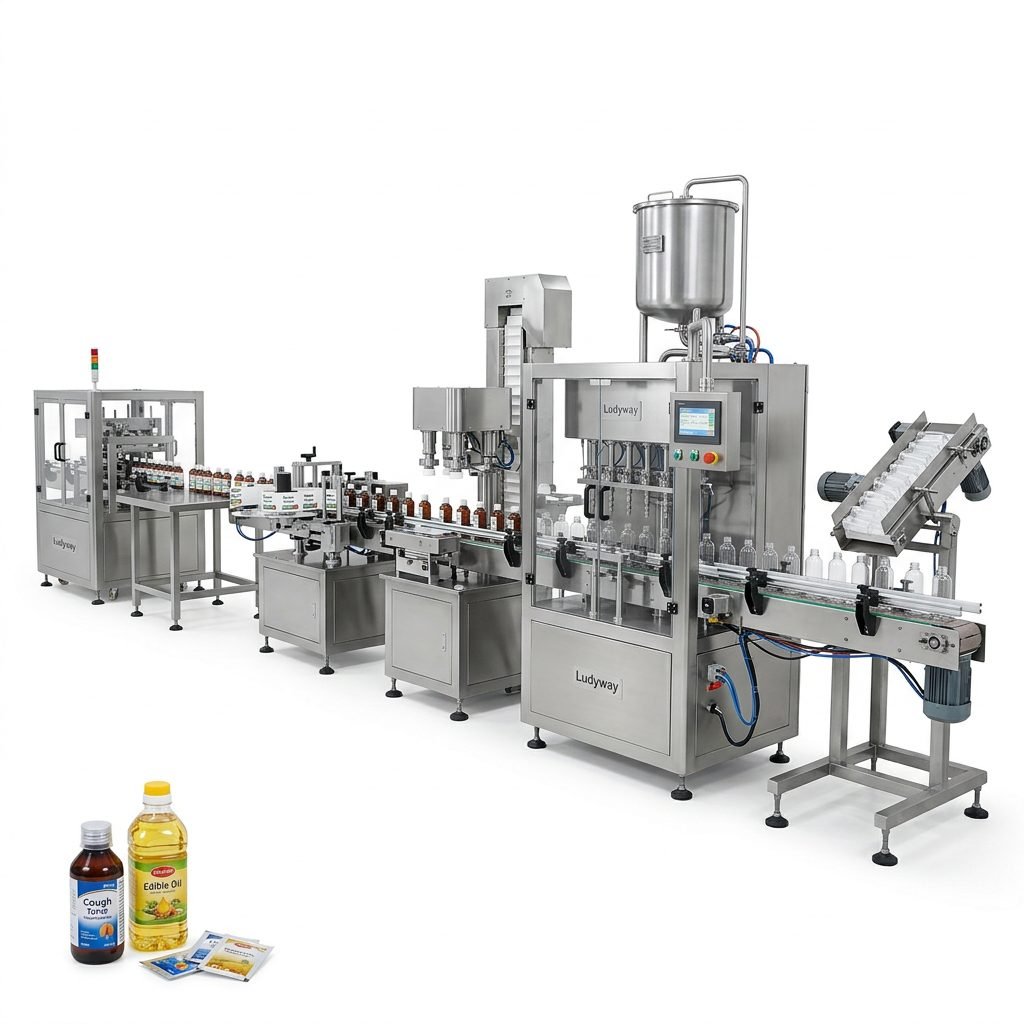
Smart Liquid Packaging Lines for Food, Pharma & Health Industries
View Specifications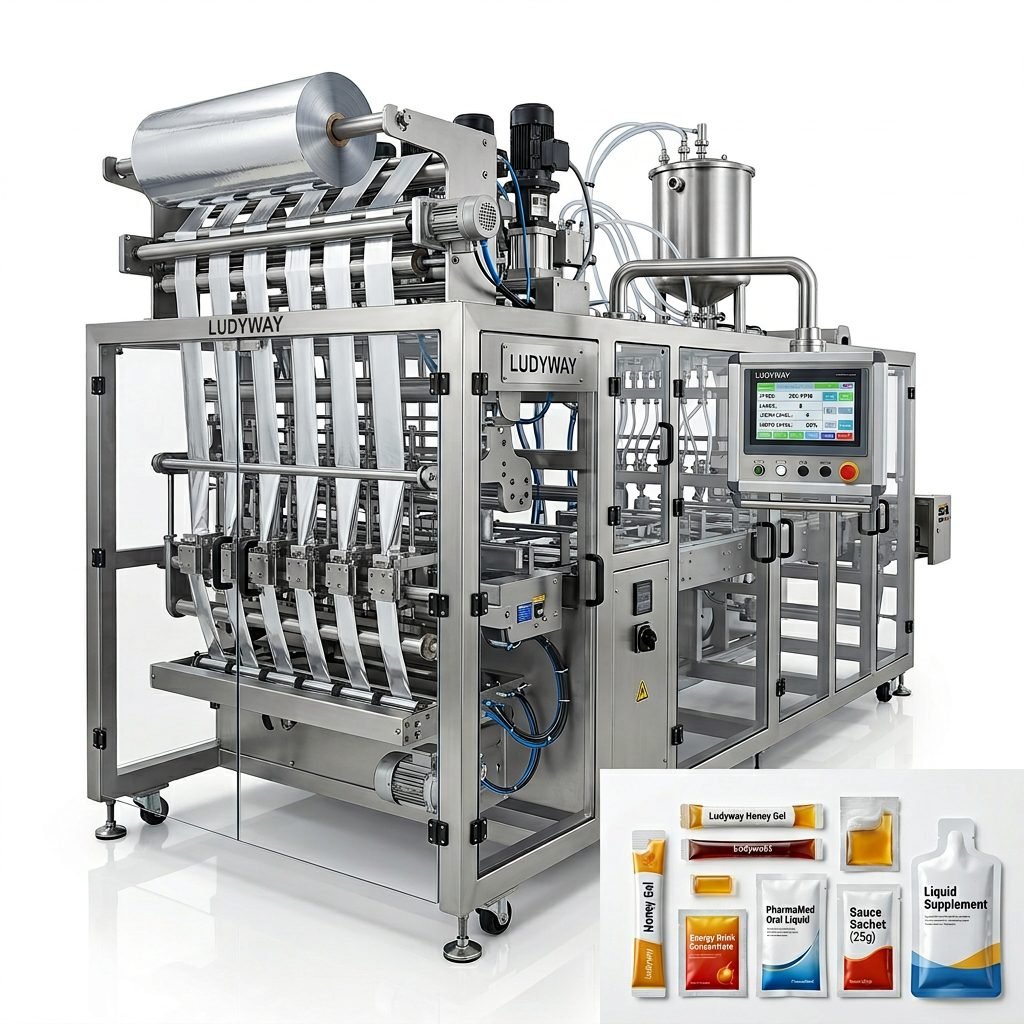
Multi-Lane Liquid Packaging Machine for Food & Pharmaceutical Applications
View Specifications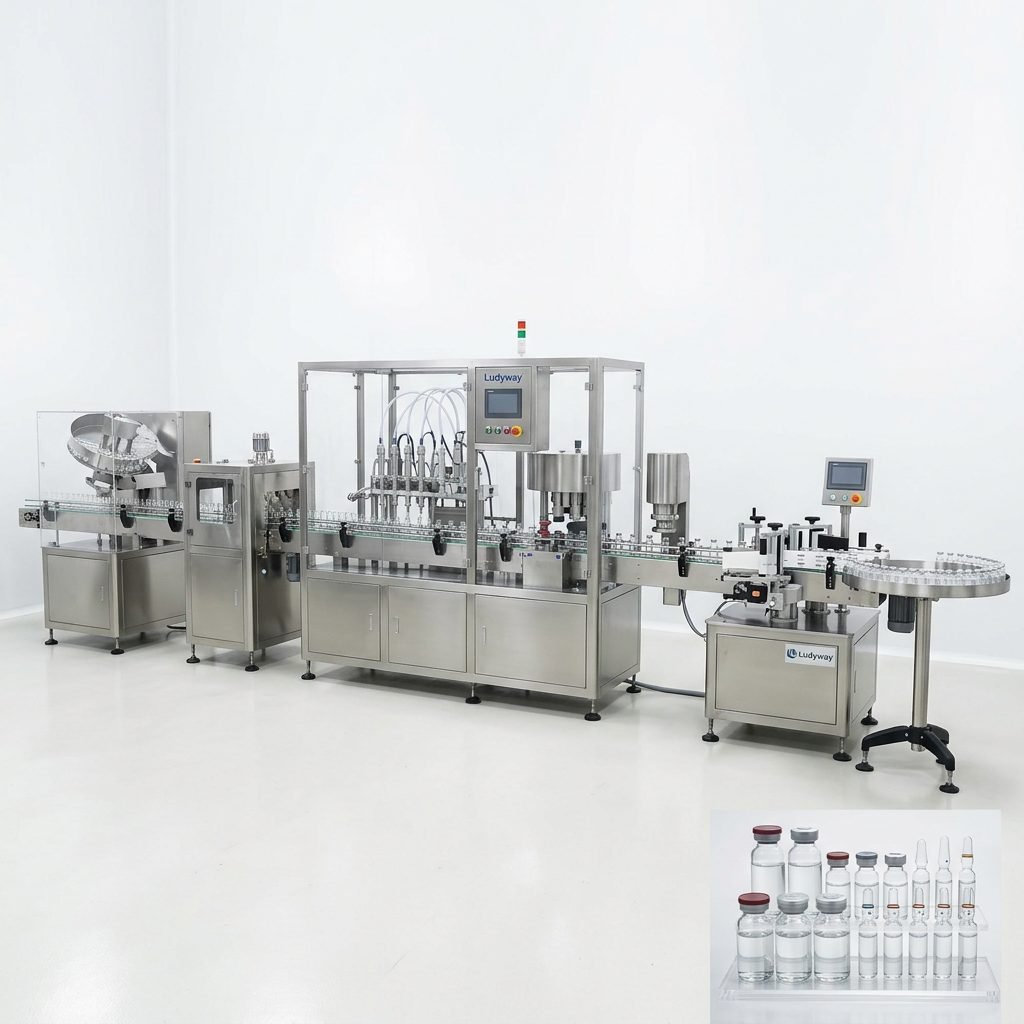
Pharmaceutical Liquid Filling Lines for Bottles, Vials & Ampoules
View Specifications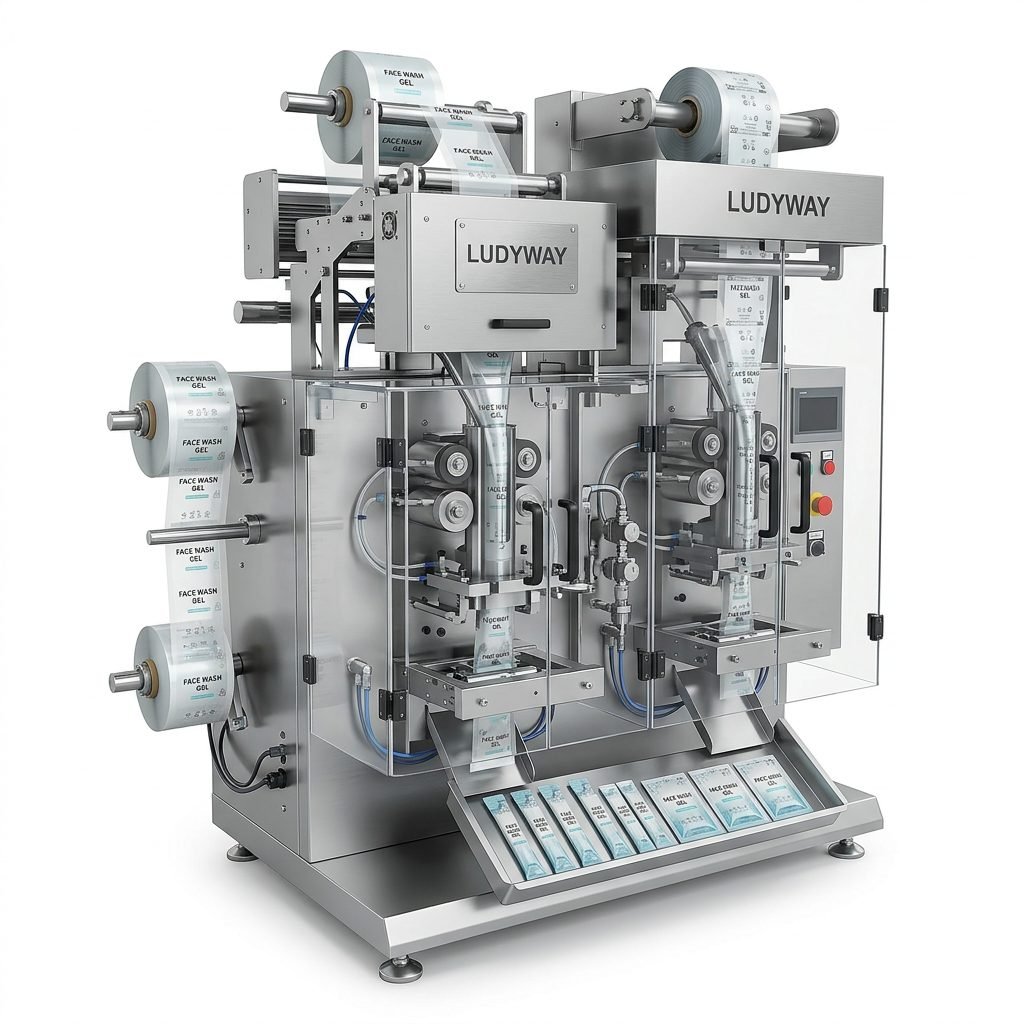
Automatic Face Wash Sachet & Stick Pack Filling Machine for Liquid Packaging
View Specifications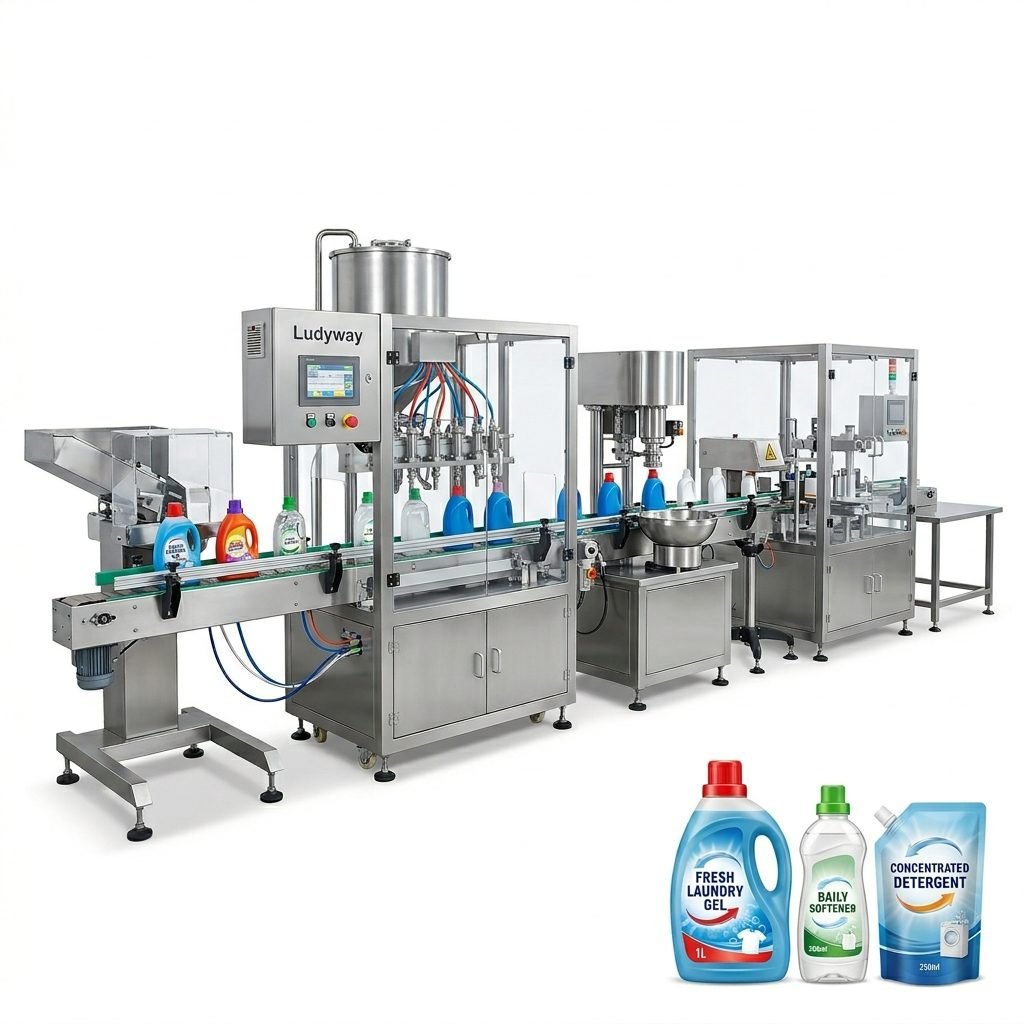
Liquid Detergent Packaging Lines for Filling and Sealing
View Specifications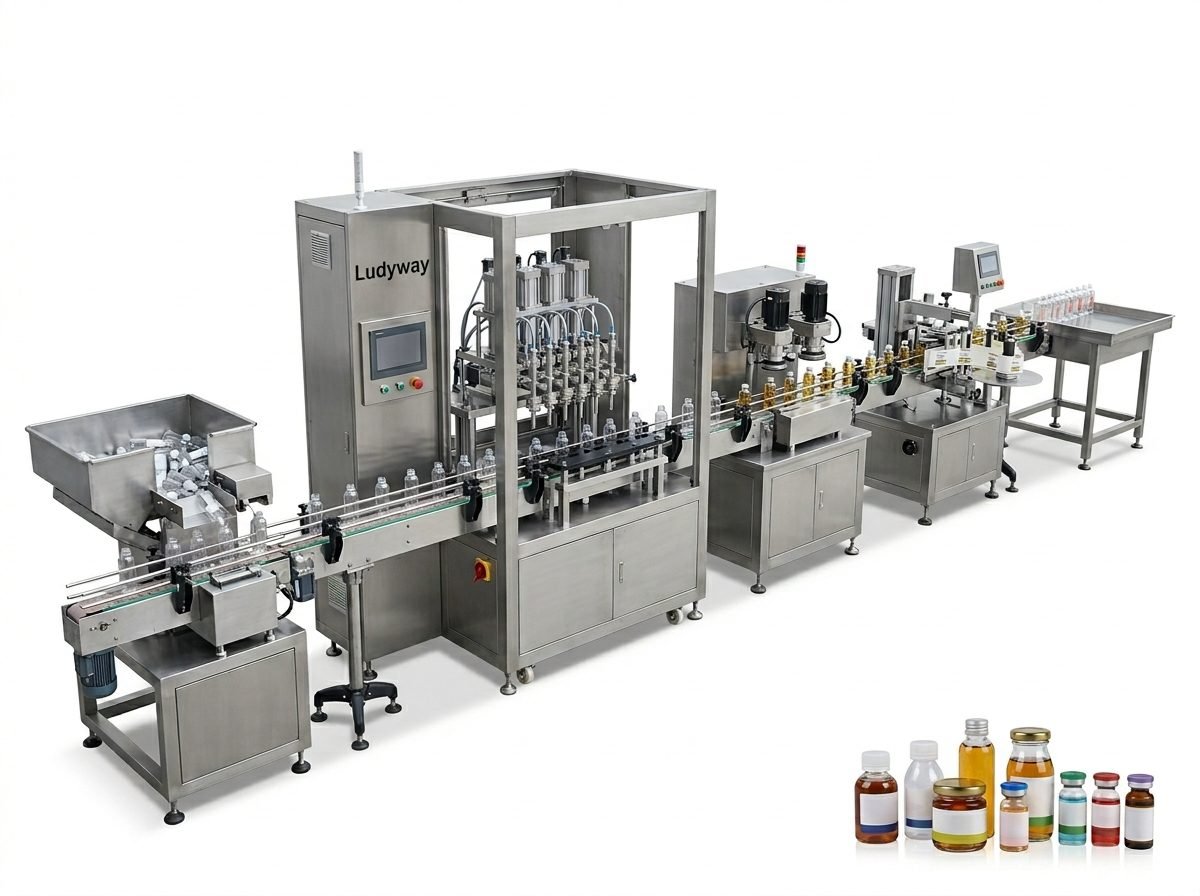
Fully Automated Liquid Filling & Sealing Production Line Solutions
View SpecificationsPlant Layout Optimization & Utility Integration
A packaging machine is only as effective as the physical and mechanical infrastructure supporting it. When laying out a liquid packaging cleanroom or production hall, plant engineers must address footprint constraints, utility hookups, material flow logic, and operator safety.
-
Material & Operator Flow Separation:
Establish unidirectional flow lines preventing cross-contamination between raw bulk liquid supply, unformed packaging rolls/bottles, and finished quarantined goods.
-
Clean-In-Place (CIP) & Drain Architecture:
Ensure sloping floors with sanitary trench drains and dedicated stainless steel CIP return headers capable of handling 85°C caustic washdown cycles.
-
Pneumatic & Electrical Load Capacity:
Provide oil-free, desiccant-dried compressed air (6-8 bar) and stabilized 380V/480V 3-phase power with isolated PLC clean grounding to prevent micro-voltage spikes.
-
HEPA Positive Pressure Enclosures:
For food and aseptic pharma filling, position Class 100 (ISO 5) laminar airflow hoods directly over the liquid filling and capping transition zone.
Commissioning, Validation (FAT/SAT) & OEE Maximization
A successful packaging line setup requires disciplined qualification protocols before full-scale commercial manufacturing commences. Implementing rigorous testing minimizes commissioning friction:
1. Factory Acceptance Testing (FAT)
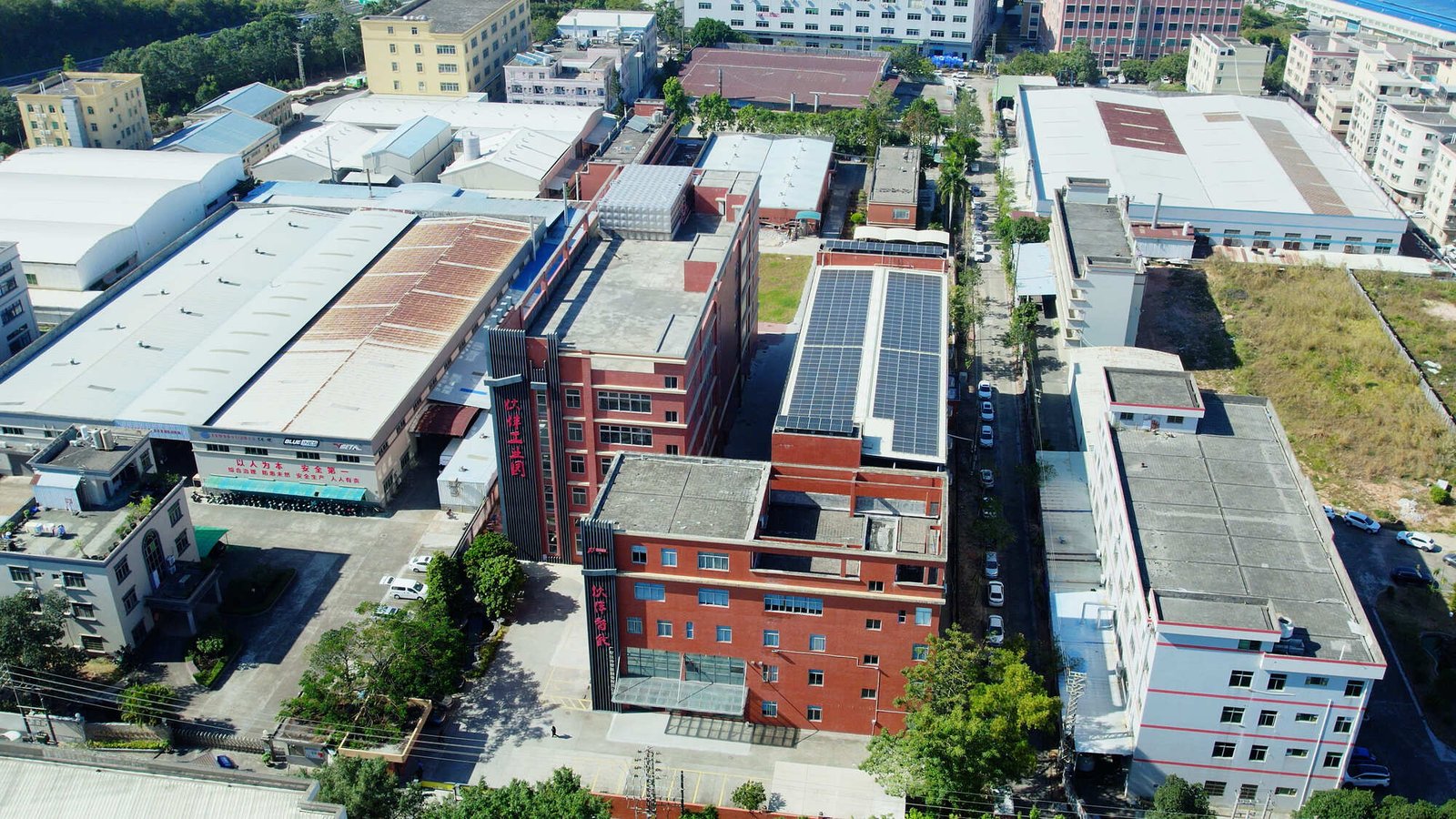
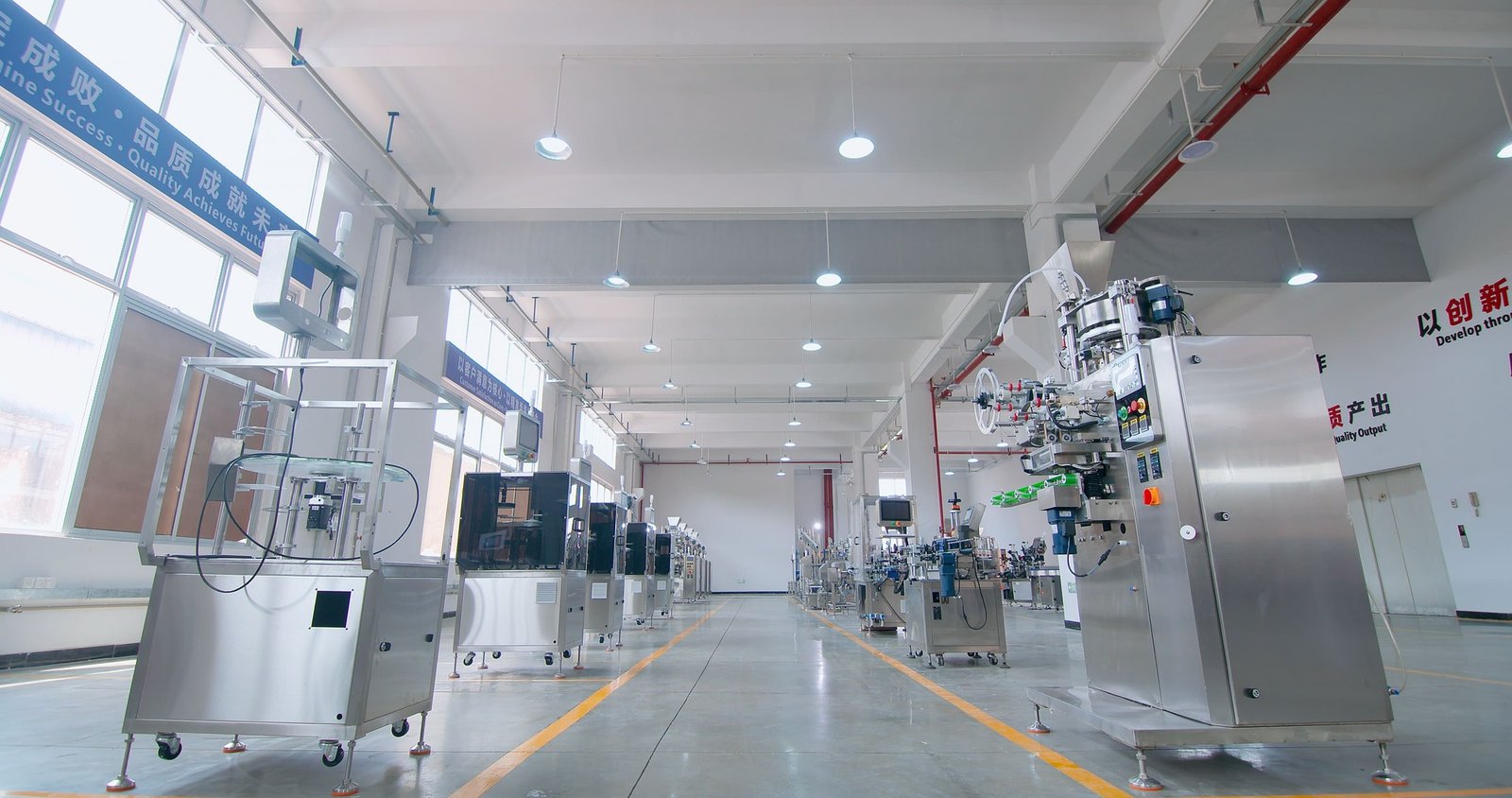
Conducted at our 20,000㎡ manufacturing facility using client-supplied bulk liquid and packaging materials. Tests verify target speed (BPM/PPM), dosing accuracy, seal hermeticity, safety E-stops, and sensor feedback logic.
2. Site Acceptance Testing (SAT)
Performed on-site after final mechanical anchoring and utility tie-in. Verifies live operating conditions, CIP cycle effectiveness, secondary conveyor transitions, and 8-hour continuous endurance stress runs.
3. Preventive Maintenance & OEE
Establish standard operating procedures (SOPs) for daily nozzle cleaning, seal-jaw PTFE coating replacement, servo lubrications, and automated wear-part telemetry monitoring to maintain >88% OEE performance.
Engineering Excellence with Ludyway Packaging Machinery
With over 30 years of specialized manufacturing experience, Ludyway stands as one of China’s premier manufacturers of intelligent packaging equipment and complete turnkey production lines. Our systems power production plants across 100+ countries, delivering robust reliability for food, pharmaceutical, cosmetic, and chemical manufacturers worldwide.
International Certification & Compliance
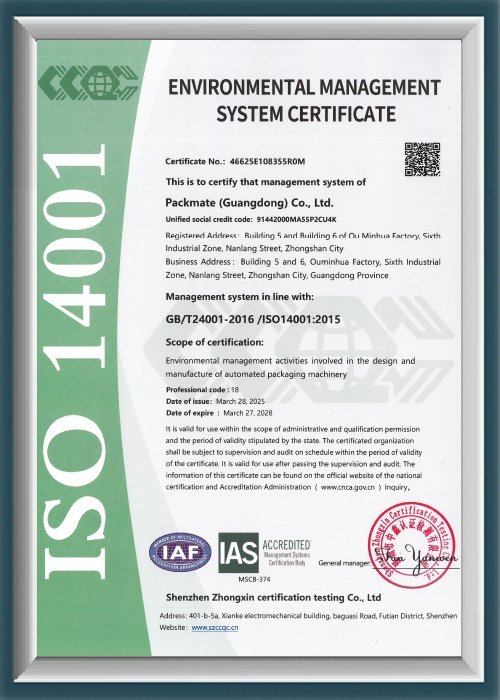
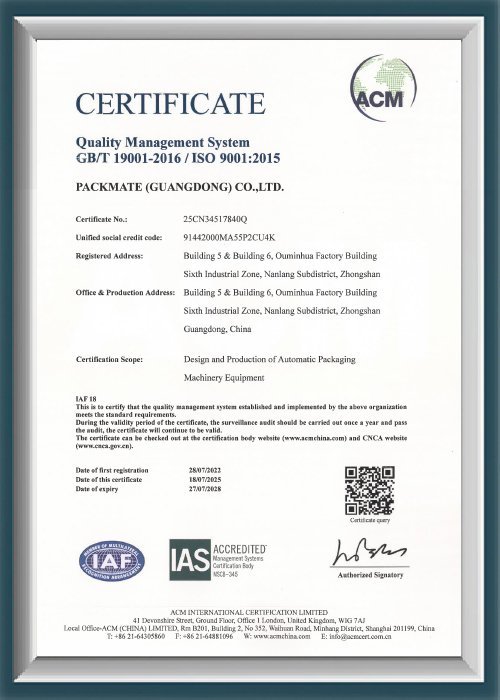
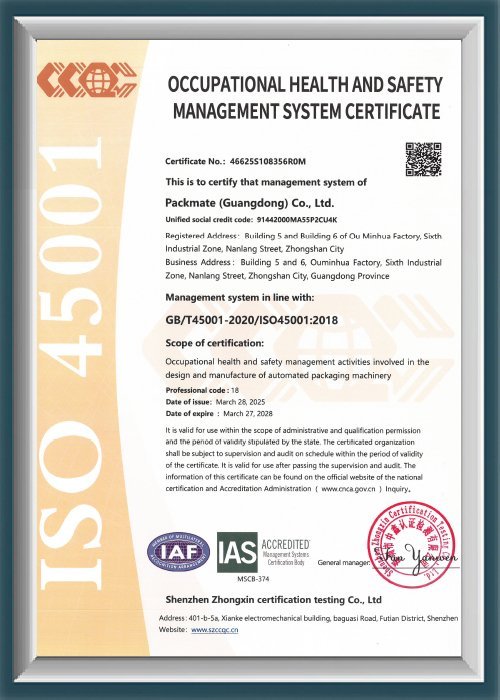
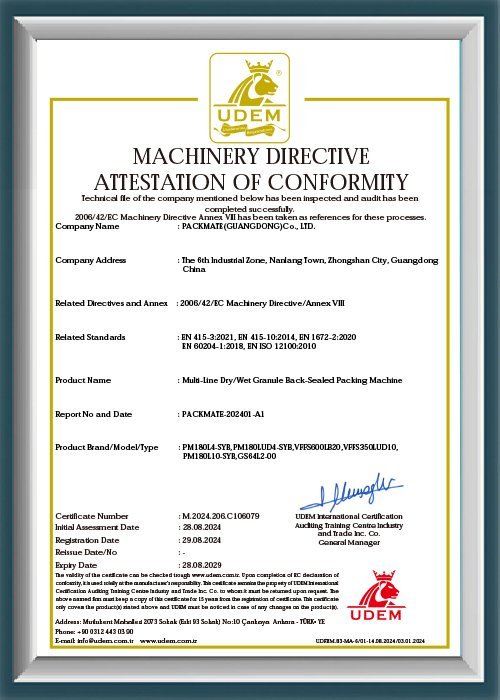
Every machine leaving our facility is rigorously certified to meet strict global safety, electrical, and sanitary standards including CE conformity, ISO9001 quality management, and cGMP compliance.
Worldwide Exhibitions & Advanced Manufacturing
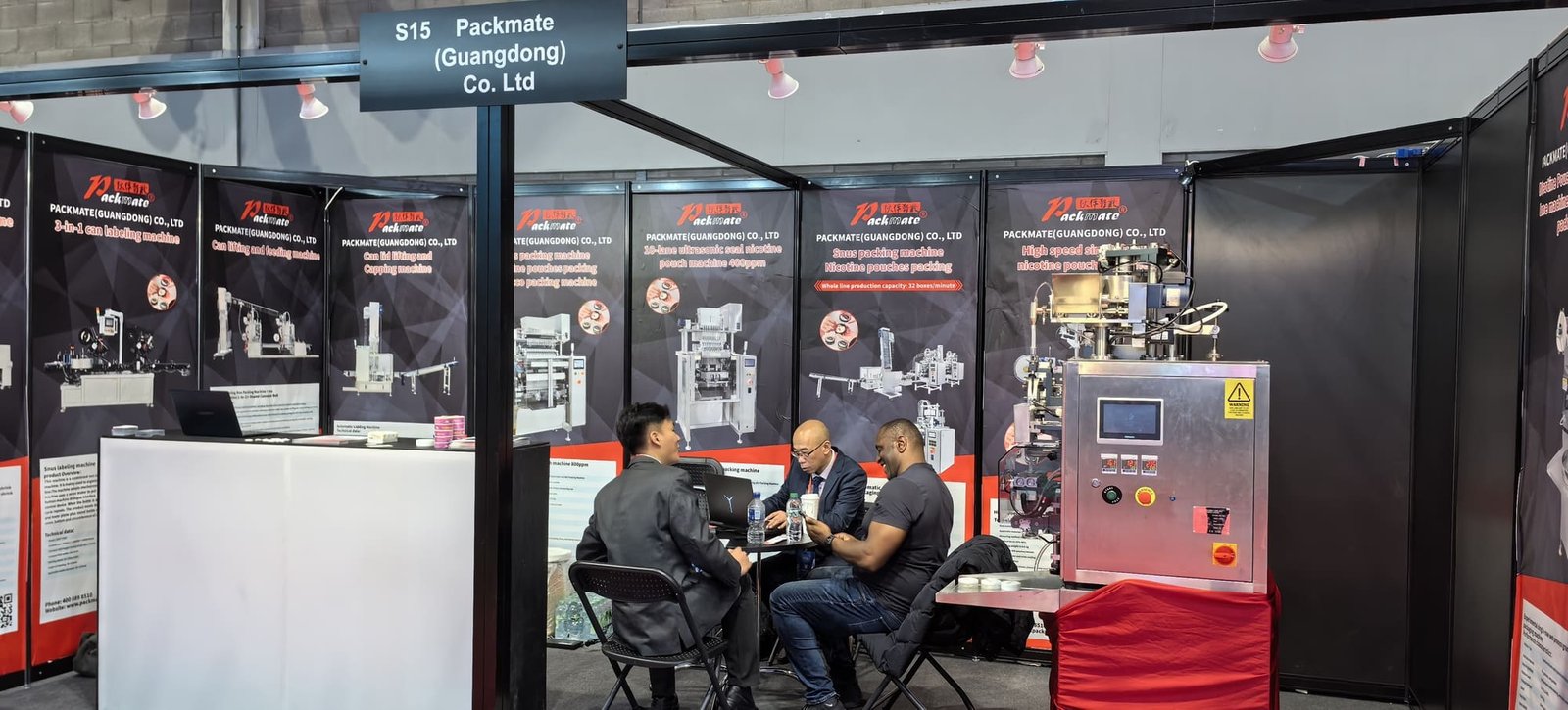
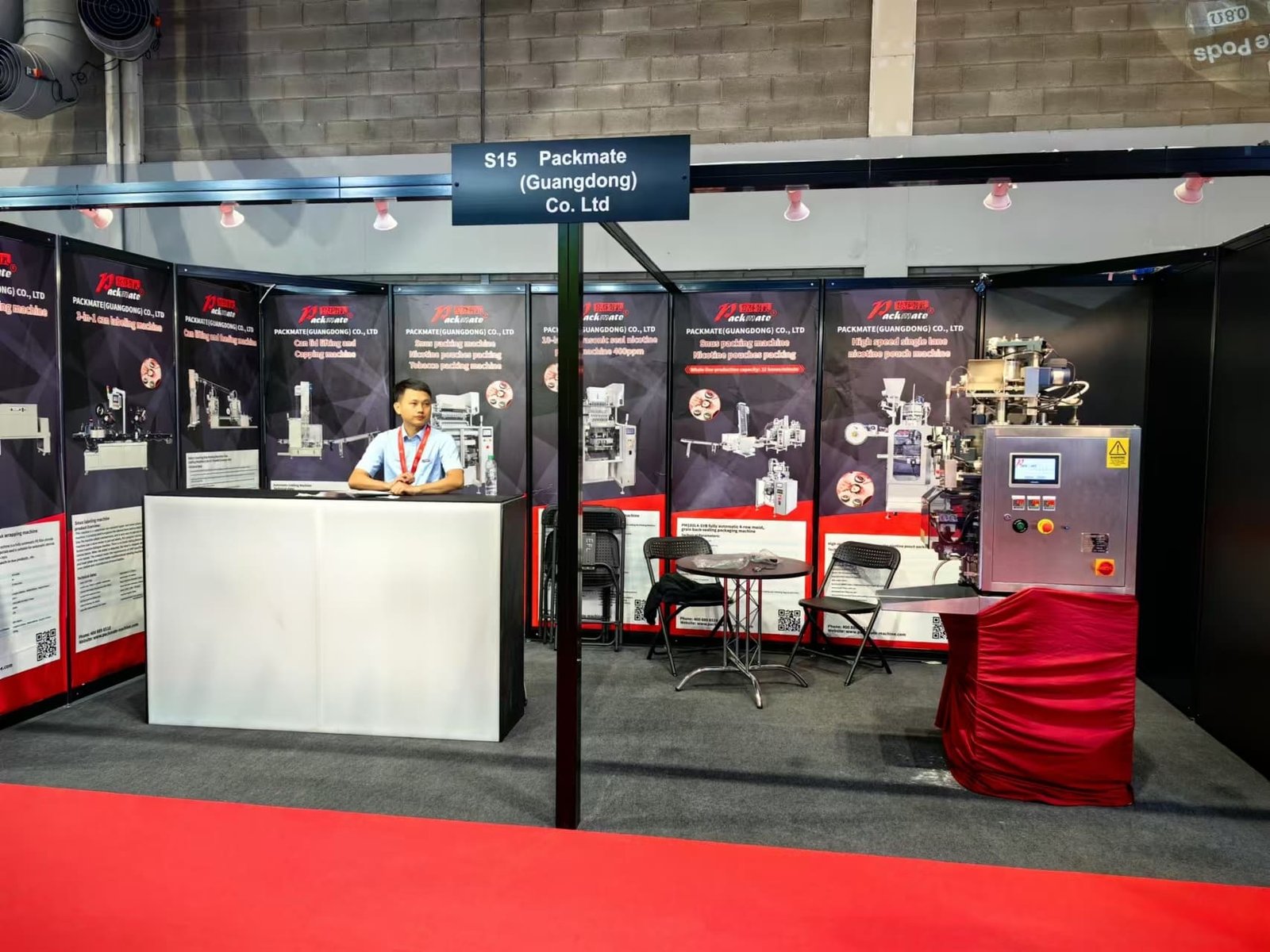
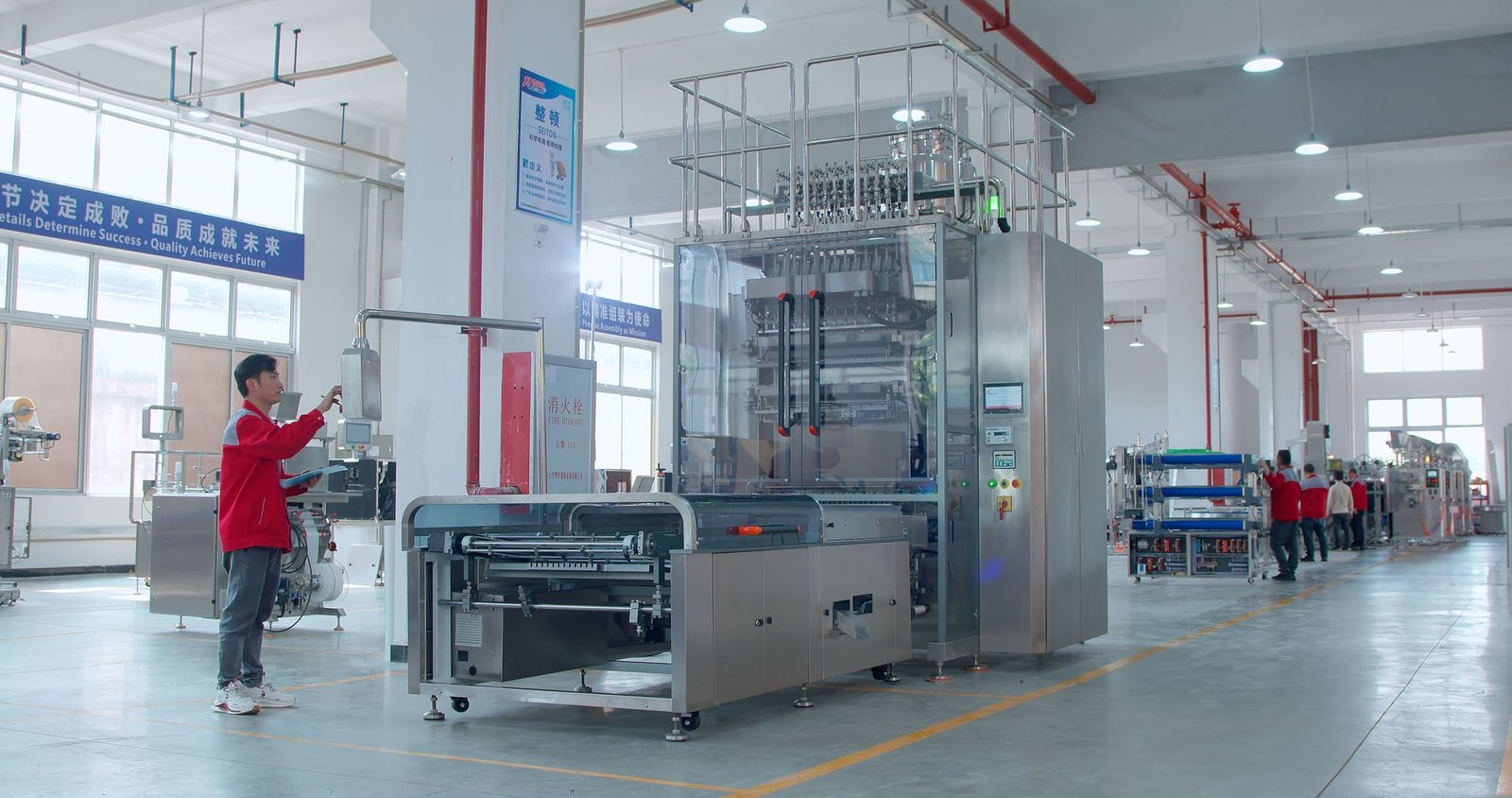
Discover our international presence at major industrial packaging trade fairs and tour our state-of-the-art CNC precision machining and assembly facilities:
Liquid Packaging Line Engineering FAQs
Linear packaging systems offer lower initial capital expenditure, modular expansion options, and faster changeovers for multi-SKU facilities producing up to 60-120 containers per minute. Rotary systems require a larger capital investment but deliver ultra-compact footprints and extreme high-speed outputs (200 to 600+ containers per minute) with continuous motion container handling.
Foaming is mitigated through bottom-up sub-surface filling nozzles controlled by multi-axis servo drives. The nozzle descends to the bottom of the container before dosing begins and lifts synchronously just above the liquid level during filling. Specialized anti-drip diving shut-off valves eliminate surface agitation and aeration.
All direct fluid contact surfaces (hoppers, manifolds, piston cylinders, nozzles) must be fabricated from AISI 316L stainless steel with electropolished surface finishes (Ra < 0.4 μm) to prevent bacterial harborage. Non-contact frames and structural supports are typically built from heavy-gauge AISI 304 stainless steel.
For oxygen-sensitive liquids such as edible oils, nutritional supplements, and pharmaceuticals, an in-line nitrogen dosing station injects high-purity liquid nitrogen or gaseous N2 into the headspace immediately prior to capping or sealing. This drops residual oxygen levels below 1-2%, preventing lipid oxidation and spoilage.
Standard standalone liquid packaging machines typically require 4 to 6 weeks for manufacturing. Fully custom, high-speed multi-lane turnkey lines with secondary packaging and robotic palletizing integration generally require 10 to 16 weeks, including extensive Factory Acceptance Testing (FAT) before global export.
