
How to Set Up a Bottled Water Packaging Line: Step-by-Step
Discover the comprehensive technical blueprint for designing, installing, and commissioning a high-performance commercial bottled water packaging plant. From source filtration to high-speed blow-fill-cap monobloc integration and robotic end-of-line packaging.
Scalable Output Capacity per Production Line
Precision High-Speed Volumetric Dosing Tolerance
Average Overall Equipment Effectiveness Benchmark
Cleanroom Isolation Standard for Ultra-Clean Filling
Feasibility Assessment & Raw Water Purification Layout
Establishing a bottled water packaging plant requires a meticulous initial audit of source water characteristics, regulatory standards (such as FDA 21 CFR Part 129, IBWA, or WHO guidelines), and civil facility engineering. Without a stabilized water treatment setup, packaging efficiency will fail upstream.
Source Water & TDS Profiling
Comprehensive chemical and microbiological testing determines whether natural spring water, artesian well water, or municipal supply requires microfiltration, ultrafiltration, or high-pressure reverse osmosis (RO) desalination.
Cleanroom & Zoning Design
Factory zoning dictates physical partition walls separating the raw blowing zone, Class 100 positive-pressure filling cleanroom, and outer carton packaging zones to eliminate airborne particulate cross-contamination.
Ozone & UV Sterilization Loop
A closed sanitary loop employing recirculating ozone injection (0.2–0.4 ppm) and dual-wavelength 254nm ultraviolet reactors guarantees bottled water stability and bio-burden eradication without chemical residual flavors.
7 Steps to Set Up a Fully Automated Bottled Water Packaging Line
Follow this proven technical roadmap developed across hundreds of turnkey water manufacturing installations globally. Every step integrates mechanics, pneumatic circuits, electrical automation, and validation.
Multi-Stage Water Treatment and Storage Engineering
Incoming water passes through quartz sand filtration (removing suspended solids >20μm), activated carbon filtration (absorbing chlorine, odors, and VOCs), water softening (reducing scale-forming calcium/magnesium), and dual-stage reverse osmosis membranes. The treated water enters sanitary SUS316L storage tanks equipped with continuous HEPA 0.22μm sterile air breathers and CIP spray balls.
PET Preform Feeding & Stretch Blow Molding (SBM)
High-efficiency infrared rotary ovens heat PET preforms with precise neck-protection cooling air. High-pressure servo stretch rods and 35–40 bar filtered compressed air expand the preform inside aluminum-alloy bottle molds. Rotary blow molding units ensure bottle wall consistency, ultra-lightweight structural integrity, and defect-free base formation before air conveyor transfer.
Monobloc Rinsing, Filling & Capping (Tribloc Architecture)
Empty bottles are grabbed by spring-loaded stainless steel grippers on the rotary rinser, inverted 180 degrees, and washed with ozonated pure water or sterile air. Next, the starwheel conveys bottles directly to the non-contact gravity or electromagnetic flowmeter filling valves. After exact fill-level cutoff, caps are aligned via vibrating/centrifugal elevators, ionized to remove static dust, and torqued using magnetic hysteresis capping heads.
Online Quality Inspection & High-Speed Batch Coding
High-resolution machine vision inspection cameras examine 100% of the bottles at maximum speed, verifying fill levels, cap presence, crooked caps, and security ring integrity. Defective bottles are kicked out by pneumatic pusher rejectors. Bottles then enter an industrial fiber laser marking or continuous inkjet (CIJ) coder to imprint production date, expiration, and lot code onto the neck or bottle shoulder.
Automated Labeling (OPP Hot-Melt / Shrink Sleeve Application)
Depending on marketing requirements, bottles receive either wrap-around OPP labels applied by rotary hot-melt glue rollers or full-body PVC/PETG shrink sleeves via high-speed sleeve applicators. Sleeved bottles pass through a multi-zone steam shrinking tunnel that maintains controlled temperatures to ensure uniform shrink fit around contour curves without bottle deformation.
Secondary Packaging: PE Film Shrink Wrapping or Case Packing
Bottles are collated into standard pack formats (e.g., 2×3 for 6-packs, 3×4 for 12-packs, 4×6 for 24-packs) by servo lane dividers. Automatic film wrapping machines wrap high-clarity LDPE film around the collated pack before entering a thermal circulation shrinkage chamber. Alternatively, a wraparound corrugated case packer erects, loads, and hot-melts cartons for premium distribution channels.
End-of-Line Palletizing, Stretch Wrapping & SCADA Integration
Finished packs or cartons are transferred via powered roller conveyors to a high-level Cartesian or 4-axis articulated robotic palletizer. The palletizer stacks layers on timber or plastic pallets according to pre-programmed interlocking patterns. A rotary turntable stretch wrapper encloses the loaded pallet in protective stretch film with top sheet placement, ready for forklift dispatch.
Bottled Water Packaging Line Capacity & Sizing Matrix
Compare standard turnkey line configurations based on rated bottle speeds, air consumption, cleanroom footprints, and power requirements for 500ml PET water containers.
| Production Scale | Rated Output (500ml) | Tribloc Head Config (R-F-C) | HP Blowing Air Demand | Connected Power | Required Factory Area |
|---|---|---|---|---|---|
| Small Scale / Craft | 2,000 – 4,000 BPH | 12 – 12 – 1 | 1.8 m³/min @ 3.0 MPa | 45 kW | 350 – 500 m² |
| Medium Commercial | 6,000 – 10,000 BPH | 24 – 24 – 8 | 4.2 m³/min @ 3.5 MPa | 95 kW | 700 – 1,000 m² |
| High-Speed Industrial | 12,000 – 20,000 BPH | 40 – 40 – 10 | 8.5 m³/min @ 4.0 MPa | 180 kW | 1,400 – 2,200 m² |
| Ultra Mega-Plant | 24,000 – 36,000+ BPH | 60 – 60 – 15 (Dual Star) | 15.0 m³/min @ 4.0 MPa | 320 kW | 3,000 – 5,000 m² |
Core Equipment for Complete Water Bottling Production
Explore precision liquid filling systems, labeling solutions, continuous conveyors, and end-of-line robotic palletizing modules configured for high-efficiency water bottling lines.
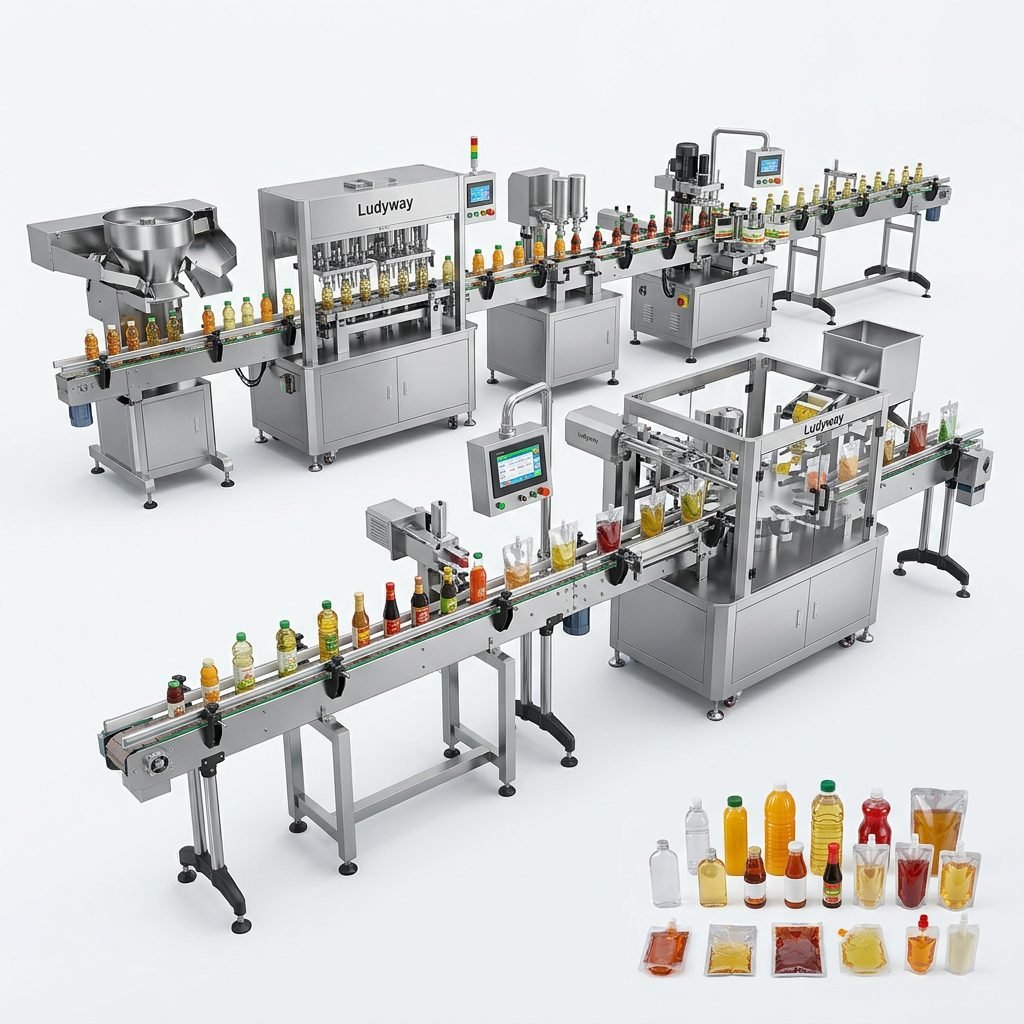
High-Speed Fully Automatic Liquid Packaging Lines for Bottles
View Specifications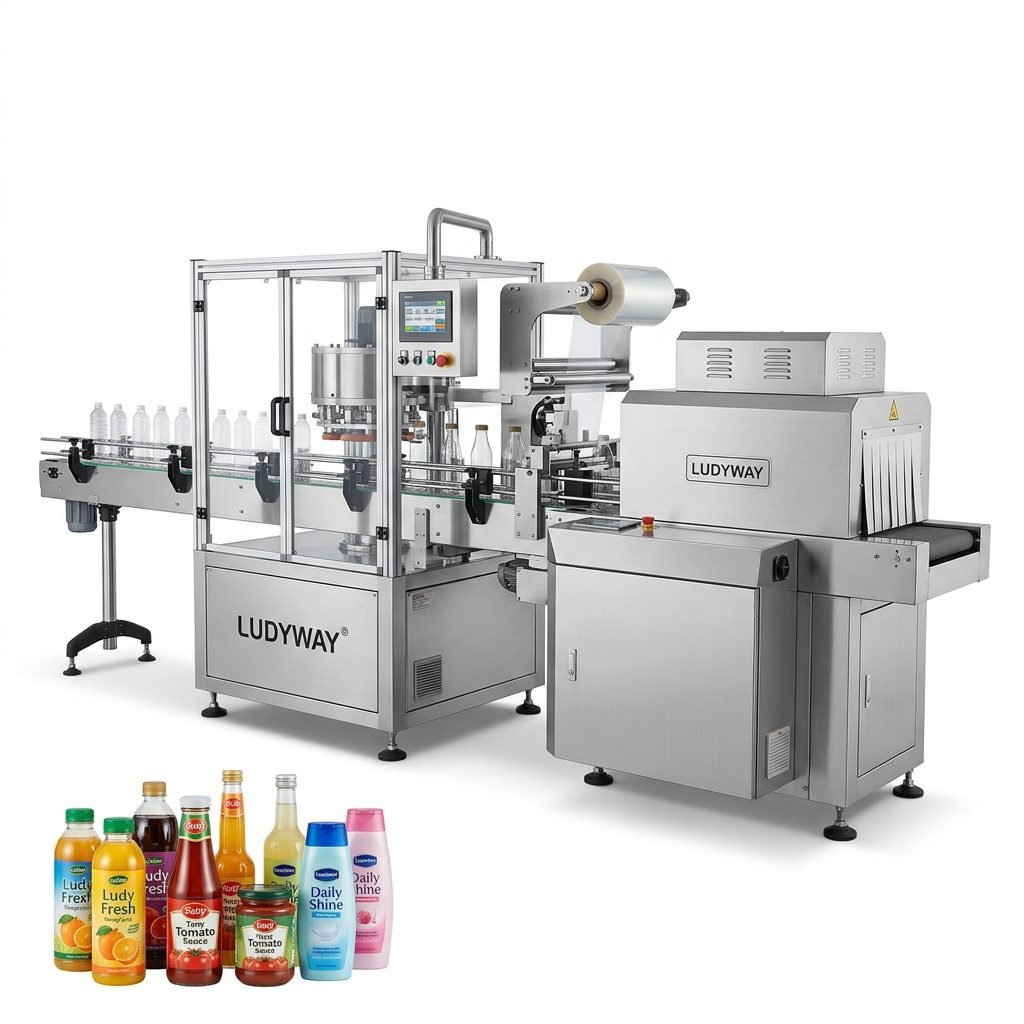
Shrink Sleeve Packaging Machine for Bottles Labeling
View Specifications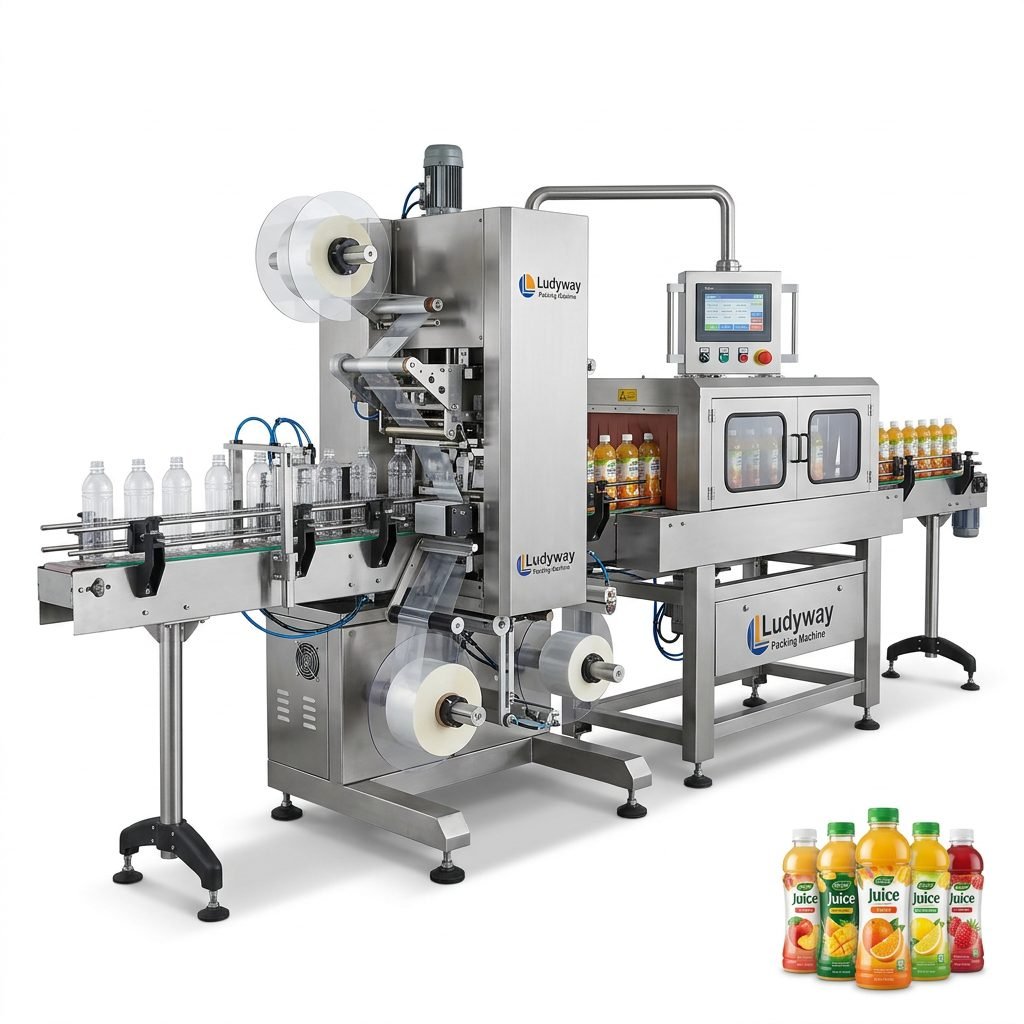
High-Speed Sleeve Labeling Machine for Containers
View Specifications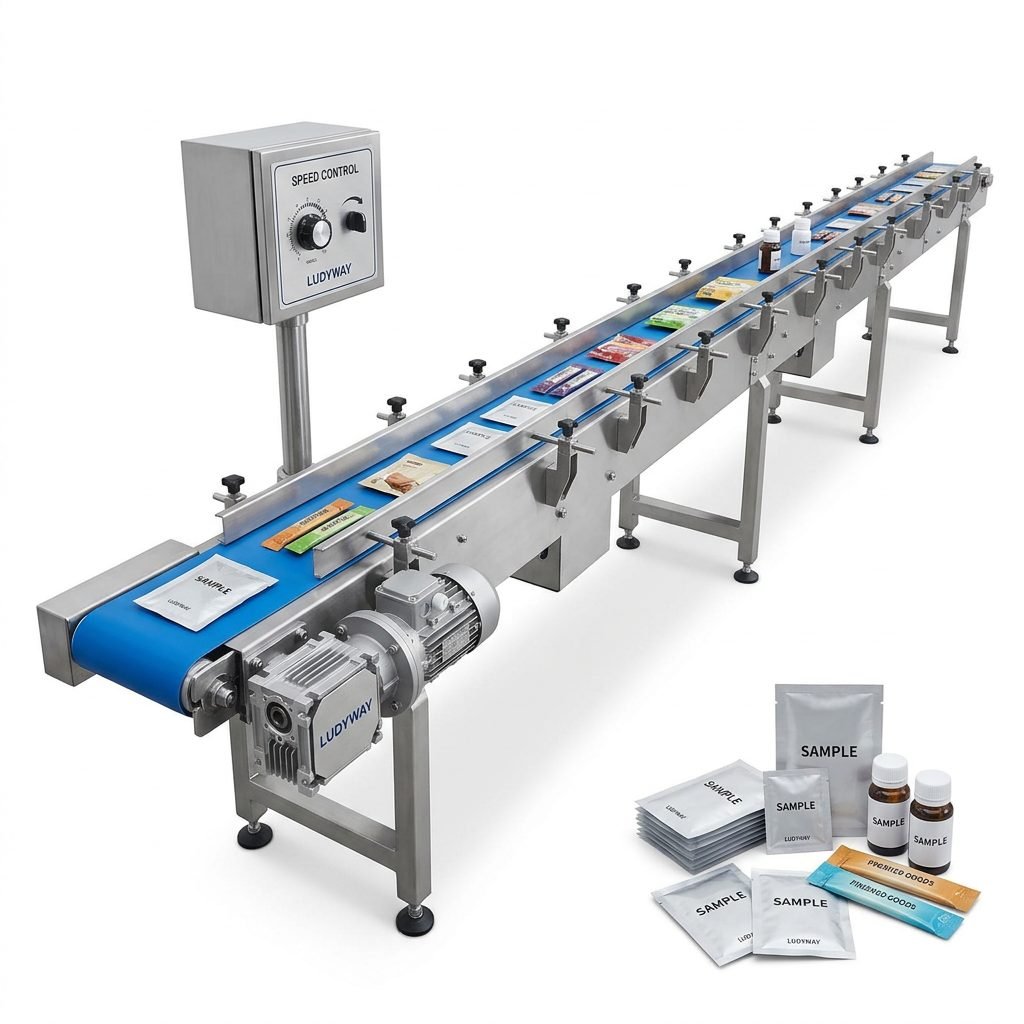
Conveyor System for Packaging Lines with Custom Length
View Specifications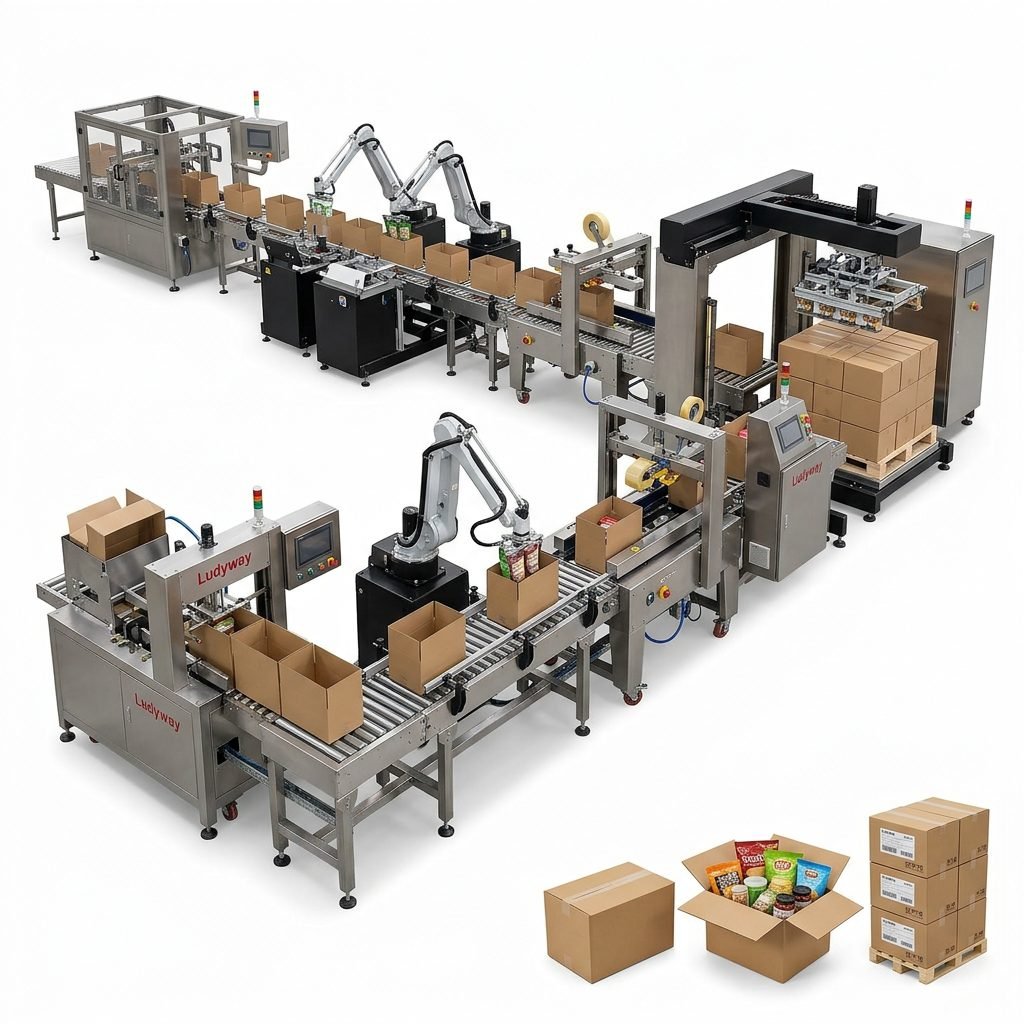
High-Speed Case Packing Lines for Automated Carton Sealing
View Specifications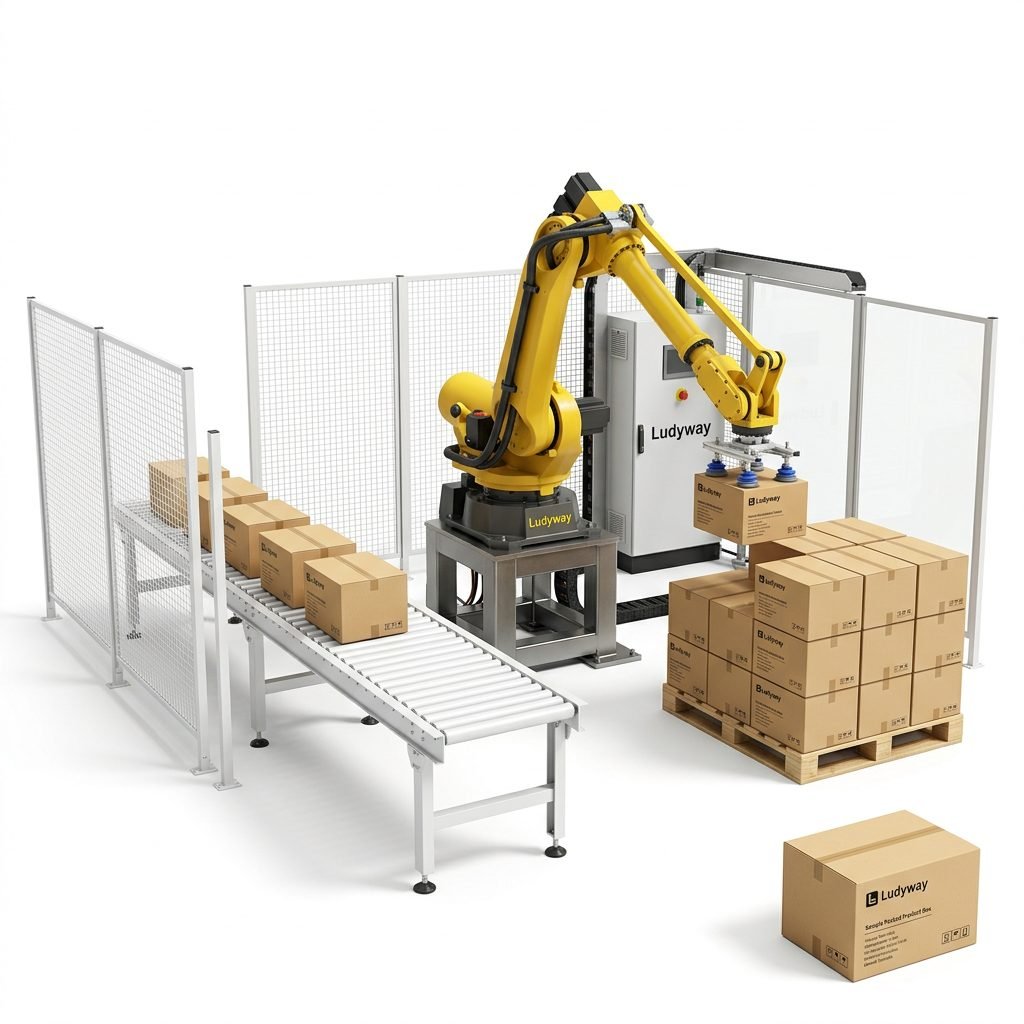
Robotic Palletizing System for Automated Warehouse
View Specifications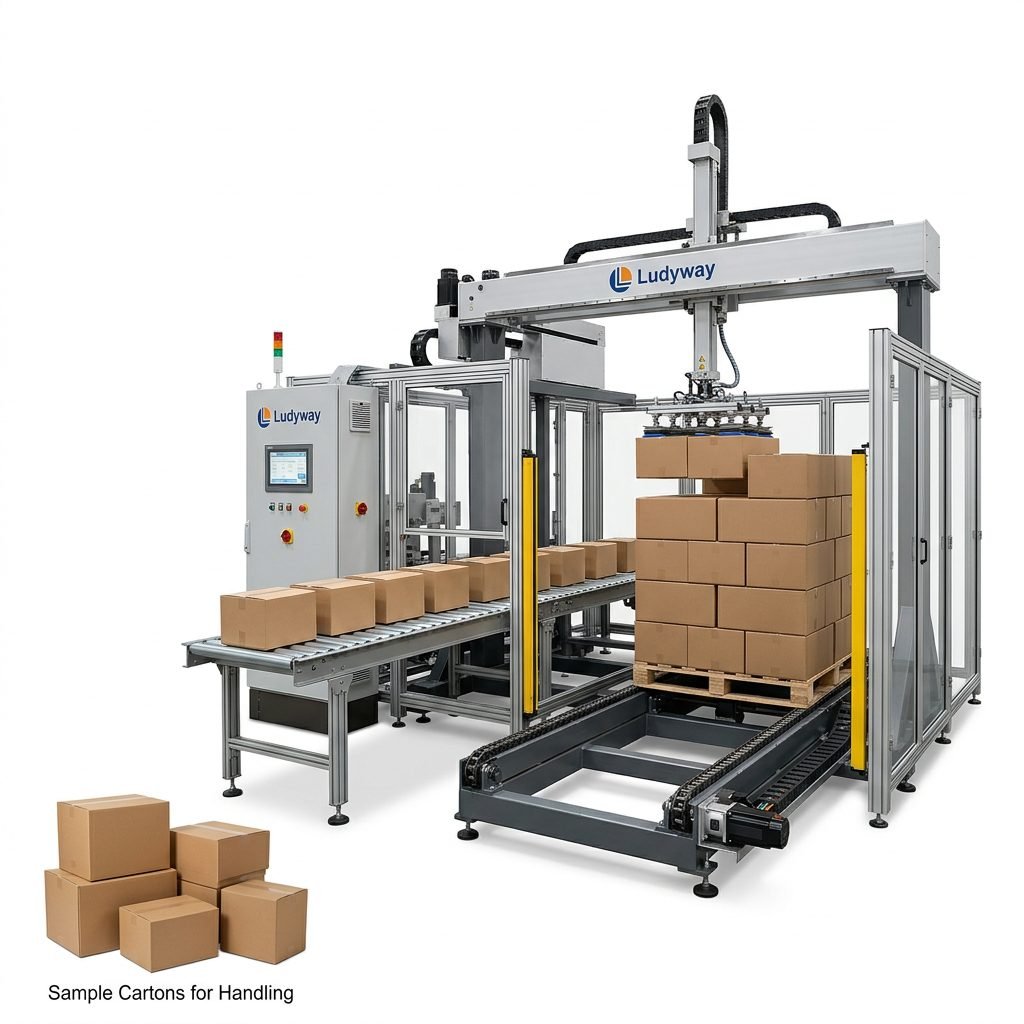
High-Speed Automatic Depalletizer for Bulk Handling
View Specifications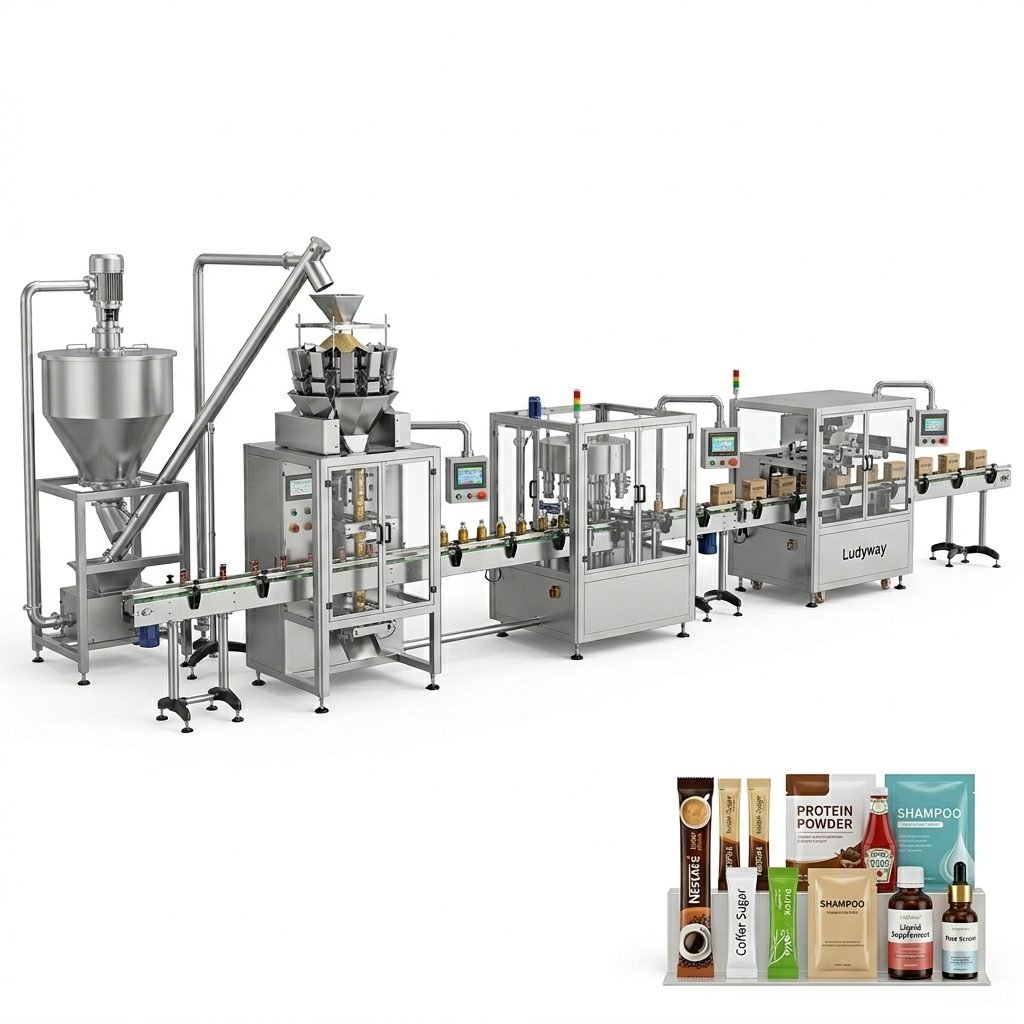
Complete Turnkey Packaging Solutions for Liquid Products
View SpecificationsClean-in-Place (CIP) & Ultra-Clean Bio-Security
Bottled drinking water requires complete sterilization cycles to protect brand reputation and consumer safety. Automated 3-stage or 5-stage CIP systems cleanse product piping, buffer vessels, and filling nozzles without dismantling equipment.
- Automated Acid & Alkaline Cycles: Controlled 1.5% hot caustic wash (75°C–80°C) followed by 1.0% nitric acid wash to dissolve organic and mineral deposits.
- Sterile Pure Water Final Rinse: Ozonated pure water final rinse verifies zero chemical conductivity residue before bottling resumes.
- HEPA Laminar Air Flow: Filling enclosure maintains Class 100 sterile air over capping carousels with positive-pressure HEPA filtration.
Standard Sanitation Protocol
1. Pre-rinse: Ambient DI water flush for 10 minutes to drain residual water.
2. Alkali Wash: Recirculating hot caustic soda at 85°C for 20 minutes.
3. Intermediate Rinse: Deionized water rinse to neutral pH.
4. Acid Wash: Phosphoric/Nitric acid blend at 65°C for 15 minutes.
5. Sanitization: 85°C Hot water or 0.3ppm Ozonated water sterilization loop.
6. Conductivity Verification: Online sensor verification before line start.
Engineered by Ludyway Packaging Machinery
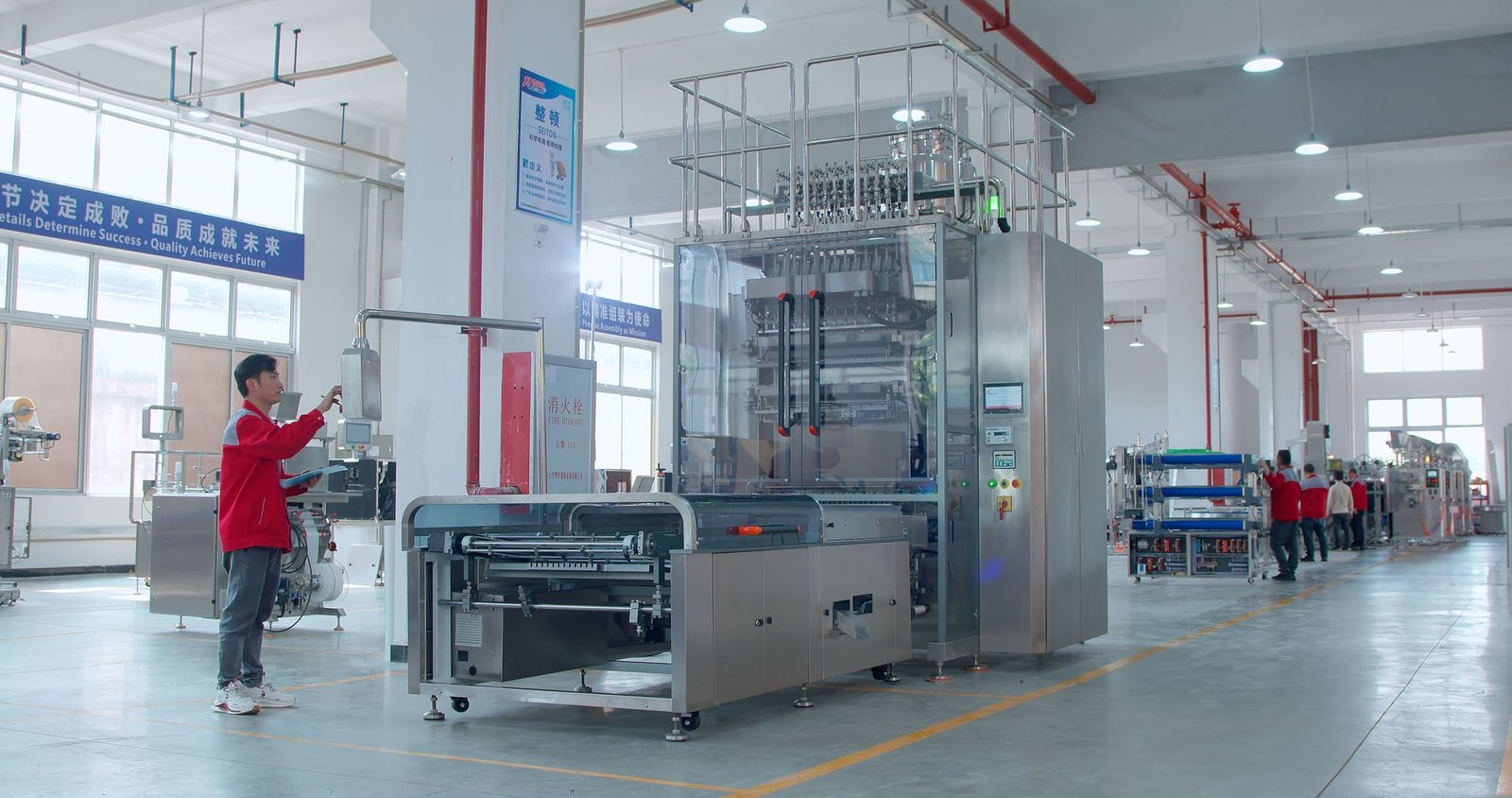
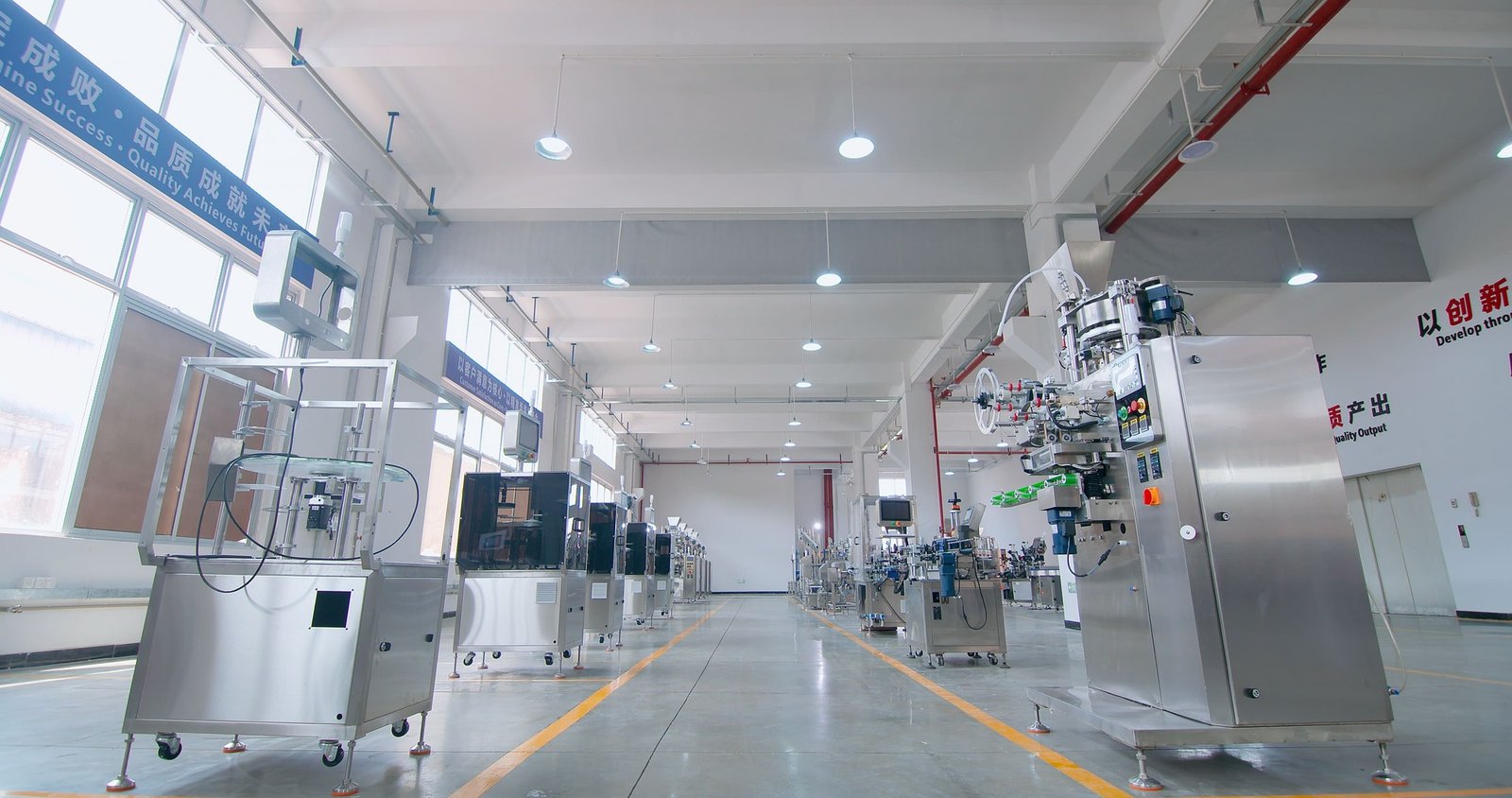
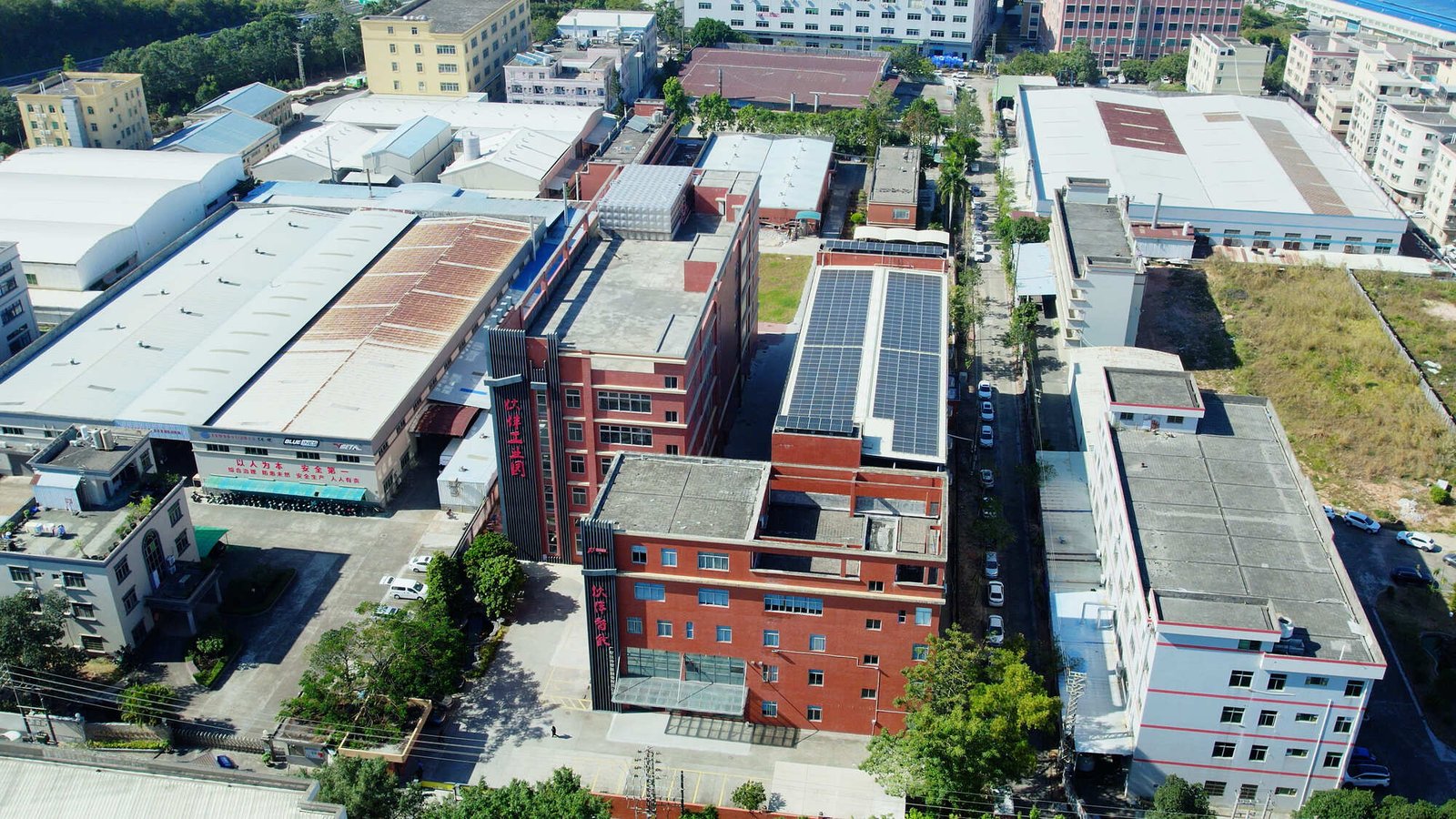
Ludyway is one of the premier industrial packaging machinery manufacturers in China, specializing in advanced high-speed packaging machinery and turnkey production line solutions for the food, pharmaceutical, and beverage industries. Backed by over 30 years of industry expertise, our engineering teams build reliable, high-yield packaging installations serving clients across more than 100 countries and regions.
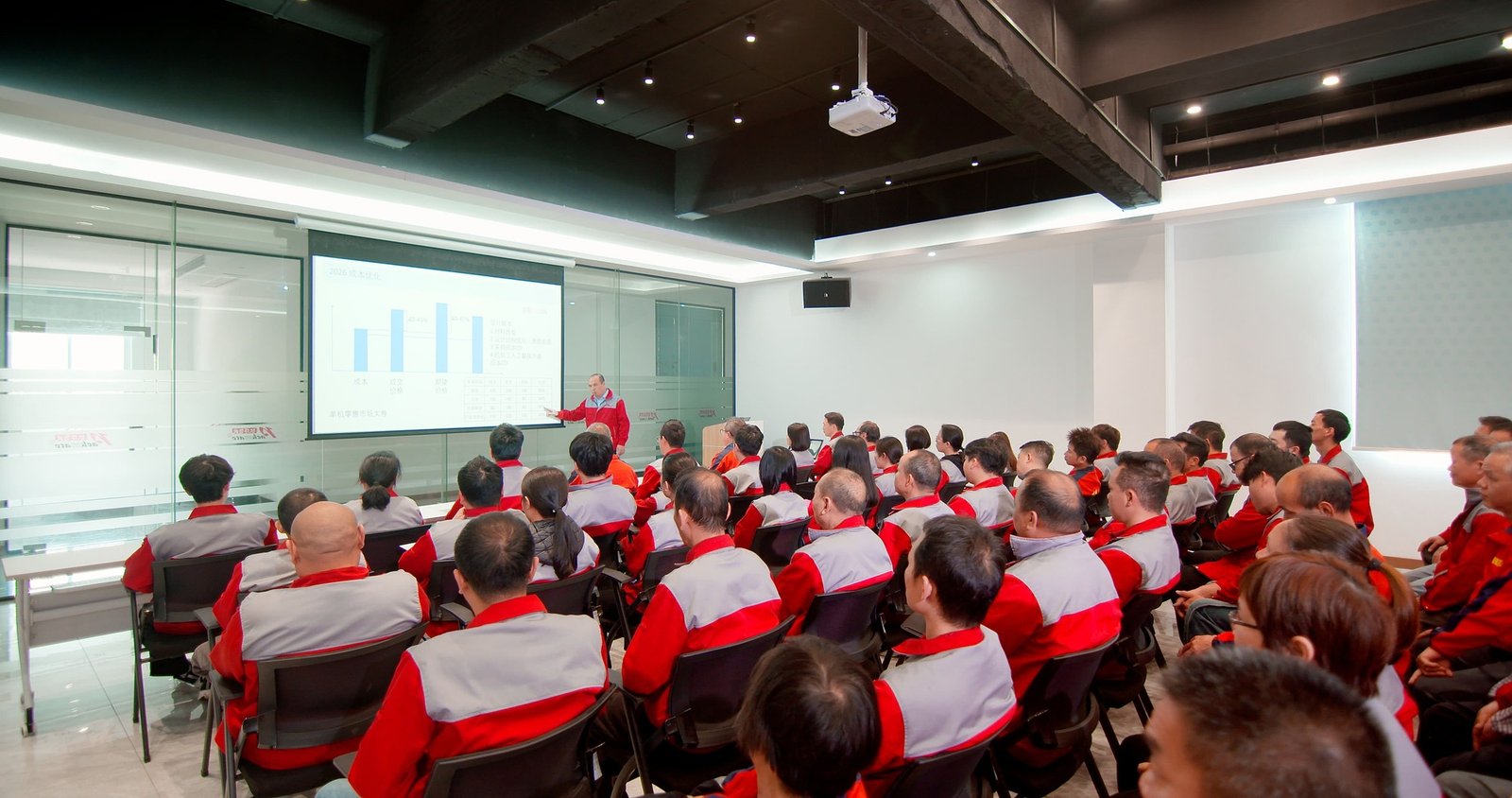
Our modern 20,000㎡ manufacturing facility is equipped with over 200 precision machining centers and testing rigs. With more than 130 packaging experts, Ludyway delivers tailor-made automation, from high-capacity liquid packaging lines to multi-lane systems and secondary cartoning integration.
Quality Certifications & Global Compliance
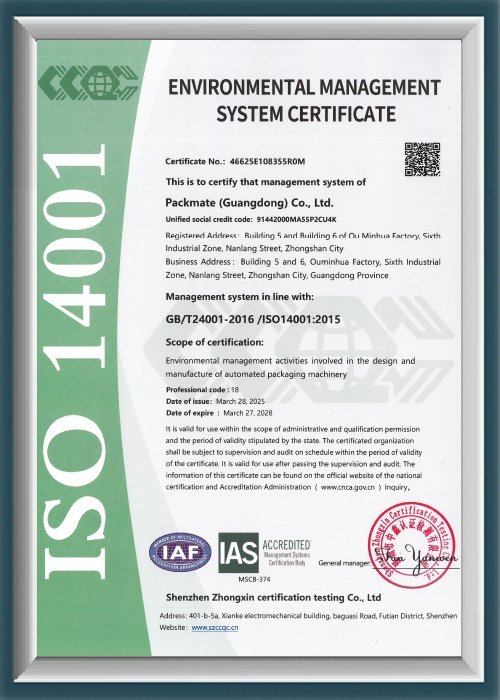
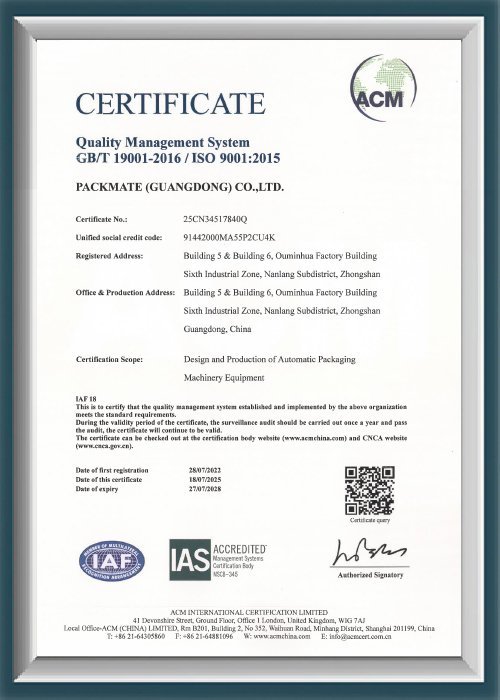
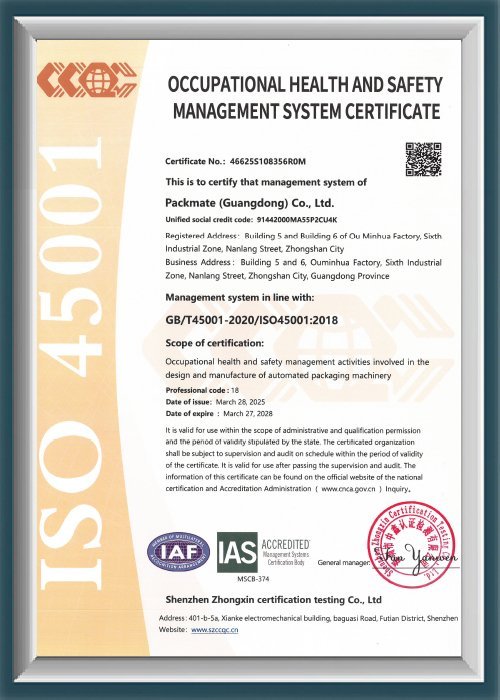
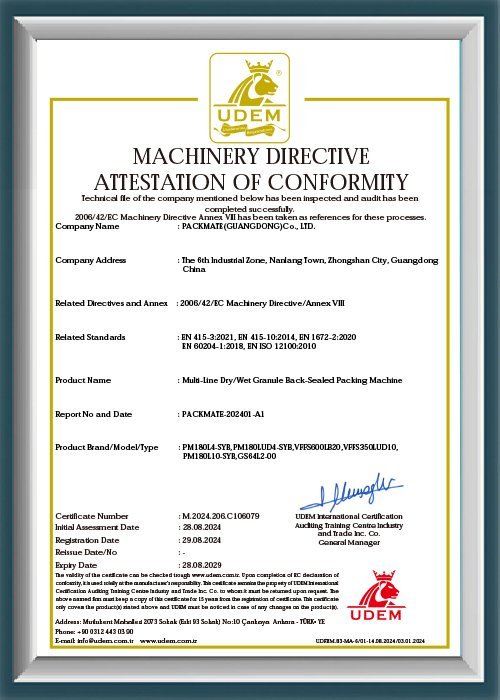
All Ludyway packaging lines are built according to ISO9001 and CE machinery safety directives.
Trusted by Industry Leaders Worldwide

Frequently Asked Questions on Bottled Water Line Setup
Key technical and commercial considerations for engineering teams evaluating line installations.
What is the estimated timeline to install and commission a water packaging line?
Standard turnkey lines (6,000–12,000 BPH) typically require 45–60 days for equipment fabrication and FAT (Factory Acceptance Testing), followed by 15–20 days of on-site mechanical alignment, piping, electrical integration, SAT (Site Acceptance Testing), and cleanroom validation.
How can we minimize PET resin consumption during bottle blowing?
Utilizing modern short-neck preform designs (such as 29/25 or 1881 light-weight standards) coupled with precision multi-zone servo stretch blow molders can reduce 500ml bottle weights from 18g down to 9.5g–11g without sacrificing top-load compression strength.
What is the difference between gravity filling and electromagnetic flowmeter filling?
Gravity filling relies on mechanical vent tubes and height cutoffs, which is cost-effective and dependable for standard water. Electromagnetic flowmeter filling uses non-contact electronic pulse metering per nozzle, delivering +/- 0.5ml accuracy with zero dripping, no bottle-neck contact, and instant volume changeovers via HMI.
What utilities and infrastructure are required before equipment arrival?
Your facility must prepare 3-phase industrial power (380V/440V 50/60Hz), a low-pressure air system (0.8–1.0 MPa for pneumatic actuators), a high-pressure oil-free screw booster compressor (3.0–4.0 MPa for PET blowing), a chilled water circulation loop (10°C–12°C for blow molds), and an epoxy/tiled drainage floor with cleanroom air conditioning.
Ready to Engineer Your Bottled Water Packaging Line?
Consult with Ludyway’s senior packaging engineers for tailored line layout drawings, equipment capacity calculations, and complete turnkey cost evaluations.
