
Deconstructing the Automated Cartoning Ecosystem
Transitioning from manual or semi-automatic cartoning to a continuous-motion, fully integrated packaging line requires understanding the synchronized stages of material handling, cartoner mechanisms, and quality validation.
1. Infeed & Collation
Direct servo-driven integration receiving pouches, sachets, stick packs, blisters, or bottles from multi-lane form-fill-seal machinery, organizing them into stacked or counted batch arrays.
2. Rotary Erection & Insertion
Vacuum-assisted magazine feeding, planetary rotary arms that erect flat-pack carton blanks into three dimensions, followed by cam-guided mechanical pushers that smoothly load the product collation.
3. Sealing & Quality Inspection
Hot melt glue dispensing or mechanical tuck-in closures coupled with vision verification, laser lot coding, checkweighing, and automated rejection for zero-defect downstream flow.
In modern manufacturing environments spanning food processing, pharmaceutical solid dosage packaging, and nutraceutical supplements, cartoning serves as the crucial bridge between primary protective barrier packaging and shipping-ready corrugated case packaging. Setting up an automatic cartoning line is not merely a machine installation; it is an exercise in complex mechanical synchronization and mechatronic tuning.
When packaging lines fail to perform at target efficiency, over 65% of downtimes originate from poor transitional dynamics between the primary filling system (such as vertical form-fill-seal units or multi-lane stick pack machines) and the secondary cartoner. Achieving consistent speeds upward of 80 to 200 cartons per minute demands an uninterrupted stream of material, precise vacuum control on carton pick-and-place units, and algorithmic speed synchronization through unified PLC networks.
Step-by-Step Setup Guide for an Automated Cartoning Line
Follow this systematic blueprint to specify, install, calibrate, and ramp up your automatic cartoning system without costly mechanical jamming or production bottlenecks.
Define Product Specifications and Box Blank Characteristics
Audit product rigidity, dimension tolerances, and bulk density. Determine carton blank paperboard thickness (caliper rating 300g–450g), grain direction, score line pre-creasing (minimum 90-degree fold resistance testing), and closure style (tuck-in vs. hot-melt adhesive). Variations in paperboard moisture and curvature directly impact suction pick-up reliability in high-speed rotary magazines.
Select Cartoner Orientation: Horizontal vs. Vertical Architecture
Choose Horizontal End-Load Cartoners for blister packs, single bottles, tubes, stick pack clusters, and multi-lane pouches where items are laterally pushed through open end flaps. Opt for Vertical Top-Load Cartoners for loose granules, bulk powders dropped into bag-in-box configurations, delicate confectionery, or irregular multi-component kits.
Design Infeed Collation & Upstream Synchronization
Implement specialized smart-belt conveyors, robotic Delta pick-and-place cells, or race-track bucket collators between your primary packaging machines (e.g., sachet or stick pack lines) and the cartoner bucket transport. Ensure electronic camming (e-cam) links the cartoner timing directly to the upstream bagging pitch to prevent starve-or-backlog surges.
Configure Carton Erection and Product Insertion Dynamics
Calibrate multi-head rotary planetary vacuum pickers for continuous motion lines, ensuring synchronized vacuum release at the exact pocket dwell point. Align mechanical insertion pushers with safety overload sensors that immediately disengage if product misalignment exceeds resistance thresholds, preventing machine jam-induced downtime.
Integrate Leaflet Inserters, Date Coding, and Flap Sealing
Integrate roll-fed or pre-folded leaflet insertion units (essential for pharmaceuticals and cosmetics). Install continuous inkjet (CIJ) or high-resolution laser coders for batch and 2D DataMatrix printing. Program multi-nozzle hot melt glue guns (Nordson compatible) with exact temperature profiles and millisecond gun cut-offs to ensure clean carton sealing.
Commission Validation: Vision Systems, Checkweighers, and Rejection
Incorporate machine vision inspection systems to verify carton flap closure integrity, barcode grade, and lot code presence. Mount high-precision dynamic checkweighers downstream to confirm correct piece counts within each carton, accompanied by pneumatic air-blast or push-arm rejection systems for defective units.
Intermittent Motion vs. Continuous Motion Cartoning Lines
Selecting the proper drive architecture dictates footprint, operational speed limits, product versatility, and return on investment.
| Operational Parameter | Intermittent Cartoning System | Continuous Motion Cartoning System |
|---|---|---|
| Speed Range | 30 – 80 cartons / minute | 80 – 250+ cartons / minute |
| Insertion Mechanism | Stationary push stroke while chain stops | Traveling pusher barrel cam moving with chain |
| Product Handling Gentle-ness | Moderate (higher start/stop inertia) | High (smooth, constant velocity transfer) |
| Footprint & Line Space | Compact (3.0m – 4.5m footprint) | Extended (5.5m – 9.0m footprint) |
| Changeover Flexibility | Fast mechanical adjustments (15–25 mins) | Recipe-driven automated servo assist (20–40 mins) |
| Ideal Applications | Low-to-medium volume, heavy bottles, multi-SKU | High-speed stick packs, sachet bundles, OTC pharma |
Compatible Packaging Machinery for Cartoning Line Integration
Seamless automated lines require rock-solid compatibility between multi-lane filling systems, dynamic feeders, and secondary boxing equipment.
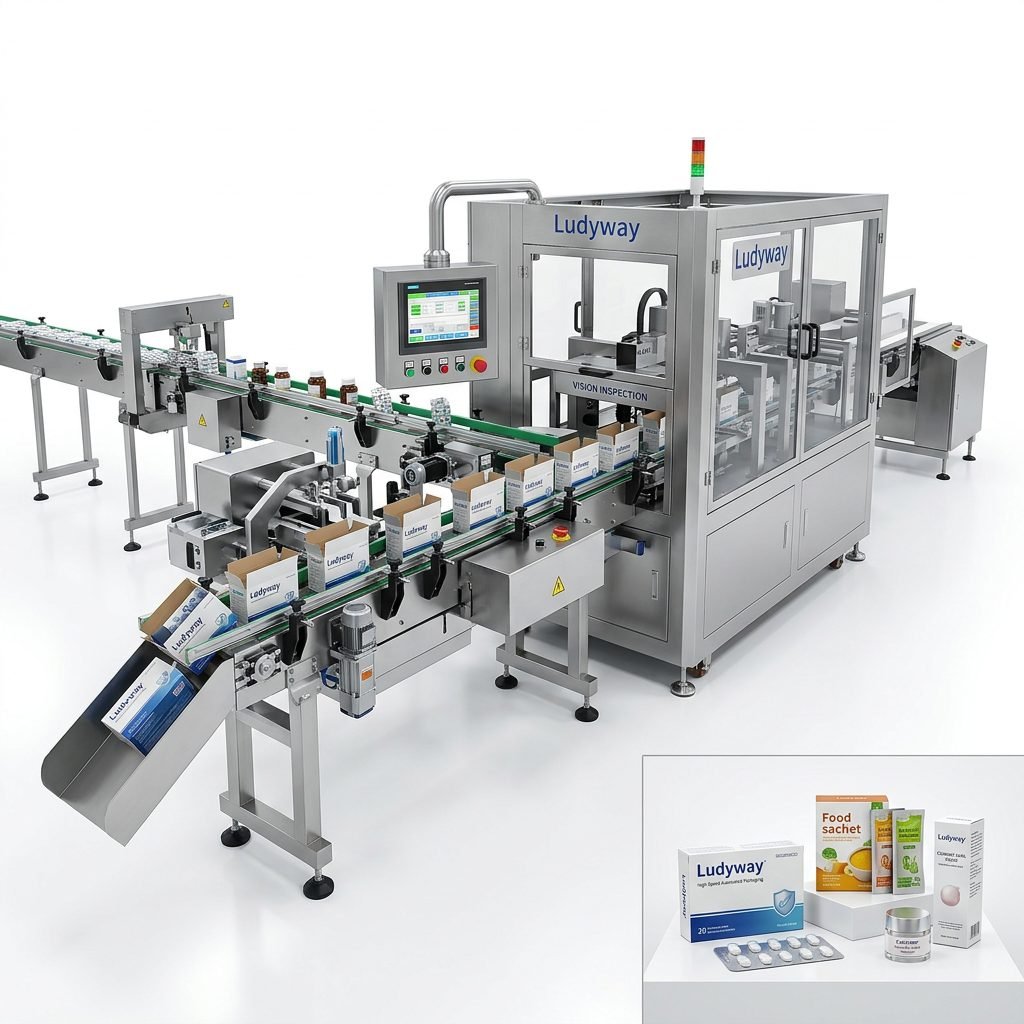
High-Speed Automated Cartoning Lines for Food & Pharmaceutical Packaging Systems
View Specifications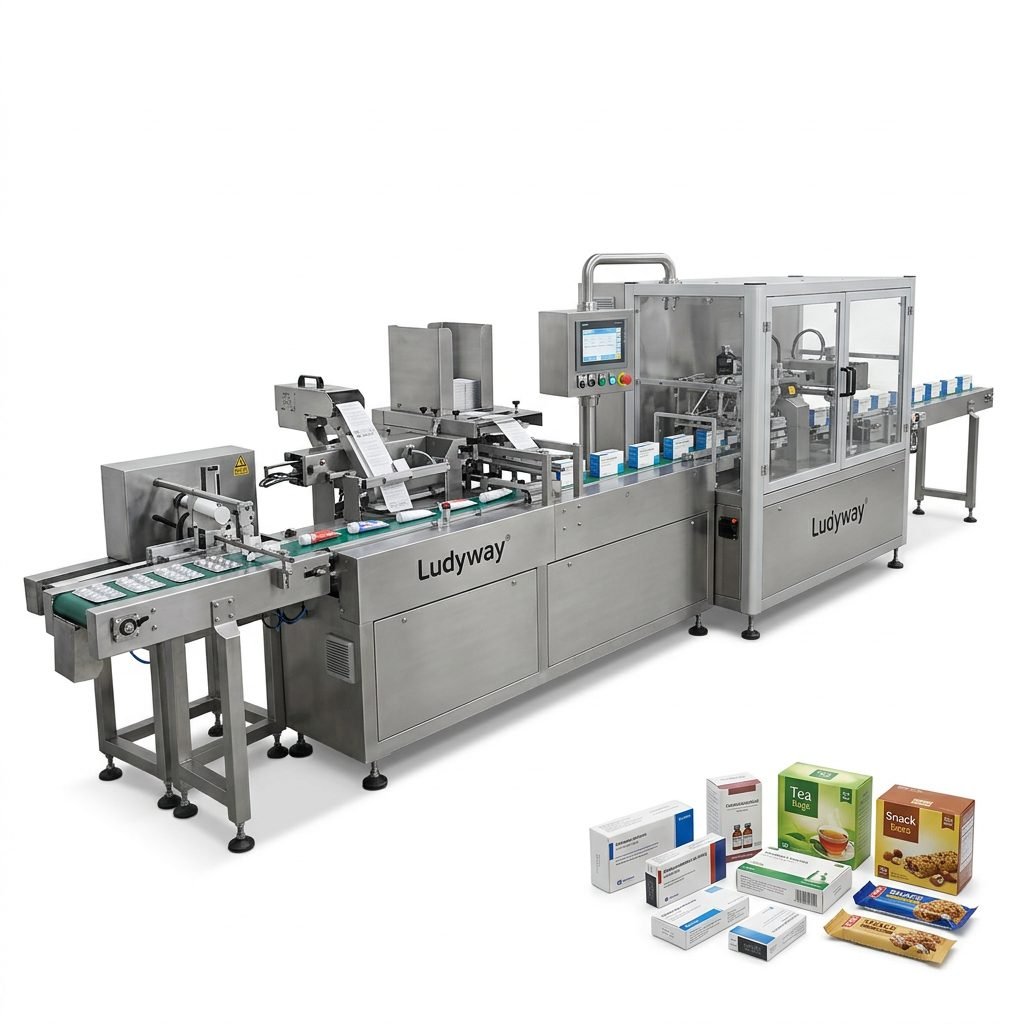
High-Speed Automatic Cartoning Lines for Pharmaceutical & Food Packaging
View Specifications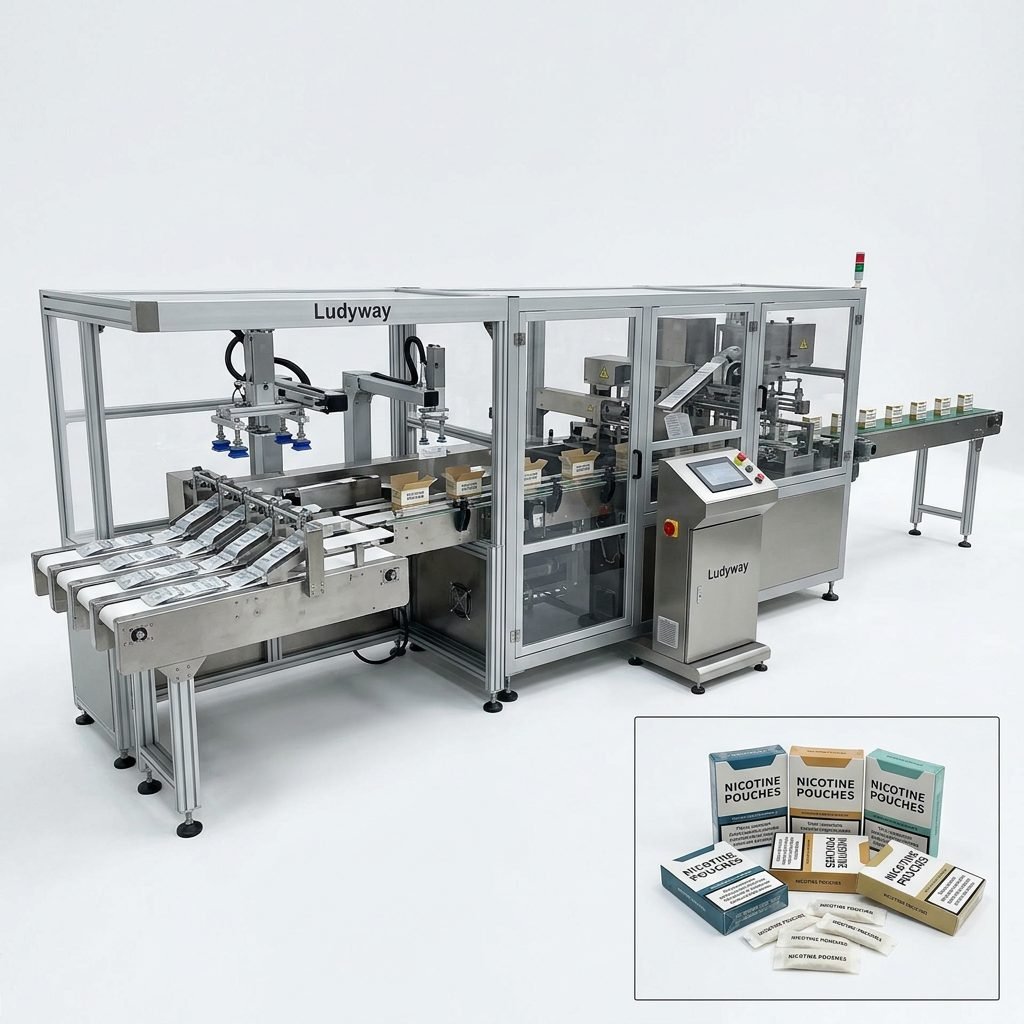
Automated Cartoning Line for Multi-Lane Nicotine Pouch Packaging Systems
View Specifications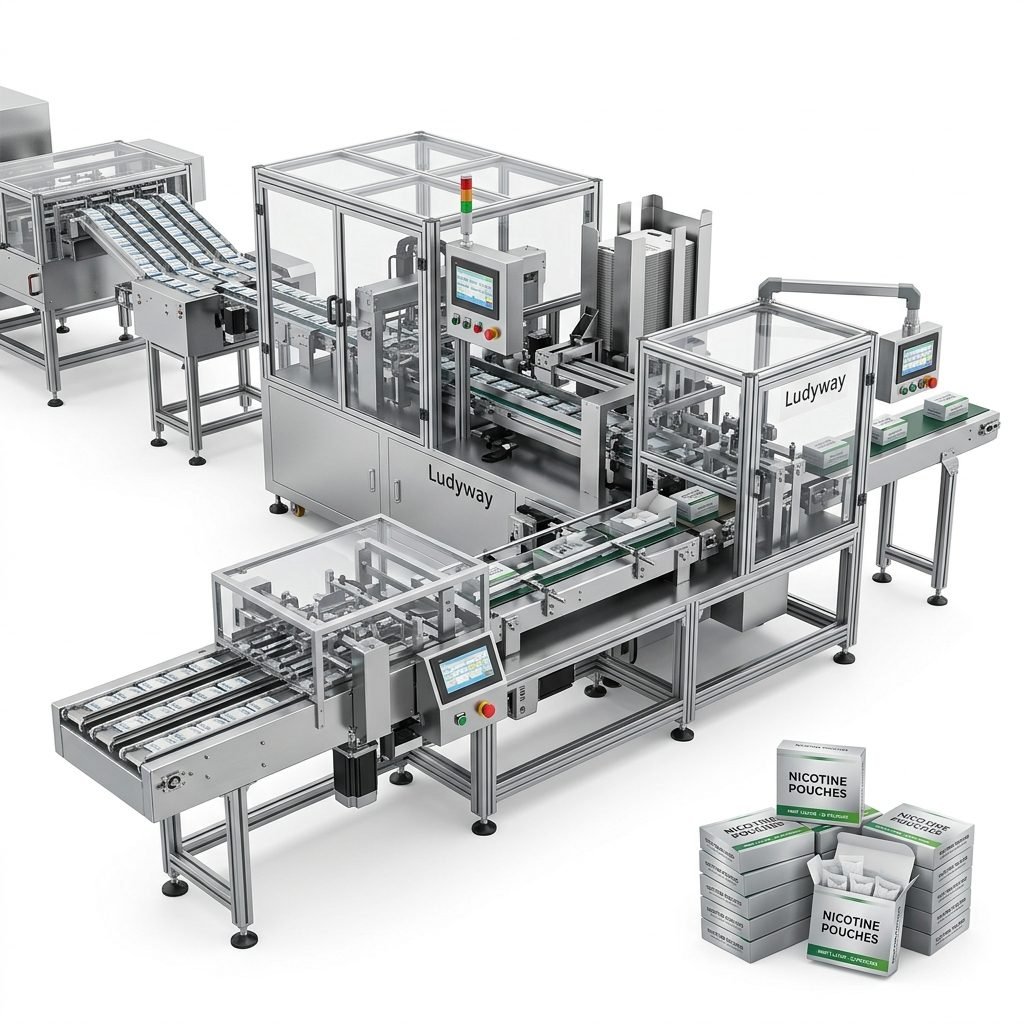
Automated Pouch Cartoning Lines for Nicotine Products – Multi-Lane Systems
View Specifications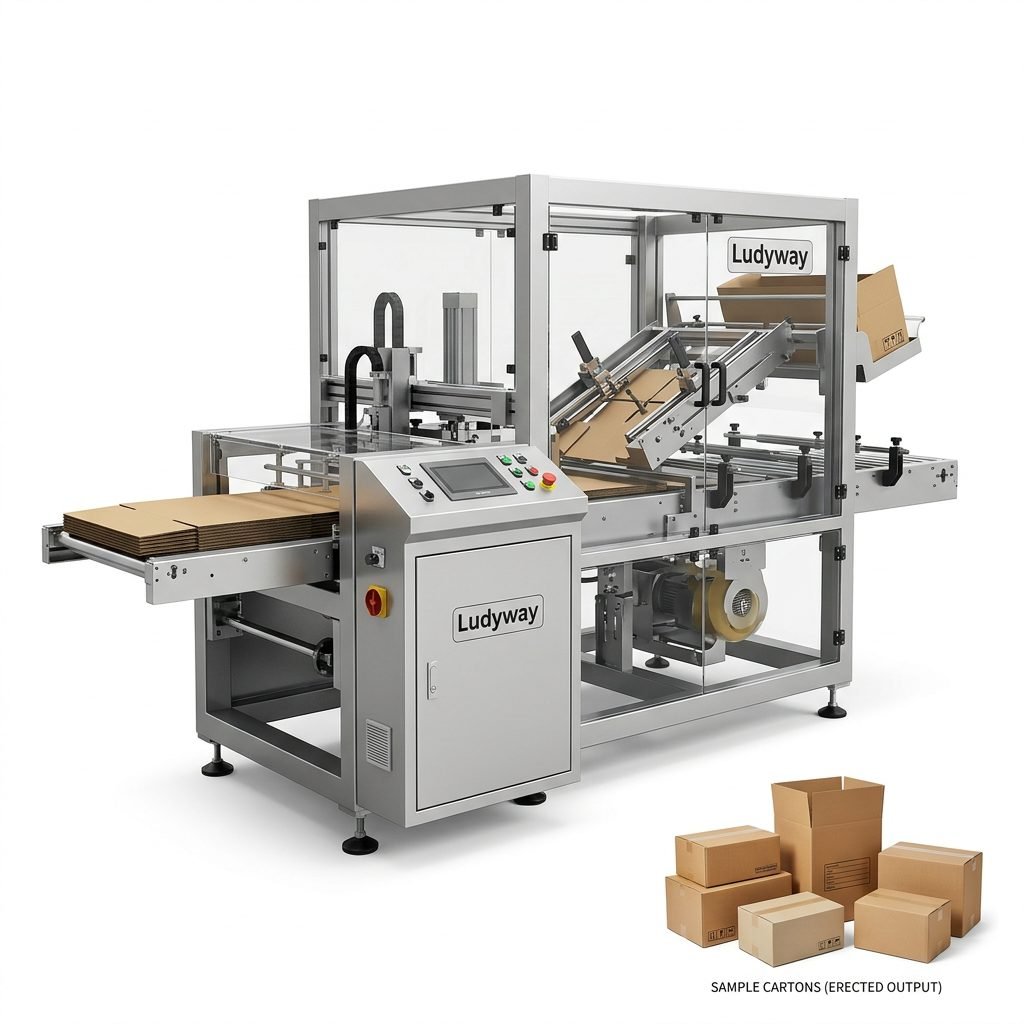
Carton Erector Machine for Industrial Packaging with High-Speed Automatic Setup
View Specifications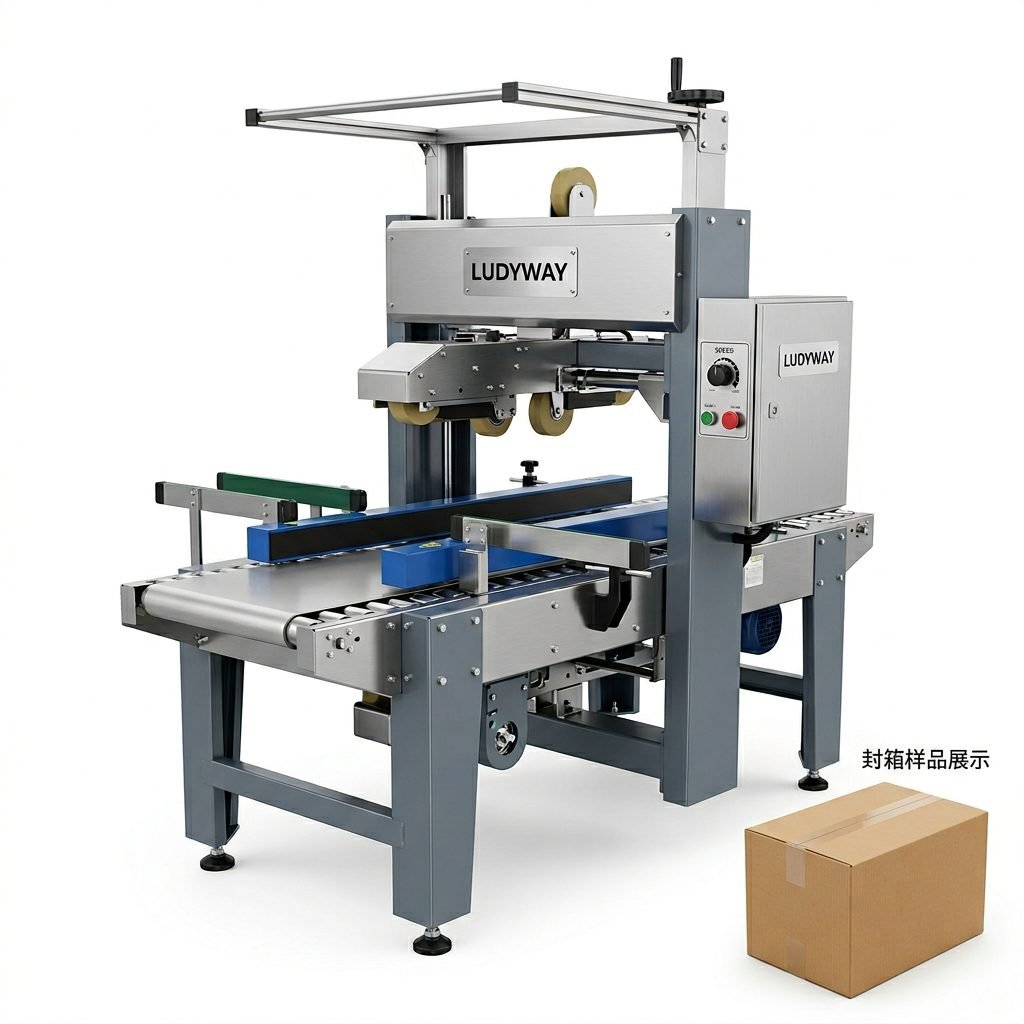
Automatic Carton Sealer Machine for Industrial Packaging with Adjustable Speed
View Specifications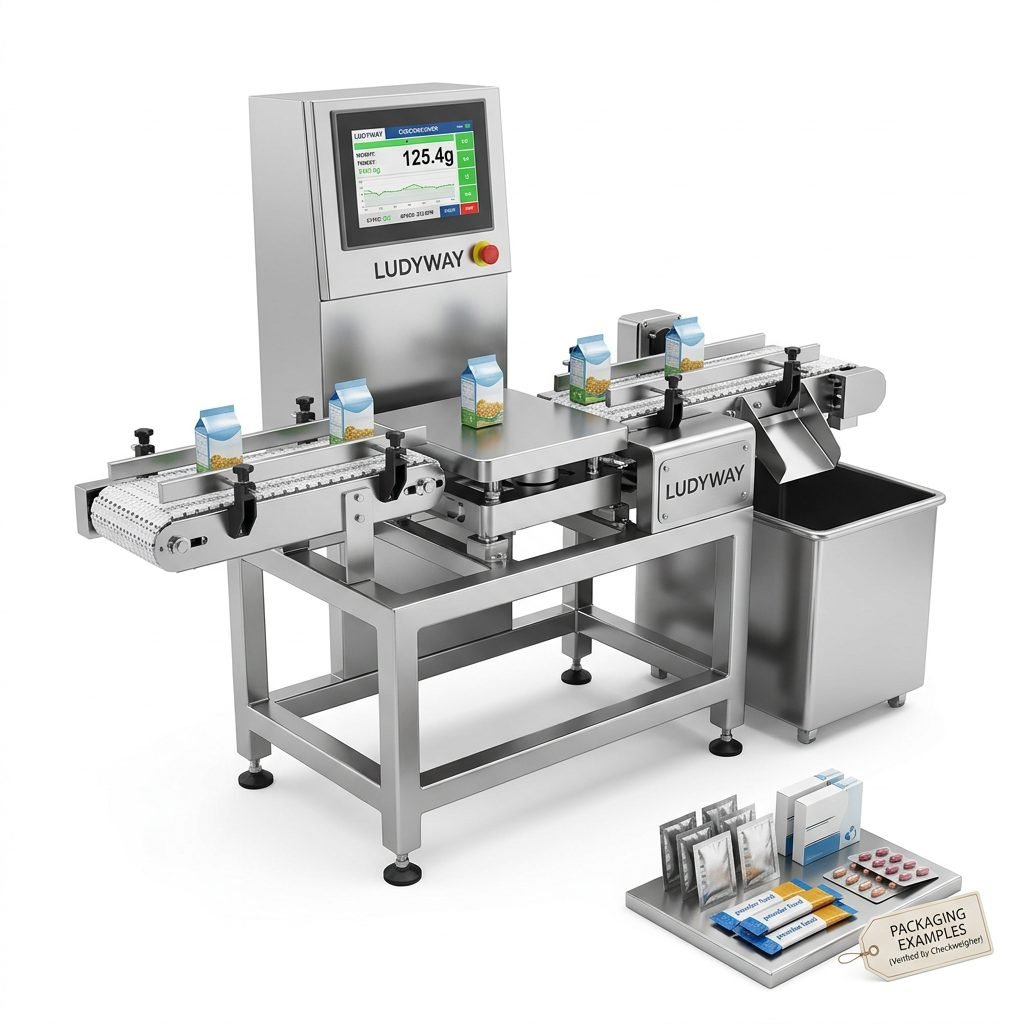
High-Precision Checkweigher for Food & Pharmaceutical Packaging Lines
View Specifications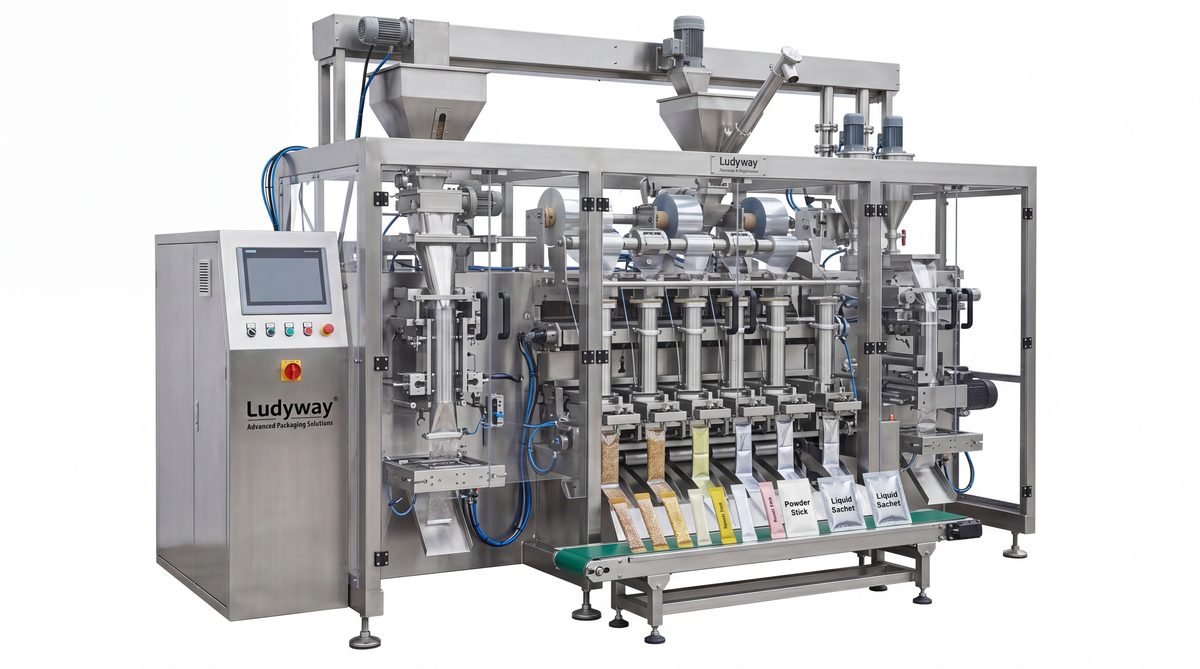
Multi-Lane Stick Pack & Sachet Packaging Machine for Granule, Powder, Liquid
View SpecificationsKey Engineering Considerations to Prevent Downtime and Jamming
Maximizing cartoning line Overall Equipment Effectiveness (OEE) above 92% requires solving the four most frequent pain points in production lines.
1. Vacuum Suction Calibration and Air Velocity Management: Cartons that fail to open during the rotary pull-down cycle represent the single biggest source of machine faults. Ensure your pneumatic vacuum lines maintain a minimum of -0.07 to -0.08 MPa steady vacuum pressure, utilizing silicone suction cups configured precisely to the carton blank’s center of mass rather than generic rubber cups susceptible to premature hardening.
2. Precise Pocket Chain Pitch Matching: When product batches (such as 10-count sachet stacks) transition into the flight chain pockets of the cartoner, acceleration jerk can cause product fanning. Utilizing servo-driven smart conveyors that decelerate momentarily during pusher drop-off ensures clean alignment without manual intervention.
Expert Operational Tip: Controlling Paperboard Static and Moisture
Paperboard carton blanks stored in non-conditioned environments can absorb humidity or accumulate electrostatic charge, resulting in double-sheet feeding. Always condition carton pallets inside the clean packaging facility for at least 24 to 48 hours prior to loading onto the cartoner magazine, and integrate ionizing air blowers over the feeding track.
3. Hot Melt Glue Temperature Profiling: Inconsistent adhesive viscosity leads to pop-open cartons after discharge or nozzle stringing that fouls machine photo-eyes. Program PLC temperature interlocks preventing cartoner operation until hot-melt glue tanks, delivery hoses, and dispensing guns reach calibrated operational temperatures (typically 160°C to 180°C depending on adhesive formulation).
4. Recipe-Driven Quick Changeover Tooling: Modern contract packaging demands handling multiple box formats per shift. Choose cartoner systems equipped with digital position indicators, quick-release mechanical pins, and pre-programmed HMI servo profiles. This shrinks total changeover duration from hours down to under 20 minutes without requiring specialized tooling.
Cartoning Automation: Technical FAQs
Common questions engineers and plant managers ask when specifying automated cartoning lines.
What is the typical lifespan and maintenance interval of an automatic cartoning machine?
High-quality cartoning machines engineered with robust stainless-steel framing and hardened cam drives typically operate reliably for 12–15+ years under rigorous two-shift industrial operations. Recommended preventive maintenance cycles include monthly vacuum pump inspections and daily lubrication checks of main pusher tracks.
Can a single cartoning line handle both tuck-in closures and hot-melt glue sealing?
Yes. Many high-flexibility cartoners can be built with modular dual-closure stations. By disengaging the hot melt applicator heads and locking mechanical tuck guide rails in place (or vice versa via HMI menu selection), operators can switch between tuck-in cartons and tamper-evident hot glue sealing within the same chassis.
How does the cartoner handle missing items or partial collations?
Integrated photo-sensors and multi-beam optical arrays scan each flight bucket prior to the insertion station. If a bucket contains fewer items than the programmed recipe count, the PLC inhibits carton erection for that cycle (no product, no carton feed), preventing wasted paperboard. Downstream checkweighers and vision systems provide redundant verification.
What electrical and automation safety protocols should be standard?
Industrial cartoning lines must incorporate Category 4 / Ple safety-rated interlocking acrylic safety doors, emergency stop buttons situated at all operator touchpoints, torque-limiting clutch protection on the primary drive motor, and CE / cULus compliant control cabinets with IP54/IP65 ingress protection ratings.
Global Packaging Line Manufacturing Excellence
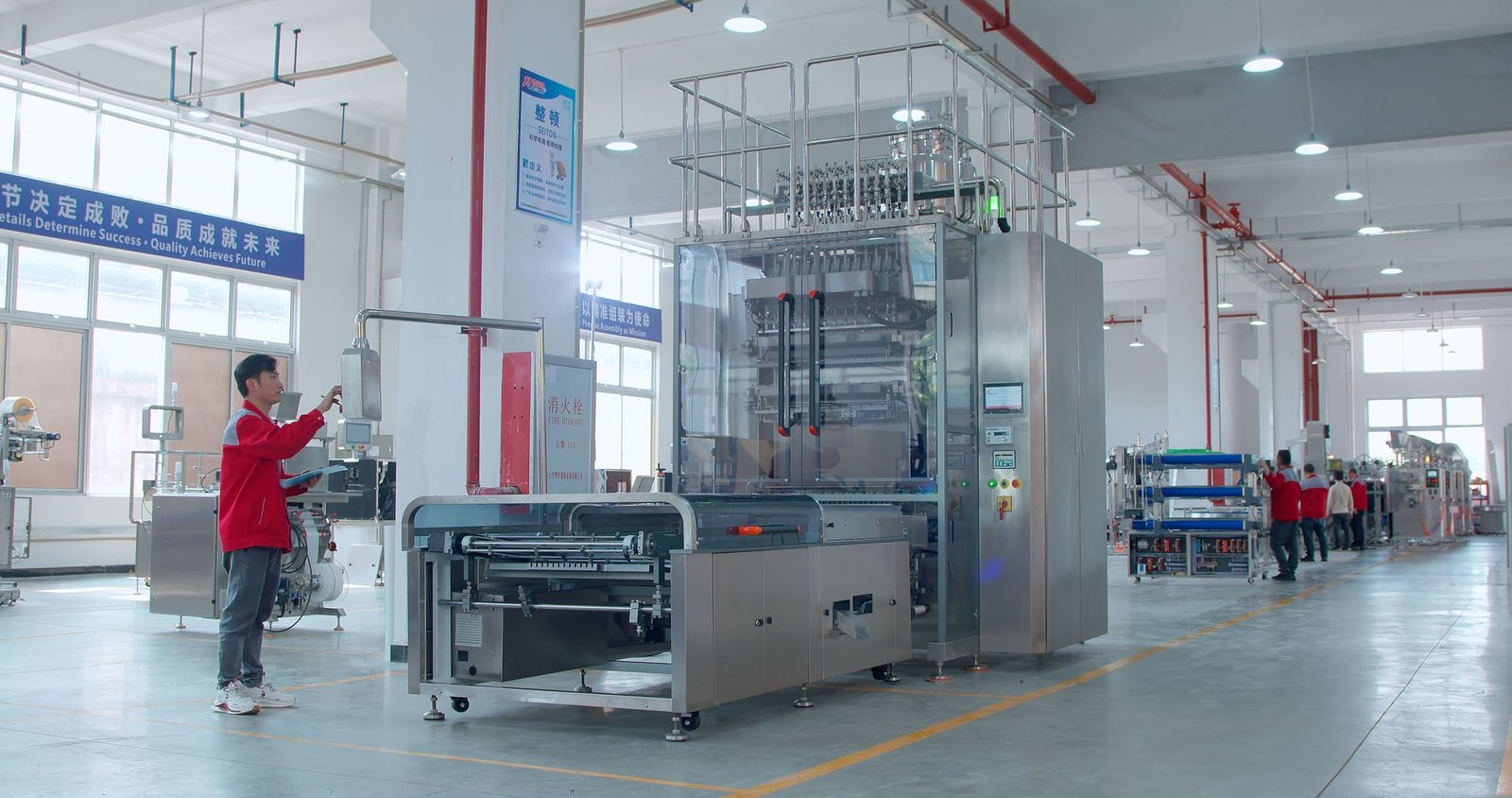
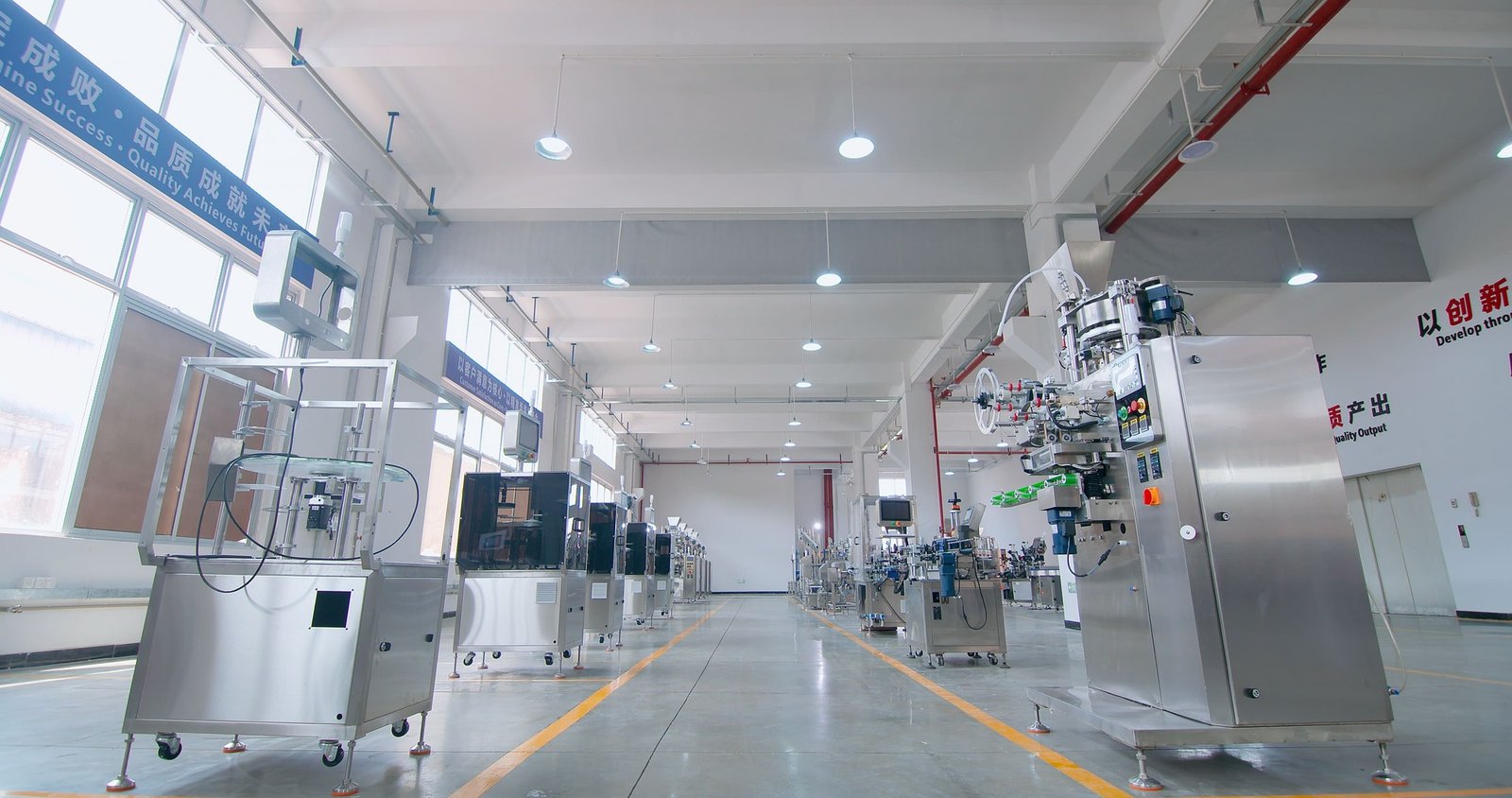
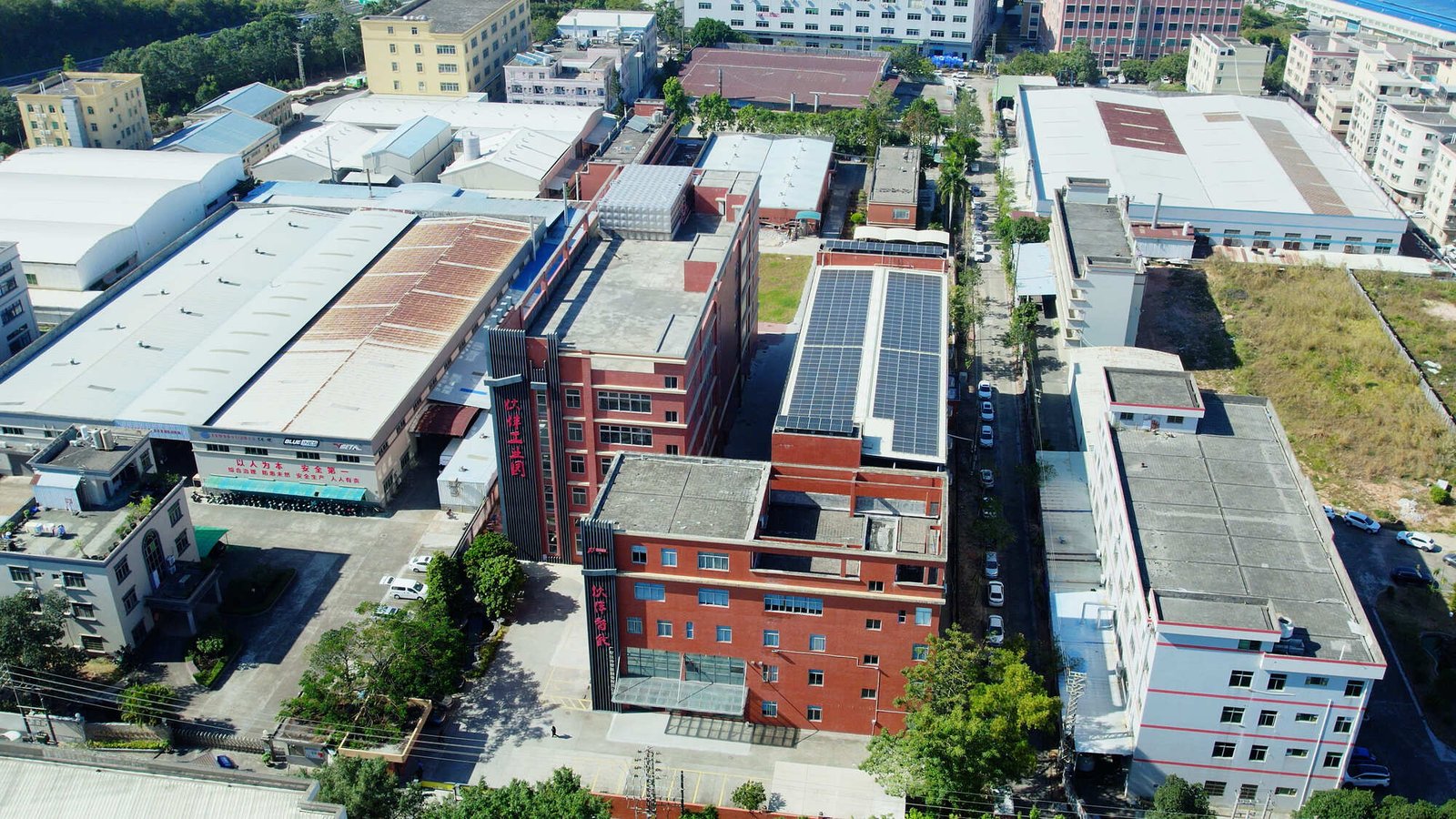
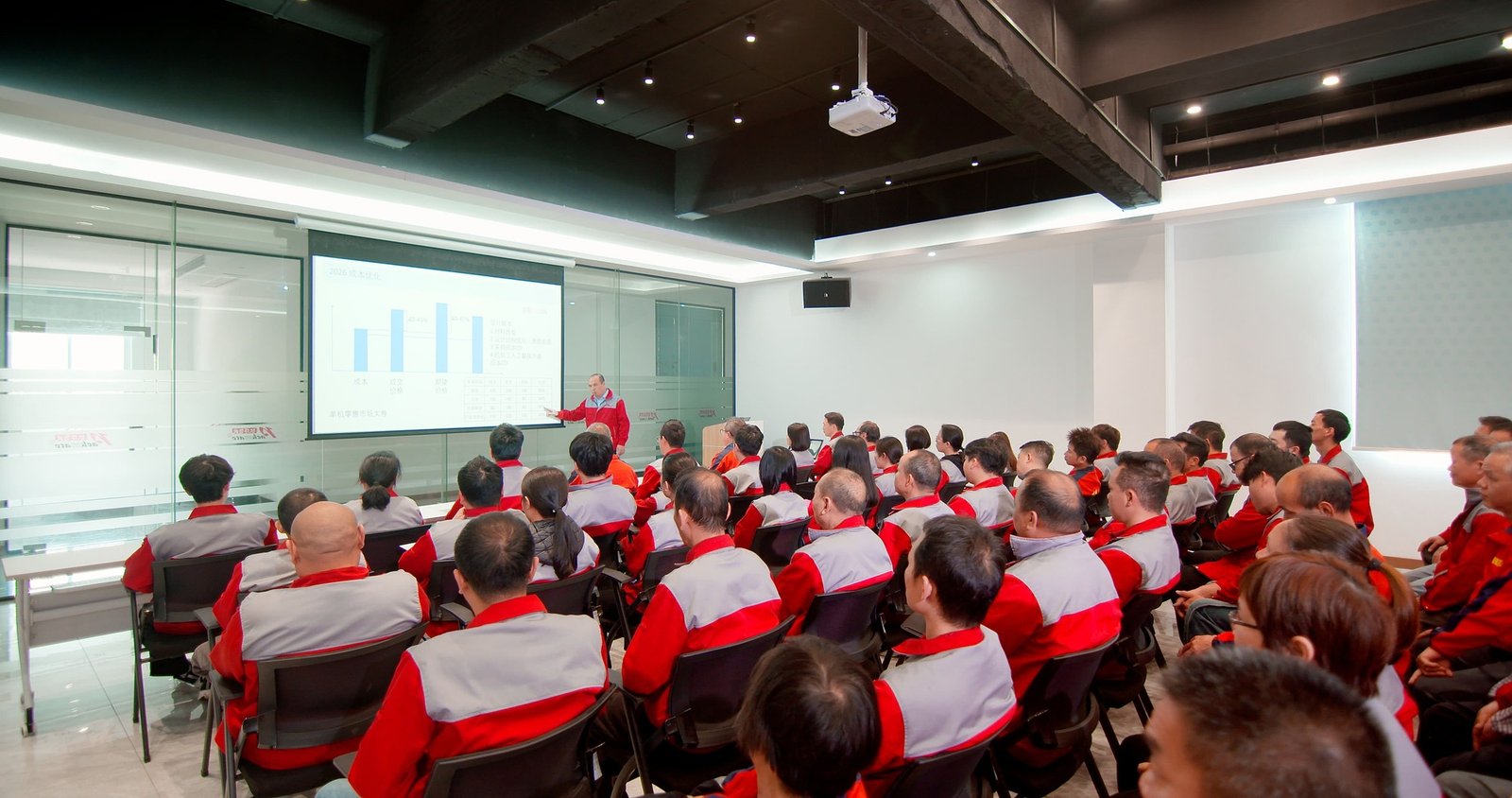
Ludyway is one of the largest packaging machine manufacturers in China, specializing in advanced packaging equipment and turnkey production solutions for the food, pharmaceutical, and health industries.
Manufacturing Facilities & Engineering Infrastructure
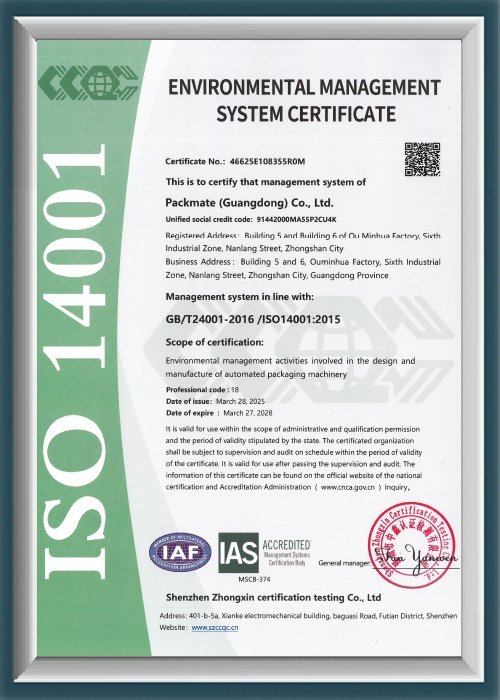
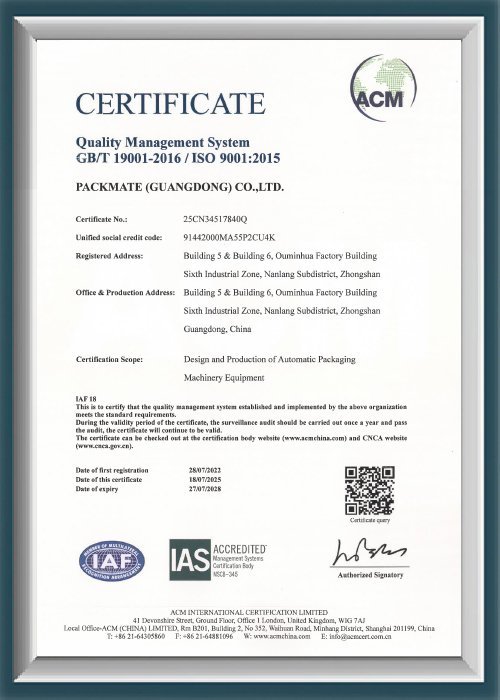
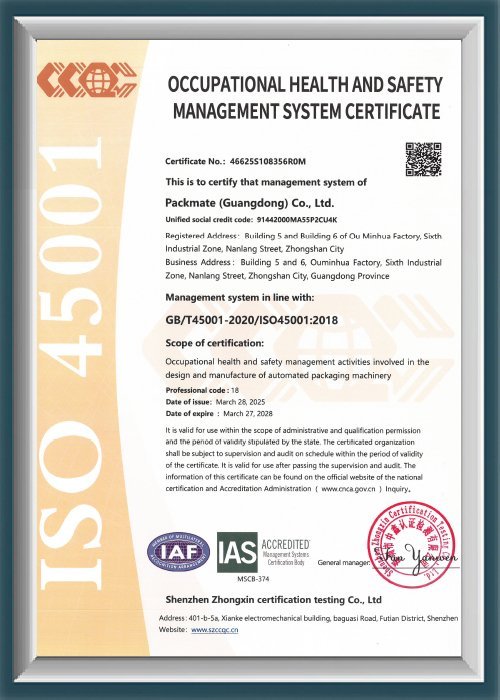
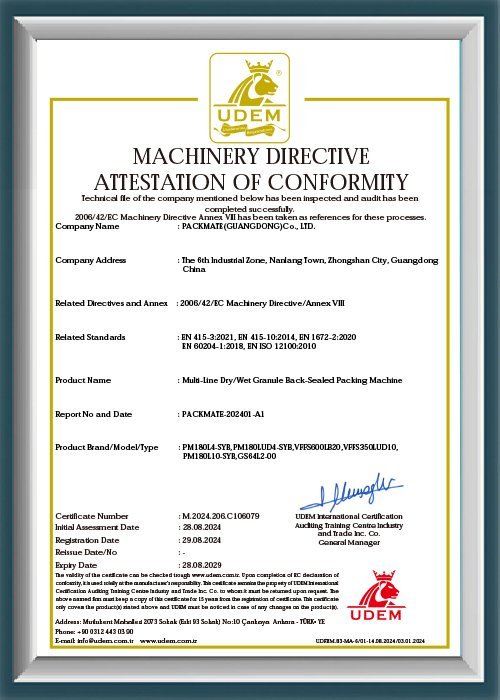
International Certifications & Quality Assurance
Partner Brands & Global Packaging Exhibitions
Delivering turn-key cartoning and packaging automation lines to clients across over 100 countries and regions worldwide.








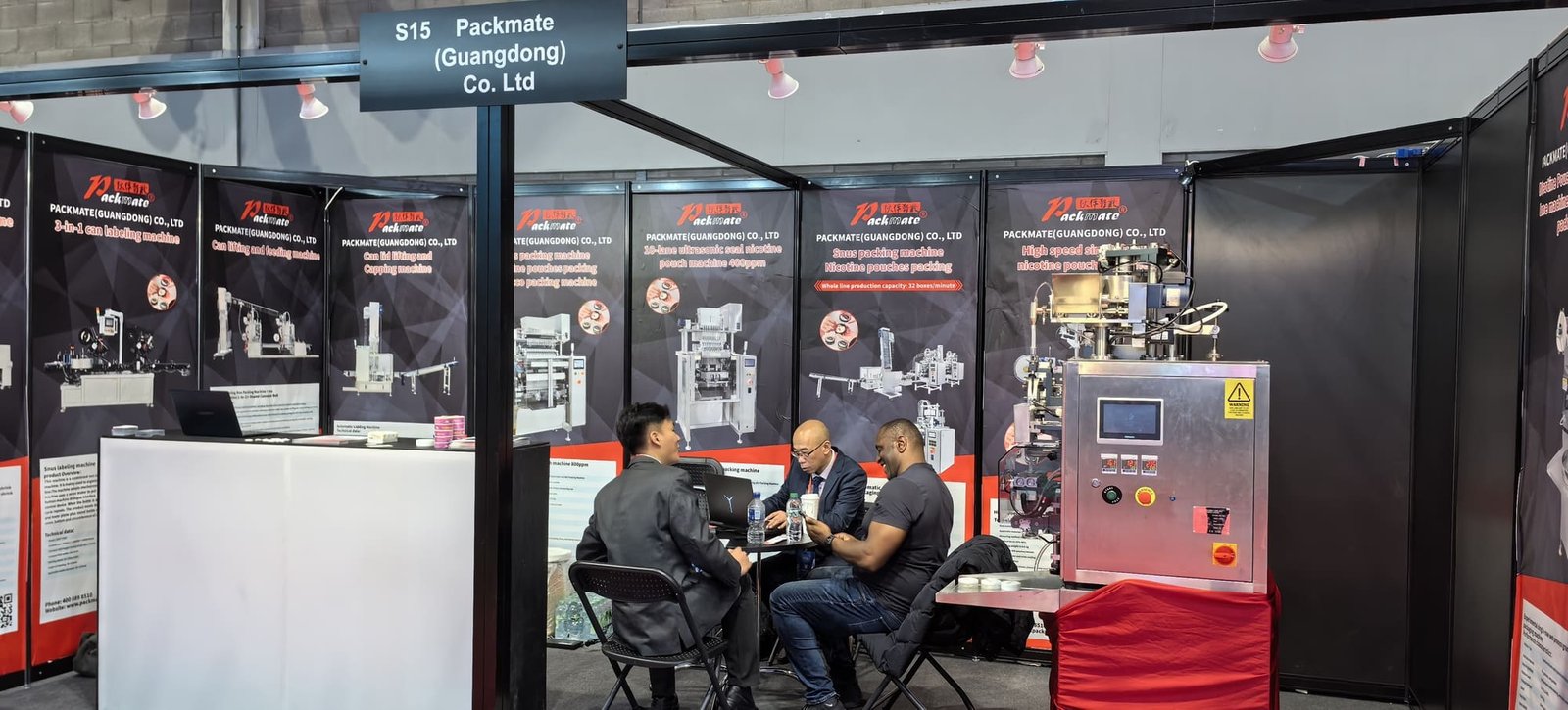
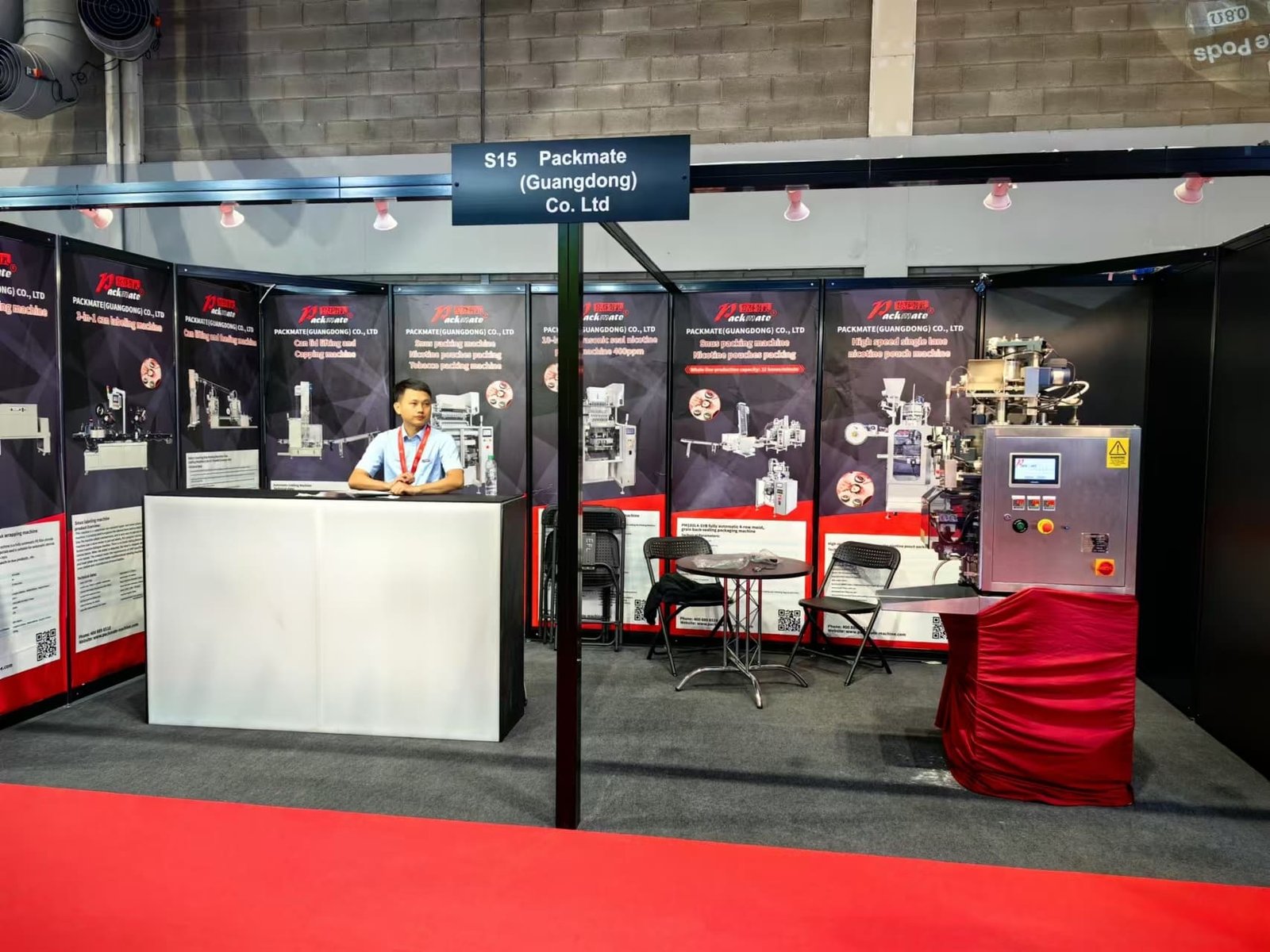
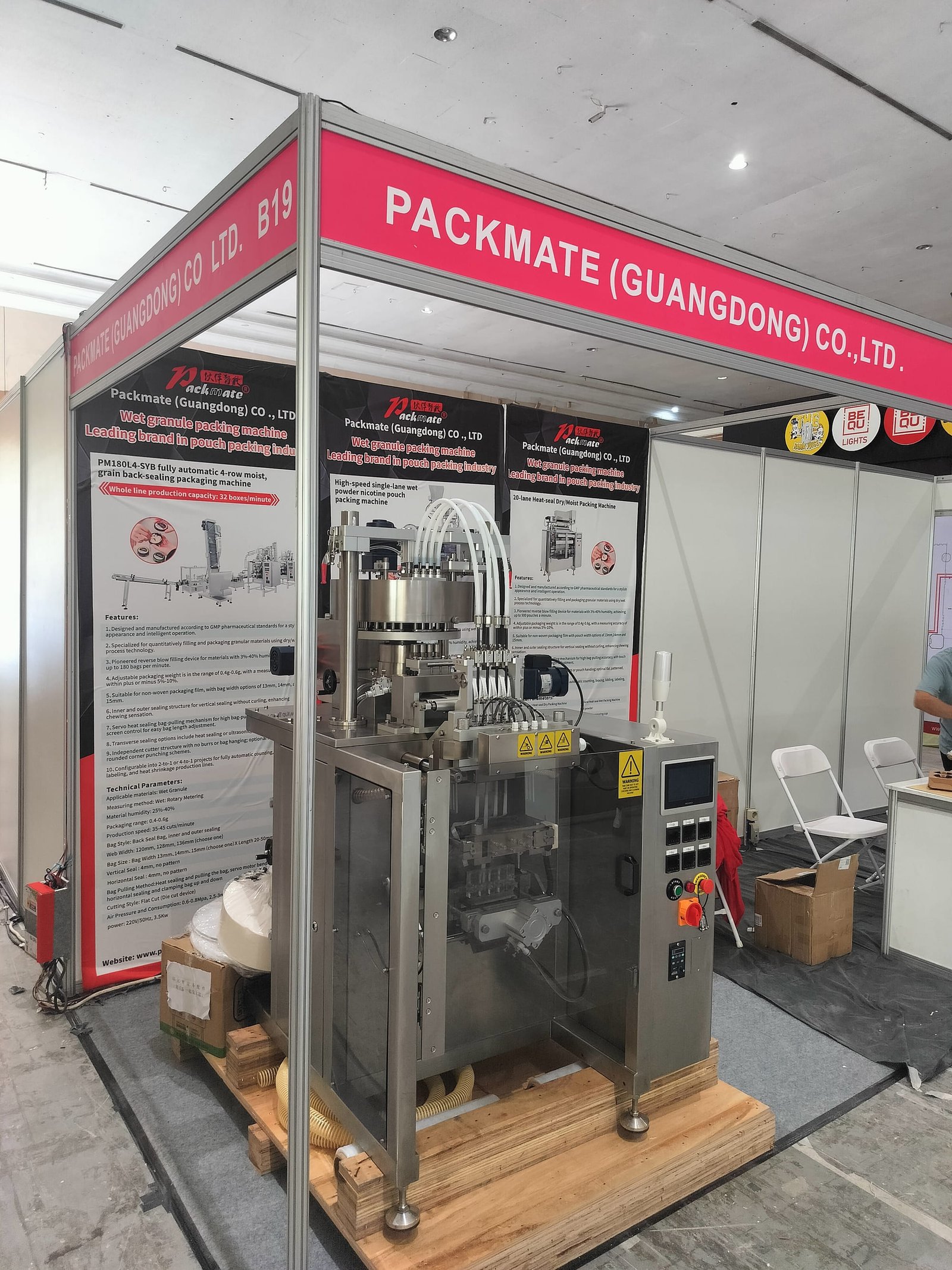
Global Trade Exhibitions & Automation Showcases
Ready to Engineer Your Custom Automatic Cartoning Line?
Collaborate directly with senior packaging machinery engineers at Ludyway to design an optimized primary-to-secondary packaging configuration tailored to your specific carton geometries and output goals.
